“Glass Bridge 900 Kandi” is a useful search, but not the name of a third attraction. It points into a small pocket of private adventure parks beyond Meppadi where both 900 Kandi Eco Park and the neighbouring Skypark advertise a glass walk. This page exists to separate those operators before a photograph, price or phone number from one is accidentally attached to the other.
The story of Glass Bridge 900 Kandi
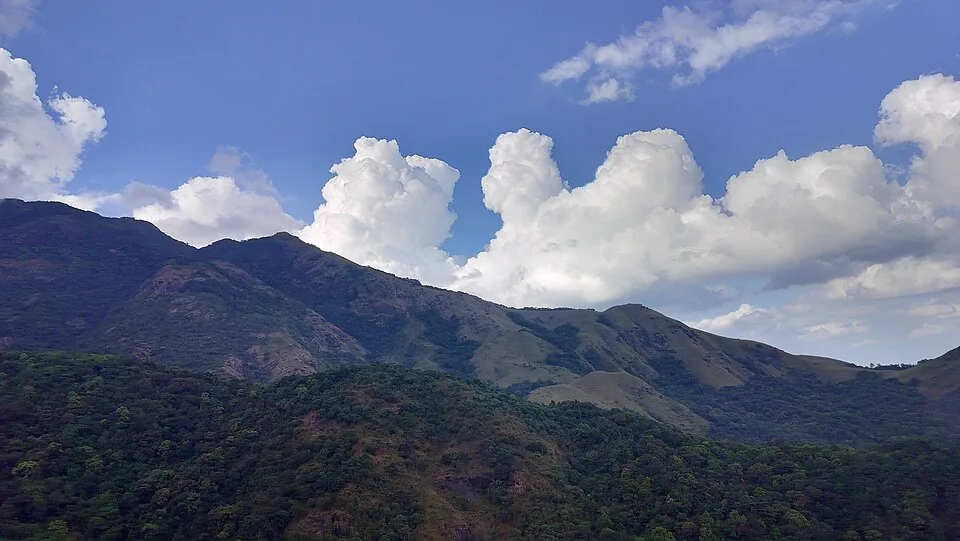
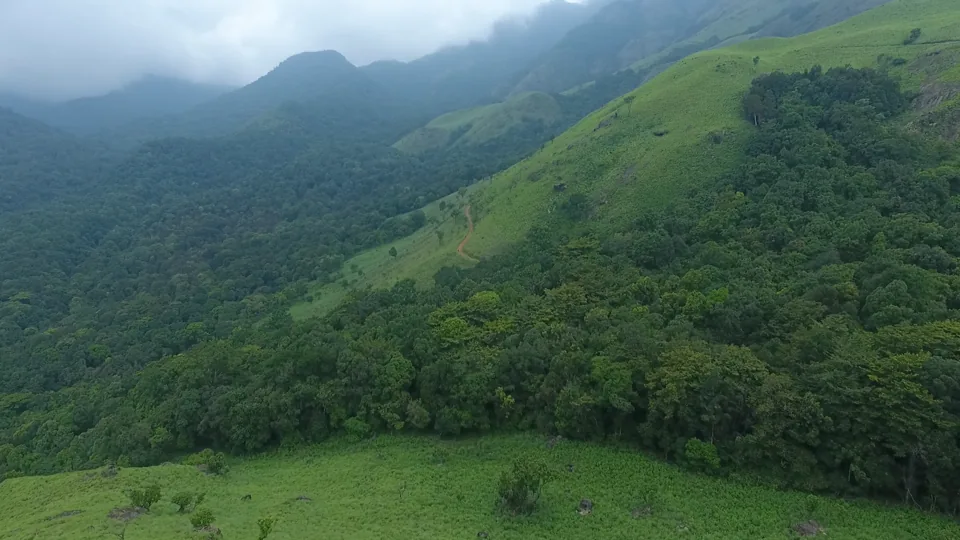
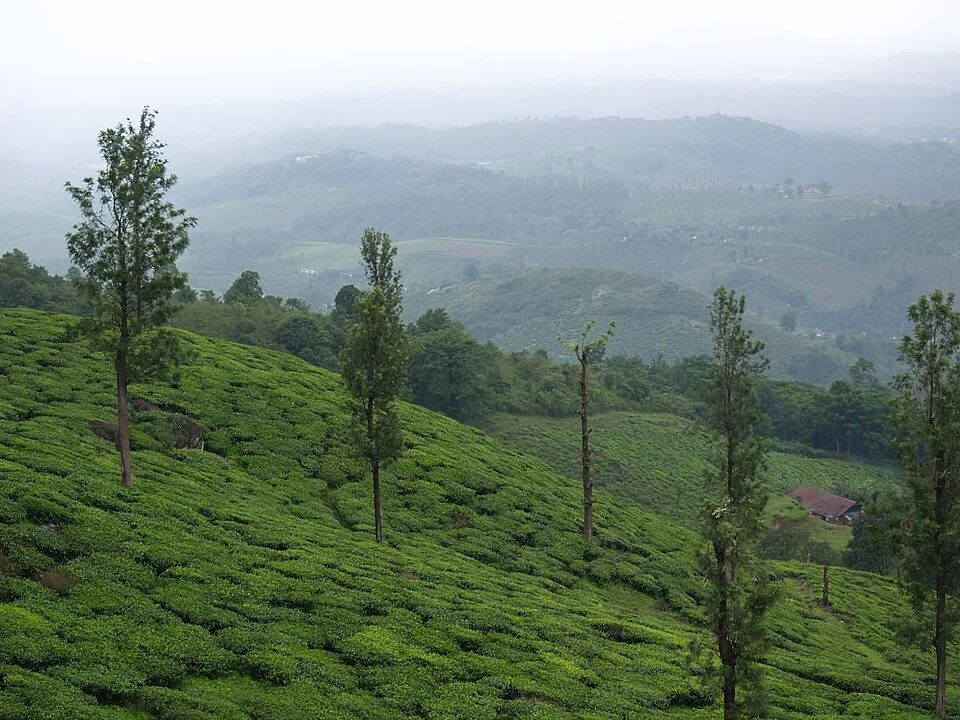
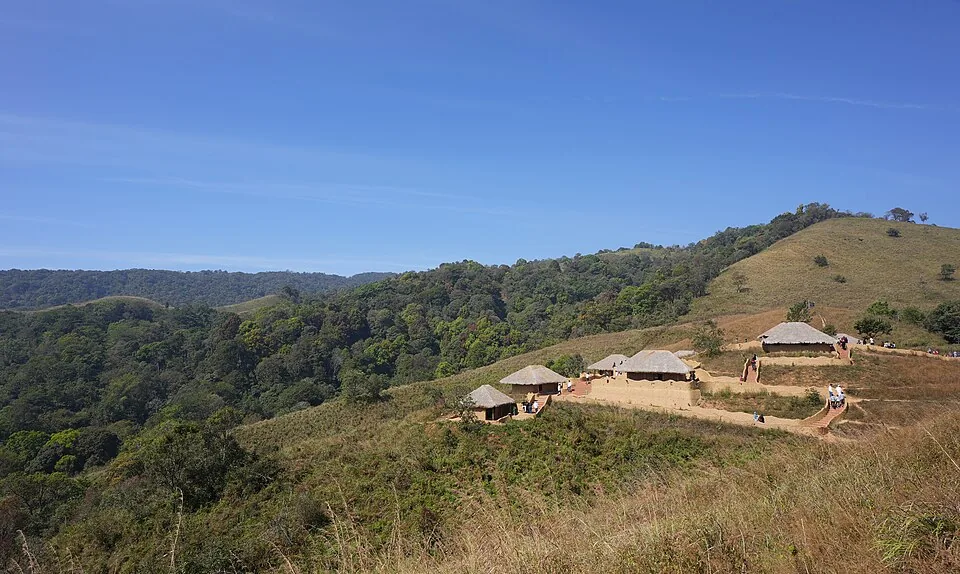
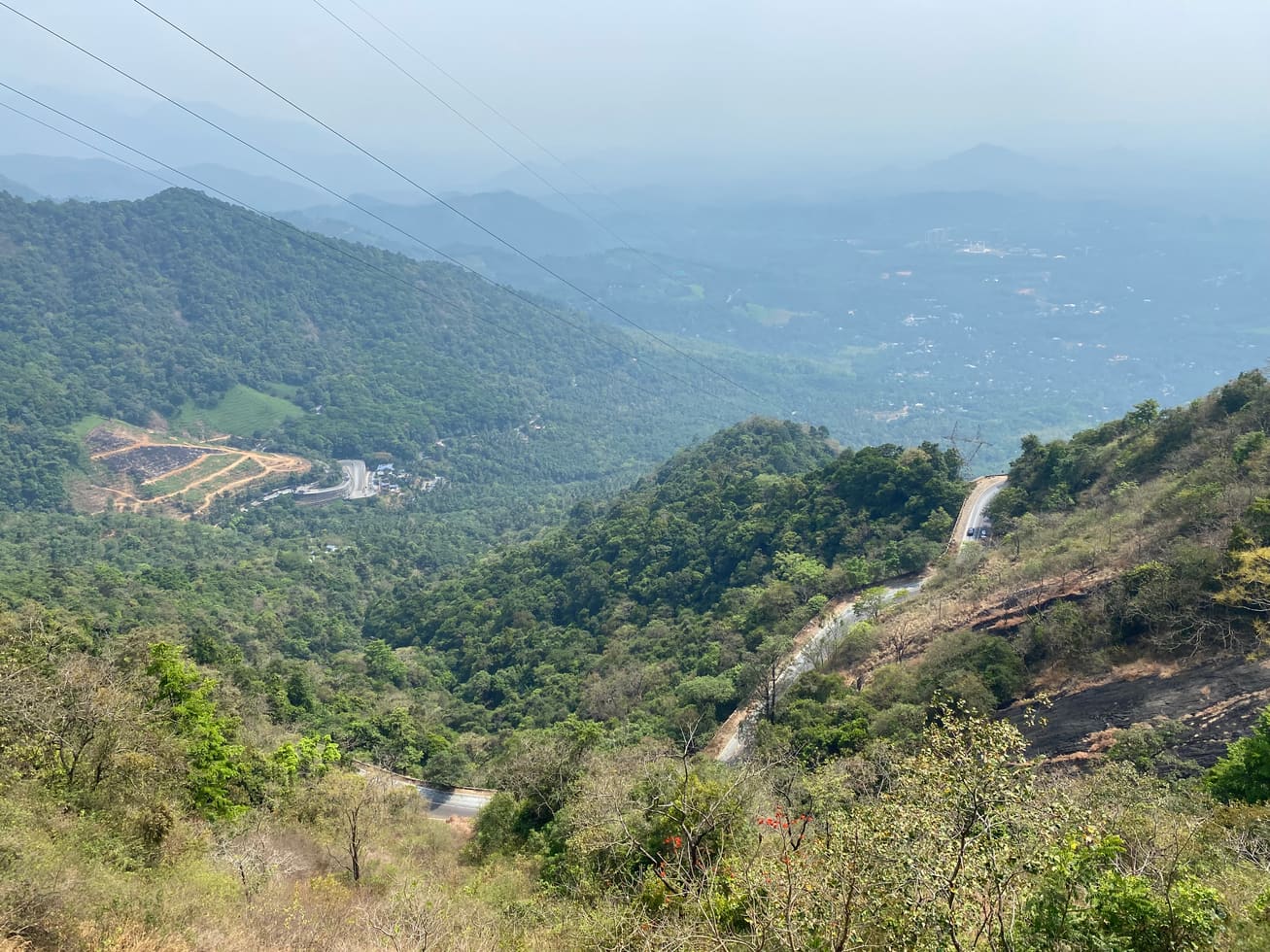
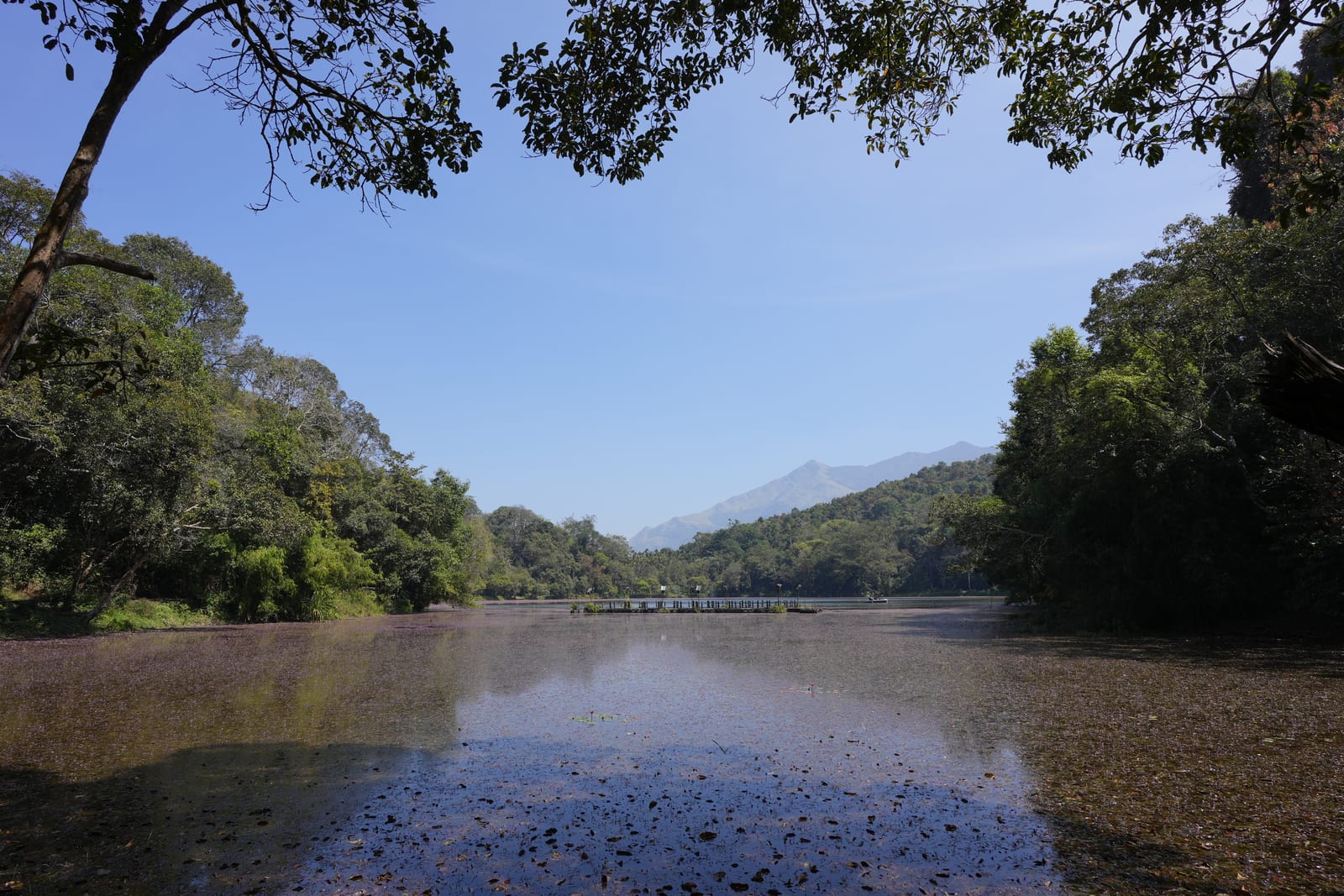
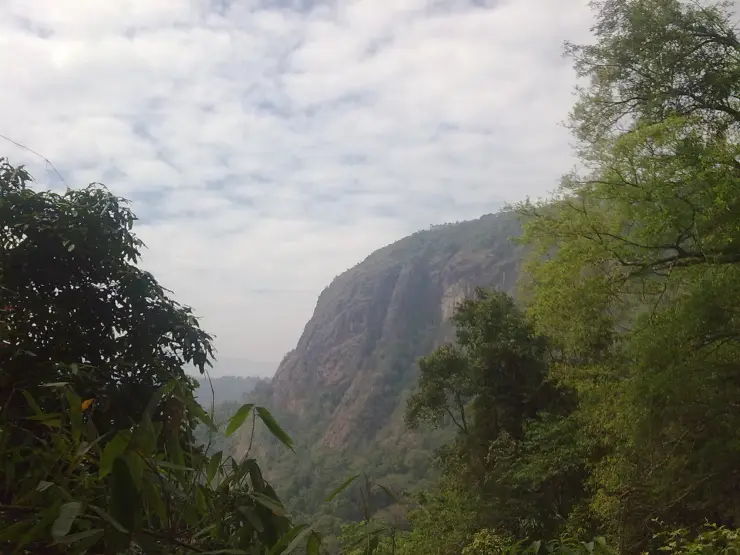
Begin with the identity, because the landscape makes it unusually easy to lose. Thollayiram Kandi, usually written 900 Kandi, is an area name in the wooded plantation country beyond Meppadi. Kerala Tourism promotes the wider place for misty hills, trekking, off-road travel and a glass skywalk. It does not turn the words “Glass Bridge 900 Kandi” into a single official institution, and neither does the map. The phrase describes an experience people seek inside the area.
The first named business is 900 Kandi Eco Park. Its own website leads with what it calls Kerala’s longest hanging glass bridge and places that structure among boating, a children’s park, a trampoline, archery, rifle shooting, a cave, a viewpoint and a separate rope skywalk. Kerala Tourism’s accredited-adventure-operator directory lists Thollayiram Kandi Eco Park at Puthumala post, Meppadi, for tent camping, trekking and ziplining. Those two sources establish an operator, not a public bridge standing independently in forest.
The second is Skypark. DTPC Wayanad gives it its own destination page, its own contacts and its own visitor information. The district page describes an eco-friendly adventure park with a glass-bridge walk, ziplining, tree-top trails, light trekking and off-road jeep rides. Its official route marker is close to, but not the same as, the marker embedded by 900 Kandi Eco Park. Proximity explains why captions and listings blur them; it does not make the businesses interchangeable.
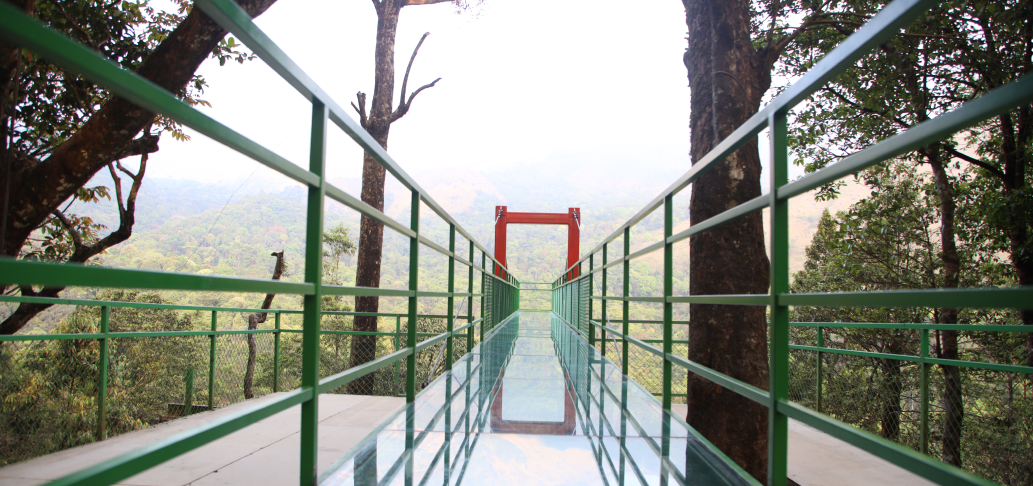
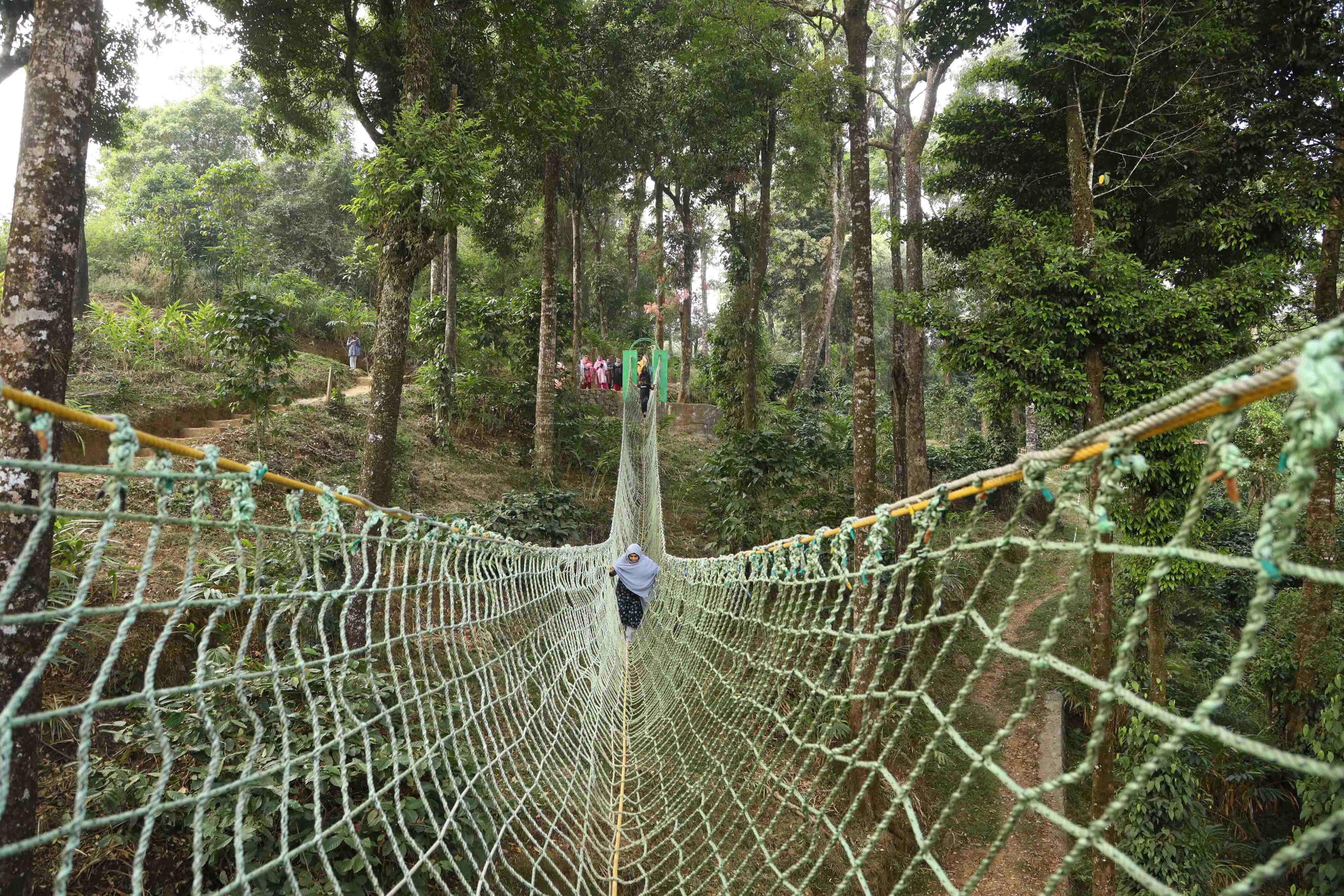
There is another trap inside the words. Eco Park shows both a rigid transparent deck and a rope-net skywalk. They are visibly different activities. The glass bridge has a level clear floor held in a green metal frame, projecting between mature trees towards a wooded valley. The skywalk is a flexible net-sided rope crossing slung above plantation ground. Calling either one simply “the bridge” can leave a visitor expecting the wrong queue, physical sensation or photograph.
That distinction matters before travel because each operator owns its own admission, activity menu, opening decisions, equipment and safety briefing. A rate published by DTPC for Skypark cannot be presented as Eco Park’s tariff. A ticket sold on Eco Park’s own booking page cannot be assumed to admit someone to Skypark. Even their public contact numbers differ. The honest plan is to choose the named operator first and then verify that operator’s current bridge availability directly.
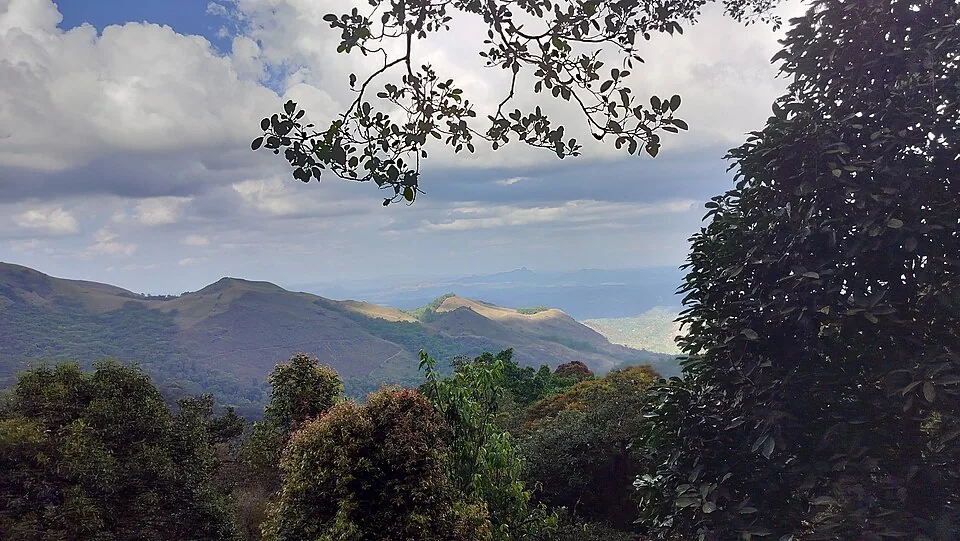
Once that housekeeping is done, the appeal is straightforward. The transparent deck uses the drop and the open valley as part of the experience: the floor removes the familiar visual boundary beneath a walker while the rails draw the eye towards ridges beyond the trees. The structure is short enough to be an attraction rather than a journey, but the moment of stepping from opaque ground onto a clear panel changes how the hillside is felt.
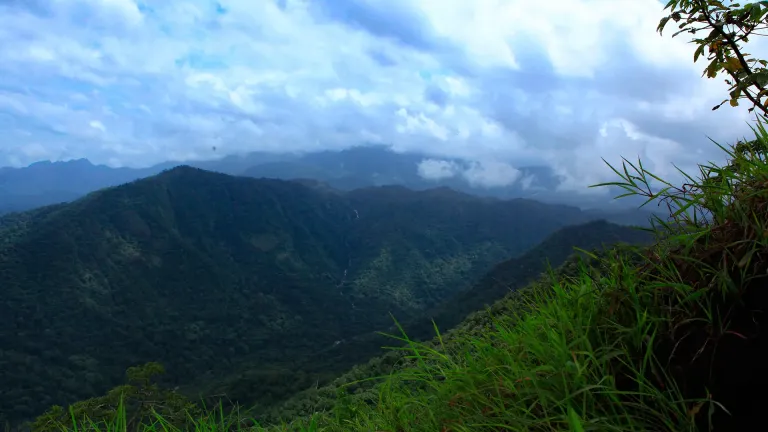
Weather can erase the very view the bridge is built to frame. Cloud and rain are not exceptional interruptions in this Western Ghats landscape; they are part of it. Mist may turn a long panorama into a close study of trees and handrails, while wet access roads or an operator’s safety decision may affect what runs. A promotional photograph records one visit, not a promise about visibility or operation on yours.
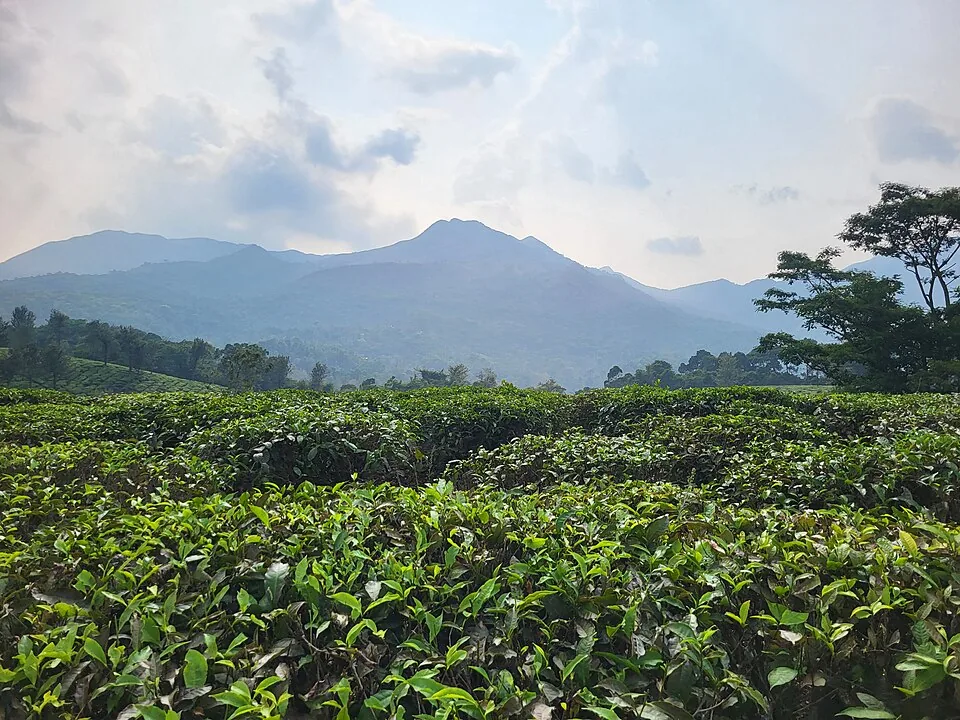
Treat the excursion as a private-park visit within a larger working and inhabited landscape, not as permission to roam the surrounding forest. The roads pass estates and settlements, and the wider Meppadi side has endured repeated weather closures and the catastrophic 2024 landslide. Follow the operator’s current approach instructions, keep away from disaster-affected communities, and let a same-day operational answer outrank an old itinerary.
The best version of this page therefore does less pretending and more sorting. It tells a traveller that two real businesses stand behind one loose search phrase; it names the glass deck and rope skywalk correctly; and it sends every changing question back to the operator that owns the answer. That clarity is not a technical footnote. It is the difference between arriving at the experience pictured and merely arriving somewhere in 900 Kandi.
Start the comparison with the experience, not the superlative. Eco Park presents a transparent deck alongside its own rope skywalk and family activities. Skypark publishes a separate list that includes its glass walk and priced adventure add-ons. Words such as longest, highest or first are promotional claims unless a current independent standard defines the measurement. They are much less useful than knowing which counter owns the pictured structure and which activities the admission actually covers.
The map on this comparison page uses Eco Park’s exact operator marker as one documented reference. It does not mark a shared gate, a midpoint between businesses or an invented coordinate for a third attraction. Travellers choosing Skypark should switch to Skypark’s own directions and contact. This is especially important on the final narrow roads, where two points that look close on a regional map may require different turns and may not be safely walkable between.
A weather check belongs after the operator choice. Ask the selected park whether its glass activity is running, what the current ticket includes and when the final entry is accepted. Rain may affect the road, visibility or a safety decision without closing every ground-level element. A clear answer from one park cannot be transferred to the other, just as one park’s online ticket cannot reserve a place on its neighbour’s bridge.