What to expect
Highlights
- Wetland birding on the Vembanad shore.
- Natural pairing with Kumarakom resorts, houseboats, canoe routes and lake viewpoints.
- Expect to be booking birding guides, lake stays, drivers and breakfast/boat combinations.
Kumarakom Bird Sanctuary is the birding and wetland anchor of the Kumarakom side of Vembanad Lake. It is a compact nature stop, but it adds strong value to a backwater itinerary because it gives travellers a slower morning activity before or after lake cruises.
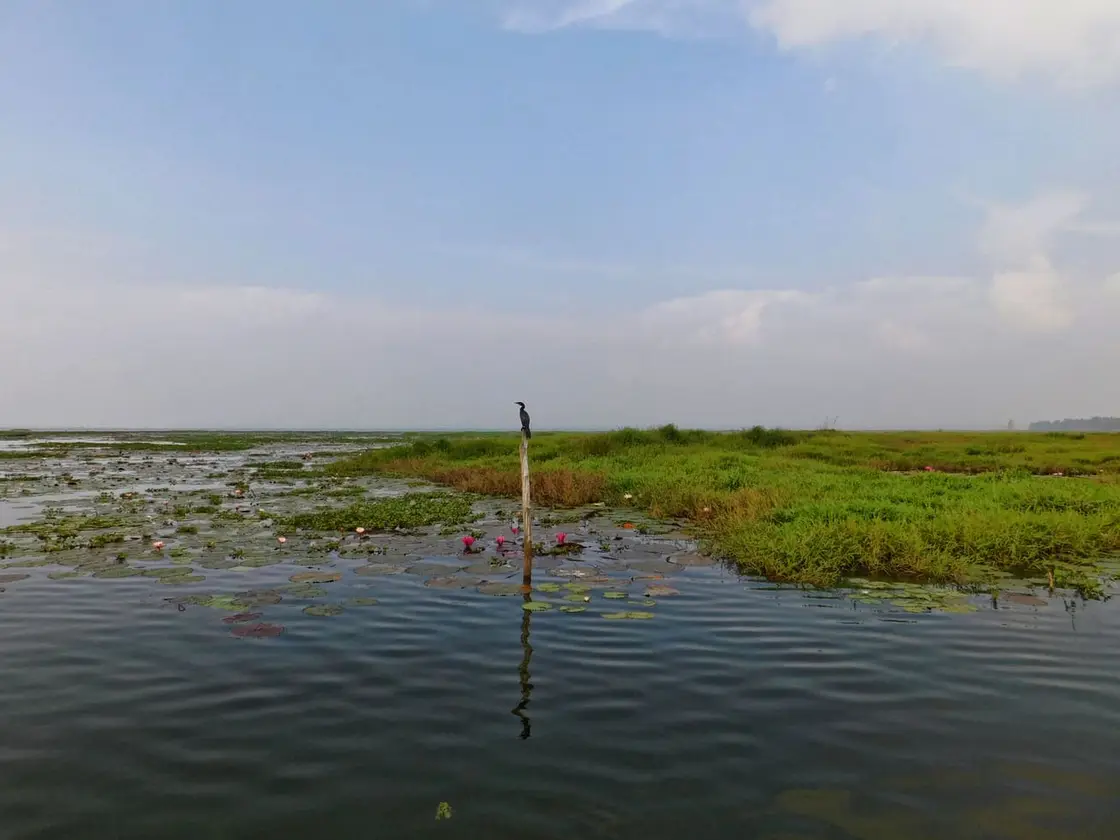
Plan it as an early, quiet visit rather than a checklist of species. Bird activity changes with the season, the water level and the hour, so ask a guide what is realistic on the morning you will be there.
On the eastern shore of the vast Vembanad Lake, a compact ribbon of mangrove, paddy‑bund and rubber‑estate greenery erupts each dawn into a riot of wingbeats and calls. The Kumarakom Bird Sanctuary — often listed as the Vembanad Bird Sanctuary — is a modest patch of roughly 14 acres that punches far above its size, drawing egrets, herons, darters, teals and, in the cold months, travellers on the wing from the Himalayas and Siberia. It is a place best entered on foot in the half‑light, binoculars up and voices down.
The sanctuary is deceptively small — most first‑time visitors expect a sprawling forest reserve and instead find an intimate garden of trees threaded by a single walking trail. That compactness is the point. Within a short loop you pass from planted mangrove and marshy fringe to the open water of Vembanad Lake, and the birds concentrate accordingly. On a good winter morning the branches over your head can be white with roosting egrets, while cormorants dry their wings on the mudflats below.
Come at first light and the sanctuary rewards you. In the cool early hours the birds are active and unhurried, feeding along the shallows and calling across the canopy before the heat of the day sends them into shade. By late morning much of the activity subsides, which is why seasoned birdwatchers treat the dawn window as non‑negotiable and why the walk is far quieter, and richer, than an afternoon stroll would suggest.
The soundscape does as much as the sightings. Long before you separate a darter from a cormorant against the glare, you hear the koel, the harsh croak of a heron lifting off, and the whistling of teals out on the water. Guides who have walked the trail for years read the calls like a map, steering you toward a roosting owl tucked into foliage or a Brahminy kite wheeling over the lake, its chestnut and white unmistakable against the sky.
Water is the sanctuary’s organising principle. Set on the shores of Vembanad — Kerala’s largest lake and the heart of the celebrated backwaters — the reserve sits where fresh river water meets the brackish estuary, a mingling that feeds fish, frogs and insects and, through them, the birds. The paddy fields, canals and mangrove roots around Kumarakom form a wider wetland mosaic, so the sanctuary is really the visible core of a much larger living system.
Many visitors pair the land trail with the water. A slow country‑boat or houseboat glide along the lake edge offers a second vantage, letting you drift past reed beds and half‑submerged branches where the birds perch at eye level rather than overhead. Seen from the water at sunrise, with mist lifting off Vembanad and the estate palms in silhouette, Kumarakom explains in a single frame why the backwaters are called a birdwatcher’s paradise.
For all its fame, the sanctuary asks little of you but patience and quiet. There are no grand gates or crowds of jeeps here — just a gravelled path, dripping foliage, and the discipline of moving slowly and looking hard. That restraint is exactly what makes it work: linger long enough at dawn and the ordinary‑seeming trees resolve, one careful glance at a time, into a densely inhabited world.
The sanctuary’s story begins not with conservation but with cultivation. It is widely traced to the mid‑nineteenth century — sources cite the year 1847 — when an Englishman of the Baker family, remembered in different accounts as George Alfred Baker (elsewhere as Alfred George Baker), set about reclaiming and developing the low wetlands near Vembanad Lake into workable estate land. The tract became known simply as Baker’s Estate, a name still attached to the sanctuary today.
Crucially, the Baker development left part of the land to nature. Accounts describe mangroves being planted along a stretch of the estate and that portion then being left largely undisturbed. Sheltered and food‑rich, the mangrove fringe was quickly adopted by resident waterbirds and, season after season, by migratory flocks — and so a farmed estate slowly became a wild roost, the germ of the sanctuary that exists now.
The estate later passed into public and institutional hands, and the protected core was formalised as a bird sanctuary spread over roughly 14 acres (about 5.7 hectares) on the lakeshore. Today it is managed within Kerala’s tourism and forest framework — commonly associated with the Kerala Tourism Development Corporation — and it carries a reputation, cited by several sources, as one of the earliest scientifically maintained bird sanctuaries in the country.
Its ecology is inseparable from Vembanad itself. The lake is Kerala’s largest and a Ramsar‑listed wetland of international importance, fed by several rivers where fresh water meets the brackish backwater. This mixing zone sustains fish and aquatic life that in turn support dense birdlife, making the little sanctuary a window onto the health of a far larger and ecologically significant wetland system.
The sanctuary has also been a stage for wetland awareness. It has hosted birdwatching and conservation events — including a programme organised around World Wetlands Day — reflecting a shift in how the site is valued: no longer estate land to be drained and planted, but a wetland habitat to be watched, counted and protected.
It is one of Kerala’s signature birdwatching destinations, with sources citing on the order of 180 species — resident waterbirds year‑round and dozens of migratory species in winter — packed into a short, walkable loop.
The dawn experience is genuinely special: arrive early and you can watch egrets, herons, darters and cormorants feed and roost in the cool morning light, an atmosphere no afternoon visit can match.
The setting on the shore of Vembanad Lake means you can combine a land trail with a country‑boat or houseboat cruise, seeing the birds both from the mangrove path and from the water.
In the migratory months, birds arriving from the Himalayas and as far as Siberia — teals, flycatchers and others — join the residents, giving keen birders a real chance at species they would not see at home.
It is compact, accessible and unintimidating: a quiet, foot‑paced reserve rather than a vast jeep‑safari park, ideal for families, casual nature lovers and serious birders alike.
As the visible heart of the wider Kumarakom backwater wetland, it pairs naturally with the region’s houseboats, resorts and village life, making it an easy and rewarding half‑day within a larger backwaters trip.
Boats to Pathiramanal Island leave from this shore, and it is a natural pairing — but the island itself is in Alappuzha district, at Muhamma in Cherthala taluk, and our page for it lives under Kuttanad. Kumarakom is a departure point for it, not its location; operators sell the same route from both shores, so verify the jetty rather than the name.
Road km to Kottayam; ghat roads and traffic vary — allow extra.
November to February is the most comfortable season and a stronger birding window; monsoon is greener but less predictable.
Live forecast loads in your browser.
Sun and moon are calculated for this location and shown in IST. Photography windows are the hour around sunrise and sunset; the sunset bearing is degrees clockwise from true north. Moon phase is accurate to about half a day.
Browse listed stays, food, activities, sights, shops and rentals around Kumarakom Bird Sanctuary. Check each listing’s locality and contact the business directly for current arrangements.
Taj Kumarakom restaurant on the Vembanad side for resort dining and backwater stays. All-day dining restaurant.
Book with the place itself. India’s cyber-crime coordination centre warned in April 2025 that convincing copies of hotel and pilgrimage booking sites are being pushed through sponsored search and social ads, taking payment for rooms the property never hears about. Use the contact and source details on each profile to confirm the exact business and booking channel. A directory entry or map pin alone does not establish an operator’s identity or current availability. Roampedia takes no commission and does not collect booking payments. If a booking page reached you through an ad, check the address bar against the property’s own site before you pay. Fraud can be reported on cybercrime.gov.in or on 1930.
Find food, accommodation and activities across Kumarakom. Browse the guides for places to eat, stay and explore along your route.
3 more places around Kumarakom. Open a guide to plan the visit and onward journey.
3.6 km · straight line
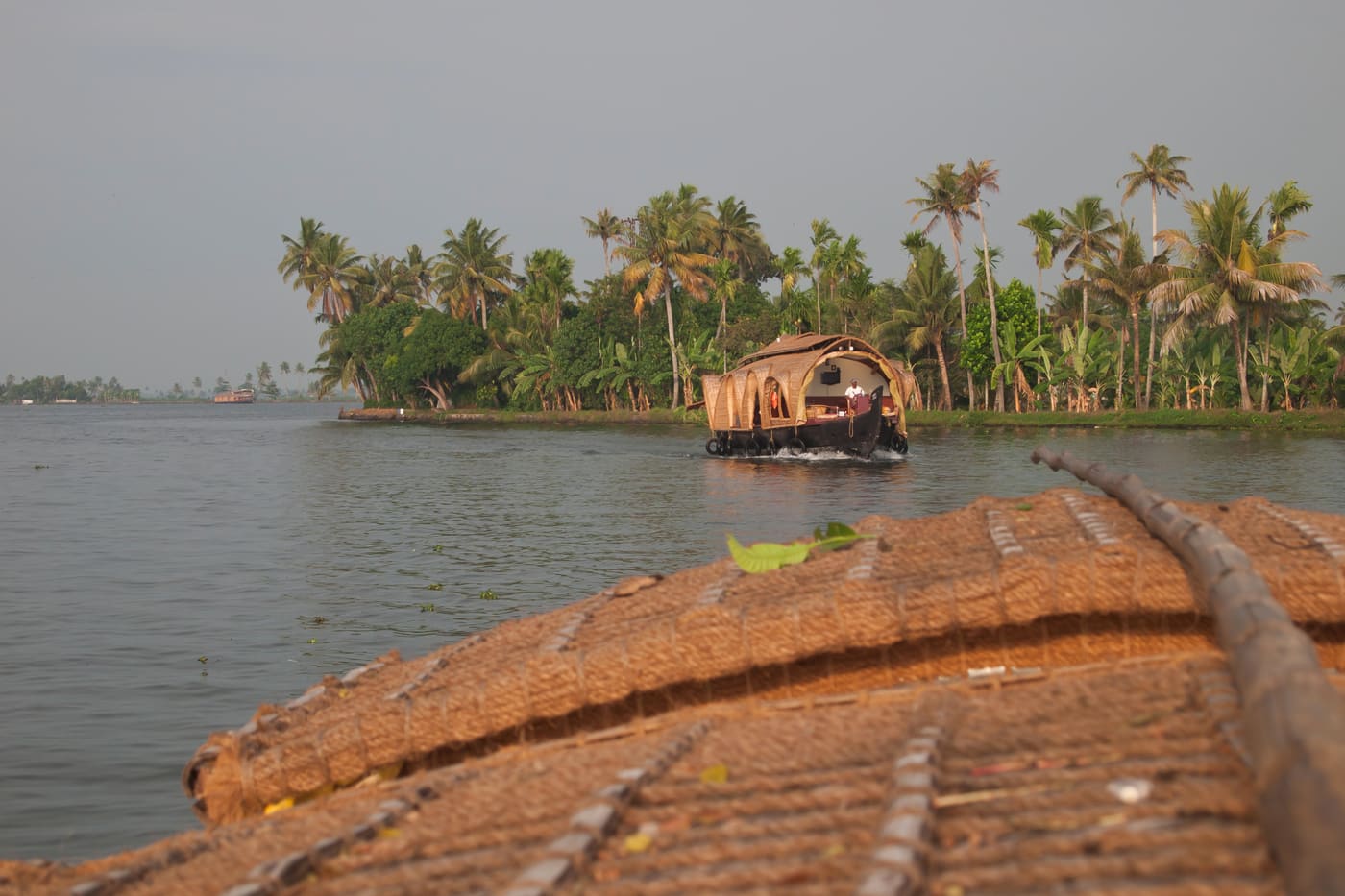
Lakefront village on Vembanad known for bird sanctuary, resorts and houseboat cruises.
3.2 km · straight line
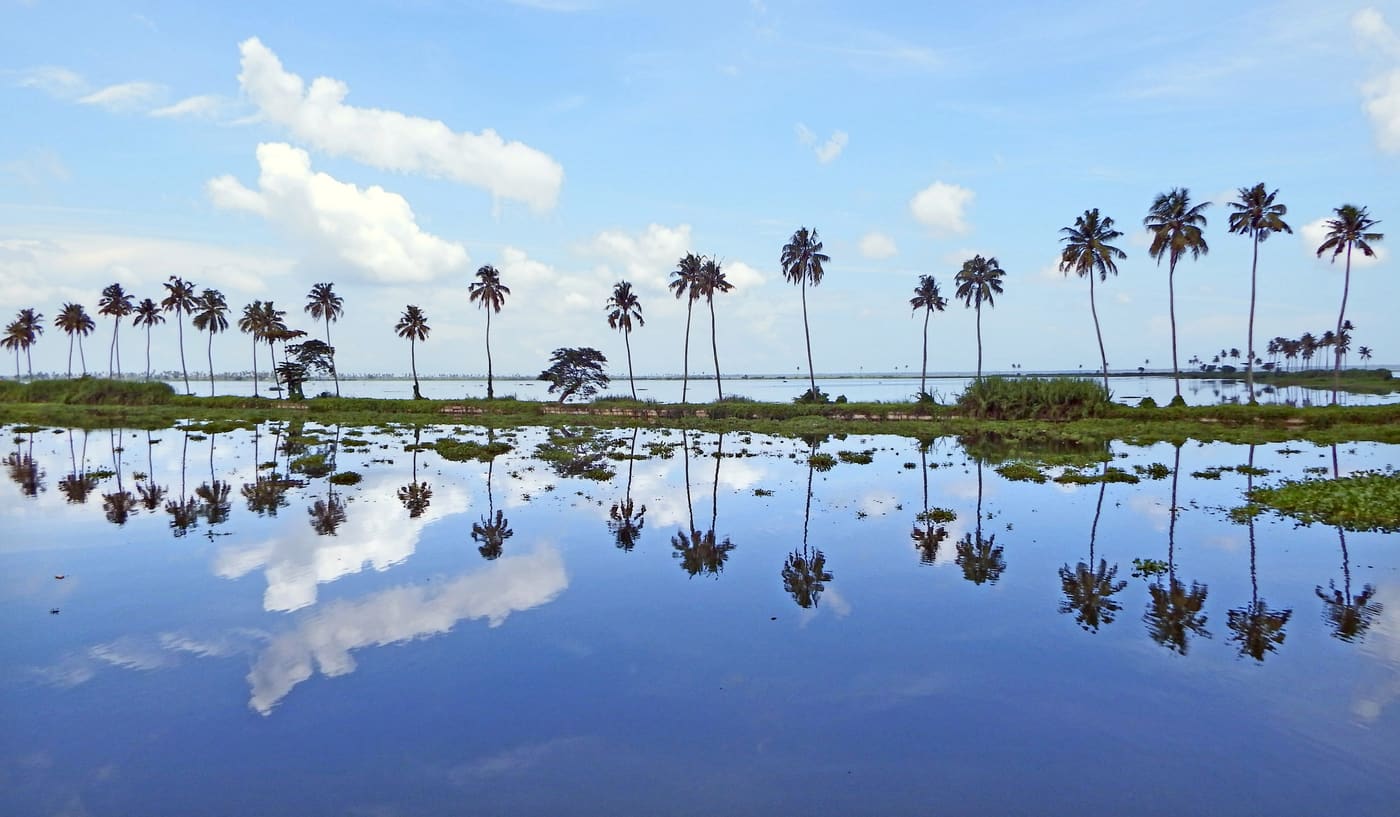
Kerala’s largest lake, shared with Alappuzha and Ernakulam districts.
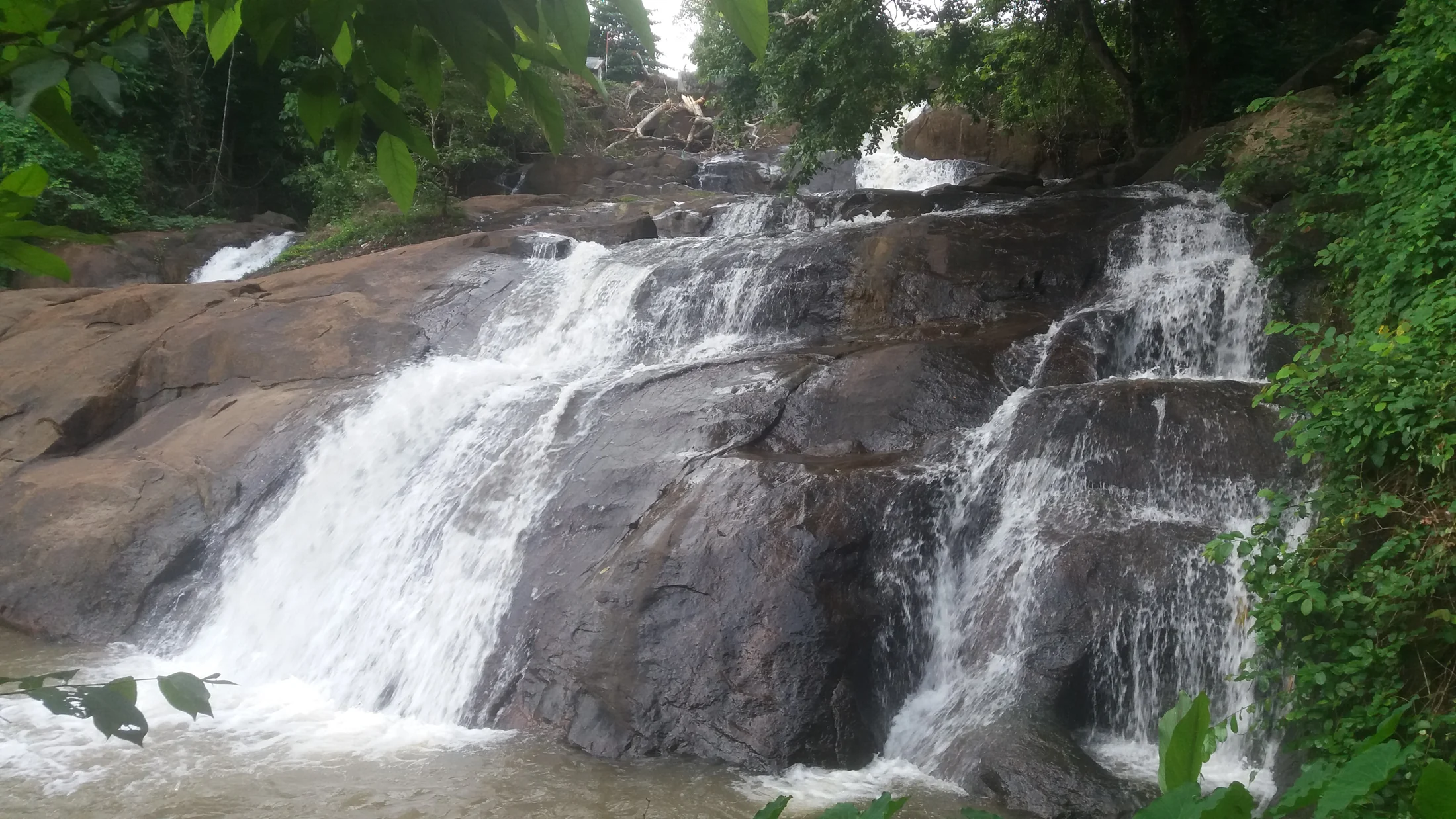
A five-step waterfall in the rubber-growing countryside near Pallickathode, east of Kottayam; this is the Kottayam Aruvikkuzhi, not the similarly named Pathanamthitta falls.
Roampedia is commission-free — own or know a stay, eatery, guide or shop near Kumarakom Bird Sanctuary? Submit public business details for review.
Add a nearby businessEntry: A modest entry ticket applies — sources indicate roughly ₹50–₹100 for Indian visitors (less for children) and a higher rate of around ₹250 for foreign nationals; boat hire and guide charges are separate.
Festivals: The sanctuary has no temple‑style festival calendar, but it has hosted birdwatching and wetland‑awareness events, including programmes around World Wetlands Day (early February); the winter migratory season is the natural highlight for visitors.
Photography: Photography is generally permitted and rewarding, especially at dawn; a telephoto lens helps for distant or canopy birds. Move quietly and avoid flash so as not to disturb roosting flocks.
If you are travelling by bus or ferry, check the return service with the operator before setting out. Leave time to reach the stop or jetty after your visit.
Ask at the bus stand for the time of the last service back, not the next one. If you miss it, an auto or app cab is the fallback — agree the fare before you get in.
If you need step-free access, contact the site before travelling. Ask about a level entrance, steps along the route, the nearest drop-off point, seating and accessible toilets.
Charge cap and free-transaction limits: Reserve Bank of India, ATM FAQ updated 4 July 2025; checked 4 October 2026.
These services are listed within about 1.2 km of Kumarakom Bird Sanctuary. Walking distances follow mapped routes; access and opening hours can change. Other services may be closer but are not included here.
Published emergency and visitor-assistance contacts. For an immediate emergency, call 112. Shared Kerala contact sources checked 4 October 2026; publication does not establish a tested live response.
Kerala’s largest lake, shared with Alappuzha and Ernakulam districts.
3.2 km · straight lineLakefront village on Vembanad known for bird sanctuary, resorts and houseboat cruises.
3.6 km · straight line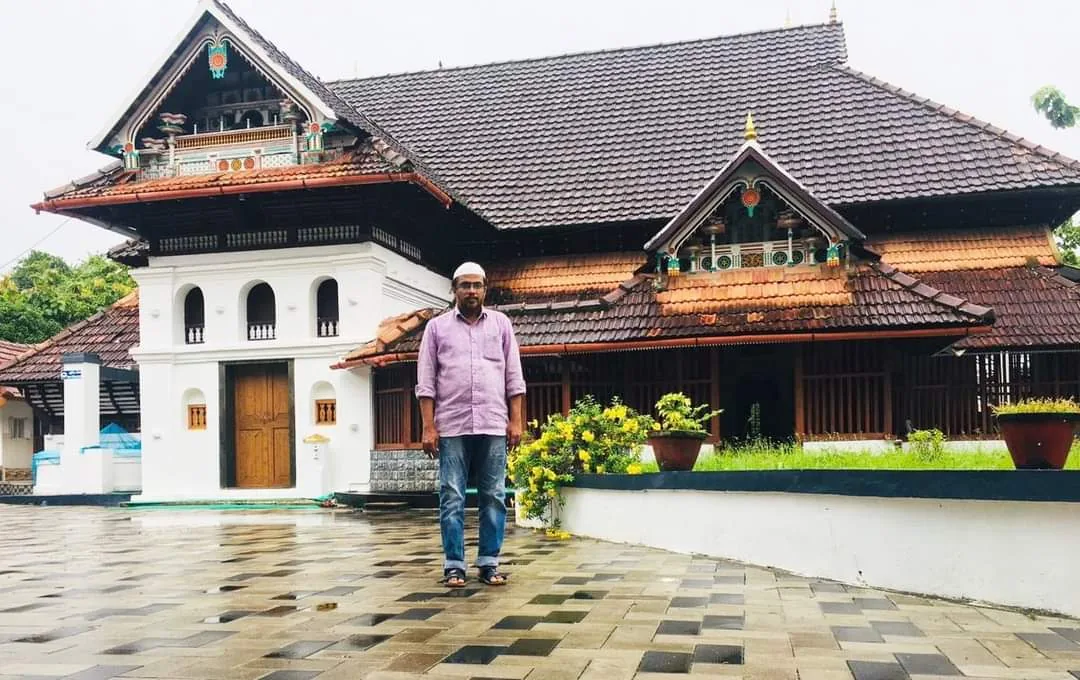
One of Kerala’s oldest mosques, in the heritage riverside quarter of Thazhathangadi on the Meenachil river in Kottayam.
9.0 km · straight line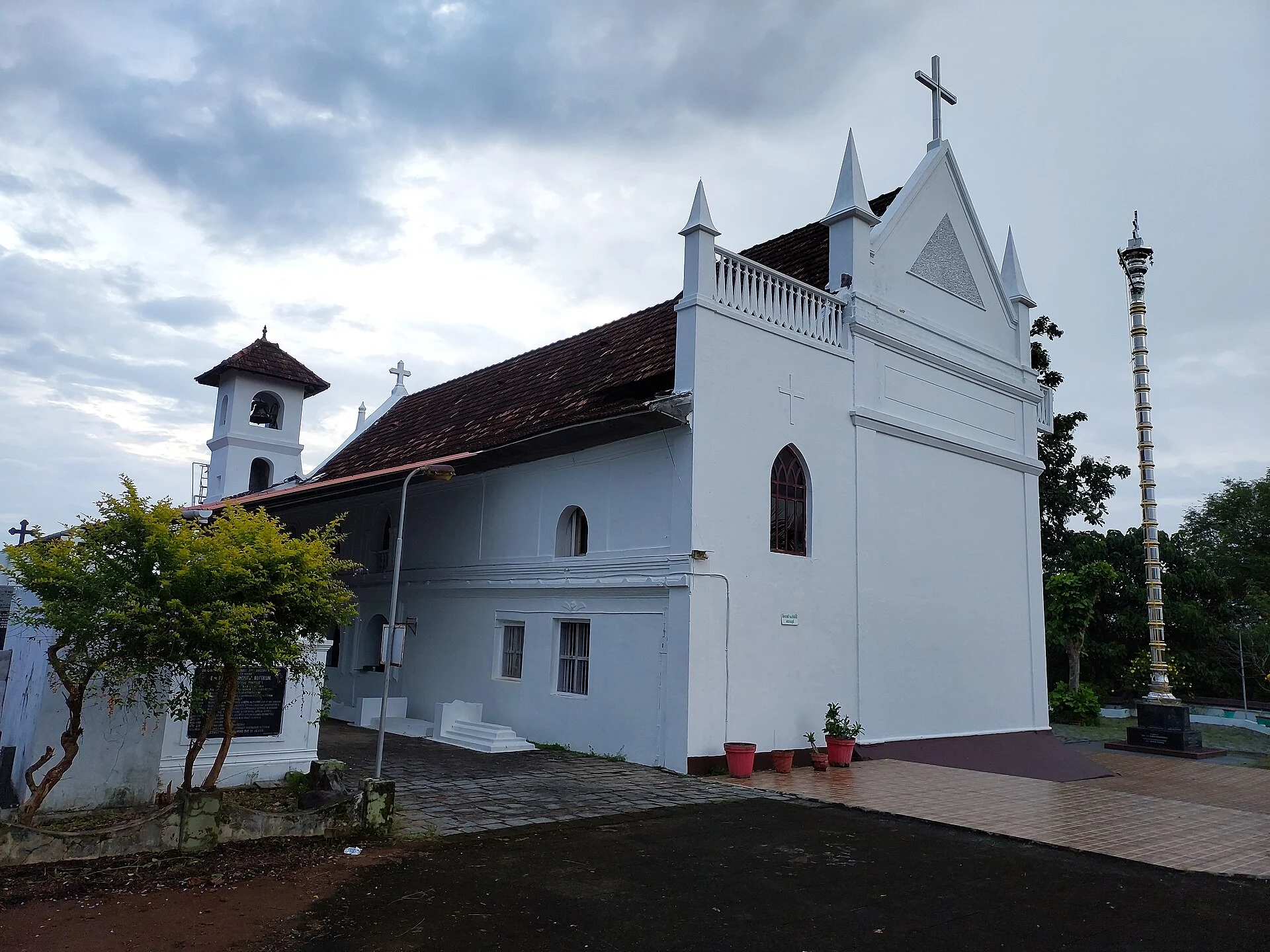
St Mary’s Knanaya Valiyapally at Thazhathangadi, built in 1550 — home to two ancient granite Persian (Nasrani) crosses, each carved from a single slab and bearing Pahlavi (and, on one, Syriac) inscriptions, brought from an older church at Kodungallur.
9.4 km · straight line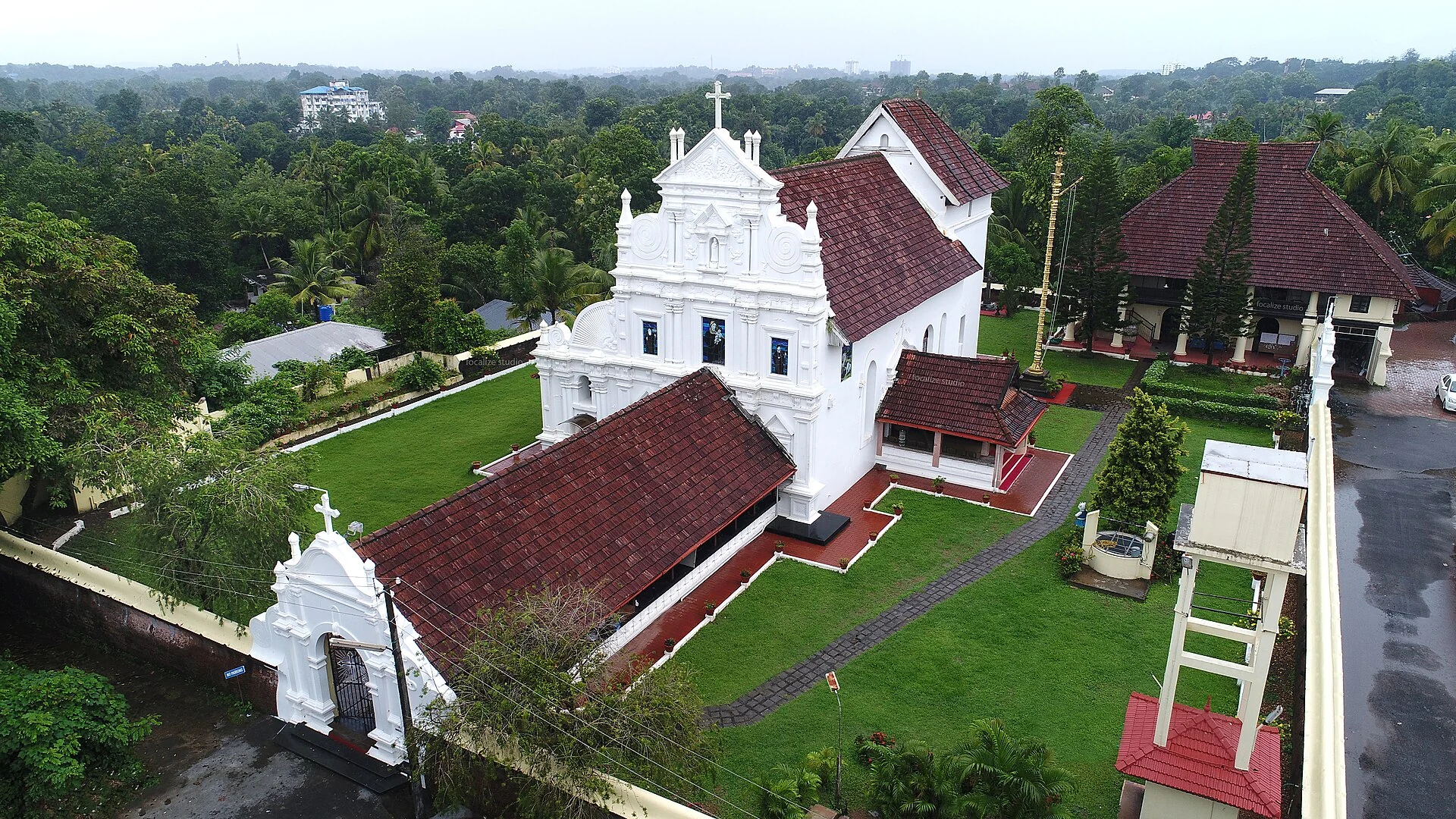
St Mary’s Orthodox “small church” (1579) in Kottayam, known for its Portuguese-influenced architecture and vivid interior murals.
9.5 km · straight line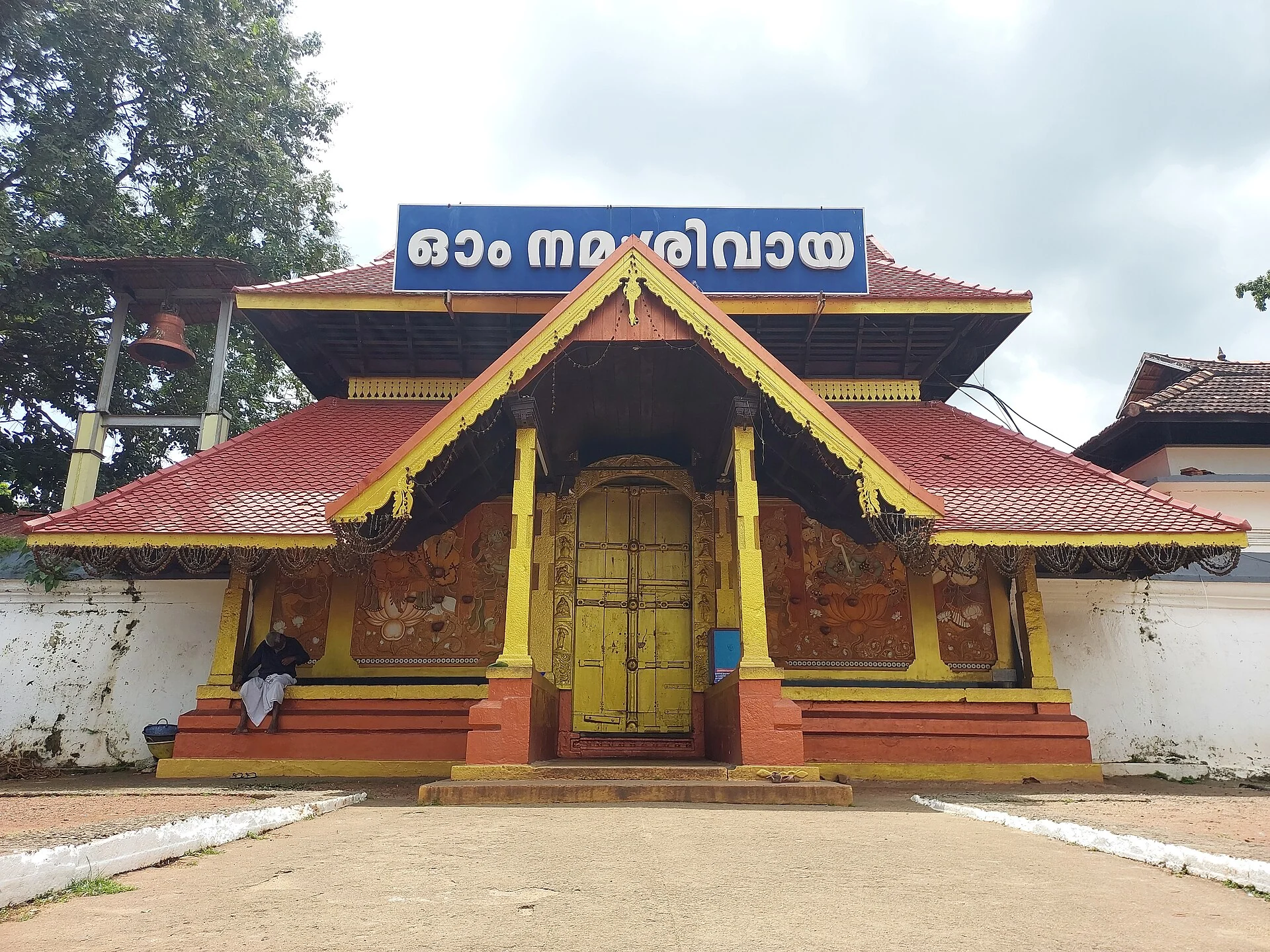
The centuries-old Shiva temple at the heart of Kottayam town, with a koothambalam and the annual Thirunakkara Arattu festival.
10.7 km · straight lineAn inhabited wetland and paddy island near Kaduthuruthy, suited to slow village observation and birding with private homes and working fields left undisturbed.
13.7 km · straight line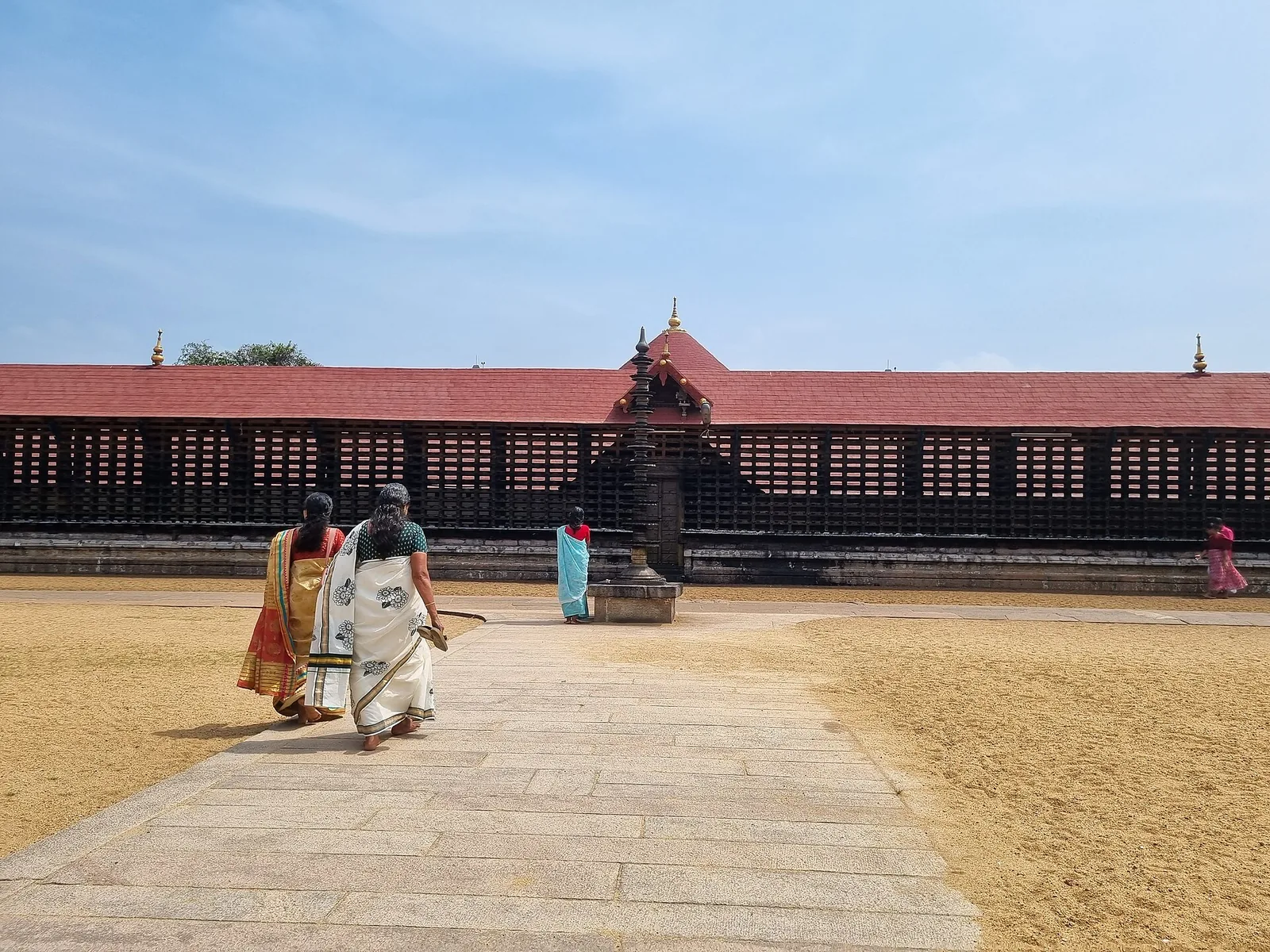
A great Shiva temple in north Kottayam, one of Kerala’s most important, and the site of the historic 1924 Vaikom Satyagraha.
14.1 km · straight line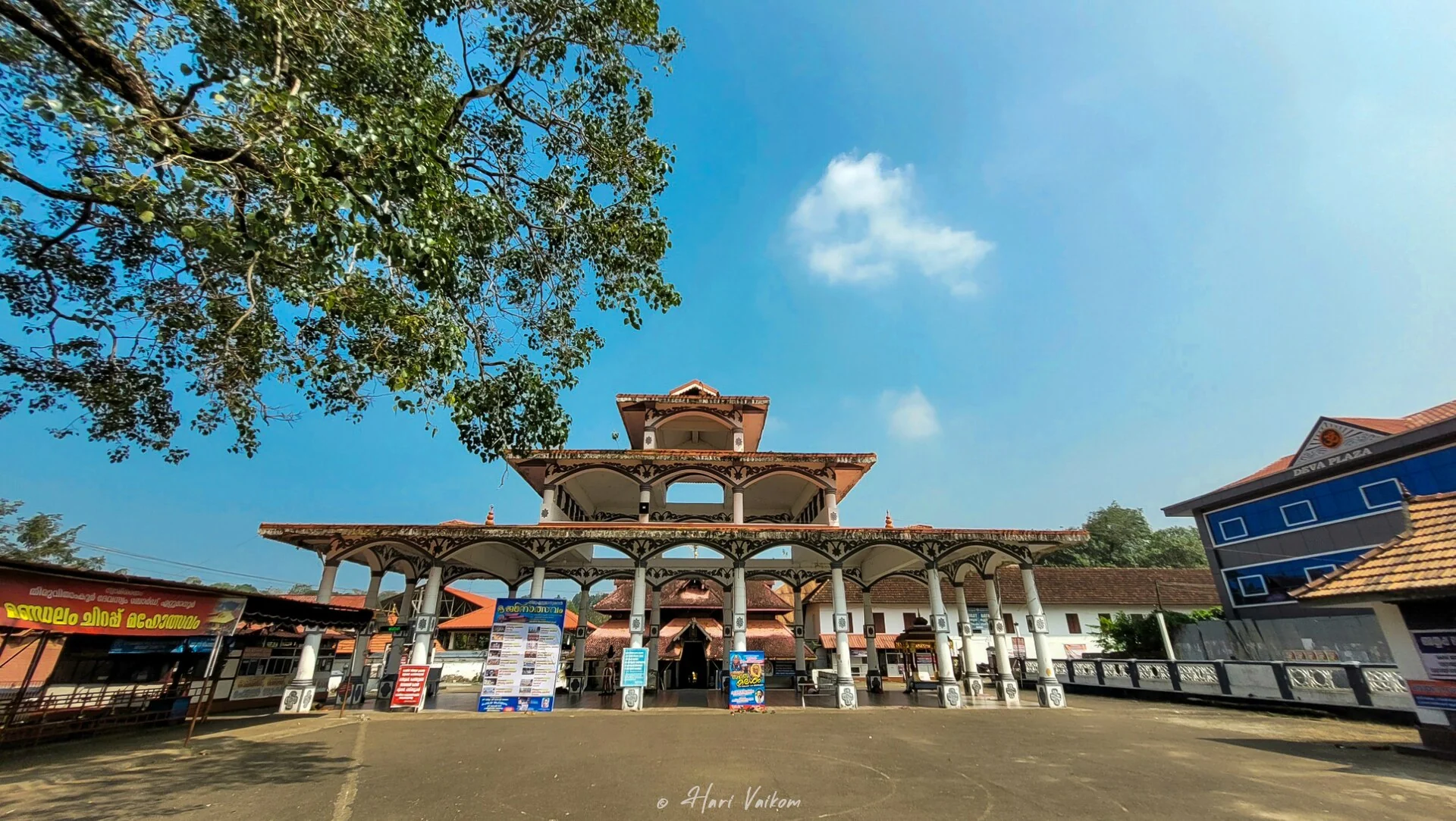
A famous Shiva temple with a golden flagstaff and celebrated 16th-century murals, including the Nadanta-dancing Shiva.
15.4 km · straight line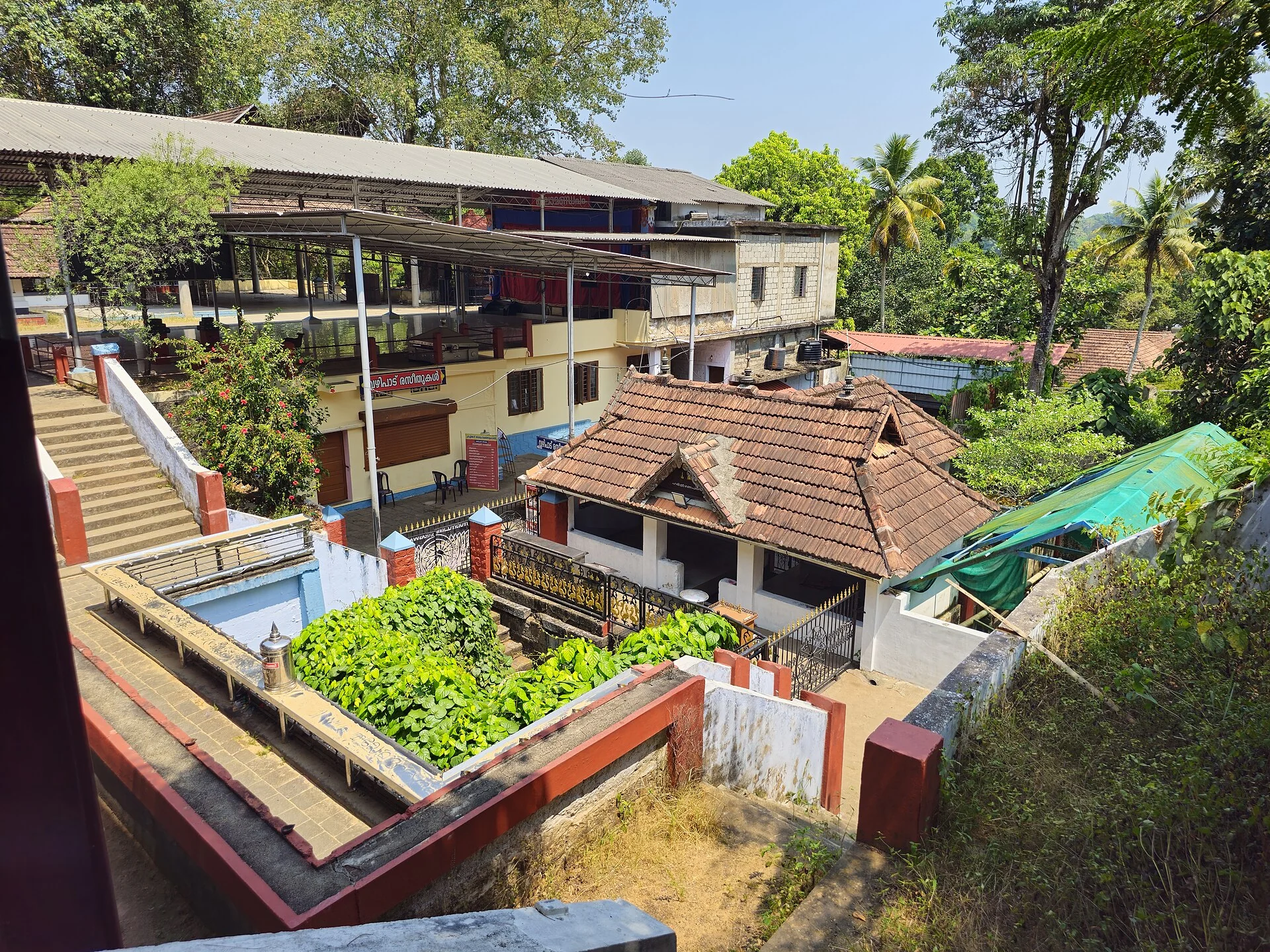
The Panachikkadu Dakshina Mookambika Saraswathi temple, about 11 km south of Kottayam — the “Mookambika of the South”, famous for daily Vidyarambham (the child’s first lesson), a creeper that grows around the goddess and a sacred pond that never dries.
16.9 km · straight line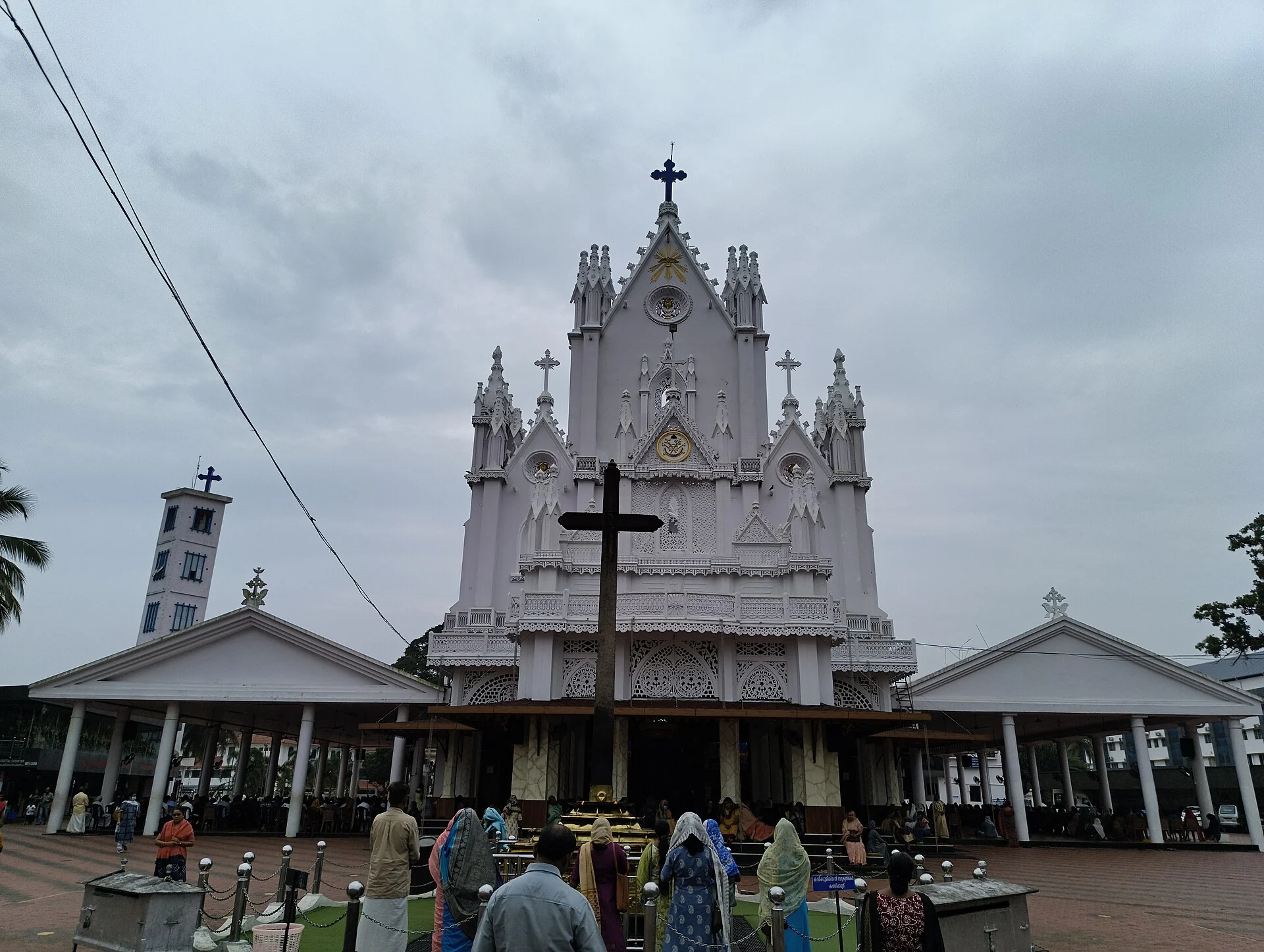
St Mary’s Jacobite Syrian Cathedral at Manarcad, about 8 km from Kottayam town — famed for the eight-day Ettu Nombu lent (1–8 September) and the Manarcad Rasa procession on the sixth day, one of the largest ceremonial processions in Asia.
17.4 km · straight lineA small cave feature on the Vennimala heritage hill, to be combined with a careful reading of the hill and temple landscape rather than promoted as a large show cave.
20.2 km · straight lineNearby toilets, pharmacies, ATMs, seating and vets are community-mapped and may be incomplete or out of date. Map data © OpenStreetMap contributors | Walking times © openrouteservice.org by HeiGIT
It is a small backwater bird sanctuary — often called the Vembanad Bird Sanctuary — on the shore of Vembanad Lake in Kottayam district. It occupies roughly 14 acres (about 5.7 hectares) of former estate land threaded by a walking trail through mangrove and lakeside greenery.
Resident birds include egrets, herons, cormorants, darters, waterfowl, moorhens, koels, owls and the Brahminy kite. In winter, migratory species such as teals, flycatchers, gulls and terns arrive — some from the Himalayas and a few from as far as Siberia. Sources cite on the order of 180 species in all, though counts vary by season and source.
For migratory birds, the winter window of roughly November to February is best; the monsoon and post‑monsoon months are good for resident and breeding birds. On any day, go at dawn — the birds are far more active in the cool early hours than in the afternoon heat.
Most visitors spend about two to three hours on the trail, ideally starting at or before sunrise. Add extra time if you also take a country‑boat or houseboat cruise along the lake edge.
No. Kumarakom is a wider backwater village and resort destination on Vembanad Lake with its own attractions; the bird sanctuary is one specific protected patch within it — the former Baker’s Estate — focused on birdwatching.
A local guide is not compulsory but is highly recommended, as experienced guides can identify calls and locate roosting or camouflaged birds you would otherwise miss. Bringing your own binoculars greatly improves the experience, and mosquito repellent is wise for the early‑morning marsh air.
November to February is the most comfortable season and a stronger birding window; monsoon is greener but less predictable.
Entry: A modest entry ticket applies — sources indicate roughly ₹50–₹100 for Indian visitors (less for children) and a higher rate of around ₹250 for foreign nationals; boat hire and guide charges are separate. Timings: Generally open daily through daylight hours, with sources commonly citing around 6.30 am to about 5.30–6.30 pm; the early‑morning hours are by far the best for birdwatching.
Base in Kumarakom or Kottayam and visit early morning for the best birding conditions. Check current opening, path condition and ticketing before planning a tight schedule. Pair with a canoe, ferry or lake cruise rather than crossing back and forth from Alappuzha.
1.5 to 3 hours.
Nearby you can pair Vembanad Lake (3.2 km, approximate straight-line separation), Kumarakom (3.6 km, approximate straight-line separation), Thazhathangadi Juma Masjid (9.0 km, approximate straight-line separation), Kottayam Valiyapally (9.4 km, approximate straight-line separation).
Stay on marked paths and avoid disturbing birds. Use life jackets on any connected boat route. Be careful on wet boardwalks or muddy paths after rain.
Written about Kumarakom Bird Sanctuary itself — its history, its legends and the arguments about them.
These guides explore Kumarakom and the surrounding area. Choose a visit that fits your interests, allowing separately for travel between stops.


Written about Kumarakom as a whole rather than about Kumarakom Bird Sanctuary — its history, its streets, and how to spend a day in it.
Route-level itineraries and practical guides for the rest of Kerala.
Photographs: Vishalamu81 (CC BY 4.0), Ganesh Mohan T (CC BY-SA 4.0), Varghese K. James (CC BY-SA 4.0). Wikimedia Commons.