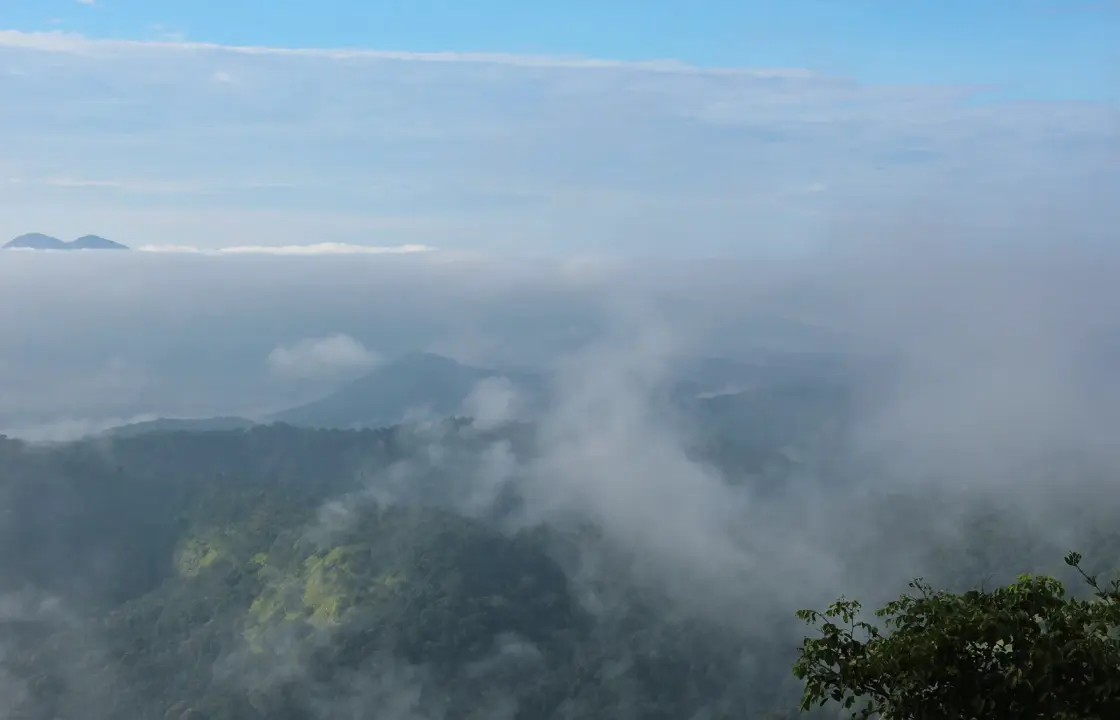
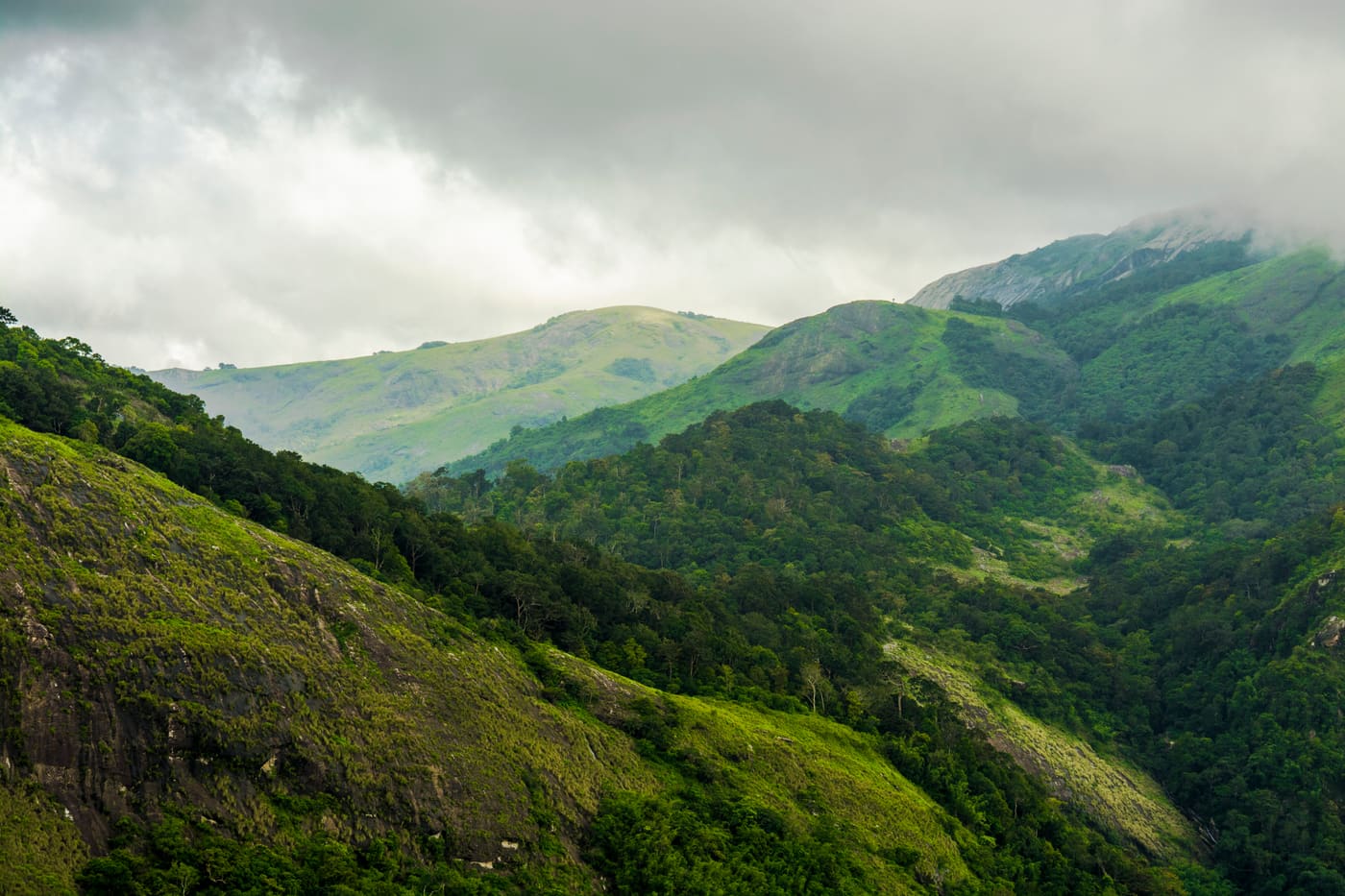
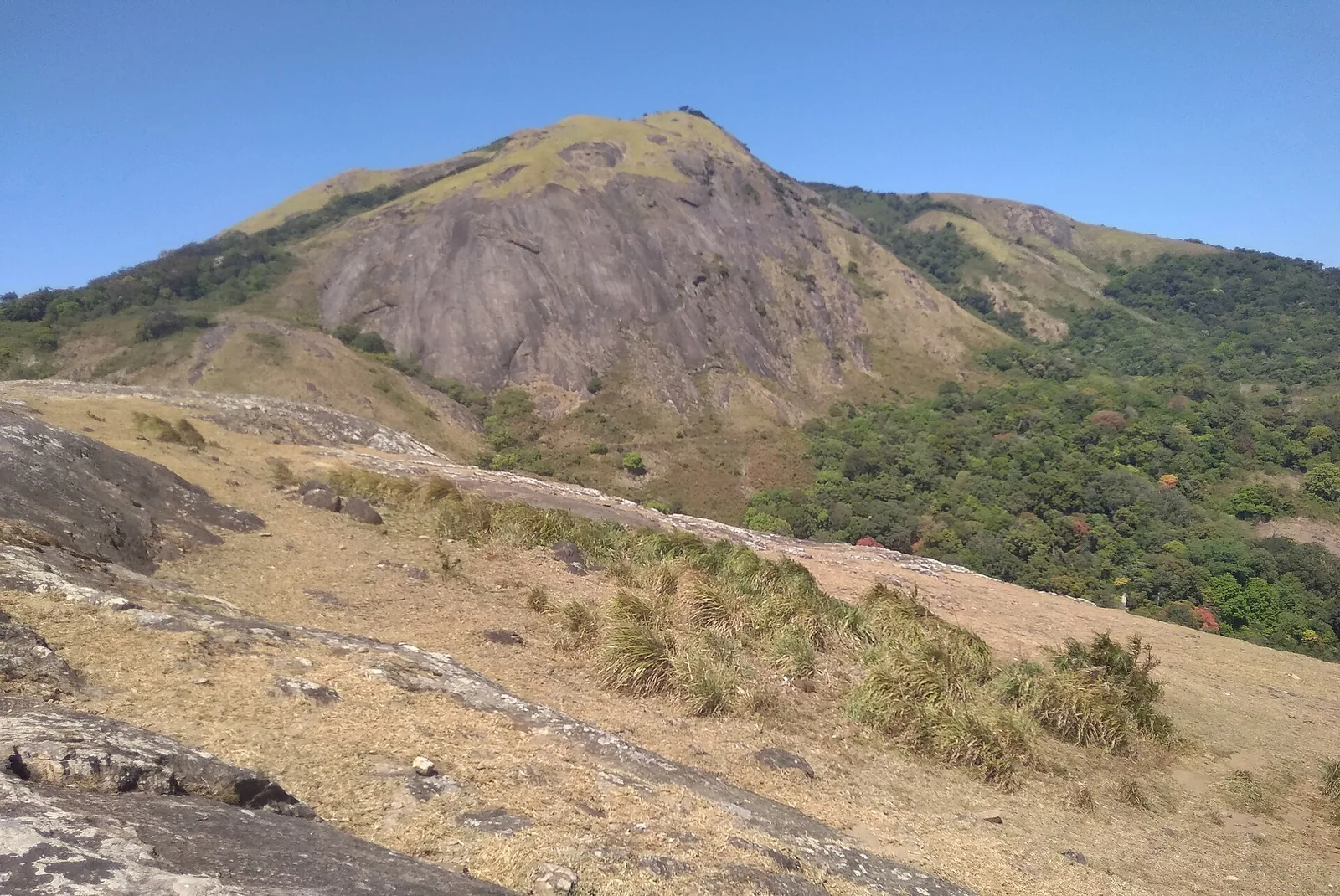
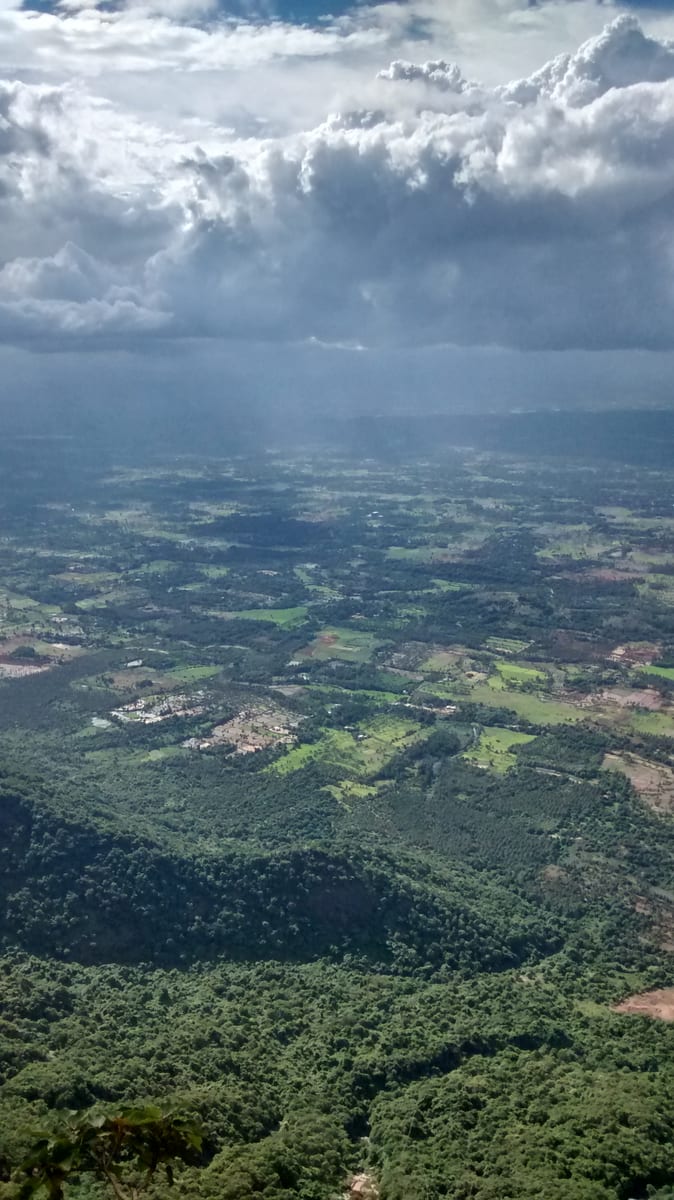
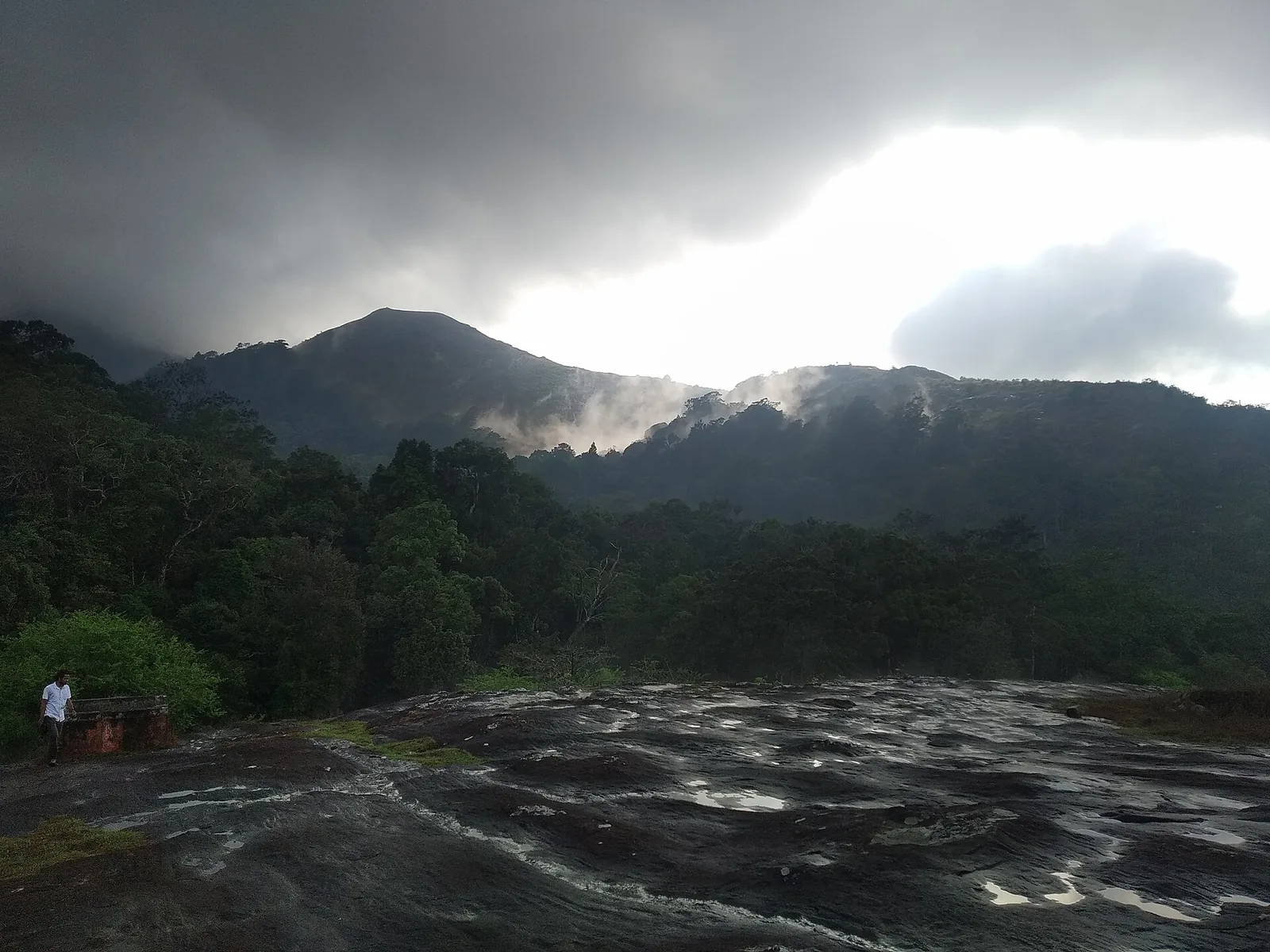
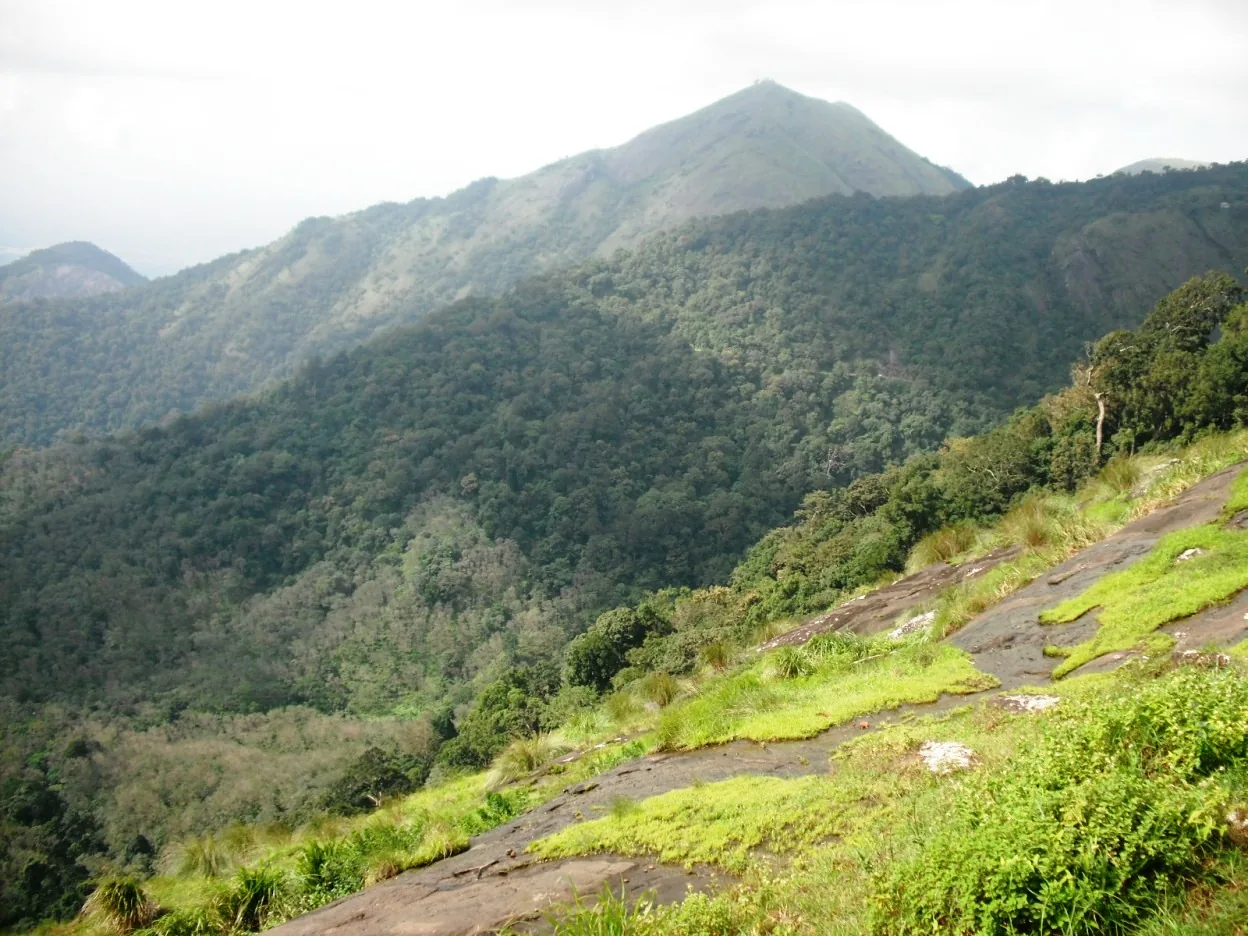
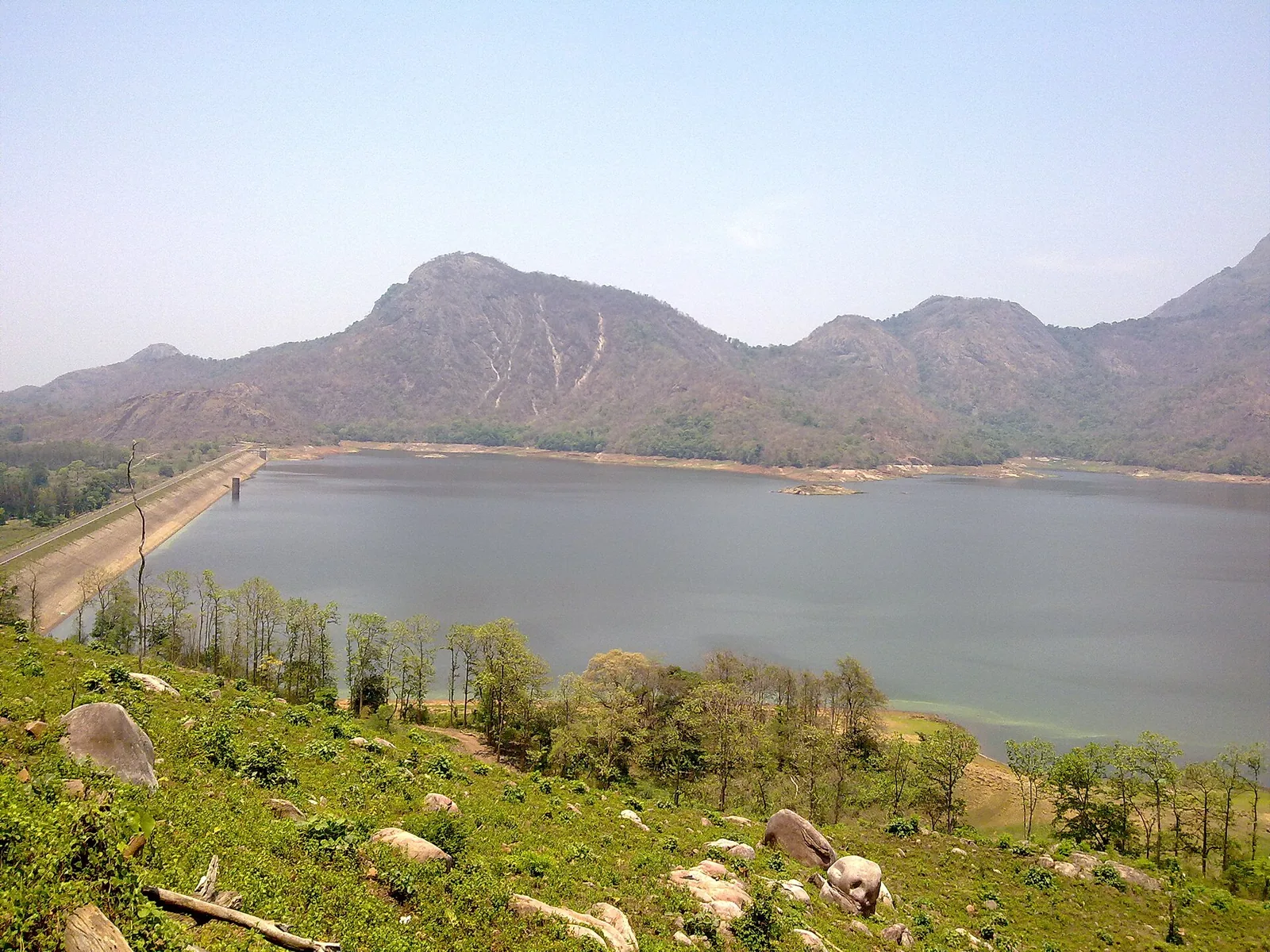
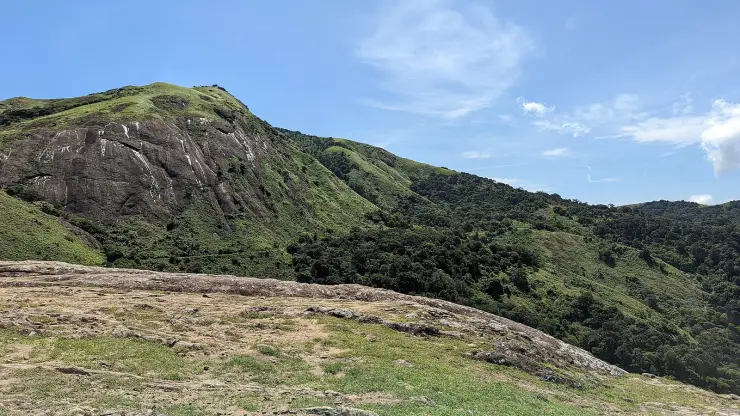
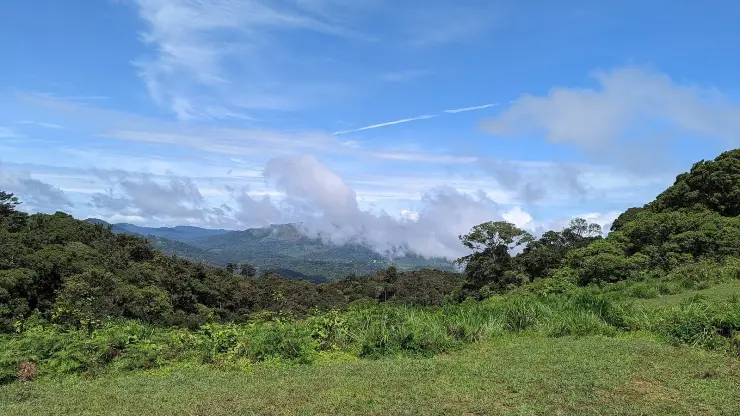
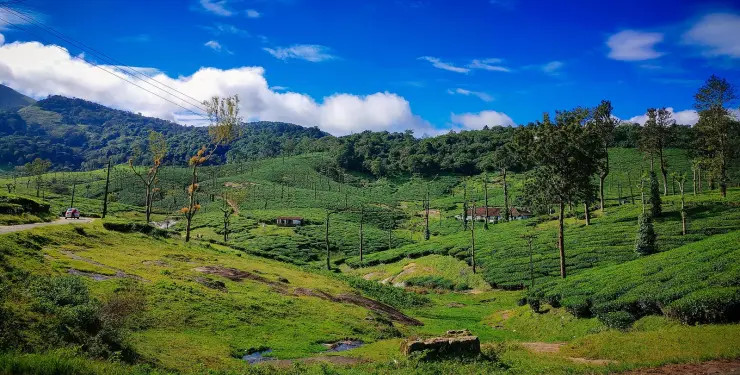
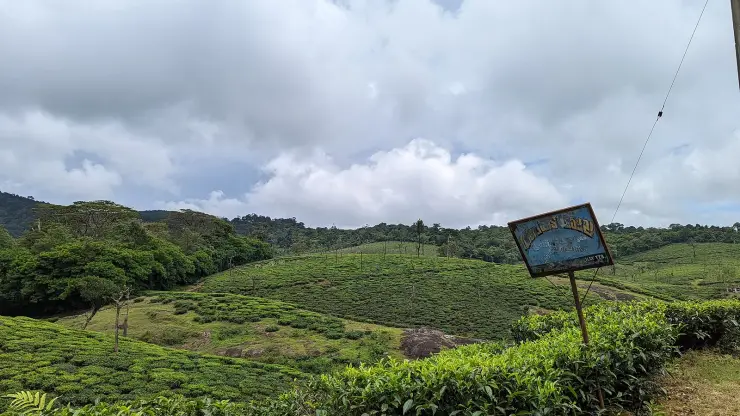
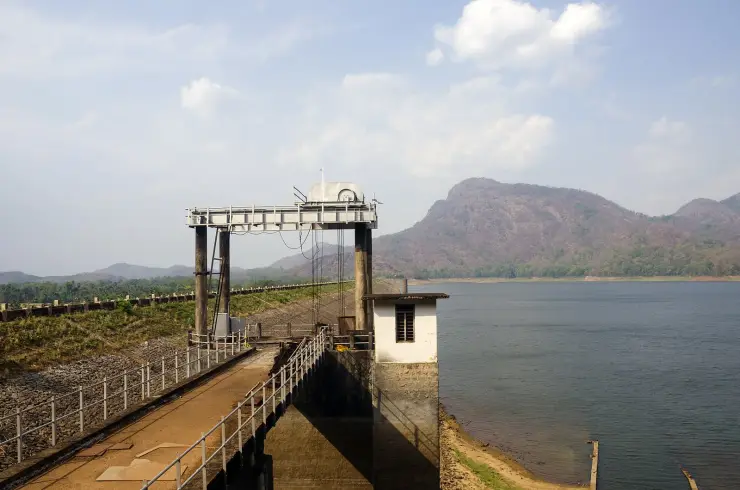
Ranimedu is a working plantation on the southern shoulder of the Nelliyampathy plateau with a bare grass-and-rock top above it, and it is named by Kerala Tourism as a place to trek. What is up there is not a viewpoint in the built sense — no railing, no car park, no sign — but a rock shelf in tall grass with shola trees along the ridge behind and, on a good morning, a valley full of cloud below with the far peaks standing out of it like islands.
The story of Ranimedu
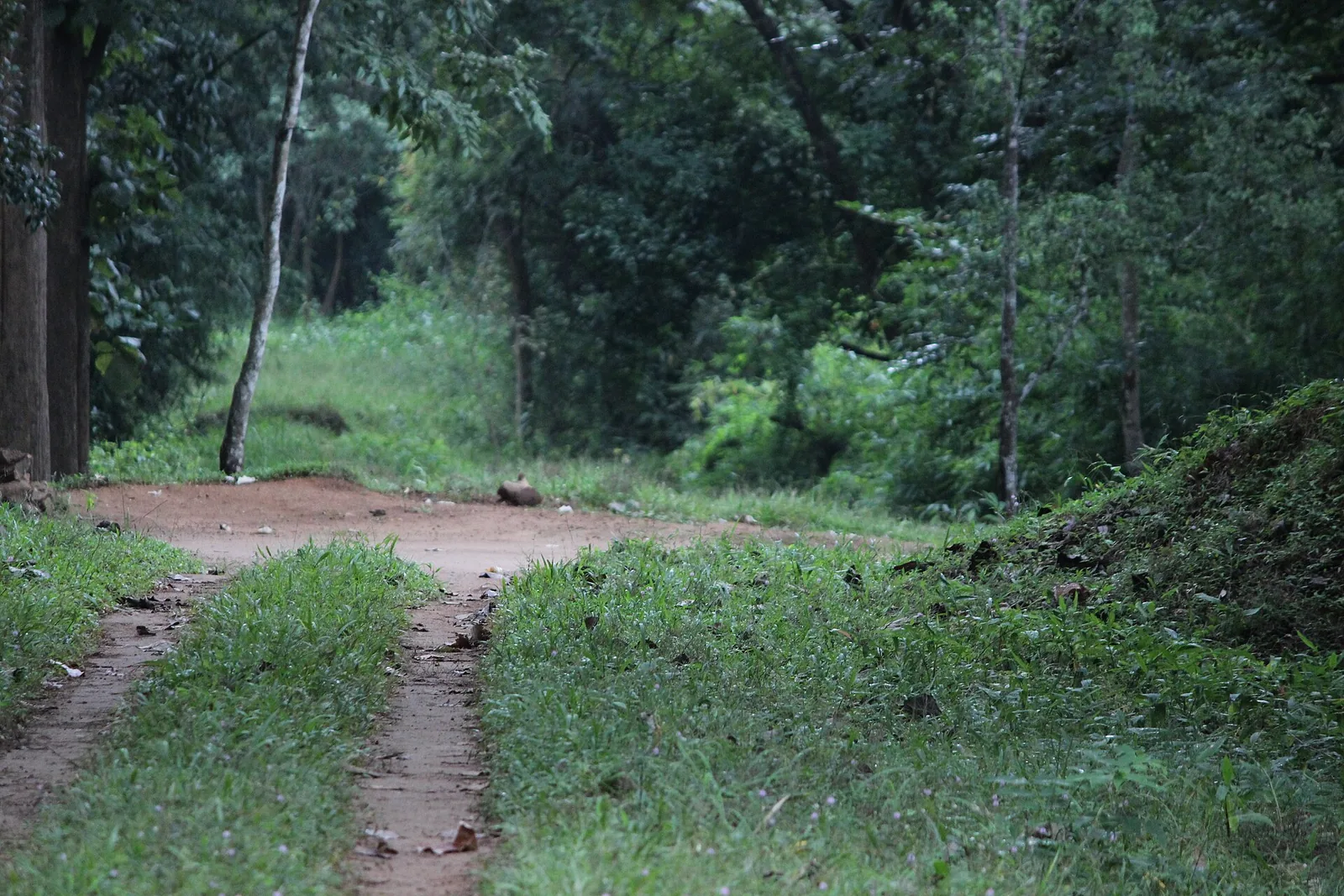
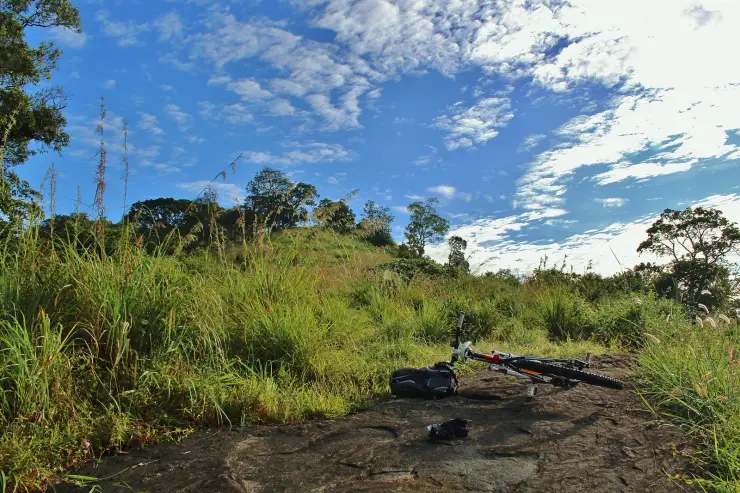
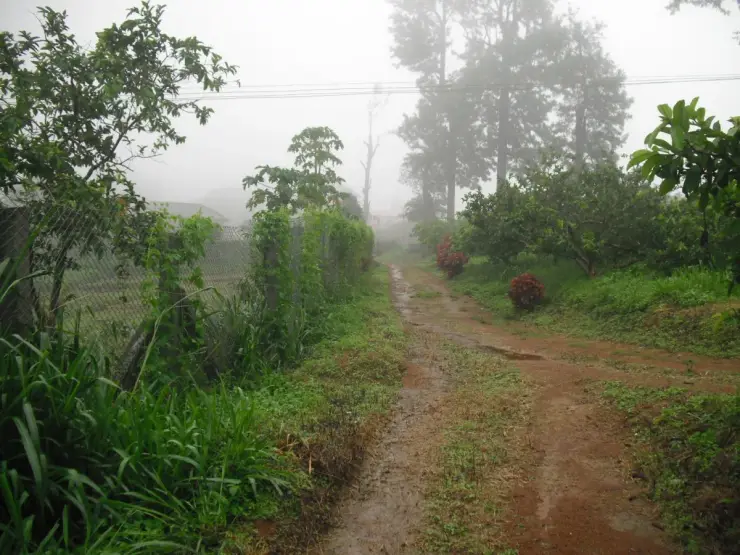
The top is reached by estate track rather than by road, and the way people generally get up is on foot or on a bicycle: one of the few photographs taken there shows a mountain bike laid down on the rock with a helmet and gloves beside it, which is a fair description of the effort involved. It is about three and a half kilometres from the Nelliyampathy settlement but eight or nine minutes of it rather than four, because of what the surface is.
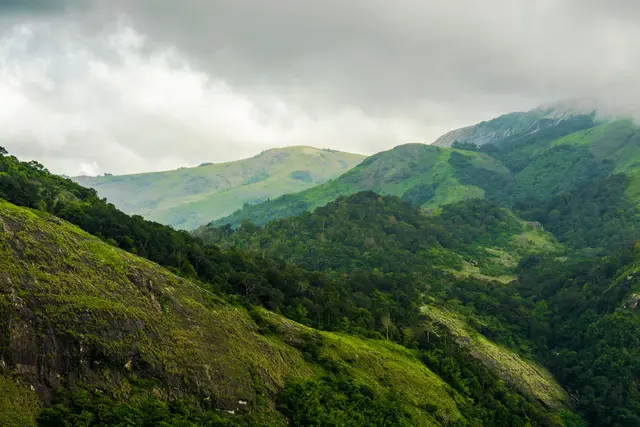
The character of the ground changes as you climb out of the estate. Below, it is planted and tended; above, the grass comes up past waist height, seed heads and all, and the rock breaks through it in shelves. The shola trees hold the ridge line in a dark band. It is the shola-grassland mosaic of the high Western Ghats, which on this range is what the land does above about a thousand metres wherever it was never cleared.
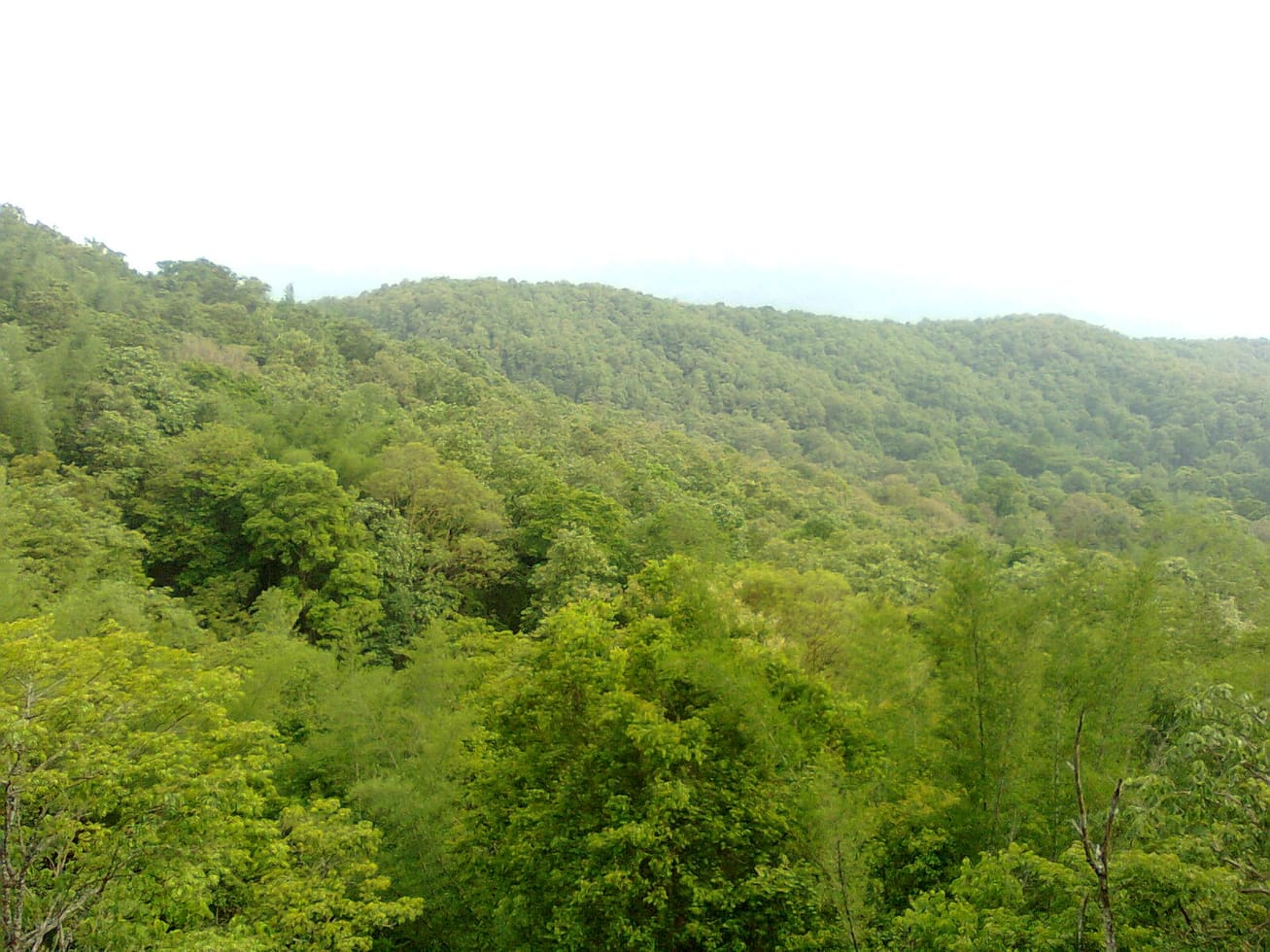
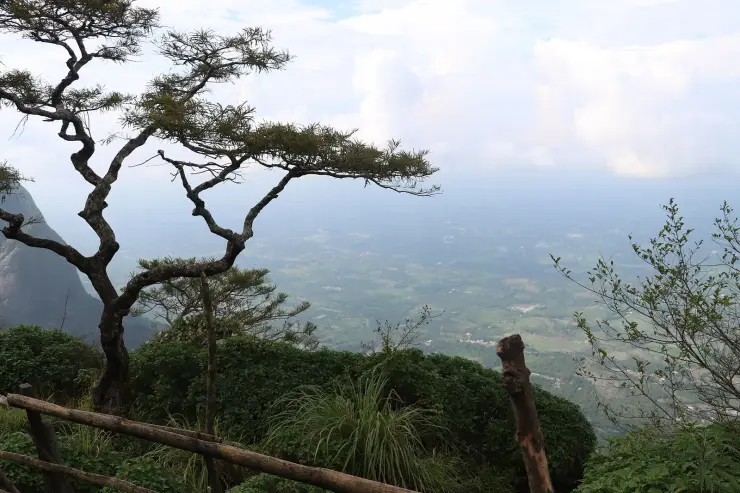
The view is the reason to go and it is a different one from the plateau's western viewpoints. Instead of the plain, you are looking over ridge after forested ridge with cloud lying in the folds between them, and on a clear early morning a distant peak standing above a flat sea of cloud on the horizon. Late morning fills it all in.
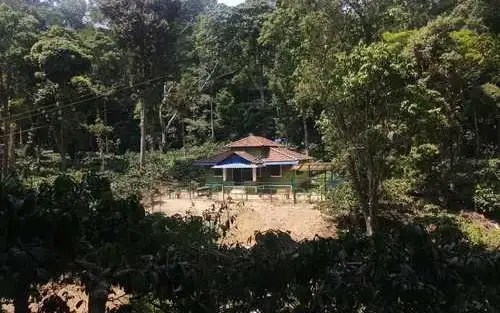
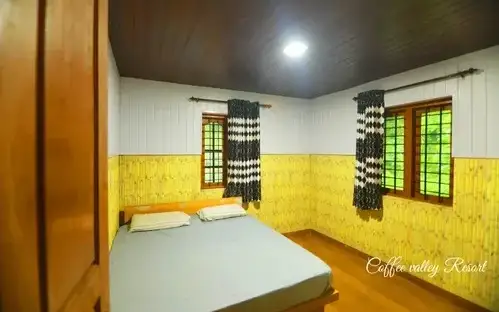
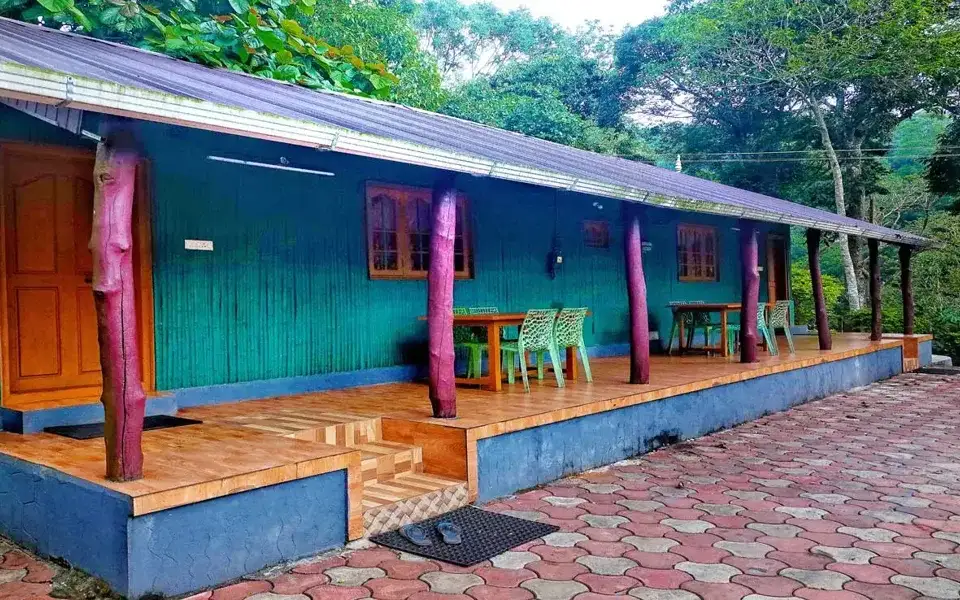
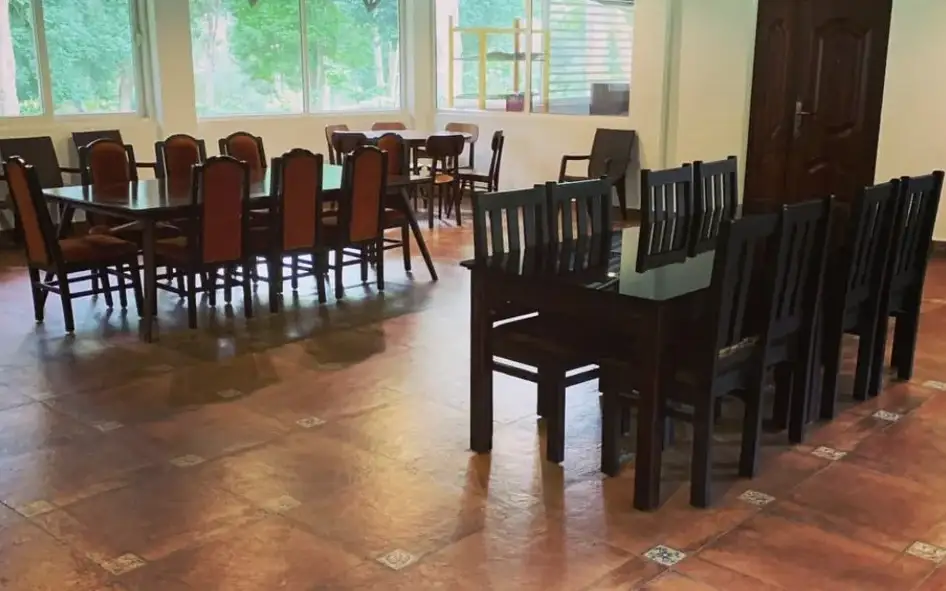
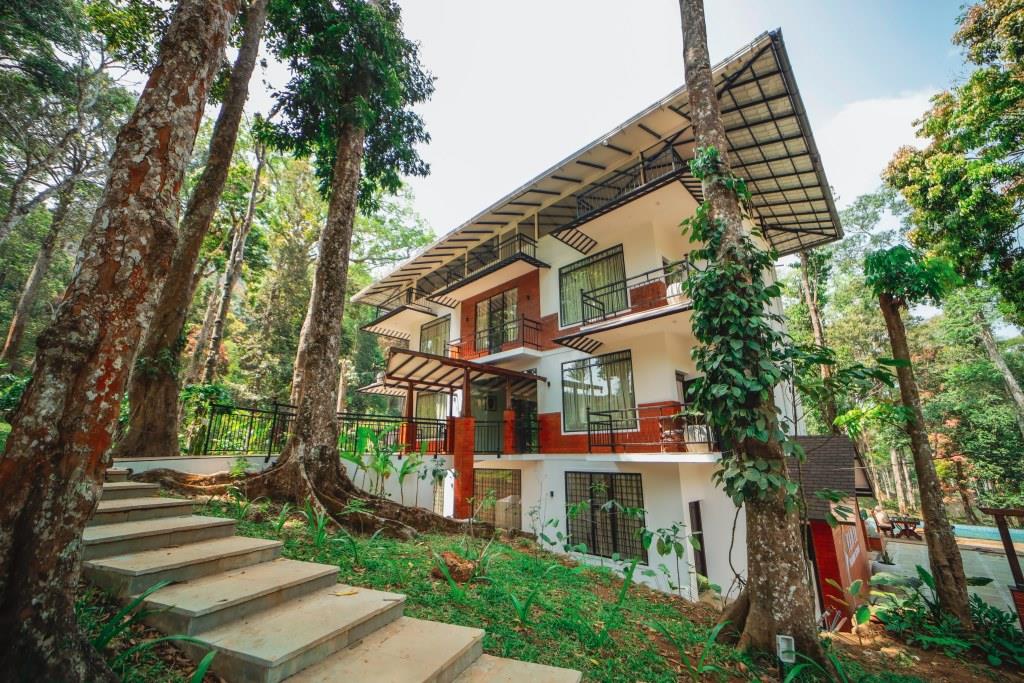
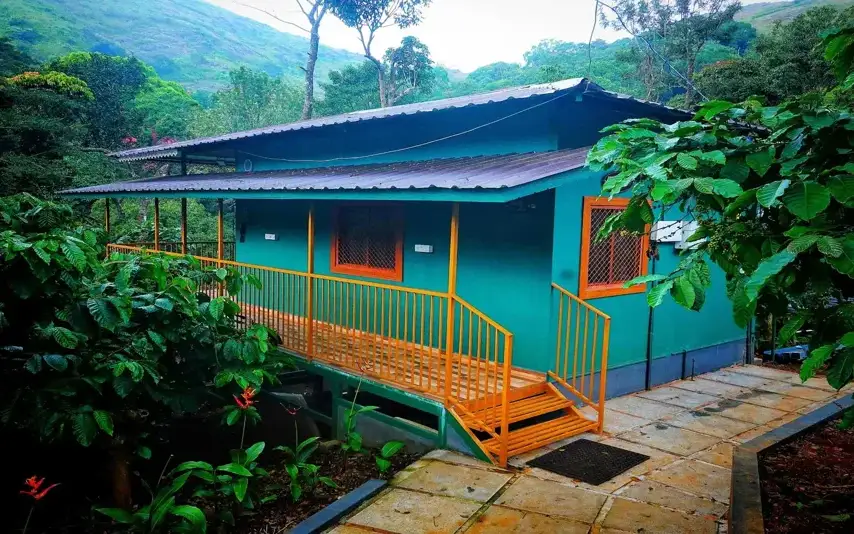
There are places to stay on the estate itself, which is unusual up here — two of the plateau's businesses give a Ranimedu Estate address at Pulayanpara, and they are the practical way to be on this side of the hill at first light rather than driving out to it.
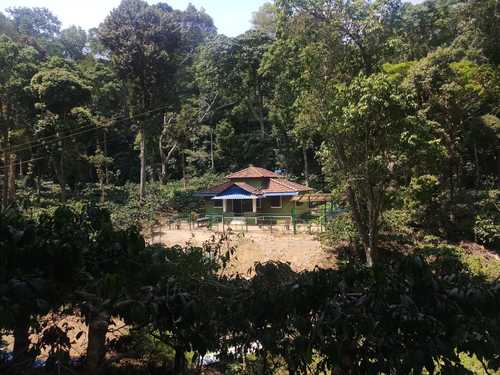
The climb is the substance of the visit and it changes character three times. It starts in planted ground, where the track is made up and the crop is in rows and there are people working; then it goes through the fringe, where the planting thins and the scrub and the wild jujube and the cheruthekku take over; and then it comes out on the open shoulder, where the grass is above the waist and the rock breaks through it in shelves. Each of those is a different kind of walking and the last one is the only part with a view.
Birds are the reason to be slow on the shola edge behind the top. The band of forest along the ridge is the habitat that holds the Western Ghats specialities, and dawn — the same hour you want for the cloud — is when it is loudest. You do not need to know what you are hearing for it to be the best part of the morning, but a pair of binoculars earns its weight here more than anywhere else on the plateau.
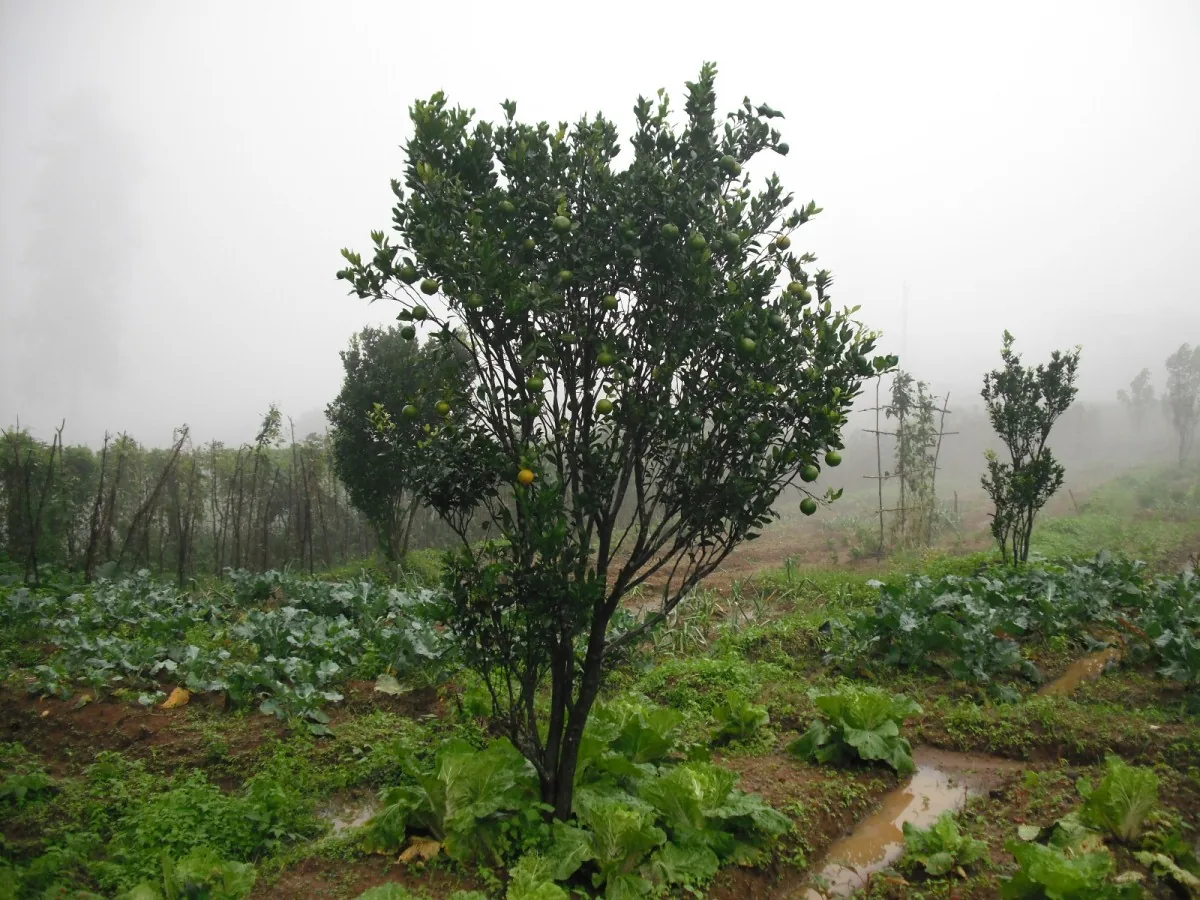
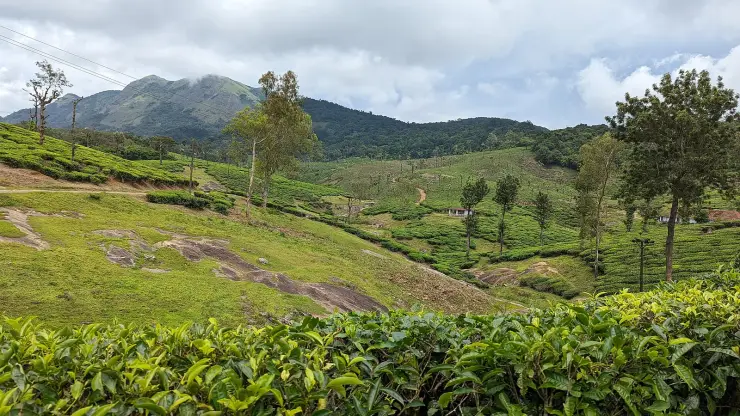
The plantation belt this estate belongs to was opened after the 1889 lease and it now covers most of the accessible ground on the hills: tea, coffee, cardamom, pepper and the orange groves the range was once famous for, all of it private and all of it worked. The consequence for a visitor is simple and it is the same everywhere up here. The tracks that look like the obvious way to walk between the high points are company property with people employed on them, and permission comes from an estate office rather than from the Forest Division.
Staying up here is the whole trick, and there are two places that make it possible. Kailas Estate Trails and VANYA by Citrine both give a Ranimedu Estate address at Pulayanpara, and both put you on the right side of the plateau for a dawn start. The alternative is driving across from the settlement in the dark on estate track, which is a poor beginning to a morning that is entirely about being in the right place at first light.
What the crop is matters for what the walk feels like. The plantation belt on these hills carries tea, coffee, cardamom and pepper, and the orange groves the range was once famous for; the ground under a tea field is open and clipped, under coffee it is shaded by the taller trees left standing for the purpose, and under cardamom it is dense and damp and full of leaf. The climb here passes through more than one of those before it reaches the grass, which is why the light and the temperature change as you go up.
Medu is a common enough element in place names down the Western Ghats and along the Kerala coast, and it does a simple job: it marks a rise, a mound, a piece of raised ground. Set beside rani, queen, it belongs to the same family of names as the estates and hills around it, most of which record who the ground belonged to rather than what happened on it. The Kollengode royal house held these hills before any of the leases, and the naming is the residue of that.