Parambikulam trek

“Parambikulam trek” is not one path. It is the useful name for four guided programmes inside the tiger reserve, each with its own start, length and tariff. Bear Path and Elephant Song are 4 km walks; Kariyanshola is 6 km from Anappady and includes bamboo rafting; Pugmark is the longer 10 km route from Peruvaripallam Earth Dam past the Kannimara teak and Thunacadavu.

Parambikulam trek, Parambikulam
Practical guide

Plan Parambikulam trek

Who's going?Tailor Parambikulam trek to your trip
Typetrek
AreaParambikulam
DistrictPalakkad
Best timeThe drier months from November to March…
Time neededAllow most of a day once the road…
Entry₹1,200
Places to visit4Listed businesses6

Every route is controlled by the reserve and taken with its guides. Anappady information centre is the reporting point for Kariyanshola and the practical place to confirm what is running; weather, wildlife movement and group availability can close a programme even when the reserve itself is open.

The story

There is no single Parambikulam trek. The name covers four guided trails spread across a working tiger reserve: two short four-kilometre walks, a six-kilometre forest-and-rafting route from Anappady, and a ten-kilometre day that begins at an earth dam and threads together teak plantation, reservoir and the reserve’s most famous living tree.

The story of Parambikulam trek

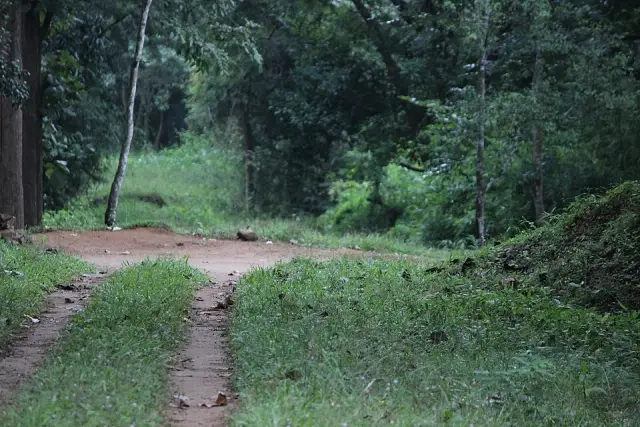
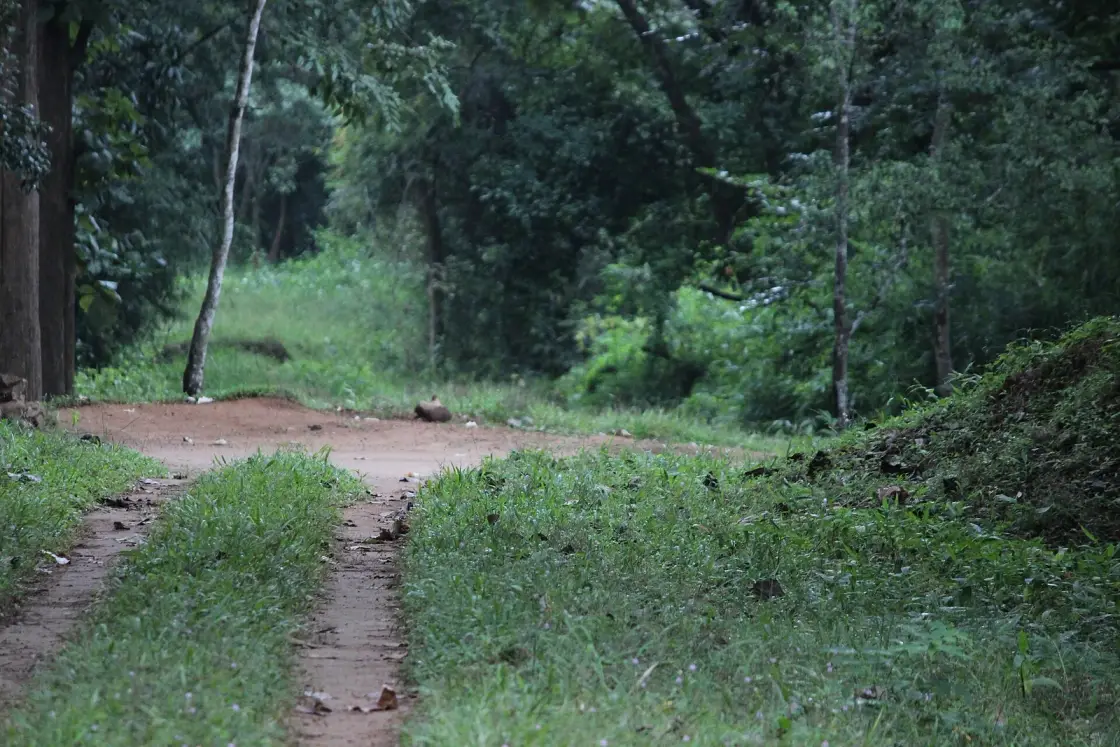
Bear Path begins at Nalayiram Point and runs for four kilometres through teak and bamboo. The official route description places a grassland pond beyond the plantations and gives the trail its name from signs of sloth bear activity rather than from a promised sighting. It ends at Anappady, so the walk reads as a cross-section of the managed forest: old teak blocks first, then bamboo, open ground and the information-centre settlement.

Elephant Song is also four kilometres, but it is sold as the softer route. Its ground is made up of small evergreen patches characteristic of the Western Ghats, and the reserve positions it for a wider range of ages. The name is atmosphere, not a wildlife guarantee; no responsible guide promises an elephant encounter on foot.

Kariyanshola starts at Anappady and is six kilometres. The first part enters moist deciduous woodland; around four kilometres in, the vegetation closes into evergreen forest. The published circuit runs from the information centre by Rock Point to Kariyanshola, then back through teak plantation, and combines walking with bamboo rafting. Groups are capped at ten.

Pugmark is the long route, about ten kilometres from Peruvaripallam Earth Dam. It passes the Kannimara teak, continues towards Thunacadavu and returns to Anappady. That makes it the trail that ties together the reserve’s three dominant human-made landscapes — earth dam, teak plantation and reservoir road — while staying inside habitat used by tiger, elephant and gaur.

All four are guided reserve programmes. A path on a map is not permission to walk it, and an available room in the reserve is not proof that a particular trail will run the next morning. Anappady controls the visitor day; weather, wildlife movement and guide availability control the final answer.

The approach explains why Parambikulam feels remote even though Anappady is a road settlement. The visitor road enters from Pollachi through the Anamalai side of Tamil Nadu. The forest and reservoirs separate it from Palakkad’s plains to the west, so a place in Kerala is reached by leaving Kerala and coming back through a check post.

This is community-run ecotourism rather than a trail concession dropped into an empty forest. Guides, boat crews and watchers are drawn through the reserve’s eco-development committees, including people from the Kadar, Malasar, Muduvar and Mala Malasar settlements inside the protected area. Staying with the guide is therefore both a safety rule and the point of the programme.

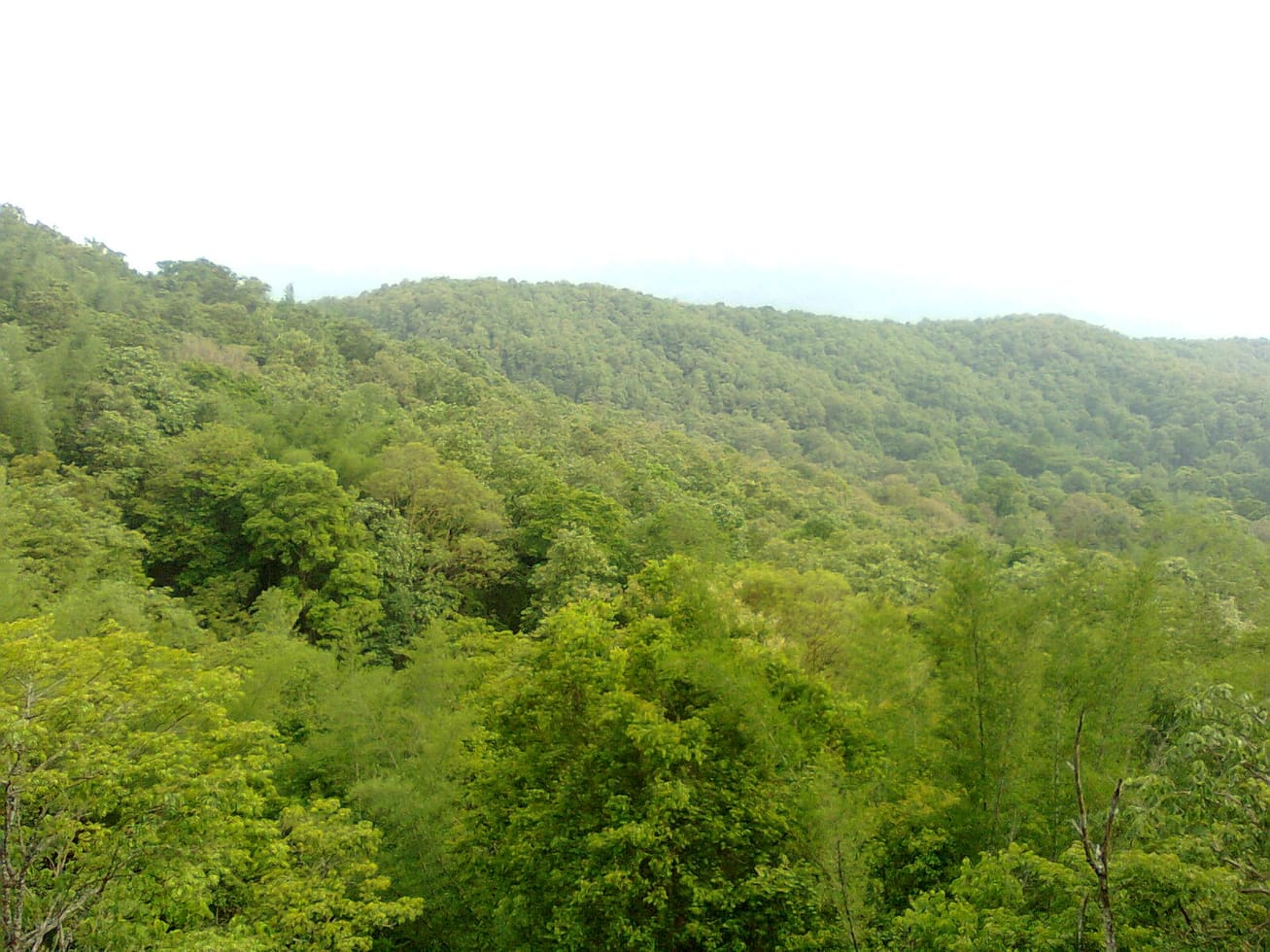
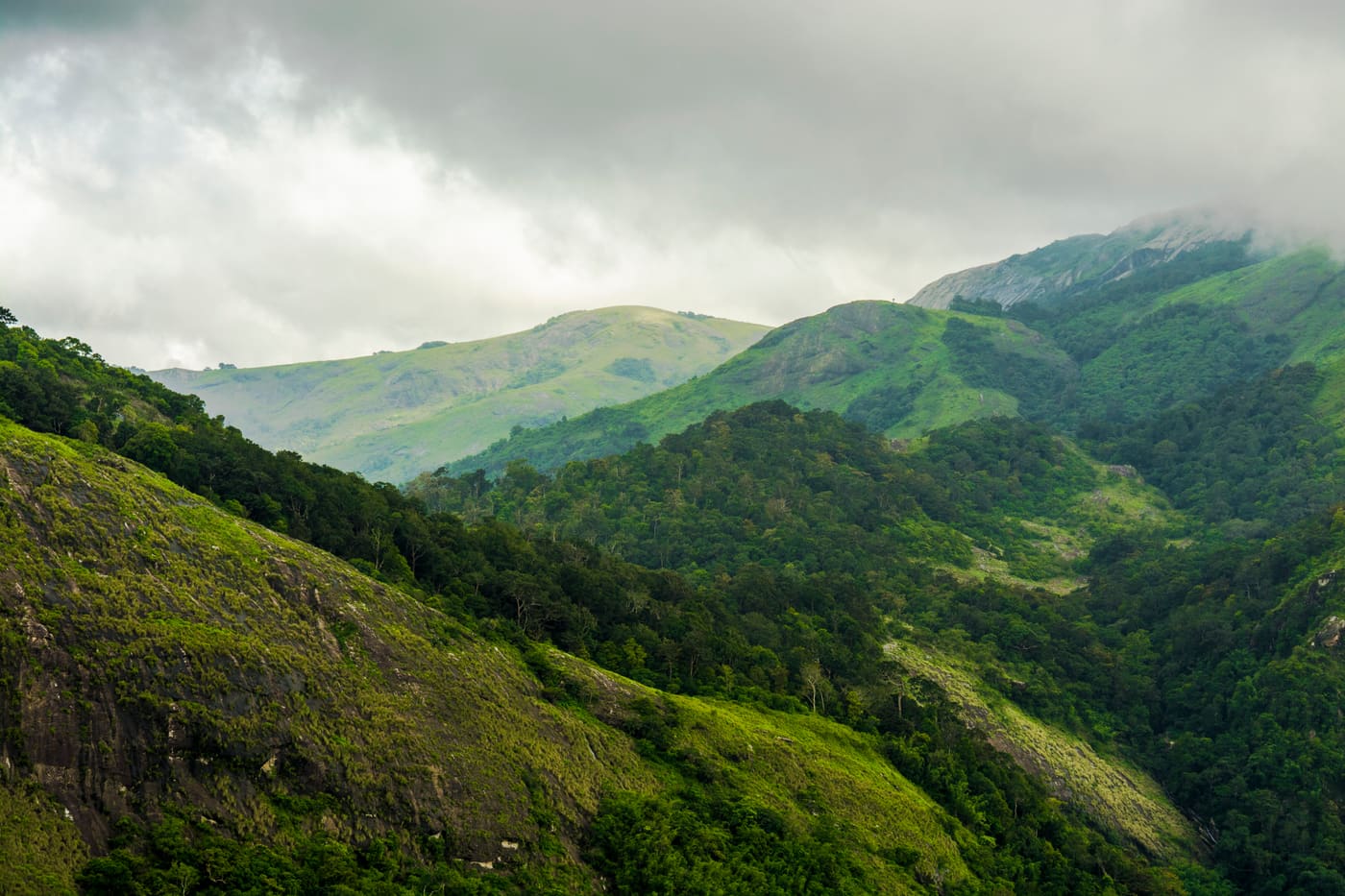
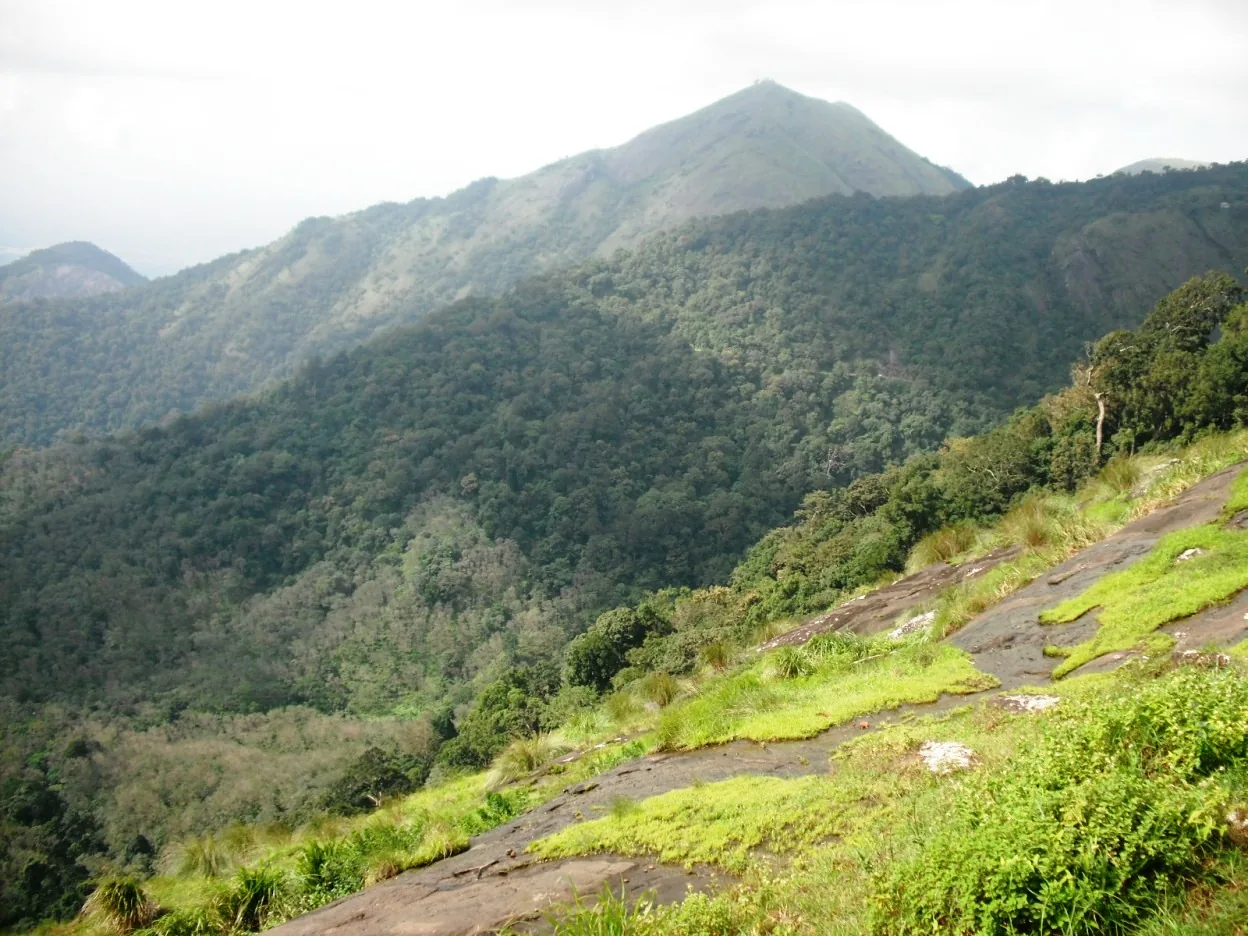
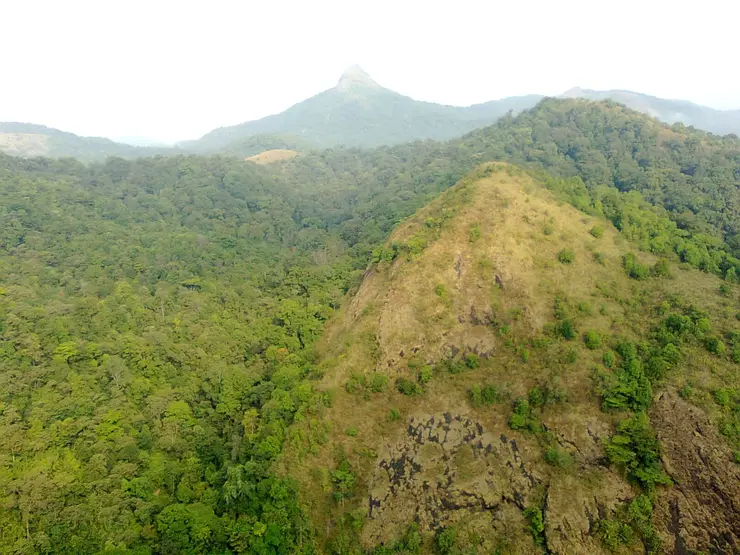
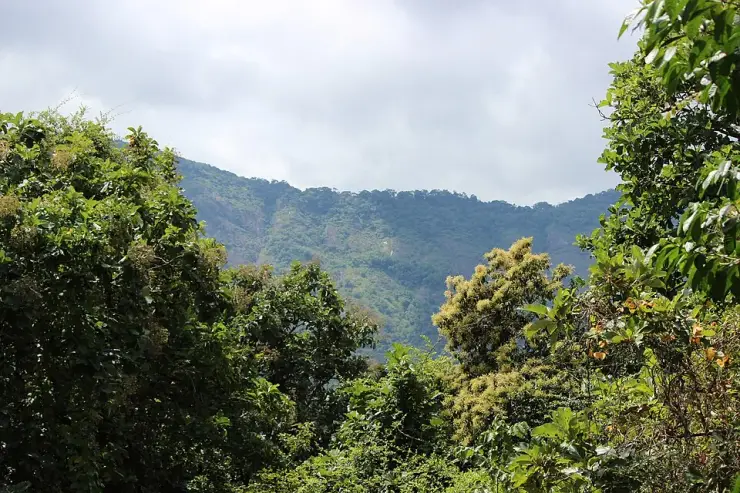
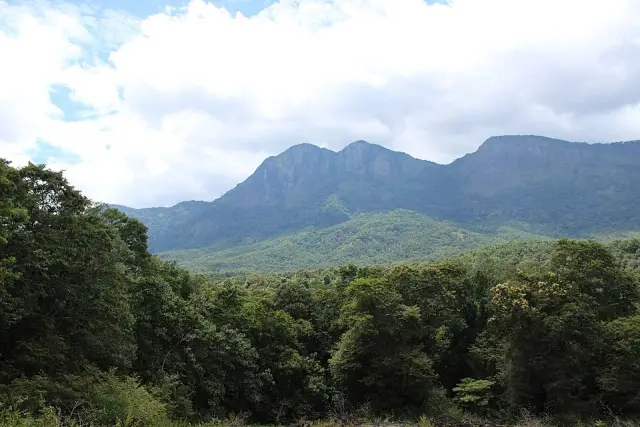
The vegetation changes are the route map. Parambikulam lies low enough for moist deciduous forest across much of the visitor zone, but folds in the hills hold evergreen woodland and old working compartments carry teak. Bamboo follows light and water. Bear Path and Kariyanshola are valuable because they cross those boundaries at walking speed: the canopy height, leaf litter, undergrowth and temperature change before any signboard announces that the forest type has changed.

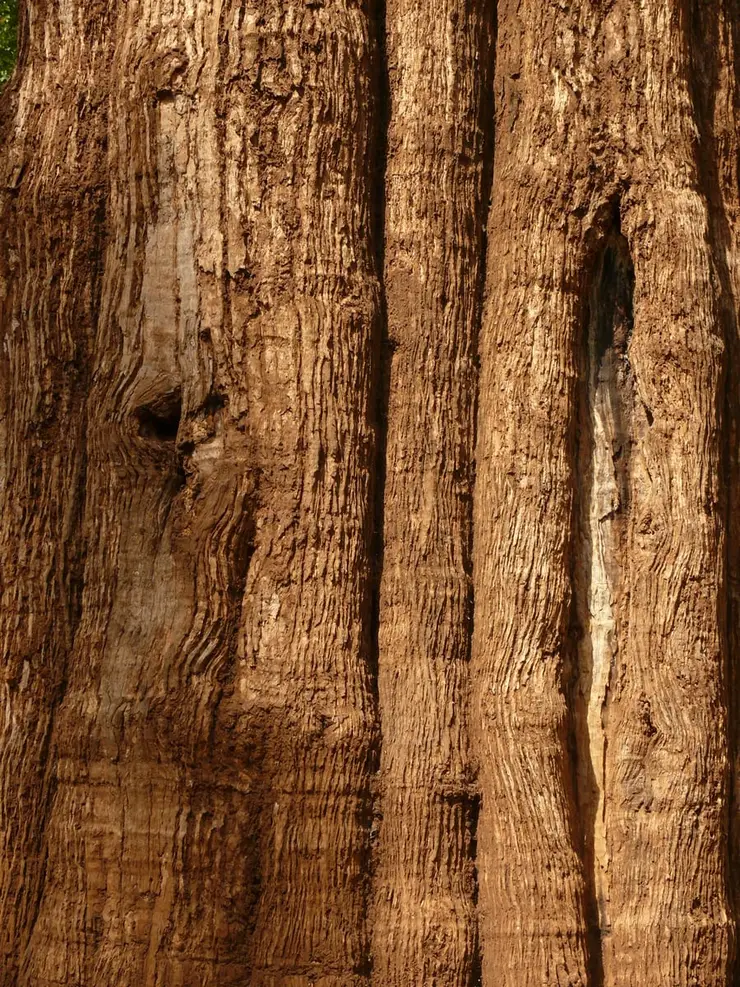
Teak here is not shorthand for wilderness. Some stands are plantations created during the long timber-working period, with trunks of similar age and spacing that can still be read from the path. Natural forest is more irregular: several layers of canopy, lianas, dead wood and seedlings competing below. A guide can show that distinction without turning the day into a botany lecture, and it changes how the famous Kannimara is understood — one very old survivor beside landscapes managed for timber.

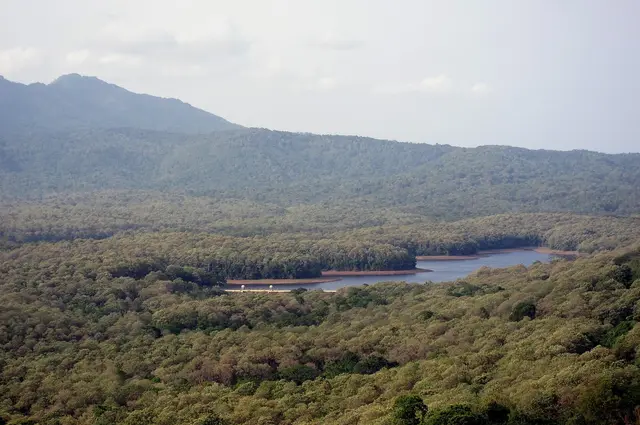
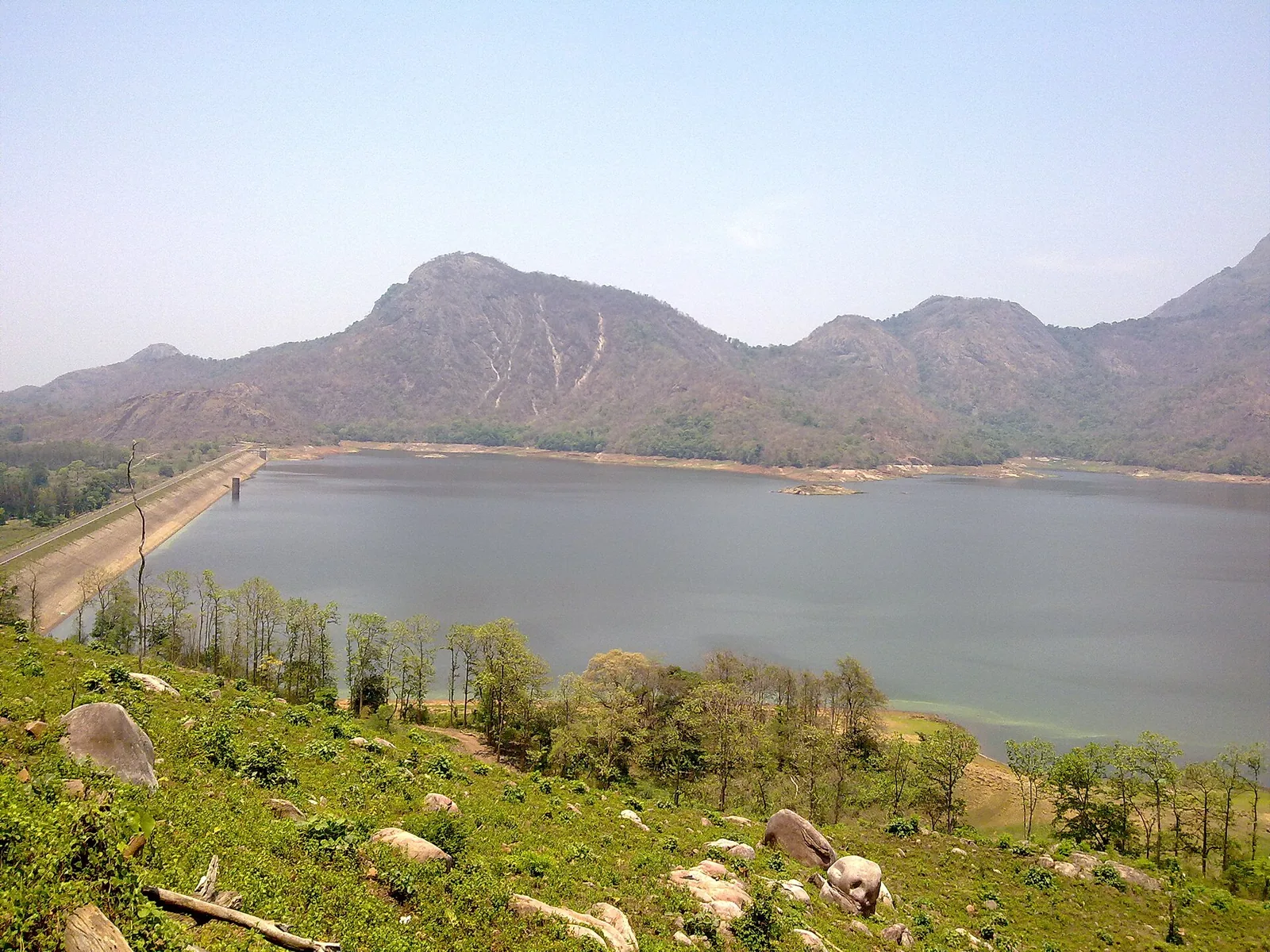
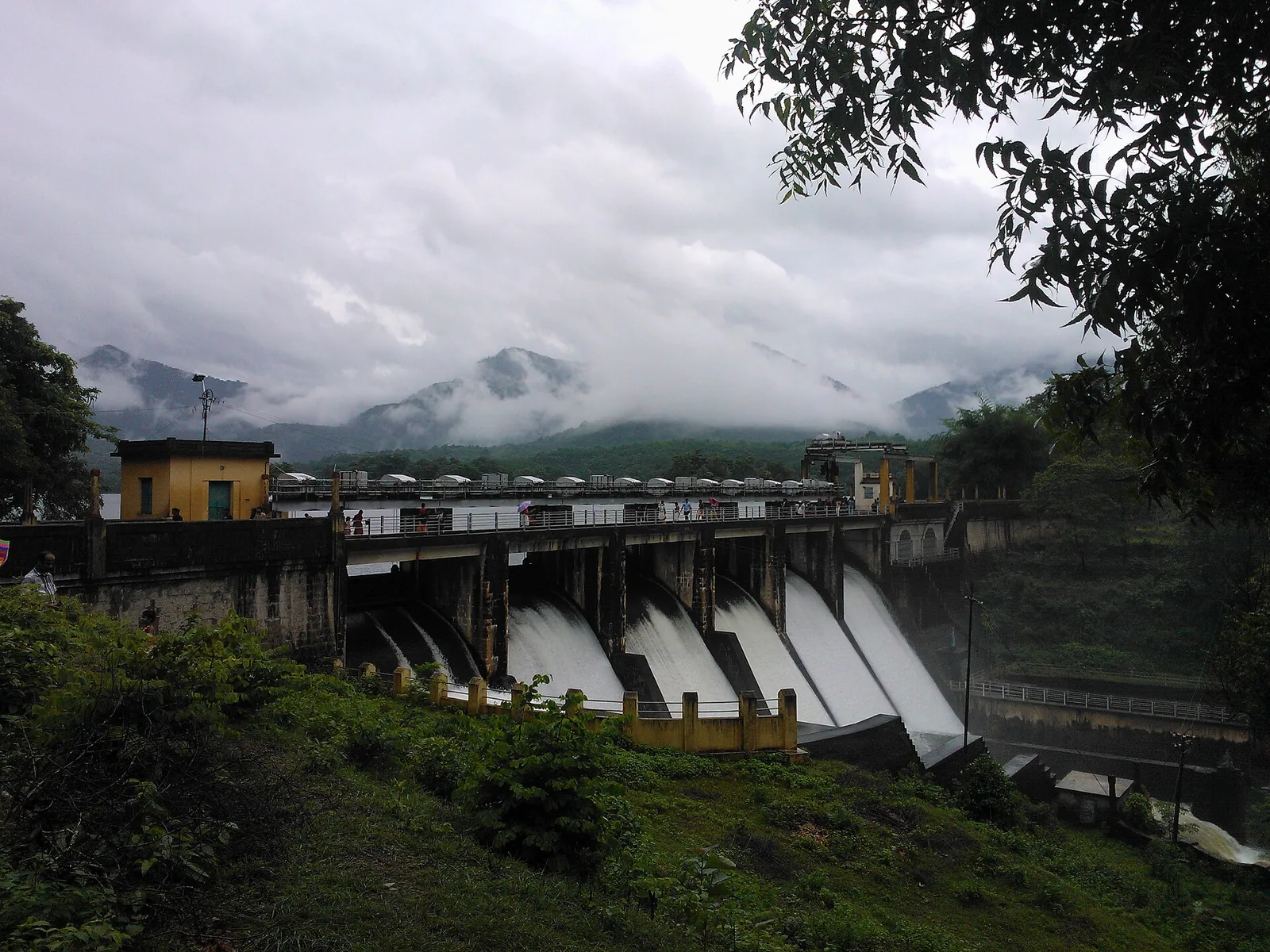
The water on these walks is engineered as well as wild. Peruvaripallam, where Pugmark begins, is an earth dam in the linked Parambikulam–Aliyar system; Thunacadavu is the balancing reservoir further along the route. The dams stand in Kerala while the inter-state project moves water east towards Tamil Nadu. The trail therefore passes working irrigation infrastructure inside a tiger reserve, an overlap more revealing than a simple ‘jungle trek’ description.

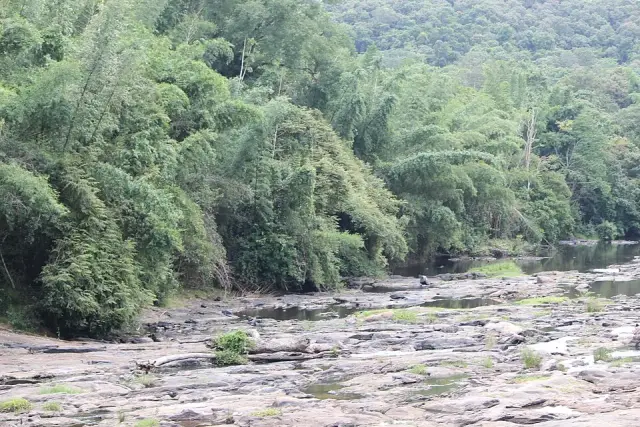
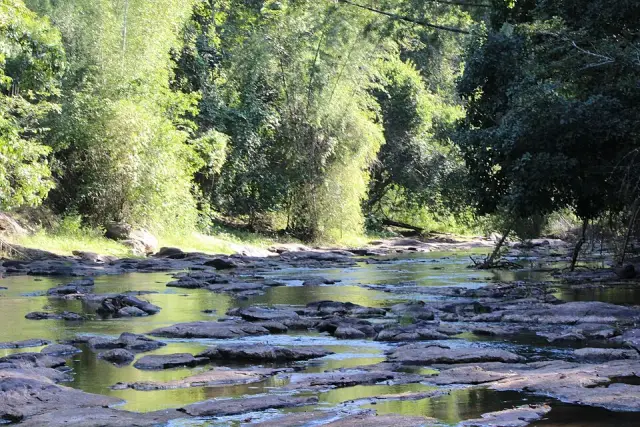
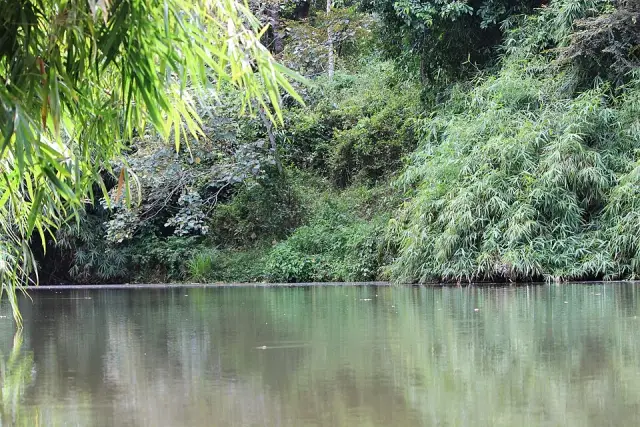
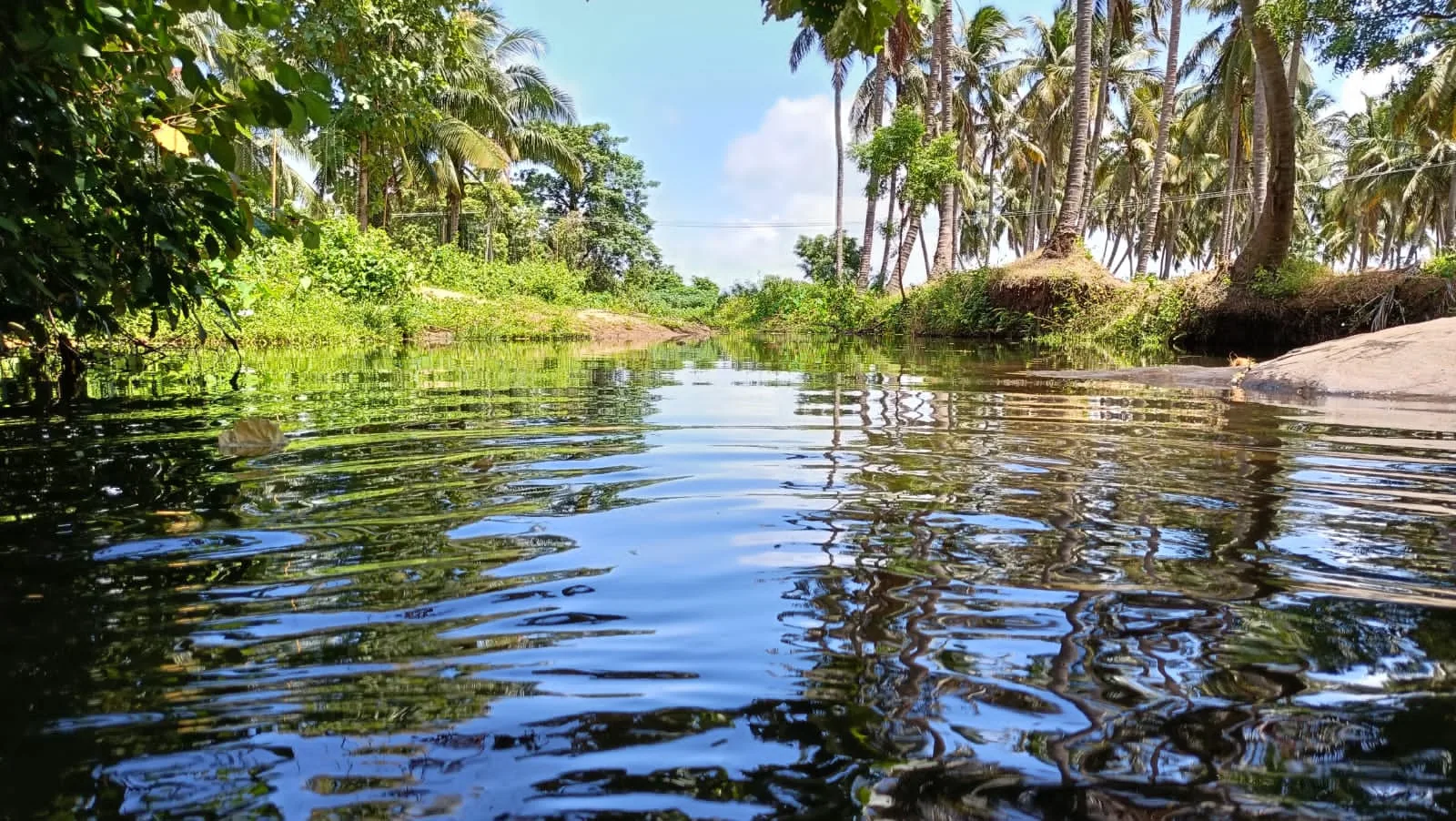
Bamboo rafting on Kariyanshola is a crossing of pace rather than an adventure ride. The raft removes the footfall and engine noise and puts the forest edge at water level, where overhanging bamboo, exposed rock and reflections do the work. Getting on and off is the awkward part: there is no jetty built to universal-access standards, which is why the programme cannot honestly be presented as a step-free alternative to walking.

The animal names attached to the routes need restraint. Sloth-bear signs give Bear Path its name; tiger signs give Pugmark its name; Elephant Song borrows the presence of elephants in the landscape. None of those names sells a sighting. The likely encounters are smaller — birds moving through a mixed flock, giant squirrel high in the canopy, butterflies at damp ground, alarm calls carrying further than the animal that caused them.

A large-animal encounter is not a bonus to chase. Elephants and gaur use the same road-and-forest mosaic as people, and a guide may turn a group around or wait without giving visitors the dramatic reason they hoped for. That decision is the programme working correctly. The reserve’s ability to cancel or alter a route is not poor service; it is the condition under which walking is allowed in the first place.

The four distances do not translate neatly into four difficulties. Four kilometres on a shaded forest track after rain can be slower than six on firmer ground; a raft section changes the physical demands of Kariyanshola; Pugmark adds length and several landscape transitions. The route names and distances are the facts the operator publishes. A universal finishing time would be a guess, so the useful planning unit is most of a day and the useful question is what your group can comfortably walk on uneven ground.

Dry-season mornings give the cleanest compromise: a firmer surface, usable light under the canopy and time to finish before the heat builds. After rain the colours deepen and the streams look better, but leeches become ordinary and roots, leaves and rock hold water. The official warning on Kariyanshola singles out leech precautions, and it is sensible to carry that advice across the other shaded routes too.

Anappady matters beyond check-in. It is where the visitor programme, information centre, contact numbers and road access meet, and it is the point from which the reserve can redirect a booking if one route is unavailable. Treat it as the beginning of the day, not an administrative obstacle between the car and the forest. Arriving early enough to listen to the briefing is part of the route.

At the end, the choice is simple. Bear Path is the compact lesson in teak, bamboo and open grassland. Elephant Song is the gentler forest walk. Kariyanshola is the mixed day, on foot and on water. Pugmark is the longer line through dam country to the Kannimara teak. Choosing between those four produces a better day than asking which one is ‘best’, because each is built around different ground.

The return to Anappady is part of three route descriptions and should shape the day. It means the walks are circuits or point-to-point programmes tied back to the information centre, not paths that deposit visitors at an isolated roadhead to arrange their own rescue. Transport, the guide and the final head count stay within one operating system. For a traveller, that is reassuring; for the reserve, it is how every person who entered the forest is accounted for before the visitor day closes.

Leave enough time after the walk to stop rather than racing the check post. The Vanasree Ecoshop at Anappady is a Forest Department outlet, and the reserve’s community model makes it the logical last part of the programme: honey, beeswax products, bamboo work and other goods move income through the same local institutions that supply guides and crews. Buying there is more direct support than adding another generic wildlife souvenir elsewhere on the road.

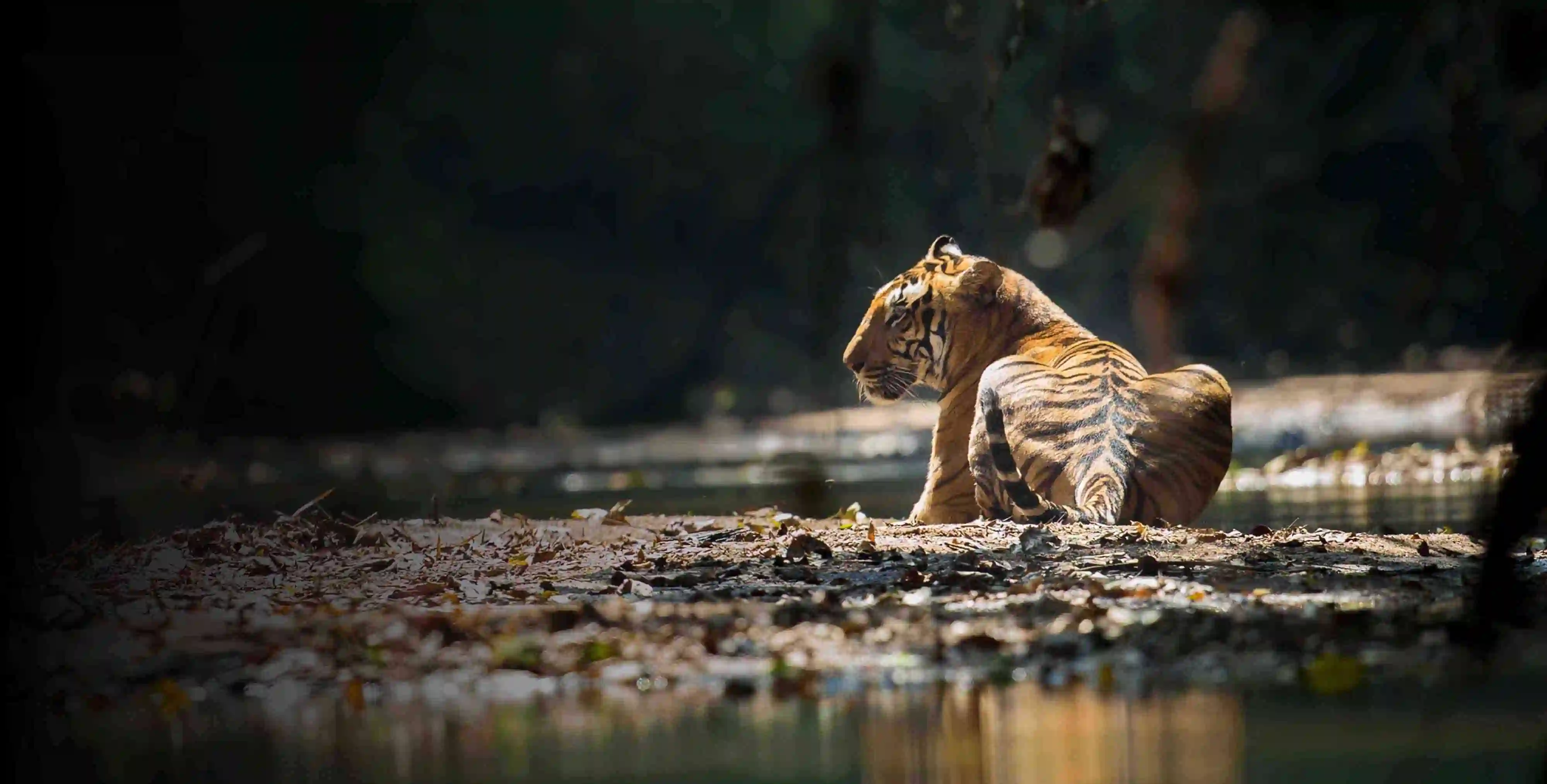
What the page deliberately does not offer is a species checklist disguised as an itinerary. Parambikulam protects tiger habitat, but the quality of a guided walk is in signs, sounds, vegetation and the guide’s reading of them. A claw mark, a feeding trace, a change in alarm calls or a track soft enough to hold a print is information about an animal moving through its own range. Seeing the animal is chance. Understanding why the path has its name is the dependable experience.

Legend & myth

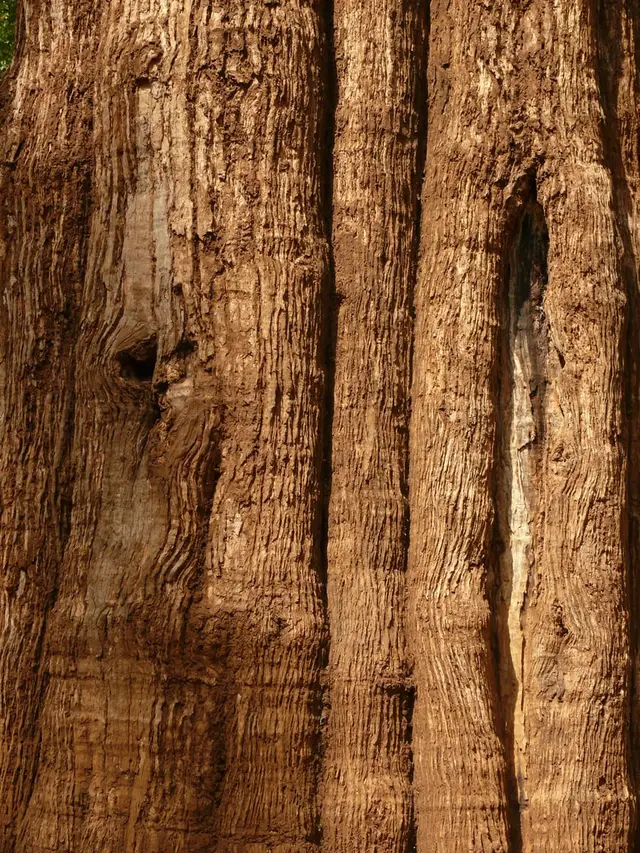
The Kannimara teak on the Pugmark route is held sacred in Kadar tradition. Its name is commonly read as ‘virgin tree’, and the best-known legend says the trunk bled when people tried to cut it, so the axe was put down and the tree was spared. The story is belief, not botany; its practical truth is visible in a giant old tree standing in a landscape logged for teak.

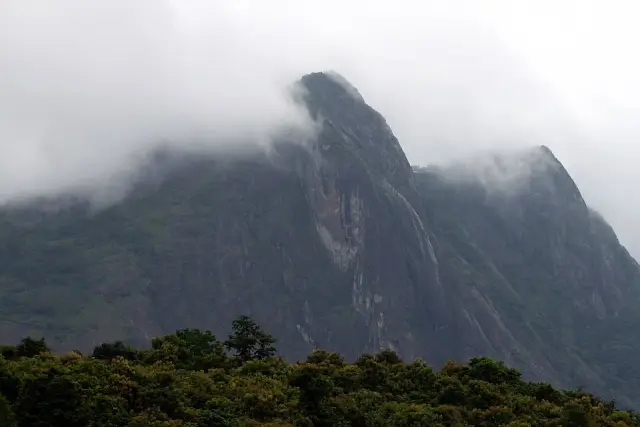
The reserve’s highest peak, Karimala Gopuram, is recorded as an important sacred mountain for the Kadar. It is not the Karimala on the Sabarimala pilgrimage route; the two hills share a Malayalam name and belong to different landscapes and traditions.
Read the full history of Parambikulam trek 171 more words

History

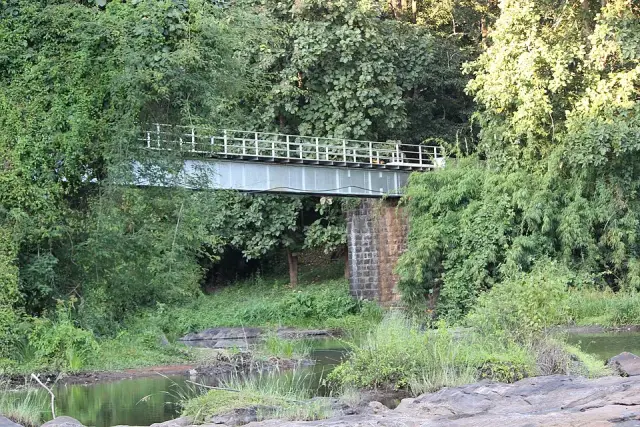
The teak country these routes cross was worked intensively under the Cochin State. Timber moved out on the Cochin State Forest Tramway from 1907 until its abolition in 1963, and plantations remain beside natural forest across the reserve.

Parambikulam became a wildlife sanctuary in the 1970s and was notified as a tiger reserve in 2009. The Kerala Forest Department lists a 390.89 sq km core and a 252.77 sq km buffer. The trekking programme sits inside that conservation regime; it is not an open hill walk later given a ticket counter.

Why visit

Four genuinely different guided routes, from a short beginner walk to a ten-kilometre forest day.

A rare chance to read teak plantation, evergreen forest, bamboo, grassland and reservoir edge in one protected landscape.

Kariyanshola combines walking and bamboo rafting instead of treating the forest as a drive-through safari.

Pugmark reaches the Kannimara teak on foot as part of a longer route rather than as a photo stop.

The programme directly supports guides and crews from communities living inside the reserve.

What to expect

Highlights

  • Bear Path: 4 km from Nalayiram Point through teak, bamboo and an open grassland pond, ending at Anappady.
  • Elephant Song: a gentler 4 km route through small evergreen patches, sold for a wider range of ages.
  • Kariyanshola: 6 km from Anappady through moist deciduous forest into evergreen woodland, with bamboo rafting and a maximum group of ten.
  • Pugmark: about 10 km from Peruvaripallam Earth Dam via the Kannimara teak and Thunacadavu, returning to Anappady.
  • A trail system run through the reserve’s community ecotourism programme rather than open-access walking.
Getting there

How to visit

  • Choose the route before travelling; the four programmes are different days, not interchangeable names for the same walk.
  • Contact the Anappady information centre on +91 94422 01690 or +91 94422 01691 and confirm availability before setting out.
  • Reach the reserve through Pollachi, Topslip and Sethumadai in Tamil Nadu. There is no public motor road into the visitor zone from the Kerala plains.
  • Report where the reserve instructs you and remain with its guide throughout. Independent walking is not permitted.
  • Carry water, sun protection and leech protection; Kariyanshola’s official description specifically warns about leeches.

Distance by road

  • Coimbatore54 km
  • Kozhikode127 km
  • Kochi143 km
  • Madurai224 km
  • Mysuru251 km

Road km to Palakkad; ghat roads and traffic vary — allow extra.

Timing

Best time

The drier months from November to March give firmer trail conditions and clearer forest light. Programmes remain subject to weather and wildlife movement throughout the year, so confirmation from Anappady matters more than a calendar promise.

Weather in Parambikulam trekSeasonal guide

Live forecast loads in your browser.

Today at Parambikulam trek
Sunrise6:11 am
Sunset6:08 pm
Golden hour best light5:08 pm–6:08 pm
Blue hour after sunset6:08 pm–6:33 pm
Sun sets toward compass bearingW · 263°
Moon tonight🌑 New moon · 0%
Retreating monsoon. October and November still see spells of rain from the retreating monsoon, though it is usually lighter than mid-year. Conditions are generally good but worth checking.

Sun and moon are calculated for this location and shown in IST. Photography windows are the hour around sunrise and sunset; the sunset bearing is degrees clockwise from true north. Moon phase is accurate to about half a day.

Visitor notes

  • The official sources publish different tariff generations. Use the reserve’s current booking portal or call Anappady rather than planning from an old screenshot.
  • The Kannimara teak is reached on guided reserve routes; it is not a roadside tree and there is no self-drive access to it.
  • The reserve is inhabited. Follow the guide around settlements and ask before photographing residents.
Safety

Good to know

  • This is tiger-reserve ground with elephants, gaur and other large wildlife. Never leave the guide or try to shorten a route independently.
  • Leeches are normal on the shaded trails after rain. Covered footwear and long socks are practical rather than optional in wet conditions.
  • Phone coverage is unreliable beyond the settled road. Tell your accommodation which programme you are taking and your expected return time.
Official eco & forest programmes

Experiences around Parambikulam trek

These are official or public-sector eco offerings that match this place, town or forest destination. Confirm availability, permits, tariffs and reporting times with the official operator before travel.

Parambikulam Tiger Reserve, Parambikulam trek
safariwildlife

Parambikulam Jungle Safari

One-day forest vehicle safari with guide service inside Parambikulam Tiger Reserve.

Parambikulam Tiger ReserveDay programme
Official source →
Parambikulam Tiger Reserve, Parambikulam trek
trekwildlifebirding

Parambikulam Bear Path Trail

Four-kilometre trail from Nalayiram Point through teak, bamboo, grassland and bird-rich habitats.

Parambikulam Tiger ReserveShort trek
Official source →
Parambikulam Tiger Reserve, Parambikulam trek
trekwildlife

Parambikulam Pugmark Trail

About 10 km trek starting from Peruvaripallam Earth Dam, passing Kannimara teak, Thunacadavu and Anappady.

Parambikulam Tiger ReserveLong trek
Official source →
Parambikulam Tiger Reserve, Parambikulam trek
trekwildlife

Parambikulam Elephant Song Trail

Soft 4 km trek through miniature evergreen Western Ghats patches, positioned for a wider age range.

Parambikulam Tiger ReserveShort trek
Official source →
Parambikulam Tiger Reserve, Parambikulam trek
trekraftingwildlife

Parambikulam Kariyanshola Trail

Six-kilometre trek from Anappady into moist deciduous and evergreen forest, including bamboo rafting and group-size limits.

Parambikulam Tiger ReserveModerate trek
Official source →
Peruvaripallam Dam, Parambikulam trek
forest staycampingrafting

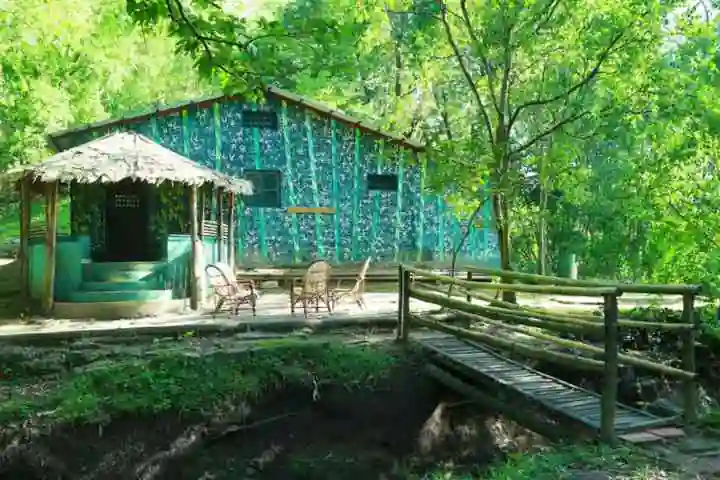
Parambikulam Peruvari Island Nest camp

Bamboo-hut island camp reached by rafting through the dam waters, with guide and boatmen support.

Parambikulam Tiger Reservetree top hutOvernight
Official source →
Thunakadavu, Parambikulam trek
forest staywildlife

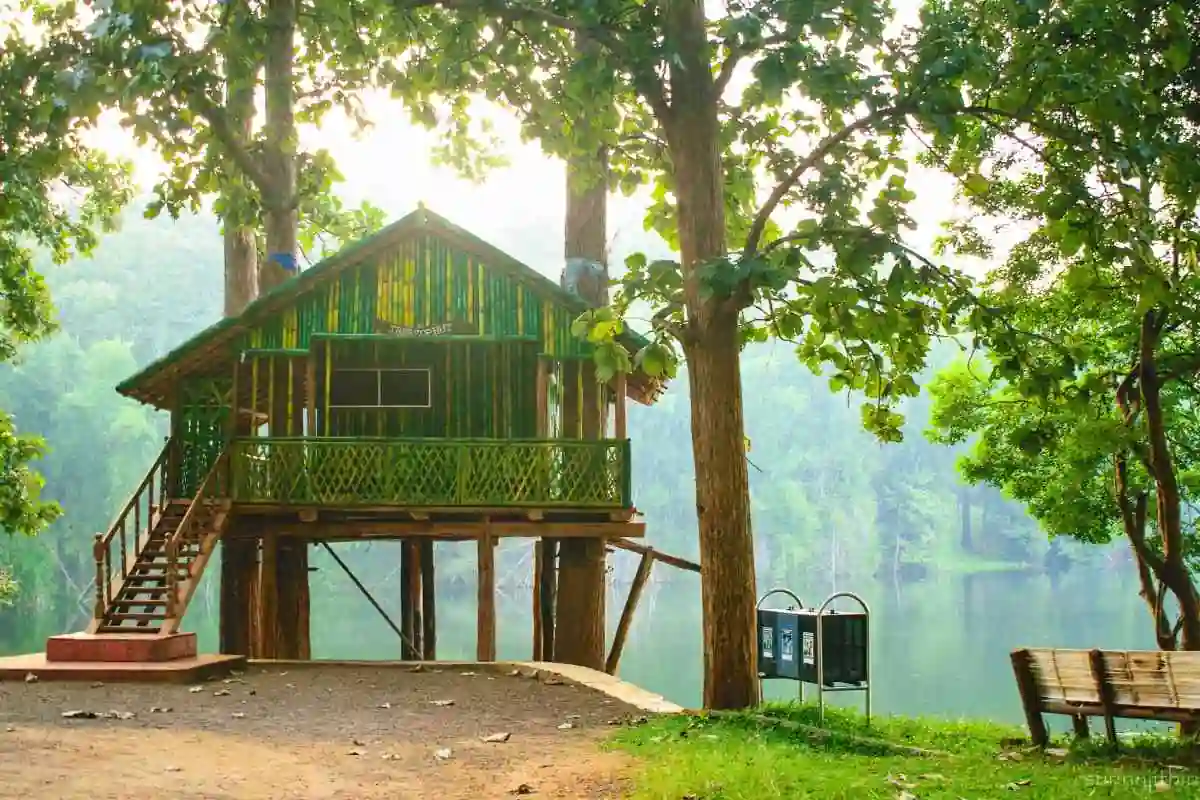
Parambikulam Tree Top Hut at Thunakadavu

Treetop hut stay near Thunakadavu reservoir inside the forest, with meals included in the official package.

Parambikulam Tiger Reservetree top hutOvernight
Official source →
Veettikunnu Island, Parambikulam trek
forest staycampingrafting

Parambikulam Veettikunnu Island Hut

Island hut stay in Parambikulam reservoir, reached by rowing boat with naturalist guide support.

Parambikulam Tiger Reserveforest cottageOvernight
Official source →
Parambikulam Tiger Reserve, Parambikulam trek
forest stayraftingbirding

Parambikulam Honeycomb Complex stay

Night stay package in the Honeycomb complex with bamboo rafting, tribal symphony, birdwatching and trekking.

Parambikulam Tiger Reserveeco lodgeOvernight
Official source →
Stay · eat · do · rent · see · shop

Stays, food & things to do near Parambikulam trek

Browse listed stays, food, activities, sights, shops and rentals around Parambikulam trek. Check each listing’s locality and contact the business directly for current arrangements.

Official forest stay programme · Parambikulam
Parambikulam Treetop Hut Programme

Parambikulam Treetop Hut Programme is a reserve-programme record for travellers comparing official stay and activity options inside Parambikulam Tiger Reserve. Current rules and booking windows should be checked with the reserve before travel. Official forest stay programme.

Directions Commission-freeView details
Official forest island stay · Parambikulam
Veettikunnu Island Nest Parambikulam

Official forest island stay in Parambikulam. Parambikulam Tiger Reserve, Kerala · Veettikunnu, Official forest island stay.

Directions Commission-freeView details
Tiger reserve · Parambikulam
Parambikulam Tiger Reserve Official Booking

Tiger reserve in Parambikulam. Parambikulam Tiger Reserve, Parambikulam, Palakkad, Kerala 678661 · Tiger reserve, Official booking, Forest stay.

Directions Commission-freeView details
Forest canteen · Parambikulam
Parambikulam Eco Canteen

Forest canteen in Parambikulam. Parambikulam Tiger Reserve, Palakkad district, Kerala · Forest canteen.

Directions Commission-freeView details
Access and route support · Parambikulam
Parambikulam Anappady Access Support

Parambikulam Anappady Access Support is a researched access and route support record for parambikulam, added to improve practical Kerala trip planning without duplicating an existing same-place listing.

Directions Commission-freeView details
Safari · Parambikulam
Parambikulam Jungle Safari Official

Safari in Parambikulam. Parambikulam Tiger Reserve, Parambikulam, Palakkad, Kerala 678661 · Safari, Tiger reserve, Official programme.

Directions Commission-freeView details

Book with the place itself. India’s cyber-crime coordination centre warned in April 2025 that convincing copies of hotel and pilgrimage booking sites are being pushed through sponsored search and social ads, taking payment for rooms the property never hears about. Use the contact and source details on each profile to confirm the exact business and booking channel. A directory entry or map pin alone does not establish an operator’s identity or current availability. Roampedia takes no commission and does not collect booking payments. If a booking page reached you through an ad, check the address bar against the property’s own site before you pay. Fraud can be reported on cybercrime.gov.in or on 1930.

Nearby guides

Top experiences around Parambikulam

One more place around Parambikulam worth a day of its own.

wildlifeParambikulam Tiger Reserve

14.4 km · straight line

Major protected area accessed via the Anamalai side; permits and entry rules apply.

Roampedia is commission-free — own or know a stay, eatery, guide or shop near Parambikulam trek? Submit public business details for review.

Add a nearby business
Trek facts

Parambikulam trek — at a glance

TimingsNo dependable daily trail timetable is published. Programmes run in daylight and only when the reserve confirms them; call Anappady before setting out rather than treating the reserve gate hours as a trek departure time.
Best timeNovember to March for drier ground and clearer light. The routes may be suspended after heavy rain or for wildlife movement in any month.
Entry price
Indian adult
₹1,200
Foreign visitor
₹2,400

Bear Path and Elephant Song rate. Kerala Tourism publishes Pugmark separately at ₹3,600 Indian / ₹6,100 foreign; confirm the named programme with Anappady.

Foreign rate verified 2026-09-02 · source

Entry: Kerala Tourism publishes Bear Path and Elephant Song at ₹1,200 per Indian adult and ₹2,400 per foreign adult, and Pugmark at ₹3,600 per Indian adult and ₹6,100 per foreign adult. It separately lists Kariyanshola at ₹500 for two people plus ₹100 for each extra person. These are different programmes and official tariff generations do not agree; confirm the named route and current total with Anappady before travelling.

Photography: The strongest frames are made on the forest track, where teak trunks and bamboo close around the path, and at the transitions into open grassland or reservoir edge. Wildlife is never guaranteed and should not be approached for a photograph.

Parking: Vehicle handling is controlled at the reserve reporting point. There is road access to Anappady, but no source describes a dedicated accessible trailhead car park for any of the four routes.

Getting here

How to reach Parambikulam trek

  • ✈︎ By air Coimbatore is the practical airport for the Pollachi approach. Continue by road through Anaimalai and Sethumadai.
  • 🚆︎ By train Pollachi Junction is the practical railhead for the visitor approach. Palakkad Junction is in the correct district but on the wrong side of the protected hills for a direct road journey.
  • 🚗︎ By road Approach through Pollachi, Anaimalai, Sethumadai and Topslip in Tamil Nadu, then enter Kerala at the reserve. The Anappady reporting point is on the visitor road inside the boundary. There is no public motor road across the forest from Palakkad or Nelliyampathy.
  • 🚌︎ By bus Public transport is not a dependable way to make a fixed reporting time. Reach Pollachi first, then arrange a vehicle through Sethumadai and Topslip; confirm the border and check-post arrangements with the reserve.
Getting back

If you are travelling by bus or ferry, check the return service with the operator before setting out. Leave time to reach the stop or jetty after your visit.

Ask at the bus stand for the time of the last service back, not the next one. If you miss it, an auto or app cab is the fallback — agree the fare before you get in.

Do

Things to do

  • Choose Bear Path for teak, bamboo and the grassland pond on a 4 km walk ending at Anappady.
  • Choose Elephant Song for the gentler 4 km evergreen-patch route.
  • Take Kariyanshola for a 6 km forest circuit with bamboo rafting and a group cap of ten.
  • Take Pugmark for the longer 10 km route from Peruvaripallam Earth Dam past the Kannimara teak and Thunacadavu.
  • Buy honey or handicrafts at a reserve Ecoshop so the visit returns money to the resident communities.
Prepare

What to carry

  • Ask for the trail by name. “Parambikulam trek” is not a booking product and can produce four different answers.
  • Call +91 94422 01690 or +91 94422 01691 before leaving Pollachi and reconfirm the reporting point, price and start time.
  • Carry water, a packed snack, long socks and leech protection. Nothing should be left on the trail.
  • Stay with the guide. Elephant and gaur movement can change a route on the day.
  • Carry identification and cash even if you booked online; check-post and network conditions are not predictable.
Getting around Parambikulam trekNot wheelchair accessible
Terrain
Steep
From the entrance
The four programmes use unsurfaced forest tracks rather than one made trail. Bear Path and Elephant Song are 4 km; Kariyanshola is 6 km and includes getting into and out of a bamboo raft; Pugmark is about 10 km from Peruvaripallam Earth Dam. The reserve guide controls the pace and route.
Step-free access
None of the four trekking programmes is wheelchair-accessible. The official descriptions identify forest walking and, for Kariyanshola, bamboo rafting; they publish no step-free route, made surface or accessible toilet. Anappady information centre is reached by road, but that does not make the trails a partial accessible experience.
Prams
No. These are guided forest paths, and Kariyanshola also involves a bamboo raft. A carrier does not make the longer routes suitable for a small child; ask the reserve whether Elephant Song is running and appropriate for your group.

Information centre and reporting support at AnappadyA reserve guide with each programmeBamboo raft and crew as part of KariyansholaVanasree Ecoshop at AnappadyNo published toilet, drinking-water point or shelter on the four trails

  • Tiger-reserve ground used by elephants and gaur: never leave the guide or approach wildlife.
  • Leeches are common after rain; Kariyanshola’s official description specifically warns visitors to take precautions.
  • Trail availability changes with weather, wildlife movement and guide capacity.
  • Mobile coverage is unreliable away from the settlements.

Checked 2 September 2026 against source 1source 2source 3. Conditions change and surfaces vary with weather — if step-free access is essential, confirm with the site before you travel.

Nearby

What’s near Parambikulam trek

viewpointRanimedu

A working plantation on the southern shoulder of the Nelliyampathy plateau with a grass-and-rock top point above it, named by Kerala Tourism as a trekking destination and reached by estate track rather than by road.

9.8 km · straight line
viewpointSeetharkundu viewpoint

The edge of the Nelliyampathy escarpment, where the plateau stops and the Palakkad plain opens out a thousand metres below — a place you drive to and stand at, with a seasonal waterfall below the lip and a car park full of bold macaques.

12.0 km · straight line
trekNelliyampathy trek

Walking routes off the Nelliyampathy plantation plateau: an evergreen-forest footpath to the bare granite of Kesavan Para, longer forest-division routes to Hill Top, Karassuri and over the ridge to Parambikulam, and a four-wheel-drive climb to Manpara and the ruined Victoria Church.

12.6 km · straight line
activityGovernment Orange and Vegetable Farm

A state farm at Kaikatty growing mandarin oranges, winter vegetables and a fruit forest of fifty varieties on the Nelliyampathy plateau — the Kingdom of Cochin's Poliya estate, a farm since 1943 and an orange and vegetable farm since 1956, with a passion-fruit processing unit and a published ticket.

12.8 km · straight line
hill stationNelliyampathy

Tea and orange-garden hill station reached through forested ghat roads.

13.3 km · straight line
viewpointKaradipara

A rock shoulder on the Kaikatty-Nooradi road looking across an unbroken fold of evergreen forest to a conical peak — the nearest thing on the plateau to a viewpoint you can have to yourself.

14.4 km · straight line
wildlifeParambikulam Tiger Reserve

Major protected area accessed via the Anamalai side; permits and entry rules apply.

14.4 km · straight line
viewpointKesavan Para

A great sheet of bare granite tilted out over the valley at the end of a red-earth path through wet evergreen forest — the one walk on the Nelliyampathy plateau that anyone reasonably fit can do without the Forest Division's permission.

14.7 km · straight line
heritageKollengode

A rural village ~19 km south of Palakkad below the Nelliampathy hills, known for its palace, the Vishnu temple, paddy landscapes and old Tamil-Brahmin heritage.

18.1 km · straight line
damPothundi Dam

A 19th-century irrigation dam near Nemmara — one of the oldest in India, its core wall built with a jaggery-and-lime mix — with a scenic reservoir, gardens and boating.

18.7 km · straight line
damMangalam Dam

A quiet reservoir among wooded hills near Alathur, south-west of Palakkad town — good for a peaceful drive and picnic.

28.8 km · straight line
heritagePalakkad Fort

Well-preserved fort in Palakkad town, associated with Hyder Ali and Tipu Sultan.

35.0 km · straight line

4 detailed place guides in Parambikulam →

On the map

Where Parambikulam trek is

Good to know

Parambikulam trek — frequently asked

Is Parambikulam trek one route?

No. The official programme lists Bear Path and Elephant Song at 4 km, Kariyanshola at 6 km, and Pugmark at about 10 km. They have different starts and levels, so ask for the route by name.

Can I trek without a guide?

No. These are controlled programmes inside a tiger reserve. Report as instructed by Anappady and remain with the reserve guide throughout.

Which is the easiest route?

Elephant Song is the route officially described as a soft trek intended for a wider range of ages. It is still four kilometres on forest ground and is not a paved accessible trail.

Which route includes bamboo rafting?

Kariyanshola, a 6 km circuit from Anappady through moist deciduous and evergreen forest. Its official description combines the walk with bamboo rafting and caps a group at ten.

Which route visits the Kannimara teak?

Pugmark, the roughly 10 km route from Peruvaripallam Earth Dam through the teak country towards Thunacadavu and back to Anappady.

How do I book?

Use the Parambikulam Tiger Reserve’s own booking portal or call the Anappady information centre on +91 94422 01690 or +91 94422 01691. Confirm the named route, price and reporting time before travelling.

Why do published prices disagree?

The official Forest Department directory, Kerala Tourism page and reserve portal reflect different tariff generations. Availability and rates change, so this page prints the published route differences but sends the final price check back to the operating reserve.

Can I reach it directly from Palakkad?

Not by a public visitor road across the hills. The practical approach is through Pollachi and Sethumadai in Tamil Nadu, then back into Kerala through the reserve check post.

When is the best time to visit Parambikulam trek?

The drier months from November to March give firmer trail conditions and clearer forest light. Programmes remain subject to weather and wildlife movement throughout the year, so confirmation from Anappady matters more than a calendar promise.

What are the entry fee and timings at Parambikulam trek?

Entry: Kerala Tourism publishes Bear Path and Elephant Song at ₹1,200 per Indian adult and ₹2,400 per foreign adult, and Pugmark at ₹3,600 per Indian adult and ₹6,100 per foreign adult. It separately lists Kariyanshola at ₹500 for two people plus ₹100 for each extra person. These are different programmes and official tariff generations do not agree; confirm the named route and current total with Anappady before travelling. Timings: No dependable daily trail timetable is published. Programmes run in daylight and only when the reserve confirms them; call Anappady before setting out rather than treating the reserve gate hours as a trek departure time. Indian adults pay about ₹1,200 and foreign visitors about ₹2,400.

How do I reach Parambikulam trek?

Choose the route before travelling; the four programmes are different days, not interchangeable names for the same walk. Contact the Anappady information centre on +91 94422 01690 or +91 94422 01691 and confirm availability before setting out. Reach the reserve through Pollachi, Topslip and Sethumadai in Tamil Nadu. There is no public motor road into the visitor zone from the Kerala plains. Report where the reserve instructs you and remain with its guide throughout. Independent walking is not permitted. Carry water, sun protection and leech protection; Kariyanshola’s official description specifically warns about leeches.

How much time do I need for Parambikulam trek?

Allow most of a day once the road journey, reporting and guided programme are included. The 4 km routes are the shorter choices; Kariyanshola is a 6 km mixed trek-and-rafting programme, and Pugmark is about 10 km.

What else is near Parambikulam trek?

Nearby you can pair Ranimedu (9.8 km, approximate straight-line separation), Seetharkundu viewpoint (12.0 km, approximate straight-line separation), Nelliyampathy trek (12.6 km, approximate straight-line separation), Government Orange and Vegetable Farm (12.8 km, approximate straight-line separation).

What should I know before visiting Parambikulam trek?

This is tiger-reserve ground with elephants, gaur and other large wildlife. Never leave the guide or try to shorten a route independently. Leeches are normal on the shaded trails after rain. Covered footwear and long socks are practical rather than optional in wet conditions. Phone coverage is unreliable beyond the settled road. Tell your accommodation which programme you are taking and your expected return time.

Read before you go

Parambikulam trek guides, stories & itineraries

Stories & history of Parambikulam trek

Written about Parambikulam trek itself — its history, its legends and the arguments about them.

Around Parambikulam

These guides explore Parambikulam and the surrounding area. Choose a visit that fits your interests, allowing separately for travel between stops.

Kerala-wide guides & itineraries

Route-level itineraries and practical guides for the rest of Kerala.

See all 34 Palakkad guides & stories →

Image credits

Photographs: Firos AK (CC BY-SA 4.0), PP Yoonus ([email protected]) (CC BY-SA 3.0), Athulvis (CC BY-SA 4.0), PJeganathan (CC BY-SA 4.0), Suriyakumars (CC BY-SA 3.0), Gsreekantan (CC BY-SA 4.0). Wikimedia Commons.