What to expect
Highlights
- Jain temple visit at Jainimedu Jain Temple
- Marble work, carved pillars and Tirthankara figures in a Gujarati idiom
- The surrounding merchant quarter and its trading history
A ~15th-century Jain temple on the western edge of Palakkad town, one of the few surviving traces of Jainism in Kerala, with images of the Thirthankaras and Yakshinis.
Check entry arrangements. Check footwear, leather-item and inner-shrine rules with temple staff before entering. Dress modestly and ask before photographing worship.
Dress respectfully and follow the institution’s admission and photography rules.
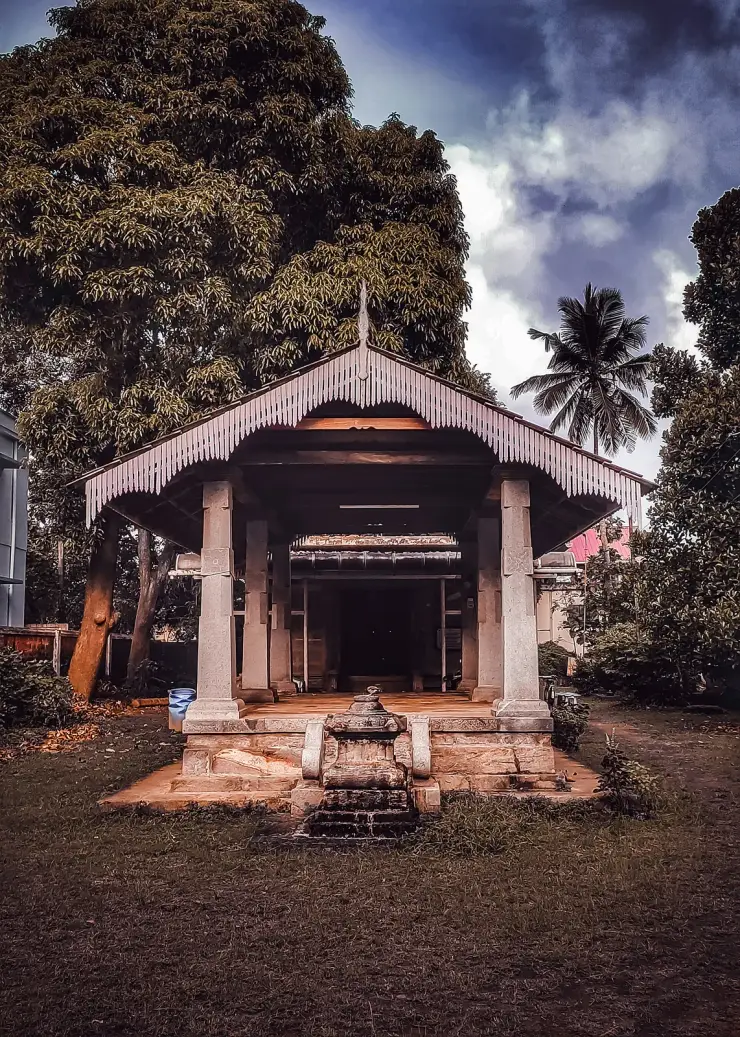
Down a quiet lane on the edge of Palakkad town stands a low, weather-darkened granite hall — one of the last surviving Jain temples in Kerala, and a rare, unadorned relic of a faith that once thrived here.
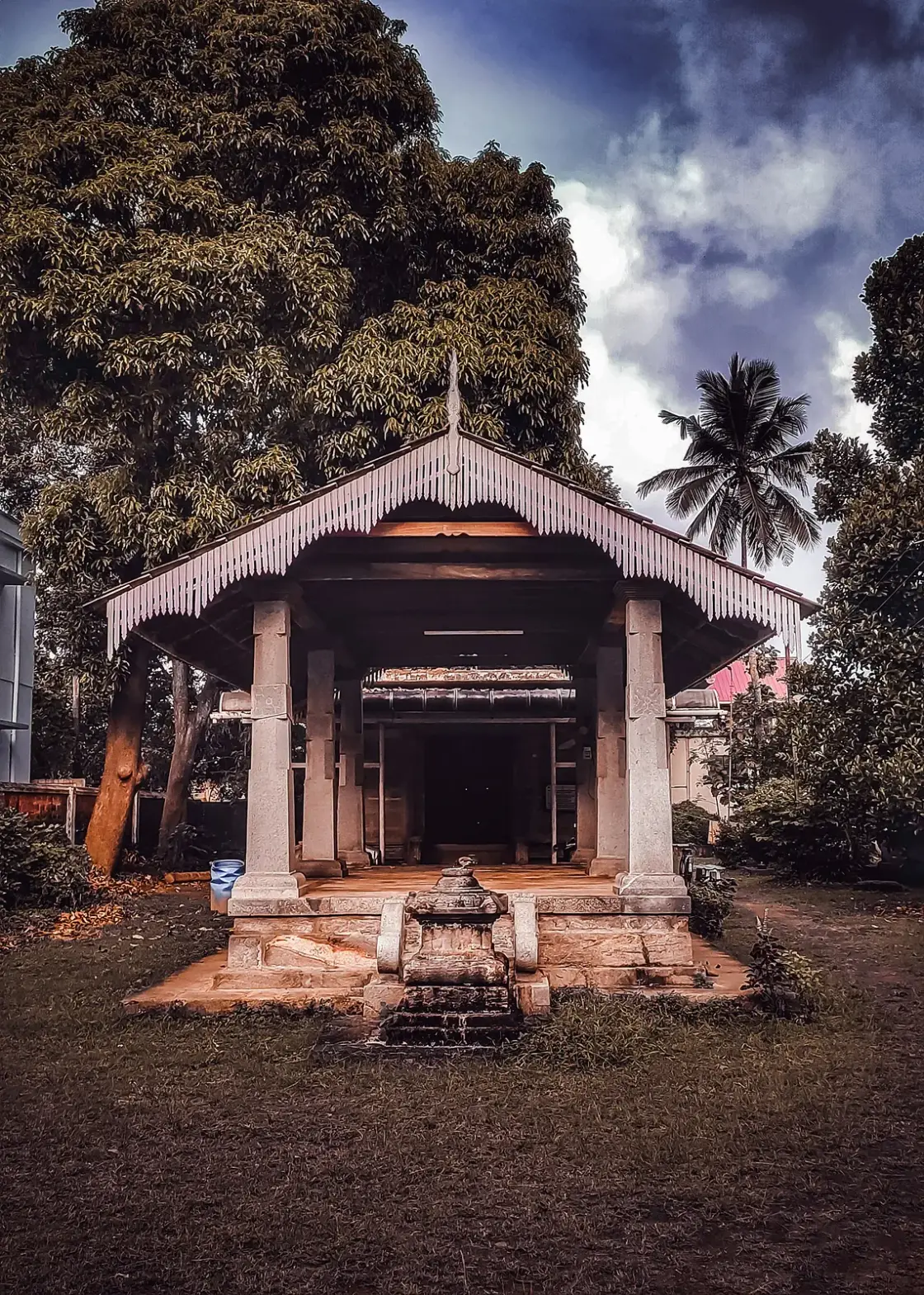
The Jainimedu Jain Temple sits at Jainimedu, a suburb roughly 3 km from the centre of Palakkad town. It is a plain rectangular structure of dressed granite, often cited as about 32 feet long and 20 feet wide, utterly different in mood from the towering gopurams and lamp-lit corridors of Kerala’s Hindu temples. Here there is no ornament clamouring for attention — just cool stone, a shaded courtyard and a hush that rewards the traveller who seeks it out.
The temple is dedicated to the Jain Tirthankaras, with Chandraprabha — commonly described as the eighth of the twenty-four Tirthankaras — venerated as the principal figure. Inside, the sanctum holds carved images of Tirthankaras together with yakshis, the guardian deities of Jain iconography. Names recorded by various accounts include Chandraprabha, Parshvanatha, Rishabhanatha and the yakshis Padmavati and Jwalamalini (spellings and attributions vary between sources — confirm locally).
What strikes most visitors is the austerity. Jain devotional art favours restraint and inward focus, and the building reflects it: granite walls, simple pillars, an unhurried plainness that feels closer to meditation than to festival. The very name of the locality, Jainimedu — loosely, the ‘mound’ or ‘high ground of the Jains’ — quietly preserves the memory of the community that raised it, long after most of that community moved on.
There is a gentle literary halo around this corner of Palakkad. Tradition holds that the celebrated Malayalam poet Kumaran Asan (Kumaranasan) composed his landmark poem Veena Poovu — ‘The Fallen Flower’ — while staying at a Jain house near here, an association often dated to the early twentieth century (attributed tradition — confirm locally). It is a poignant coincidence: a meditation on impermanence written beside a shrine to a faith that had itself all but faded from the Kerala landscape.
Today the temple is a quiet, lesser-visited monument rather than a bustling pilgrimage hub. It underwent restoration in more recent years, and Jain devotees and heritage-minded travellers still find their way here, but on many days you may have the courtyard largely to yourself. Facilities on site are minimal, and opening may be irregular, so patience and a respectful, low-key approach serve the visitor best.
For the curious traveller, Jainimedu offers something Kerala rarely gives: a tangible thread back to a Jain past that most people never associate with the state at all. Paired with the nearby Palakkad Fort and the old town’s markets, temples and grain-country landscapes, it rounds out a picture of Palakkad as a historic crossroads where Karnataka, Tamil and Kerala worlds met, traded and left their marks in stone.
The temple is generally dated to around the 15th century, giving rise to the popular description of it as a ‘500-year-old’ shrine. Accounts widely credit its construction to a family of Jain diamond merchants who had migrated from Karnataka, with one name recorded in tradition as its founder (attributed — confirm locally). Jain traders following the medieval trade routes into the Palakkad Gap are a plausible thread behind its origins.
The early Jain settlers here are often said to have been Shettys, a merchant community, and the locality took the name Jainimedu from their presence. At its height — commonly placed in the seventeenth and eighteenth centuries — Jainimedu is said to have been home to several hundred Jain families (figures vary between sources — confirm locally), making it one of Kerala’s more significant Jain centres in a region where Jainism was otherwise scarce.
That community later dwindled. Local histories associate the decline with the turbulence of the late eighteenth century, including the period of the Mysore invasions of Malabar, after which the Jain population thinned and the temple slipped into neglect (historical attribution — confirm locally). What remained was the granite shell and its images — a surviving fragment of a once-living tradition rather than an active congregation.
The building itself is valued precisely as one of the very few places in Kerala where the physical vestiges of Jainism endure. It houses carved figures of Tirthankaras and yakshis and, in its plainness, preserves an authentic Jain aesthetic. The temple was renovated in the 2010s, with a Panch Kalyanak consecration ceremony reported around that time, which helped stabilise the deteriorating structure.
The temple is frequently described as a protected heritage monument of Palakkad, and it appears on district and state tourism heritage listings; however, travellers should treat any specific ASI or protected-monument designation as something to verify locally rather than assume. Either way, its significance is not in scale or grandeur but in rarity: a quiet stone survivor of Kerala’s Jain chapter.
See one of the last surviving Jain temples in Kerala — a genuine rarity in a state better known for its Hindu, Christian and Muslim heritage.
Experience a strikingly austere granite shrine, free of the elaborate ornamentation of Kerala’s Hindu temples.
View carved images of Jain Tirthankaras and yakshis, including the principal figure Chandraprabha.
Trace a vanished community: the very name Jainimedu preserves the memory of Palakkad’s once-thriving Jain settlers.
Connect with a literary footnote — the tradition that poet Kumaran Asan composed Veena Poovu at a Jain house nearby.
Enjoy a quiet, uncrowded heritage stop that pairs naturally with Palakkad Fort and the old town.
Road km to Palakkad; ghat roads and traffic vary — allow extra.
Late morning to midday for the rituals; October to March for comfortable travel.
Live forecast loads in your browser.
Sun and moon are calculated for this location and shown in IST. Photography windows are the hour around sunrise and sunset; the sunset bearing is degrees clockwise from true north. Moon phase is accurate to about half a day.
These are official or public-sector eco offerings that match this place, town or forest destination. Confirm availability, permits, tariffs and reporting times with the official operator before travel.

Popular guided waterfall trek near Palakkad, listed by Kerala Tourism’s ecotourism programme pages.
Official source →Browse listed stays, food, activities, sights, shops and rentals around Jainimedu Jain Temple. Check each listing’s locality and contact the business directly for current arrangements.
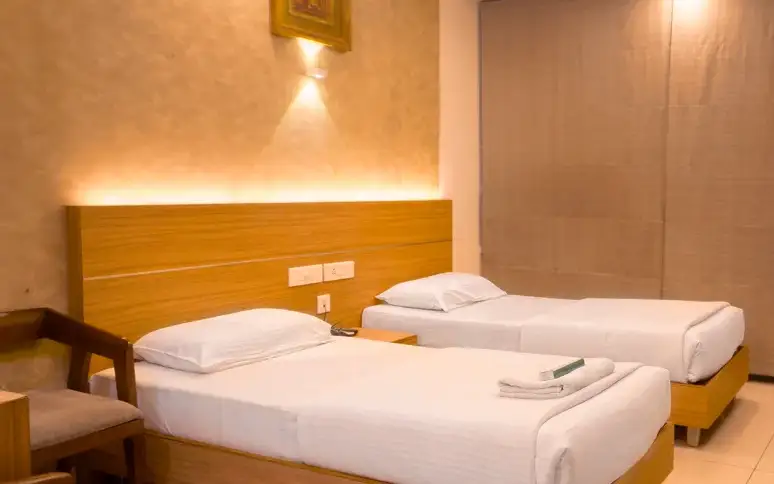
A long-running pure-veg multi-cuisine restaurant beside the KSRTC bus stand in Palakkad. It serves South Indian meals and fast food, with rooms also on site.
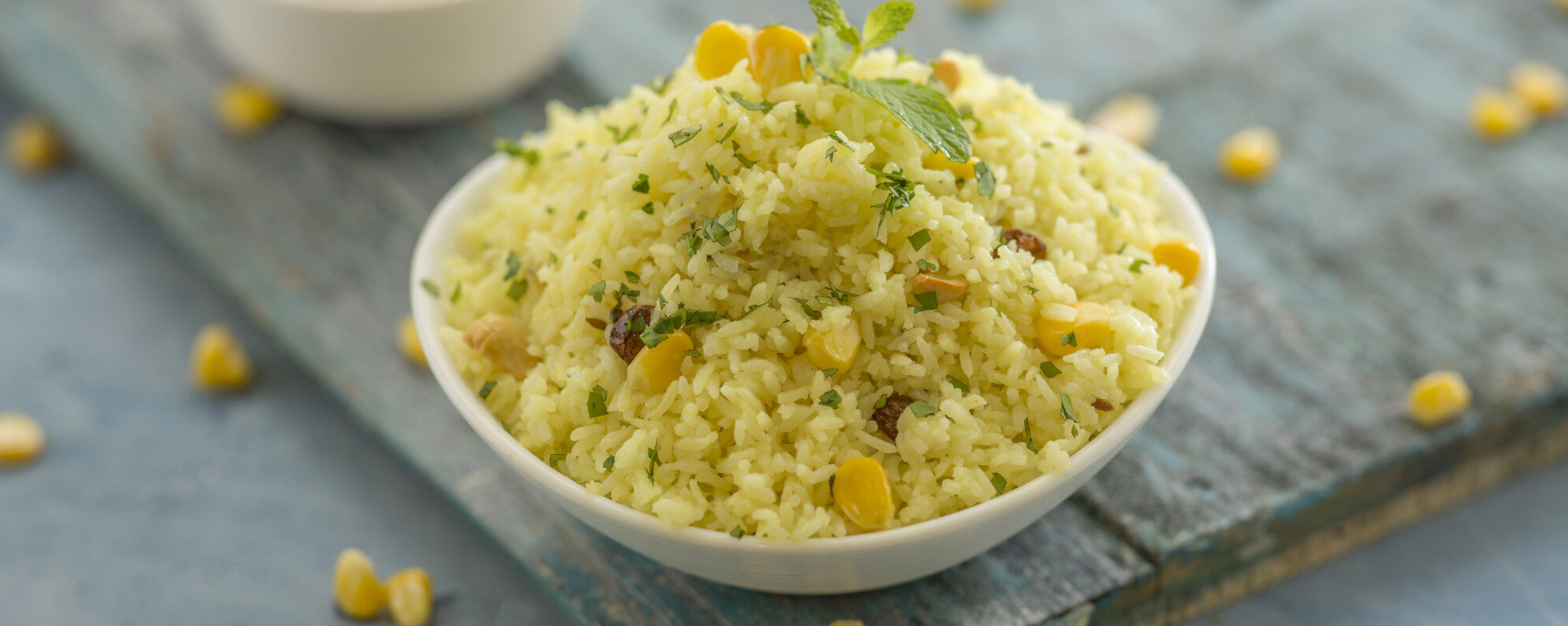
Kapilavasthu Restaurant is a Palakkad town vegetarian restaurant near the KSRTC Bus Stand, useful for practical bus-stand meals, take-away, home delivery and outdoor catering. Vegetarian, KSRTC Bus Stand, Palakkad meals.
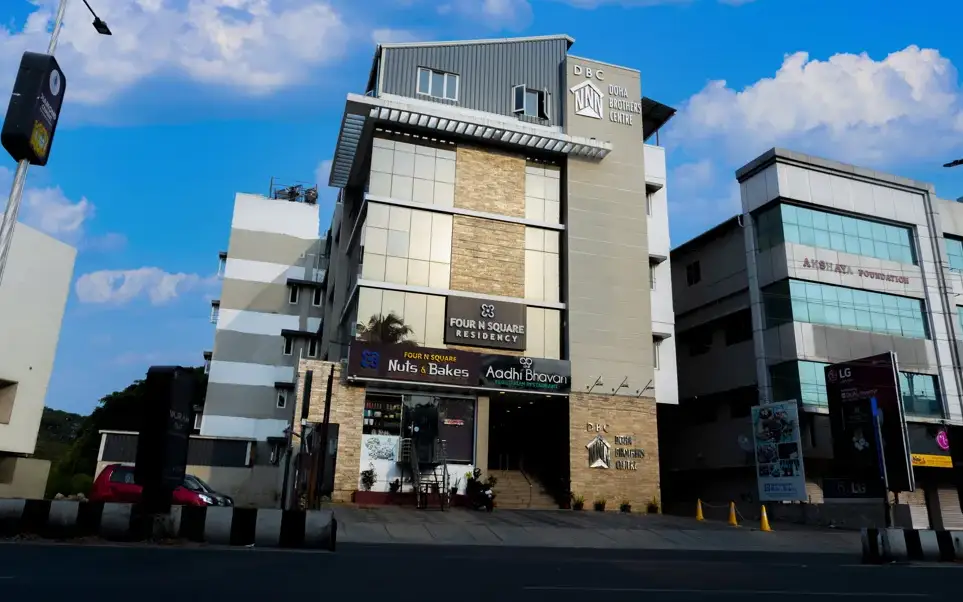
Aadhi Bhavan is a pure vegetarian restaurant at Doha Brothers Centre on Stadium Bypass Road, useful for breakfast, meals, bakery/nuts stops and family dining in Palakkad town. Vegetarian, Stadium Bypass Road, Breakfast.
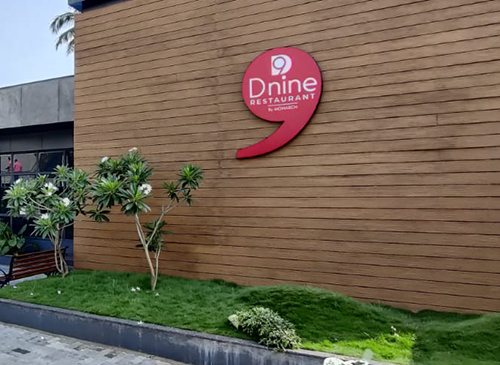
Dnine by Monarch is a Palakkad town restaurant at West Yakkara, useful for multicuisine dining, family meals, banquet enquiries and catering. Palakkad food, West Yakkara, Family restaurant.
A Palakkad favourite since 2010 known for Rawuthur-style dum biryani and kebabs. Its outlet near the stadium bus stand also serves Kerala sadya.
A multi-cuisine family restaurant with a branch on Coimbatore Road in Palakkad town. The menu spans Kerala breakfasts, North Indian, Arabian and Chinese.
Book with the place itself. India’s cyber-crime coordination centre warned in April 2025 that convincing copies of hotel and pilgrimage booking sites are being pushed through sponsored search and social ads, taking payment for rooms the property never hears about. Use the contact and source details on each profile to confirm the exact business and booking channel. A directory entry or map pin alone does not establish an operator’s identity or current availability. Roampedia takes no commission and does not collect booking payments. If a booking page reached you through an ad, check the address bar against the property’s own site before you pay. Fraud can be reported on cybercrime.gov.in or on 1930.
Find food, accommodation and activities across Palakkad town. Browse the guides for places to eat, stay and explore along your route.
13 more places around Palakkad town. Open a guide to plan the visit and onward journey.
A colonial-era masonry aqueduct and river crossing near Karingarapully, read as working water-history infrastructure rather than a conventional staffed monument.
The memorial and cultural centre at the birthplace associated with Kunchan Nambiar, presenting the poet and the Ottan Thullal performance tradition.
2.9 km · straight line
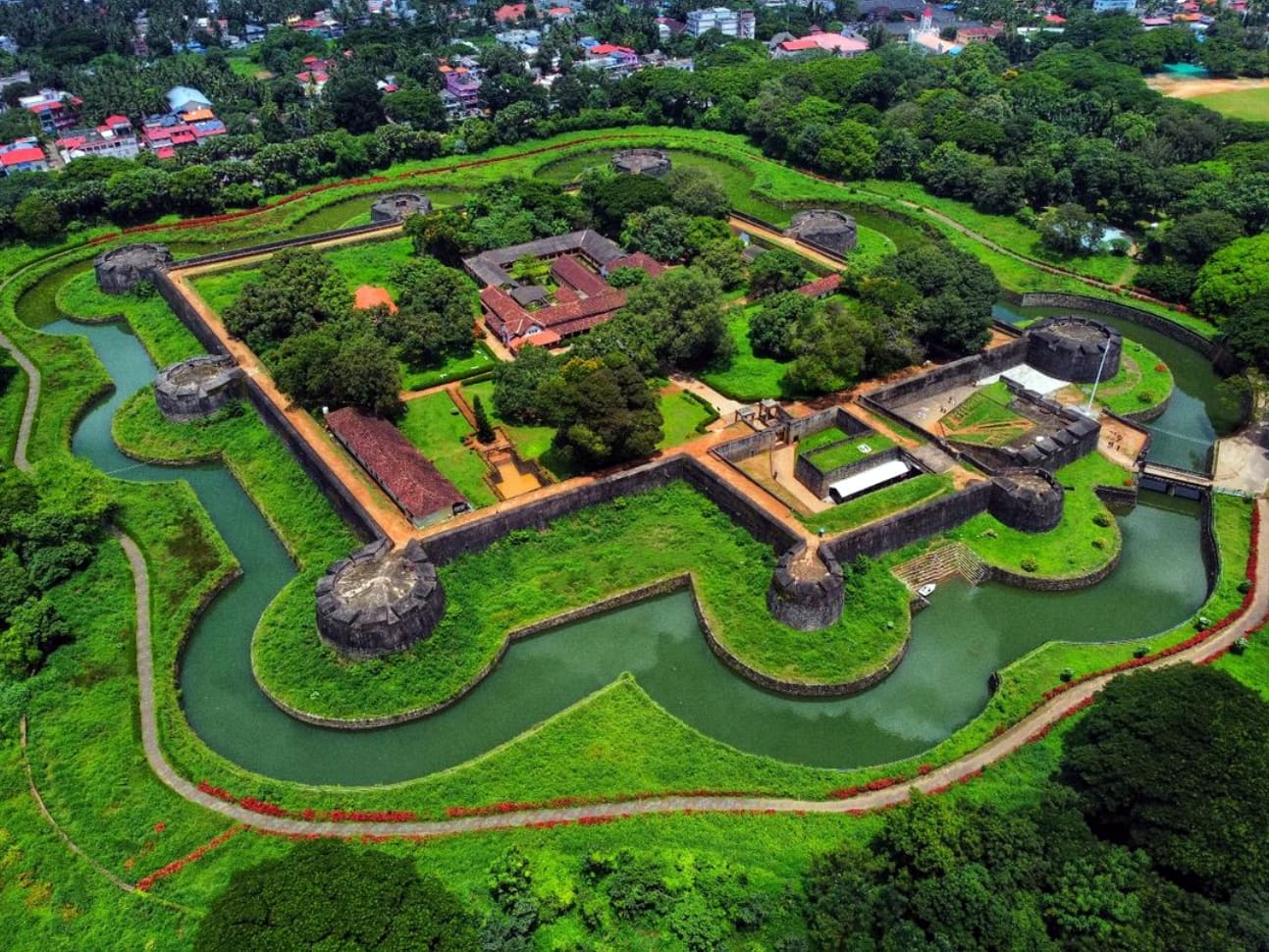
Well-preserved fort in Palakkad town, associated with Hyder Ali and Tipu Sultan.
3.5 km · straight line
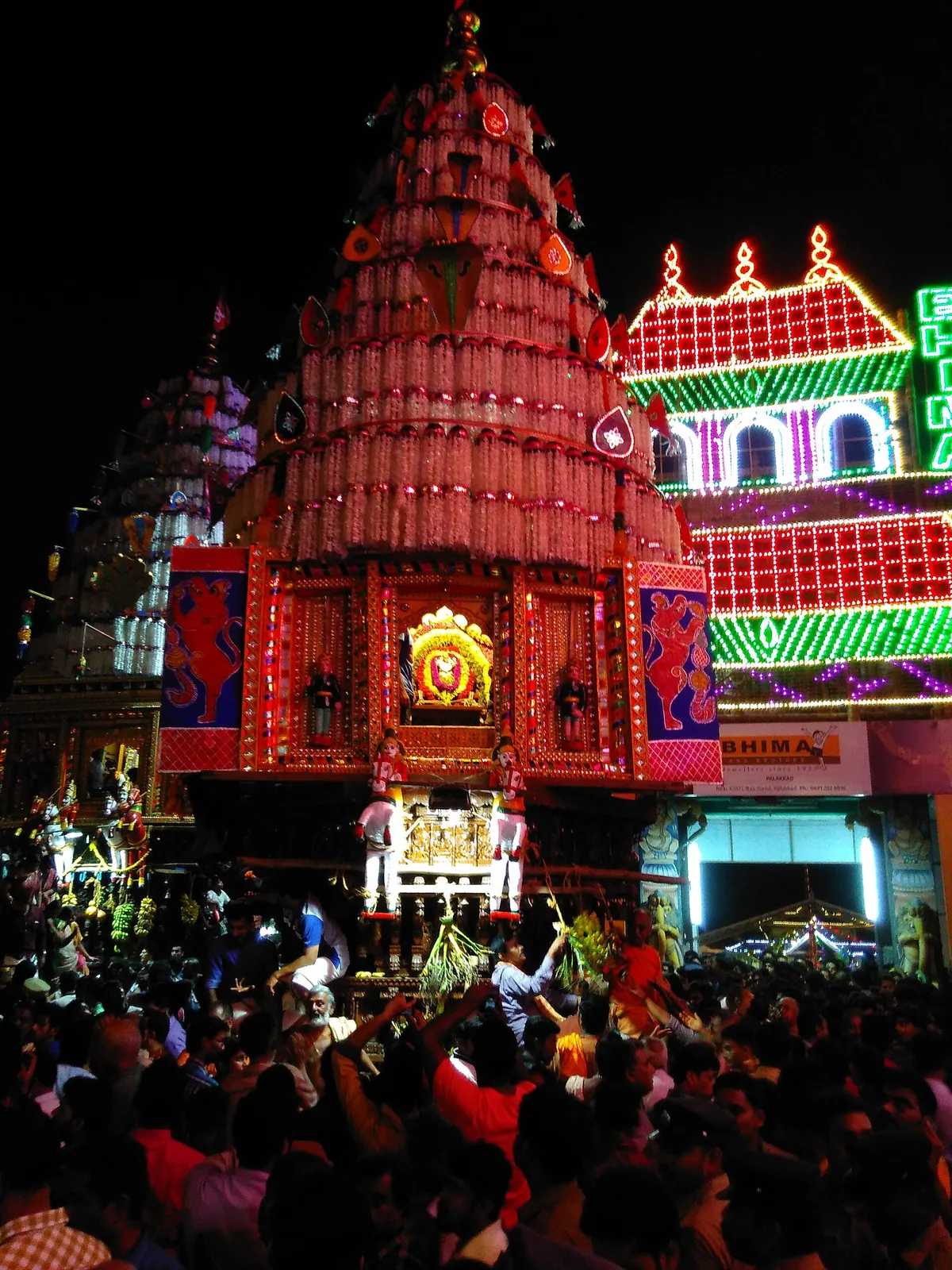
Kerala’s first heritage village, ~3 km from Palakkad town, built around the Sri Viswanatha Swamy temple on the Kalpathy river — a Tamil-Brahmin agraharam known as the “Kashi of the South” and for its November Ratholsavam chariot festival.
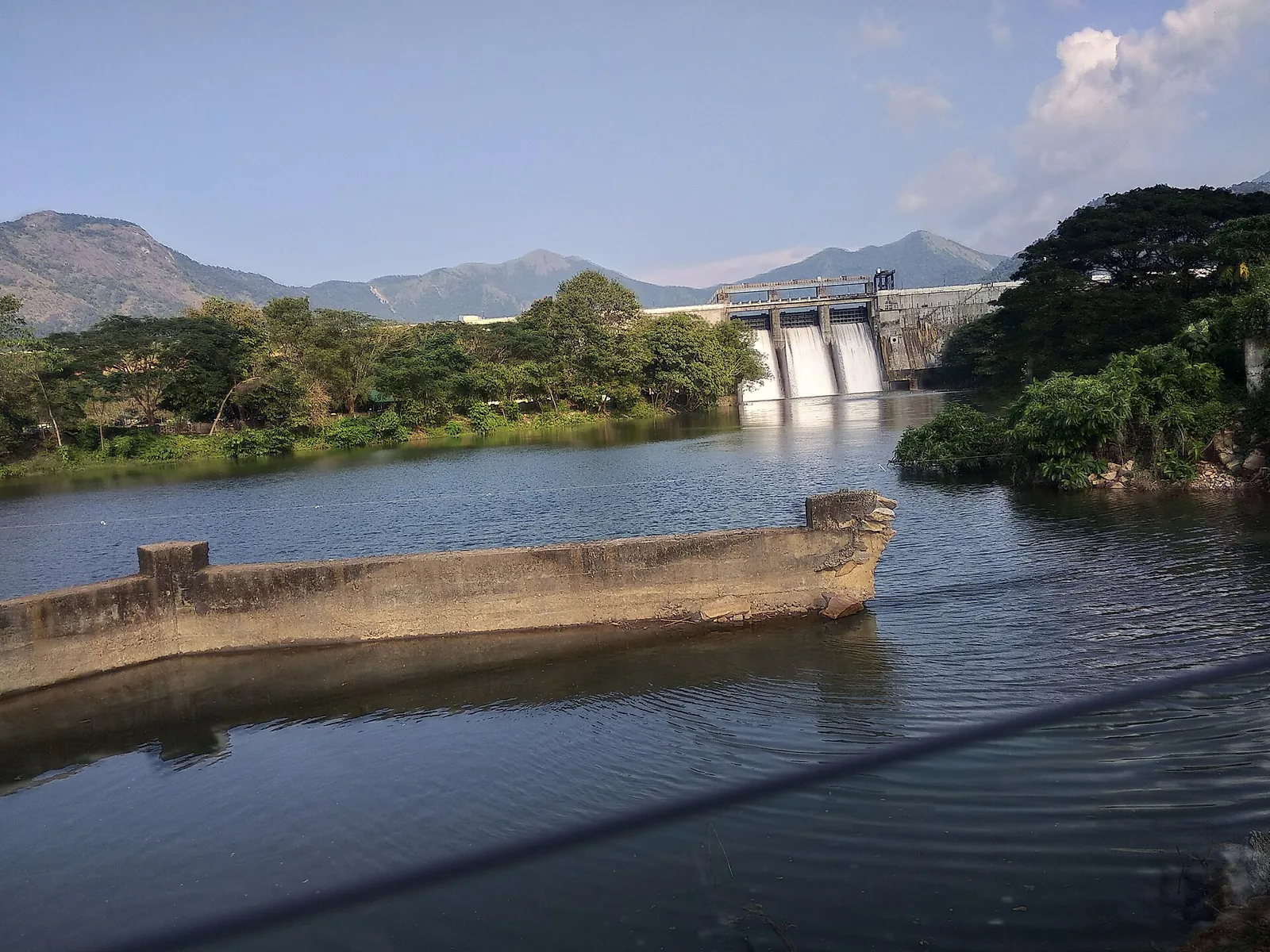
25.0 km · straight line
A calm reservoir and garden set among hills in the Mannarkkad side of Palakkad, a quieter alternative to Malampuzha.
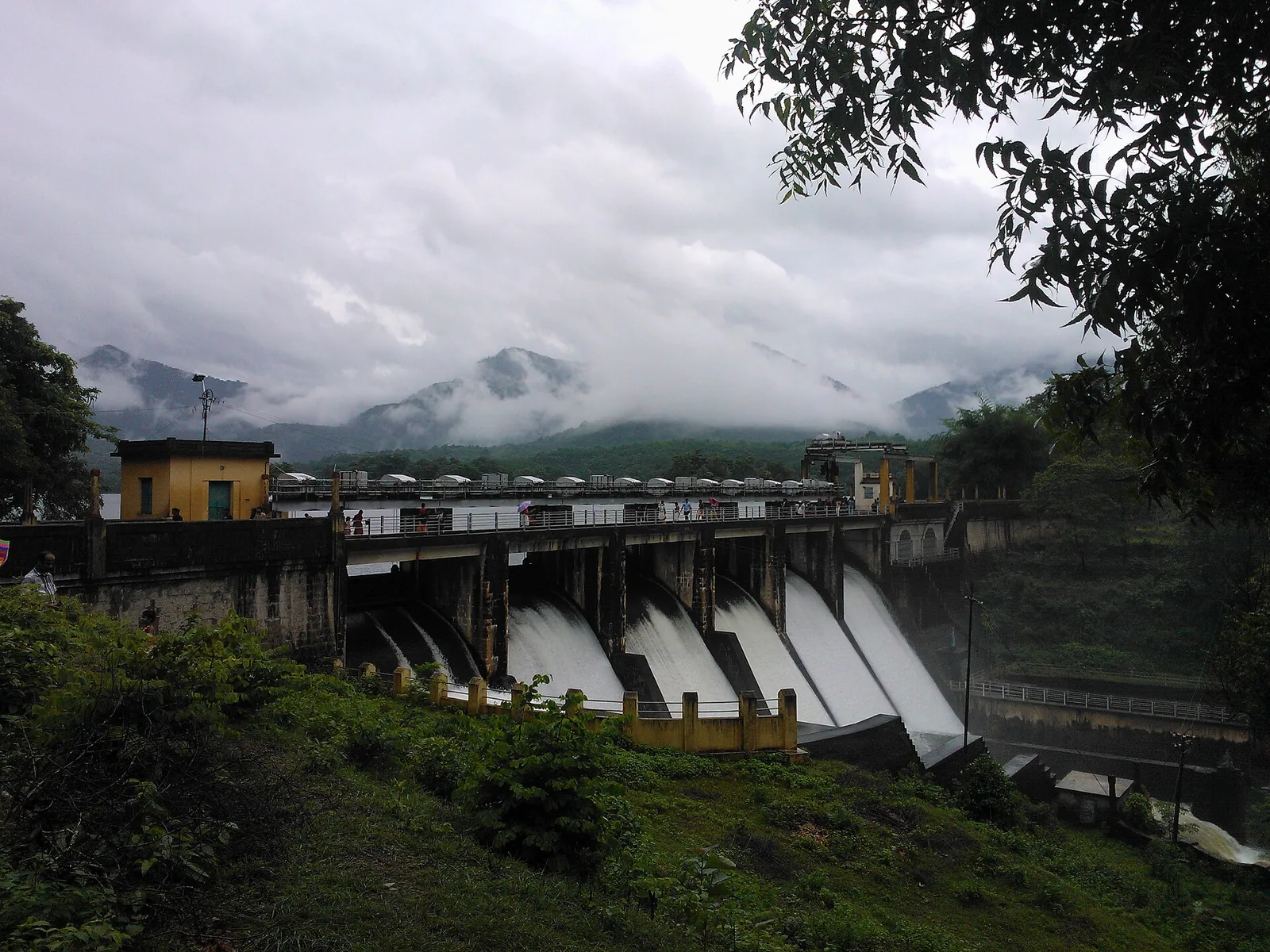
A quiet reservoir among wooded hills near Alathur, south-west of Palakkad town — good for a peaceful drive and picnic.
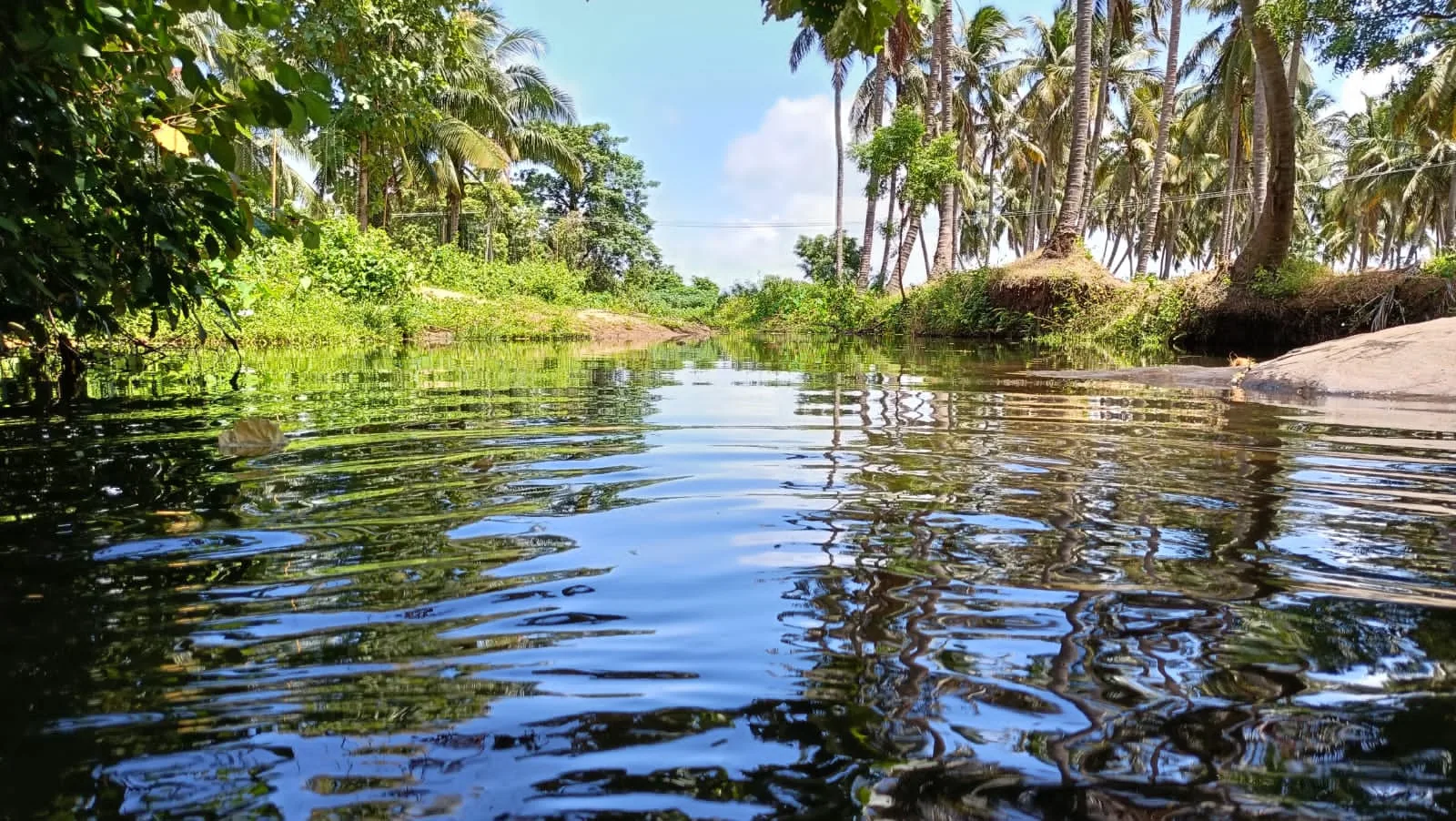
20.2 km · straight line
A rural village ~19 km south of Palakkad below the Nelliampathy hills, known for its palace, the Vishnu temple, paddy landscapes and old Tamil-Brahmin heritage.
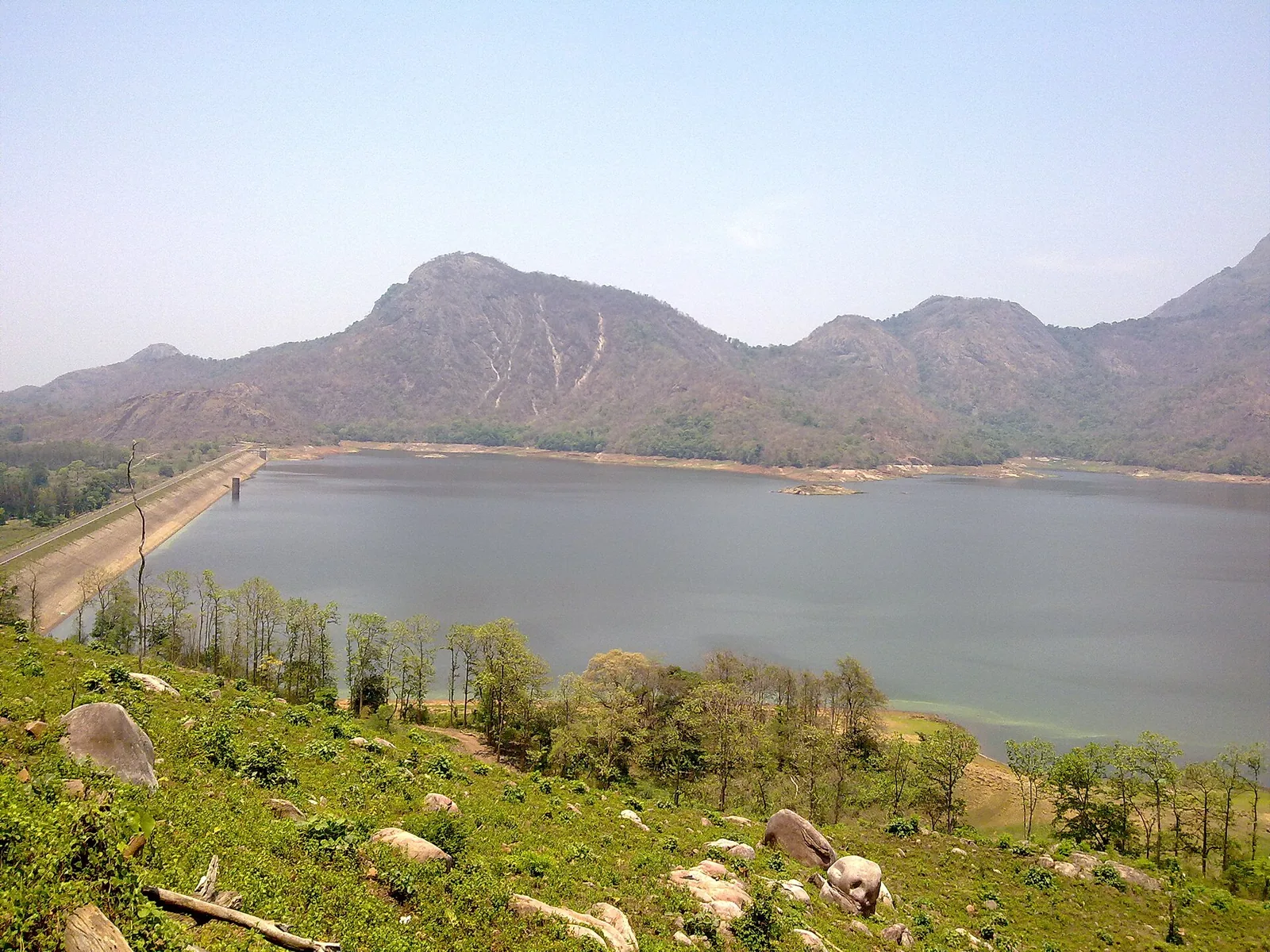
27.0 km · straight line
A 19th-century irrigation dam near Nemmara — one of the oldest in India, its core wall built with a jaggery-and-lime mix — with a scenic reservoir, gardens and boating.
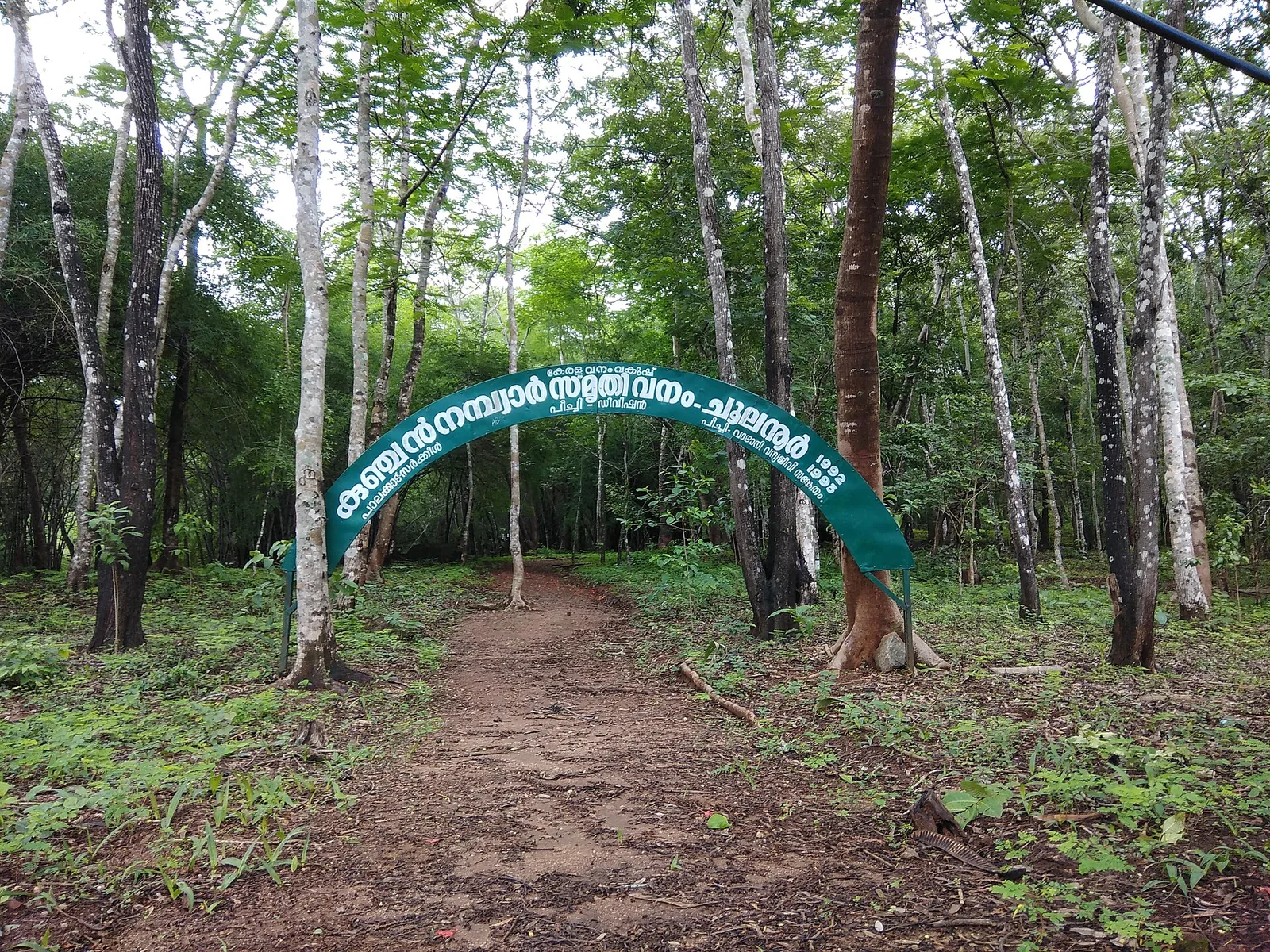
20.2 km · straight line
A peafowl sanctuary at Mayiladumpara (“the rock where peacocks dance”) near Alathur, home to 200-plus free-roaming peacocks and over 100 bird species; best at dawn and dusk.
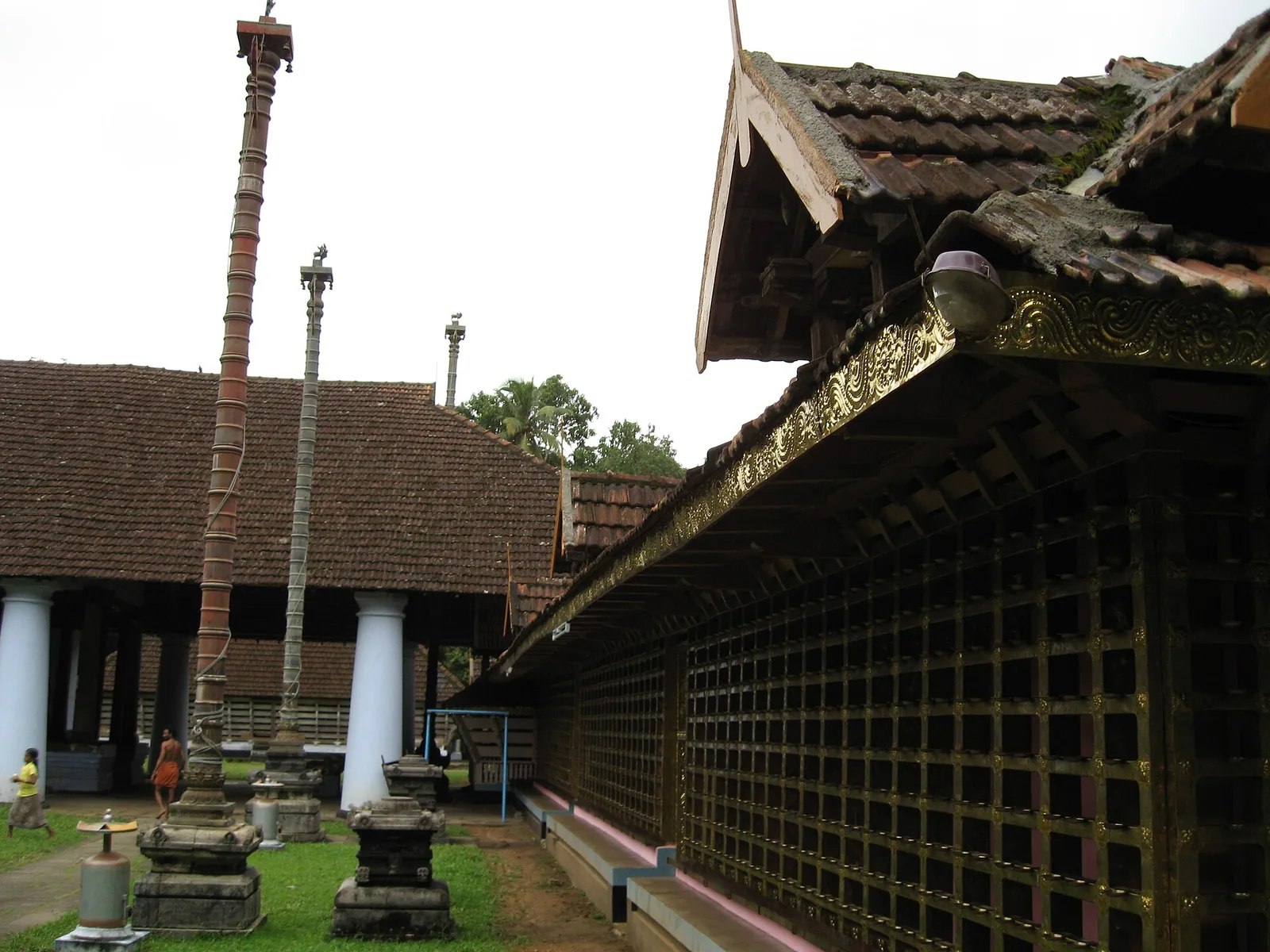
The Thiruvegappura Sankaranarayana Temple near Ottapalam, admired for its Kerala architecture, a fine 15th–16th-century Koothambalam (temple theatre) and three sreekovils with separate flag masts.
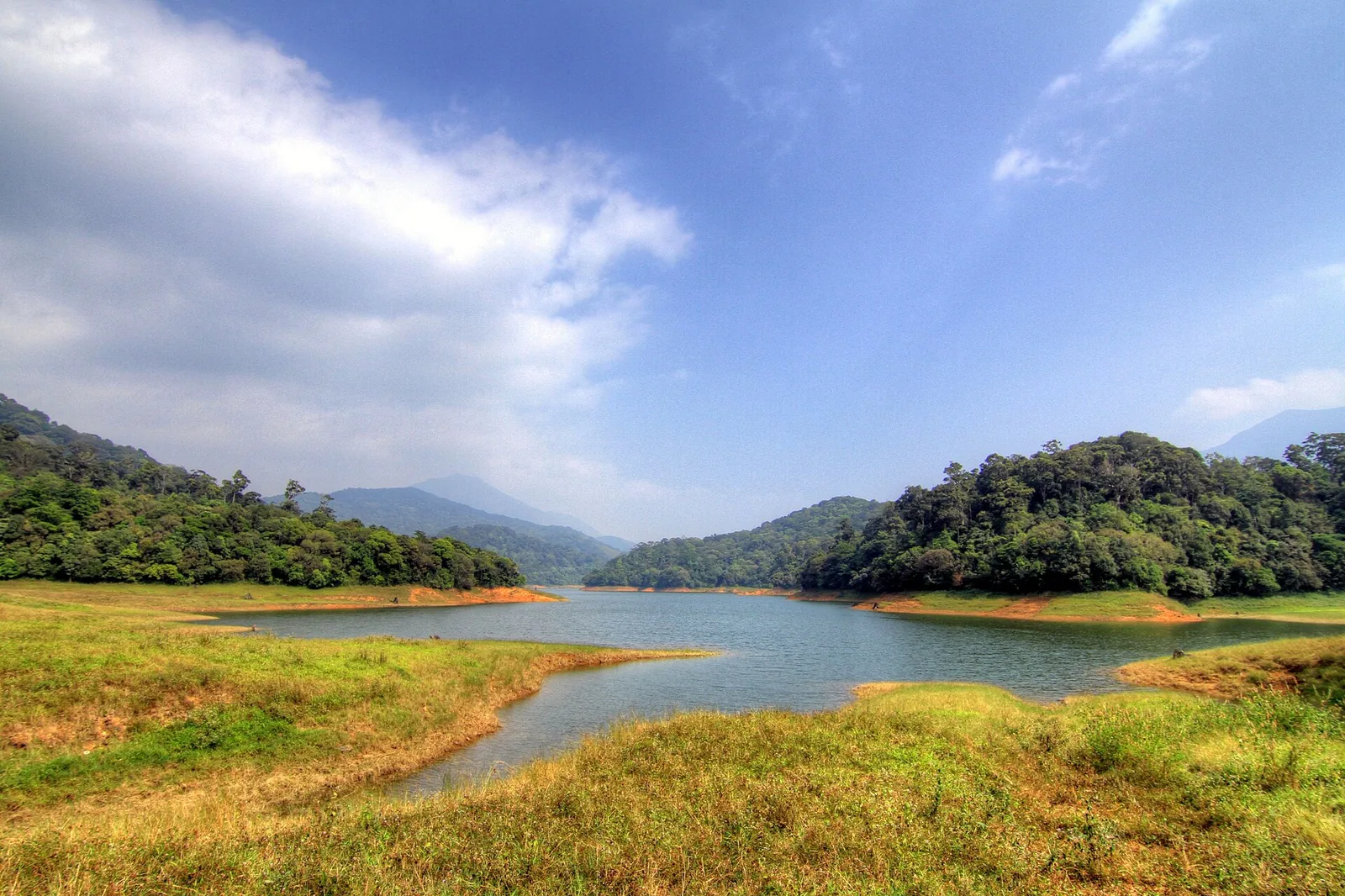
22.9 km · straight line
A Forest Department safari and walk into the closed Siruvani reserve, starting at the Inchikunnu check post: about 10 km of escorted rainforest road to the dam that supplies Coimbatore’s drinking water, then an hour on foot up to the Keralamedu grasslands on the Kerala–Tamil Nadu border.
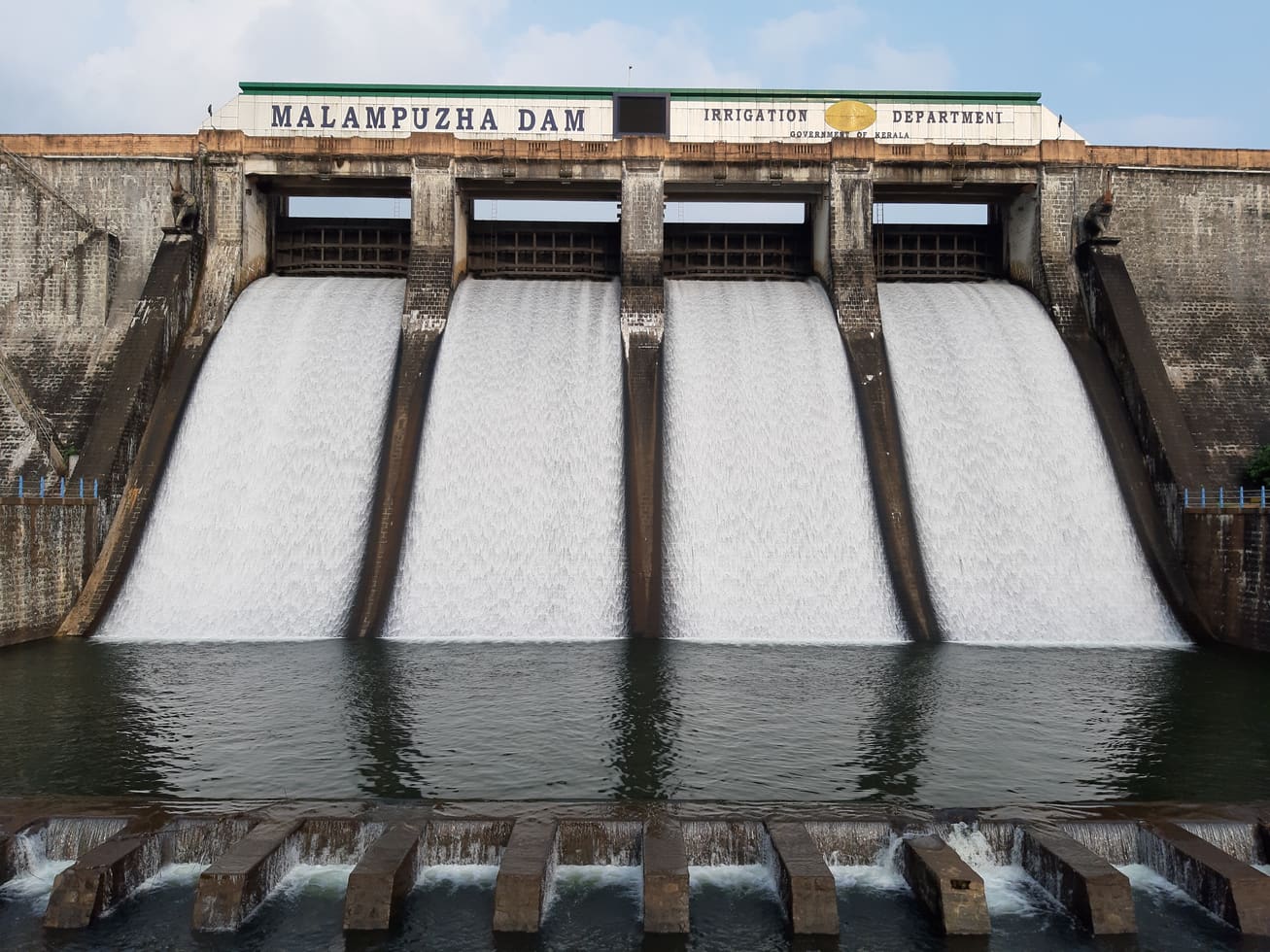
8.5 km · straight line
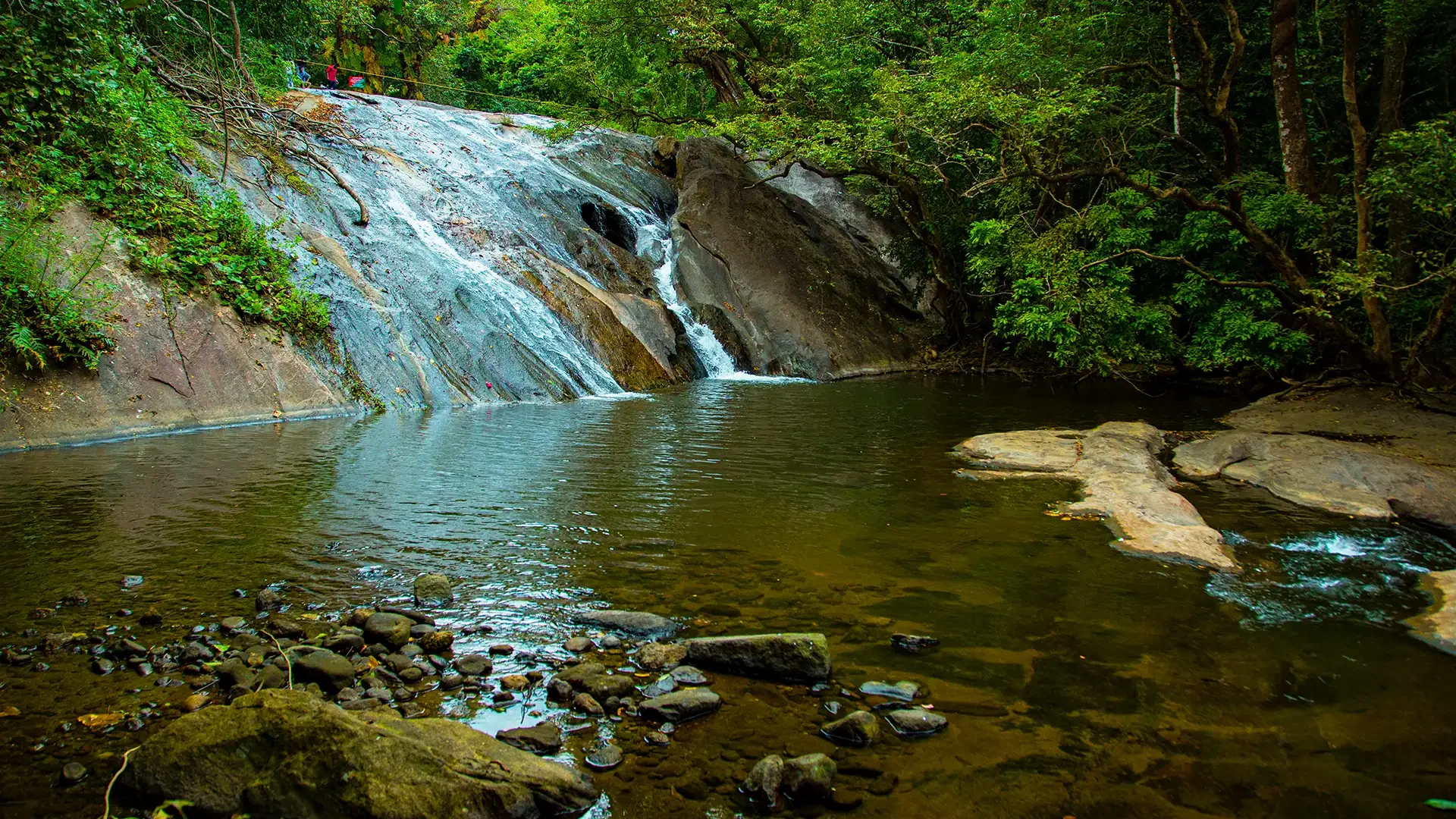
A Forest Department controlled walk from Dhoni’s forest-office base to a cascade in the Palakkad foothills, with offline admission and a Monday closure.
Roampedia is commission-free — own or know a stay, eatery, guide or shop near Jainimedu Jain Temple? Submit public business details for review.
Add a nearby businessEntry: Usually free to enter as a heritage/religious site; any small donation is voluntary.
Dress code: Dress modestly and respectfully as at any active religious site — cover shoulders and knees — and be prepared to remove footwear before entering the shrine.
Photography: Photography of the exterior and courtyard is generally fine, but always ask permission before photographing the sanctum or images inside, and avoid flash near the deities.
If you are travelling by bus or ferry, check the return service with the operator before setting out. Leave time to reach the stop or jetty after your visit.
Ask at the bus stand for the time of the last service back, not the next one. If you miss it, an auto or app cab is the fallback — agree the fare before you get in.
If you need step-free access, contact the site before travelling. Ask about a level entrance, steps along the route, the nearest drop-off point, seating and accessible toilets.
Charge cap and free-transaction limits: Reserve Bank of India, ATM FAQ updated 4 July 2025; checked 4 October 2026.
These services are listed within about 1.2 km of Jainimedu Jain Temple. Walking distances follow mapped routes; access and opening hours can change. Other services may be closer but are not included here.
Published emergency and visitor-assistance contacts. For an immediate emergency, call 112. Shared Kerala contact sources checked 4 October 2026; publication does not establish a tested live response.
Well-preserved fort in Palakkad town, associated with Hyder Ali and Tipu Sultan.
2.9 km · straight lineKerala’s first heritage village, ~3 km from Palakkad town, built around the Sri Viswanatha Swamy temple on the Kalpathy river — a Tamil-Brahmin agraharam known as the “Kashi of the South” and for its November Ratholsavam chariot festival.
3.5 km · straight lineA Forest Department controlled walk from Dhoni’s forest-office base to a cascade in the Palakkad foothills, with offline admission and a Monday closure.
8.5 km · straight line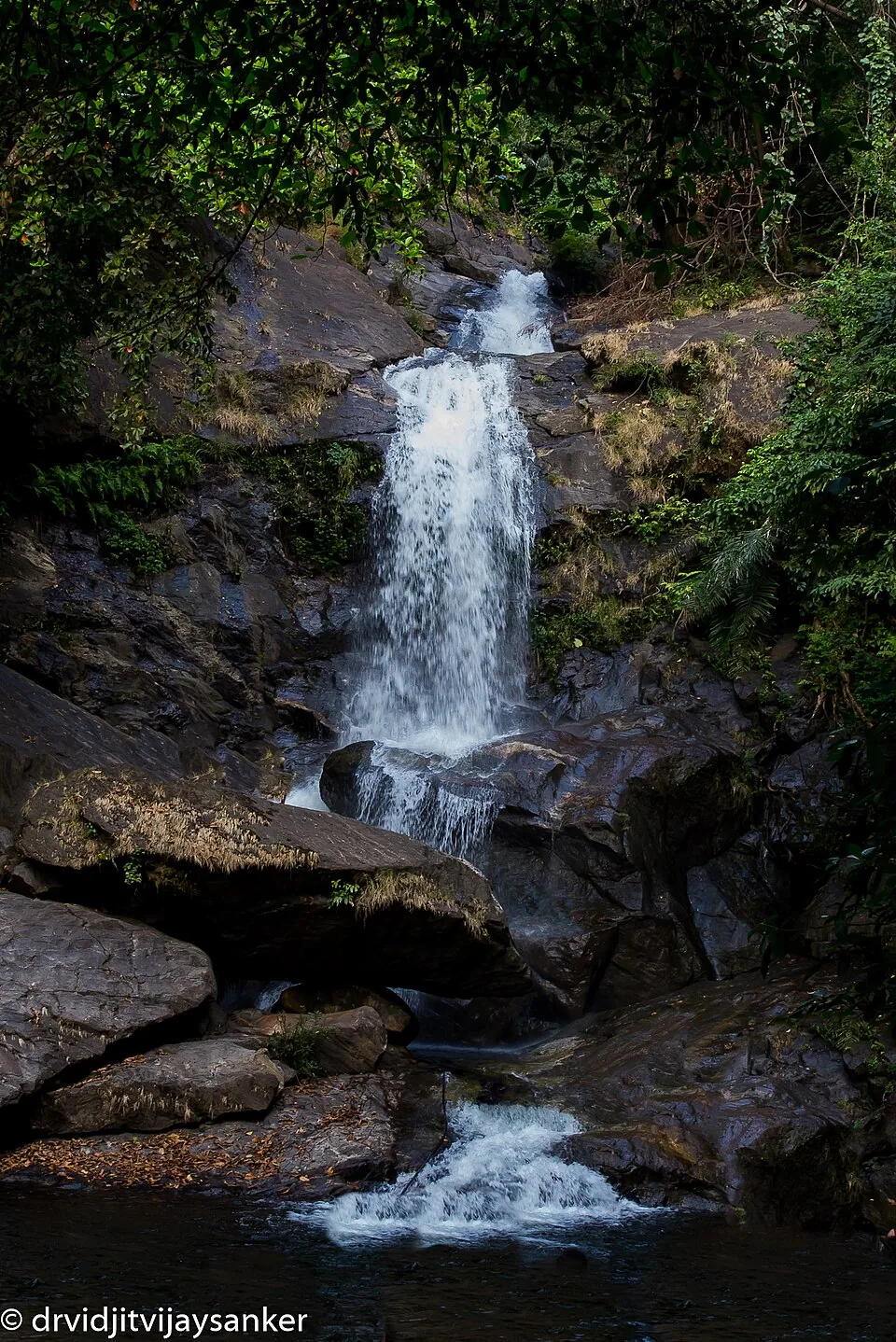
A step waterfall on the Thuppanadu river in the Western Ghats near Thuppanad on the Palakkad–Mannarkkad road, reached by a short forest trek that crosses the river.
17.9 km · straight lineA rural village ~19 km south of Palakkad below the Nelliampathy hills, known for its palace, the Vishnu temple, paddy landscapes and old Tamil-Brahmin heritage.
20.2 km · straight lineA peafowl sanctuary at Mayiladumpara (“the rock where peacocks dance”) near Alathur, home to 200-plus free-roaming peacocks and over 100 bird species; best at dawn and dusk.
20.2 km · straight lineA Forest Department safari and walk into the closed Siruvani reserve, starting at the Inchikunnu check post: about 10 km of escorted rainforest road to the dam that supplies Coimbatore’s drinking water, then an hour on foot up to the Keralamedu grasslands on the Kerala–Tamil Nadu border.
22.9 km · straight lineA calm reservoir and garden set among hills in the Mannarkkad side of Palakkad, a quieter alternative to Malampuzha.
25.0 km · straight line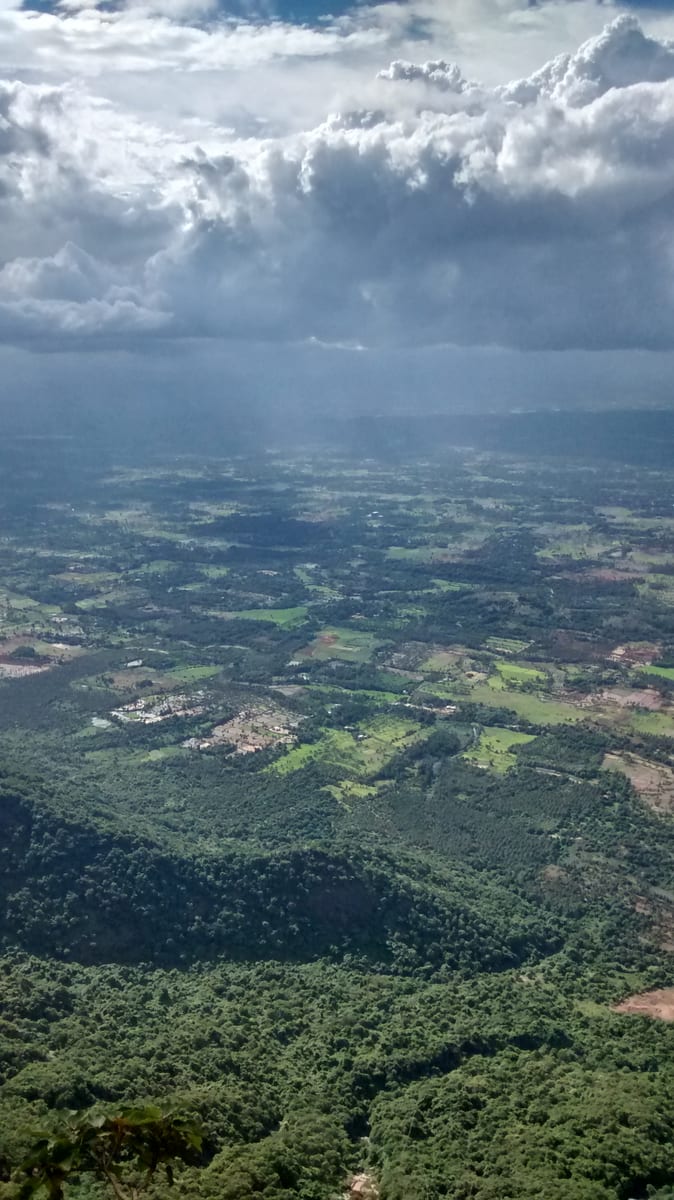
The edge of the Nelliyampathy escarpment, where the plateau stops and the Palakkad plain opens out a thousand metres below — a place you drive to and stand at, with a seasonal waterfall below the lip and a car park full of bold macaques.
26.8 km · straight lineA 19th-century irrigation dam near Nemmara — one of the oldest in India, its core wall built with a jaggery-and-lime mix — with a scenic reservoir, gardens and boating.
27.0 km · straight line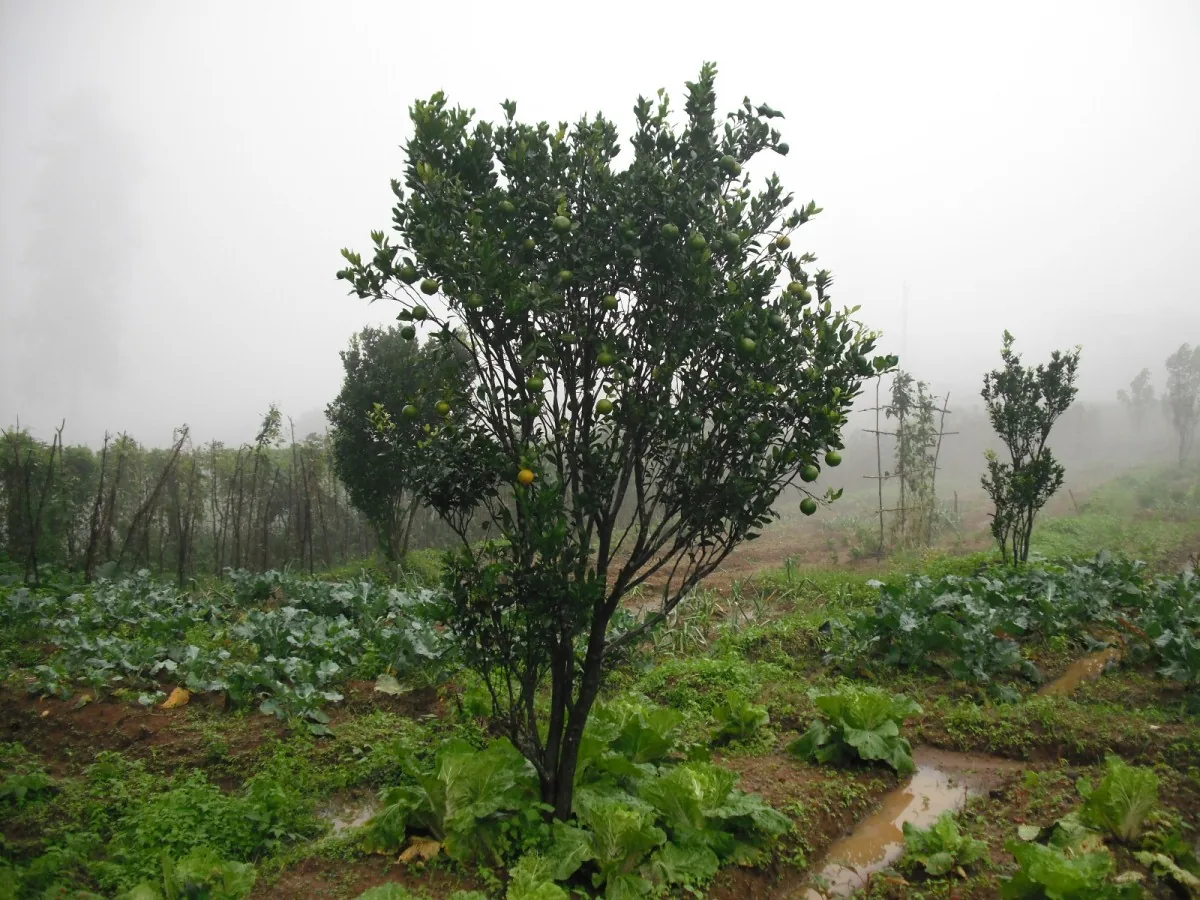
A state farm at Kaikatty growing mandarin oranges, winter vegetables and a fruit forest of fifty varieties on the Nelliyampathy plateau — the Kingdom of Cochin's Poliya estate, a farm since 1943 and an orange and vegetable farm since 1956, with a passion-fruit processing unit and a published ticket.
28.2 km · straight lineNearby toilets, pharmacies, ATMs, seating and vets are community-mapped and may be incomplete or out of date. Map data © OpenStreetMap contributors | Walking times © openrouteservice.org by HeiGIT
It is celebrated as one of the very few surviving Jain temples in Kerala — a rare relic of the region’s once-thriving Jain community, built of granite and dedicated to the Jain Tirthankaras, with the Tirthankara Chandraprabha as the principal figure.
It is commonly dated to around the 15th century and popularly called a ‘500-year-old’ temple, said to have been built by Jain merchants from Karnataka.
By local tradition, the poet Kumaran Asan (Kumaranasan) is said to have composed his landmark poem Veena Poovu, ‘The Fallen Flower’, while staying at a Jain house near here (attributed tradition — confirm locally). This is a literary association rather than a documented feature of the temple itself.
A plain, austere granite shrine housing carved images of Jain Tirthankaras and yakshis (guardian deities). The mood is quiet and meditative, without the elaborate carvings and lamps of Hindu temples.
It is a quiet, lesser-visited monument with limited facilities, and opening times can be irregular — often daylight hours only. It is best to keep expectations modest, go by day and, if possible, check locally before travelling.
It lies at Jainimedu, roughly 3 km from the centre of Palakkad town, reachable by local auto-rickshaw or taxi. The nearest major railhead is Palakkad Junction, and the nearest airports are at Coimbatore and Kochi.
Late morning to midday for the rituals; October to March for comfortable travel.
Entry: Usually free to enter as a heritage/religious site; any small donation is voluntary. Timings: Generally open during daylight hours, but timings are often irregular for this quiet monument — mornings are safest, and it is wise to check locally before visiting.
Base yourself in Palakkad town or a nearby town in Palakkad, then confirm the last-mile route locally before leaving. Time the visit around the midday rituals — at several Kerala Jain temples that is the whole reason to come; check the door rules before you arrive. If the visit depends on forest, temple, boat, ferry, weather or seasonal access, check the official/local rule on the day before travel.
30 minutes to 1 hour.
Nearby you can pair Palakkad Fort (2.9 km, approximate straight-line separation), Kalpathy Heritage Village (3.5 km, approximate straight-line separation), Malampuzha Dam & Garden (6.7 km, approximate straight-line separation), Dhoni Waterfalls trek (8.5 km, approximate straight-line separation).
Marble floors are slippery in bare feet, especially when wet. Keep footwear and valuables secure at the entrance counters.
Written about Jainimedu Jain Temple itself — its history, its legends and the arguments about them.
These guides explore Palakkad town and the surrounding area. Choose a visit that fits your interests, allowing separately for travel between stops.


Route-level itineraries and practical guides for the rest of Kerala.


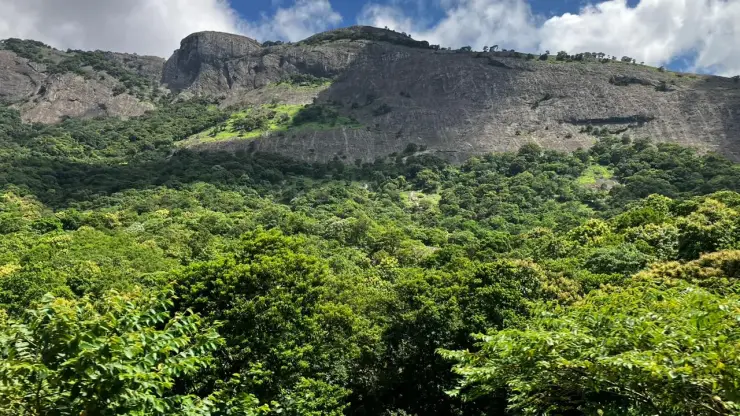
Photographs: Shafeeq basheer (CC BY-SA 4.0), Shijualex at Malayalam Wikipedia (Public domain), Abhishek Jacob (CC BY-SA 3.0). Wikimedia Commons.