Silent Valley National Park

Silent Valley National Park protects one of India's most important tropical rainforest landscapes in the Nilgiri Biosphere Reserve. For travellers, the practical gateway is Mukkali, from where official park access is managed towards the Sairandhri side.

Silent Valley National Park, Silent Valley and Mukkali
Practical guide

Plan Silent Valley National Park

Who's going?Tailor Silent Valley National Park to your trip
Typewildlife
AreaSilent Valley and Mukkali
DistrictPalakkad
Best timeDecember to April is generally easier…
Time neededFull day from Palakkad or Mannarkkad
Places to visit4Listed businesses6

This is not a free-roaming safari destination. Visits depend on official permission, vehicle and guide arrangements, daily limits and conservation rules, so go in through the official channel rather than arranging an informal way into the forest.

The story

Deep in the Kundali Hills of Palakkad, where the Western Ghats fold into some of the oldest rainforest left on Earth, Silent Valley National Park protects roughly 90 square kilometres of undisturbed tropical evergreen jungle that was very nearly drowned by a dam. Reached through the forest check-post at Mukkali, it is a place of dripping canopy, mist and the tea-brown Kunthipuzha river — and the story of how ordinary Keralites fought to save it is as famous as the valley itself.

The story of Silent Valley National Park

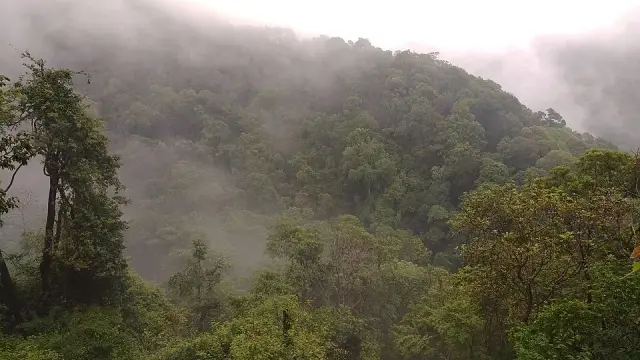
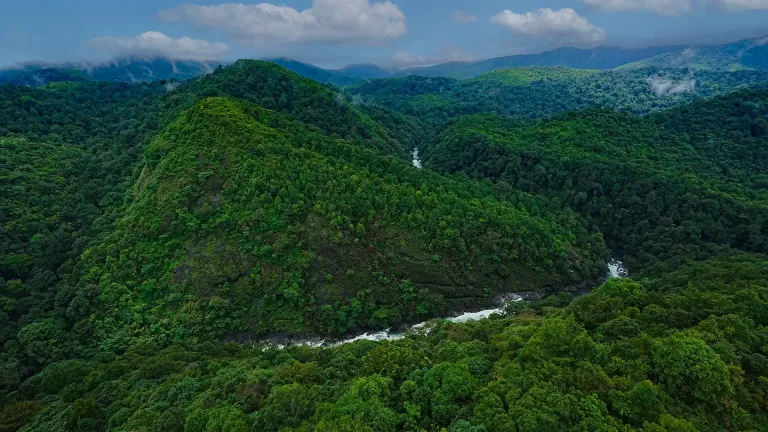
Silent Valley does not announce itself. From the base at Mukkali the road climbs through plantations and secondary jungle before the canopy closes overhead and the light turns green and underwater. This is one of the last unbroken tracts of tropical evergreen rainforest in the Western Ghats — a forest that has stood, botanists believe, more or less continuously for millions of years, never cleared, never settled, a living museum of the wet tropics.

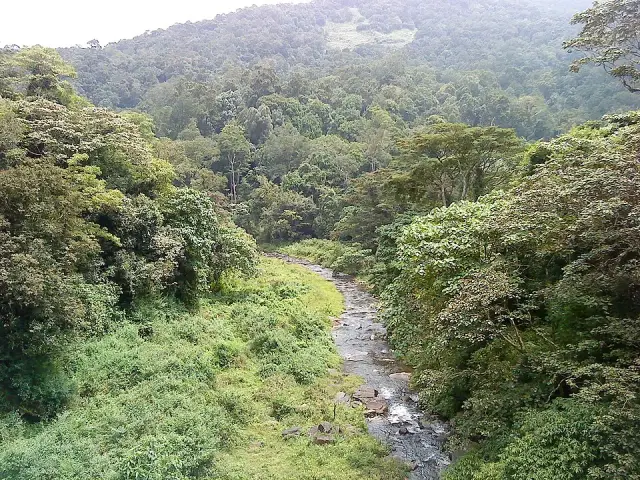
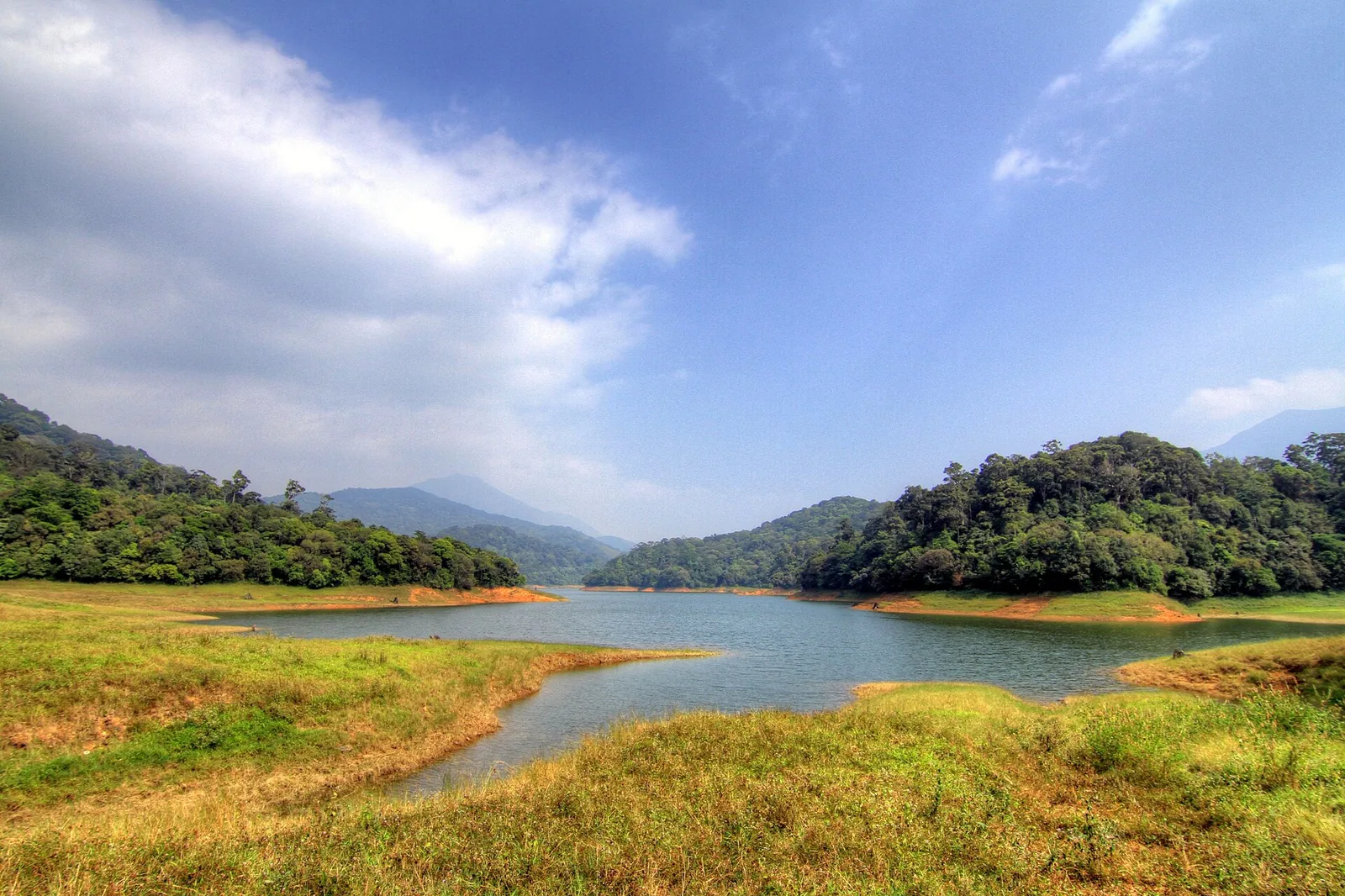
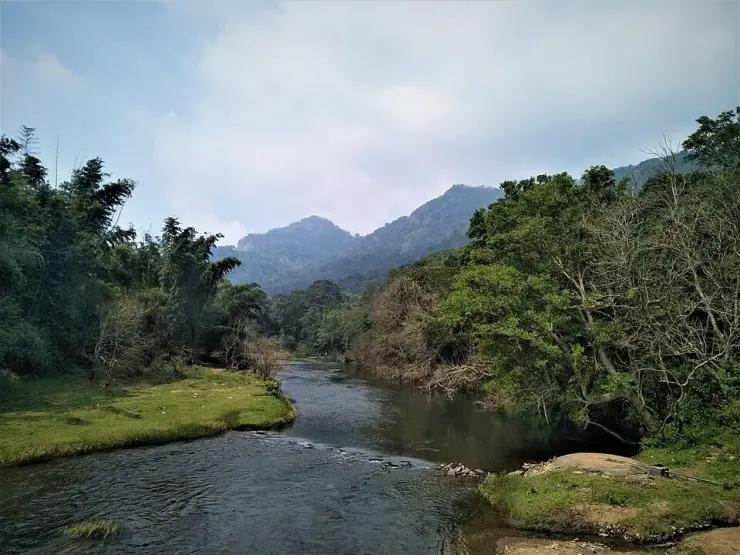
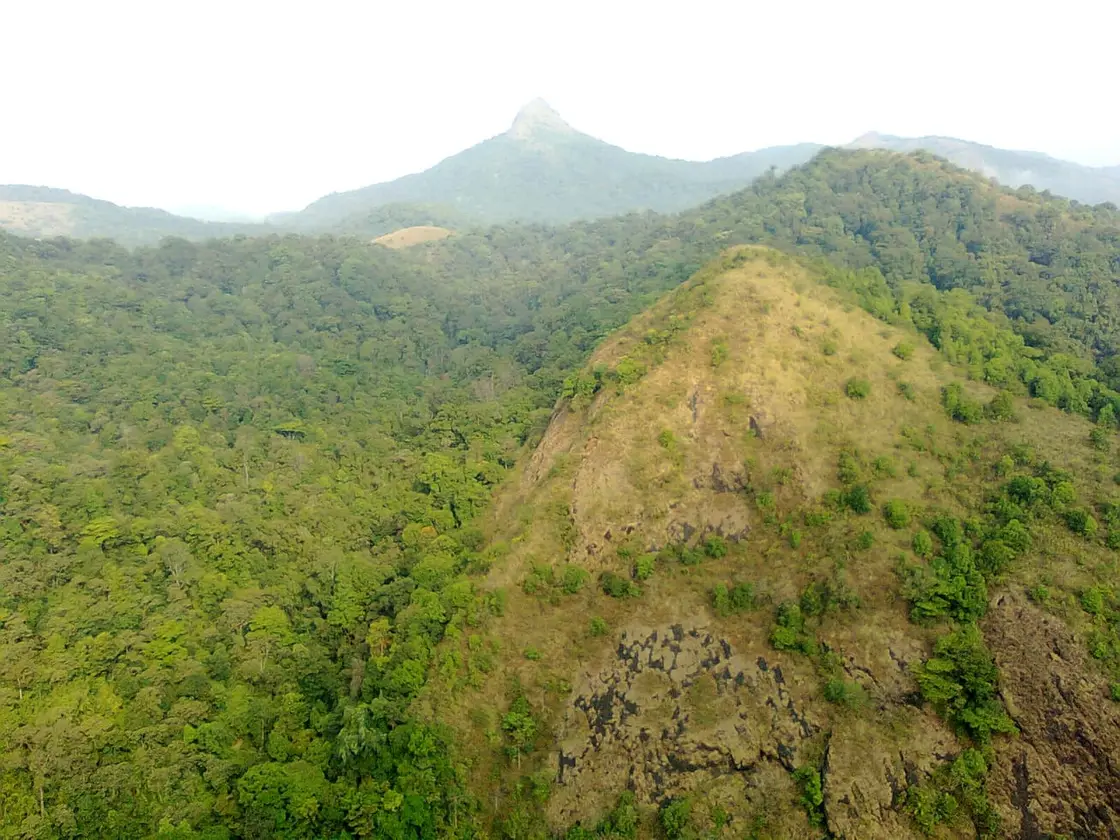
At its heart runs the Kunthipuzha, a clear, cold river that threads the entire length of the valley from north to south, dividing it into eastern and western halves. The river gives the park its shape and its life: along its banks the growth is at its densest, the trees rising in soaring tiers hung with lianas, ferns and more than a hundred species of orchid. Elevations climb from the river at around 650 metres to the high ridge of Anginda Peak above 2,300 metres, so within a short distance the vegetation shifts from lowland evergreen to shola-grassland and stunted montane wood.

The valley is the flagship home of the lion-tailed macaque, one of the rarest and most striking primates in the world — a black-coated monkey with a silver-grey mane framing its face, found only in the rainforests of the southern Ghats. Silent Valley holds one of the largest surviving populations, and it was partly to protect this endangered animal that the whole valley was ultimately saved. Alongside it live Nilgiri langurs, Malabar giant squirrels, elephants, the shy Nilgiri tahr on the higher slopes, and a bird list running past a hundred and thirty species. The park forms a core zone of the wider Nilgiri Biosphere Reserve.

The name itself carries a puzzle. One much-repeated explanation is that British surveyors called it the ​“Silent Valley​” because they were struck by the apparent absence of the noisy cicadas that fill most Indian jungles with their shrill drone — a quiet that seemed eerie to visitors used to a wall of insect sound. It is a lovely idea and worth telling, but it is best treated as folklore rather than settled fact: cicadas are in truth present here, and the name may equally be an anglicisation of an older local word. Whatever its origin, ​“silence​” suits the place — the loudest sounds are usually the river, the wind in the canopy and the whoop of a distant macaque.

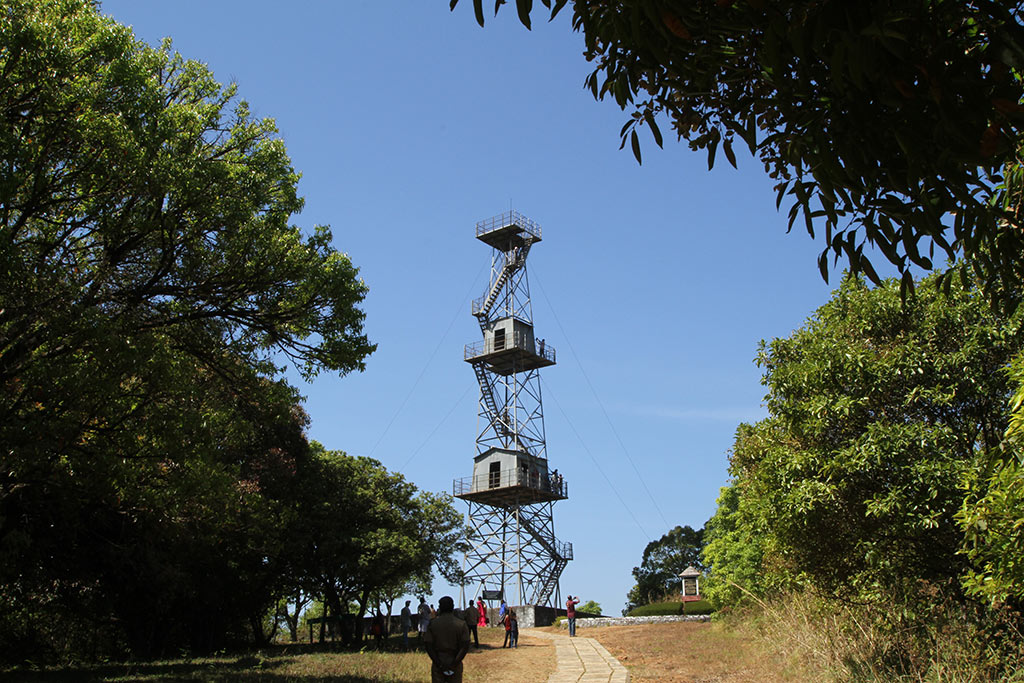
A visit today is deliberately low-impact. There is no resort, no crowd and no free run of the place. From Mukkali the Forest Department runs guided jeep trips along a single track into the core, and at Sairandhri — the visitors​’ zone deep inside — a watchtower lets you look out over an unbroken sea of canopy toward the peaks. Numbers are capped each day and the whole experience is designed to keep the valley exactly as the campaigners of the 1970s and 80s wanted it: intact, protected and quietly, insistently alive.

Legend & myth

The names inside Silent Valley reach back to the Mahabharata, and local tradition links the valley to the years the Pandava brothers spent in exile. The core visitors​’ zone is called Sairandhri — the very name Draupadi is said to have taken when, in the final year of exile, she disguised herself as a humble serving-maid (a ​“sairandhri​”) in the court of King Virata. By this telling the valley is one of the wild places through which the exiled Pandavas wandered.

The river carries the legend too. The Kunthipuzha is popularly connected to Kunti, mother of the Pandavas, its name echoing hers. Some versions hold that the family sheltered and bathed here during their forest years, binding river, wood and clearing to the great epic.

These associations are best enjoyed as etymology and legend rather than history: they explain how the places came by their names and lend the valley a mythic depth, without any claim that the events literally unfolded on this ground. Even so, walking a rainforest named for a queen in disguise and a river named for an epic mother adds a quiet resonance to an already extraordinary place.

Read the full history of Silent Valley National Park 703 more words

History

The idea of damming Silent Valley is surprisingly old. As early as 1928 the Kunthipuzha was identified as a promising site for a hydro-electric scheme, and in 1973 the Planning Commission approved a project by the Kerala State Electricity Board to build a dam across the river. The reservoir would have submerged a large stretch of pristine rainforest in the heart of the valley — and set in motion one of independent India​’s defining environmental battles.

Opposition crystallised around the Kerala Sasthra Sahithya Parishad (KSSP), the people​’s science movement, which argued the case against the dam in village halls and scientific forums alike. The campaign drew in some of the most respected names in the country: the ornithologist Sálim Ali warned of the irreplaceable loss to bird life, scientists such as M. G. K. Menon and Madhav Gadgil weighed in, and the poet Sugathakumari gave the movement its emotional voice with ​“Marathinu Stuthi​” (Ode to a Tree), read aloud at gatherings until it became an anthem for the campaign. What began as a regional dispute grew into a nationwide debate about whether development had to mean destruction.

The pressure told. Through the late 1970s and early 1980s the project was reviewed, suspended and reviewed again. A committee chaired by Professor M. G. K. Menon was asked to assess the scheme, and on the strength of its findings Prime Minister Indira Gandhi — who had taken a close personal interest — moved to abandon the dam. In 1983 the hydro-electric project was formally scrapped, a landmark victory for a grassroots movement over a sanctioned government scheme.

With the dam dead, the valley was given permanent protection. Silent Valley was declared a National Park in 1984, and on 7 September 1985 Prime Minister Rajiv Gandhi formally inaugurated the park at Sairandhri, where a memorial marks the occasion. In 1986 the valley became a core zone of the newly notified Nilgiri Biosphere Reserve, embedding it in one of India​’s most important conservation landscapes.

The story did not quite end there. A revived proposal to build a dam a little downstream in the early 2000s reopened old wounds and was again resisted, and in 2007 the Kerala government approved a large buffer zone — adding well over a hundred square kilometres drawn from neighbouring forest ranges — to shield the core from encroachment. Today ​“Save Silent Valley​” is taught in Indian schools as the campaign that rewrote the country​’s environmental narrative, and the ground it saved remains its most eloquent argument.

Why visit

You are standing in one of the last undisturbed tropical evergreen rainforests in the Western Ghats — a forest that was never logged or settled and that scientists regard as a genuine relic of the ancient wet tropics. Very few places let you walk into rainforest of this age and integrity.

It is the best-known home of the lion-tailed macaque, the silver-maned, black-coated primate found nowhere but the southern Ghats. Sightings are never guaranteed in dense jungle, but Silent Valley offers one of the finest chances anywhere to encounter this rare and charismatic animal in the wild.

The Sairandhri watchtower delivers one of Kerala​’s great canopy views — an unbroken swell of canopy rolling toward high peaks, with the Kunthipuzha somewhere below and mist drifting through the treetops. It is the kind of vista that explains, instantly, why people fought so hard to save this valley.

The biodiversity is staggering for its size: over a thousand species of flowering plants, more than a hundred orchids, well over a hundred birds, elephants, Nilgiri langur and tahr, and a river alive with dragonflies. As a core zone of the Nilgiri Biosphere Reserve, it is a naturalist​’s and birdwatcher​’s dream.

History clings to every path. This is the ground of ​“Save Silent Valley,​” the movement that stopped a dam and reshaped environmental thinking across India — a rare place where you can see, first-hand, exactly what a people​’s campaign managed to protect.

And there is the atmosphere itself: the capped visitor numbers, the guided jeep trip, the absence of resorts and crowds mean the place stays hushed and undisturbed. For anyone tired of over-touristed hill stations, Silent Valley offers something increasingly rare — quiet, wildness and space to breathe.
What to expect

Highlights

  • Protected rainforest, Kunthipuzha river landscape and Nilgiri Biosphere Reserve context.
  • Important habitat for lion-tailed macaque and many Western Ghats species.
  • High-value page for official eco-tour operators, responsible stays and Palakkad/Mannarkkad transfers.
Getting there

How to visit

  • Base at Mukkali, Mannarkkad or Palakkad depending on your arrival route and permit timing.
  • Book/confirm official park entry before travel; do not assume walk-in availability.
  • Keep the day flexible because forest access can change with weather, road condition and conservation rules.

Distance by road

  • Coimbatore54 km
  • Kozhikode127 km
  • Kochi143 km
  • Madurai224 km
  • Mysuru251 km

Road km to Palakkad; ghat roads and traffic vary — allow extra.

Timing

Best time

December to April is generally easier for forest access. Monsoon is lush but more likely to disrupt roads and visits.

Weather in Silent Valley National ParkSeasonal guide

Live forecast loads in your browser.

Today at Silent Valley National Park
Sunrise6:14 am
Sunset6:23 pm
Golden hour best light5:23 pm–6:23 pm
Blue hour after sunset6:23 pm–6:48 pm
Sun sets toward compass bearingW · 272°
Moon tonight🌓 First quarter · 53%
South-west monsoon. June to September brings heavy rain to Kerala. Trails, falls and ghat roads can be slippery, swollen or closed at short notice, and forest departments sometimes suspend access. Check locally on the day before you travel.

Check the official alert before you travel. Kerala’s beaches, waterfalls and trekking routes close at short notice during heavy rain, and district alert levels change day to day. We do not publish an alert level of our own — read it from the state authority: Kerala State Disaster Management Authority, or the district control room on 1077.

Sun and moon are calculated for this location and shown in IST. Photography windows are the hour around sunrise and sunset; the sunset bearing is degrees clockwise from true north. Moon phase is accurate to about half a day.

Visitor notes

  • Carry ID, water, light food if allowed, and rain protection.
  • Expect a conservation-focused visit, not guaranteed close wildlife sightings.
  • Phone signal and digital payments can be unreliable around forest edges.
Safety

Good to know

  • Use only official routes, guides and vehicles.
  • Do not feed wildlife, play loud music or leave plastic waste.
  • Avoid unauthorised trekking or night movement near the forest boundary.
Official eco & forest programmes

Experiences around Silent Valley National Park

These are official or public-sector eco offerings that match this place, town or forest destination. Confirm availability, permits, tariffs and reporting times with the official operator before travel.

Silent Valley National Park, Silent Valley National Park
safariwildlifeinterpretation

Silent Valley Sairandhri trip

Five-hour official trip through Silent Valley forest types by Forest Development Agency jeep or bus; no accommodation inside the park.

Silent Valley DivisionAbout 5 hours
Official source →
Bommiyampadi, Silent Valley National Park
forest staytrekwildlife

Silent Valley Bommiyampadi forest-front cottage stay

Stay-over jungle retreat near Mukkali with forest-front cottage accommodation, guided forest trip, Attappady tribal-area visit and Sairandhri package next day.

Silent Valley Divisionforest cottageOvernight
Official source →
Silent Valley National Park, Silent Valley National Park
campinginterpretationwildlife

Silent Valley Walk with the Master nature camp

Two- or three-day paid nature camp for selected participants, focused on expert-led learning, nature photography and nature walks.

Silent Valley Division2-3 days
Official source →
Keerippara, Silent Valley National Park
campingforest staytrek

Silent Valley Keerippara camping

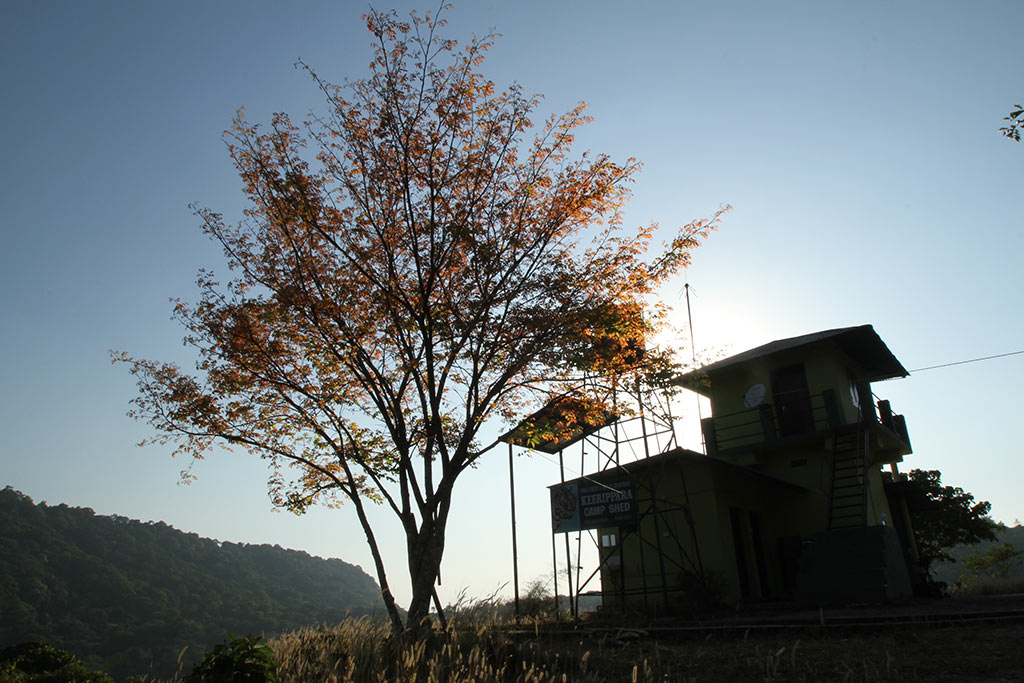
Two-day trekking and tent-stay package in Silent Valley’s buffer-zone forest, with small group and guide support.

Silent Valley DivisiontentOvernight
Official source →
Stay · eat · do · rent · see · shop

Stays, food & things to do near Silent Valley National Park

Verified hotels, homestays, restaurants, experiences, sights, shops and rentals around Silent Valley National Park — commission-free, with direct contact. Filter by what you need.

1 place to stay near Silent Valley National Park

Keerippara Camp Silent Valley — Official forest camp stay in Silent Valley and Mukkali
Top pick Verified
Official forest camp stay · Silent Valley and Mukkali
Keerippara Camp Silent Valley

Official forest camp stay in Silent Valley and Mukkali. Silent Valley National Park, Palakkad · silent-valley-and-mukkali, Official forest camp stay, stay.

Directions Commission-freeView details

Book with the place itself. India’s cyber-crime coordination centre warned in April 2025 that convincing copies of hotel and pilgrimage booking sites are being pushed through sponsored search and social ads, taking payment for rooms the property never hears about. Every listing here links to the business’s own contact details and its own Google or Bing profile — we take no commission and sit in nobody’s payment path. If a booking page reached you through an ad, check the address bar against the property’s own site before you pay. Fraud can be reported on cybercrime.gov.in or on 1930.

Ranked guides

Top experiences around Silent Valley and Mukkali

2 more places around Silent Valley and Mukkali. Open a guide to plan the visit and onward journey.

waterfallMeenvallam Waterfalls

25.3 km · ~42 min by cab

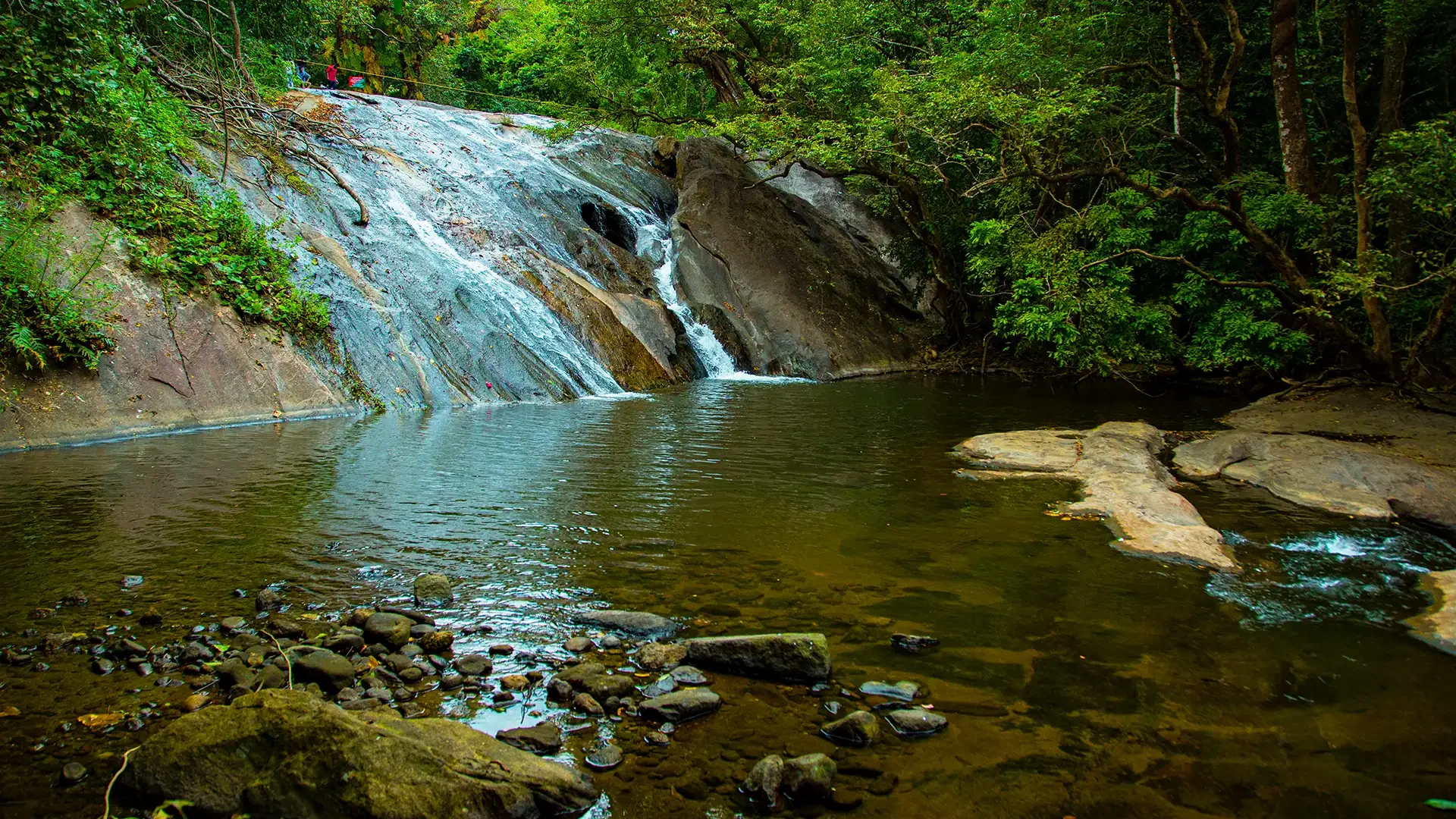
A step waterfall on the Thuppanadu river in the Western Ghats near Thuppanad on the Palakkad–Mannarkkad road, reached by a short forest trek that crosses the river.

trekSilent Valley trekking

11.1 km · ~18 min by cab

A family of Forest Department programmes based at Mukkali: the guided Keerippara buffer-forest trek and camp, Bommiyampadi cottage stay, Walk with the Master nature camp, and the vehicle-led Sairandhri rainforest visit. Entry is controlled, routes are not open for independent walking, and current availability must be confirmed with the park.

Roampedia is commission-free — own or know a stay, eatery, guide or shop near Silent Valley National Park? List it and it appears here once verified.

Add a nearby business
Before you go

Silent Valley National Park — at a glance

TimingsGenerally open daily except Fridays, with visits during the morning to early afternoon and all vehicles required back out by evening (timings and the weekly-off vary by season; the Mukkali forest office holds the current ones).
Best timeDecember to March is the most pleasant, with clearer skies and easier tracks; the southwest monsoon (roughly June–September) is very wet with leeches and possible restrictions. Post-monsoon greenery is spectacular.

Entry: A modest per-person entry charge plus separate fees for the Forest Department jeep, a guide, and still/video cameras; exact rates are set by the department and revised periodically.

Dress code: No formal dress code, but dress for rainforest: full-length trousers, closed walking shoes, neutral colours, a hat and a light rain layer. Leech socks or salt are useful in the wet season.

Festivals: The park has no festivals of its own; it is a strict conservation zone rather than a temple or pilgrimage site. The most significant dates in its story are historical — the scrapping of the dam in 1983 and the park​’s inauguration by Rajiv Gandhi on 7 September 1985.

Photography: Photography is permitted; still and video cameras usually carry a separate fee collected at the check-post. Carry a zoom for wildlife, protect gear against rain and humidity, and never disturb animals for a shot.

Getting here

How to reach Silent Valley National Park

  • ✈︎ By air The nearest airport is Coimbatore (CJB) in Tamil Nadu, roughly a few hours​’ drive away; Kozhikode (Calicut) International Airport is another option. From either, hire a taxi or use buses toward Mannarkkad and Mukkali.
  • 🚆︎ By train The nearest major railhead is Palakkad Junction (Olavakkod), with Palakkad Town station also useful; from there it is a road journey via Mannarkkad to the Mukkali base.
  • 🚗︎ By road By road, head to Mannarkkad and continue about 24 km toward Attappadi to the Mukkali check-post, the gateway to the park. Roads climb through thick country and can be slow in the monsoon.
  • 🚌︎ By bus KSRTC and private buses connect Palakkad, Perinthalmanna and other towns to Mannarkkad, with onward buses or taxis toward Mukkali/Attappadi; services thin out later in the day, so plan an early start.
Getting back

If you are travelling by bus or ferry, check the return service with the operator before setting out. Leave time to reach the stop or jetty after your visit.

Ask at the bus stand for the time of the last service back, not the next one. If you miss it, an auto or app cab is the fallback — agree the fare before you get in.

Do

Things to do

  • Take the Forest Department guided jeep trip from Mukkali into the Sairandhri core zone
  • Climb the Sairandhri watchtower for sweeping views over unbroken rainforest canopy and the peaks beyond
  • Look and listen for the endangered lion-tailed macaque, Nilgiri langur and Malabar giant squirrel
  • Birdwatch in one of the richest evergreen forests of the Western Ghats
  • See the Kunthipuzha river, the clear stream at the heart of the Save Silent Valley story
  • Learn the ​“Save Silent Valley​” history at Sairandhri, where the park was inaugurated in 1985
Getting around Silent Valley National Park

If you need step-free access, contact the site before travelling. Ask about a level entrance, steps along the route, the nearest drop-off point, seating and accessible toilets.

If you need help at Silent Valley National Park
112All emergencies (police · fire · medical)The single number to call in any emergency (ERSS).

Emergency numbers are verified against official government and state tourism sources. 112 works anywhere in India.

Nearby

What’s near Silent Valley National Park

trekSilent Valley trekking

A family of Forest Department programmes based at Mukkali: the guided Keerippara buffer-forest trek and camp, Bommiyampadi cottage stay, Walk with the Master nature camp, and the vehicle-led Sairandhri rainforest visit. Entry is controlled, routes are not open for independent walking, and current availability must be confirmed with the park.

11.1 km · ~18 min by cab · straight line
damKanjirapuzha Dam

A calm reservoir and garden set among hills in the Mannarkkad side of Palakkad, a quieter alternative to Malampuzha.

18.2 km · ~30 min by cab · straight line
trekSiruvani trek

A Forest Department safari and walk into the closed Siruvani reserve, starting at the Inchikunnu check post: about 10 km of escorted rainforest road to the dam that supplies Coimbatore’s drinking water, then an hour on foot up to the Keralamedu grasslands on the Kerala–Tamil Nadu border.

20.9 km · ~35 min by cab · straight line
waterfallMeenvallam Waterfalls

A step waterfall on the Thuppanadu river in the Western Ghats near Thuppanad on the Palakkad–Mannarkkad road, reached by a short forest trek that crosses the river.

25.3 km · ~42 min by cab · straight line
trekDhoni Waterfalls trek

A Forest Department controlled walk from Dhoni’s forest-office base to a cascade in the Palakkad foothills, with offline admission and a Monday closure.

34.9 km · ~58 min by cab · straight line
heritageKalpathy Heritage Village

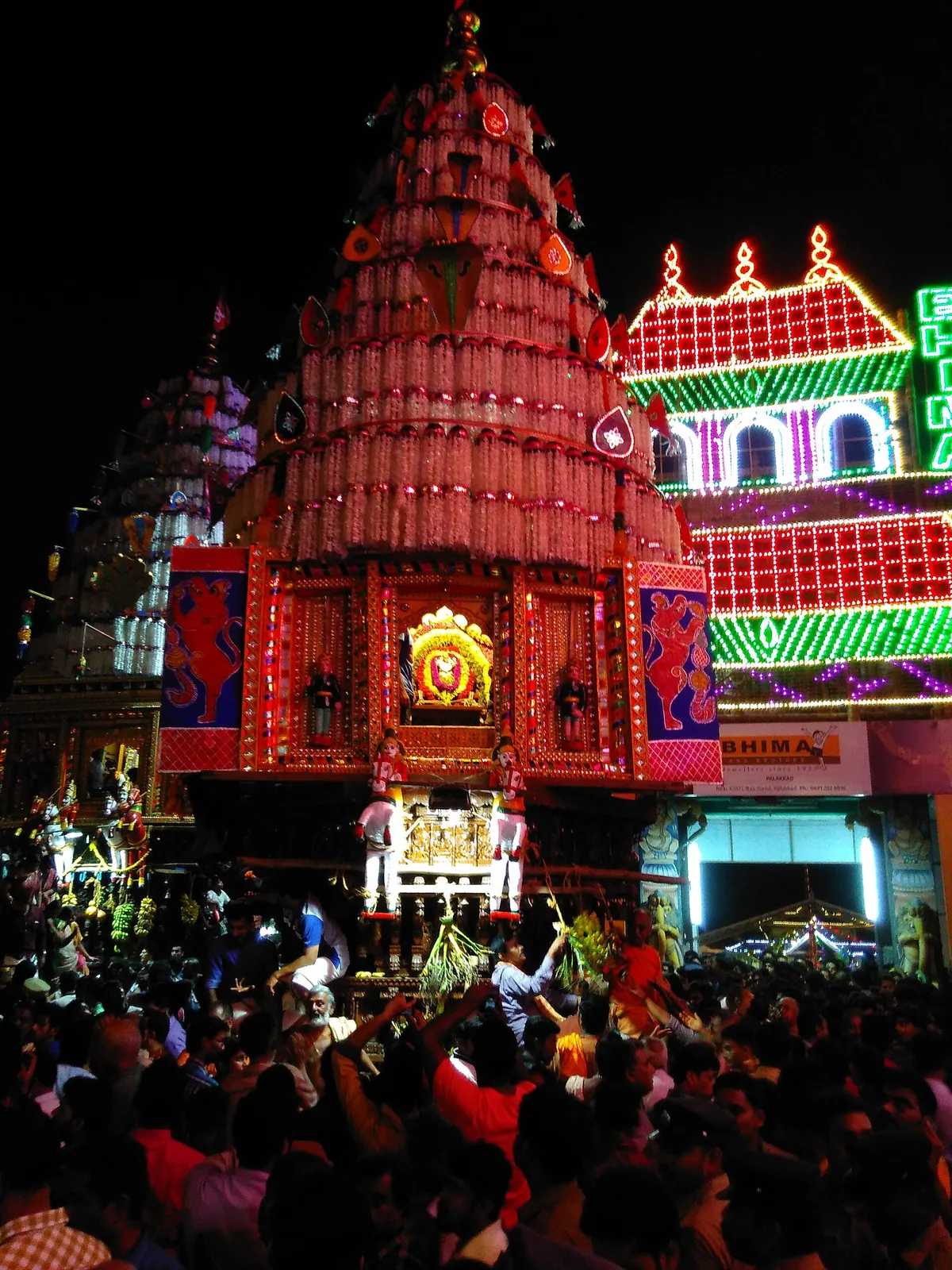
Kerala’s first heritage village, ~3 km from Palakkad town, built around the Sri Viswanatha Swamy temple on the Kalpathy river — a Tamil-Brahmin agraharam known as the “Kashi of the South” and for its November Ratholsavam chariot festival.

40.5 km · ~67 min by cab · straight line
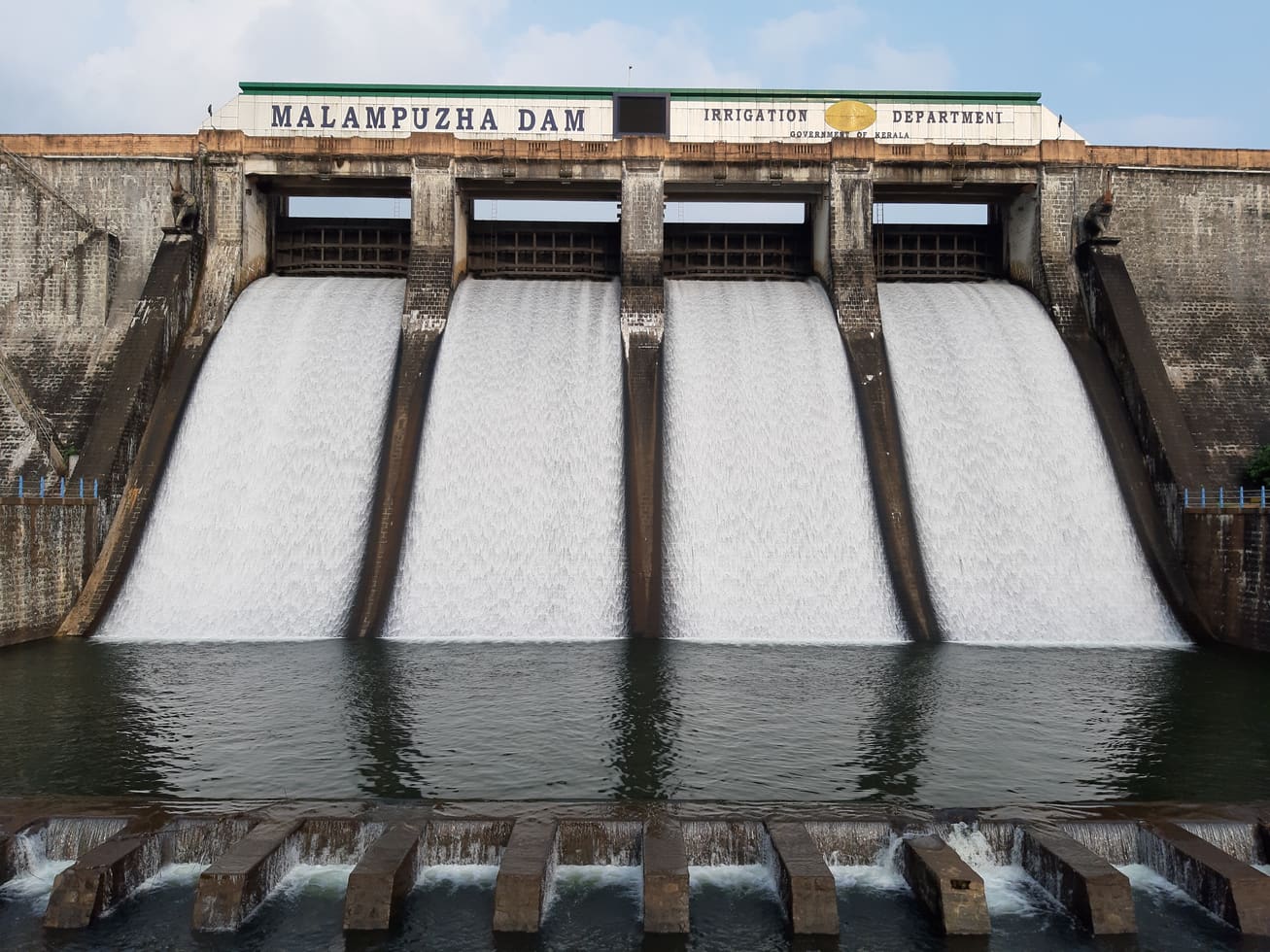
damMalampuzha Dam & Garden

Reservoir and garden area near Palakkad town.

41.2 km · ~69 min by cab · straight line
jainJainimedu Jain Temple

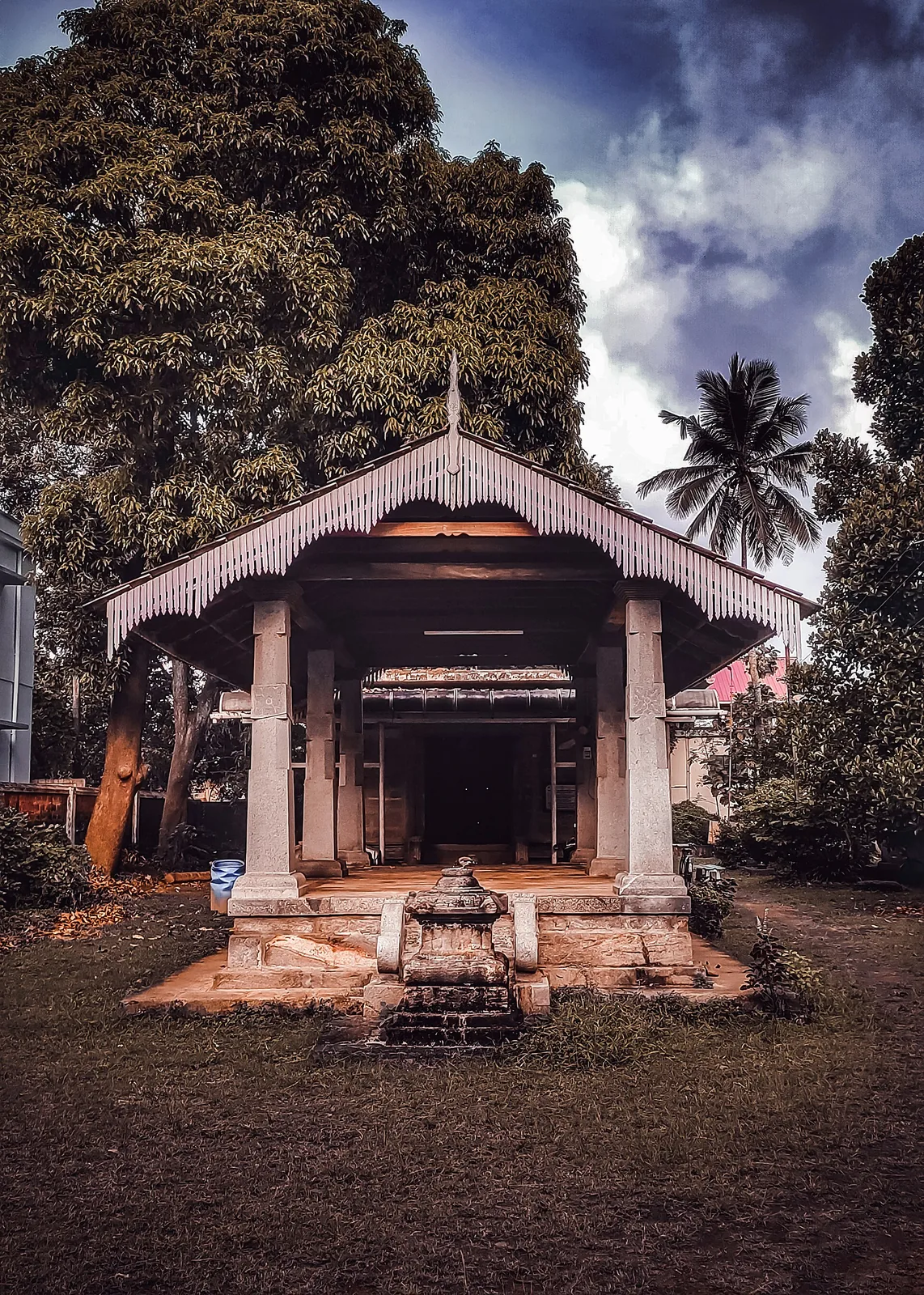
A ~15th-century Jain temple on the western edge of Palakkad town, one of the few surviving traces of Jainism in Kerala, with images of the Thirthankaras and Yakshinis.

43.2 km · ~72 min by cab · straight line
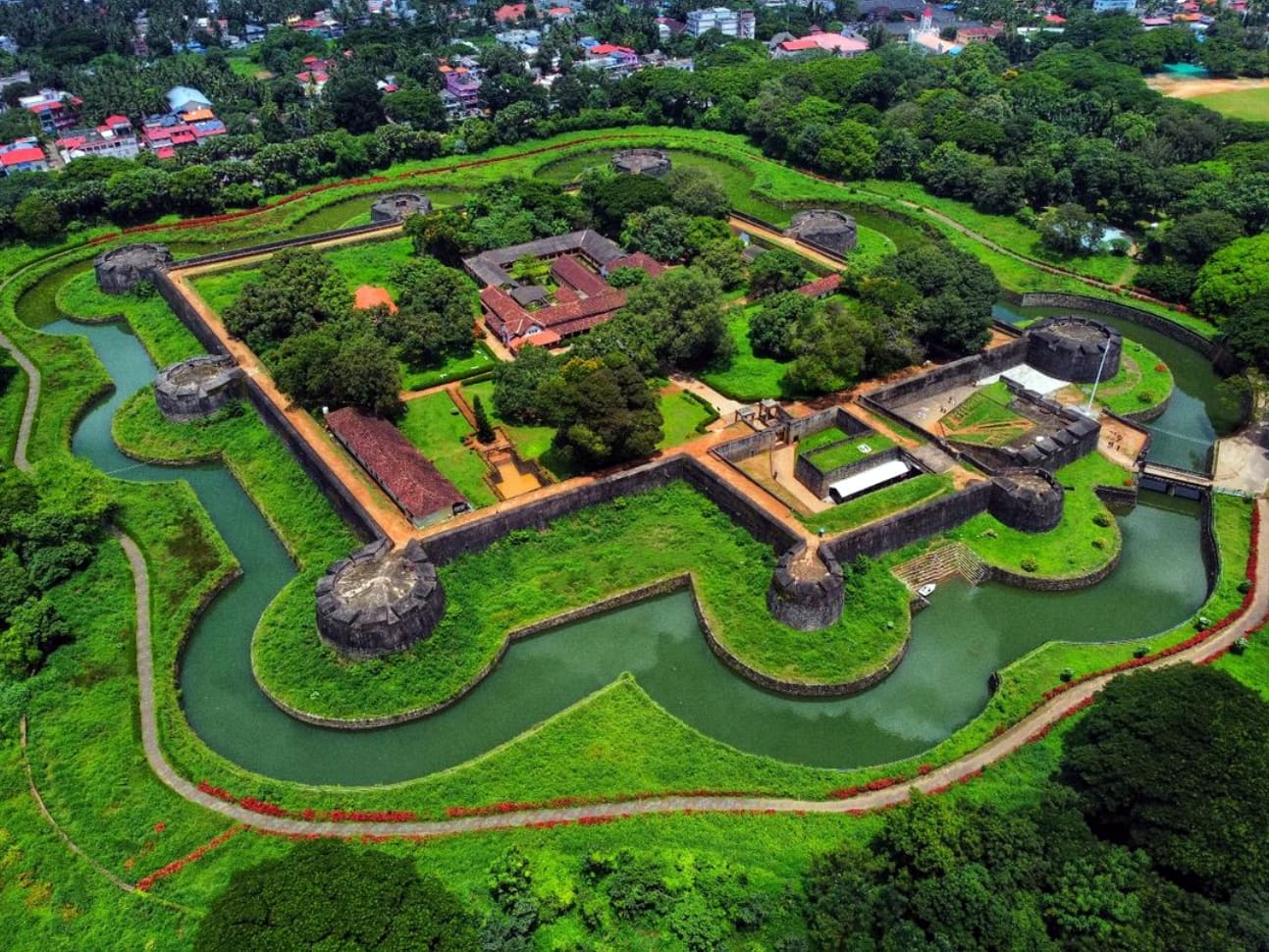
heritagePalakkad Fort

Well-preserved fort in Palakkad town, associated with Hyder Ali and Tipu Sultan.

45.9 km · ~76 min by cab · straight line
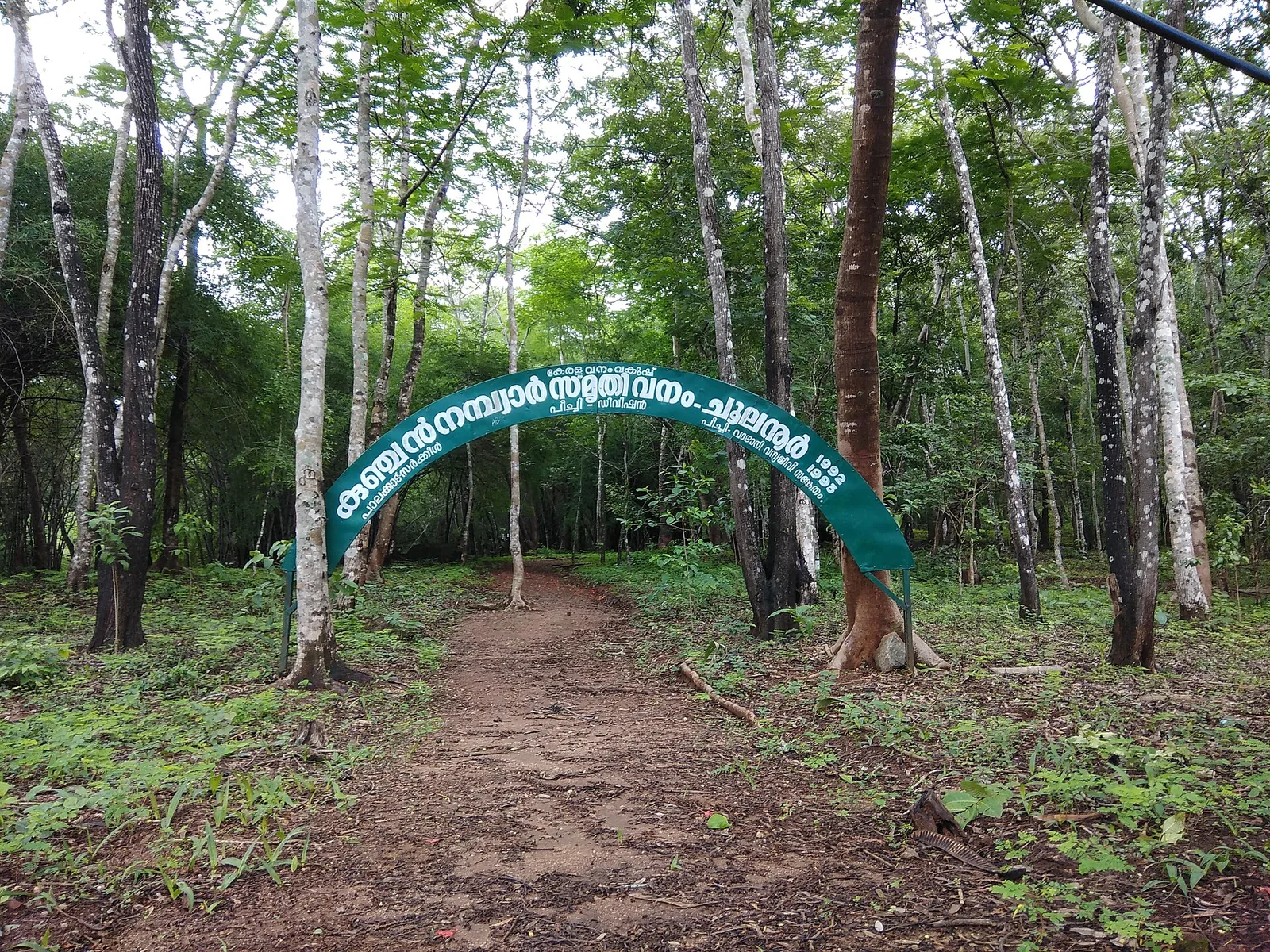
wildlifeChoolannur Peafowl Sanctuary

A peafowl sanctuary at Mayiladumpara (“the rock where peacocks dance”) near Alathur, home to 200-plus free-roaming peacocks and over 100 bird species; best at dawn and dusk.

46.6 km · ~78 min by cab · straight line
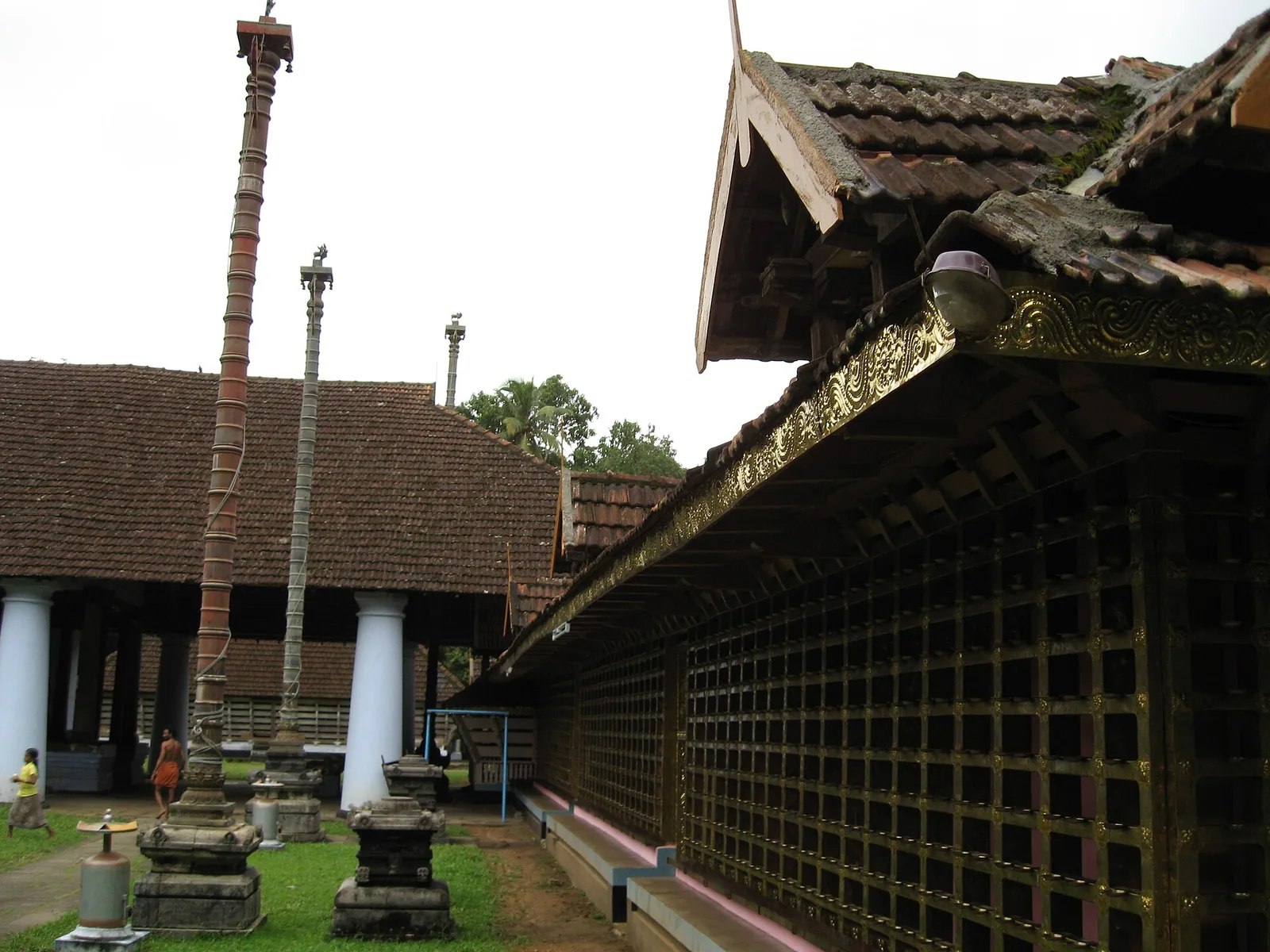
templeThiruvegappura Temple

The Thiruvegappura Sankaranarayana Temple near Ottapalam, admired for its Kerala architecture, a fine 15th–16th-century Koothambalam (temple theatre) and three sreekovils with separate flag masts.

47.2 km · ~79 min by cab · straight line
heritageKollengode

A rural village ~19 km south of Palakkad below the Nelliampathy hills, known for its palace, the Vishnu temple, paddy landscapes and old Tamil-Brahmin heritage.

63.2 km · ~105 min by cab · straight line

All 4 places to visit in Silent Valley and Mukkali →

On the map

Where Silent Valley National Park is

Good to know

Silent Valley National Park — frequently asked

How do I actually get into Silent Valley National Park?

Entry is only through the Forest Department at the Mukkali check-post, roughly 24 km from Mannarkkad. You cannot drive your own vehicle into the core; instead you join a guided jeep trip run by the department, which carries you along the single track to the Sairandhri visitors​’ zone and its watchtower. Guides are arranged at Mukkali. Because daily numbers are capped, it is wise to arrive early or book ahead where possible.

Is the park really closed on Fridays?

Silent Valley is generally reported to be open every day except Friday, with visits running through the morning and early afternoon so that vehicles are back out by evening. Timings and the weekly-off can change with the season and forest conditions, so treat these as indicative and confirm directly with the Mukkali forest office before you travel.

What does it cost to visit?

Fees are modest but are set by the Forest Department and revised from time to time. Expect a per-person entry charge, a separate charge for the jeep (which seats a small group), a guide fee, and extra fees for still and video cameras. Exact figures change, so please confirm the current rates at Mukkali rather than relying on older published amounts.

Will I definitely see a lion-tailed macaque?

No sighting is ever guaranteed in dense rainforest. Silent Valley holds one of the largest populations of the endangered lion-tailed macaque, and the species is a real reason to visit, but the canopy is thick and the animals are wary. Early trips, patience and a good guide improve your odds — and even without a macaque, the birds, giant squirrels, canopy and river make the trip worthwhile.

When is the best time to go?

The post-monsoon and winter months, roughly December to March, are usually the most comfortable, with clearer skies, pleasant temperatures and easier tracks. The southwest monsoon (about June to September) brings very heavy rain — spectacular but with leeches, slippery paths and possible restrictions. Conditions in the Ghats shift quickly, so check the current situation before setting out.

Is there anywhere to stay inside the park?

There is no accommodation and no eating facility inside the core — the visit is a day trip from Mukkali, and you should carry your own drinking water. Stay options are found around Mukkali, Mannarkkad and the wider Palakkad area, ranging from simple lodges to homestays; the Forest Department also operates limited eco-tourism facilities that are best enquired about in advance.

When is the best time to visit Silent Valley National Park?

December to April is generally easier for forest access. Monsoon is lush but more likely to disrupt roads and visits.

What are the entry fee and timings at Silent Valley National Park?

Entry: A modest per-person entry charge plus separate fees for the Forest Department jeep, a guide, and still/video cameras; exact rates are set by the department and revised periodically. Timings: Generally open daily except Fridays, with visits during the morning to early afternoon and all vehicles required back out by evening (timings and the weekly-off vary by season; the Mukkali forest office holds the current ones).

How do I reach Silent Valley National Park?

Base at Mukkali, Mannarkkad or Palakkad depending on your arrival route and permit timing. Book/confirm official park entry before travel; do not assume walk-in availability. Keep the day flexible because forest access can change with weather, road condition and conservation rules.

How much time do I need for Silent Valley National Park?

Full day from Palakkad or Mannarkkad; overnight nearby if connecting with Attappady or other Palakkad forest routes.

What else is near Silent Valley National Park?

Nearby you can pair Silent Valley trekking (11.1 km), Kanjirapuzha Dam (18.2 km), Siruvani trek (20.9 km), Meenvallam Waterfalls (25.3 km).

What should I know before visiting Silent Valley National Park?

Use only official routes, guides and vehicles. Do not feed wildlife, play loud music or leave plastic waste. Avoid unauthorised trekking or night movement near the forest boundary.

Read before you go

Silent Valley National Park guides, stories & itineraries

We have not published a story about Silent Valley National Park itself yet. These cover Silent Valley and Mukkali and the wider district, with separate journeys between stops.

Around Silent Valley and Mukkali

These guides explore Silent Valley and Mukkali and the surrounding area. Choose a visit that fits your interests, allowing separately for travel between stops.

Kerala-wide guides & itineraries

Route-level itineraries and practical guides for the rest of Kerala.

See all 33 Palakkad guides & stories →

Image credits

Photographs: PP Yoonus (CC BY-SA 3.0), Thankachan Nellikkunnel (CC0), Jeevan Jose, Kerala, India (CC BY-SA 4.0), Davidvraju (CC0), Jaseem Hamza (CC BY 3.0), Kerala Tourism (Official tourism image), Ramesh Kunnappully (CC BY-SA 4.0), Lijo Lawrance (CC BY-SA 4.0). Wikimedia Commons.