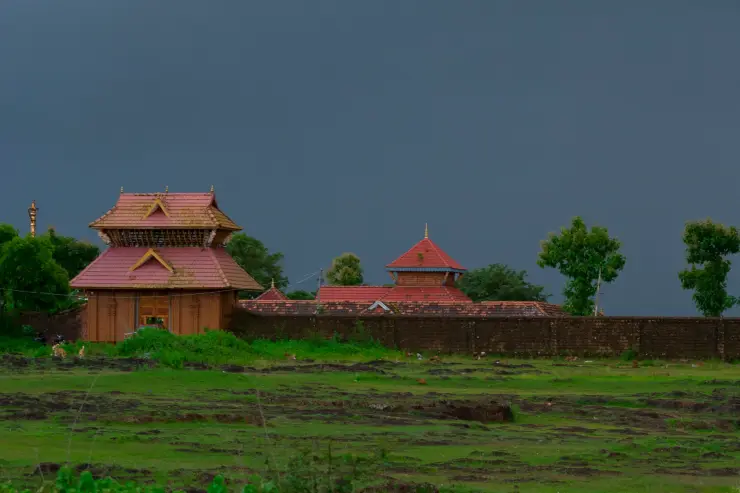
What to expect
Highlights
- Sea views and sunset at Thottada Beach
- Nearby seafood, cafes or beach walks where available
- Easy pairing with local stays and short day trips
A quiet, unspoilt cove-and-stream beach south of Kannur city, known for its homestays and calm, uncrowded sands.
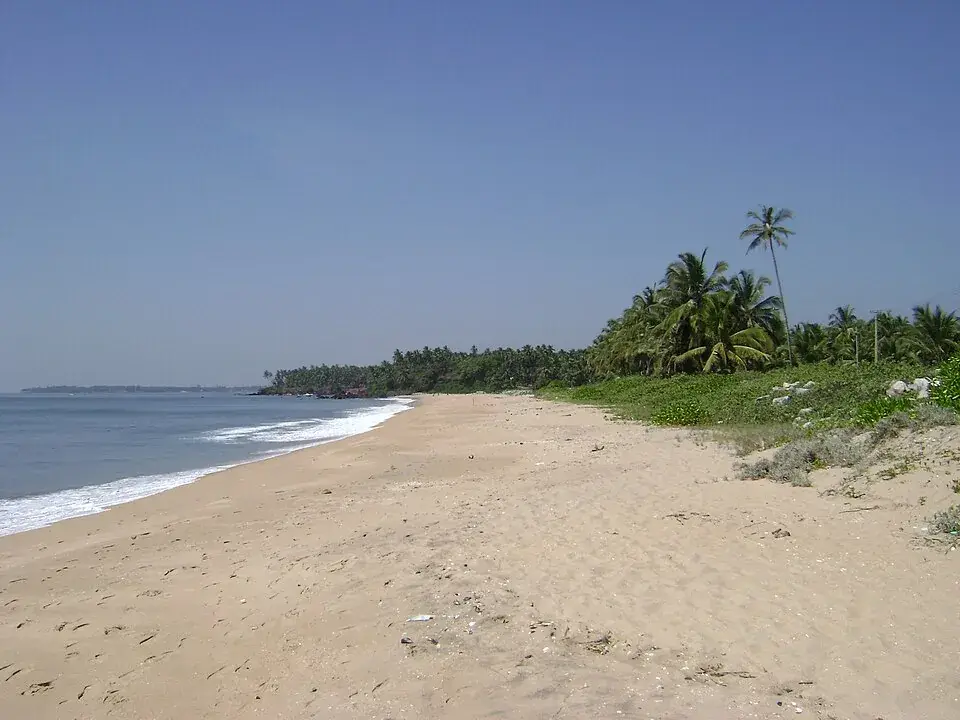
A hushed, laterite-fringed cove a few kilometres south of Kannur, where a freshwater stream slips into the Arabian Sea and a cluster of old homestays quietly turned an unknown shore into one of Malabar’s most loved secrets.
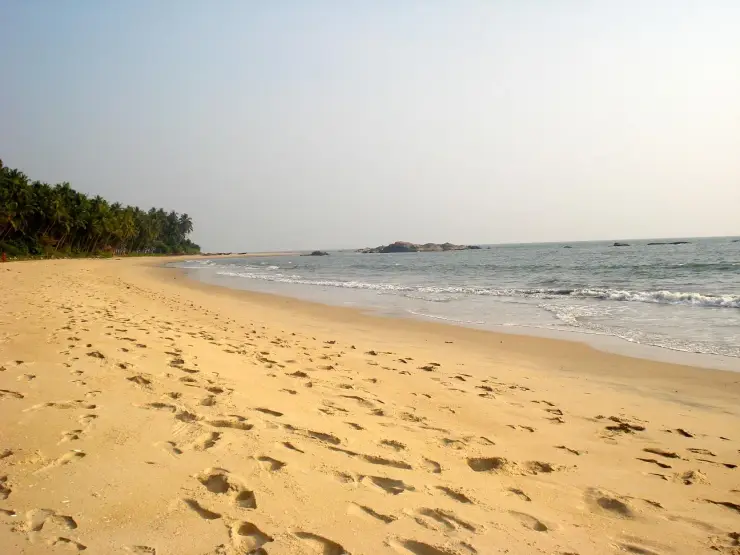
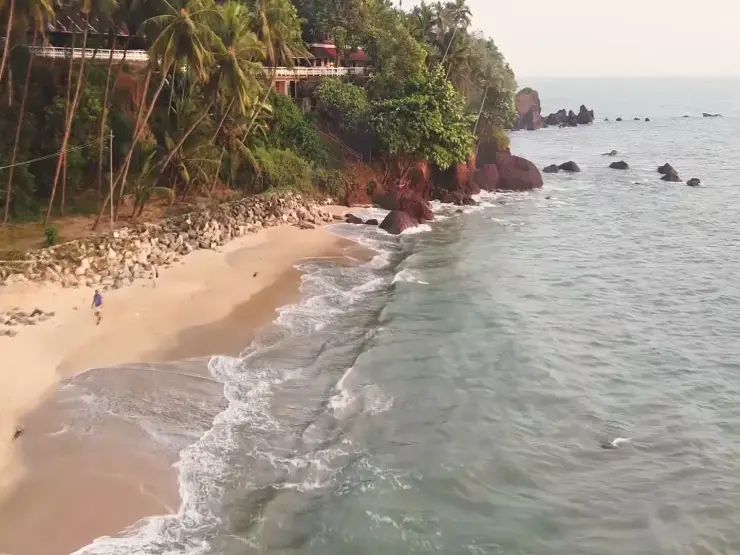
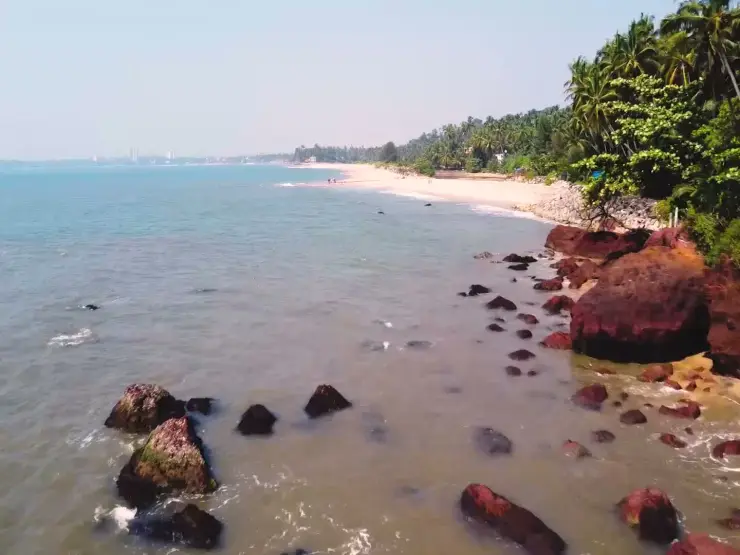
Thottada Beach is the kind of place travellers whisper about rather than shout. Roughly eight to nine kilometres south of Kannur city, it sits about two-and-a-half kilometres off the busy NH 66, so it never grew the crowds, food stalls and traffic of Kannur’s better-known Payyambalam and Muzhappilangad beaches. What you find instead is a gently curving sweep of golden sand — a little over 800 metres of it — backed by leaning coconut palms and framed at either end by weathered laterite rocks in shades of rust-red and black. It feels, on most days, like a beach the modern world simply forgot to develop.
The shore is defined by that soft red laterite. Low cliffs and boulders break the sand into intimate, sheltered pockets, so a short walk over the rocks at low tide can bring you to quieter stretches with almost no one on them — the reason Thottada is so often described as a string of secluded little coves rather than one long open strand. Water pools between the rocks, crabs scuttle across the flats, and the stone has the strange, wrinkled texture that gives the nearby outcrops their nicknames. It is a shore made for slow, barefoot wandering rather than beach games.
Thottada’s signature feature is water meeting water. A small river — the Thottada stream, only about four-and-a-half kilometres long — winds down through the village and reaches the sea at the edge of the beach, near Edakkad. Decades ago villagers built a low bund across it to keep the salt tide from pushing too far inland, and behind that barrier the stream broadens into a calm, backwater-like swamp. The result is a lovely three-way meeting of stream, backwater and open sea, with reed beds and still water that draw kingfishers, egrets, cormorants and, in season, migratory birds. Small canoes sometimes drift the quiet channels while the surf breaks just metres away.
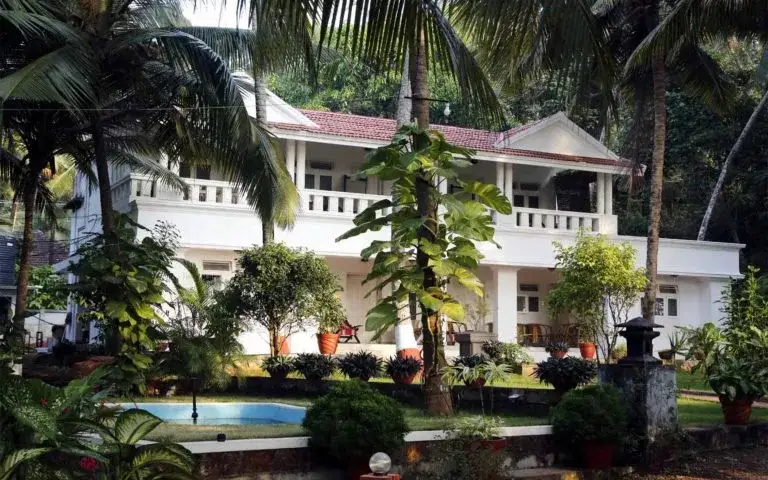
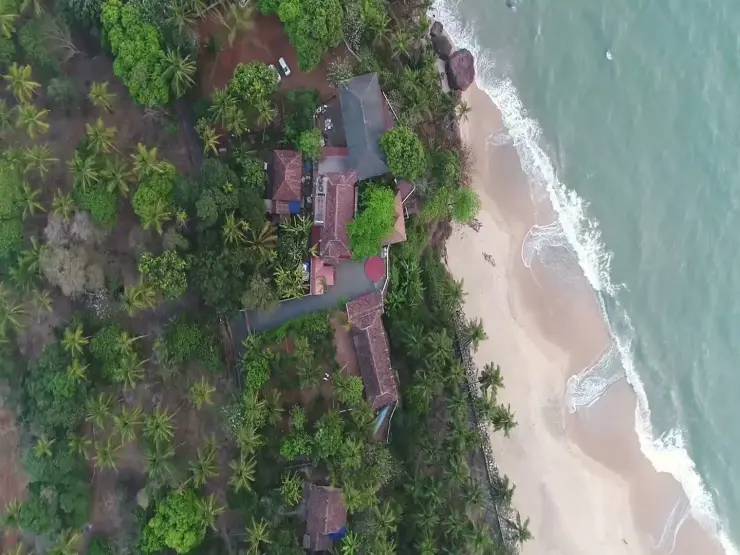
The beach owes much of its fame on the traveller map to the homestays gathered just behind it — the little enclave that many visitors simply call the Costa Malabari area. These are family-run guest houses and beach houses rather than resorts, and word of them spread quietly through backpacker circles and guidebooks over the years. Guests wake to Keralan breakfasts, eat home-cooked Malabar seafood, and stroll five to ten minutes down a palm-shaded path to a beach that, more often than not, they have almost to themselves. It is this low-key, homestay-led character that kept Thottada unspoilt while giving it just enough of a name to find.
The moods here swing hard with the seasons. From about October to March the sea is comparatively calm and the light is gold at both ends of the day, perfect for long dawn or dusk walks. When the southwest monsoon arrives between June and September the character flips completely — grey skies, muscular surf pounding the laterite, the swollen stream rushing to the sea and the whole coast turning wild and cinematic. Beautiful to watch, but the water becomes dangerous, and Thottada, like most Malabar beaches, has no lifeguards.
All of this sits in classic North Malabar country — the land of looms and lores, where handloom-weaving cooperatives still clatter away nearby and where, through the winter months, the fierce, painted ritual dance of theyyam plays out in village shrines a short drive inland. Thottada gives you a quiet base at the sea’s edge and, all around it, one of Kerala’s most distinctive cultural landscapes to explore.
A local legend clings to the laterite outcrops just south of the beach, around the rocks and the small cave the area is known for. As the tale is told, a sage is said to have lived in seclusion in the cave for some thirty years, and the spot is remembered as sacred. In one much-repeated version, brass lamps kept in the cave were guarded by king cobras, which are said to have turned back a thief who came to steal them. It is folklore rather than documented history — but it is the kind of story that gives these silent, wind-scoured rocks their slightly otherworldly reputation among locals.
For most of its life Thottada was simply a coastal hamlet in the weaving country south of Kannur town — a stretch of sand, coconut groves and a small stream, part of the same Malabar shoreline that carried the region’s ancient trade in spices, timber and cloth. Its beach had none of the civic prominence of Kannur’s Payyambalam or the fame of drive-on Muzhappilangad, and that relative obscurity is exactly what preserved it. Because it lay a couple of kilometres off the main Kannur–Thalassery highway, it stayed clean, quiet and largely uncommercialised while busier beaches drew the day-trippers.
The village itself is woven into Kannur’s identity as the land of looms and lores. Handloom-weaving has long been an integral livelihood here, and the neighbourhood is home to institutions tied to that craft, including a handloom and textile-technology institute, alongside colleges and schools. It was into this working, traditional landscape — not a purpose-built resort strip — that beach tourism eventually, and gently, arrived.
The turning point was the homestay story. Costa Malabari is widely credited as the pioneer that put Thottada on the traveller map: an early guest house set up in a converted old handloom factory just back from the sands, offering spotless rooms, home-cooked Keralan food and a warm, personal welcome rather than resort polish. Run for years by its well-known host and theyyam enthusiast, it grew a devoted following among independent travellers and guidebook readers looking for the authentic Malabar coast, and it drew others to open beach houses nearby.
As word spread, a small constellation of family-run stays — beach houses, cottages and guest houses such as Thottada Beach House and neighbouring properties — grew up around that first homestay, all sharing the same quiet beach. Crucially, the growth stayed modest and low-rise. Thottada became known as a place to slow down and settle in for a few nights, not a place of nightclubs or big hotels, and it has kept that unhurried, homestay-led character to this day.
The cultural setting sealed its appeal. Thottada sits in the heart of theyyam country, the North Malabar belt where the spectacular ritual dance-worship of theyyam is performed at village shrines through the winter season. Hosts here have long doubled as cultural guides, taking guests to nearby kavus (sacred groves) to witness the ceremonies. That combination — an unspoilt beach, home-cooked food and access to one of India’s most striking living traditions — is what turned a forgotten cove into a quietly celebrated corner of Kerala.
One of North Kerala’s cleanest, most secluded beaches — an unspoilt escape from the crowds.
Dramatic red-and-black laterite rocks and low cliffs breaking the sand into intimate, cove-like pockets.
A rare three-way meeting point where the Thottada stream, a calm backwater and the open Arabian Sea come together.
Excellent gentle birdwatching around the swamp and estuary, especially in the migratory season.
A famous, warm homestay scene — home-cooked Malabar food and a genuine base rather than a resort strip.
A perfect launchpad into theyyam country, handloom villages and the wider North Malabar coast.
Road km to Kannur; ghat roads and traffic vary — allow extra.
November to February for dry weather; avoid rough-sea days during monsoon warnings.
Live forecast loads in your browser.
Sun and moon are calculated for this location and shown in IST. Photography windows are the hour around sunrise and sunset; the sunset bearing is degrees clockwise from true north. Moon phase is accurate to about half a day.
Browse listed stays, food, activities, sights, shops and rentals around Thottada Beach. Check each listing’s locality and contact the business directly for current arrangements.
Ayurvedic spa and a centre for yoga and meditation at the Thottada Beach resort.
Book with the place itself. India’s cyber-crime coordination centre warned in April 2025 that convincing copies of hotel and pilgrimage booking sites are being pushed through sponsored search and social ads, taking payment for rooms the property never hears about. Use the contact and source details on each profile to confirm the exact business and booking channel. A directory entry or map pin alone does not establish an operator’s identity or current availability. Roampedia takes no commission and does not collect booking payments. If a booking page reached you through an ad, check the address bar against the property’s own site before you pay. Fraud can be reported on cybercrime.gov.in or on 1930.
Find food, accommodation and activities across Thottada. Browse the guides for places to eat, stay and explore along your route.
2 more places around Thottada. Open a guide to plan the visit and onward journey.
1.4 km · straight line
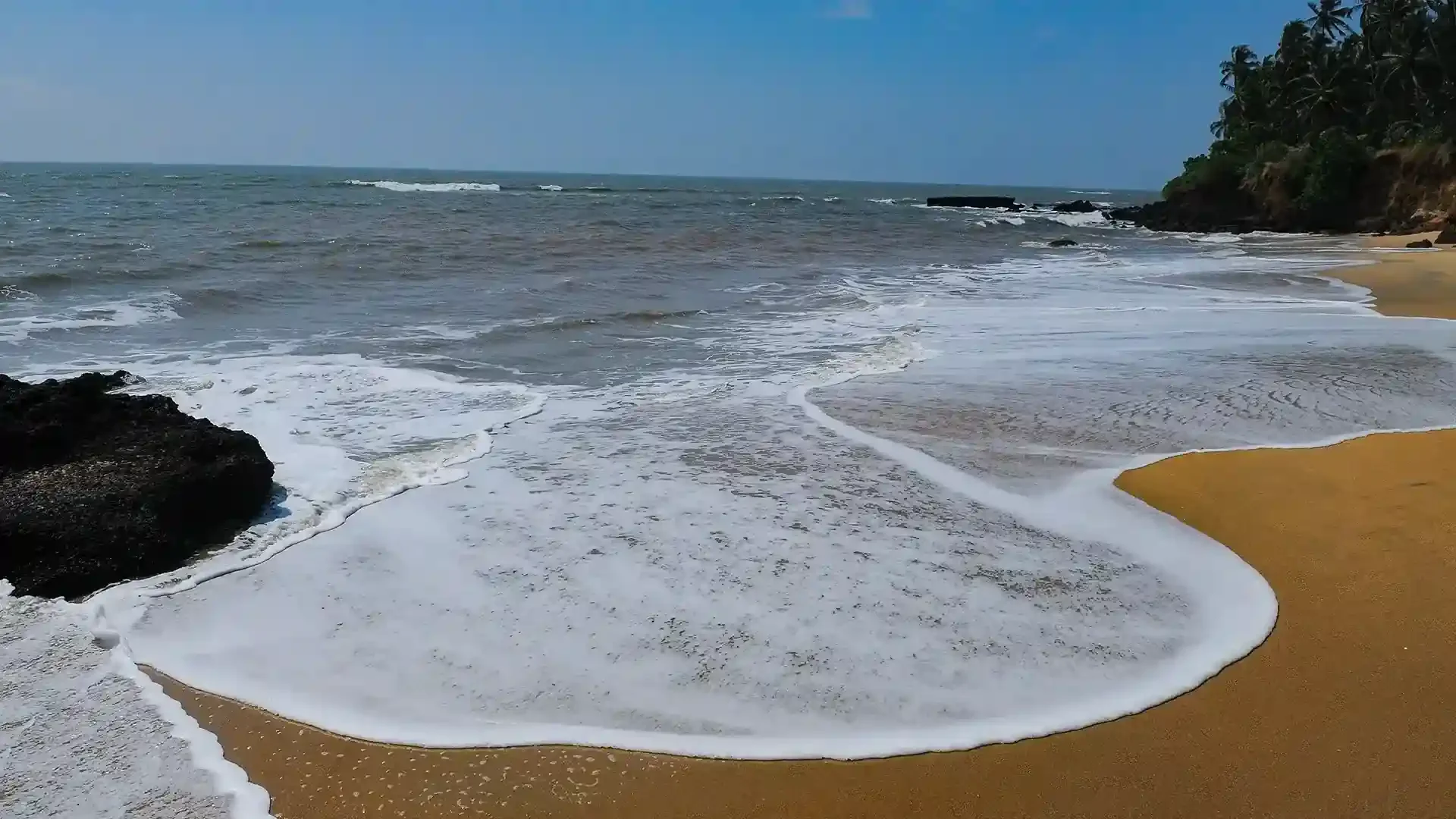
Adikadalayi Beach, also called Kadalayi Beach in Kerala’s coastal tourism study, is a Kannur shore with sandy pockets, exposed red coastal rock and palms above the water. It belongs to the Adikadalayi locality, not the separately named Thottada, Kizhunna or Ezhara beaches farther along the coast. Use the mapped public steps from Tippu Sulthan Beach Road as the arrival reference. Nearby cliff-side homestays have their own entrances and facilities, and should not be used as assumed public access.
880 m · straight line
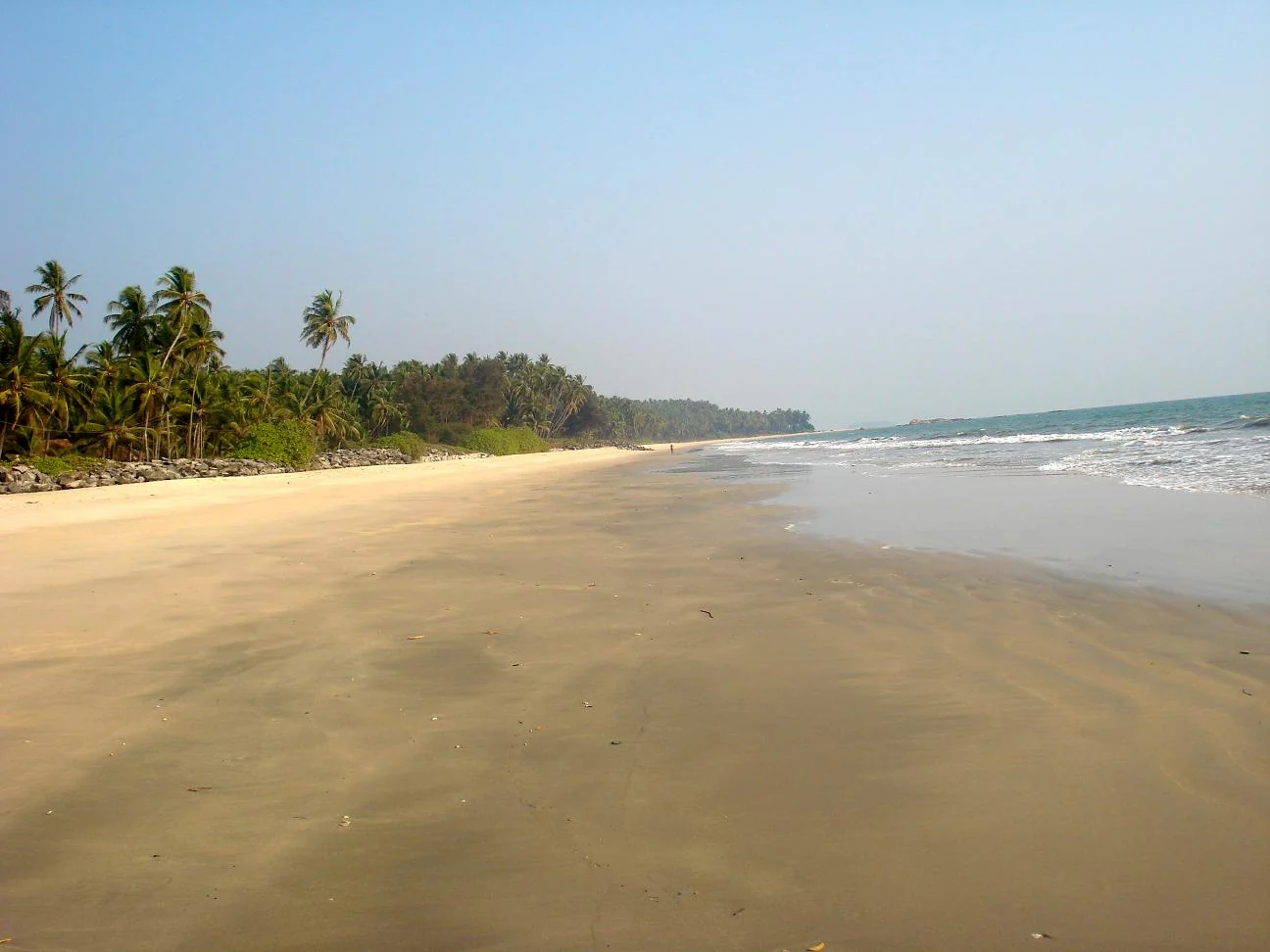
Kizhunna’s sandy shore lies between Thottada and Ezhara, with palm-backed village edges and the Cherakallu rock formations breaking up the coastline.
Roampedia is commission-free — own or know a stay, eatery, guide or shop near Thottada Beach? Submit public business details for review.
Add a nearby businessEntry: No entry fee for the open beach. There is no formal car park; visitors typically park along the access lane or at their homestay.
Dress code: This is a quiet local beach, not a resort strip — modest, respectful swimwear or light cover-ups are advisable, in keeping with Indian public-beach norms.
Festivals: Thottada sits in North Malabar’s theyyam country: the spectacular ritual dance is performed at village shrines nearby through the winter season (roughly October to around March/April, by temple calendar). Homestay hosts often help arrange visits.
Photography: Superb for photography — golden sand, red-and-black laterite rocks, leaning palms and the stream-meets-sea estuary all shine in the soft light of early morning and late afternoon. The birdlife around the backwater rewards a longer lens. Be discreet and ask before photographing fishing families or theyyam rituals.
If you are travelling by bus or ferry, check the return service with the operator before setting out. Leave time to reach the stop or jetty after your visit.
Ask at the bus stand for the time of the last service back, not the next one. If you miss it, an auto or app cab is the fallback — agree the fare before you get in.
If you need step-free access, contact the site before travelling. Ask about a level entrance, steps along the route, the nearest drop-off point, seating and accessible toilets.
Published emergency and visitor-assistance contacts. For an immediate emergency, call 112. Shared Kerala contact sources checked 4 October 2026; publication does not establish a tested live response.
Kizhunna’s sandy shore lies between Thottada and Ezhara, with palm-backed village edges and the Cherakallu rock formations breaking up the coastline.
880 m · straight lineAdikadalayi Beach, also called Kadalayi Beach in Kerala’s coastal tourism study, is a Kannur shore with sandy pockets, exposed red coastal rock and palms above the water. It belongs to the Adikadalayi locality, not the separately named Thottada, Kizhunna or Ezhara beaches farther along the coast. Use the mapped public steps from Tippu Sulthan Beach Road as the arrival reference. Nearby cliff-side homestays have their own entrances and facilities, and should not be used as assumed public access.
1.4 km · straight line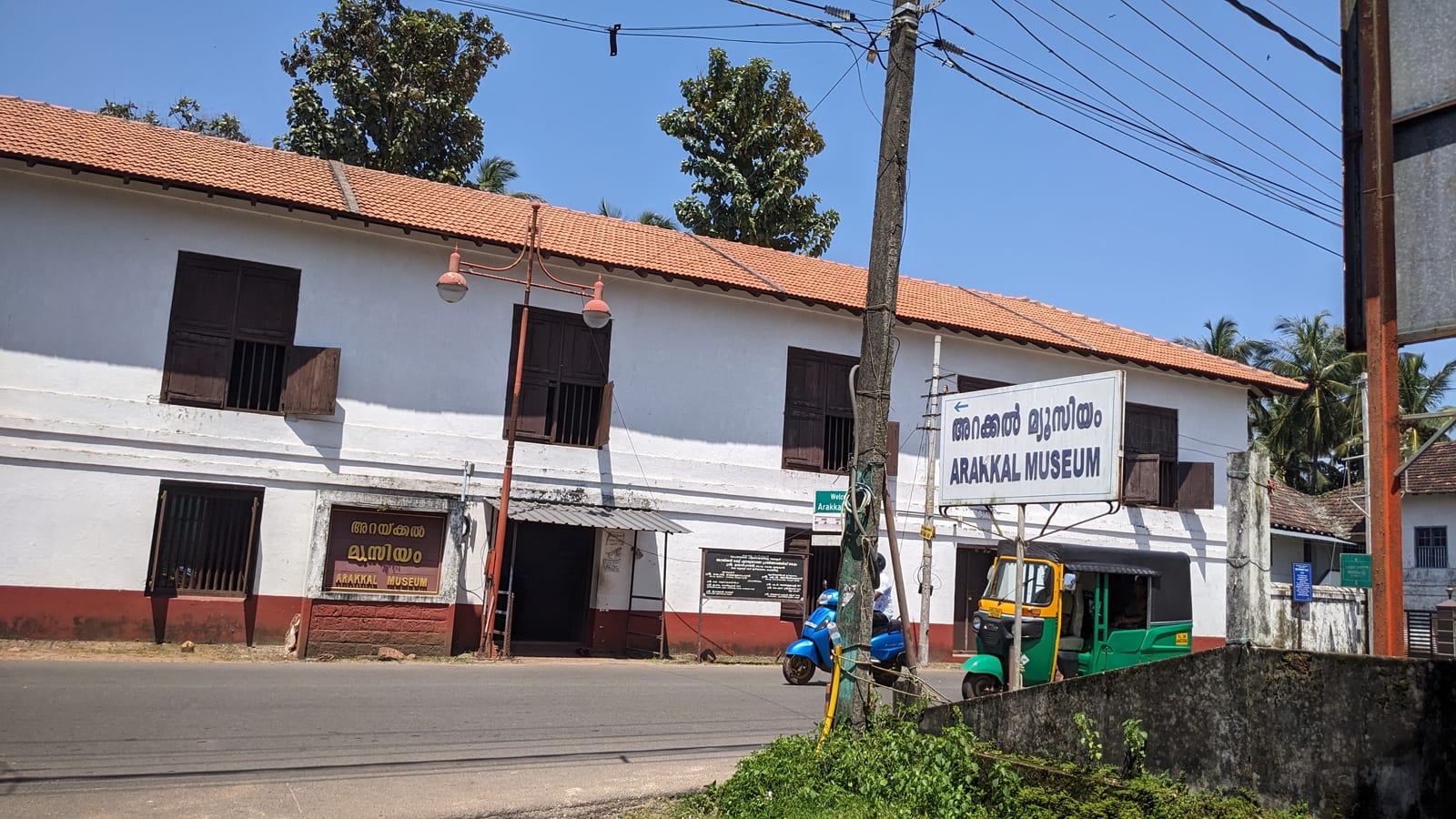
The Arakkal Kettu (palace museum) of the Arakkal Ali Rajas — Kerala’s only Muslim royal house, matrilineal so ruled at times by a Beevi (queen).
4.2 km · straight line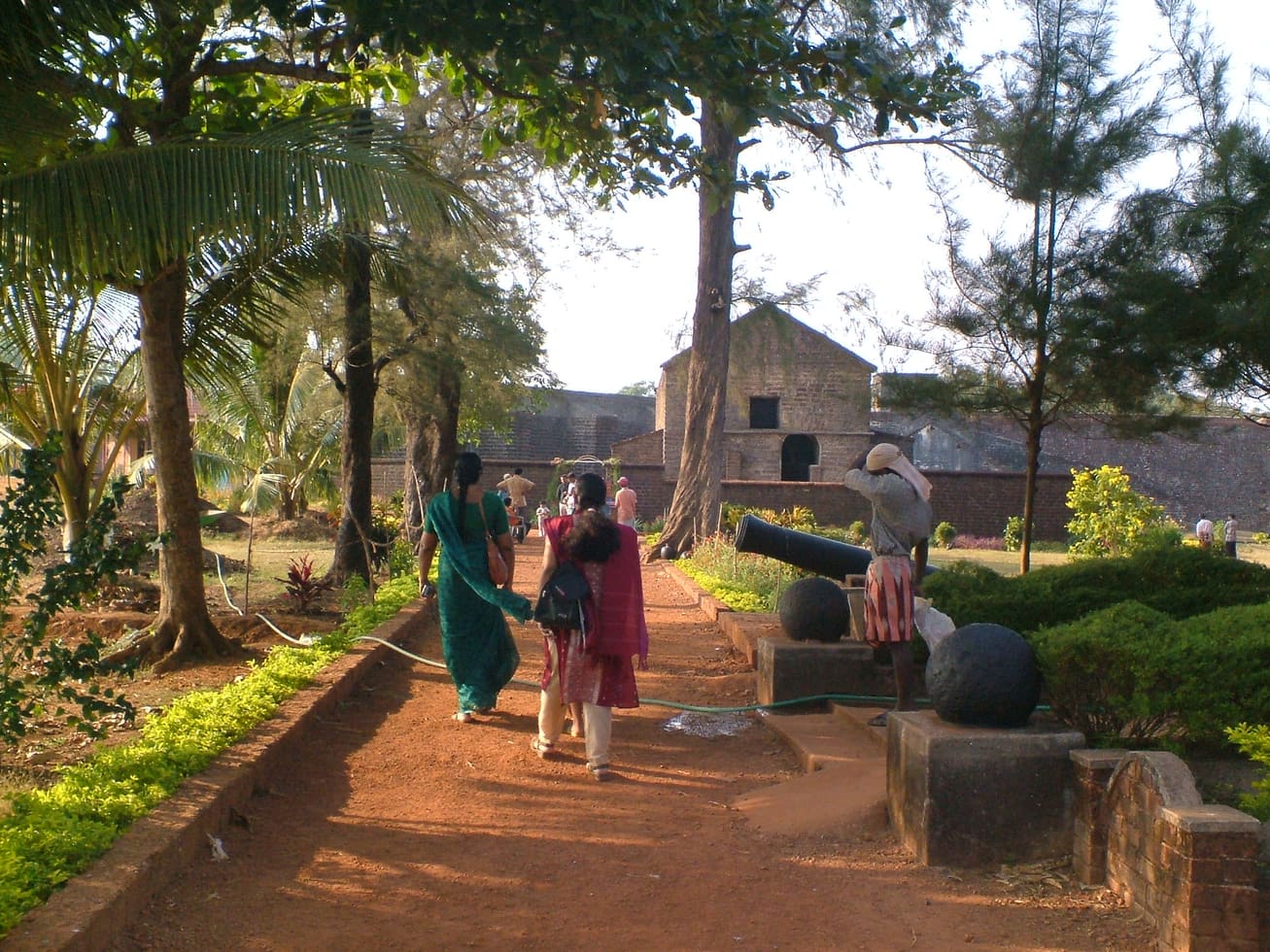
Sea-facing laterite fort built by the Portuguese in 1505, later held by the Dutch, the Arakkal royal house and the British — Kannur city’s great coastal landmark overlooking Mappila Bay.
4.2 km · straight line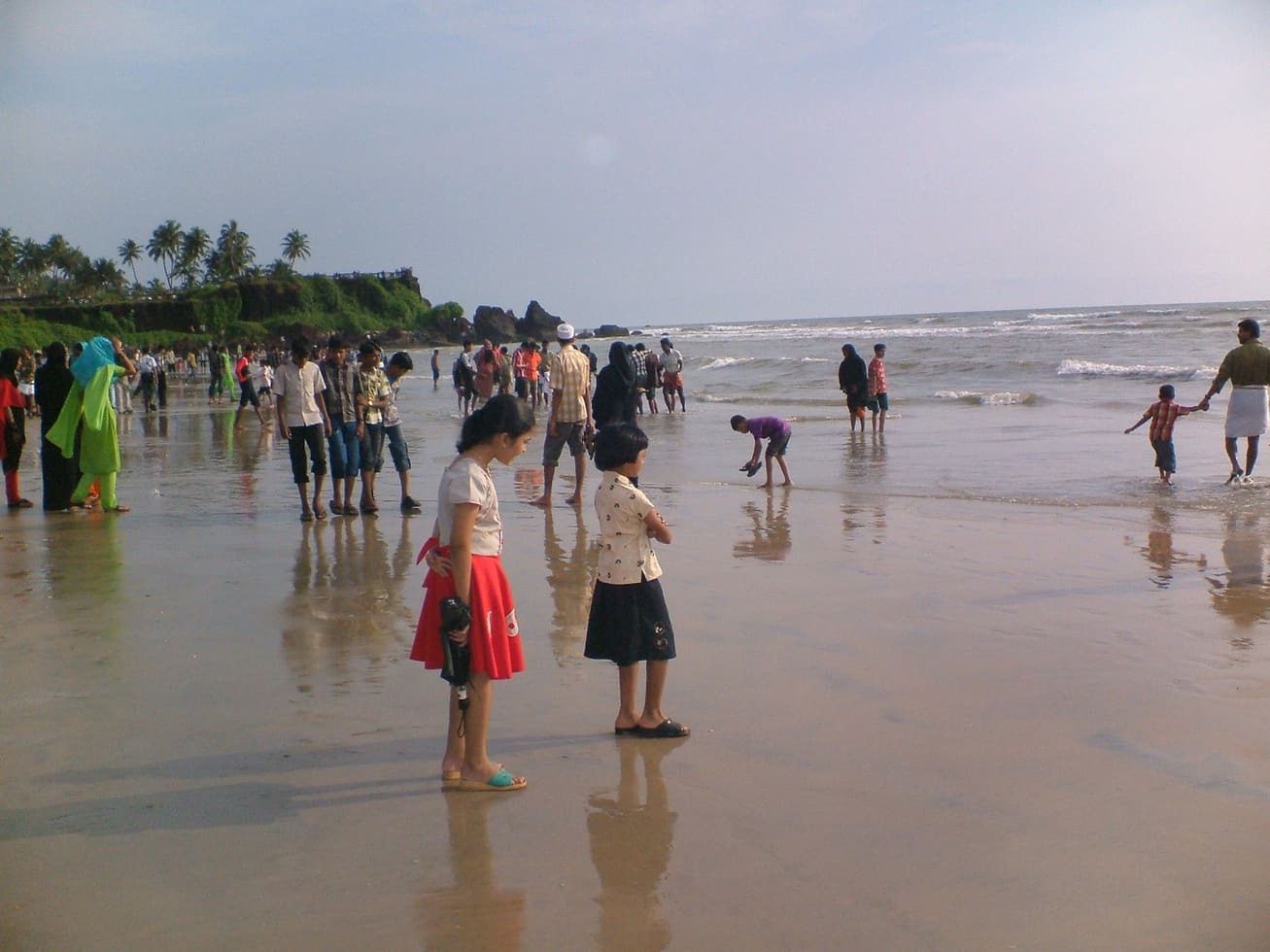
A small rocky beach in the Kannur cantonment, an extension of Payyambalam and within a few minutes of St Angelo’s Fort and the Kannur lighthouse. Not a swimming beach — the draw is the rocks, the quiet and the lighthouse beam after dark.
5.6 km · straight line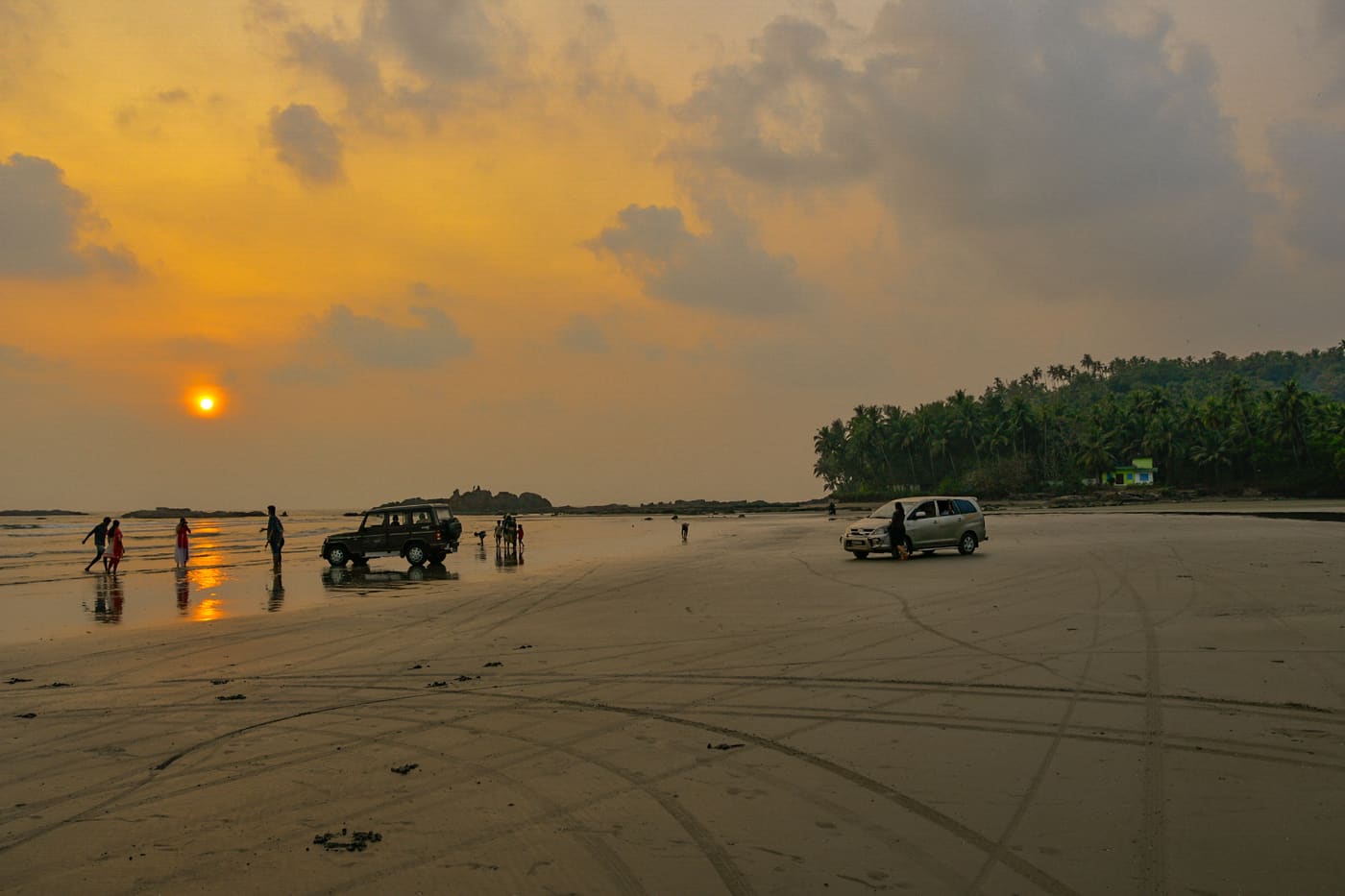
A ~4 km hard-sand beach, the longest drive-in beach in India — you can drive along the sand at low tide; Dharmadam Island lies just offshore.
5.9 km · straight lineKannur city’s main beach, with a landscaped garden, the mother-and-child sculpture and long sunset walkways.
7.1 km · straight line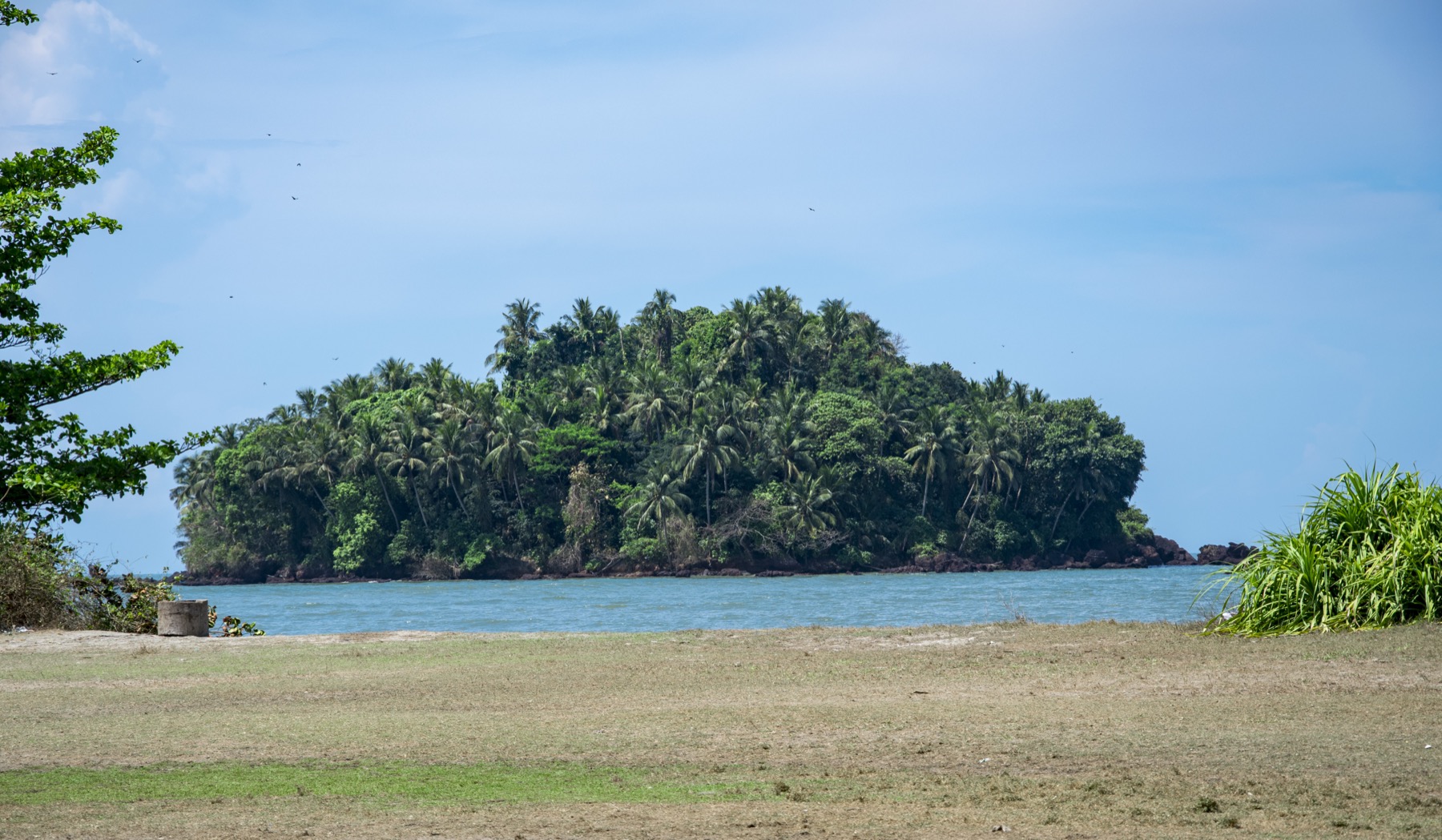
A small green private island off Muzhappilangad, reachable on foot across the sand at low tide (viewing only; landing is restricted).
8.8 km · straight line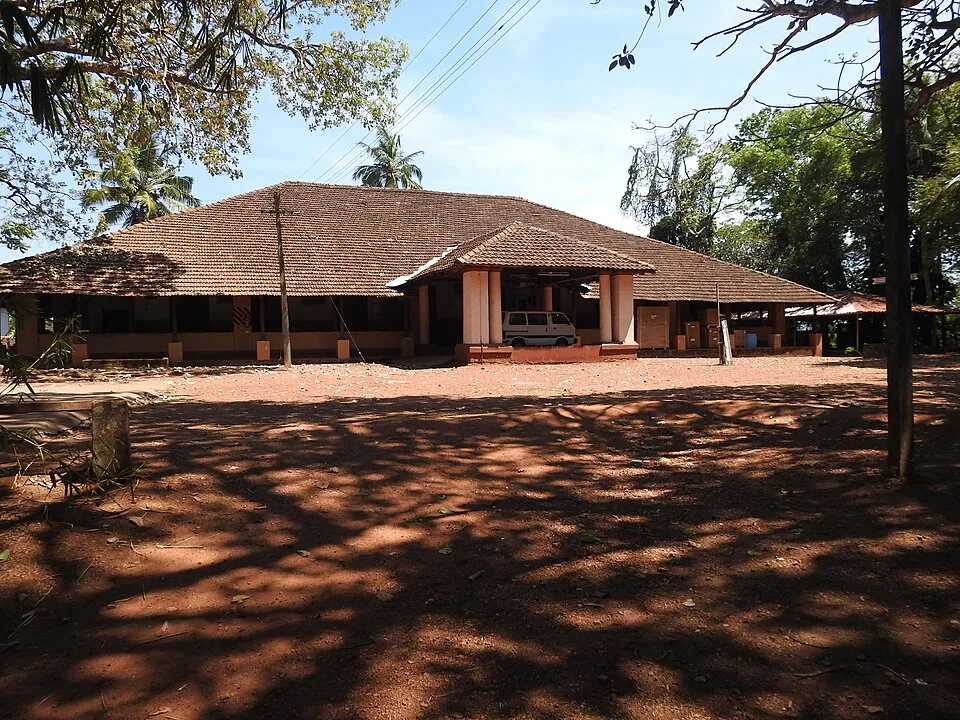
At Illikkunnu near Thalassery, the hillside home of the German missionary-scholar Hermann Gundert, who compiled the first Malayalam–English dictionary and grammar here in the mid-1800s.
11.1 km · straight line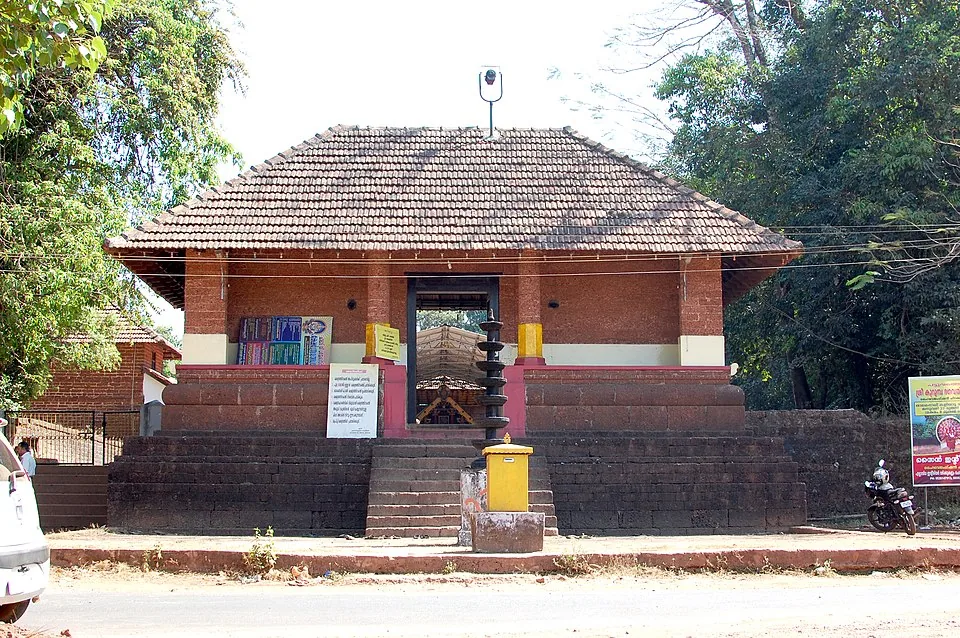
A Bhagavathy temple near Valapattanam regarded as the mother shrine of Kalaripayattu — Kerala’s martial art — where Theyyam is performed; the goddess is guardian of the kalari.
11.4 km · straight line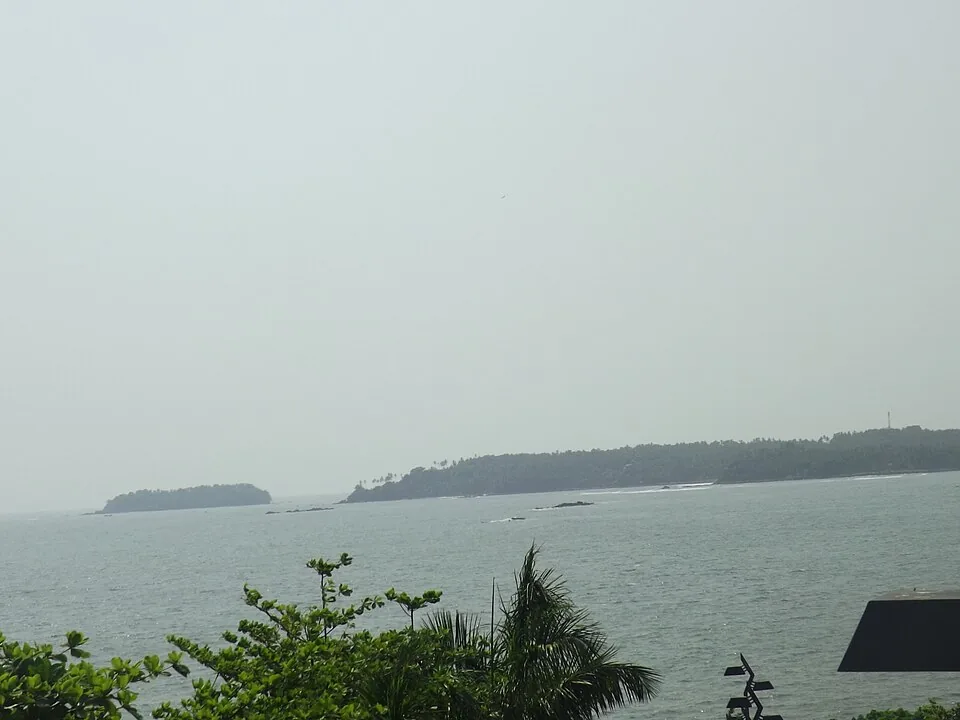
A cliff-top garden viewpoint over the sea at Thalassery, named after E.N. Overbury, a British judge of the 1870s who began but never finished a mansion here.
12.8 km · straight line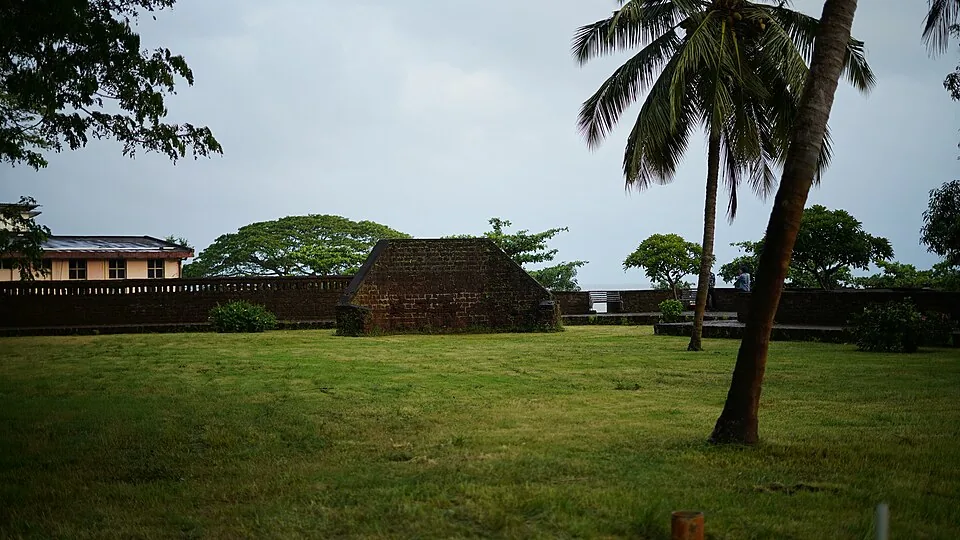
A square laterite fort built by the English East India Company in 1708 at Thalassery (Tellicherry), heart of the old Malabar pepper and cricket town, with secret sea tunnels.
13.1 km · straight lineIt lies near the hamlet of Thottada, on the Malabar coast between Kannur and Thalassery, roughly 8–9 kilometres south of Kannur city and about 2.5 kilometres off the Kannur–Thalassery highway (NH 66).
Swim only with great caution and stay close to shore. The sea can be calm in the dry season but currents can be strong, the estuary mouth adds unpredictability, and — like most Malabar beaches — Thottada has no lifeguards. During the monsoon the surf is powerful and swimming is best avoided altogether.
Roughly October to March is ideal, when the sea is calmer, humidity is lower and the light is beautiful at sunrise and sunset. The southwest monsoon (about June to September) is dramatic to watch but rough and wet.
Entry to the open public beach is generally free. Facilities are minimal — expect few or no shops, changing rooms or lifeguards on the beach itself; most food and comforts come from the surrounding homestays.
The main strand is a little over 800 metres, but laterite rocks split the shore into sheltered pockets, so it is often described as a set of small secluded coves reachable on foot at low tide. Costa Malabari refers to the pioneering homestay — set in a converted old handloom factory just behind the sands — and, loosely, the cluster of family-run beach houses that grew up around it.
Yes. It sits in the North Malabar theyyam belt, where the ritual dance is performed at village shrines through the winter season (roughly October onwards), and local homestay hosts often help guests arrange visits.
November to February for dry weather; avoid rough-sea days during monsoon warnings.
Entry: No entry fee for the open beach. There is no formal car park; visitors typically park along the access lane or at their homestay. Timings: Open public beach, accessible at all hours, but it is best enjoyed in daylight — from sunrise to a little after sunset. It is quiet and unlit after dark, with no lifeguards, so avoid the water and lonely stretches at night.
Base yourself in Thottada or a nearby town in Kannur, then confirm the last-mile route locally before leaving. Arrive before sunset if you want photos and a calmer walk; beach roads can slow down in the evening. If the visit depends on forest, temple, boat, ferry, weather or seasonal access, check the official/local rule on the day before travel.
1 to 3 hours, longer if staying for food or sunset.
Nearby you can pair Kizhunna Beach (880 m, approximate straight-line separation), Adikadalayi Beach (1.4 km, approximate straight-line separation), Arakkal Museum (4.2 km, approximate straight-line separation), St. Angelo Fort (4.2 km, approximate straight-line separation).
Do not swim during rough-sea warnings. Avoid isolated stretches after dark unless with a trusted local/operator.
Written about Thottada Beach itself — its history, its legends and the arguments about them.
These guides explore Thottada and the surrounding area. Choose a visit that fits your interests, allowing separately for travel between stops.
Route-level itineraries and practical guides for the rest of Kerala.
Photographs: Arjunmangol (CC BY-SA 3.0), Shareef Taliparamba (CC BY-SA 2.0), Shagil Muzhappilangad (CC BY-SA 4.0), Nazir ek at English Wikipedia (Public domain). Wikimedia Commons.