Kuruva Island

Kuruva Island, or Kuruvadweep, is a protected river-island landscape in Wayanad's Kabini river system, reached from the Mananthavady/Pulpally side. The experience is forested, seasonal and capacity-controlled, with raft/boat access and walking paths subject to Forest Department rules.

Kuruva Island, Mananthavady
Practical guide

Plan Kuruva Island

Who's going?Tailor Kuruva Island to your trip
Typeisland
AreaMananthavady
DistrictWayanad
Best timeDryer months after the monsoon are easiest
Time needed2 to 4 hours, plus transfer time from…
Entry₹220
Places to visit9Listed businesses24

This page needs cautious planning copy because Kuruva often closes for monsoon, high water, wildlife movement or conservation reasons. Treat it as a controlled eco visit, not a guaranteed year-round picnic island.

The story

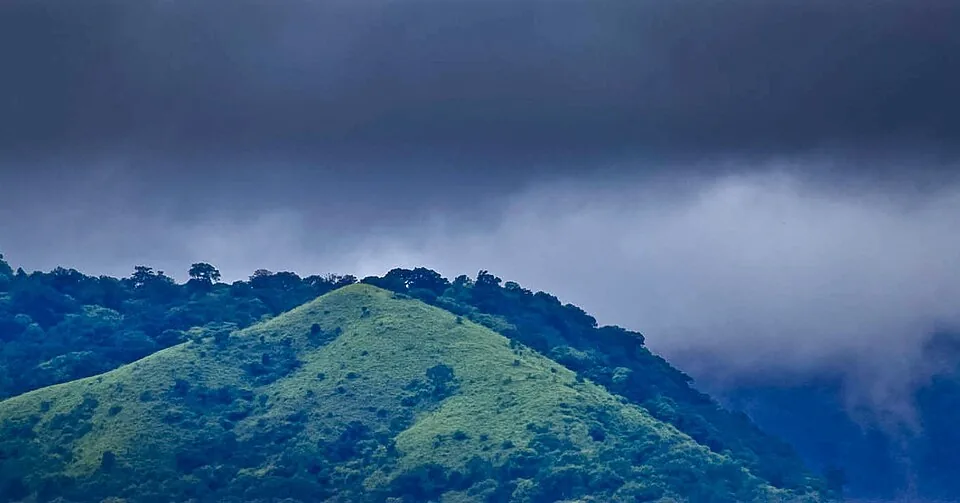
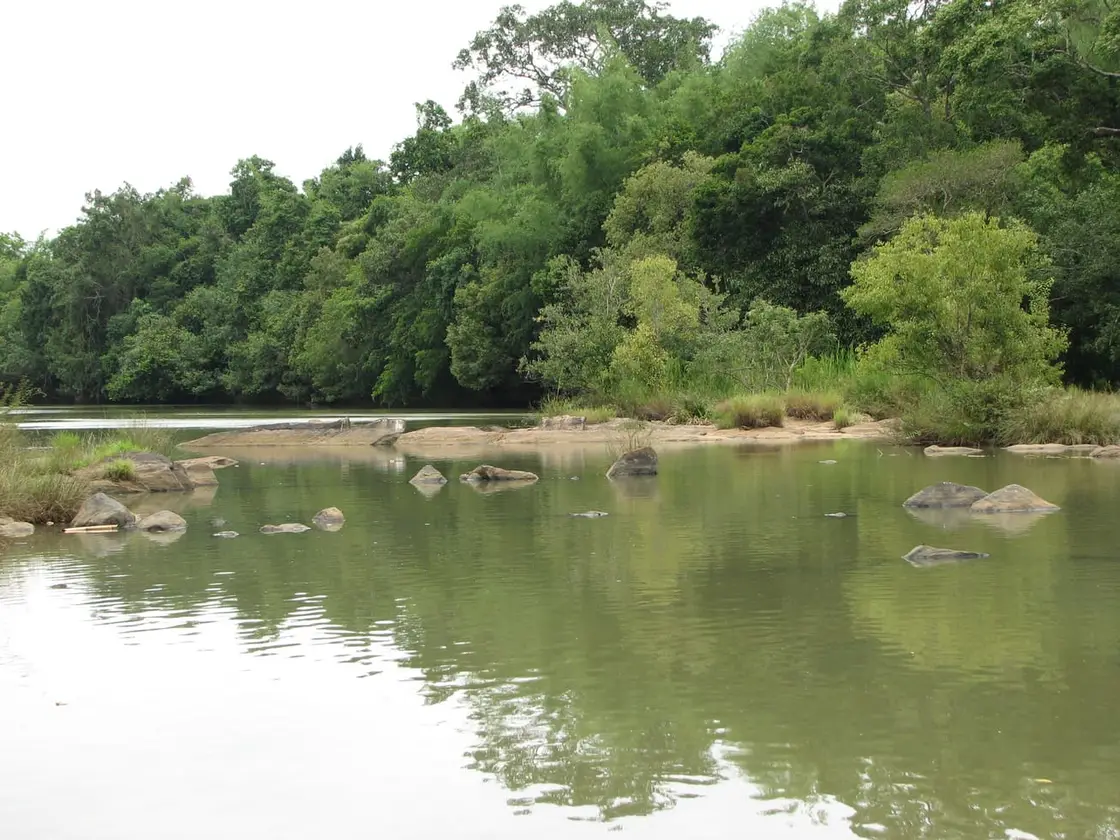
Kuruva Island — Kuruvadweep to Malayalis — is a cluster of three uninhabited, densely wooded islets marooned in the braided channels of the Kabini river, some 17 km east of Mananthavady in northern Wayanad. Spread across roughly 950 acres of evergreen woodland, orchid-hung trees and bamboo groves, it is one of Kerala’s most fragile eco-tourism sites, reached only by fibre boat or bamboo raft and locked shut through the monsoon when the river runs high.

The story of Kuruva Island

You do not so much arrive at Kuruva Island as cross over to it. The road from Mananthavady ends at a wooded landing on the Kabini, and beyond the water lies a green wall with no bridge, no jetty of concrete, no shortcut. Visitors gather at the bank, wait their turn, and are ferried across in small fibre boats or poled over on bamboo rafts. That short crossing — a few minutes of dark, slow-moving water — is the whole point. It draws a line between the ordinary world and the hush on the far side.

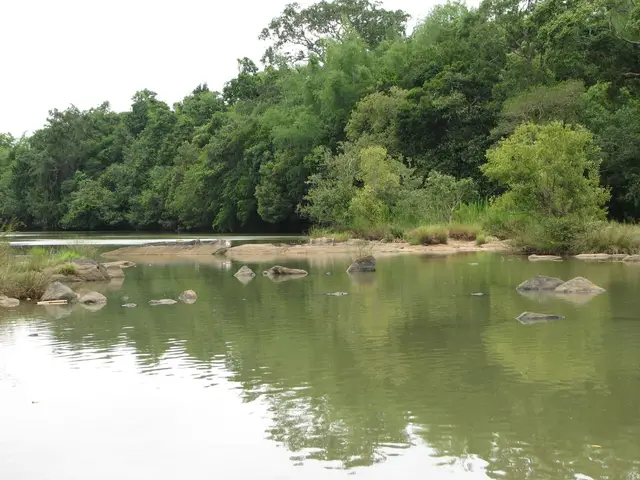
The name Kuruvadweep simply means Kuruva island, and what most people call a single island is in fact a scatter of three main islets and countless smaller sandbars, threaded by the shifting channels of the Kabini and its tributaries. In the dry months the river separates into clear, shallow streams that braid between the wooded banks; in the rains they swell and merge, and the delta rearranges itself. This is a living, moving landscape, which is part of why it can never be tamed into a conventional park.

Step off the raft and the canopy closes overhead almost at once. The cover here is evergreen and layered — tall trees draped with epiphytic orchids, thickets of bamboo, ferns and medicinal herbs underfoot, mossy trunks and the constant sound of water. Narrow trails, kept deliberately rough, lead through the interior to quiet pools and rocky stretches of stream where the current slows. There are no shops inside, no vendors, no loudspeakers — only birdsong, the creak of bamboo and the occasional splash of a kingfisher.

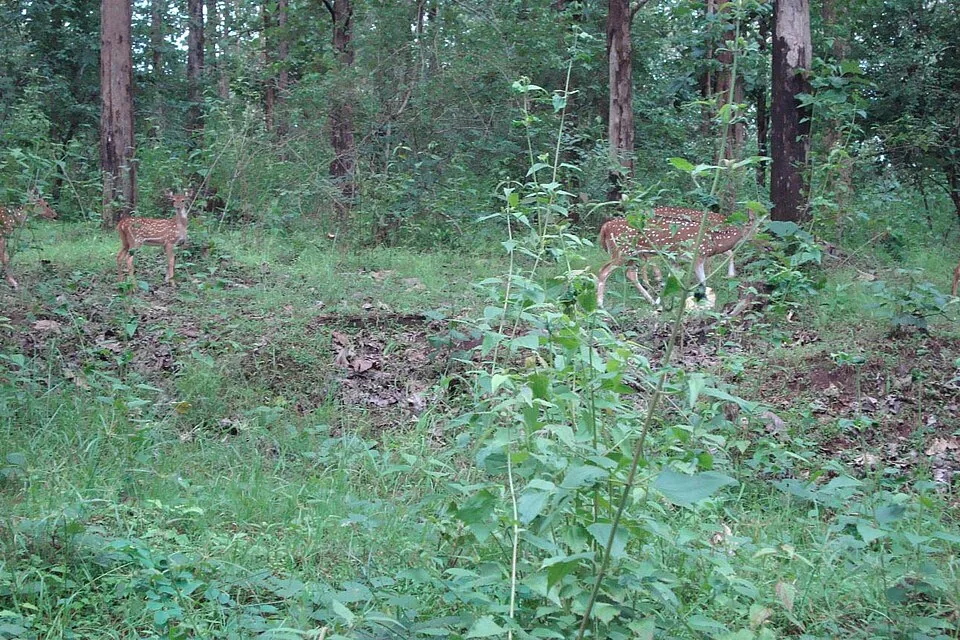
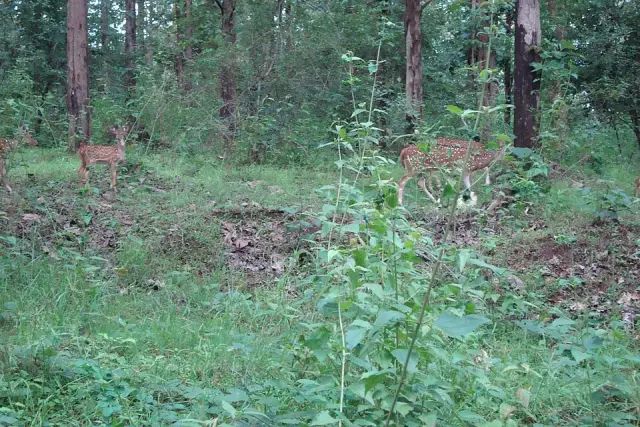
Birdwatchers come here for good reason. The islets shelter Malabar hornbills, parrots, a dazzle of kingfishers and, for the patient, the shy Malabar trogon flitting through the mid-canopy. Butterflies drift across the light-gaps in clouds, and the streams host their own small world — including rare dragonflies recorded on the delta. Because so few people are allowed across at any one time, the island keeps its nerve; wildlife carries on largely as if the visitors were not there.

The experience is deliberately kept simple and slightly wild. You wade a little, you walk a little, you sit on a rock and watch the water go by. Families picnic at the marked spots near the crossings; naturalists disappear down the trails with binoculars. The Forest Department caps the numbers each day and clears everyone off well before dusk, so the island is never crowded and never lit up at night — it belongs, after hours, only to the birds and the river.

That fragility is also the island’s discipline. Kuruvadweep closes completely through the monsoon, roughly from June, when the Kabini rises and the crossings become dangerous. Even in season, plastic is banned, swimming in the deeper channels is discouraged and every trail is meant to be walked lightly. Kuruva rewards the visitor who treats it as a guest treats a borrowed room — quietly, carefully, and with the understanding that this green delta survives precisely because it has never been allowed to become easy.

Read the full history of Kuruva Island 631 more words

History

Kuruvadweep is a natural river delta rather than a built monument, and its story is really the story of the Kabini — locally the Kabani — one of the few east-flowing rivers of the region, which drains the Wayanad plateau towards Karnataka and eventually the Kaveri. Over long stretches of time the river split and rejoined around resistant ground, depositing silt and sand to form the low, wooded islets that make up the delta. Left uninhabited and hard to reach, they held on to dense evergreen woodland long after much of the surrounding plateau was cleared for cultivation.

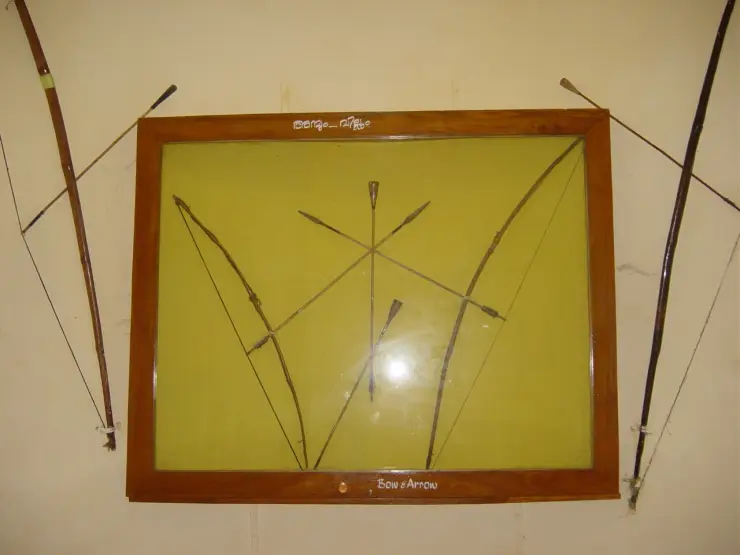
The wider Wayanad hills carry a proud rebel history. In the closing years of the eighteenth and start of the nineteenth centuries these hills were the theatre of the guerrilla resistance of Pazhassi Raja against the British East India Company, in which the local Kurichiya and Kurumba tribal communities — famed archers and forest fighters — played a decisive part. While the specific islets of Kuruvadweep are not tied to a single documented episode, the remoteness that makes the delta a sanctuary today is the same remoteness that once made these jungles a stronghold for those who knew them intimately.

For most of the modern era Kuruva remained an obscure local secret, visited by fishermen, herders and the occasional naturalist. Its transformation into a named destination came when the Kerala Forest Department, working with the state tourism department and the district tourism authorities, developed it as a controlled eco-tourism site. Rather than build roads and resorts across the water, they chose the opposite path: keep the island uninhabited, ferry visitors across by boat and raft, cap the daily numbers and issue entry through the Forest Department.

Ecologically the delta is treated as a protected pocket of biodiversity. It is documented as harbouring rare orchids and medicinal plants among its flora, and a distinctive fauna that includes the Malabar trogon and uncommon dragonfly species recorded on its streams. The management model — limited access, seasonal closure, a ban on plastic and swimming, and reliance on non-motorised bamboo rafts within the delta — is deliberately restrictive, an attempt to let a small, sensitive island absorb tourism without being consumed by it.

That caution has been tested by nature itself. Landslide-prone Wayanad has seen repeated disasters and floods in recent years, and Kuruvadweep, sitting in the path of a river that can rise fast, is opened and closed at the Forest Department’s discretion — sometimes beyond the usual monsoon dates when conditions in the district are unsafe. The island’s whole recent history is therefore a negotiation between access and protection, in which the river, not the visitor, always has the final word.

Why visit

It is one of Kerala’s rare car-free forest sanctuaries: you cross a river by fibre boat or bamboo raft to reach it, which instantly sets it apart from any roadside sightseeing stop.

The setting is genuinely uncommon — roughly 950 acres of evergreen forest on a braided river delta, with clear shallow channels you can wade in and quiet trails through orchid-hung, bamboo-thick woodland.

It is a serious birding and nature destination: Malabar hornbills, kingfishers, parrots, the elusive Malabar trogon, butterflies and rare dragonflies, all in a habitat kept calm by strict daily visitor caps.

The bamboo-raft crossing and gentle river paddling are simple, low-impact experiences that suit families, couples and solo naturalists alike, without the noise of a conventional theme attraction.

Because the forest department limits numbers and forbids plastic, the island stays clean, uncrowded and quiet in a way that popular Kerala spots rarely manage — the appeal is stillness, not spectacle.

It pairs naturally with the wider northern-Wayanad circuit around Mananthavady — Thirunelli temple, Pakshipathalam and the Kabini backwaters — making it an easy, memorable half-day within a longer hill-country trip.
What to expect

Highlights

  • Protected river-island forest landscape in the Kabini river system.
  • Seasonal raft/boat access, shaded walking and bird/insect-rich wetland forest.
  • Expect to be booking authorised guides, family stays, drivers and food stops near Mananthavady/Pulpally.
Getting there

How to visit

  • Base in Mananthavady or Pulpally and travel only with an active official ticket or opening notice.
  • Plan around official ticketing, capacity limits and raft/boat timing.
  • Keep a backup Wayanad plan because access can close quickly after rain or forest advisories.

Distance by road

  • Kozhikode71 km
  • Mysuru138 km
  • Coimbatore210 km
  • Mangaluru254 km
  • Kochi256 km

Road km to Wayanad; ghat roads and traffic vary — allow extra.

Timing

Best time

Dryer months after the monsoon are easiest. The island is commonly closed during heavy monsoon/high-water periods.

Weather in Kuruva IslandSeasonal guide

Live forecast loads in your browser.

Today at Kuruva Island
Sunrise6:15 am
Sunset6:25 pm
Golden hour best light5:25 pm–6:25 pm
Blue hour after sunset6:25 pm–6:50 pm
Sun sets toward compass bearingW · 272°
Moon tonight🌓 First quarter · 53%
South-west monsoon. June to September is monsoon season: the sea gets rough, swimming is often unsafe and boat services can be suspended. Follow lifeguard and local warnings, and expect changeable conditions.

Check the official alert before you travel. Kerala’s beaches, waterfalls and trekking routes close at short notice during heavy rain, and district alert levels change day to day. We do not publish an alert level of our own — read it from the state authority: Kerala State Disaster Management Authority, or the district control room on 1077.

Sun and moon are calculated for this location and shown in IST. Photography windows are the hour around sunrise and sunset; the sunset bearing is degrees clockwise from true north. Moon phase is accurate to about half a day.

Visitor notes

  • Carry ID, water, mosquito protection and footwear suitable for damp paths.
  • Avoid plastic and follow forest waste rules strictly.
  • Expect a nature walk, not commercial entertainment.
Safety

Good to know

  • Use only official rafts/boats and life-jacket rules.
  • Do not enter closed forest sections or river edges.
  • Respect wildlife warnings and capacity controls.
Official eco & forest programmes

Experiences around Kuruva Island

These are official or public-sector eco offerings that match this place, town or forest destination. Confirm availability, permits, tariffs and reporting times with the official operator before travel.

Wayanad Wildlife Sanctuary, Kuruva Island
safariwildlife

Tholpetty wildlife safari

Northern Wayanad wildlife safari zone around Tholpetty, usually planned from Mananthavady or Thirunelli.

Wayanad Wildlife Sanctuary
Official source →
Thirunelli, Kuruva Island
wildlifetrekinterpretation

Thirunelli forest and temple eco visit

Temple, forest and Brahmagiri-edge landscape in north Wayanad, listed among Kerala Tourism ecotourism destinations.

Kerala Forest Department / local temple and tourism authorities
Official source →
Kuruva Island, Kuruva Island
wildlifeboatinginterpretation

Kuruva Island eco visit

River-island eco-tourism area with seasonal and carrying-capacity restrictions; confirm opening status before travel.

Kerala Forest Department / local tourism authorities
Official source →
Stay · eat · do · rent · see · shop

Stays, food & things to do near Kuruva Island

Verified hotels, homestays, restaurants, experiences, sights, shops and rentals around Kuruva Island — commission-free, with direct contact. Filter by what you need.

3 places to eat near Kuruva Island

ABAD Parisons Plantation Restaurant — Plantation resort restaurant in Mananthavady
Verified
Plantation resort restaurant · Mananthavady
ABAD Parisons Plantation Restaurant

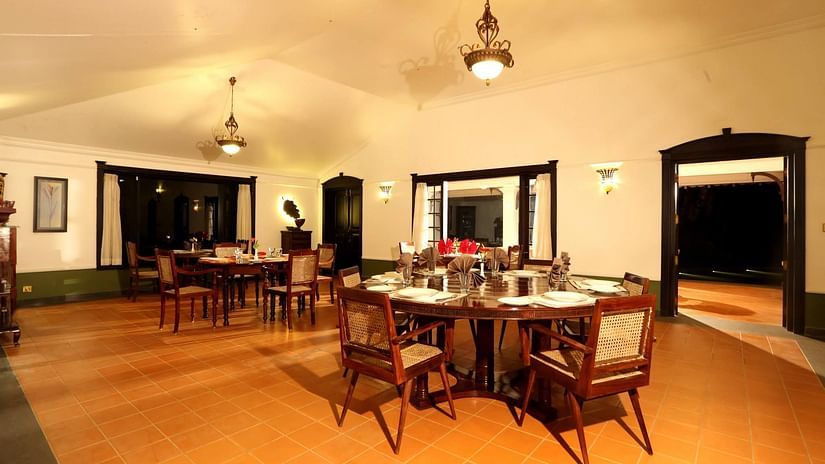
Plantation resort restaurant in Mananthavady. Parisons Plantation Experiences by ABAD, Wayanad, near Mananthavady, Kerala · eat, Plantation resort restaurant, ABAD Parisons Plantation Restaurant.

Directions Commission-freeView details
Nice Restaurant Mananthavady — Restaurant in Mananthavady
Verified
Restaurant · Mananthavady
Nice Restaurant Mananthavady

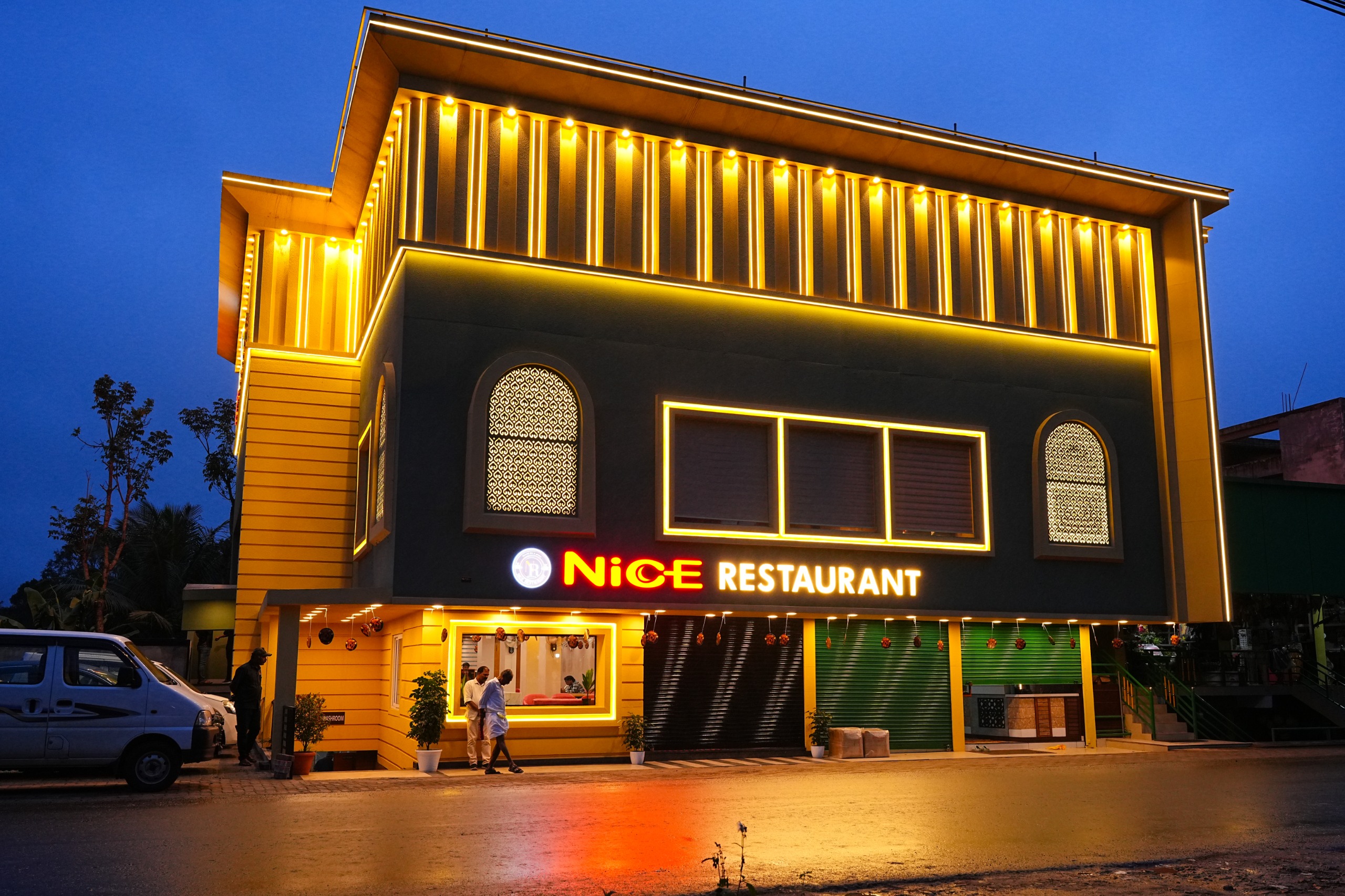
Nice Restaurant is a Mananthavady-side restaurant at Kuzhinilam, useful as a sourced food stop for north Wayanad, Tholpetty and Kuruva routes. Mananthavady food, Restaurant, Kuzhinilam.

Directions Commission-freeView details
N
Nice Restaurant
Where to eat
Restaurant · Mananthavady
Nice Restaurant
Kerala

A family-run Kerala restaurant at Kuzhinilam in Mananthavady town, open 25 years. Pepper roasts, mappas and biryani lead a menu of traditional Kerala fare.

Directions Commission-freeView details

Book with the place itself. India’s cyber-crime coordination centre warned in April 2025 that convincing copies of hotel and pilgrimage booking sites are being pushed through sponsored search and social ads, taking payment for rooms the property never hears about. Every listing here links to the business’s own contact details and its own Google or Bing profile — we take no commission and sit in nobody’s payment path. If a booking page reached you through an ad, check the address bar against the property’s own site before you pay. Fraud can be reported on cybercrime.gov.in or on 1930.

Ranked guides

Top experiences around Mananthavady

9 more places around Mananthavady. Open a guide to plan the visit and onward journey.

wildlifeTholpetty Wildlife Sanctuary

9.9 km · ~16 min by cab

Tholpetty Wildlife Sanctuary is the Mananthavady-side wildlife gateway of Wayanad Wildlife Sanctuary. Plan it through current official safari timing, forest contact checks and responsible road buffers before adding nearby stays, food or drivers.

heritagePriyadarshini Tea Environs

8.7 km · ~14 min by cab

The Mananthavady Tribal Plantation Co-operative tea estate at Pancharakolly, combining a plantation walk, factory, museum, tasting and Vishwas Point.

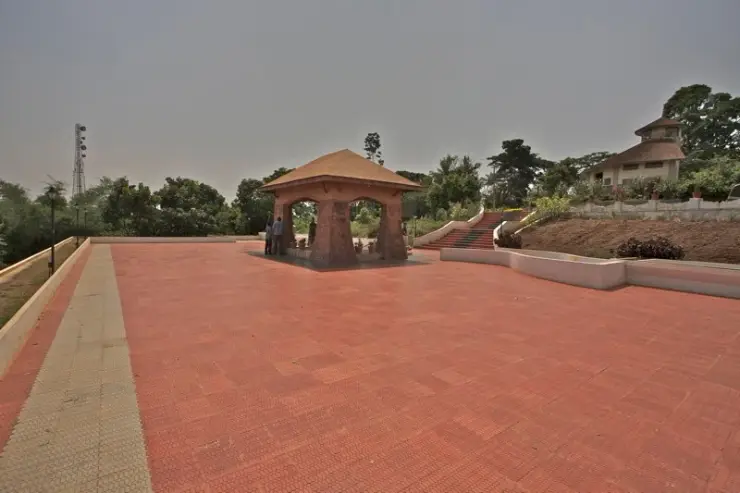
heritagePazhassi Smarakam

7.4 km · ~19 min by auto

Pazhassi Raja’s memorial and the Kerala Archaeology Department museum at Mananthavady’s Hospital Hill, with four galleries connecting the resistance leader, Wayanad’s communities and the district’s material history.

templeThirunelli Temple

11.8 km · ~20 min by cab

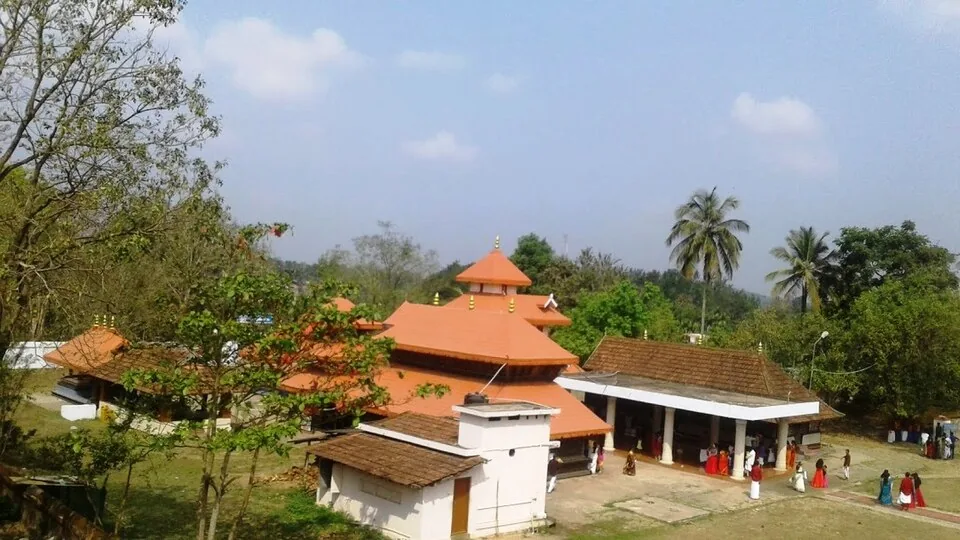
Thirunelli Temple is a north-Wayanad forest-edge temple near the Brahmagiri landscape, usually planned from Mananthavady or Thirunelli. Check temple timing, road conditions and respectful visitor rules before pairing it with Tholpetty or Kuruva routes.

templeValliyoorkavu Bhagavathy Temple

6.4 km · ~16 min by auto

Important Mananthavady-side Bhagavathy temple known for festival and local cultural context.

trekBrahmagiri Hills

18.3 km · ~31 min by cab

Highland forest-and-peak landscape near Thirunelli, with access dependent on rules and conditions.

trekPakshipathalam

18.3 km · ~31 min by cab

Brahmagiri Hills trek and cave landscape near Thirunelli, known for birdlife and permit-dependent forest access.

trekKambamala Ecotourism

12.0 km · ~20 min by cab

KFDC’s Camellia Eco Cottages stay inside its working Kambamala tea estate, with guided plantation and forest-edge activities arranged as part of the programme.

templeThrissilery Shiva Temple

5.7 km · ~14 min by auto

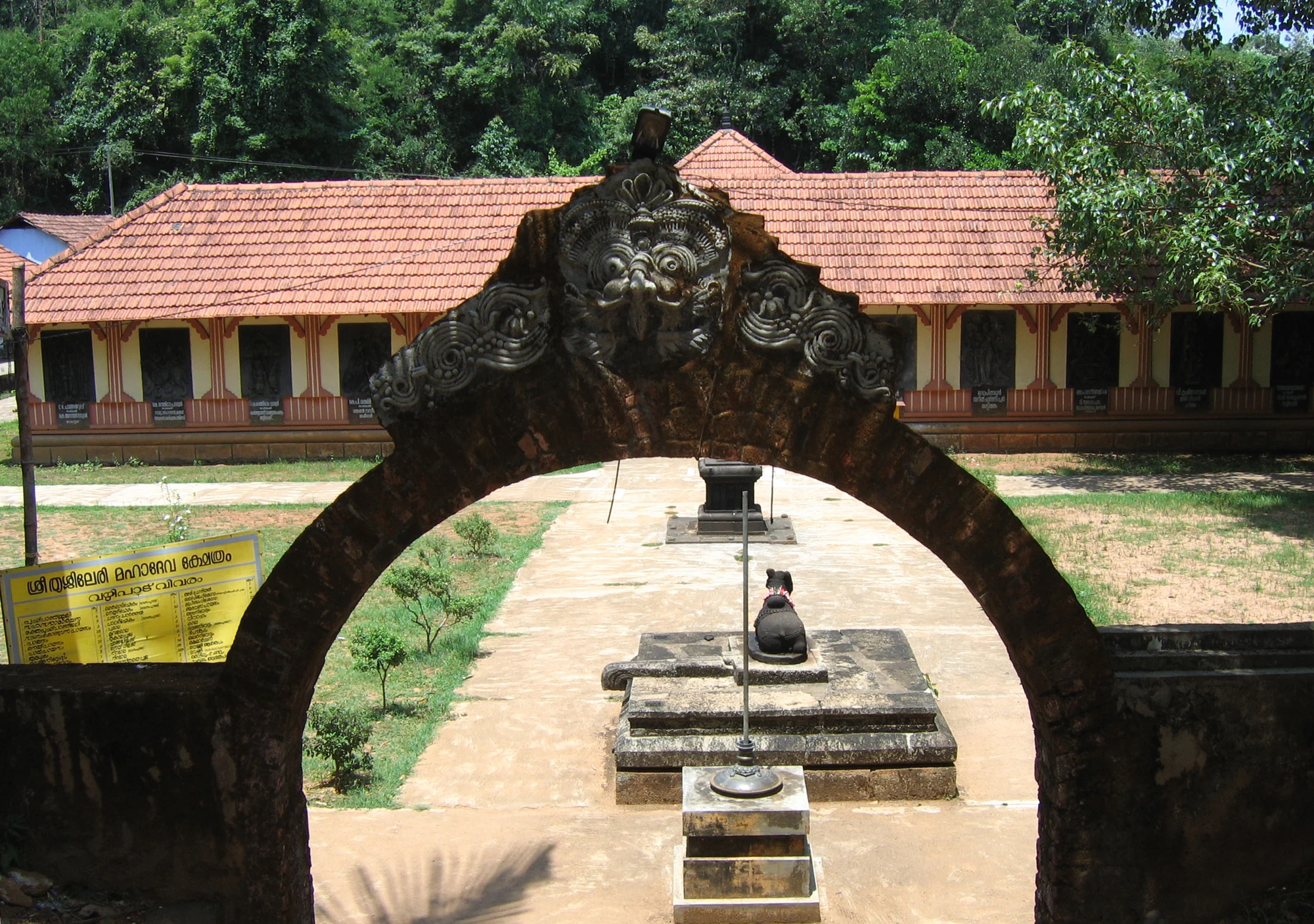
The Shiva temple at Thrissilery near Mananthavady, with a west-facing worship tradition, relief-lined outer walls, Jala Durga water shrine and a ritual relationship with Thirunelli.

Roampedia is commission-free — own or know a stay, eatery, guide or shop near Kuruva Island? List it and it appears here once verified.

Add a nearby business
Before you go

Kuruva Island — at a glance

TimingsGenerally open around 9.00 am to 3.30 pm, with the water activities running a little later; entry and the raft crossings usually stop well before closing, and daily visitor numbers are capped.
Best timeOctober to May is the accessible window, with roughly December to April the sweetest — post-monsoon greenery, clear shallow channels and pleasant, dry weather for walking and birdwatching. Avoid the monsoon months entirely, when the island is closed.
Entry price
Indian adult
₹220

Fees change without notice. Check the current rate at the counter.

Entry: Around ₹220 per adult for Indian visitors and about ₹440 for foreign nationals, with reduced rates for students and children; bamboo rafting, boating and any camera or parking charges are extra.

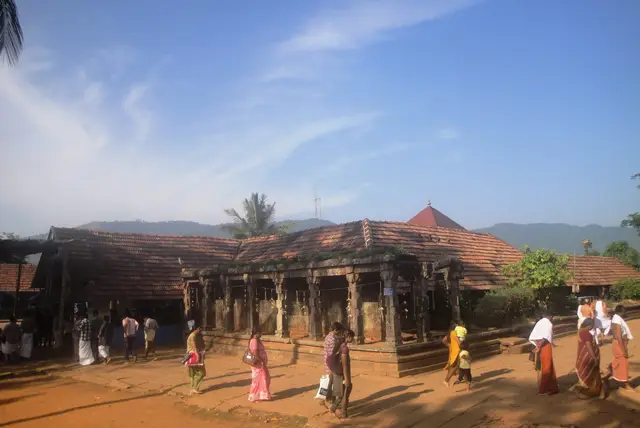
Festivals: Kuruvadweep is an uninhabited forest delta with no temples or festivals of its own; any celebrations belong to the surrounding Mananthavady region, such as the temple festivals at nearby Thirunelli, rather than to the island itself.

Photography: Photography is welcome and the birdlife, forest and river make it rewarding; a separate camera fee may apply and drones or professional shoots would need forest-department permission. There is no phone or camera charging on the island.

Getting here

How to reach Kuruva Island

  • ✈︎ By air The nearest airports are Kannur International Airport (roughly 110–115 km, and often the handiest gateway for northern Wayanad) and Calicut / Kozhikode International Airport (around 110–120 km); Mysuru airport is another option from the Karnataka side.
  • 🚆︎ By train The closest major railhead is Kozhikode (Calicut) station, roughly 100–110 km away by road over the Ghats; travellers from the Karnataka side sometimes use Mysuru (Mysore) as an alternative railhead.
  • 🚗︎ By road By road the island is about 17 km east of Mananthavady, reached via the wooded landing on the Kabini near Palvelicham; it lies roughly 40–45 km from Kalpetta and not far from the Karnataka border.
  • 🚌︎ By bus KSRTC and private buses serve Mananthavady, the nearest main town and bus stand, from where you would take a local bus, auto-rickshaw or taxi the remaining distance to the river landing; there is no direct bus onto the island.
Getting back

If you are travelling by bus or ferry, check the return service with the operator before setting out. Leave time to reach the stop or jetty after your visit.

Ask at the bus stand for the time of the last service back, not the next one. If you miss it, an auto or app cab is the fallback — agree the fare before you get in.

Do

Things to do

  • Cross the Kabini by fibre boat or bamboo raft — the signature Kuruva experience — and again to return.
  • Walk the rough forest and riverside trails through evergreen woodland, bamboo groves and orchid-hung trees.
  • Birdwatch for Malabar hornbills, kingfishers, parrots and the elusive Malabar trogon, ideally in the early hours.
  • Wade and cool off in the clear, shallow river channels at the designated spots, keeping clear of the deeper water.
  • Try gentle river paddling or kayaking where offered, all non-motorised within the delta.
  • Picnic quietly at the marked areas near the crossings, carrying every scrap of litter back out with you.
  • Look for butterflies, dragonflies and medicinal herbs — a naturalist’s paradise best explored slowly with a guide.
Getting around Kuruva Island

If you need step-free access, contact the site before travelling. Ask about a level entrance, steps along the route, the nearest drop-off point, seating and accessible toilets.

Nearby

What’s near Kuruva Island

templeThrissilery Shiva Temple

The Shiva temple at Thrissilery near Mananthavady, with a west-facing worship tradition, relief-lined outer walls, Jala Durga water shrine and a ritual relationship with Thirunelli.

5.7 km · ~14 min by auto · straight line
templeValliyoorkavu Bhagavathy Temple

Important Mananthavady-side Bhagavathy temple known for festival and local cultural context.

6.4 km · ~16 min by auto · straight line
heritagePazhassi Smarakam

Pazhassi Raja’s memorial and the Kerala Archaeology Department museum at Mananthavady’s Hospital Hill, with four galleries connecting the resistance leader, Wayanad’s communities and the district’s material history.

7.4 km · ~19 min by auto · straight line
heritagePriyadarshini Tea Environs

The Mananthavady Tribal Plantation Co-operative tea estate at Pancharakolly, combining a plantation walk, factory, museum, tasting and Vishwas Point.

8.7 km · ~14 min by cab · straight line
wildlifeTholpetty Wildlife Sanctuary

Northern Wayanad wildlife zone usually planned from Mananthavady or Thirunelli with current safari timing confirmed.

9.9 km · ~16 min by cab · straight line
templeThirunelli Temple

Ancient temple near the Brahmagiri forest edge, paired with Mananthavady and north-Wayanad routes.

11.8 km · ~20 min by cab · straight line
trekKambamala Ecotourism

KFDC’s Camellia Eco Cottages stay inside its working Kambamala tea estate, with guided plantation and forest-edge activities arranged as part of the programme.

12.0 km · ~20 min by cab · straight line
templeSeetha Lava Kusha Temple

Pulpally-side temple with Ramayana-linked local tradition, usually planned as a north/east-Wayanad extension.

12.2 km · ~20 min by cab · straight line
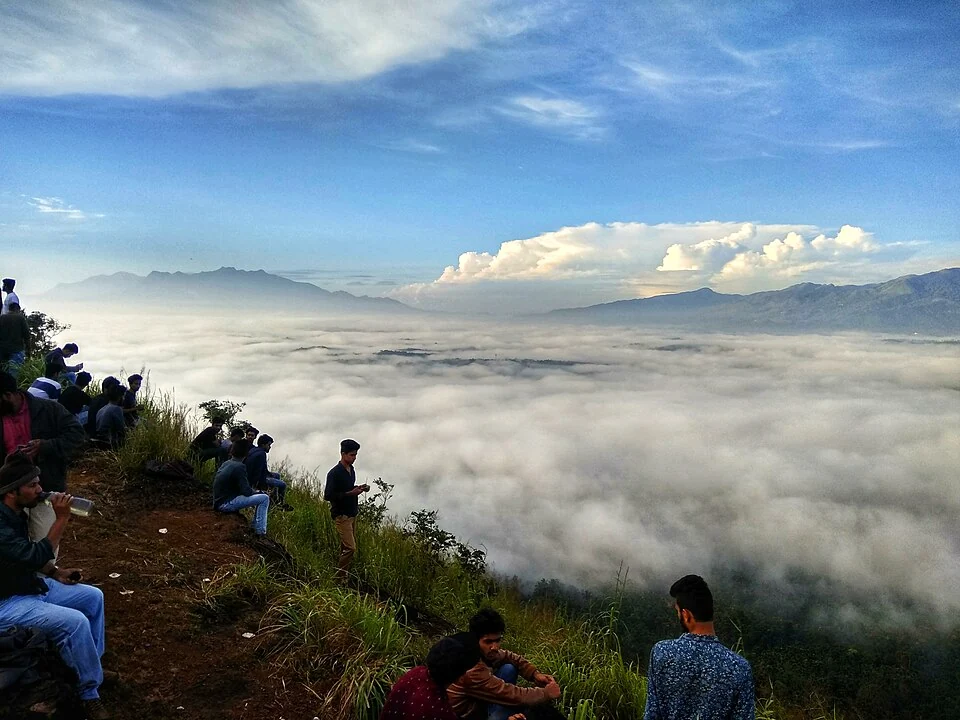
viewpointKurumbalakotta

A walked hill viewpoint in the Kottathara area of Wayanad, known for dawn cloud below the ridge and wide daylight views over fields and wooded hills.

15.4 km · ~26 min by cab · straight line
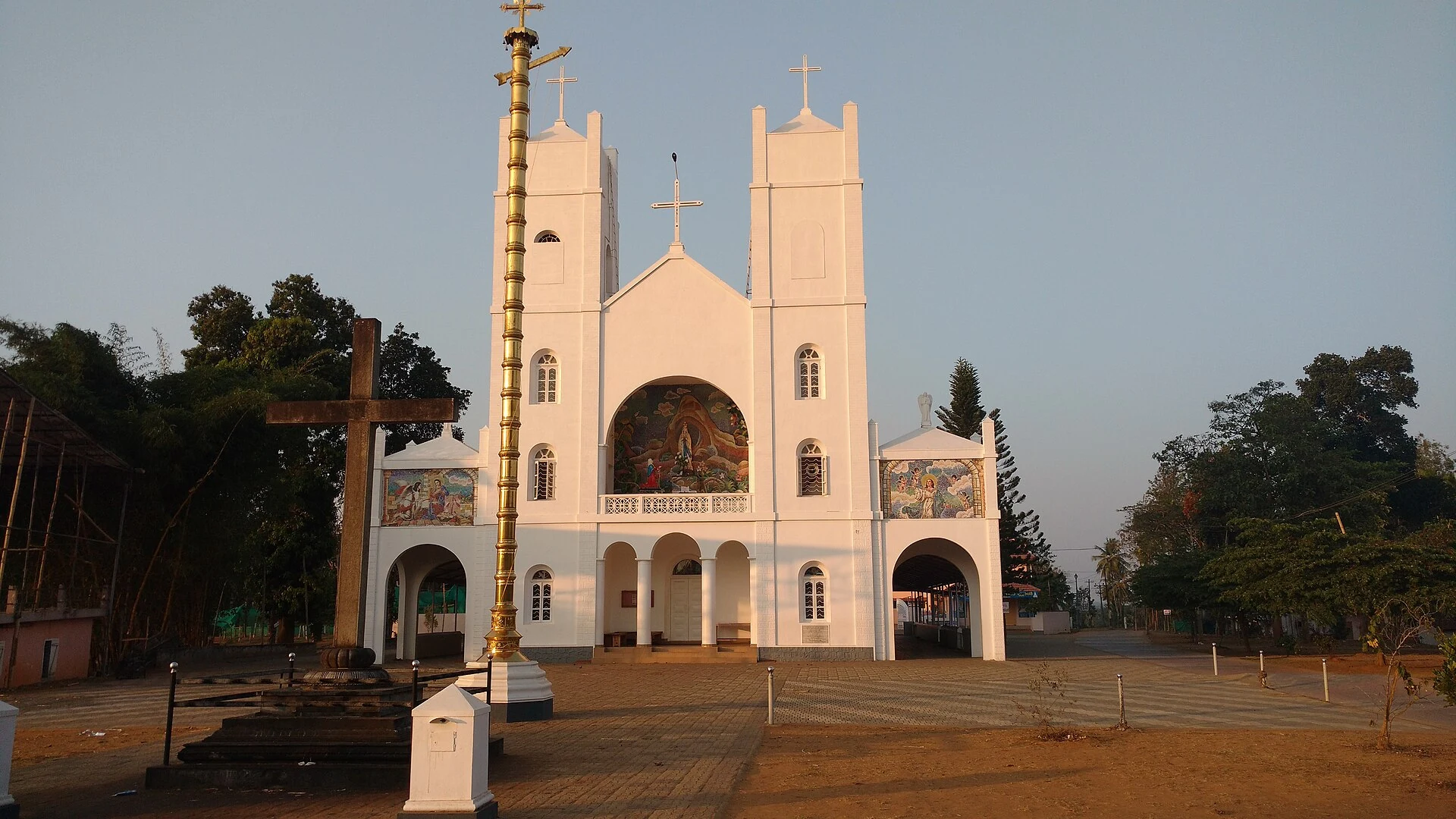
churchPallikkunnu Church

Our Lady of Lourdes shrine at Pallikkunnu in Wayanad, a Latin Catholic church of the Archdiocese of Calicut known for its twin-tower facade, February feast and local devotional customs.

16.0 km · ~27 min by cab · straight line
trekBrahmagiri Hills

Highland forest-and-peak landscape near Thirunelli, with access dependent on rules and conditions.

18.3 km · ~31 min by cab · straight line
trekPakshipathalam

Brahmagiri Hills trek and cave landscape near Thirunelli, known for birdlife and permit-dependent forest access.

18.3 km · ~31 min by cab · straight line

All 9 places to visit in Mananthavady →

On the map

Where Kuruva Island is

Good to know

Kuruva Island — frequently asked

Is Kuruva Island open all year round?

No. Kuruvadweep is closed through the monsoon — usually from around June, and sometimes longer — when the Kabini river runs high and the crossings become dangerous. It is generally open in the drier months, but because Wayanad is landslide- and flood-prone, the forest department can shut it at short notice, so always confirm the current status locally before travelling.

How do you actually get onto the island?

Only by water. From the landing near the road you are ferried across the Kabini in small fibre boats or poled over on bamboo rafts operated under the forest and tourism departments. There is no bridge, and access is by boat or raft alone.

What is there to do once you are across?

It is a nature experience rather than a built attraction: forest and riverside walks along rough trails, birdwatching, wading in the clear shallow channels, gentle bamboo rafting and paddling, and picnicking at the marked spots. Expect a quiet, unhurried few hours rather than rides or facilities.

How much time should I set aside?

Most visitors spend roughly two to three hours on and around the island, plus queueing and crossing time. Arrive early in the day, both to enjoy the cooler light for birdwatching and because daily visitor numbers are capped and last entry is well before the afternoon closing time.

Is it suitable for children and elderly visitors?

It suits families who are comfortable with a short boat or raft crossing and easy forest walking, and children usually love wading in the shallow streams. However, the trails are natural and can be uneven or slippery, swimming in the deeper channels is discouraged, and there are few facilities, so keep a close eye on young children and take care near the water.

Why is it treated as an eco-fragile site?

Kuruvadweep is a small, uninhabited river delta of rare orchids, herbs, birds and dragonflies that the forest department protects by capping daily visitors, banning plastic, and keeping the island road- and building-free. Visitors are asked to carry nothing plastic in, take all litter out, stay on the trails and avoid disturbing the wildlife, so that the delta survives the pressure of tourism.

When is the best time to visit Kuruva Island?

Dryer months after the monsoon are easiest. The island is commonly closed during heavy monsoon/high-water periods.

What are the entry fee and timings at Kuruva Island?

Entry: Around ₹220 per adult for Indian visitors and about ₹440 for foreign nationals, with reduced rates for students and children; bamboo rafting, boating and any camera or parking charges are extra. Timings: Generally open around 9.00 am to 3.30 pm, with the water activities running a little later; entry and the raft crossings usually stop well before closing, and daily visitor numbers are capped.

How do I reach Kuruva Island?

Base in Mananthavady or Pulpally and travel only with an active official ticket or opening notice. Plan around official ticketing, capacity limits and raft/boat timing. Keep a backup Wayanad plan because access can close quickly after rain or forest advisories.

How much time do I need for Kuruva Island?

2 to 4 hours, plus transfer time from your Wayanad base.

What else is near Kuruva Island?

Nearby you can pair Thrissilery Shiva Temple (5.7 km), Valliyoorkavu Bhagavathy Temple (6.4 km), Pazhassi Smarakam (7.4 km), Priyadarshini Tea Environs (8.7 km).

What should I know before visiting Kuruva Island?

Use only official rafts/boats and life-jacket rules. Do not enter closed forest sections or river edges. Respect wildlife warnings and capacity controls.

Image credits

Photographs: Mrriyad (CC BY-SA 3.0), Challiyan (CC0), Vinayaraj (CC BY-SA 3.0), Jaseem Hamza (CC BY 3.0), RajeshUnuppally (CC0). Wikimedia Commons.