What to expect
Highlights
- Wildlife or forest landscape around Tholpetty Wildlife Sanctuary
- Official eco-tourism activities where available
- Nature guides, birding and forest-edge stays
Northern Wayanad wildlife zone usually planned from Mananthavady or Thirunelli with current safari timing confirmed.
In the quiet forests north of Mananthavady, an open jeep noses into teak-shadowed jungle where a herd of wild elephants can materialise out of the morning mist — this is Tholpetty, Wayanad’s wildest frontier.
Tholpetty is the northern range of the Wayanad Wildlife Sanctuary, a strip of moist-deciduous teak forest and semi-evergreen woodland spread near Kutta on the Kerala–Karnataka border, roughly 20 kilometres from Mananthavady. It is not a manicured park but a genuine tract of working wilderness, and the only way in is aboard a forest jeep with a compulsory departmental guide. That single rule sets the tone: you surrender control, the engine drops to a crawl, and for two hours the forest decides what you will see.
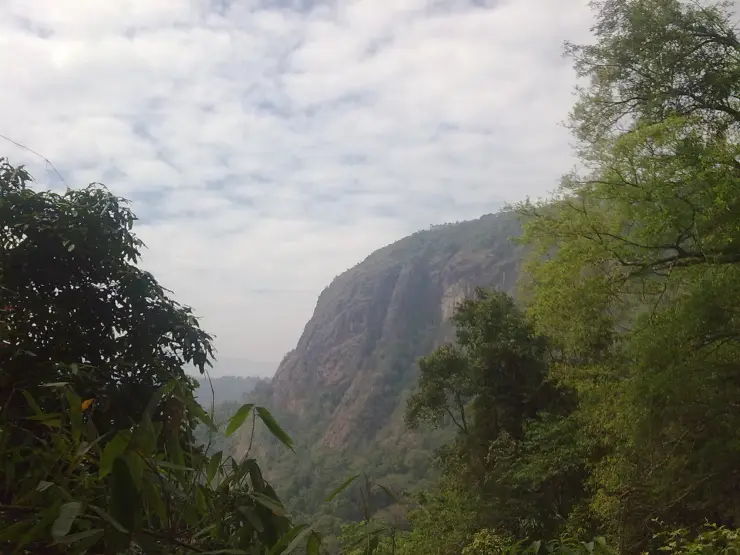
The landscape here is classic Western Ghats foothill country — tall teak and rosewood, bamboo brakes that rustle with unseen movement, grassy clearings where light pools in the early hours, and seasonal streams feeding towards the Kabini system. Because Tholpetty sits at the edge of a vast contiguous forest block, the sense of scale is real; the trees do not simply stop at a fence, they roll on into Karnataka for hundreds of kilometres.
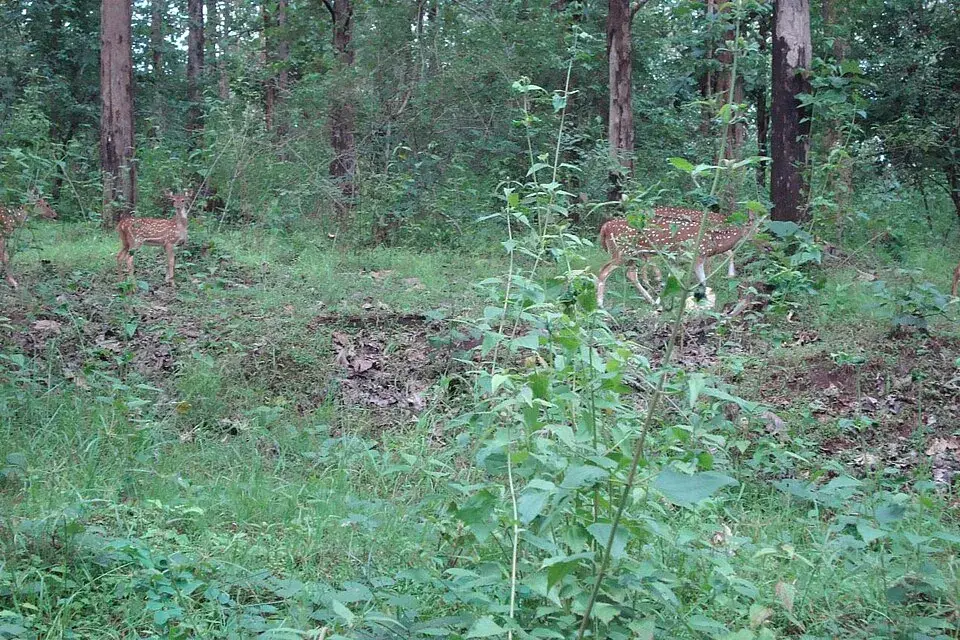
Wildlife is the whole reason to come, and the cast is genuinely thrilling. Wayanad’s forests hold one of Kerala’s densest elephant populations, and herds are the sanctuary’s signature sighting, especially around water in the dry months. Add gaur (Indian bison the size of a small car), spotted deer and sambar, wild boar, langur and bonnet macaque, the occasional sloth bear, and packs of dhole — the russet-coloured Indian wild dog that hunts in daylight. Leopard and tiger are present but shy; a glimpse is a matter of luck rather than expectation, which is exactly what keeps the anticipation electric.
The safari itself is an exercise in patient watching. Your guide reads alarm calls — the bark of a deer, the scolding of a langur — and the jeep pauses at clearings and salt licks where animals drift out to feed. Birdlife is superb for those who slow down: hornbills, jungle fowl, woodpeckers, drongos and raptors. Early morning slots tend to be the most productive, when the air is cool, the light is soft, and the forest is still moving after the night.
What makes Tholpetty special is its position within a wildlife supercorridor. It abuts Nagarhole and Bandipur in Karnataka and connects onward towards Mudumalai in Tamil Nadu, all knit together inside the Nilgiri Biosphere Reserve. Animals move freely across these invisible state lines, which is why a modest-looking Kerala range can deliver big-jungle drama. Compared with the busier Muthanga range to the south, Tholpetty feels quieter and more intimate — fewer vehicles, a slower rhythm, a stronger feeling of being a guest in someone else’s wild home.
Practically, Tholpetty rewards travellers who plan for the forest’s terms rather than their own. Sightings are never guaranteed, mobile signal is thin, and the gates open on the department’s schedule, not yours. But the payoff — a herd crossing the track ahead, a gaur lifting its head in a sunlit glade, the sheer green silence between engine notes — is the kind of memory that outlasts any checklist.
The Wayanad Wildlife Sanctuary, of which Tholpetty is the northern range, was notified in 1973, making it one of Kerala’s older protected areas and today the state’s second-largest wildlife sanctuary at roughly 344–345 square kilometres. It is administered by the Kerala Forest Department in four ranges — Sulthan Bathery, Muthanga, Kurichiat and Tholpetty — with Tholpetty guarding the northern flank towards Nagarhole.
In 1991–92 the sanctuary was brought under Project Elephant, a recognition of Wayanad’s importance as elephant country. The forest’s value lies less in its own boundaries than in its connectivity: it forms a critical link in the Nilgiri Biosphere Reserve, joining Nagarhole and Bandipur in Karnataka and Mudumalai in Tamil Nadu into one of southern India’s largest surviving stretches of tiger and elephant habitat. Rivers of the Kabini system drain the region, and the wider landscape is central to conservation across three states.
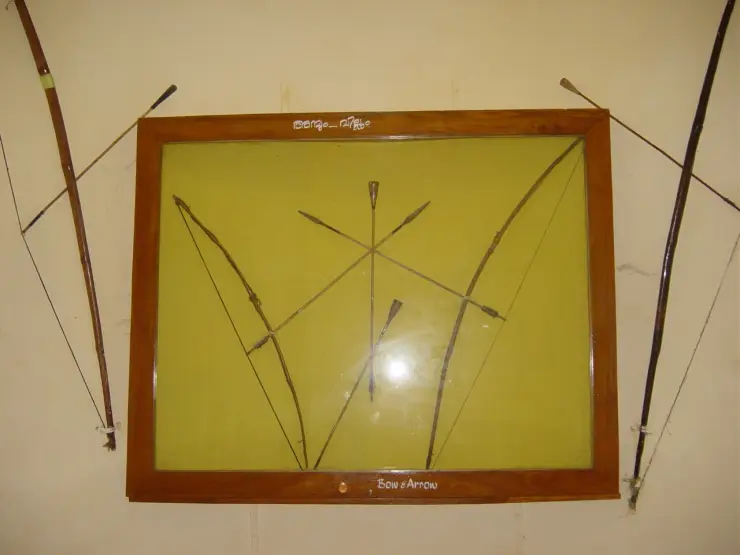
These hills are deep tribal country. Wayanad’s forests are home to several indigenous communities — among them the Kurichiya and Kuruma (Mullu Kurumba), along with the Paniya, Kattunayakan, Adiyan and Ooralis. The Kurichiya in particular are remembered as skilled archers and cultivators, and their traditional knowledge of these jungles runs generations deep. Their heritage is woven into the human story of the land the sanctuary now protects.
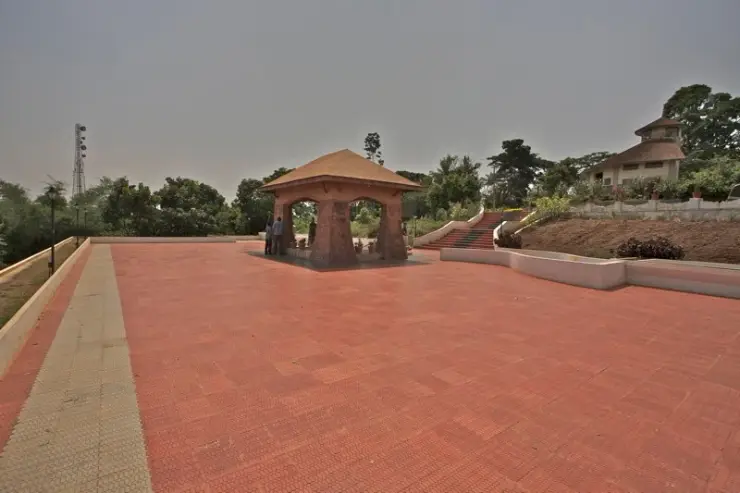
The region carries a stirring chapter of anti-colonial history. In the closing years of the 18th and early 19th centuries, Kerala Varma Pazhassi Raja — the ‘Lion of Kerala’ — waged a long guerrilla resistance against the British East India Company, and the dense Wayanad forests around Mananthavady gave him and his Kurichiya allies shelter and cover. Pazhassi Raja was killed in 1805, and his memorial (Pazhassi Tomb) at Mananthavady, near the sanctuary’s gateway town, keeps that legacy alive for visitors passing through en route to Tholpetty.
Modern Tholpetty operates on a strict, low-impact visitor model. Access is restricted to guided forest jeep safaris in fixed morning and afternoon windows, booked through the Forest Department check-post, an arrangement designed to limit disturbance while still letting travellers experience the forest. In recent decades the wider Wayanad landscape has featured prominently in national conversations about human–wildlife conflict, elephant corridors and eco-sensitive-zone protection, underlining how fragile and important this green frontier remains.
One of Kerala’s best chances to see wild elephant herds in genuine jungle, not a park enclosure.
Quieter and more intimate than the busier Muthanga range — fewer jeeps, a slower, wilder feel.
Sits inside the Nilgiri Biosphere Reserve, bordering Nagarhole and Bandipur — big-forest wildlife on Kerala soil.
Compulsory guided jeep safaris put an expert reader of the forest beside you for every sighting.
Rich supporting cast: gaur, dhole, sambar, spotted deer, sloth bear, plus superb birdlife.
Pairs naturally with Mananthavady’s heritage — the Pazhassi Raja memorial and tribal Wayanad — for a fuller day.
Road km to Wayanad; ghat roads and traffic vary — allow extra.
Dryer months are easier for wildlife access; monsoon access depends on local rules.
Live forecast loads in your browser.
Check the official alert before you travel. Kerala’s beaches, waterfalls and trekking routes close at short notice during heavy rain, and district alert levels change day to day. We do not publish an alert level of our own — read it from the state authority: Kerala State Disaster Management Authority, or the district control room on 1077.
Sun and moon are calculated for this location and shown in IST. Photography windows are the hour around sunrise and sunset; the sunset bearing is degrees clockwise from true north. Moon phase is accurate to about half a day.
These are official or public-sector eco offerings that match this place, town or forest destination. Confirm availability, permits, tariffs and reporting times with the official operator before travel.
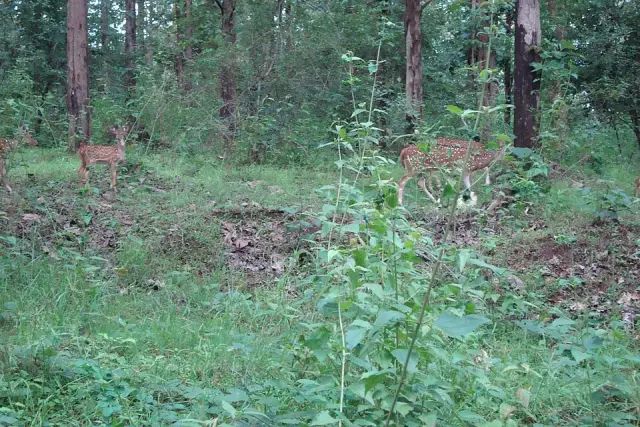
Northern Wayanad wildlife safari zone around Tholpetty, usually planned from Mananthavady or Thirunelli.
Official source →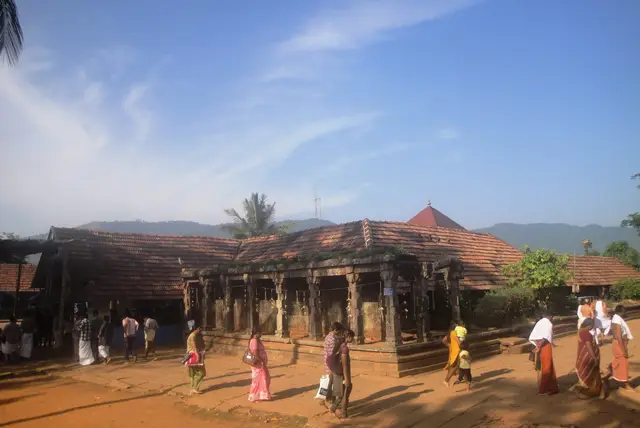
Temple, forest and Brahmagiri-edge landscape in north Wayanad, listed among Kerala Tourism ecotourism destinations.
Official source →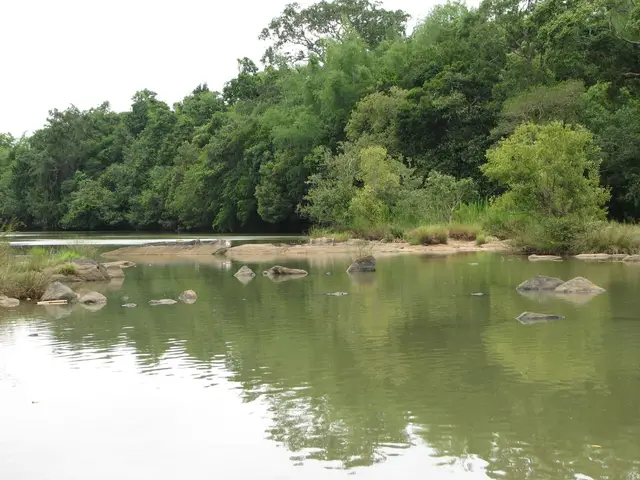
River-island eco-tourism area with seasonal and carrying-capacity restrictions; confirm opening status before travel.
Official source →Verified hotels, homestays, restaurants, experiences, sights, shops and rentals around Tholpetty Wildlife Sanctuary — commission-free, with direct contact. Filter by what you need.
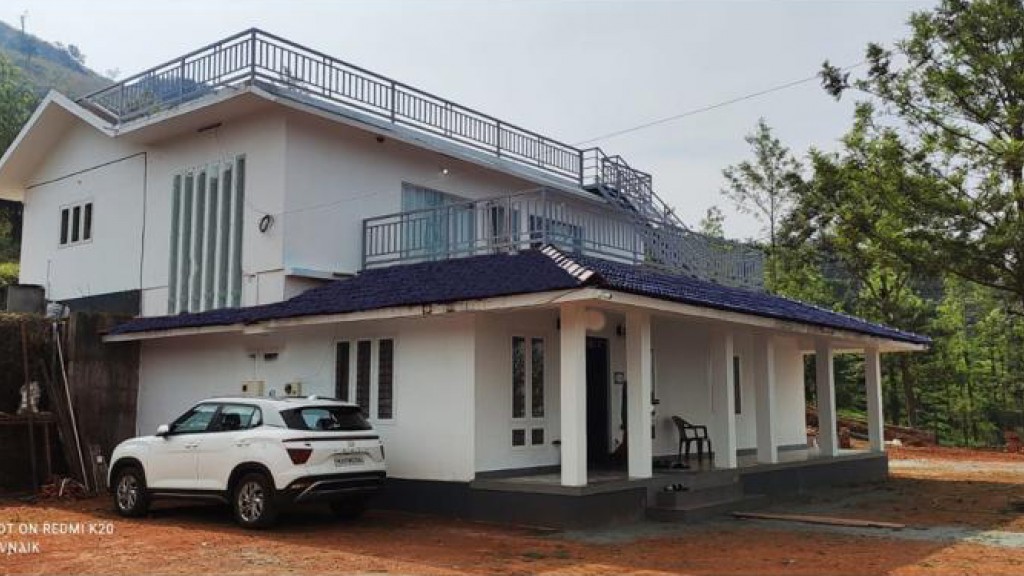
The Blue Door Villa is a private villa homestay at Makkimala, Thavinhal panchayat, useful for Mananthavady and north-Wayanad travellers looking for a two-bedroom nature stay with trekking, barbecue and transport/guide support. Mid-range private villa · Villa, Homestay, Makkimala.
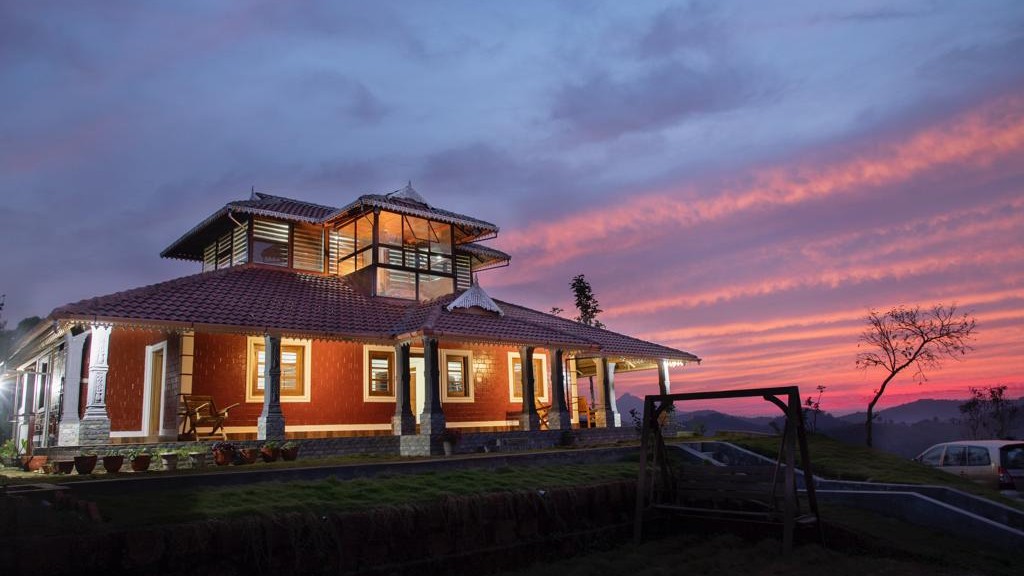
Periya/Korome Road homestay in the Mananthavady side of Wayanad with Kerala Tourism evidence. Budget to mid-range homestay · Homestay, Mananthavady, Periya.
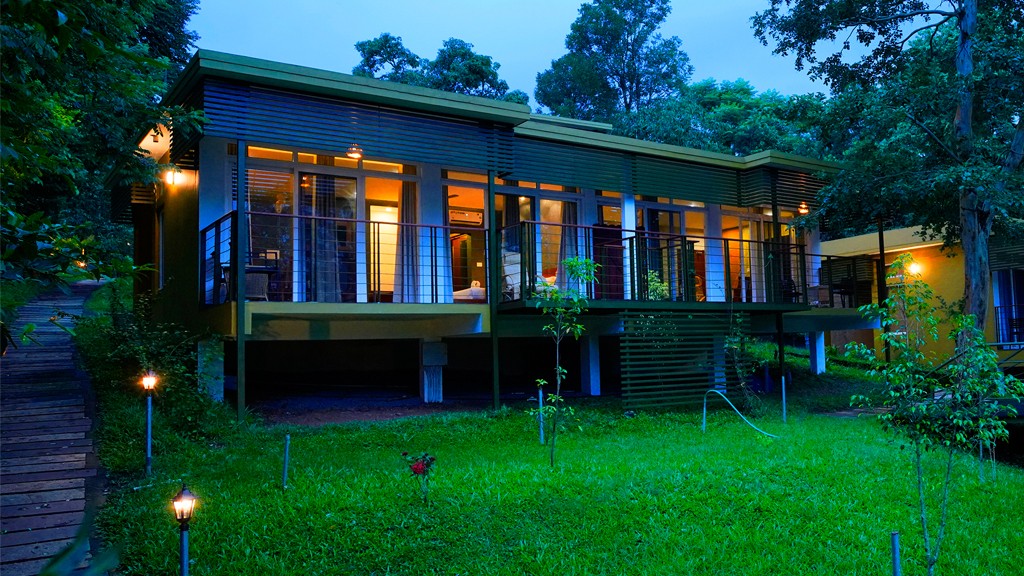
Palvelicham/Bavali-side resort and spa near Kuruva Island with Kerala Tourism evidence. Premium resort and spa · Resort, Spa, Kuruva Island.
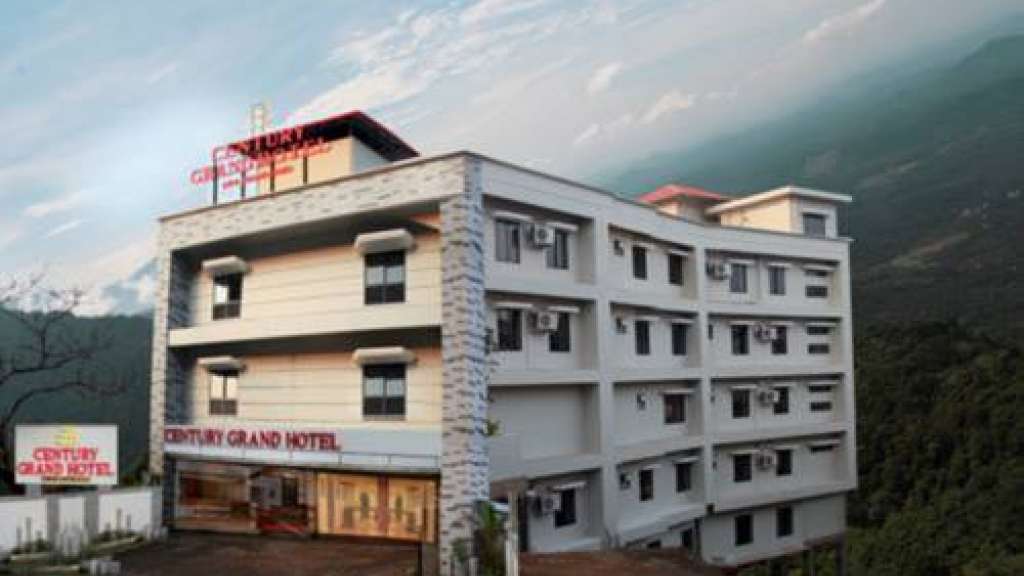
Century Grand Hotel is a Mananthavady town hotel on Kozhikode Road, useful for north-Wayanad routes to Tholpetty, Kuruva, Thirunelli and Periya, with Kerala Tourism evidence for rooms, restaurant, transport/guide services and direct contacts. Budget to mid-range hotel · Hotel, Mananthavady, Budget stay.

Earth-built eco and nature resort at the Banasura hill side, useful for Mananthavady/Vellamunda routing.
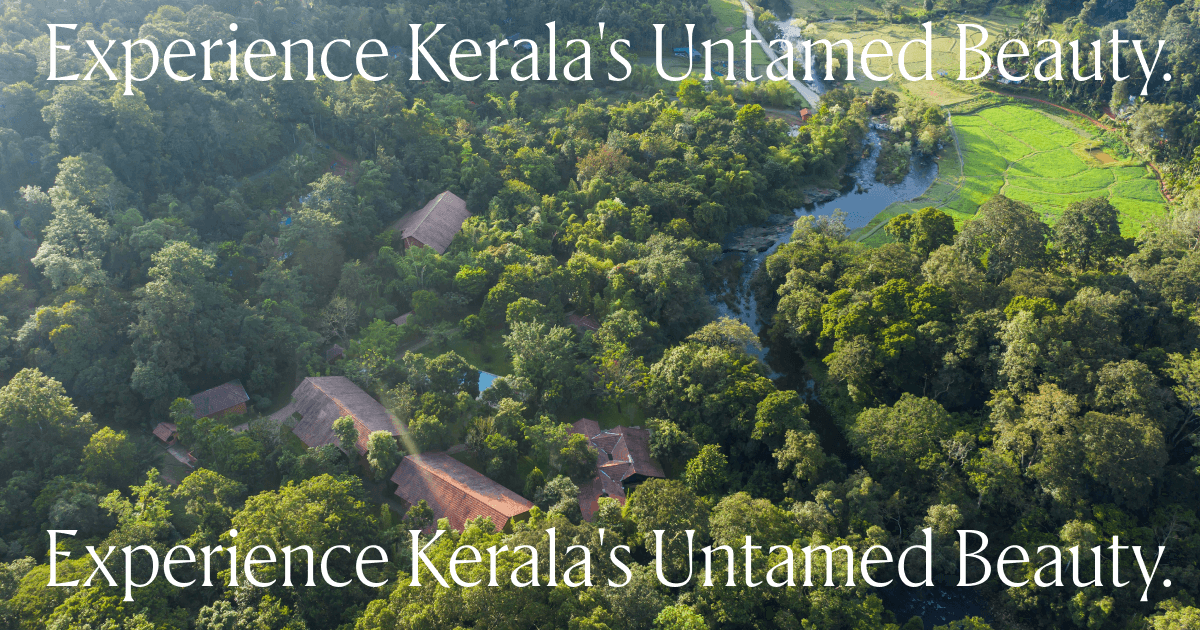
Jungle resort and spa in Mananthavady. KLOV Resort & Spa, Thirunelli, Wayanad, Kerala · Premium jungle resort and spa · Resort, Spa, Thirunelli.
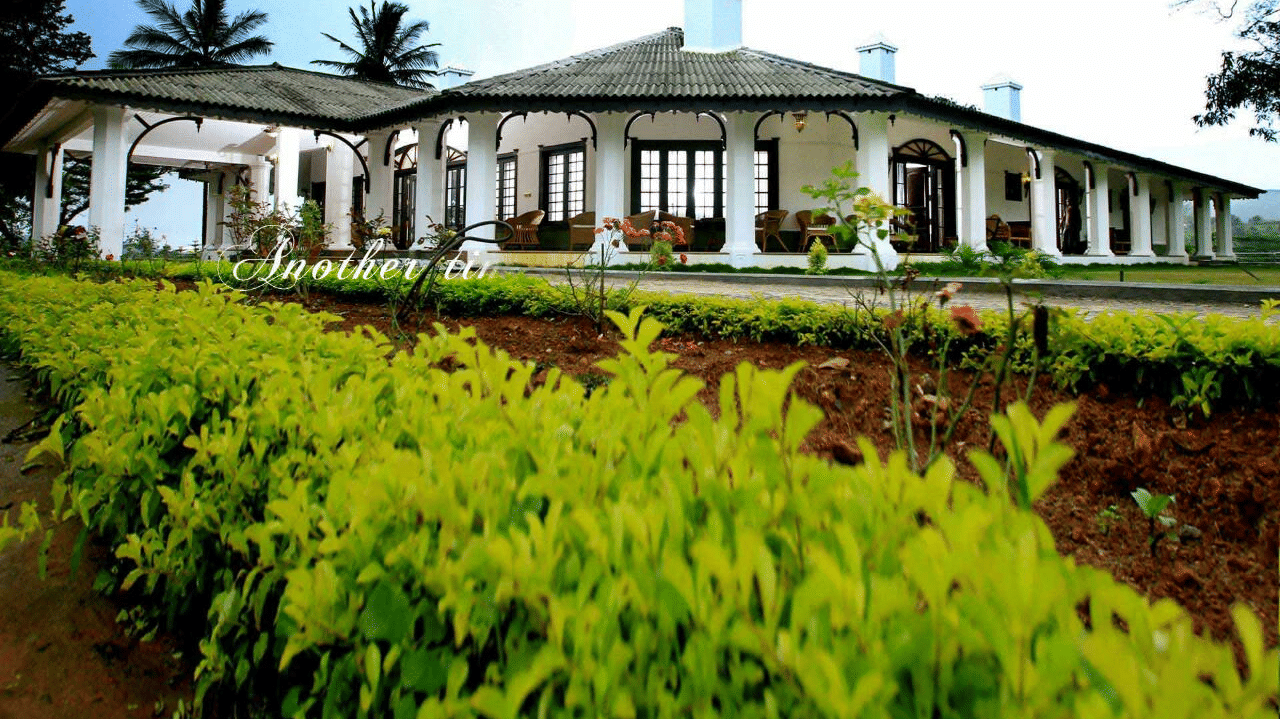
ABAD plantation resort in the Mananthavady-side tea estate landscape with official contact and dining evidence.

Kerala Tourism-listed Mananthavady homestay at Kurukkanmoola. Mananthavady, Homestay, Kurukkanmoola.
A 50-acre retreat ringed by forest near Thirunelli, Mananthavady. Rooms face a meadow waterhole where wildlife gathers, with safaris into Tholpetty sanctuary.
A jungle stay at the edge of Tholpetty Wildlife Sanctuary near Mananthavady. It sits steps from the forest boundary, a base for morning wildlife safaris.
A riverside resort at Palvelicham near Kuruva Island, Mananthavady. Villas sit by the Kabini river, with a spa and safaris into Kabini and Nagarhole.
A jungle resort in Thirunelli village in the Brahmagiri foothills, near Mananthavady. The Kalindi river runs close by, with the ancient Thirunelli temple.
An eco-friendly jungle lodge at Ammani Vayal, Kartikulam, near Mananthavady. A watch tower crowns the grounds, Tholpetty sanctuary twenty minutes away.
An eco-resort built from bamboo and mud near Thirunelli temple, Mananthavady. It sits below the Brahmagiri hills by the Kalindi river, near Nagarhole.
A jungle resort at Thirunelli near Mananthavady, beside the Kalindi river. It faces the Brahmagiri forest and has an earthen swimming pool and a wellness spa.
A traditional Kerala home on an organic farm at Payyampally, Mananthavady. An 18-foot treehouse villa, spice garden and village walks anchor the stay.
A homestay on a 150-year-old heritage estate at Punchavayal, Panamaram. Coffee, pepper and ginger plantations surround the house, overlooking paddy fields.
Two private villas at Payyampally near Mananthavady, let for exclusive use. The Paddy View villa faces open paddy fields; the Farm villa has its own tree house.
Book with the place itself. India’s cyber-crime coordination centre warned in April 2025 that convincing copies of hotel and pilgrimage booking sites are being pushed through sponsored search and social ads, taking payment for rooms the property never hears about. Every listing here links to the business’s own contact details and its own Google or Bing profile — we take no commission and sit in nobody’s payment path. If a booking page reached you through an ad, check the address bar against the property’s own site before you pay. Fraud can be reported on cybercrime.gov.in or on 1930.
Find food, accommodation and activities across Mananthavady. Browse the guides for places to eat, stay and explore along your route.
9 more places around Mananthavady. Open a guide to plan the visit and onward journey.
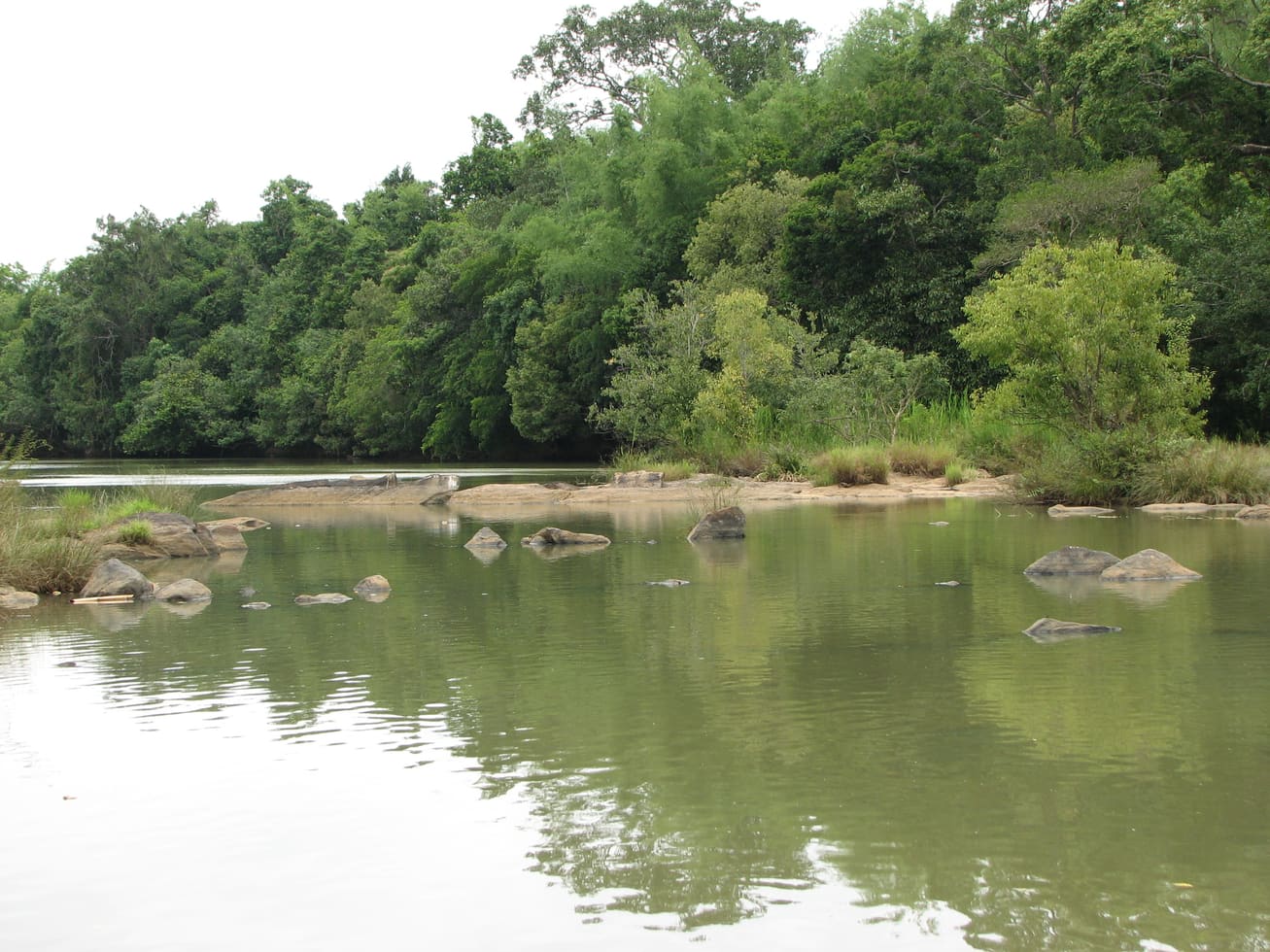
9.9 km · ~16 min by cab
Protected river-island eco-tourism area on the Mananthavady/Pulpally side, with seasonal and capacity-based access restrictions.
9.6 km · ~16 min by cab
The Mananthavady Tribal Plantation Co-operative tea estate at Pancharakolly, combining a plantation walk, factory, museum, tasting and Vishwas Point.
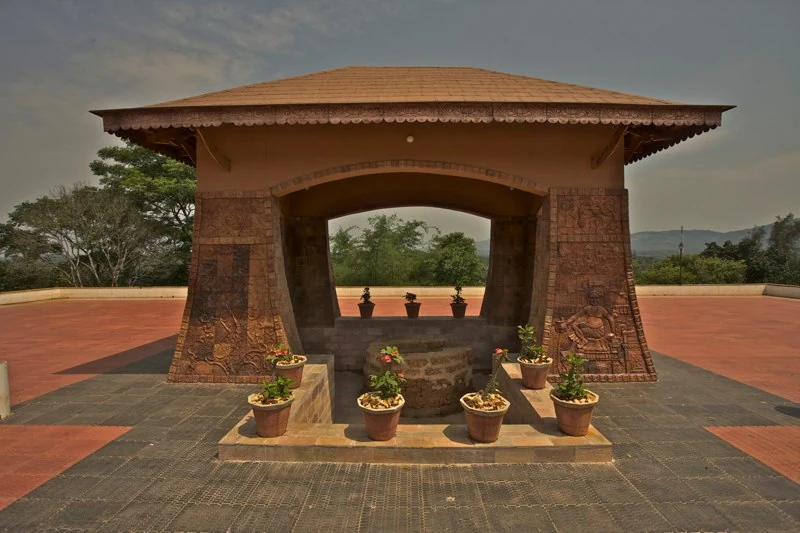
13.9 km · ~23 min by cab
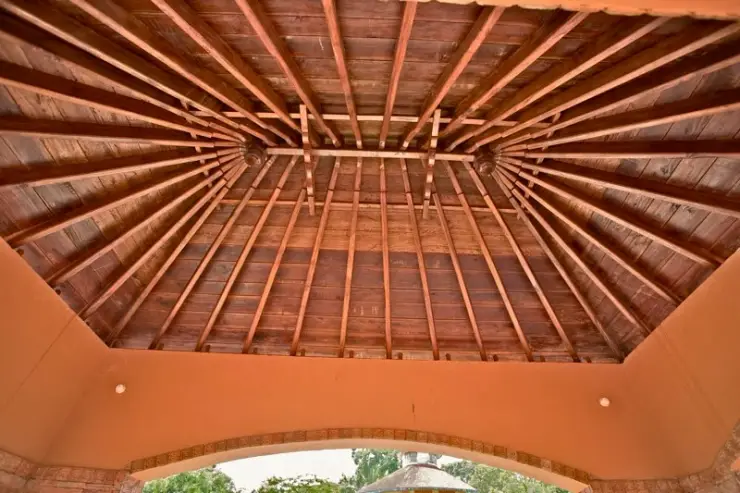
Pazhassi Raja’s memorial and the Kerala Archaeology Department museum at Mananthavady’s Hospital Hill, with four galleries connecting the resistance leader, Wayanad’s communities and the district’s material history.
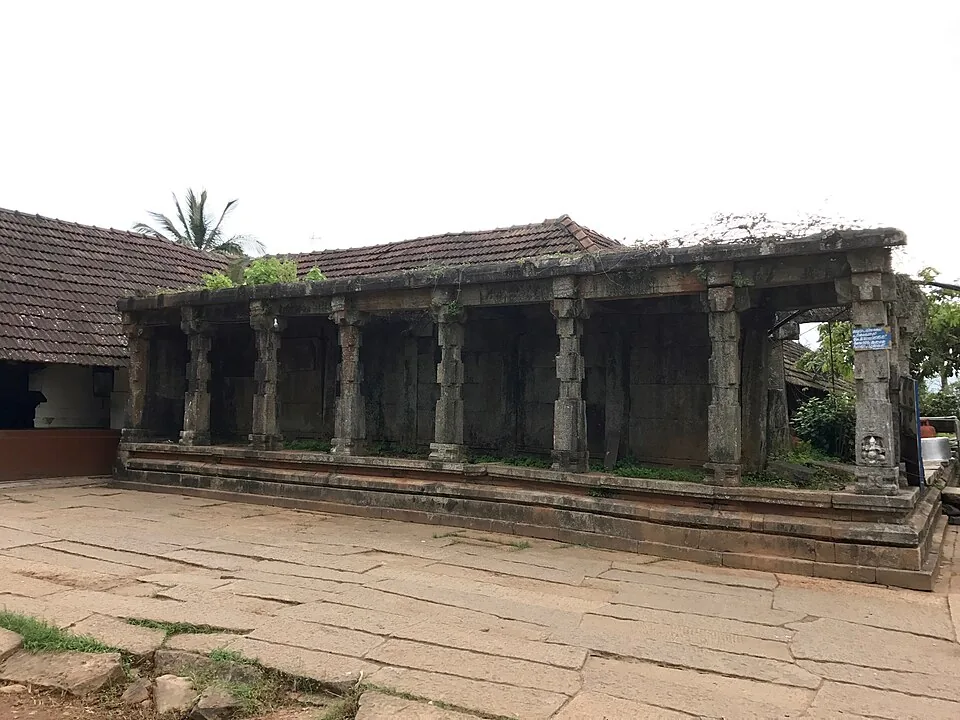
5.5 km · ~14 min by auto
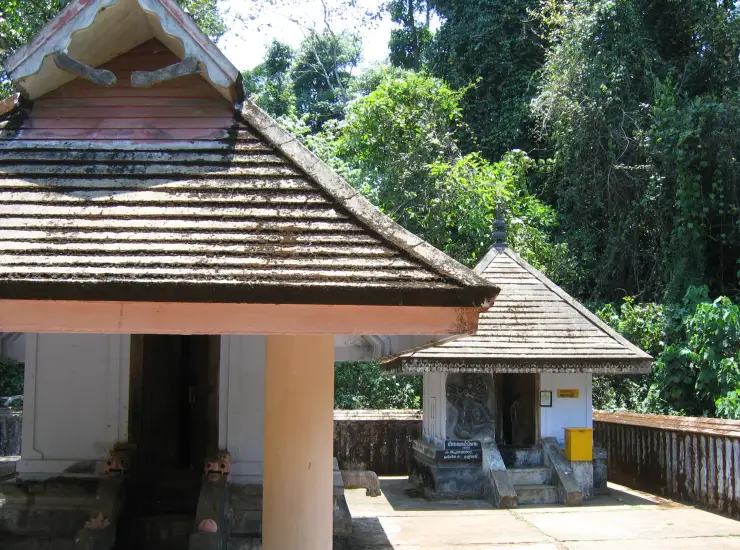
Thirunelli Temple is a north-Wayanad forest-edge temple near the Brahmagiri landscape, usually planned from Mananthavady or Thirunelli. Check temple timing, road conditions and respectful visitor rules before pairing it with Tholpetty or Kuruva routes.
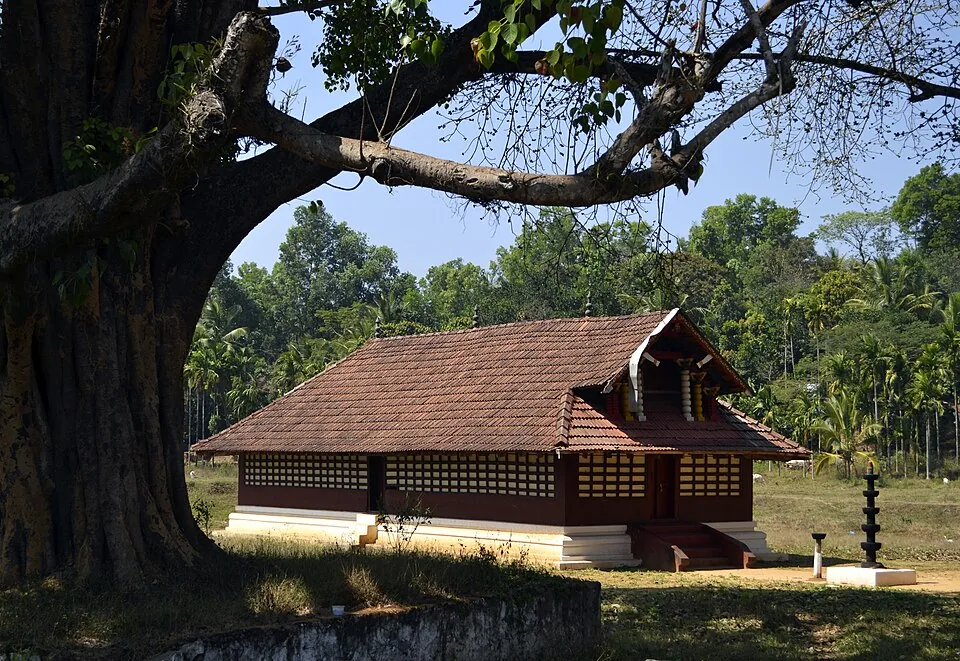
14.5 km · ~24 min by cab
Important Mananthavady-side Bhagavathy temple known for festival and local cultural context.
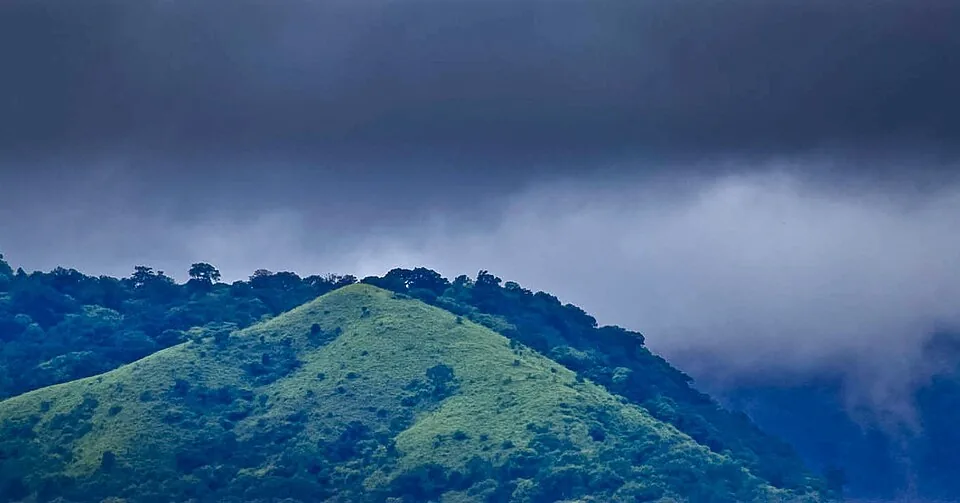
11.2 km · ~19 min by cab
Highland forest-and-peak landscape near Thirunelli, with access dependent on rules and conditions.
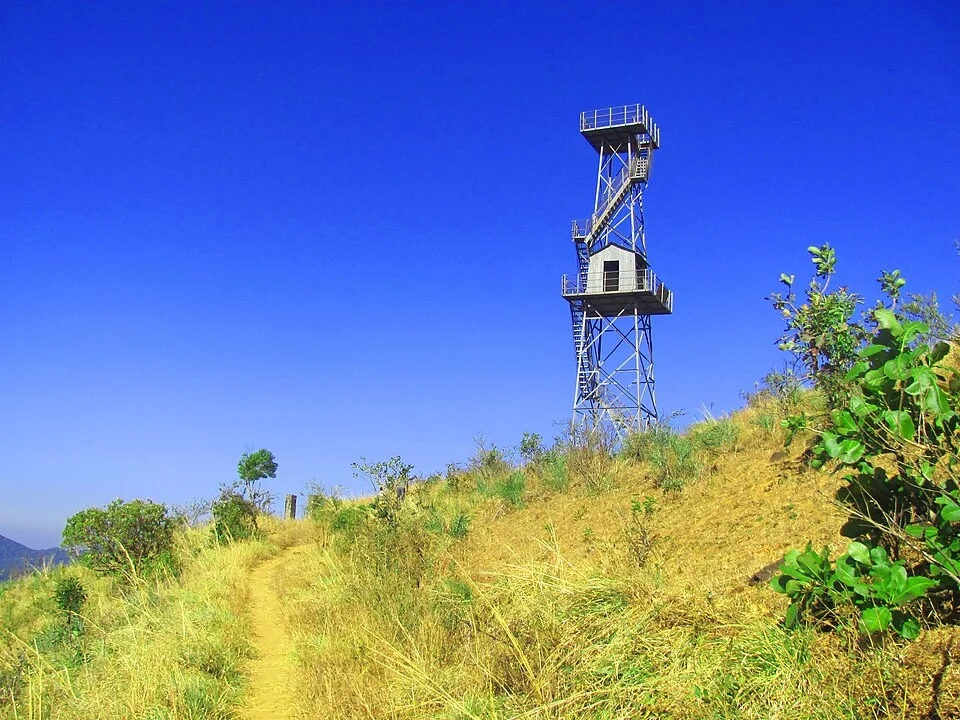
11.2 km · ~19 min by cab
Brahmagiri Hills trek and cave landscape near Thirunelli, known for birdlife and permit-dependent forest access.
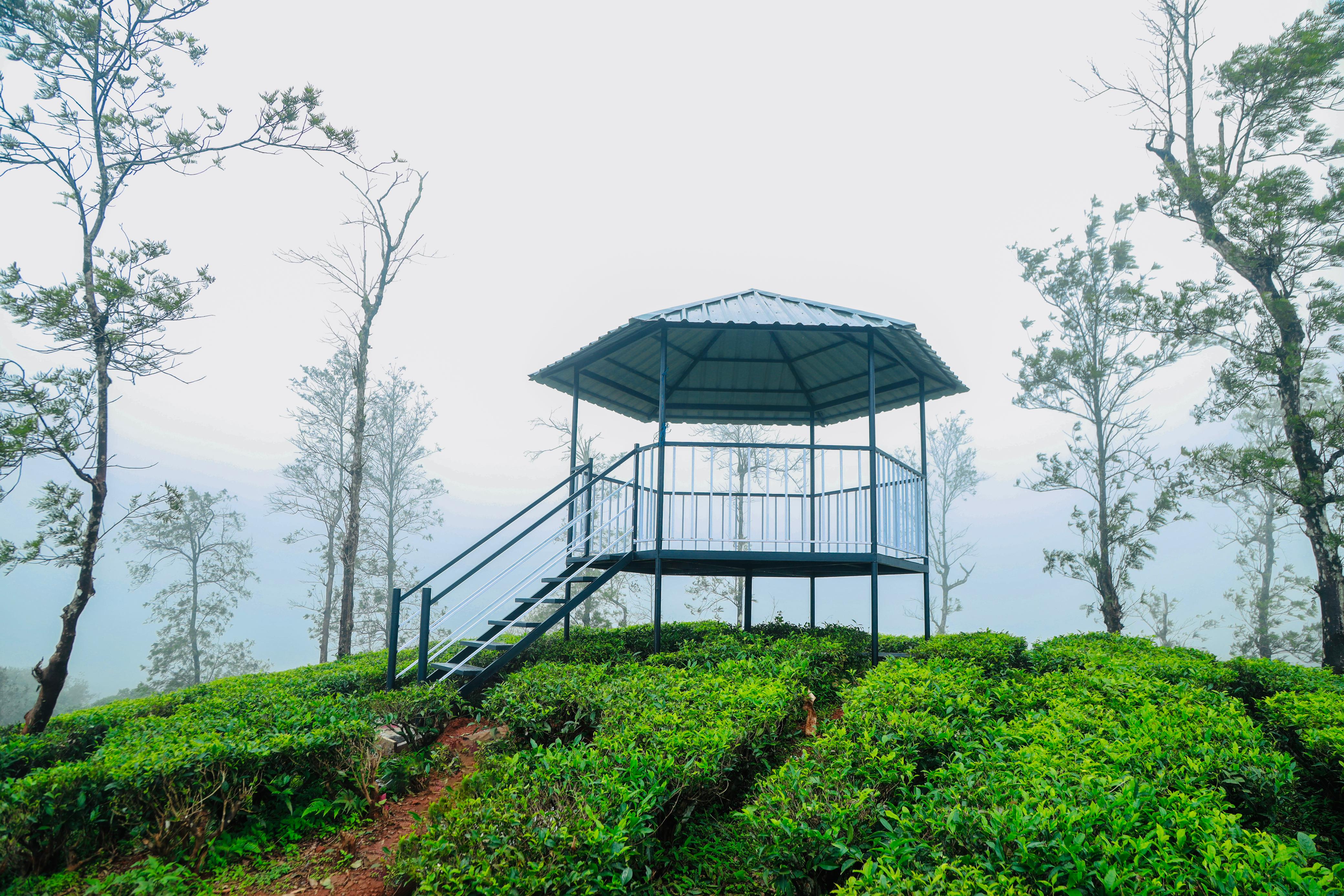
13.5 km · ~22 min by cab
KFDC’s Camellia Eco Cottages stay inside its working Kambamala tea estate, with guided plantation and forest-edge activities arranged as part of the programme.
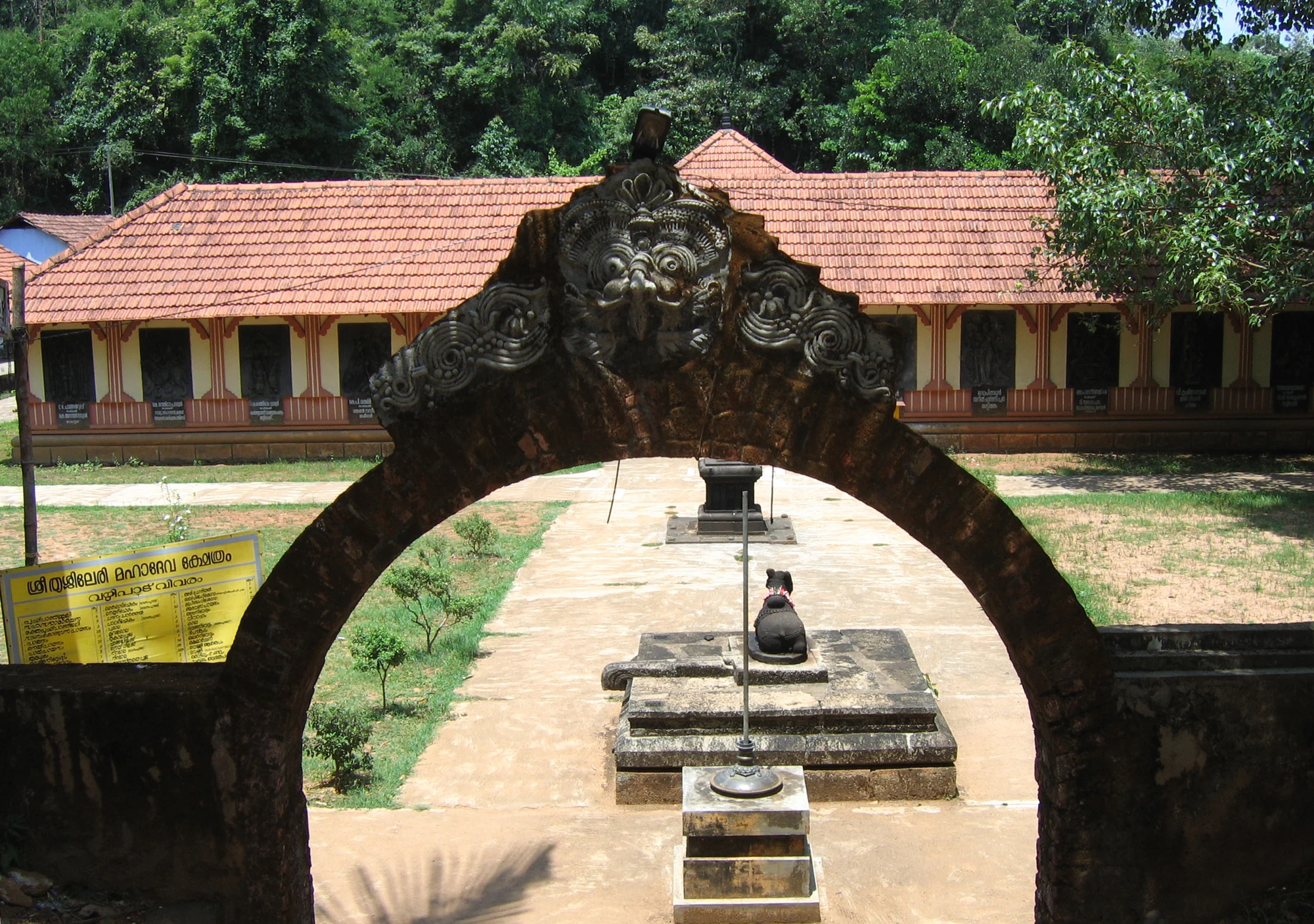
8.1 km · ~14 min by cab
The Shiva temple at Thrissilery near Mananthavady, with a west-facing worship tradition, relief-lined outer walls, Jala Durga water shrine and a ritual relationship with Thirunelli.
Roampedia is commission-free — own or know a stay, eatery, guide or shop near Tholpetty Wildlife Sanctuary? List it and it appears here once verified.
Add a nearby businessEntry: A modest per-person forest entry fee (higher for foreign nationals), plus separate jeep-safari, compulsory guide and vehicle charges paid at the check-post; camera/video fees may also apply. Exact rates change periodically — confirm current amounts locally.
Dress code: Wear muted, natural colours (olive, khaki, brown) and avoid bright clothing and strong perfume so as not to disturb or alarm wildlife; carry light layers for cool early mornings.
Photography: Personal cameras are usually allowed for a small fee, with a separate (higher) charge for video; drones are not permitted. Confirm current camera/video rules at the check-post.
If you are travelling by bus or ferry, check the return service with the operator before setting out. Leave time to reach the stop or jetty after your visit.
Ask at the bus stand for the time of the last service back, not the next one. If you miss it, an auto or app cab is the fallback — agree the fare before you get in.
If you need step-free access, contact the site before travelling. Ask about a level entrance, steps along the route, the nearest drop-off point, seating and accessible toilets.
Emergency numbers are verified against official government and state tourism sources. 112 works anywhere in India.
Ancient temple near the Brahmagiri forest edge, paired with Mananthavady and north-Wayanad routes.
5.5 km · ~14 min by auto · straight lineThe Shiva temple at Thrissilery near Mananthavady, with a west-facing worship tradition, relief-lined outer walls, Jala Durga water shrine and a ritual relationship with Thirunelli.
8.1 km · ~14 min by cab · straight lineThe Mananthavady Tribal Plantation Co-operative tea estate at Pancharakolly, combining a plantation walk, factory, museum, tasting and Vishwas Point.
9.6 km · ~16 min by cab · straight lineProtected river-island eco-tourism area on the Mananthavady/Pulpally side, with seasonal and capacity-based access restrictions.
9.9 km · ~16 min by cab · straight lineHighland forest-and-peak landscape near Thirunelli, with access dependent on rules and conditions.
11.2 km · ~19 min by cab · straight lineBrahmagiri Hills trek and cave landscape near Thirunelli, known for birdlife and permit-dependent forest access.
11.2 km · ~19 min by cab · straight lineKFDC’s Camellia Eco Cottages stay inside its working Kambamala tea estate, with guided plantation and forest-edge activities arranged as part of the programme.
13.5 km · ~22 min by cab · straight linePazhassi Raja’s memorial and the Kerala Archaeology Department museum at Mananthavady’s Hospital Hill, with four galleries connecting the resistance leader, Wayanad’s communities and the district’s material history.
13.9 km · ~23 min by cab · straight lineImportant Mananthavady-side Bhagavathy temple known for festival and local cultural context.
14.5 km · ~24 min by cab · straight line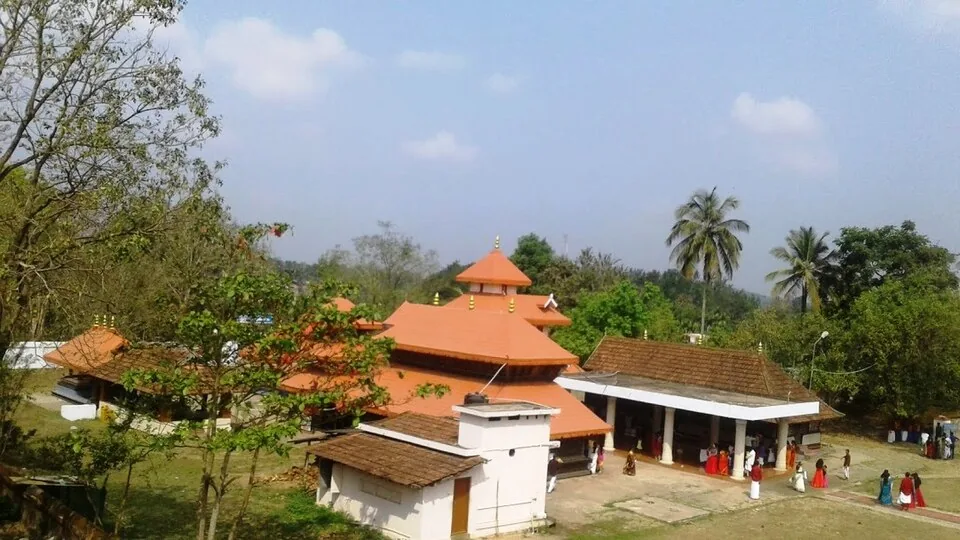
Pulpally-side temple with Ramayana-linked local tradition, usually planned as a north/east-Wayanad extension.
18.9 km · ~31 min by cab · straight line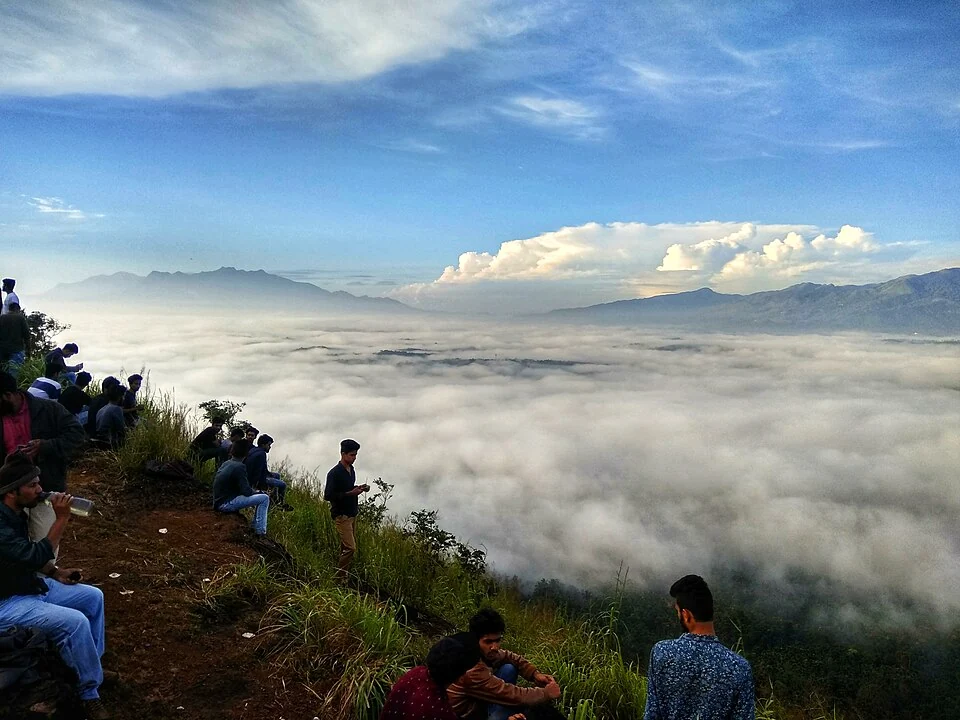
A walked hill viewpoint in the Kottathara area of Wayanad, known for dawn cloud below the ridge and wide daylight views over fields and wooded hills.
24.8 km · ~41 min by cab · straight line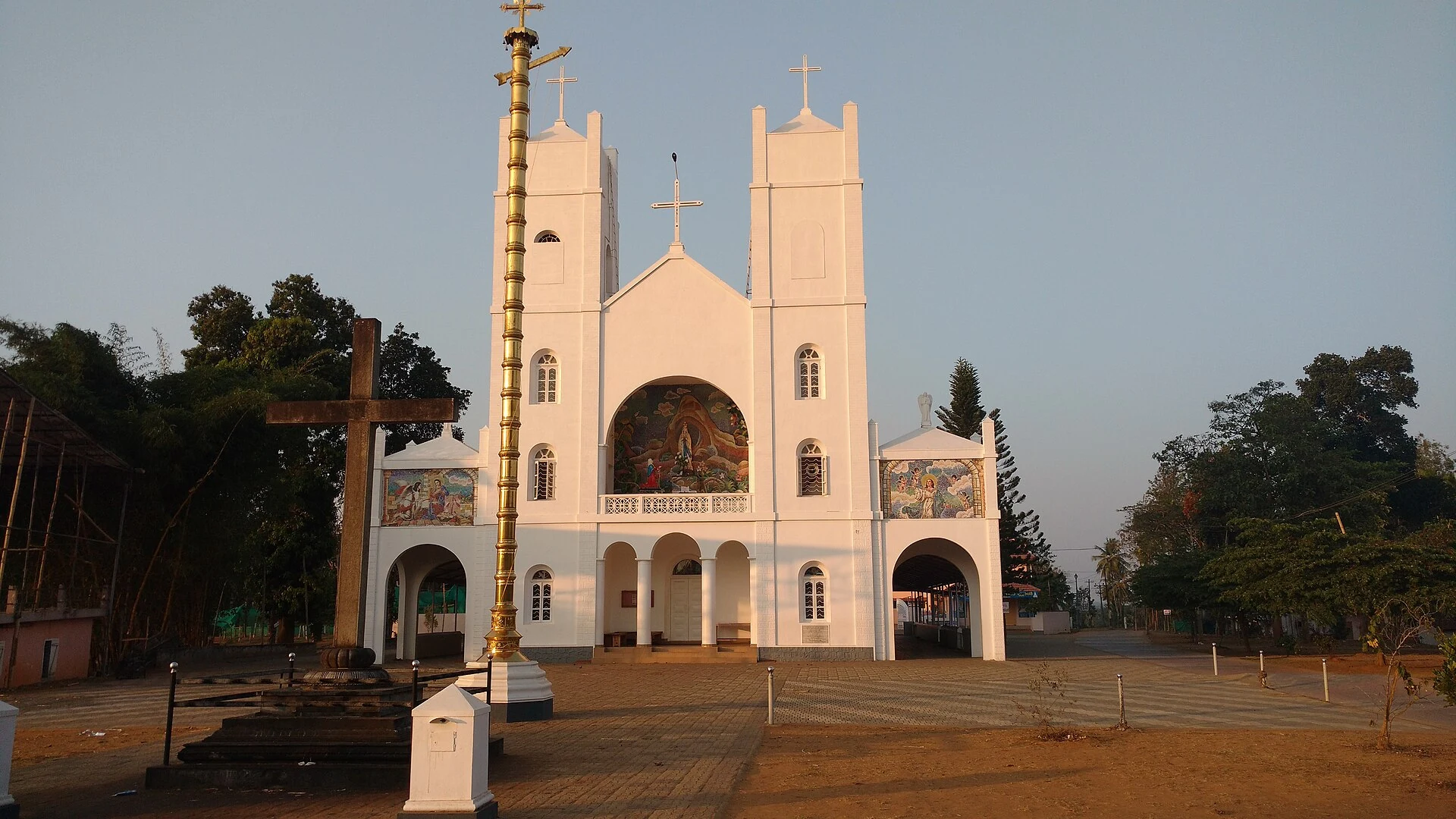
Our Lady of Lourdes shrine at Pallikkunnu in Wayanad, a Latin Catholic church of the Archdiocese of Calicut known for its twin-tower facade, February feast and local devotional customs.
25.8 km · ~43 min by cab · straight lineYou cannot wander freely. Entry is only permitted as part of a Forest Department jeep safari with a compulsory departmental guide, booked at the Tholpetty check-post. This protects both visitors and wildlife.
Safaris typically run in two windows — roughly 7:00 am to 10:00 am in the morning and about 3:00 pm to 5:00 pm in the afternoon.
No sighting is guaranteed — this is real wilderness. Elephant herds, gaur and deer are seen fairly regularly, while tiger and leopard are shy and largely a matter of luck. Early morning safaris tend to be the most rewarding.
Expect a modest per-person forest entry fee plus separate charges for the jeep, a mandatory guide, and cameras; foreign nationals pay higher rates. Exact fees change periodically, so confirm current amounts at the check-post before booking.
November to March offers the most comfortable weather and good sightings as animals gather near water. The range can close or restrict entry during the heavy monsoon months, so check before travelling.
Tholpetty is roughly 20 kilometres from Mananthavady, which is the nearest town for taxis, buses and accommodation. Most visitors base themselves in and around Mananthavady or Kutta and drive in for a morning or afternoon safari.
Dryer months are easier for wildlife access; monsoon access depends on local rules.
Entry: A modest per-person forest entry fee (higher for foreign nationals), plus separate jeep-safari, compulsory guide and vehicle charges paid at the check-post; camera/video fees may also apply. Exact rates change periodically — confirm current amounts locally. Timings: Guided safaris run in two fixed windows — roughly 7:00 am–10:00 am and about 3:00 pm–5:00 pm.
Base yourself in Mananthavady or a nearby town in Wayanad, then confirm the last-mile route locally before leaving. Book official entry, safari, boat or eco-tourism slots first, then plan transport and stay. If the visit depends on forest, temple, boat, ferry, weather or seasonal access, check the official/local rule on the day before travel.
Half day to full day.
Nearby you can pair Thirunelli Temple (5.5 km), Thrissilery Shiva Temple (8.1 km), Priyadarshini Tea Environs (9.6 km), Kuruva Island (9.9 km).
Do not feed or approach wildlife. Use official routes and approved operators only.
We have not published a story about Tholpetty Wildlife Sanctuary itself yet. These cover Mananthavady and the wider district, with separate journeys between stops.
These guides explore Mananthavady and the surrounding area. Choose a visit that fits your interests, allowing separately for travel between stops.
Route-level itineraries and practical guides for the rest of Kerala.
Photographs: Jaseem Hamza (CC BY 3.0), Praveenp (CC BY-SA 4.0), Ramkishoremr (CC BY-SA 4.0), RajeshUnuppally (CC0), Mrriyad (CC BY-SA 3.0). Wikimedia Commons.