Achoor Tea Museum occupies a three-storey timber-and-iron tea factory built in 1911, turning the machinery and working landscape of a Harrisons Malayalam estate into a lesson in what happens between a fresh leaf and a finished cup. The museum, tasting, live-factory visit and garden walk are related, but they are separate products with separate schedules.
The story of Achoor Tea Museum
The building is the first exhibit. At Achoor, near Pozhuthana, the museum occupies a factory structure dating to 1911, made with wood and iron for the practical demands of tea manufacture. It was not designed as a neutral gallery shell. Its floors, spans and industrial proportions grew around moving leaf through successive stages, which is why the conversion can explain production through the place where production once happened.
Across three storeys the museum traces tea from cultivation to cup. The sequence is most useful when read as transformations rather than as a cabinet of old objects: fresh leaf loses moisture through withering; rolling bruises and shapes it; oxidation develops what tea language traditionally calls fermentation; drying arrests that change and stabilises the result. Tasting then makes those invisible decisions available through colour, aroma and flavour.
Kerala Tourism describes black, green, white and herbal teas at the Achoor museum. They do not begin as four unrelated plants. Processing choices, leaf selection and the degree to which oxidation is allowed help create the distinctions a visitor encounters in the cup. That is the museum’s strongest intellectual move: a familiar drink becomes a chain of agricultural and mechanical decisions.
The working factory is a different encounter. Tea Town Kerala lists it separately from the museum and excludes Monday, because a live production space follows labour, crop and machinery rather than museum theatre. Even during a published visiting window, agricultural production may not be running. A visitor who wants operating rollers or dryers must ask about that specifically instead of treating an open museum door as a production guarantee.
The garden tour is separate again. It moves the story outside to a managed crop: plucking standards, shade, paths, drainage and the rhythm by which picked leaf must reach processing. An estate field is neither a public viewpoint nor an invitation to wander between workers. The operator controls where visitors walk because the garden remains productive land.
Tea tasting forms a fourth decision point. The Plantation Directorate’s published material can be read two ways: its prose gives one combined-looking amount, while its tariff table separates museum admission from tasting. The sensible editorial conclusion is not to choose the larger or smaller figure; it is to name tasting as a distinct possible charge and ask what the selected visit includes.
This separation protects the day from a common disappointment. A family wanting exhibits and a cup can choose the museum-and-tasting experience. Someone interested in mechanics should choose a day when the live factory can be shown. A traveller interested in cultivation needs the garden product and suitable ground conditions. Putting all three under the loose phrase “tea museum” promises too much and explains too little.
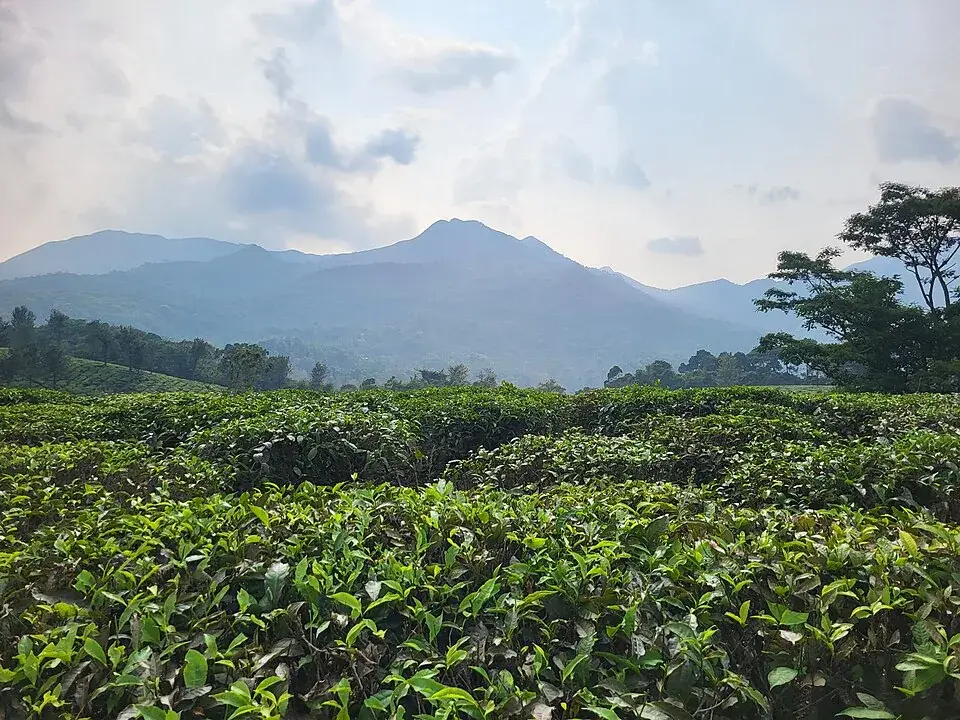
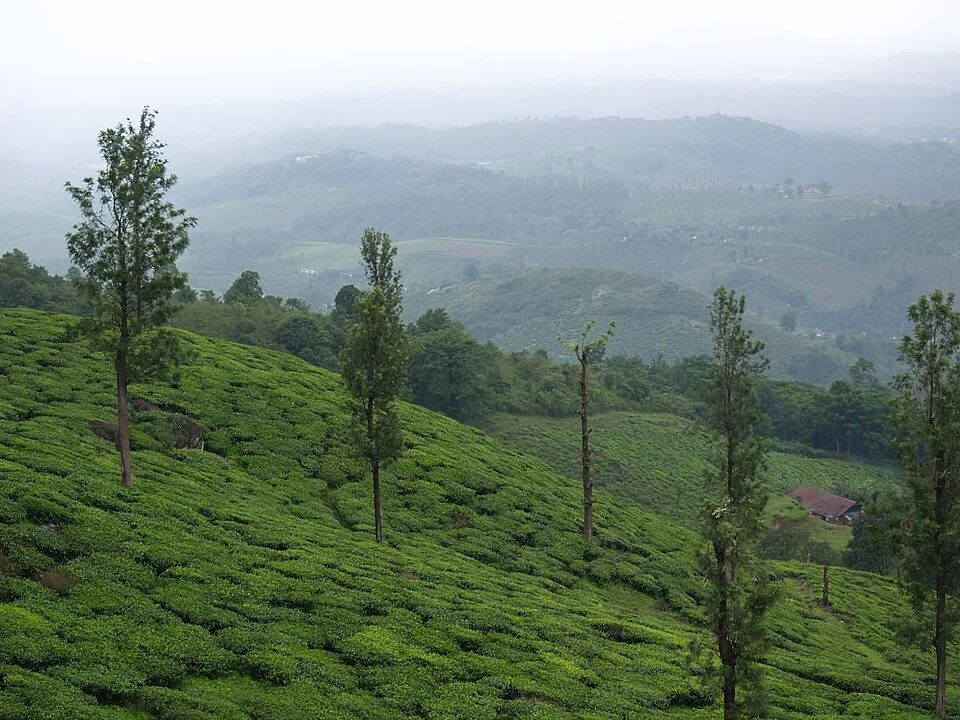
Achoor also gives the wider Meppadi tea landscape an indoor counterpoint. Roads through Wayanad reveal clipped green slopes beautifully but say little about the organisation behind them. Here the old factory building connects field, worker, machine, classification and sale. It turns tea from scenery into an industry without requiring the visitor to trespass for a plantation photograph.
The three-storey plan adds a physical consequence to that industrial story. Visitors who can use stairs experience production as movement through levels, but the heritage shell may also limit access. There is no reliable published claim of a lift or complete step-free route, so anyone with mobility constraints should ask which exhibits, tasting spaces and toilets can be reached before choosing the product.
A focused visit ends by comparing evidence rather than buying a souvenir on autopilot. Colour, leaf size, aroma and the guide’s explanation can be set against the machines and field just seen. The cup then records decisions made across the estate and factory. That connection is what distinguishes Achoor from a shop that happens to display a few historic tea objects.
Allowing the products their published durations also improves the experience. The museum is listed as roughly forty-five minutes and the live-factory visit as about thirty, before tasting, questions or a separate garden walk are added. A traveller trying to compress all four into one short stop is likely to miss the distinctions the site exists to teach. Confirm the chosen combination and leave time for movement between the heritage building and any active production area.
The opening-hour disagreement is small but operationally important. Tea Town publishes 08:00 for the museum, while Kerala Tourism begins at 09:00. This page does not average them into a fictional 08:30 opening. Arriving after 09:00 is the conservative plan; anyone needing the first hour should obtain same-day confirmation from the operator. The same principle applies to Monday, when the museum may open but the separately listed live factory does not.
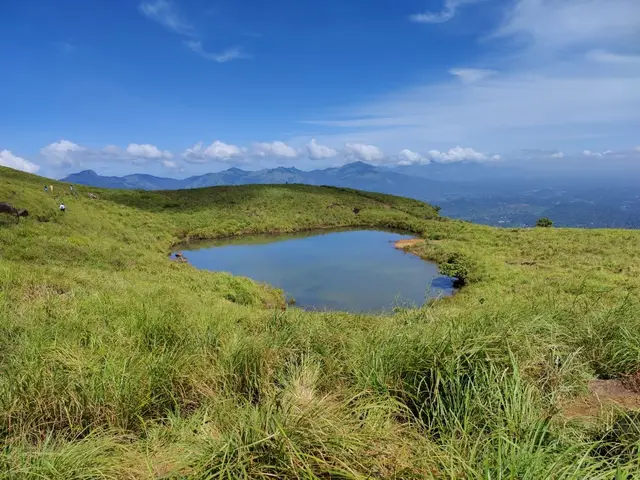
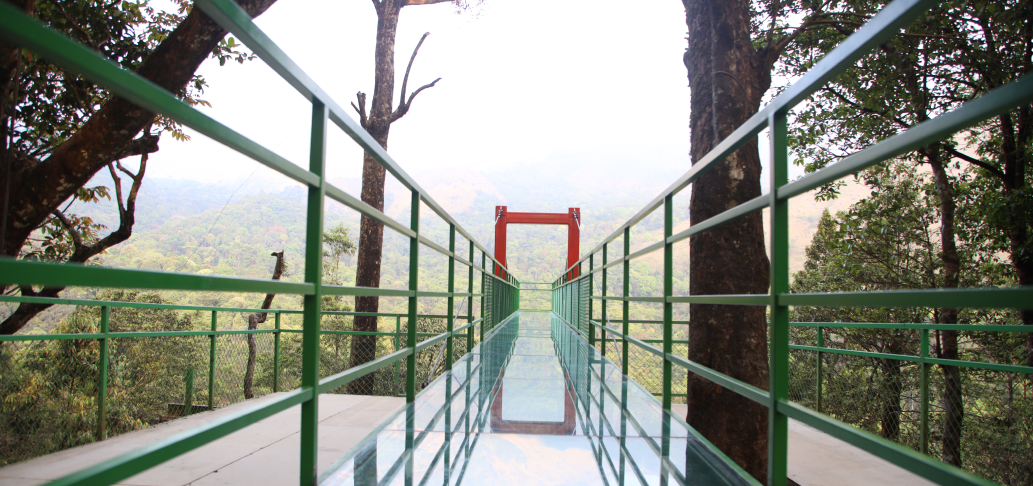
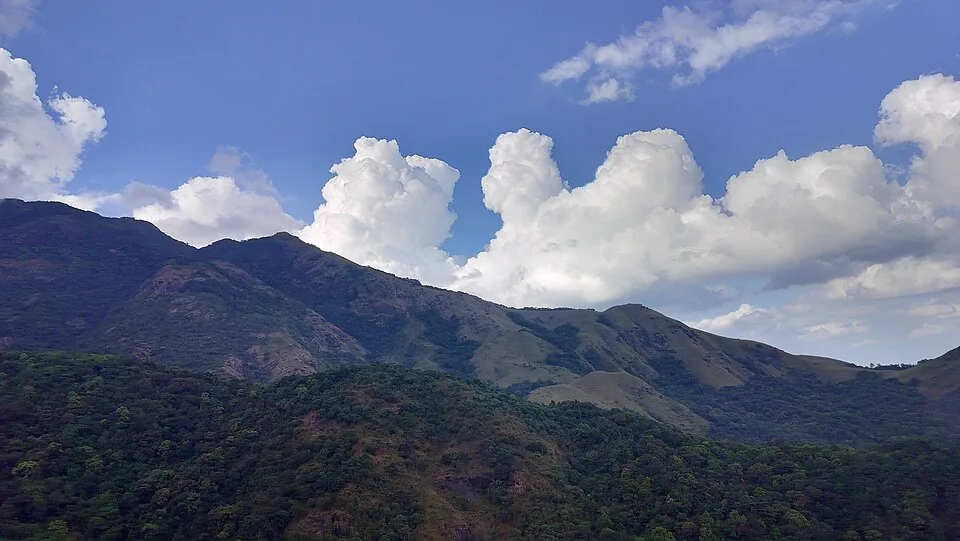
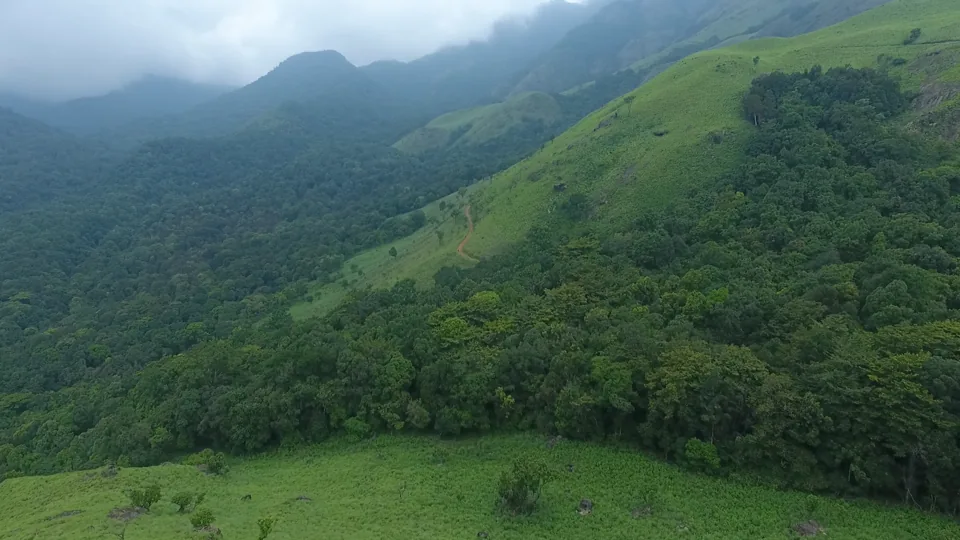
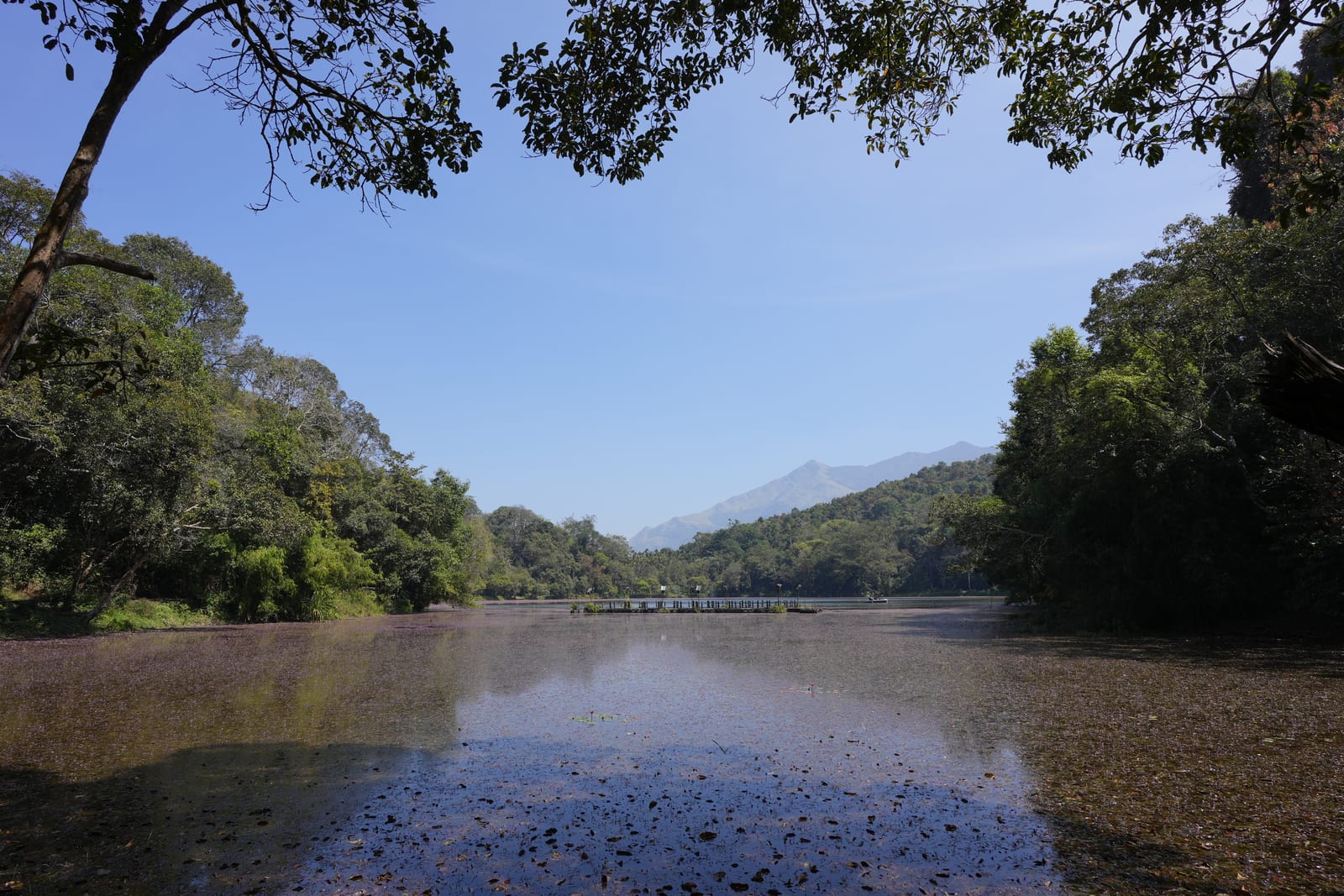
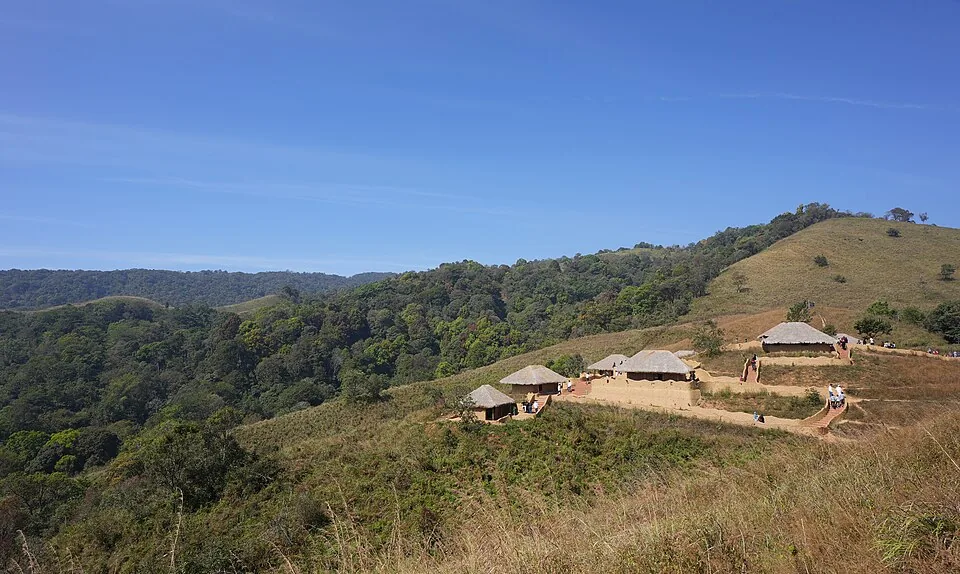
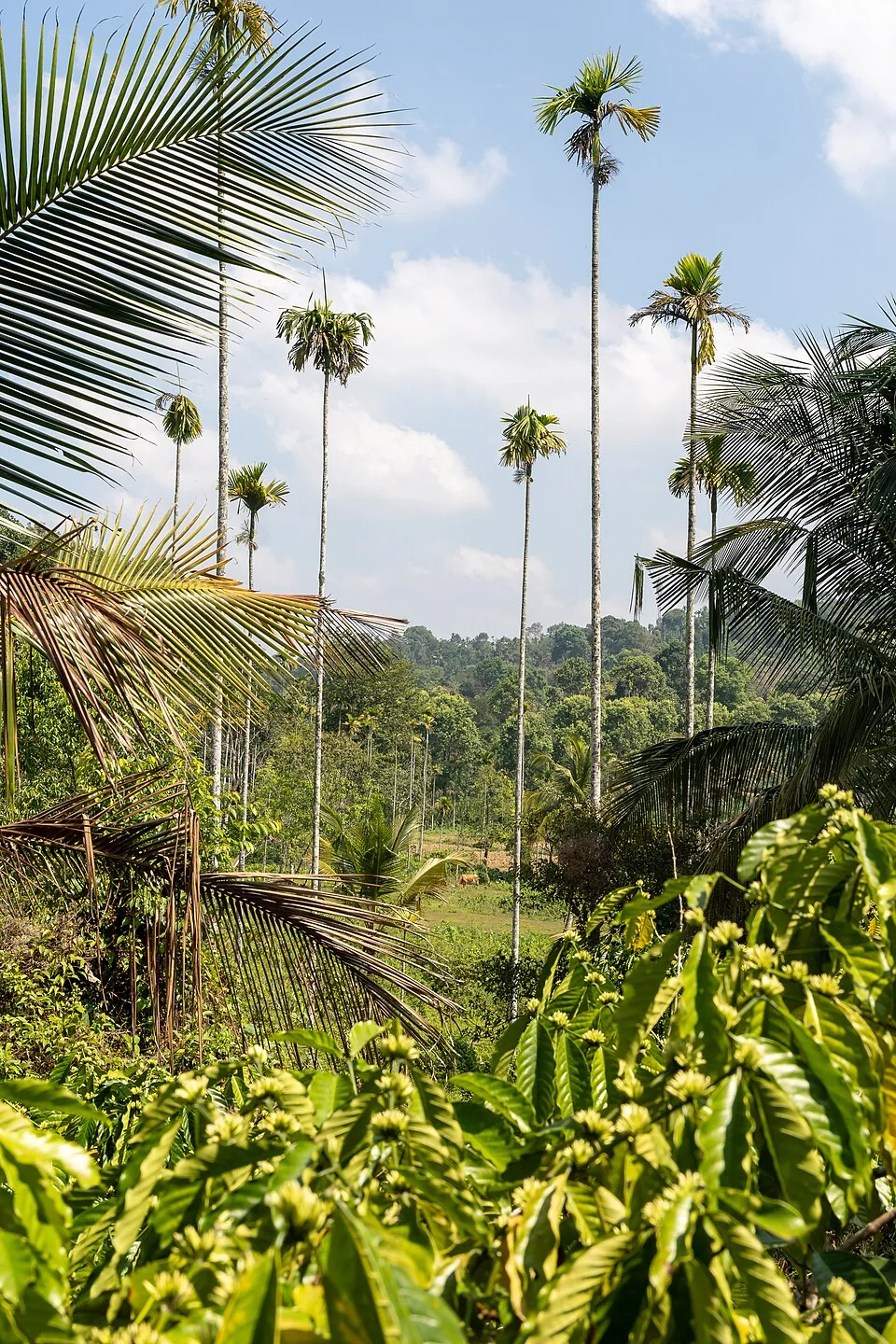
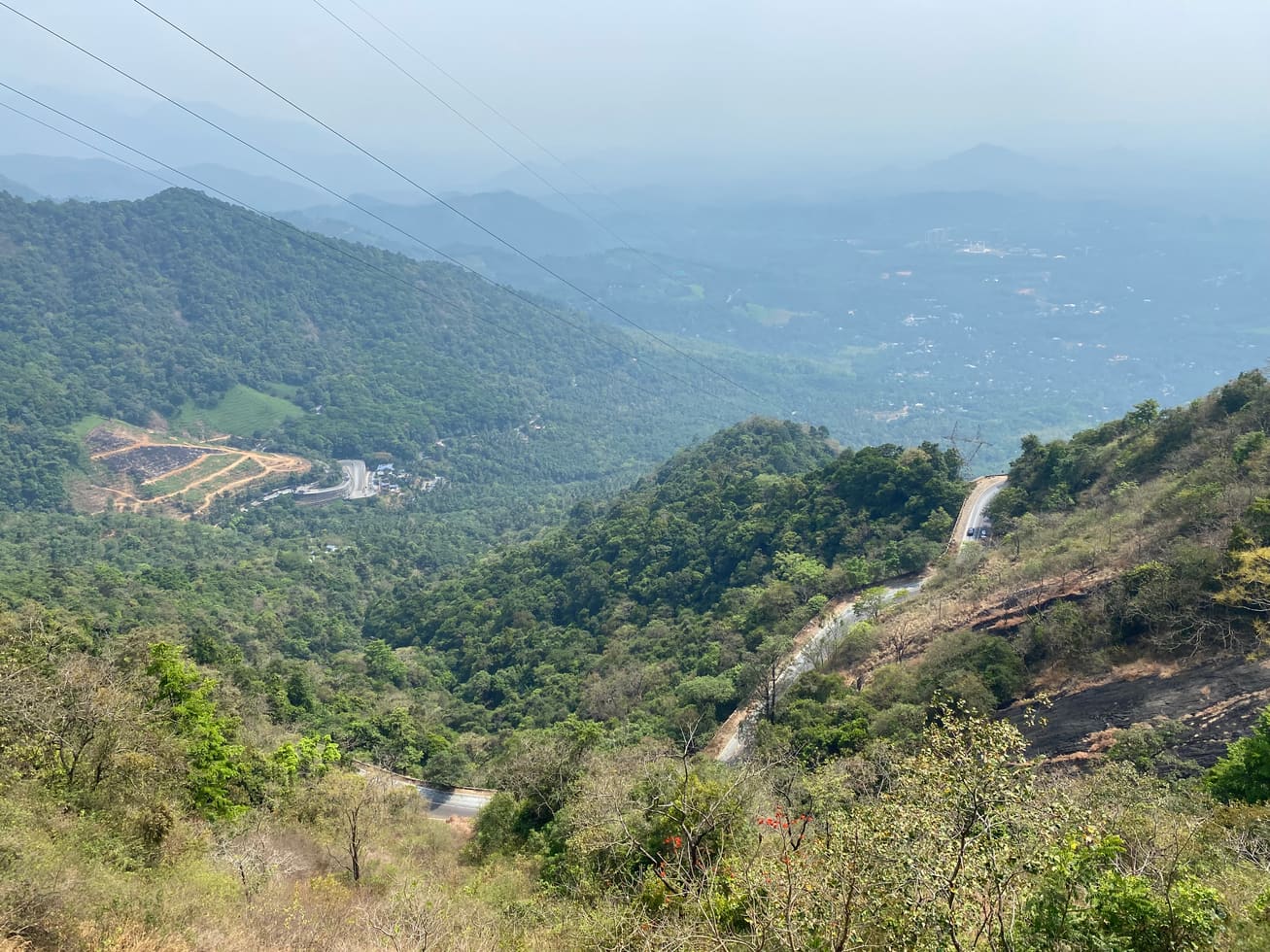
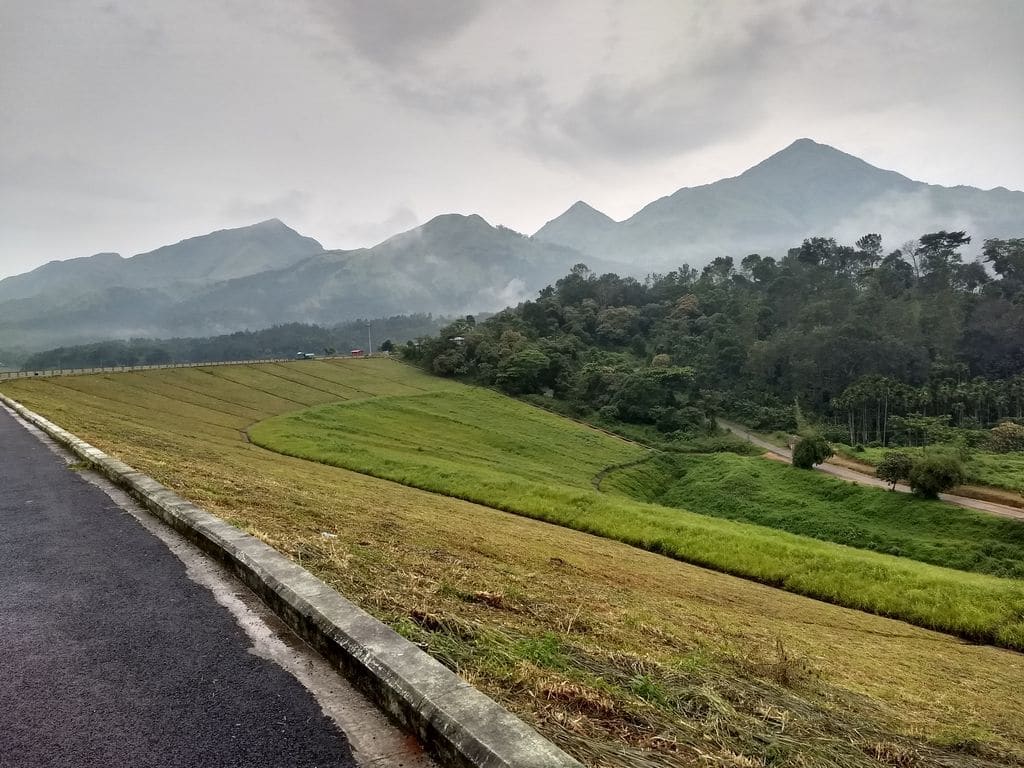
Exterior estate photographs are used here for what they visibly establish: roads, tea rows, shade trees and the scale of the planted valley. They are not captioned as museum rooms or machinery because those things are outside the frame. The distinction gives the visitor a reliable visual sequence—working landscape outside, interpreted industrial history inside—without borrowing an unrelated tea-factory interior to make the page look more complete.