Mannarasala Sree Nagaraja Temple

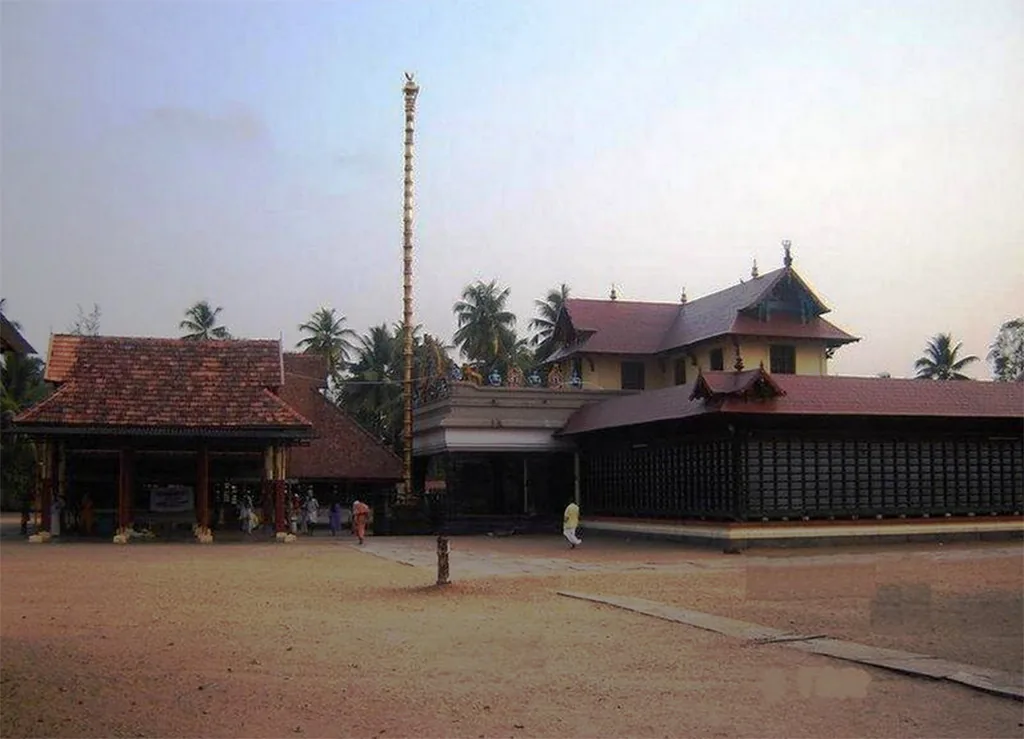
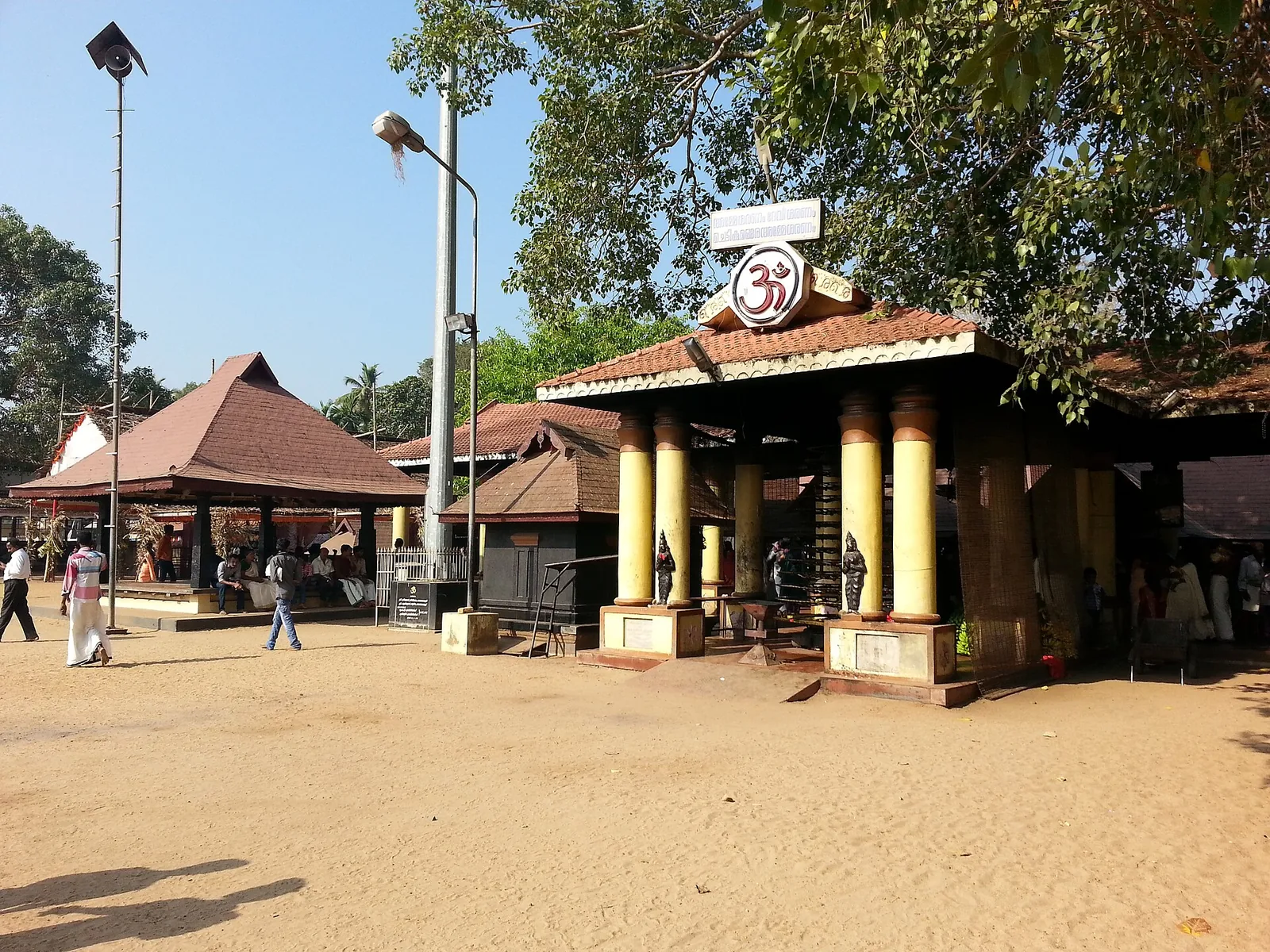
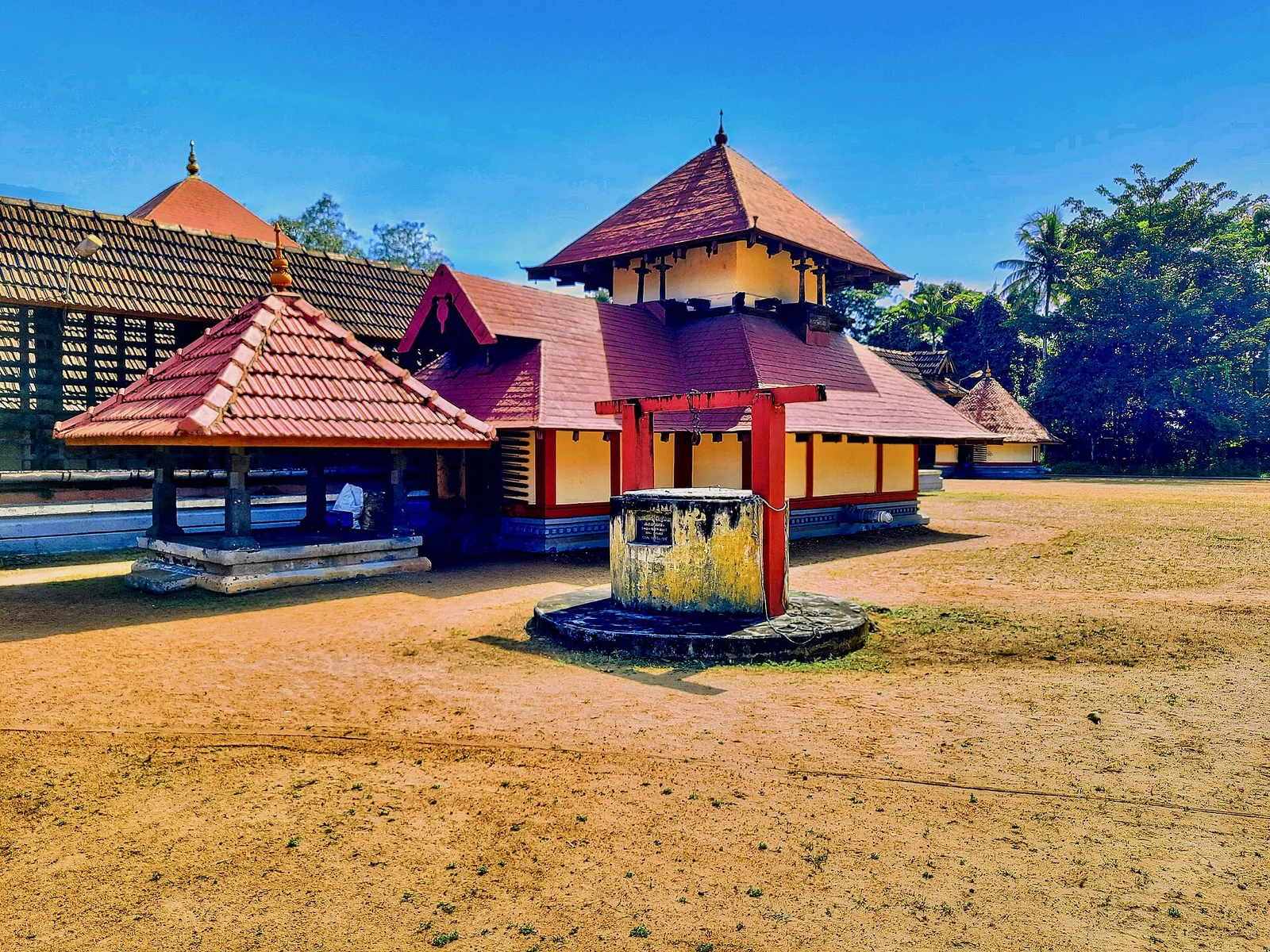
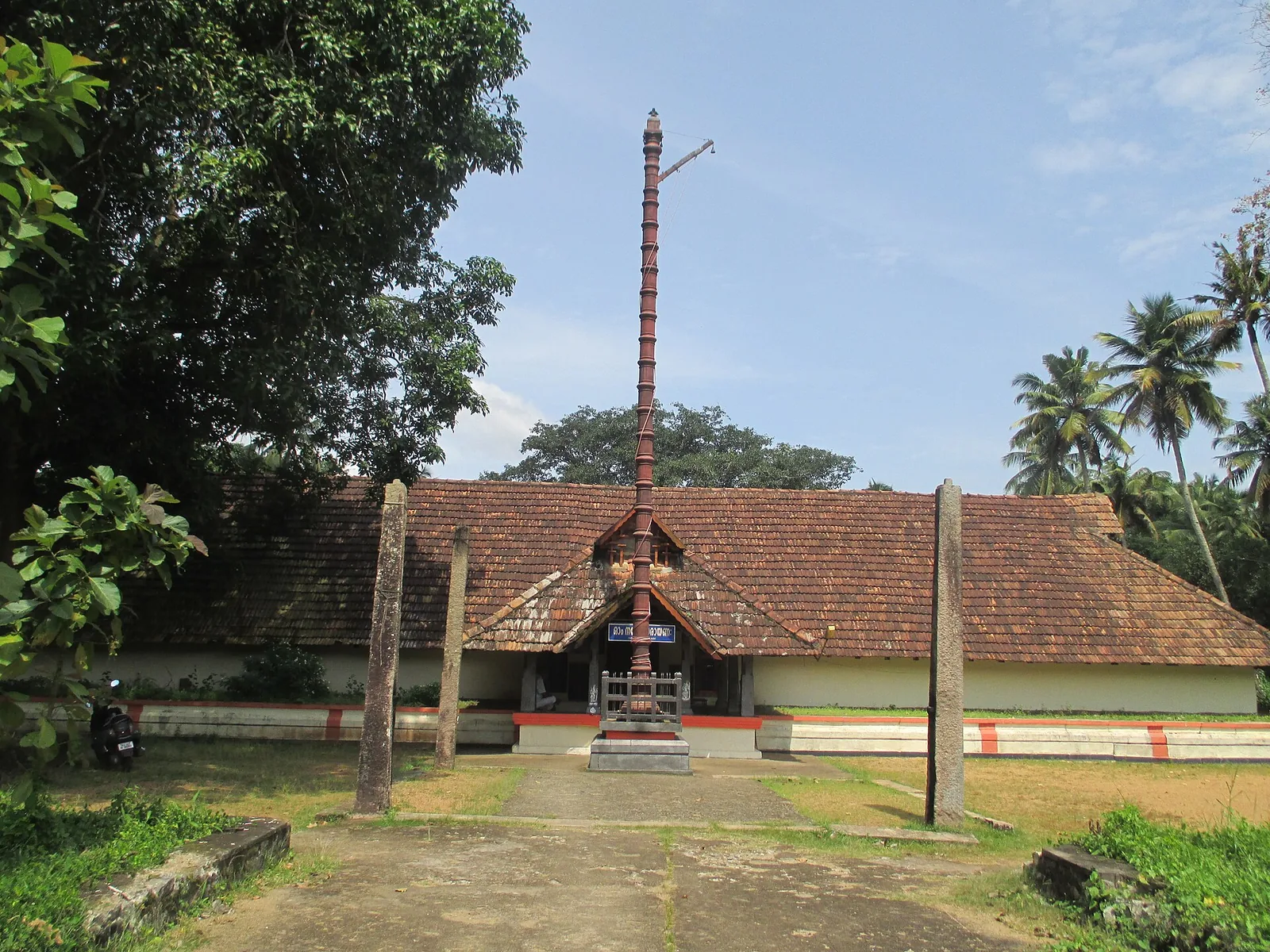
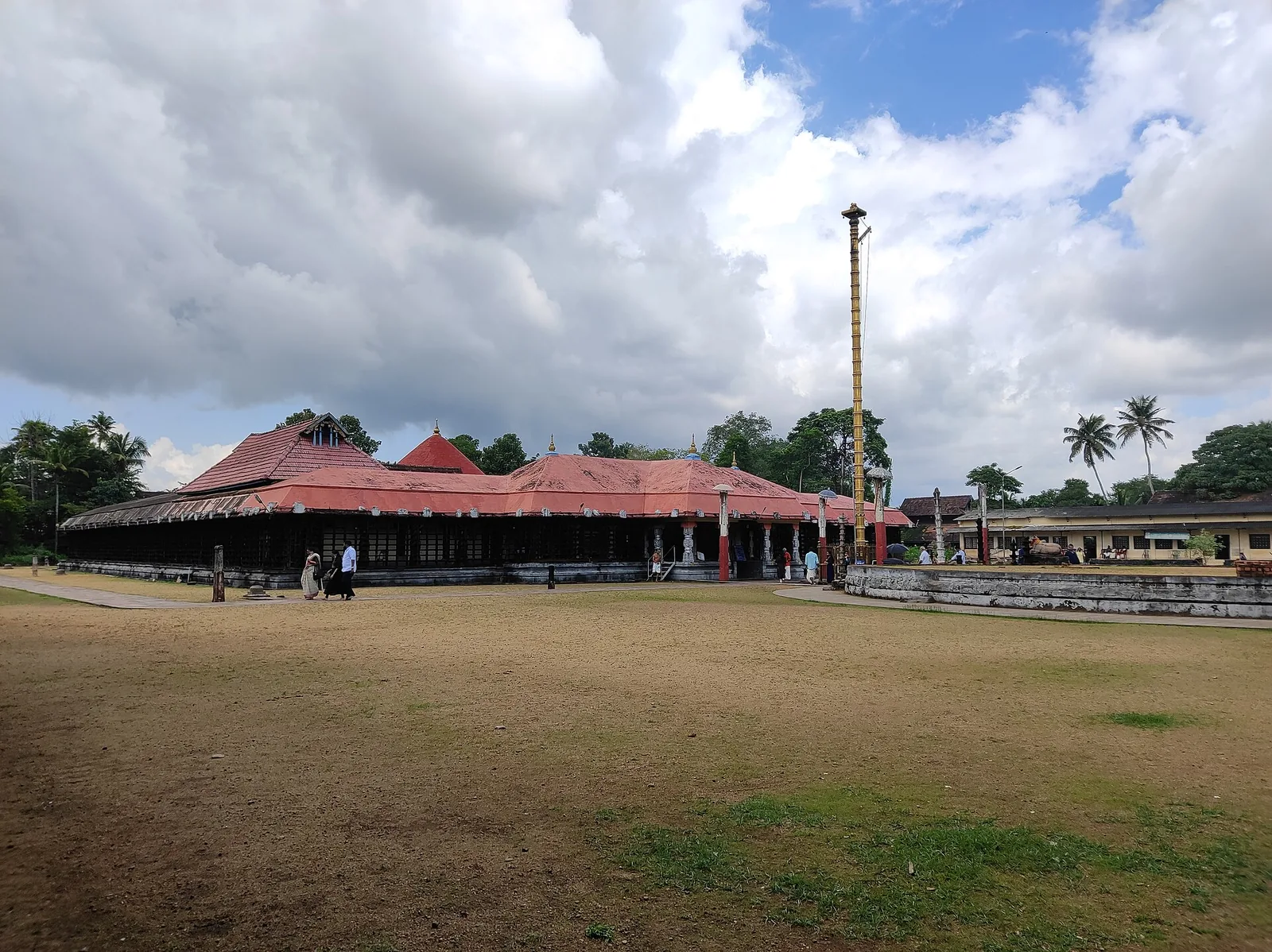
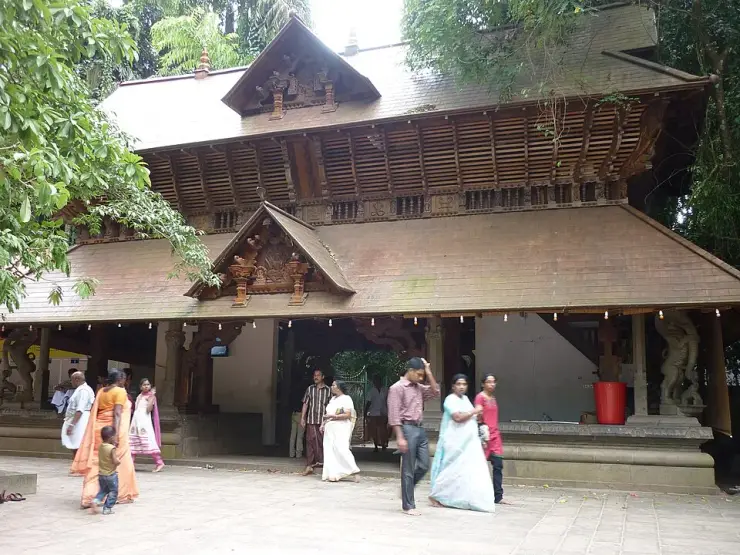
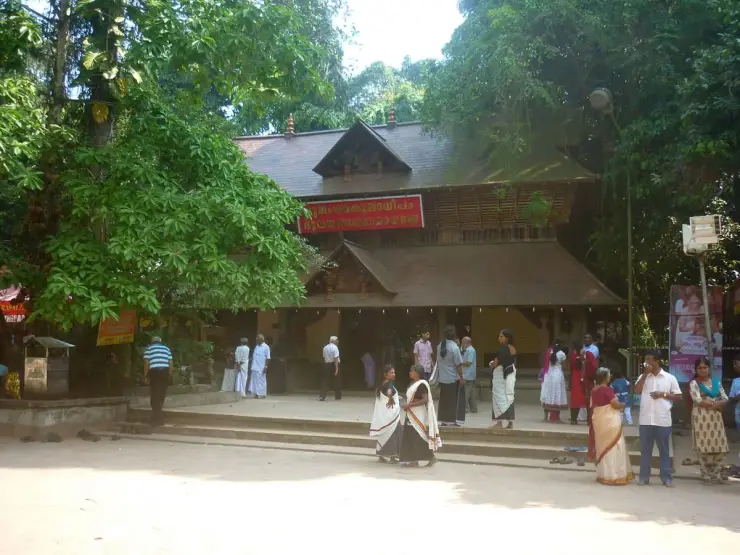
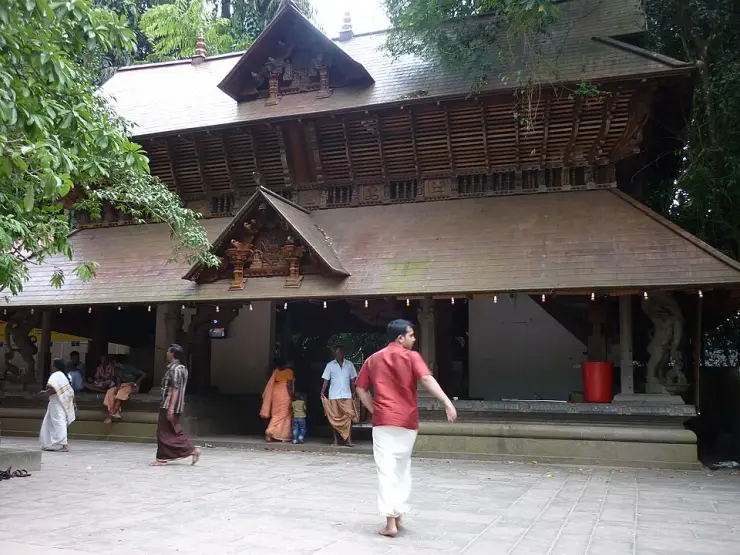
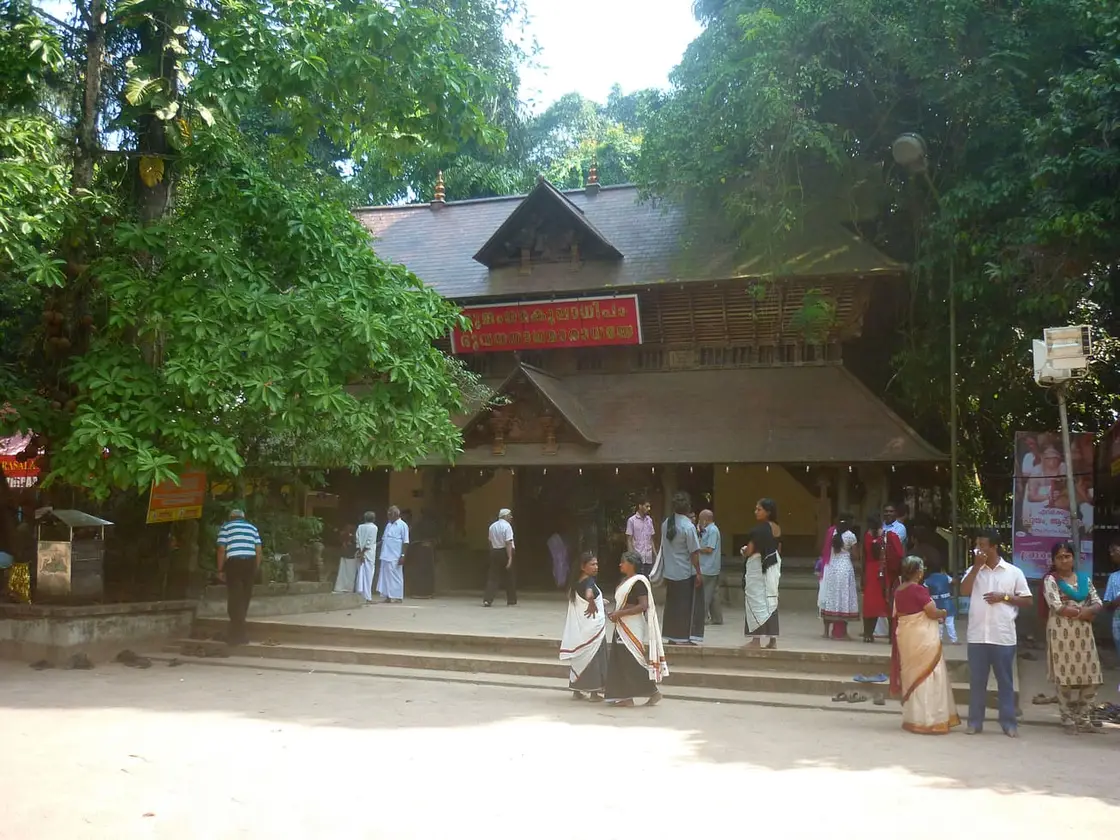
Mannarasala Sree Nagaraja Temple near Haripad is Kerala's best-known serpent shrine, set within a sacred grove landscape rather than an open urban temple complex. The experience is quiet, ritual-focused and strongly tied to local beliefs around Nagaraja worship.

Mannarasala Sree Nagaraja Temple, Haripad and Mannarasala
Practical guide

Plan Mannarasala Sree Nagaraja Temple

Who's going?Tailor Mannarasala Sree Nagaraja Temple to your trip
Before you go to Mannarasala Sree Nagaraja Temple

Check entry arrangements. Ask temple staff about visitor entry, dress requirements and access to the inner shrine before you travel, especially if you are visiting as a non-Hindu.

Dress code
Traditional dress is expected. Women: saree, churidar, or skirt and blouse. Men are not permitted to wear shirts inside the temple premises.
Darshan & ritual times
Roughly 5:30 am–12:00 pm and 5:30–7:30 pm.

Checked 4 August 2026 against source 1source 2. Check the institution’s current rules and visiting session before travelling.

Typetemple
AreaHaripad and Mannarasala
DistrictAlappuzha
Best timePost-monsoon and winter are easiest for…
Time needed1 to 2 hours for a focused visit
EntryThere is normally no charge for darshan
Places to visit3Listed businesses4

For travellers, accuracy matters here: the right guide copy should avoid sensational claims and instead explain grove etiquette, crowding around Mannarasala Ayilyam, access from Haripad, and the need to verify current offerings and darshan arrangements before visiting.

The story

Beneath a canopy of ancient trees near Haripad, tens of thousands of stone serpents coil along the shaded forest paths of Mannarasala — Kerala’s most revered Naga shrine, where, uniquely, the chief priest is a woman.

The story of Mannarasala Sree Nagaraja Temple

Mannarasala Sree Nagaraja Temple sits within a dense, centuries-old sacred grove (kavu or sarpakavu) a few kilometres from the town of Haripad in Alappuzha district. It is widely regarded as the foremost serpent temple in Kerala, drawing devotees from across India and abroad who come to worship the Naga king in a setting that feels less like a conventional temple compound and more like a living forest sanctuary. The presiding deity is Nagaraja, the serpent king, worshipped here as embodying both the cosmic serpent Ananta (associated with Vishnu) and aspects of Shiva; alongside him is venerated the serpent goddess Nagayakshi (also given as Sarpayakshi), regarded as his consort and a powerful feminine Naga presence.

What sets Mannarasala apart at first sight is the sheer multitude of serpent images. Stone idols of snakes — of many sizes, ages and postures — stand in clusters beneath the trees, line the walkways and gather around the shrines, their number commonly cited as around thirty thousand. Many were installed by families over generations as votive offerings, and the effect of walking the grove is of moving through an unbroken congregation of serpents, weathered and moss-touched, watched over by the forest itself. The grove is treated as genuinely sacred ground, and its trees and idols are protected rather than cleared, preserving something of the ancient Kerala tradition of the household sarpakavu writ very large.

The most remarkable living tradition at Mannarasala is its matriarchal priesthood. The temple is looked after by the Mannarasala Illam, a Namboodiri Brahmin family, and its chief priest is a woman — the Valia Amma (Valiya Amma), reverently called simply Amma. In a religious landscape where temple priesthood is almost universally male, the office of a presiding female priest at a major temple is rare and much remarked upon. The Amma is regarded as the spiritual mother of the shrine and its serpent deities, and during the great festivals it is she who carries the idol of Nagaraja in procession from the family Illam to the temple.

Devotees come to Mannarasala for many reasons, but it is especially associated in popular belief with prayers for children. Childless couples perform the ritual of Uruli Kamazhthal — offering a bronze or bell-metal cooking vessel (uruli) which is placed upside-down near the shrine as a petition to the Naga deities for the blessing of a child. According to the devotional custom, when a couple’s prayer is believed to have been answered with a birth, they return to have the uruli turned upright again and to give thanks. This should be understood as a matter of faith and devotional belief rather than as a proven outcome; similar beliefs attach to prayers for relief from skin ailments and other troubles.

The temple’s ritual calendar turns on the star Ayilyam (Ashlesha), the lunar asterism associated with serpents. The principal festivals fall on the Ayilyam days of the Malayalam months of Kanni (around September–October) and Thulam (around October–November), the latter celebrated far and wide as the famous Mannarasala Ayilyam. On these occasions the serpent idols and the deity are honoured with elaborate offerings, and a ceremonial procession (ezhunnallathu) carries Nagaraja from the temple to the Illam — Amma herself bears the utsava vigraha, and the direction matters, because this is a homecoming rather than an outing. ⚠ This page had the procession running the other way, from the Illam to the temple, until August 2026. At the Illam, Amma performs the central Ayilyam Pooja on the completed Padmam in the presence of the family.

For the visitor, Mannarasala offers an experience quite distinct from the great Dravidian temple towns. It is quiet, green and inward-looking, its power residing in the atmosphere of the grove and the antiquity of its serpent worship rather than in towering gopurams. Many pair a visit here with the nearby Haripad Sree Subrahmanya Swamy Temple, one of Kerala’s important Murugan shrines, making the Haripad–Mannarasala area a meaningful stop for those interested in the state’s temple heritage and its distinctive tradition of Naga devotion.

Legend & myth

By legend, the worship of serpents in this land is traced to Parashurama, the axe-wielding sage-warrior said to have raised Kerala from the sea. As the story goes, the newly reclaimed coastal land was saline and unfit for habitation, and Parashurama is believed to have propitiated the Nagas and established serpent worship so that the earth might be detoxified and made fertile and liveable. Mannarasala is counted among the sacred grounds where, in this telling, Naga devotion was rooted in Kerala’s very beginnings. This is related here as sacred legend, not as documented history.

The temple tells that first story in more detail than the summary above allows, and the details are the interesting part. The land Parasurama raised was poisoned with brine and would grow nothing. Śiva told him that only the purifying fire of the Nagas could heal it. Parasurama performed tapas on this spot; Nagaraja appeared to him; and the celestial serpents let their Kālakūṭa — the primordial venom churned from the ocean — seep into the soil, whereupon fertility returned. Parasurama begged the serpent king to remain. He consecrated Nagaraja in a grove of Mandara trees, and it is from Mandarasala, the hall of the mandara, that the name Mannarasala is said to come. He installed the three serpent goddesses separately — Sarpayakshi, Nagayakshi and Nagachamundi — performed the Abhishekam, Alankaram, Nivedyam, Nirajanam and Sarpabali, set Durga Devi and other guardians about the grove, and withdrew to the Mahendra mountains.

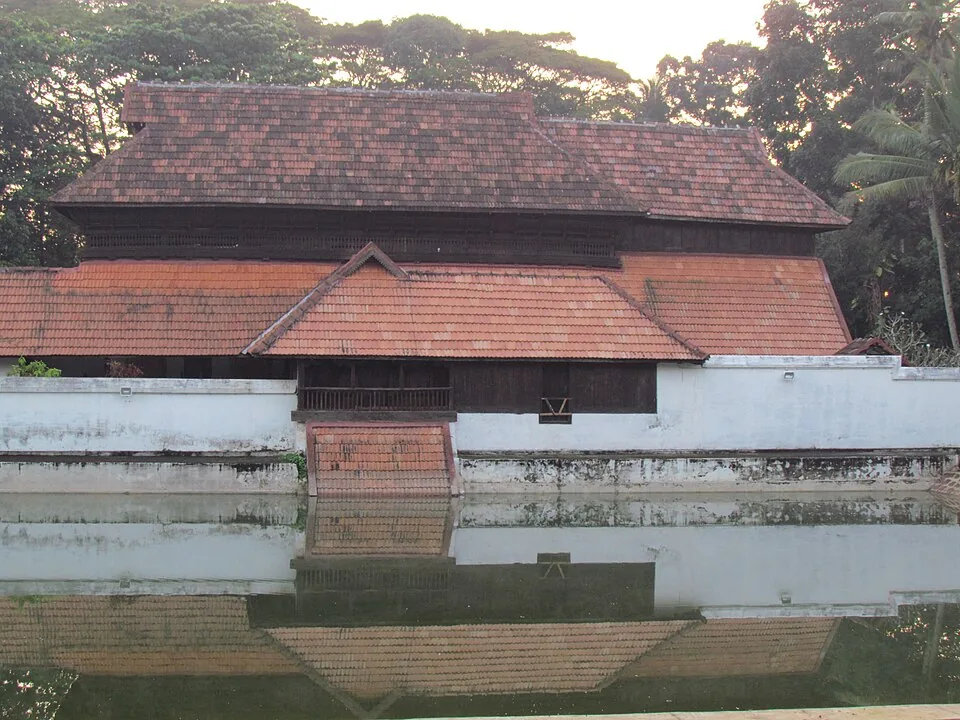
The temple’s own founding legend centres on the Mannarasala Illam. It is told that a great fire once swept the forest, scorching many serpents, and that a pious but childless couple of the family — often named as Vasudeva and Sreedevi — tended the injured snakes, soothing their burns with turmeric, honey and coconut water. Moved by their compassion, Nagaraja is said to have blessed them with children, and to have promised that he himself would be born as one of their sons. Sreedevi accordingly gave birth to two sons — a human child and a divine serpent child. The serpent son, an incarnation of Nagaraja, is believed to have remained with the family as its guardian deity, retiring into a chamber (nilavara) of the Illam, and the presence of this divine serpent son is woven through the traditions of Mannarasala to this day. These accounts are cherished as the temple’s devotional lore.

One line from that legend governs everything else at Mannarasala, and it is worth quoting because the whole institution rests on it. As the serpent son withdrew into the Nilavara, he is said to have laid down the terms of his own worship: “Mother herself must offer me worship.” Not a priest. The mother of the household, and after her the senior-most Brahmin lady of the family, in perpetuity. Every unusual thing about this temple — the female chief priest, the family ownership rather than Devaswom Board administration, the fact that the presiding authority must live as a Brahmacharini, the procession that goes from the temple to the family house rather than the other way — descends from that single sentence. Kerala has a great many origin legends. It has very few whose practical consequences you can still watch being carried out, on named days, by a named woman.

Read the full history of Mannarasala Sree Nagaraja Temple 750 more words

History

Mannarasala is generally described as an ancient temple of considerable antiquity, its origins reaching back many centuries and bound up with the very old Kerala practice of maintaining sacred serpent groves. Precise founding dates are not securely documented, and much of what is known comes through the traditions of the Mannarasala Illam and long-standing devotional accounts rather than dated inscriptions.

The sacred grove is the heart of the site. Rather than being cleared for construction, the kavu has been preserved as a wooded sanctuary in which the serpent idols stand among living trees, reflecting the ecological ethos of the traditional Kerala sarpakavu, where groves were left undisturbed as the abode of the Nagas. The figure commonly given for the serpent images is around thirty thousand, accumulated over generations as votive installations by devotee families.

The temple’s governance by the Mannarasala Illam, a Namboodiri Brahmin family, and its distinctive female priesthood are among its most historically notable features. The office of the Valia Amma — a woman serving as the temple’s chief priest and the custodian of its serpent worship — is widely cited as a rare, perhaps singular, arrangement among Kerala’s major temples, and it is closely tied to the family’s founding legend of the divine serpent son.

Ritual practice has long included the votive offering of the uruli by couples seeking children, together with snake-worship rites such as Sarpabali. The great Sarpam Pattu, the serpent song, is ordained by the temple to be conducted once every forty-one years — a specific interval the temple states plainly, not the vaguer “once in many decades” that circulates. It should not be confused with the Pulasarpam Pattu, which is an annual observance held at Pulakkavu, a sacred grove north-east of the Illam, on the Kumbham Ayilyam or the Ayilyam following it.

The office of the Valia Amma is not a vague tradition but a documented succession with dates. Divyashri Savithiri Antherjanam held it from 1916 to 1993 — seventy-seven years. Divyashri Umadevi Antherjanam followed from 1993 to 2023. The present incumbent is Divyashri Savithri Antherjanam. The office passes to the senior-most Brahmin lady of the family, who must live as a Brahmacharini, and the days on which she alone enters the inner sanctum are fixed: the first day of every Malayalam month, every monthly Pooyam, from the beginning of Magha until the eve of Sivaratri, Thiruvonam in Chingam, the first twelve days of Karkitakam, and the twelve days preceding Ayilyam in Kanni and Thulam. Her death rites are prescribed too — the body laid in the four-chambered hall of the Illam, cremation in a designated place between temple and Illam, and for three days the temple offering reduced to milk and kadali fruit alone, the Palum Pazhavum Nivedyam, with the doors closing immediately after.

The Thulam Ayilyam owes its precedence to an accident of court scheduling. Kanni Ayilyam was originally the principal day, and the Maharaja of Travancore made an annual pilgrimage on it. One year the royal journey was delayed and the visit deferred to the Thulam Ayilyam; in atonement the palace met the entire cost of that year's celebration and endowed the temple with extensive tax-free lands to secure the festival's future. The larger of the two festivals is therefore the second one, and it is larger because a king was late.

Today Mannarasala functions as both a living centre of Naga devotion and a well-known heritage destination, promoted by Kerala Tourism and visited by pilgrims and travellers alike. Visitors are asked to respect its character as an active place of worship and a protected sacred grove, observing local customs regarding access, dress and photography (confirm current rules on site).

Why visit

See Kerala’s foremost serpent temple, with tens of thousands of Naga idols set through an ancient forest grove.

Experience the rare tradition of a temple led by a female chief priest, the Valia Amma of the Mannarasala Illam.

Stand at the edge of the sacred grove — a dense, green, inward-looking setting quite unlike conventional temple compounds. 🛑 The groves themselves may not be entered: the temple states that entry is strictly forbidden, to protect both the ecosystem and devotees. This page invited readers to walk them until August 2026.

Learn about the devotional ritual of Uruli Kamazhthal and the temple’s association with prayers for children.

Time a visit with the celebrated Ayilyam festivals for processions, percussion and elaborate serpent worship.

Combine it with the nearby Haripad Sree Subrahmanya Swamy Temple for a fuller taste of the area’s temple heritage.
What to expect

Highlights

  • Major Nagaraja temple near Haripad, set in a sacred-grove setting.
  • Important pilgrimage stop on a south Alappuzha temple circuit with Haripad and Kayamkulam-side access.
  • What there is locally: pilgrim lodges, vegetarian food, taxis and temple-circuit drivers with exact address clarity.
Getting there

How to visit

  • Use Haripad as the nearest practical base, or visit as a detour from Alappuzha, Kollam or the southern Alappuzha coast.
  • Check current darshan and offering procedures before arrival, especially around Mannarasala Ayilyam and other crowded dates.
  • Keep the visit quiet and low-impact; this is a sacred grove and active shrine, not a casual picnic stop.

Distance by road

  • Kochi55 km
  • Thiruvananthapuram154 km
  • Kozhikode226 km
  • Coimbatore235 km
  • Madurai281 km

Road km to Alappuzha; ghat roads and traffic vary — allow extra.

Timing

Best time

Post-monsoon and winter are easiest for travel. Festival days can be meaningful but require crowd and transport planning.

Weather in Mannarasala Sree Nagaraja TempleSeasonal guide

Live forecast loads in your browser.

Today at Mannarasala Sree Nagaraja Temple
Sunrise6:13 am
Sunset6:17 pm
Golden hour best light5:17 pm–6:17 pm
Blue hour after sunset6:17 pm–6:42 pm
Sun sets toward compass bearingW · 268°
Moon tonight🌖 Waning gibbous · 97%
South-west monsoon. June to September is the south-west monsoon in Kerala. Expect heavy showers, mostly in bursts rather than all day — carry rain cover, allow extra time for getting around, and note that ferries and open-air sites are the first things affected.

Sun and moon are calculated for this location and shown in IST. Photography windows are the hour around sunrise and sunset; the sunset bearing is degrees clockwise from true north. Moon phase is accurate to about half a day.

Visitor notes

  • Listings must distinguish Haripad, Mannarasala and wider Alappuzha addresses; same-name pilgrim lodges can be in different localities.
  • Photography and access rules should be treated as current local rules, not assumed from old blogs.
  • Carry simple clothing and avoid loud behaviour inside the grove-temple setting.
Safety

Good to know

  • Follow temple staff instructions and queue systems.
  • Use known transport for early-morning or evening visits.
  • Be careful on wet paths during monsoon and after rain.
Stay · eat · do · rent · see · shop

Stays, food & things to do near Mannarasala Sree Nagaraja Temple

Verified hotels, homestays, restaurants, experiences, sights, shops and rentals around Mannarasala Sree Nagaraja Temple — commission-free, with direct contact. Filter by what you need.

1 thing to do near Mannarasala Sree Nagaraja Temple

Top pick Verified
Official transport support · Haripad and Mannarasala
KSRTC Haripad Bus Station

Official KSRTC Haripad bus-station contact for Mannarasala and Haripad route planning. Official transport support, KSRTC Haripad Bus Station.

Directions Commission-freeView details

Book with the place itself. India’s cyber-crime coordination centre warned in April 2025 that convincing copies of hotel and pilgrimage booking sites are being pushed through sponsored search and social ads, taking payment for rooms the property never hears about. Every listing here links to the business’s own contact details and its own Google or Bing profile — we take no commission and sit in nobody’s payment path. If a booking page reached you through an ad, check the address bar against the property’s own site before you pay. Fraud can be reported on cybercrime.gov.in or on 1930.

Ranked

More ways to explore Haripad and Mannarasala

Find food, accommodation and activities across Haripad and Mannarasala. Browse the guides for places to eat, stay and explore along your route.

Across the whole of Haripad and Mannarasala

Ranked guides

Top experiences around Haripad and Mannarasala

3 more places around Haripad and Mannarasala. Open a guide to plan the visit and onward journey.

heritageKrishnapuram Palace

17.0 km · ~28 min by cab

Restored 18th-century Travancore palace at Kayamkulam, home to the huge Gajendra Moksha mural.

templeHaripad Sree Subramanya Swamy Temple

1.0 km · 13 min walk

One of Kerala’s oldest Subramanya (Murugan) temples, in the south-Alappuzha town of Haripad.

templeChettikulangara Devi Temple

10.5 km · ~17 min by cab

Major Bhagavathy temple near Mavelikkara, famous for its Kettukazhcha and Kumbha Bharani festivals.

Roampedia is commission-free — own or know a stay, eatery, guide or shop near Mannarasala Sree Nagaraja Temple? List it and it appears here once verified.

Add a nearby business
Before you go

Mannarasala Sree Nagaraja Temple — at a glance

TimingsDarshan is generally available in the morning and again in the evening, with a midday closure typical of Kerala temples (for example, roughly early morning until around midday, reopening in the late afternoon into the evening) — timings are indicative and change on festival days, so confirm locally.
Best timeThe cooler, drier months from roughly October to February are comfortable for visiting; the Ayilyam festival periods in Kanni (Sept–Oct) and Thulam (Oct–Nov) are especially atmospheric but crowded.

Entry: There is normally no charge for darshan; ritual offerings such as Uruli Kamazhthal, sarpabali and pujas are paid and priced by the temple.

Dress code: Traditional, modest temple dress is expected — many temples in Kerala prefer men in a mundu/dhoti and women in a saree or salwar; dress conservatively and follow any instructions given on site.

Festivals: The main festivals are the Ayilyam celebrations on the Ayilyam star in Thulam (Oct–Nov, the famed Mannarasala Ayilyam) and in Kanni (Sept–Oct), featuring the ezhunnallathu procession; snake-worship rites such as Sarpabali are also observed, with the rare Sarpam Pattu conducted only at long intervals.

Photography: Photography is commonly restricted, especially inside the sanctum and within the sacred grove and Illam; assume limits apply and seek permission or check posted rules before photographing.

Getting here

How to reach Mannarasala Sree Nagaraja Temple

  • ✈︎ By air The nearest major airports are Kochi (Cochin International, roughly 100 km plus to the north) and Thiruvananthapuram (Trivandrum International, to the south), each around a two-to-three-hour drive depending on traffic.
  • 🚆︎ By train Haripad railway station is the closest and is only a few kilometres from the temple; Kayamkulam is another nearby station on the same line, and both lie on the busy Thiruvananthapuram–Ernakulam route.
  • 🚗︎ By road From Haripad the temple is a short drive of a few kilometres; it is well signposted and easily reached by road from Alappuzha, Kayamkulam and the NH66 coastal highway.
  • 🚌︎ By bus KSRTC and private buses serve Haripad frequently from Alappuzha, Kollam and beyond; from Haripad town, local buses, autos and taxis run to Mannarasala.
Getting back

If you are travelling by bus or ferry, check the return service with the operator before setting out. Leave time to reach the stop or jetty after your visit.

Ask at the bus stand for the time of the last service back, not the next one. If you miss it, an auto or app cab is the fallback — agree the fare before you get in.

Do

Things to do

  • Take darshan of Nagaraja at the main shrine.
  • Walk the sacred grove paths lined with tens of thousands of Naga idols.
  • Learn about and, if seeking a child, understand the Uruli Kamazhthal offering.
  • Visit the Nagayakshi / Sarpayakshi shrine.
  • Observe the traditions surrounding the Valia Amma and the Mannarasala Illam.
  • Time your trip with an Ayilyam festival procession if possible.
  • Combine with the nearby Haripad Sree Subrahmanya Swamy Temple.
Getting around Mannarasala Sree Nagaraja Temple

If you need step-free access, contact the site before travelling. Ask about a level entrance, steps along the route, the nearest drop-off point, seating and accessible toilets.

Practical things near Mannarasala Sree Nagaraja Temple
What the cash actually costs
  • Withdrawing from a bank that is not your own is free for a set number of times a month, then costs up to ₹23 plus GST — about ₹27 a withdrawal. This is not one of the RBI’s six metro centres, so the allowance here is the higher one: at least five free other-bank withdrawals a month, and at least five at your own bank.
  • That free allowance belongs to Indian bank accounts. On a card issued abroad your own bank’s international withdrawal and exchange charges apply instead. If the machine offers to bill you in your home currency, choose rupees — the conversion rate on that offer is set by the machine, not by your bank.
  • Choose a well-lit ATM, preferably at a bank branch. Shield your PIN, avoid help from strangers and use your bank’s support number if a withdrawal fails or the machine retains your card.

Charge cap and free-transaction limits: Reserve Bank of India, in force since 1 May 2025.

These services are listed within about 1.2 km of Mannarasala Sree Nagaraja Temple. Walking distances follow mapped routes; access and opening hours can change. Other services may be closer but are not included here.

If you need help at Mannarasala Sree Nagaraja Temple
112All emergencies (police · fire · medical)The single number to call in any emergency (ERSS).

Emergency numbers are verified against official government and state tourism sources. 112 works anywhere in India.

Nearby

What’s near Mannarasala Sree Nagaraja Temple

templeHaripad Sree Subramanya Swamy Temple

One of Kerala’s oldest Subramanya (Murugan) temples, in the south-Alappuzha town of Haripad.

1.0 km · 13 min walk · straight line
beachThottappally Beach

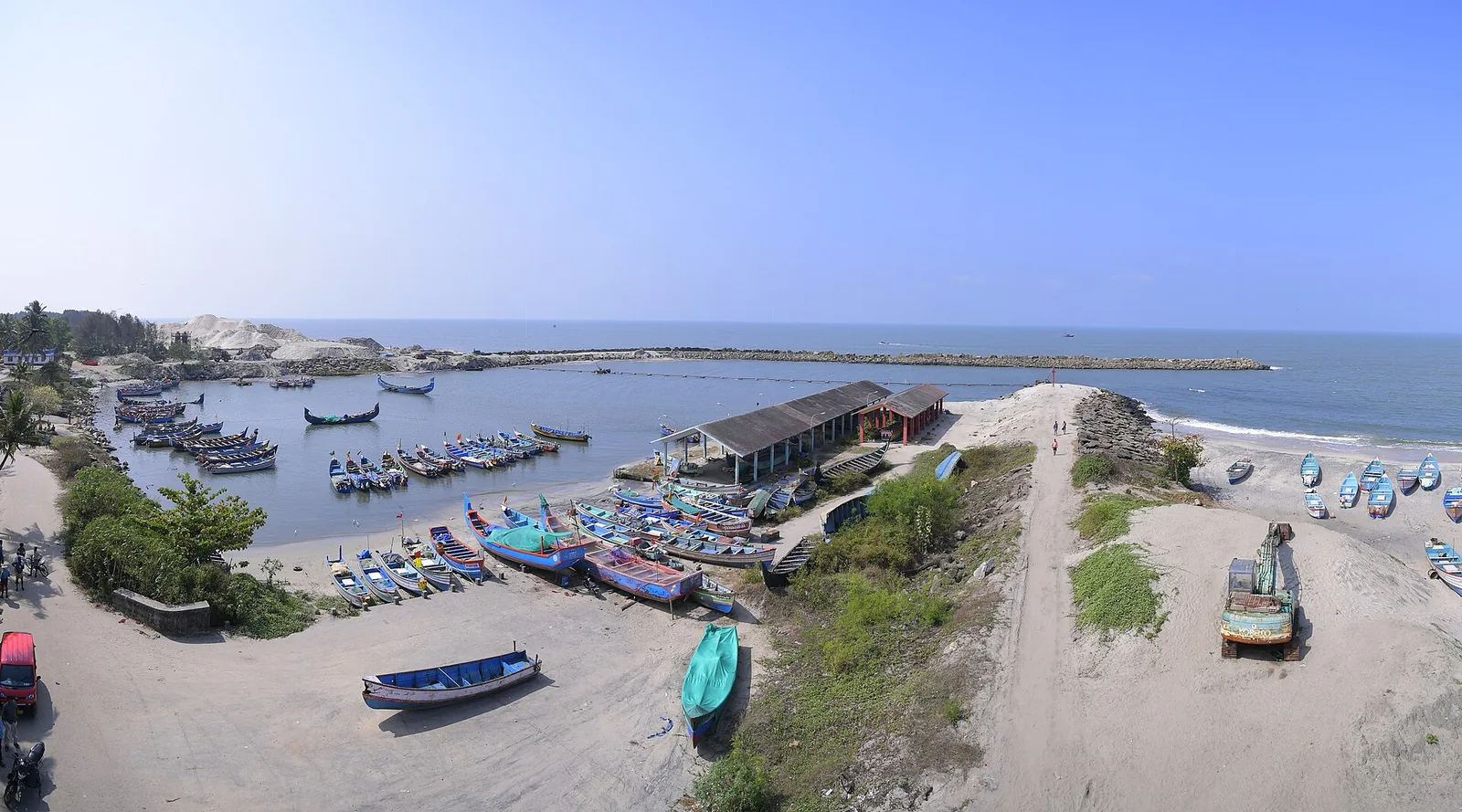
Working fishing harbour and 1955 flood spillway where the Thottappally leading channel meets the sea, south of Ambalappuzha — a painted fleet, two breakwaters and heaps of titanium-bearing black sand, rather than a quiet beach.

7.8 km · ~19 min by auto · straight line
churchEdathua Church

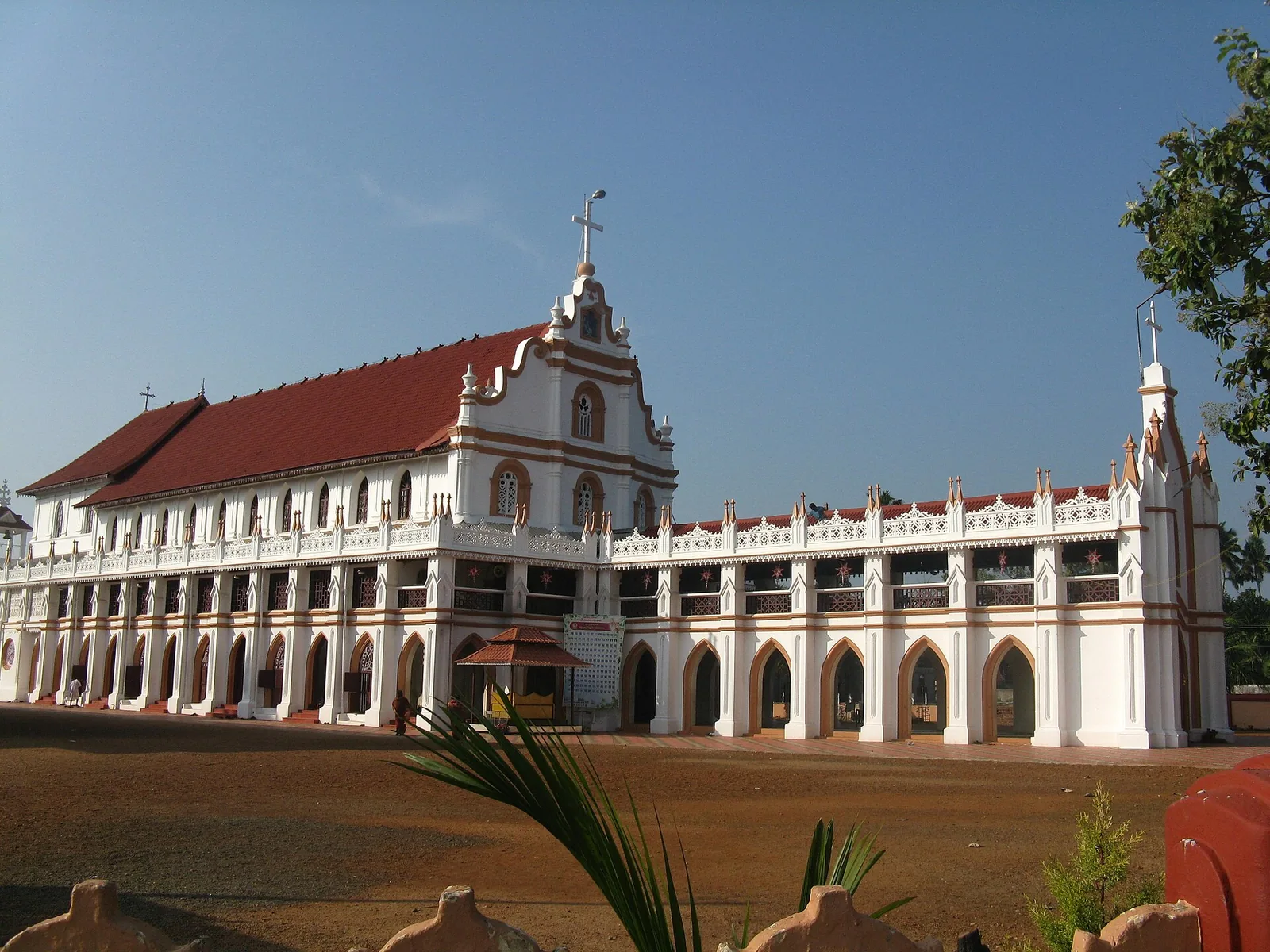
St George Forane Church at Edathua in Kuttanad, known for its large annual pilgrimage feast.

9.1 km · ~15 min by cab · straight line
templeKandiyoor Sree Mahadeva Temple

The Shiva temple west of Mavelikkara whose 823 AD epigraph makes it the earliest Kerala temple with a dated inscription about its own origin — Shiva in the kirata hunter form, once the capital shrine of Odanad, and the richest single record of devadasi authority in this region.

10.1 km · ~17 min by cab · straight line
templeChettikulangara Devi Temple

Major Bhagavathy temple near Mavelikkara, famous for its Kettukazhcha and Kumbha Bharani festivals.

10.5 km · ~17 min by cab · straight line
heritageKarumadikuttan

Ancient black-granite Buddha statue at Karumadi near Ambalappuzha, a relic of Kerala’s Buddhist past.

11.9 km · ~20 min by cab · straight line
templeAmbalappuzha Sree Krishna Temple

Ambalappuzha Sree Krishna Temple is an active temple in Ambalappuzha town, south of Alappuzha, administered by the Travancore Devaswom Board. Krishna is worshipped here as Parthasarathy, Arjuna’s charioteer. The temple combines a broad tank, tiled courtyards and painted ritual spaces with two enduring cultural associations: Palpayasam offered to the deity, and Kunchan Nambiar’s creation of Thullal. A visit works best when darshan, the permitted exterior spaces and any offering collection are planned around the temple’s morning or evening opening.

13.4 km · ~22 min by cab · straight line
backwaterChampakulam

Kuttanad village on the Pamba known for the Champakulam Moolam snake-boat race and Kalloorkad St Mary’s Basilica.

13.6 km · ~23 min by cab · straight line
heritageKrishnapuram Palace

Restored 18th-century Travancore palace at Kayamkulam, home to the huge Gajendra Moksha mural.

17.0 km · ~28 min by cab · straight line
templeThrichittatt Maha Vishnu Temple

The Yudhishthira temple of the five Pancha Pandava shrines around Chengannur and one of the 108 Divya Desams, at Mundankavu — where the god is Imayavarappan, “lord of those who came before”, and darshan is held incomplete until you have also worshipped at the Shankha Theertham tank.

17.9 km · ~30 min by cab · straight line
backwaterKuttanad

Low-lying paddy and canal region known as Kerala’s rice bowl.

17.9 km · ~30 min by cab · straight line
templeChengannur Mahadeva Temple

The great Shiva–Parvati temple of Chengannur, where the goddess is held to menstruate and the Thripputhaarattu is observed — one of the 108 Shivalayas, and the temple where the Thazhamon Madom tantris perform their first puja before they may officiate at Sabarimala.

18.6 km · ~31 min by cab · straight line

All 3 places to visit in Haripad and Mannarasala →

Nearby toilets, pharmacies, ATMs, seating and vets are community-mapped and may be incomplete or out of date. Map data © OpenStreetMap contributors | Walking times © openrouteservice.org by HeiGIT

On the map

Where Mannarasala Sree Nagaraja Temple is

Good to know

Mannarasala Sree Nagaraja Temple — frequently asked

Why is Mannarasala temple famous?

It is regarded as the most important serpent (Naga) temple in Kerala, set in an ancient sacred grove holding tens of thousands of serpent idols (the counts in circulation run from about thirty thousand to a hundred thousand, none of them sourced to an actual count), and it is renowned for being led by a female chief priest, the Valia Amma.

Who are the deities worshipped here?

The presiding deity is Nagaraja, the serpent king, worshipped as embodying Ananta, the form of Vishnu, and Vasuki, the spirit of Shiva, along with the serpent goddesses — the temple names three, Sarpayakshi, Nagayakshi and Nagachamundi, installed separately in the founding tradition, rather than one deity under two names, as is often stated.

Is the chief priest really a woman?

Yes. Mannarasala describes itself as one of the rare temples of its kind, led by a female chief priest. ⚠ This page said “the only major temple in Kerala with a female chief priest” until August 2026; no survey supports “only”, and the temple’s own site does not claim it — the Valia Amma of the Mannarasala Illam, a Namboodiri Brahmin family — a rare matriarchal priesthood tied to the temple’s founding legend.

What is Uruli Kamazhthal, and who turns the vessel over?

Not the devotee — and this page had it wrong until August 2026. A childless couple places the uruli, a traditional bronze vessel, at the temple the right way up, as the poojari instructs. It is AMMA who then inverts it — that inversion is the Uruli Kamazthu itself — and places it inside the Nilavara, the chamber the serpent son is said to have withdrawn into. The thanksgiving is a separate rite with its own name, Uruli Nivarppu: the family returns with the child, presents a gold image and a silver swing to Sree Nagaraja and a gold image and silk to Sarpayakshi, and performs Thulabharam, weighing the child against offerings. The point that gets lost when the ritual is described as self-service is that the petitioner cannot complete either half of it alone. This is devotional belief, not a proven remedy.

When is the Ayilyam festival held?

The temple observes Ayilyam (Ashlesha) star days in three Malayalam months — Kanni (around September–October), Thulam (around October–November) and Kumbham (around February–March), the last honouring the birthday of Lord Anantha in the Nilavara — plus Maha Sivarathri. ⚠ This page listed only Kanni and Thulam until August 2026. The two principal festivals are the Kanni and Thulam Ayilyams, the latter celebrated famously as Mannarasala Ayilyam. Exact Gregorian dates vary each year — confirm locally.

Are photography and grove access restricted?

Yes, and both are stricter than usually reported. The temple states that photography and videography are strictly prohibited within the temple compound, with limited exceptions granted only in writing and in advance for ceremonies such as Annaprasham or weddings. Entry into the sacred serpent groves is strictly forbidden altogether, to protect both the ecosystem and devotees. Treat the grove as something to look into, not to walk in. Access to the Illam and certain areas may also be limited. Please check and follow the current rules on site.

When is the best time to visit Mannarasala Sree Nagaraja Temple?

Post-monsoon and winter are easiest for travel. Festival days can be meaningful but require crowd and transport planning.

What are the entry fee and timings at Mannarasala Sree Nagaraja Temple?

Entry: There is normally no charge for darshan; ritual offerings such as Uruli Kamazhthal, sarpabali and pujas are paid and priced by the temple. Timings: Darshan is generally available in the morning and again in the evening, with a midday closure typical of Kerala temples (for example, roughly early morning until around midday, reopening in the late afternoon into the evening) — timings are indicative and change on festival days, so confirm locally.

How do I reach Mannarasala Sree Nagaraja Temple?

Use Haripad as the nearest practical base, or visit as a detour from Alappuzha, Kollam or the southern Alappuzha coast. Check current darshan and offering procedures before arrival, especially around Mannarasala Ayilyam and other crowded dates. Keep the visit quiet and low-impact; this is a sacred grove and active shrine, not a casual picnic stop.

How much time do I need for Mannarasala Sree Nagaraja Temple?

1 to 2 hours for a focused visit; more during festival queues or combined temple circuits.

What else is near Mannarasala Sree Nagaraja Temple?

Nearby you can pair Haripad Sree Subramanya Swamy Temple (1.0 km), Thottappally Beach (7.8 km), Edathua Church (9.1 km), Kandiyoor Sree Mahadeva Temple (10.1 km).

What should I know before visiting Mannarasala Sree Nagaraja Temple?

Follow temple staff instructions and queue systems. Use known transport for early-morning or evening visits. Be careful on wet paths during monsoon and after rain.

Image credits

Photographs: Vibitha vijay (CC BY-SA 3.0), Sivahari (CC BY-SA 3.0), Fotokannan (CC BY-SA 4.0), Anoop Mukundan (CC BY-SA 3.0). Wikimedia Commons.