Indicative entry fees and opening hours for the ticketed and timed places in Alappuzha. These change — always confirm with the official operator before you go.
PlaceEntry feeTimingsBest time
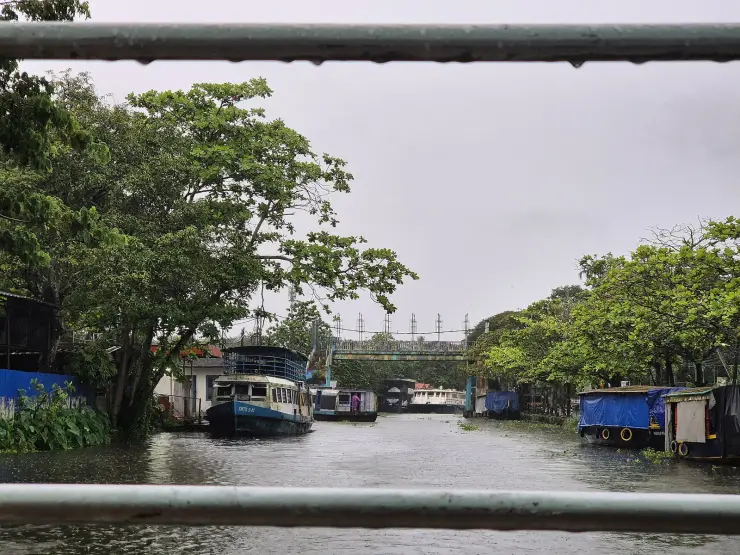
Alappuzha / Alleppey town Nothing to enter. The town, its canal banks, the beach and the jetty areas are free; you pay only for boats, museums and the pier-side attractions individually.An open town — the canals, streets, beach and jetties are accessible at any hour, though the boat jetties work to daylight and operator schedules and the canal banks are not lit throughout. Shops along Mullakkal generally keep the usual Kerala retail pattern of a morning session and a longer evening one.November to February is the most comfortable, with dry days and lower humidity, and it overlaps the main backwater season. August is the marquee month if you want the snake-boat culture at its peak, though the town is at its busiest and the monsoon is still about. December brings Mullakkal Chirappu to a head. June to September is genuine monsoon — heavy, atmospheric and the cheapest time to be here, with canals full and houseboat rates at their lowest.
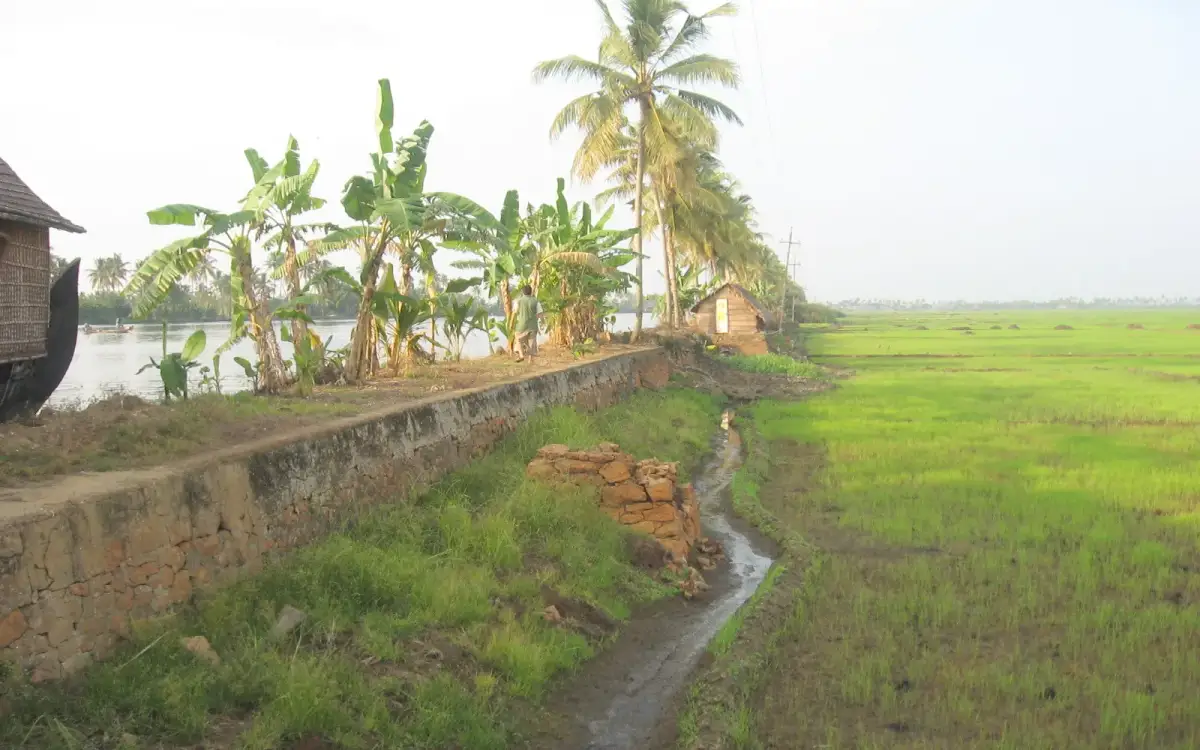
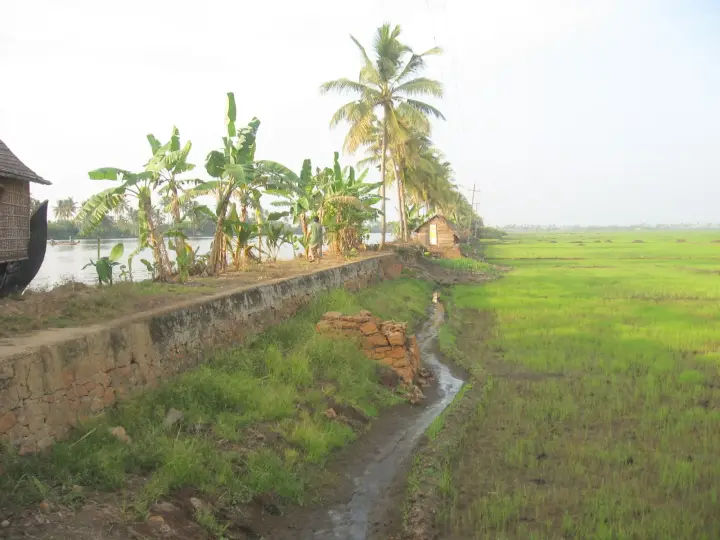
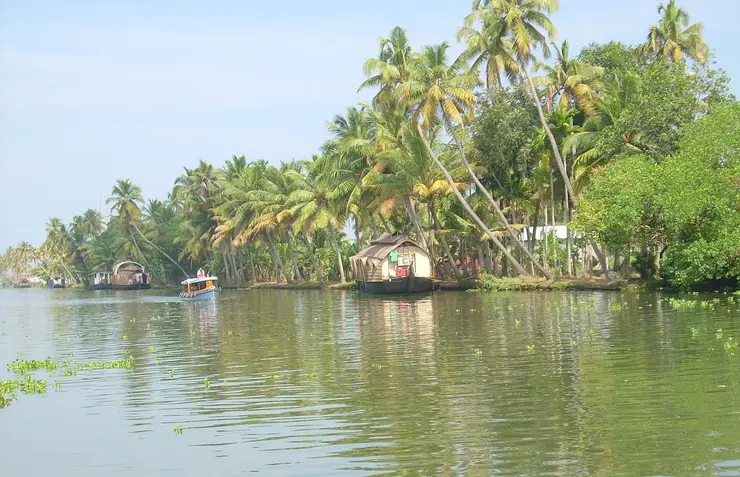
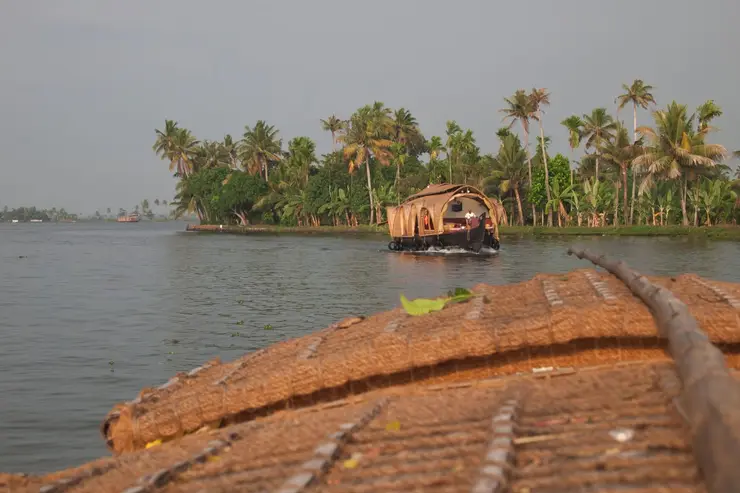
Kuttanad FreeNone. There is nothing to buy a ticket for. Costs here are transport: the State Water Transport ferries are ordinary cheap public boats, while shikara hire and houseboat charter are priced privately and vary widely by season.No opening hours — Kuttanad is a lived-in region of farmland, canals and villages, not a site with a gate. The State Water Transport ferries run to a published timetable; confirm departures at the Alappuzha jetty on the day, as services change with the season and the water.December to February, and this is derivable rather than a matter of taste: the puncha paddy crop is in the ground from about November and harvested by February, so that is when the fields are green and sitting visibly below the canal line. In October the polders are dewatered and bare. From June to August they are deliberately under water. The cool dry months are also the most comfortable for being on open water all day.
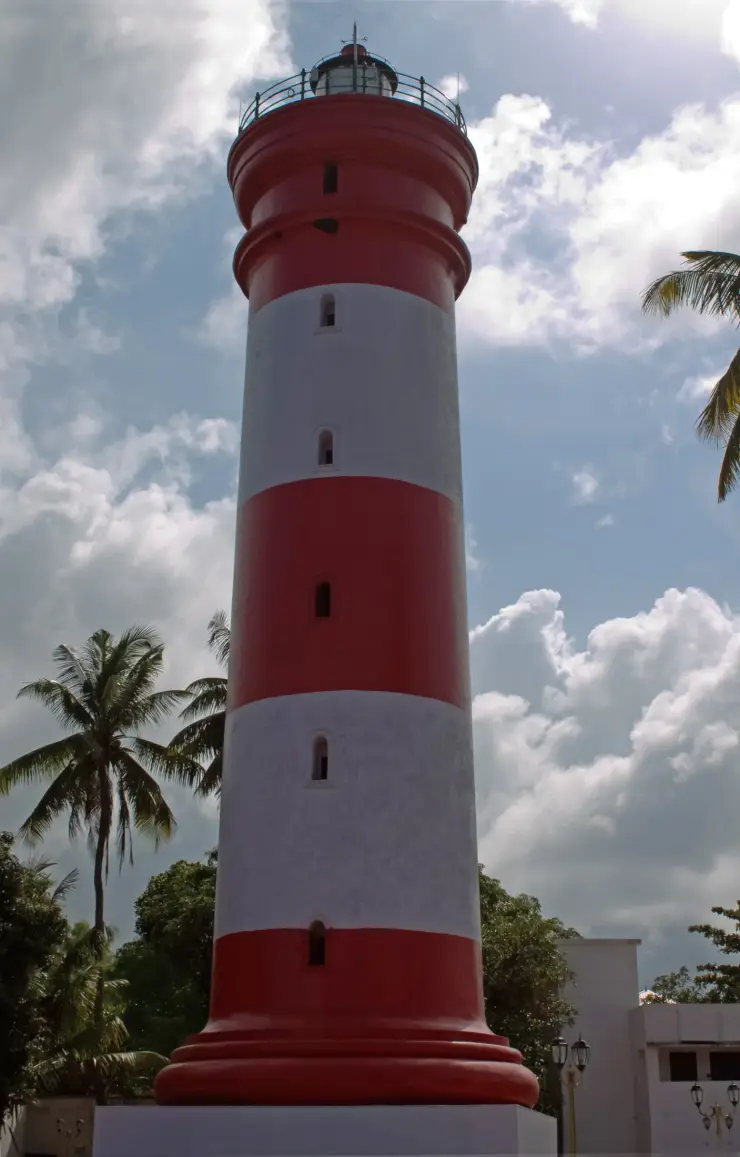
Alappuzha Beach & Lighthouse —Lighthouse: 10:00–12:30 and 14:00–17:00; Monday closed, according to DGLL’s visitor list. These hours do not describe the public beach.—
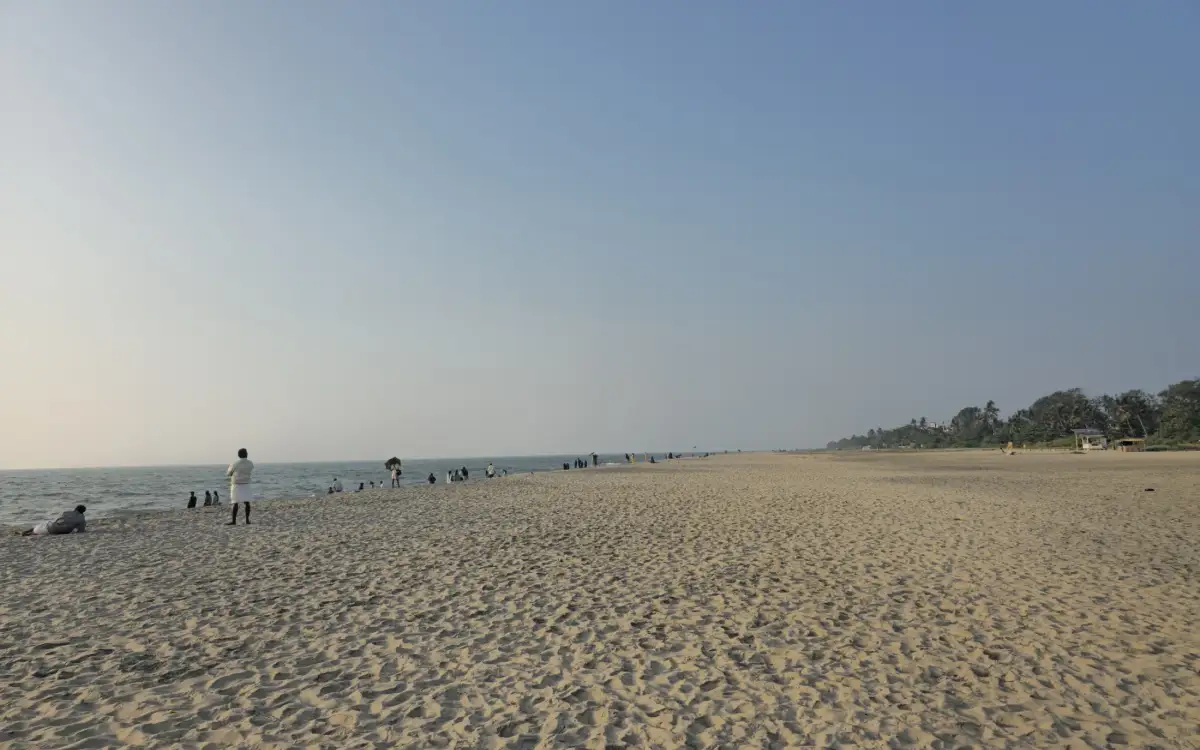
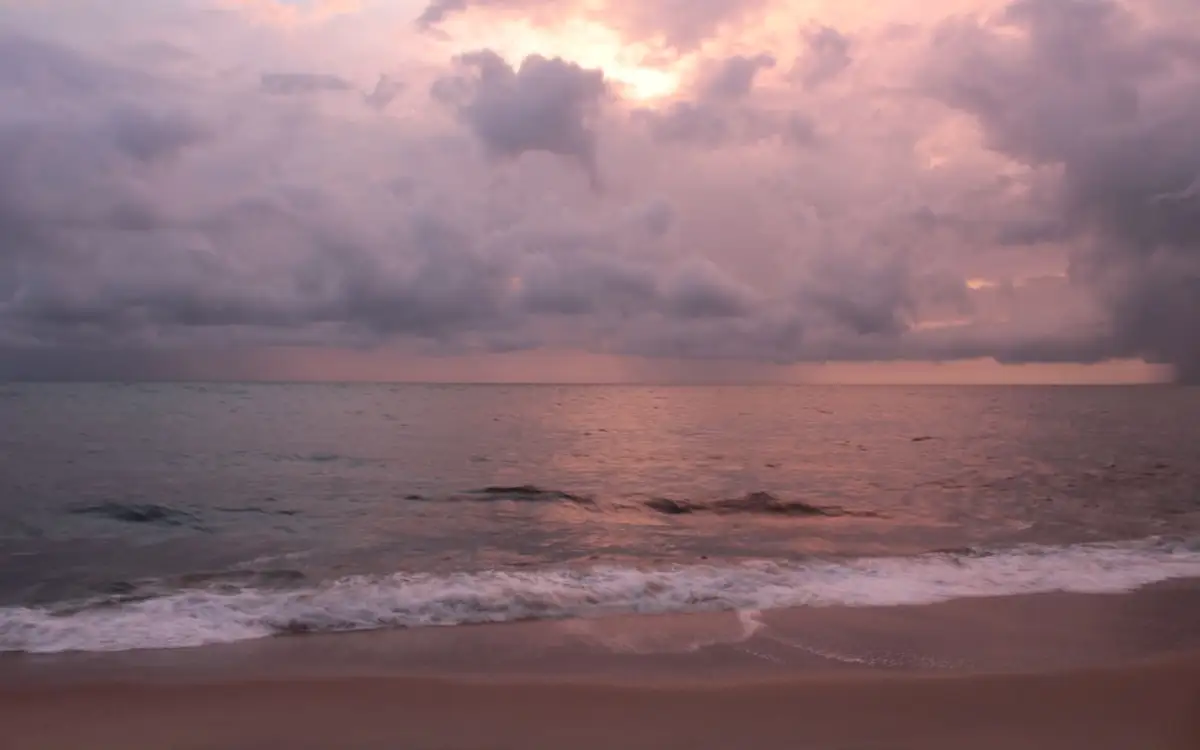
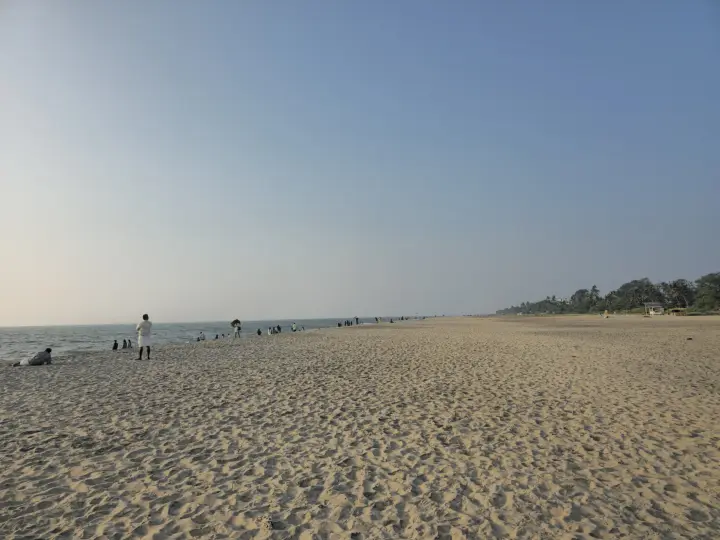
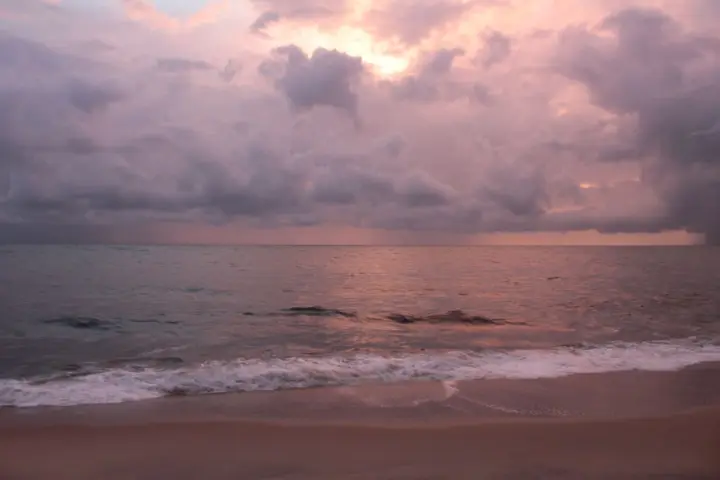
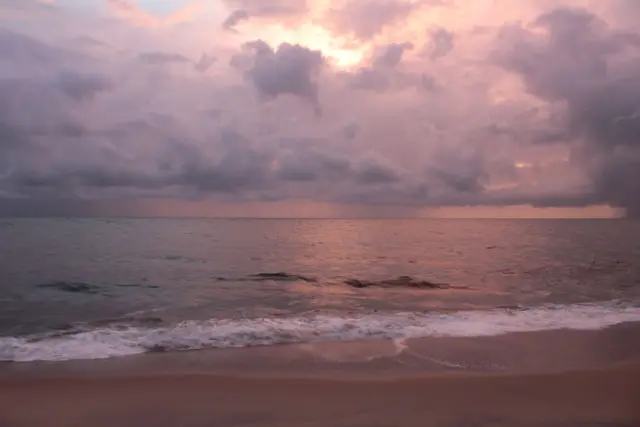
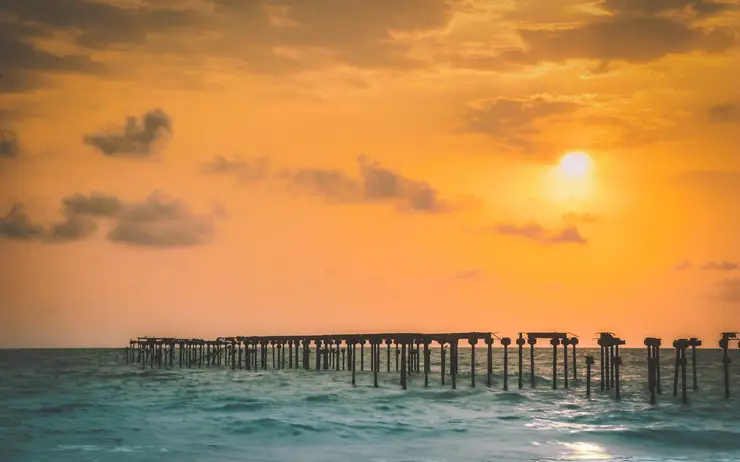
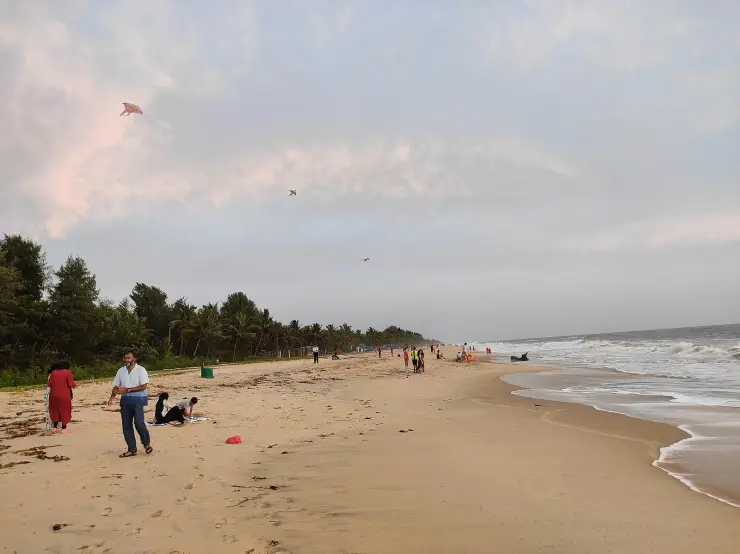
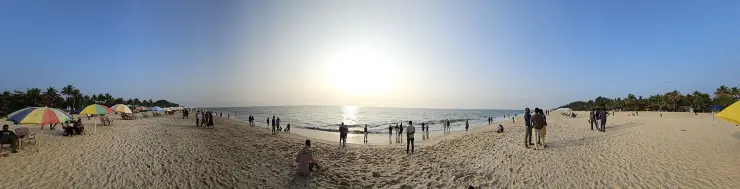
Marari Beach Free — no entry ticket for the beach. Parking, where available near access points, may carry a small charge, and some frontage adjoining resorts is private.Open public beach accessible at any time; there are no fixed gates or hours. For safety and the best experience visit in daylight, ideally early morning for the fishing activity and late afternoon for sunset, and avoid the shore after dark as it is unlit and unpatrolled.Best from roughly November to March, when the weather is dry and pleasant. Avoid the southwest monsoon (around June to September), when heavy rain and rough, hazardous seas make swimming unsafe, though the village and palm groves look their greenest.
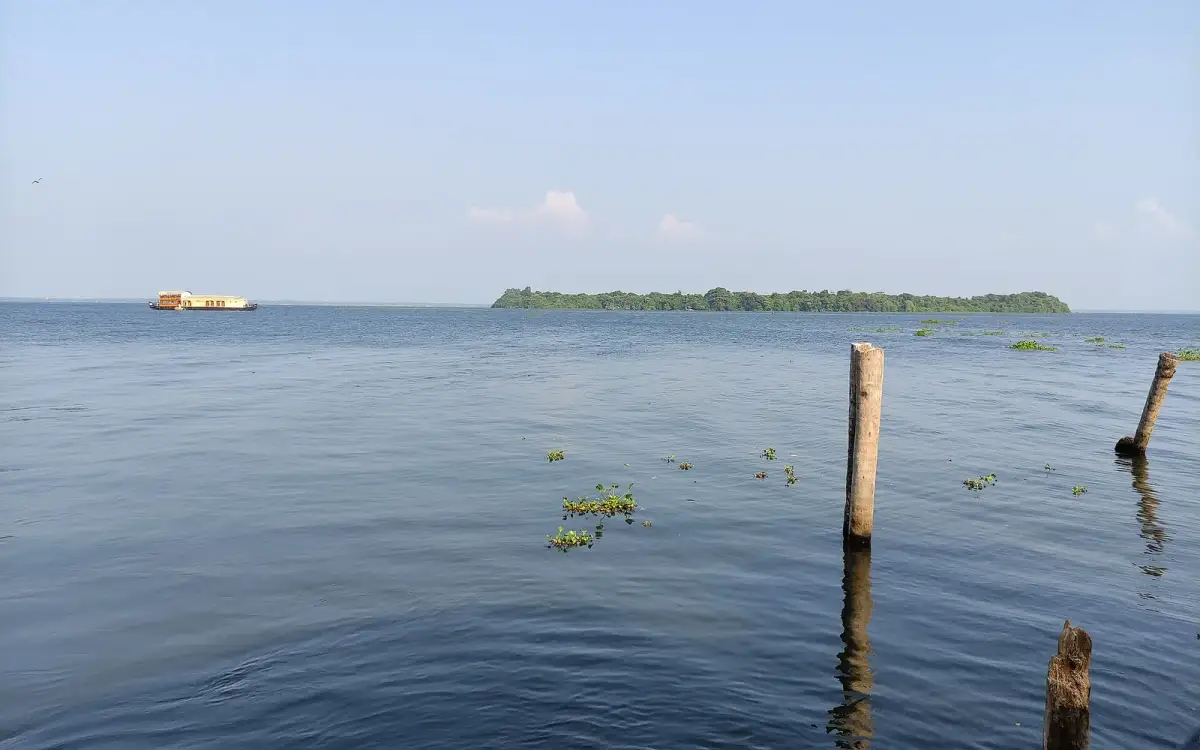
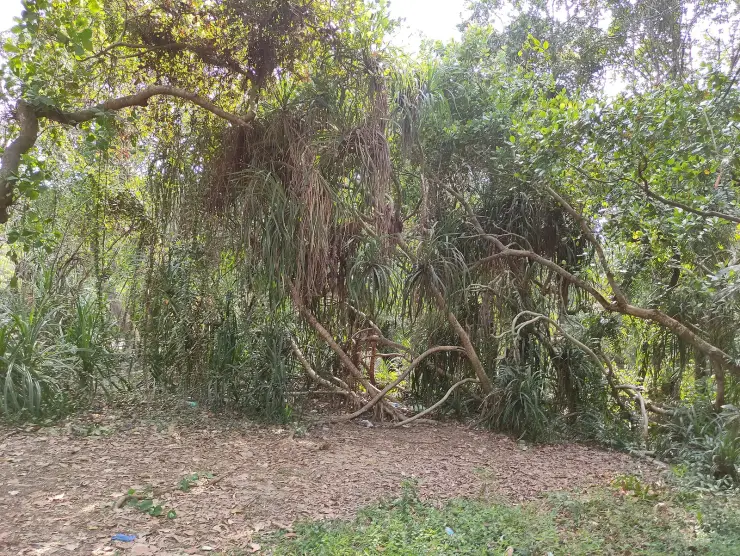
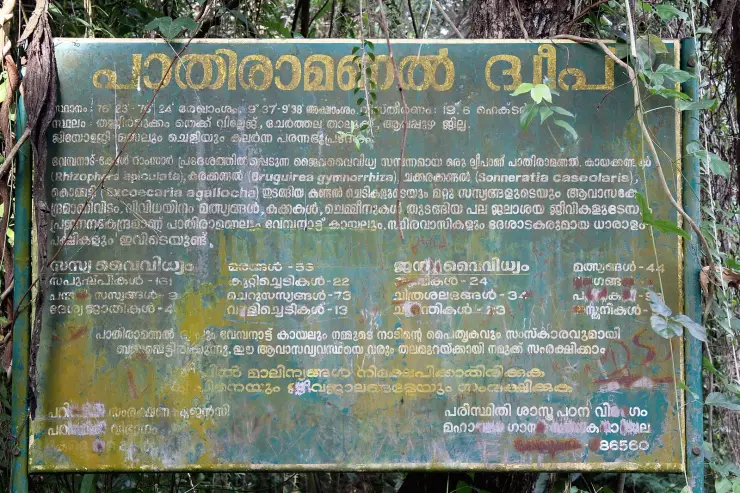
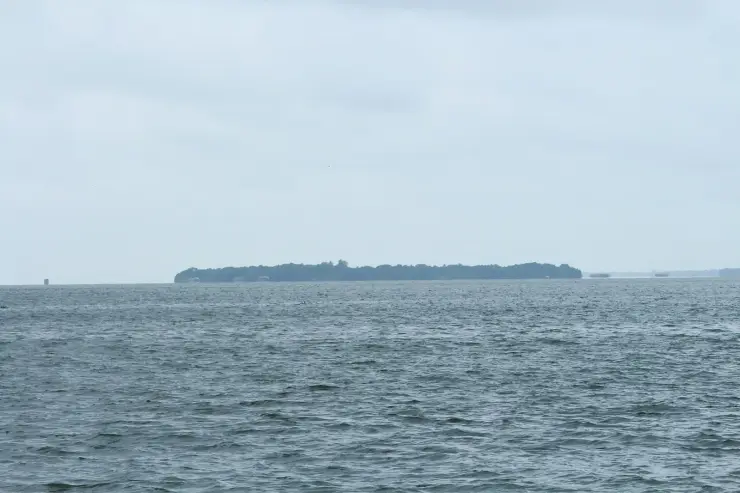
Pathiramanal Island Any small island or eco-tourism entry charge is best confirmed locally on the day; the main cost is the boat hire to reach it.Effectively daylight hours only — the island is uninhabited and unlit, so visits run dawn to dusk and are tied to your boat operator’s schedule; early morning is best for birds.November to February, the northern-winter migration window, is generally the best season for birdlife and for calm, dry boating; early morning just after sunrise is the best time of day. The monsoon (roughly June–September) leaves the island wet and marshy.
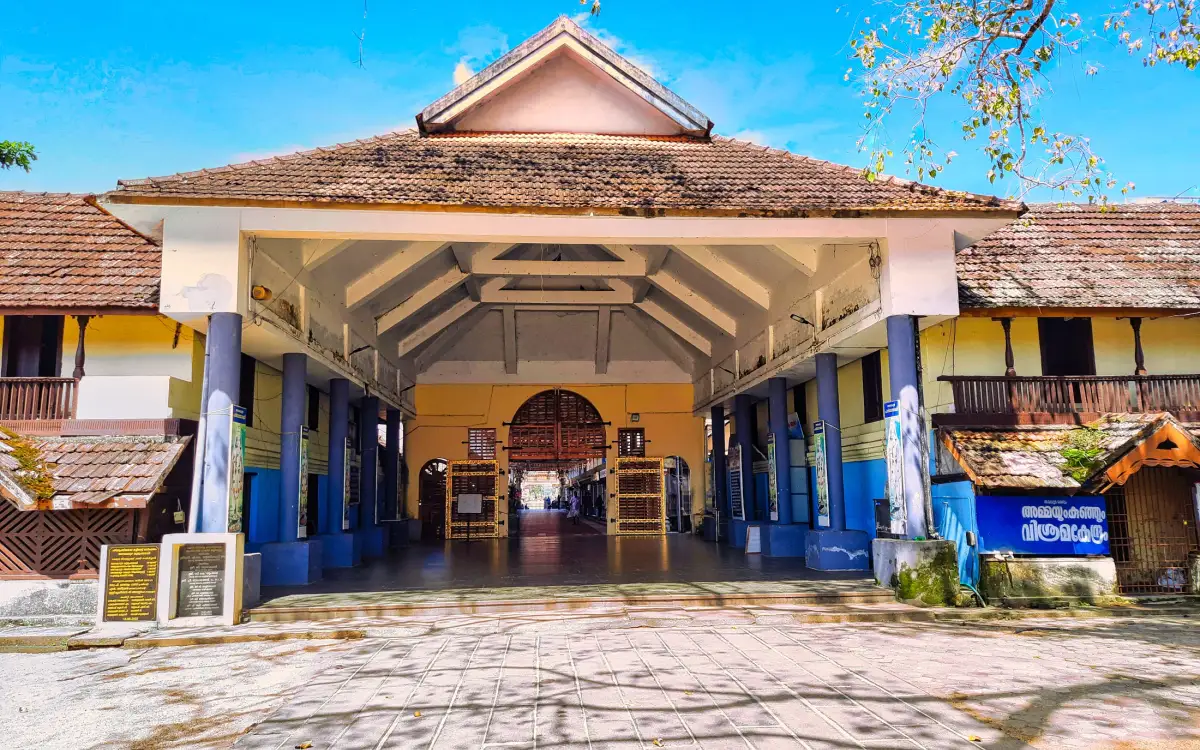
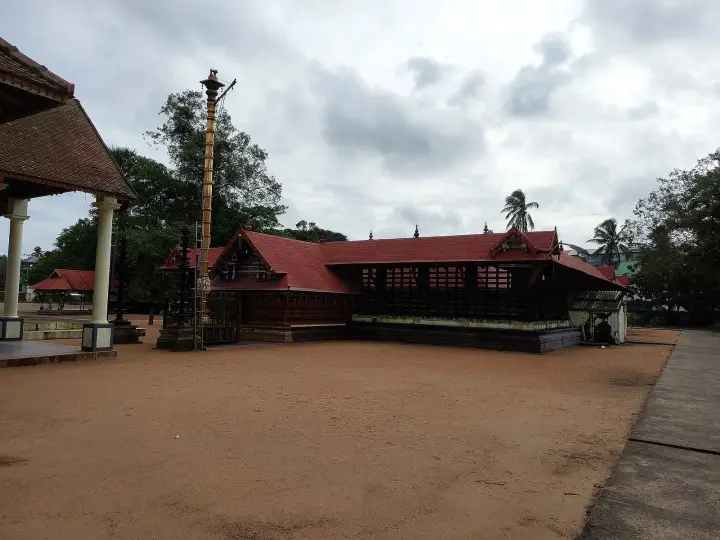
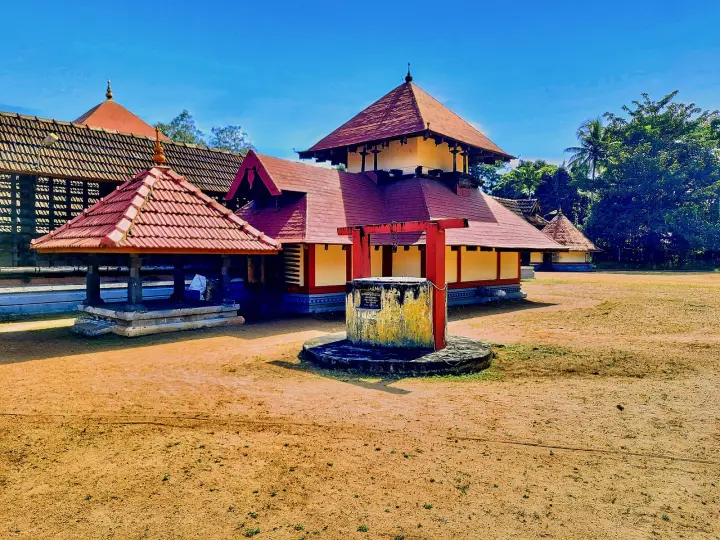
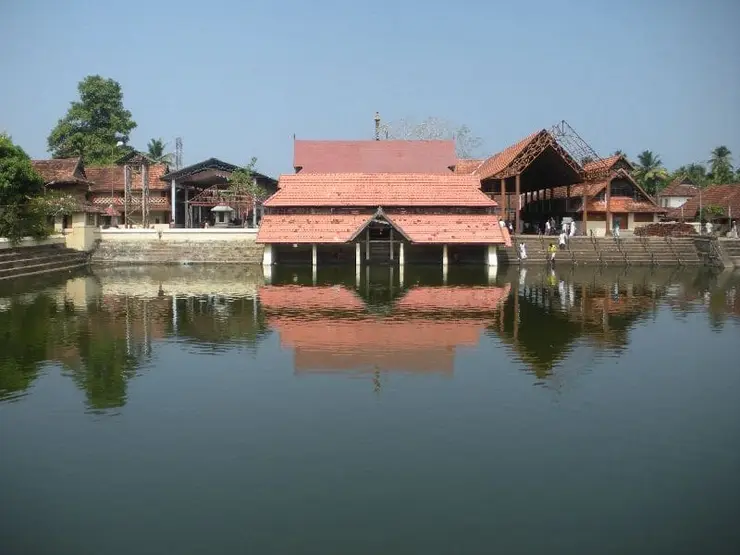
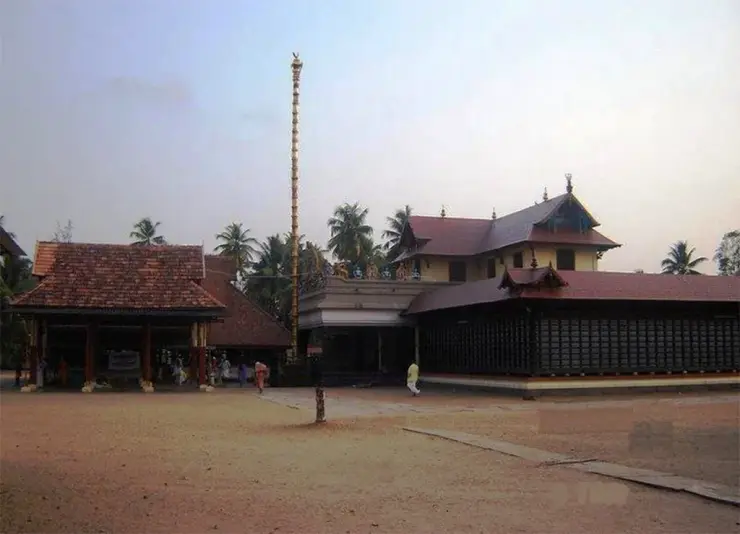
Ambalappuzha Sree Krishna Temple —DTPC Alappuzha lists daily 04:00–12:30 and 17:00–20:00; follow current temple notices for special ceremonies.—
Mannarasala Sree Nagaraja Temple There is normally no charge for darshan; ritual offerings such as Uruli Kamazhthal, sarpabali and pujas are paid and priced by the temple.Darshan is generally available in the morning and again in the evening, with a midday closure typical of Kerala temples (for example, roughly early morning until around midday, reopening in the late afternoon into the evening) — timings are indicative and change on festival days, so confirm locally.The cooler, drier months from roughly October to February are comfortable for visiting; the Ayilyam festival periods in Kanni (Sept–Oct) and Thulam (Oct–Nov) are especially atmospheric but crowded.
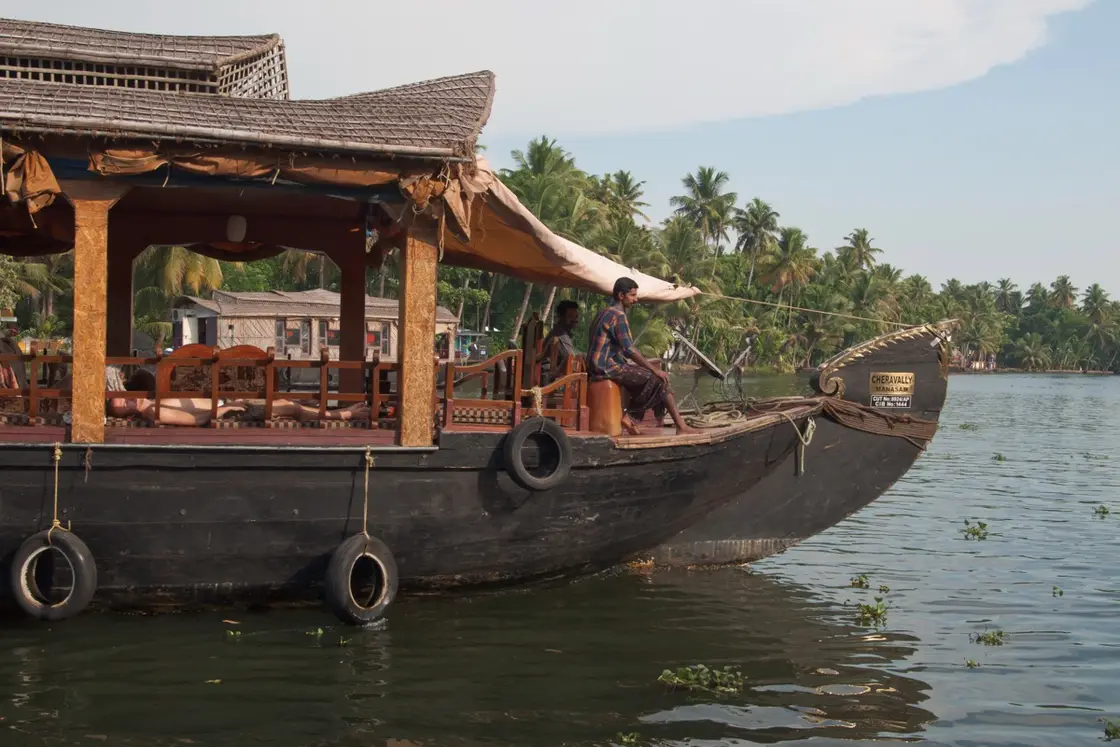
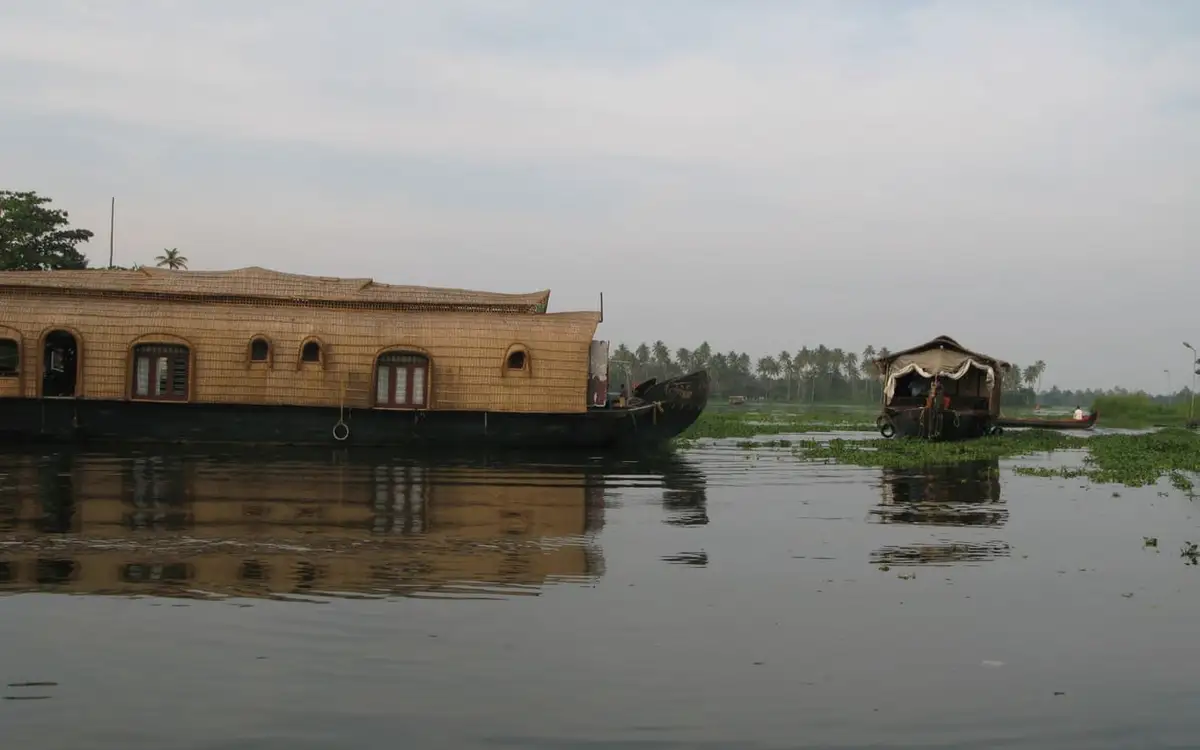
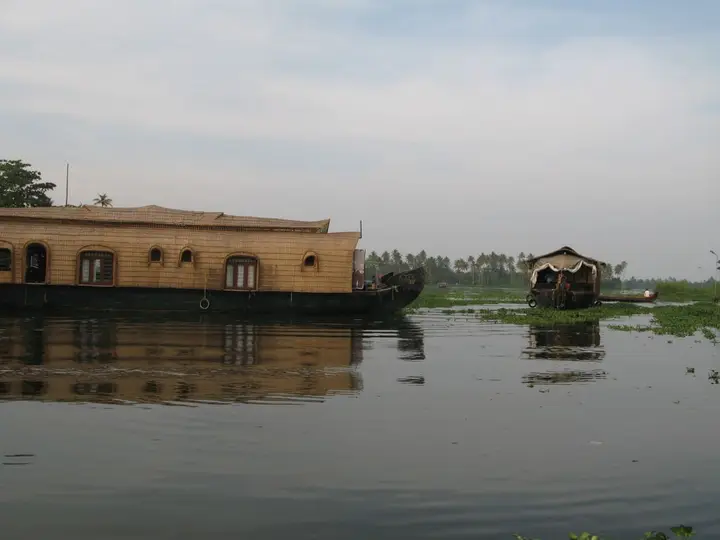
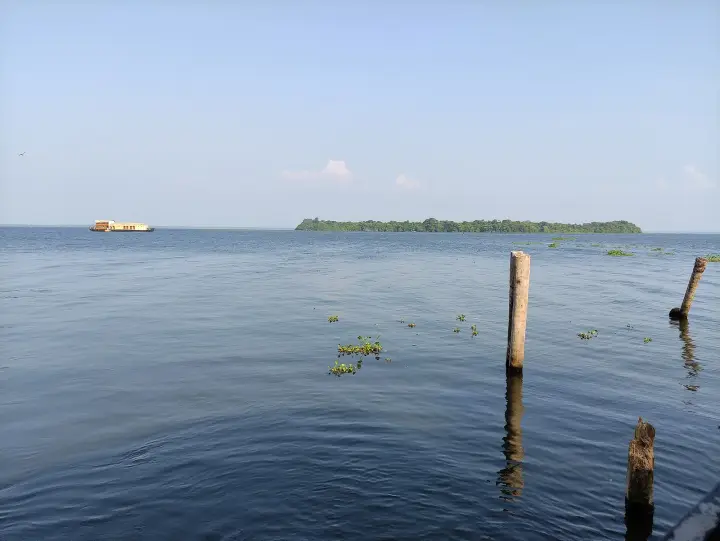
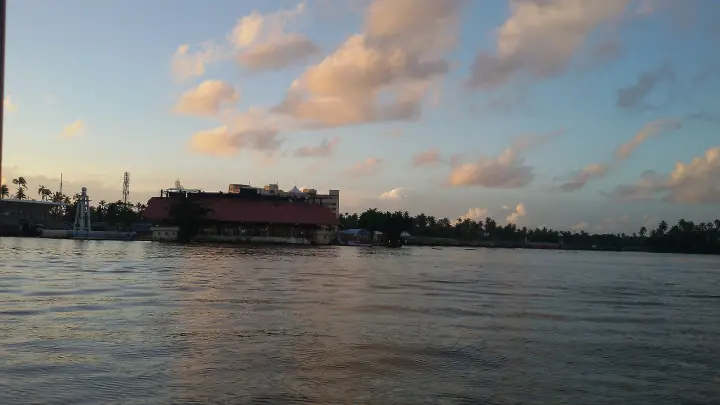
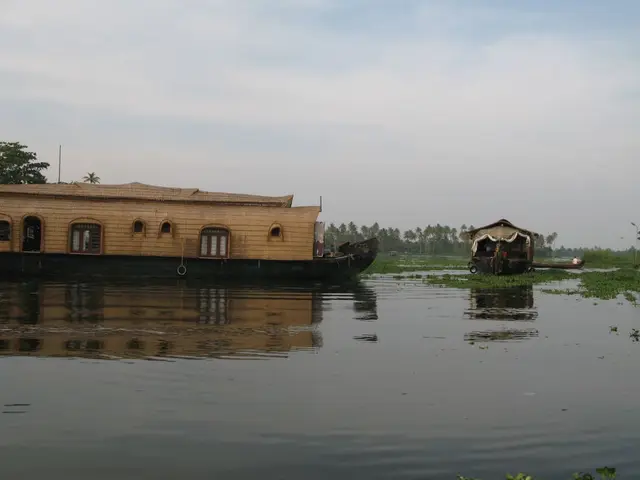
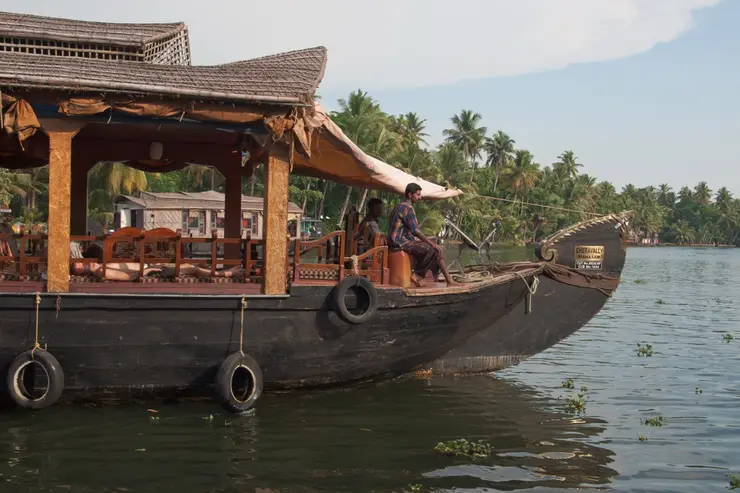
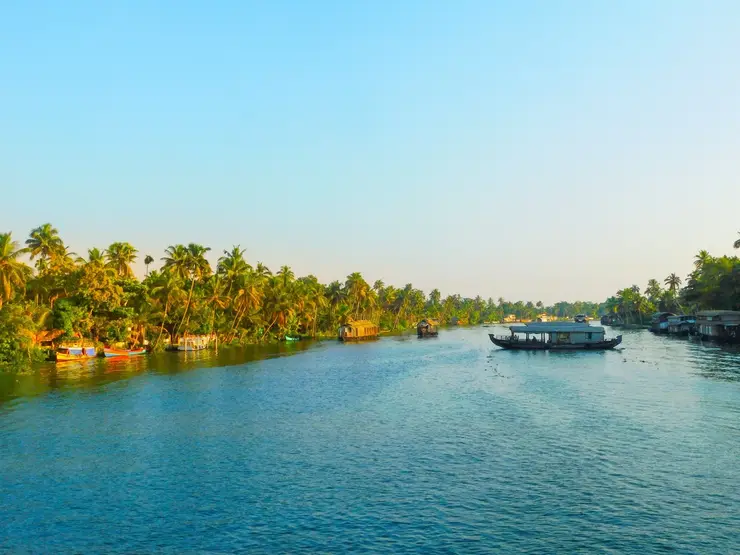
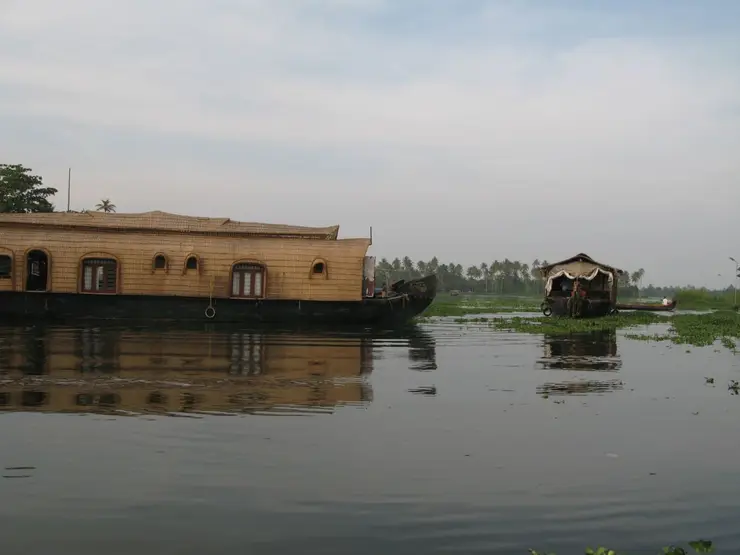
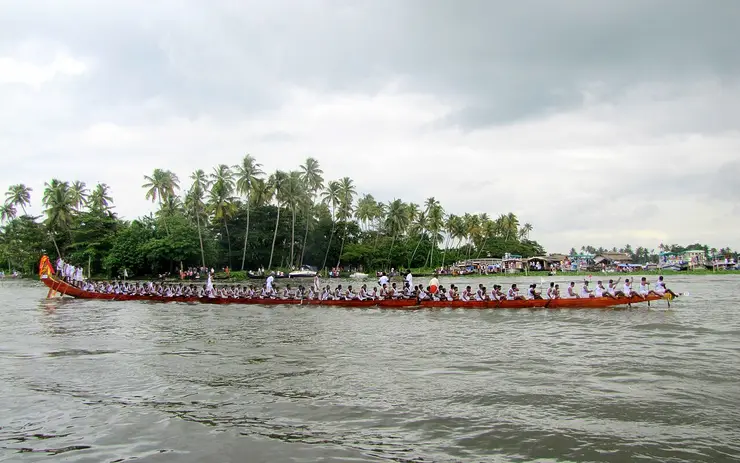
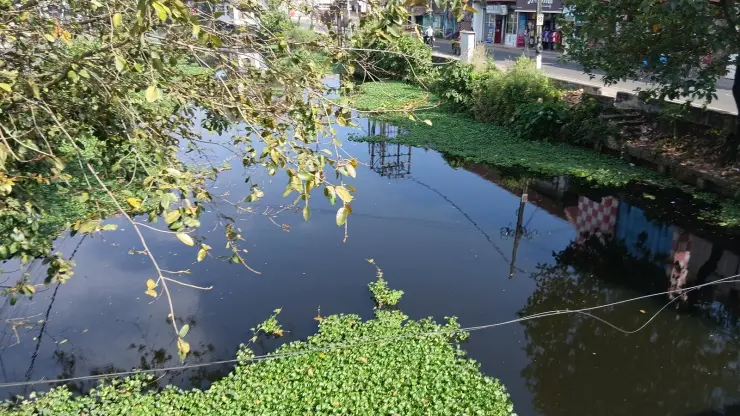
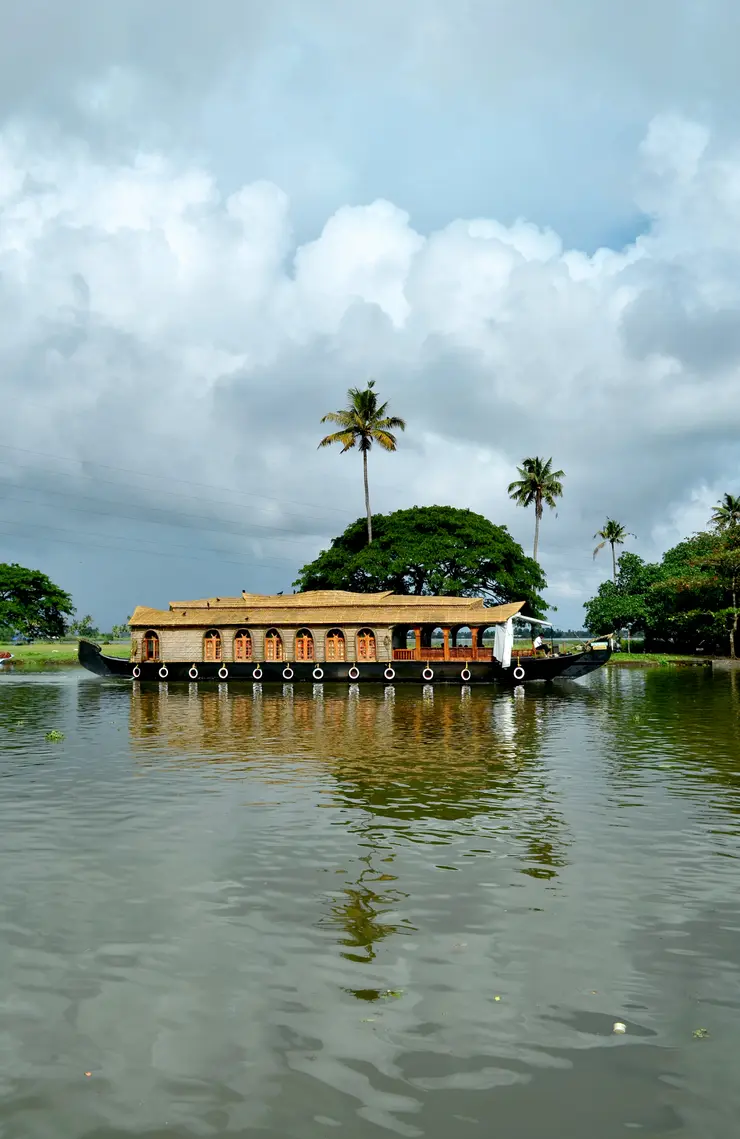
Punnamada Lake Free to view and photograph the lake from the banks and jetty. Boat rides are charged separately — shikara and houseboat cruises are priced per hour or per package. On race day, seats in the temporary finish-point galleries are ticketed, from modest general stands to pricier pavilions.The lake is an open backwater with no fixed gates and can be viewed any time; houseboat and shikara operators generally run cruises from morning to sunset. Overnight houseboats typically board around midday and moor by evening. The Nehru Trophy Boat Race is a single-day event held on the second Saturday of August.August is the marquee time for the Nehru Trophy Boat Race and the Onam-season snake-boat culture, though it falls in the monsoon. For calm, comfortable backwater cruising the cooler, drier months of roughly November to February are ideal. Sunrise and sunset offer the most beautiful light on the kayal.
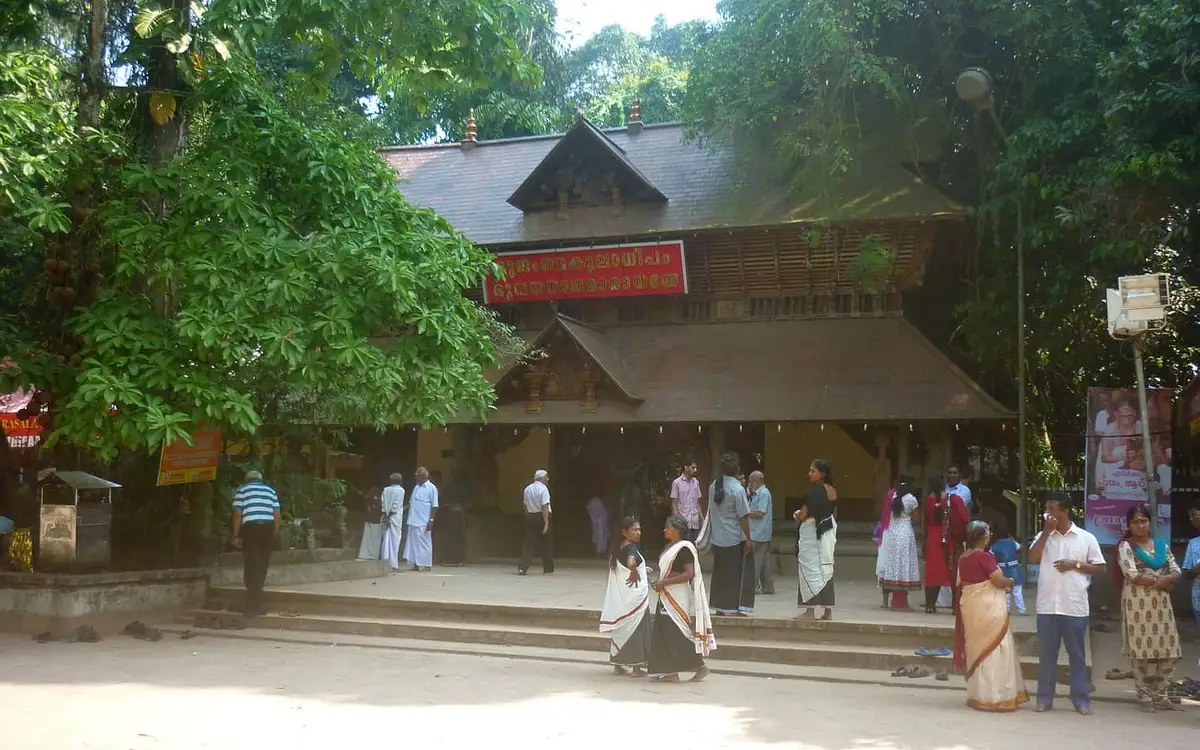
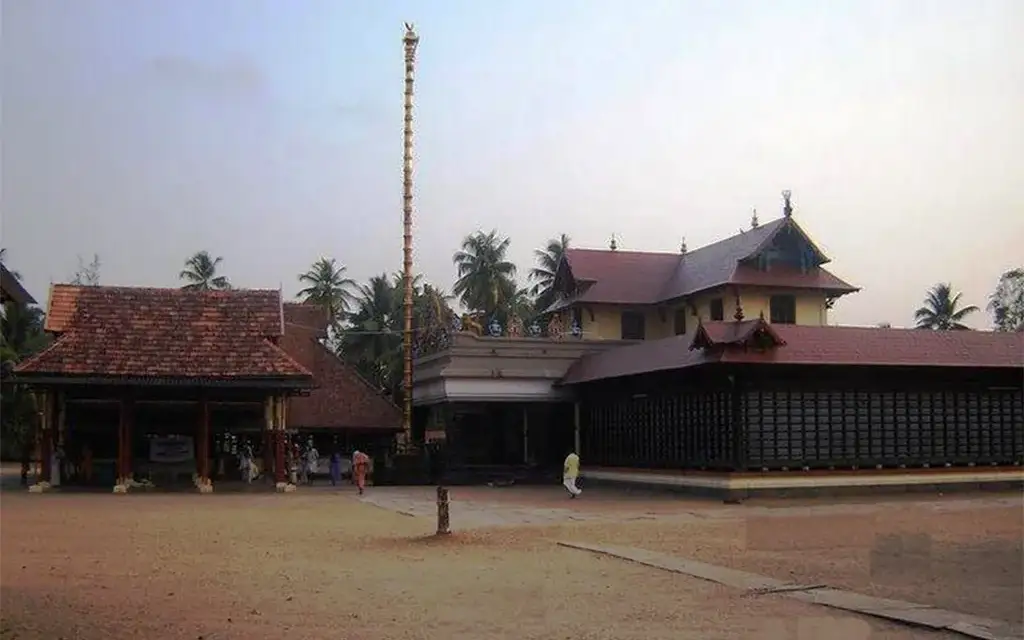
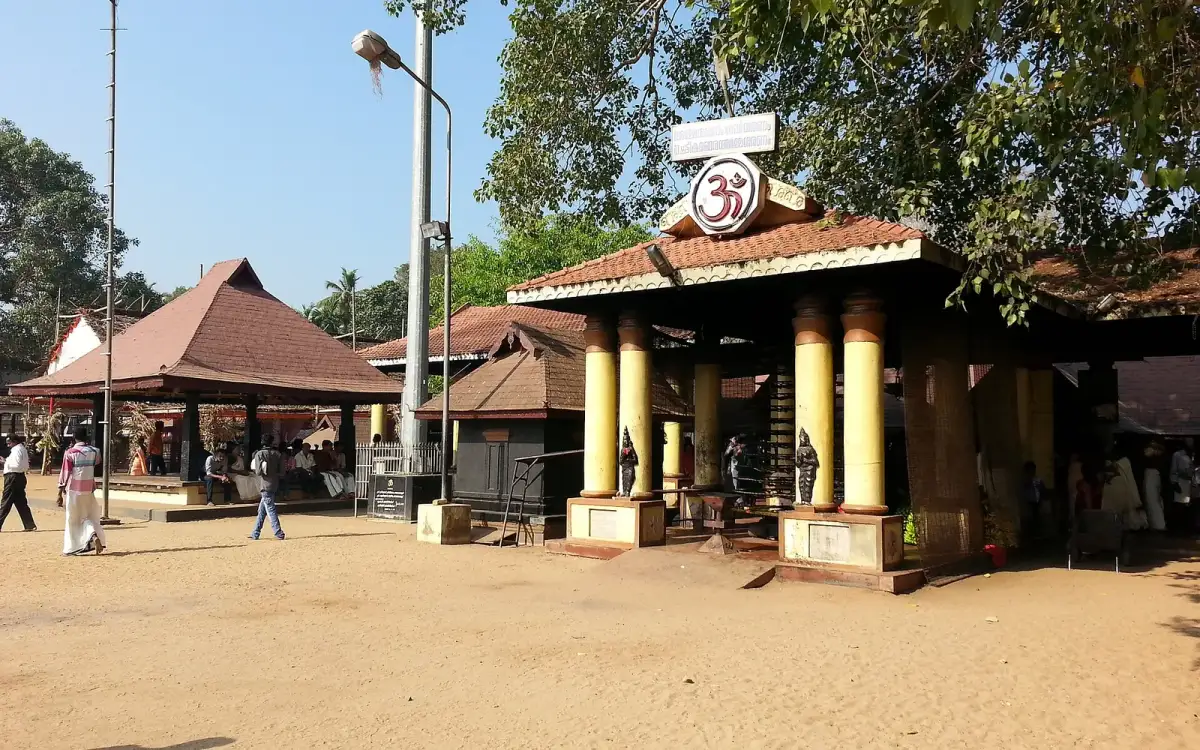
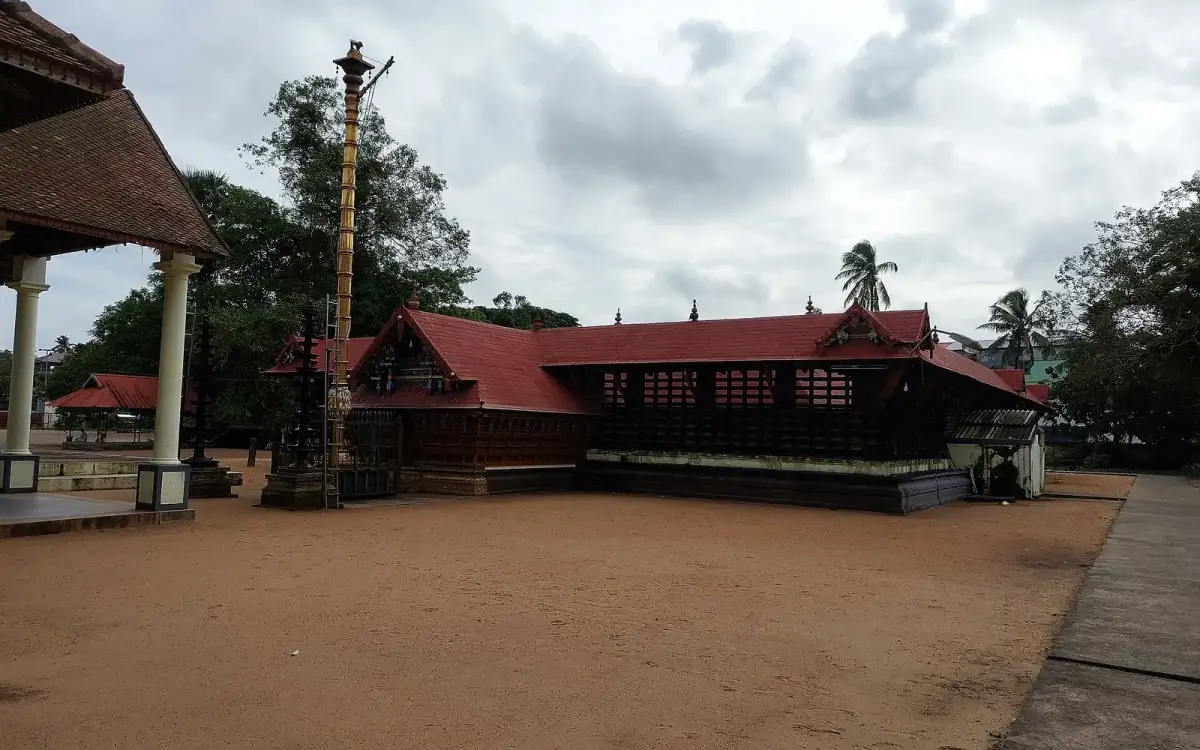
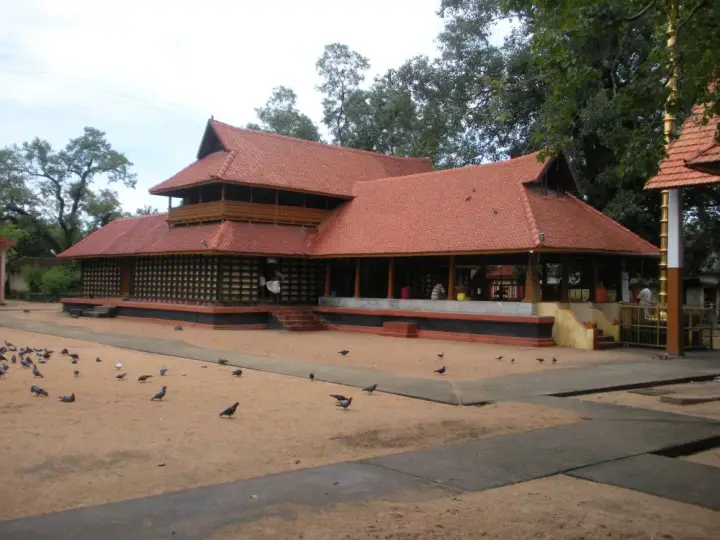
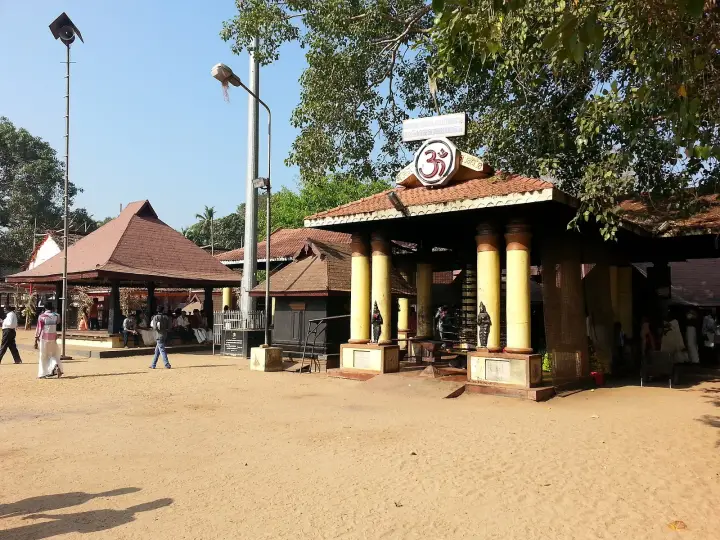
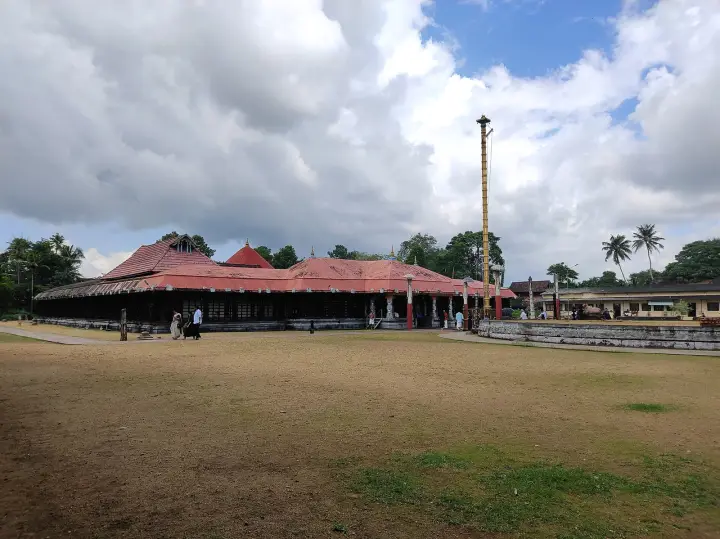
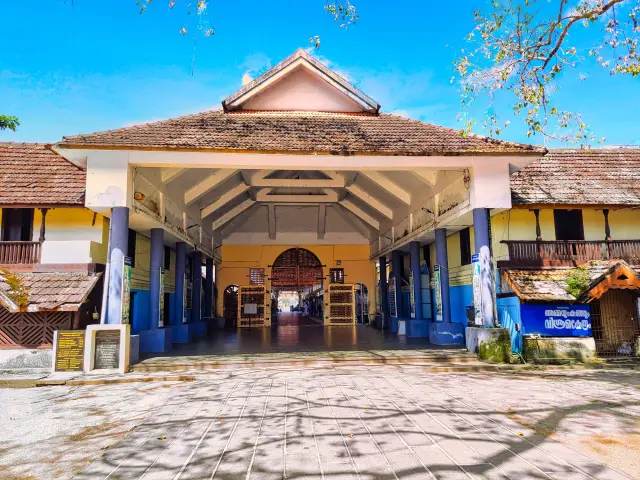
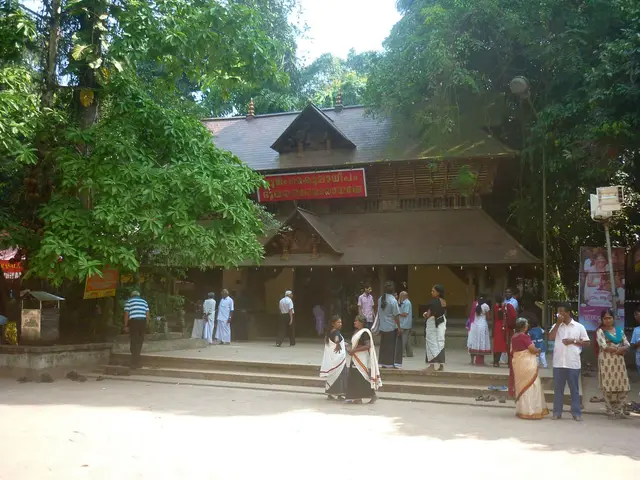
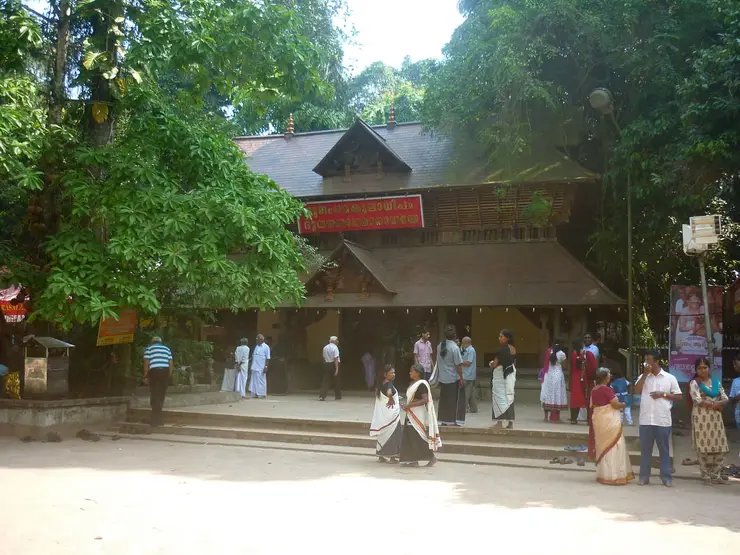
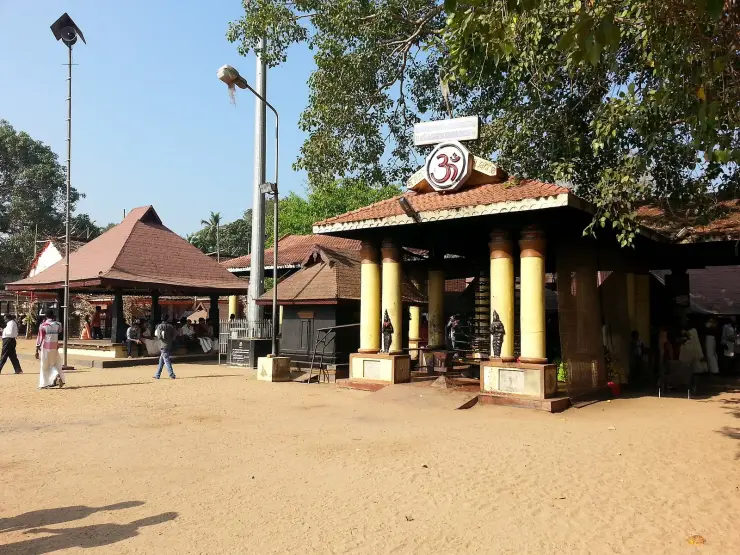
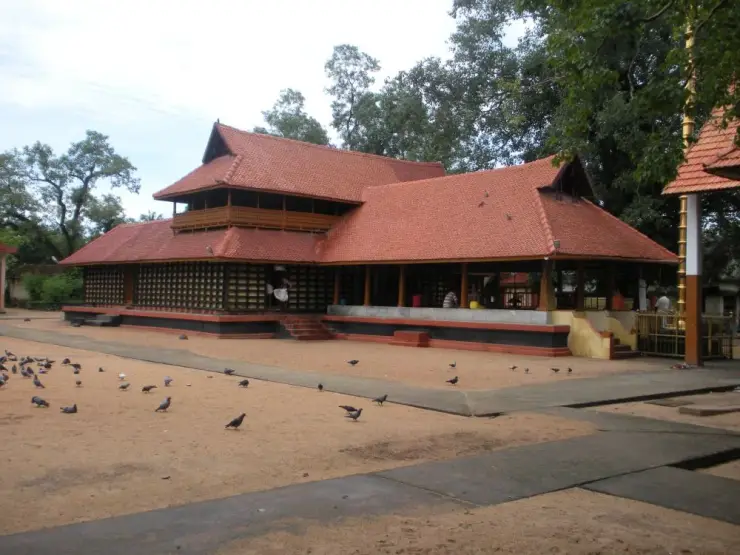
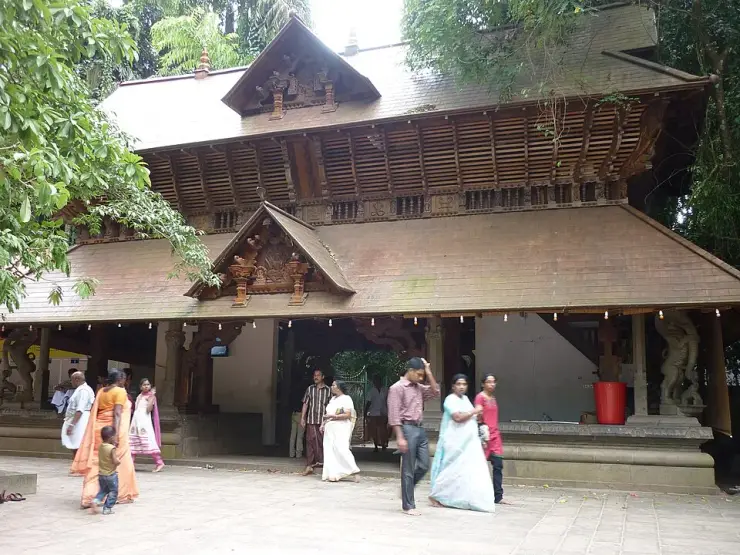
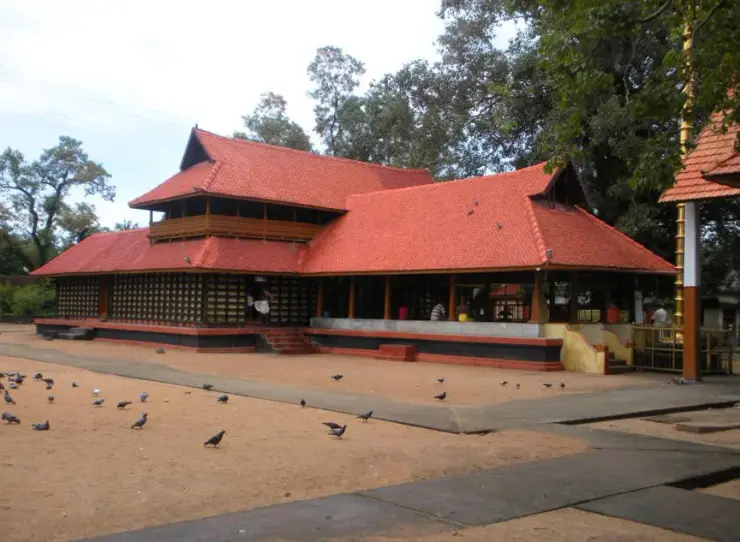
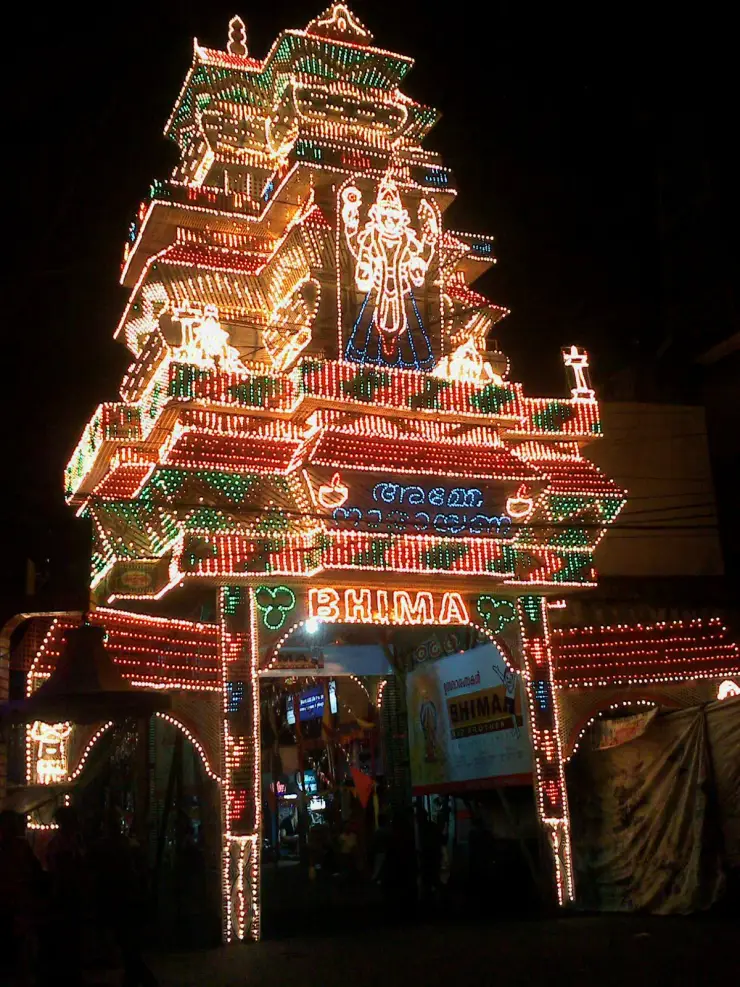
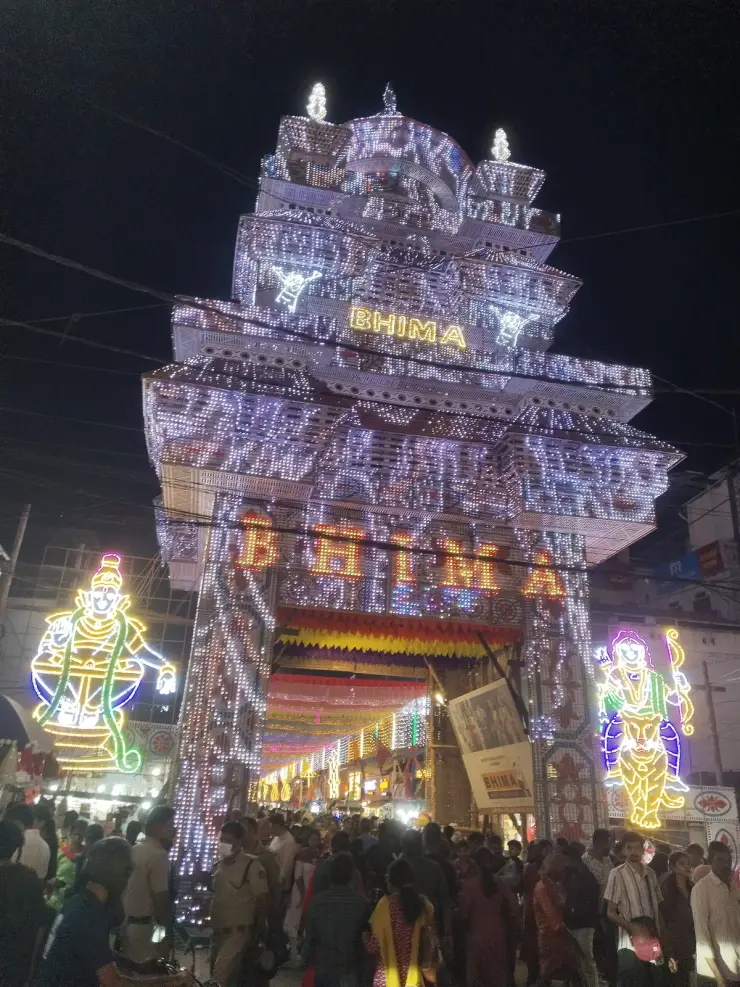
Mullakkal Temple Free entry for darshan; individual poojas and offerings are charged separately at the temple counter.Roughly 5.00 am to around noon, and about 4.30 pm to 8.30 pm (the consensus of travel aggregators rather than a figure published by the temple or the Devaswom Board; timings vary by day and season, and festival days differ).Pleasant to visit year-round in the early morning or evening. The most atmospheric time is during the Chirappu festival across the Malayalam months of Vrischikam and Dhanu — roughly late November to December–January — when the temple and market are at their liveliest. October to March is the comfortable cool-dry season for Alappuzha overall.
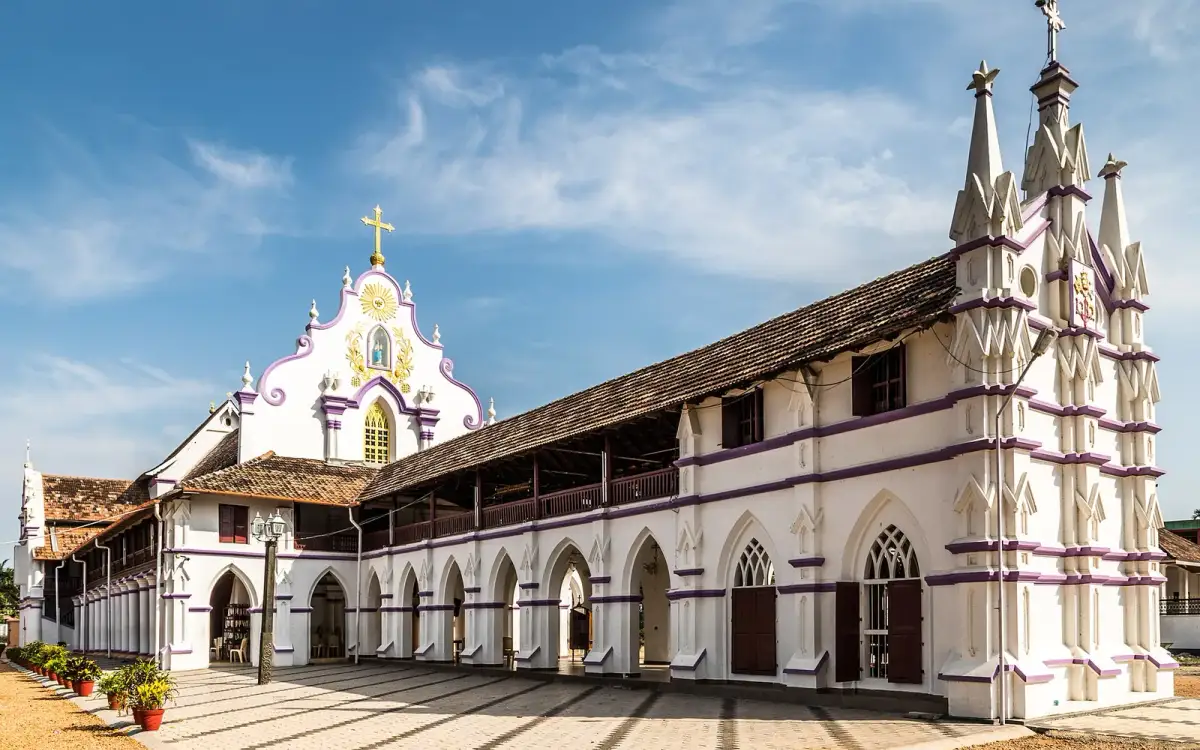
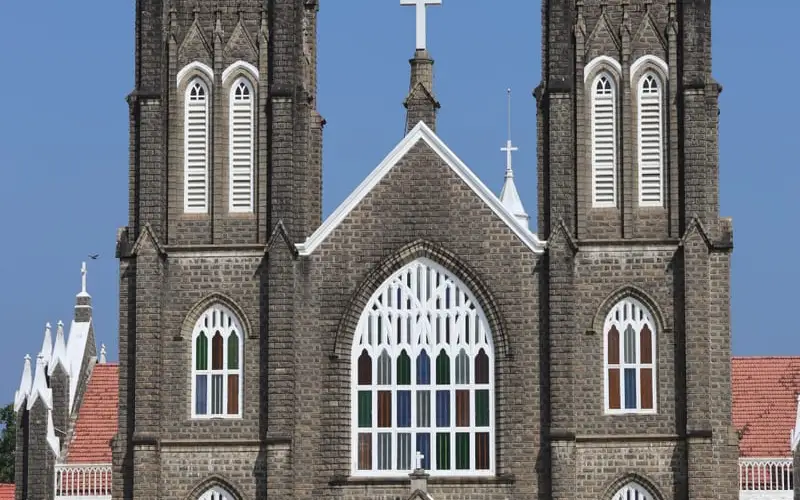
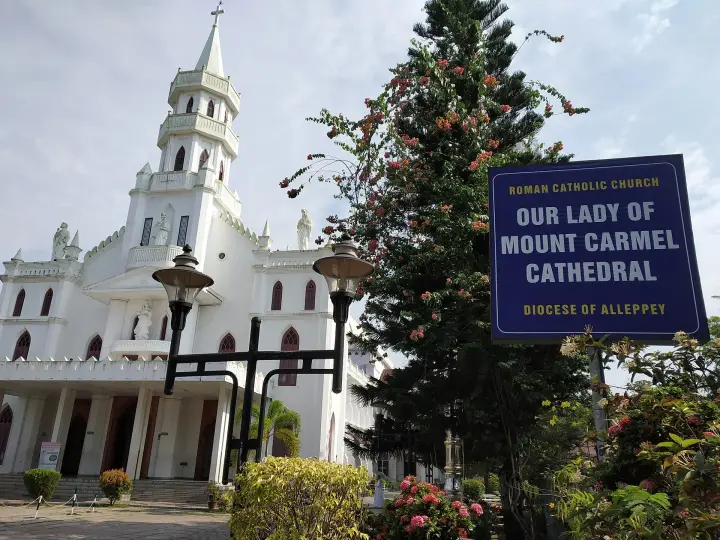
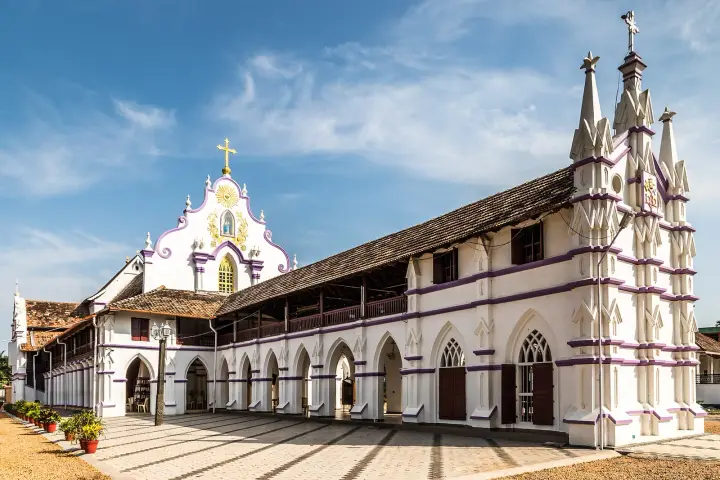
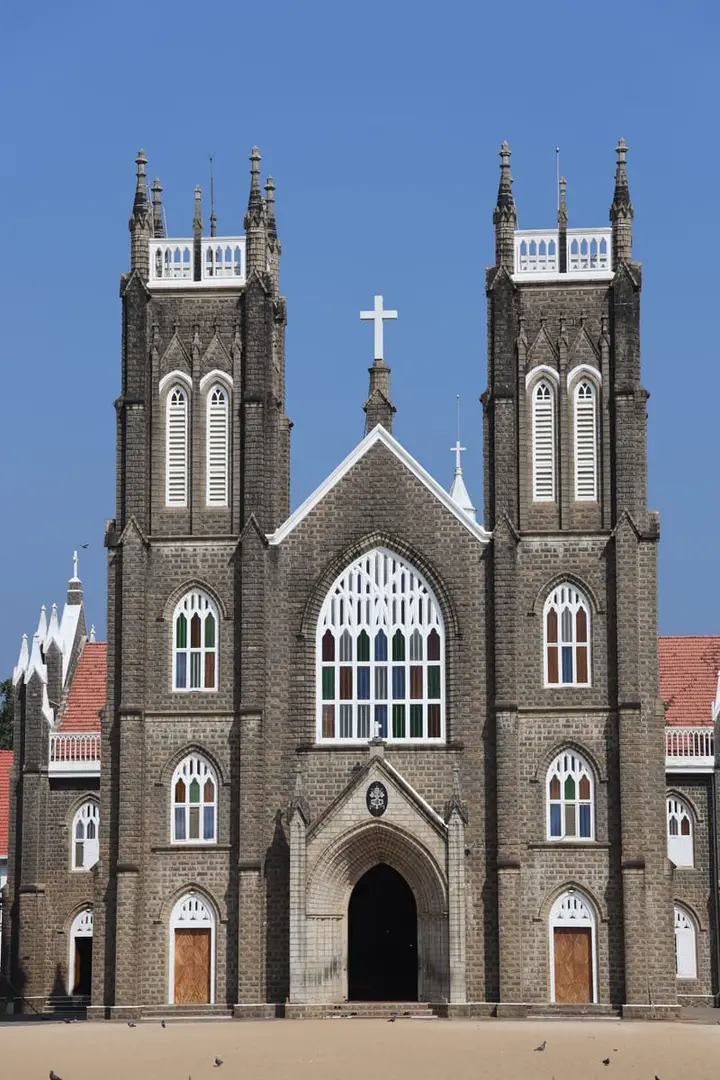
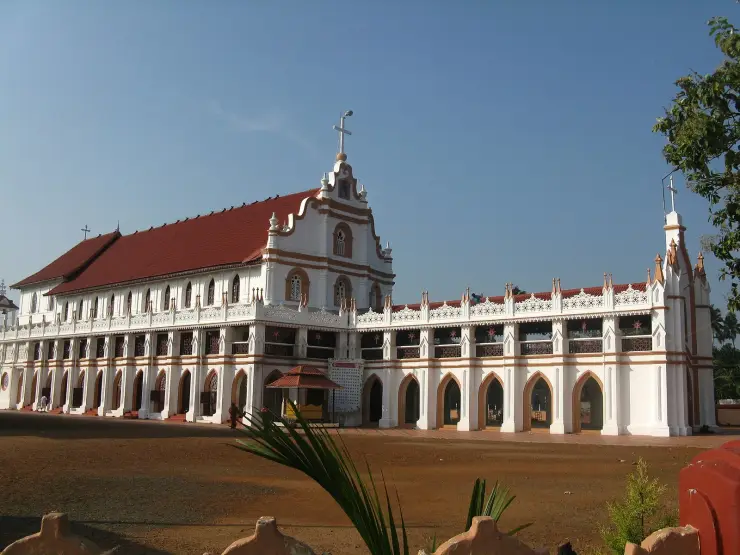
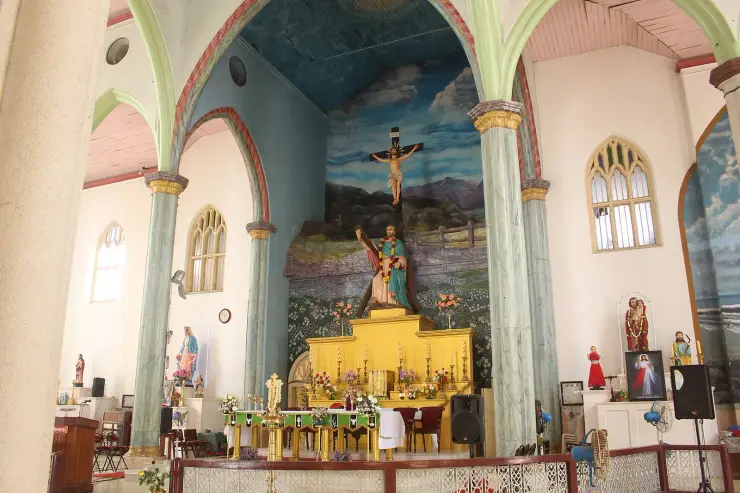
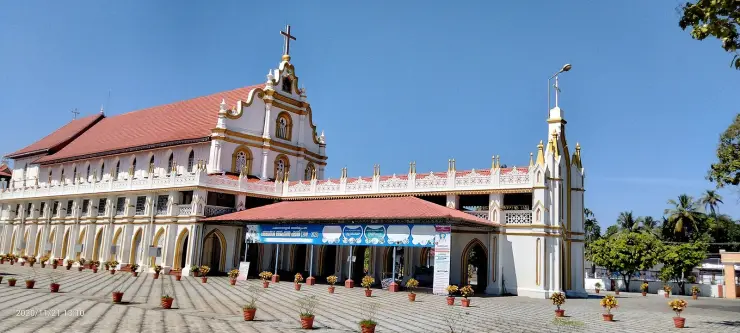
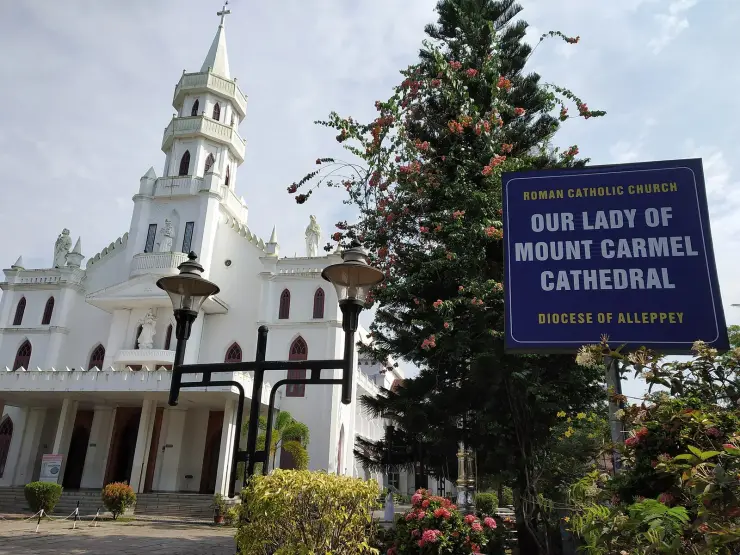
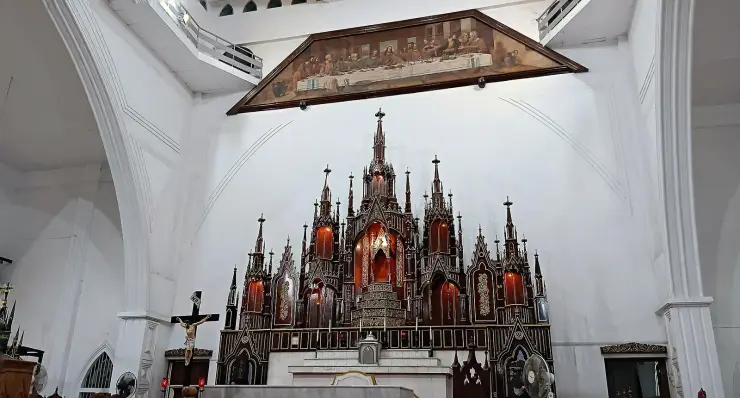
Our Lady of Mount Carmel Cathedral FreeFree. It is a working parish church and cathedral, not a ticketed site.Open daily for prayer. ⚠ Mass timings AS LISTED BY A THIRD PARTY IN 2018 and not confirmed by the diocese, which publishes no schedule: weekdays 06:00, 07:15 and 18:00; Sundays 05:30, 07:00, 09:00, 17:00 and 19:00 (English); perpetual adoration 08:00 to 18:00. Confirm on 0477-2244629 before relying on them.16 July, the feast of Our Lady of Mount Carmel, is the parish's principal day. Otherwise October to March is the most comfortable season, and early morning or evening Mass is when the building is most alive rather than empty.
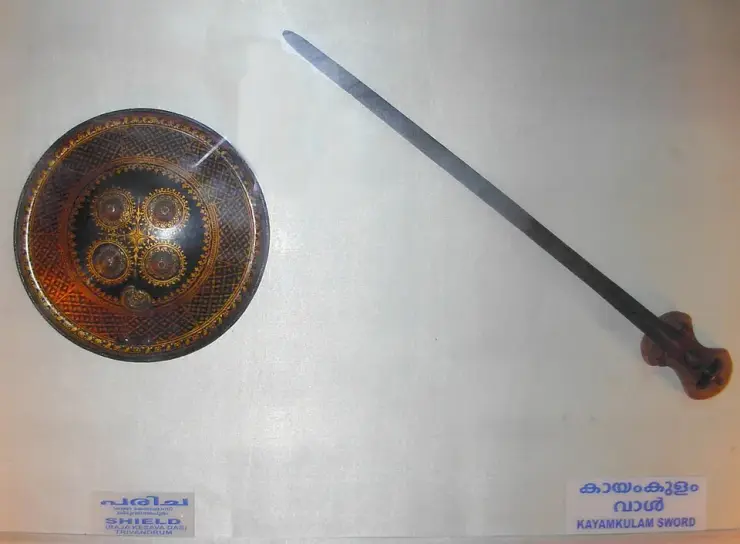
Revi Karunakaran Museum Widely reported as ₹150 per person, though no government source publishes a figure — treat it as indicative and confirm at the desk.⚠ Sources conflict and we have not been able to resolve it: the Government of India's Incredible India portal gives 09:00 to 14:00, while most travel listings give 09:00 to 17:00. Both agree the museum is closed on Mondays and on public and national holidays. Treat the shorter hours as the safer assumption and confirm before travelling.Open year round and entirely indoors, which makes it one of the better wet-weather options in Alappuzha. October to February is the most comfortable season in the town generally.
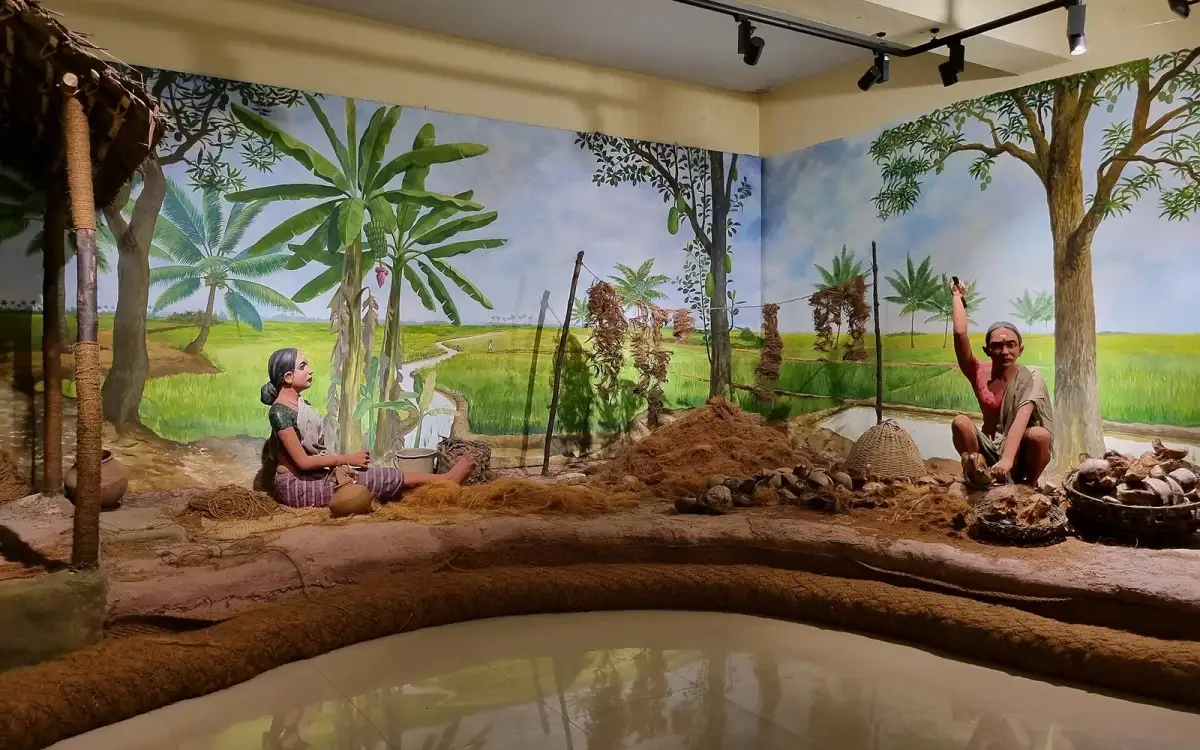
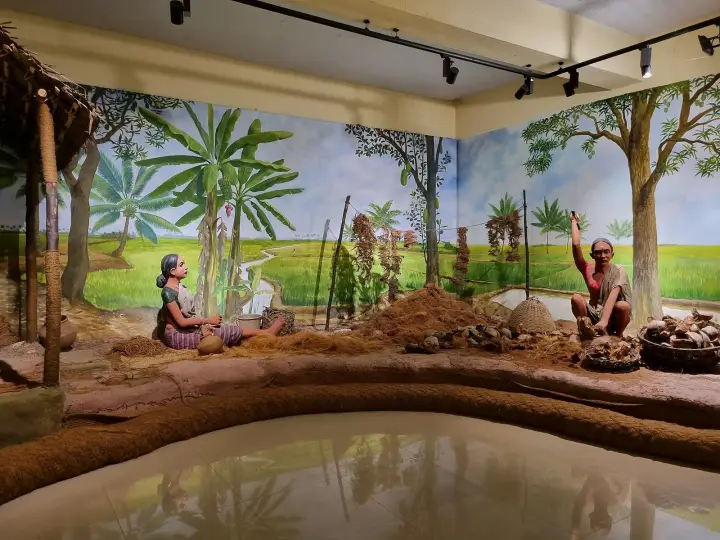
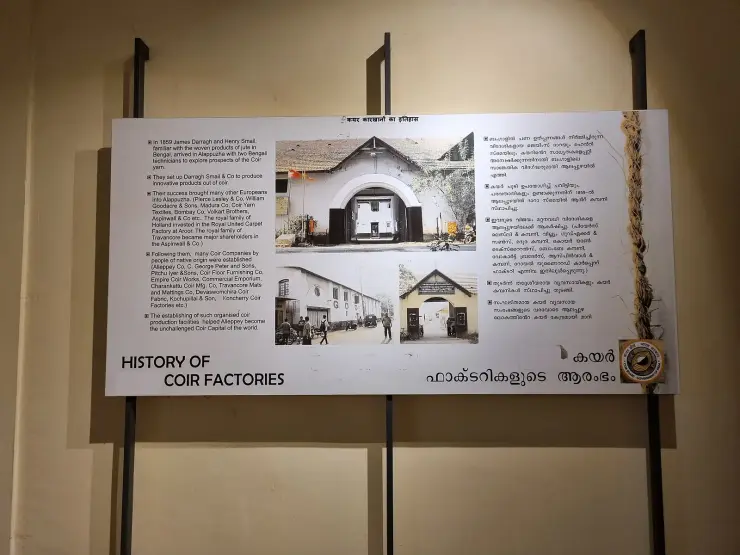
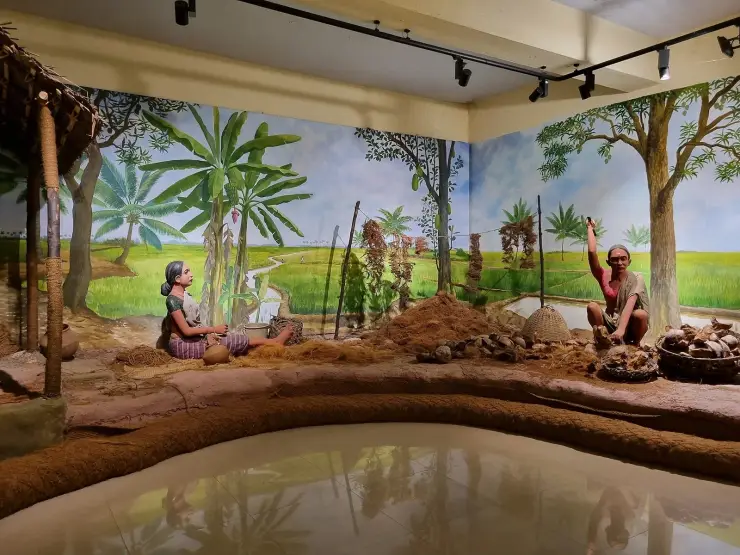
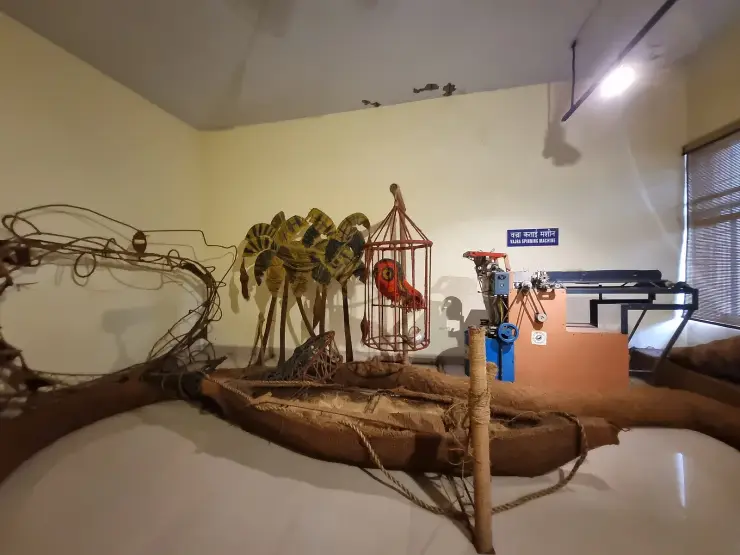
International Coir Museum ₹50 per person, per DTPC Alappuzha. Booking is offline only, at the gate. Any separate still or video camera charge should be confirmed on arrival.09:30 to 17:00. ⚠ Sources disagree on the closed day: DTPC Alappuzha lists all days, while Wikipedia states it is closed on Mondays. If a Monday is your only option, call +91 477 225 8067 first.October to March is the most comfortable season, as elsewhere on this coast. The museum is entirely indoors, so it is one of the better wet-weather options in the district and works well as a monsoon afternoon.
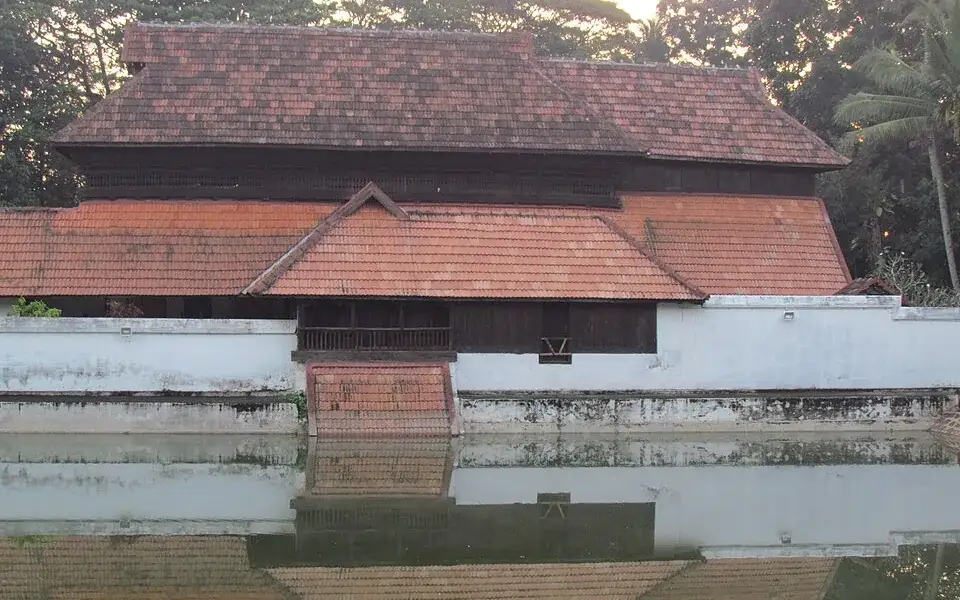
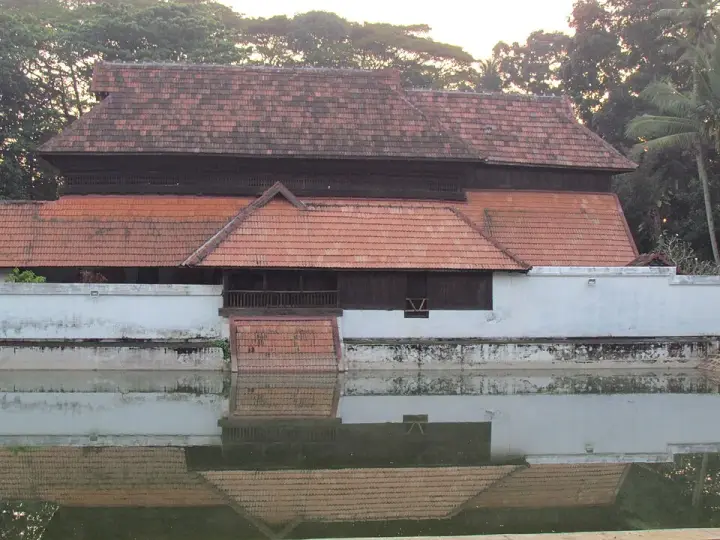
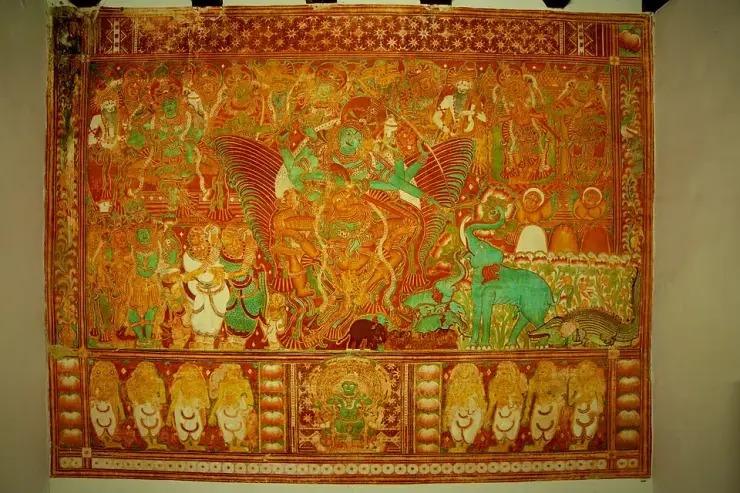
Krishnapuram Palace Published tariff from the Kerala State Department of Archaeology, which administers the palace: adults ₹25, children ₹5, mobile camera ₹20, still camera ₹50, mobile video ₹420, video ₹1,550, documentary ₹10,500, feature film ₹26,500. ⚠ Travel listings commonly print ₹20 adult / ₹10 child / ₹40 camera — those are not the department's figures.9.00 to 13.00 and 14.00 to 16.30, closed Mondays and national holidays — the Kerala State Department of Archaeology's own published timings. ⚠ Almost every travel listing, and until now both of our own records, give the opening as 9.30; the department says 9.00.Pleasant year-round as an indoor-and-garden site; the cooler, drier months from roughly October to February are most comfortable, while the monsoon makes the grounds lush but wet. Mornings are quietest.
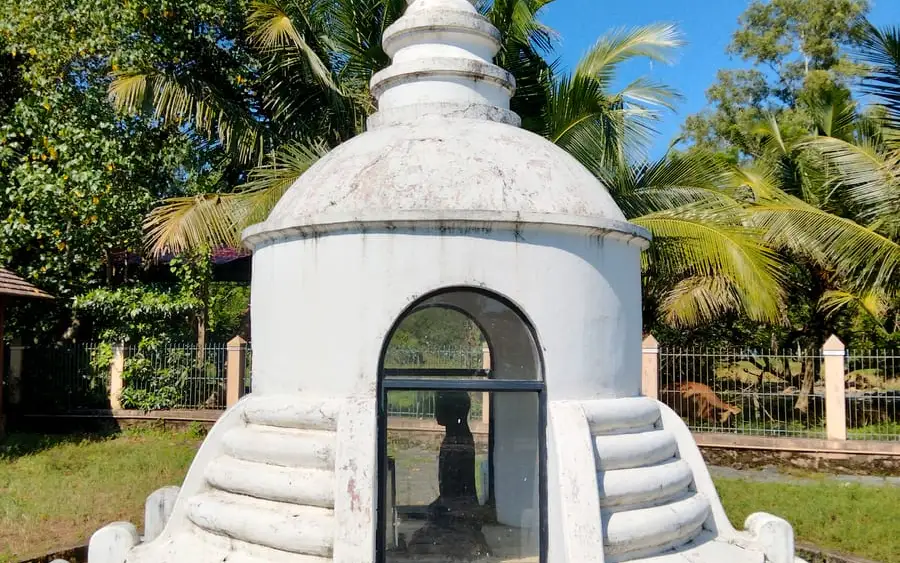
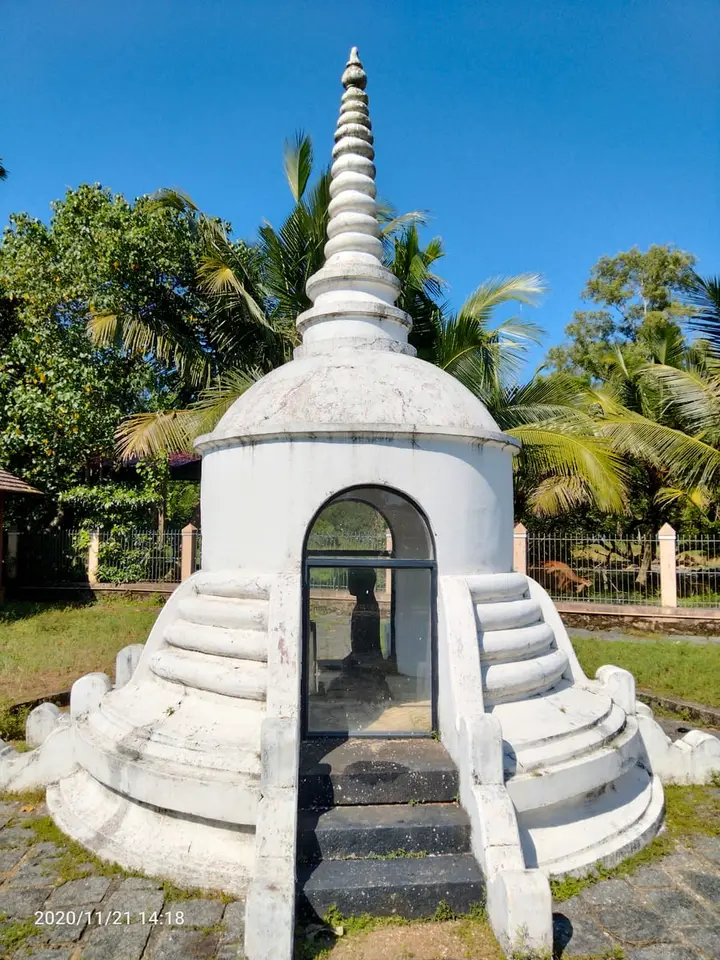
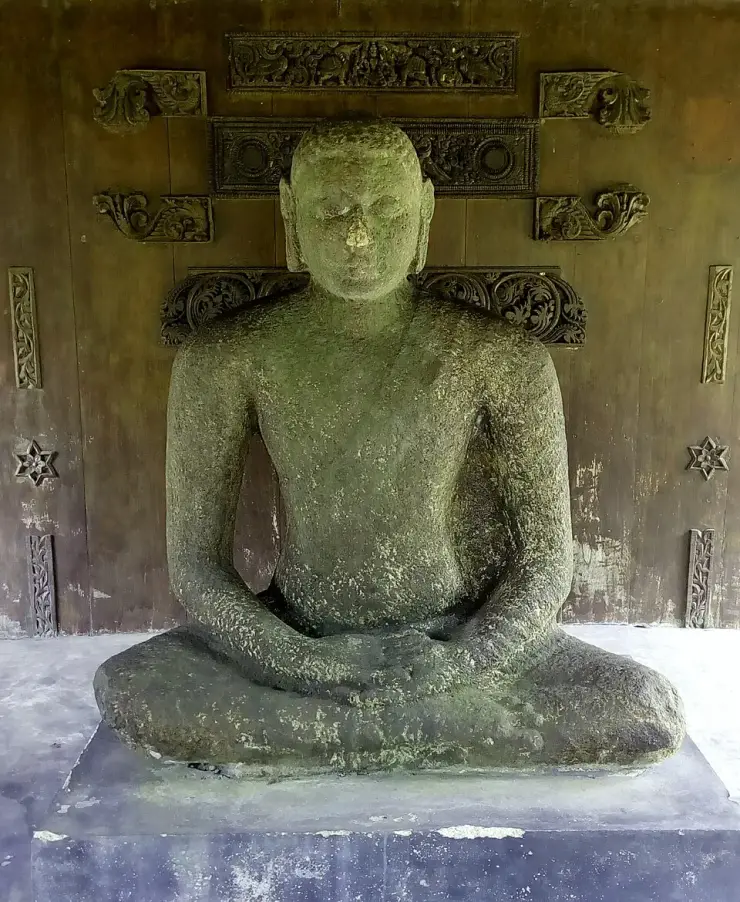
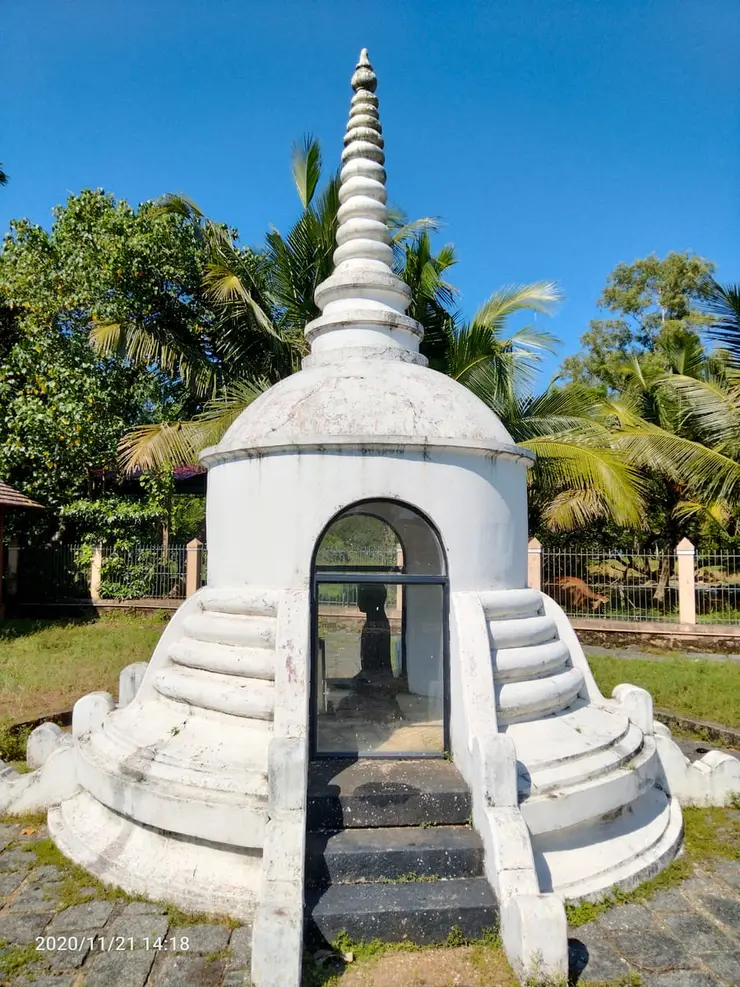
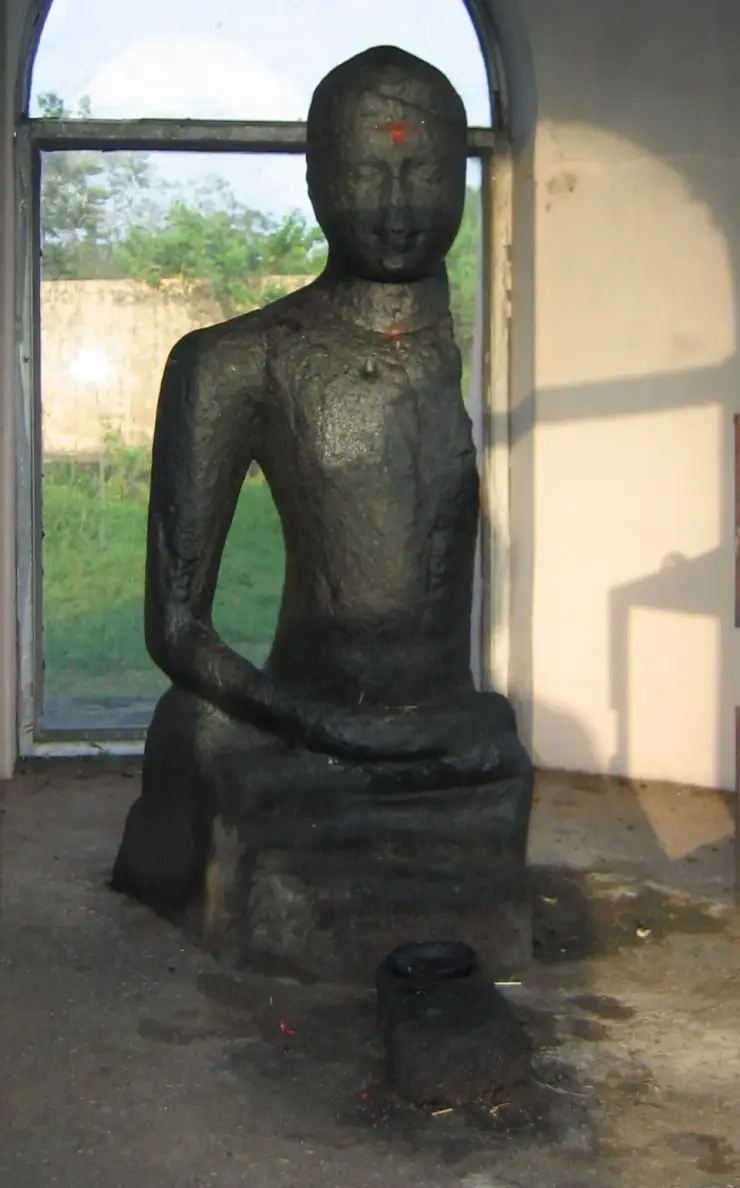
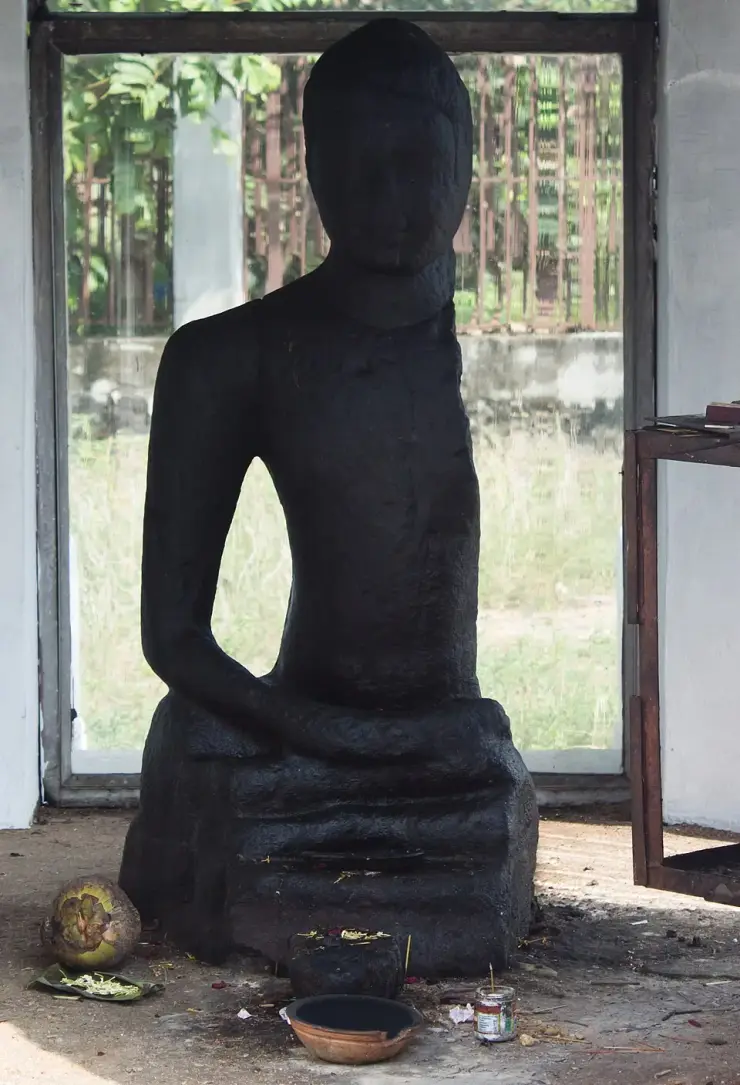
Karumadikuttan FreeFree. There is no ticket and no custodian.Daylight hours. The statue stands inside a small white stupa with a glass door in an open, fenced compound at the roadside; there is no gate keeper and no ticket. ⚠ Whether the stupa door itself is unlocked varies, and the figure is clearly visible through the glass either way.October to March for comfort. The site is small and exposed, so early morning or late afternoon is easier than the middle of the day. There is no festival here — nothing is staged at Karumadi, which is much of its character.
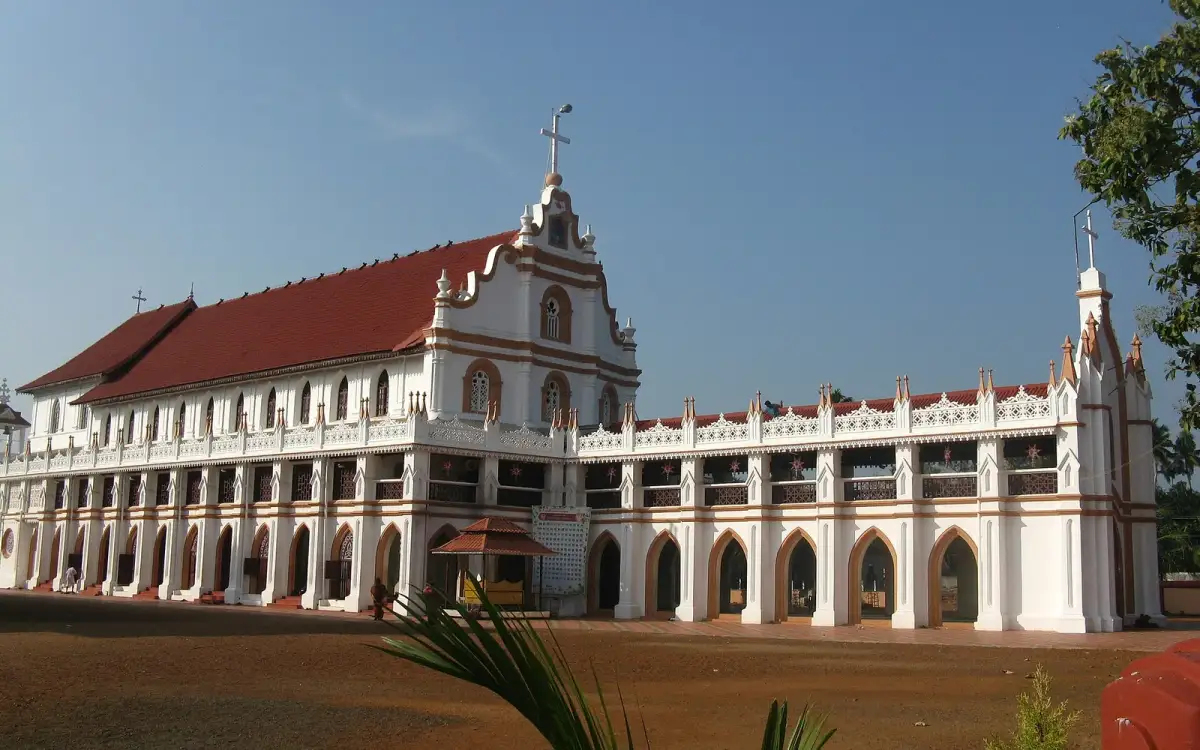
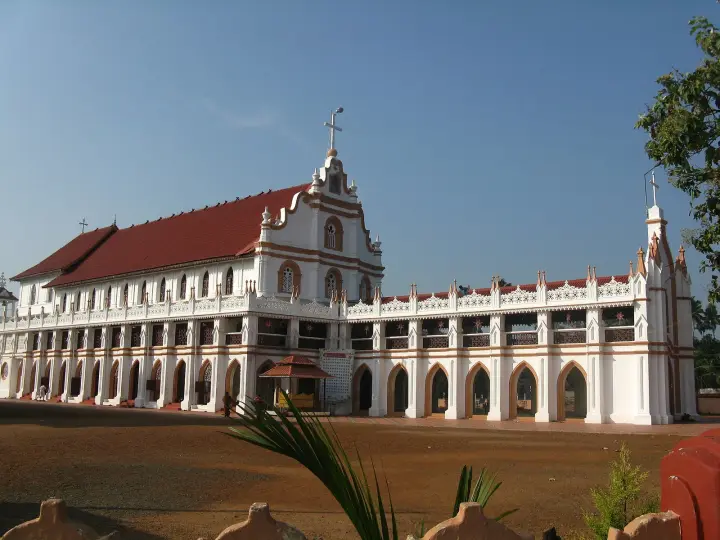
Champakulam FreeFree for the village and basilica. A church notice photographed in 2012 listed a ₹25 camera charge; ask at the church for the current photography rule. Boat and canoe rides are privately priced.The village is open access at any hour. Kalloorkad St Mary's Basilica is open daily for prayer; Holy Qurbana is listed as 6.00, 7.30 and 9.30 in the morning and 4.00 in the afternoon on Sundays, and 6.00 and 7.00 in the morning on other days, with an additional 6.30 and 4.00 on Wednesdays. Mass times change, so check with the parish.October to March is the comfortable season for a backwater village visit. The one date worth planning around is the Champakulam Moolam Vallam Kali, on Moolam day in the Malayalam month of Mithunam — late June or early July. ⚠ IT MOVES EVERY YEAR with the Malayalam calendar (the 2025 race fell on 9 July) and we will not print a future date as settled: confirm with DTPC Alappuzha. The basilica's own feasts are the Feast of Mother Mary, concluding the Sunday after 15 October, and St Joseph on 19 March.
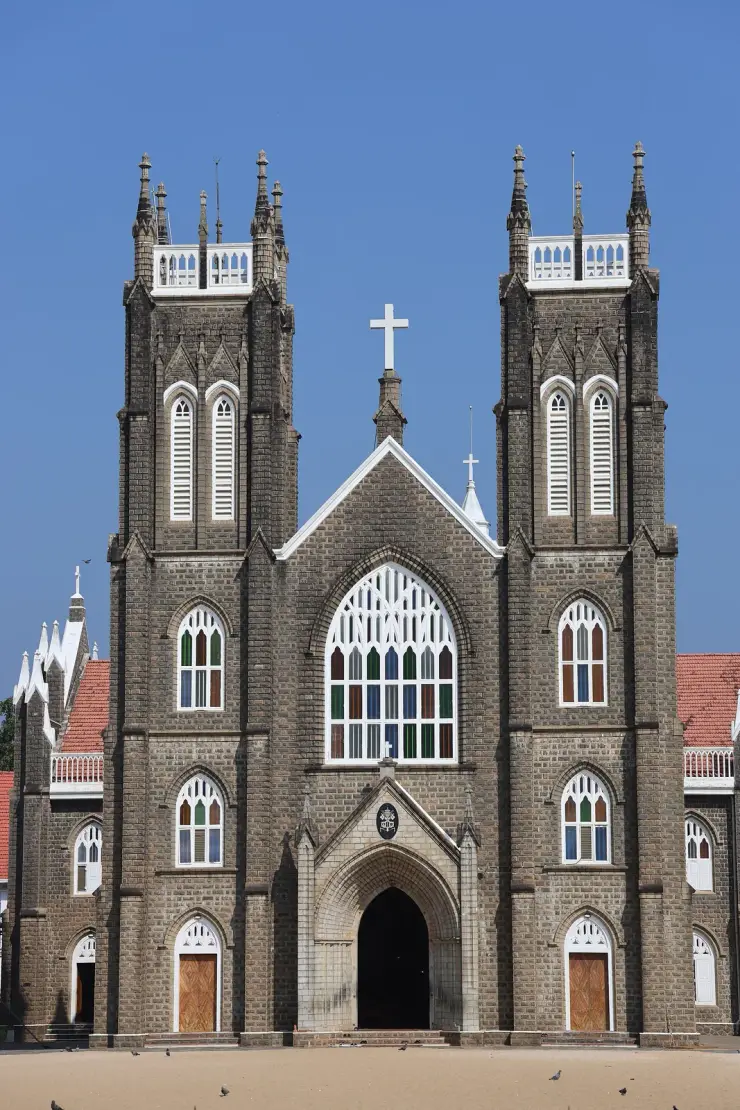
Arthunkal Church Free — there is no entry charge to visit or pray at the basilica.The basilica is generally open to visitors and pilgrims daily from early morning until evening, with several Holy Mass services through the day (and additional Masses at weekends and on feast days). Timings are indicative — confirm the current Mass and darshan schedule with the basilica office before visiting.The marquee time is the Arthunkal Perunnal in January, when the shrine is at its most spectacular but also its most crowded. For a calmer visit, the wider November–February cool, dry season is ideal; the coast is pleasant outside the June–September monsoon.
Edathua Church No entry fee to visit the church. Offerings and donations are voluntary; special feast-time arrangements may apply.As an active parish the church is usually open to visitors from early morning to evening (often cited as roughly 4:00 am to 8:00 pm). Mass and prayer times run on their own daily and Sunday schedule and differ from general visiting hours; check the parish notice board or website for current timings before planning a visit around a service.October to February brings the most pleasant, drier weather for Kuttanad. The feast season in late April to early May is the most spectacular time but also the most crowded and hot; the monsoon months (June to September) are lush and green but wet.
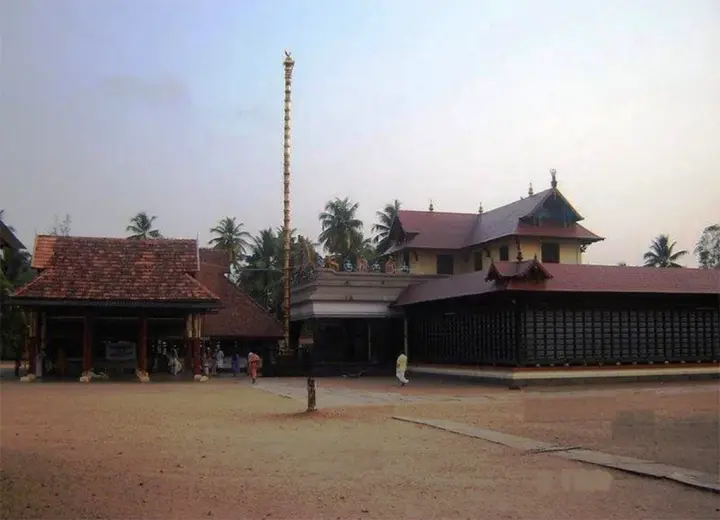
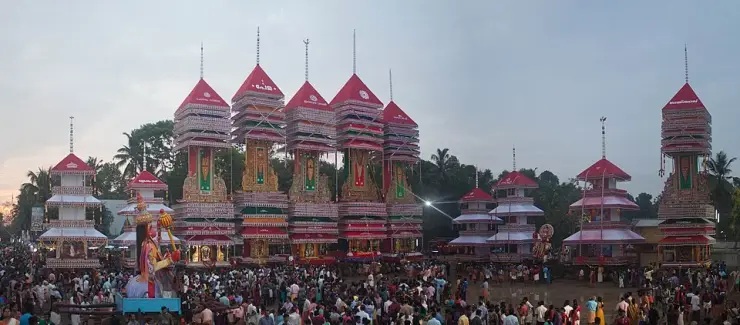
Haripad Sree Subramanya Swamy Temple FreeNo entry fee for darshan. Individual vazhipads and offerings are paid for at the temple counter.The temple does not publish a dependable visitor timetable online. Kerala Devaswom temples commonly open in early-morning and evening sessions and close around midday; obtain the current darshan hours locally or from the Travancore Devaswom Board before a time-sensitive visit.October to March is most comfortable. The temple keeps three ten-day utsavams — in Medam (April-May), Chingam (August-September) and Dhanu (December-January), each ending with the arattu — plus Thaipooyam in Makaram, Skanda Shashti in Thulam, and Thrikkarthika in Vrischikam, which marks the anniversary of the installation. Gregorian dates move each year.
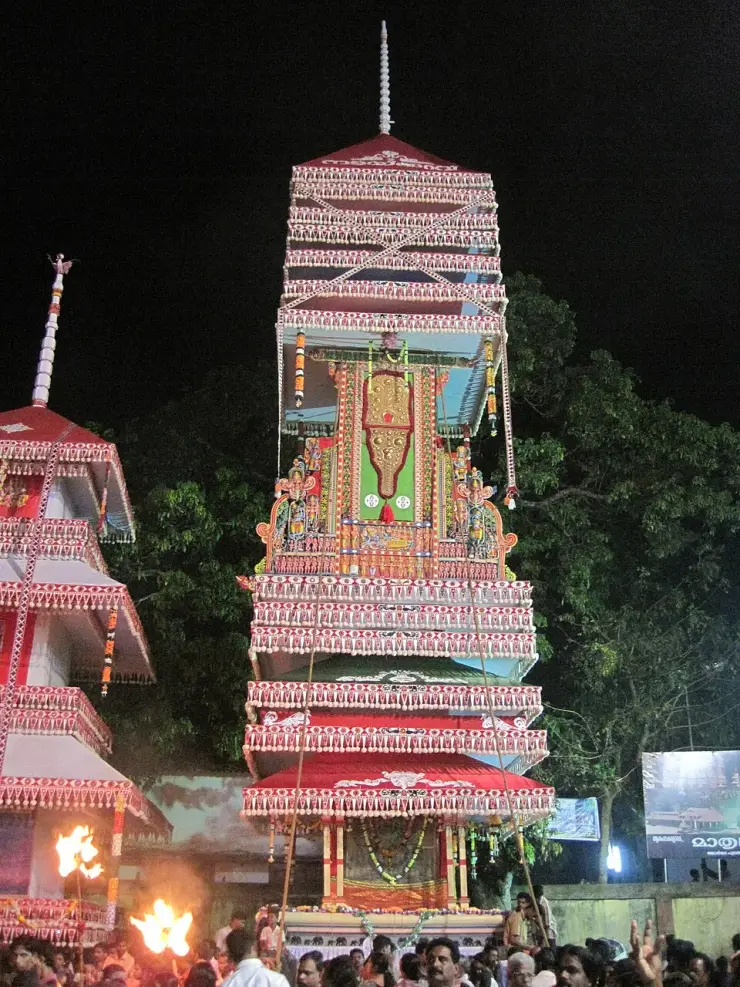
Chettikulangara Devi Temple Free entry is typical for darshan; specific offerings, poojas and vazhipadu are paid separately at the temple counter.Typically open in the morning and again in the evening — commonly around 5.00 am to 11.00 am and 5.00 pm to 8.00 pm.The Kumbha Bharani and Kettukazhcha season in February–March (Malayalam month Kumbham) is the marquee time to visit for the giant Kuthira and Theru spectacle. The cooler, drier months of roughly November to February suit a quieter ordinary-day visit.
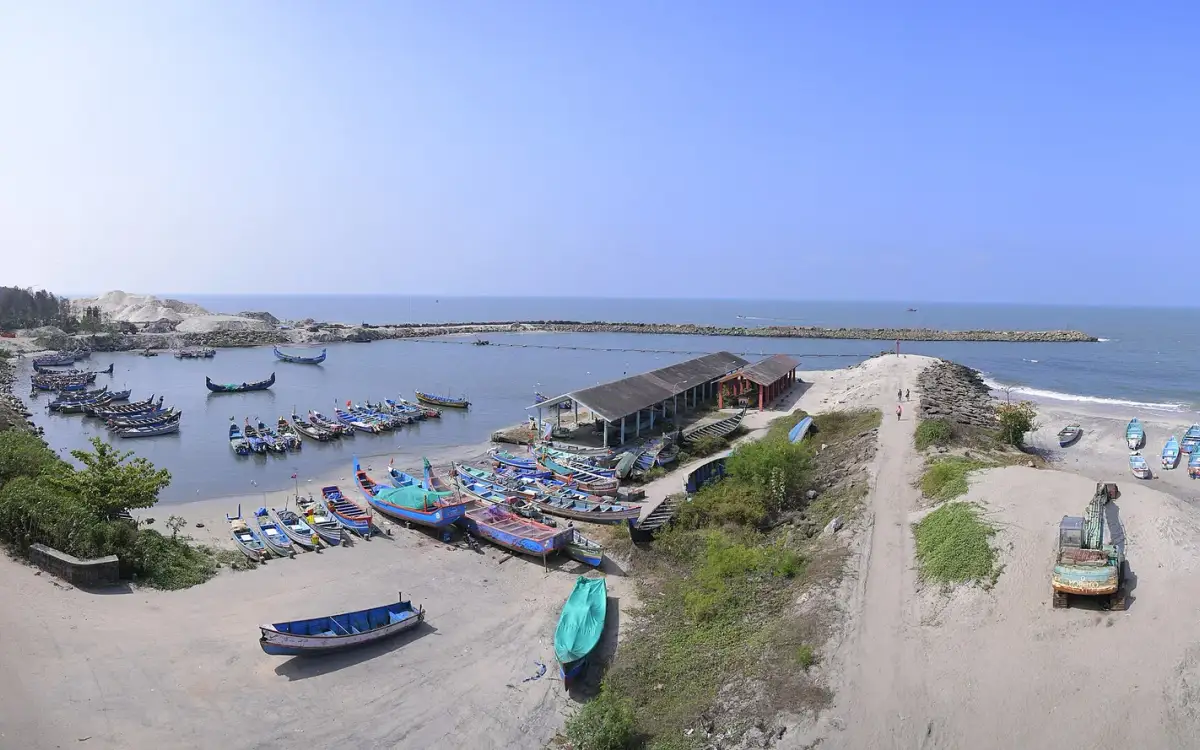
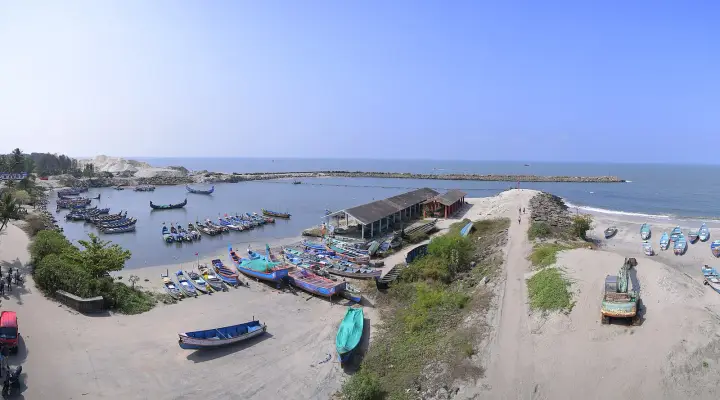
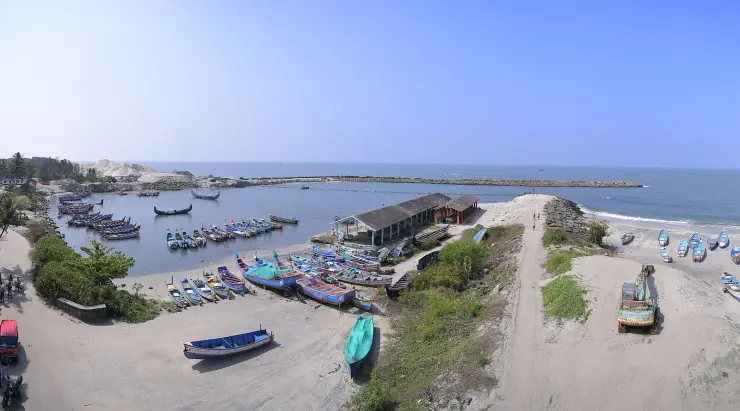
Thottappally Beach FreeNothing to pay. It is public shore, a working harbour and a road along a spillway — no ticket, no booking.Open coast with no gates or hours. The harbour is busiest very early, when the boats come in, and the light on the spillway is best in the late afternoon. There is no lighting, so leave before dark.November to March for comfortable weather, calm sea and the best shorebird numbers. ⚠ The monsoon (roughly June to September) is when the spillway is actually doing its job and is at its most dramatic, but it is also when the sea is dangerous and the area can be under flood stress — go to look, not to swim.
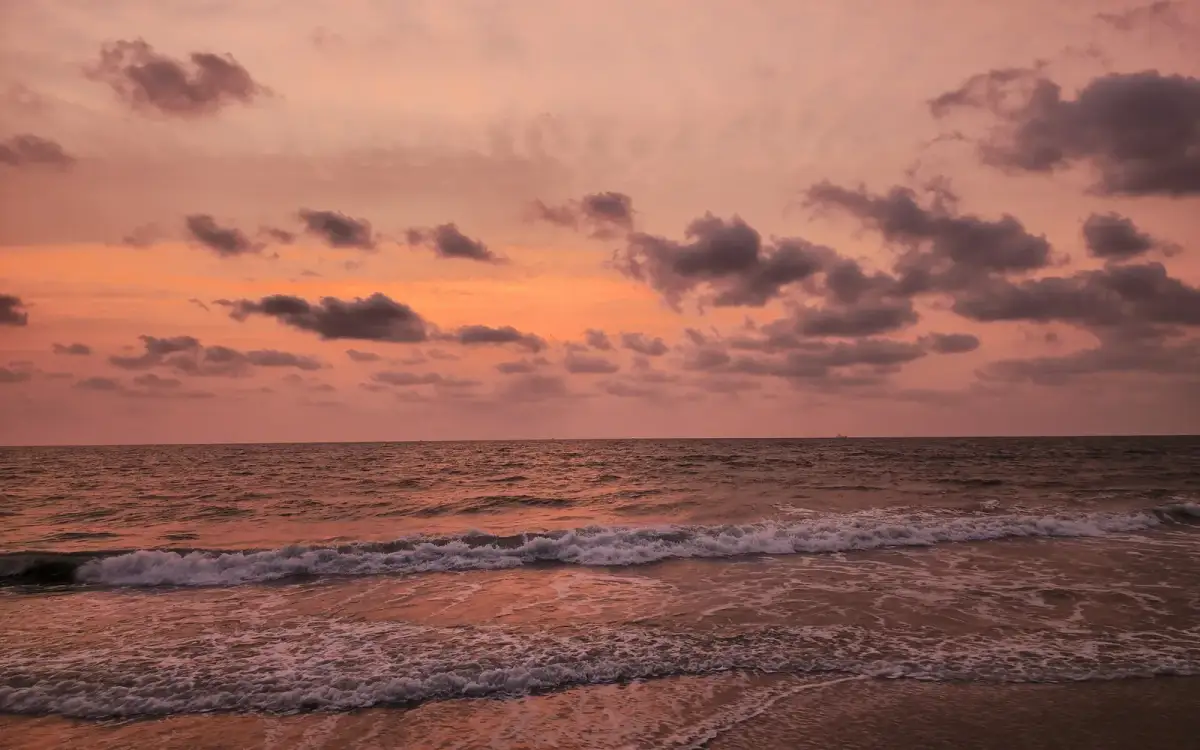
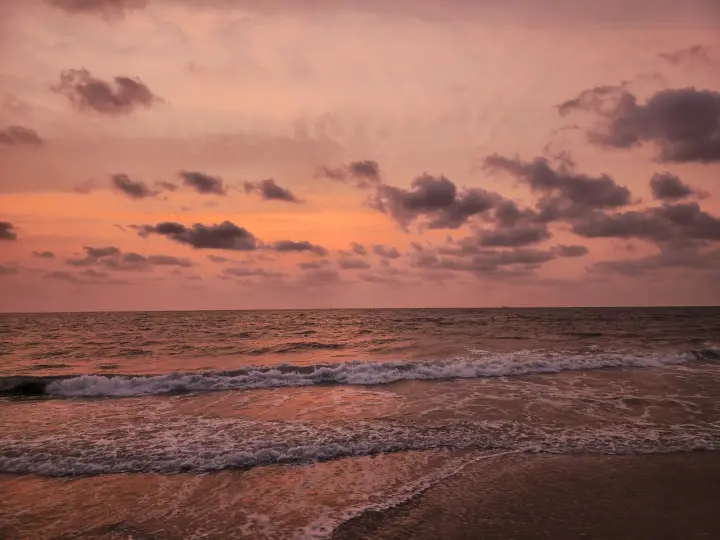
Andhakaranazhi Beach FreeFree. Open public beach — nothing to pay and nothing to book.Open beach with no gates or hours. It is busiest on weekend evenings, particularly Sundays, when people come down from the Kochi side. There is no lighting along the shore, so leave before dark.November to March for calm, dry weather. Late afternoon into sunset is the time to come; mornings are quiet. ⚠ The monsoon (roughly June to September) brings a heavy sea and a strongly scouring river mouth — worth seeing, not worth entering.
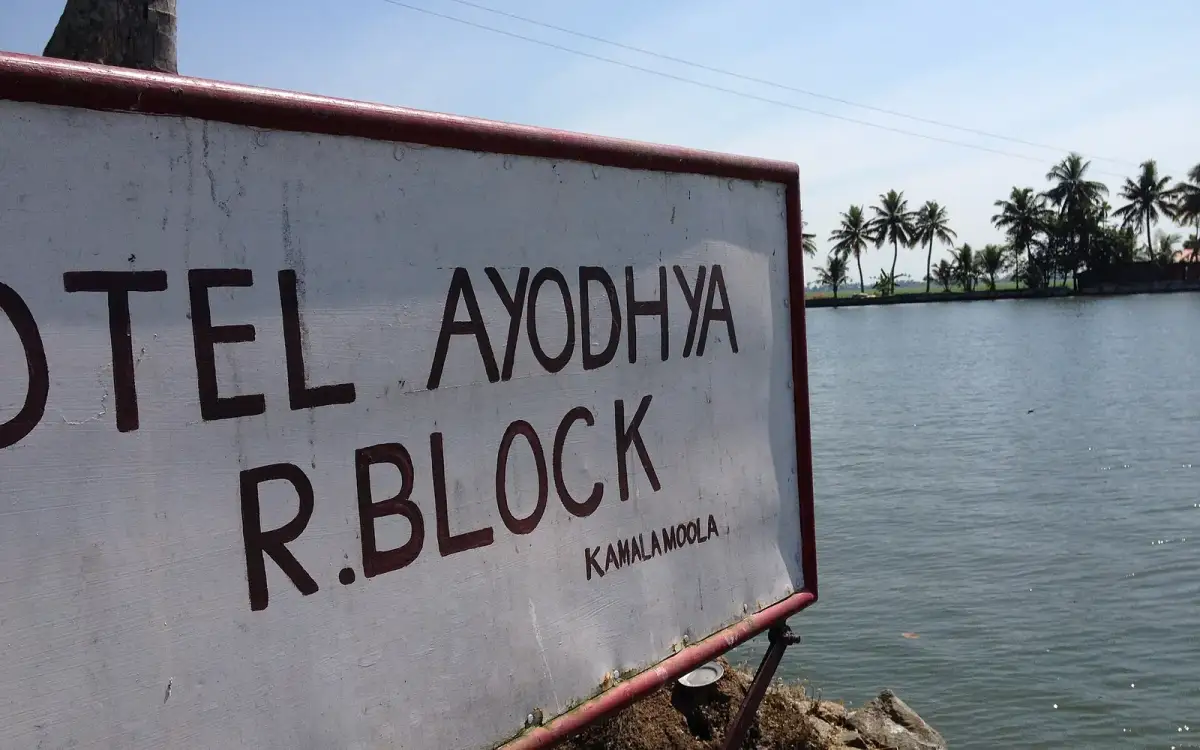
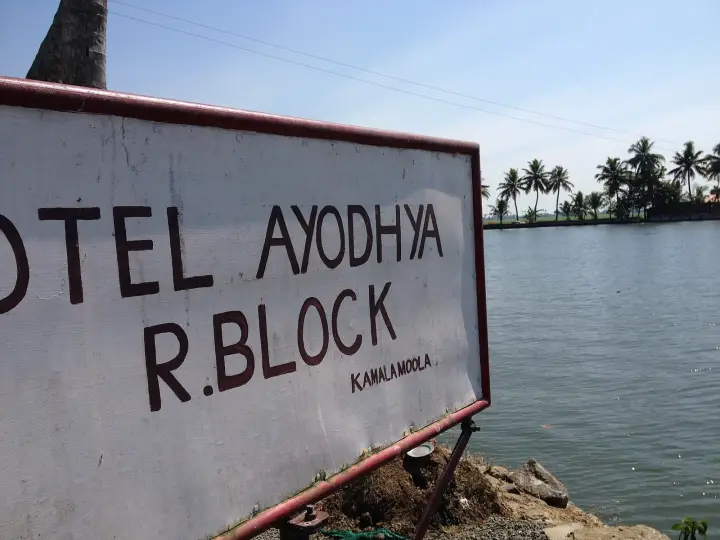
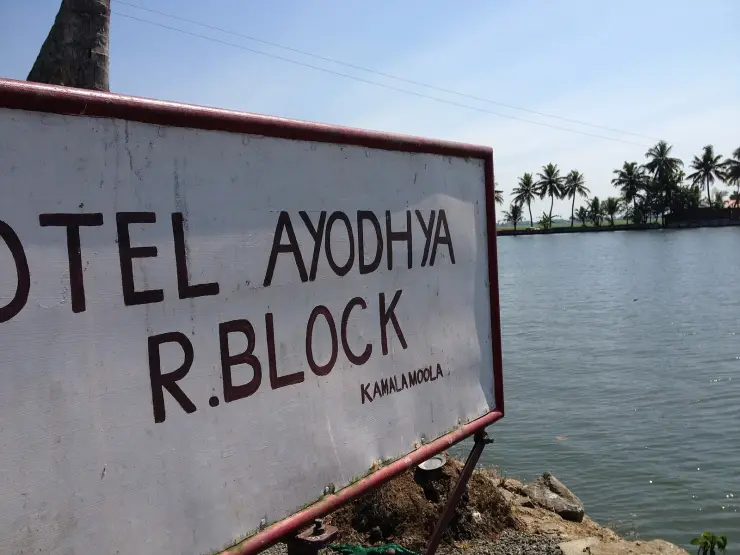
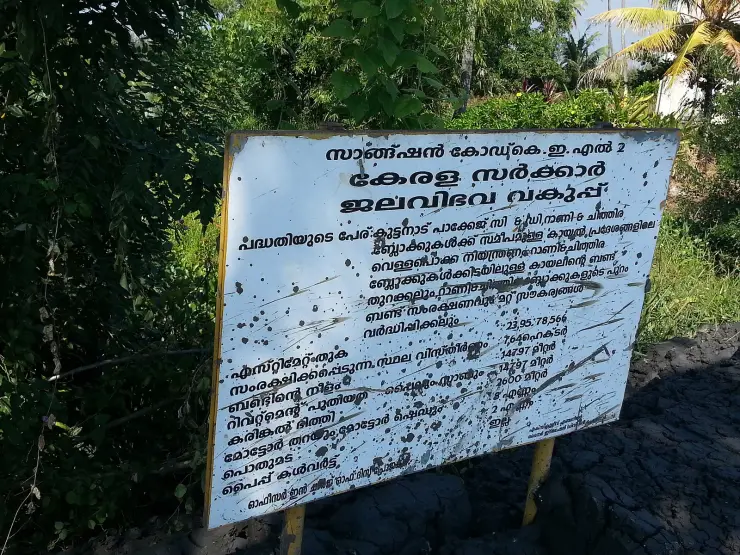
R Block Kuttanad FreeNothing to pay. R Block is a padasekharam, not a ticketed site; the whole cost of a visit is the boat.No gates and no opening hours — this is working farmland reached across open water. In practice you are limited to daylight and to your boatman's schedule, and there is nothing to see after dark.The same crop calendar as the rest of Kuttanad, and it changes the place completely: green standing paddy roughly December to February, the polder bare and dewatered around October, and the whole system under water June to August. December to February is the classic view — a green field lying visibly below the canal beside it.
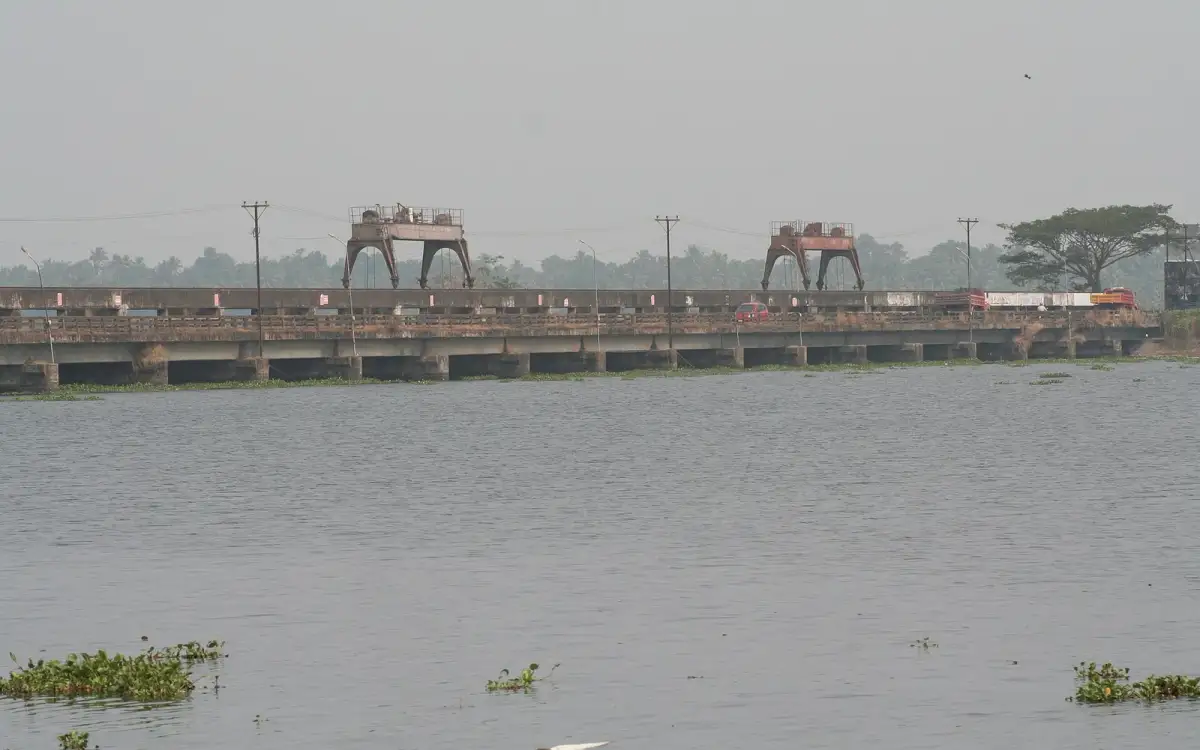
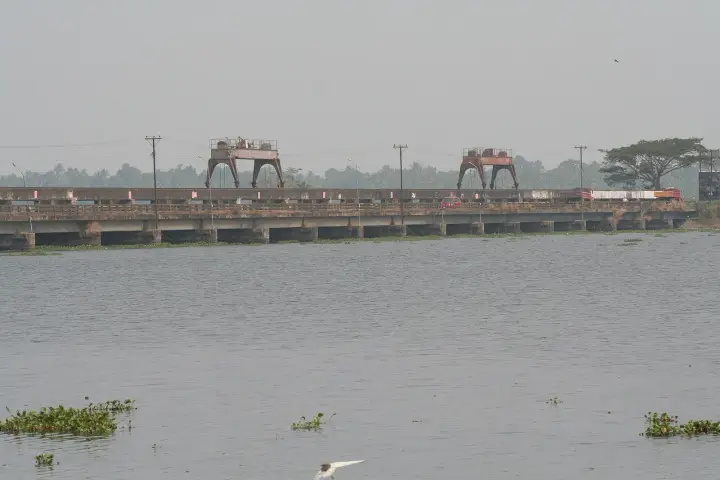
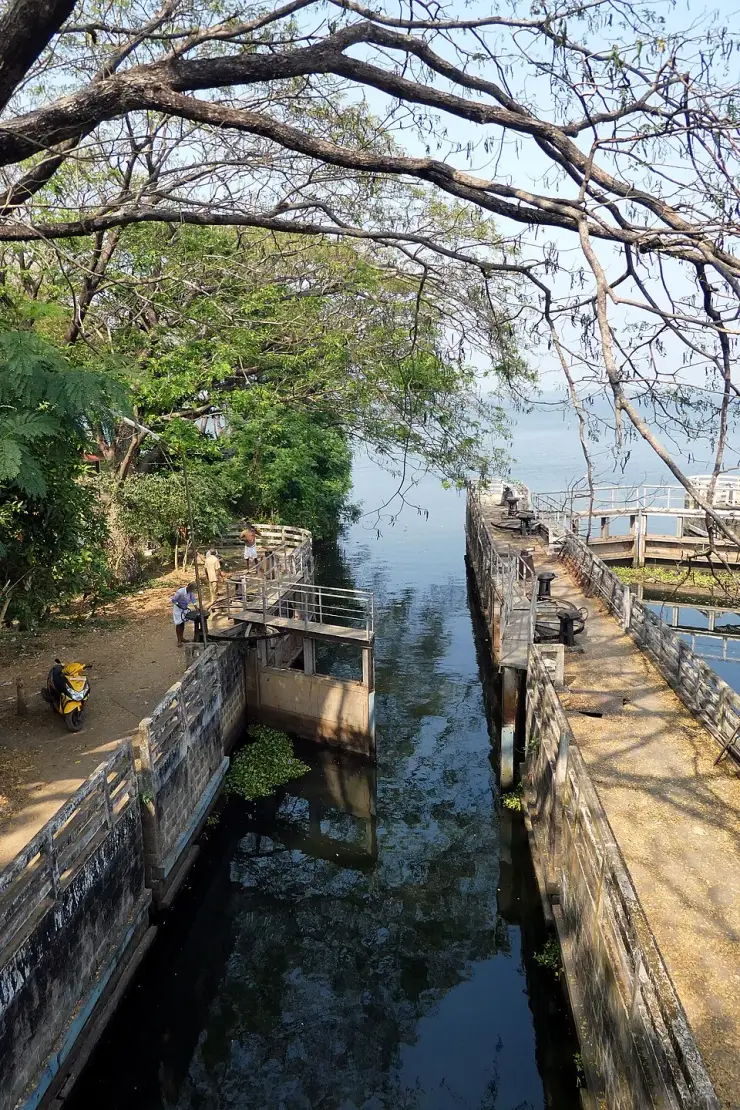
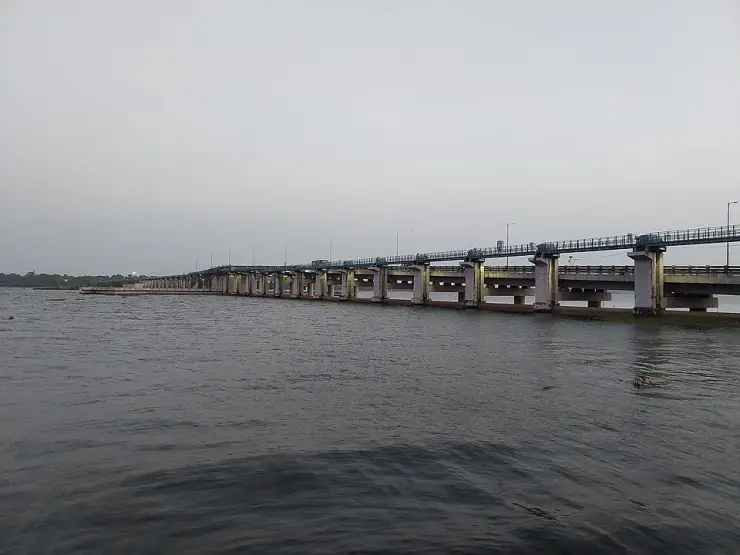
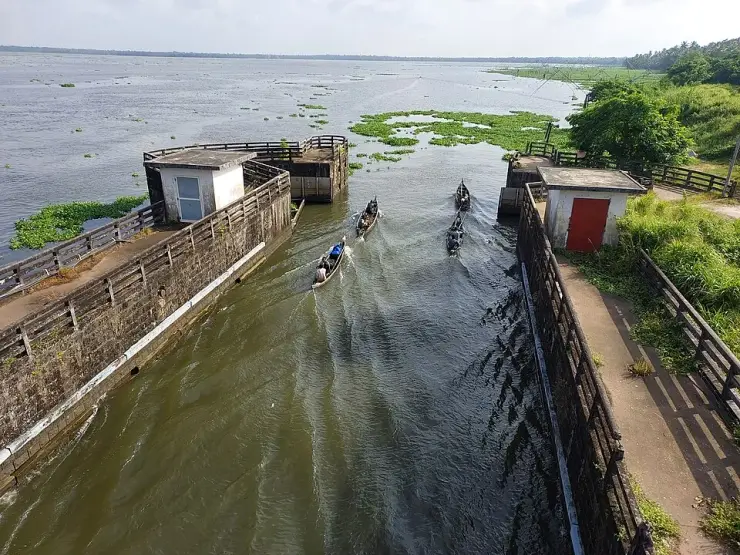
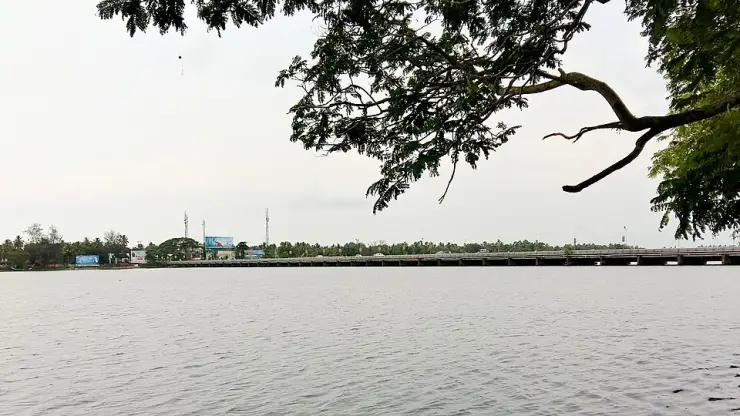
Thanneermukkom Bund FreeFree. It is a public causeway and bridge, not a ticketed site.Open public road across the barrage; crossable at any hour, best by daylight for the lake views. ⚠ Whether the SHUTTERS are open or shut is seasonal and we cannot give you dates — see below.October to March is the comfortable season. Sunset is the reason most people stop — the barrage runs across open water with nothing blocking the view west. ⚠ THE SHUTTER CLOSURE HAS NO SOURCED CALENDAR: the gates are shut through the dry months and opened in the monsoon, commonly described as about six months and often quoted as mid-December to mid-June, but the Kerala Irrigation Department publishes no fixed dates that we could find. Treat any date as approximate and ask locally.
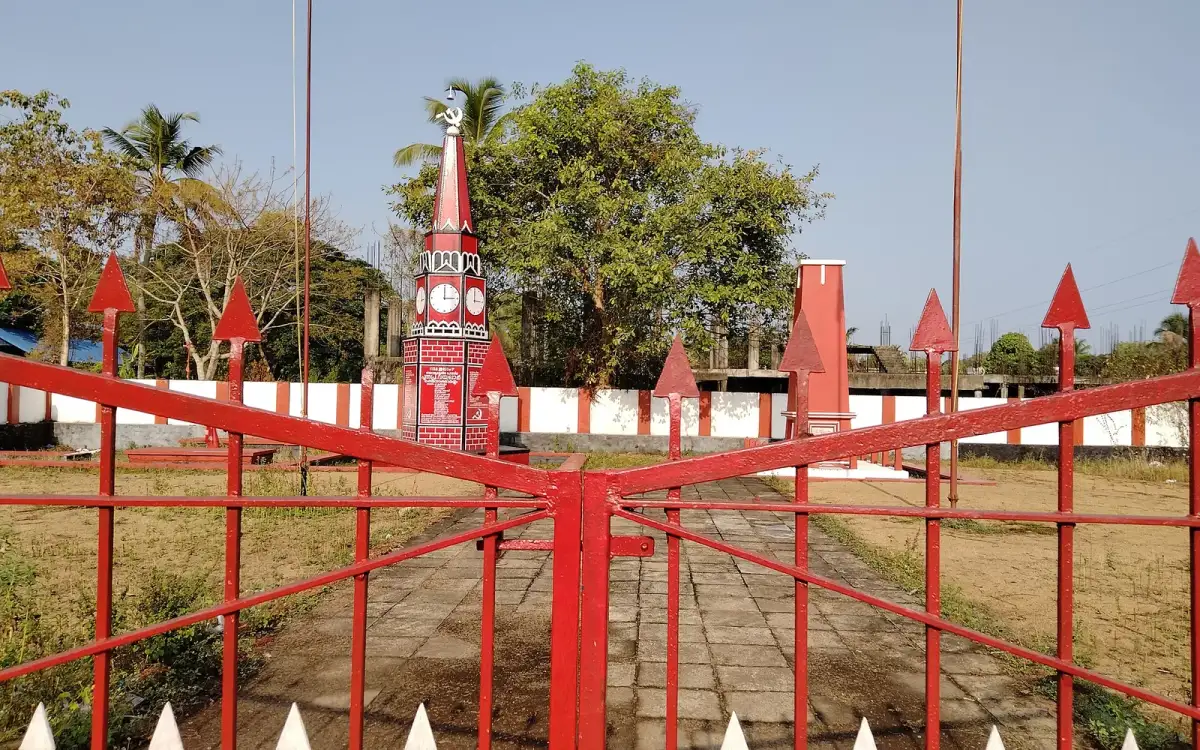
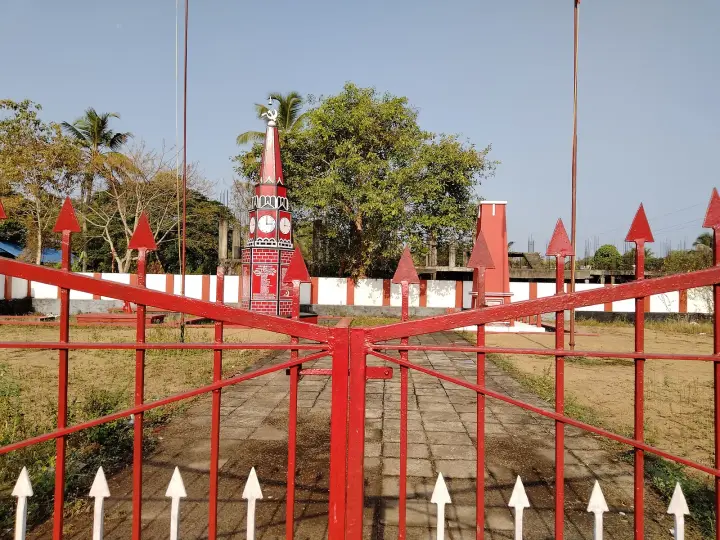
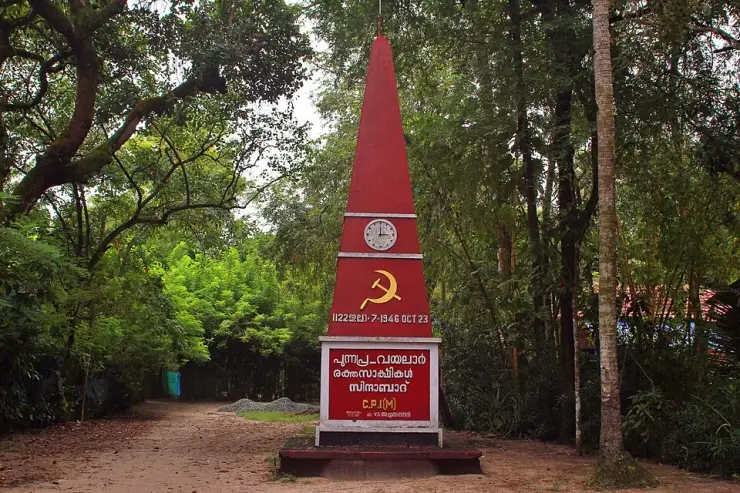
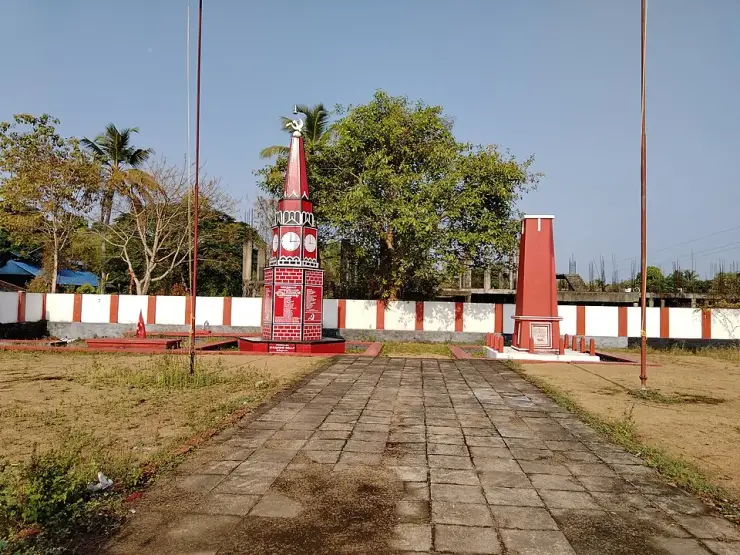
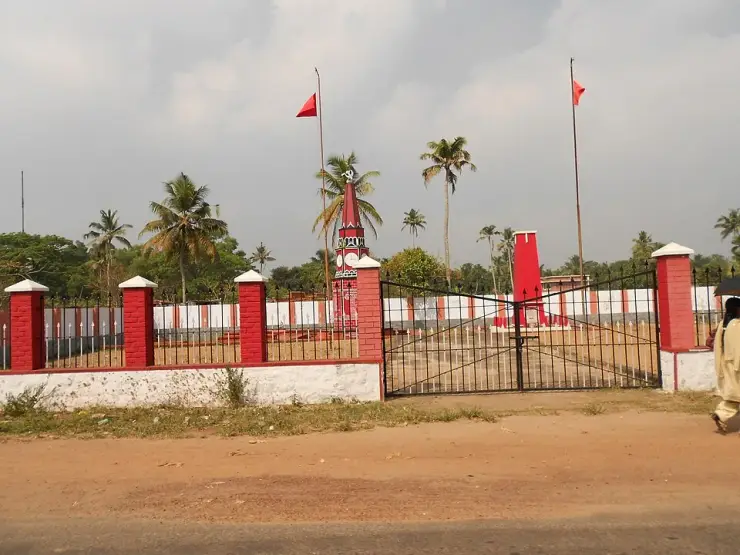
Punnapra Vayalar Memorial FreeFree. There is no ticket office, and no charge has ever been reported.An open-air roadside memorial, so daytime is the practical answer. ⚠ The enclosure has iron gates and at least one photograph of the site shows them shut, so access outside commemoration days may not be guaranteed. We have found no source stating opening hours either way, and would rather say so than invent them.October to March is the comfortable season on this coast. The commemorative week runs 23–27 October, with Punnapra-Vayalar Martyrs' Day on the 27th — come then for gatherings, flags and speeches, or outside it for a quiet enclosure.
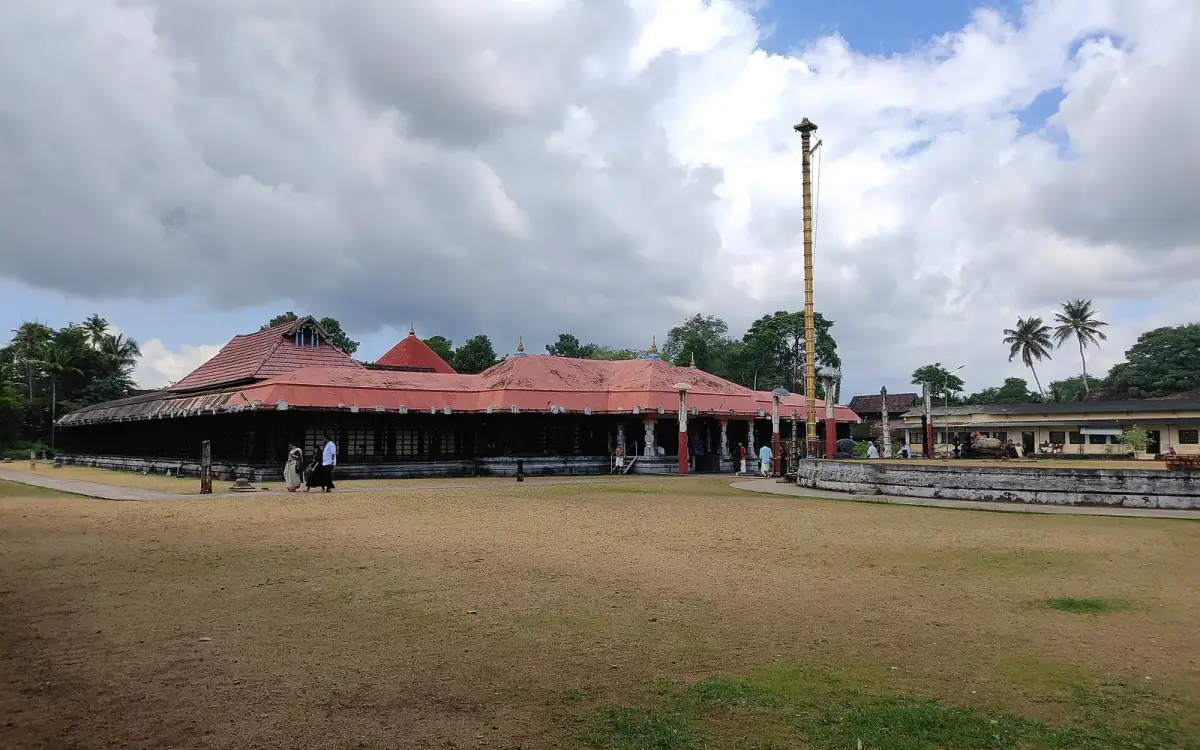
Chengannur Mahadeva Temple FreeNo ticket. Entry is free; vazhipadus such as the Haridra Pushpanjali, meenoottu, dhara, neypayasam and the archanas are paid for individually at the counter.Darshan roughly 4.30 am to 11 am and 5 pm to 8 pm. These are the temple's own published timings, not a travel listing. ⚠ They move on festival days and on days with udayasthamana puja (eighteen pujas are scheduled on those), and on eclipse days the nada closes an hour before the eclipse begins and reopens only after the purification rites.October to March is the comfortable window and covers the 28-day annual festival, which is hoisted on Thiruvathira in Dhanu (December) and ends with the arattu on Thiruvathira in Makaram (January). ⚠ The Thripputhaarattu CANNOT be planned for — it is announced only when the sign is found, several times a year, through the Malayalam media. Shivaratri in Kumbham (February–March) brings the Parisham Vayppu.
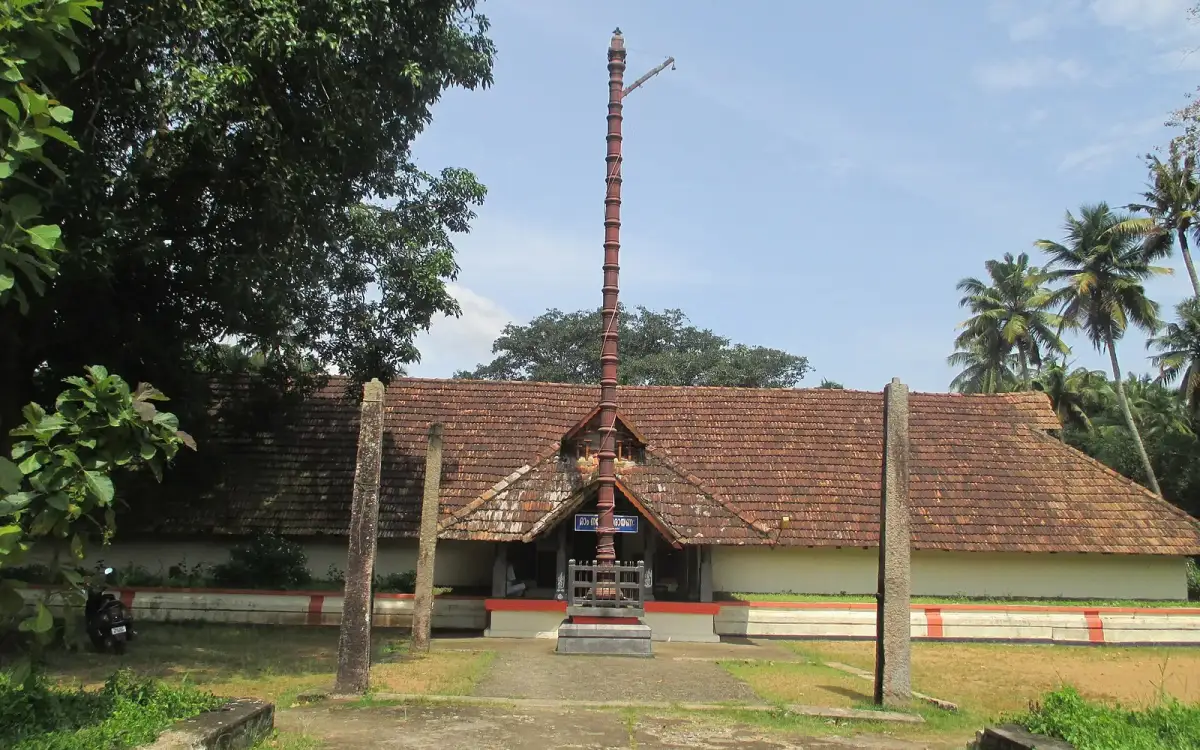
Thrichittatt Maha Vishnu Temple FreeNo ticket. Offerings and vazhipadus are paid at the counter.Roughly 5 am to 11 am and 5 pm to 8 pm. Festival days differ.October to March for comfort. The annual festival falls in Meenam (March–April): the flag is hoisted on the Atham asterism and the utsavam runs ten days.
Cherthala Karthyayani Temple FreeNo ticket. Vazhipadus — archana, Rakta Pushpanjali, Swayamvara Pushpanjali, muzhukappu, kalabham, the thadi, and the release of a cockerel — are paid for individually at the counter.Darshan roughly 5 am to 12 noon and 5 pm to 8 pm. Festival days differ.October to March for comfort. The Cherthala Pooram falls in Meenam (March–April), with padayanis on the Pooyam, Ayilyam, Makam and Pooram asterisms and Pooram as the main day. Navaratri in Kanni and Thrikkarthika in Vrichikam are also kept.
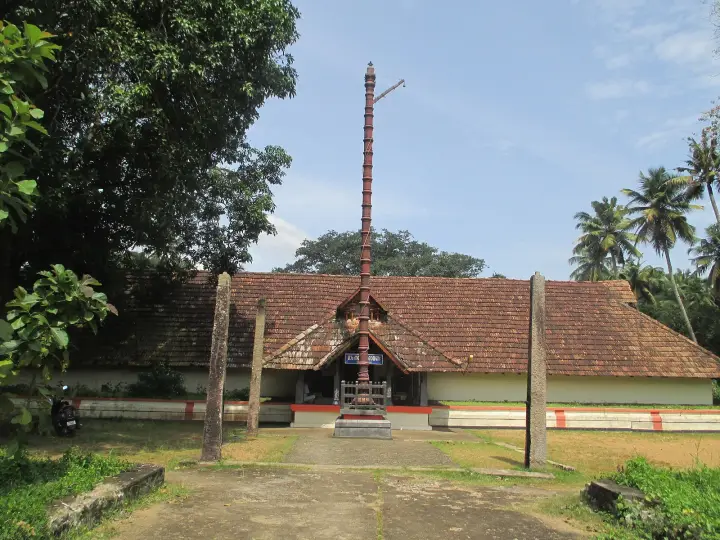
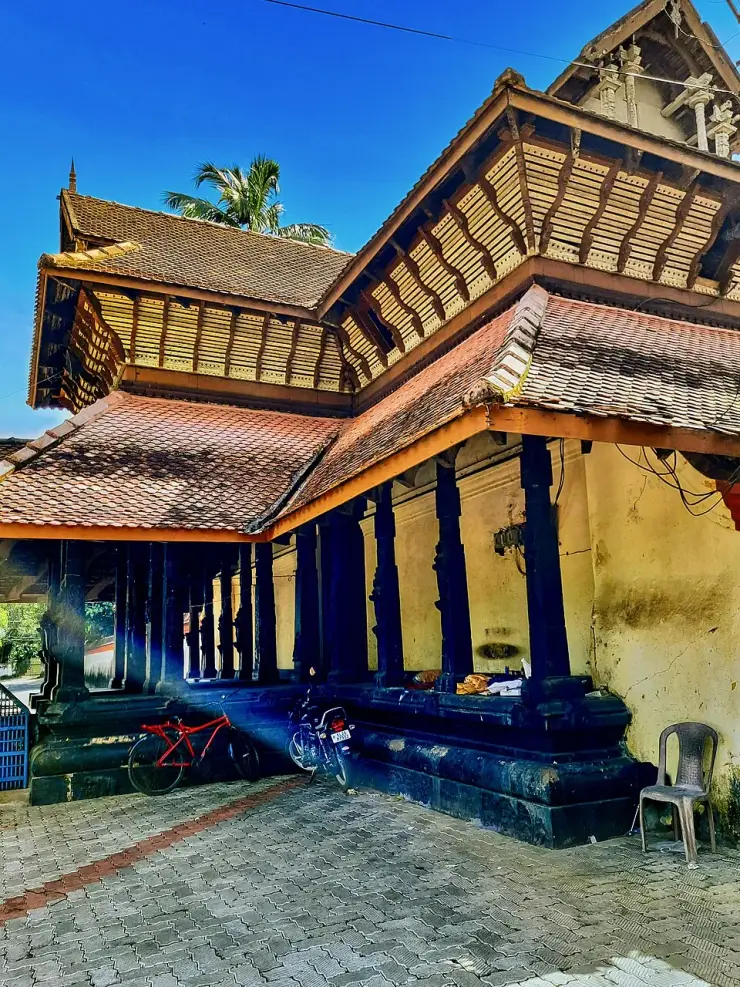
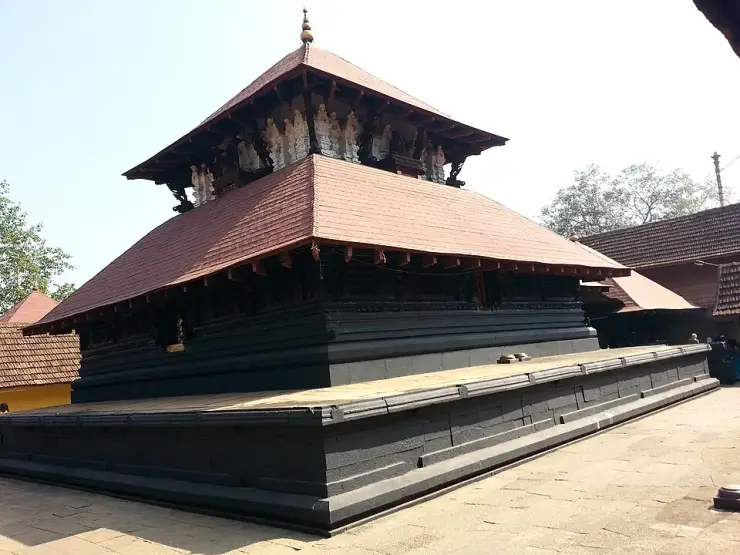
Kandiyoor Sree Mahadeva Temple FreeNo ticket. Entry is free; vazhipadus and archanas are paid for individually at the counter.Ordinary Kerala Shaiva temple hours — early morning and evening darshan, with the nada shut through the middle of the day. The temple does not publish a fixed timetable we can verify, so no exact times are given here; festival days rearrange everything.October to March is the comfortable window. The ten-day annual utsavam falls in Dhanu (December–January) on the Thiruvathira asterism and closes with the arattu; Shivaratri in Kumbham (February–March) is the other major day.