Alappuzha / Alleppey town

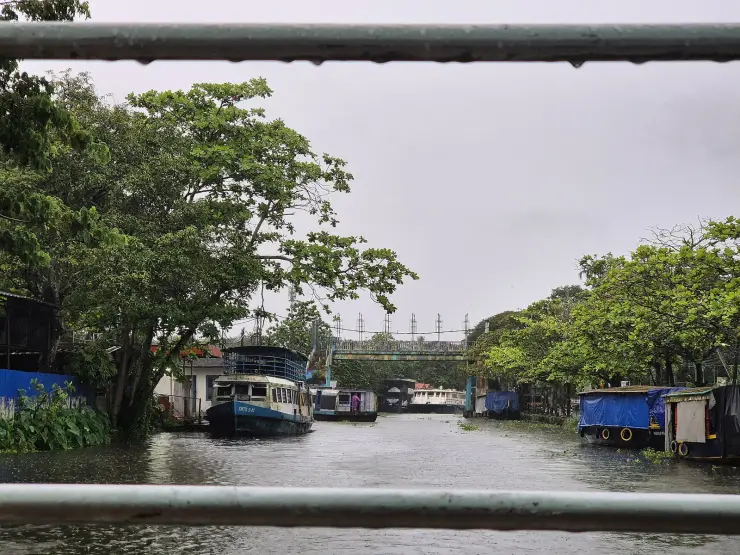
Alappuzha, still widely called Alleppey, is Kerala's main houseboat and backwater town. The practical travel zone is compact: canals and old trading streets in town, the beach and lighthouse to the west, and the Finishing Point/Punnamada side for many houseboat departures.

Alappuzha / Alleppey town, Alappuzha town
Practical guide

Plan Alappuzha / Alleppey town

Who's going?Tailor Alappuzha / Alleppey town to your trip
Typetown
AreaAlappuzha town
DistrictAlappuzha
Best timeNovember to February is most comfortable
Time neededOne full day minimum
EntryNothing to enter
Places to visit4Listed businesses37

Use Alappuzha as a logistics base for a backwater cruise rather than treating the town as only a boarding point. The best trips combine a verified houseboat or canoe route with an evening beach walk, a canal-side food stop and a Kuttanad village loop if time allows.

The story

Most Kerala towns cannot tell you when they began. Alappuzha can: it was opened as a port in 1762, on the instruction of one man, and laid out on a plan. Raja Kesavadas, Dewan of Travancore, cut roads, dug canals, built warehouses and offered terms to merchants from Surat, Bombay and Kutch to persuade them to trade here — and the district administration still styles him the maker of modern Alleppey. What he drew is what you walk through. The town is a grid organised around two long parallel canals, and the reason each of them was dug is different, and that difference is still legible in which one has warehouses along it. Alappuzha is not a town that grew. It is a town that was designed, and it is one of the few places in Kerala where you can stand in the middle of the plan.

The story of Alappuzha / Alleppey town

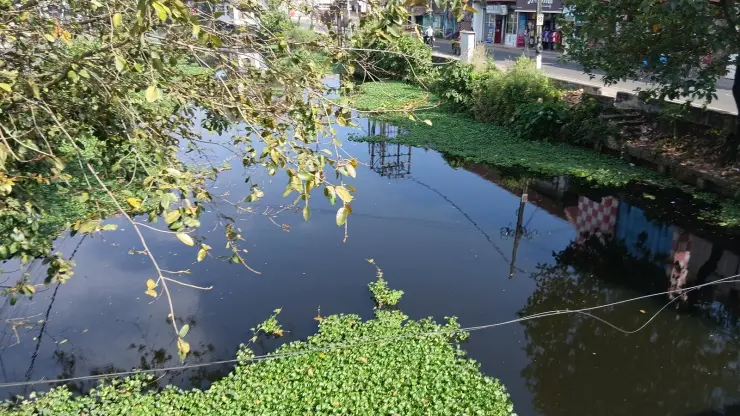
The two canals are the town. They run roughly parallel, joined by shorter link canals, and they were cut for opposite purposes. The Vadai Canal came first and was intended as a moat — a defensive line for a new and valuable port. The Commercial Canal was cut expressly for trade, to move goods between the port and the godowns built along its banks. Two centuries later the distinction has not worn off: it is the Commercial Canal that has the warehouse frontages, because that is what it was for. Read the town in that order and its shape stops being picturesque and starts being purposeful. This is contested, and we have not picked a side. Benny Kuriakose and Associates, the practice that carried out the Alappuzha Heritage Project survey, writes that “the vadai canal was dug to control the spread of diseases and relieve the pressure on the existing commercial canal” — which disagrees with the account above on all three points: which canal came first, when the Vadai was cut, and why. We could not locate the origin of our own “moat” reading, and the district administration's history page names no canals at all. Both accounts are set out here until one can be sourced properly.

Both canals are part of National Waterway 3, and both have spent much of the last century in decline — silted, encroached on, and used as drains by a town that had turned its back on them. The current restoration is not small: the Kerala Infrastructure Investment Fund is financing work across nine major canals and two sub-canals, some 23 kilometres in all, at a cost in the region of ₹42.85 crore, covering the Vadai and Commercial canals along with East Junction, West Junction, Murinjapuzha, Uppotti, Kottaram Thodu, Ambalappuzha and the A.S. Canal.

Running alongside it is a project called Canalpy, developed with IIT Bombay, which is interesting for a reason that has nothing to do with engineering: it is built on a zero-eviction principle. The people living on the canal banks are treated as part of the solution rather than as the obstacle to it. Canal restoration in Indian cities has very often meant clearing the banks; doing it the other way is a deliberate argument about what a restored canal is for, and Alappuzha is where that argument is being made.

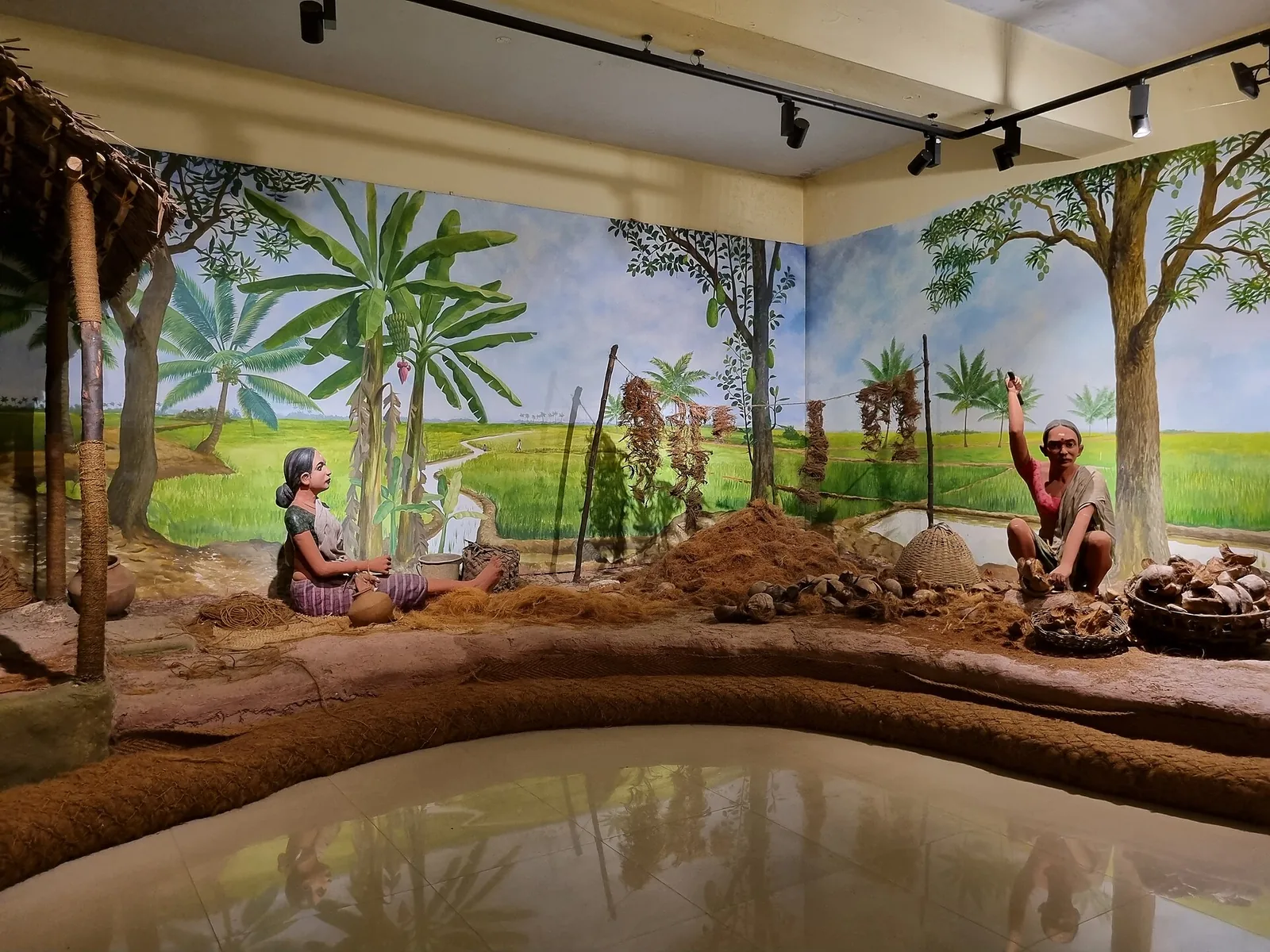
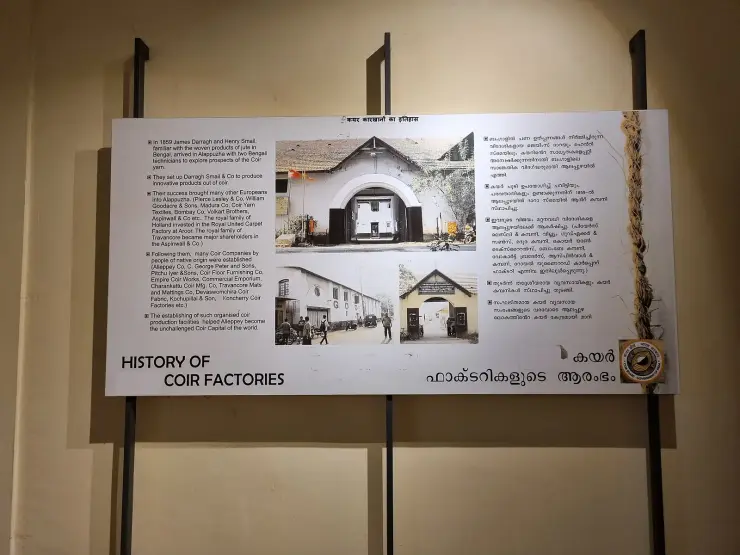
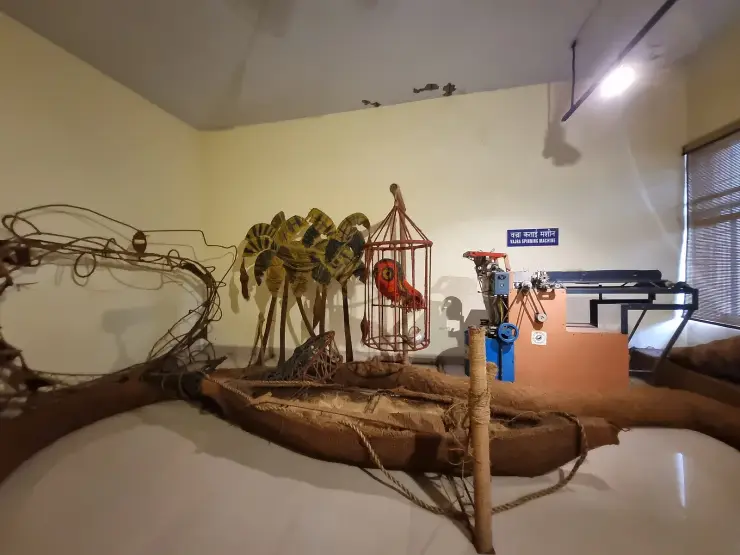
The other thing Kesavadas built here was a trade, and it outgrew the town. In 1859 the first coir factory in India was established at Alleppey by James Darragh, an American of Irish origin, in partnership with Henry Smail — the firm of Darragh Smail & Company. Others followed quickly: Pierce Leslie & Co, William Goodacre & Sons, the Madura Company, Coir Yarn Textiles, the Bombay Company, Volkart Brothers and Aspinwall & Co. Within a few decades the name of this town was doing duty in European warehouses as a commodity grade rather than as a place. (How coir is actually retted, spun and woven belongs to the International Coir Museum page; what belongs here is the port, the firms and the workforce.)

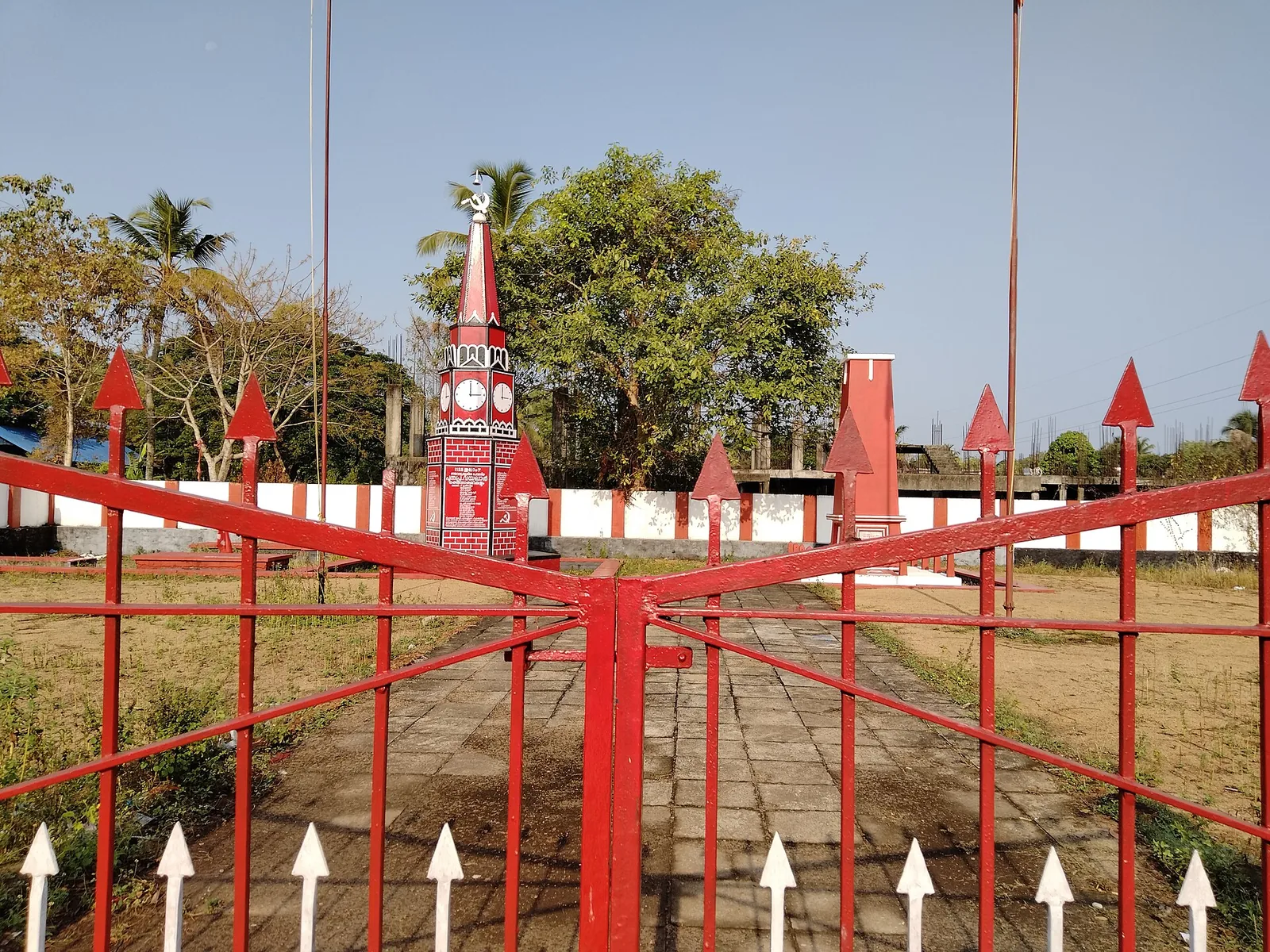
That workforce is the hinge between the town's commercial history and its political one. The factory floors of Alappuzha produced a dense, organised, urban labour force of a kind that was rare in Travancore, and in October 1946 it rose. The immediate target was Sir C. P. Ramaswami Iyer, the Dewan, who was promoting a constitution for an independent Travancore, and the slogan was to chuck the American model into the Arabian Sea. Around 200 people were killed at Punnapra on 24 October 1946 and more than 150 at Vayalar on 27 October; the wider estimates run past a thousand. In January 1998 the central government formally recognised the rising as part of the freedom struggle. ⚠ Punnapra and Vayalar are villages south and north of the town, not the town itself — the town's connection is that the workers came from here. The rising has its own memorial and its own page on this site.

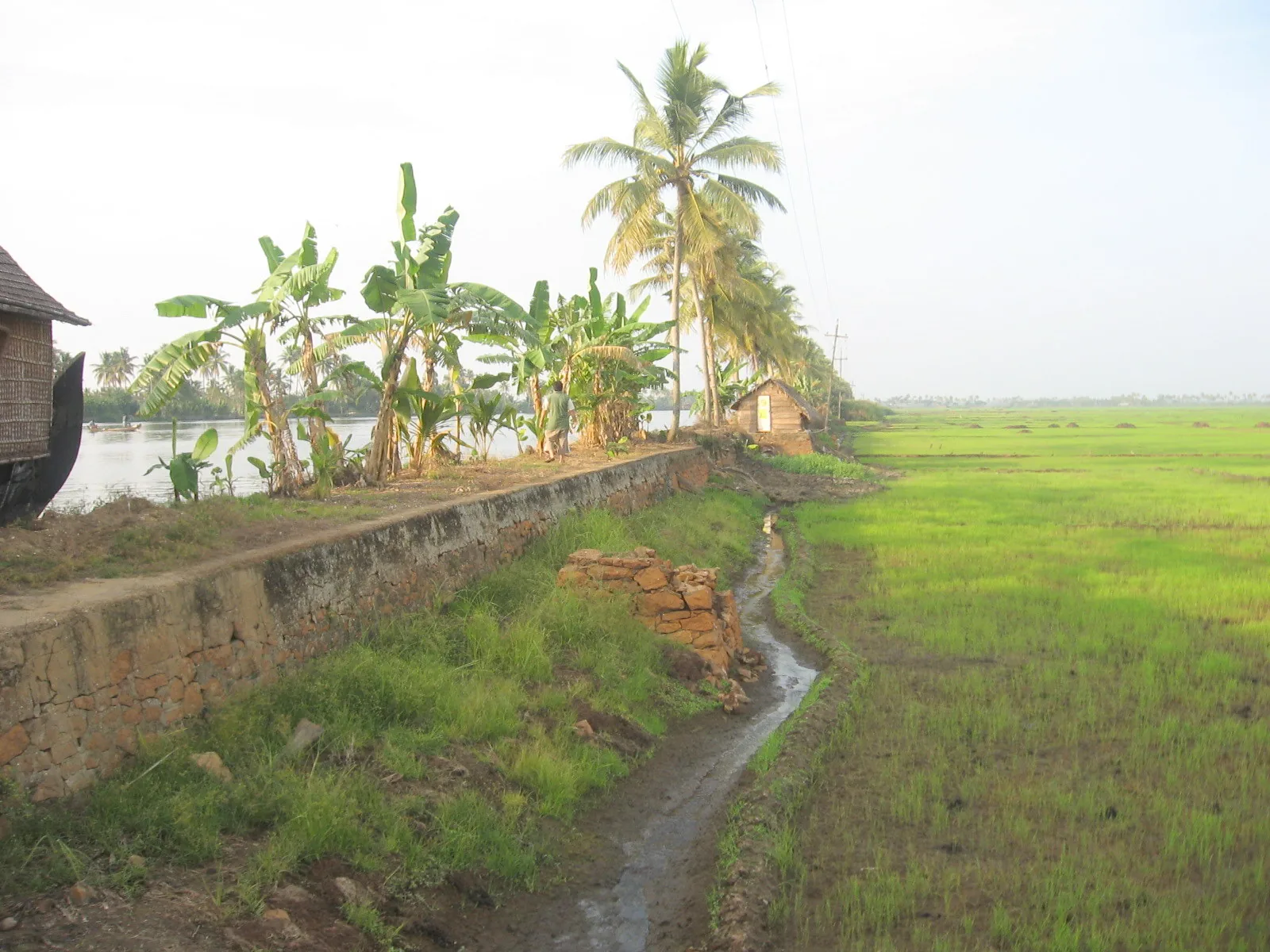
What the town looks like now is largely a consequence of where it was put. Alappuzha sits on a narrow strip between the Arabian Sea on one side and the lakes and paddy of Kuttanad on the other, and it is low — much of the surrounding country lies below sea level. That is why the canals were practical in the first place, and it is also why the town has no old fort on a hill, no defensible high ground and very little in the way of monumental architecture. Its landmarks are infrastructure: canals, bridges, godowns, a pier and a lighthouse. It is an engineered landscape, and reading it as one is far more rewarding than looking for the picturesque.

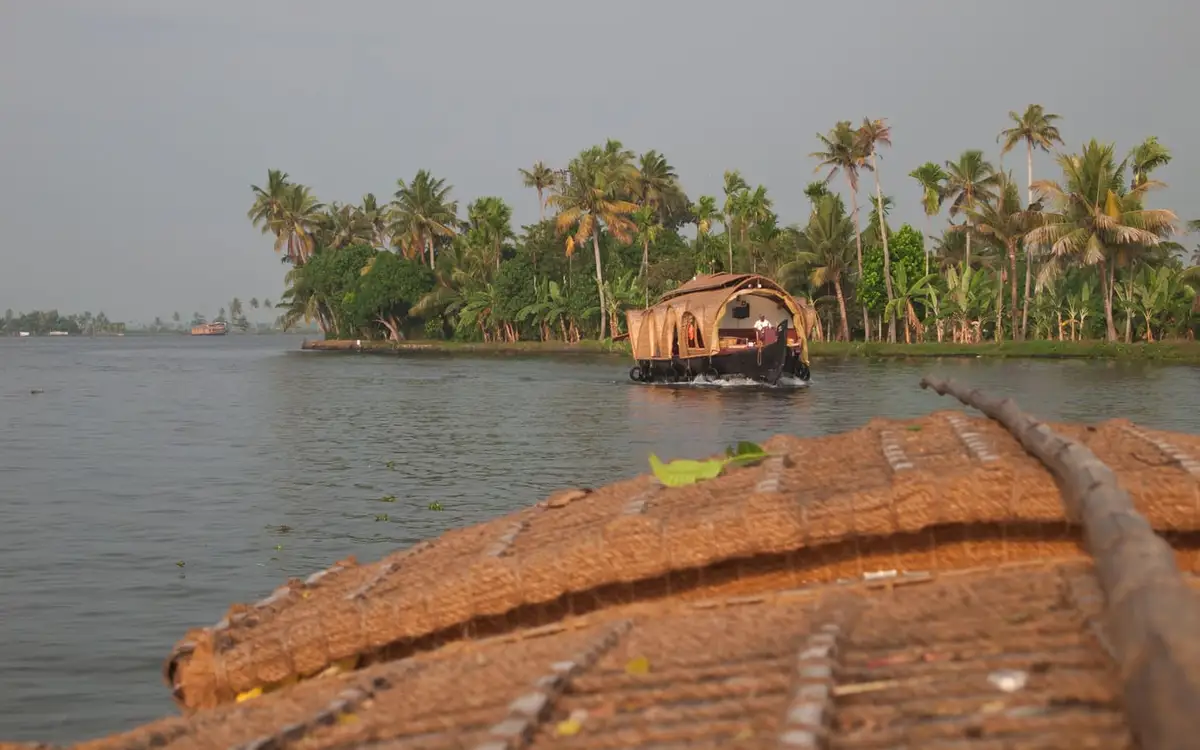
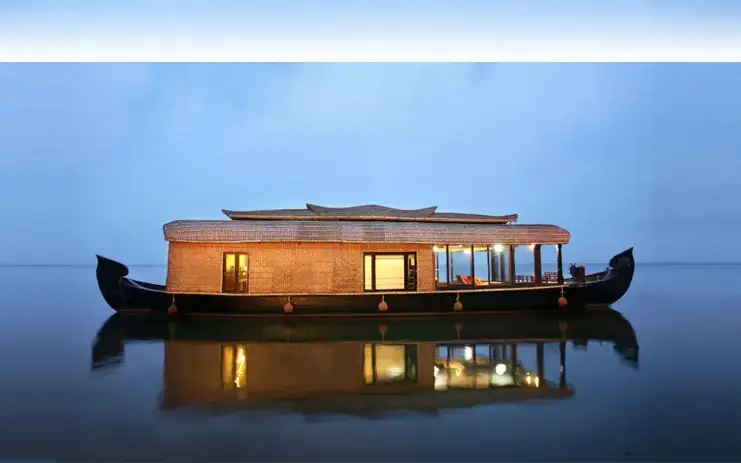
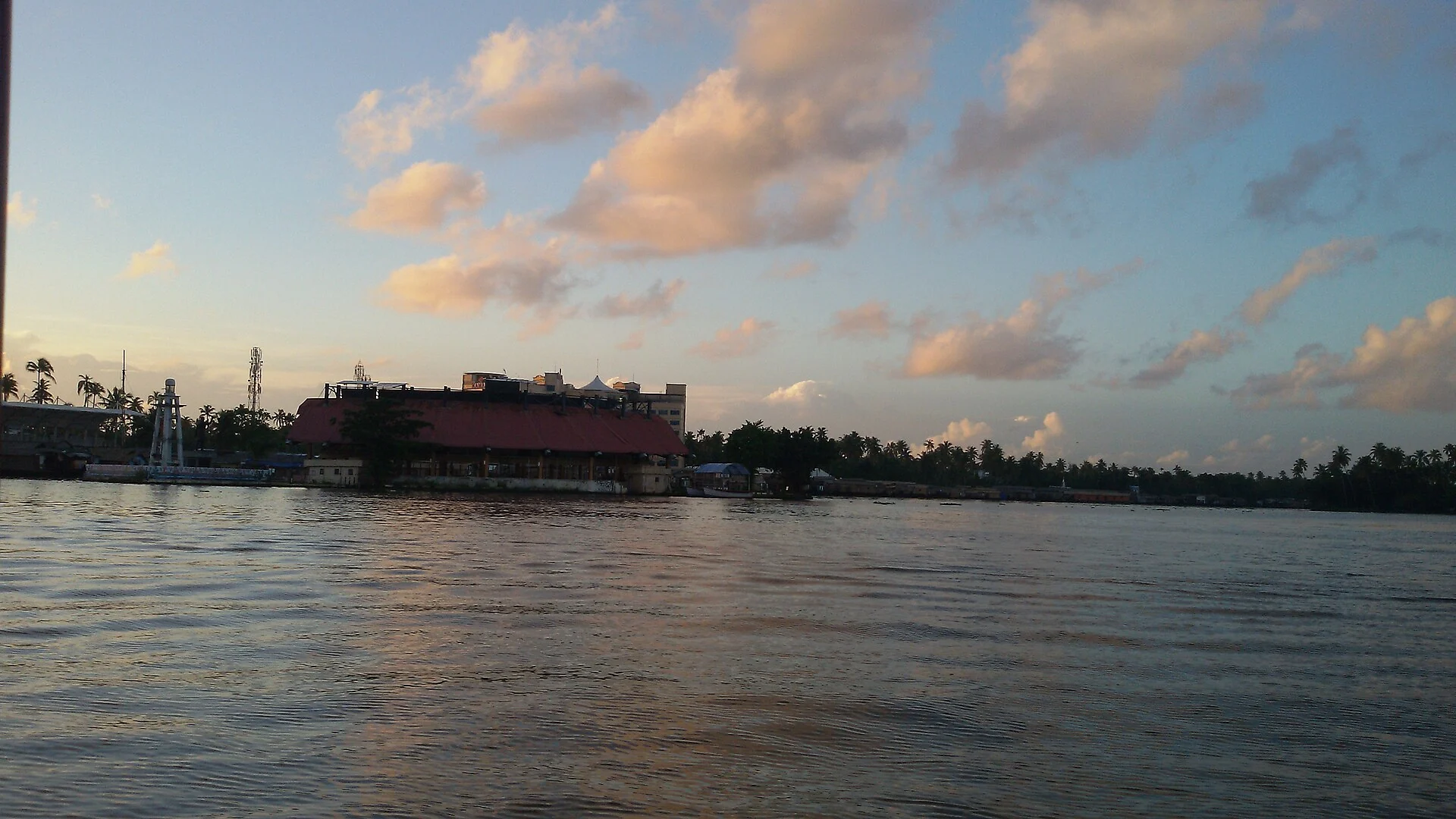
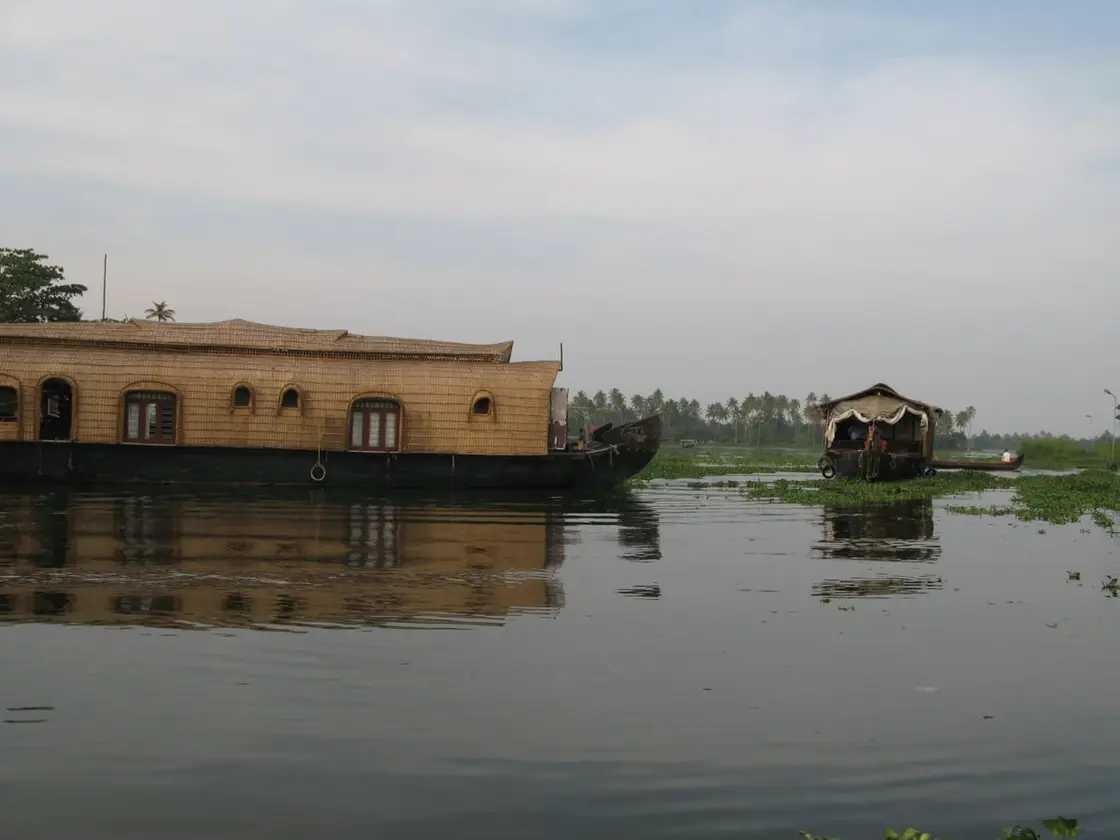
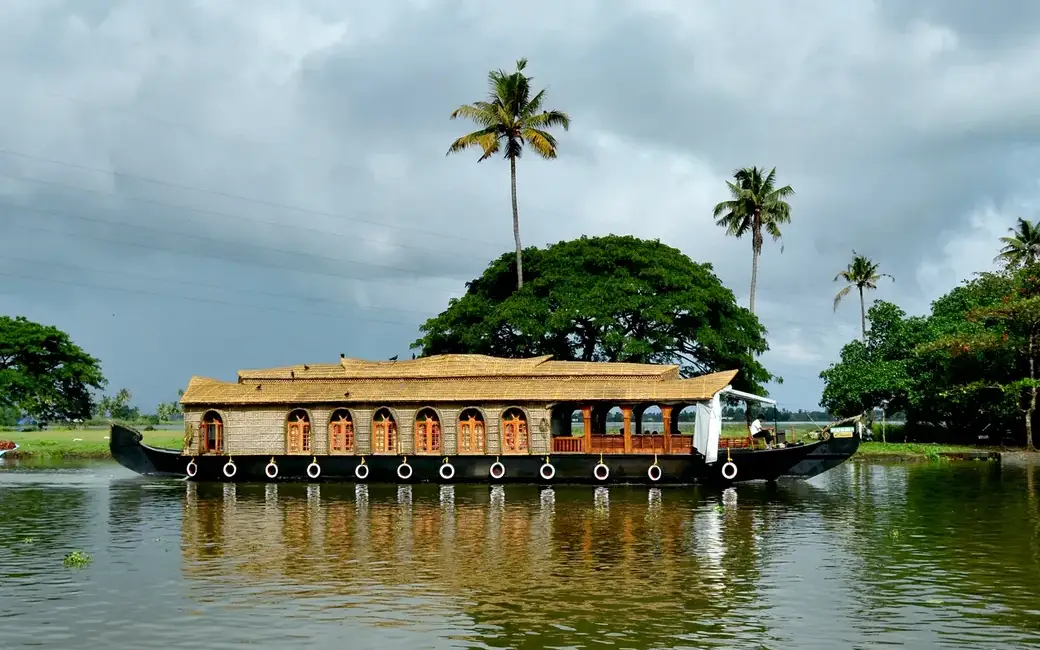
Today the town's visible economy is the houseboat fleet, and it is worth being clear-eyed about how recent that is. The kettuvallam was a rice barge — working freight that moved paddy and goods along these same waterways — and its conversion into tourist accommodation dates only from the 1990s. The trade that built Alappuzha was coir, not tourism, and the boats that made the town were carrying cargo rather than passengers. The fleet moored at the Finishing Point is a second life for a working craft, not an ancient tradition, and knowing that makes the town easier to see: the canals in the middle of it were the point, and the backwaters everyone photographs were the road out.

The administrative town is much younger than the port. The district of Alappuzha was carved out of parts of Kottayam and Kollam in 1957 — the district's own portal gives 17 August 1957, while English Wikipedia gives 1 August; we follow the district and record the variant. The name changed later still: Alleppey formally became Alappuzha under G.O.(P) No. 133/90/RD, dated 7 February 1990. Both forms remain in daily use, the railway station code is still ALLP, and no one locally treats the two as different places.

Legend & myth

Alappuzha is in an unusual position for a Kerala town: it knows its own birthday. There is a founder, a purpose, a date and a surviving administrative record. That ought to leave no room for origin stories, and it has not. The town holds several accounts of where it came from and what it is, and they do not fit together — which is a more interesting kind of folklore than a single tidy legend, because you can watch each version doing a job.

Start with the name. Alappuzha is read as ala plus puzha, and the standard gloss is Hermann Gundert's: ala as broad, puzha as river, the broad river. A second reading circulates widely and translates it instead as the land lying between the sea and the network of rivers that flow into it — which is a description of the place rather than a translation of the words. Gundert is the citable one and we lead with him; the second is worth knowing precisely because it shows a town explaining its own name by looking out of the window rather than into a dictionary.

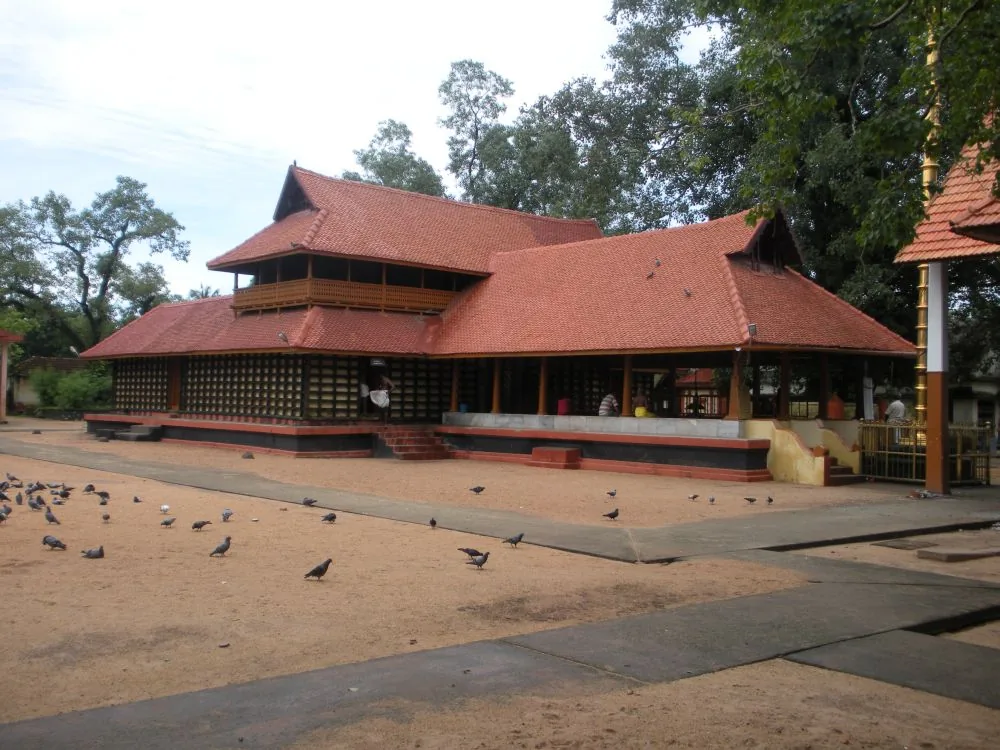
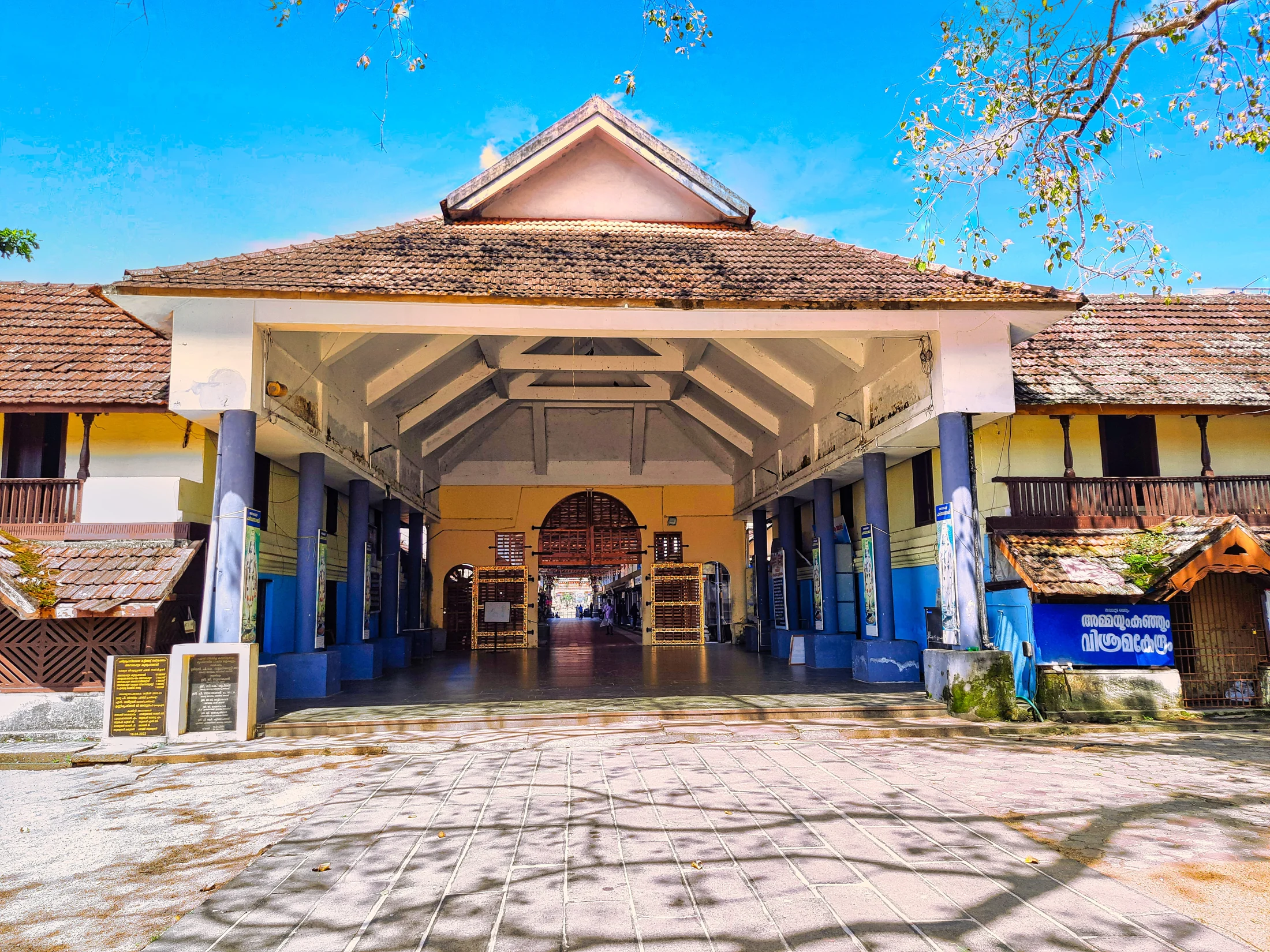
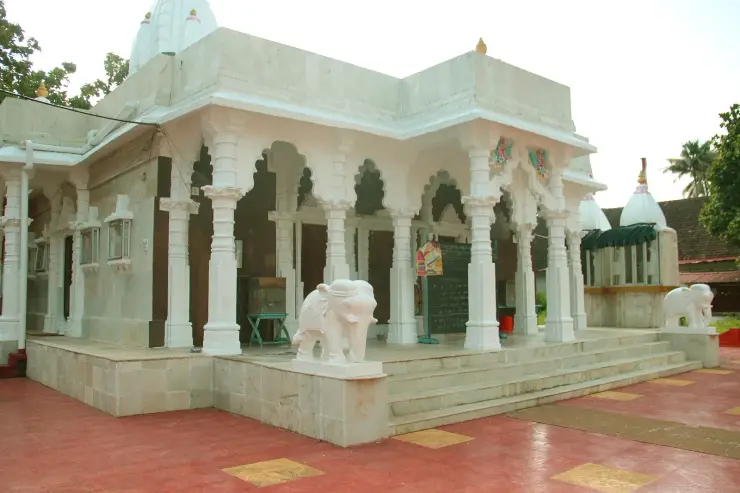
Then there is the shrine that is older than the town. The Devi temple at Mullakkal stands inside the 1762 plan, and the legends attached to it place a goddess on that ground centuries before any Dewan drew a canal — arriving with soldiers expelled from Thekkumkur, or with Namboodiri families fleeing the Mysorean campaigns, or in a jasmine grove where a king's umbrella would not move. There are four such accounts and they contradict each other on who the king was, on which century it happened in, and on whether the temple predates the town or was drawn into it. We do not retell them here, because they are the temple's own story and they are set out in full on its page. What matters at the scale of the town is the shape of the disagreement: a settlement with a documented founding date has, at its centre, a sanctuary that remembers itself as far older, and the town has never resolved which of those is its real beginning. A planned port is a difficult thing to feel loyal to. An older goddess is not.

And then there is the story the town tells the world, which is the one it did not invent and does not own. Alappuzha is marketed everywhere as the Venice of the East. The phrase is a Victorian travel cliché rather than a title: something like forty cities across fourteen countries have been called it, including Srinagar and Udaipur in India alone, along with Suzhou, Bangkok, Dhaka, Basra, Malacca, Osaka, Kyoto, Manila and Palembang. It is popularly credited to Lord Curzon, usually with a quotation about nature having spent upon this land her richest bounties, but that attribution rests on repetition rather than on any surviving record — no primary Curzon document, viceregal tour paper or archival citation supports it, several sources hedge it with it is said, and at least one dates it differently. We print it here because it is unavoidable, and we print it as what it is.

That is the honest summary of this town's mythology. Its deepest folklore is concentrated at Mullakkal and belongs there. Its etymology is contested in a way that reveals how it sees itself. And its most-repeated line about itself was handed to it by a nineteenth-century European habit of comparing every canal city to one Italian one — a habit that says a great deal about who was writing and almost nothing about Alappuzha. A town that was drawn on a plan has spent two and a half centuries acquiring the kind of past that unplanned places get for free.

Read the full history of Alappuzha / Alleppey town 486 more words

History

The port was opened in 1762 under Dharma Raja Karthika Thirunal Rama Varma, with Raja Kesavadas (1745–1799) as the moving force. The aim was specific: to export coir matting and coir yarn, and to give Travancore a trading harbour of its own. Kesavadas cut roads and canals, put up warehouses, offered inducements to merchant houses from Surat, Bombay and Kutch, and had three ships built for the Calcutta and Bombay trade.

The nineteenth century turned that plan into an industry. Darragh Smail & Company opened India's first coir factory here in 1859, and the European and Indian firms that followed made Alleppey the centre of the coir export trade. The warehouses along the Commercial Canal, and the grade names that still carry the town's anglicised spelling, are what survives of that period in daily use.

The twentieth century brought the labour politics that industry created. The Punnapra–Vayalar rising of October 1946 was the sharpest expression of it, and it was recognised by the central government as part of the freedom struggle in January 1998. Kerala's later land and labour reforms reshaped the surrounding countryside as thoroughly as the canals had reshaped the town.

Alappuzha district was formed in 1957 from parts of Kottayam and Kollam — 17 August according to the district administration, 1 August according to English Wikipedia, and the discrepancy is recorded here rather than resolved. The town was renamed from Alleppey to Alappuzha by G.O.(P) No. 133/90/RD on 7 February 1990.

The canals themselves declined through the later twentieth century and are now the subject of the largest restoration the town has seen, under KIIFB funding and alongside the Canalpy project's zero-eviction model. Whether the town's next chapter is written on its waterways again, rather than merely photographed on them, is genuinely open.

Why visit

Because it is a planned town and you can read the plan. Two parallel canals cut for two different reasons, link canals between them, warehouse frontages where the trade canal runs — the logic of 1762 is still on the ground.

For the canal walk rather than only the canal cruise. Most visitors see Alappuzha from a houseboat heading out of it; the town itself, along the banks and the bridges, is where its history is legible.

For the coir story at its source. This is where India's first coir factory opened in 1859, and where a town's name became a commodity grade in European warehouses.

Because it is the practical base for everything around it — Kuttanad, Marari Beach, Pathiramanal, the Nehru Trophy course at Punnamada — with the railway station and the KSRTC bus stand effectively next door to each other.

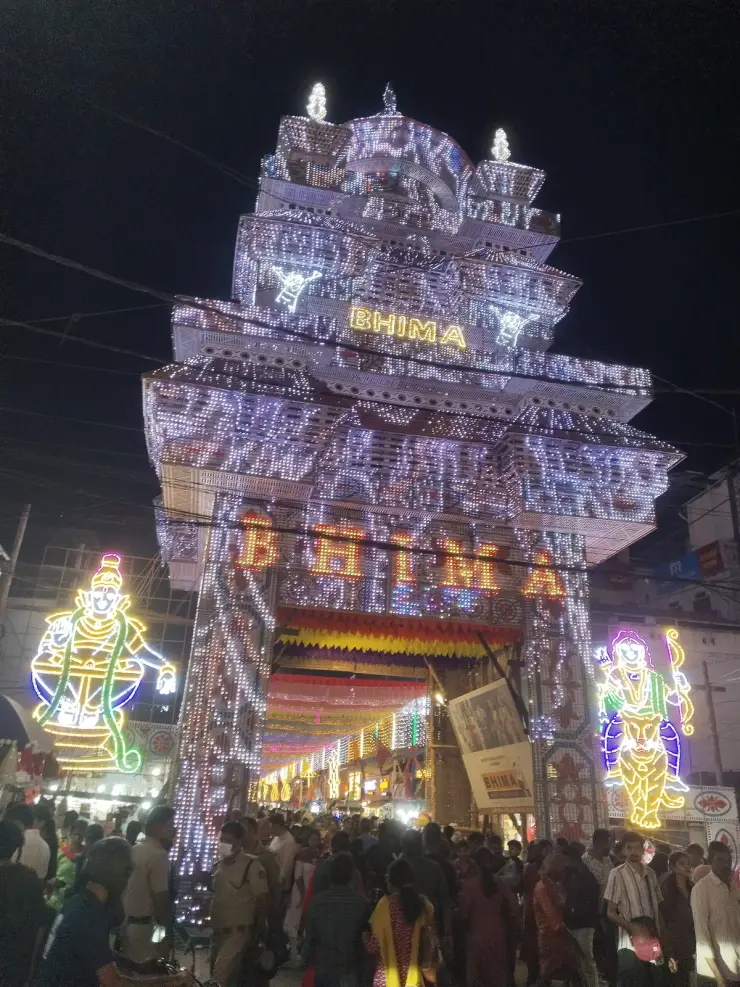
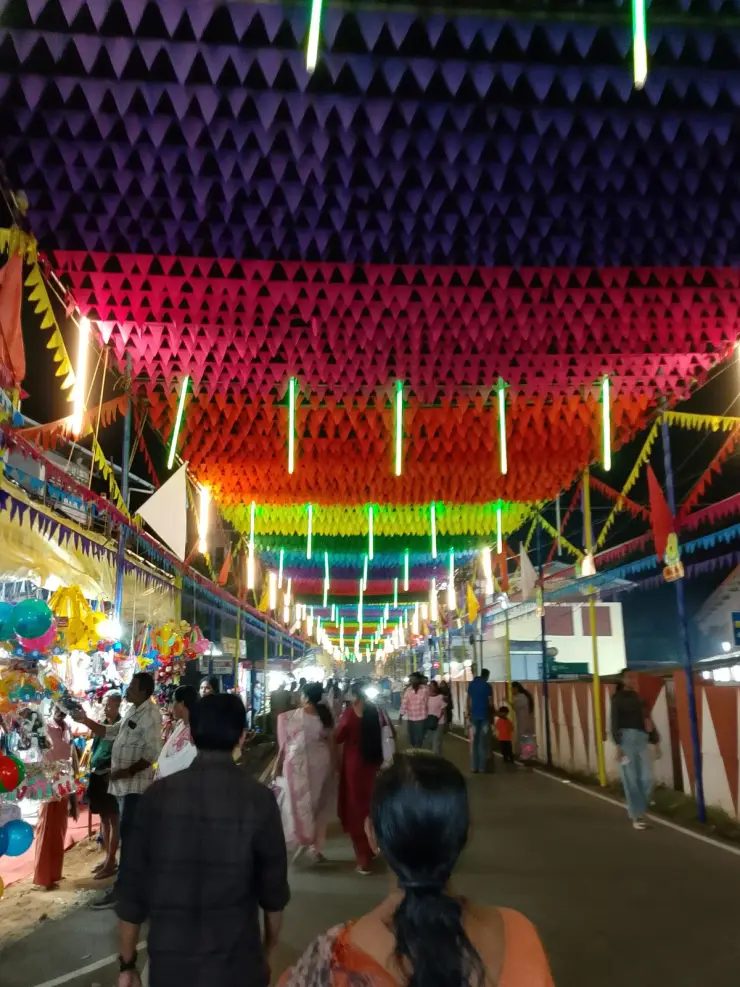
For Mullakkal Chirappu, the town's own annual peak: a 41-day festival culminating in December, when the temple street rather than the waterfront is the centre of the town.

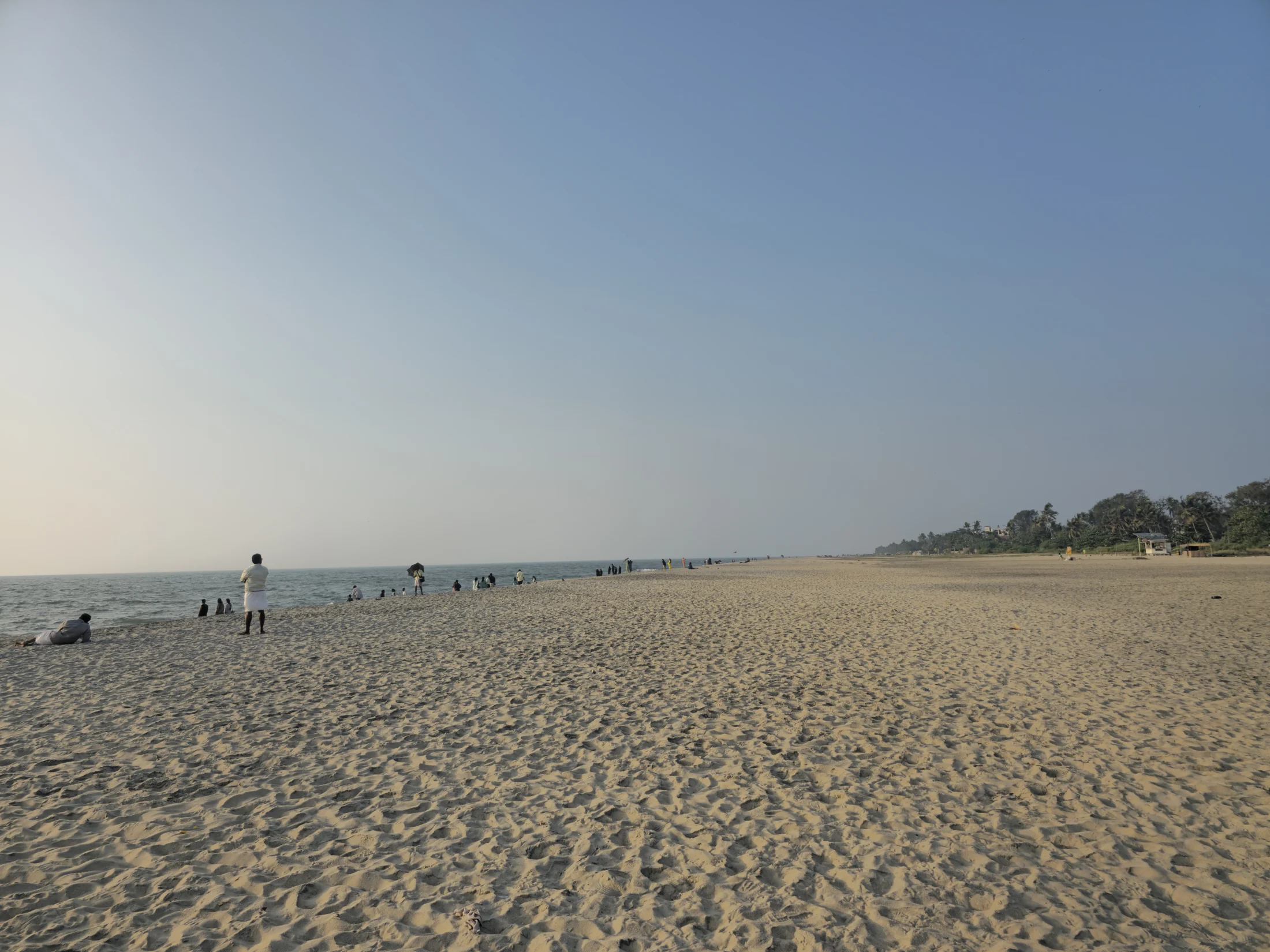
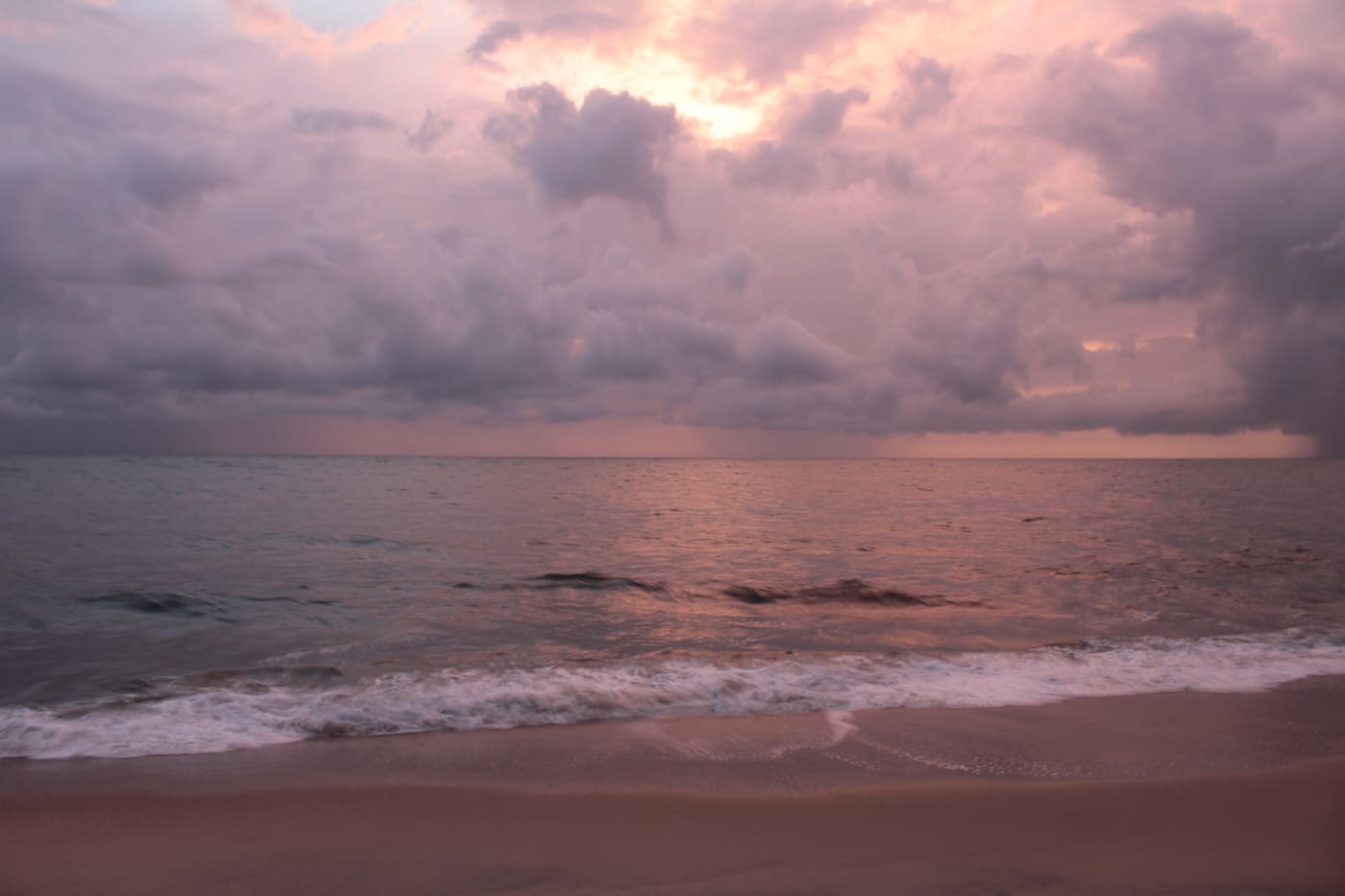
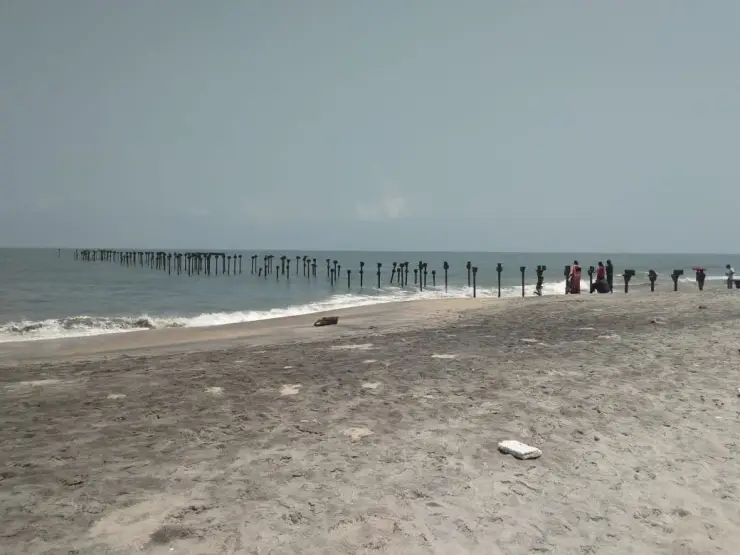
For the beach and the pier at the seaward edge, where the celebrated backwaters finally meet the Arabian Sea.
What to expect

Highlights

  • Kerala's busiest houseboat departure hub, with canals, lake routes and beach access in one town.
  • Good base for Kuttanad, Champakulam, Nedumudy, Marari and Kumarakom-side backwater plans.
  • Local services run to houseboat operators, homestays, seafood restaurants and transfers.
Getting there

How to visit

  • Arrive by train or road, then confirm the exact jetty/reporting point with the boat or canoe operator.
  • For houseboats, get written inclusions: route, AC hours, meal plan, check-in/check-out, taxes and cancellation terms.
  • If not staying overnight on a boat, use a shorter canoe/shikara trip plus the beach and lighthouse side of town.

Distance by road

  • Kochi55 km
  • Thiruvananthapuram154 km
  • Kozhikode226 km
  • Coimbatore235 km
  • Madurai281 km

Road km to Alappuzha; ghat roads and traffic vary — allow extra.

Timing

Best time

November to February is most comfortable. March-May is hotter; monsoon is atmospheric but boat routes and visibility can be affected.

Weather in Alappuzha / Alleppey townSeasonal guide

Live forecast loads in your browser.

Today at Alappuzha / Alleppey town
Sunrise6:13 am
Sunset6:17 pm
Golden hour best light5:17 pm–6:17 pm
Blue hour after sunset6:17 pm–6:42 pm
Sun sets toward compass bearingW · 268°
Moon tonight🌖 Waning gibbous · 92%
South-west monsoon. June to September is the south-west monsoon in Kerala. Expect heavy showers, mostly in bursts rather than all day — carry rain cover, allow extra time for getting around, and note that ferries and open-air sites are the first things affected.

Sun and moon are calculated for this location and shown in IST. Photography windows are the hour around sunrise and sunset; the sunset bearing is degrees clockwise from true north. Moon phase is accurate to about half a day.

Visitor notes

  • Photos can oversell houseboats; verify current boat images and registration/classification where possible.
  • Shared cruises are cheaper, but couples and families usually prefer a private boat.
  • Town traffic near jetties can slow down around check-in time.
Safety

Good to know

  • Use boats with life jackets and clear crew details.
  • Avoid overloaded small boats and vague cash-only operators.
  • Confirm weather judgement during monsoon and rough-wind days.
Stay · eat · do · rent · see · shop

Stays, food & things to do near Alappuzha / Alleppey town

Verified hotels, homestays, restaurants, experiences, sights, shops and rentals around Alappuzha / Alleppey town — commission-free, with direct contact. Filter by what you need.

Alappuzha Lighthouse — Lighthouse in Alappuzha TownPhoto: Sanu N
Top pick Historic
Lighthouse · Alappuzha Town
Alappuzha Lighthouse
2.0 km · 25 min walk

Lighthouse in Alappuzha Town, Alappuzha, Kerala, India.

DirectionsView guide
Alleppey Backwaters — Attraction in Alappuzha TownPhoto: Augustus Binu
Top pick
Attraction · Alappuzha Town
Alleppey Backwaters
0 m · 1 min walk

Alleppey’s backwaters connect lakes, rivers and village canals around Alappuzha. A houseboat offers a room and an agreed cruise, while smaller boats can explore narrower waterways. Choose the boat format, boarding jetty and route before comparing prices; meals and overnight accommodation depend on the booking.

DirectionsView guide
Pazhaveedu Bhagavathy Temple — Temple in Alappuzha TownPhoto: Rajasekhar911
Top pick Historic
Temple · Alappuzha Town
Pazhaveedu Bhagavathy Temple
2.0 km · 25 min walk

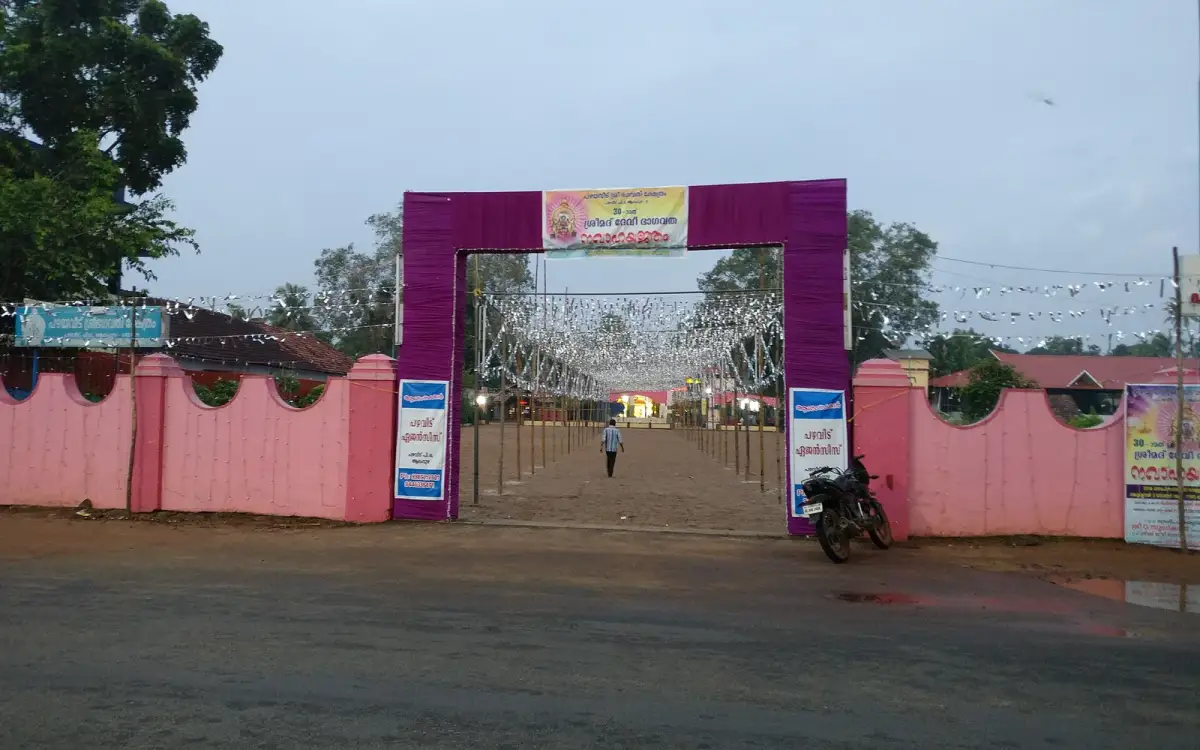
Old Pazhaveedu Bhagavathi temple south of Mullakkal, useful as a local worship and festival stop on the Alappuzha-Changanassery road.

DirectionsView guide
Alleppey Lighthouse & Museum, Alappuzha — Museum in Alappuzha TownPhoto: Sanu N
Top pick Historic
Museum · Alappuzha Town
Alleppey Lighthouse & Museum, Alappuzha
2.0 km · 25 min walkOpen · till 11:45 am

Museum in Alappuzha Town, Alappuzha, Kerala, India.

DirectionsView guide
Historic
Museum · Alappuzha Town
Ravi Karunakaran Museum
1.1 km · 13 min walk

Museum in Alappuzha Town, Alappuzha, Kerala, India.

DirectionsView guide
Mullakkal Temple — Temple in Alappuzha TownPhoto: Pradeep717
Historic
Temple · Alappuzha Town
Mullakkal Temple
490 m · 6 min walk

Temple in Alappuzha Town, Alappuzha, Kerala, India.

DirectionsView guide
Beach · Alappuzha Town
Alappuzha Beach
2.6 km · ~7 min by auto

Beach in Alappuzha Town, Alappuzha, Kerala, India.

DirectionsView guide
Waterfront · Alappuzha Town
Vembanad Lake
39.2 km · ~65 min by cab

Vembanad is a backwater lake across several Kerala districts. Choose the actual boarding point and an agreed boat route when planning an outing; a lake map pin does not identify a departure jetty.

DirectionsView guide
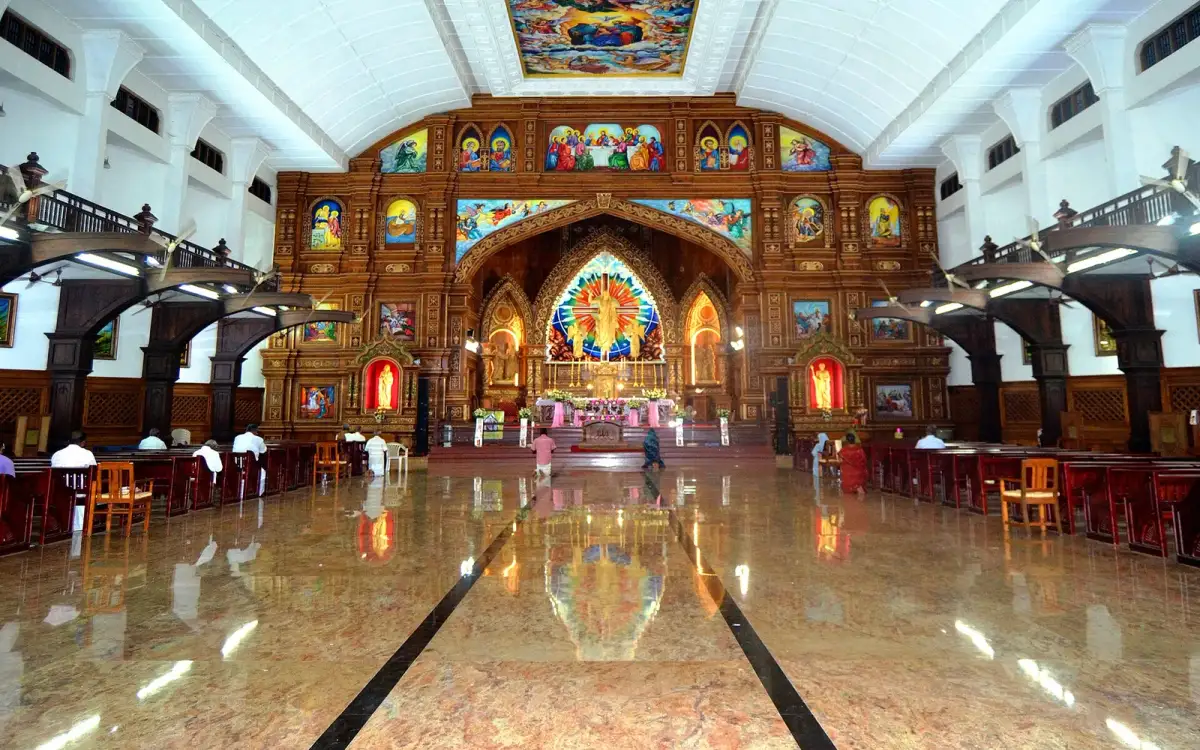
Church · Alappuzha Town
St. Thomas Church Thumpoly
3.3 km · ~8 min by auto

Church on Alappuzha - Arthunkal - Chellanam - Thoppumpady Road in Alleppey.

DirectionsView guide
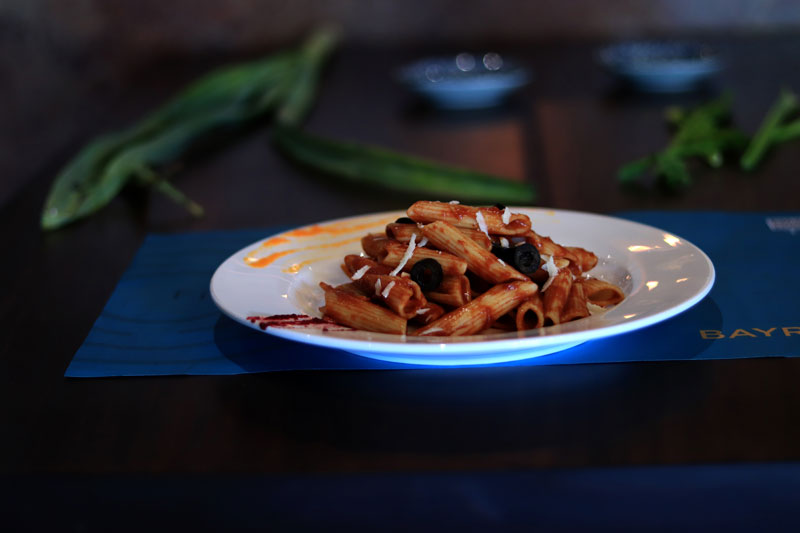
Restaurant · Alappuzha Town
Bayroute Bistro
90 m · 1 min walkClosed nowasian, chinese, indian, local, regional

Restaurant (asian, chinese, indian, local, regional) on Cullan Road in Alleppey.

Directions Commission-freeView details
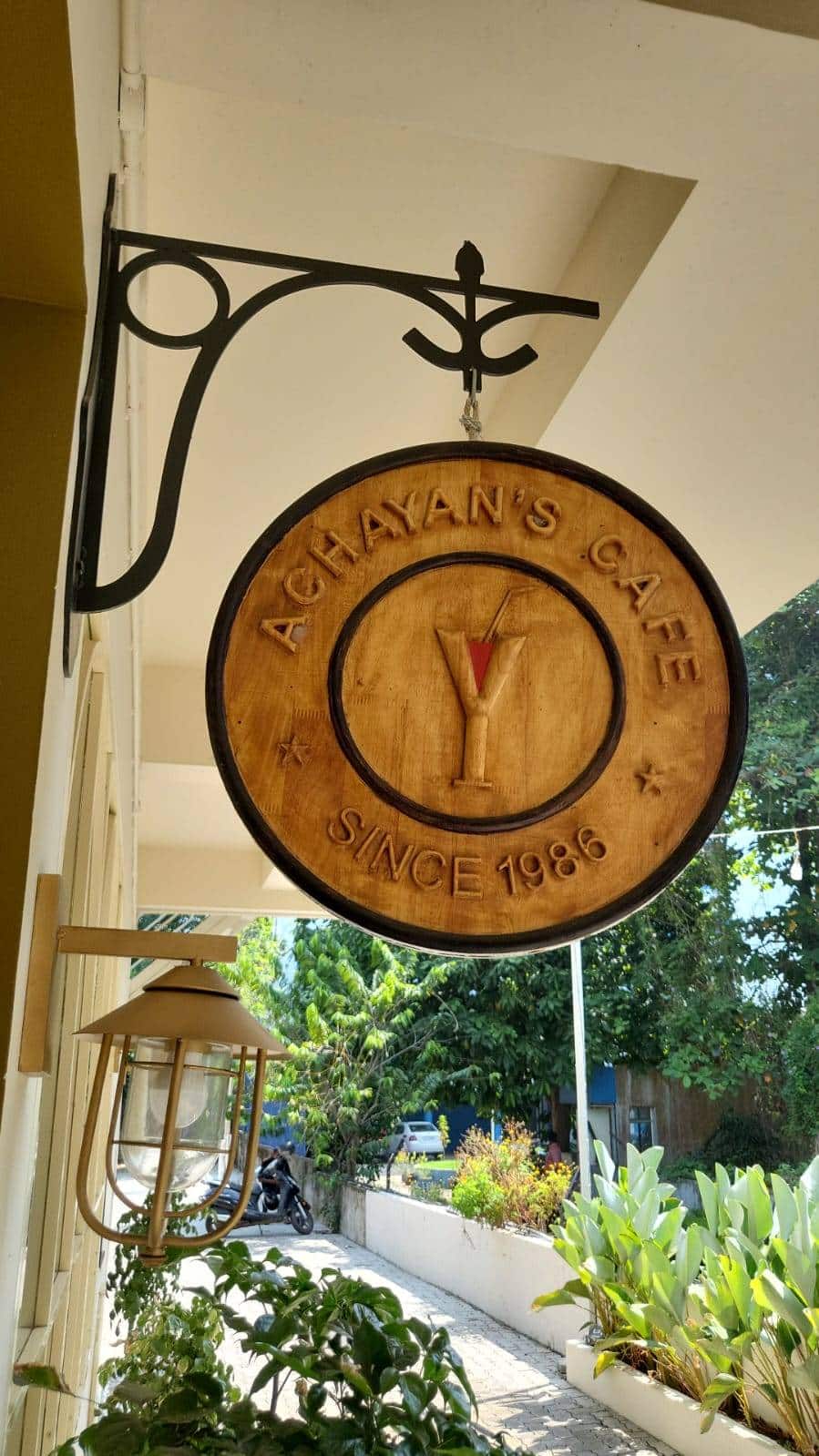
Café · Alappuzha Town
Achanyan's
300 m · 4 min walkOpen · till 9:00 pmburger, sandwich, ice cream, chicken

Alappuzha cafe/restaurant listing for desserts, juices and casual meals near the town side.

Directions Commission-freeView details
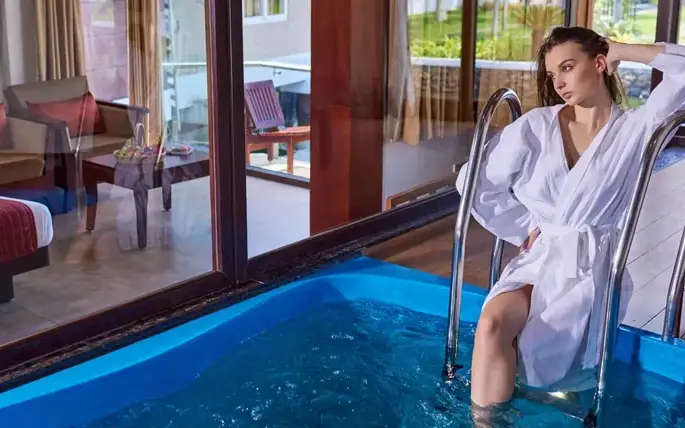
Hotel · Alappuzha Town
Lake Canopy Luxury Resort
5.9 km · ~15 min by auto

Backwater resort with cottages, pool villas and jacuzzi rooms on the banks of Punnamada Lake, North Aryad, Alappuzha.

Directions Commission-freeView details
Hotel · Alappuzha Town
Palmgrove Lake Resort
3.0 km · ~8 min by auto

Lakeside resort with heritage-style villas on the banks of Punnamada Lake, Alappuzha. It sits in the Nehru Trophy ward of Punnamada, on the Vembanad backwater fringe.

Directions Commission-freeView details
Hotel · Alappuzha Town
Pagoda Resorts
940 m · 12 min walk

Backwater resort with pagoda-style cottages and an indoor pool at Chungam, Mullackal, Alappuzha town.

Directions Commission-freeView details
Hotel · Alappuzha Town
Vembanad Village Backwater Resort
5.4 km · ~13 min by auto

Lakefront backwater resort run by EGH Resorts, with lake-view rooms and cottages near North Aryad, Alappuzha. The property faces Vembanad Lake on the northern edge of the district.

Directions Commission-freeView details
Restaurant · Alappuzha Town
Choola Restaurant
3.7 km · ~9 min by autoKerala / Multi-cuisine

Choola is Punnamada Resort’s waterfront restaurant in Alappuzha. Its published choices include karimeen pollichathu, appam with stew and prawn dishes. Request the current menu and confirm visitor access and the meal session when reserving.

Directions Commission-freeView details
Restaurant · Alappuzha Town
Arcadia Regency Restaurant
210 m · 3 min walkMulti-cuisine

On-site multi-cuisine restaurant at Arcadia Regency hotel, centrally located near the Iron Bridge in Alappuzha town.

Directions Commission-freeView details
Restaurant · Alappuzha Town
Palmgrove Lake Resort Restaurant
3.0 km · ~8 min by autoIndian / Chinese

Lakeside restaurant at Palmgrove Lake Resort serving Indian and Chinese dishes. It sits on the Punnamada backwaters in the Nehru Trophy ward, Alappuzha.

Directions Commission-freeView details
Restaurant · Alappuzha Town
Pagoda Resort Restaurant
940 m · 12 min walkMulti-cuisine

In-house multi-cuisine restaurant at Pagoda Resort in central Alappuzha town. It is located on Chungam Road, Mullakkal, near the town centre.

Directions Commission-freeView details
Restaurant · Alappuzha Town
World in the Pot
1.5 km · 19 min walkMulti-cuisine

All-day multi-cuisine restaurant at Ramada by Wyndham Alleppey, facing Punnamada Lake, serving local Alleppey and international dishes.

Directions Commission-freeView details
Backwater kayaking tour operator · Alappuzha Town
Alleppey Kayaking Club
750 m · 9 min walk

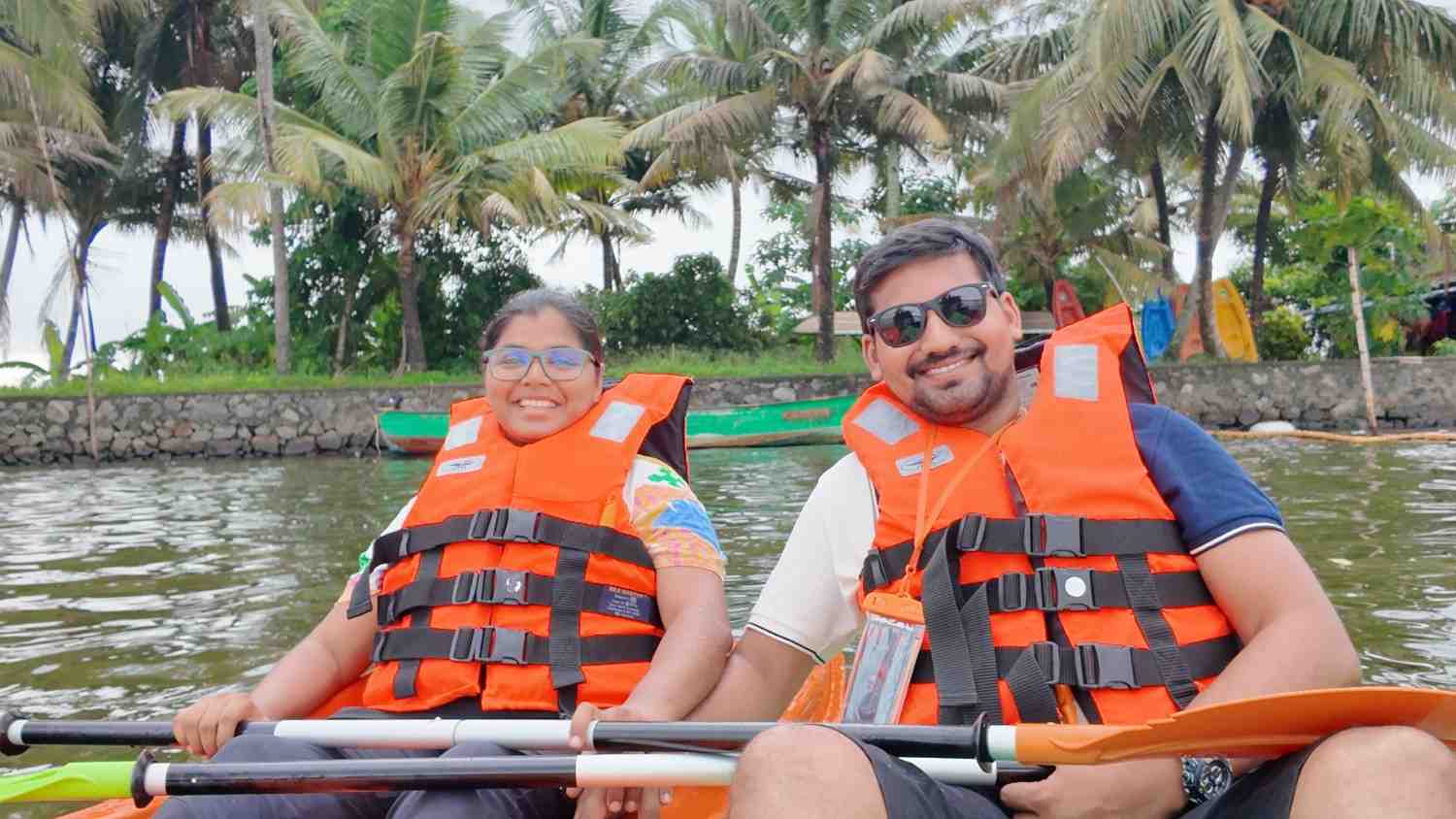
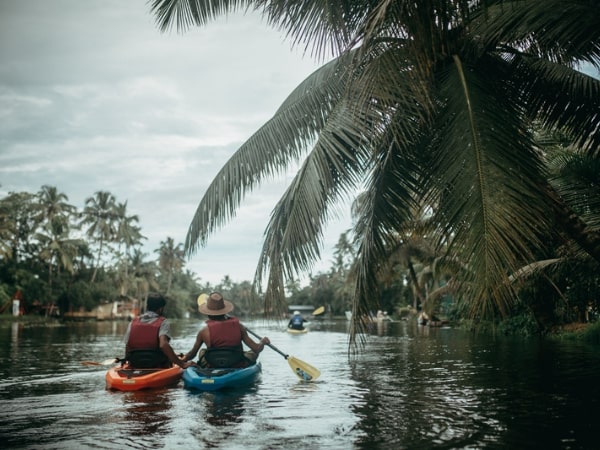
Alleppey Kayaking Club offers guided backwater kayak tours from its Punnamada base at Nehru Trophy ward, led by National Institute of Watersports-certified local guides. It runs sunrise, sunset and full-day village kayaking routes with safety gear rather than houseboat stays.

Directions Commission-freeView details
Backwater village canoe tour operator · Alappuzha Town
Alleppey Village Canoeing
6.1 km · ~15 min by auto

Alleppey Village Canoeing runs a country-boat and shikara day tour through the Kuttanad-side canals, combining canal paddling with a village walk and Kerala meals. The trip starts near Alleppey town and takes guests along narrow waterways that big houseboats cannot enter.

Directions Commission-freeView details
Nadodi Kayaking Alleppey — Backwater kayaking tour operator in Alappuzha TownPhoto: Nadodi Kayaking
Verified
Backwater kayaking tour operator · Alappuzha Town
Nadodi Kayaking Alleppey
2.6 km · ~6 min by auto

Nadodi Kayaking runs small-group guided kayak tours through the narrow Alleppey backwater canals near Punnamada, away from the houseboat routes. It offers sunrise, sunset and full-day village paddling trips with life jackets and local guides rather than boat accommodation.

Directions Commission-freeView details
Rainbow Cruises — Houseboat operator in Alappuzha TownPhoto: Rainbow Cruises
Verified
Houseboat operator · Alappuzha Town
Rainbow Cruises
2.5 km · 31 min walk

Houseboat operator running a large fleet of Gold-Star kettuvallams in the Alleppey backwaters, Avalookunnu, Alappuzha.

Directions Commission-freeView details

Book with the place itself. India’s cyber-crime coordination centre warned in April 2025 that convincing copies of hotel and pilgrimage booking sites are being pushed through sponsored search and social ads, taking payment for rooms the property never hears about. Every listing here links to the business’s own contact details and its own Google or Bing profile — we take no commission and sit in nobody’s payment path. If a booking page reached you through an ad, check the address bar against the property’s own site before you pay. Fraud can be reported on cybercrime.gov.in or on 1930.

Ranked lists

The best of Alappuzha town, ranked

Browse food, accommodation and activities across Alappuzha town. Check each address and journey before adding it to your day; these selections are not all beside Alappuzha / Alleppey town.

Ranked guides

Top experiences around Alappuzha town

6 more places around Alappuzha town. Open a guide to plan the visit and onward journey.

beachAlappuzha Beach & Lighthouse

2.0 km · 26 min walk

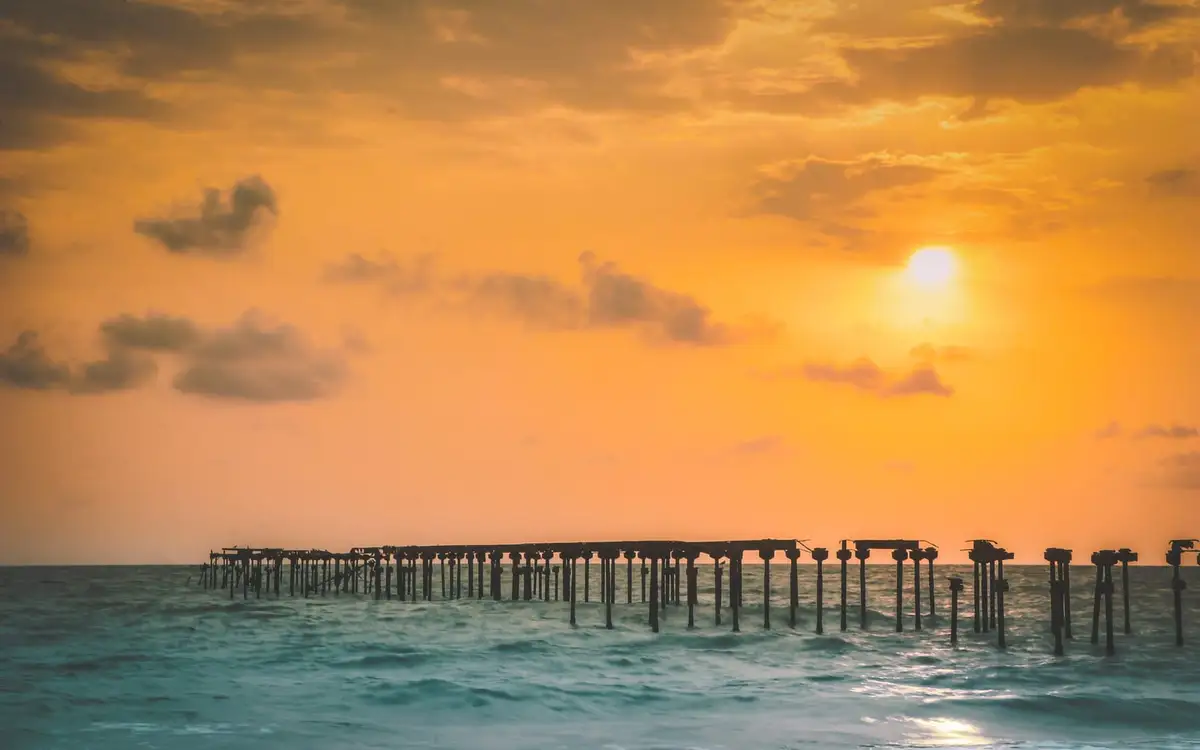
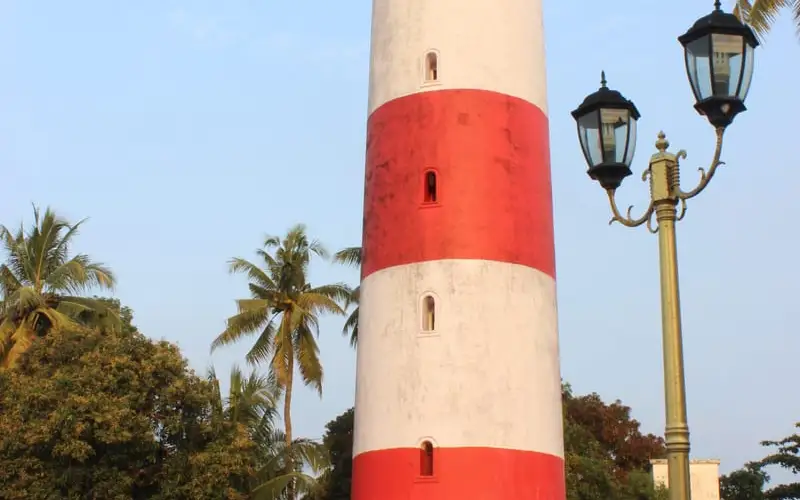
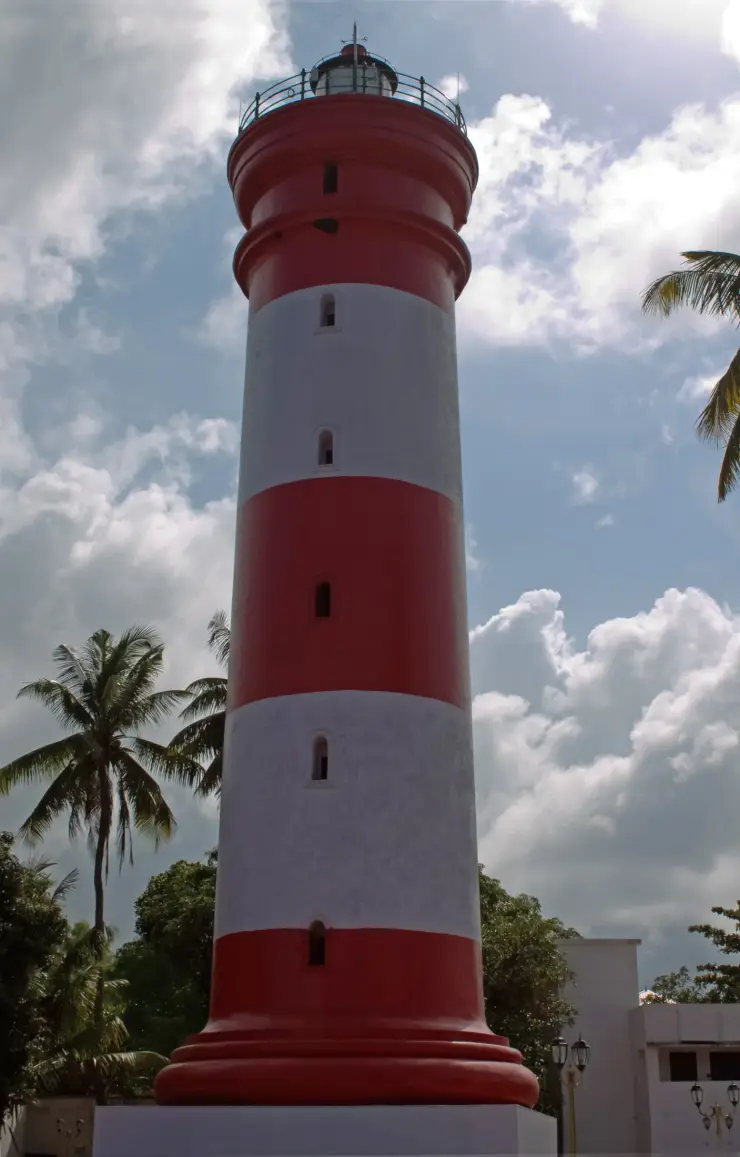
Pair Alappuzha’s broad town beach and old pier remains with the red-and-white lighthouse on C.C.S.B. Road, commissioned in 1862 and still maintained as a navigational light.

backwaterPunnamada Lake

1.8 km · 22 min walk

Finishing-point lake of the Nehru Trophy Boat Race and the main houseboat cruising water off Alappuzha.

templeMullakkal Temple

490 m · 6 min walk

Central Alappuzha town temple (Mullakkal Rajarajeswari) famous for the annual Mullackal Chirappu festival.

churchOur Lady of Mount Carmel Cathedral

1.1 km · 13 min walk

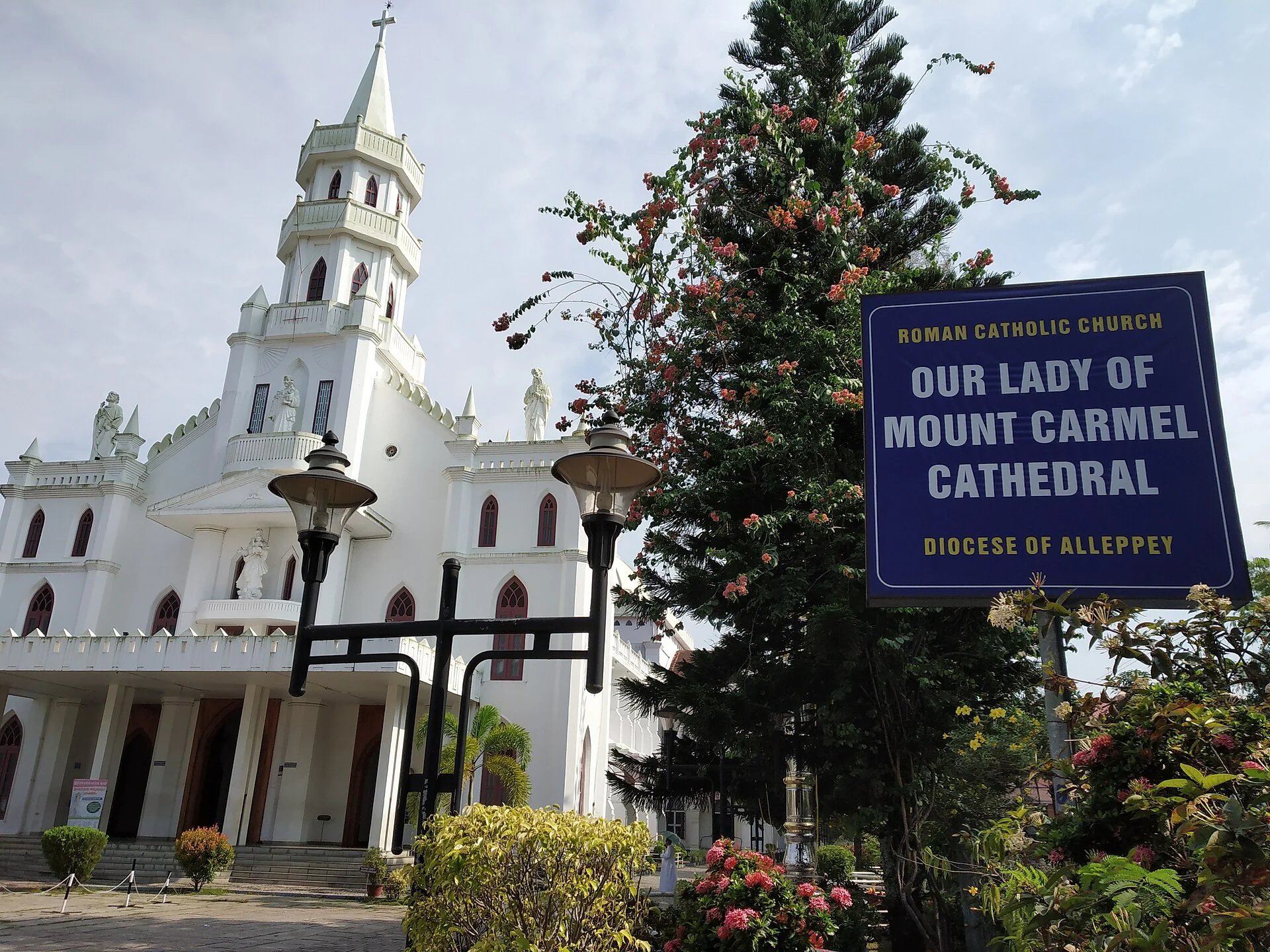
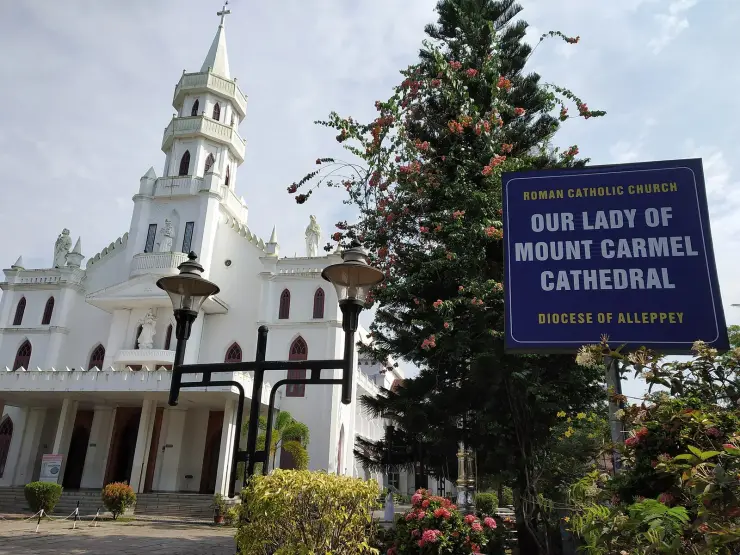
Landmark 19th-century cathedral of the Alappuzha diocese near the town centre.

museumRevi Karunakaran Museum

1.1 km · 14 min walk

Private memorial museum in Thathampally with a large collection of paintings, ivory, crystal and antiques.

museumInternational Coir Museum

7.3 km · ~18 min by auto

Museum on Kerala’s coir (coconut-fibre) heritage — the craft Alappuzha built its trade on.

Roampedia is commission-free — own or know a stay, eatery, guide or shop near Alappuzha / Alleppey town? List it and it appears here once verified.

Add a nearby business
Before you go

Alappuzha / Alleppey town — at a glance

TimingsAn open town — the canals, streets, beach and jetties are accessible at any hour, though the boat jetties work to daylight and operator schedules and the canal banks are not lit throughout. Shops along Mullakkal generally keep the usual Kerala retail pattern of a morning session and a longer evening one.
Best timeNovember to February is the most comfortable, with dry days and lower humidity, and it overlaps the main backwater season. August is the marquee month if you want the snake-boat culture at its peak, though the town is at its busiest and the monsoon is still about. December brings Mullakkal Chirappu to a head. June to September is genuine monsoon — heavy, atmospheric and the cheapest time to be here, with canals full and houseboat rates at their lowest.

Entry: Nothing to enter. The town, its canal banks, the beach and the jetty areas are free; you pay only for boats, museums and the pier-side attractions individually.

Dress code: Ordinary light clothing for the town. Modest dress covering shoulders and knees is expected at the Mullakkal temple and at the churches; footwear is removed at the temple. The beach is a public town beach rather than a resort one, so swimwear is not the local norm on it.

Festivals: Mullakkal Chirappu is the town's own annual peak — 41 days, culminating in December, centred on the temple street rather than the waterfront. The Nehru Trophy Boat Race on Punnamada, on the second Saturday of August, fills the town and its accommodation completely. Onam (August–September) is the wider seasonal high point.

Photography: Canals, bridges, godown frontages and the pier all photograph well, and early morning light along the water is the best of the day. Ordinary courtesy applies along the canal banks, which are residential — people live at the water's edge and are not scenery. Photography restrictions inside places of worship are set individually; ask before shooting interiors.

Getting here

How to reach Alappuzha / Alleppey town

  • ✈︎ By air Cochin International Airport (COK) at Nedumbassery is the nearest, with sources giving 75–86 km and most commonly about 84 km, roughly 1 hour 15 minutes to 1 hour 30 minutes by road. Trivandrum International is the alternative from the south.
  • 🚆︎ By train Alappuzha (ALLP) is on the coastal line between Ernakulam and Kollam with direct services from both, and long-distance trains from Chennai, Bengaluru and beyond. The station is about 1.5–2 km from the centre.
  • 🚗︎ By road Alappuzha sits on NH-66, about 84 km south of Kochi and roughly 155 km north of Thiruvananthapuram. The coastal highway is the usual approach from either direction.
  • 🚌︎ By bus The KSRTC bus stand adjoins the railway station and has frequent services to Ernakulam, Kottayam, Kollam and Thiruvananthapuram, plus local routes towards Cherthala, Ambalappuzha, Haripad and the Kuttanad villages.
Getting back

If you are travelling by bus or ferry, check the return service with the operator before setting out. Leave time to reach the stop or jetty after your visit.

Ask at the bus stand for the time of the last service back, not the next one. If you miss it, an auto or app cab is the fallback — agree the fare before you get in.

Do

Things to do

  • Walk the two main canals and notice the difference — the Vadai Canal was dug as a moat, the Commercial Canal for trade, and the warehouse frontages are on the trade one.
  • Look for the carved stone frieze of a snake-boat crew set into one of the canal bunds — a full rank of rowers in relief, easy to walk past.
  • Take a shikara through the in-town canals rather than only a houseboat out of them; the small boats reach water the big ones cannot.
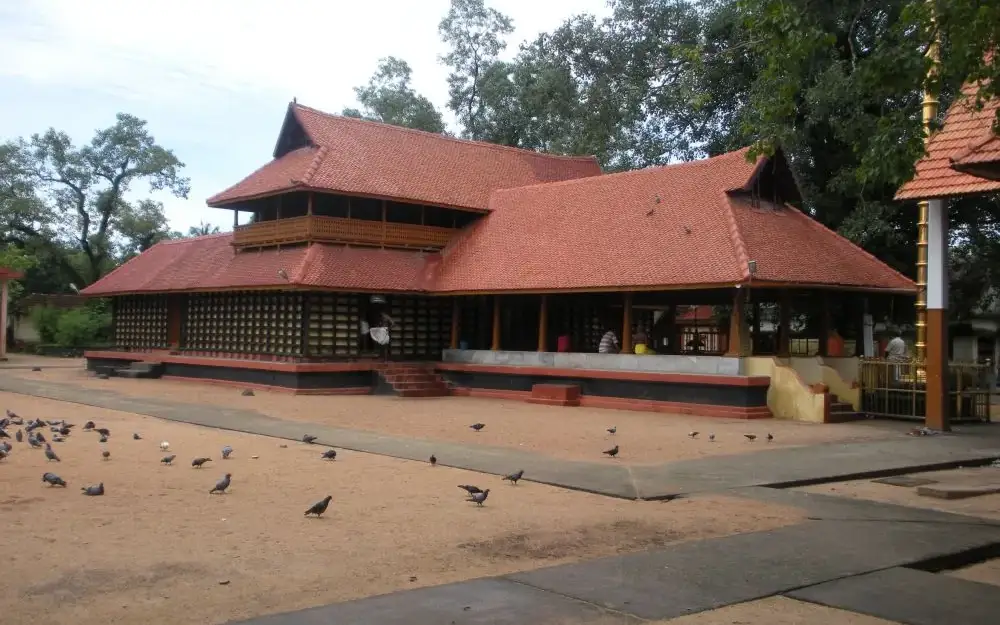
  • Visit the Mullakkal Devi temple, the town's spiritual centre and the focus of the 41-day Chirappu festival.
  • Walk out along the pier at Alappuzha Beach in the evening, where the backwaters finally meet the Arabian Sea.
  • See the International Coir Museum for the trade that built the town, and the Revi Karunakaran Museum for a private collection of a very different character.
  • Use the town as a base: Kuttanad, Marari Beach, Pathiramanal Island and the Punnamada race course are all short trips from here.
Getting around Alappuzha / Alleppey town

If you need step-free access, contact the site before travelling. Ask about a level entrance, steps along the route, the nearest drop-off point, seating and accessible toilets.

Practical things near Alappuzha / Alleppey town
What the cash actually costs
  • Withdrawing from a bank that is not your own is free for a set number of times a month, then costs up to ₹23 plus GST — about ₹27 a withdrawal. This is not one of the RBI’s six metro centres, so the allowance here is the higher one: at least five free other-bank withdrawals a month, and at least five at your own bank.
  • That free allowance belongs to Indian bank accounts. On a card issued abroad your own bank’s international withdrawal and exchange charges apply instead. If the machine offers to bill you in your home currency, choose rupees — the conversion rate on that offer is set by the machine, not by your bank.
  • Choose a well-lit ATM, preferably at a bank branch. Shield your PIN, avoid help from strangers and use your bank’s support number if a withdrawal fails or the machine retains your card.

Charge cap and free-transaction limits: Reserve Bank of India, in force since 1 May 2025.

These services are listed within about 1.2 km of Alappuzha / Alleppey town. Walking distances follow mapped routes; access and opening hours can change. Other services may be closer but are not included here.

If you need help at Alappuzha / Alleppey town
112All emergencies (police · fire · medical)The single number to call in any emergency (ERSS).

Emergency numbers are verified against official government and state tourism sources. 112 works anywhere in India.

Nearby

What’s near Alappuzha / Alleppey town

templeMullakkal Temple

Central Alappuzha town temple (Mullakkal Rajarajeswari) famous for the annual Mullackal Chirappu festival.

490 m · 6 min walk · straight line
churchOur Lady of Mount Carmel Cathedral

Landmark 19th-century cathedral of the Alappuzha diocese near the town centre.

1.1 km · 13 min walk · straight line
museumRevi Karunakaran Museum

Private memorial museum in Thathampally with a large collection of paintings, ivory, crystal and antiques.

1.1 km · 14 min walk · straight line
backwaterPunnamada Lake

Finishing-point lake of the Nehru Trophy Boat Race and the main houseboat cruising water off Alappuzha.

1.8 km · 22 min walk · straight line
beachAlappuzha Beach & Lighthouse

Pair Alappuzha’s broad town beach and old pier remains with the red-and-white lighthouse on C.C.S.B. Road, commissioned in 1862 and still maintained as a navigational light.

2.0 km · 26 min walk · straight line
heritagePunnapra Vayalar Memorial

Martyrs’ memorial (Rakthasakshi Mandapam) to the 1946 Punnapra–Vayalar uprising, on the coastal belt north of Punnapra on the Alappuzha side.

2.5 km · 31 min walk · straight line
backwaterR Block Kuttanad

Iconic below-sea-level reclaimed farmland at Kainakary, ringed by bunds with the canal water sitting higher than the paddy fields.

6.0 km · ~15 min by auto · straight line
museumInternational Coir Museum

Museum on Kerala’s coir (coconut-fibre) heritage — the craft Alappuzha built its trade on.

7.3 km · ~18 min by auto · straight line
backwaterKuttanad

Low-lying paddy and canal region known as Kerala’s rice bowl.

11.4 km · ~19 min by cab · straight line
beachMarari Beach

Quiet beach belt north of Alappuzha, popular for relaxed stays.

11.9 km · ~20 min by cab · straight line
backwaterChampakulam

Kuttanad village on the Pamba known for the Champakulam Moolam snake-boat race and Kalloorkad St Mary’s Basilica.

12.8 km · ~21 min by cab · straight line
templeAmbalappuzha Sree Krishna Temple

Ambalappuzha Sree Krishna Temple is an active temple in Ambalappuzha town, south of Alappuzha, administered by the Travancore Devaswom Board. Krishna is worshipped here as Parthasarathy, Arjuna’s charioteer. The temple combines a broad tank, tiled courtyards and painted ritual spaces with two enduring cultural associations: Palpayasam offered to the deity, and Kunchan Nambiar’s creation of Thullal. A visit works best when darshan, the permitted exterior spaces and any offering collection are planned around the temple’s morning or evening opening.

13.2 km · ~22 min by cab · straight line

All 4 places to visit in Alappuzha town →

Nearby toilets, pharmacies, ATMs, seating and vets are community-mapped and may be incomplete or out of date. Map data © OpenStreetMap contributors | Walking times © openrouteservice.org by HeiGIT

On the map

Where Alappuzha / Alleppey town is

Good to know

Alappuzha / Alleppey town — frequently asked

Why does Alappuzha have two names?

Alleppey is the anglicised form and Alappuzha is the Malayalam one. The change was formalised by Government Order G.O.(P) No. 133/90/RD dated 7 February 1990. Both remain in everyday use, and the railway station code is still ALLP.

Who founded Alappuzha and when?

The port was opened in 1762 under the direction of Raja Kesavadas, Dewan of Travancore under Dharma Raja Karthika Thirunal Rama Varma, principally to export coir matting and yarn. The district administration styles him the maker of modern Alleppey. He laid out roads, canals and warehouses and drew merchants from Surat, Bombay and Kutch.

Is Alappuzha really the “Venice of the East”?

It is widely called that, but the phrase is a Victorian travel cliché rather than a distinction: roughly forty cities in fourteen countries have carried it, including Srinagar and Udaipur within India. Its popular attribution to Lord Curzon rests on repetition rather than on any surviving primary record. Alappuzha's canals are genuinely remarkable; the nickname is not evidence of it.

What is the difference between the two main canals?

Our account is that the Vadai Canal was dug first, as a moat — a defensive line for a new port — and it is contested: the conservation practice behind the Alappuzha Heritage Project says instead that the Vadai was a nineteenth-century sanitation cut made to control disease and relieve the Commercial Canal, which on that reading came first. We have not been able to source our own version, so both are printed. The Commercial Canal was cut for trade, to move goods between the port and the godowns along its banks — which is why the warehouse frontages are on that one. Both form part of National Waterway 3.

Did the Punnapra–Vayalar rising happen in Alappuzha town?

No. Punnapra and Vayalar are villages south and north of the town, and the killings in October 1946 took place there. The town's connection is that the rising was driven by its coir-factory workforce. Around 200 were killed at Punnapra on 24 October and more than 150 at Vayalar on 27 October; the central government recognised the rising as part of the freedom struggle in January 1998.

When was Alappuzha district formed?

In 1957, from parts of Kottayam and Kollam. The district's own portal gives 17 August 1957; English Wikipedia gives 1 August. We follow the district administration and record the variant rather than picking silently.

When is the best time to visit Alappuzha / Alleppey town?

November to February is most comfortable. March-May is hotter; monsoon is atmospheric but boat routes and visibility can be affected.

What are the entry fee and timings at Alappuzha / Alleppey town?

Entry: Nothing to enter. The town, its canal banks, the beach and the jetty areas are free; you pay only for boats, museums and the pier-side attractions individually. Timings: An open town — the canals, streets, beach and jetties are accessible at any hour, though the boat jetties work to daylight and operator schedules and the canal banks are not lit throughout. Shops along Mullakkal generally keep the usual Kerala retail pattern of a morning session and a longer evening one.

How do I reach Alappuzha / Alleppey town?

Arrive by train or road, then confirm the exact jetty/reporting point with the boat or canoe operator. For houseboats, get written inclusions: route, AC hours, meal plan, check-in/check-out, taxes and cancellation terms. If not staying overnight on a boat, use a shorter canoe/shikara trip plus the beach and lighthouse side of town.

How much time do I need for Alappuzha / Alleppey town?

One full day minimum; overnight for a private houseboat; two days if adding Kuttanad or Marari.

What else is near Alappuzha / Alleppey town?

Nearby you can pair Mullakkal Temple (490 m), Our Lady of Mount Carmel Cathedral (1.1 km), Revi Karunakaran Museum (1.1 km), Punnamada Lake (1.8 km).

What should I know before visiting Alappuzha / Alleppey town?

Use boats with life jackets and clear crew details. Avoid overloaded small boats and vague cash-only operators. Confirm weather judgement during monsoon and rough-wind days.

Read before you go

Alappuzha / Alleppey town guides, stories & itineraries

Stories & history of Alappuzha / Alleppey town

Written about Alappuzha / Alleppey town itself — its history, its legends and the arguments about them.

Around Alappuzha town

These guides explore Alappuzha town and the surrounding area. Choose a visit that fits your interests, allowing separately for travel between stops.
In-depth guides to Alappuzha town

Written about Alappuzha town as a whole rather than about Alappuzha / Alleppey town — its history, its streets, and how to spend a day in it.

Kerala-wide guides & itineraries

Route-level itineraries and practical guides for the rest of Kerala.
See all 100 Alappuzha guides & stories →

Image credits

Photographs: Henkelz (CC BY-SA 3.0), Jaisonll799 (CC0), Siyaulhaque (CC BY-SA 4.0), Ganesh Mohan T (CC BY-SA 4.0). Wikimedia Commons.