Most Kerala towns cannot tell you when they began. Alappuzha can: it was opened as a port in 1762, on the instruction of one man, and laid out on a plan. Raja Kesavadas, Dewan of Travancore, cut roads, dug canals, built warehouses and offered terms to merchants from Surat, Bombay and Kutch to persuade them to trade here — and the district administration still styles him the maker of modern Alleppey. What he drew is what you walk through. The town is a grid organised around two long parallel canals, and the reason each of them was dug is different, and that difference is still legible in which one has warehouses along it. Alappuzha is not a town that grew. It is a town that was designed, and it is one of the few places in Kerala where you can stand in the middle of the plan.
The story of Alappuzha / Alleppey town
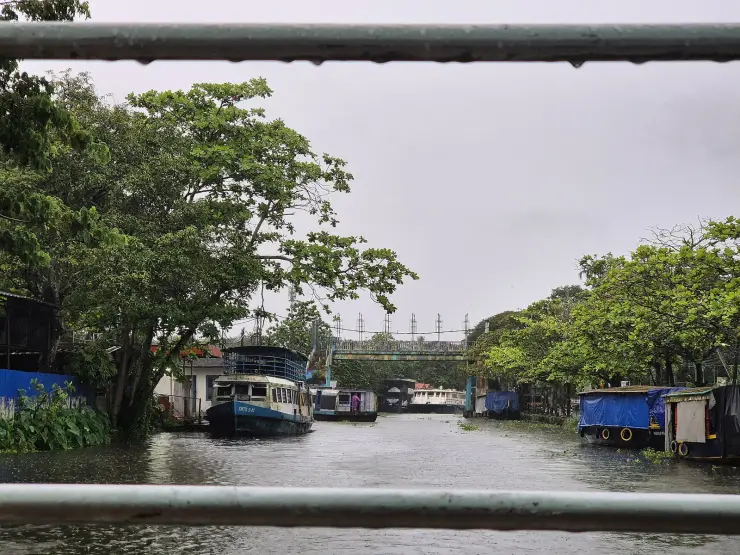
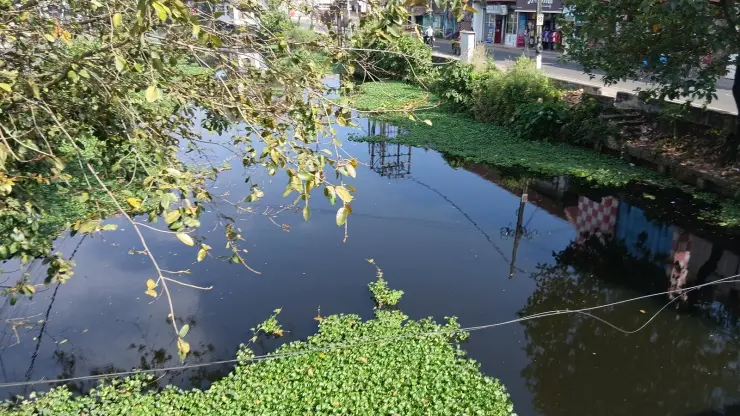
The two canals are the town. They run roughly parallel, joined by shorter link canals, and they were cut for opposite purposes. The Vadai Canal came first and was intended as a moat — a defensive line for a new and valuable port. The Commercial Canal was cut expressly for trade, to move goods between the port and the godowns built along its banks. Two centuries later the distinction has not worn off: it is the Commercial Canal that has the warehouse frontages, because that is what it was for. Read the town in that order and its shape stops being picturesque and starts being purposeful. This is contested, and we have not picked a side. Benny Kuriakose and Associates, the practice that carried out the Alappuzha Heritage Project survey, writes that “the vadai canal was dug to control the spread of diseases and relieve the pressure on the existing commercial canal” — which disagrees with the account above on all three points: which canal came first, when the Vadai was cut, and why. We could not locate the origin of our own “moat” reading, and the district administration's history page names no canals at all. Both accounts are set out here until one can be sourced properly.
Both canals are part of National Waterway 3, and both have spent much of the last century in decline — silted, encroached on, and used as drains by a town that had turned its back on them. The current restoration is not small: the Kerala Infrastructure Investment Fund is financing work across nine major canals and two sub-canals, some 23 kilometres in all, at a cost in the region of ₹42.85 crore, covering the Vadai and Commercial canals along with East Junction, West Junction, Murinjapuzha, Uppotti, Kottaram Thodu, Ambalappuzha and the A.S. Canal.
Running alongside it is a project called Canalpy, developed with IIT Bombay, which is interesting for a reason that has nothing to do with engineering: it is built on a zero-eviction principle. The people living on the canal banks are treated as part of the solution rather than as the obstacle to it. Canal restoration in Indian cities has very often meant clearing the banks; doing it the other way is a deliberate argument about what a restored canal is for, and Alappuzha is where that argument is being made.
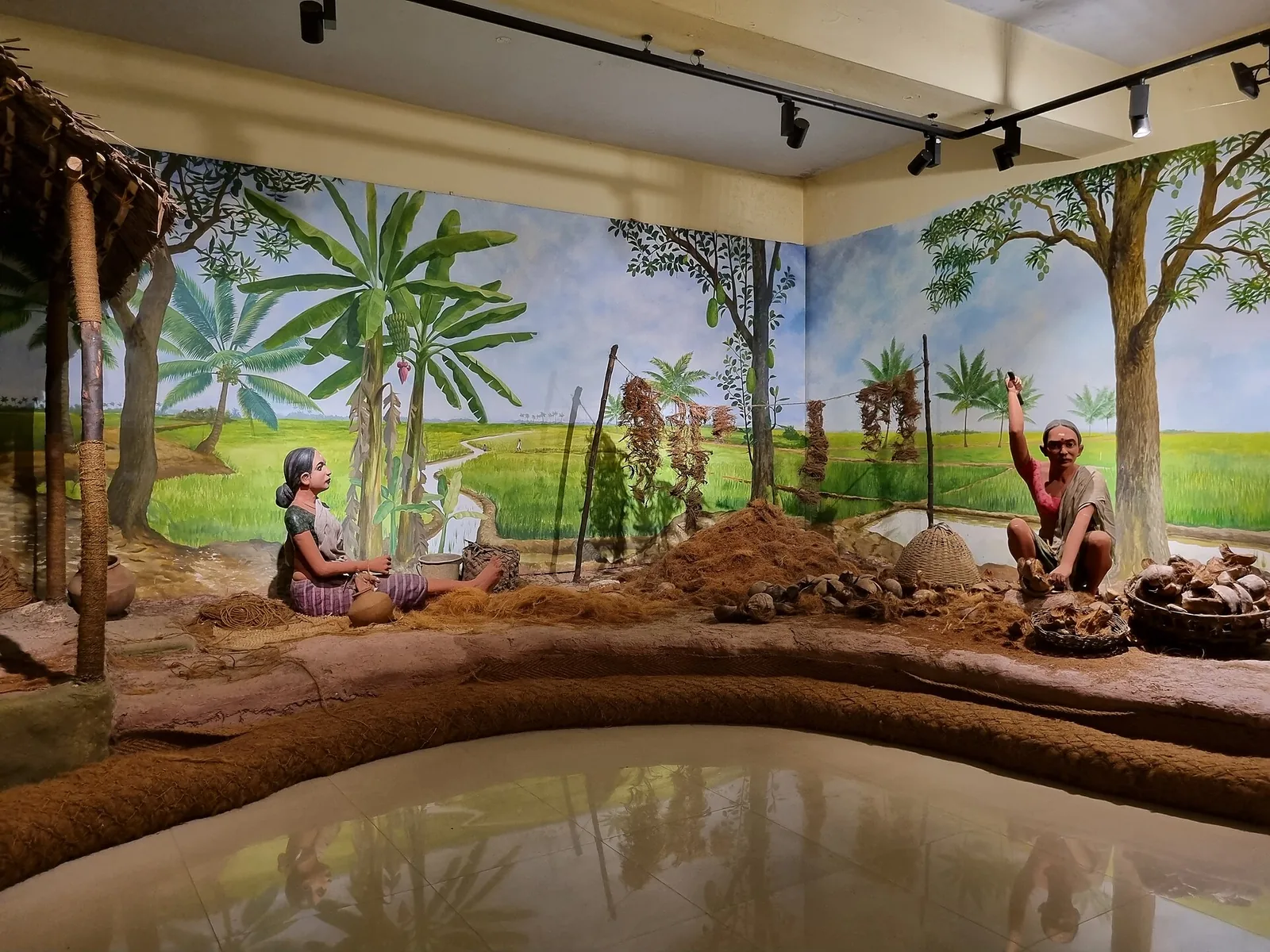
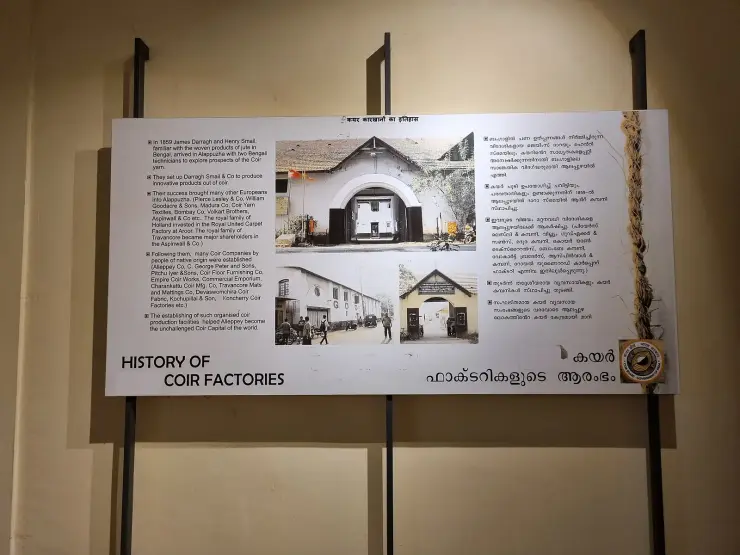
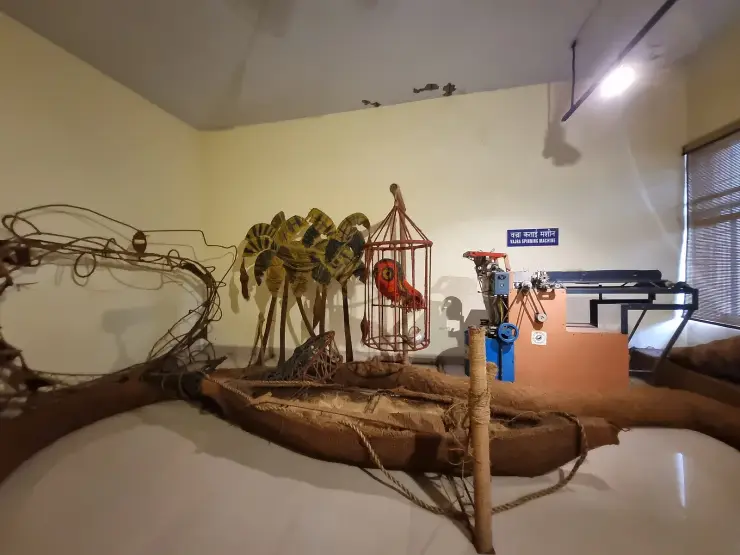
The other thing Kesavadas built here was a trade, and it outgrew the town. In 1859 the first coir factory in India was established at Alleppey by James Darragh, an American of Irish origin, in partnership with Henry Smail — the firm of Darragh Smail & Company. Others followed quickly: Pierce Leslie & Co, William Goodacre & Sons, the Madura Company, Coir Yarn Textiles, the Bombay Company, Volkart Brothers and Aspinwall & Co. Within a few decades the name of this town was doing duty in European warehouses as a commodity grade rather than as a place. (How coir is actually retted, spun and woven belongs to the International Coir Museum page; what belongs here is the port, the firms and the workforce.)
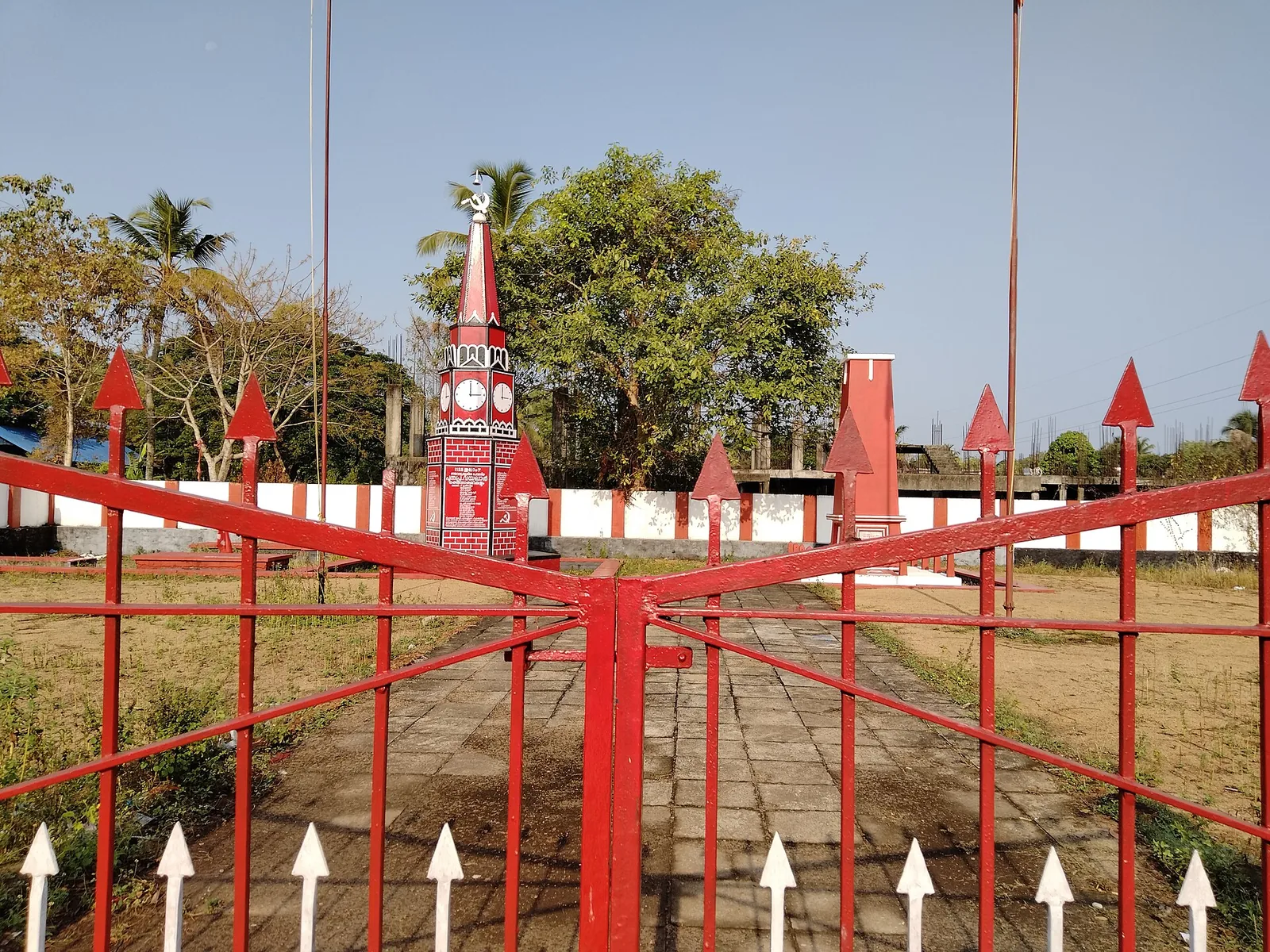
That workforce is the hinge between the town's commercial history and its political one. The factory floors of Alappuzha produced a dense, organised, urban labour force of a kind that was rare in Travancore, and in October 1946 it rose. The immediate target was Sir C. P. Ramaswami Iyer, the Dewan, who was promoting a constitution for an independent Travancore, and the slogan was to chuck the American model into the Arabian Sea. Around 200 people were killed at Punnapra on 24 October 1946 and more than 150 at Vayalar on 27 October; the wider estimates run past a thousand. In January 1998 the central government formally recognised the rising as part of the freedom struggle. ⚠ Punnapra and Vayalar are villages south and north of the town, not the town itself — the town's connection is that the workers came from here. The rising has its own memorial and its own page on this site.
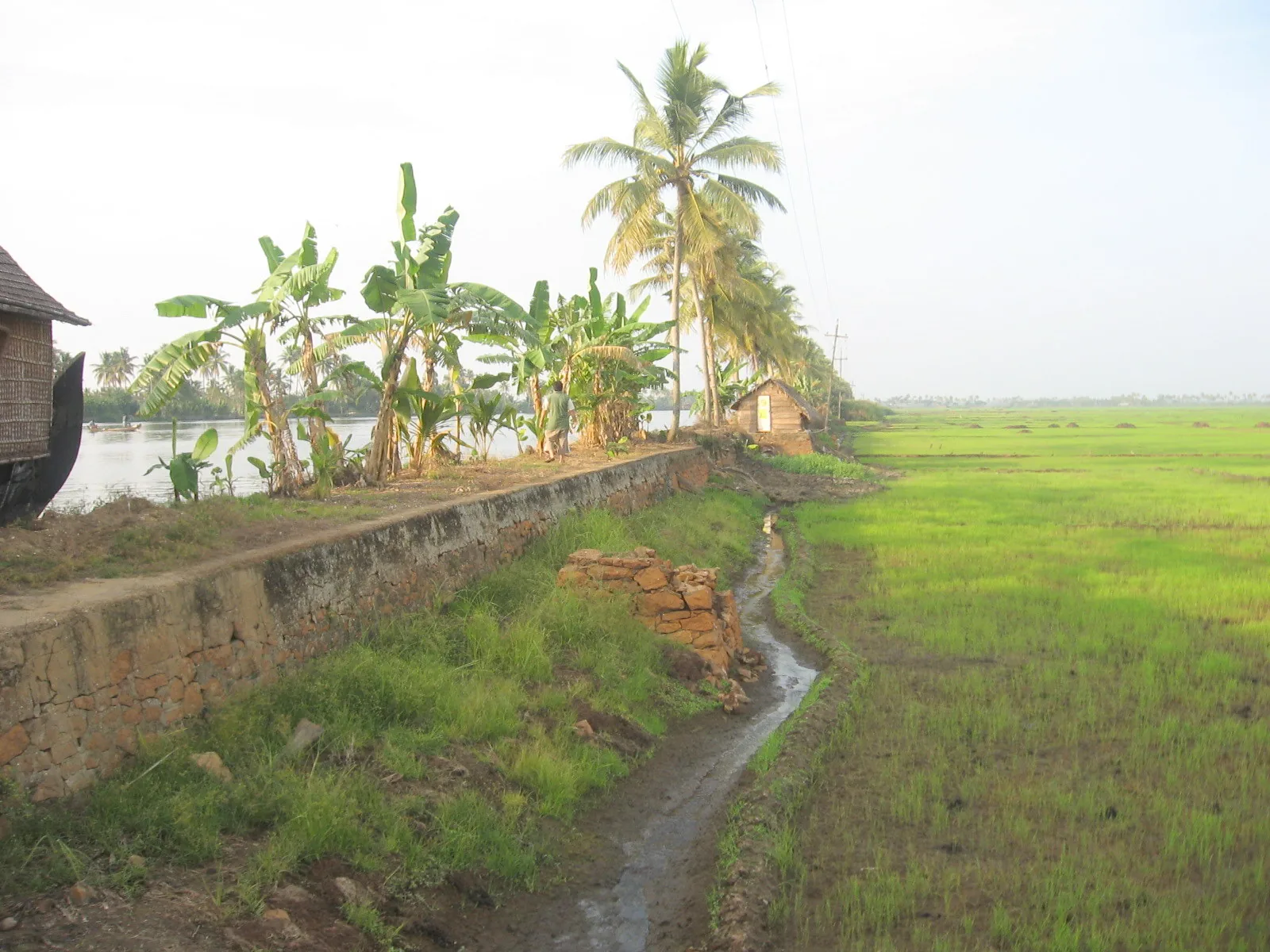
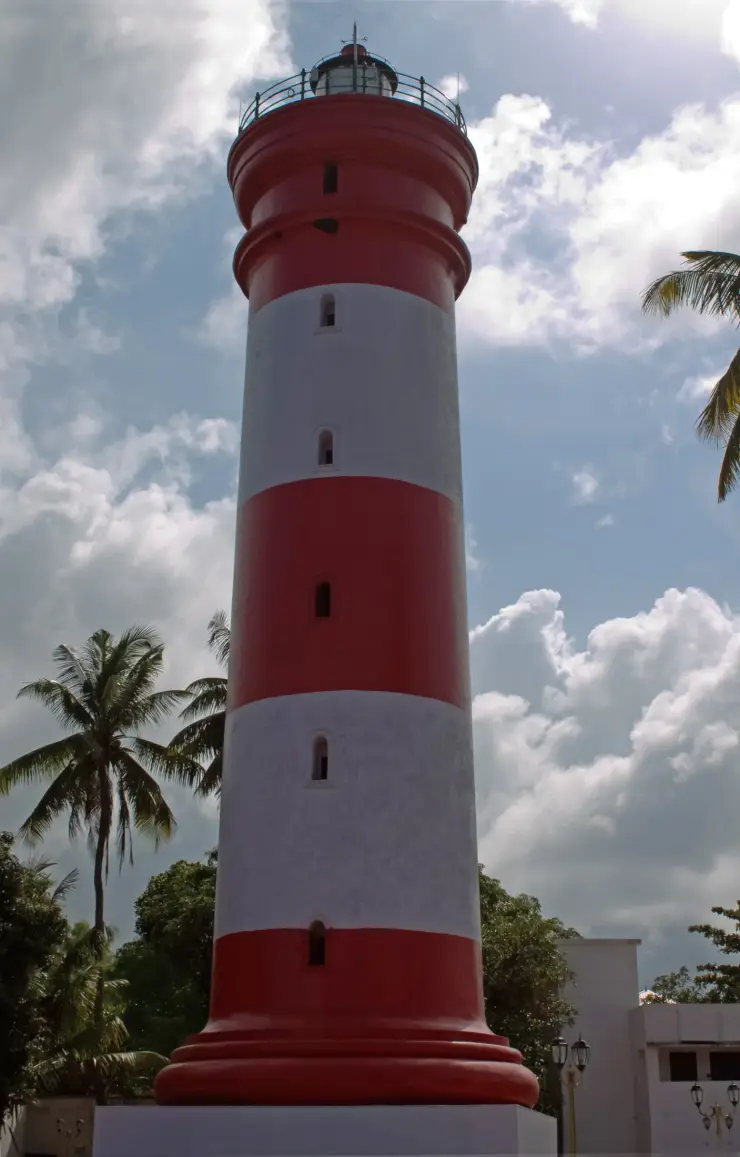
What the town looks like now is largely a consequence of where it was put. Alappuzha sits on a narrow strip between the Arabian Sea on one side and the lakes and paddy of Kuttanad on the other, and it is low — much of the surrounding country lies below sea level. That is why the canals were practical in the first place, and it is also why the town has no old fort on a hill, no defensible high ground and very little in the way of monumental architecture. Its landmarks are infrastructure: canals, bridges, godowns, a pier and a lighthouse. It is an engineered landscape, and reading it as one is far more rewarding than looking for the picturesque.
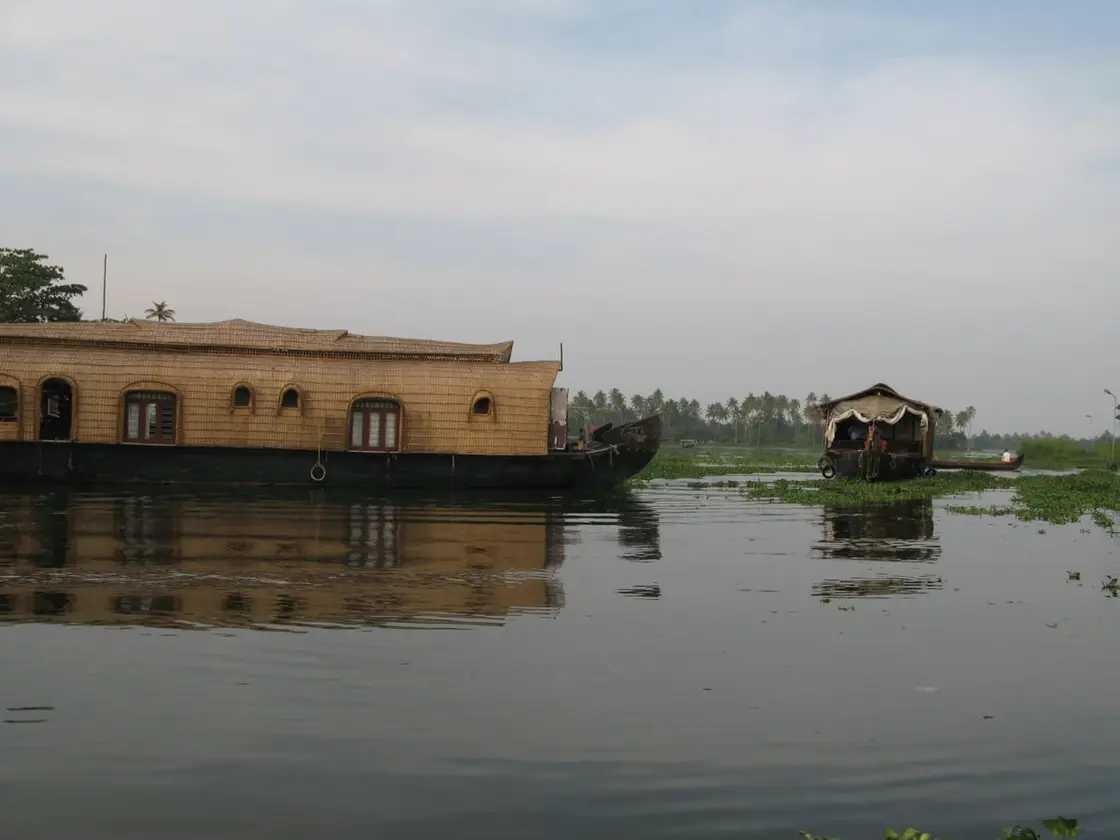
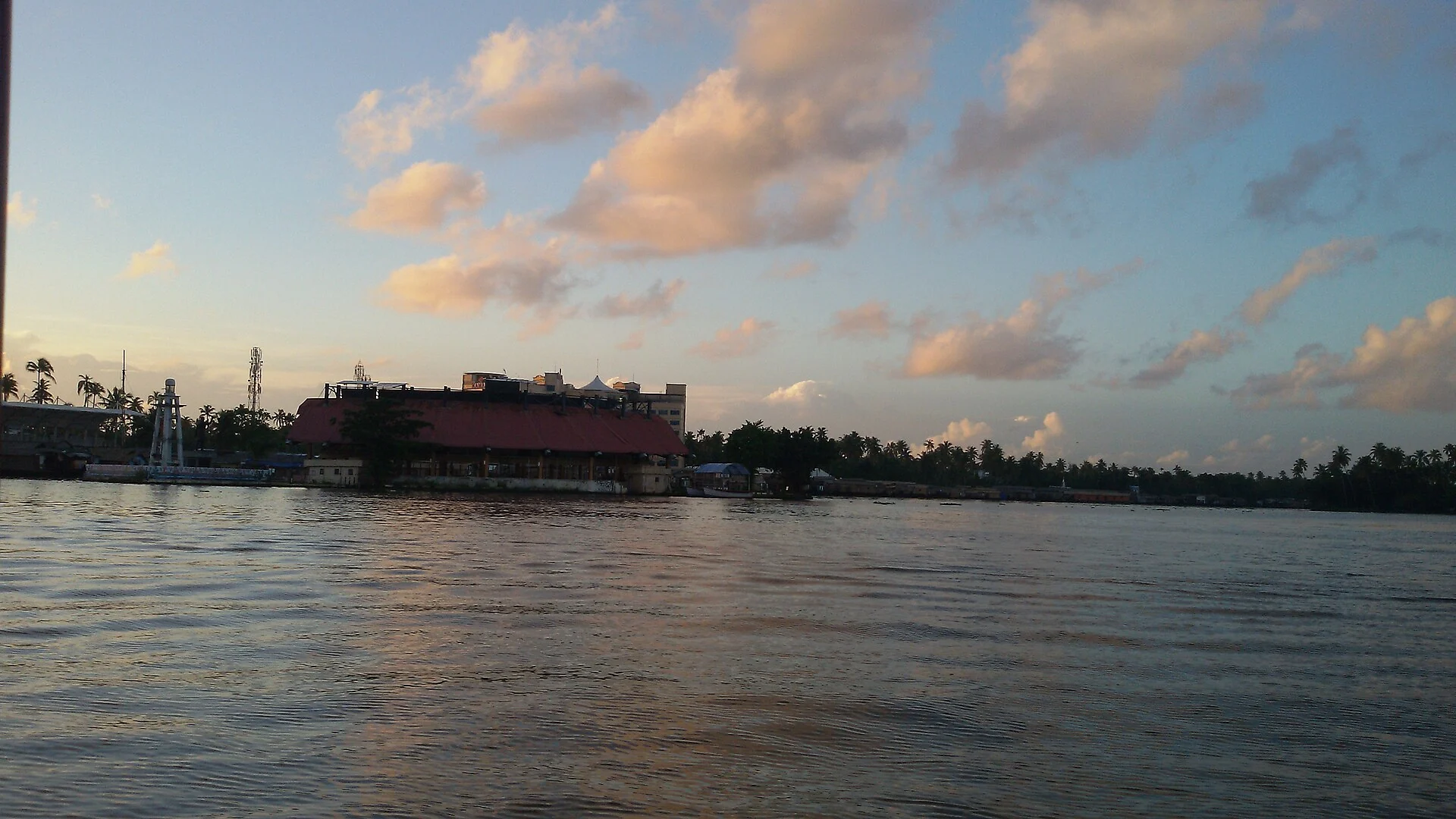
Today the town's visible economy is the houseboat fleet, and it is worth being clear-eyed about how recent that is. The kettuvallam was a rice barge — working freight that moved paddy and goods along these same waterways — and its conversion into tourist accommodation dates only from the 1990s. The trade that built Alappuzha was coir, not tourism, and the boats that made the town were carrying cargo rather than passengers. The fleet moored at the Finishing Point is a second life for a working craft, not an ancient tradition, and knowing that makes the town easier to see: the canals in the middle of it were the point, and the backwaters everyone photographs were the road out.
The administrative town is much younger than the port. The district of Alappuzha was carved out of parts of Kottayam and Kollam in 1957 — the district's own portal gives 17 August 1957, while English Wikipedia gives 1 August; we follow the district and record the variant. The name changed later still: Alleppey formally became Alappuzha under G.O.(P) No. 133/90/RD, dated 7 February 1990. Both forms remain in daily use, the railway station code is still ALLP, and no one locally treats the two as different places.
Legend & myth
Alappuzha is in an unusual position for a Kerala town: it knows its own birthday. There is a founder, a purpose, a date and a surviving administrative record. That ought to leave no room for origin stories, and it has not. The town holds several accounts of where it came from and what it is, and they do not fit together — which is a more interesting kind of folklore than a single tidy legend, because you can watch each version doing a job.
Start with the name. Alappuzha is read as ala plus puzha, and the standard gloss is Hermann Gundert's: ala as broad, puzha as river, the broad river. A second reading circulates widely and translates it instead as the land lying between the sea and the network of rivers that flow into it — which is a description of the place rather than a translation of the words. Gundert is the citable one and we lead with him; the second is worth knowing precisely because it shows a town explaining its own name by looking out of the window rather than into a dictionary.
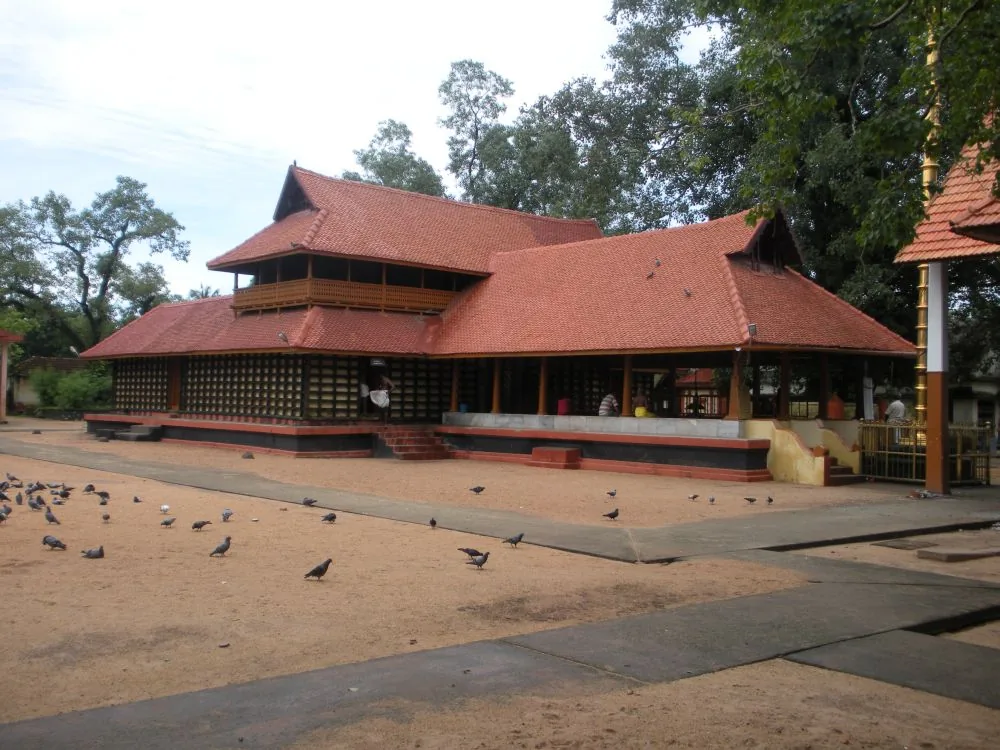
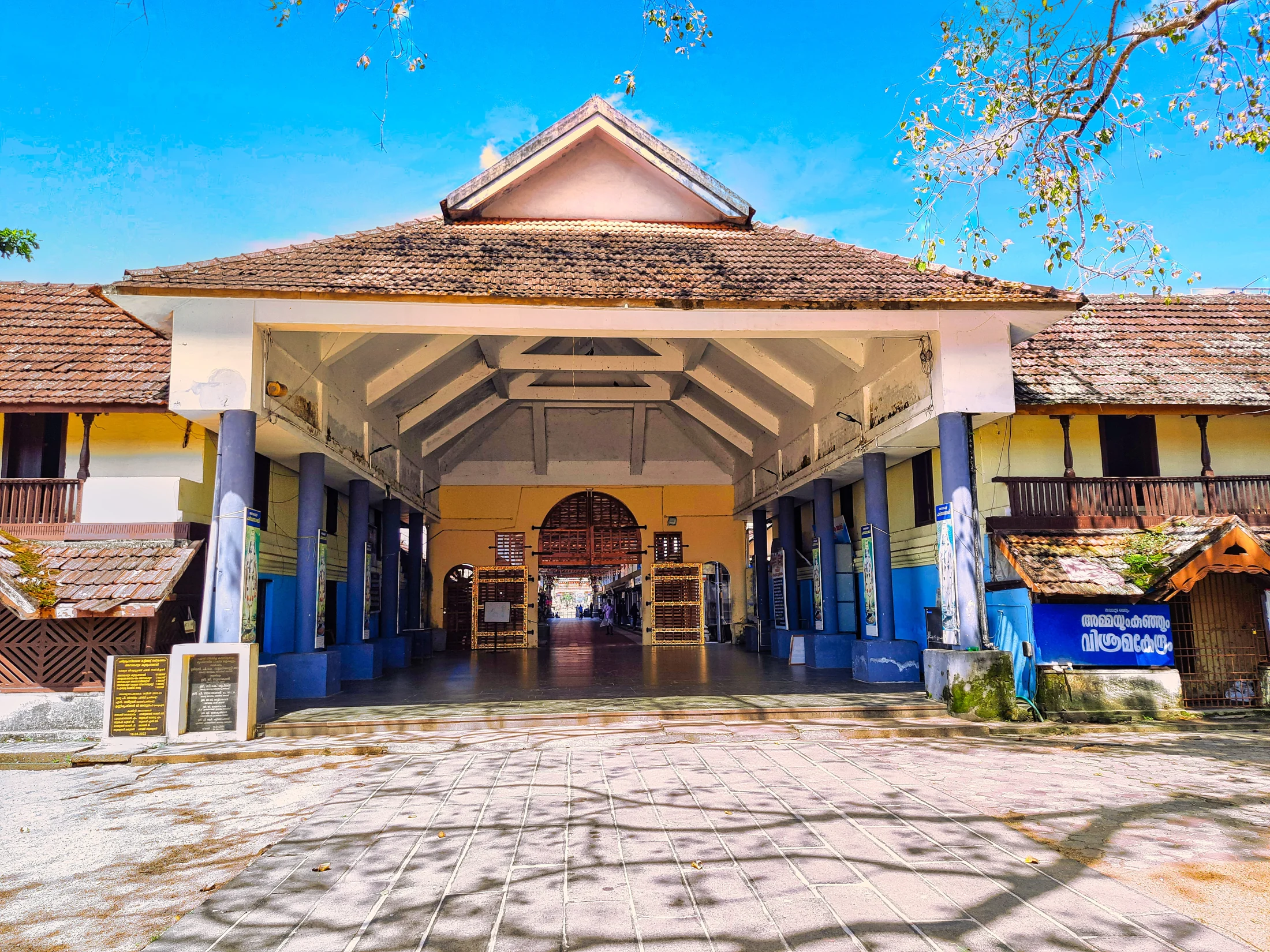
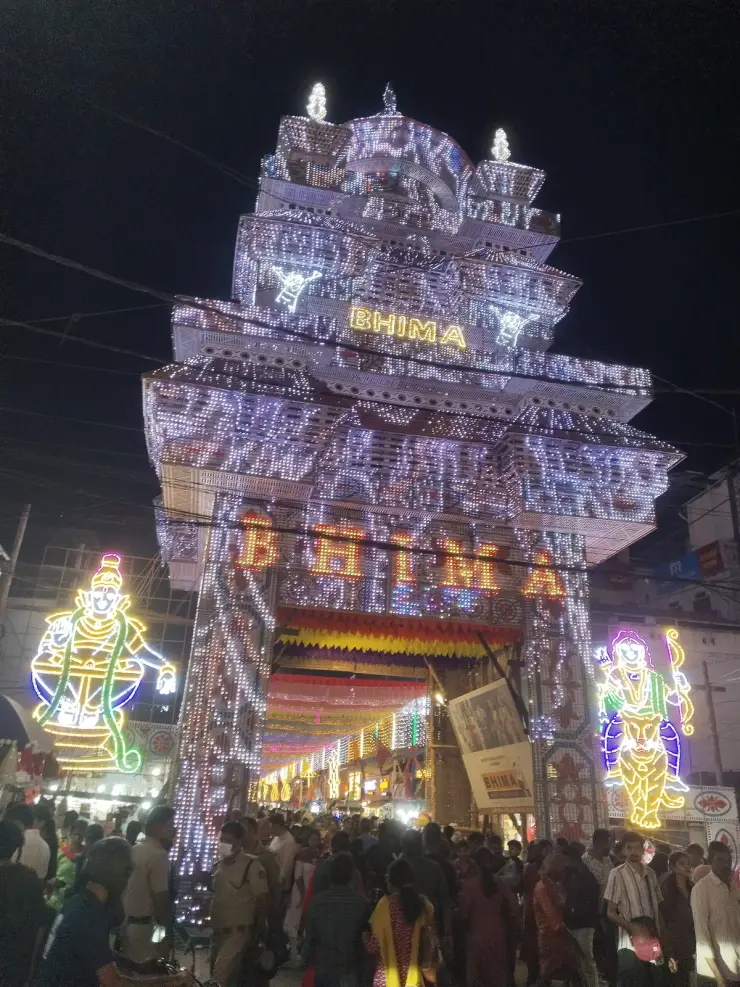
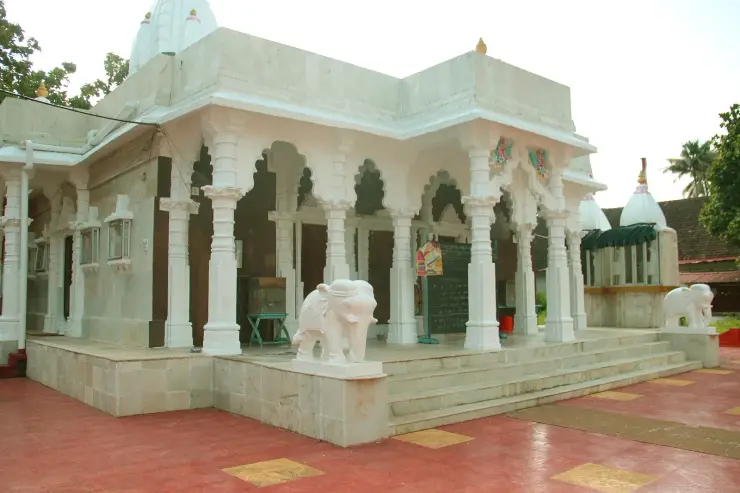
Then there is the shrine that is older than the town. The Devi temple at Mullakkal stands inside the 1762 plan, and the legends attached to it place a goddess on that ground centuries before any Dewan drew a canal — arriving with soldiers expelled from Thekkumkur, or with Namboodiri families fleeing the Mysorean campaigns, or in a jasmine grove where a king's umbrella would not move. There are four such accounts and they contradict each other on who the king was, on which century it happened in, and on whether the temple predates the town or was drawn into it. We do not retell them here, because they are the temple's own story and they are set out in full on its page. What matters at the scale of the town is the shape of the disagreement: a settlement with a documented founding date has, at its centre, a sanctuary that remembers itself as far older, and the town has never resolved which of those is its real beginning. A planned port is a difficult thing to feel loyal to. An older goddess is not.
And then there is the story the town tells the world, which is the one it did not invent and does not own. Alappuzha is marketed everywhere as the Venice of the East. The phrase is a Victorian travel cliché rather than a title: something like forty cities across fourteen countries have been called it, including Srinagar and Udaipur in India alone, along with Suzhou, Bangkok, Dhaka, Basra, Malacca, Osaka, Kyoto, Manila and Palembang. It is popularly credited to Lord Curzon, usually with a quotation about nature having spent upon this land her richest bounties, but that attribution rests on repetition rather than on any surviving record — no primary Curzon document, viceregal tour paper or archival citation supports it, several sources hedge it with it is said, and at least one dates it differently. We print it here because it is unavoidable, and we print it as what it is.
That is the honest summary of this town's mythology. Its deepest folklore is concentrated at Mullakkal and belongs there. Its etymology is contested in a way that reveals how it sees itself. And its most-repeated line about itself was handed to it by a nineteenth-century European habit of comparing every canal city to one Italian one — a habit that says a great deal about who was writing and almost nothing about Alappuzha. A town that was drawn on a plan has spent two and a half centuries acquiring the kind of past that unplanned places get for free.
Read the full history of Alappuzha / Alleppey town 486 more words
History
The port was opened in 1762 under Dharma Raja Karthika Thirunal Rama Varma, with Raja Kesavadas (1745–1799) as the moving force. The aim was specific: to export coir matting and coir yarn, and to give Travancore a trading harbour of its own. Kesavadas cut roads and canals, put up warehouses, offered inducements to merchant houses from Surat, Bombay and Kutch, and had three ships built for the Calcutta and Bombay trade.
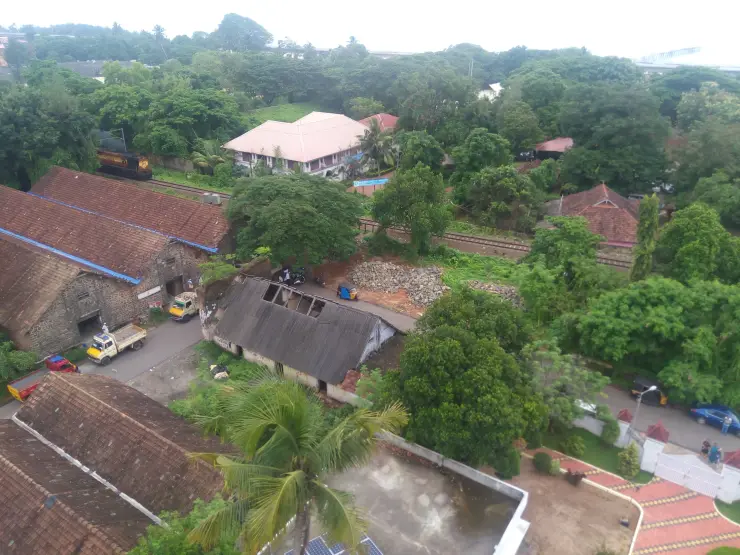
The nineteenth century turned that plan into an industry. Darragh Smail & Company opened India's first coir factory here in 1859, and the European and Indian firms that followed made Alleppey the centre of the coir export trade. The warehouses along the Commercial Canal, and the grade names that still carry the town's anglicised spelling, are what survives of that period in daily use.
The twentieth century brought the labour politics that industry created. The Punnapra–Vayalar rising of October 1946 was the sharpest expression of it, and it was recognised by the central government as part of the freedom struggle in January 1998. Kerala's later land and labour reforms reshaped the surrounding countryside as thoroughly as the canals had reshaped the town.
Alappuzha district was formed in 1957 from parts of Kottayam and Kollam — 17 August according to the district administration, 1 August according to English Wikipedia, and the discrepancy is recorded here rather than resolved. The town was renamed from Alleppey to Alappuzha by G.O.(P) No. 133/90/RD on 7 February 1990.
The canals themselves declined through the later twentieth century and are now the subject of the largest restoration the town has seen, under KIIFB funding and alongside the Canalpy project's zero-eviction model. Whether the town's next chapter is written on its waterways again, rather than merely photographed on them, is genuinely open.
Why visit
Because it is a planned town and you can read the plan. Two parallel canals cut for two different reasons, link canals between them, warehouse frontages where the trade canal runs — the logic of 1762 is still on the ground.
For the canal walk rather than only the canal cruise. Most visitors see Alappuzha from a houseboat heading out of it; the town itself, along the banks and the bridges, is where its history is legible.
For the coir story at its source. This is where India's first coir factory opened in 1859, and where a town's name became a commodity grade in European warehouses.
Because it is the practical base for everything around it — Kuttanad, Marari Beach, Pathiramanal, the Nehru Trophy course at Punnamada — with the railway station and the KSRTC bus stand effectively next door to each other.
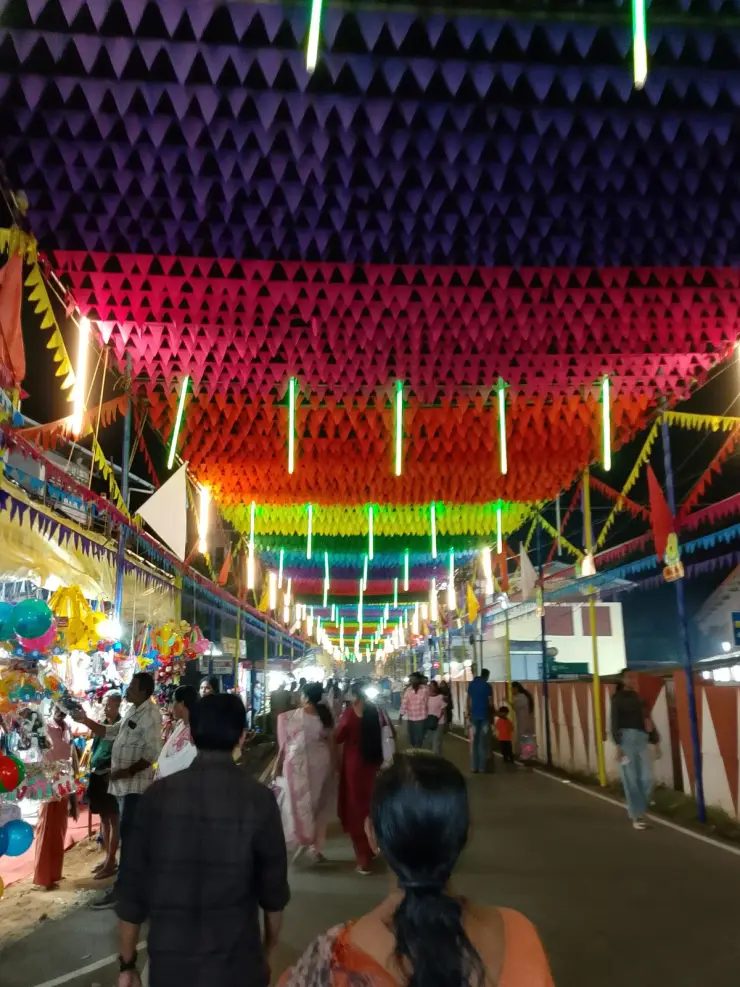
For Mullakkal Chirappu, the town's own annual peak: a 41-day festival culminating in December, when the temple street rather than the waterfront is the centre of the town.
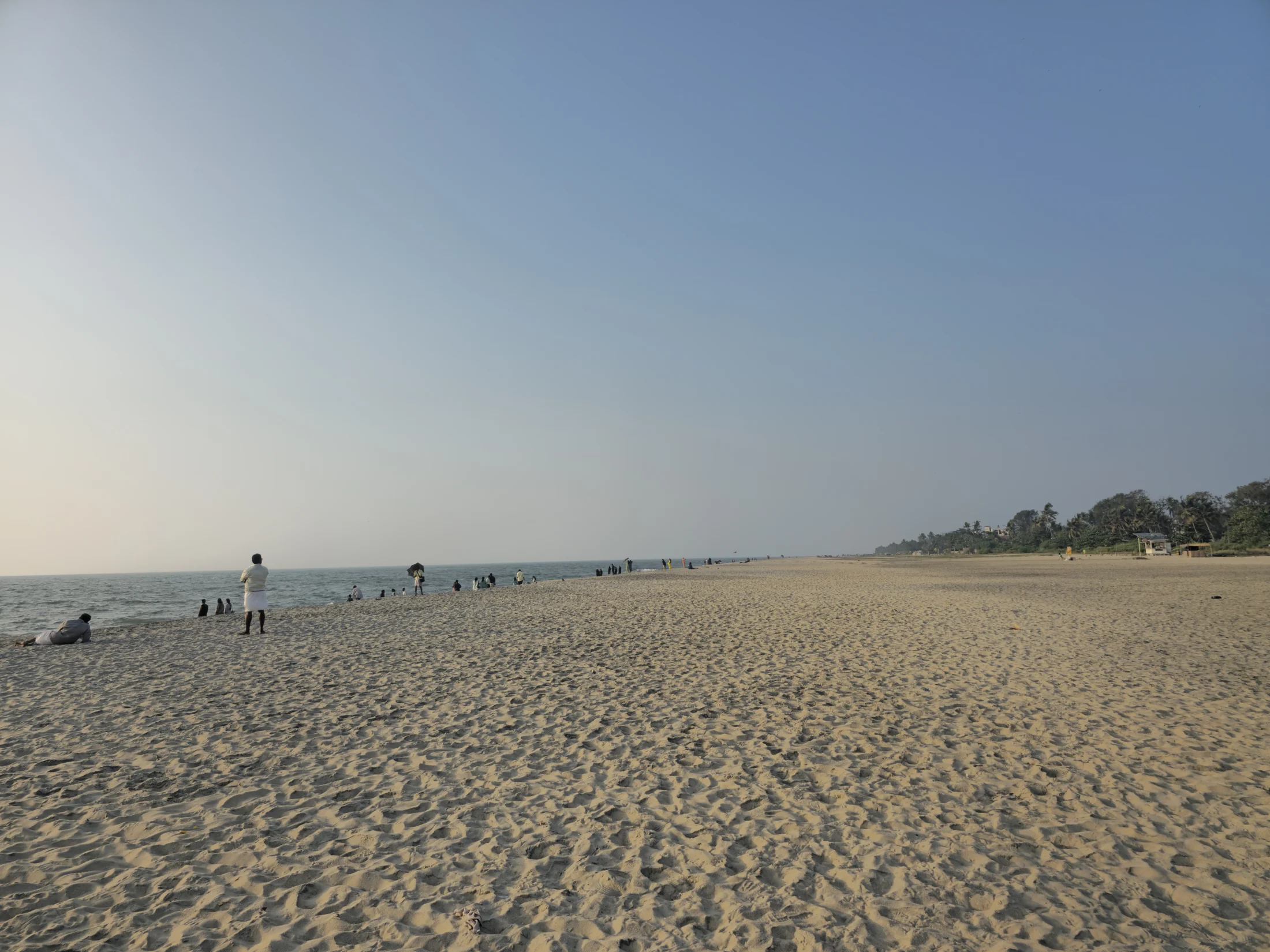
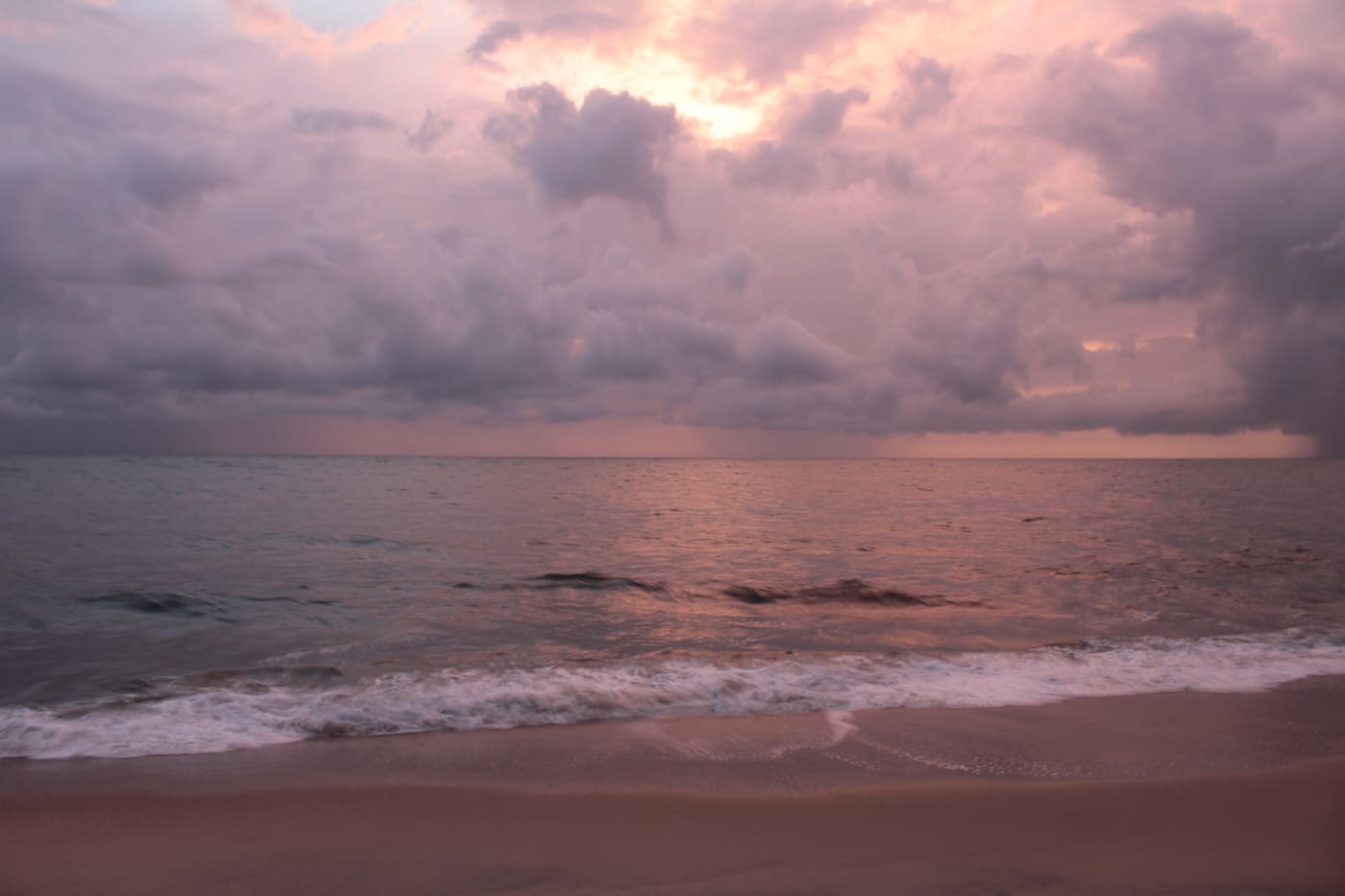
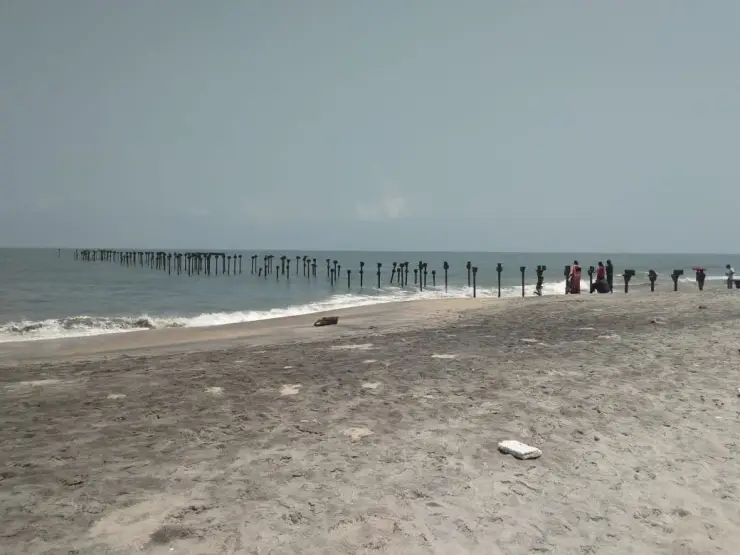
For the beach and the pier at the seaward edge, where the celebrated backwaters finally meet the Arabian Sea.