The story of Alappuzha / Alleppey town
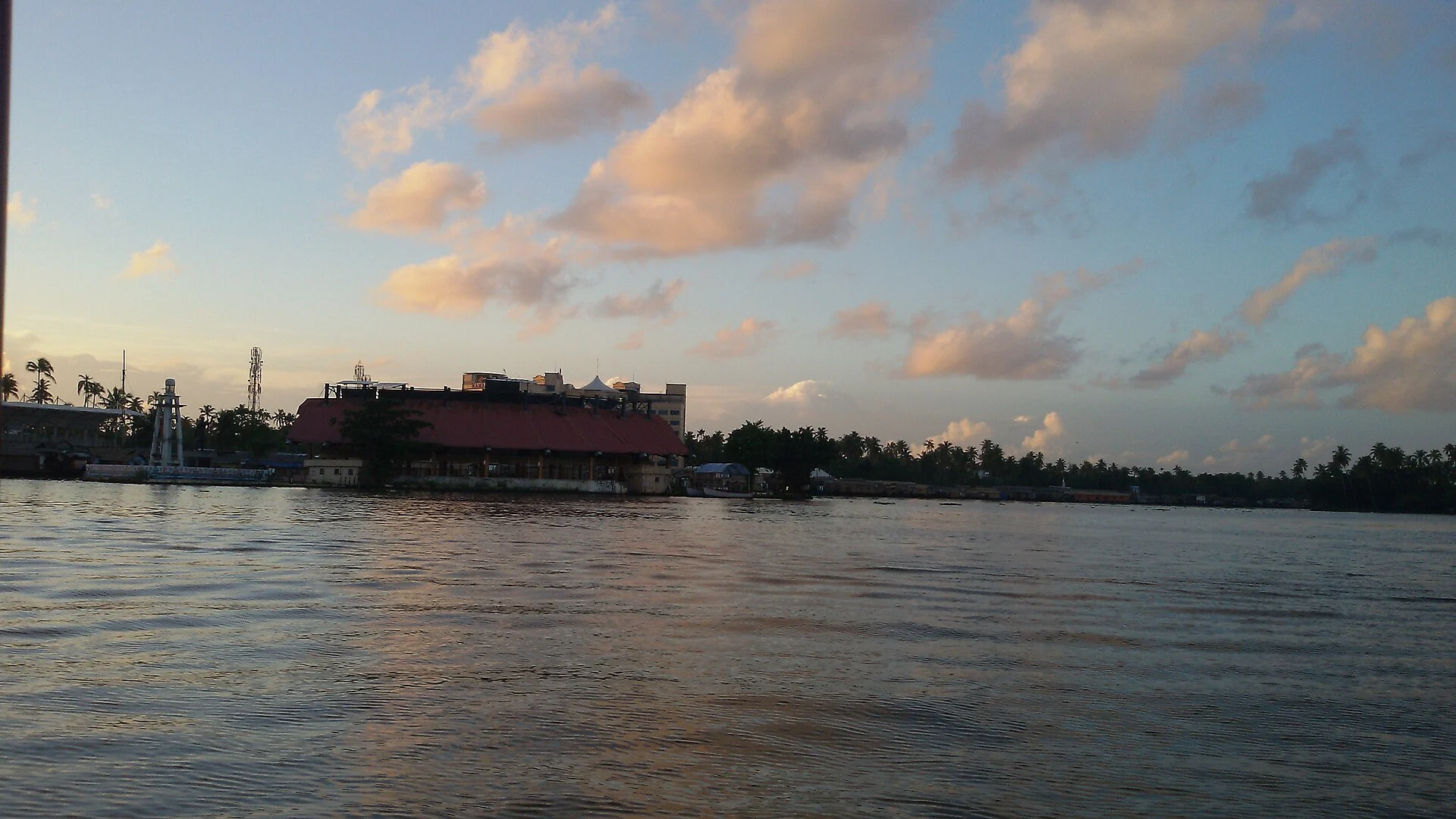
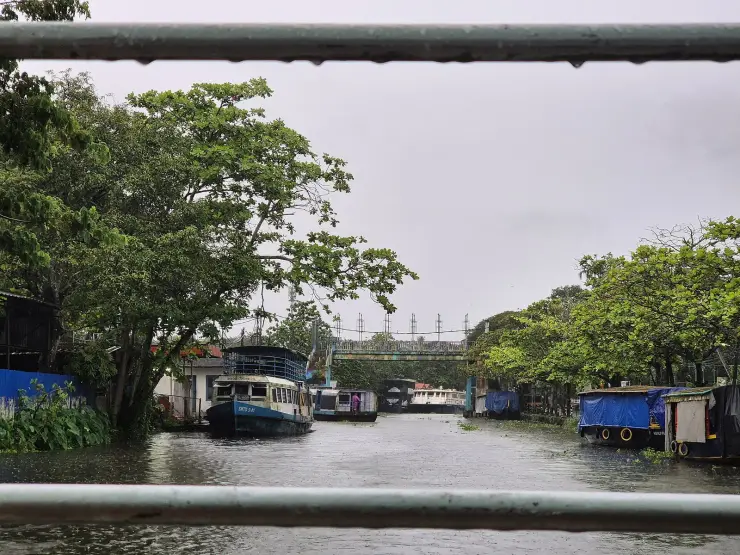
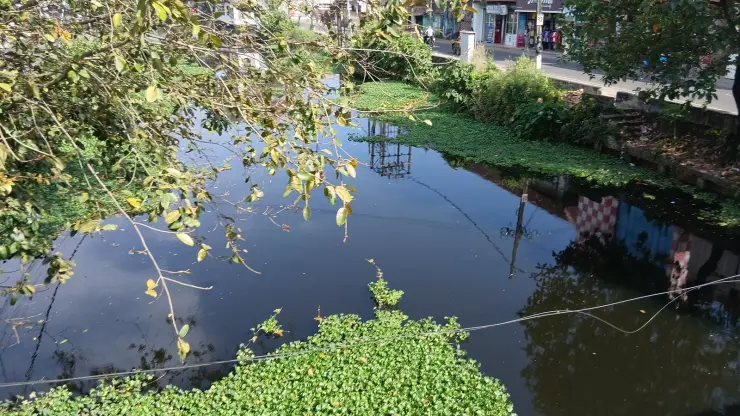
The Vadai and Commercial canals are useful starting points for a town walk. Kerala Tourism’s canal account connects the network with Raja Kesava Dasa and the development of a trading hub. On a town walk, look for the bridges and buildings facing the water, and use public paths along the banks.
Canal restoration forms another chapter in the town’s history. The KIIFB October 2025 newsletter, printed page 11, records ₹102.85 crore earmarked for the town canal project, Phase I complete and Phase II at 98% physical progress. The report describes progress at that date; check the current condition and access of the canal stretch you want to explore.
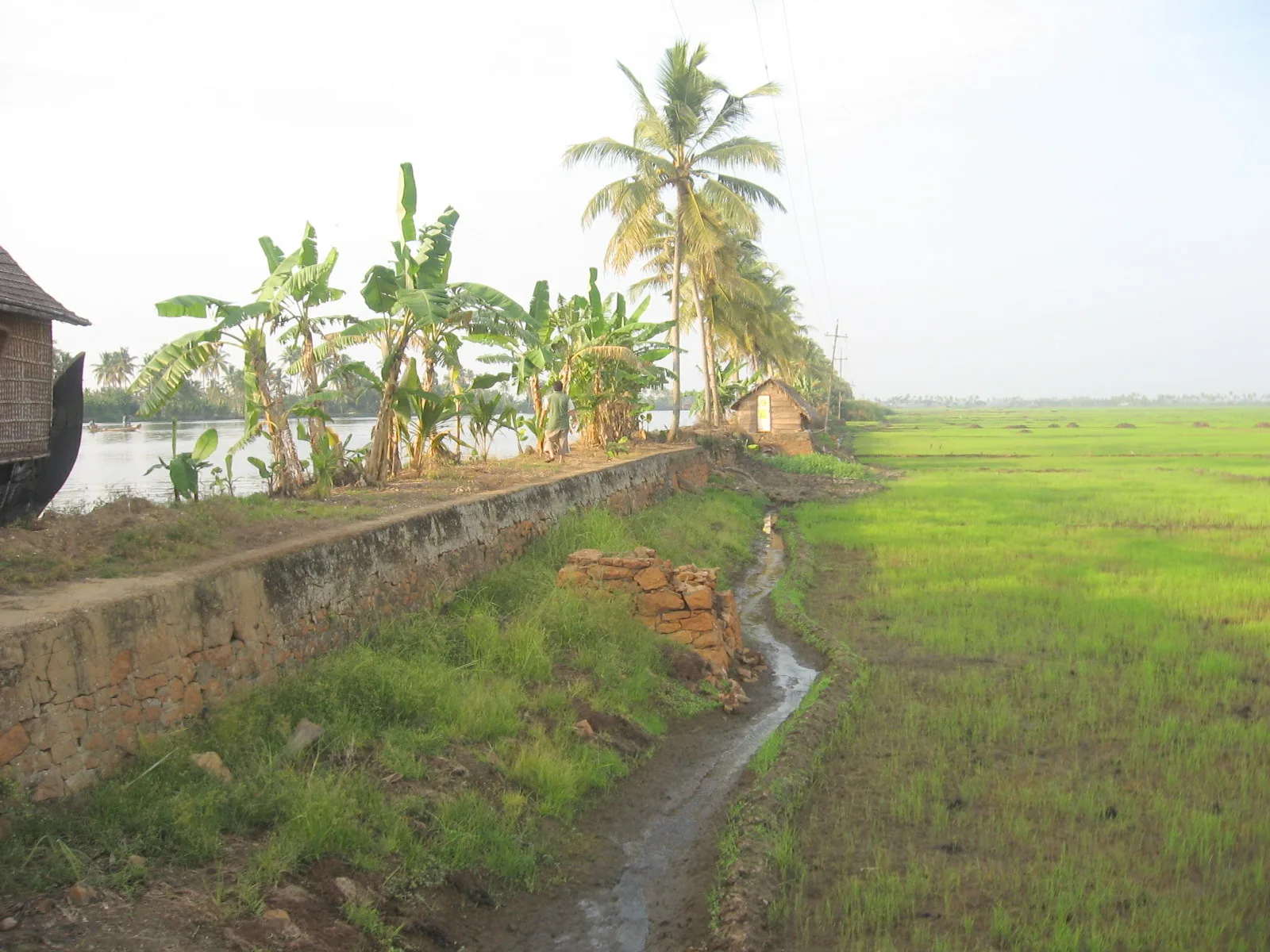
Living Lab Alleppey describes its origins in CANALPY, involving IIT Bombay and the Kerala Institute of Local Administration. It emphasises research with local governments and communities. Canal banks are also residential spaces: use public paths and respect household access.
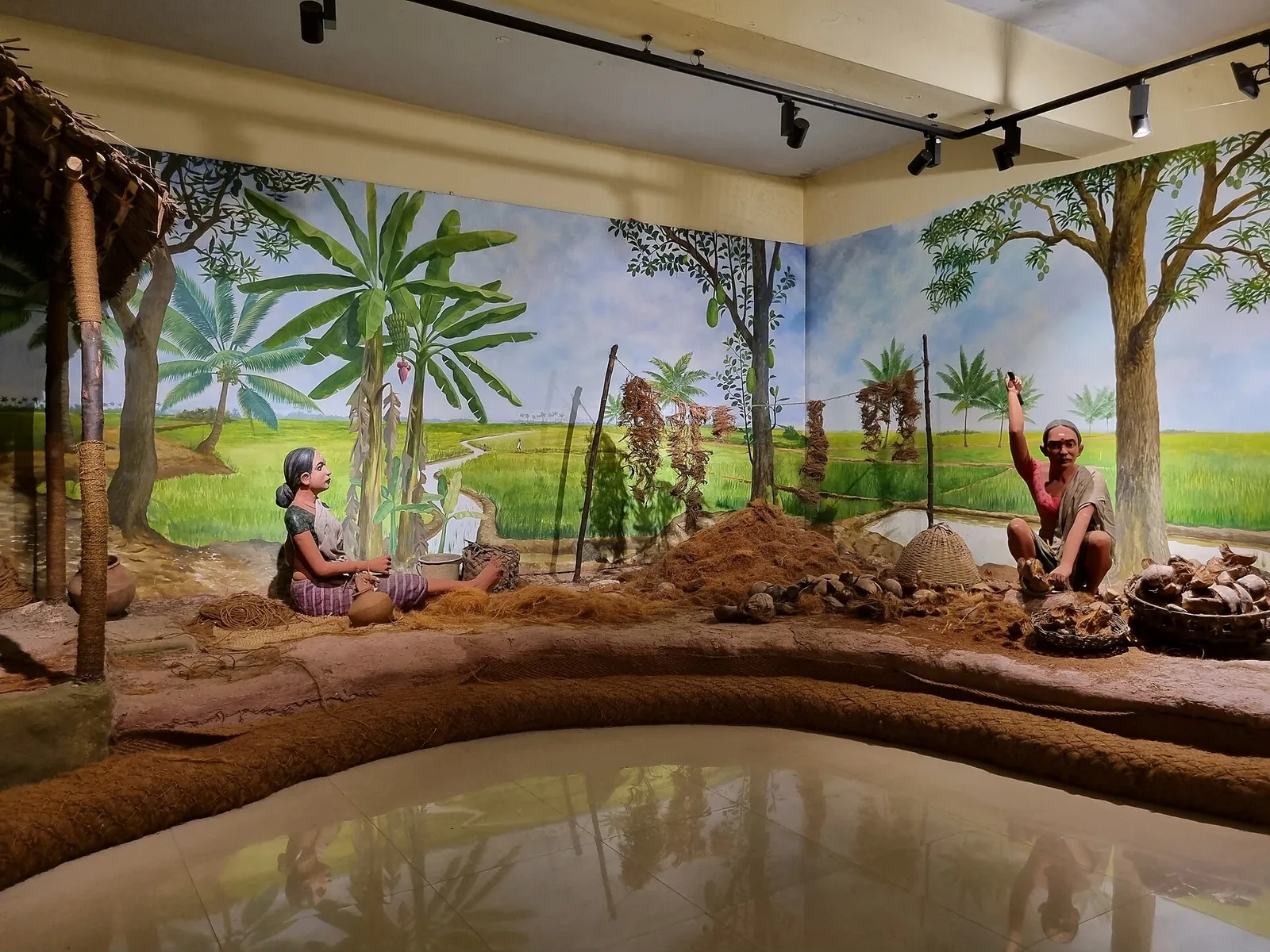
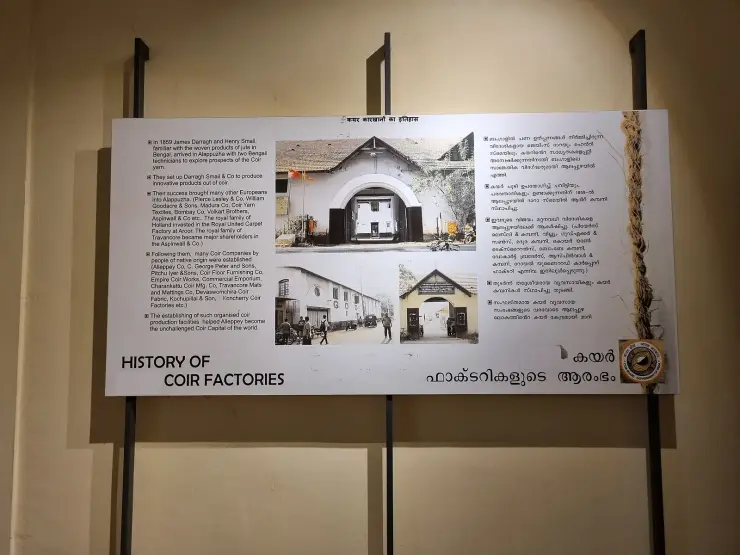
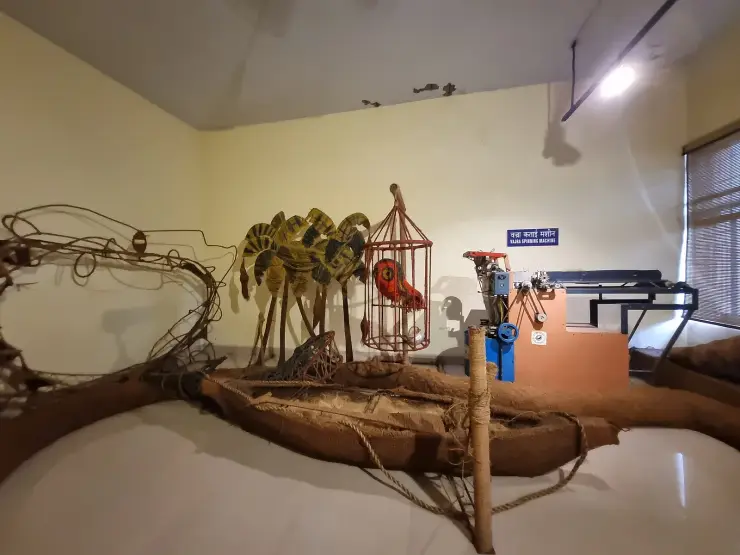
Coir gives the town another route into its trading history. Kerala Tourism records James Darragh establishing the company M/s Darragh Smail Ltd. in 1859 and pioneering exports of coir mats and matting. The Indian GI register separately documents Alleppey Coir as a registered product name. A museum visit can explain the craft; an individual souvenir still needs its own origin information.
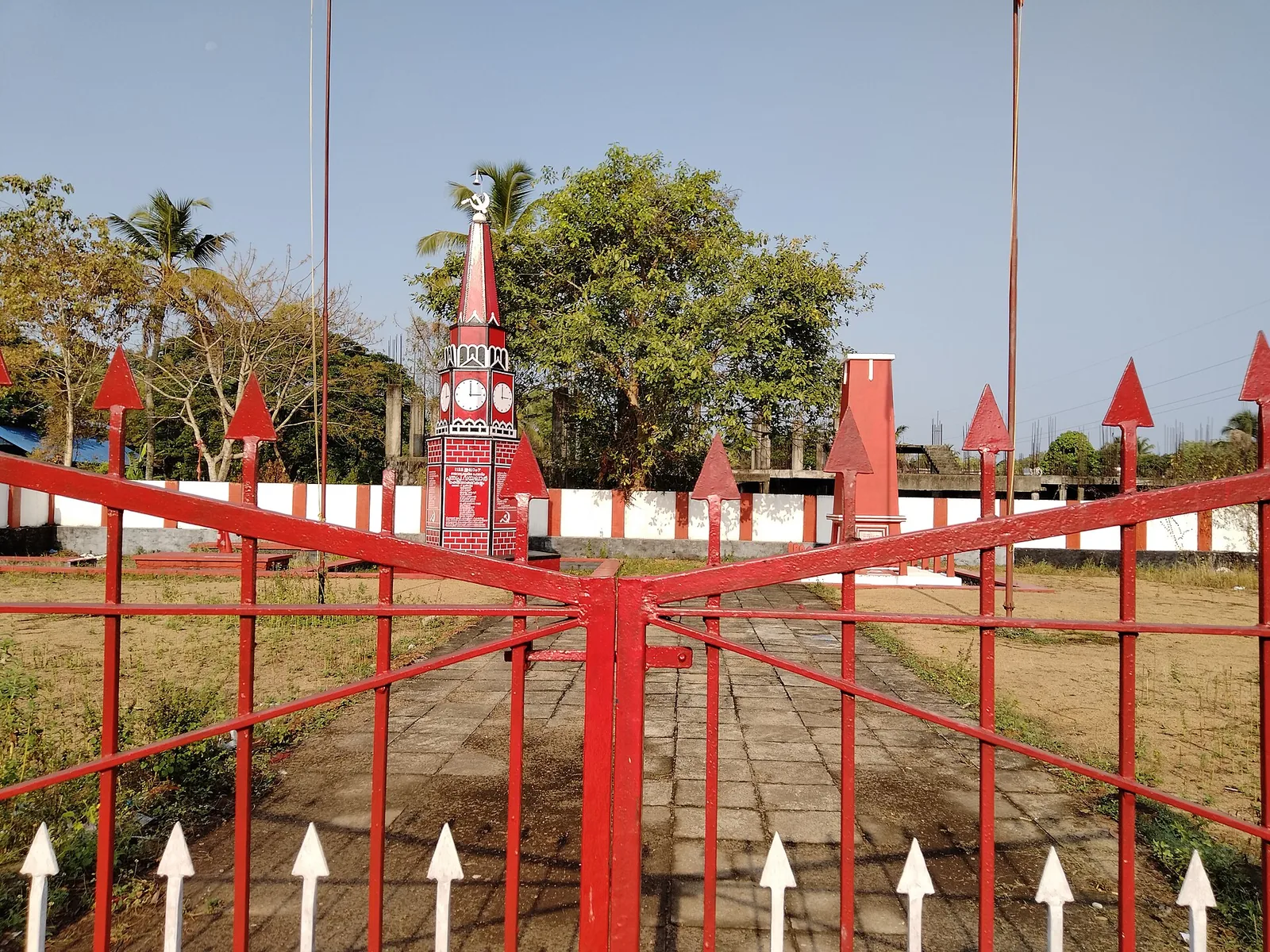
The district history connects the area with labour politics and the Punnapra–Vayalar struggles of 1946. A separately planned visit to the memorial adds this political history to a town walk through the canals and trading streets.
Read the town through individual sites: canals and bridges, water-facing commercial streets, the beach and the lighthouse. Their histories and visitor arrangements differ. A waterfront setting does not make every building public or every bank suitable for a walk.
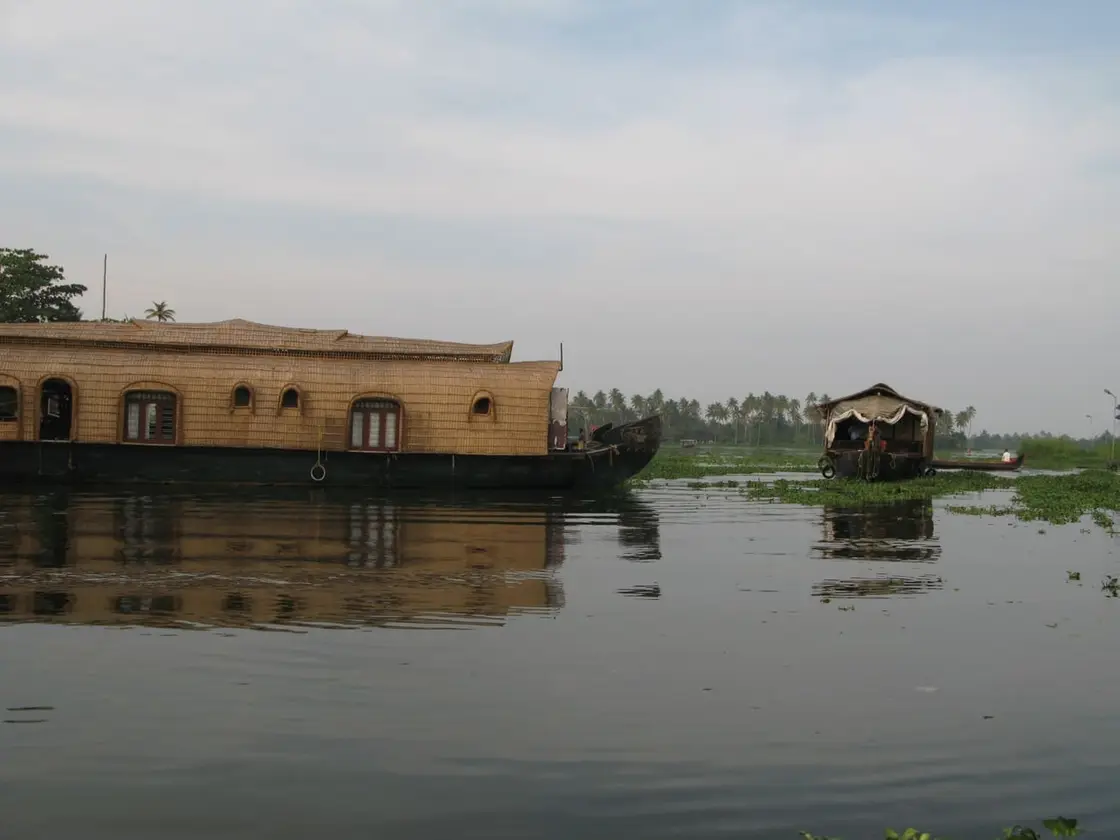
Keep town canals and a houseboat outing separate in your plans. Confirm the operator, boarding jetty, route and return point before booking. Seeing a boat from a bridge does not establish its service, permission to board or overnight facilities.
Alappuzha town and Alappuzha district are different administrative subjects. The district portal records district formation on 17 August 1957 and the change from Alleppey to Alappuzha under the order dated 7 February 1990. Both spellings remain useful when searching for the town and its coir history.
Legend & myth
Alappuzha’s waterways have shaped both its trading life and the stories told about the town. The familiar nickname and Mullakkal temple’s sacred traditions offer different ways into that local identity.
The district history explains the name through the town’s position between the sea and rivers. It also recounts a Curzon visit when discussing the familiar Venice of the East nickname. The nickname invites a closer look at the bridges and water-facing streets that connect the town.
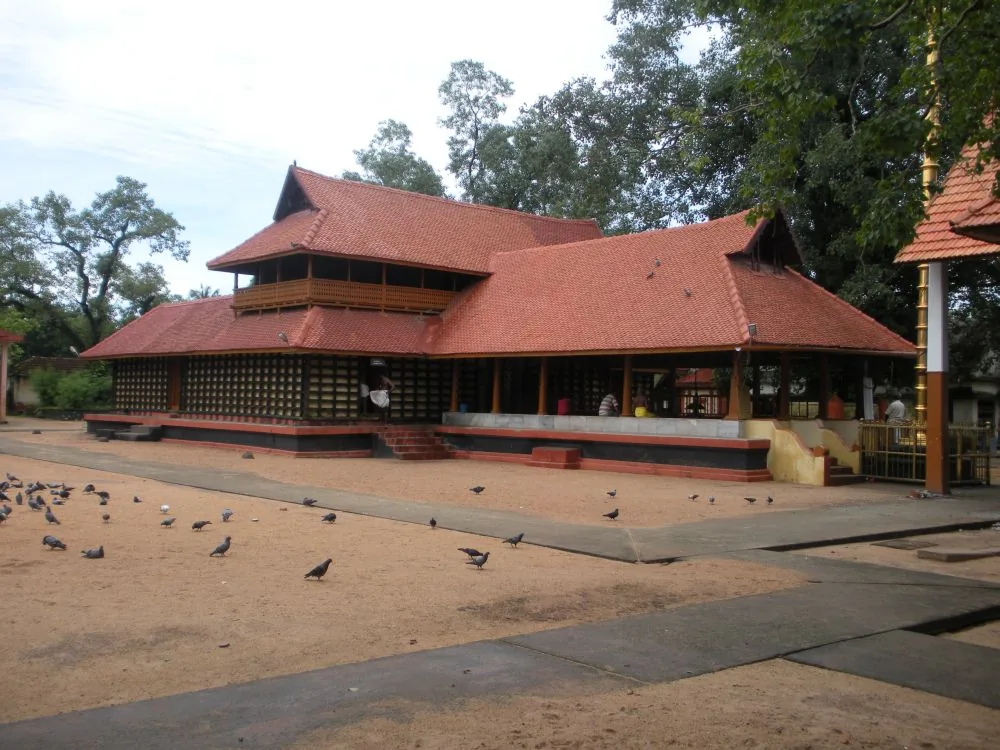
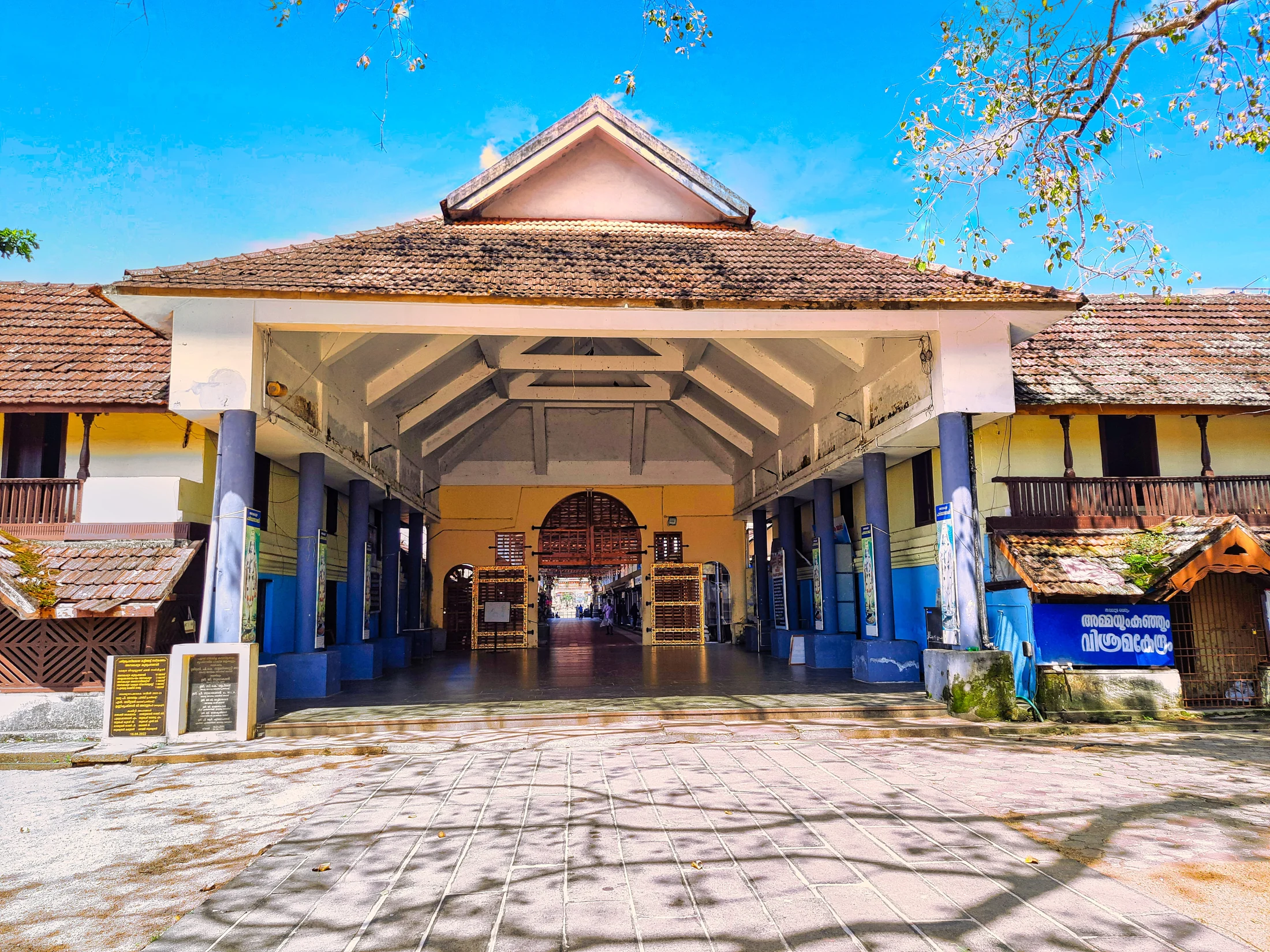
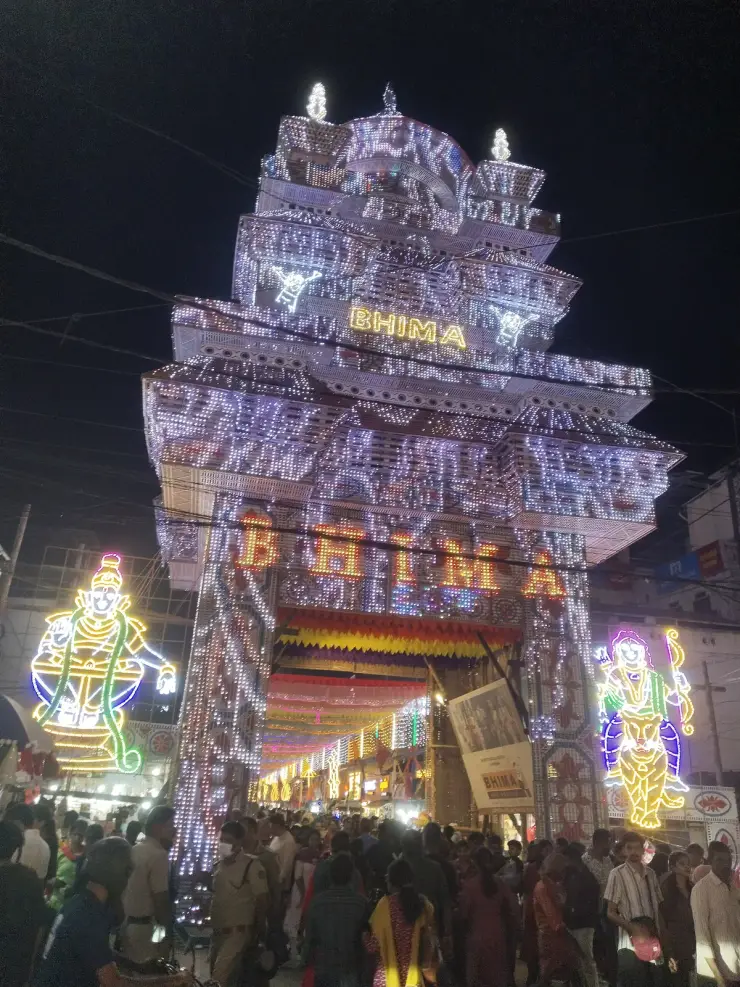
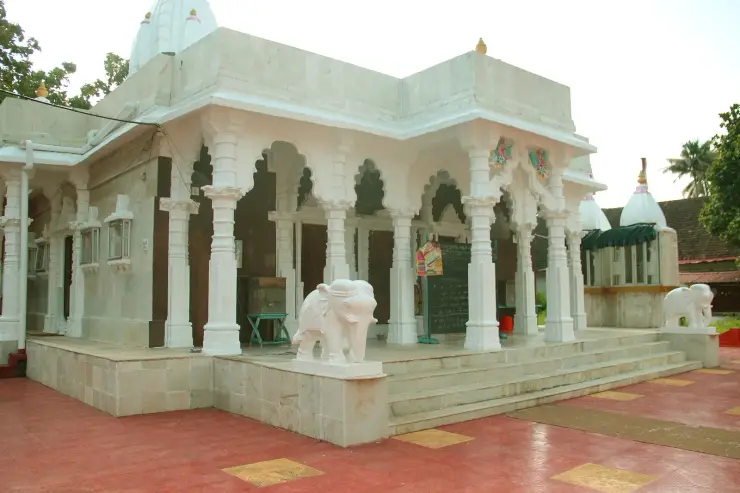
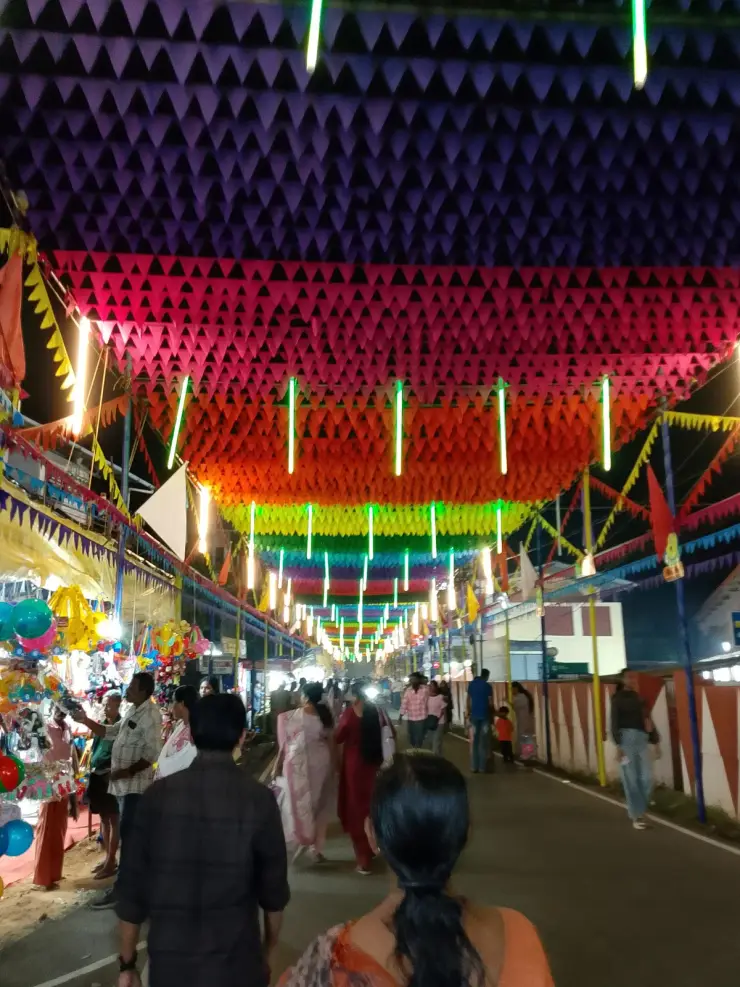
Mullakkal temple has its own sacred origin traditions. Explore those accounts on the temple guide, then plan a worship visit around its entry arrangements alongside your walk through the trading town.
Read the full history of Alappuzha / Alleppey town 347 more words
History
The district administration credits Raja Kesavadas with developing the town in the later eighteenth century through roads, canals and warehouses. This connected landscape is a useful starting point for exploring the port’s history.
The district history records a modern coir-mat and matting factory established at Alappuzha in 1859. Kerala Tourism names James Darragh as the entrepreneur who established M/s Darragh Smail Ltd. in 1859. This industrial milestone belongs alongside the port story, rather than replacing the longer history of local fibre work.
The district account records a political strike at Alappuzha in 1938 and the Punnapra–Vayalar struggles in 1946. They connect the wider area with labour and political history; their individual sites and narratives need separate treatment.
The district administration records formation of Alappuzha district on 17 August 1957 from parts of Kottayam and Kollam, and the name change under the government order dated 7 February 1990.
Dated engineering reports and community research describe later canal work. The October 2025 KIIFB figures are a historical progress report. Check the condition and access of a chosen canal stretch before treating it as a walking or boating route.
Why visit
To explore the canals, warehouses and streets of a trading town on a walk along public routes.
For a town walk alongside a separately arranged backwater cruise: bridges, canal banks and trading streets reveal a different part of Alappuzha from the view aboard a boat.
For the connection between a place and a product: the 1859 coir-factory milestone and the registered Alleppey Coir name add context to a museum visit or a carefully sourced purchase.
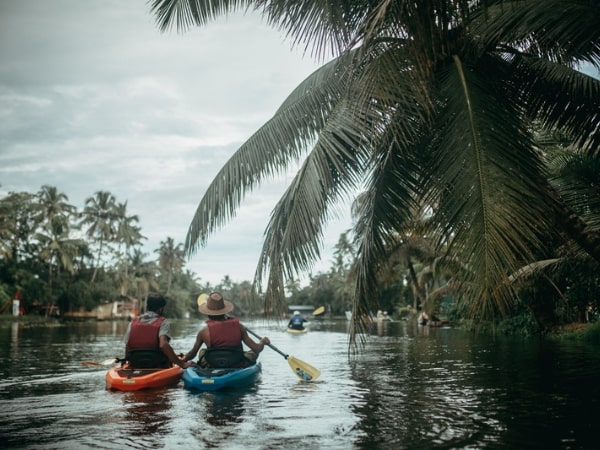
To use a town stay as a base for separately arranged outings to Kuttanad, Marari, Pathiramanal or Punnamada. Confirm the transfer between your railway, bus or boat arrival and the chosen stop.
For a separately planned Mullakkal festival visit, when the current temple programme and visitor arrangements fit your dates.
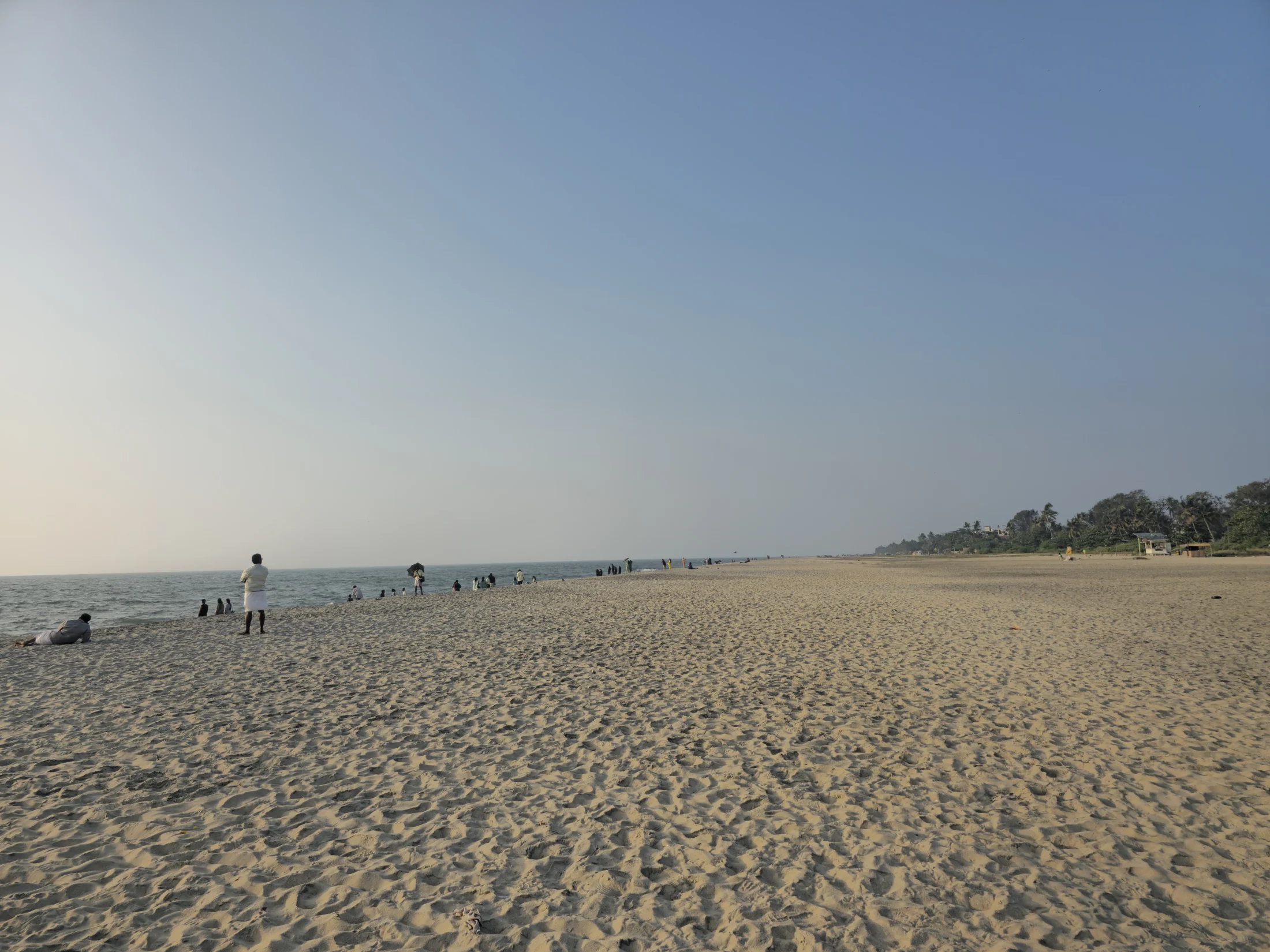
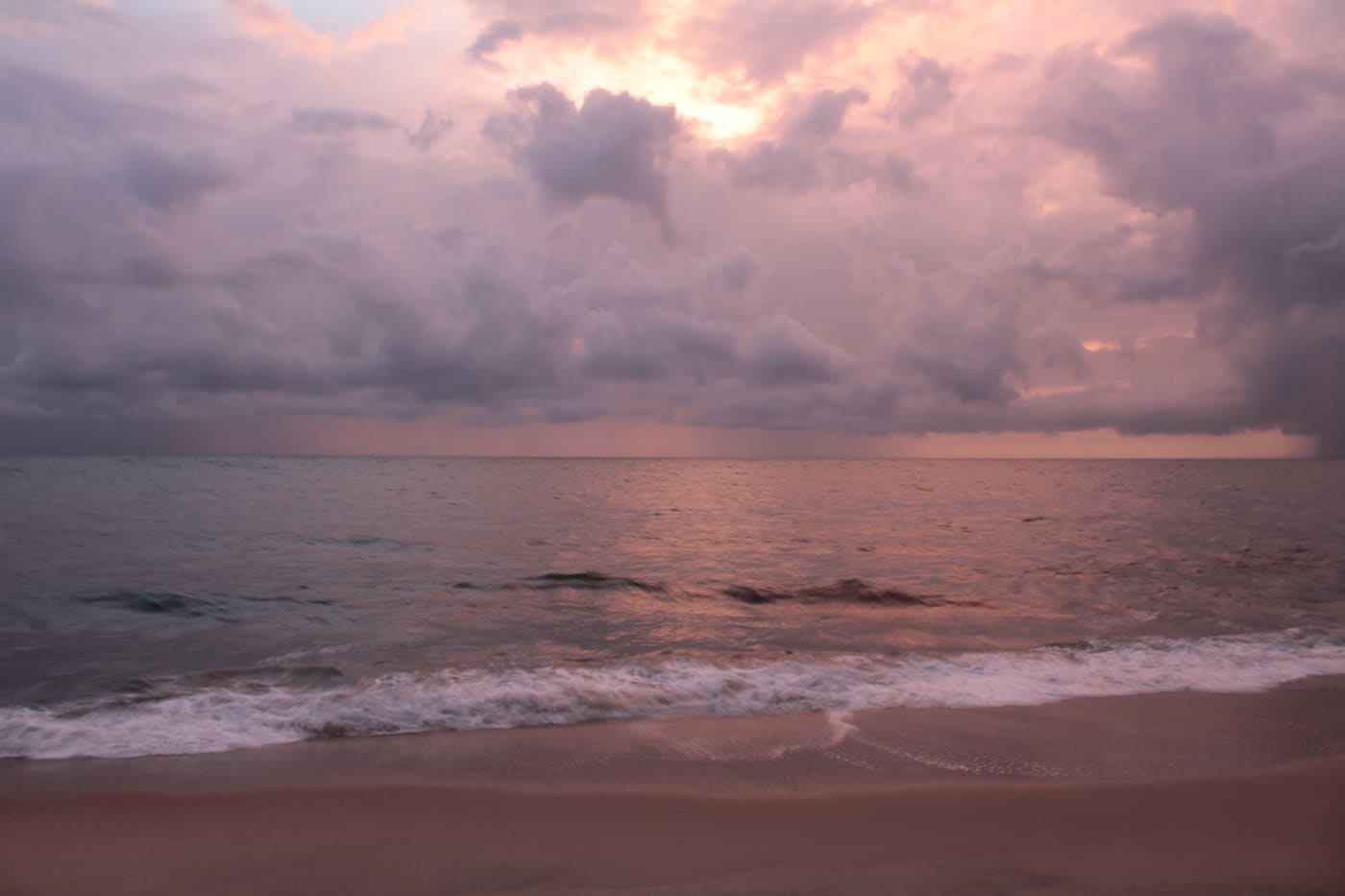
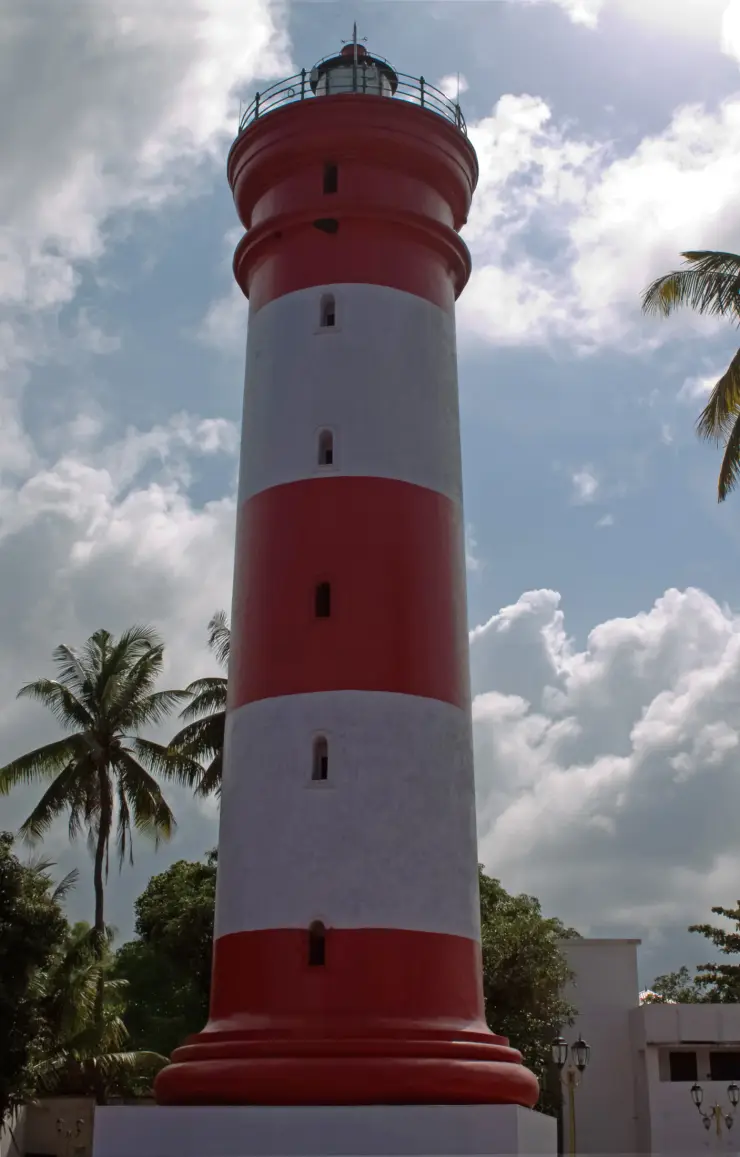
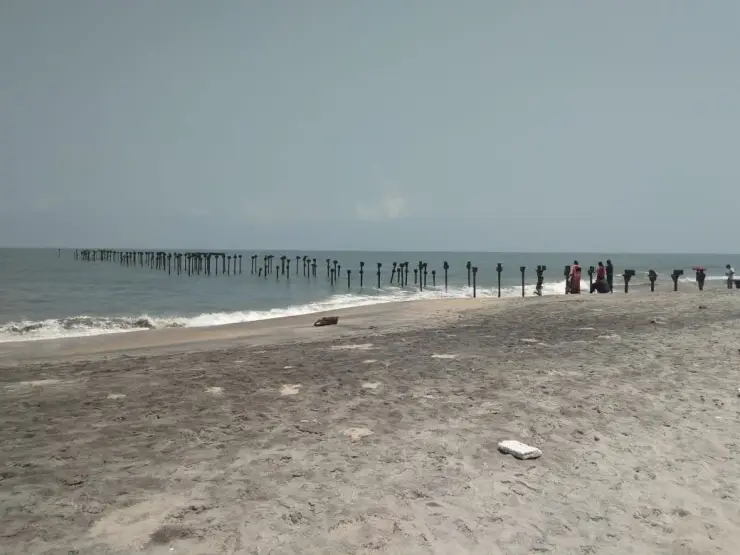
For a beach and lighthouse outing at the seaward side of town. View the old pier from permitted public areas; the Kerala Maritime Board describes it as dilapidated, so do not plan to walk onto it.