What to expect
Highlights
- Heritage experience at Alappuzha Beach
- Architecture, local stories and old trade/cultural routes
- Good fit for guided walks and nearby cafes/shops
Alappuzha Beach is one of the guidebook places to plan around Alappuzha town, with practical planning organized from the nearest town/base and verified local listings when available.
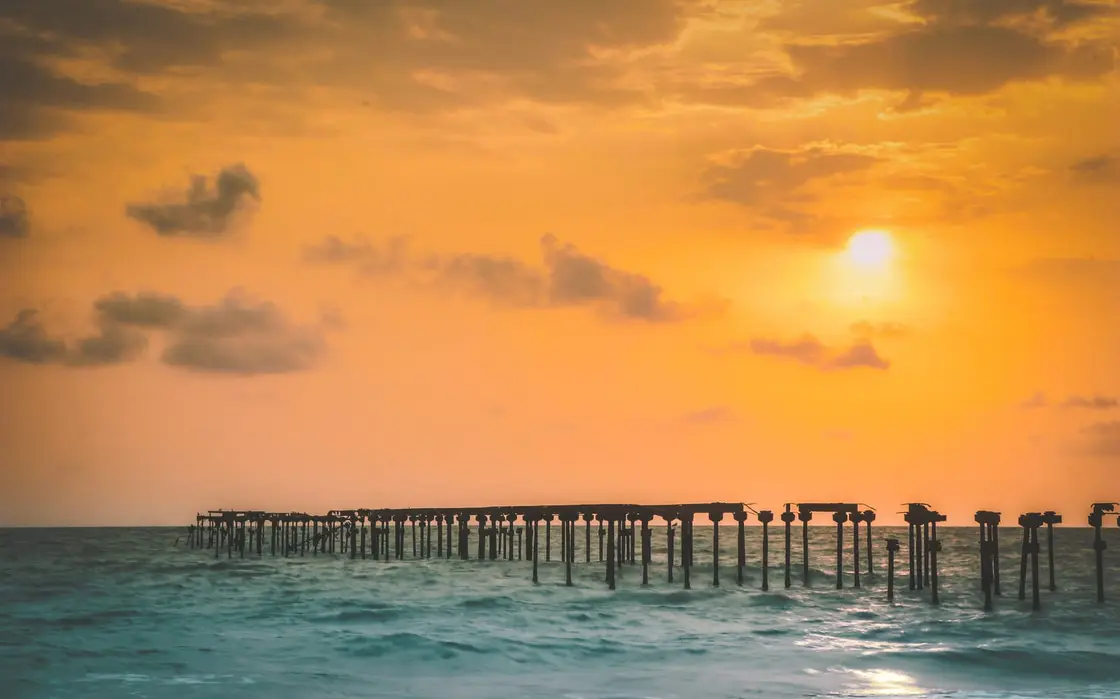
Alappuzha Beach belongs under Alappuzha town, one of the practical travel bases in Alappuzha district. Use Alappuzha town for stays, food, local transport and operators, then plan this place as a focused stop rather than an isolated pin.
Alappuzha Beach is the sandy, sun-washed seaward face of Alleppey — a laid-back town beach on the Arabian Sea where a crumbling 19th-century pier still reaches out over the waves and a red-and-white banded lighthouse of 1862 keeps watch over a town marketed the world over as the “Venice of the East” — a shared Victorian nickname rather than a distinction, as the town page explains.
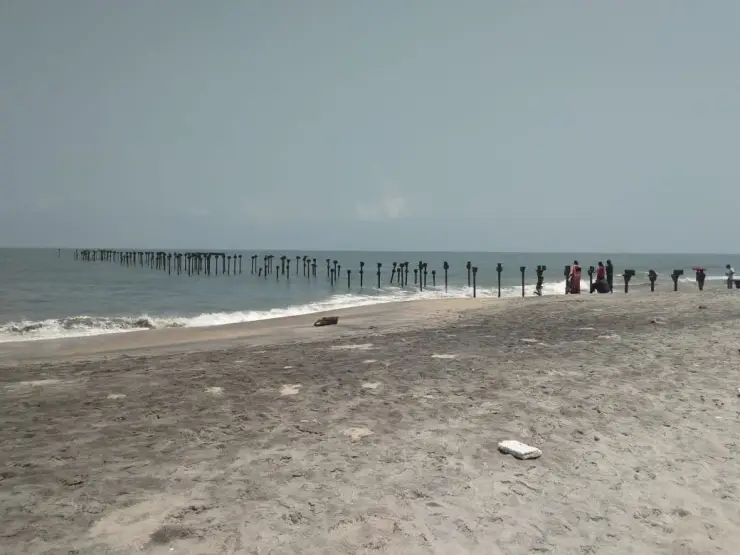
The first thing most visitors notice at Alappuzha Beach is not the sand but the strange, weathered line of pillars marching out into the sea. This is the old Alappuzha Pier — locally called the “Kadal Palam,” or sea-bridge — and it is the reason this stretch of coast has a story to tell. Once a busy loading jetty where ships anchored offshore and cargo was ferried out along its length, the pier now stands half-collapsed and salt-eaten, its stumps rising from the surf like the ribs of some beached sea creature. At sunset, when the sky turns molten and the silhouettes of the pillars darken against the water, it becomes one of the most photographed sights on the Kerala coast.
Behind the pier stretches a broad, gently shelving beach that has been the town’s favourite evening gathering place for generations. Families spread out on the sand, children chase the retreating waves, vendors sell hot bhajji and cut fruit and roasted peanuts in paper cones, and the sea breeze carries away the heat of the day. It is not a manicured resort beach — it is a working town’s beach, unpolished and full of life, and that is precisely its charm.
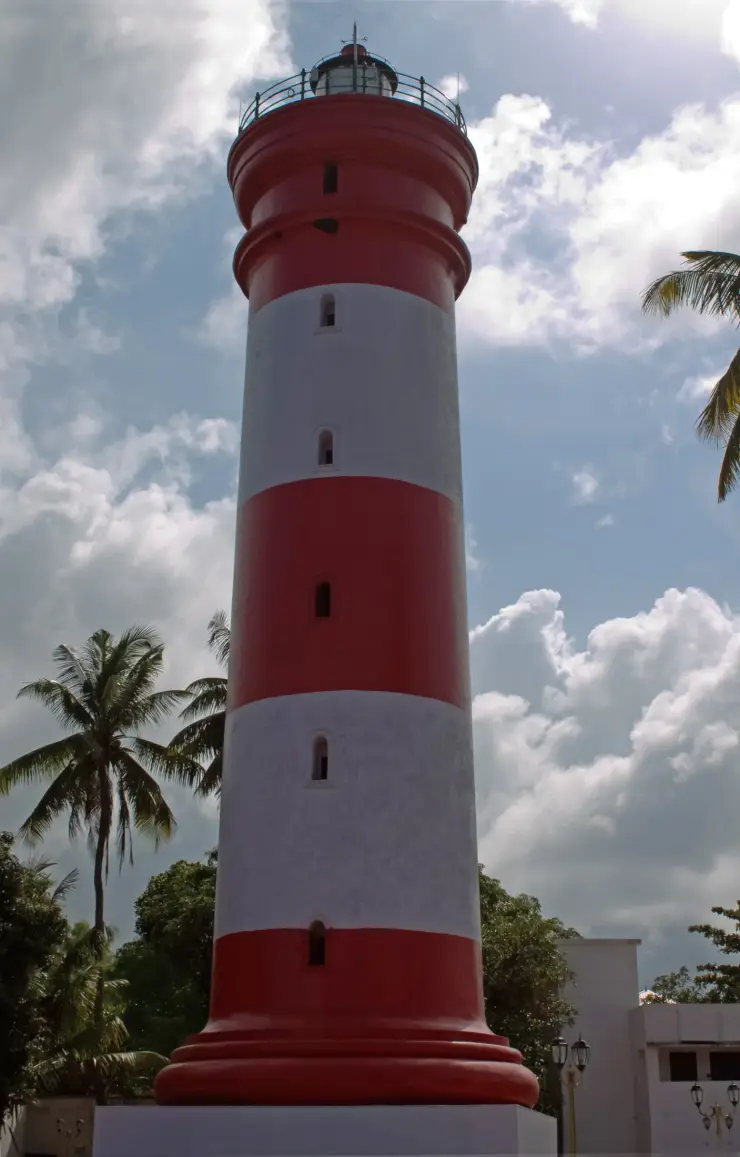
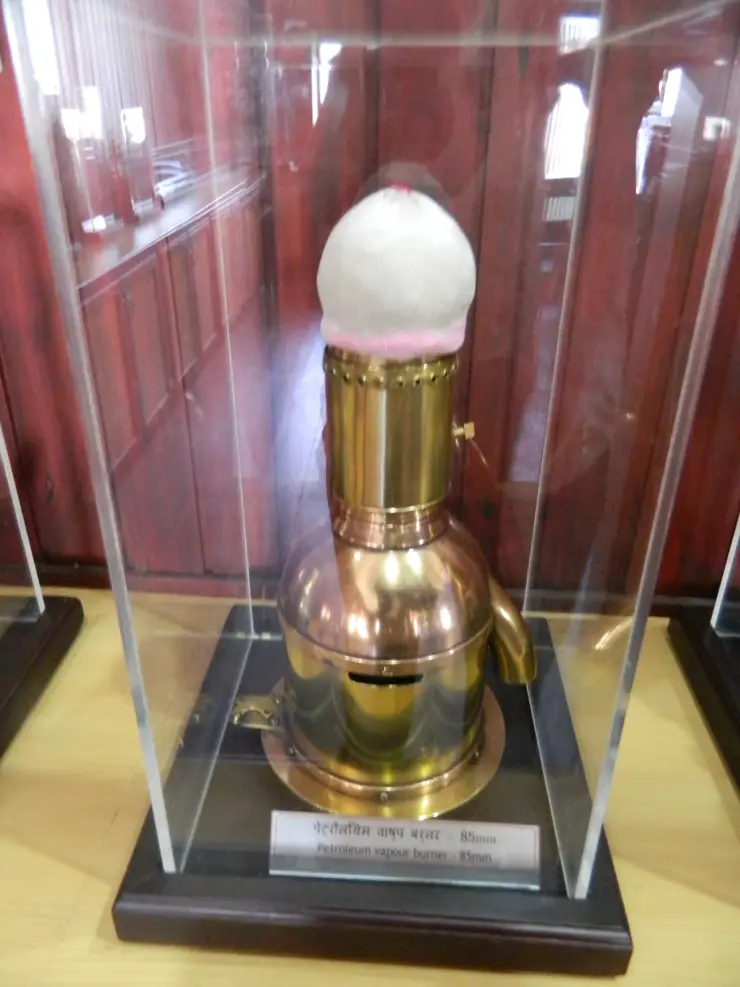
A short walk from the shore stands the old Alappuzha Lighthouse, a red-and-white banded tower first stoned in 1860 and lit in 1862. ⚠ It is often described as built “of laterite and teak”; the teak is the spiral staircase inside rather than the fabric of the tower, and we have not found a source for the laterite, so we do not assert it. The bands are not original either — the tower was plain white until it was repainted in 2000. Climbing the roughly hundred steps of that teak stair (no official count is published, so treat “about a hundred” as approximate) rewards you with a sweeping view: the long ribbon of coast in one direction, and in the other the rooftops, coconut palms and glinting canals of Alappuzha town spreading inland toward the backwaters. A small museum inside preserves old oil lamps and lighthouse relics that trace its century-and-a-half of service to passing ships.
Right by the beach lies Vijaya Beach Park, a modest seaside entertainment park where children ride toy trains and pedal boats, couples stroll the lawns, and the whole thing hums with the easy holiday mood of an Indian evening by the sea. It is an unpretentious place, designed for families and picnickers rather than adrenaline-seekers, and it fills up most on weekends and holidays.
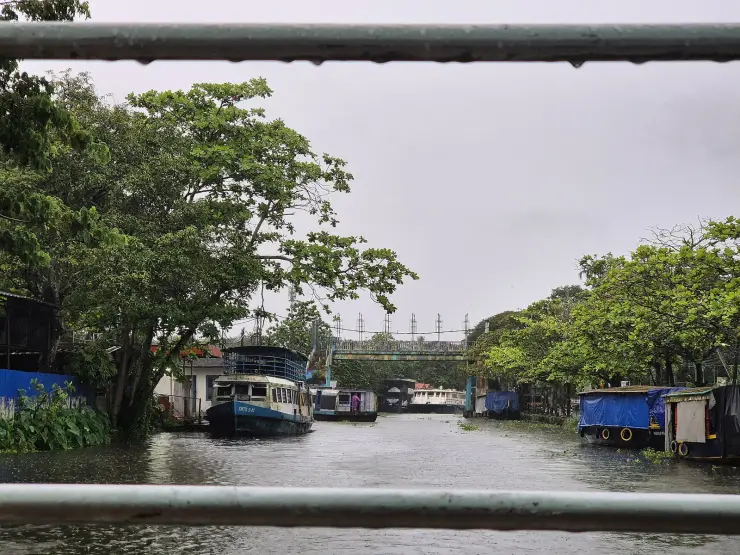
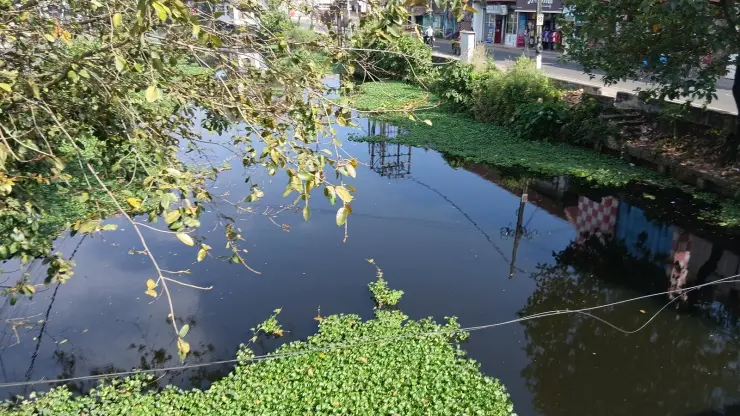
But to understand Alappuzha Beach you have to look past the shoreline to the town at its back. Alleppey is a place laced with water — a grid of canals and lagoons that flow inland to the great lakes and backwaters of Kuttanad, attracting the much-repeated “Venice of the East” nickname — which around forty cities in fourteen countries also carry. The beach is where this famous watery landscape meets the open ocean, and many travellers who come for a houseboat cruise on the backwaters end their day here, watching the sun sink into the Arabian Sea.
Come in August and the mood shifts entirely, for nearby Punnamada Lake hosts the Nehru Trophy Boat Race — the thunderous snake-boat spectacle in which hundred-foot chundan vallams, each pulled by scores of oarsmen chanting in unison, race across the water before roaring crowds. It is Alappuzha at its most electric, and it draws visitors from around the world to this quiet backwater town.
There is no legend attached to this shore that we have been able to find, and it is worth saying that plainly rather than borrowing one.
We looked specifically. We searched for an origin story for the lighthouse, for wreck lore or drowned-sailor stories along this stretch of coast, for a ghost attached to the tower or the pier, and for kadalamma belief — the sea-mother — tied to this particular beach rather than to the Kerala coast in general. What comes back is uniformly historical or touristic: dates, engineers, fees, sunsets. That is our search result, not a fact about the world, and if a family in Alappuzha keeps a story about this pier we would rather print it than this paragraph.
It is also, in fairness, the kind of place where a blank is credible. A lighthouse first stoned in 1860 and lit in 1862 is a piece of Victorian marine infrastructure, commissioned by an administration, built to a specification, and staffed on a rota ever since. Old groves, tanks, rivers and temples in Kerala essentially always carry lore, and an absence there means our search failed. A working navigational aid of the industrial age genuinely may carry none, and the same is true of the iron pier beside it.
What this shoreline has instead of folklore is a ruin that behaves like one. The pier — the Kadal Palam, the sea bridge — ran about three hundred metres out into the Arabian Sea from 1862, iron and wood, built so that cargo could be lightered out to ships anchored in the roads because there was no harbour here and never would be. It carried Travancore's trade until Kochi's harbour rose in the early twentieth century and took it away. It was already derelict when the 2004 tsunami carried away a large part of what remained.
What stands there now is a line of pile stumps marching out into the surf and stopping. Every photograph taken of this beach at sunset is really a photograph of them. They are the most affecting thing on the shore, and their power is entirely documentary: this was the front door of a port, the trade left, the sea took the rest. No story has been attached to them and none is needed, which is a rarer thing than it sounds.
One more thing is worth saying about the absence, because it cuts against the grain of how places like this are usually written up. A working lighthouse is a piece of equipment, and equipment resists story: it is documented, dated, specified and inspected, and every question you might ask about it has an answer on a form somewhere. That is the opposite condition to a grove or a tank, where the record is thin and the story is thick. Alappuzha Beach happens to sit at the meeting point of the two — an engineered coast with a documented spine, in a district where almost every other place we write about is the reverse.
The other thing this beach has in place of myth is a set of numbers, and they are unusually specific. Inside the lighthouse hangs the Directorate General of Lighthouses and Lightships' own character board, painted in gold on black, and it records exactly what the light does: white, single flash, every fifteen seconds; four panels of ninety degrees each; one revolution per minute; a flash lasting eight-tenths of a second; a geographical range of 16.6 miles. Sailors did not need a legend about this coast. They needed to know that a white flash every fifteen seconds meant Alleppey and not somewhere else, and that is what the board is for. There is a kind of poetry in it, but it is not folklore and we are not going to dress it up as any.
The lighthouse's first stone was laid by Mrs Mary Anne Crawford on 26 April 1860, and the light became operational on 28 March 1862 — a first-order optic by Chance Brothers of Birmingham, burning on a double-wick coconut-oil lamp. The original optic was replaced with a 500 mm drum optic in 1952, and the electric light was commissioned on 4 August 1960, a date recorded on the station's own board. The tower was repainted from plain white into its present red-and-white bands in 2000 and opened to the public in 2007. It remains a staffed station.
⚠ The tower's height is widely misreported, and the confusion is a category error rather than a disagreement. Figures of 27, 28, 30 and 32.9 metres circulate as though they were rival measurements of the same thing. They are not: 32.9 metres is the ELEVATION OF THE FOCAL PLANE — the height of the light above sea level — and it is painted on the station's own board. The tower itself is given as 28 metres. The honest formulation is a 28-metre tower whose light sits 32.9 metres above the sea, and 32.9 should never be printed as the height of the building.
⚠ It is often called the oldest lighthouse in Kerala, and that needs a qualifier to be true. A light burned at Fort Kochi and Vypin from 1839, twenty-three years earlier, but that light was superseded by a new structure at Puthuvype in 1979. Alappuzha (1862) is therefore the oldest surviving lighthouse tower in Kerala rather than the oldest lighthouse site; Thangassery dates from 1902. District tourism's own phrasing — one of the oldest lighthouses on the south-west coast of India — is the correctly hedged version and we follow it.
The pier alongside it was built in 1862 by Captain Hugh Crawford, in iron and wood, running roughly a thousand feet into the sea to lighter cargo to and from ships in the roads. ⚠ It is frequently credited to Sir Robert Bristow. That is wrong, and it is a claim that has migrated: Bristow's Kerala work is at KOCHI — Willingdon Island and the Thoppumpady bridge, opened 1940 — some 78 years after this pier was finished. The corroborating detail is on the tower itself: it was Mrs Mary Anne Crawford who laid its first stone in 1860. This is the Crawfords' shoreline.
Alappuzha owes its very existence to a single visionary: Raja Kesava Das, the Diwan (chief minister) of Travancore in the late 18th century, remembered as the “maker of modern Alleppey.” Around 1762 he set about deliberately building a planned port town here, cutting canals and roads, laying out warehouses and encouraging trade, so that landlocked Travancore would have a commercial harbour of its own on the Arabian Sea. The town’s distinctive grid of waterways — the feature that later attracted the “Venice of the East” tag, a label around forty cities carry — was born of this planning.
Through the 19th century Alappuzha grew into one of the busiest ports on the Malabar coast, its prosperity built above all on coir — the golden fibre spun from coconut husk. The first modern coir factory is said to have opened here around 1859, founded by the Irish-American entrepreneur James Darragh, shifting coir-making from a household craft to an industrial trade. Mats, ropes and yarn were shipped out from Alleppey to markets across the world, alongside the spices, cashew and other produce of the Travancore hinterland.
To serve this seaborne trade, the town built the infrastructure whose relics still line the beach. The Alappuzha Pier — the “Kadal Palam” — was constructed in 1862 to let cargo be moved between the shore and ships anchored in the open roadstead, since the coast had no natural sheltered harbour. Around the same time, in March 1862, the Alappuzha Lighthouse was first lit, guiding vessels toward the port and marking this stretch of an otherwise featureless coast.
For a century the port thrived, but the 20th century brought decline. Larger, deeper harbours elsewhere — and the shift of trade to rail and road — gradually drew shipping away from Alappuzha’s exposed open anchorage. The pier fell out of use and was left to the sea, which slowly ate away at its timber and masonry until only the stark line of pillars remained.
What the port lost, tourism gained. In the later 20th century Alappuzha reinvented itself around its extraordinary backwaters, its houseboats and its heritage, and the beach — with its romantic ruined pier, its old lighthouse and its sunsets — became a destination in its own right. Today the crumbling Kadal Palam is no longer a working jetty but a monument: a reminder, standing in the surf, of the trading town that Raja Kesava Das dreamed into being.
Watch the sunset behind the ruined 19th-century pier — the salt-eaten pillars of the old “Kadal Palam” silhouetted against a burning sky make this one of the most atmospheric coastal views in Kerala.
Climb the historic Alappuzha Lighthouse, built in the 1860s, for a 360-degree panorama over the coast, the town and its palm-fringed canals, and browse the small museum of old lamps and lighthouse relics inside.
Soak up the authentic, unpolished energy of a real town beach — vendors, families, children in the surf and the easy evening mood that a manicured resort beach can never fake.
Bring the family to Vijaya Beach Park beside the shore, with its toy train, boating and lawns — an easy, low-key spot for children and picnickers.
Use the beach as the seaward bookend to a backwater trip: pair a houseboat cruise through the town’s canal network with an evening by the ocean where the famous waterways finally meet the sea.
Time your visit for August and witness the Nehru Trophy Boat Race on nearby Punnamada Lake — the roaring, hundred-foot snake-boat race that is one of India’s great sporting spectacles.
Road km to Alappuzha; ghat roads and traffic vary — allow extra.
November to February and early mornings are best for walking; avoid midday heat where possible.
Verified hotels, homestays, restaurants, experiences, sights, shops and rentals around Alappuzha Beach — commission-free, with direct contact. Filter by what you need.
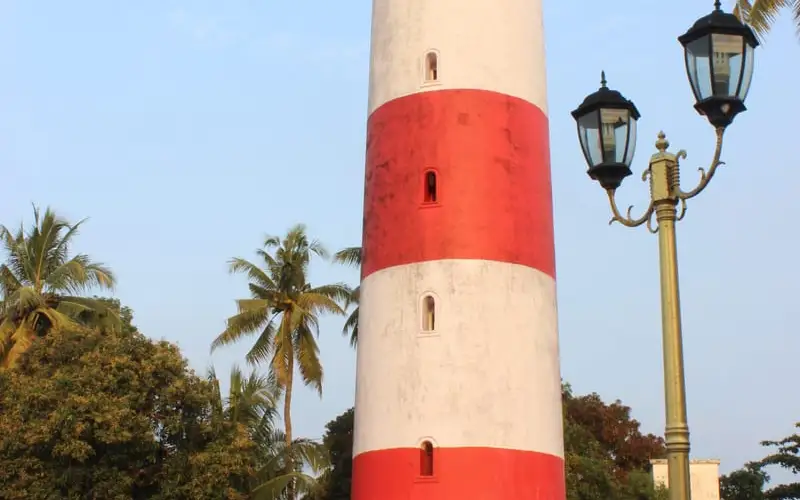
Lighthouse in Alappuzha Town, Alappuzha, Kerala, India.
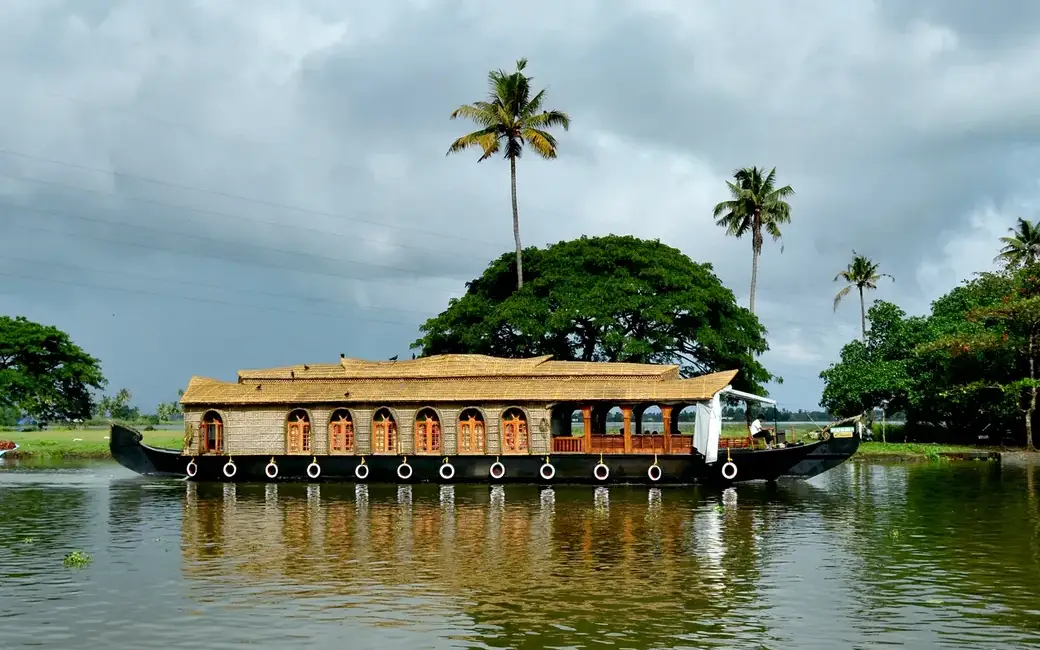
Attraction in Alappuzha Town, Alappuzha, Kerala, India.
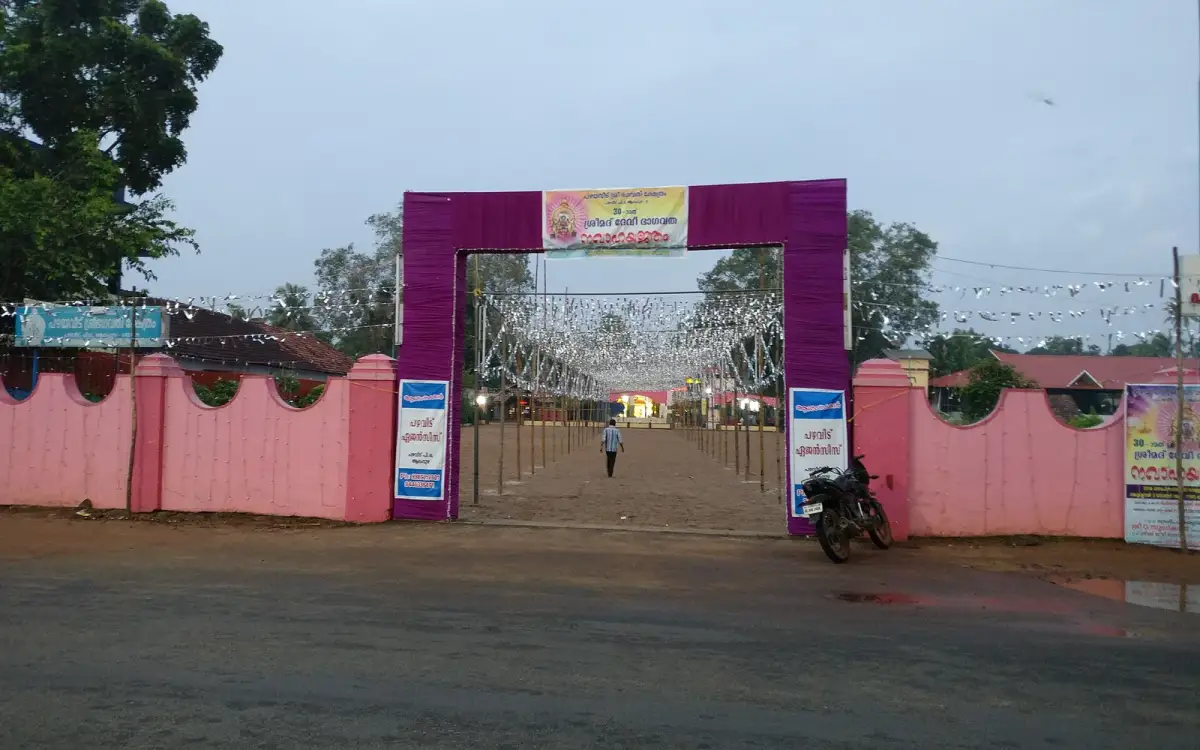
Old Pazhaveedu Bhagavathi temple south of Mullakkal, useful as a local worship and festival stop on the Alappuzha-Changanassery road.
Museum in Alappuzha Town, Alappuzha, Kerala, India.
Museum in Alappuzha Town, Alappuzha, Kerala, India.
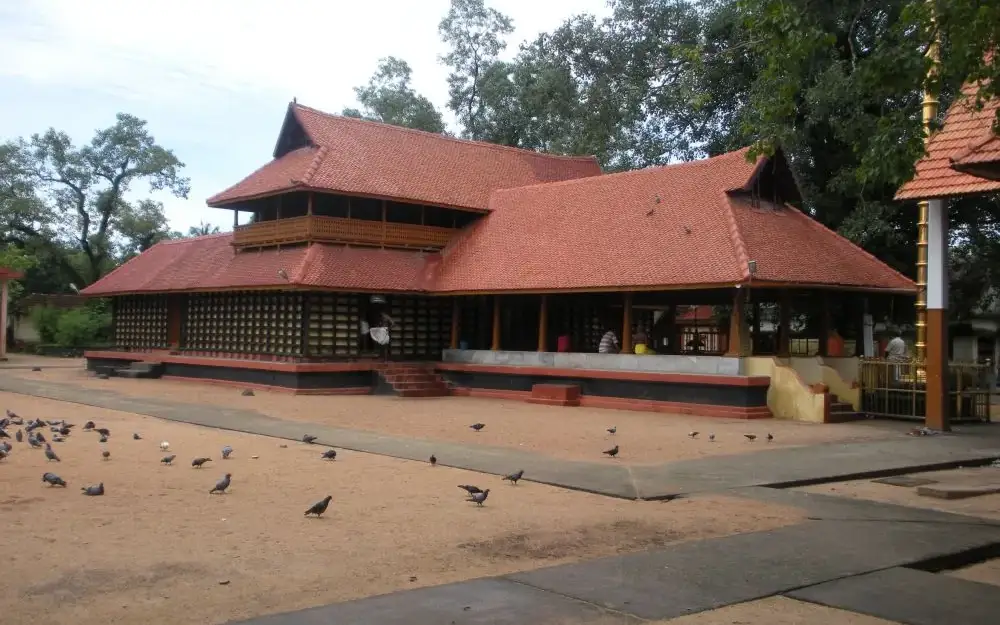
Temple in Alappuzha Town, Alappuzha, Kerala, India.
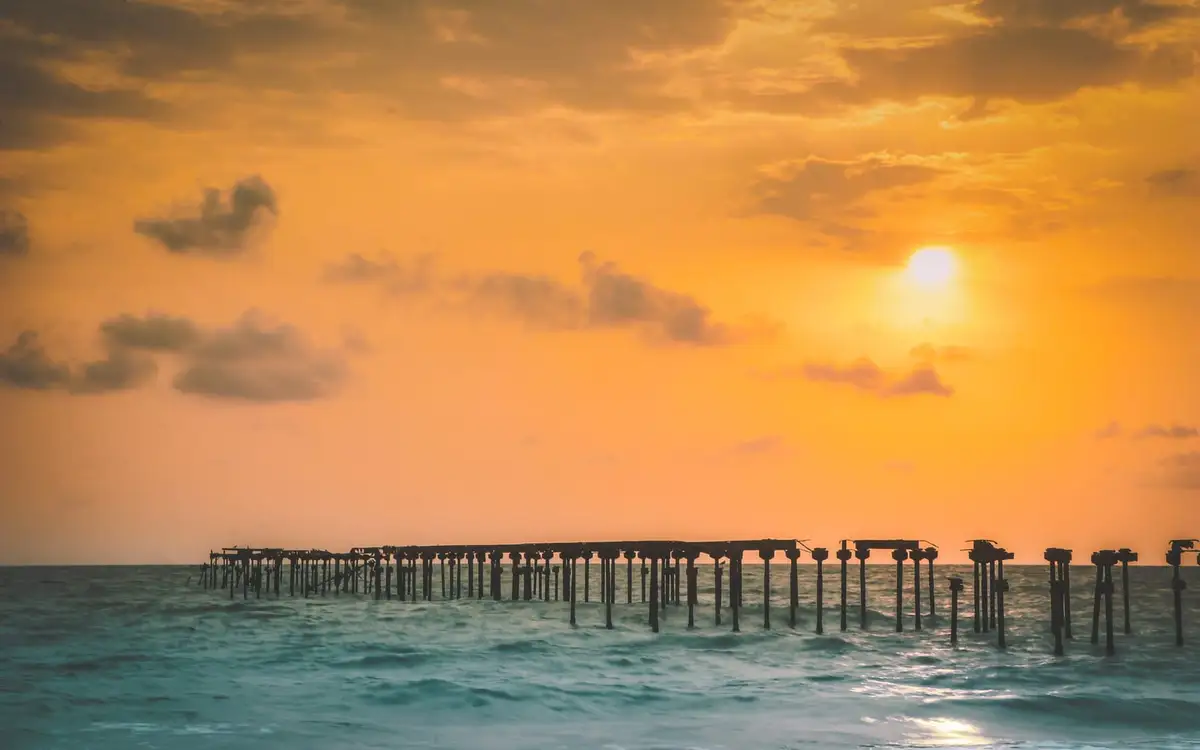
Beach in Alappuzha Town, Alappuzha, Kerala, India.
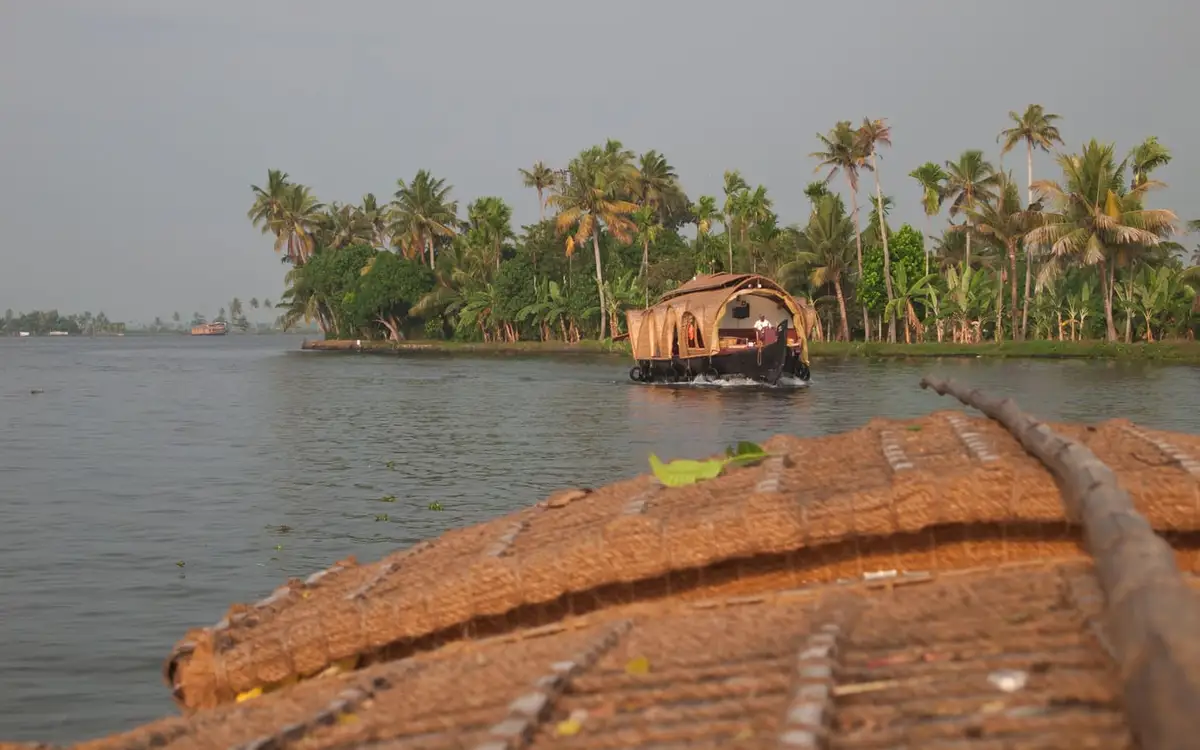
The great backwater lake system Kochi’s harbour opens from — this record marks the water itself; boat trips from the Fort Kochi and Mattancherry jetties are the way onto it.
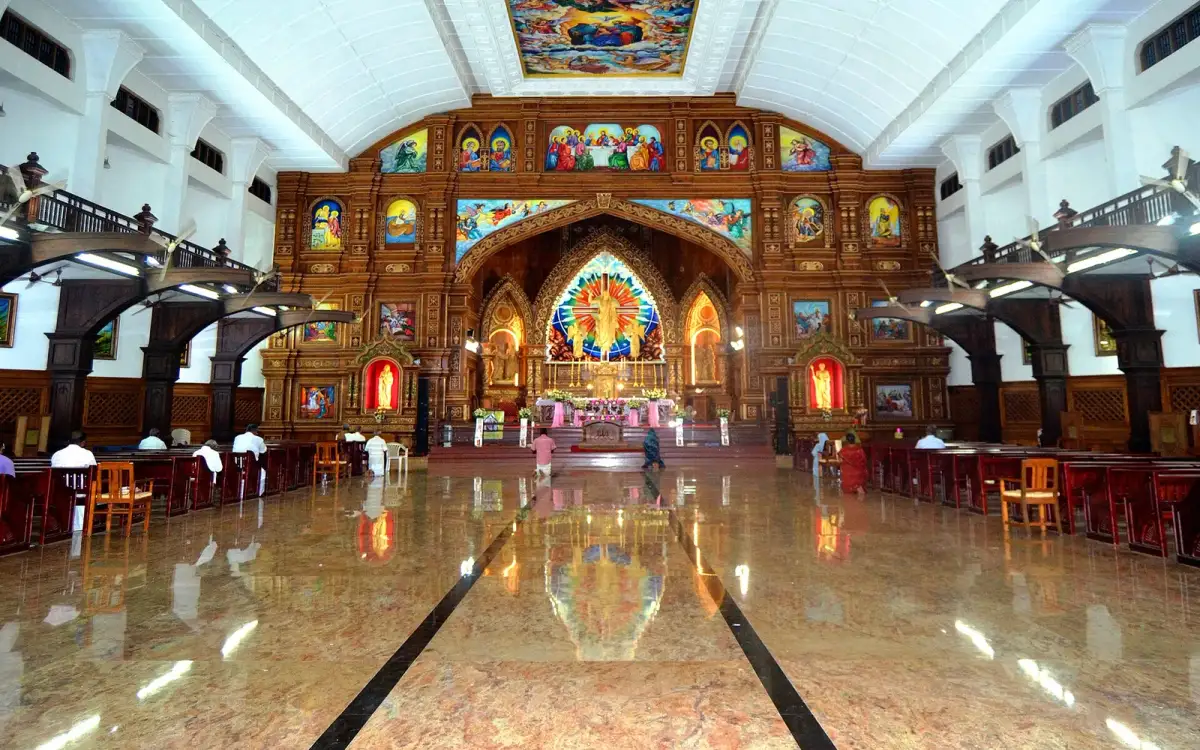
Church on Alappuzha - Arthunkal - Chellanam - Thoppumpady Road in Alleppey.

State Water Transport Department Alappuzha office/boat-service support, useful for public ferry and backwater route checks.

Restaurant (asian, chinese, indian, local, regional) on Cullan Road in Alleppey.
Alappuzha cafe/restaurant listing for desserts, juices and casual meals near the town side.
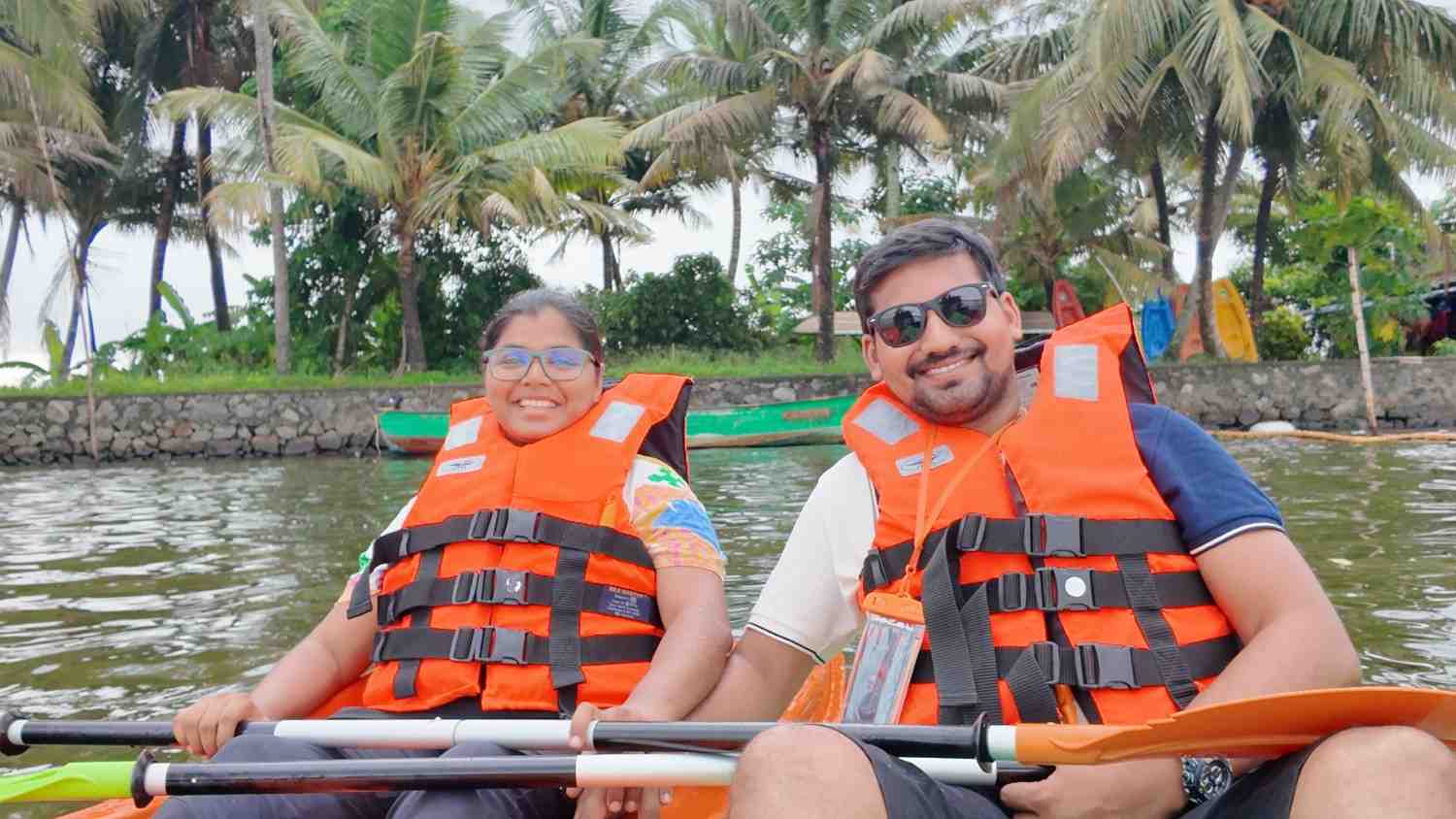
Alleppey Kayaking Club offers guided backwater kayak tours from its Punnamada base at Nehru Trophy ward, led by National Institute of Watersports-certified local guides. It runs sunrise, sunset and full-day village kayaking routes with safety gear rather than houseboat stays.

Alleppey Village Canoeing runs a country-boat and shikara day tour through the Kuttanad-side canals, combining canal paddling with a village walk and Kerala meals. The trip starts near Alleppey town and takes guests along narrow waterways that big houseboats cannot enter.
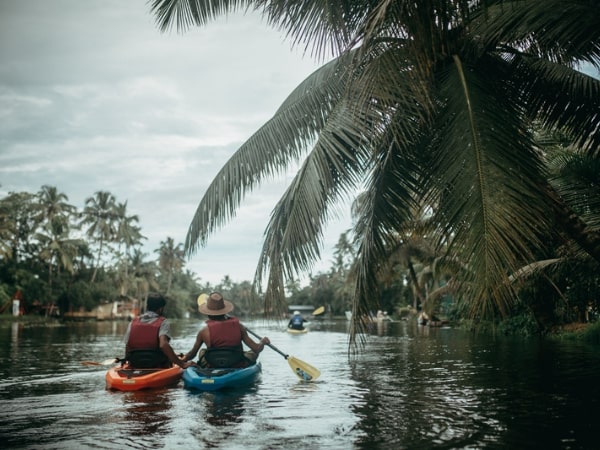
Nadodi Kayaking runs small-group guided kayak tours through the narrow Alleppey backwater canals near Punnamada, away from the houseboat routes. It offers sunrise, sunset and full-day village paddling trips with life jackets and local guides rather than boat accommodation.
Alappuzha town church record; verify service timing locally before planning around it.
St George Church in Alappuzha is an active local place of worship. Use the listing location for orientation and check parish service arrangements before visiting.
Orthodox Syrian church record in Alappuzha town, useful for travellers mapping local Christian heritage stops.
Local St. Antony heritage/worship listing in Alappuzha town; check the exact parish and timing before visiting.
Syrian Simhasana church record in Alappuzha town, best treated as a local worship stop with timing confirmed on arrival.
Casual Alappuzha cafe for coffee, breakfast and simple meals. Check its same-day business listing before making a special journey.
Historic Alappuzha mosque restored under the Alappuzha Heritage Project, noted for its old trading-community history and distinctive roof form.
Alappuzha church listing; verify mass or visitor timing locally before adding it to a route.
Quiet beach belt north of Alappuzha town, paired naturally with Thumpoly church and coastal village routes.
Book with the place itself. India’s cyber-crime coordination centre warned in April 2025 that convincing copies of hotel and pilgrimage booking sites are being pushed through sponsored search and social ads, taking payment for rooms the property never hears about. Every listing here links to the business’s own contact details and its own Google or Bing profile — we take no commission and sit in nobody’s payment path. If a booking page reached you through an ad, check the address bar against the property’s own site before you pay. Fraud can be reported on cybercrime.gov.in or on 1930.
Alappuzha Beach sits in Alappuzha town, and these cover the whole quarter rather than this one spot — they are built from the same verified listings shown above, ordered by how much we can verify about each one. We carry no traveller ratings: review scores belong to the platform that collected them and we are not licensed to republish them. Nobody pays to appear.
7 more places around Alappuzha town, each worth a day of its own.
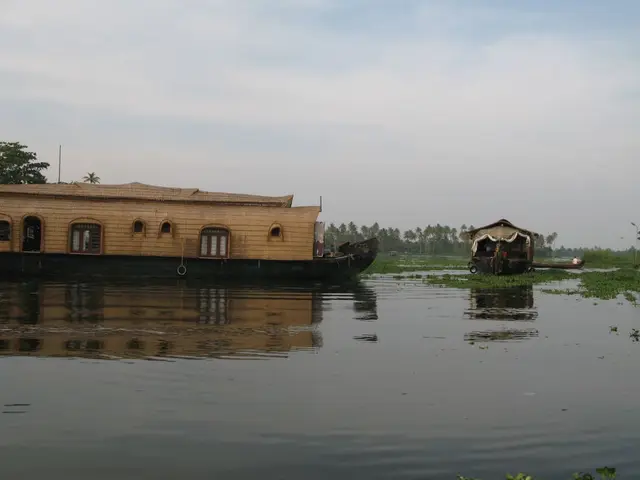
Backwater and houseboat hub with canals, beach, lighthouse and Finishing Point jetty.
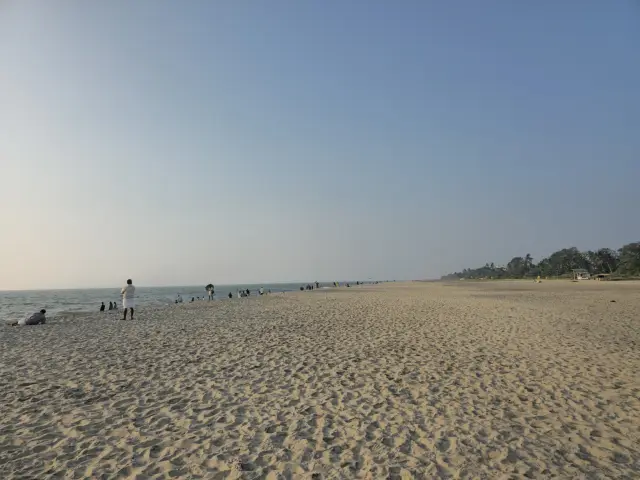
Pair Alappuzha’s broad town beach and old pier remains with the red-and-white lighthouse on C.C.S.B. Road, commissioned in 1862 and still maintained as a navigational light.
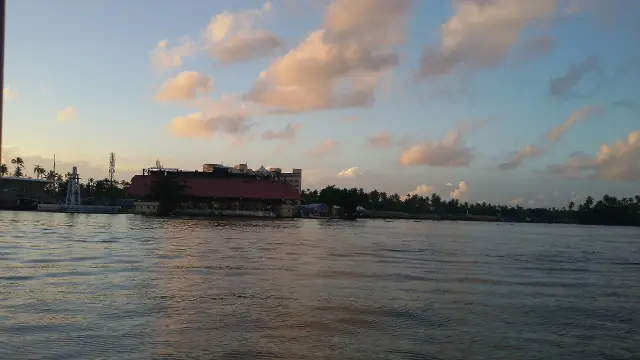
Finishing-point lake of the Nehru Trophy Boat Race and the main houseboat cruising water off Alappuzha.
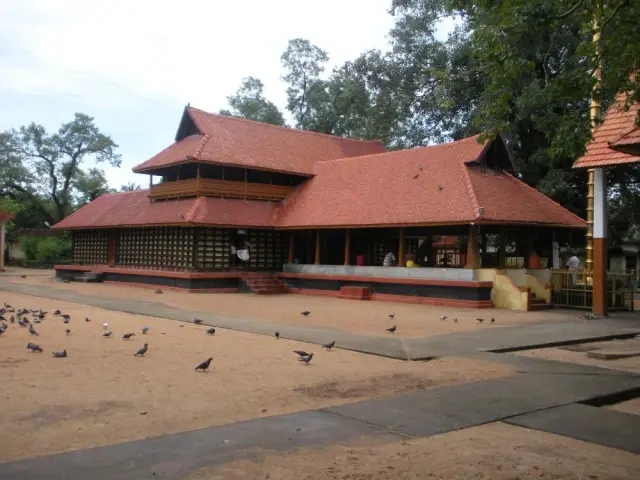
Central Alappuzha town temple (Mullakkal Rajarajeswari) famous for the annual Mullackal Chirappu festival.
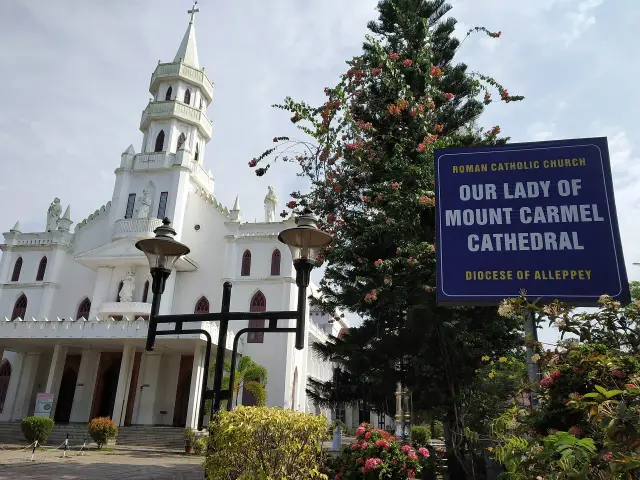
Landmark 19th-century cathedral of the Alappuzha diocese near the town centre.

Private memorial museum in Thathampally with a large collection of paintings, ivory, crystal and antiques.
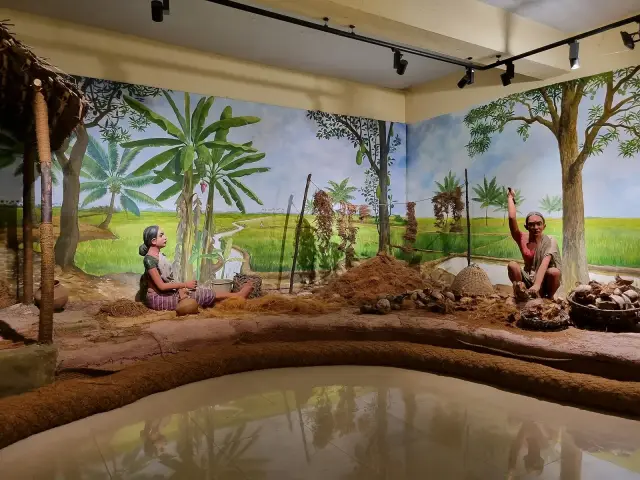
Museum on Kerala’s coir (coconut-fibre) heritage — the craft Alappuzha built its trade on.
Roampedia is commission-free — own or know a stay, eatery, guide or shop near Alappuzha Beach? List it and it appears here once verified.
Add a nearby businessEntry: The beach is free to enter. Vijaya Beach Park charges a small entry fee, with rides and activities priced separately. The Alappuzha Lighthouse has a nominal ticket with a small extra charge for photography.
Dress code: No formal dress code — casual, light clothing suits the coastal heat. Dress modestly out of respect for the local family crowd, and carry a light layer for the sea breeze after dark. Sun protection (hat, sunscreen, water) is advisable by day.
Festivals: The headline event is the Nehru Trophy Boat Race, held on nearby Punnamada Lake, traditionally on the second Saturday of August (dates vary — confirm locally); it draws huge crowds for its chundan vallam (snake boat) races. The town is also lively during Onam (August–September), Kerala’s harvest festival and boat-race season.
Photography: A photographer’s favourite, especially at golden hour — the ruined pier pillars against the sunset are the signature shot. Cameras are welcome on the beach; the lighthouse permits photography for a small extra fee. Bring a wide lens for seascapes and be mindful of privacy when photographing local families.
Work out your return before you settle in for the sunset. Public transport here thins out sharply in the evening, and Alappuzha Beach is easier to reach than to leave. We do not publish departure times: there is no official live feed we are permitted to republish, and a wrong time here would strand you. Check the operator directly on the day.
Ask at the bus stand for the time of the last service back, not the next one. If you miss it, an auto or app cab is the fallback — agree the fare before you get in.
Ramp onto the beachAccessible pathwaysTrained assistance
Checked 4 August 2026 against source 1source 2. Conditions change and surfaces vary with weather — if step-free access is essential, confirm with the site before you travel.
Emergency numbers are verified against official government and state tourism sources. 112 works anywhere in India.
You can paddle and enjoy the surf, but swim with real caution. The Arabian Sea here can have strong currents and sudden undertows, and lifeguard cover is limited. Stay in shallow water, never venture out alone or after dark, and heed any local warnings — the beach is far better for strolling and sunsets than for serious swimming.
The beach itself is free and open through the day. The adjoining Vijaya Beach Park charges a small entry fee, and individual rides or activities may cost extra. The nearby Alappuzha Lighthouse has its own modest ticket, with a small additional charge for photography.
It is the historic Alappuzha Pier, locally called the “Kadal Palam” or sea-bridge, built in 1862 when Alleppey was a thriving port for the coir and spice trade. Ships once anchored offshore and cargo was moved along its length. The port later declined, and today the half-collapsed pillars survive as a much-photographed relic of that era.
October to March offers the most pleasant, dry weather and clear sunsets. Late afternoon into evening is the loveliest time of day, when the heat eases and the sky colours behind the pier. If you want to catch the famous Nehru Trophy Boat Race on nearby Punnamada Lake, come in August (dates vary each year — confirm locally).
Because it is laced with canals — but the nickname is worth less than it sounds. Around forty cities in fourteen countries have been called the Venice of the East, including Srinagar and Udaipur in India, and its popular attribution to Lord Curzon rests on repetition rather than any surviving record. What is genuinely distinctive is that Alappuzha was a PLANNED port, laid out in 1762 by Raja Kesavadas on two canals cut for opposite purposes. The beach is where those waterways meet the open sea.
The beach lies roughly 2 km west of Alappuzha (Alleppey) Railway Station and the town centre — a short auto-rickshaw or taxi ride, or a pleasant walk if the weather is cool. It is easy to combine with a backwater houseboat trip, since the main boat jetty is also close by in town.
Entry: The beach is free to enter. Vijaya Beach Park charges a small entry fee, with rides and activities priced separately. The Alappuzha Lighthouse has a nominal ticket with a small extra charge for photography.. Timings: Open daily, 24 hours (the beach is a public shore). The best experience is late afternoon into sunset. The adjoining Vijaya Beach Park and the Alappuzha Lighthouse keep their own limited hours — the lighthouse is typically open in two sessions, around 9:00 am–11:45 am and 2:00 pm–5:30 pm.
Base yourself in Alappuzha town or a nearby town in Alappuzha, then confirm the last-mile route locally before leaving. Walkable heritage areas are best done slowly; combine nearby streets, museums, markets and food stops. If the visit depends on forest, temple, boat, ferry, weather or seasonal access, check the official/local rule on the day before travel.
1 to 3 hours.
Watch traffic on narrow heritage streets. Keep valuables close in crowded markets.
We have not published a story about Alappuzha Beach itself yet. These cover Alappuzha town, the town it sits in, and the wider district.
Alappuzha Beach sits in Alappuzha town, so these cover the streets, buildings and surroundings around it.
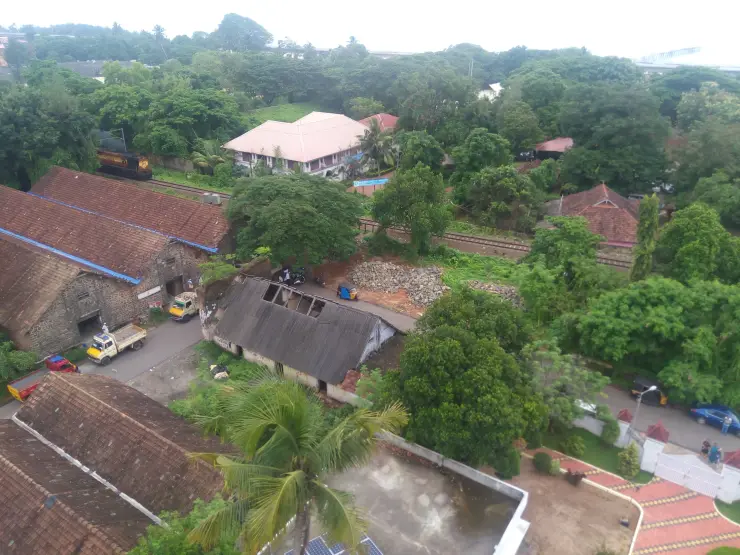
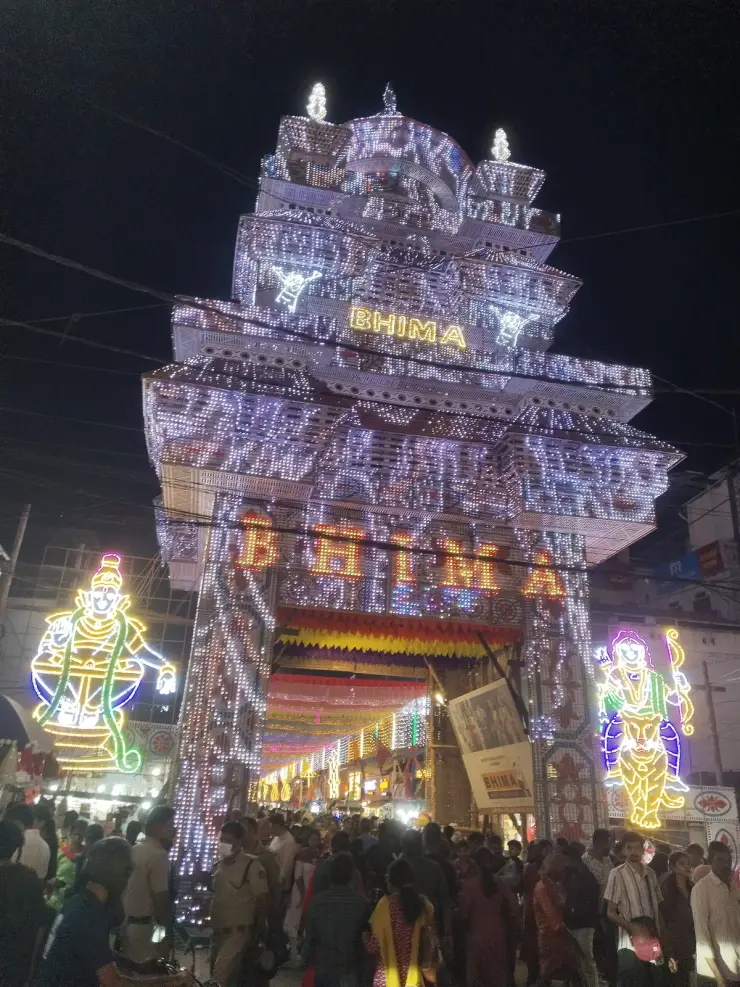
Written about Alappuzha town as a whole rather than about Alappuzha Beach — its history, its streets, and how to spend a day in it.
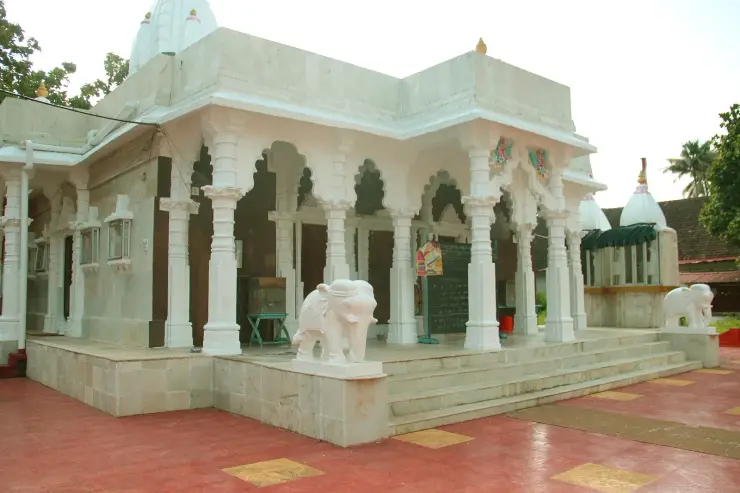
Route-level itineraries and practical guides for the rest of Kerala.
Photographs: Mohanrangaphotography (CC BY-SA 4.0). Wikimedia Commons.


