Places to Visit in Kochi City

Metro, shopping, ferries, food and transport base for mainland Kochi (Ernakulam).

Kochi City
Practical guide

Plan Kochi City

Who's going?Tailor Kochi City to your trip
DistrictErnakulam
RoleMainland city base
Time neededTwo days for the mainland itself
Places to visit4Listed businesses58
What to expect

Highlights

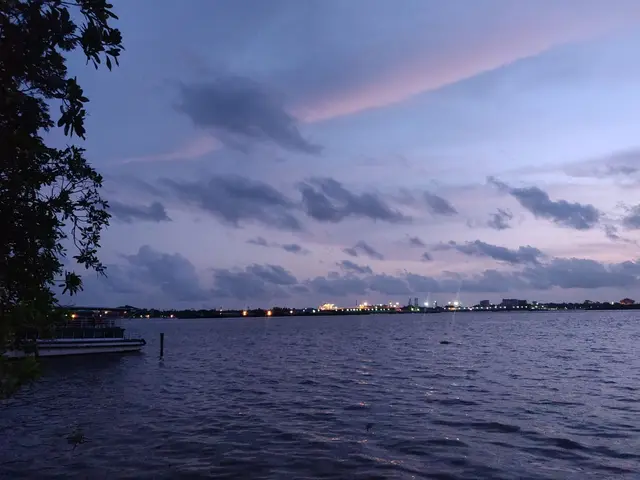
  • Marine Drive — Waterfront promenade in mainland Kochi, good for evening walks and ferries.
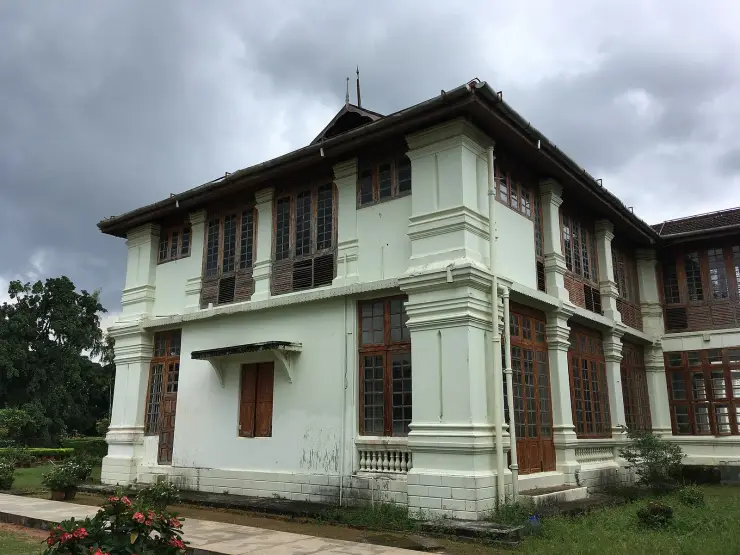
  • Hill Palace, Tripunithura — Large royal palace museum complex east of Kochi city.
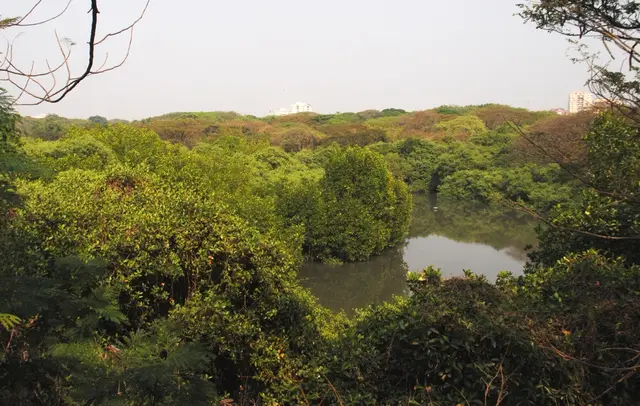
  • Mangalavanam Bird Sanctuary — A small mangrove “green lung” behind the High Court in Ernakulam, a nesting site for migratory and resident birds.
  • Durbar Hall Art Centre — A heritage hall in Ernakulam run as a contemporary art gallery by the Kerala Lalithakala Akademi.
  • Kerala Folklore Museum — A privately built museum at Thevara with thousands of Kerala folk and ritual artefacts across Malabar, Kochi and Travancore styles.
  • Ernakulathappan Temple — The Ernakulam Shiva temple on Durbar Hall Road, the city’s principal temple and home to the eight-day Ernakulathappan festival.
Getting there

How to visit

  • Nearest airport: Cochin (COK), in-district
  • Rail gateway: Ernakulam Junction (ERS)
Timing

Best time to visit Kochi City

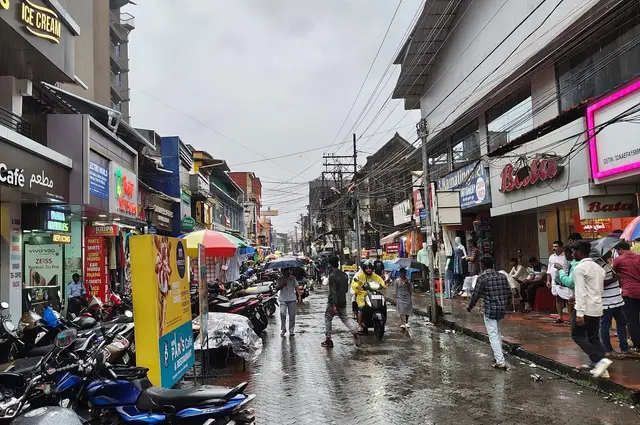
October to March is the pleasant window. The June–September south-west monsoon floods parts of the mainland most years and turns the low streets near the jetties into standing water. January–February coincides with the Ernakulathappan Utsavam, which closes streets around the temple.

Weather in Kochi CitySeasonal guide

Live forecast loads in your browser.

Today at Kochi City
Sunrise6:14 am
Sunset6:23 pm
Golden hour best light5:23 pm–6:23 pm
Blue hour after sunset6:23 pm–6:48 pm
Sun sets toward compass bearingW · 272°
Moon tonight🌓 First quarter · 52%
South-west monsoon. June to September is the south-west monsoon in Kerala. Expect heavy showers, mostly in bursts rather than all day — carry rain cover, allow extra time for getting around, and note that ferries and open-air sites are the first things affected.

Sun and moon are calculated for this location and shown in IST. Photography windows are the hour around sunrise and sunset; the sunset bearing is degrees clockwise from true north. Moon phase is accurate to about half a day.

The story

The story of Kochi City

Kochi is two cities that share a name, and this is the one nobody writes about. Ernakulam is the mainland half — the courts, the railway stations, the metro, the hospitals, the wholesale streets and very nearly everybody who actually lives here — while the guidebooks send you across the water to the peninsula. What makes the mainland worth understanding is not a monument. It is that the most consequential ground in the city was manufactured. Between 1920 and 1941 a British engineer cut a shipping channel through a bar that had kept ocean-going vessels out of one of the finest lagoons on the coast, and stacked the spoil into an island of some 780 acres that now carries the port authority, a naval command and a locked railway terminus. Everything modern about Kochi — the port, the metro, the IT corridor — sits downstream of that decision.

Get the geography right first, because the names fight each other. Kochi the city is the peninsula of Fort Cochin and Mattancherry, the mainland strip called Ernakulam, Willingdon Island in the middle of the harbour, and a scatter of islands to the north. Ernakulam is the eastern shore: the Kerala High Court, the Corporation offices, both main railway stations, the KSRTC stand, the boat jetties and the commercial district. The Kochi Municipal Corporation recorded 677,381 people over 94.88 square kilometres in 2011, with a metropolitan area of over 2.1 million across roughly 440 square kilometres. Ernakulam district — 2,408 square kilometres, about 3.4 million people, roughly 68 per cent of them urban — is the richest in Kerala and returns the state’s largest share of tax revenue. This is the working half.

The thing that made all of it possible was a bar across the harbour mouth. Kochi had a magnificent sheltered lagoon and a doorway too shallow to use: ships lay off in the open roads and cargo was lightered ashore in small boats, which is a slow, expensive and weather-dependent way to run a port. Attempts on the problem go back to a Captain Cassar in 1859. Nothing came of them. What changed was a decision taken in Madras: Lord Willingdon, then Governor of Madras Presidency, wanted a modern harbour on the south-west coast, and the engineer sent to build it arrived at Cochin on 13 April 1920.

Robert Charles Bristow was thirty-nine, London-born, and had joined the civil engineering service in 1903. His solution was not clever so much as patient: study the winds and the currents, build granite groynes to stop the foreshore washing away once the bar was cut, dredge the channel — and, crucially, do something useful with the spoil rather than dumping it back into the estuary. A purpose-built suction dredger was completed in 1925 and reached Kochi in May 1926. Over three working seasons ending in 1929 it cut a channel about 450 feet wide and three and a half miles long through the bar. On 26 May 1928 the steamship Padma came in through it, and Kochi had a harbour that a ship could sail into.

The spoil became the island. Roughly 3.2 square kilometres of land was reclaimed during the dredging, and about 780 acres of it was raised out of the lake into a single new landmass in the middle of the harbour — named Willingdon Island after the man who had commissioned the scheme and who was by then Viceroy of India. Bristow told a BBC audience that he lived on a large island made from the bottom of the sea. He was not being poetic. There is nothing under the port authority’s offices but dredged estuary bed, and the island measures 314 hectares — about 775 acres — today.

The rest of the works finished the job. The Venduruthy bridge went up in 1938 to tie the island to the mainland, Cochin was declared a Major Port, and the first ship docked officially at the new wharf on 2 June 1939. The bridge to Mattancherry followed in 1940. On 13 April 1941 Bristow sailed for England — twenty-one years to the day after he had arrived. He later taught at Manchester, wrote a memoir called Cochin Saga in 1959, and died in 1966 at eighty-five. A road on the island carries his name.

One piece of his harbour has an ending worth knowing. Cochin Harbour Terminus opened on the island in 1943, with a Cochin–Shoranur passenger service, and for sixty years it was the railhead of the port — a station reached across a bridge, on land that had been water. In 2004 a dredger struck the Venduruthy bridge, passenger services stopped, and they never properly resumed; the last trains from Ernakulam Junction were withdrawn in 2013 and the building is now locked, used occasionally for tourist specials and film shoots. The dredging that made the island eventually closed the way in.

The mainland’s institutions arrived after independence and they are what give Ernakulam its character as a city of offices. The High Court of Kerala was established on 1 November 1956, succeeding the Travancore–Cochin High Court of 7 July 1949, with jurisdiction over Kerala and Lakshadweep; it moved into a new nine-storey building of 550,000 square feet on five acres, inaugurated on 11 February 2006 after construction that had begun with a foundation stone in March 1994 and cost about ₹85 crore against an original estimate of ₹10 crore. The Southern Naval Command was established in 1958. Cochin Shipyard was incorporated in 1972, launched its first ship, the MV Rani Padmini, in 1981, and delivered INS Vikrant, commissioned on 2 September 2022 — the only yard in India that can build a carrier.

Then the city moved east. The district headquarters left Ernakulam for Kakkanad, five kilometres out on the ring road, and in 2004 the state opened Infopark there. It now runs to 323 acres across two phases, with 582 companies and around 72,000 people working in it as of 2025, and SmartCity Kochi immediately alongside. That is a bigger shift than it sounds: for four centuries this city’s centre of gravity moved with the water, and in one generation it moved to a junction with no waterfront at all.

Getting about is the one part of Kochi that has genuinely improved in living memory. The metro opened in stages — Aluva to Palarivattom, 13.4 kilometres and eleven stations, on 17 June 2017; on to Maharaja’s College that October; to Thaikoodam on 3 September 2019; and finally to Thrippunithura on 6 March 2024, completing 28.125 kilometres and twenty-five stations at a cost of about ₹5,181 crore. It is worth riding for its own sake: KMRL contracted station operations to Kudumbashree, the state’s women’s self-help network, in December 2016, and hired transgender staff alongside them. The Water Metro, opened in 2023, is covered on our Marine Drive and Vypin pages, and the old State Water Transport ferries still run.

Practically, the mainland is where to stay if you want a city rather than a set. Hotels and food are cheaper than on the peninsula and there is far more of both; the ferries and the Water Metro put Fort Kochi about twenty minutes away, which is faster than the road; and the metro gets you to Aluva for the airport buses without touching the traffic. What you give up is atmosphere. Ernakulam is loud, dense, commercial and largely unbeautiful, and it does not pretend otherwise.

Legend & myth

This half of Kochi has no founding legend of its own, and we are not going to lend it one. Two stories are constantly attached to it and both belong elsewhere. The great Periyar flood of 1341, which tradition says choked Muziris and scoured open this harbour, is told on our Fort Kochi pages and we leave it there. The four rival derivations of the word Ernakulam — the serpent-sage and the pond, the Tamil Erayanar, the eerangi mud, and the temple’s own name — belong to the Ernakulathappan record, which prints all four and refuses to pick. What the mainland has instead is a founding claim that is engineering rather than myth, and it has been mythologised hard in both directions.

Start with the bar, because the heroic version turns on it having been impossible. The story goes that every engineer before Bristow declared the obstruction immovable. The sources cannot agree what it was: a rock-like sandbar in one account, a massive limestone bar in another, and simply mud in a third. That range is a warning. A bar of consolidated limestone and a bar of silt are different engineering problems, and the harder the material in the telling, the larger the man who removed it. What is not in doubt is that Captain Cassar had a go at the harbour in 1859 and it came to nothing, and that for the next sixty years ships anchored outside and cargo came ashore in boats.

The dredger cannot even keep its name straight. English sources, including the port’s own history, call it the Lord Willingdon, completed in 1925 and arrived in May 1926. Malayalam Wikipedia calls it the Lady Willingdon in one place and renders it Lady Wellington in another, and adds that the machine set world records for speed, efficiency and length of service. We print the disagreement rather than choosing, and we would treat the world records as a port authority’s account of its own plant until somebody produces the register they were set in.

The dates are the part most worth pinning down, because our own pages carry two framings of them and they are not in conflict. You will see the works dated 1920 to 1936 and you will also see them dated from 1928, and both are right about different things: 1920 is Bristow’s arrival, 1928 is the year the cut channel opened to shipping, 1936 is the Major Port declaration, 1939 is the first official docking at the wharf, and 1941 is his departure. One genuine disagreement survives that reconciliation. Most sources date the Major Port declaration to 1936; one account puts a maritime board declaration in 1932, opening the port to vessels of thirty-foot draught. We cannot settle it and we print both. The island’s size does the same thing: about 780 acres was raised out of the lake, and the island measures 775 acres now, which is a century of erosion, causeways and definition rather than a contradiction.

Two epithets attach themselves here and neither is as solid as it sounds. Willingdon Island is routinely called the largest artificial island in India, which is very probably true and is also doing quiet work with the word island — a great deal of Indian coastline has been reclaimed without anybody calling the result an island, and there is no register that settles it. And Kochi is the Queen of the Arabian Sea, a phrase our own Fort Kochi page uses without an owner; one Malayalam account credits it to Sir R. K. Shanmukham Chetty, Dewan of Cochin, in 1936, at exactly the moment the port opened. That is a satisfying origin and it may well be a late one, since the epithet reads older than the harbour works. Enjoy it, do not date it.

The stranger thing that has happened to Bristow is that other men’s work has migrated onto him. The iron pier at Alappuzha, built in 1862 by Captain Hugh Crawford, is credited to Bristow so often that we published a correction about it — he was seventy-eight years and fifty-five kilometres away. The recovery of the Karumadikkuttan, the black granite Buddha pulled out of a canal in Alappuzha district, is also credited to him, in a Malayalam account that names him twice and disagrees with itself, calling him A. H. Bistro, a European chief engineer, in its second passage. The same article has him arriving as an engineer of the East India Company, which had been wound up in 1874. This is what happens to a named foreigner in a story that needs one: deeds accrete, spellings drift, and a whole coastline’s Victorian engineering ends up under a single name.

The other half of the correction is who is missing from it. An island does not get raised out of a lake by one man with a plan, and the labour that dug, carried, walled and filled it is not recorded anywhere we could find. Nor is the money usually traced. Our own Nilambur record has part of the answer: the forest tramway that hauled teak out of the Malabar hills produced a timber revenue that helped fund the construction of Cochin Port and the reclamation of Willingdon Island, worked over by the Kadar for wages and a trade in turmeric, honey and cardamom. There is a forest inside this island. That is a truer sentence about how it was made than anything in the heroic version.

So the honest summary is this. We searched the Malayalam — എറണാകുളം, കൊച്ചി തുറമുഖം, വെല്ലിങ്‌ടൺ ഐലൻഡ്‌ and റോബർട്ട്‌ ബ്രിസ്റ്റോ — as well as the English, and the folklore of mainland Kochi turns out to be temple folklore, already told on the Ernakulathappan page. What this side of the water has instead is an island that was a lake bottom within living memory, a station on it that no train reaches, and a hero story with the workforce edited out. That is not less interesting than a legend. It is just newer.

More about Kochi City

History

Ernakulam spent most of its history as the mainland shore of a kingdom whose action was elsewhere — the Portuguese and Dutch at Fort Cochin, the merchants at Mattancherry, the Cochin royal house at Tripunithura from about the mid-nineteenth century. Its own municipal life begins late. Fort Cochin became a municipality under the British in 1866; Ernakulam, on the Raja’s side, became one only in 1910. The first state census the following year counted 21,901 people in it — 11,197 Hindus, 9,357 Christians, 935 Muslims and 412 Jews — which is the scale of a market town, not a city.

The harbour works of 1920 to 1941 are the hinge of everything after. Robert Bristow arrived on 13 April 1920 under Lord Willingdon’s direction, dredged the bar over three seasons ending in 1929 with a purpose-built suction dredger delivered in 1926, and opened the channel to the steamship Padma on 26 May 1928. Around 3.2 square kilometres of estuary bed was reclaimed and some 780 acres of it raised into Willingdon Island. Cochin was declared a Major Port in 1936, the Venduruthy bridge was built in 1938, the first ship docked officially on 2 June 1939, and the Mattancherry bridge followed in 1940. Bristow left on 13 April 1941.

The Second World War used the island hard. The Royal Air Force built an aerodrome on it, and on 1 October 1942 the Royal Navy took the site over as an aircraft repair yard capable of handling 180 aircraft, decommissioning it on 1 April 1946. The port itself returned to civil control on 19 May 1945. Cochin Harbour Terminus opened in 1943 with a passenger service to Shoranur. The civil airfield on the island closed when Cochin International opened at Nedumbassery; the naval air station remains as INS Garuda.

Then, in quick succession, Ernakulam acquired the institutions that made it the mainland capital. The High Court of Kerala was established on 1 November 1956 on the formation of the state, taking over from the Travancore–Cochin High Court that had sat since 7 July 1949. The Southern Naval Command was established in 1958. Ernakulam district was formed on 1 April 1958 and took its name from this stretch of the city, where its headquarters then sat; the headquarters has since moved out to Kakkanad. The Cochin Port Trust was constituted in 1964.

On 1 November 1967, eleven years to the day after the state was created, Ernakulam, Fort Cochin and Mattancherry municipalities were merged with Willingdon Island and a group of surrounding panchayats into the Corporation of Cochin. The council politics of that merger belong to Mattancherry and we tell them there. What it produced on this side of the water was a single city administration of 94.88 square kilometres, which recorded 677,381 residents in 2011, with Ernakulam as its commercial and administrative core.

The modern layer is transport and offices. Cochin Shipyard was incorporated in 1972 and launched the MV Rani Padmini in 1981. Infopark opened at Kakkanad in 2004, the year the Goshree bridges were completed. The International Container Transshipment Terminal at Vallarpadam opened on 11 February 2011 — India’s first, a story we tell in full alongside Vizhinjam. Kochi Metro ran its first trains on 17 June 2017 and reached Thrippunithura on 6 March 2024. The Water Metro began in 2023. Cochin Harbour Terminus, meanwhile, lost its passenger trains after a dredger hit the Venduruthy bridge in 2004 and was shut altogether in 2013.

Why visit

It is the working half of Kochi — courts, markets, hospitals, offices and almost everyone who lives here — and it is a far more honest picture of the city than the peninsula.

Willingdon Island is a hundred-year-old piece of ground that was a lake bottom, and you can walk its waterfront and read the whole harbour story off it.

The Cochin Port Authority building, seen from a ferry, is one of the more striking modern buildings on the Kerala coast and almost nobody photographs it.

Cochin Harbour Terminus is a 1943 railway station on a made island that no train has reached since 2013 — locked, intact, and quietly extraordinary.

The metro from Aluva to Thrippunithura is the cheapest way to understand how the city is arranged, and its stations are run by Kudumbashree.

Everything on the peninsula is twenty minutes away by boat, and the mainland is cheaper to sleep and eat in by a wide margin.

Before you go

Kochi City — at a glance

HoursOpen at all hours. The commercial district and Broadway trade roughly 09:30–20:00 and are quiet on Sunday mornings; Kochi Metro runs from early morning to about 22:00.

Entry: None — this is a city, not a site. Willingdon Island is public road; Cochin Harbour Terminus is locked and viewed from outside.

Getting here

How to reach Kochi City

Ernakulam Junction (ERS, locally Ernakulam South) and Ernakulam Town (ERN, Ernakulam North) are the mainline stations; Ernakulam Junction is the busiest in south India. Kochi Metro runs Aluva–Thrippunithura with twenty-five stations. Cochin International Airport at Nedumbassery is about 30 km north, with a metro connection at Aluva plus airport buses. Ferries and the Water Metro leave from the Ernakulam Main and High Court jetties.

Getting back

Check your return bus or ferry with the operator before setting out. Leave time to reach the stop or jetty after your visit, and arrange a return vehicle in advance for a remote outing.

Ask at the jetty or the stand for the time of the last service back, not the next one. If you miss it, an auto or a taxi is the fallback — agree the fare before you get in.

Plan

Good to know

  • The Cochin Port Authority headquarters on Willingdon Island is best seen from the water, not the road — any Ernakulam–Fort Kochi or Willingdon Island ferry passes it broadside.
  • The two railway stations are 3 km apart and both are called Ernakulam. Check whether your ticket says ERS (Junction/South) or ERN (Town/North) before you get in an auto; the wrong one has cost people a train.
  • A Kochi1 card is valid on both the metro rail and the Water Metro and gives a fare discount, which saves queuing twice if you are combining them in a day.
Getting around Kochi City

If you need step-free access, contact the site before travelling. Ask about a level entrance, steps along the route, the nearest drop-off point, seating and accessible toilets.

In the district

Where Kochi City sits in Ernakulam district

Nearest airportCochin (COK), in-district
Rail gatewayErnakulam Junction (ERS)
District HQKakkanad (Kochi)
LandscapeCoastal commercial heartland

Ernakulam district is known for: Kochi — heritage Fort Kochi, the port city and backwater gateway.

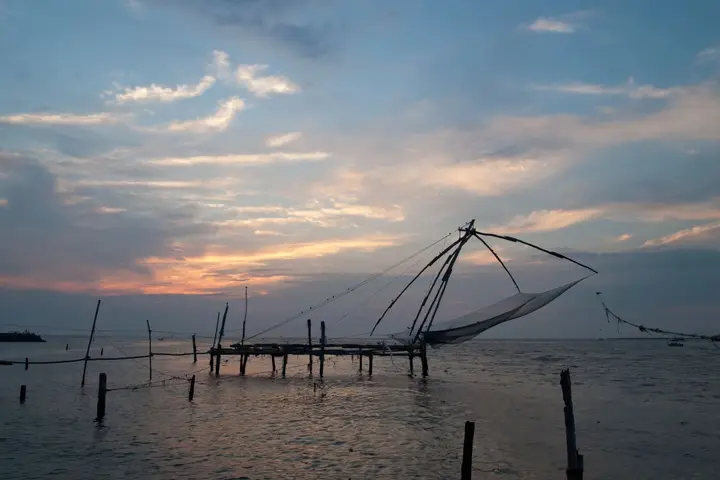
Fort Kochi & Chinese fishing netsMarine DriveCherai Beach
Stay · eat · do · rent · see · shop

Places in Kochi City

Every verified place in Kochi City — filter by what you’re after.

38 places to eat in Kochi City

M
McDonald's
Where to eat
Street food · Kochi City Centre
McDonald's
Open · till 11:00 pm burger

Street food (burger) on Salem - Kochi - Kanyakumari Highway in Ernakulam. Burger, AC.

Directions Commission-freeView details
M
McDonald's
Where to eat
Street food · Kochi City Centre
McDonald's
Open · till 4:00 am burger

Street food in Kochi City Centre, Ernakulam, Kerala, India. Burger, AC.

Directions Commission-freeView details
G
Gokul Oottupura
Where to eat
Restaurant · Kochi City Centre
Gokul Oottupura
Open · till 10:30 pm indian

Gokul Oottupura on Government Press Road is a vegetarian meal stop in central Ernakulam, with South Indian dishes at the heart of its menu. It suits a sit-down lunch during a city outing. Use this branch’s map and contact when planning; the group has other outlets in Kochi.

Directions Commission-freeView details
G
Gokul Ootupura
Where to eat
Restaurant · Kochi City Centre
Gokul Ootupura
indian, snack, dessert

Restaurant (indian, snack, dessert) on East Service Road in Ernakulam.

Directions Commission-freeView details
B
Big Fat Momo
Where to eat
Restaurant · Kochi City Centre
Big Fat Momo
pizza, momo, burger, sandwich, chinese, chicken

Restaurant (pizza, momo, burger, sandwich, chinese, chicken) on Market Road in Ernakulam.

Directions Commission-freeView details
S
Susan's Kitchen
Where to eat
Restaurant · Kochi City Centre
Susan's Kitchen
Open · till 8:00 pm indian

Restaurant (indian) on Salem - Kochi - Kanyakumari Highway in Ernakulam. Indian, AC.

Directions Commission-freeView details
P
Pai Dosa
Where to eat
Restaurant · Kochi City Centre
Pai Dosa
regional

Restaurant in Kochi City Centre, Ernakulam, Kerala, India. Regional, Outdoor seating, Wheelchair access.

Directions Commission-freeView details
T
Toasted Vazhayila
Where to eat
Restaurant · Kochi City Centre
Toasted Vazhayila
seafood

Restaurant (seafood) on Subhash Chandra Bose Road in Ernakulam.

Directions Commission-freeView details
G
Gokul Oottupura
Where to eat
Restaurant · Kochi City Centre
Gokul Oottupura
indian

Restaurant (indian) on Kaloor - Kadavanthara Rd, Near Akshay Hospital in Ernakulam. Indian, Wheelchair access.

Directions Commission-freeView details
S
Sri Krishna Inn
Where to eat
Restaurant · Kochi City Centre
Sri Krishna Inn
local, indian

Restaurant in Kochi City Centre, Ernakulam, Kerala, India.

Directions Commission-freeView details
S
Sethi Da Dhaba
Where to eat
Restaurant · Kochi City Centre
Sethi Da Dhaba
regional

Restaurant (regional) on Subhash Chandra Bose Road in Ernakulam. Regional, Outdoor seating, AC.

Directions Commission-freeView details
T
The Renai Cochin
Where to eat
Restaurant · Kochi City Centre
The Renai Cochin
regional, chicken, coffee shop, italian, chinese, sandwich, indian, seafood, ice cream, kebab, barbecue

Restaurant (regional, chicken, coffee shop, italian, chinese, sandwich, indian, seafood, ice cream, kebab, barbecue) in Ernakulam.

Directions Commission-freeView details
C
Cinema Cafe
Where to eat
Restaurant · Kochi City Centre
Cinema Cafe
Open · till 7:00 pm regional

Restaurant in Kochi City Centre, Ernakulam, Kerala, India.

Directions Commission-freeView details
C
Chariot Restaurant
Where to eat
Restaurant · Kochi City Centre
Chariot Restaurant
Open · till 8:00 pm chinese, indian

Restaurant (chinese, indian) on Convent Road (Near Cafe Coffee Day, MG Road) in Ernakulam.

Directions Commission-freeView details
T
Third Cross Steakhouse
Where to eat
Restaurant · Kochi City Centre
Third Cross Steakhouse
steak house

Restaurant in Kochi City Centre, Ernakulam, Kerala, India. Steak House, AC.

Directions Commission-freeView details
B
Bread World
Where to eat
Café · Kochi City Centre
Bread World

Café on 37/1624-B Subhash Chandra Bose Road Ernakulam, Kadavanthara, Jawahar Nagar in Ernakulam. AC, Wheelchair access.

Directions Commission-freeView details
H
Haji Makaan Restaurant
Where to eat
Restaurant · Kochi City Centre
Haji Makaan Restaurant
Open now indian, arab

Restaurant (indian, arab) on Kodungallur-Paravur-Ernakulam Highway in Ernakulam.

Directions Commission-freeView details
I
IGCH Canteen
Where to eat
Street food · Kochi City Centre
IGCH Canteen
indian

Street food in Kochi City Centre, Ernakulam, Kerala, India. Indian, Outdoor seating, Wheelchair access.

Directions Commission-freeView details
B
Burreato
Where to eat
Restaurant · Kochi City Centre
Burreato
mexican, salad

Mexican-style restaurant on Stadium Link Road near Kaloor, serving items such as burritos and salads, with outdoor seating recorded for this location.

Directions Commission-freeView details
Q
Qissa Malabar
Where to eat
Restaurant · Kochi City Centre
Qissa Malabar
Open · till 11:00 pm indian

Restaurant (indian) on Kodungallur-Paravur-Ernakulam Highway in Ernakulam.

Directions Commission-freeView details
M
Magic Oven
Where to eat
Restaurant · Kochi City Centre
Magic Oven
breakfast, chicken, indian

Restaurant (breakfast, chicken, indian) on Kadavanthra Junction in Ernakulam.

Directions Commission-freeView details
M
MRA Bakery and Restaurant
Where to eat
Restaurant · Kochi City Centre
MRA Bakery and Restaurant
Open · till 10:00 pm regional, chicken, chinese, indian, seafood, ice cream, kebab, barbecue

Restaurant (regional, chicken, chinese, indian, seafood, ice cream, kebab, barbecue) in Ernakulam.

Directions Commission-freeView details
K
Karthika Regency
Where to eat
Bar · Kochi City Centre
Karthika Regency
Open · till 10:00 pm

Polakulath Karthika Regency is a hotel and dining address at 34/1648 A in Edappally, Kochi; confirm current restaurant and bar hours directly before visiting.

Directions Commission-freeView details
A
Aysha Restaurant
Where to eat
Restaurant · Kochi City Centre
Aysha Restaurant
Open · till 9:00 pm regional, chicken, chinese, indian, seafood, kebab

Restaurant (regional, chicken, chinese, indian, seafood, kebab) in Ernakulam.

Directions Commission-freeView details

Book with the place itself. India’s cyber-crime coordination centre warned in April 2025 that convincing copies of hotel and pilgrimage booking sites are being pushed through sponsored search and social ads, taking payment for rooms the property never hears about. Every listing here links to the business’s own contact details and its own Google or Bing profile — we take no commission and sit in nobody’s payment path. If a booking page reached you through an ad, check the address bar against the property’s own site before you pay. Fraud can be reported on cybercrime.gov.in or on 1930.

Official eco & forest programmes

Forest stays, camping and treks around Kochi City

Official/public-sector eco offerings mapped to this town base. Always confirm current availability, tariff, permits and reporting time before travelling.

Mangalavanam Bird Sanctuary, Kochi City
birdingwildlife

Mangalavanam Bird Sanctuary visit

Urban bird sanctuary and mangrove pocket in central Kochi, useful as a short nature stop.

Mangalavanam Bird Sanctuary
Official source →
For hotels, homestays and local businesses

Get listed in Kochi City for free

Roampedia is commission-free. Travellers discover your business, book directly and contact you through official details. Basic listings are free, while Gold and Platinum package upgrades can be requested from the owner dashboard after approval.

List your business — free
Read before you go

Kochi City guides, stories & itineraries

We have not published a story about Kochi City itself yet. These cover Ernakulam, the district it sits in, and travel in Kerala generally.

Around Kochi City

These are written about individual places you can reach from Kochi City, rather than about the town as a whole.

The Homesick Prince’s Palace: How Hill Palace Became Kerala’s Grandest Museum
Story
The Homesick Prince’s Palace: How Hill Palace Became Kerala’s Grandest Museum

A prince who could not bear to leave his childhood town. A gold crown behind steel doors. Forty-nine buildings on a wooded hill. This is how Hill Palace became Kerala’s grandest museum.

9 min read · Read →
The Dutch trader’s island house: how a 1744 mansion became Kochi’s grandest heritage hotel
Story
The Dutch trader’s island house: how a 1744 mansion became Kochi’s grandest heritage hotel

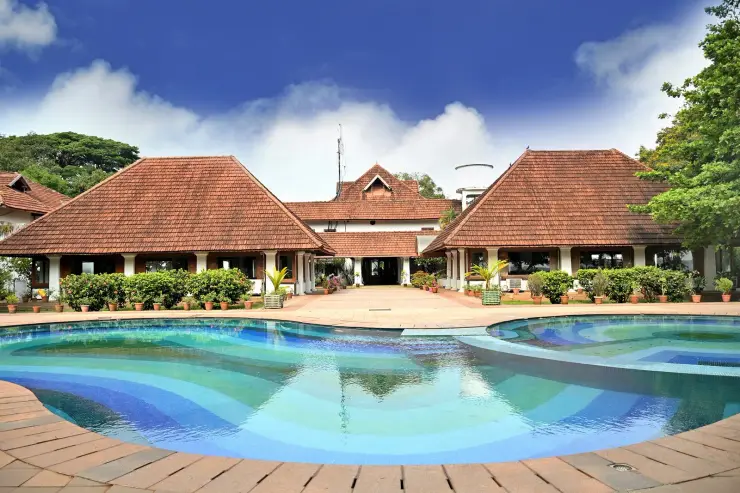
A Dutch trader raised it in 1744, the commander of Dutch Malabar governed from it, and the British Resident of Cochin later called it home. Today it is one of the oldest Dutch palaces left standing outside Holland.

9 min read · Read →
How Kerala Was Made: The Aikya Kerala Movement
History
How Kerala Was Made: The Aikya Kerala Movement

Kerala is younger than most of the people who live in it. How four separately governed territories became one Malayalam-speaking state — and how close it came to not happening.

8 min read · Read →
Buying Spices in Kochi: What “Wholesale” Actually Means
Guide
Buying Spices in Kochi: What “Wholesale” Actually Means

The same cardamom is sold three times over in this city at three very different prices. How to find the counter the city itself uses.

6 min read · Read →
The Magazine at the Corner of the Durbar Hall Ground
History
The Magazine at the Corner of the Durbar Hall Ground

Everyone writes about the proclamations on this grass. Almost nobody mentions the building at one end, where two Thampurans argued about what Malayalam should be.

6 min read · Read →
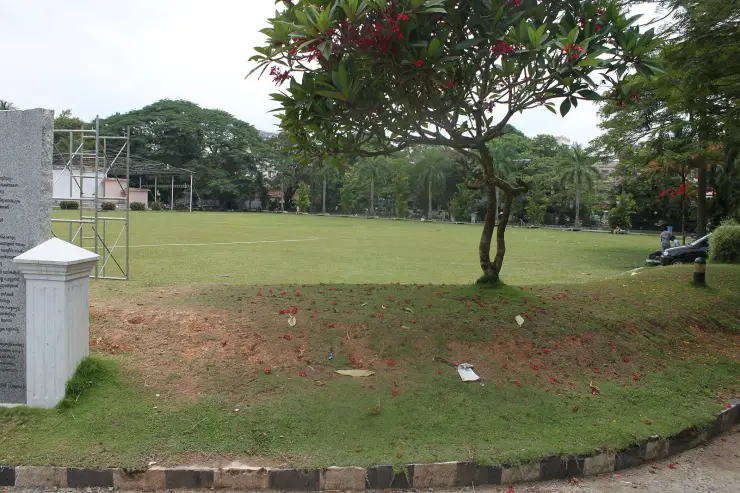
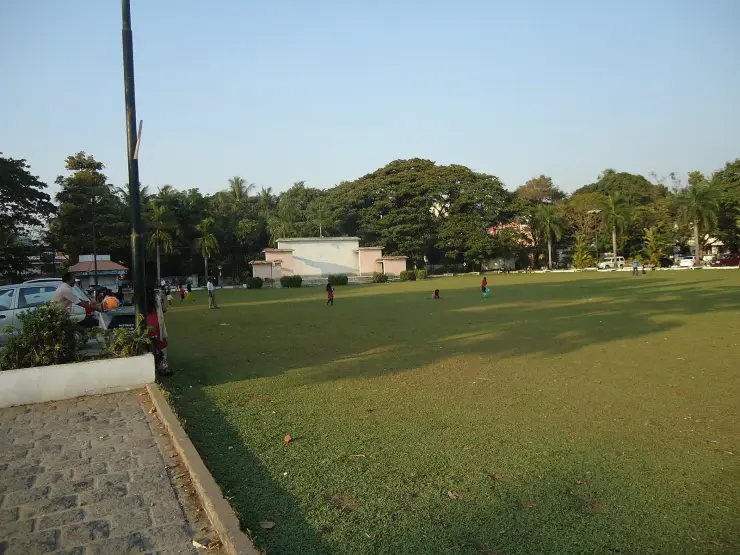
Durbar Hall Ground: The Field Where Cochin Proclaimed Itself
History
Durbar Hall Ground: The Field Where Cochin Proclaimed Itself

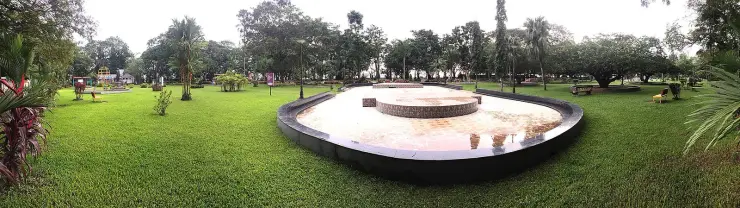
The gallery gets the visitors. The grass beside it is where the Cochin state reformed itself, staged a war exhibition, and enforced who could walk where.

7 min read · Read →

Kerala-wide guides & itineraries

Route-level itineraries and practical guides for the rest of the state.

See all 172 Ernakulam guides & stories →

Map

Where things are in Kochi City

FAQ

Kochi City travel FAQs

What is the difference between Kochi, Cochin and Ernakulam?

Kochi is the city; Cochin is the older anglicised spelling of the same name, still used by the port, the shipyard and the corporation in some contexts. Ernakulam is the mainland part of the city — and also the name of the district, which is why the railway stations are Ernakulam Junction (locally Ernakulam South) and Ernakulam Town (Ernakulam North) rather than Kochi anything. Fort Cochin and Mattancherry are on the peninsula across the harbour. All of it has been one municipal corporation since 1 November 1967.

Is Willingdon Island really artificial?

Entirely. It was raised out of Vembanad Lake from the spoil dredged while cutting a shipping channel through the bar at the harbour mouth, in works run by the engineer Robert Bristow between 1920 and 1941. Around 3.2 square kilometres of land was reclaimed in the process and about 780 acres of it became the island, which measures 314 hectares — roughly 775 acres — today. It is named after Lord Willingdon, who commissioned the scheme as Governor of Madras and was Viceroy of India by the time it was finished.

Who was Robert Bristow?

The British engineer who built the modern port of Cochin. He arrived on 13 April 1920 and left on 13 April 1941, dredged the channel that let ocean-going ships enter the lagoon for the first time — the steamship Padma came in on 26 May 1928 — and created Willingdon Island out of the spoil. He wrote a memoir, Cochin Saga, in 1959 and died in 1966. He is also credited with a good deal of work that was not his, including the 1862 iron pier at Alappuzha, which was built by Captain Hugh Crawford.

Should I stay in Ernakulam or Fort Kochi?

Ernakulam if you want a city: more hotels at every price, far more places to eat, both railway stations, the metro, the bus stand and the jetties. Fort Kochi if you want the heritage quarter and are prepared to pay more and travel further for everything else. The crossing takes about twenty minutes by boat against thirty-five to forty by road, so staying on the mainland does not cut you off from the peninsula — it just reverses which side you commute from.

Can I visit Cochin Harbour Terminus?

You can reach it — it is on Willingdon Island, on the road network, and the island is open — but the station itself is locked and has no services. Regular passenger trains stopped after a dredger struck the Venduruthy bridge in 2004 and the remaining services from Ernakulam Junction ended in 2013. It is used occasionally for tourist specials and for filming. Treat it as something to look at from outside, and do not plan a train around it.

How do I get around mainland Kochi?

The metro runs 28.125 km from Aluva to Thrippunithura with twenty-five stations, opened in stages between 17 June 2017 and 6 March 2024, and is the fastest way along the spine of the city. The Water Metro and the older State Water Transport ferries cross the harbour from the jetties by Marine Drive. Buses, autorickshaws and app cabs cover the rest. A Kochi1 card works on both metro systems.

When did Ernakulam become part of Kochi?

On 1 November 1967, when Ernakulam, Fort Cochin and Mattancherry municipalities were merged with Willingdon Island and several surrounding panchayats to form the Corporation of Cochin. Ernakulam had been a municipality in its own right since 1910. Ernakulam district, which is a separate thing, was formed on 1 April 1958, and its headquarters has since moved from Ernakulam out to Kakkanad.

What are the best places to visit in Kochi City?

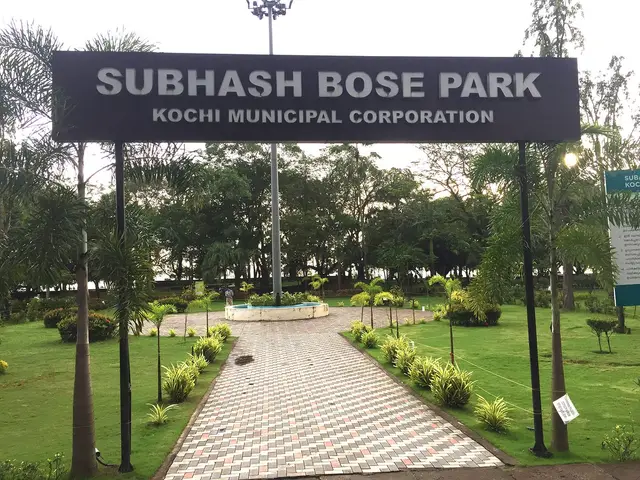
Top places to visit in Kochi City include Marine Drive, Broadway Market, Hill Palace, Subhash Park — each has a full guide with how to reach it and what to see nearby on this page.

How do I reach Kochi City?

The nearest airport to Kochi City is Cochin (COK), in-district. The rail gateway is Ernakulam Junction (ERS).

What is the best time to visit Kochi City?

October to March is the driest and most comfortable season to visit Kochi City and the rest of Kerala. The June–September monsoon is lush and green but wet, and often brings lower low-season prices.

Photographs: N. Vivekananthamoorthy (CC BY-SA 4.0), Ravi Dwivedi (CC BY-SA 4.0), Vishal Menon (CC BY-SA 4.0), Arunvrparavur (CC BY-SA 4.0), Vinayaraj (CC BY-SA 4.0). Wikimedia Commons.

Image credits