What to expect
Highlights
- Trek route around Mangaladevi Temple trek
- Western Ghats landscapes and viewpoints
- Guided operator and permit planning
Seasonal forest trek from Thekkady to the ancient hilltop Mangaladevi Kannaki Temple near the Kerala-Tamil Nadu border, opened by the forest department mainly around Chithra Pournami.
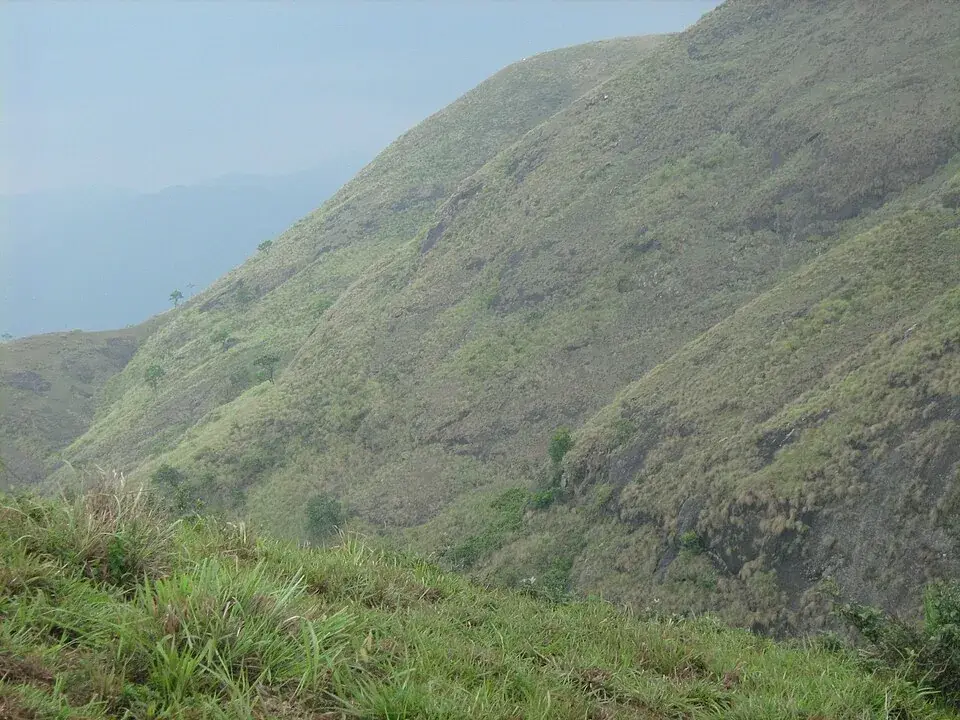
High on a windswept ridge inside the Periyar Tiger Reserve stands a ruined stone shrine that the world is allowed to touch for a single day each year — the mysterious Mangaladevi Kannagi Temple, cradled in the clouds where Kerala meets Tamil Nadu.
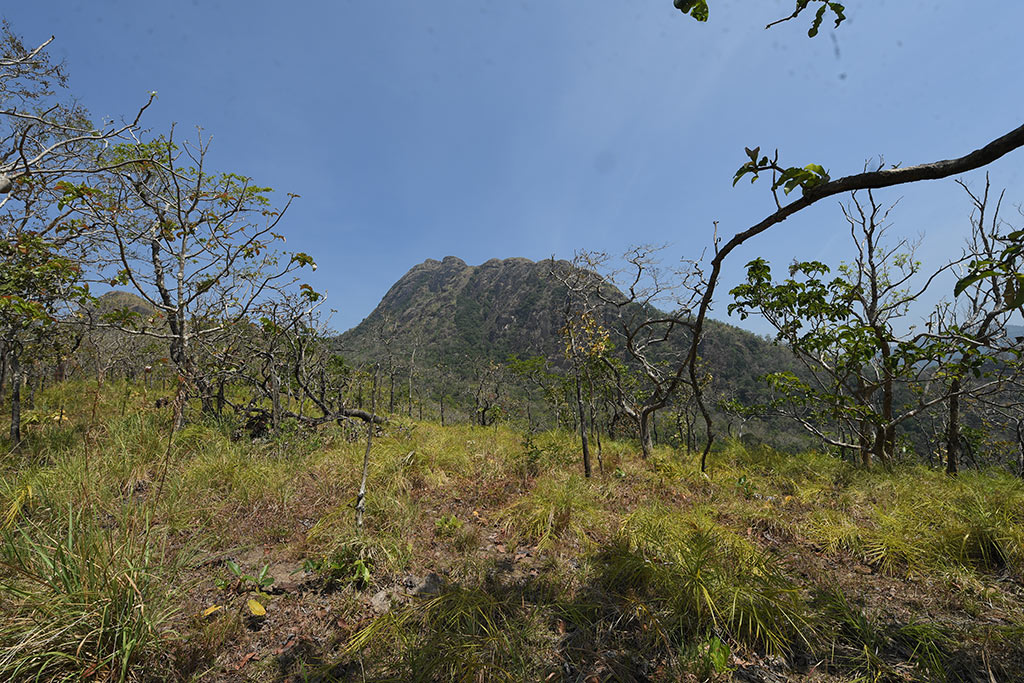
Roughly 1,337 metres above the sea, on a lonely grassland saddle of the Western Ghats, sits one of South India’s most enigmatic ancient sites — the Mangaladevi Kannagi Temple. Built from massive granite blocks and now largely a picturesque ruin, its tumbled walls, weathered steps and roofless sanctums look out over a sea of misty peaks that fold away into both Kerala and Tamil Nadu. There is no town here, no shops, no permanent priest — only wind, silence and the enormous emptiness of the high country.
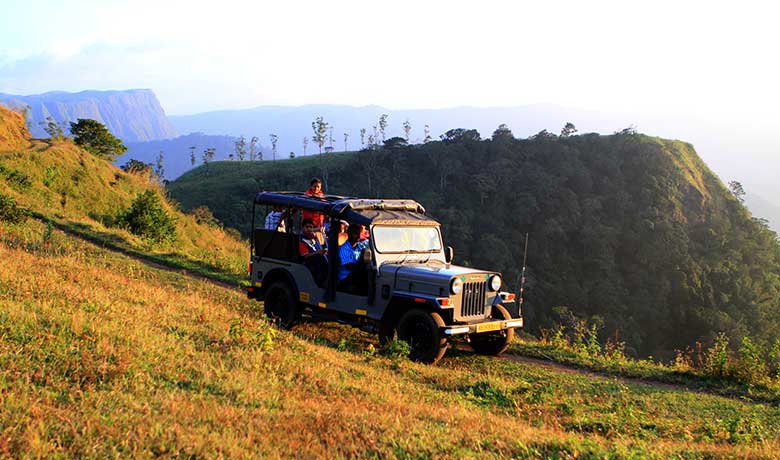
Reaching it is half the pilgrimage. The shrine lies deep within the buffer zone of the Periyar Tiger Reserve, and for all but one day of the year the surrounding jungle belongs strictly to the wildlife. The classic approach is from Kumily, roughly 10–15 km away, along a rough, climbing track that jeeps grind up through dense evergreen woodland before the trees thin into rolling shola grassland near the top. Trekkers also toil up from the Tamil Nadu side near Pazhiyankudi, some 7 km below. Either way the last stretch is a lung-testing walk across open hillside to the ridge.
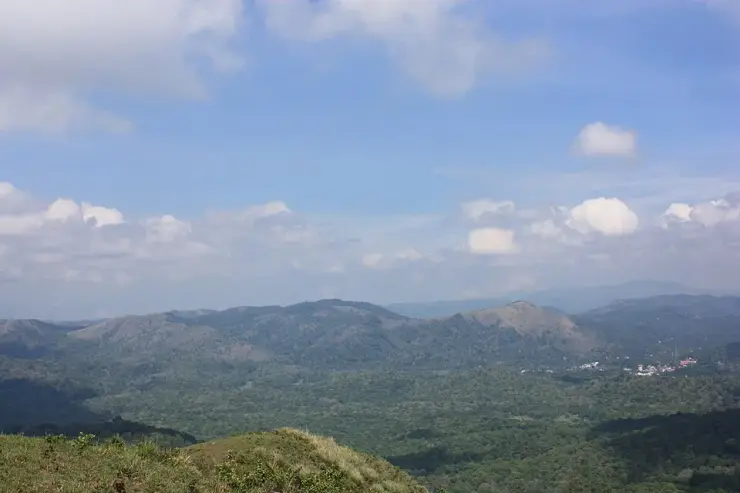
The reward at the summit is one of the finest panoramas in the whole region. On a clear morning the ruined temple seems to float above the clouds, with the blue ranges of the Ghats rippling in every direction and, far below on the eastern flank, the patchwork villages and plains of Tamil Nadu’s Cumbum valley shimmering in the heat. The grassland setting — cropped short by wind and grazing, dotted with wildflowers and the occasional stunted tree — gives the place an almost Himalayan, otherworldly feel that is rare in tropical Kerala.
What makes Mangaladevi truly unusual is that it opens to the public only once a year, on the full-moon day of Chitra Pournami in the Tamil month of Chithirai (April–May). On that single day the empty ridge is transformed: thousands of devotees — many tens of thousands in a good year — stream up from both states, a portable idol is carried in from Kambam on the Tamil side, and both Kerala Namboodiri priests and Tamil priests perform rituals side by side amid the ancient stones. For a few hours the ruin breathes again as a living temple, then the crowds descend and the hill reclaims its solitude for another twelve months.
The one-day opening is not only a matter of ritual — it is also bound up in a long-running jurisdictional tangle. The temple straddles a stretch of the Kerala–Tamil Nadu border where the exact line, the land it stands on and the right to administer the shrine have all been contested between the two states for decades. Kerala controls physical access through its Forest Department, while Tamil Nadu has pressed to bring the temple under its own religious-endowments administration. On festival day the sensitivity is visible in the sheer scale of policing, with large contingents of officers from both states deployed along the trek route to keep order.
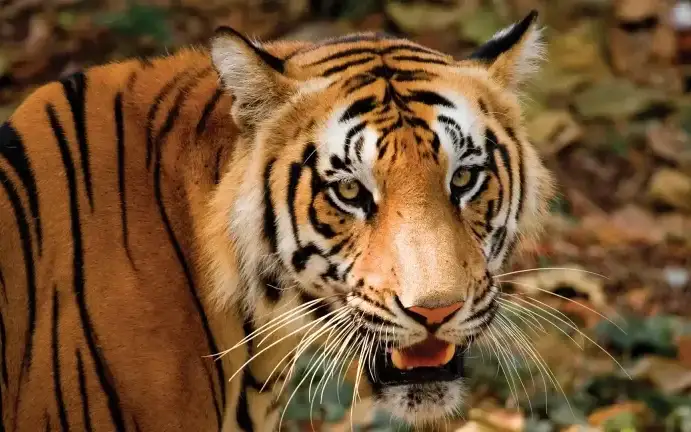
For the rest of the year Mangaladevi belongs to the tiger, the Nilgiri tahr, the sambar and the elephant, and to the botanists who prize the ridge for its endemic orchids. Visitors cannot simply wander up on a whim: the reserve rules, the border sensitivities and the genuine dangers of the forest mean the site is effectively sealed except under Forest Department permission or on the festival day itself. That inaccessibility is exactly what has preserved its haunting, end-of-the-world atmosphere — a two-thousand-year-old memory in stone, guarded by a living wilderness.
By tradition the temple is sacred to Kannagi, the tragic heroine of the ancient Tamil epic Silappadikaram (the Cilappatikaram). In the story Kannagi’s husband Kovalan is wrongly accused of theft and executed by the king of Madurai; in her grief and fury she confronts the court, proves his innocence, and is said to have torn off her breast and hurled it at the city, calling down a fire that consumed Madurai. The legend holds that, after the burning, Kannagi wandered west into the hills and — in versions retold at this shrine — remained here in the hills for a time before being taken up as a goddess.
It is from this that the site draws its dual name and its aura of divine womanhood. Elevated in death to the goddess Pattini — the deity of chaste devotion and marital fidelity — Kannagi is worshipped here as Mangaladevi, the auspicious mother. Local tradition credits the Chera king Chenguttuvan with raising a shrine in her honour, and it is this fusion of a flesh-and-blood epic heroine with an enduring goddess-cult that gives the lonely ruin its powerful pull, especially for women devotees who come to have their marriage-thali and bangles blessed at the annual festival. All of this belongs to the realm of legend and sacred tradition rather than documented fact.
According to long-standing tradition, the sanctuary was consecrated in the early centuries of the Common Era — often placed around the 1st–2nd century CE, in the Sangam age — when Chenguttuvan of the Chera dynasty is said to have raised a shrine to Kannagi-Pattini in these hills. The deity venerated is identified with Kannagi, the heroine of the Old Tamil epic Silappadikaram (broadly dated to the early first millennium CE), which anchors the temple firmly in the classical Tamil cultural world even though it stands on the Kerala side of the modern Ghats.
The surviving structures are built of large dressed granite in a Dravidian idiom, and today comprise a cluster of stone shrines — the principal sanctum plus subsidiary shrines associated with deities such as Karuppasamy, Shiva and Ganapathi. The main temple has long stood in ruins, its roof gone and its walls broken, though boundary walls, carved fragments and stone steps still trace the plan of the original complex. Because the ancient image is no longer worshipped in situ, a portable panchaloha (five-metal) idol is brought up from Kambam for the festival.
Historical layers beyond the founding legend have been documented at the site. Epigraphists are reported to have recorded inscriptions here linked to later dynasties — associated with the Chola ruler Rajaraja I (around the late 10th to early 11th century CE) and with a Pandya king of the 13th–14th century — indicating that the shrine remained a place of note across successive medieval powers before falling into ruin and jungle obscurity.
In the modern era the temple’s defining rhythm is its single annual opening for the Chitra Pournami festival on the Chithirai full-moon day (April–May). On that day priests of both Kerala and Tamil Nadu traditions officiate together, tens of thousands of pilgrims ascend from either state, and the otherwise deserted ridge briefly becomes a major regional shrine before closing again for the year.
The site also sits at the heart of a long jurisdictional dispute between Kerala and Tamil Nadu over the border alignment and the right to administer the temple, with Tamil Nadu seeking to place it under its own religious-endowments department while Kerala governs access through its Forest Department. Because it falls inside the Periyar Tiger Reserve, entry for the rest of the year is tightly restricted and requires the permission of the Wildlife Warden at Thekkady, so that reaching Mangaladevi at all is a matter of permits, inter-state coordination and, on festival day, heavy joint policing.
Stand among genuinely ancient ruined stone shrines with a two-thousand-year-old legend, on a site tied to the great Tamil epic Silappadikaram.
Experience a place open to the public on only one day a year — a rare, atmospheric pilgrimage that most travellers never manage to see.
Soak up one of the finest high-altitude panoramas in the Western Ghats, with clouds, shola grassland and views spilling into both Kerala and Tamil Nadu.
Trek or jeep deep into the wild heart of the Periyar Tiger Reserve, through evergreen woodland alive with elephant, sambar, Nilgiri tahr and rich birdlife.
Witness a unique dual-state ritual where Kerala and Tamil priests worship together at the annual Chitra Pournami festival.
Feel the haunting solitude of an end-of-the-world ruin whose very inaccessibility has preserved its mystery and its wild, cloud-wrapped setting.
Road km to Idukki; ghat roads and traffic vary — allow extra.
Post-monsoon to late winter is usually best; avoid heavy-rain days and closed forest periods.
Live forecast loads in your browser.
Sun and moon are calculated for this location and shown in IST. Photography windows are the hour around sunrise and sunset; the sunset bearing is degrees clockwise from true north. Moon phase is accurate to about half a day.
These are official or public-sector eco offerings that match this place, town or forest destination. Confirm availability, permits, tariffs and reporting times with the official operator before travel.
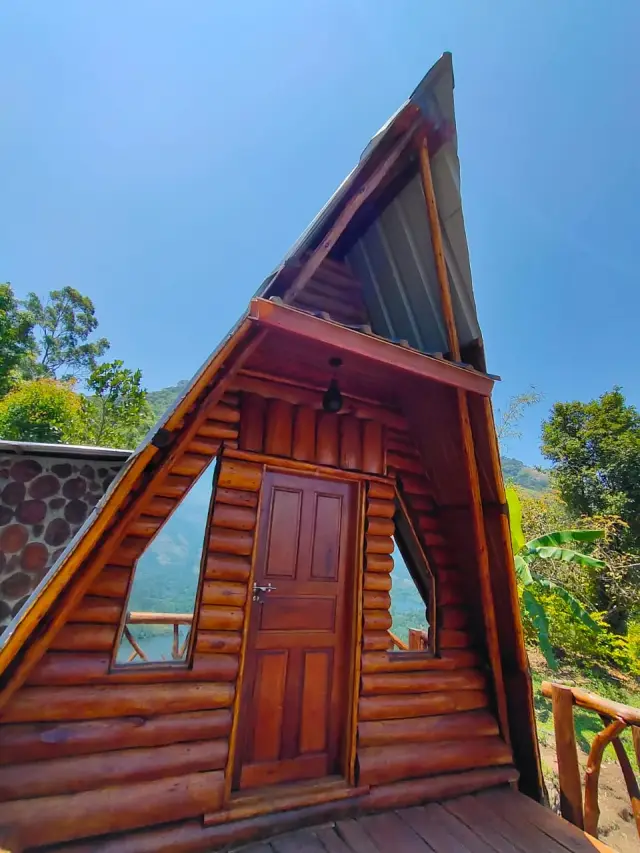
Shola forest landscape in Idukki listed in Kerala Tourism’s ecotourism inventory.
Official source →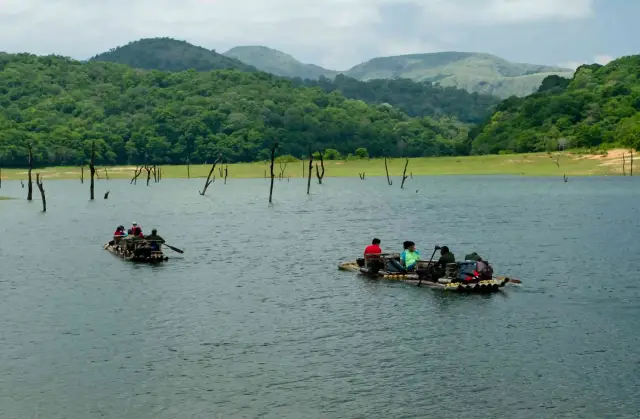
Day-long or half-day rafting-plus-trekking programme through Periyar Tiger Reserve, with small raft groups and forest guide support.
Official source →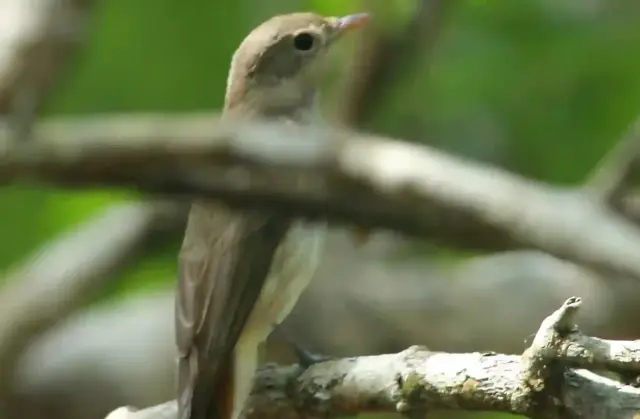
Guided 4-5 km interpretive walk through Periyar’s mixed habitats, offered in multiple daily slots.
Official source →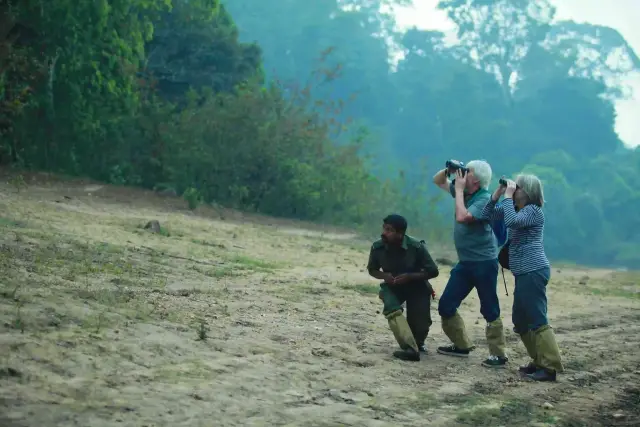
Guided interpretive walk through Periyar’s trails with trained tribal guide support and small group limits.
Official source →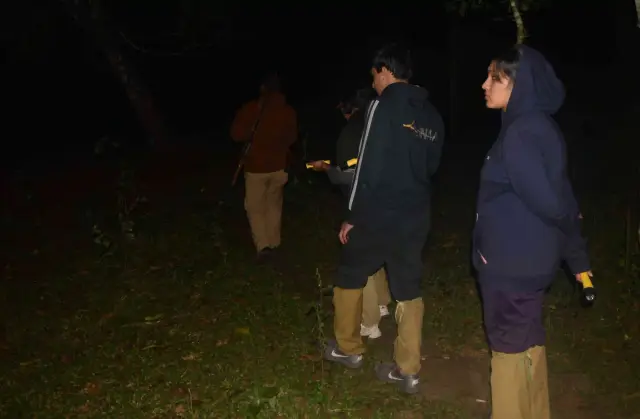
Guided night trekking programme in the periphery of Periyar’s eco-development zone with armed guard support.
Official source →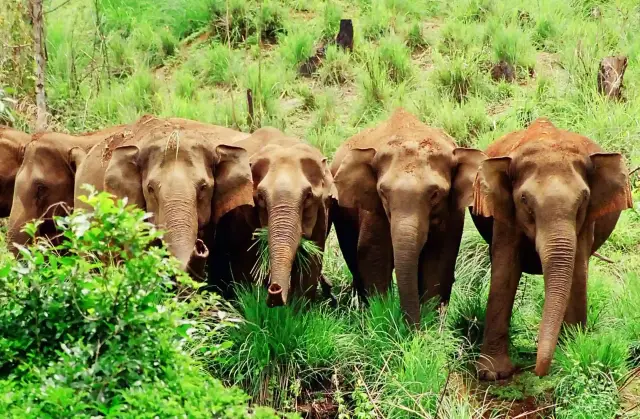
Day-long hiking programme through Periyar’s undulating forest terrain, with guide support and food included in the official listing.
Official source →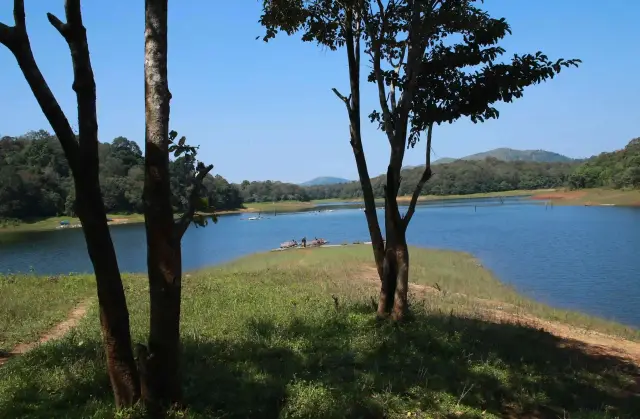
Multi-day guided trekking and camping programme inside Periyar, with tent stay and meals; prior booking is needed.
Official source →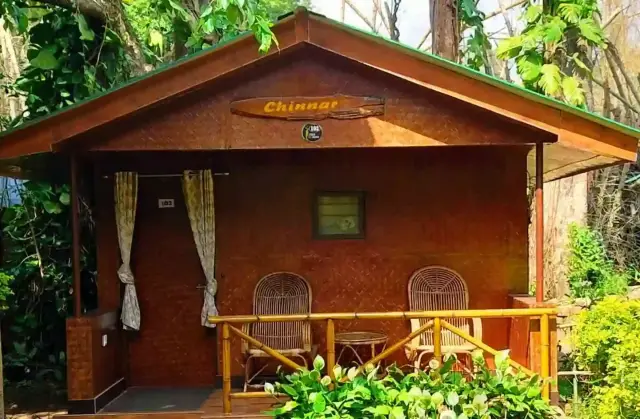
Eco-lodge accommodation in bamboo thickets with orientation, tribal-colony visit, wildlife film, birdwatching, trekking and boat ride.
Official source →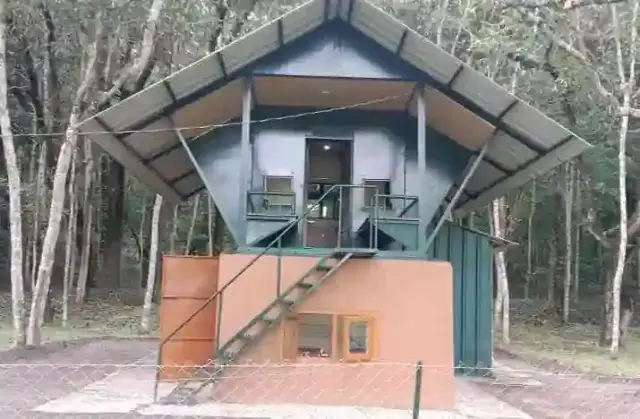
Forest cottage/watchtower-style stay at Kokkara, about an hour’s walk from the forest checkpost.
Official source →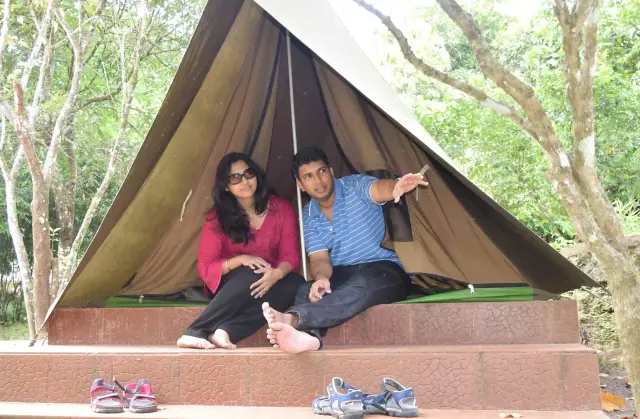
Tented camping near the Periyar River with meals, birdwatching, Gavi safari and optional Periyar Lake boat ride in the official listing.
Official source →Verified hotels, homestays, restaurants, experiences, sights, shops and rentals around Mangaladevi Temple trek — commission-free, with direct contact. Filter by what you need.
The reserve’s own booking office, online — entry, boats, treks and camps all go through this official channel, and it is the one to trust over any reseller; one lookalike domain now serves gambling.
The official counter for the lake boats — current slots, prices and availability live here, not with agents; the first slots of the morning are the wildlife ones.
Official booking for the reserve’s overnight walking programme — reporting times, guide requirements and availability are all set by the forest department, nowhere else.
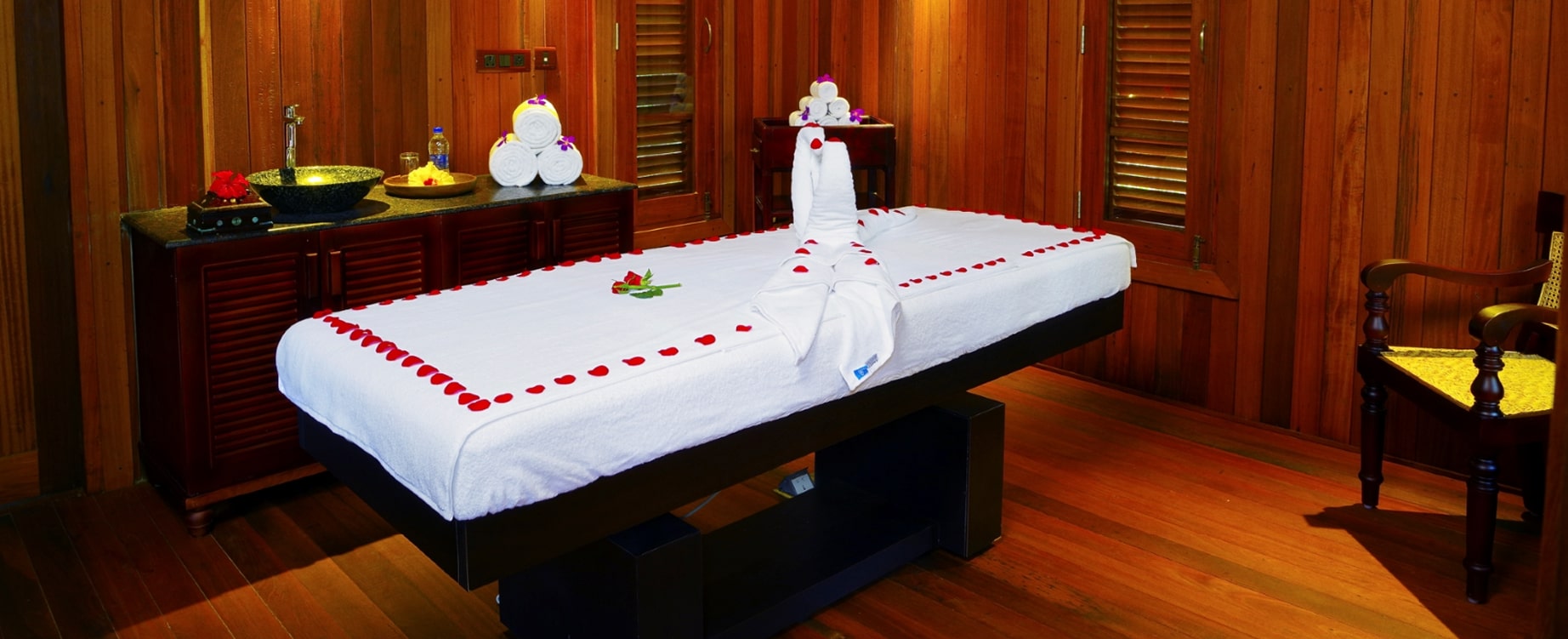
The spa at Niraamaya’s Cardamom Club retreat, out at the 66th Mile estates — Ayurveda programmes alongside international therapies.
Kumily operator for 4x4 days — Gavi jungle safaris, off-road routes and local packages, booked direct by phone or WhatsApp; confirm the route and permits before a forest-edge trip.
Sterling Thekkady’s in-house spa — traditional treatments on the resort’s amenity list; confirm therapies and appointments with the resort directly.
Inboundtrip Thekkady taxi page for 24/7 city taxis, airport transfers, outstation trips and day tours.
Local taxi and tour-cab operator at Pappis Tower, Thekkady — 24/7 phone and WhatsApp booking, airport pickups and Periyar transfers; the kind of pre-booked car this app-cab-free town runs on.
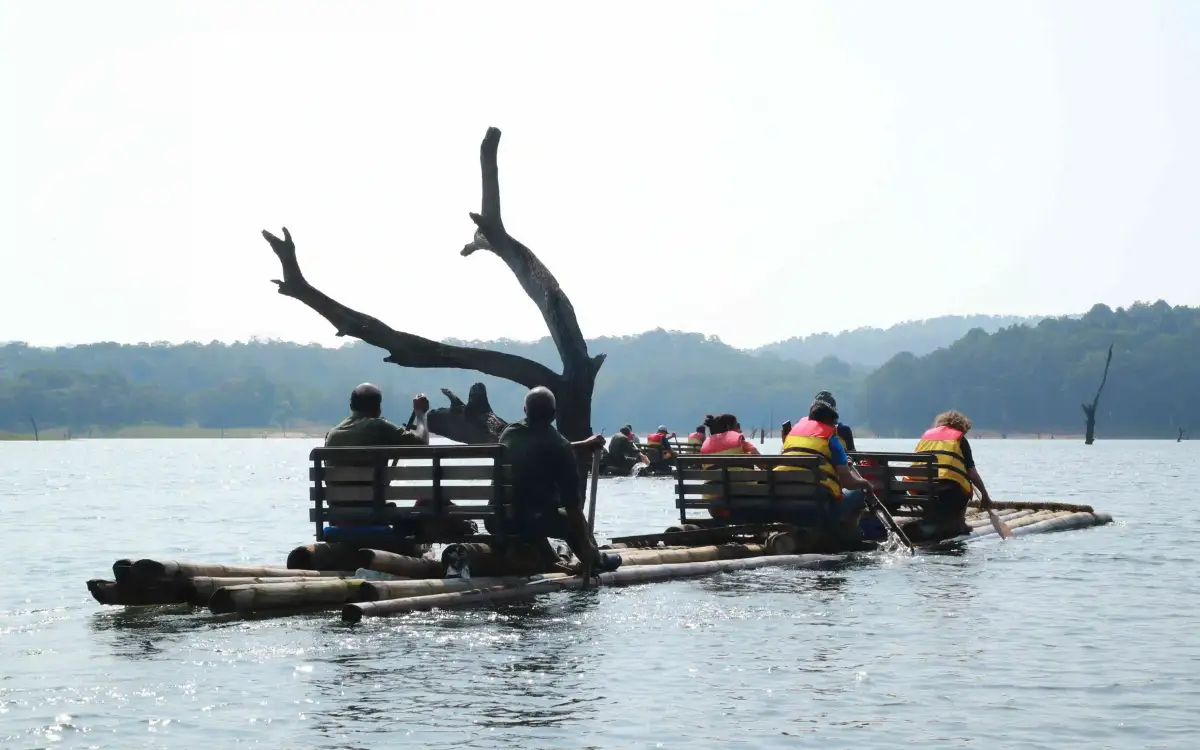
Full-day guided forest walk and bamboo rafting from Periyar’s boat landing. Check the exact programme, live notice, child eligibility and entry/bus charges on the official site before arranging the day.
Ayurveda wing at The Elephant Court — Swedana, Shirodhara and Shila Abhyanga are on the official treatment list; book ahead for current availability.
Book with the place itself. India’s cyber-crime coordination centre warned in April 2025 that convincing copies of hotel and pilgrimage booking sites are being pushed through sponsored search and social ads, taking payment for rooms the property never hears about. Every listing here links to the business’s own contact details and its own Google or Bing profile — we take no commission and sit in nobody’s payment path. If a booking page reached you through an ad, check the address bar against the property’s own site before you pay. Fraud can be reported on cybercrime.gov.in or on 1930.
Browse food, accommodation and activities across Thekkady and Kumily. Check each address and journey before adding it to your day; these selections are not all beside Mangaladevi Temple trek.
11 more places around Thekkady and Kumily. Open a guide to plan the visit and onward journey.
5.7 km · ~14 min by auto
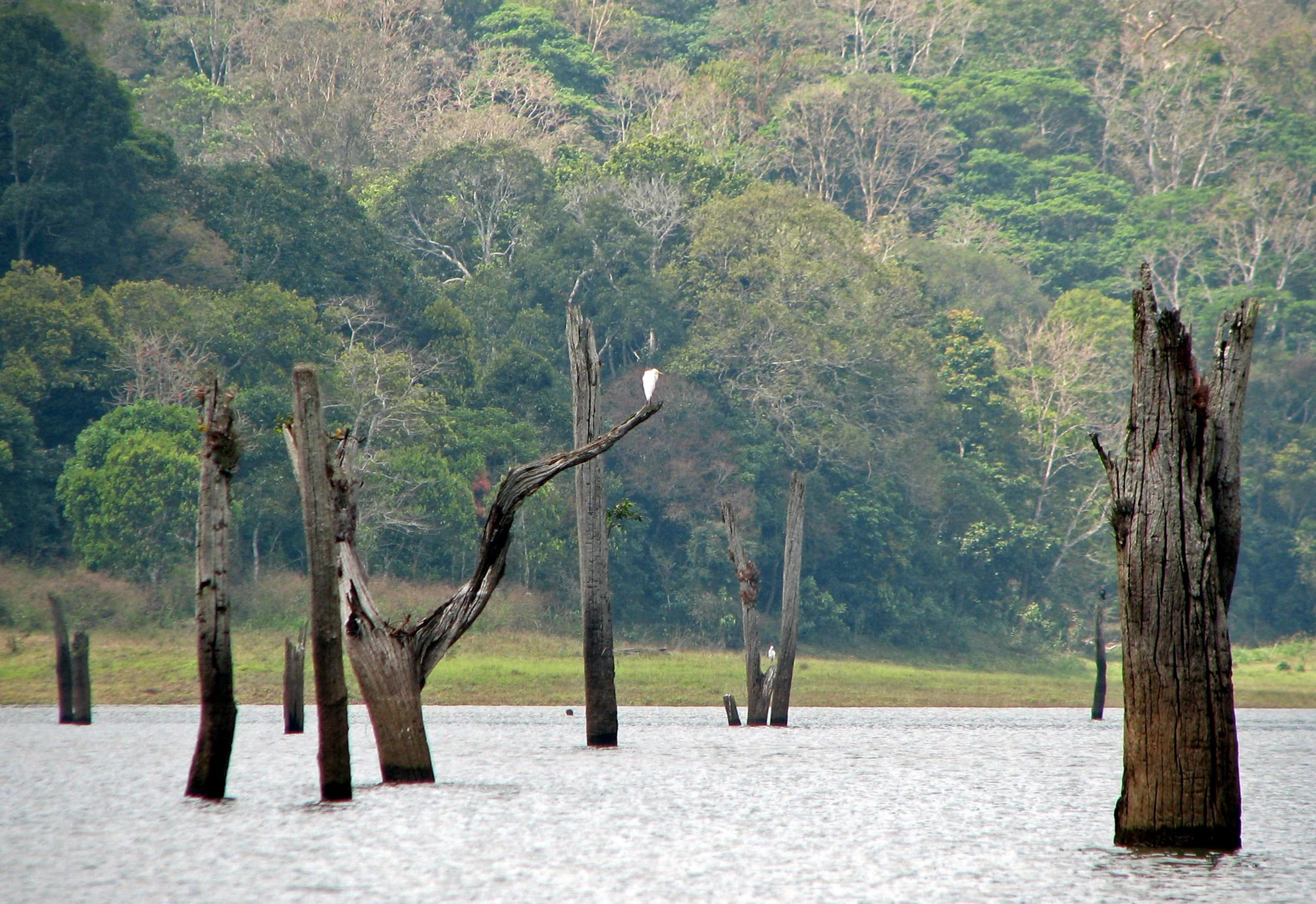
The forest gate and boat landing beyond Kumily town — Thekkady is the reserve’s front door, not a town: the ticket counters, the eco-tourism programmes and the lake jetty are what stand here, under a name that comes from thekku, the teak that was cut on this ridge.
14.6 km · ~24 min by cab
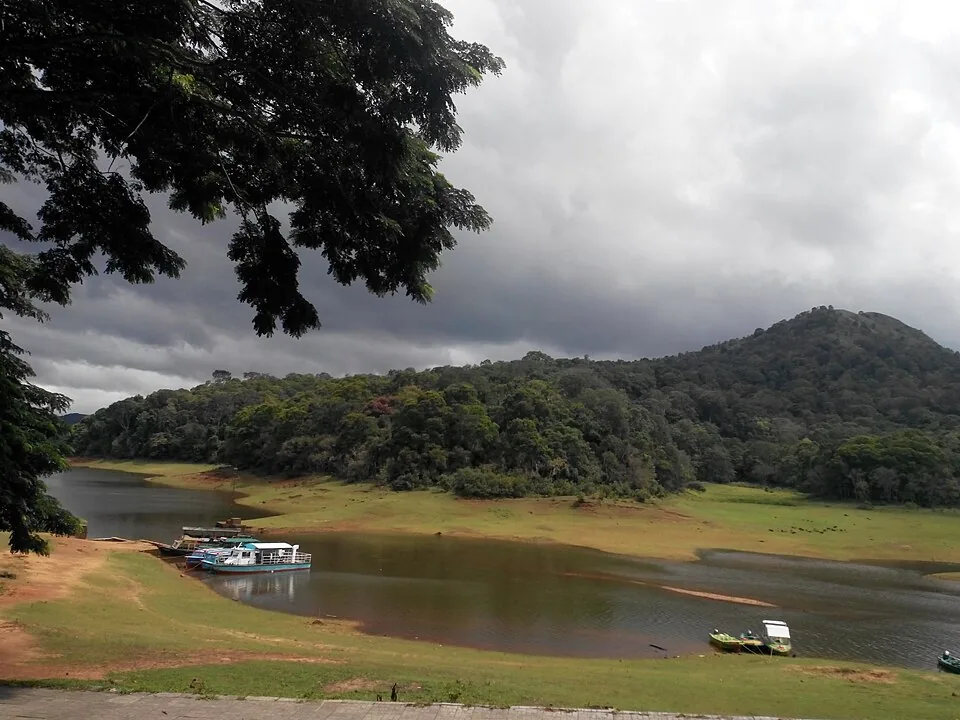
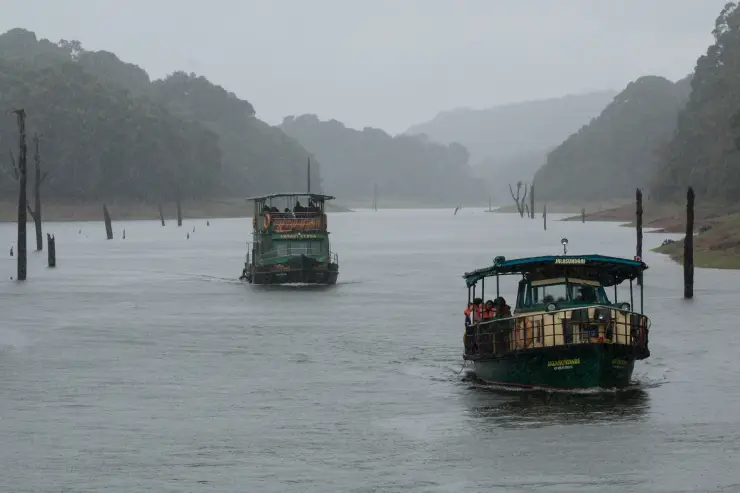
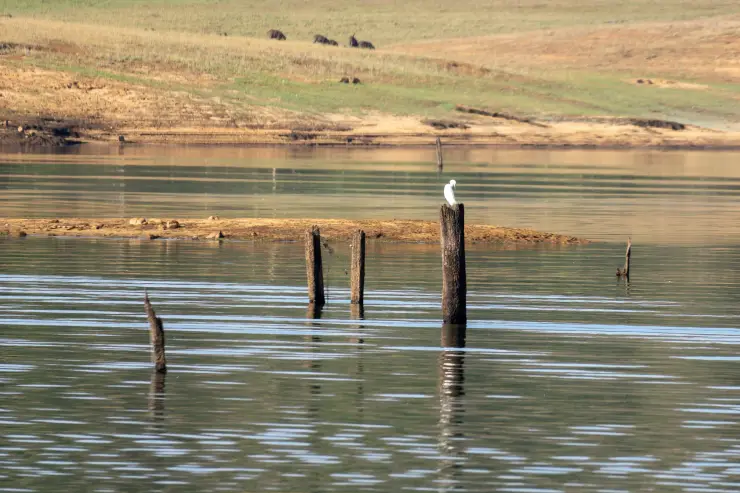
Kerala’s most famous reserve is built around a lake that is not natural: the 1895 Mullaperiyar dam drowned a valley, the dead trees still stand in the water, and the lease behind it — signed 1886 — is still being argued in the Supreme Court. Entry, boats and every programme go through the official portal.
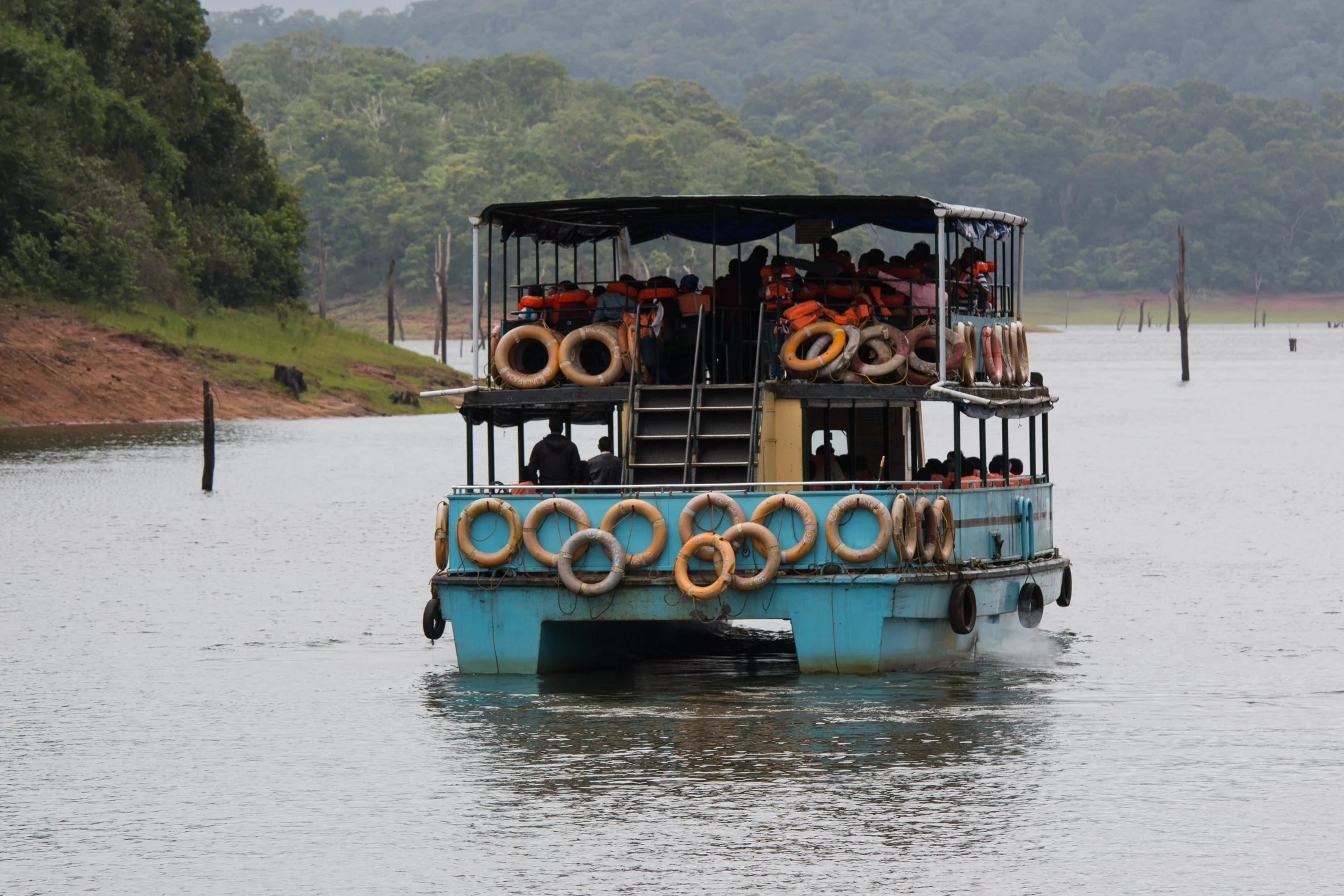
5.7 km · ~14 min by auto
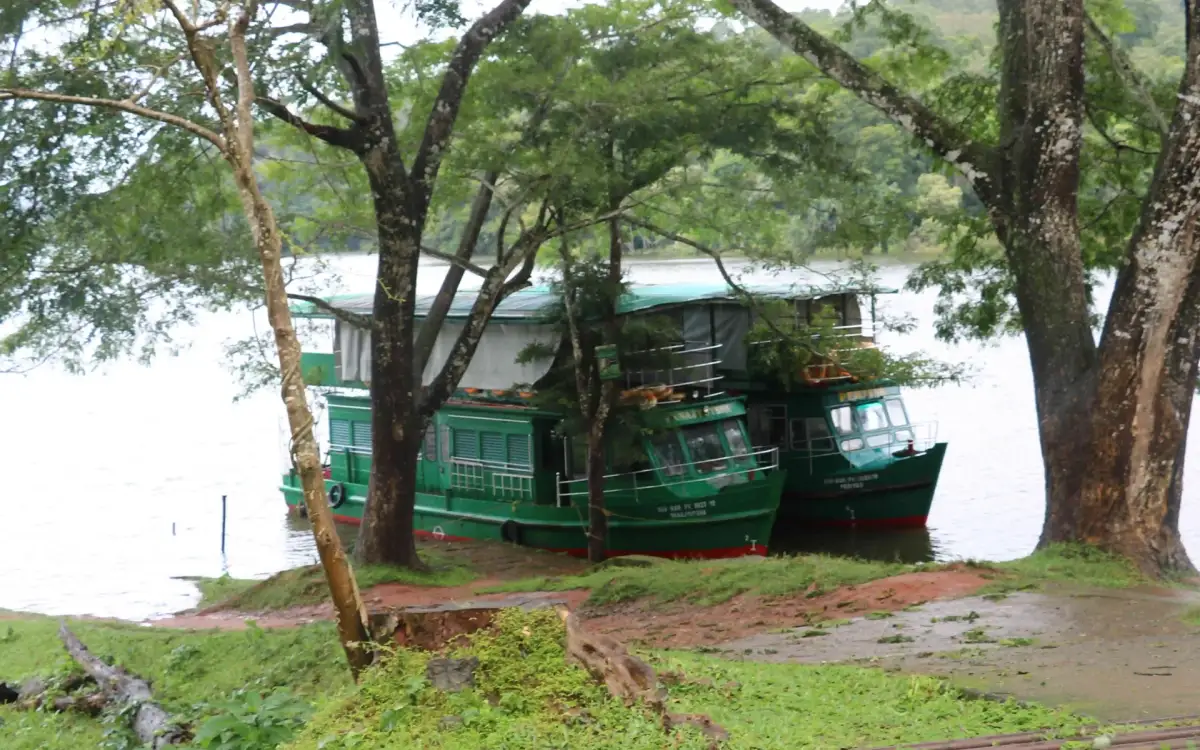
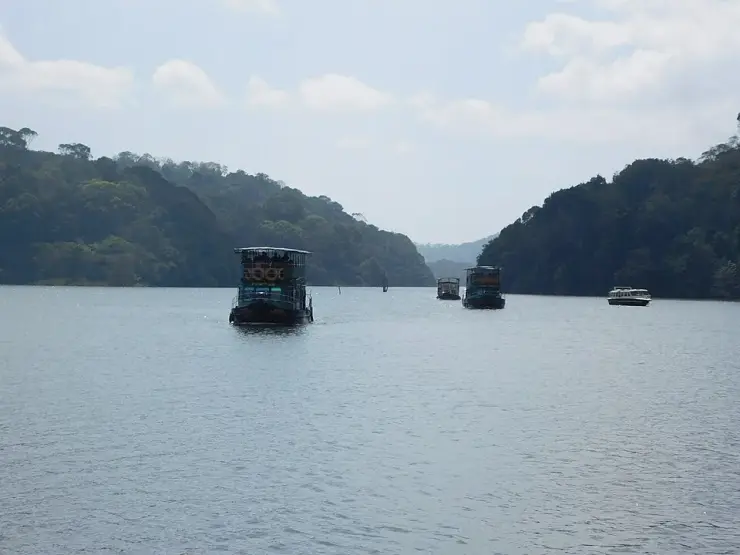
The classic Periyar outing: forest-department and KTDC boats out over the drowned valley from the Thekkady landing, in fixed slots from early morning — the first slot is the wildlife slot. Wear the life jacket without argument; the 2009 Jalakanyaka capsize off Manakkavala is why the crews insist.
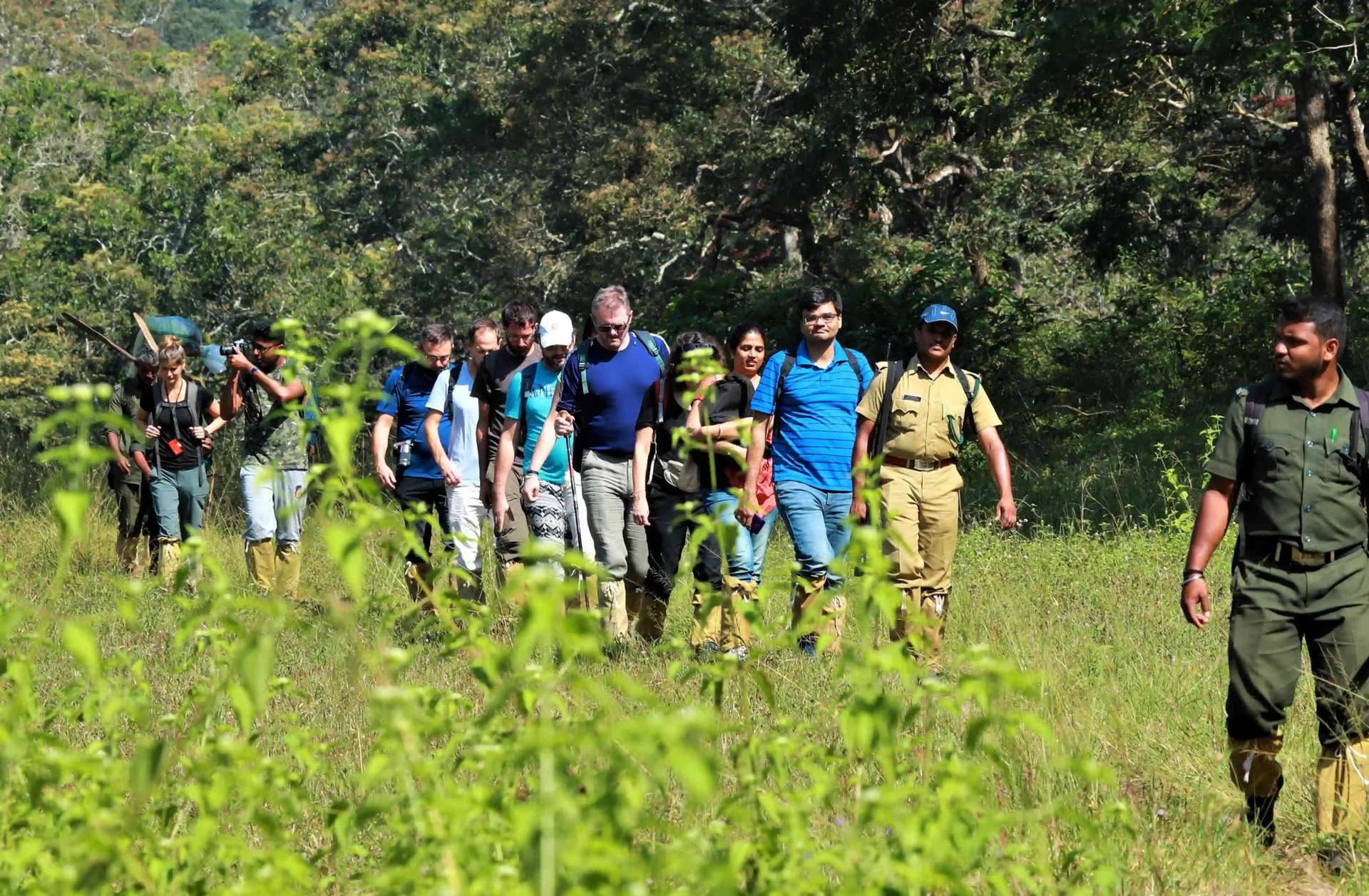
6.0 km · ~15 min by auto
A full-day guided hike across Periyar’s forest and grass-covered ridges, with separate Brandipara and Thondiyar products and reporting offices.
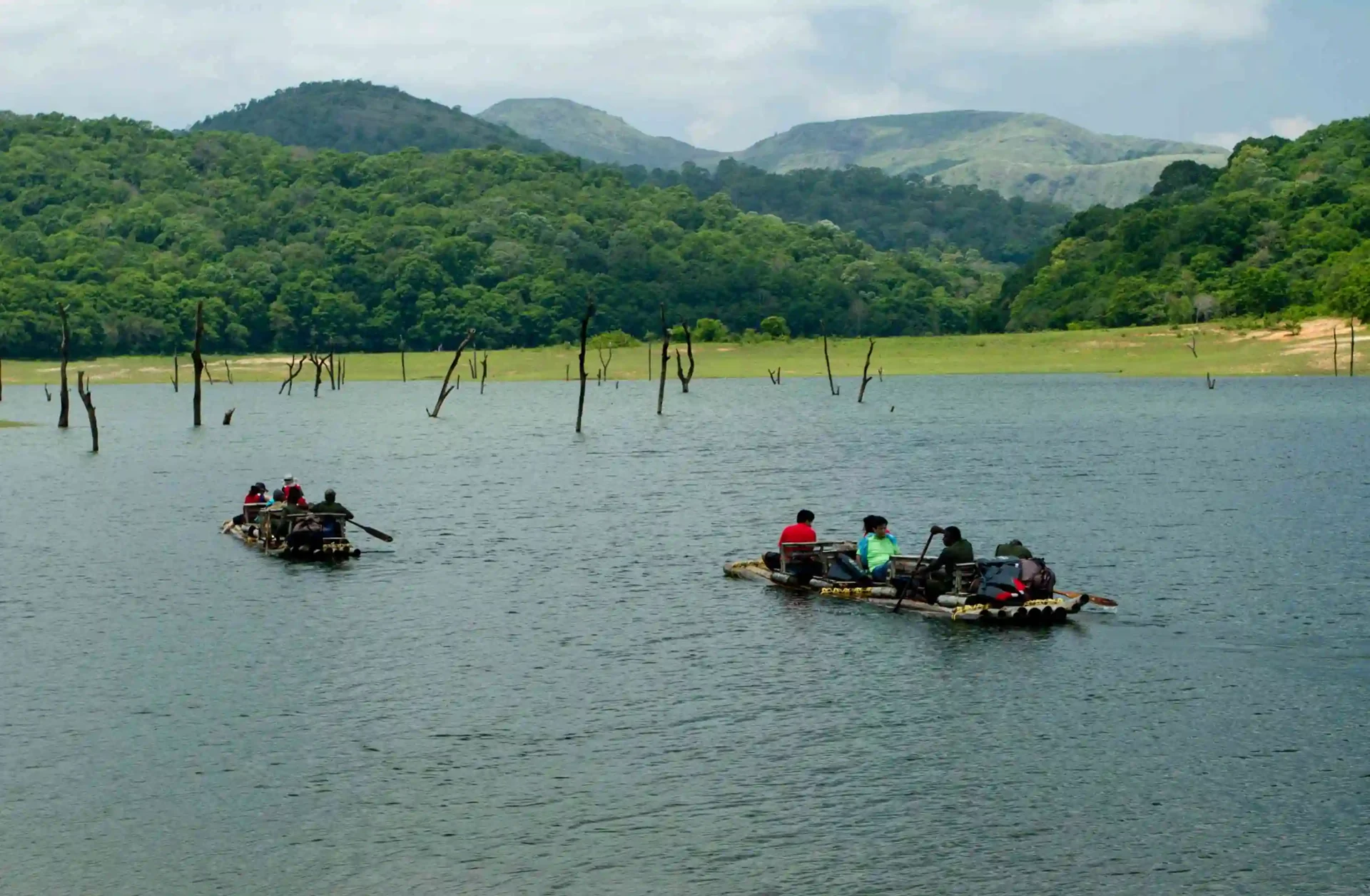
5.1 km · ~13 min by auto
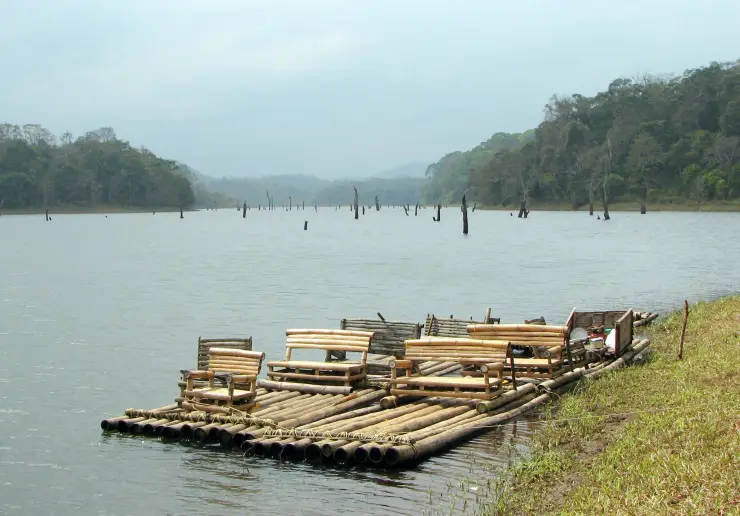
Half in the forest, half on the water: a guided day that walks the lake edge and crosses it on bamboo rafts, run by the reserve’s eco-development crews — many of them former poachers turned guides, which is the programme’s real story.
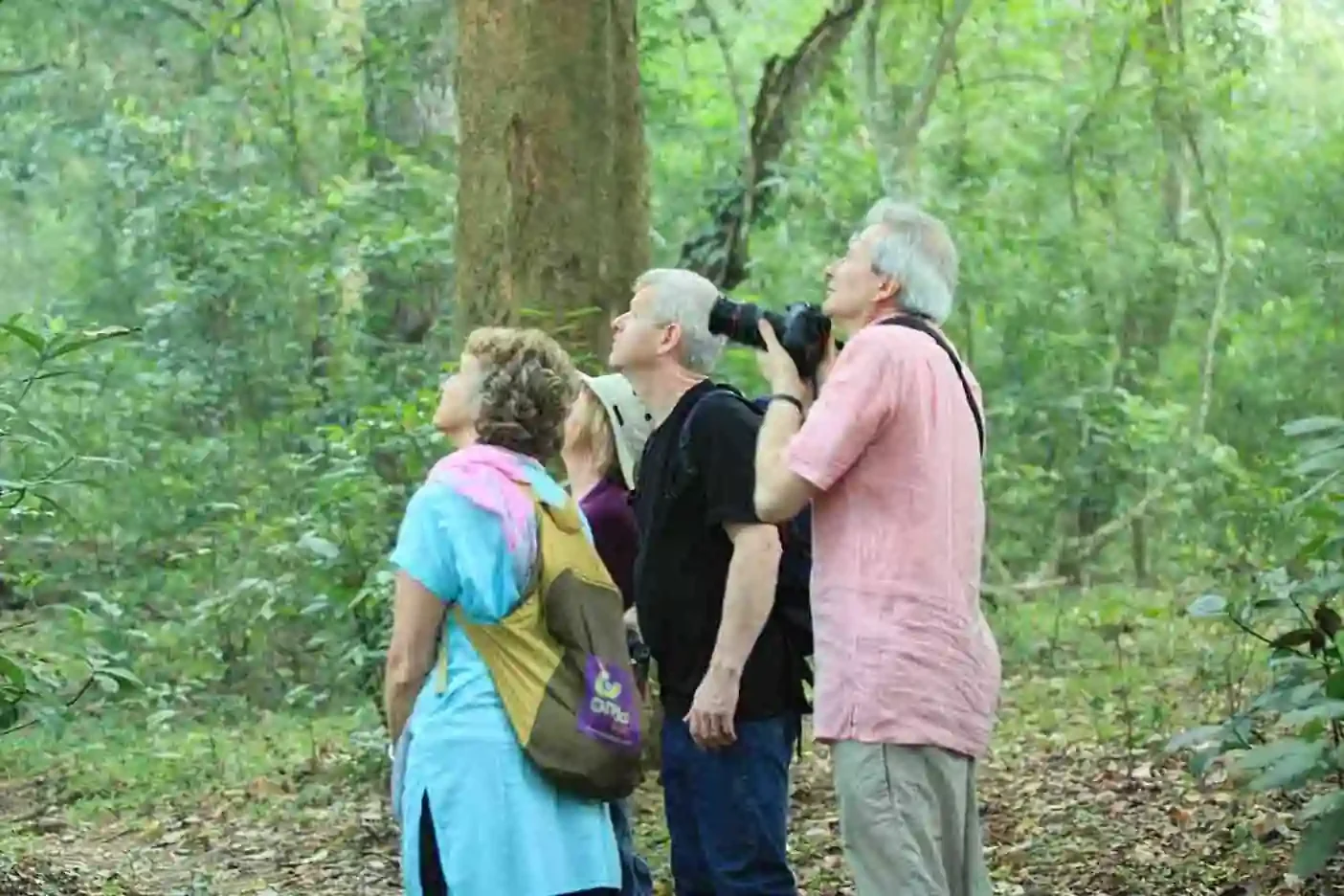
5.1 km · ~13 min by auto
A small-group, 2.5-hour interpreted forest walk from Boat Landing in Periyar Tiger Reserve, with several daily trails and a minimum four-person booking charge.
6.0 km · ~15 min by auto
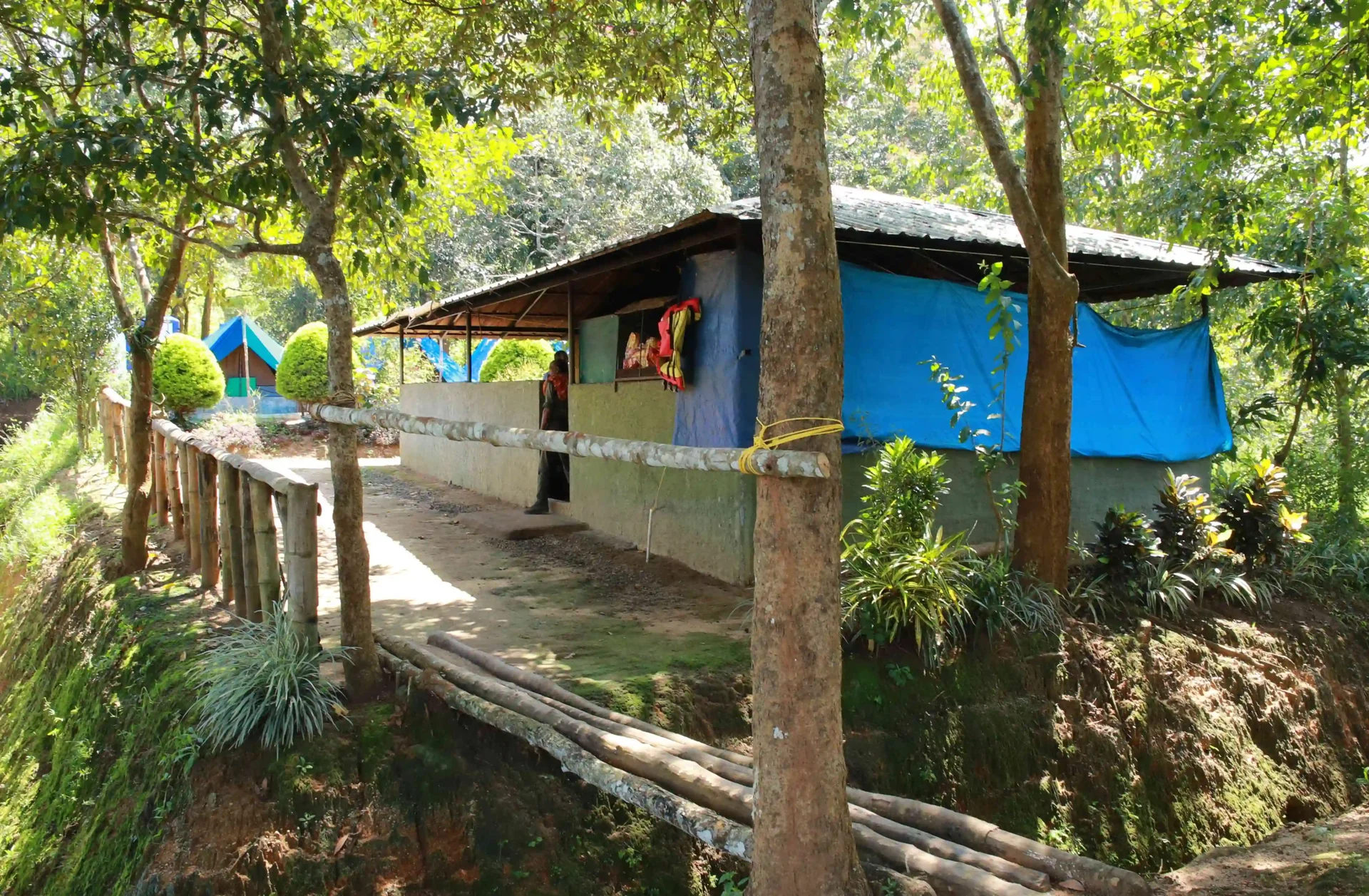
Periyar Tiger Reserve’s guided trekking-and-camping programme, offered as one night/two days or two nights/three days, with reporting at the Forest Check Post Ex Vayana EDC office.
6.0 km · ~15 min by auto
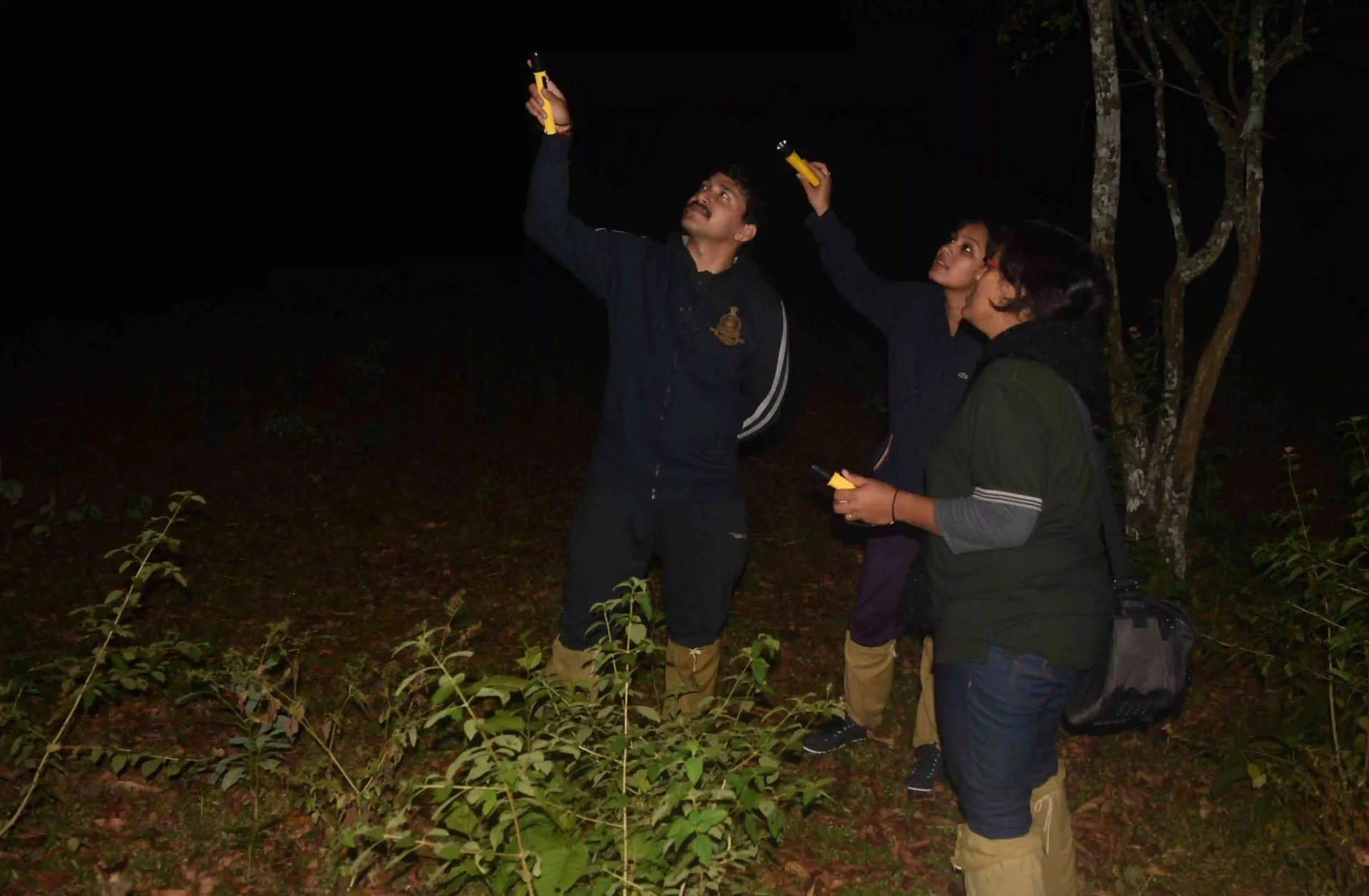
Periyar’s guided night walk, currently booked as Jungle Scout, with separate Forest Check Post and Bamboo Grove departures. This is a walking programme, not a jeep safari.
9.5 km · ~16 min by cab
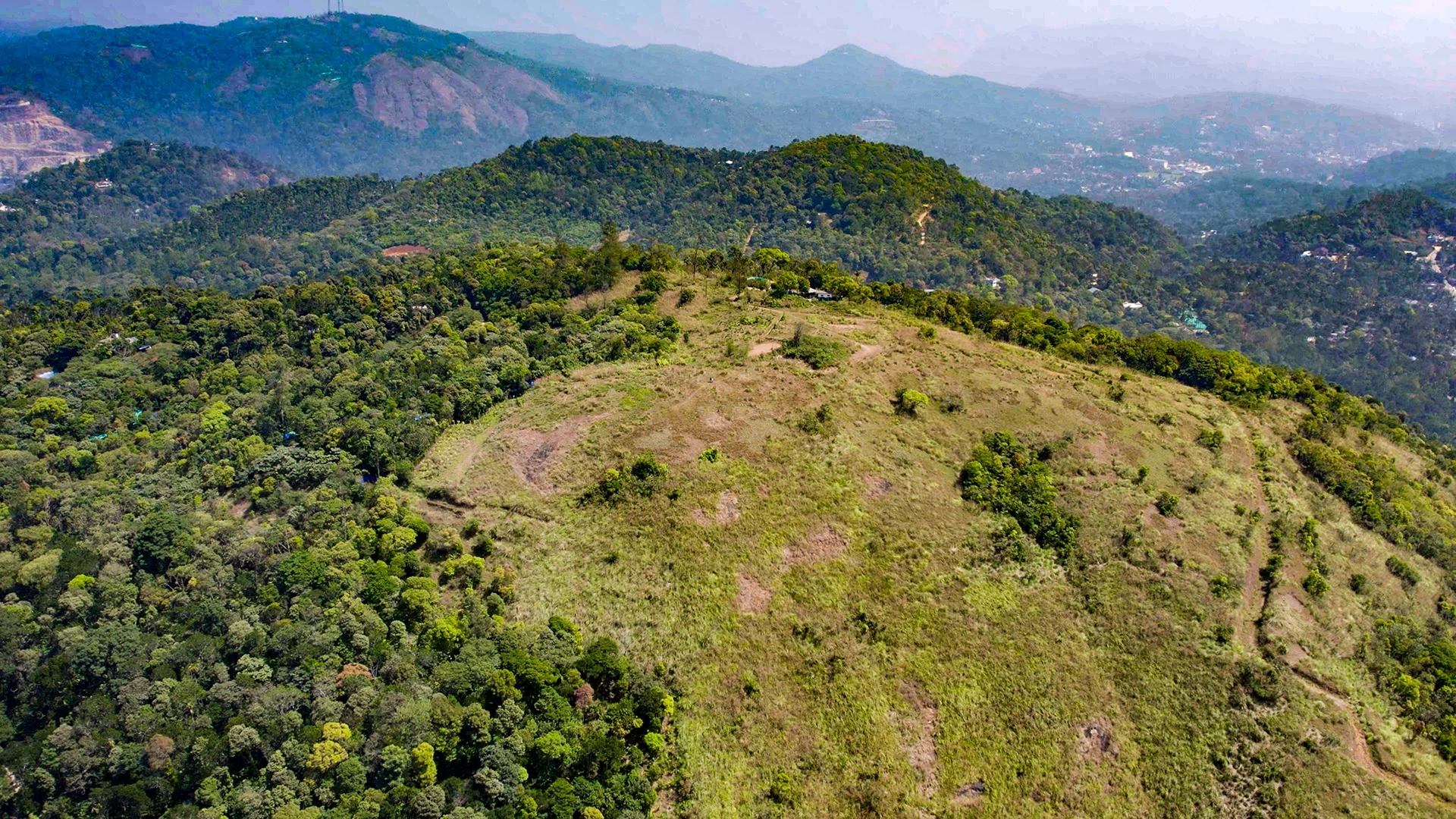
Cardamom, pepper and coffee country starting five kilometres out of Kumily — Murikkady is where the spice-garden visits actually happen, plot after plot along the road, with the St George church spire in the middle of it.
7.5 km · ~19 min by auto
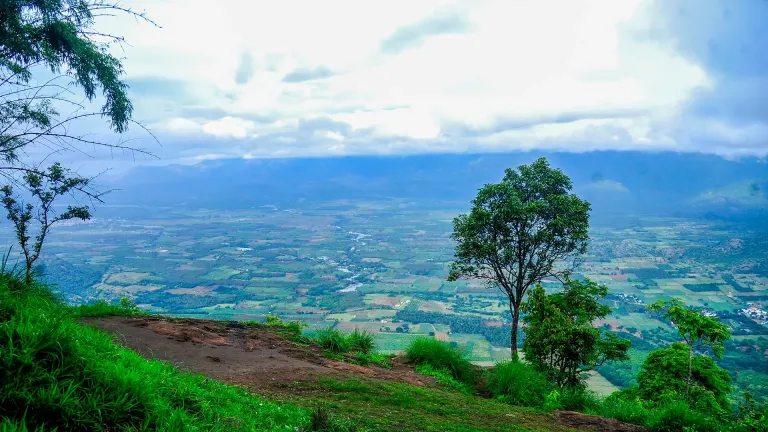
A stream-and-rock hollow eight and a half kilometres out on the Chellarkovil road — a local picnic spot with a small waterfall in season rather than a headline sight; pair it with Chellarkovil’s plains-edge viewpoint.
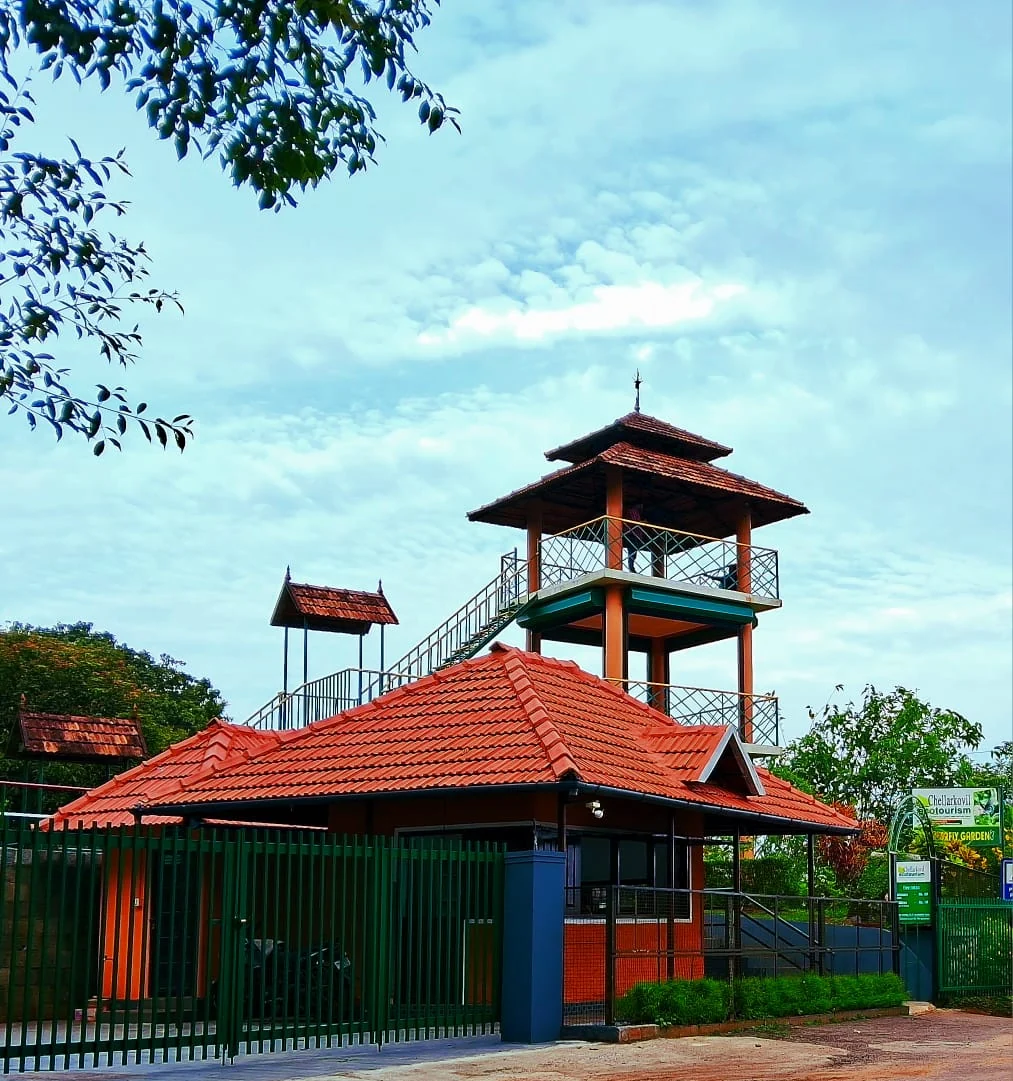
8.6 km · ~14 min by cab
Thirteen kilometres north of Kumily the hills simply stop: Chellarkovil’s terrace looks off the edge of the Ghats onto the Tamil plains at Cumbum — a sheer green drop, with waterfalls in the monsoon and coconut groves at your back.
Roampedia is commission-free — own or know a stay, eatery, guide or shop near Mangaladevi Temple trek? List it and it appears here once verified.
Add a nearby businessEntry: No fixed temple ticket, but Periyar Tiger Reserve entry and permit charges and jeep or guide fees apply, with special arrangements made on the festival day; amounts vary.
Dress code: Modest temple-appropriate clothing that also suits a strenuous forest trek — covered shoulders and knees, sturdy walking shoes, and a warm layer for the cold, windy ridge.
Festivals: Chitra Pournami — the single annual festival, when the temple is opened, a portable idol is brought from Kambam, and Kerala and Tamil Nadu priests worship together.
Photography: Photography of the ruins and the sweeping Ghats panorama is generally possible, but respect any Forest Department or festival-day restrictions and never disturb wildlife.
If you are travelling by bus or ferry, check the return service with the operator before setting out. Leave time to reach the stop or jetty after your visit.
Ask at the bus stand for the time of the last service back, not the next one. If you miss it, an auto or app cab is the fallback — agree the fare before you get in.
If you need step-free access, contact the site before travelling. Ask about a level entrance, steps along the route, the nearest drop-off point, seating and accessible toilets.
Emergency numbers are verified against official government and state tourism sources. 112 works anywhere in India.
Forest Department guided trekking and bamboo rafting in Periyar Tiger Reserve, with separate full-day and half-day programmes and reporting points. Full-day rafting is closed 5–30 September 2026 for raft maintenance.
5.1 km · ~13 min by auto · straight lineA small-group, 2.5-hour interpreted forest walk from Boat Landing in Periyar Tiger Reserve, with several daily trails and a minimum four-person booking charge.
5.1 km · ~13 min by auto · straight lineThe Thekkady visitor gateway to Periyar Tiger Reserve, with Kumily as the road, bus and stay base; plan the Anavachal arrival, lake outing or guided forest programme as distinct stages.
5.7 km · ~14 min by auto · straight lineA scheduled passenger-boat trip on Periyar Lake, with reporting at Anavachal and a reserve-bus transfer to the Thekkady boat landing.
5.7 km · ~14 min by auto · straight lineA full-day guided hike across Periyar’s forest and grass-covered ridges, with separate Brandipara and Thondiyar products and reporting offices.
6.0 km · ~15 min by auto · straight linePeriyar Tiger Reserve’s guided trekking-and-camping programme, offered as one night/two days or two nights/three days, with reporting at the Forest Check Post Ex Vayana EDC office.
6.0 km · ~15 min by auto · straight linePeriyar’s guided night walk, currently booked as Jungle Scout, with separate Forest Check Post and Bamboo Grove departures. This is a walking programme, not a jeep safari.
6.0 km · ~15 min by auto · straight lineThekkady-side valley and stream landscape on the Kerala-Tamil Nadu edge.
7.5 km · ~19 min by auto · straight lineThe Kerala Forest Department ecotourism centre at Chellarkovil, with a watchtower, botanical and butterfly gardens and views towards the Tamil Nadu plains. Private resort viewpoints and waterfall approaches are separate visits.
8.6 km · ~14 min by cab · straight lineMurikkady, also mapped as Murickady, is a plantation settlement near Kumily in Idukki. Use the village as an orientation base and a separately confirmed estate entrance for a spice or plantation visit.
9.5 km · ~16 min by cab · straight lineOfficial tiger reserve landscape around Thekkady, with forest-controlled activities and boating.
14.6 km · ~24 min by cab · straight line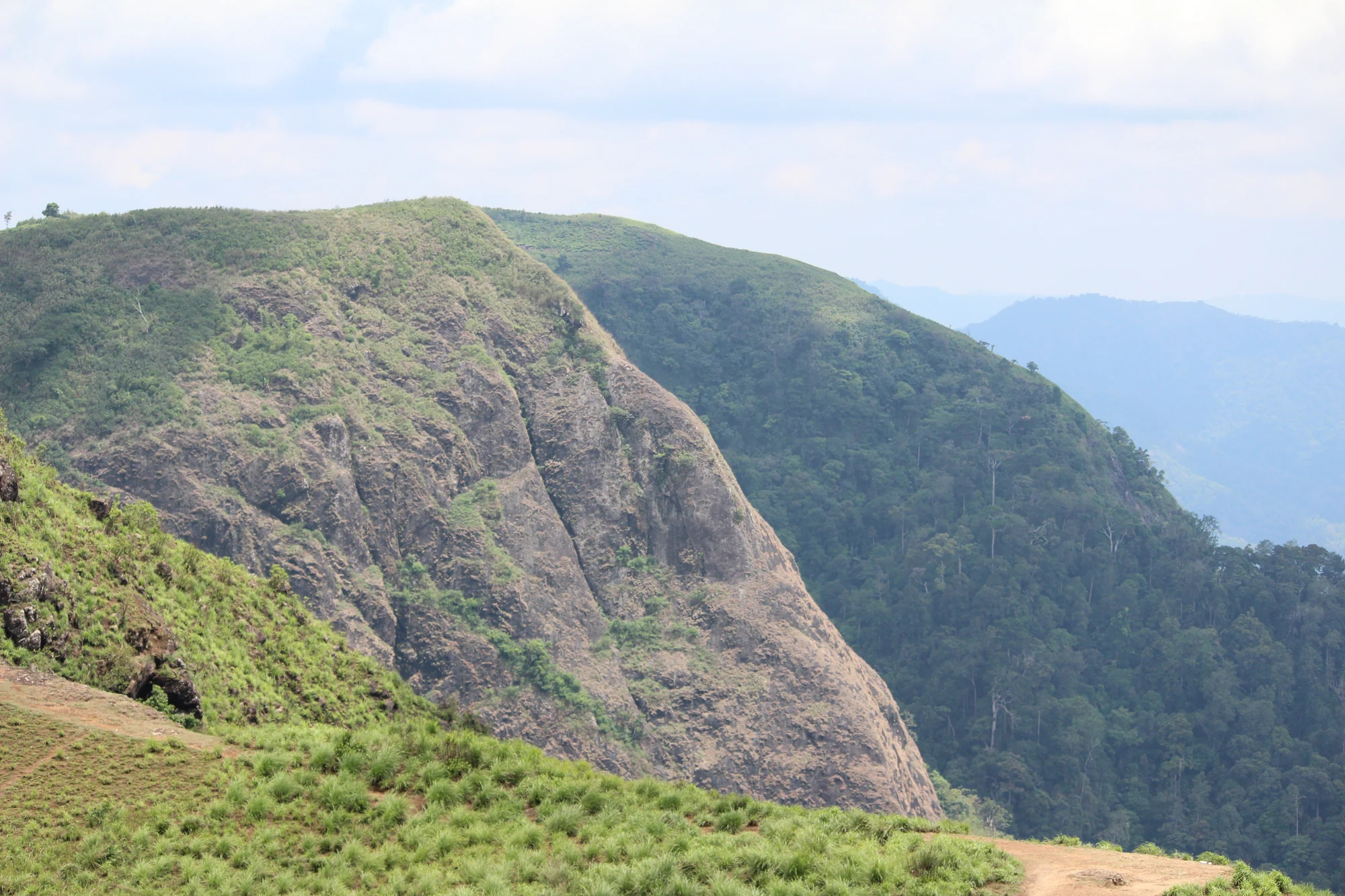
A rock-and-grass viewpoint near Peermade on the Pambanar side of Idukki, overlooking steep wooded ravines; known as Eagle Rock and for the profile-like Tagore Rock formation.
21.6 km · ~36 min by cab · straight lineWalking and driving times are real routed distances, except the few marked “straight line”, which are direct-line estimates and will read short. Fare figures are estimates from Kerala’s notified auto/taxi tariff and exclude waiting and night charges. Routing: © openrouteservice.org by HeiGIT | Map data © OpenStreetMap contributors
No. The temple stands inside the buffer zone of the Periyar Tiger Reserve and is generally opened to the public only once a year, on the Chitra Pournami festival day (April–May). On other days it is effectively closed, and any access requires prior permission from the Forest Department.
The usual approach is by authorised jeep and trek from Kumily/Thekkady in Kerala, climbing a rough track of roughly 12 km through dense woodland and grassland; trekkers also come up from the Pazhiyankudi side in Tamil Nadu. Distances and route conditions vary, so confirm arrangements locally.
Two reasons combine: the shrine lies within a protected tiger reserve where year-round access would disturb wildlife, and there is a long-running dispute between Kerala and Tamil Nadu over the border and the temple’s administration. As a result it is opened to pilgrims essentially only on the Chitra Pournami festival day.
By tradition the temple honours Kannagi, the heroine of the ancient Tamil epic Silappadikaram, who after the burning of Madurai is said to have attained divinity as the goddess Pattini. She is worshipped here as Mangaladevi. This is a matter of legend and sacred tradition rather than documented history.
It sits right on the Kerala–Tamil Nadu border within the Periyar Tiger Reserve, and both states have long contested its exact jurisdiction and administration. In practice Kerala’s Forest Department controls physical access from the Thekkady side, while the temple carries deep significance for Tamil devotees too.
You are entering genuine tiger-reserve wilderness at high altitude, so go only with authorised guides and Forest Department permission, expect a strenuous climb, carry water and warm layers for the exposed ridge, and follow all official instructions — especially on the crowded festival day.
Post-monsoon to late winter is usually best; avoid heavy-rain days and closed forest periods.
Entry: No fixed temple ticket, but Periyar Tiger Reserve entry and permit charges and jeep or guide fees apply, with special arrangements made on the festival day; amounts vary. Timings: Opens to the public essentially only on Chitra Pournami day, the full-moon day of the Tamil month Chithirai (usually April or May); closed to general visitors for the rest of the year, when access needs Forest Department permission.
Base yourself in Thekkady and Kumily or a nearby town in Idukki, then confirm the last-mile route locally before leaving. Confirm permits, guide requirement and reporting point before travel; many Kerala treks are controlled by forest authorities. If the visit depends on forest, temple, boat, ferry, weather or seasonal access, check the official/local rule on the day before travel.
Half day to full day unless officially listed as multi-day.
Nearby you can pair Periyar Bamboo Rafting (5.1 km), Periyar Nature Walk (5.1 km), Thekkady / Periyar (5.7 km), Periyar boat safari (5.7 km).
Use approved guides where required. Do not enter closed forest routes or trek in heavy rain.
We have not published a story about Mangaladevi Temple trek itself yet. These cover Thekkady and Kumily and the wider district, with separate journeys between stops.
These guides explore Thekkady and Kumily and the surrounding area. Choose a visit that fits your interests, allowing separately for travel between stops.
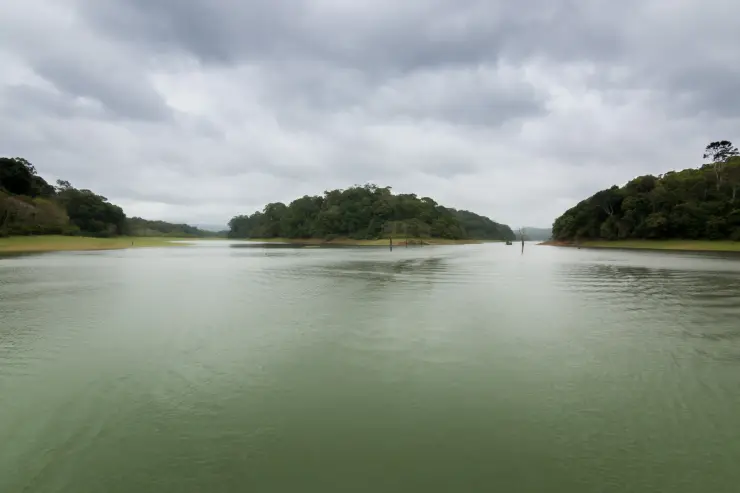
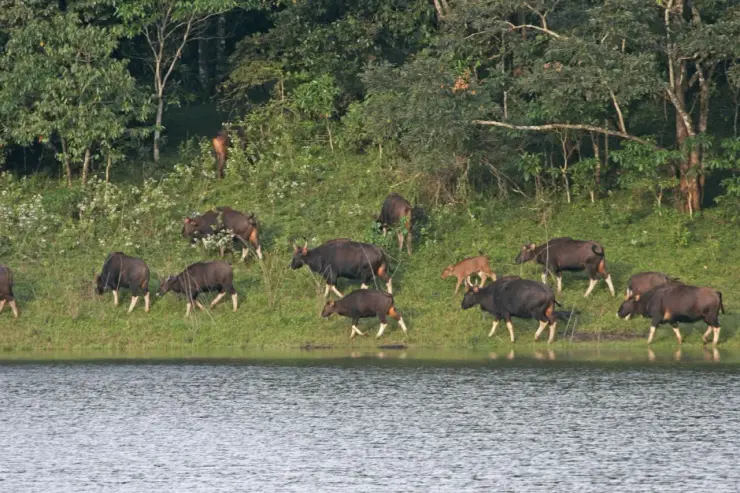
Written about Thekkady and Kumily as a whole rather than about Mangaladevi Temple trek — its history, its streets, and how to spend a day in it.
Route-level itineraries and practical guides for the rest of Kerala.
Photographs: Sibyperiyar (CC BY-SA 3.0), Kerala Forest and Wildlife Department (© Kerala Forest and Wildlife Department), Periyar Tiger Reserve / Periyar Tiger Conservation Foundation (© Periyar Tiger Reserve / Periyar Tiger Conservation Foundation), Periyar Tiger Reserve (© Periyar Tiger Reserve; official programme photograph), Jacob Thapovanam (© Periyar Tiger Reserve; official programme photograph), Sali Palode (© Periyar Tiger Reserve; official programme photograph). Wikimedia Commons.