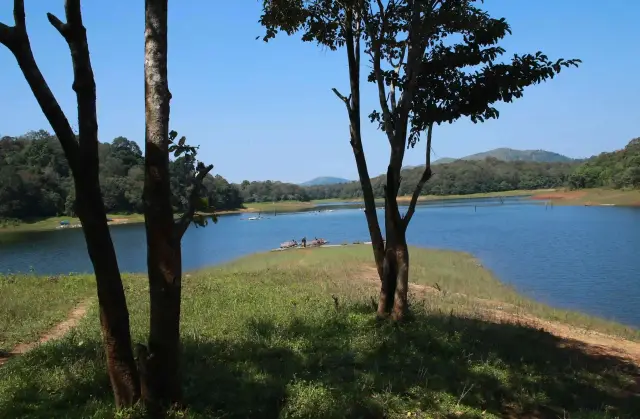
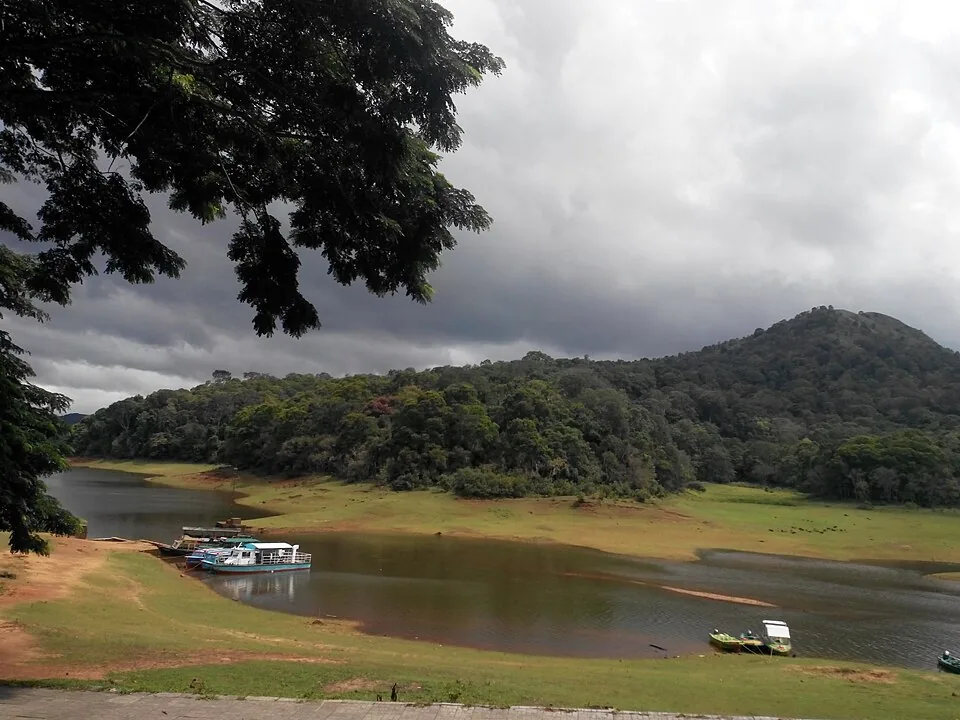
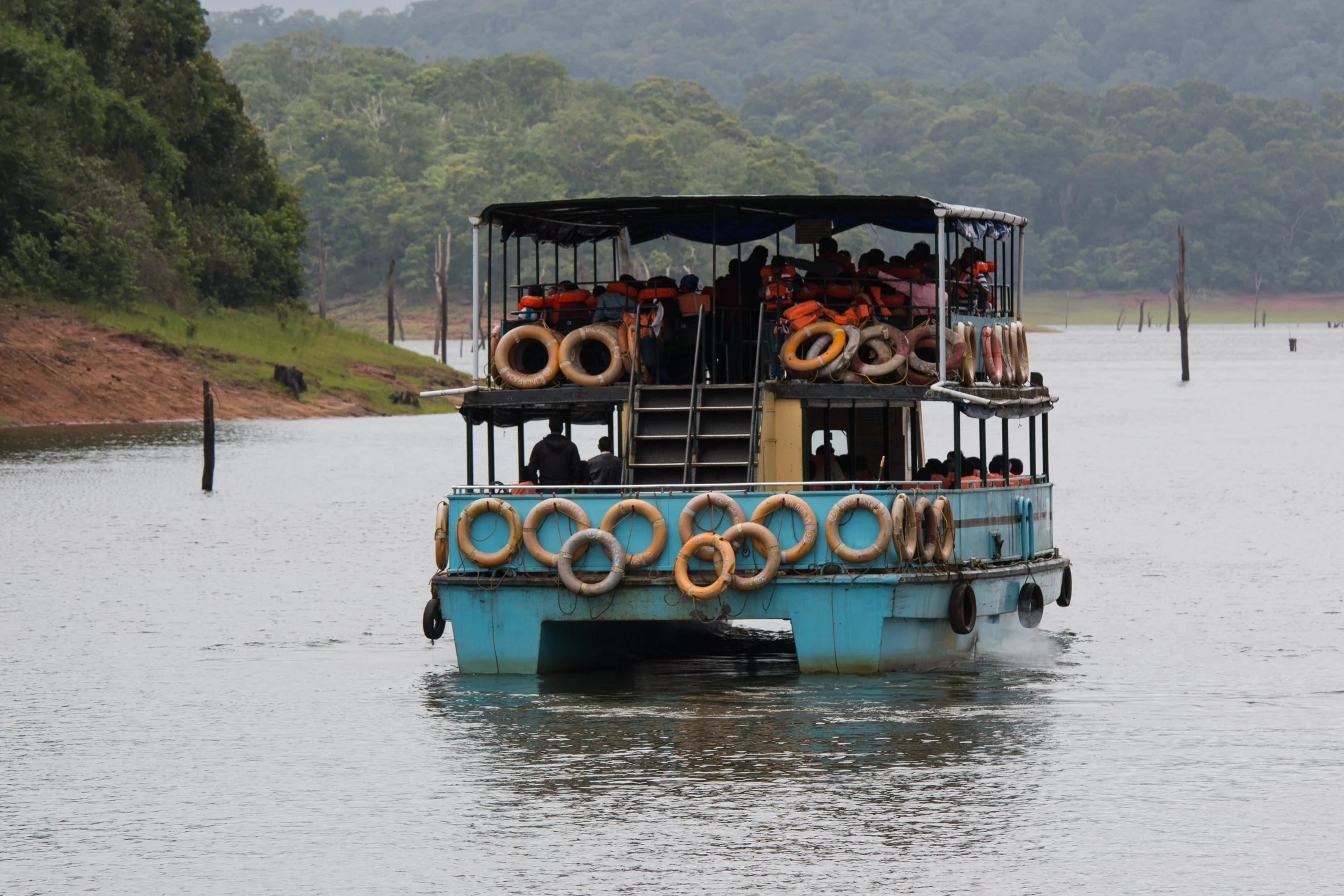
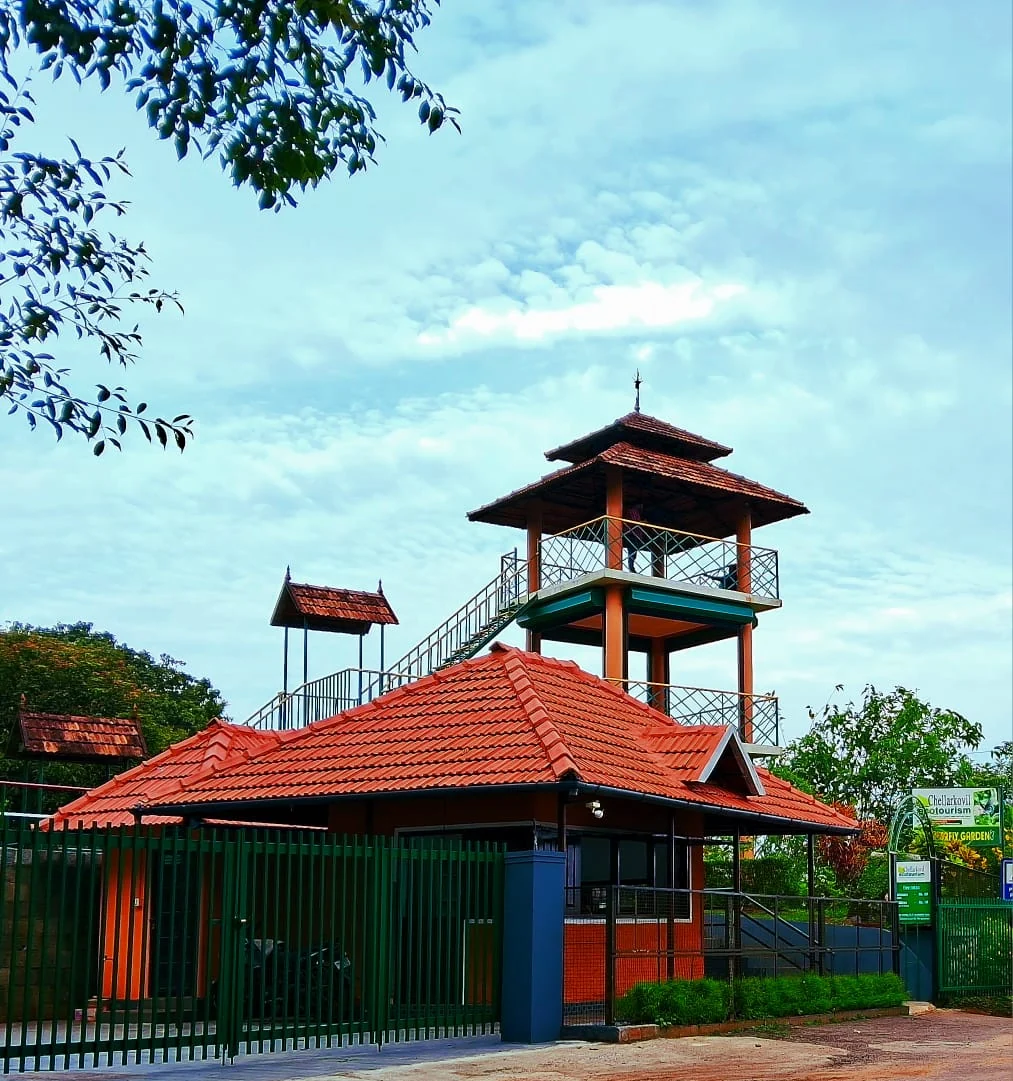
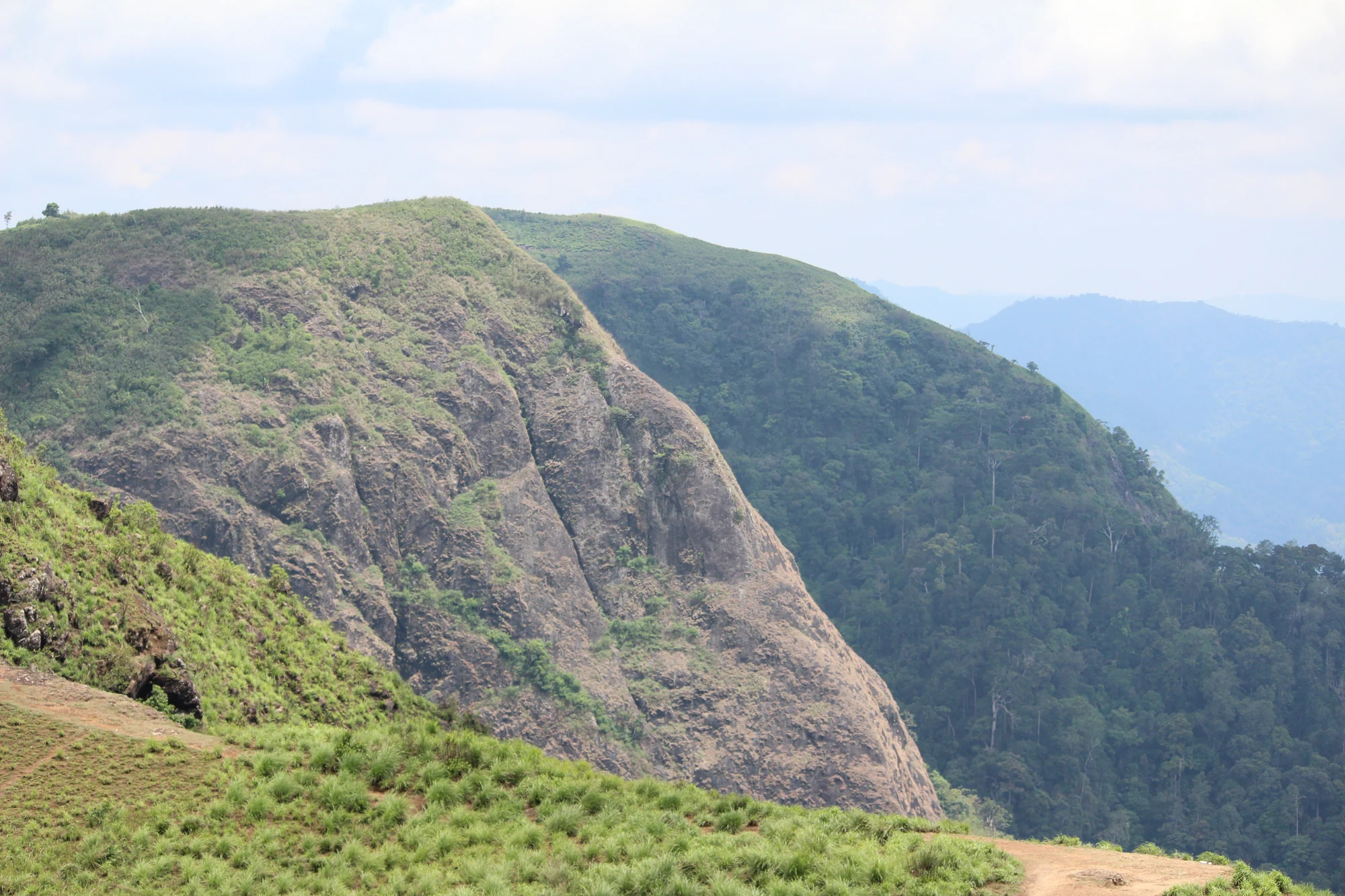
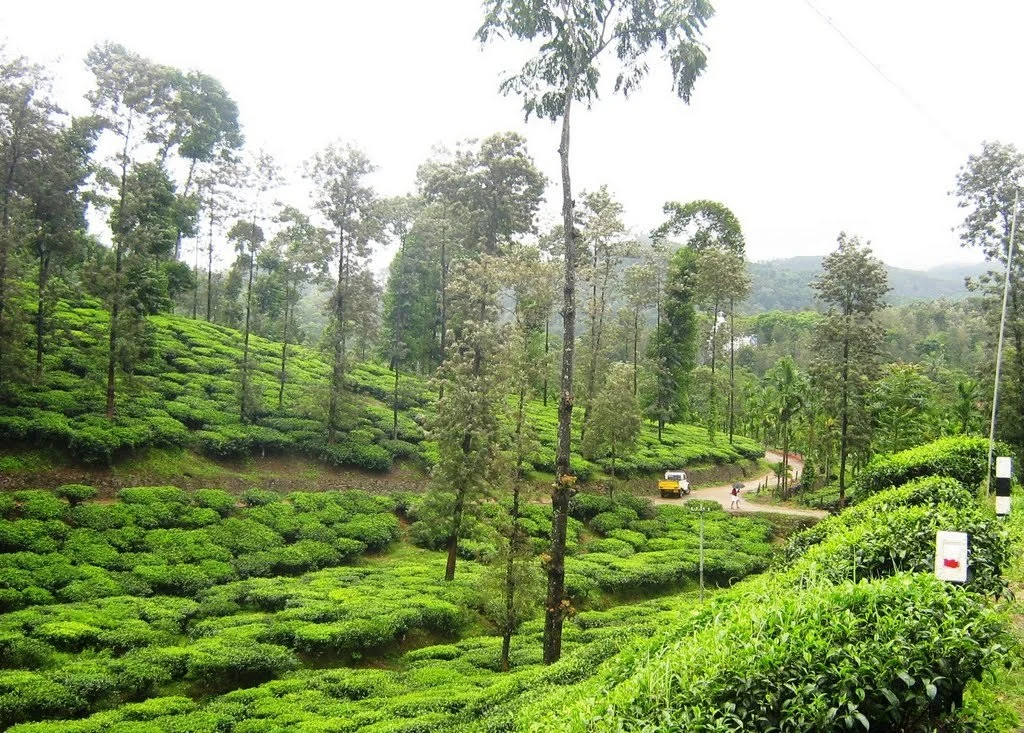
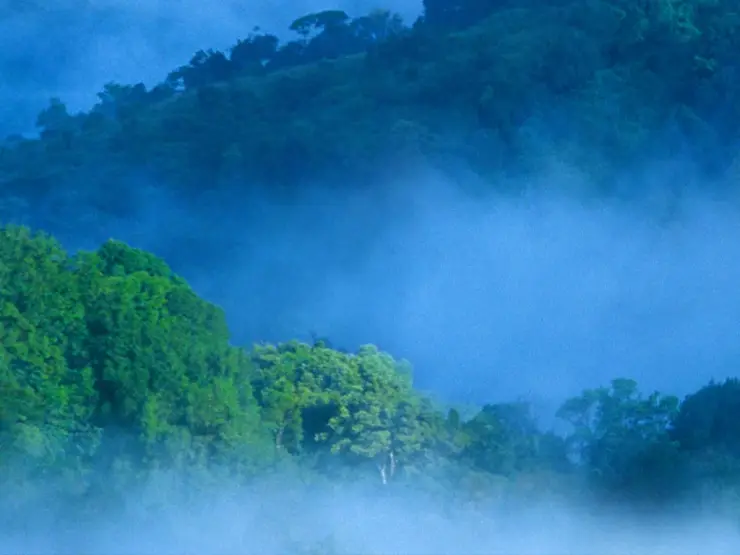
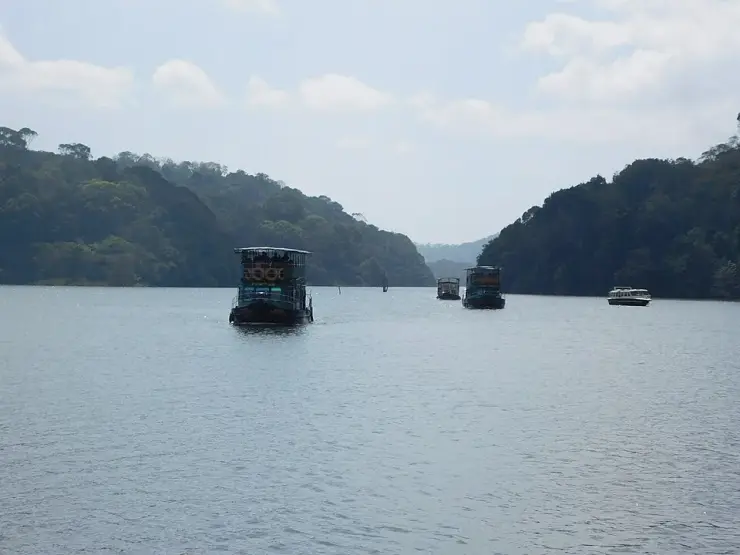
Thekkady begins with a change of pace. Kumily’s shops and road traffic give way to a managed reserve approach; beyond it, standing trunks mark the lake and forest closes around its branching shores. The transition is part of the visit, not merely the transfer before it.
The story of Thekkady / Periyar
The names Thekkady, Kumily and Periyar often appear together because they serve different parts of one journey. Kumily is the commercial and transport town. Thekkady is the familiar visitor gateway. Periyar Tiger Reserve is the much larger protected landscape beyond that gateway. Keeping the three roles clear makes it easier to choose a stay, arrange a pickup and understand what a programme ticket actually includes.
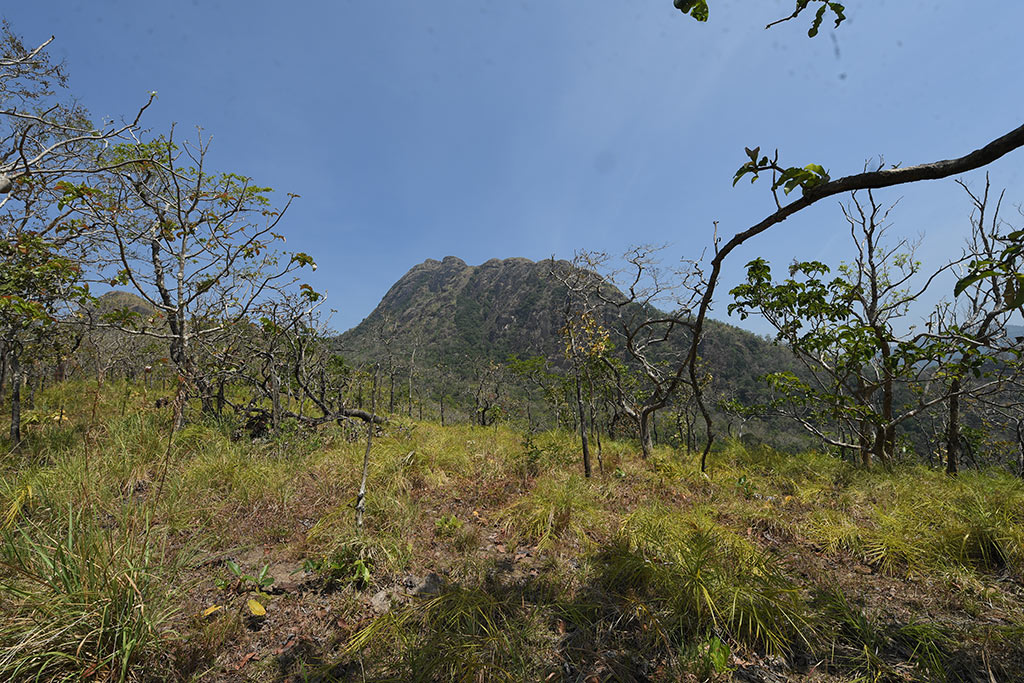
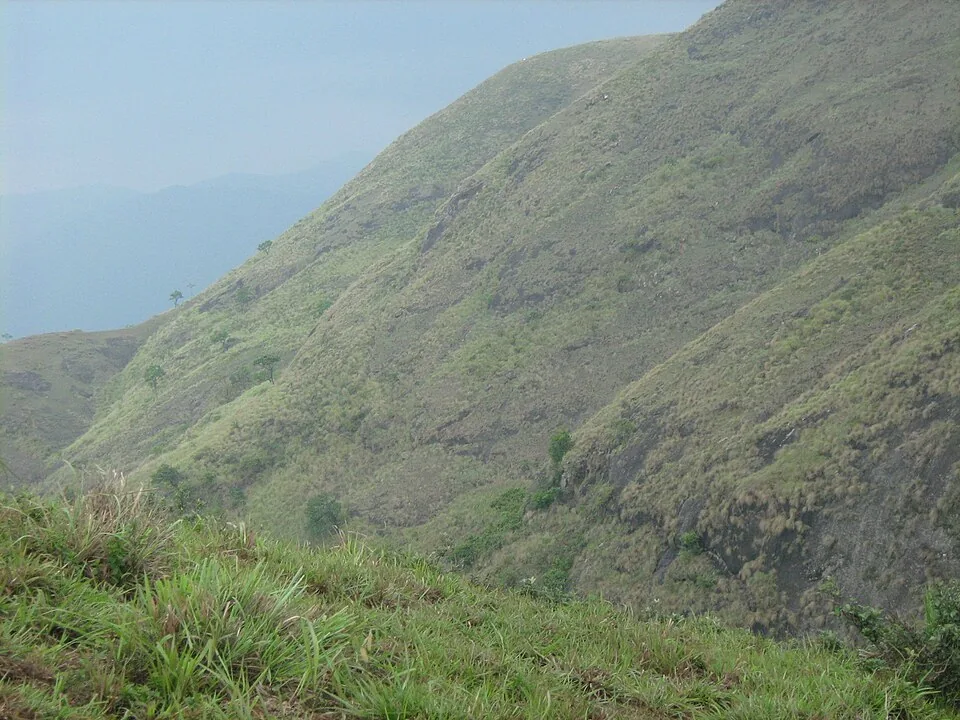
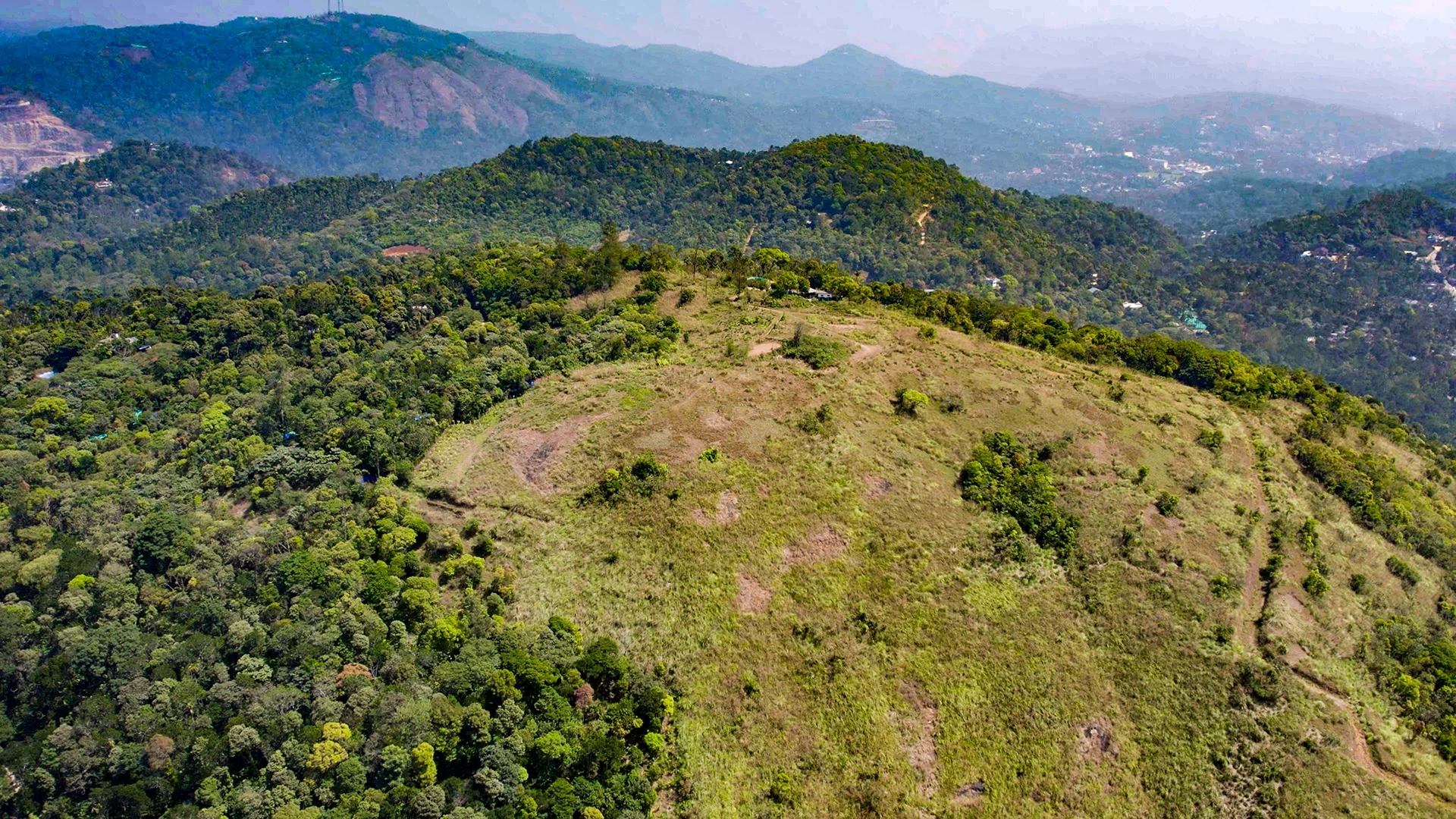
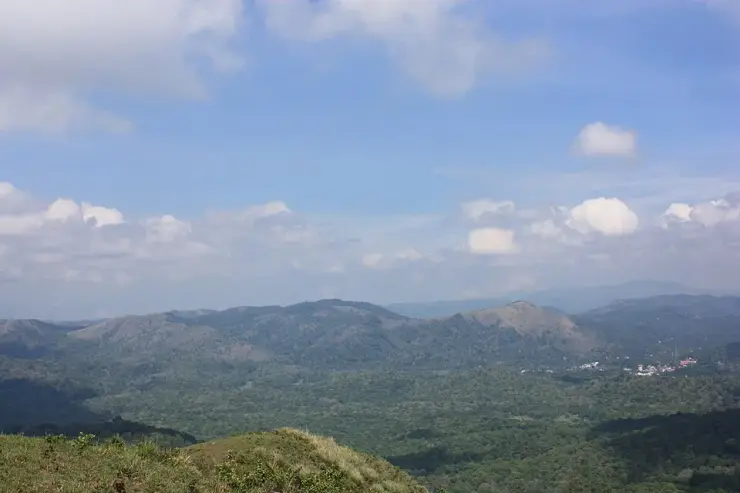
The National Tiger Conservation Authority places the visitor point at Thekkady in the reserve’s East Division. Its wider description spans Idukki, Pathanamthitta and Kottayam, so the reserve cannot be reduced to the small area visible from a tourist boat. A day visitor encounters a selected part of a landscape managed for conservation, with entry and activities concentrated through an organised system.
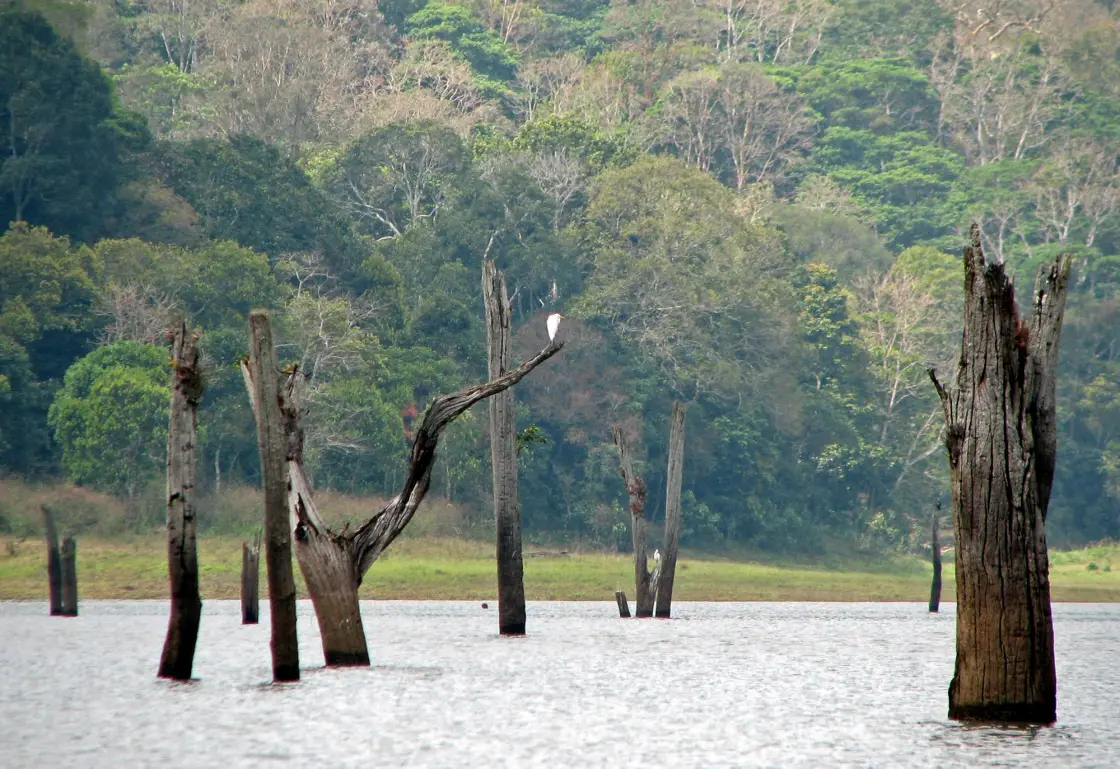
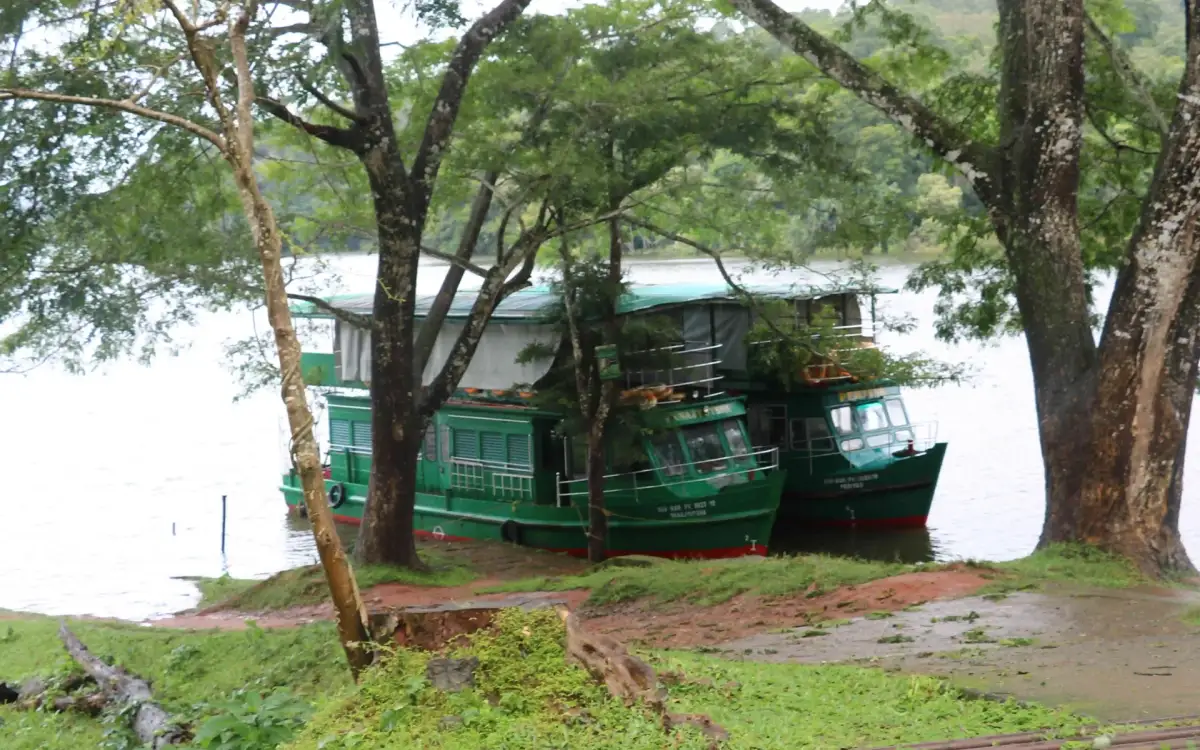
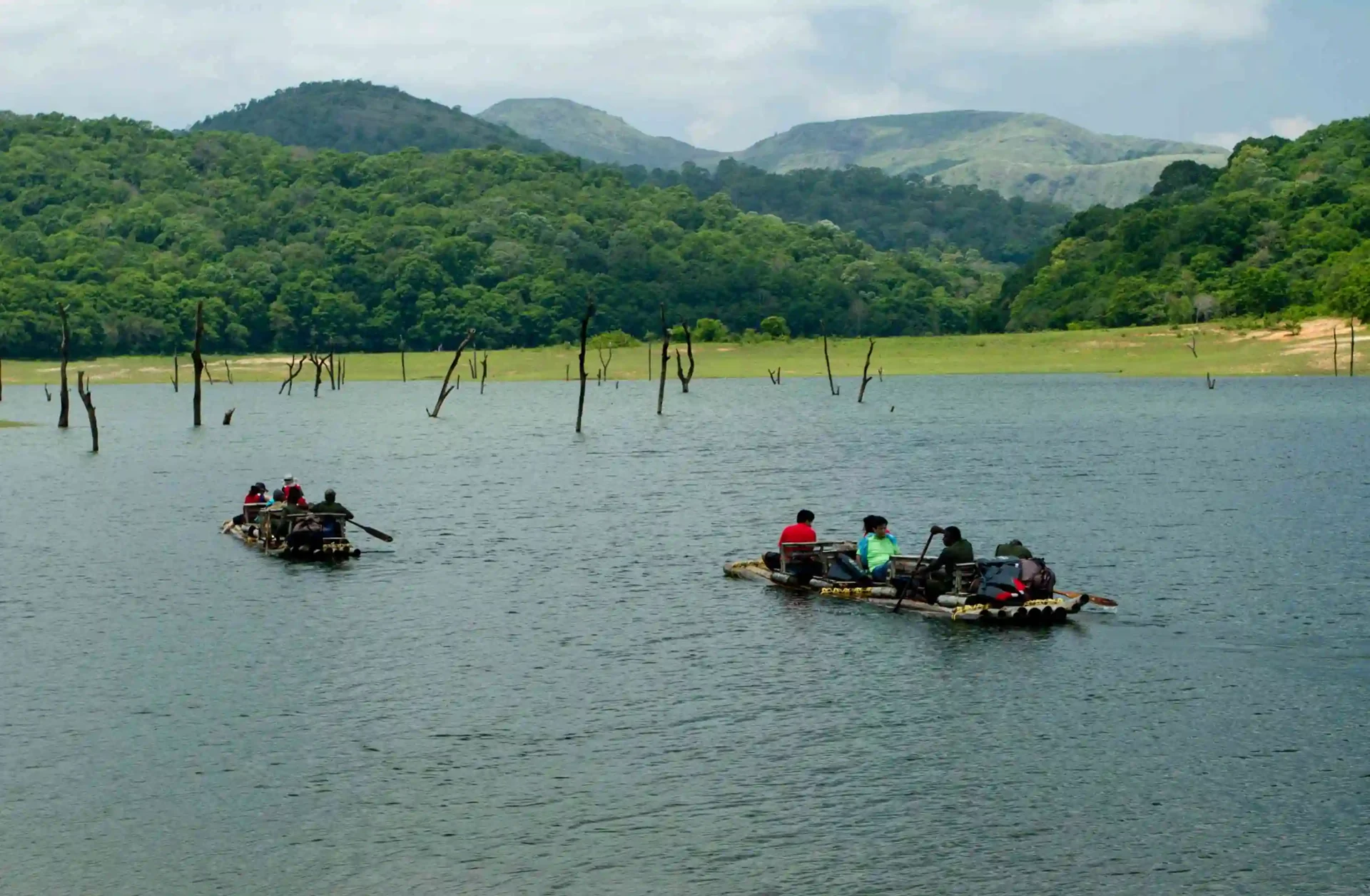
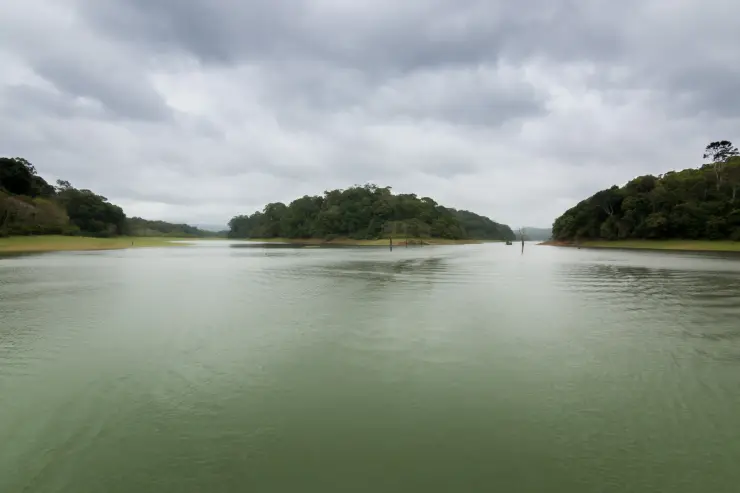
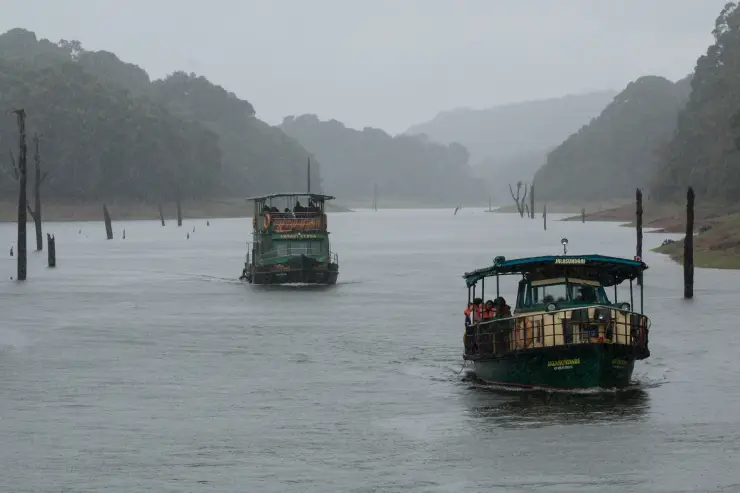
The lake is an important clue to the landscape’s history. It formed after the construction of Mullaperiyar Dam in 1895. Water spread through a wooded valley, creating the branching reservoir that now shapes the familiar view. The old trunks standing above the surface make that transformation unusually visible: they belong to the scene’s history as well as its present habitat.
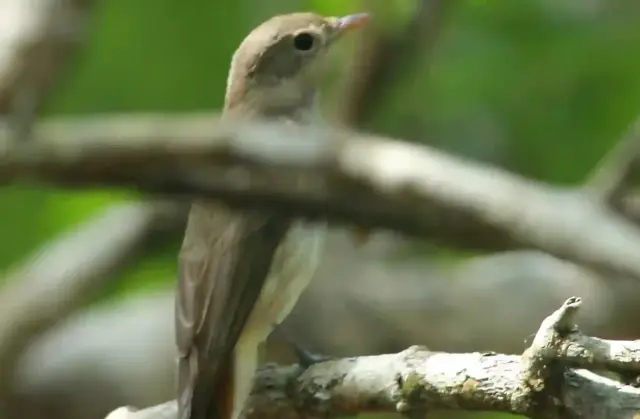
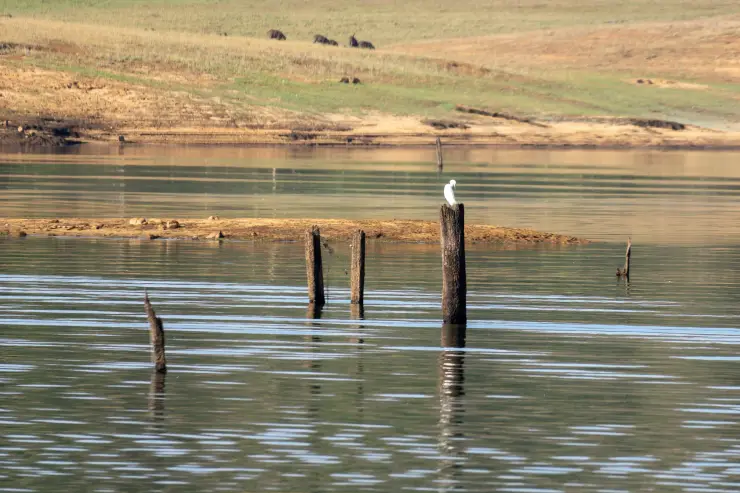
From a boat, those trunks break the open water into smaller visual spaces. A bird perched on one can be easier to notice than an animal standing well back in the trees. The official boating account identifies darters, egrets and kingfishers among the birds associated with the lake. A patient look at the near perches and the shore can therefore be rewarding even when no large mammal appears.
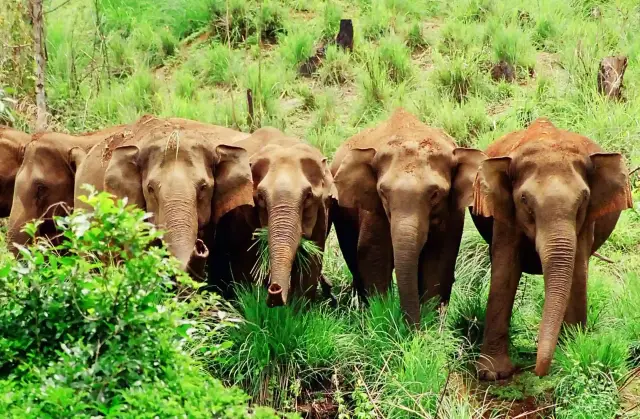
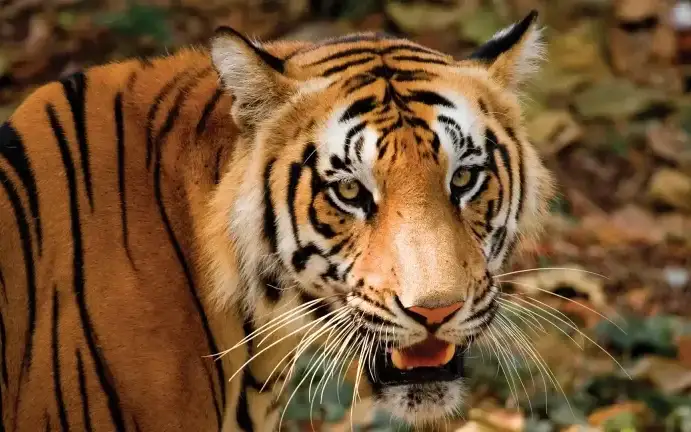
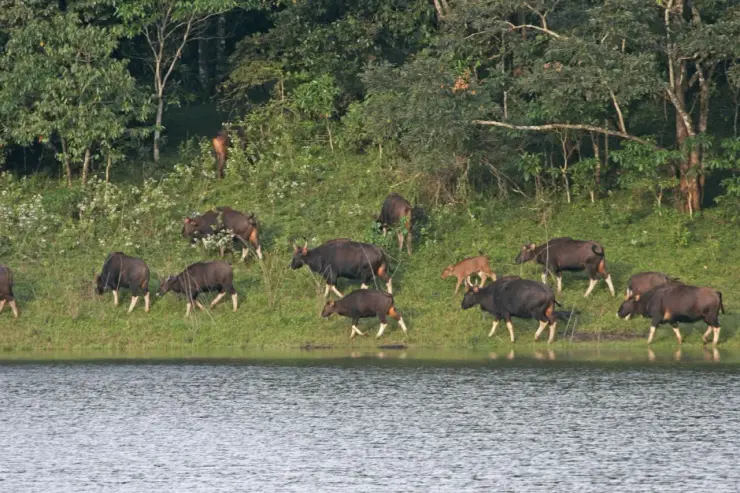
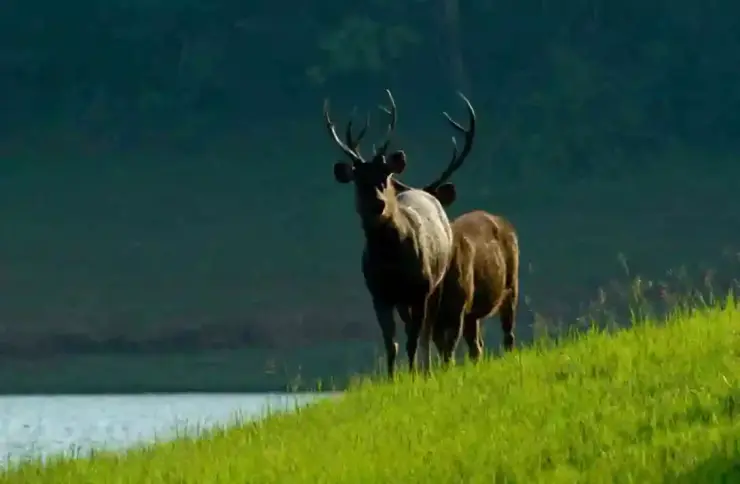
The grass and forest at the water’s edge create another change in texture. Gaur, sambar and elephants are among the animals associated with Periyar, but the operator explicitly treats sightings as chance. The useful expectation is a landscape outing in wildlife habitat. A close animal photograph records one encounter; it is not a promise about the distance, species or frequency of encounters on another visit.
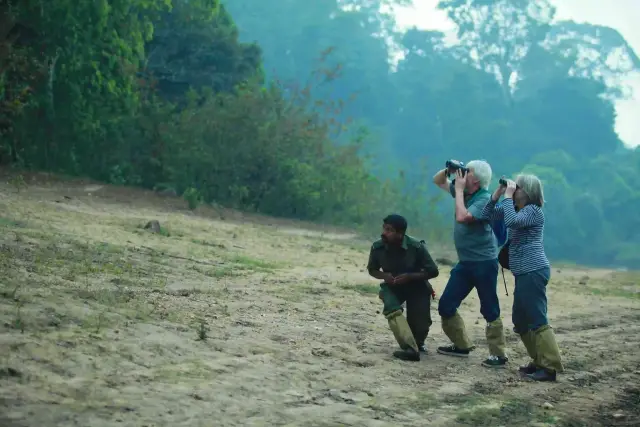
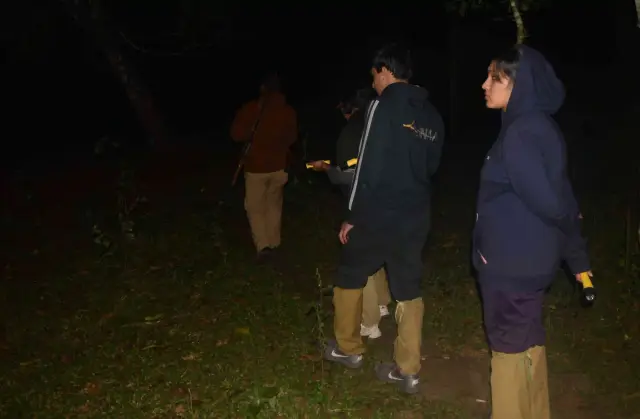
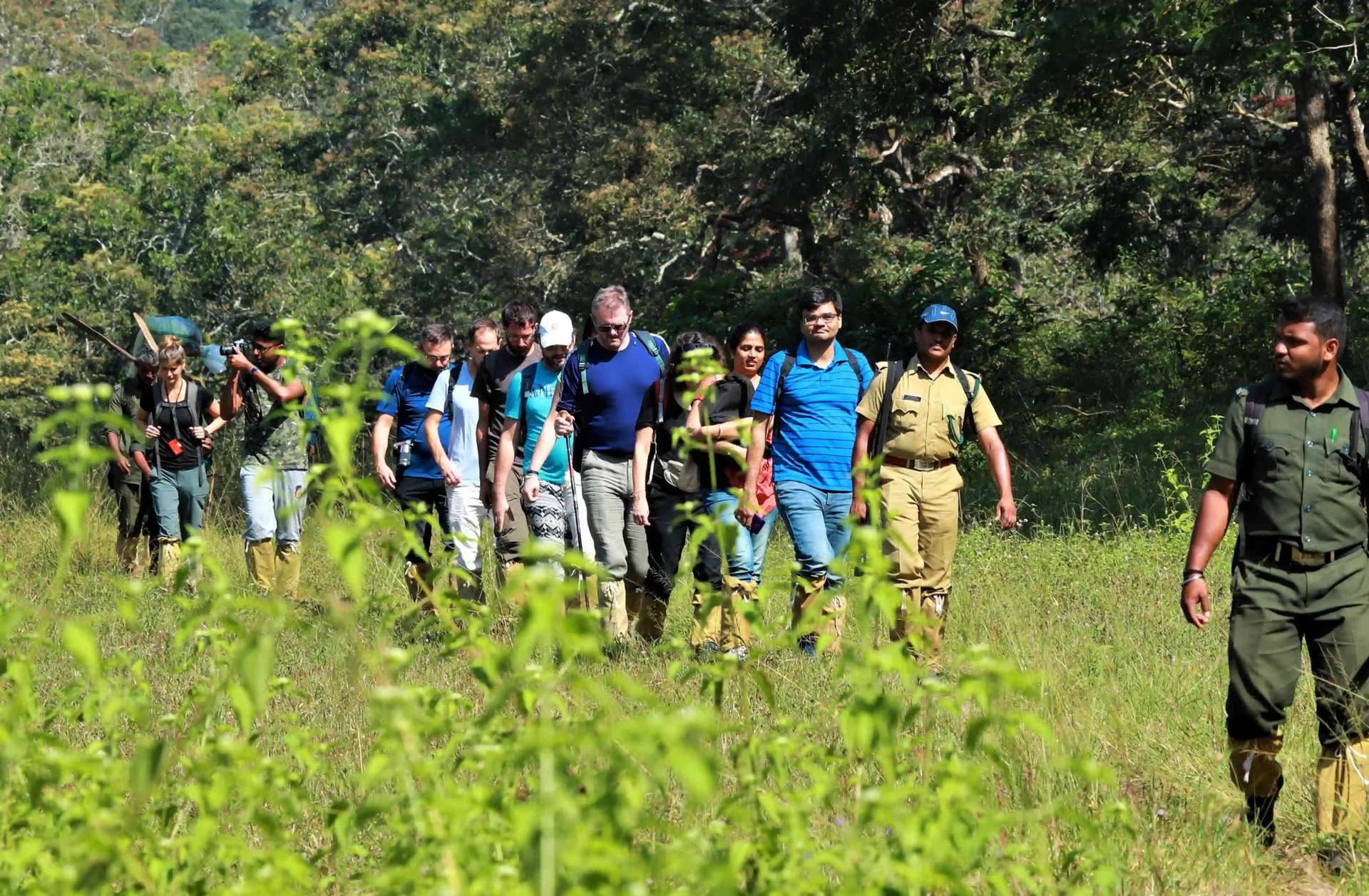
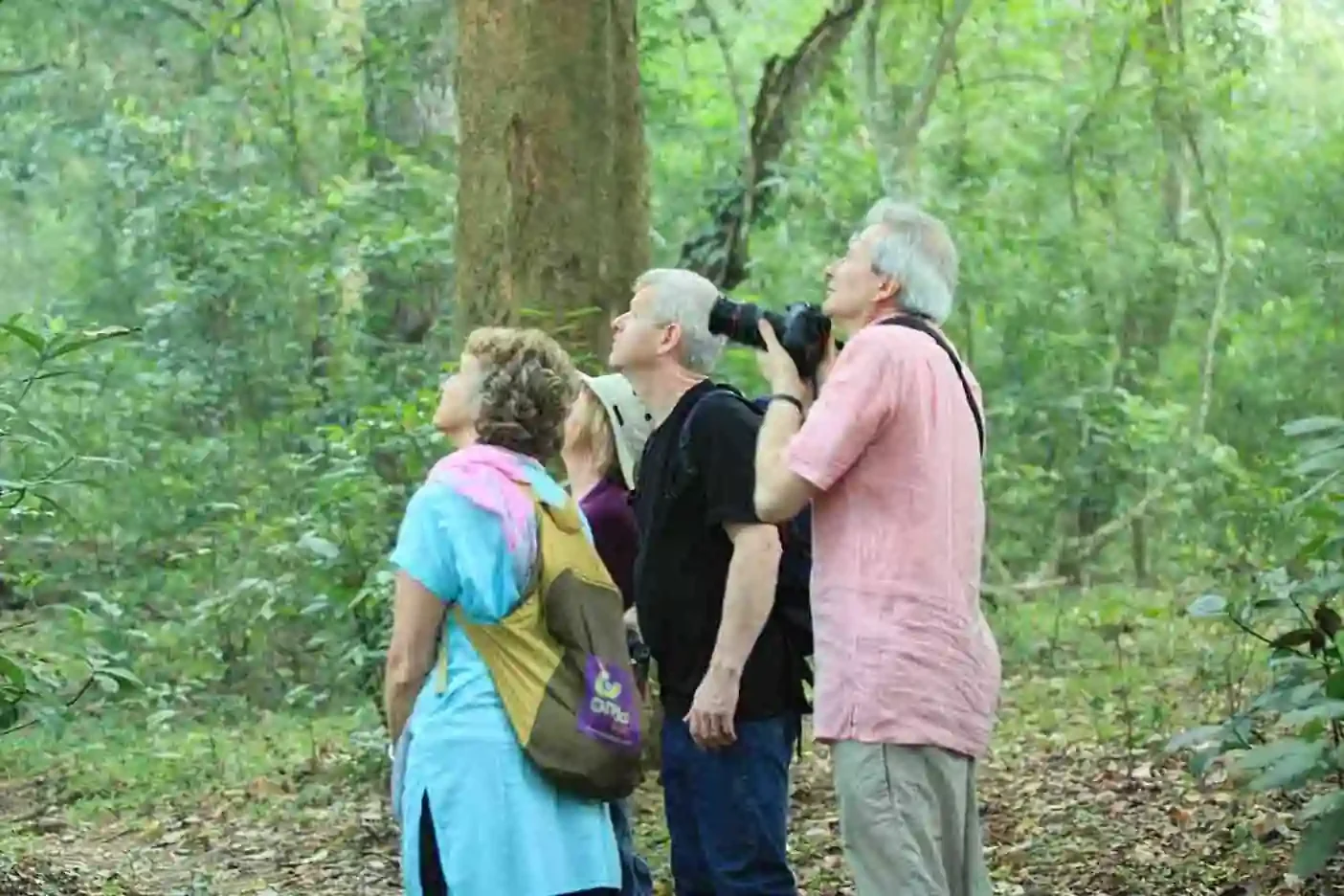
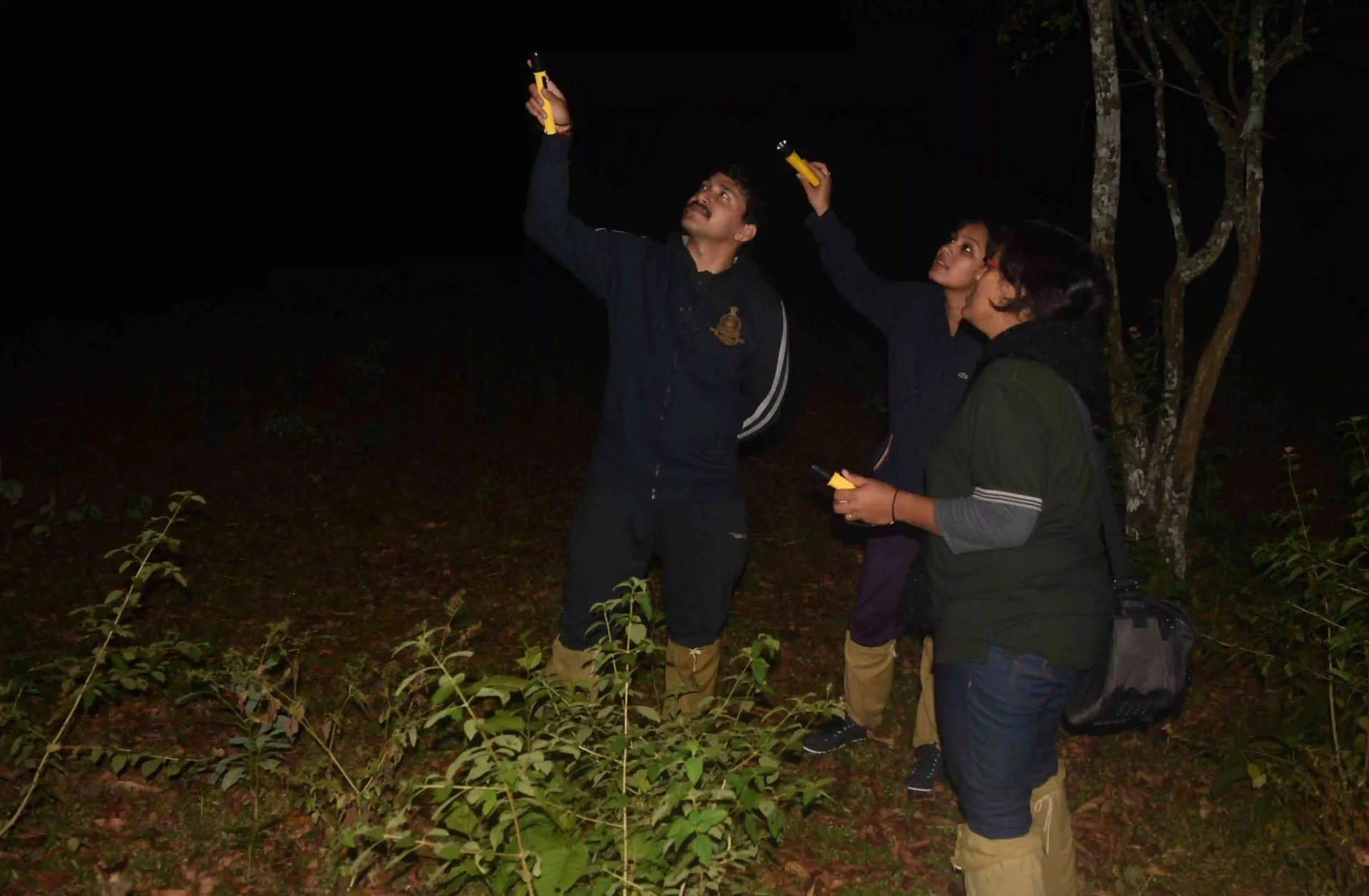
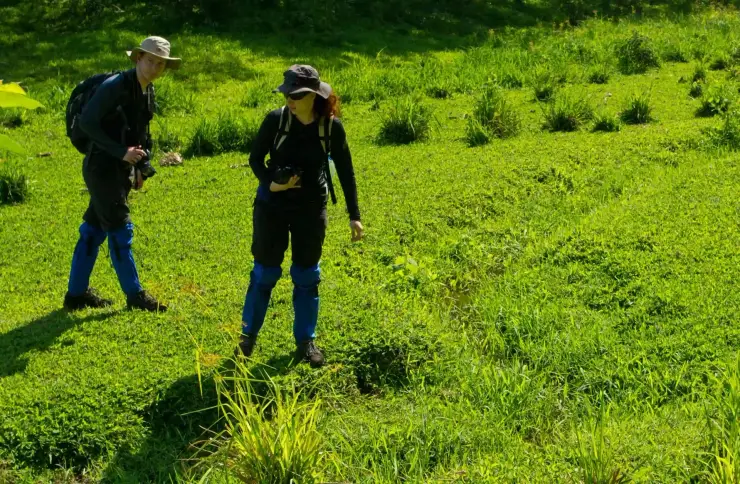
A guided walk changes the scale again. The official Nature Walk is described as an interpretive outing through several habitats, with a trained tribal guide. The focus can shift from a distant shoreline to leaves, tracks, calls and movement in the canopy. The guide’s knowledge is part of the programme’s value, particularly when something heard or glimpsed would otherwise remain unidentified.
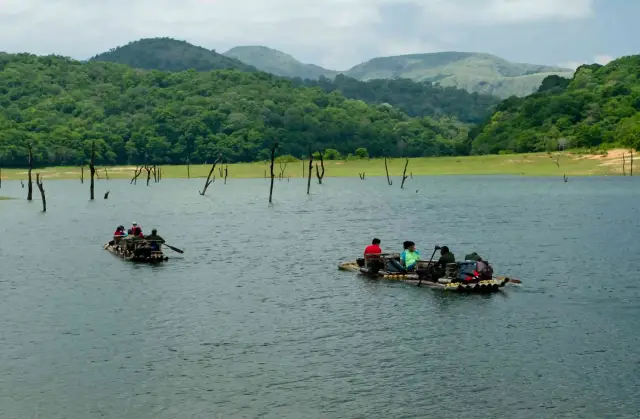
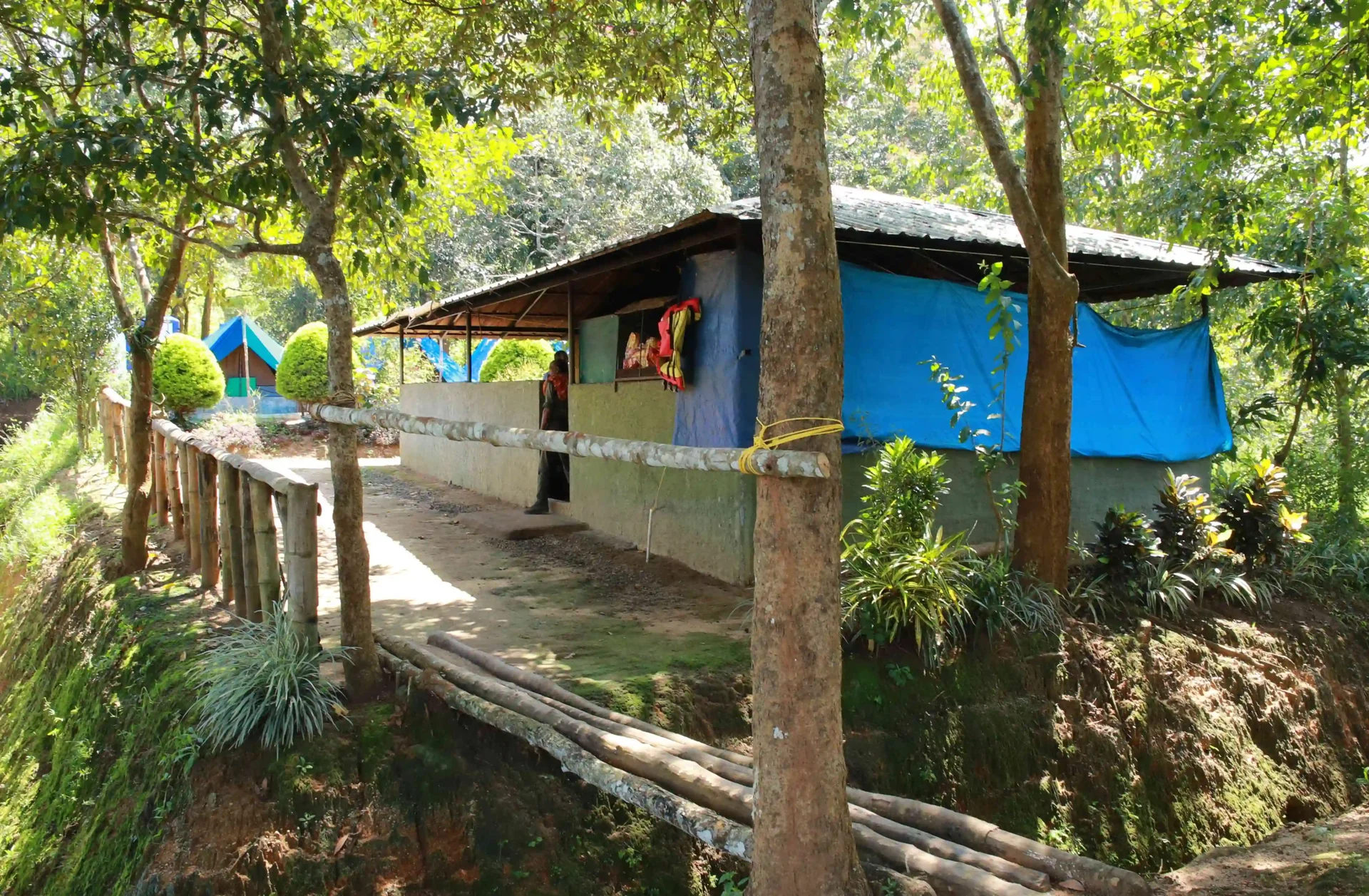
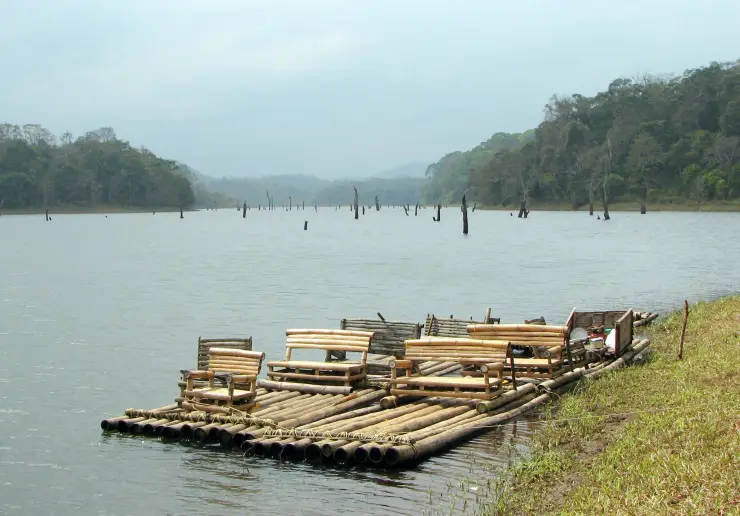
Bamboo Rafting combines walking with time on the lake. It should not be understood as simply boarding a raft beside the road. The full-day programme moves through forest before the rafting section and returns to the boat landing later in the day. Its walking, age and reporting requirements make it a different choice from the seated boating trip, even though both involve the same broad water landscape.
Periyar’s conservation history developed in stages. The lake area was protected as Periyar Lake Reserve in 1899; the Nellikkampatty sanctuary followed in 1934; the larger Periyar Wildlife Sanctuary took shape in 1950; and the area joined Project Tiger in 1978. These dates describe changing protection and management, rather than a single moment when an untouched forest became a tourist destination.
Community participation is another part of that history. NTCA’s account recognises Periyar’s work in involving local communities in protected-area management. For the visitor, this is most tangible through the people who interpret the forest, organise activities and help maintain the visitor system. Choosing an authorised programme connects the outing with that system instead of treating forest access as an informal purchase from any roadside seller.
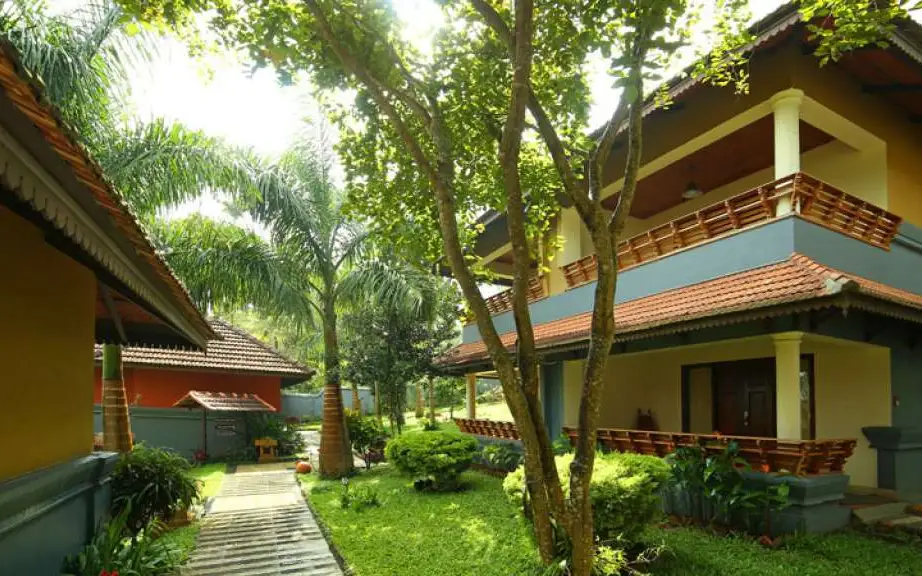
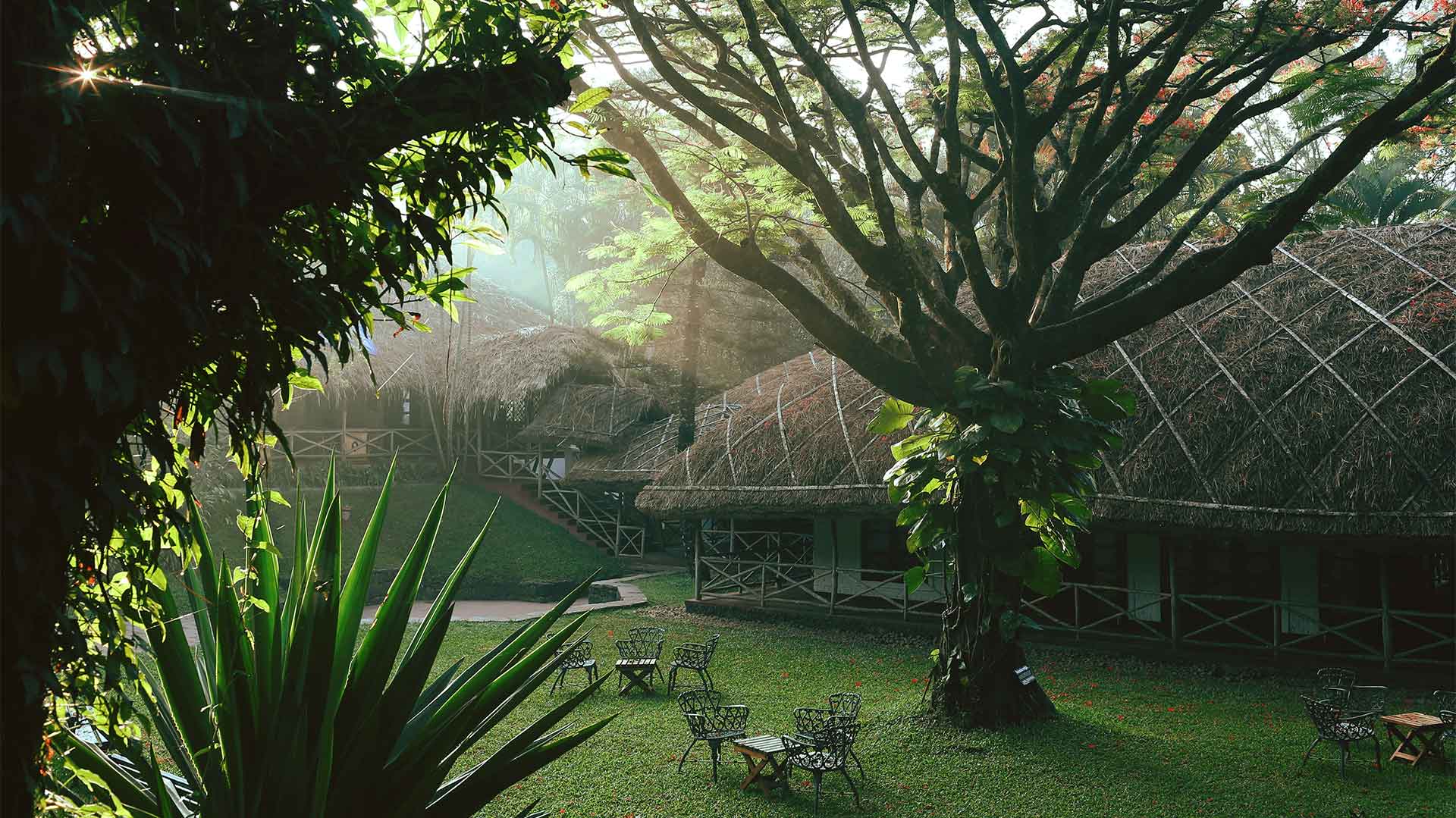
Kumily supplies the other half of the stay. Kerala Tourism describes a plantation town shaped by spice and tea cultivation and spice trading. Shops, accommodation and the bus station make it a practical base, while a separately arranged plantation visit can explain how a crop is grown and processed. A town spice shop and a reserve forest walk are complementary experiences, with different hosts and purposes.
The most useful Thekkady plan gives each part enough time. Make one reserve programme the centre of a morning or day, then use Kumily for a meal and the return to your stay. A second day can hold a different activity. Trying to fit boating, rafting, a long trek and plantation visits into one hurried circuit would blur the very differences that make the destination worth understanding.