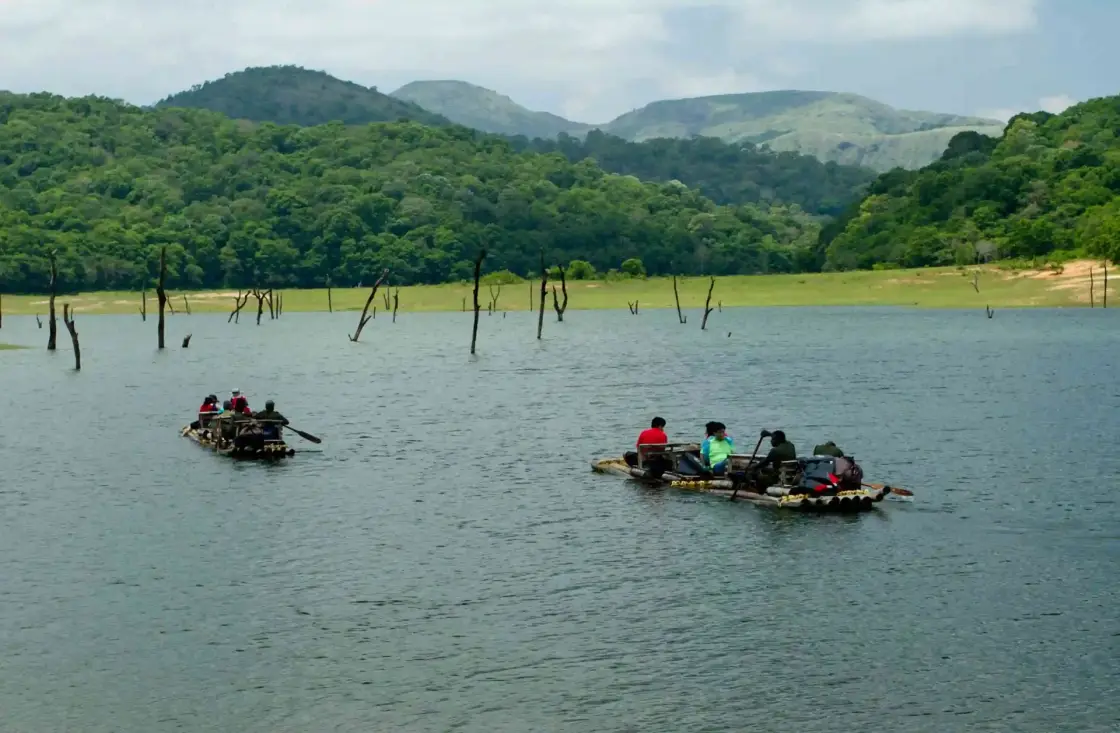
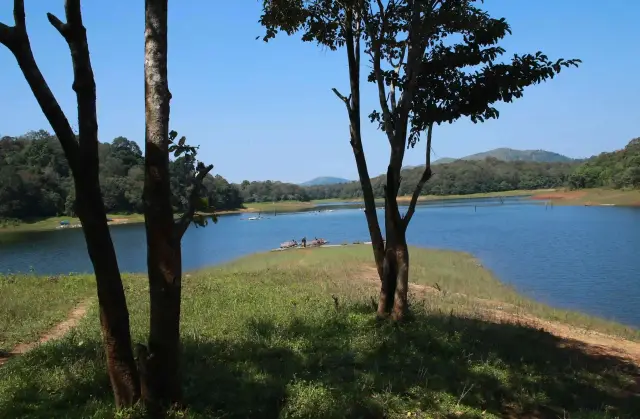
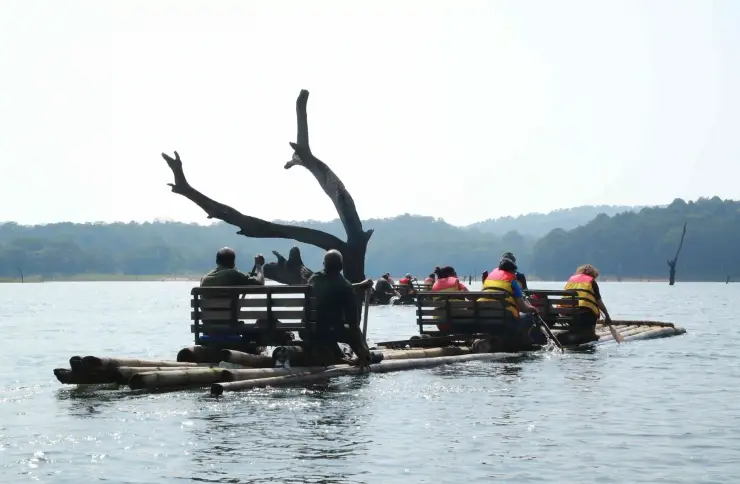
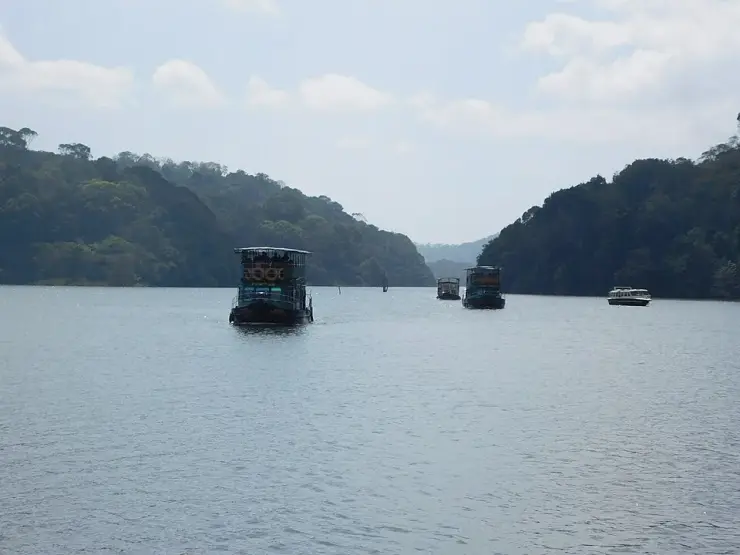
A bamboo raft changes the scale of Periyar Lake. The water sits close to the passengers, paddles replace an engine’s momentum and bare tree trunks stand between the raft and the wooded shore. The journey reaches that scene through a forest walk, so the experience belongs equally to land and water.
The story of Periyar Bamboo Rafting
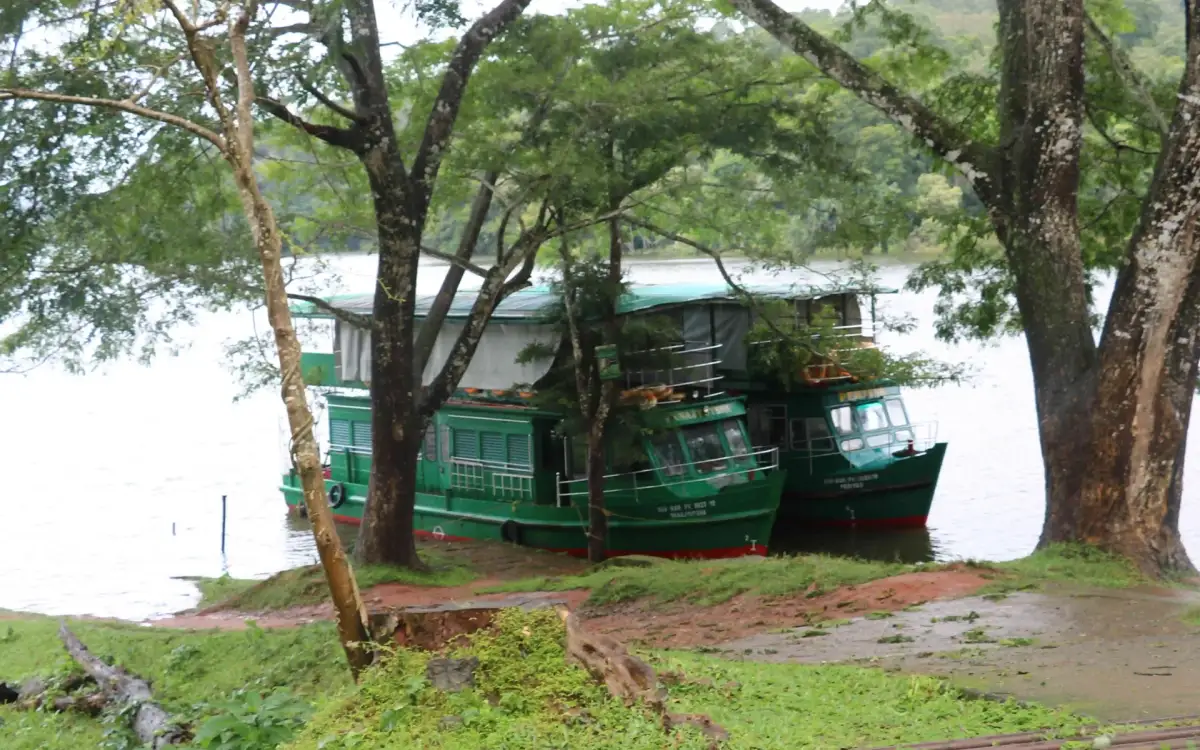
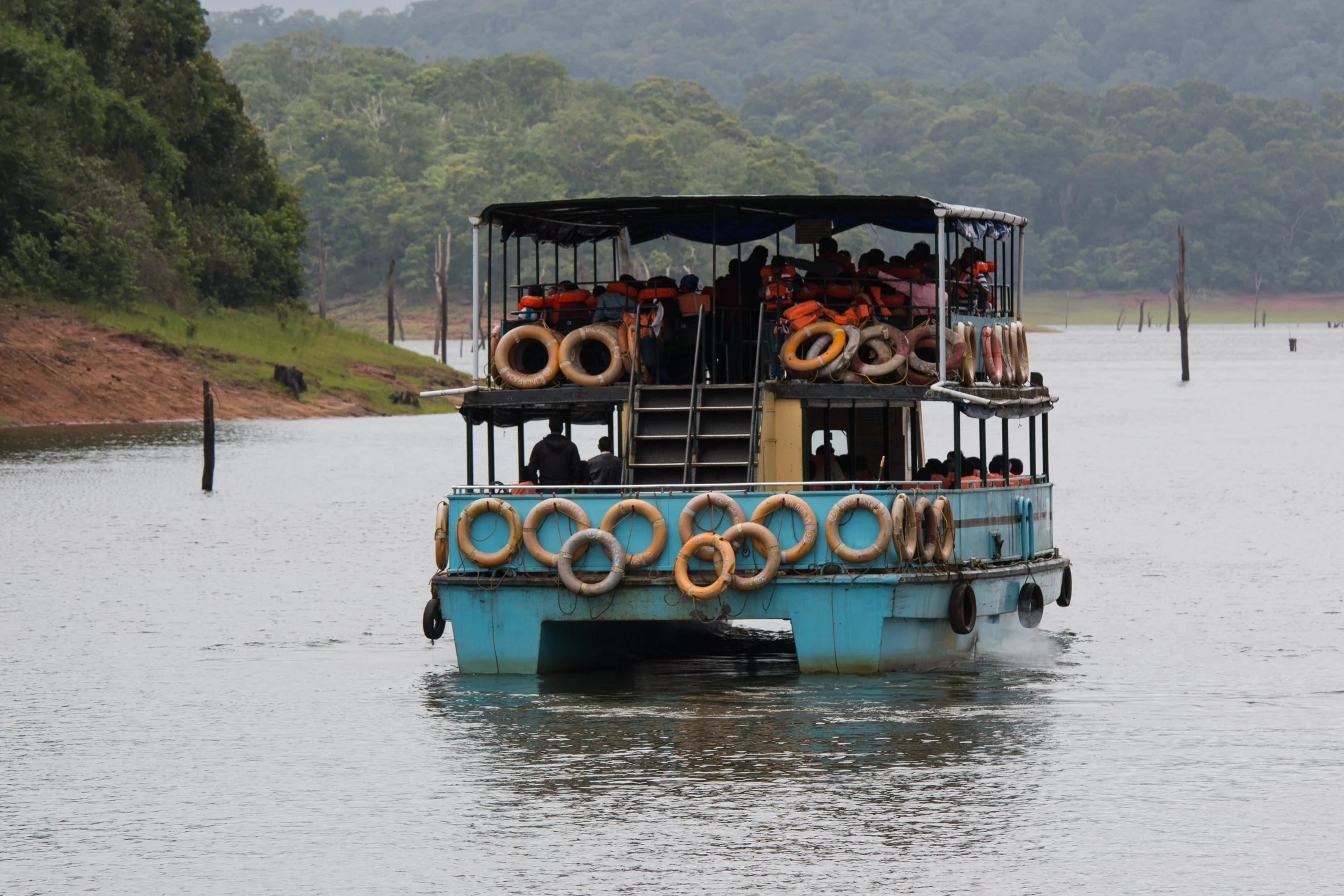
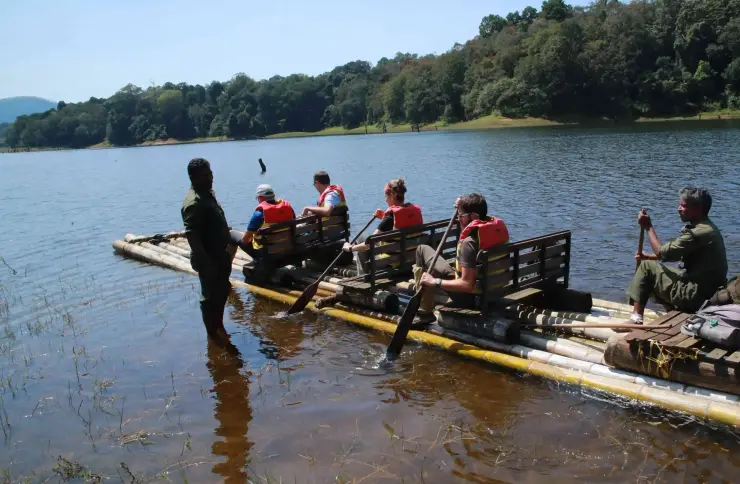
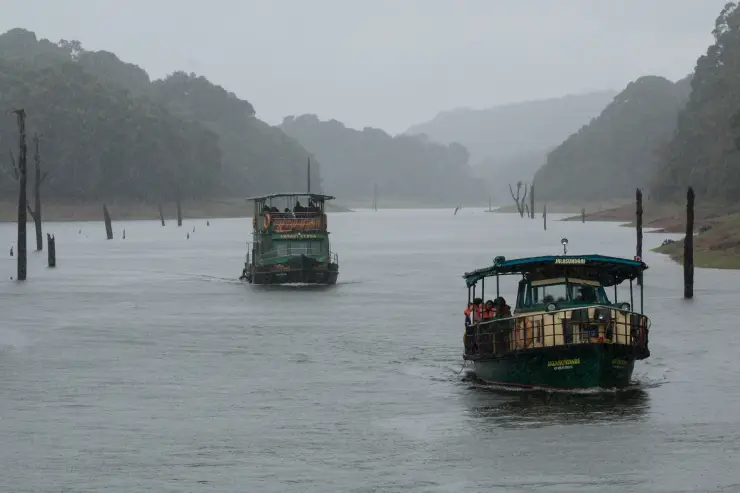
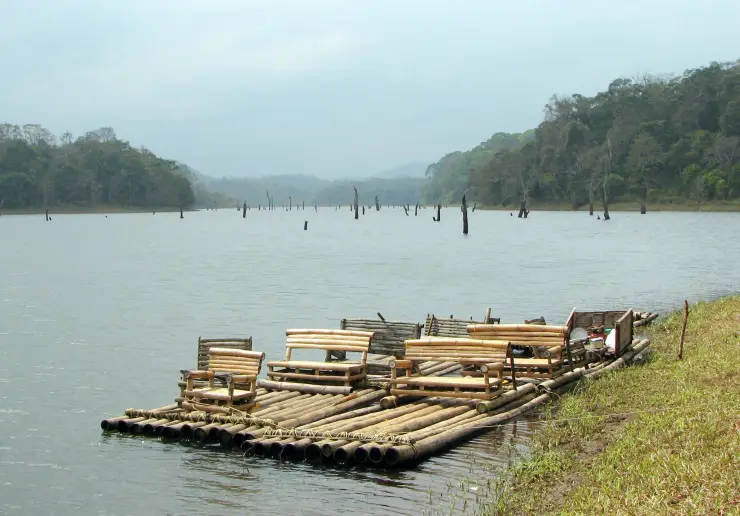
The raft is an open platform made from bundled bamboo, with seating arranged above it. In the official photographs, passengers sit in rows while guides handle the craft and its approach to shore. The construction is visibly different from the covered passenger boats used for the lake safari. That difference affects the exposure to weather, the boarding movement and the way the group observes its surroundings.
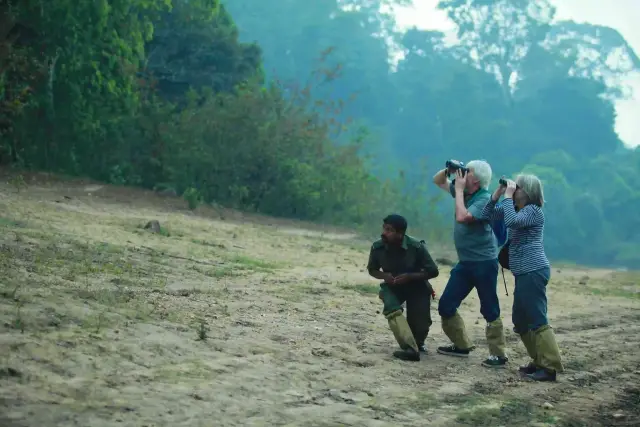
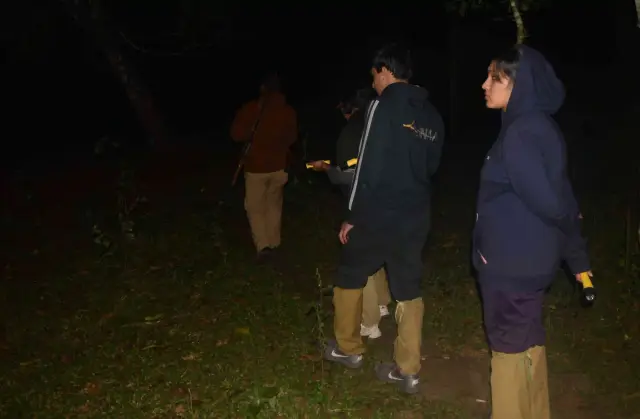
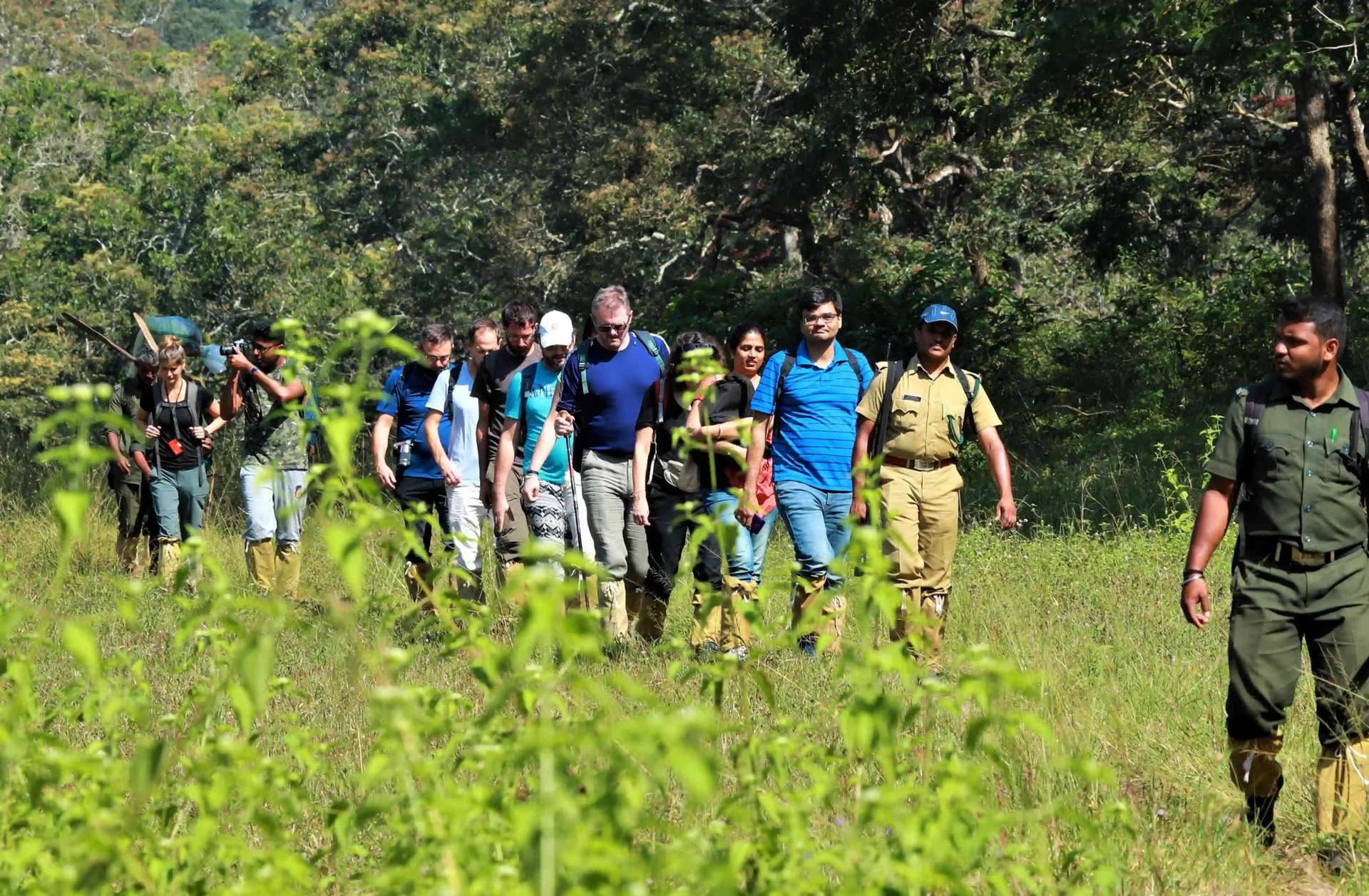
The walking section is not merely the short distance between a ticket counter and a jetty. Both official products combine a guided forest journey with rafting, and the half-day rules explicitly describe strenuous walking. A visitor choosing the shorter option should therefore be looking for a shorter combined outing, rather than a gentle cruise with no meaningful trail component.
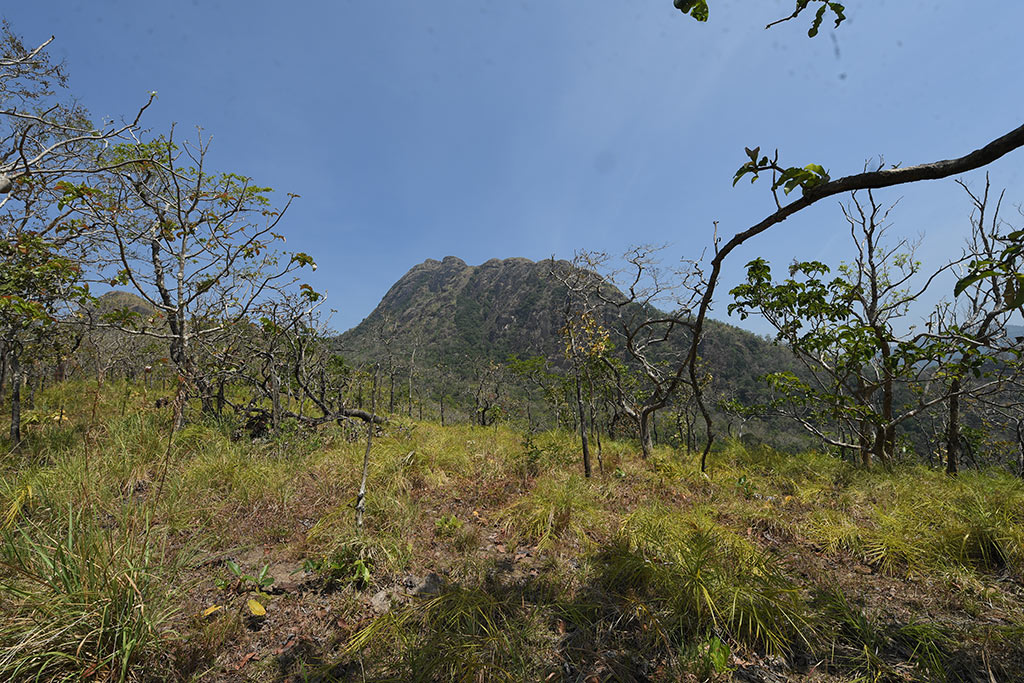
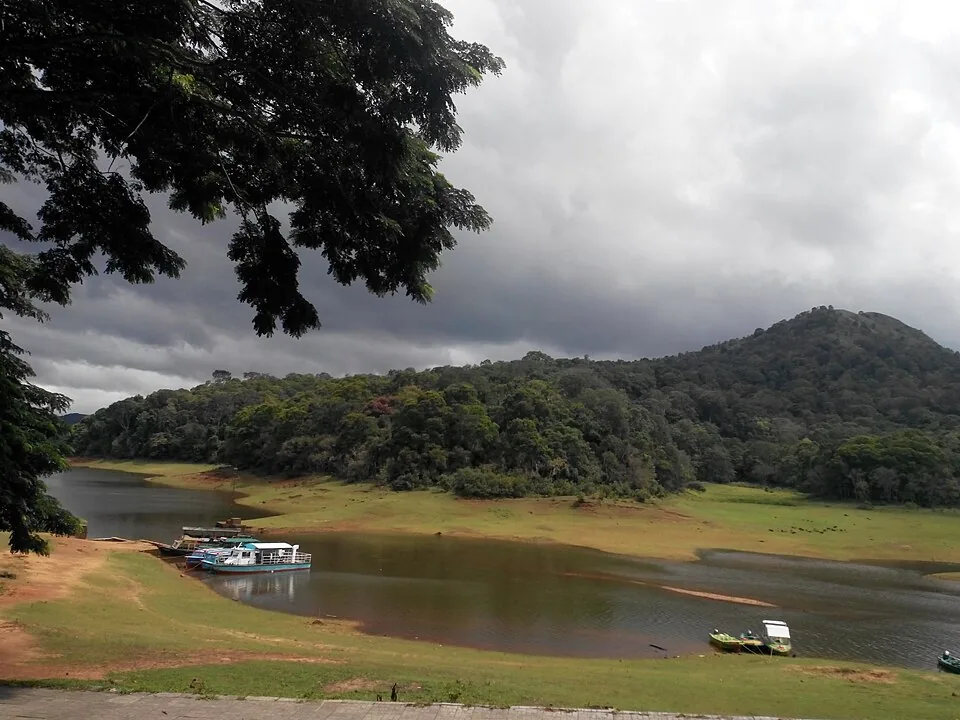
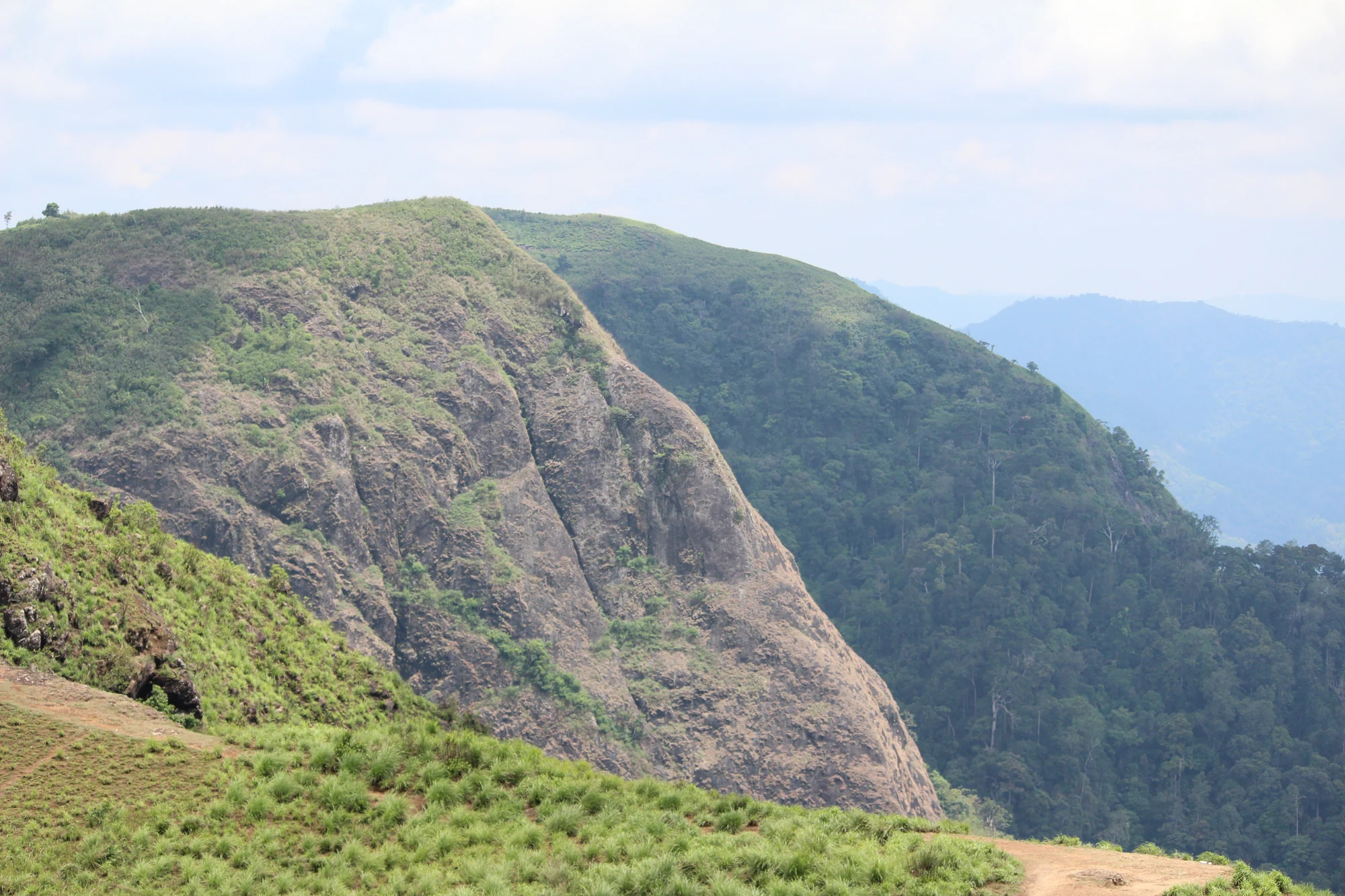
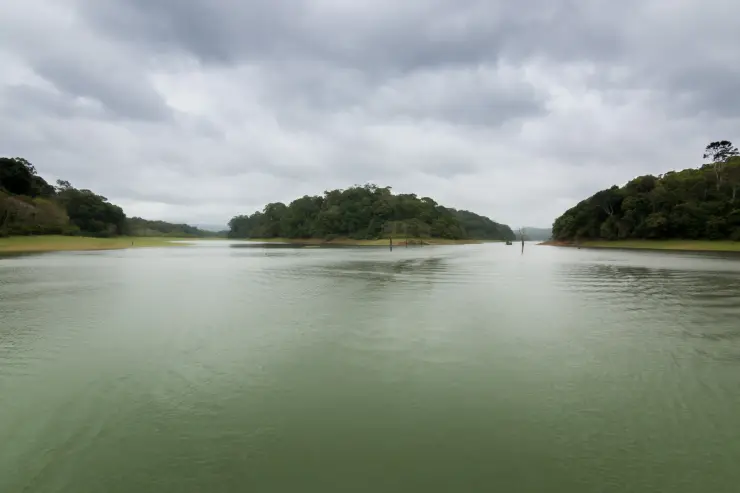
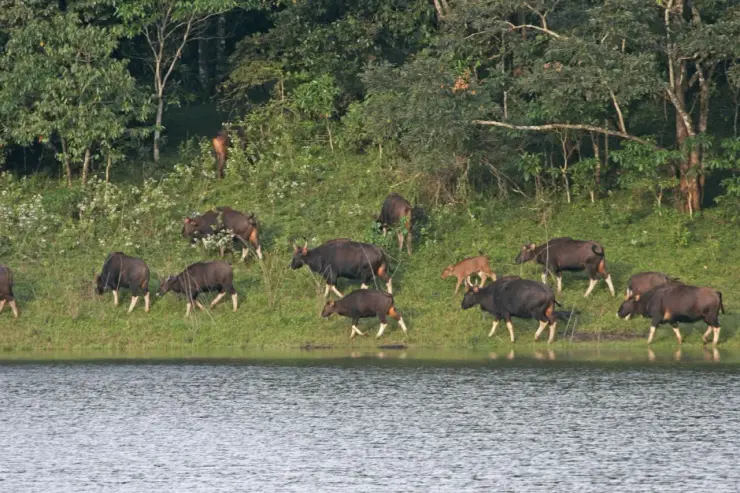
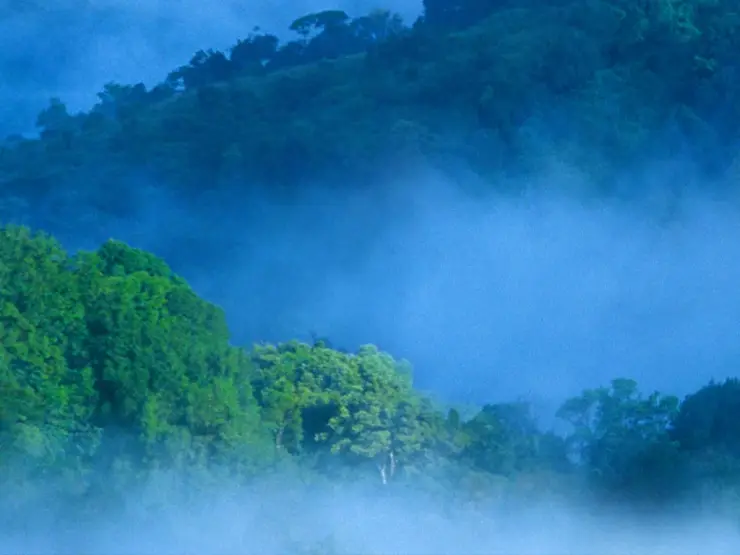
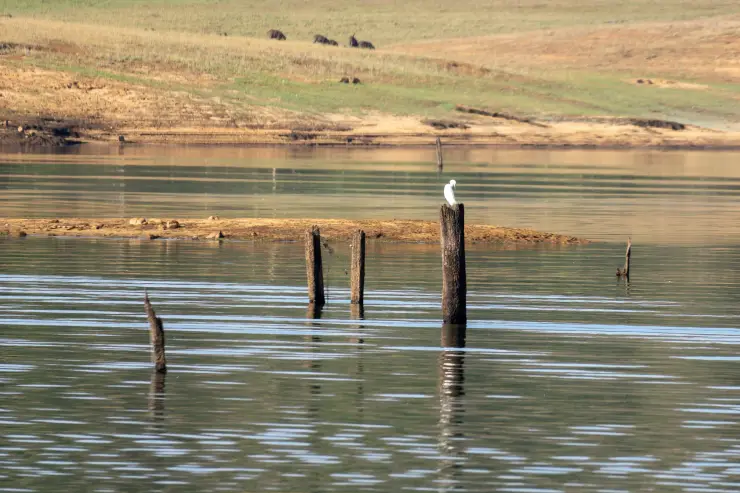
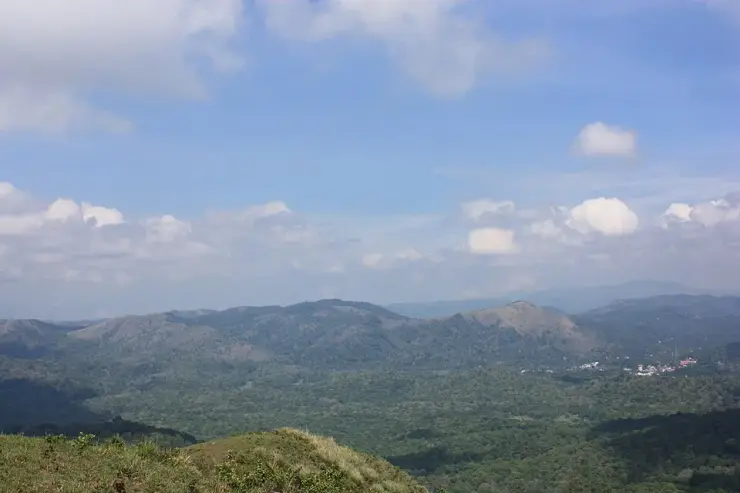
From the water, the forest can be read as an edge. Open grass or exposed bank lies below the darker canopy, while hills rise beyond it. Animals may use that margin, but their appearance depends on movement and timing. A guide may draw attention to a distant shape or sound without bringing the raft close enough for a dramatic photograph.
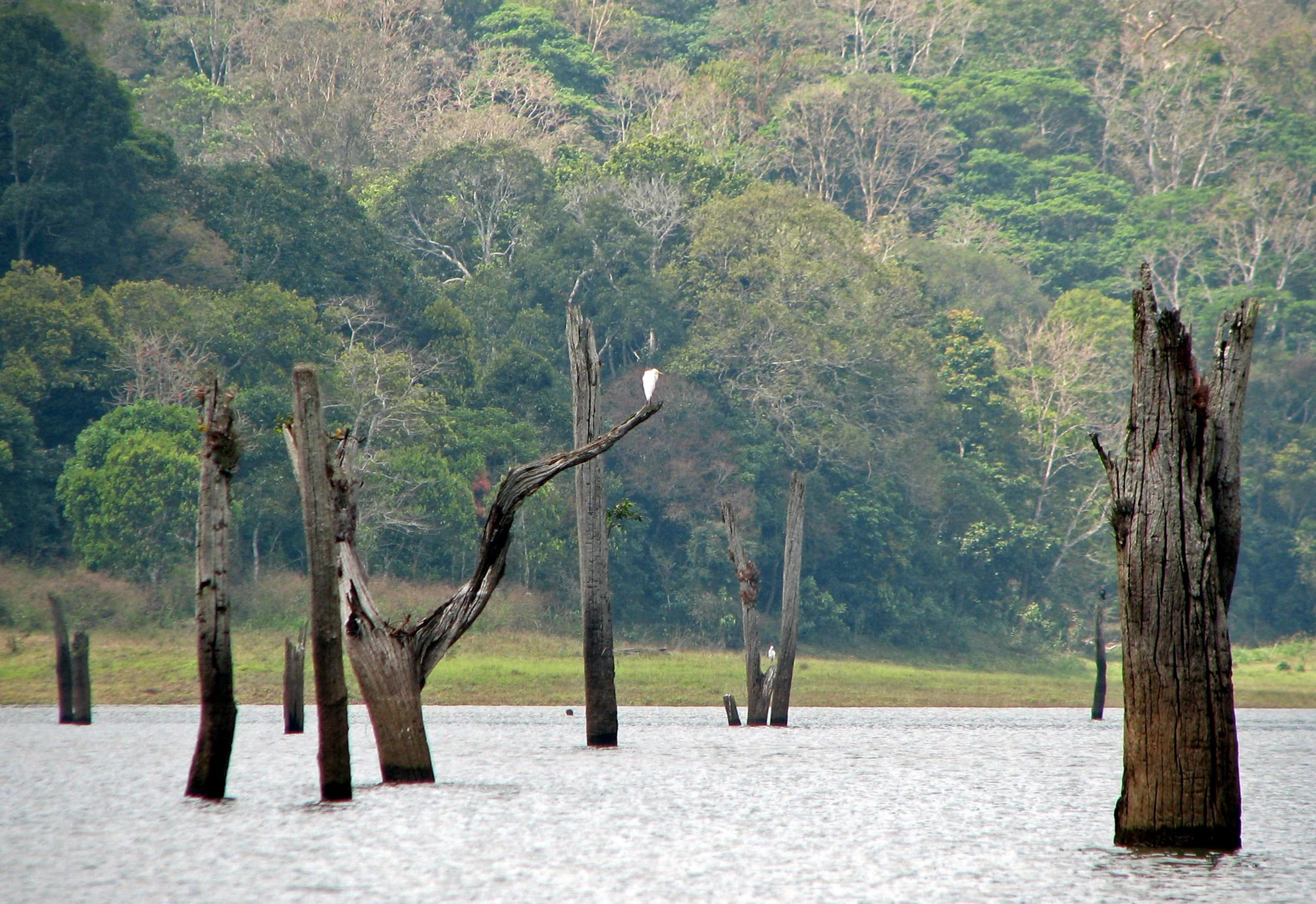
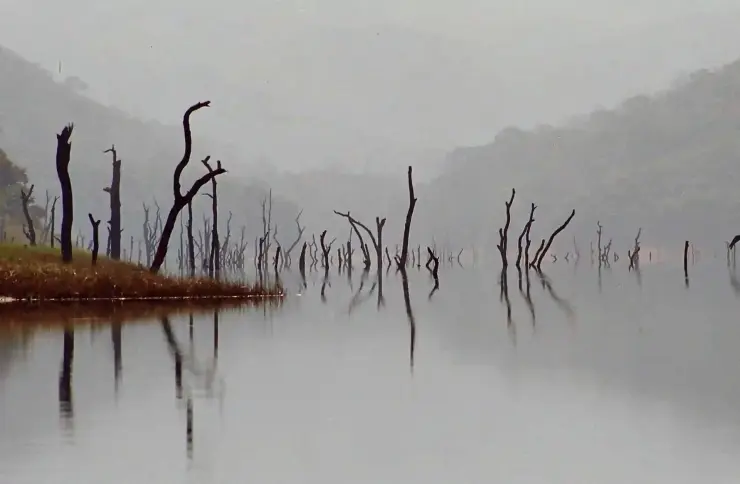
The standing trunks are among the lake’s most recognisable visual features. Their dark forms break the open water into near and far distances. In mist, a line of trunks can remain clear while the forest behind it fades; in strong light, reflections and small waves become more conspicuous. These are useful subjects in their own right when wildlife is absent.
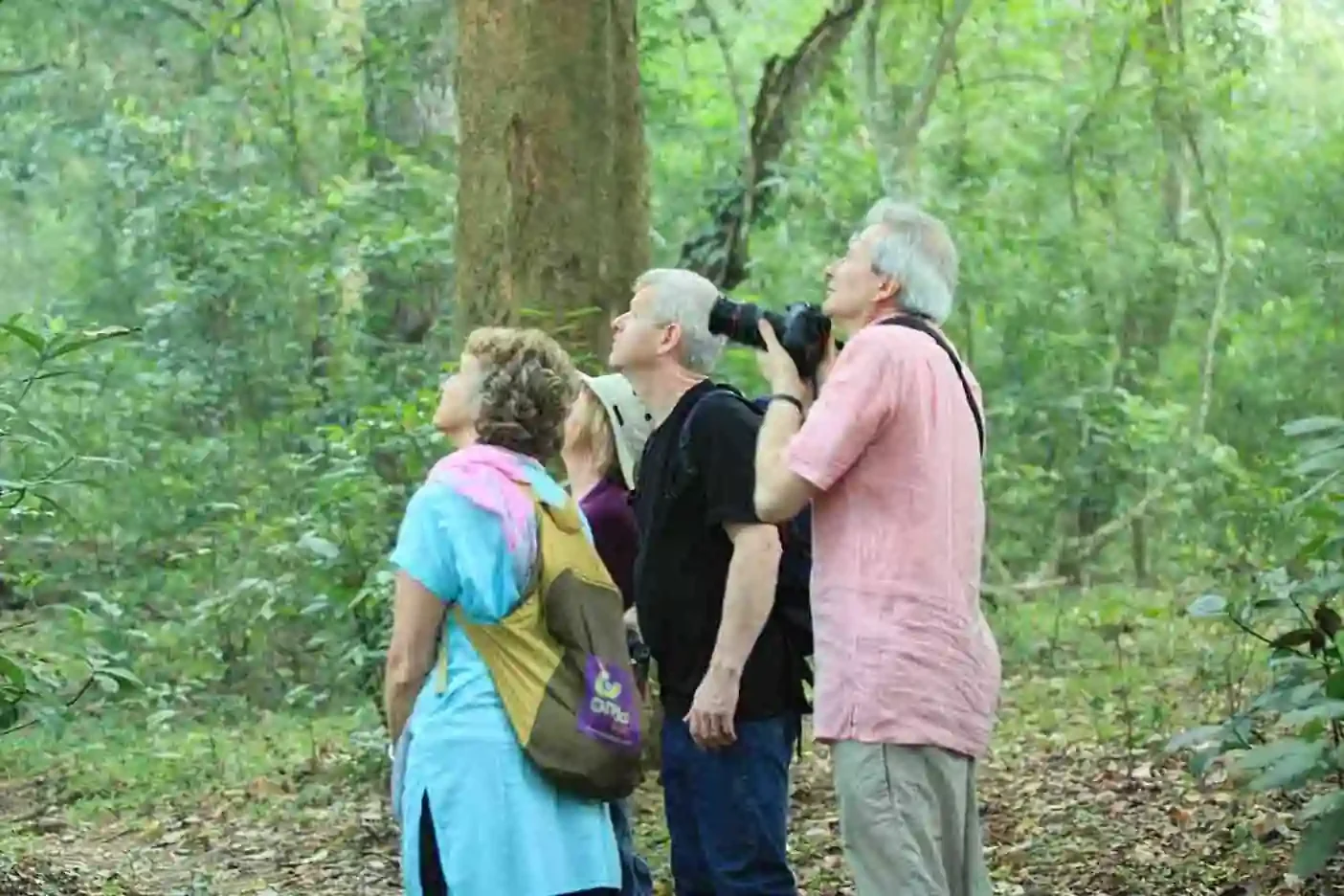
The programme’s pace is partly a matter of listening. Footsteps on a forest path, the guide’s quiet instructions and paddles entering the water all belong to different parts of the journey. Loud conversation can obscure the very details that make an accompanied nature outing worthwhile. The useful aim is attention to the surroundings, not a race to accumulate sightings.
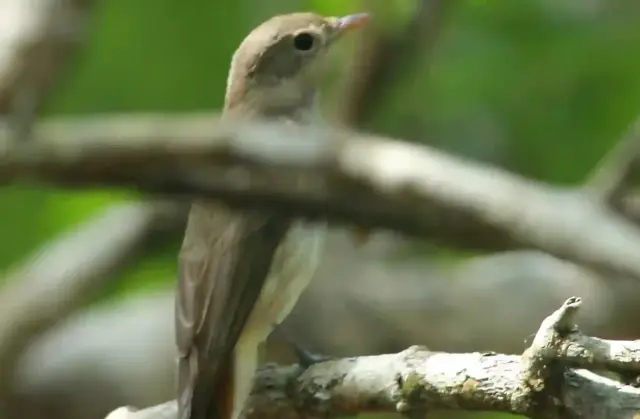
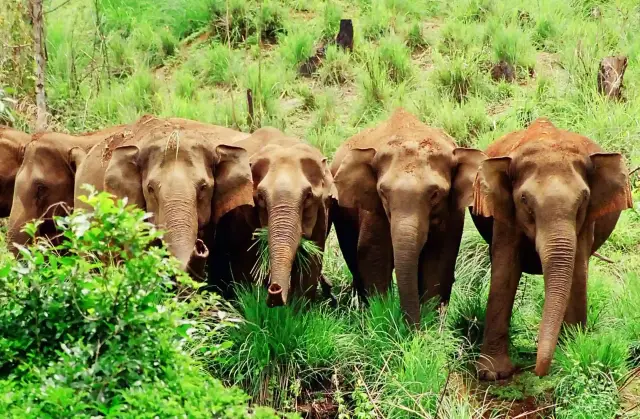
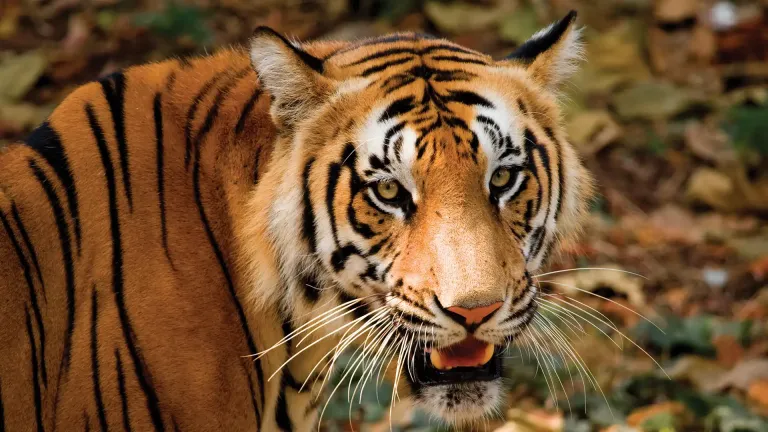
The official description identifies giant squirrels and Nilgiri langurs among the arboreal animals associated with the forest, and elephants, gaur and sambar among animals that may be seen towards the lake edge. These are possibilities within a living habitat, not a performance list. A visitor should be able to value the forest route and lake landscape without treating an unseen animal as a failed booking.
The reserve describes its ecotourism programmes as a way of supporting forest-dependent communities through conservation-linked work. The guide is therefore more than a person steering a raft. Interpretation, group discipline and route knowledge are part of the programme’s purpose, connecting the visitor’s activity to the management of the protected area.
Read the full history of Periyar Bamboo Rafting 277 more words
History
Periyar’s present visitor landscape includes both the lake and a large protected forest setting. Bamboo rafting uses that combination directly: a guided walk reaches the water, and the lake section reveals the forest from another direction. It is a designed ecotourism programme within a tiger reserve, rather than an unrestricted traditional ferry crossing.
The programme’s conservation context is documented by the reserve’s own explanation of community-based tourism. Visitor participation supports forest-dependent communities, with the stated aim of reducing pressure on the forest while maintaining livelihoods connected to its protection. The important historical thread is this relationship between conservation and local work, not an invented claim about when the first tourist raft sailed.
The official catalogue now distinguishes full-day and half-day products, each with a defined start, rules and published tariff. Their separation is meaningful: the shorter outing does not simply begin halfway through the longer one. Its own reporting office and schedule should be used when understanding how the visit operates.
Maintenance is part of that operating history too. The September 2026 full-day closure is a reminder that a photographed raft and an active-looking catalogue entry do not guarantee a departure. The operator’s dated notice governs the current plan, while the photographs describe the experience when it is running.
Why visit
Choose this programme to combine an interpreted forest walk with a close-to-water view of the lake.
It offers a different perspective from the passenger-boat safari, with the raft’s open construction and the substantial walking section shaping the day.
The guide’s knowledge can make forest detail meaningful even when large mammals remain out of sight.
The community-based programme connects a visitor activity with livelihoods associated with conserving the reserve.