What to expect
Highlights
- Temple visit at Parassinikadavu Muthappan Temple
- Kerala temple architecture and rituals
- Local food, shops and pilgrim services nearby
On the Valapattanam river, the temple of Muthappan — where the Muthappan Theyyam is performed morning and evening on nearly every day of the year, and where entry is open to all castes and religions; a snake park is nearby. The exception is the six weeks from the first of Thulam to the fifteenth of Vrischikam, when it stops, and the ritual year begins again with Puthari Thiruvappana around the first of December.
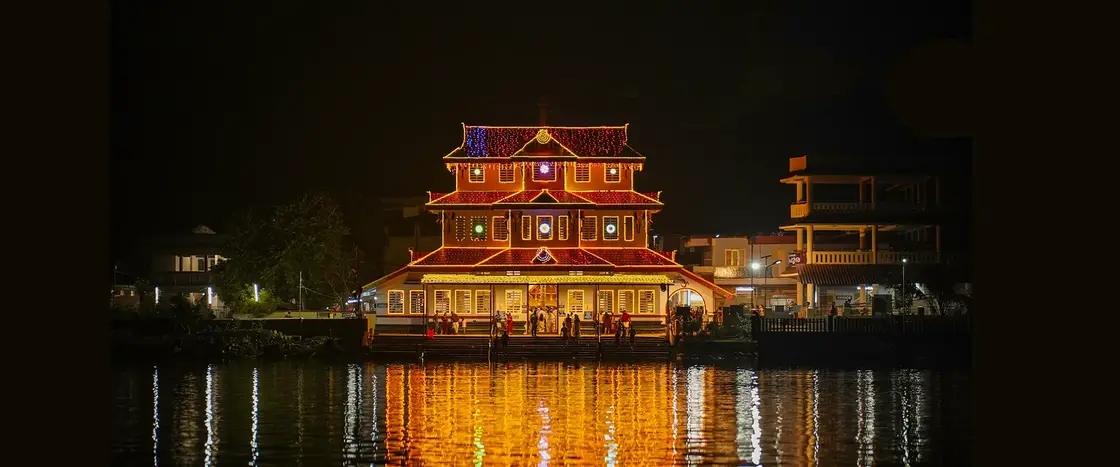
Open to visitors of all faiths.Open to everyone regardless of religion, caste or nationality — a deliberate and long-standing feature of this shrine. Visitors of any faith may approach the sanctum.
Checked 4 August 2026 against source 1source 2. Check the institution’s current rules and visiting session before travelling.
On the palm-fringed banks of the Valapattanam river in Kannur district stands one of Kerala’s most beloved and unusual shrines — the Parassinikadavu Sree Muthappan Temple, home to the folk deity Sree Muthappan, where the fierce, painted ritual dance of Muthappan Theyyam is performed not once a year but on most days of the year, morning and evening.
Most visitors arrive expecting an ordinary Kerala temple and leave having witnessed something altogether rarer. Here the central act of worship is not a silent idol behind a sanctum door but a living, moving deity — a costumed performer, face painted and crowned, who becomes Muthappan himself and walks among the crowd. This ritual embodiment, known across North Malabar as theyyam, turns the temple courtyard into a stage where the divine is felt as presence rather than glimpsed as image.
Muthappan is worshipped in two complementary forms. Thiruvappana, also called Valiya Muthappan or the “great” Muthappan, is the grander, more static manifestation associated with Vishnu; Vellattam, the “small” or Cheriya Muthappan, is the swifter, more animated form linked to Shiva. Together the two theyyams present Muthappan as a fusion of the two great gods, yet the deity is loved above all as a god of the ordinary person — a folk protector who takes the side of the poor, the outsider and the honest labourer.
What makes Parassinikadavu extraordinary is the daily rhythm. Elsewhere in Kerala, theyyam is a seasonal spectacle confined roughly to the months between October and May, tied to individual shrines’ festival calendars. At Muthappan’s temple the theyyam is performed through most of the year. Not literally every day. The temple’s own Malayalam record says the Thiruvappana runs from Vrischikam 16 (Puthari Thiruvappana, usually 1-2 December) to Kanni 30 in mid-October, and is not performed from Thulam 1 to Vrischikam 15, on the Karkidakam and Makaram amavasi days, on the temple’s nira day, or on any day there is a death in the madappura family. Telephone the madappura before travelling for a specific date. Within that span, on almost any morning or evening a pilgrim can stand before the god in living form, watch him bless devotees one by one, and receive his words through the medium of the oracle.
The temple famously keeps no caste or community barrier. In a region where temple entry was once hedged with restriction, Muthappan’s doors have long stood open to all — Hindus of every community, and visitors of other faiths too — reflecting the deity’s own legend as a god who dined with the low-born and defied the rules of the orthodox household that raised him. This spirit of openness is part of why the shrine draws such huge, mixed crowds.
The offerings are as unconventional as the deity. Where most Kerala temples deal in flowers, ghee and vegetarian sweets, Muthappan is honoured with boiled black gram (payar), coconut pieces, roasted or dried fish, and toddy — the fermented palm sap that runs through his origin story. After the ritual lamp-worship, devotees are commonly served hot tea and a simple prasadam of boiled gram with coconut, and a free community meal is offered to the streams of pilgrims who come each day.
Dogs, too, belong to Muthappan. The deity is believed to be attended by canine companions, and a pair of bronze dogs guards the temple entrance. By custom the first share of the prasadam is set down for a temple dog before it reaches human hands — a small daily gesture that captures the whole ethos of the place: humble, earthy and unmistakably of the people.
The story of Muthappan, as North Malabar has long told it, begins in an aristocratic household called Ayyankara Illam. The wealthy but childless couple who lived there — remembered as Ayyankara Vazhunnavar and his wife Padikutty Antarjanam — longed for a child. One day, while Padikutty was at the riverbank, she is said to have found an infant boy lying on a bed of flowers, radiant with an otherworldly light. Reading it as a blessing from the gods, the couple took the child home and raised him with great love.
As the boy grew, he refused to behave as an orthodox household demanded. He took to hunting in the forest, brought home game to cook and eat, kept the company of low-caste folk and invited them freely into the illam, and drank toddy — all of it scandalising the strict vegetarian, high-caste ways of his adoptive home. When his father’s patience finally broke and he confronted the boy, the child is said to have revealed himself in a blaze of divinity, showing that he was no ordinary son but a god who had come to walk among the common people.
Having revealed himself, Muthappan left the illam. The legend links his wanderings to toddy: a palm-tapper, finding his toddy pots being drained, tried to shoot the mysterious thief with a bow and arrow, only to fall senseless. His wife pleaded for his life, addressing the stranger reverently as “Muthappa” — grandfather, or venerable elder — and it is from this, tradition holds, that the deity took the name by which he is worshipped ever since.
Another strand of the tradition tells how Muthappan finally came to rest at Parassinikadavu. An arrow, shot upward from Kunnathoor (or, in some tellings, from the hills of Eruvessy), flew until it came down at this bend of the Valapattanam river, and there the deity chose to settle — which is why the shrine is often called the Parassini Madappura, the abode of Muthappan.
It is important to hold all of this as living tradition rather than documented fact. These are legends carried through generations of oral telling, given form each day in the theyyam, where a trained performer of the Vannan community undergoes elaborate preparation, dons the towering headdress and painted face, and — the community believes — is possessed by Muthappan himself, so that the god may once more listen to his people’s troubles and offer his blessing.
Parassinikadavu grew up around the worship of Muthappan as a folk or “kaliyattam” deity of North Malabar, part of the ancient theyyam culture of the Kannur–Kasaragod belt in which local heroes, ancestors and nature-spirits are venerated through ritual dance. Muthappan stands slightly apart even within this tradition, worshipped year-round rather than in a single annual season.
The rituals here are sustained by a division of traditional roles among local communities. The theyyam performances are carried out by members of the Vannan community, who train for years in the demanding art, while the associated temple duties and pujas have been performed by the Thiyya community — a pattern that itself reflects the shrine’s roots outside the Brahminical mainstream of Kerala temple worship.
The temple sits on the banks of the Valapattanam river at Parassinikadavu, in the Anthoor–Taliparamba stretch of Kannur district, a location that has helped it become one of the most visited pilgrimage centres in North Kerala. Over the decades it has grown from a local madappura into a large complex receiving pilgrims from across Kerala and far beyond, drawn by the promise of seeing the deity in living, moving form.
The main annual observance is the Puthari Thiruvappana festival, a harvest-linked celebration held around the first week of December, when the temple is at its most vibrant and free food and lodging are traditionally arranged for the multitudes of visitors. Beyond this, the daily cycle of theyyam and community feasting has itself become the temple’s enduring identity.
In modern times Parassinikadavu has come to be seen as a cultural landmark as much as a religious one — a place where visitors can encounter theyyam, one of Kerala’s oldest and most striking ritual art forms, authentically and daily, rather than only during the seasonal festival months elsewhere in the region.
To witness Muthappan Theyyam performed daily — a rare chance to see Kerala’s spectacular painted ritual dance without waiting for a seasonal festival, as the god appears in living form both morning and evening.
To experience a temple genuinely open to all, with no caste or community barrier — an ethos woven into Muthappan’s own legend and still felt in the huge, mixed crowds that gather each day.
To take part in one of Kerala’s most distinctive prasadam traditions — boiled black gram with coconut, hot tea, and a free community meal offered to pilgrims — a world away from the usual temple sweets.
To see the unusual devotional details up close: the bronze dogs at the entrance, the sacred temple dogs fed the first share of prasadam, and the offerings of gram, roasted fish and toddy that belong to Muthappan’s earthy lore.
To enjoy the riverside setting on the banks of the Valapattanam, a serene backdrop that adds to the atmosphere of the shrine and the crossing (kadavu) that gives Parassinikadavu its name.
To pair the visit with the adjacent Parassinikadavu Snake Park, making an easy half-day that combines living ritual culture with one of Kannur’s best-known family attractions.
Road km to Kannur; ghat roads and traffic vary — allow extra.
Morning or early evening is usually best; festival days can be powerful but crowded.
Live forecast loads in your browser.
Sun and moon are calculated for this location and shown in IST. Photography windows are the hour around sunrise and sunset; the sunset bearing is degrees clockwise from true north. Moon phase is accurate to about half a day.
Verified hotels, homestays, restaurants, experiences, sights, shops and rentals around Parassinikadavu Muthappan Temple — commission-free, with direct contact. Filter by what you need.
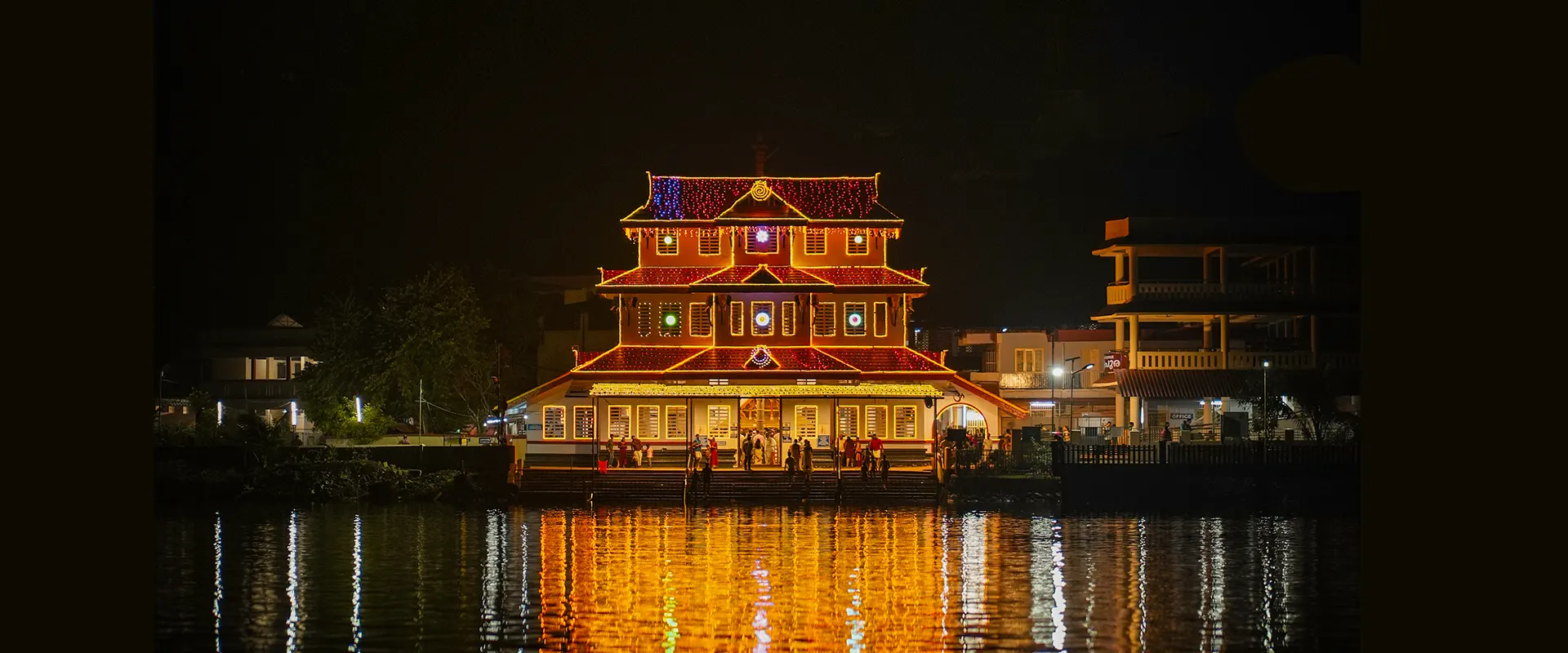
Visitor information in Parassinikadavu. Parassinikadavu, Kannur, Kerala 670563 · parassinikadavu, Official temple contact, do.
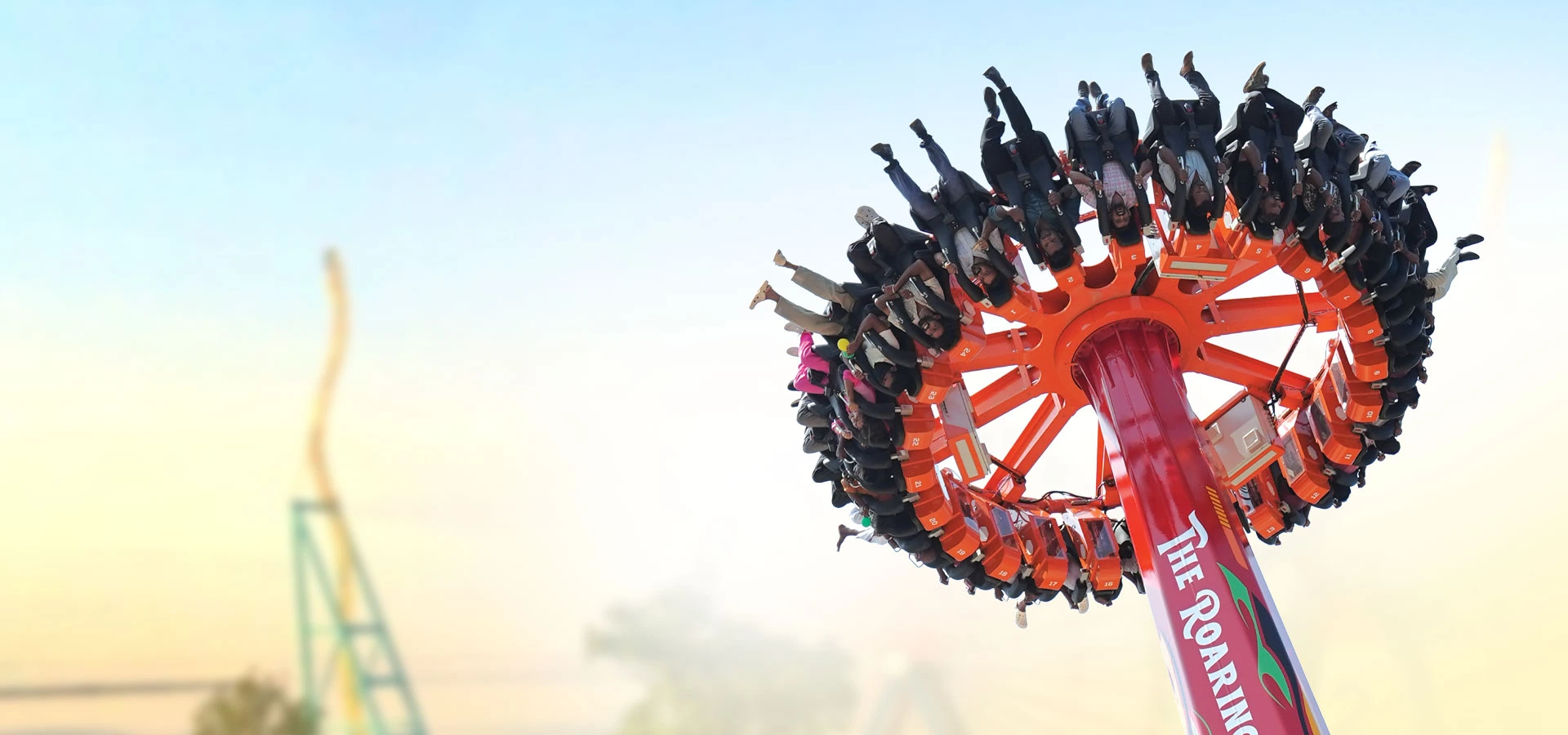
Direct and Kerala Tourism source-backed Parassinikadavu water-theme park. Vismaya Amusement Park, Parassinikadavu P.O., Kannur, Kerala 670563 · Vismaya, Parassinikadavu, Water theme park.
Parassinikadavu Muthappan Temple is a Kerala Tourism-listed Kannur pilgrim and Theyyam experience on the Valapattanam River, best planned with daily ritual etiquette and festival timing checks. Public temple; respect current temple rules · Parassinikadavu, Muthappan Temple, Theyyam.
Book with the place itself. India’s cyber-crime coordination centre warned in April 2025 that convincing copies of hotel and pilgrimage booking sites are being pushed through sponsored search and social ads, taking payment for rooms the property never hears about. Every listing here links to the business’s own contact details and its own Google or Bing profile — we take no commission and sit in nobody’s payment path. If a booking page reached you through an ad, check the address bar against the property’s own site before you pay. Fraud can be reported on cybercrime.gov.in or on 1930.
Find food, accommodation and activities across Parassinikadavu. Browse the guides for places to eat, stay and explore along your route.
Roampedia is commission-free — own or know a stay, eatery, guide or shop near Parassinikadavu Muthappan Temple? List it and it appears here once verified.
Add a nearby businessEntry: Free — there is no charge to enter the temple or to witness the daily theyyam. Some accounts mention a small nominal fee for a reserved theyyam viewing.
Dress code: The temple welcomes all visitors with no caste or community barrier, so anyone may enter — but modest, respectful dress is expected, in keeping with an active place of worship. Cover shoulders and legs; traditional attire is appreciated.
Festivals: The Muthappan theyyam (in the Thiruvappana and Vellattam forms) is performed daily, morning and evening — the temple’s defining feature. The main annual celebration is the Puthari Thiruvappana festival, a harvest-linked observance held around the first week of December, when free food and lodging are traditionally arranged for pilgrims.
Photography: Photography norms vary and are strictest during the theyyam ritual itself; ask temple staff and never photograph or film the performer or ceremony without clear permission. Be discreet and respectful of devotees.
If you are travelling by bus or ferry, check the return service with the operator before setting out. Leave time to reach the stop or jetty after your visit.
Ask at the bus stand for the time of the last service back, not the next one. If you miss it, an auto or app cab is the fallback — agree the fare before you get in.
If you need step-free access, contact the site before travelling. Ask about a level entrance, steps along the route, the nearest drop-off point, seating and accessible toilets.
These services are listed within about 1.2 km of Parassinikadavu Muthappan Temple. Walking distances follow mapped routes; access and opening hours can change. Other services may be closer but are not included here.
Emergency numbers are verified against official government and state tourism sources. 112 works anywhere in India.
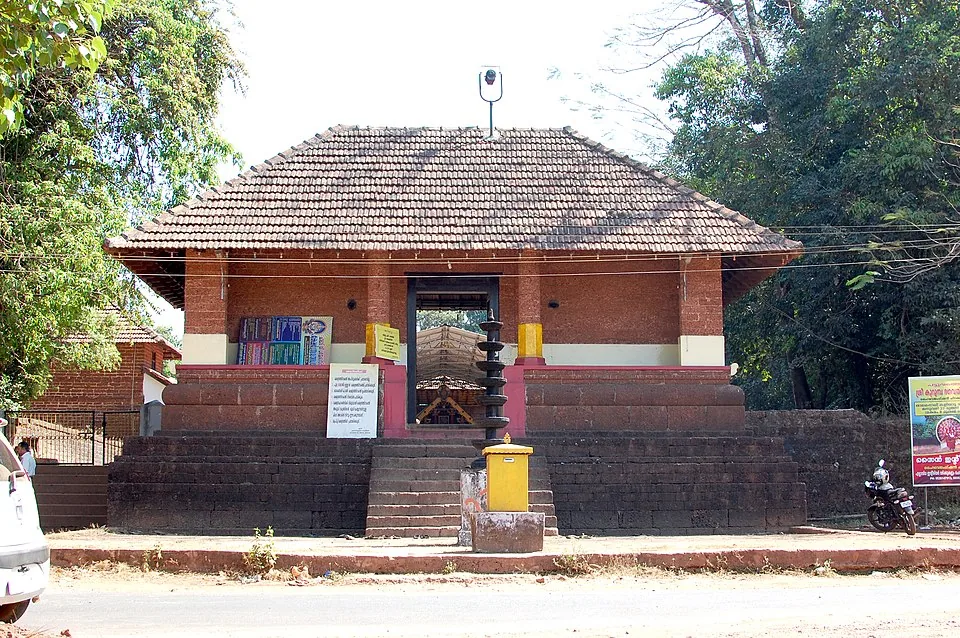
A Bhagavathy temple near Valapattanam regarded as the mother shrine of Kalaripayattu — Kerala’s martial art — where Theyyam is performed; the goddess is guardian of the kalari.
8.4 km · ~14 min by cab · straight line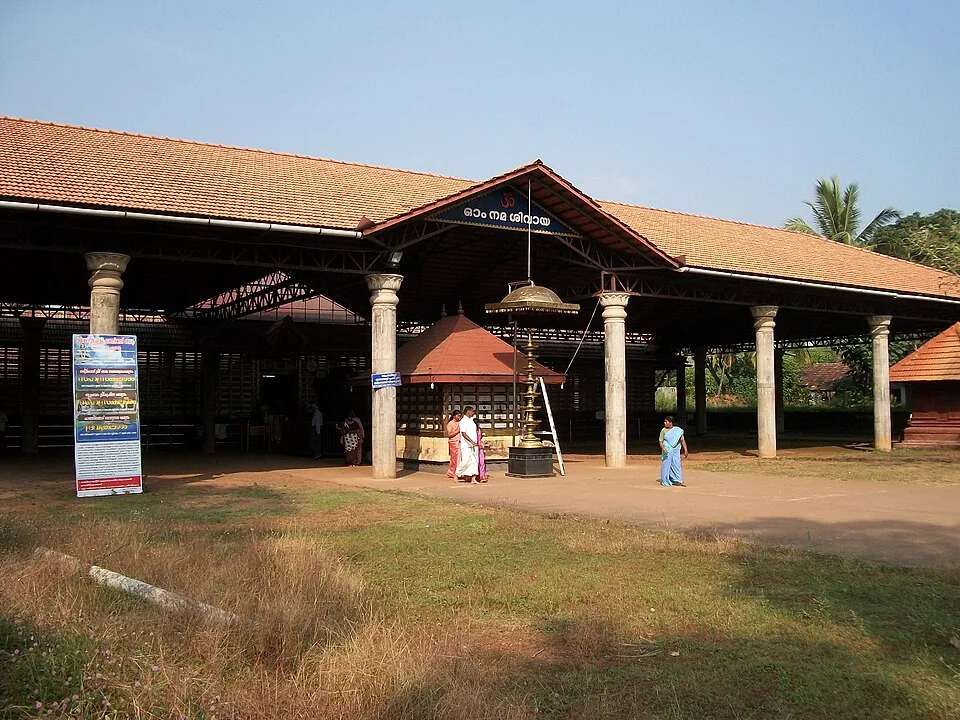
An ancient Shiva temple at Taliparamba, one of the 108 Shiva temples and the Dwadasha Shivalayams of old Kerala; men remove their shirt to enter and photography is restricted.
8.9 km · ~15 min by cab · straight line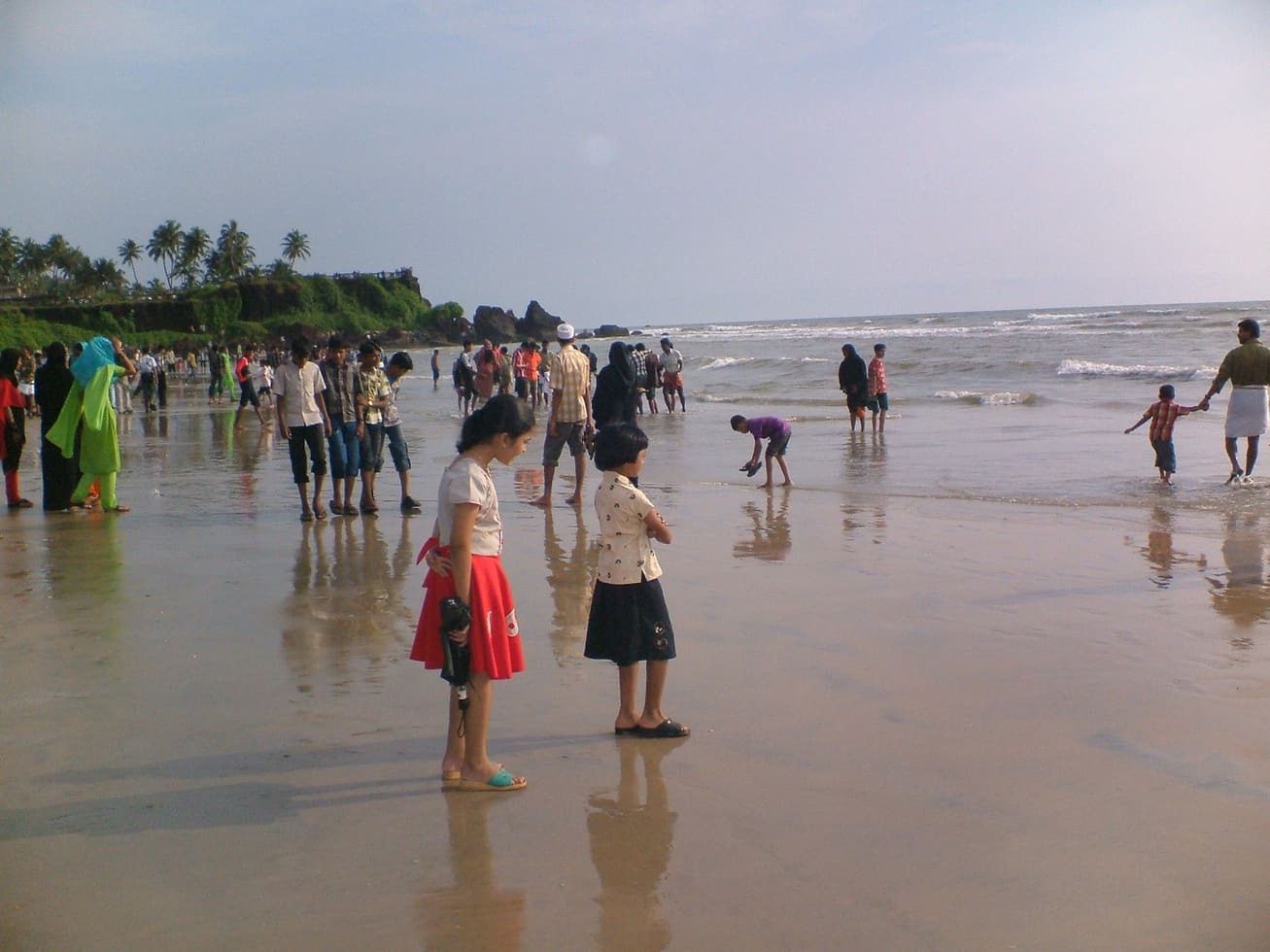
Kannur city’s main beach, with a landscaped garden, the mother-and-child sculpture and long sunset walkways.
13.6 km · ~23 min by cab · straight line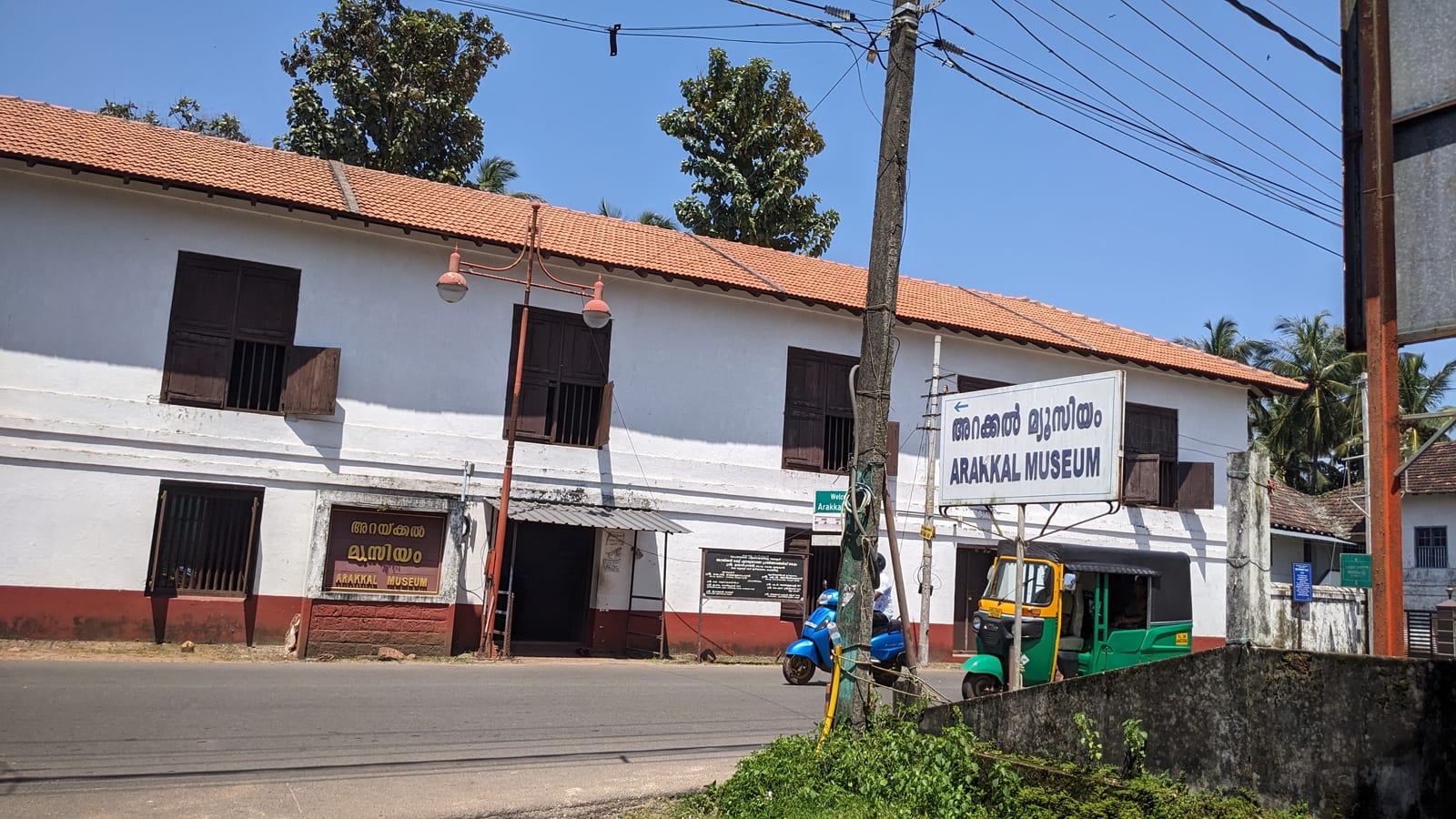
The Arakkal Kettu (palace museum) of the Arakkal Ali Rajas — Kerala’s only Muslim royal house, matrilineal so ruled at times by a Beevi (queen).
14.0 km · ~23 min by cab · straight lineA small rocky beach in the Kannur cantonment, an extension of Payyambalam and within a few minutes of St Angelo’s Fort and the Kannur lighthouse. Not a swimming beach — the draw is the rocks, the quiet and the lighthouse beam after dark.
14.5 km · ~24 min by cab · straight line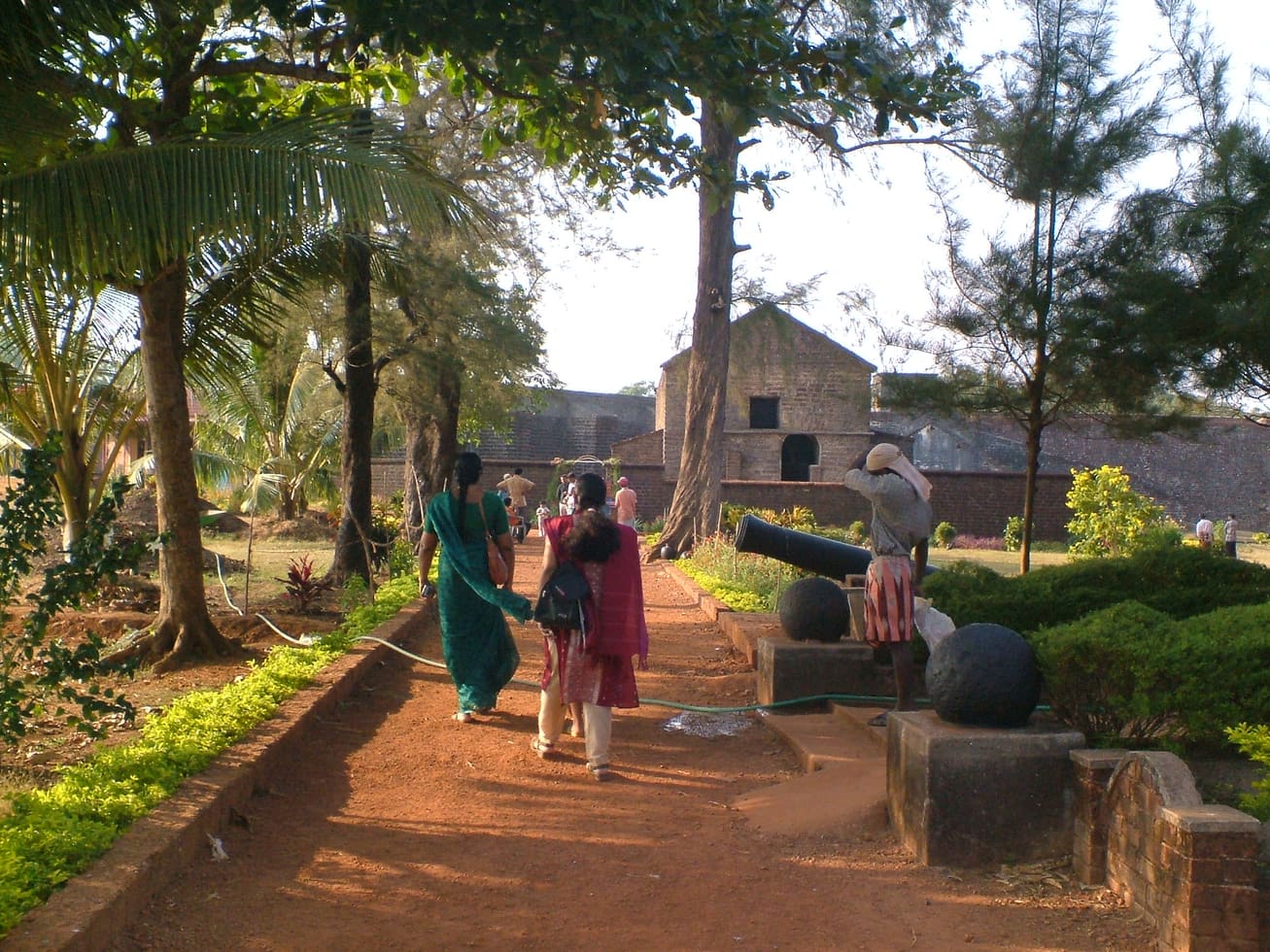
Sea-facing laterite fort built by the Portuguese in 1505, later held by the Dutch, the Arakkal royal house and the British — Kannur city’s great coastal landmark overlooking Mappila Bay.
14.7 km · ~24 min by cab · straight line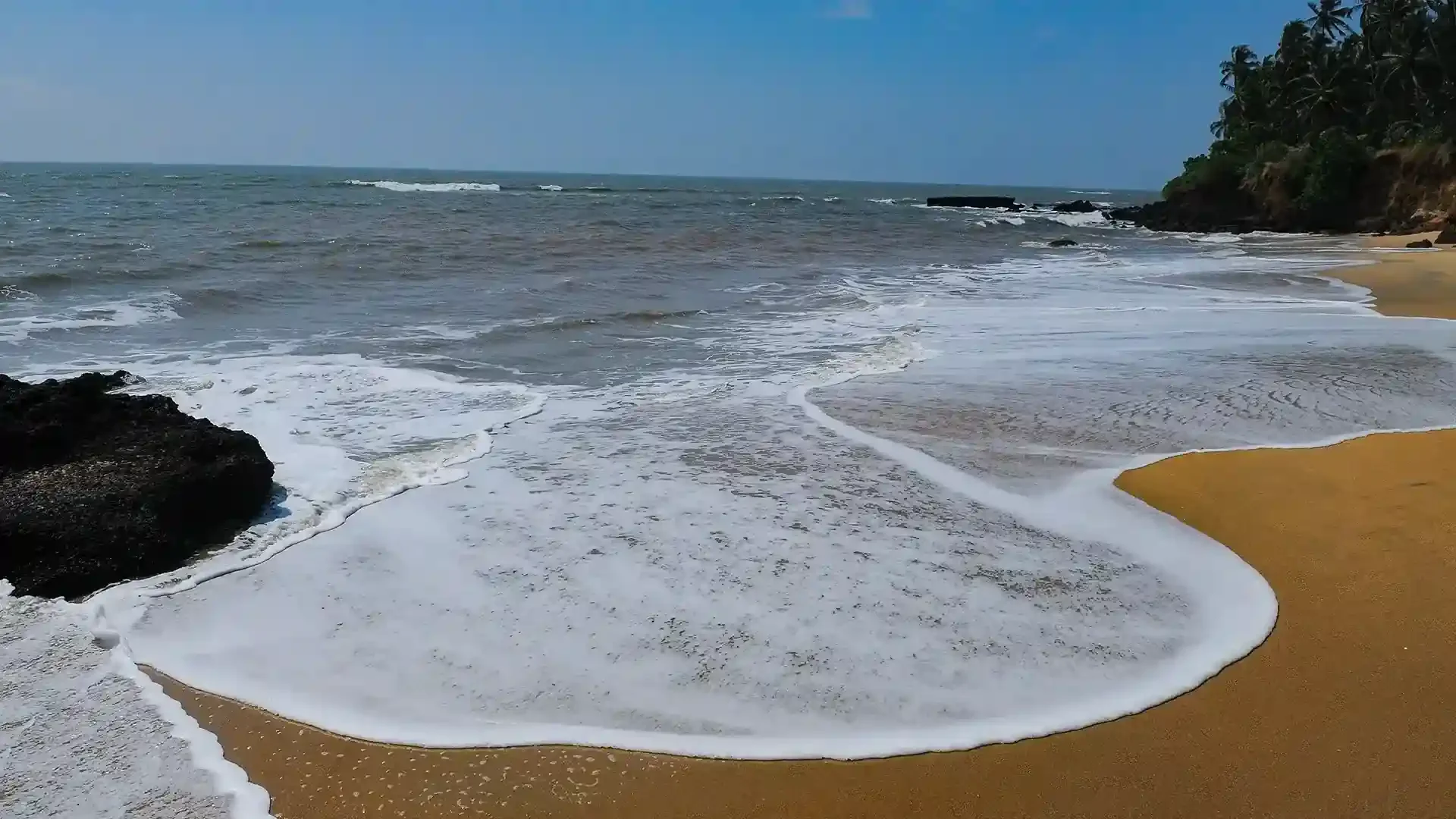
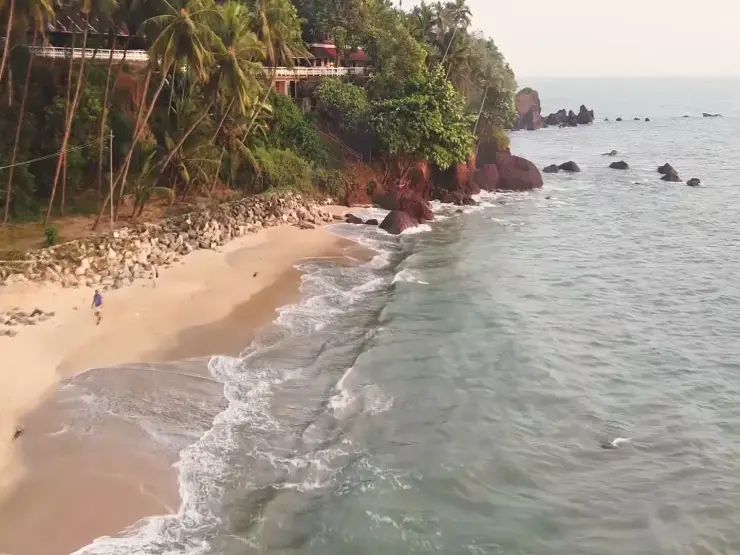
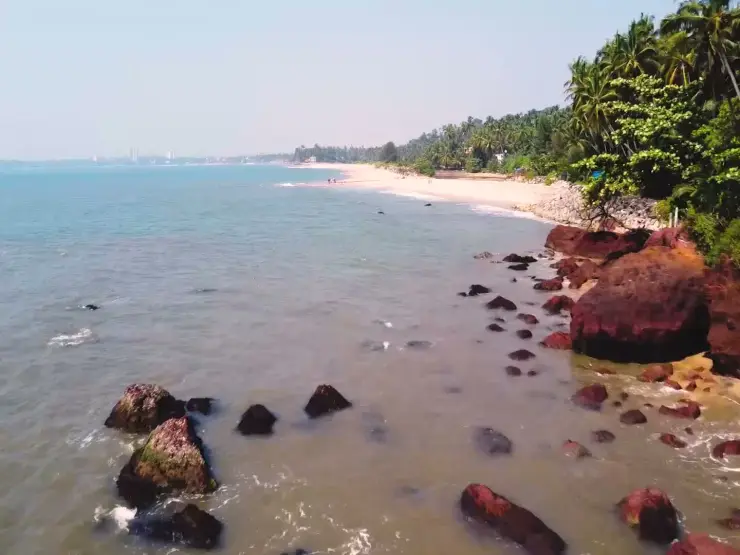
Adikadalayi Beach, also called Kadalayi Beach in Kerala’s coastal tourism study, is a Kannur shore with sandy pockets, exposed red coastal rock and palms above the water. It belongs to the Adikadalayi locality, not the separately named Thottada, Kizhunna or Ezhara beaches farther along the coast. Use the mapped public steps from Tippu Sulthan Beach Road as the arrival reference. Nearby cliff-side homestays have their own entrances and facilities, and should not be used as assumed public access.
15.4 km · ~26 min by cab · straight line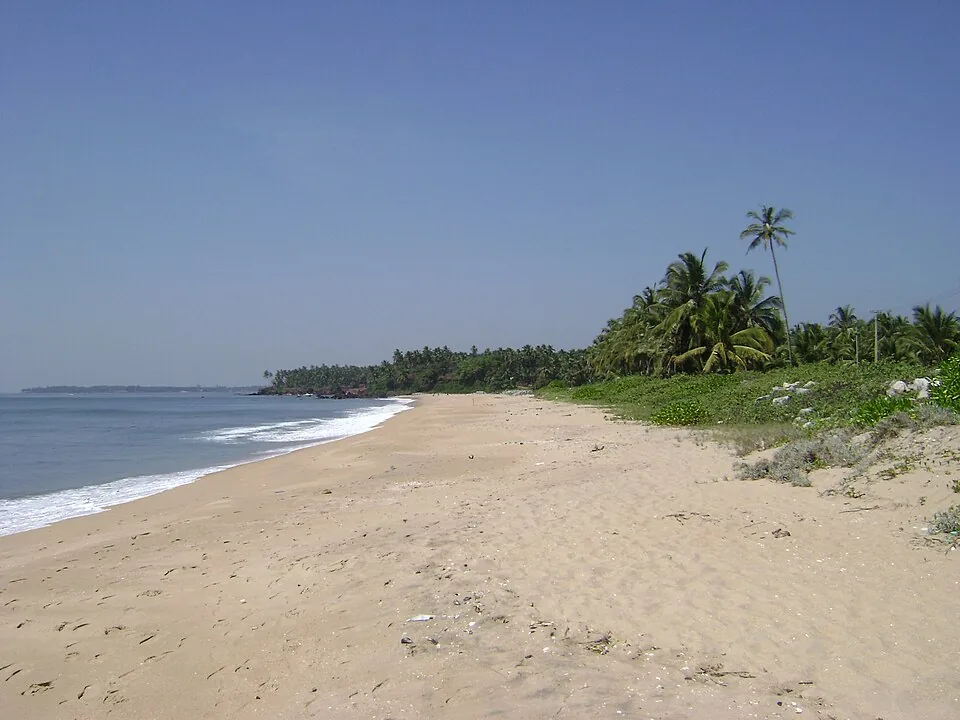
A quiet, unspoilt cove-and-stream beach south of Kannur city, known for its homestays and calm, uncrowded sands.
16.3 km · ~27 min by cab · straight line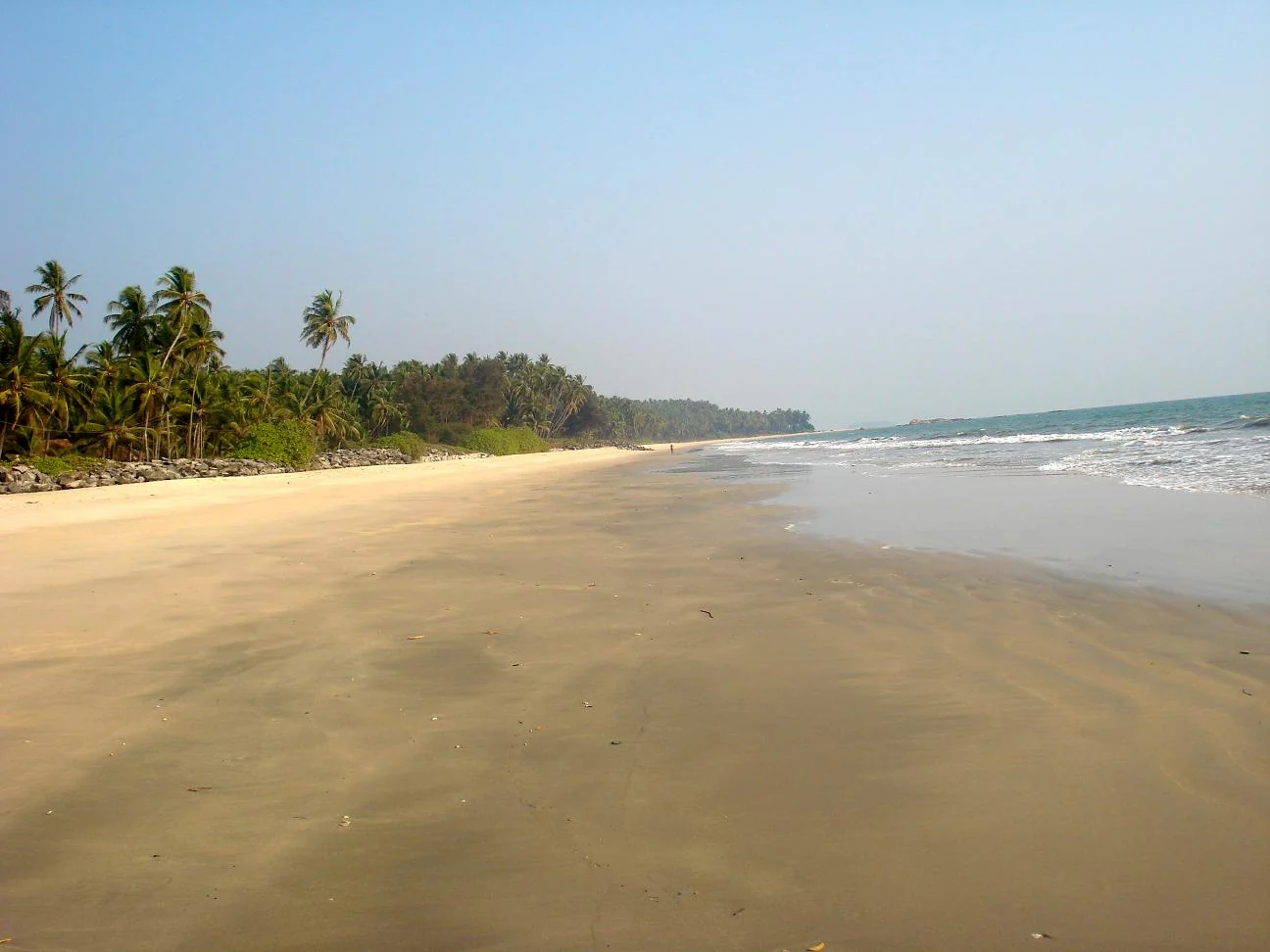
Kizhunna’s sandy shore lies between Thottada and Ezhara, with palm-backed village edges and the Cherakallu rock formations breaking up the coastline.
17.0 km · ~28 min by cab · straight line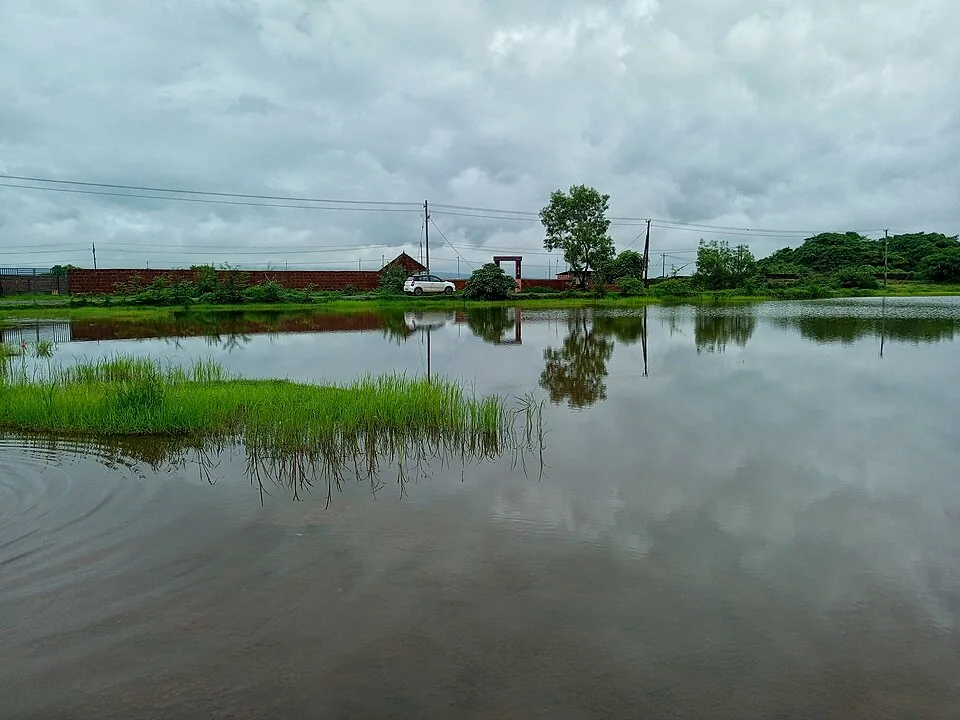
A vast laterite plateau near Pazhayangadi that bursts into wildflower bloom after the monsoon, with the Madayi Kavu, an old mosque and a temple pond — a botanist’s and birder’s hill.
17.0 km · ~28 min by cab · straight line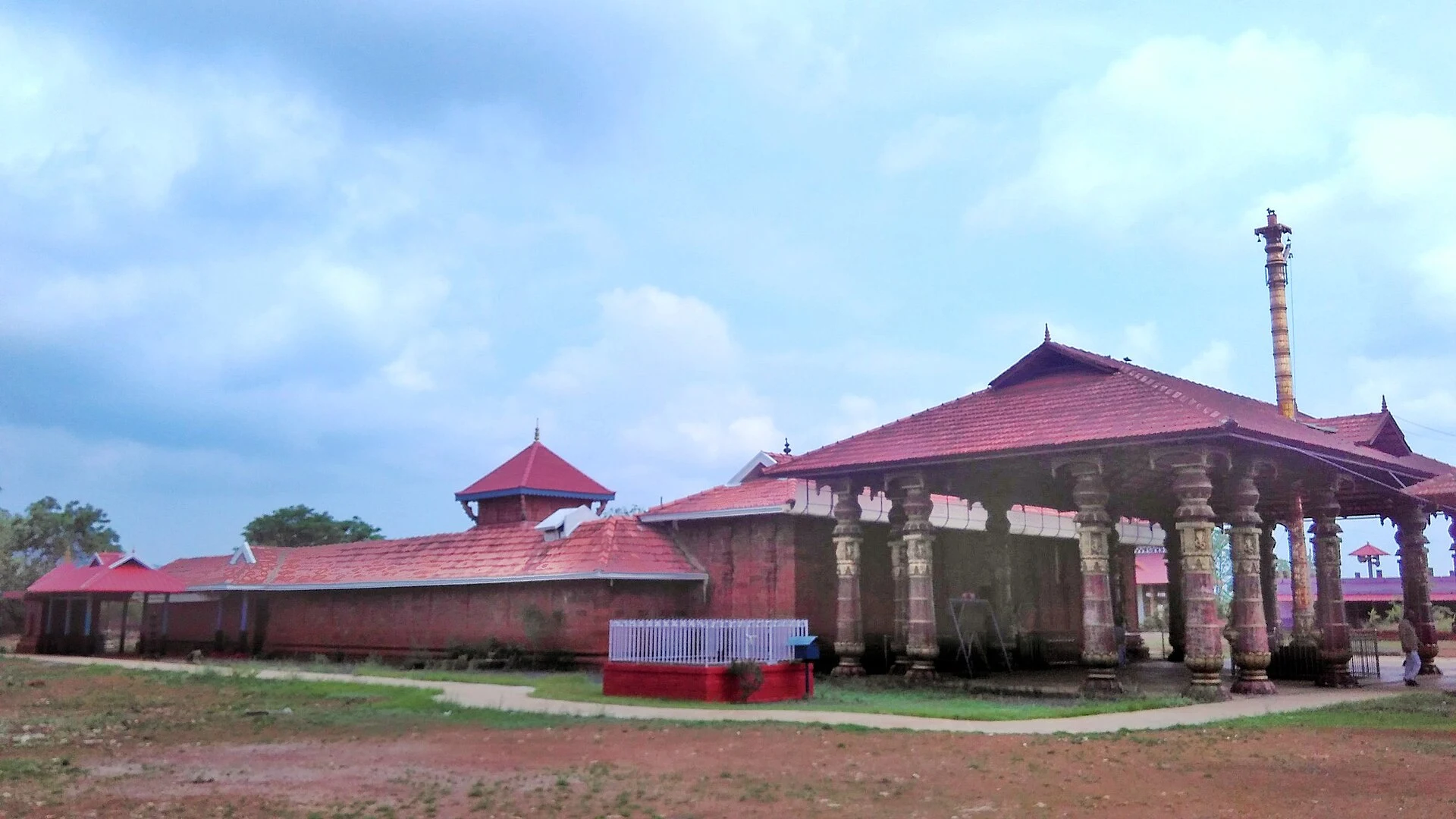
Madai Sree Vadukunda Siva Temple is the Shiva shrine beside the laterite plateau and sacred pond at Madayipara, near Pazhayangadi in Kannur. It is distinct from Thrissur’s Vadakkunnathan and from nearby Madayikavu.
17.1 km · ~29 min by cab · straight line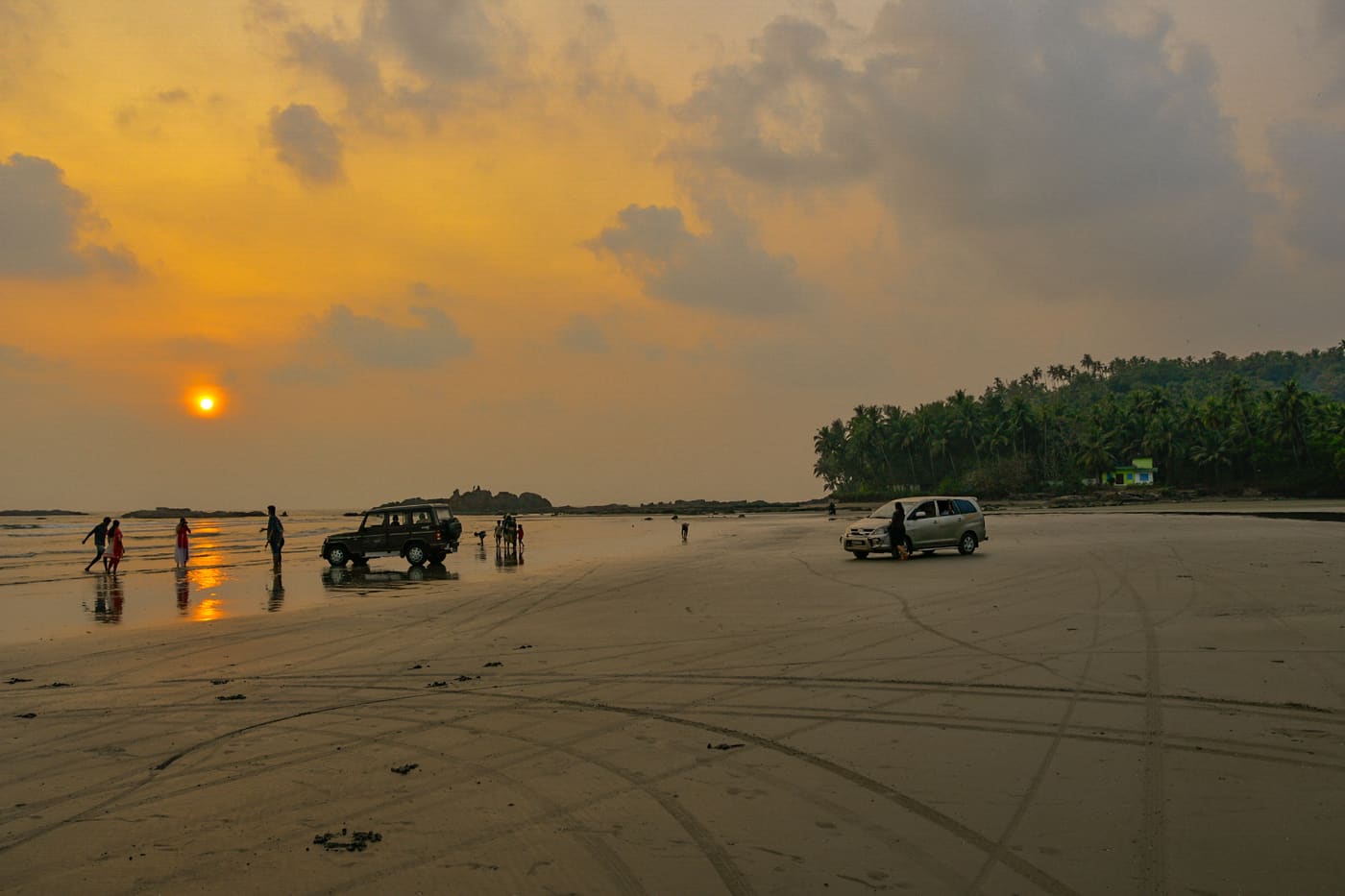
A ~4 km hard-sand beach, the longest drive-in beach in India — you can drive along the sand at low tide; Dharmadam Island lies just offshore.
21.2 km · ~35 min by cab · straight lineNearby toilets, pharmacies, ATMs, seating and vets are community-mapped and may be incomplete or out of date. Map data © OpenStreetMap contributors | Walking times © openrouteservice.org by HeiGIT
It is one of the very few places where theyyam — the ritual dance in which a costumed performer becomes the deity — is performed morning and evening through most of the year, rather than only in the October-to-May season. It is not literally every day: there is a break from Thulam 1 to Vrischikam 15, plus the Karkidakam and Makaram amavasi days and the temple’s nira day. The god Muthappan is worshipped in two living forms, Thiruvappana and Vellattam, and the temple famously welcomes visitors of every caste and community.
Yes. Muthappan is revered as a god of the common people, and the temple has long been known for keeping no caste or community barrier, welcoming devotees of all backgrounds. Modest, respectful dress is expected.
The traditional offerings are boiled black gram (payar), coconut, roasted or dried fish, and toddy — all tied to Muthappan’s legend as a deity who lived among ordinary working people. After the lamp-worship, pilgrims are commonly served tea and boiled gram with coconut as prasadam. Toddy features in the origin story of how the deity came to be called Muthappan and should be understood as part of that sacred lore.
Muthappan is believed to be accompanied by canine companions, so dogs are treated as sacred. Bronze dog figures stand at the entrance, and by custom the first portion of the prasadam is offered to a temple dog before it is given to devotees.
The Muthappan theyyam is typically held in the early morning and again in the evening every day. Temple entry is free; some accounts mention a nominal fee for a reserved theyyam viewing.
The well-known Parassinikadavu Snake Park is right beside the temple, and the Valapattanam river setting is worth a stroll. Together they make an easy half-day outing from Kannur or Taliparamba.
Morning or early evening is usually best; festival days can be powerful but crowded.
Entry: Free — there is no charge to enter the temple or to witness the daily theyyam. Some accounts mention a small nominal fee for a reserved theyyam viewing. Timings: The temple is generally open in two sessions — roughly early morning until around midday and again in the evening (about 5 am–12 pm and 5 pm–8.30 pm). The Muthappan theyyam is performed daily in two rounds — an early-morning ritual (around dawn) and an evening ritual (around dusk); exact timings shift seasonally, so confirm locally before you travel.
Base yourself in Parassinikadavu or a nearby town in Kannur, then confirm the last-mile route locally before leaving. Check temple entry customs, dress rules and festival crowd conditions before arrival. If the visit depends on forest, temple, boat, ferry, weather or seasonal access, check the official/local rule on the day before travel.
45 minutes to 2 hours, longer during festival or queue periods.
Nearby you can pair Kalarivathukkal Temple (8.4 km), Rajarajeswara Temple, Taliparamba (8.9 km), Payyambalam Beach (13.6 km), Arakkal Museum (14.0 km).
Use official counters for offerings/tickets where applicable. Keep footwear and valuables secure in crowded areas.
We have not published a story about Parassinikadavu Muthappan Temple itself yet. These cover Parassinikadavu and the wider district, with separate journeys between stops.
Route-level itineraries and practical guides for the rest of Kerala.
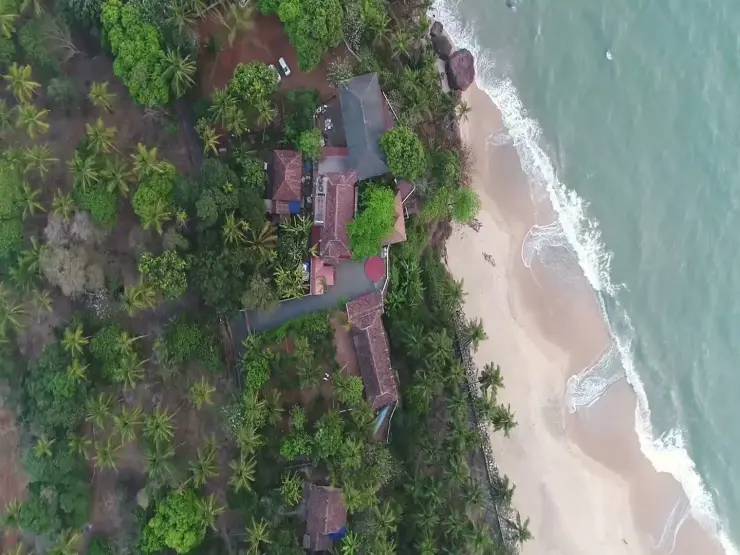
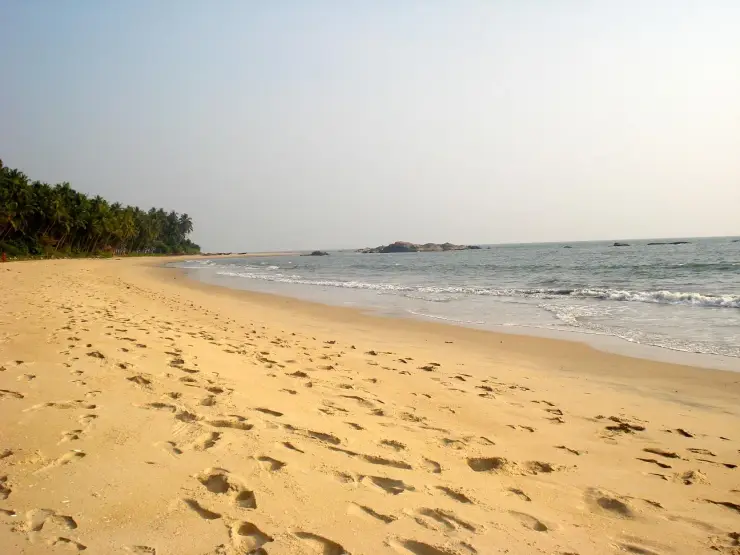
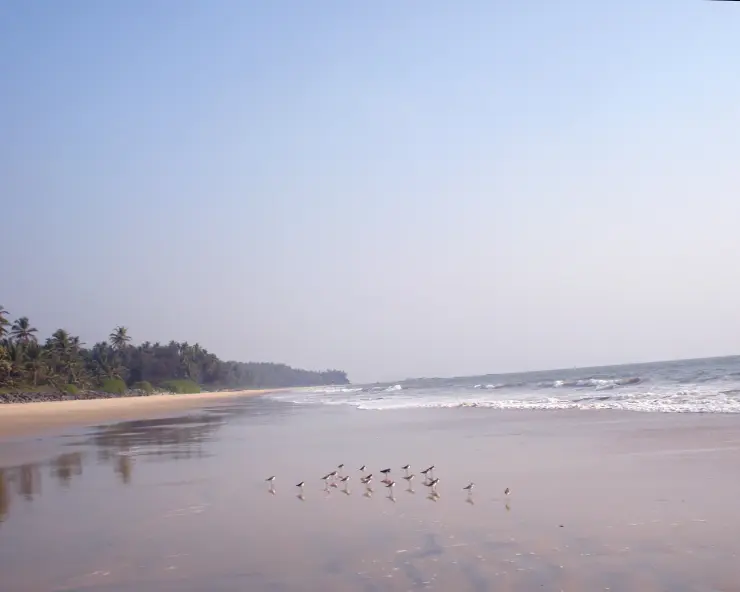
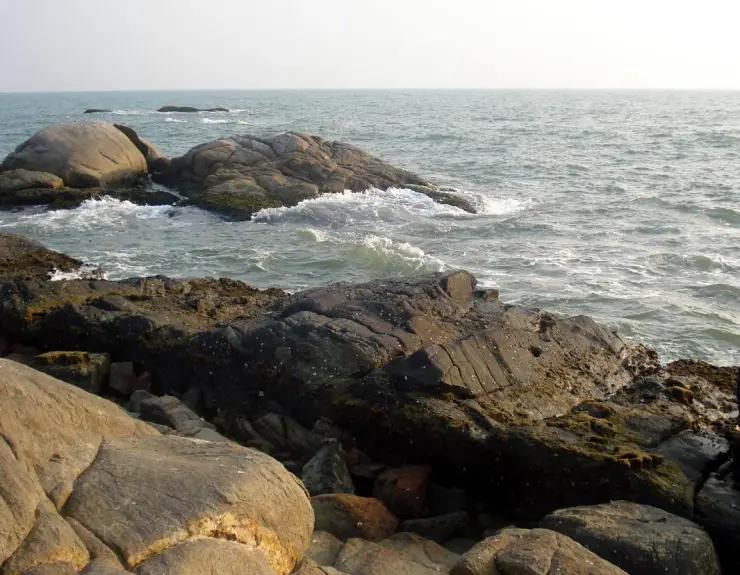
Photographs: Qarqor (CC0), Vinayaraj (CC BY-SA 4.0), Original uploaded by: Sreelalpp (CC BY-SA 3.0), Manojk (CC BY-SA 4.0). Wikimedia Commons.