A royal pond dug for the Zamorin, still fed by its own spring, now sits at the centre of a city park.
The story of Mananchira Square
The story starts with water for a king. The Zamorin ruler Mana Vikrama built the Mananchira tank in the 14th century as the main water source for the royal palace, and the pond is fed by a natural spring. Its clear water still reflects the trees around it. The long history of the Zamorins and their tank is told in full in Mananchira and the Zamorins.
The tank gave its name to everything around it. The square is named after Mananchira, the pond, so the park, the ground and the old buildings on its edges all share the name of the Zamorin's water.
The square in its present form came much later and was made by joining separate pieces of land. The architect R. K. Ramesh designed Mananchira Square by bringing together the Mananchira ground, Ansari Park and the pond, which until then had stayed as three separate plots. His entrance arch became the first image that comes to a Malayali's mind at the name Kozhikode.
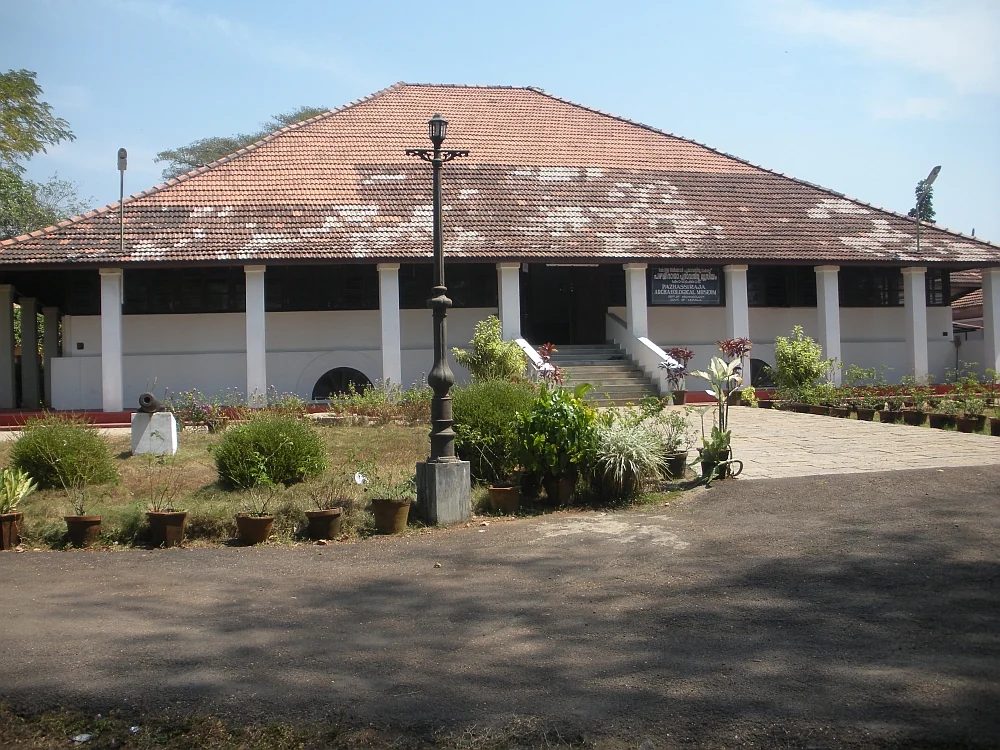
That arch carries older history too, because it is guarded by Tipu Sultan's cannons. Together with the old buildings around the square, the cannons keep the feel of the old town even inside a modern park. A public library built in the traditional style stands inside the grounds and fits the same mood.
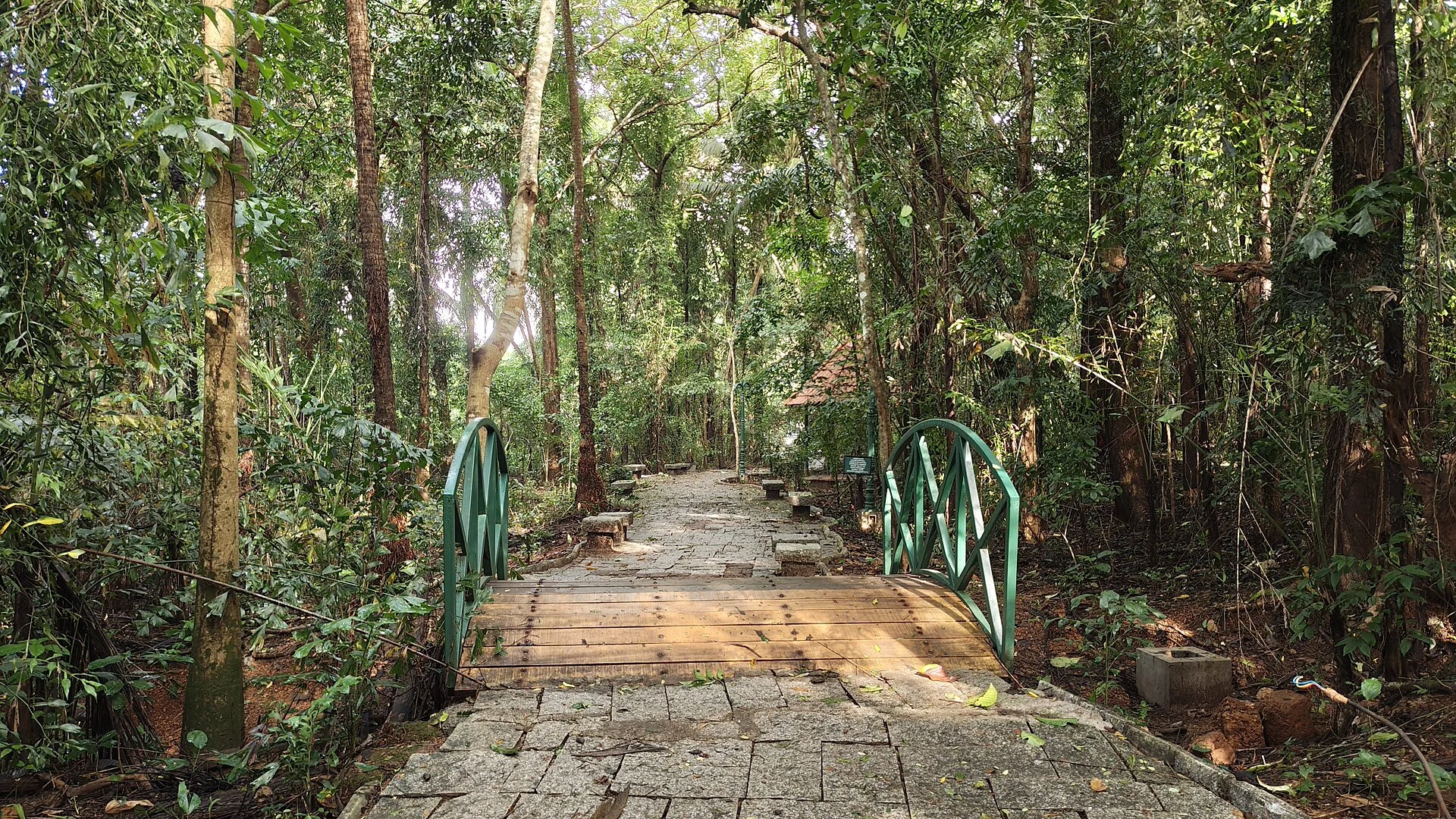
The park around the tank is landscaped with trees, plants and lawns, and its highlights are an artificial hill, sculptures, an open-air theatre and a musical fountain. As a result the square has two characters: a calm place to sit by the water in the day, and a lively civic space when the stage and fountain draw the evening crowd.
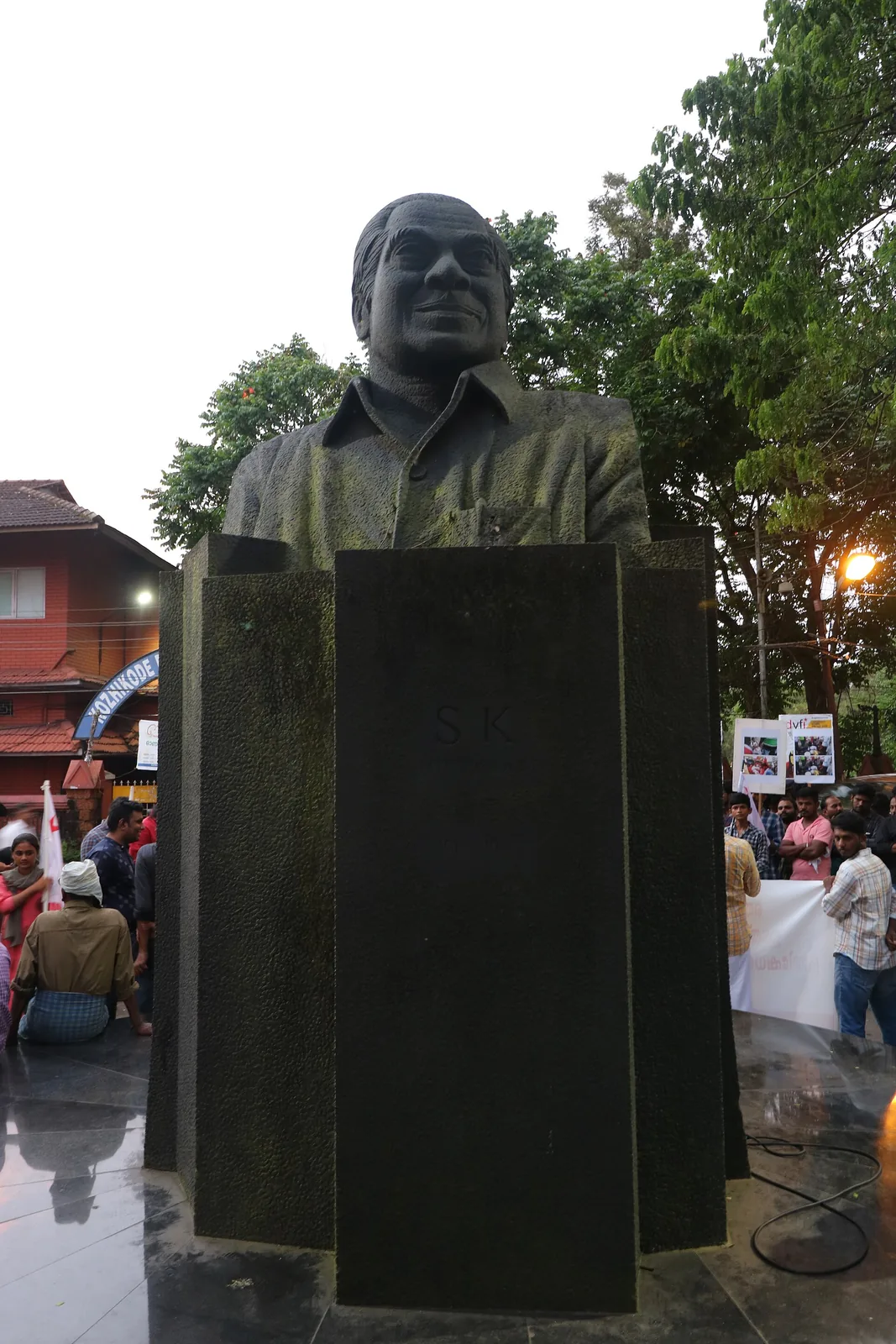
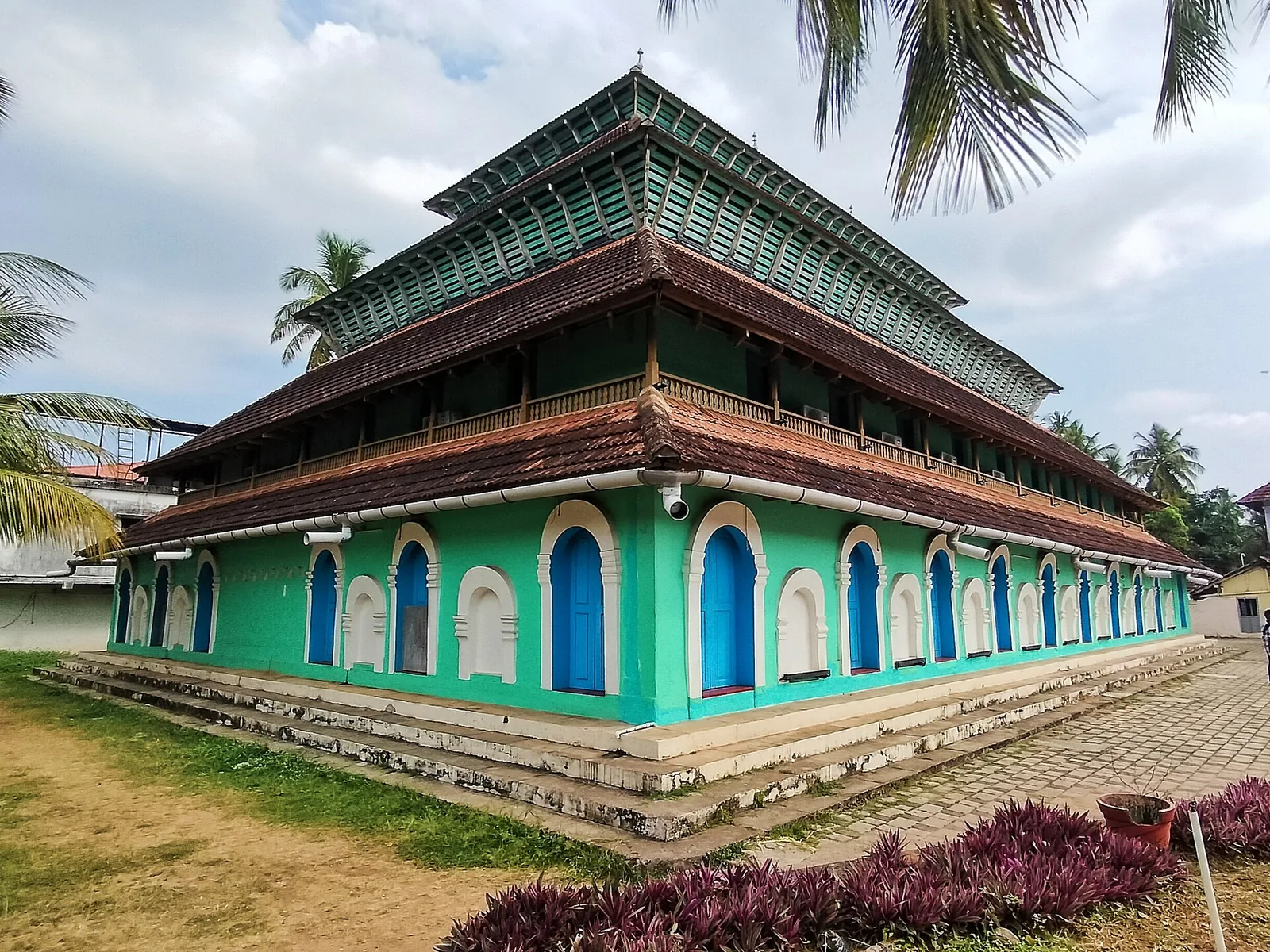
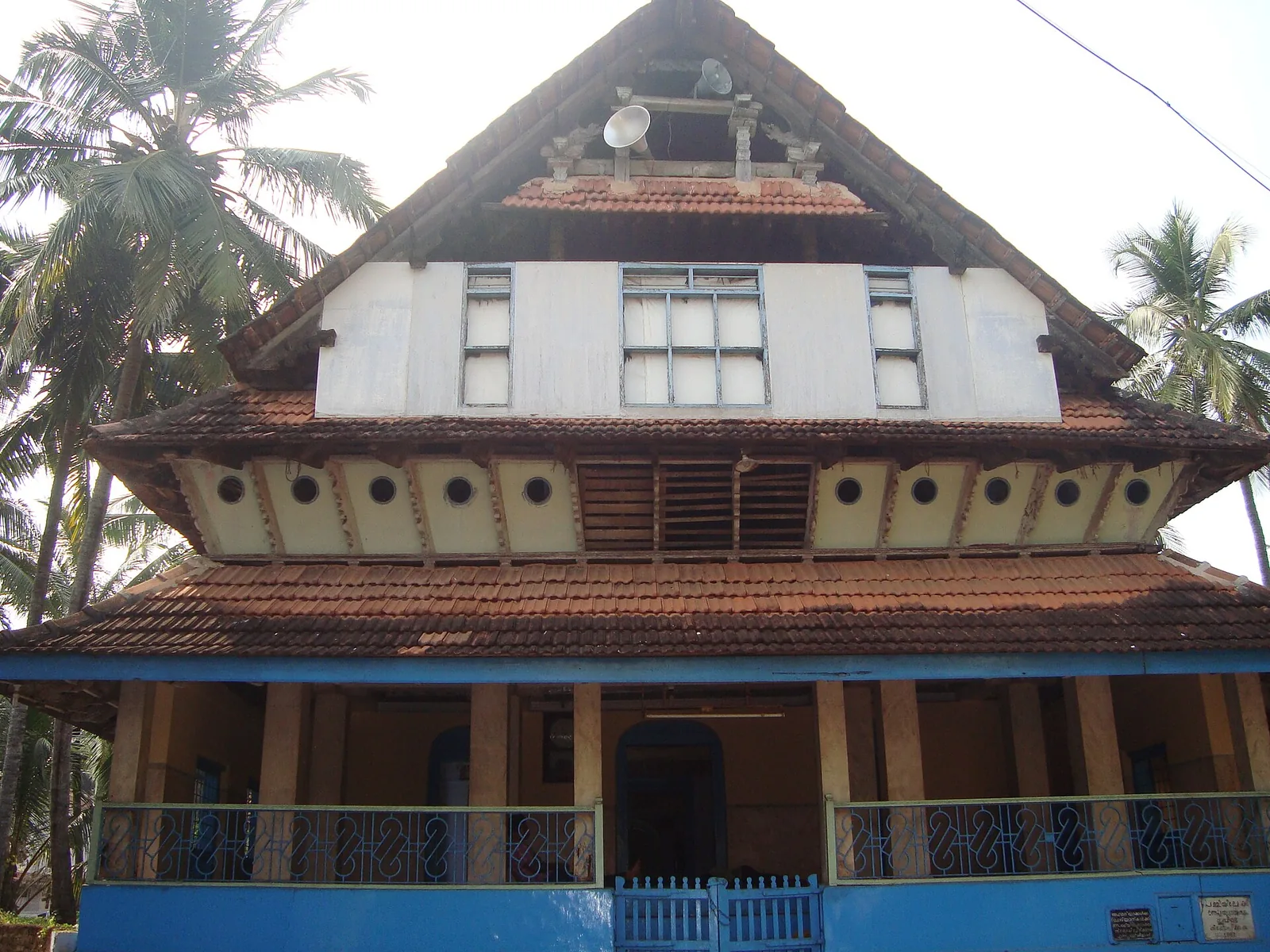
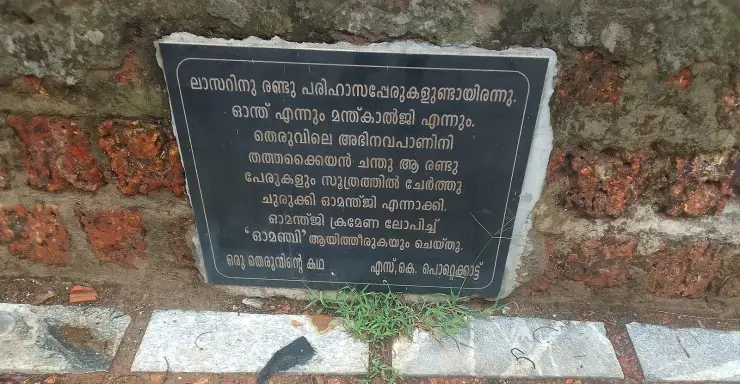
The love of literature in Kozhikode shows here as well. A bust of S. K. Pottekkatt, the Malayalam writer and Jnanpith award winner, stands on a traffic island close by. From the square, the old Muslim quarter of Kuttichira with the Mishkal Mosque and the Muchundi Mosque lies a short walk away.