What to expect
Highlights
- Mosque visit at Mishkal Mosque
- Local Islamic heritage and coastal/trade history where relevant
- Nearby food streets and markets
Historic timber mosque at Kuttichira built by a 14th-century Yemeni trader, once five storeys, burned by the Portuguese in 1510 and rebuilt.
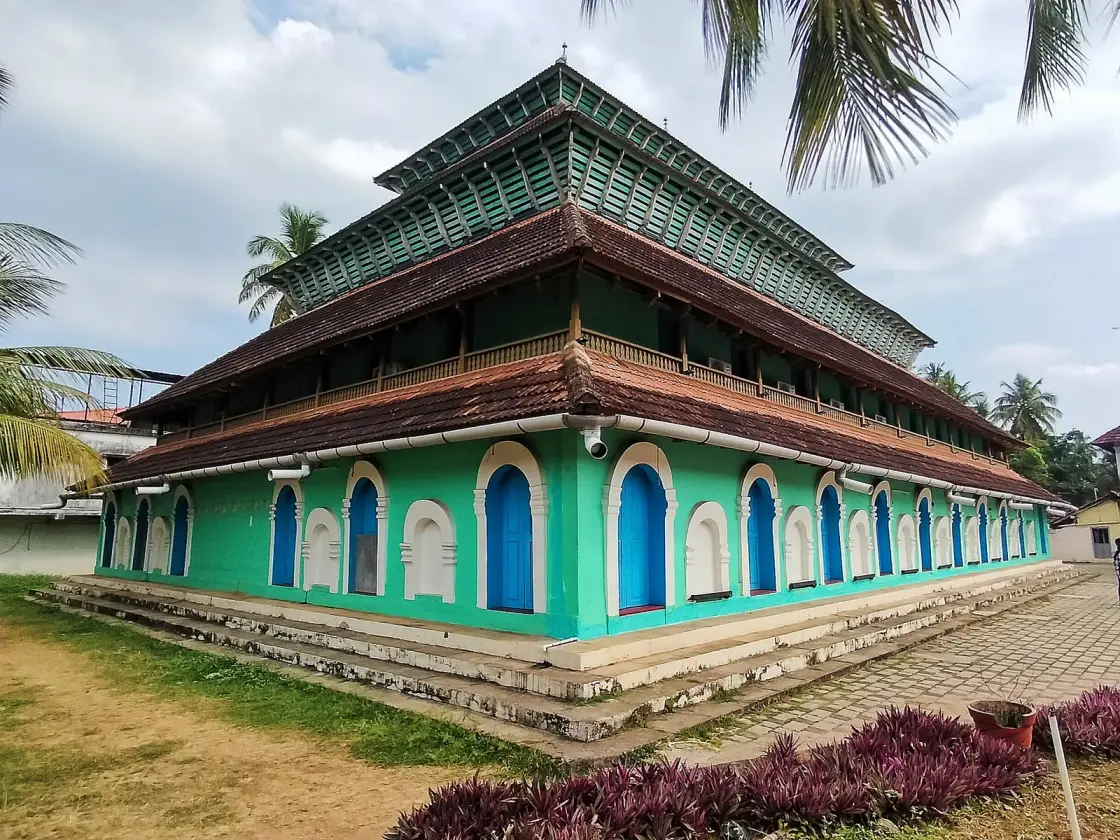
Check entry arrangements. Ask the mosque when sightseeing visits are welcome and which areas you may enter. Check dress and footwear requirements before going inside, and avoid interrupting prayers.
Dress respectfully and follow the institution’s admission and photography rules.
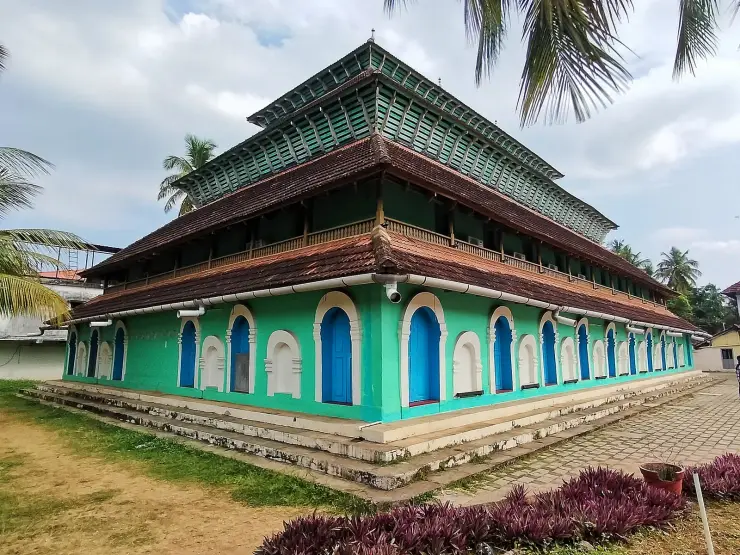
Tucked into the tight lanes of Kuttichira in the old heart of Kozhikode (Calicut), the Mishkal Mosque is one of the oldest and most storied mosques in India — a soaring, multi-tiered timber hall that looks far more like a Kerala temple or an old tharavadu mansion than the domed-and-minaretted mosque most visitors expect. Traditionally dated to around the 14th century and named after Nakhuda Mishkal, a wealthy Arab-Yemeni merchant and shipowner, it is a living monument to the centuries when Calicut was the pepper capital of the world and Arab traders, the Zamorin's court and the Mappila Muslim community were woven together by the spice trade.
The name tells the story. Nakhuda is a title of Persian origin meaning captain or master of a ship, and Mishkal — sometimes rendered Mithqal — was a merchant of Arab, likely Yemeni, descent whose wealth flowed from the Indian Ocean spice routes that ran through medieval Calicut. Tradition holds that this immensely rich shipowner endowed the mosque that still carries his name, so that the timber hall rising above the Kuttichira lanes is, in effect, a merchant's monument to faith paid for by pepper, cardamom and the monsoon winds. When you stand before it, you are looking at the surviving architecture of a trading world that once linked this shoreline to Aden, Hormuz and the ports of the Red Sea.
What startles most first-time visitors is that the mosque breaks every stereotype of Islamic architecture. There is no dome. There is no minaret. Instead a tall, layered structure of four tiers — said to have originally been five — climbs skyward under steeply pitched, tiled Kerala roofs, its weight carried on rows of carved wooden pillars. Reports commonly cite around 24 engraved timber columns and dozens of carved doors — figures of roughly 47 doors are widely quoted. It is pure Malabar vernacular: the same gabled, timber-and-tile idiom used for Kerala's Hindu temples and grand family houses, here turned to the service of Islam. The result is one of the finest examples anywhere of a genuinely Keralan Islamic architecture that grew from local soil rather than being imported from Delhi or Persia.
The mosque sits at the centre of Kuttichira, one of the oldest Muslim quarters of Kozhikode and the ancestral home of the Mappila community — the Muslims of the Malabar coast, many of them descended from marriages between Arab traders and local families. Around the mosque cluster the old tharavadu-style joint-family houses, narrow lanes thick with the smell of cooking and, close by, the great rectangular tank known as the Kuttichira pond, where generations have performed ablutions and where daily life still gathers. To walk here is to move through a neighbourhood that has kept its rhythm for centuries: the call to prayer, the children by the water, the elders in the shaded verandahs.
This corner of Calicut is central to the tradition of how Islam first came to Kerala — peacefully, by sea, through commerce rather than conquest. Popular tradition links the earliest Malabar mosques to Malik Deenar and companions of the Prophet's era, and whatever the exact chronology, the historical truth is clear enough: Islam took root on this coast through Arab merchants who settled, married and were welcomed by Hindu rulers keen to keep the lucrative spice trade flowing. Mishkal Mosque is one of the great surviving symbols of that early, trade-borne Islam, and Kuttichira as a whole is spoken of as a cradle of the faith in south India.
For all its age, this is not a museum piece but an active, working mosque where the five daily prayers are still called and answered. That living quality is part of its power — the worn timber, the polished floors, the sense of continuous use across some seven centuries. Visitors are asked to remember that they are entering a place of ongoing worship and community life, not merely a heritage attraction, and to tread with the respect a place of this antiquity and devotion deserves.
Mishkal Mosque is known across Kerala as a monument to communal harmony, and the version told on signboards and in guidebooks runs quickly: the Portuguese burned the mosque, and the Hindu Zamorin rebuilt it. The dates in our own history section tell a slower and more interesting story. The arson came in January 1510. The reconstruction is dated to 1578–79. Set those side by side and a gap opens that the harmony story almost never mentions — sixty-eight years. This was not a king repairing his subjects’ mosque within the year as a gesture of goodwill. Three generations of Kuttichira prayed in a burnt building, under several successive Zamorins, across most of the sixteenth century.
The reason for the delay was not indifference. The Portuguese did not sail away after 1510; they spent the following decades trying to choke Calicut’s trade at its source. In 1531 they built a fort at Chaliyam, on the estuary a few miles south of the city where the Beypore river meets the sea, and from it they commanded the southern approach to the Zamorin’s port. While that fort stood, the Muslim merchant community whose wealth had raised the mosque in the first place was under sustained economic attack, and rebuilding a great timber hall in the middle of Kuttichira was not a thing that could simply be ordered. The reconstruction was waiting on the outcome of a war.
That outcome came in 1571. The Zamorin besieged Chaliyam with his own forces alongside the Mappila fighters and the ships of the Kunjali Marakkars, his Muslim admirals, and the Portuguese garrison surrendered in November of that year. The fort was then pulled down so thoroughly that the phrase which survives in the chronicles is that the Zamorin left “no stone upon another”. Seven years after the fort came down, the mosque went back up — four tiers where tradition holds that five had stood before the fire.
A tradition current in Kozhikode adds a satisfying coda: that the timber used to rebuild the mosque was carried up from the wreckage of Chaliyam, so that the mosque the Portuguese had burned was raised again on the Portuguese’s own wood. It is more than a rumour — the historian Manu S. Pillai, quoting a contemporary chronicler, writes that all these stones and the wood from Chaliyam were carried into Kozhikode and placed in the yard at Mishkal for the mosque, and holds that the building still shows both the marks of the 1510 assault and material seized from the men who made them. It is worth noting, though, that the claim does not appear in the standard reference accounts of the mosque or on the Kerala Tourism description of the site, and that Malayalam sources at Chaliyam say instead that the Zamorin gave the fort's stones and timber for rebuilding Chaliyam's own demolished mosque. Both may be true of different parts of the same rubble. Carry it as Pillai's reading and local tradition rather than as settled fact. The same caution applies to the lost fifth storey, which is stated flatly on most signage but rests on tradition rather than on a surviving record.
None of this diminishes the harmony for which the mosque is famous — it makes it considerably heavier. What is usually presented as a single gracious gesture by a tolerant king was in fact the closing act of a sixty-year struggle in which a Hindu dynasty and its Muslim merchants and sailors fought the same enemy, at sea and on land, for the same reason: the pepper trade that both of them lived on. The rebuilt mosque is not a monument to a king’s kindness. It is a victory monument, and the alliance it commemorates was not a sentiment but a working partnership that outlasted the men who made it.
Mishkal Mosque is traditionally assigned to around the 14th century, giving it a history of more than six hundred and fifty years, which places it among the oldest surviving mosques in India. It belongs to the age when Calicut under the Zamorins (Samoothiris) was the pre-eminent trading port of the Malabar coast, drawing Arab, Chinese and later European merchants. The mosque was endowed by Nakhuda Mishkal, whose fortune came from long-distance maritime trade, and it stands as physical evidence of the deep, prosperous partnership between the Zamorin's kingdom and its Arab-linked Muslim merchant community.
The mosque's most dramatic chapter came with the arrival of the Portuguese in the Indian Ocean. Determined to seize control of the spice trade from the Arab merchants and the Zamorin who backed them, the Portuguese launched repeated attacks on Calicut in the early sixteenth century. In 1510 a Portuguese assault set fire to the mosque, and the arson is said to have destroyed the uppermost storey — the reason the building today rises four tiers where tradition says it once rose five. Some accounts hold that charred and blackened beams from that burning can still be seen in the upper timbers, a scar carried down the centuries.
What followed is why the mosque is so often invoked as a symbol of Kerala's communal harmony. The Zamorin of Calicut — a Hindu king — treated the attack on the mosque as an attack on his own subjects and kingdom, and the ruling house supported the defence of the Muslim community and the rebuilding of their damaged mosque. Sources commonly date the reconstruction to 1578–79. The image of a Hindu monarch rebuilding a Muslim place of worship burned by a foreign power has made Mishkal Mosque a lasting emblem of the pluralism of old Malabar, where faith counted for less than the shared bonds of kingdom and trade.
The mosque must be understood within the wider Portuguese-Zamorin wars, a long struggle for command of the pepper trade in which the Kunjali Marakkars — the Zamorin's Muslim naval admirals — famously fought the Portuguese at sea. Kuttichira and its mosques were part of the home front of that conflict: the merchant community whose wealth and shipping the Portuguese sought to break. The survival and rebuilding of Mishkal Mosque is, in that sense, a small victory of resilience in a decades-long war over the spices that made Calicut famous across the world.
Across the following centuries the mosque remained the spiritual anchor of the Kuttichira Muslims, weathering the changes of the Mysorean invasions, British rule and modern Kozhikode without losing its function or its distinctive timber form. Today it is recognised as one of the most important heritage mosques in Kerala and a cornerstone of the Kuttichira heritage precinct, which is increasingly studied and promoted for its unique blend of Islamic devotion and Kerala vernacular craft. It continues to serve its congregation daily, an unbroken thread of worship running back to the age of the Zamorins.
You will see one of the oldest mosques in India — a genuine medieval survivor from the age of the Calicut spice trade, with roots traditionally reaching back some seven centuries. Few active places of worship anywhere carry this depth of continuous history.
The architecture is unlike almost any mosque you have seen: a towering four-tier timber hall with no dome and no minaret, built entirely in the gabled, tiled, pillared Kerala vernacular style shared with the region's temples and old family mansions. It is a masterclass in how Islam adapted to local craft and climate.
It is a monument to a rare and moving story of communal harmony — a mosque burned by the Portuguese and rebuilt with the support of a Hindu Zamorin — that speaks to the pluralist history of the Malabar coast in a way few sites can.
The surrounding Kuttichira quarter is one of the most atmospheric heritage neighbourhoods in Kerala, with its ancestral tharavadu-style houses, narrow lanes and the large historic Kuttichira pond right beside the mosque — a whole living precinct rather than a single monument.
For anyone interested in the story of how Islam came to India, this is close to the source: the peaceful, trade-borne arrival of the faith on the Malabar coast, associated in tradition with the earliest mosques of Kerala and the Malik Deenar era.
It offers a quiet, authentic slice of old Calicut far from any theme-park polish — an active, worn, working mosque where the wood, the light and the daily prayers make the centuries feel present.
Road km to Kozhikode; ghat roads and traffic vary — allow extra.
Outside prayer rush, unless visiting for worship.
Live forecast loads in your browser.
Sun and moon are calculated for this location and shown in IST. Photography windows are the hour around sunrise and sunset; the sunset bearing is degrees clockwise from true north. Moon phase is accurate to about half a day.
Verified hotels, homestays, restaurants, experiences, sights, shops and rentals around Mishkal Mosque — commission-free, with direct contact. Filter by what you need.
The Regional Science Centre near the new bus stand — galleries, a science park and 3D shows, open all seven days. The planetarium dome itself has been suspended; phone ahead rather than plan around it.
Sweet Meat Street itself — SM Street — the bazaar spine of the city and the home of Kozhikode halwa. The name was never about meat: sweetmeat is plain old English for confectionery.
The city’s evening room rather than a swimming beach — food stalls, families, and the two ruined piers that carried the pepper trade standing out in the water.

The Zamorins’ palace tank itself — the protected water body at the centre of the square, the reason the square exists. A thing to sit beside, not a boating lake.
The temple tank beside Thali — a ritual water body in active use. Look from the edge; bathing and conduct rules are the temple’s.

The square around the Zamorins’ palace tank, the point to read the old city outward from — the bazaar east, Kuttichira south, the beach west.

The Zamorins’ Shiva temple, where the Revathi Pattathanam scholarship assembly has been held since the fourteenth century. An active temple with its own access customs; visit outside puja times.
Kerala Tourism-classified Ayurveda and panchakarma hospital at Azhiyur in Kozhikode district, with 16 treatment rooms and full-time physicians. It runs panchakarma, classical treatments and Ayurveda, yoga and marma study courses over more than two decades.
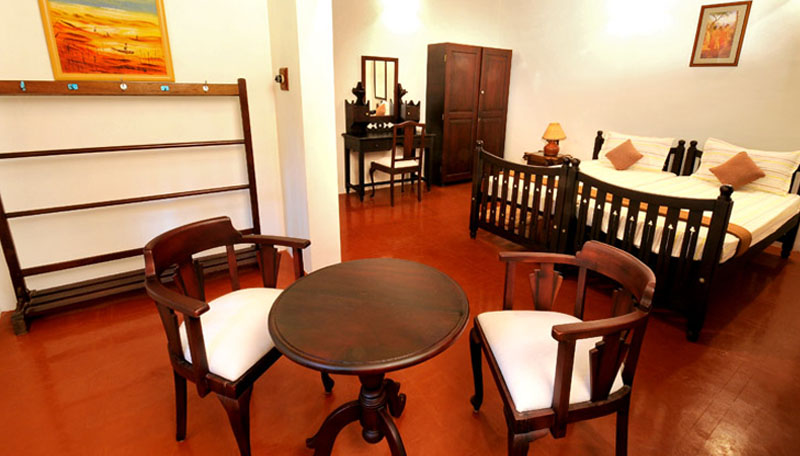
Green Leaf-accredited Ayurveda and yoga retreat set in a 170-year-old heritage homestead at Bilathikkulam in Kozhikode. It offers physician-led panchakarma, classical treatments and yoga in a family-run heritage setting rather than a hotel spa.
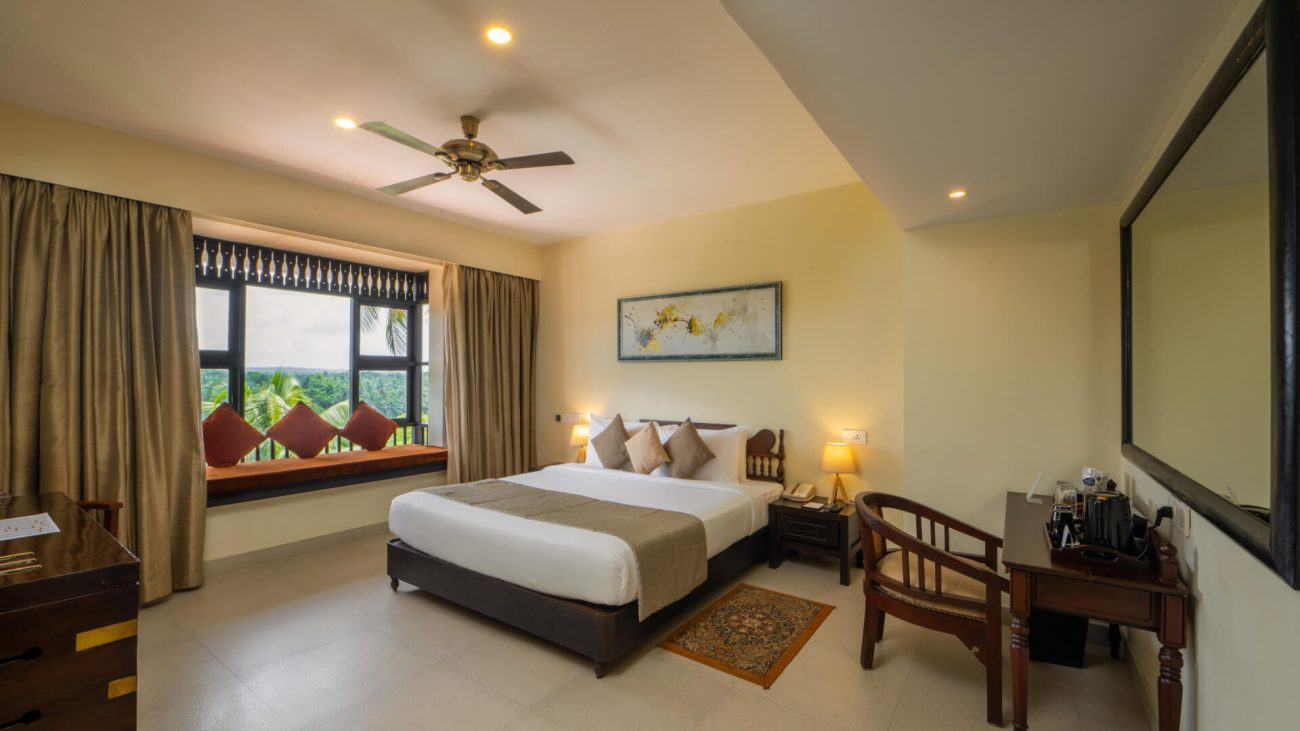
Five-star riverside resort of The Raviz group on the banks of the Chaliyar near Kozhikode, with an Ayurveda spa, pools and river-view rooms. It is one of the district’s flagship luxury resorts, positioned for wellness and destination stays.
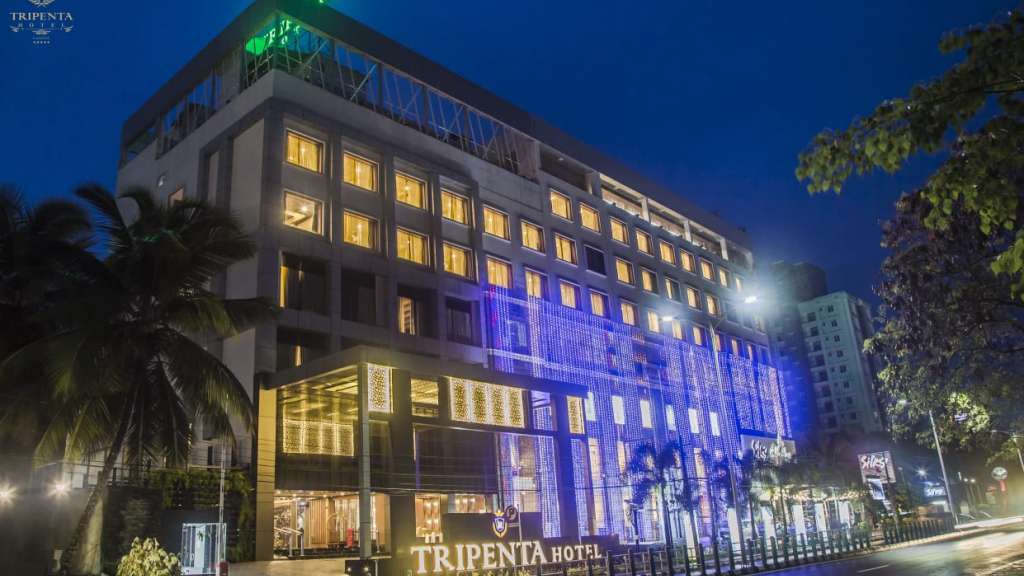
Five-star hotel opposite Sarovaram Bio Park on the Mini Bypass Road in Kozhikode, with a swimming pool, spa, health club and multi-cuisine dining. Its Kerala Tourism provider record classifies it as a five-star facility, one of the city’s top luxury business hotels.
City hotel in the Markaz Complex on Mavoor Road, near the new bus stand. It offers air-conditioned rooms in several categories with an in-house restaurant.
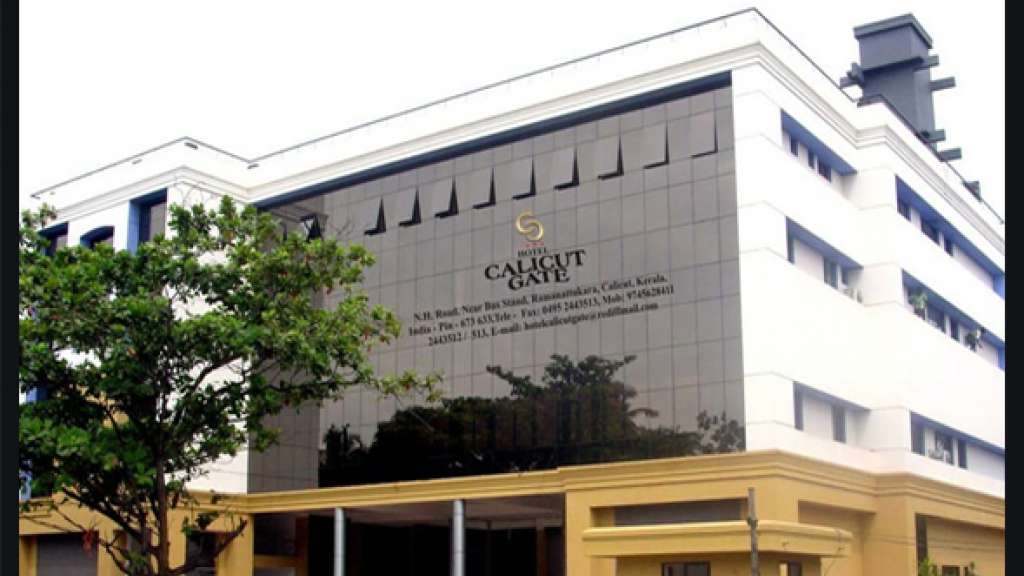
Affordable hotel on the N.H. road at Ramanattukara on the southern approach to Kozhikode, with 15 air-conditioned and non-air-conditioned rooms. Its Kerala Tourism provider record lists it as a budget-friendly option with quality service near the highway and bus stand.
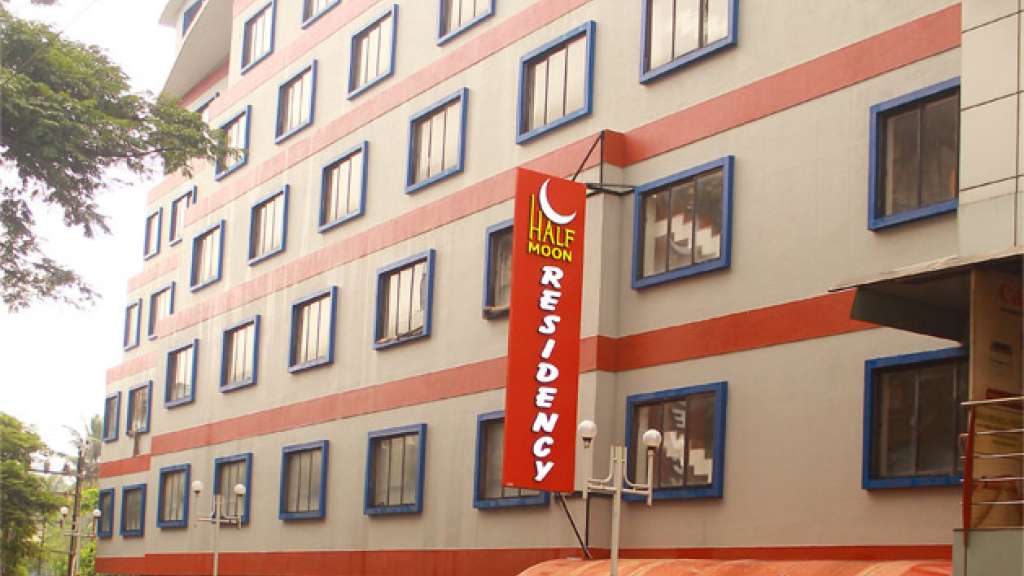
Budget-class business hotel on Mavoor Road, behind Kalyan Jewellery, about 1.5 km from Kozhikode railway station. Its Kerala Tourism provider record lists air-conditioned rooms with high-speed Wi-Fi and LED TVs at affordable rates for corporate and transit travellers.
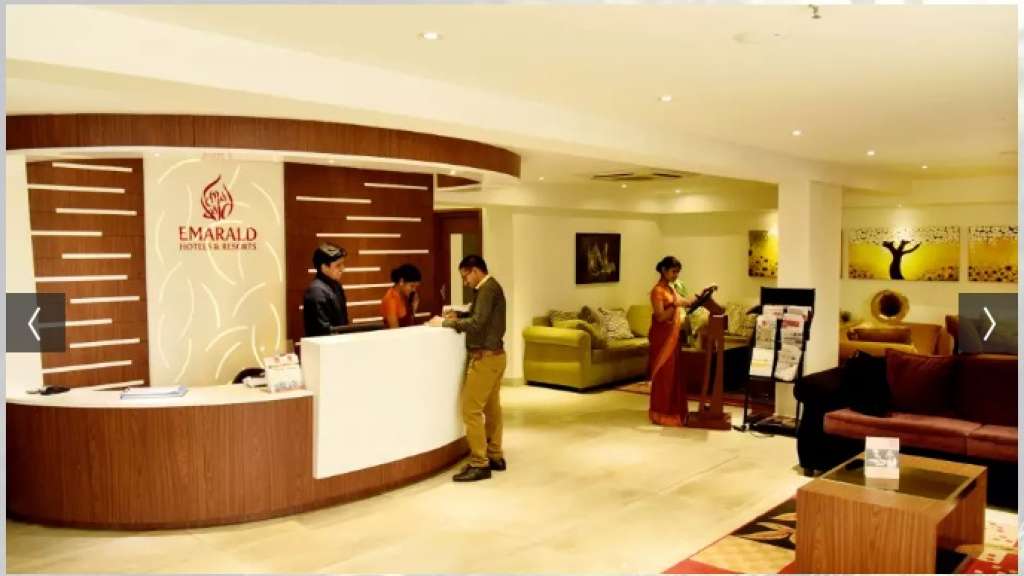
Three-star business hotel on Mavoor Road at Arayidathupalam, close to Kozhikode (Calicut) railway station, with air-conditioned rooms and a restaurant. Part of the Emarald Hotels & Resorts group, it is a convenient mid-range city base near transport.
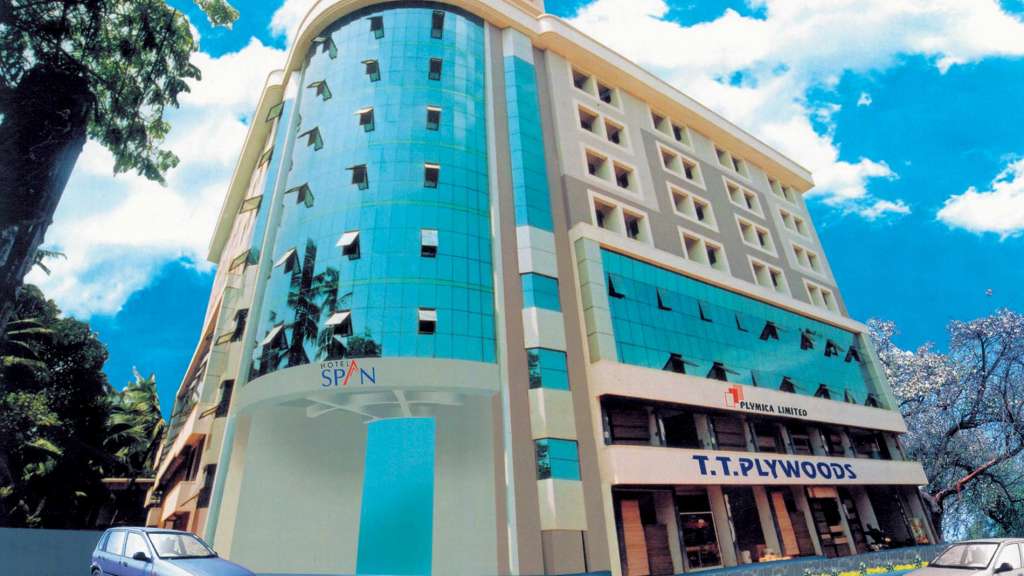
Large three-star business hotel on Jail Road, Puthiyara, in central Kozhikode, with air-conditioned rooms, a restaurant and event facilities. Its Kerala Tourism provider record lists it as a full-service city hotel, a practical mid-range base for Malabar city trips.
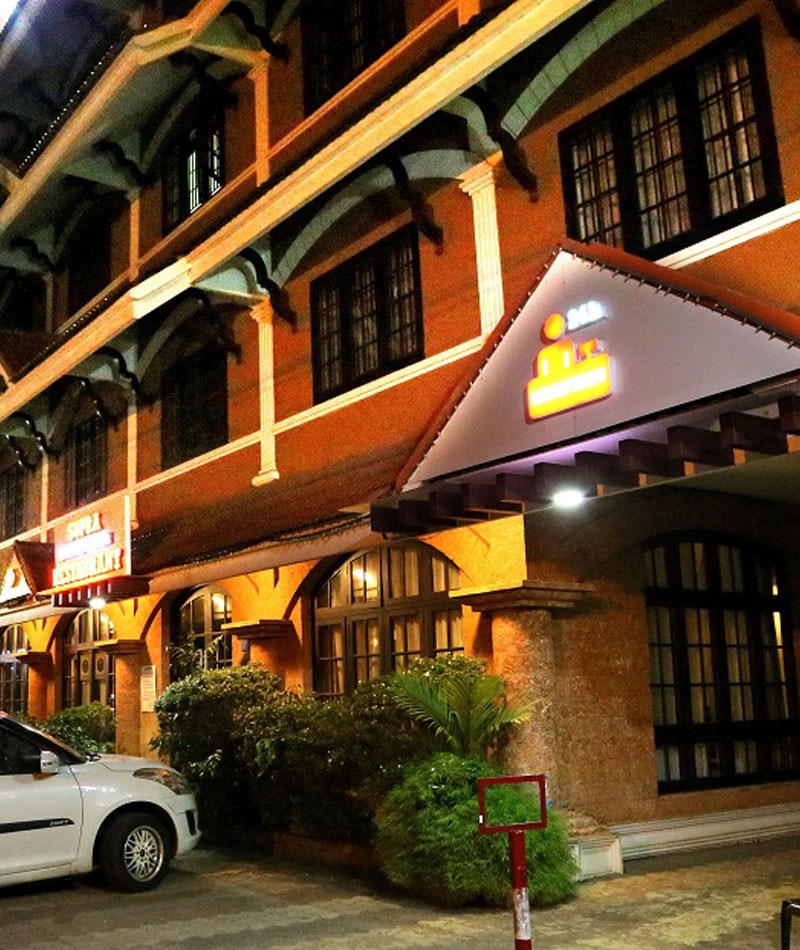
Government-of-India-approved three-star business hotel on the Mini Bypass opposite Aster MIMS in Kozhikode, with 27 standard, deluxe and suite rooms and a multi-cuisine restaurant. Its own website presents it as a dependable mid-range city base for business and hospital-side visitors.

Greenwood Holidays is a Kozhikode-based travel agency and tour operator for packages, hotels, transportation and sightseeing support. Tour operator, Travel agency, Mankave.

Calicut taxi provider with direct address, phones and email. Bank Road, Calicut Town, Kerala 673006 · Calicut taxi, Airport transfer, Outstation cab.
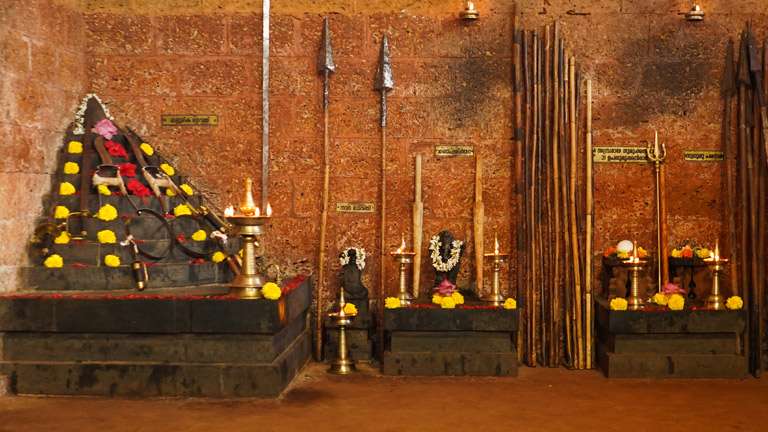
Kerala Tourism-listed Kalaripayattu and Ayurveda centre at Puthiyara. Kalaripayattu, Hindustan Kalari, Puthiyara.
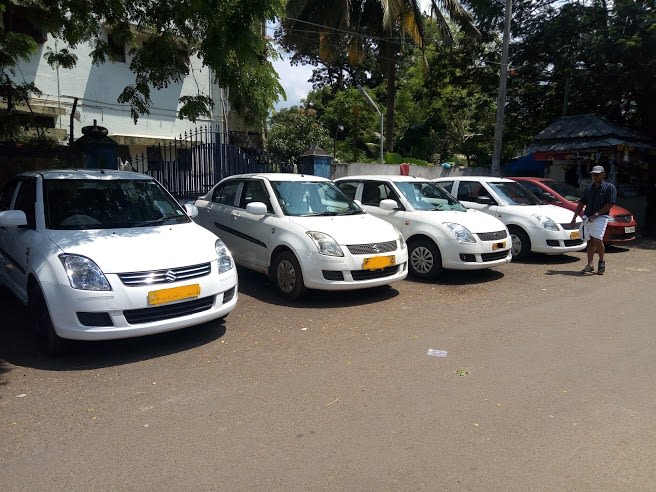
Mayukaha Taxi Calicut Cabs is a local Kozhikode taxi service for airport, railway and city pickups, useful as a direct-contact transport option when app cabs are not enough. Kozhikode taxi, Calicut cabs, Airport taxi.
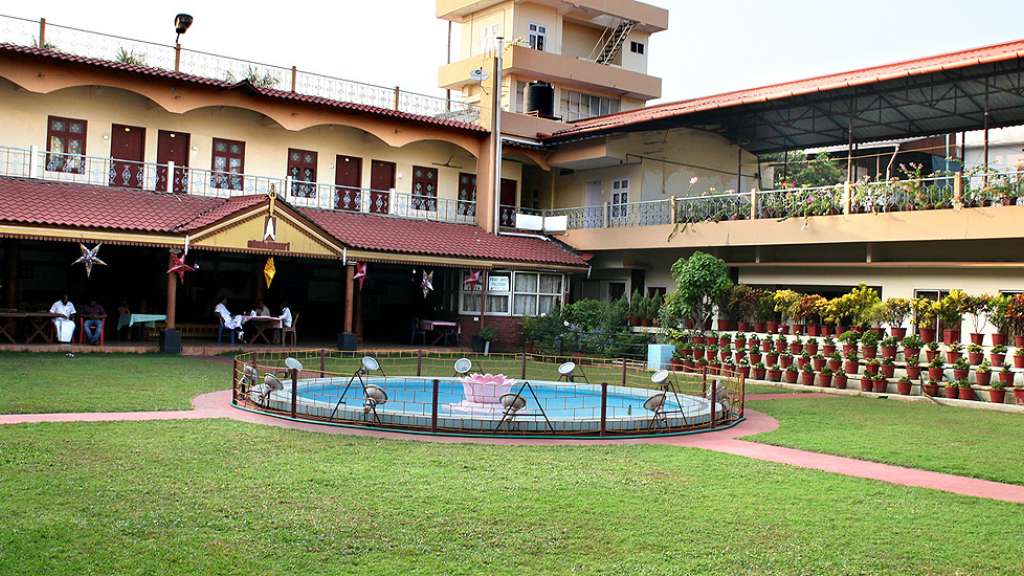
Kerala Tourism-listed three-star hotel on M. M. Ali Road, Kozhikode. Alakapuri Hotels, Kozhikode hotel, M M Ali Road.
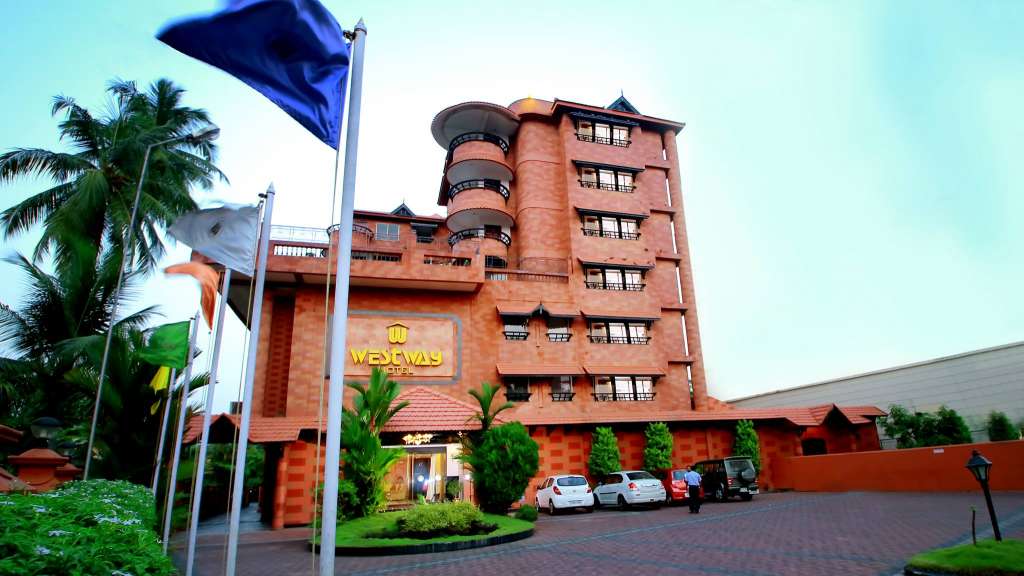
Kerala Tourism-listed four-star hotel at West Nadakkav, Kozhikode. Westway Hotel, Kozhikode hotel, West Nadakkav.
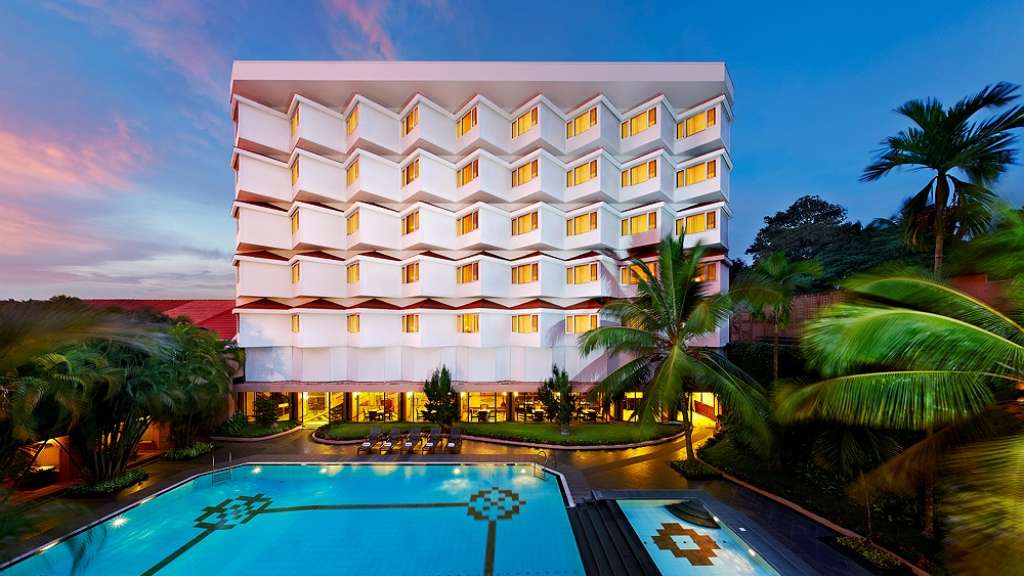
Kerala Tourism-listed five-star Taj hotel on P. T. Usha Road, Kozhikode. 4-star Taj luxury hotel · Gateway Hotel, Taj, Beach Road.
Book with the place itself. India’s cyber-crime coordination centre warned in April 2025 that convincing copies of hotel and pilgrimage booking sites are being pushed through sponsored search and social ads, taking payment for rooms the property never hears about. Every listing here links to the business’s own contact details and its own Google or Bing profile — we take no commission and sit in nobody’s payment path. If a booking page reached you through an ad, check the address bar against the property’s own site before you pay. Fraud can be reported on cybercrime.gov.in or on 1930.
Find food, accommodation and activities across Kozhikode city. Browse the guides for places to eat, stay and explore along your route.
9 more places around Kozhikode city. Open a guide to plan the visit and onward journey.
A small historic mosque in Kuttichira with an important early Malayalam-Arabic inscription, distinct from the nearby and much larger Mishkal Mosque.
470 m · 6 min walk
Historic shopping street and sweet-stall area in Kozhikode city.
1.1 km · 13 min walk
Landmark park in the city centre on the old Zamorin palace grounds, around the Mananchira tank, with a musical fountain.
1.2 km · 15 min walk
One of Kozhikode’s oldest temples, a laterite-and-timber Shiva shrine near Mananchira long patronised by the Zamorins.
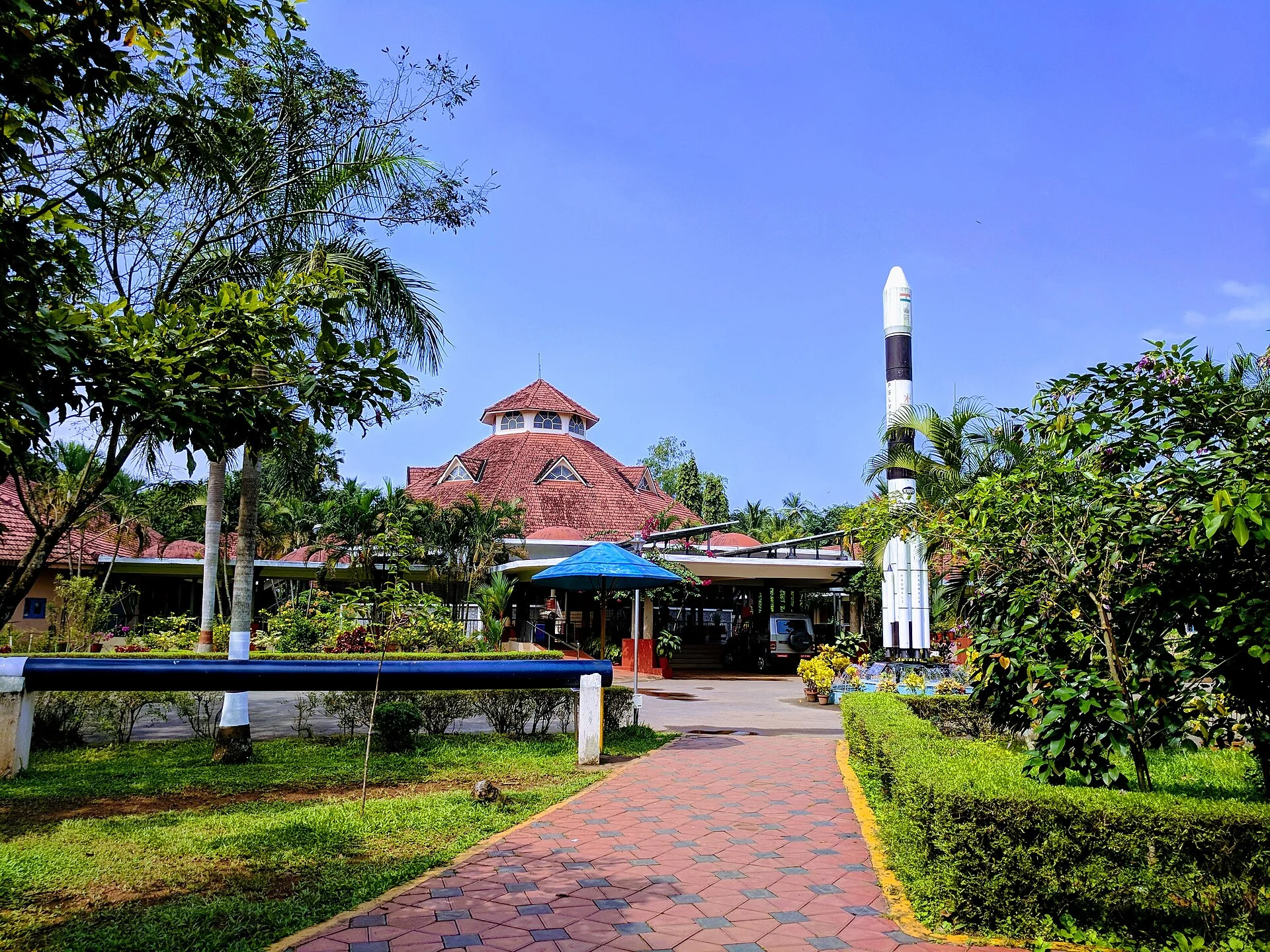
2.2 km · 28 min walk
Check the planetarium before you plan an afternoon around it: it has been shut since 13 July 2026 for a full projector replacement and no reopening date has been announced. The rest of the centre — a National Council of Science Museums site in central Kozhikode — is working: five galleries, a 3D theatre and an outdoor science park that is the real draw for children.
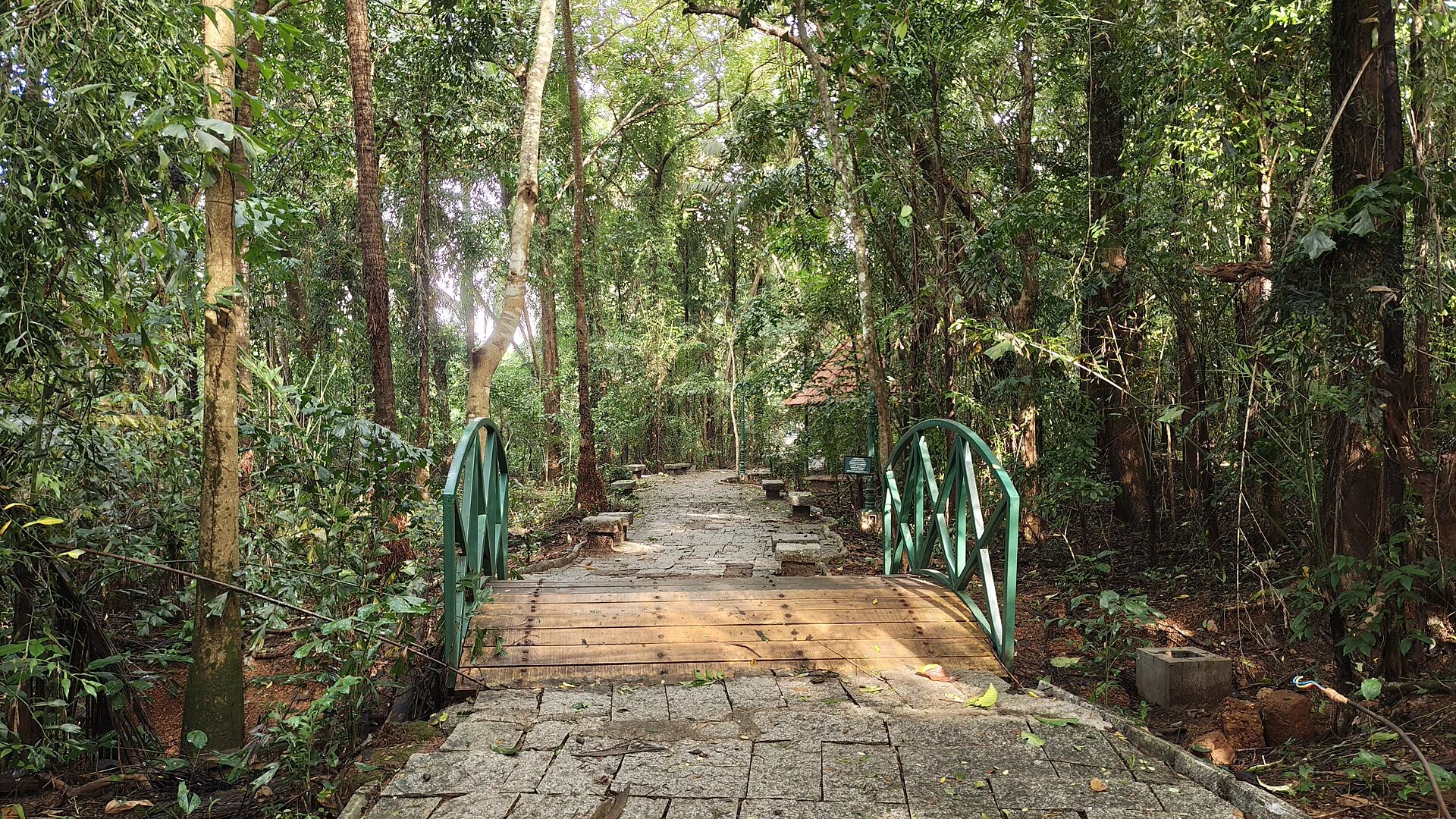
3.2 km · ~8 min by auto
A 98-acre public eco-park on the Conolly Canal in central Kozhikode, the developed part of the Kottooli wetland — mature urban woodland and mangrove-fringed water, mid-renovation and partly not operating.
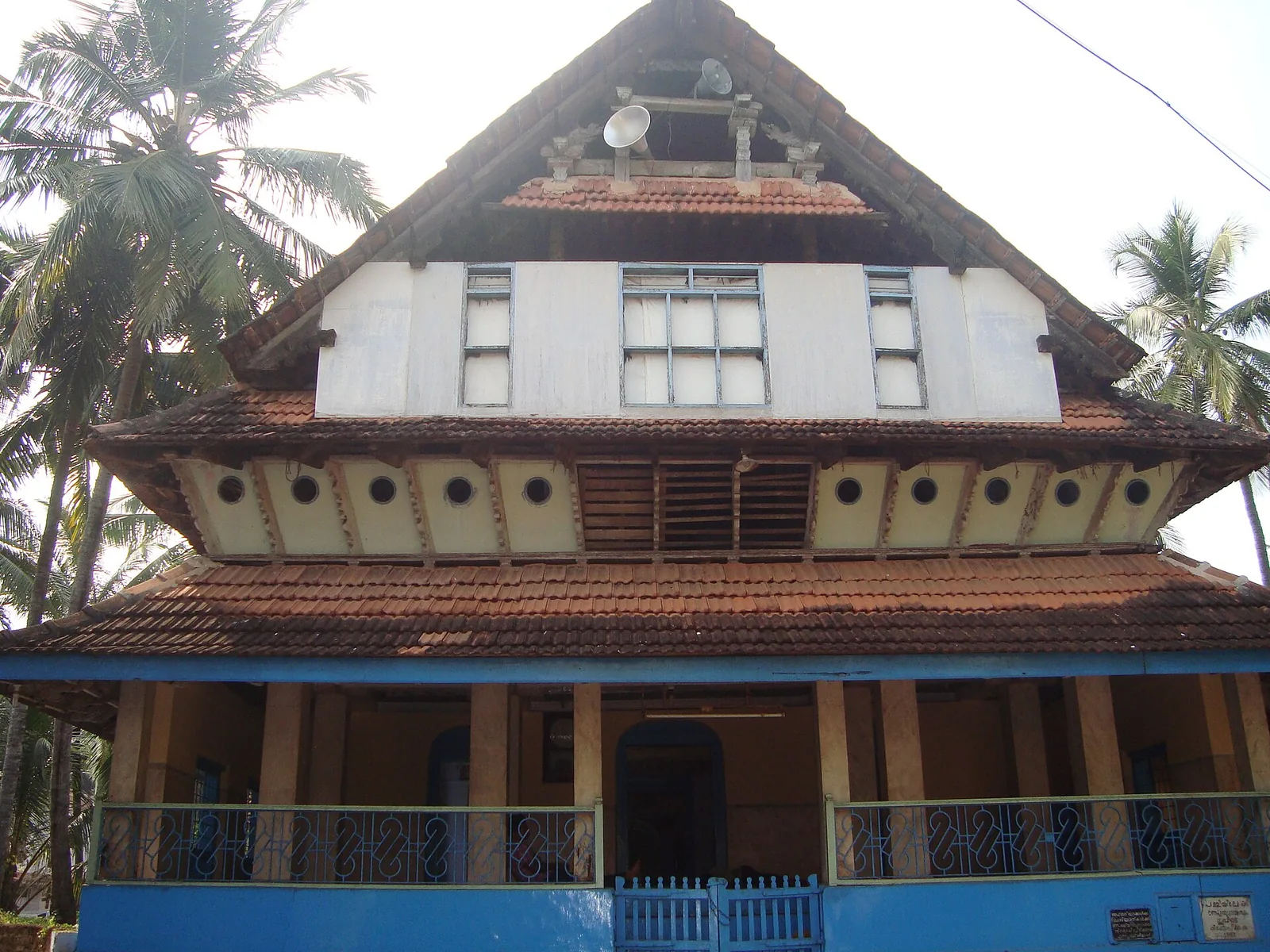
390 m · 5 min walk
Kuttichira mosque built by a freed slave and endowed by the Zamorin, holding a 13th-century bilingual Vattezhuthu–Arabic inscription; it has no minbar and holds no Friday prayers.
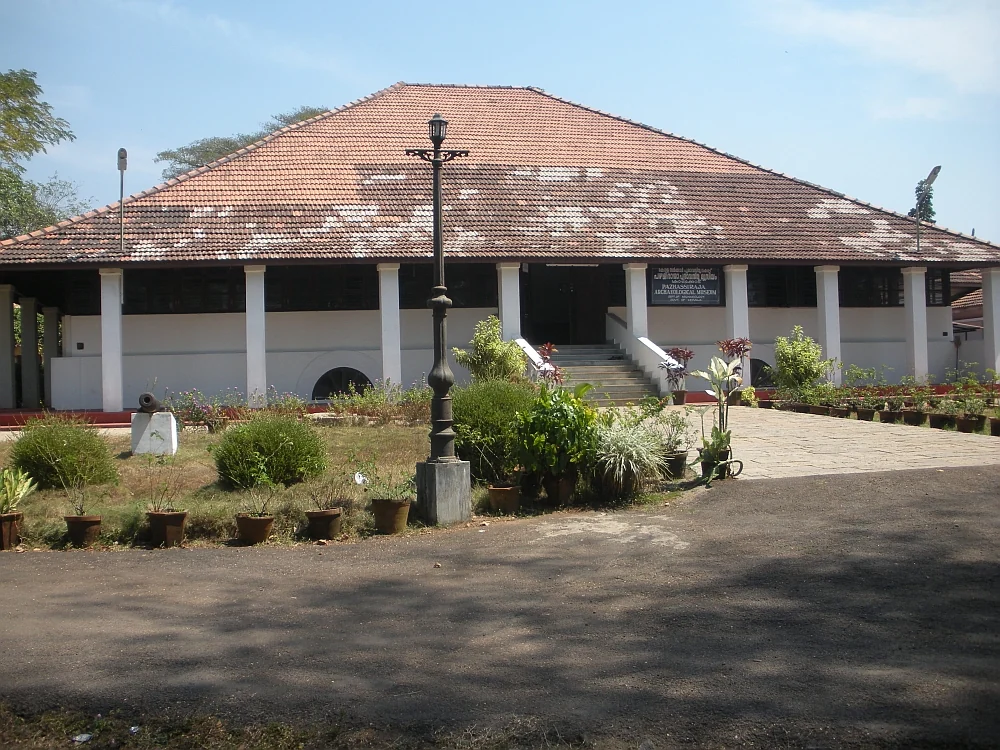
5.2 km · ~13 min by auto
State archaeology museum at East Hill in an 1812 bungalow, with murals, bronzes, coins and megalithic monuments.
Roampedia is commission-free — own or know a stay, eatery, guide or shop near Mishkal Mosque? List it and it appears here once verified.
Add a nearby businessEntry: Free — it is an active place of worship, not a ticketed monument. Any donation to the mosque is voluntary.
Dress code: Dress modestly with shoulders and knees fully covered; women should cover more conservatively and may wish to carry a scarf. Remove your footwear before entering. Non-Muslim visitors and women may face limits on access to the prayer areas, especially at prayer times (ask/confirm locally + respect prayer times).
Festivals: Being an active mosque, it observes the main Islamic occasions such as Ramadan, Eid al-Fitr and Eid al-Adha, and the Kuttichira community keeps its own religious calendar; dates follow the lunar Islamic calendar and shift each year.
Photography: Photography may be restricted, particularly of the interior, of worshippers and during prayer times. Always ask permission from the caretakers before photographing, and never photograph people at prayer (ask/confirm locally).
If you are travelling by bus or ferry, check the return service with the operator before setting out. Leave time to reach the stop or jetty after your visit.
Ask at the bus stand for the time of the last service back, not the next one. If you miss it, an auto or app cab is the fallback — agree the fare before you get in.
If you need step-free access, contact the site before travelling. Ask about a level entrance, steps along the route, the nearest drop-off point, seating and accessible toilets.
Charge cap and free-transaction limits: Reserve Bank of India, in force since 1 May 2025.
These services are listed within about 1.2 km of Mishkal Mosque. Walking distances follow mapped routes; access and opening hours can change. Other services may be closer but are not included here.
Emergency numbers are verified against official government and state tourism sources. 112 works anywhere in India.
Kuttichira mosque built by a freed slave and endowed by the Zamorin, holding a 13th-century bilingual Vattezhuthu–Arabic inscription; it has no minbar and holds no Friday prayers.
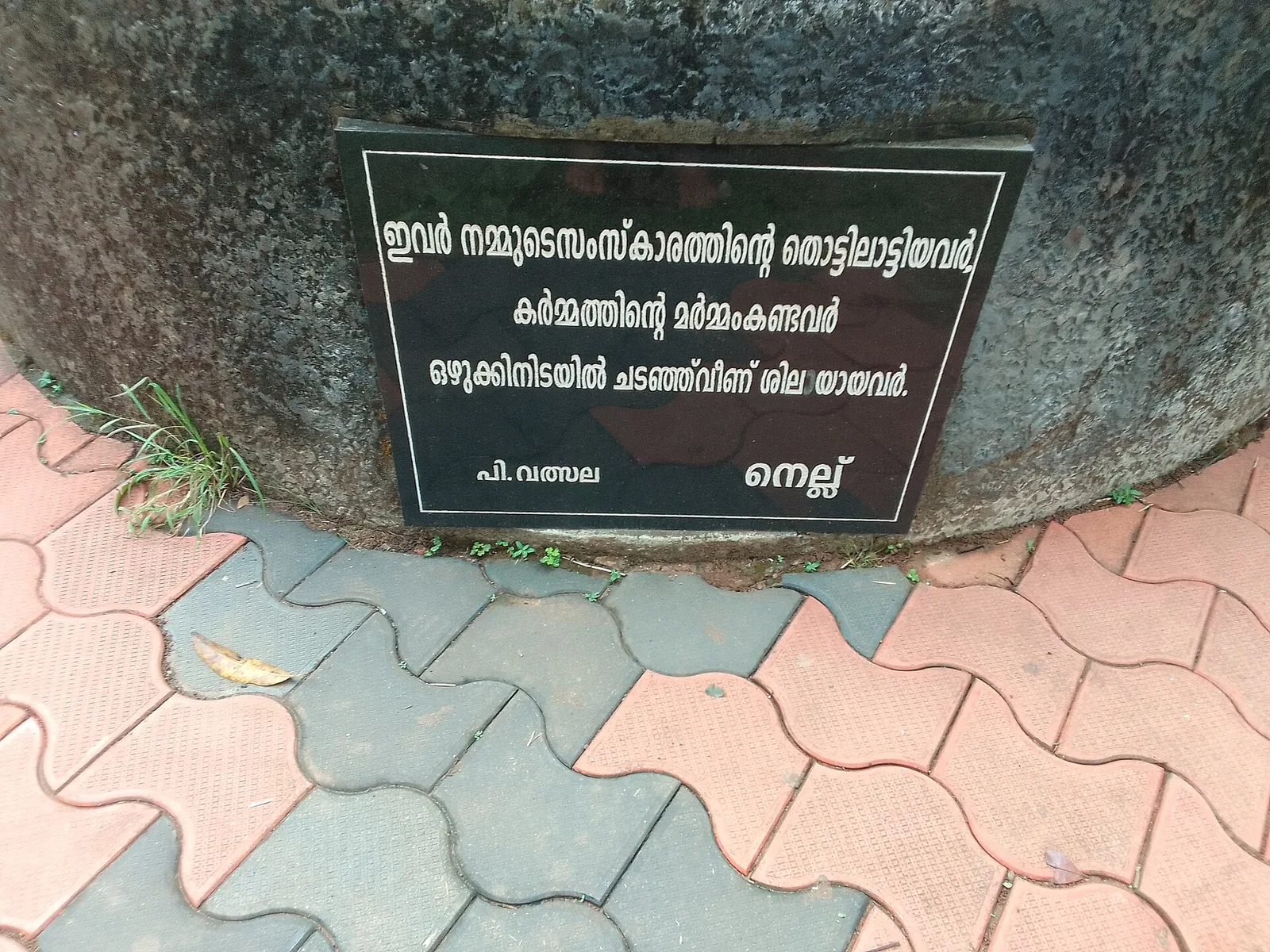
390 m · 5 min walk · straight lineHistoric shopping street and sweet-stall area in Kozhikode city.
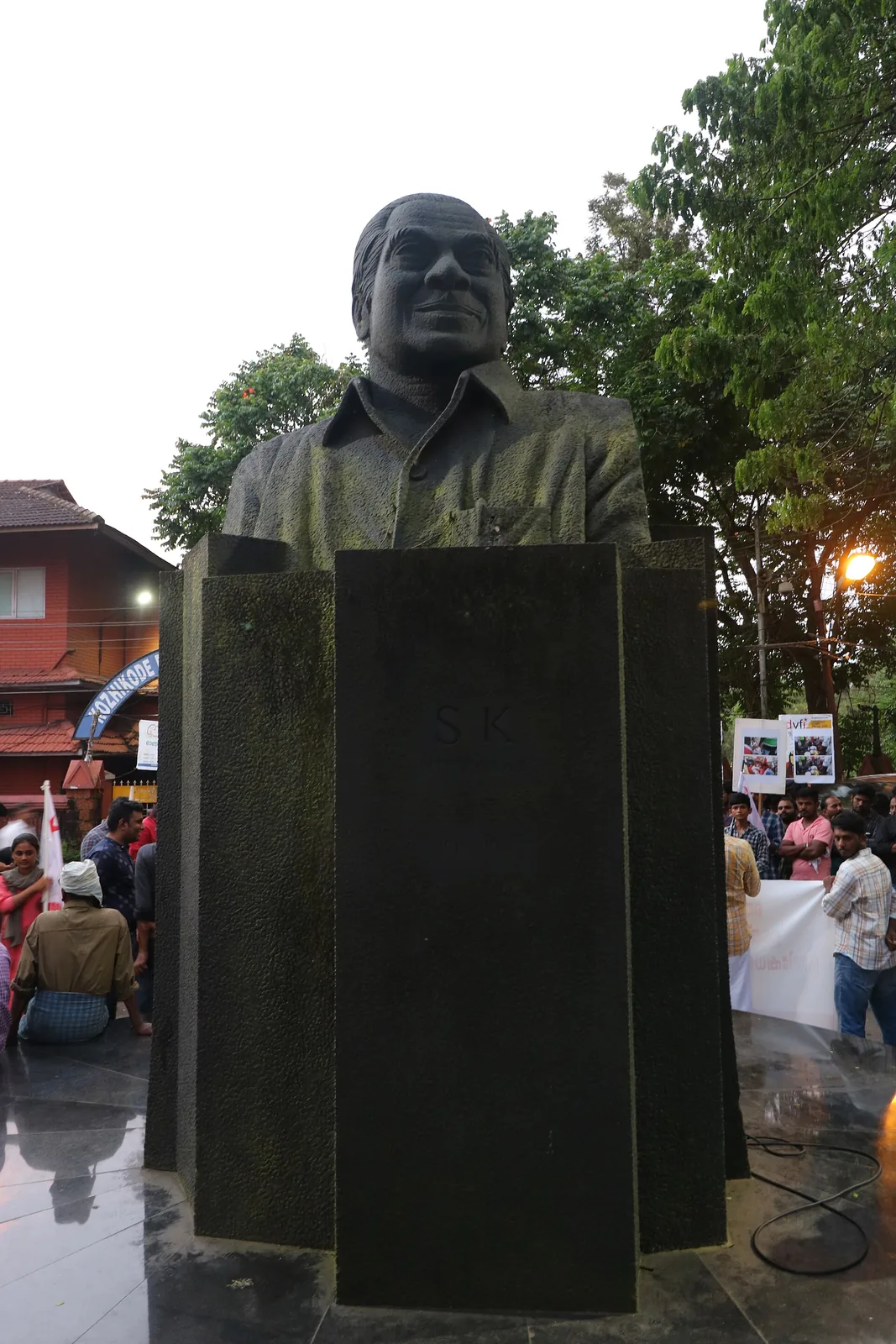
470 m · 6 min walk · straight lineLandmark park in the city centre on the old Zamorin palace grounds, around the Mananchira tank, with a musical fountain.
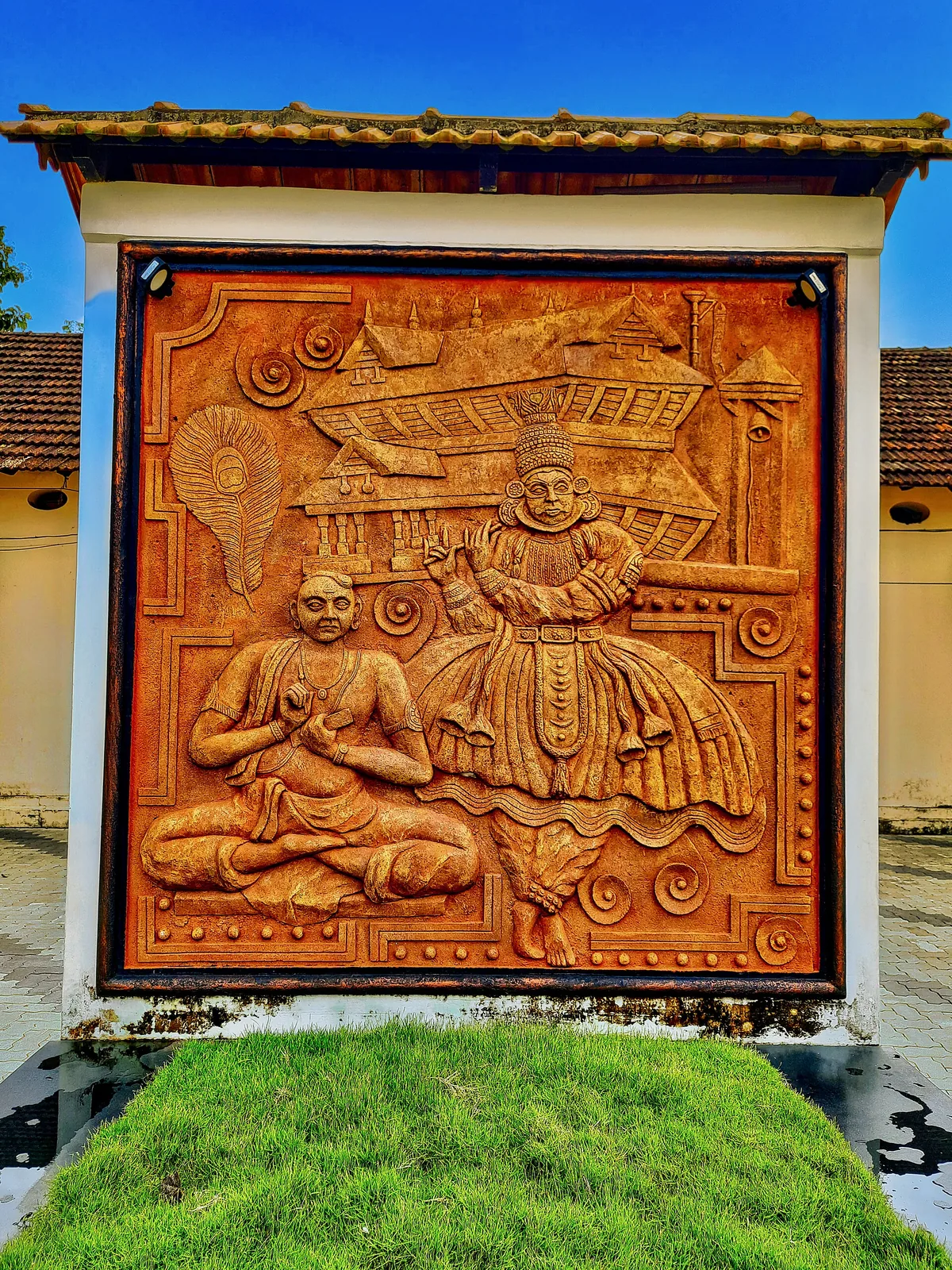
1.1 km · 13 min walk · straight lineOne of Kozhikode’s oldest temples, a laterite-and-timber Shiva shrine near Mananchira long patronised by the Zamorins.
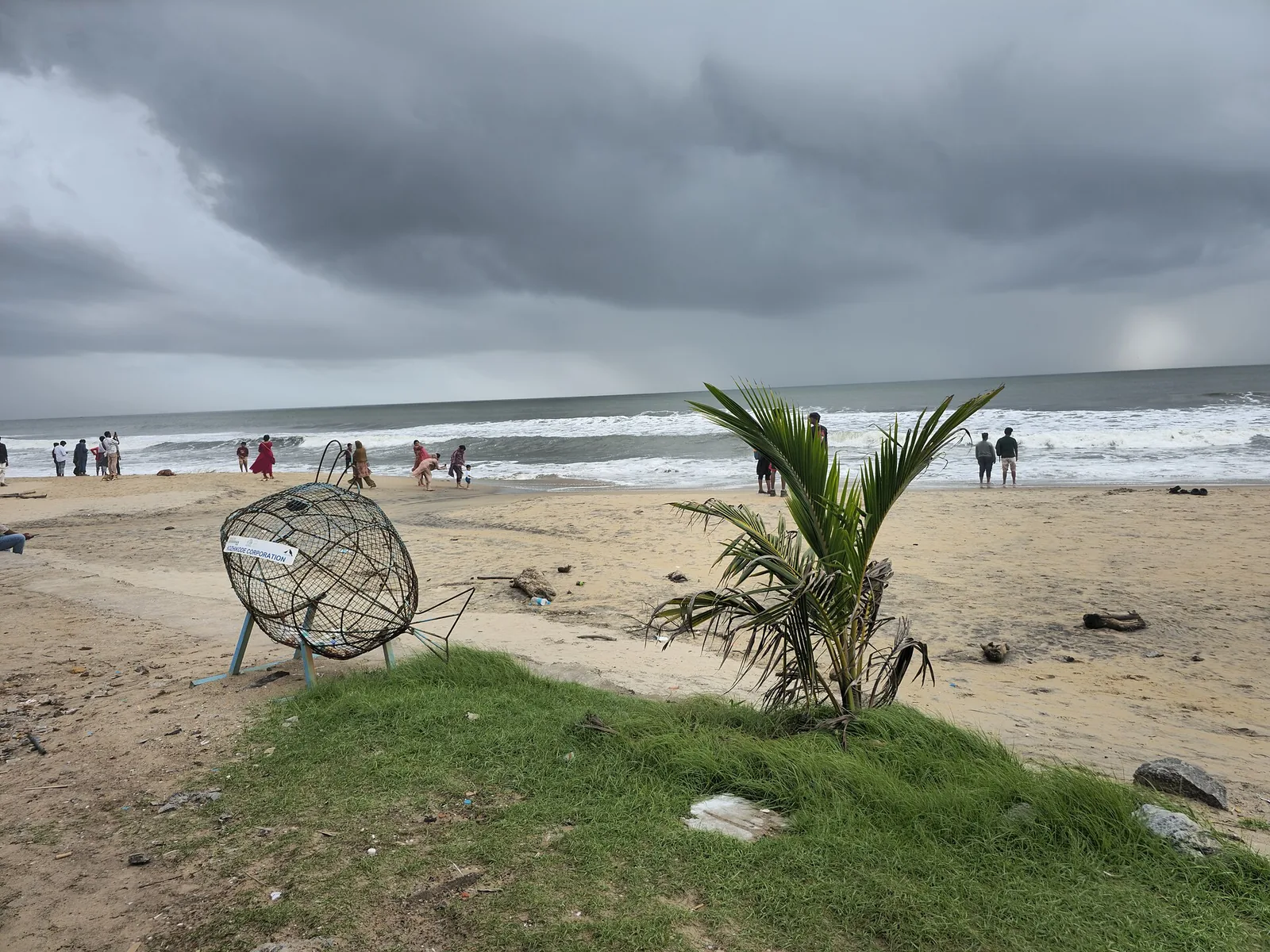
1.2 km · 15 min walk · straight lineCity beach with old pier remains and sunset food stalls.
1.4 km · 17 min walk · straight lineA National Council of Science Museums centre in central Kozhikode — five galleries, a 3D theatre and an outdoor science park. ⚠ Its planetarium has been closed for a projector replacement since 13 July 2026 with no announced reopening date.
2.2 km · 28 min walk · straight lineA 98-acre public eco-park on the Conolly Canal in central Kozhikode, the developed part of the Kottooli wetland — mature urban woodland and mangrove-fringed water, mid-renovation and partly not operating.
3.2 km · ~8 min by auto · straight lineState archaeology museum at East Hill in an 1812 bungalow, with murals, bronzes, coins and megalithic monuments.
5.2 km · ~13 min by auto · straight line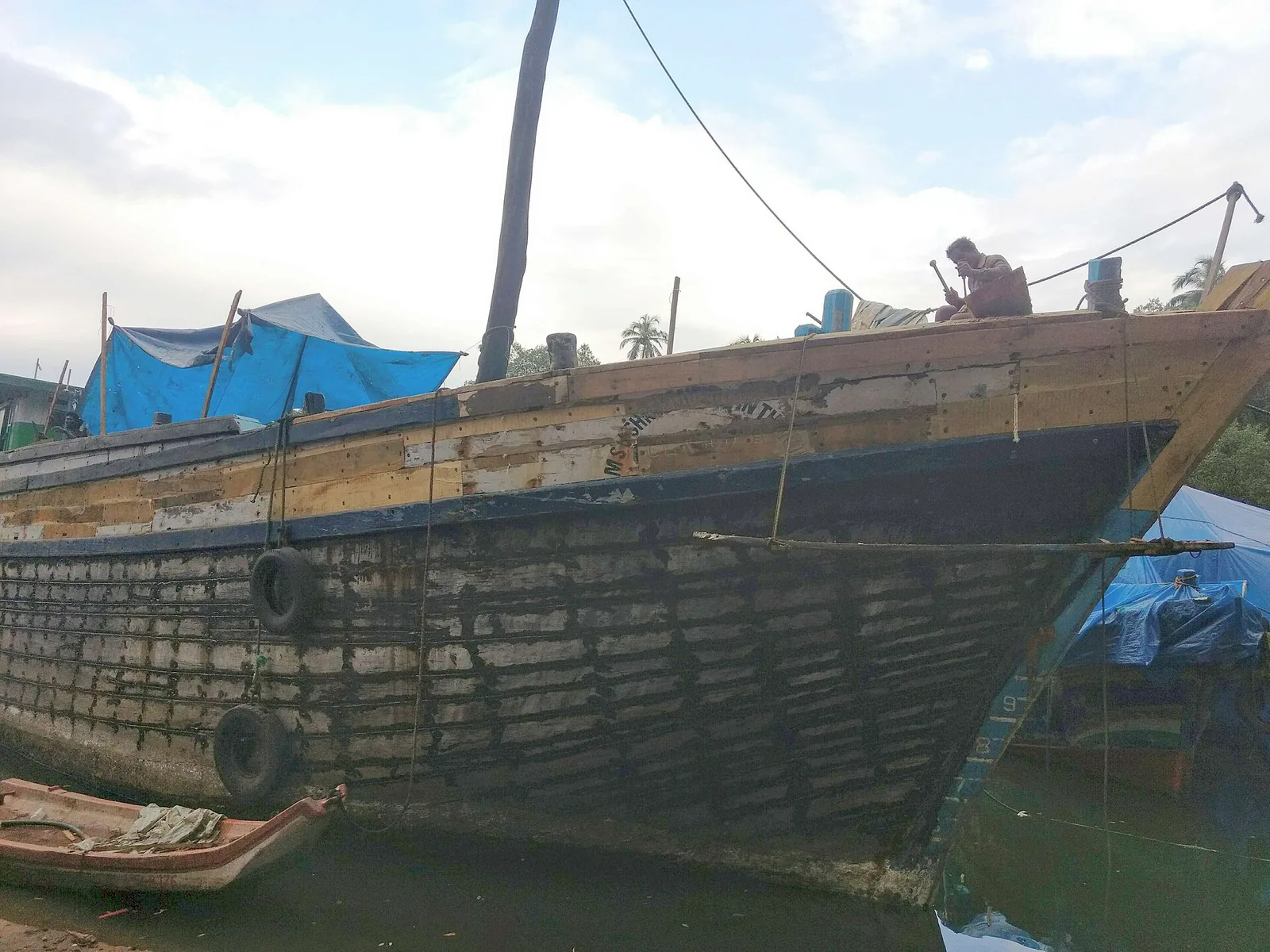
Old port and boat-building area known for uru construction.
8.2 km · ~14 min by cab · straight line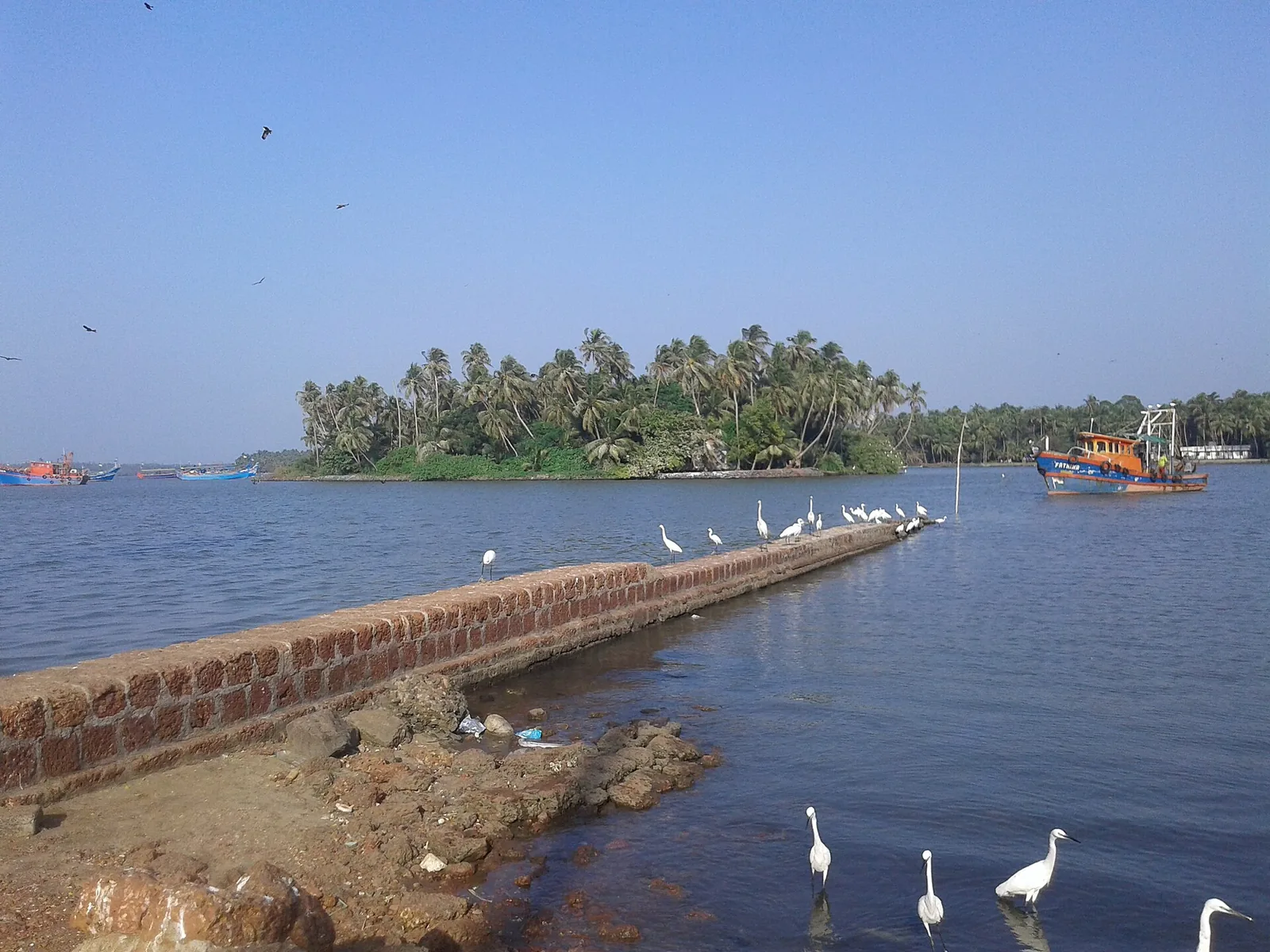
The south bank of the Chaliyar mouth, opposite Beypore — site of Kerala’s first railway terminus (1861) and of the Portuguese fort of 1532, both of which were demolished and carted to Kozhikode. One well and some laterite courses on the beach are what is left.
10.2 km · ~17 min by cab · straight line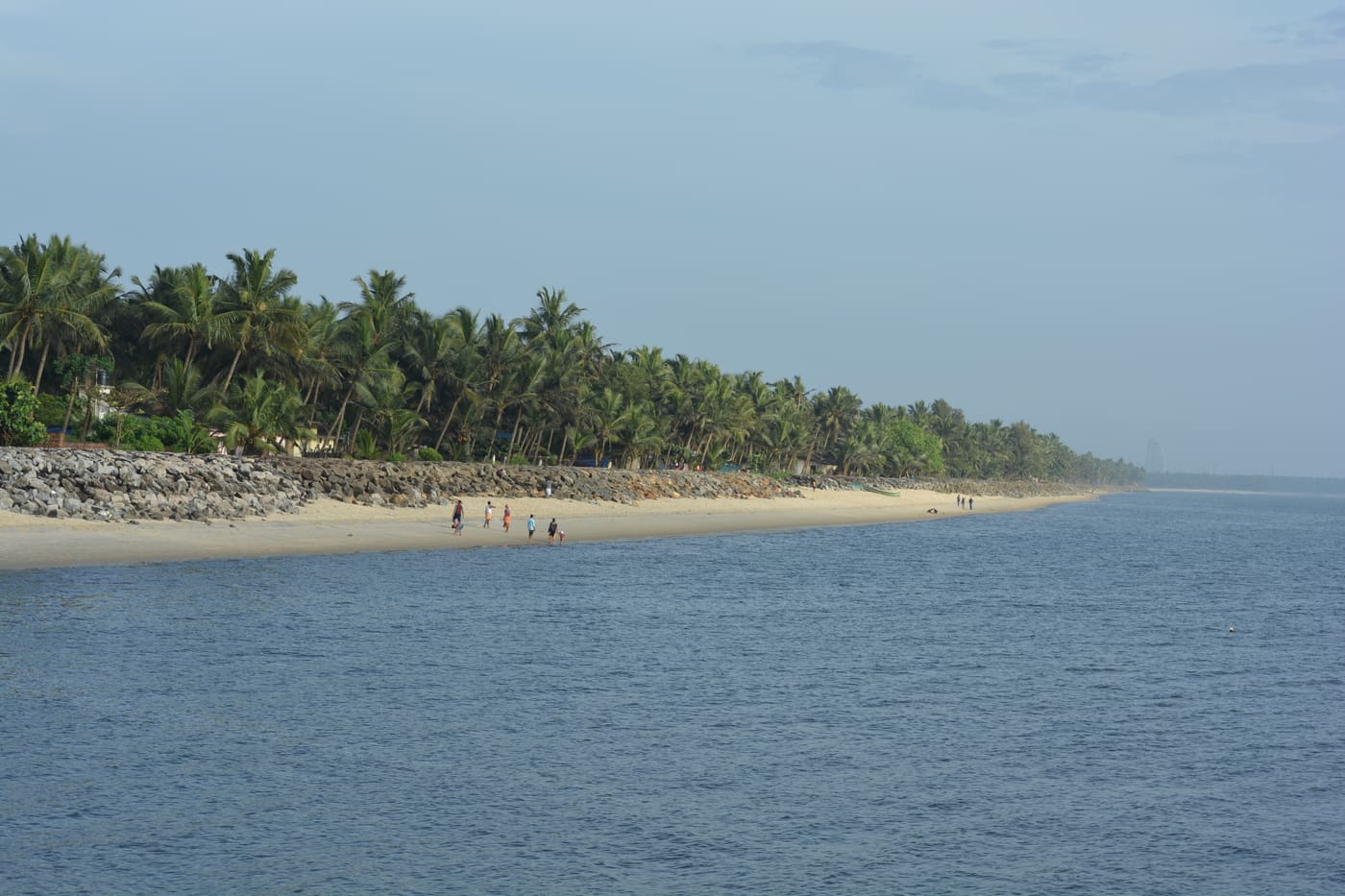
Historic beach associated with Vasco da Gama’s arrival on the Malabar coast.
16.8 km · ~28 min by cab · straight line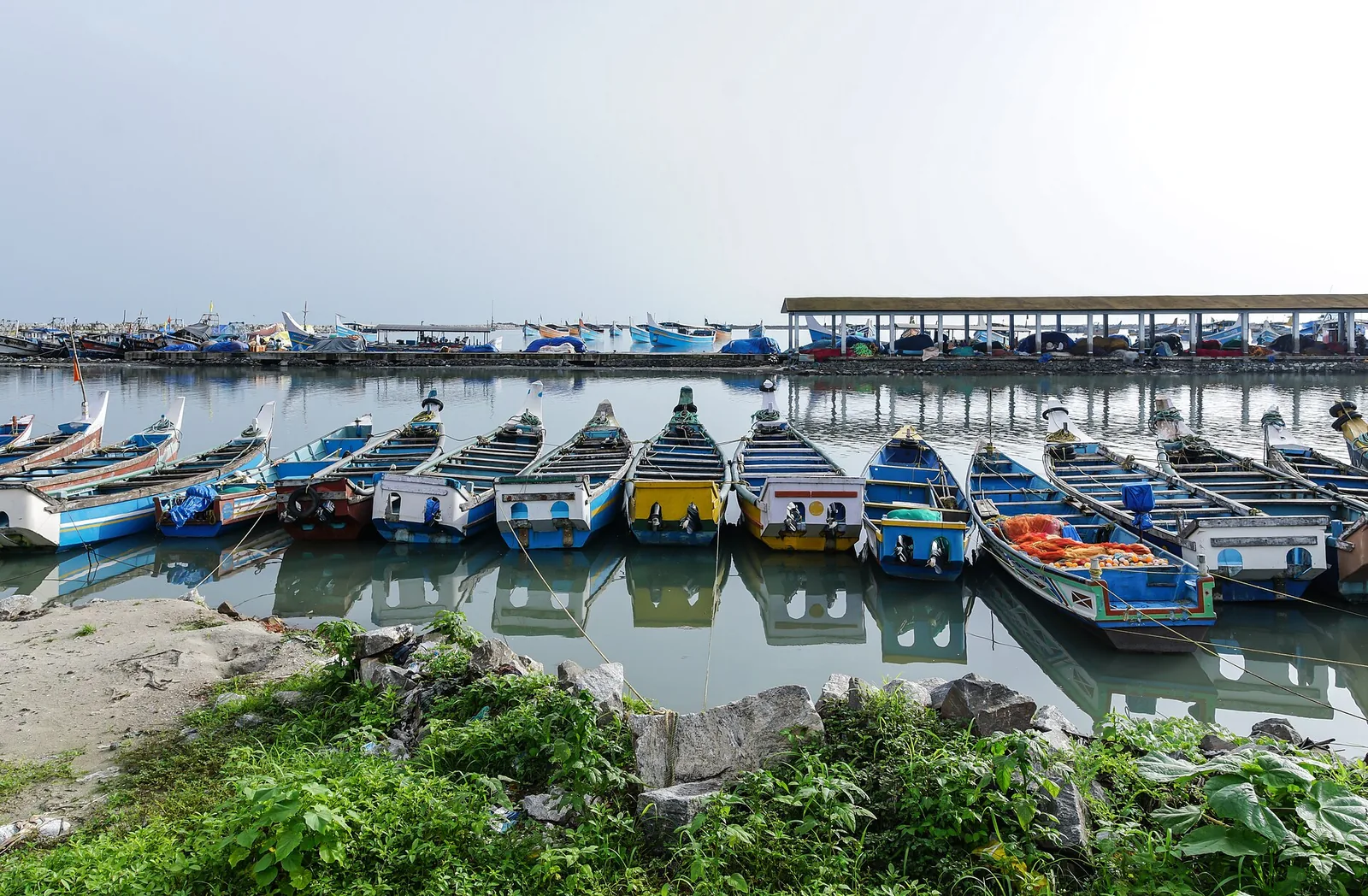
The medieval port of Panthalayani Kollam — Ibn Battuta’s Fandarayna, where Chinese junks wintered, and the anchorage where da Gama’s fleet lay 88 days in 1498. Nothing of the port survives above ground; the working fishing harbour is what you come for.
22.9 km · ~38 min by cab · straight lineNearby toilets, pharmacies, ATMs, seating and vets are community-mapped and may be incomplete or out of date. Map data © OpenStreetMap contributors | Walking times © openrouteservice.org by HeiGIT
It is traditionally dated to around the 14th century — often described as having more than 650 years of history — which makes it one of the oldest mosques in India. It was built by, and named after, Nakhuda Mishkal, a wealthy Arab-Yemeni merchant and shipowner; Nakhuda is a Persian-origin title meaning captain or master of a ship.
Because it was built in the traditional Kerala vernacular style rather than an imported Indo-Islamic or Persian one. Instead of a dome and minaret it uses steeply pitched tiled roofs and a tall, multi-tiered timber structure carried on carved wooden pillars — the same architectural language as Kerala's temples and old tharavadu houses, adapted to the tropical monsoon climate.
In 1510, during the wars between the Portuguese and the Zamorin of Calicut over the spice trade, the Portuguese set fire to the mosque. The arson is said to have destroyed the topmost storey — the reason it now stands four tiers rather than the five of tradition. Some accounts say charred beams from the burning are still visible in the upper timbers. It was later reconstructed, commonly dated to 1578–79.
Because after the Portuguese burned this Muslim place of worship, the Hindu Zamorin (Samoothiri) of Calicut treated it as an attack on his own subjects and supported the defence of the community and the rebuilding of the mosque. A Hindu king helping to rebuild a burned mosque has made Mishkal Mosque a lasting emblem of the pluralism and shared bonds of medieval Malabar.
It is an active place of worship, so access can be restricted, especially during the five daily prayer times, and non-Muslim visitors and women may face limits on entry to the prayer areas. Dress modestly, remove your footwear, and always ask permission before entering or photographing — respect prayer times and follow whatever the caretakers or congregation advise (ask/confirm locally + respect prayer times).
The mosque sits at the heart of the historic Kuttichira Muslim quarter, with its large adjacent pond (the Kuttichira tank), atmospheric lanes, and old tharavadu-style joint-family houses. Nearby are two more historic mosques, and they are three separate buildings rather than one: the Kuttichira Juma Masjid, which has the largest floor area of any mosque in Kerala, sits between Mishkal and Muchundi Palli, and Muchundi — with its bilingual thirteenth-century inscription — is about four hundred metres south. The whole neighbourhood is a rewarding heritage walk.
Outside prayer rush, unless visiting for worship.
Entry: Free — it is an active place of worship, not a ticketed monument. Any donation to the mosque is voluntary. Timings: Open broadly through the day as an active mosque, structured around the five daily prayer times; casual visitor access is easiest between prayers and outside the main Friday congregational prayer. There are no fixed tourist hours — plan around prayer times and confirm locally before visiting.
Base yourself in Kozhikode city or a nearby town in Kozhikode, then confirm the last-mile route locally before leaving. Plan around prayer times and local visitor rules. If the visit depends on forest, temple, boat, ferry, weather or seasonal access, check the official/local rule on the day before travel.
30 minutes to 1 hour.
Nearby you can pair Muchundi Mosque (390 m), SM Street / Mittayi Theruvu (470 m), Mananchira Square (1.1 km), Thali Temple (1.2 km).
Avoid crowding entry areas during prayer times. Respect gendered or restricted spaces.
Written about Mishkal Mosque itself — its history, its legends and the arguments about them.

Route-level itineraries and practical guides for the rest of Kerala.
Photographs: Pradeep717 (CC BY-SA 4.0), Sushishinde (CC BY-SA 4.0), Adam Jones (CC BY-SA 3.0). Wikimedia Commons.


