What to expect
Highlights
- Boat or canoe routes around Biyyam Kayal
- Village life, canals and lake/river scenery
- Good fit for homestays and local food stops
A calm coconut-fringed backwater and park near Ponnani, with boating and kayaking — a quieter, lesser-known alternative to the Alappuzha backwaters.
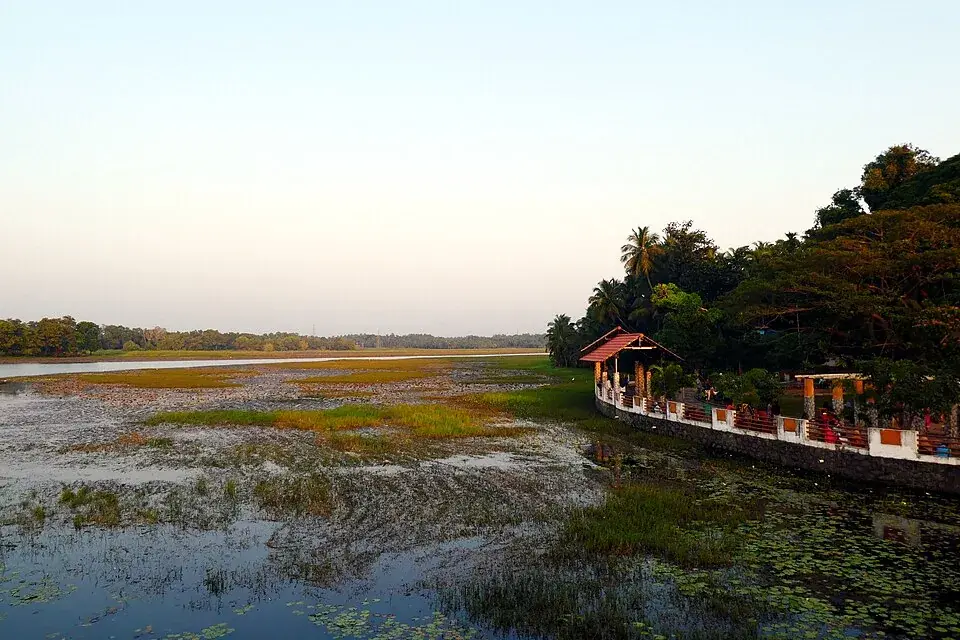
Where the Bharathapuzha winds down to the sea, Biyyam Kayal spreads out as a sheet of still water at the edge of Ponnani — the coastal town Malabar’s Muslims have long called the ‘Mecca of Kerala’.
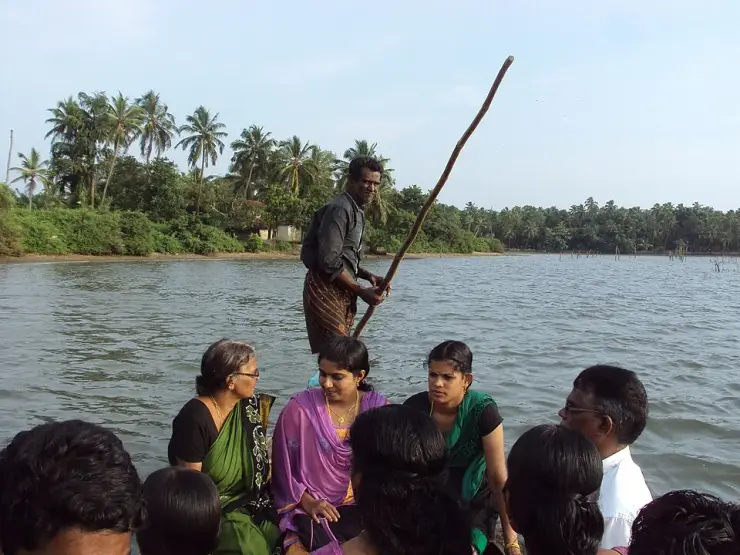
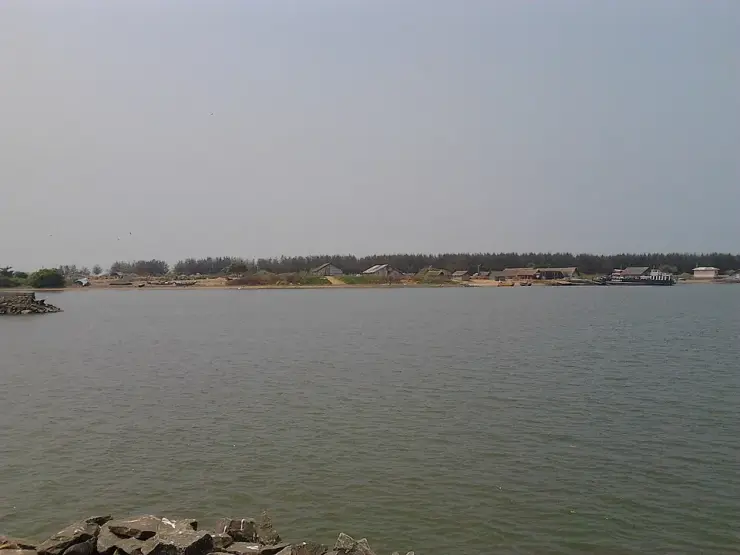
Biyyam Kayal is the calm, glassy backwater that gives Ponnani much of its charm — a broad kayal (lagoon) lying just inland from the point where the Bharathapuzha, Kerala’s second-longest river, empties into the Arabian Sea. Fringed by coconut groves and paddy fields, it is the quieter, less commercial cousin of the famous Alappuzha backwaters, and that is exactly its appeal: you get the mirror-flat water, the drifting boats and the soft coastal light without the crowds and the tour-bus bustle.
The District Tourism Promotion Council (DTPC) developed the lakeside into a dedicated tourism and adventure-sports zone, and today it is one of Ponnani’s best-loved outings. The water is worked in a whole spread of ways — gentle pedal boats and paddle boats for families, kayaks and canoes for those who want to slip quietly along the fringing canals, and, for the thrill-seekers, speed-boat rides and water-scooter (jet-ski) runs that carve white lines across the lagoon.
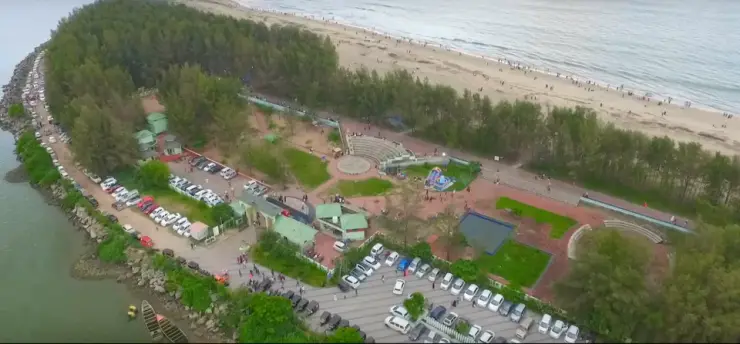
On the bank sits a landscaped park with a children’s play area, making Biyyam Kayal an easy, all-ages stop — parents on the grass, kids on the swings, and the water always in view. A picturesque hanging bridge is strung across part of the kayal, a favourite spot to pause mid-crossing and take in the whole sweep of water, and it has become one of the most-photographed sights here.
There is a private adventure and water park on the lake as well, which layers on kayaking, zip-lines, rope courses, pedal boats and a kids’ zone for those who want a fuller half-day of activity rather than just a quiet paddle. Between the DTPC facilities and the adventure park, Biyyam Kayal manages to be two things at once — a serene sunset backwater and a busy little activity hub.
Sunset is the hour to be here. As the light drops behind the coconut palms and the estuary, the whole lagoon turns molten, small boats become silhouettes, and the water goes utterly still — it is the shot everyone comes for. In the cooler months the surrounding wetlands and the nearby Bharathapuzha estuary also draw migratory birds (Ponnani sees good passage roughly February to April), so an early-morning visit can add a little quiet birdwatching to the itinerary.
The lagoon comes fully alive once a year during Onam, when Biyyam Kayal hosts its own vallam kali (boat race). Around two dozen country boats churn the water while crowds watch from bankside pavilions to the beat of drums — a smaller, more local affair than Kerala’s marquee snake-boat regattas, but all the more atmospheric for it. Paired with the town’s beach, estuary and centuries-old mosque, the kayal makes Ponnani a genuinely rewarding, off-the-usual-trail coastal stop.
Biyyam Kayal’s story is really the story of Ponnani, one of the oldest and most historically important towns on the Malabar coast. Ponnani was a major port for Arab traders and became a principal gateway through which Islam entered Kerala. We cannot support that, and it quietly smuggles in the Tyndis identification that the rest of this site explicitly refuses — Ponnani is one of several proposed sites for Tyndis and no archaeological evidence of Tyndis has ever been found anywhere. Ponnani’s documented antiquity in the neighbourhood is Chera-period inscriptional. Local tradition even traces the town’s name to ‘pon naanayam’ (gold coin) in Malayalam, a nod to its old life as a trading and money-changing hub.
The town’s spiritual and intellectual fame rests on the Ponnani Juma Masjid, the ‘Valiya Palli’, generally dated to the early sixteenth century and associated with Sheikh Zainuddin Makhdoom. It was here that the ‘Palli dars’ system — a mosque-based higher-education tradition — took root, attracting students from across South and Southeast Asia to study jurisprudence, theology and Arabic. A famous oil lamp, said to be around five centuries old, has been kept burning in the mosque as a symbol of that unbroken tradition of learning. William Logan, the British Collector of Malabar, recorded in his 1887 Malabar Manual that the mosque functioned as a centre of Islamic learning with several hundred resident students. It is this deep heritage that earned Ponnani its enduring nickname, the ‘Mecca of Kerala’ (or ‘Mecca of Malabar’).
Ponnani was also the cradle of a distinctive literary culture. Arabi Malayalam — Malayalam written in an adapted Arabic script — flourished among the Mappila Muslim community here, and the town produced generations of scholars, poets and religious teachers. Alongside the mosque stands the Thrikkavu Temple, and a well-known local legend holds that a Hindu–Muslim pair, having survived a storm at sea, built both places of worship — a story that captures Ponnani’s long history of coexistence.
Geography shaped all of this. Ponnani sits at the mouth of the Bharathapuzha (the Nila), Kerala’s second-longest river, which completes its journey here by merging with the Arabian Sea; the town is hemmed by an estuary to the north, backwaters to the south and the sea to the west. Biyyam Kayal is part of that intricate coastal water system, and Padinjarekkara Beach, where the river meets the sea nearby, has long offered boating and estuary views.
In recent decades the local municipality and the District Tourism Promotion Council turned this natural asset into a managed tourism site — adding boating jetties, water-sports facilities, the park and the hanging bridge, and reviving the Onam boat race as a community event. Firm dates for the lake’s specific development are not well documented publicly, so treat the tourism-history details as broad context; the reliable through-line is that Biyyam Kayal is Ponnani’s modern, recreational face, resting on one of Kerala’s most storied stretches of coast.
A calm, uncrowded backwater — the tranquil, local alternative to touristy Alappuzha.
Something for every pace: pedal boats and kayaks for the calm, speed boats and water scooters for the thrill.
A landscaped park with a children’s play area, so it works for families.
A photogenic hanging bridge and postcard-perfect sunsets over the estuary.
Migratory birds in the cooler months and a lively Onam vallam kali (boat race).
Easily paired with historic Ponnani town — the Juma Masjid, Padinjarekkara Beach and the Bharathapuzha estuary.
Road km to Malappuram; ghat roads and traffic vary — allow extra.
October to March is best for comfortable boat trips; monsoon is greener but weather can disrupt plans.
Live forecast loads in your browser.
Sun and moon are calculated for this location and shown in IST. Photography windows are the hour around sunrise and sunset; the sunset bearing is degrees clockwise from true north. Moon phase is accurate to about half a day.
Browse listed stays, food, activities, sights, shops and rentals around Biyyam Kayal. Check each listing’s locality and contact the business directly for current arrangements.
Cafe and casual food in Ponnani. Classic Complex, Vijayamatha Convent, Ponnani, Malappuram district, Kerala · Cafe and casual food, Hangout Cafe Ponnani.
Harbour Heritage Hotel Ponnani is a named restaurant listing for Ponnani food planning. It replaces a generic cafe shortlist entry while keeping the town above the minimum coverage floor. Restaurant, Harbour Heritage Hotel Ponnani.
Book with the place itself. India’s cyber-crime coordination centre warned in April 2025 that convincing copies of hotel and pilgrimage booking sites are being pushed through sponsored search and social ads, taking payment for rooms the property never hears about. Use the contact and source details on each profile to confirm the exact business and booking channel. A directory entry or map pin alone does not establish an operator’s identity or current availability. Roampedia takes no commission and does not collect booking payments. If a booking page reached you through an ad, check the address bar against the property’s own site before you pay. Fraud can be reported on cybercrime.gov.in or on 1930.
Find food, accommodation and activities across Ponnani. Browse the guides for places to eat, stay and explore along your route.
4 more places around Ponnani. Open a guide to plan the visit and onward journey.
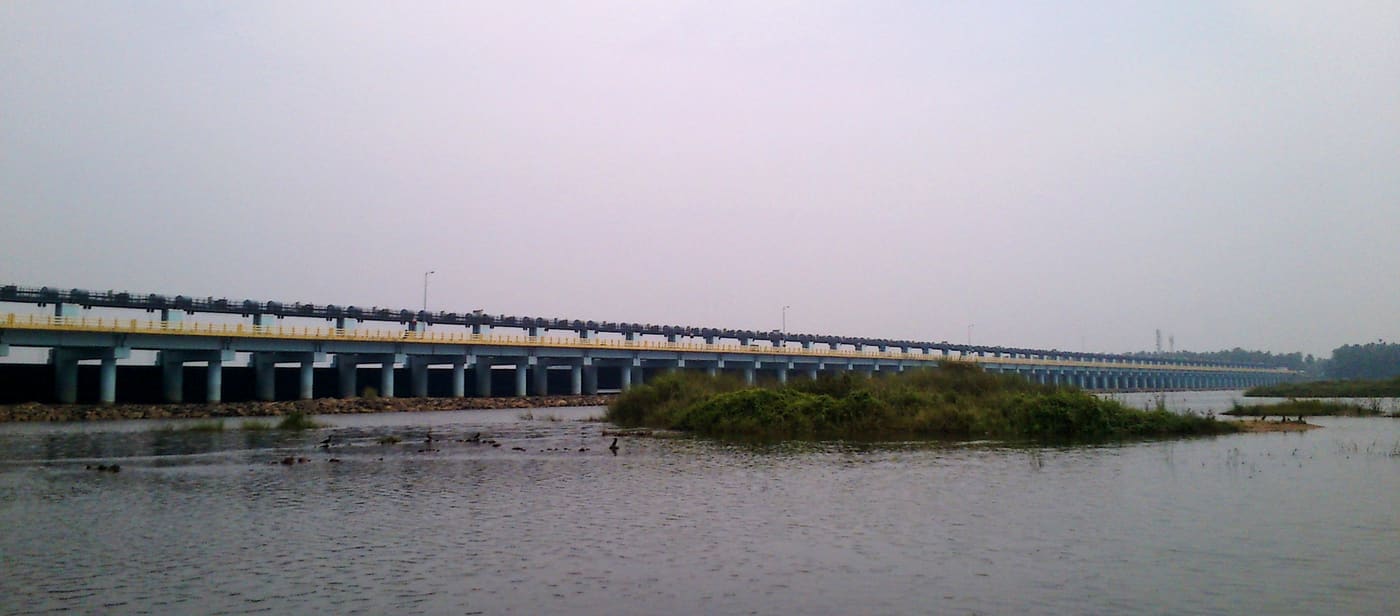
5.3 km · straight line
Historic coastal town known for mosque traditions and Bharathapuzha estuary.
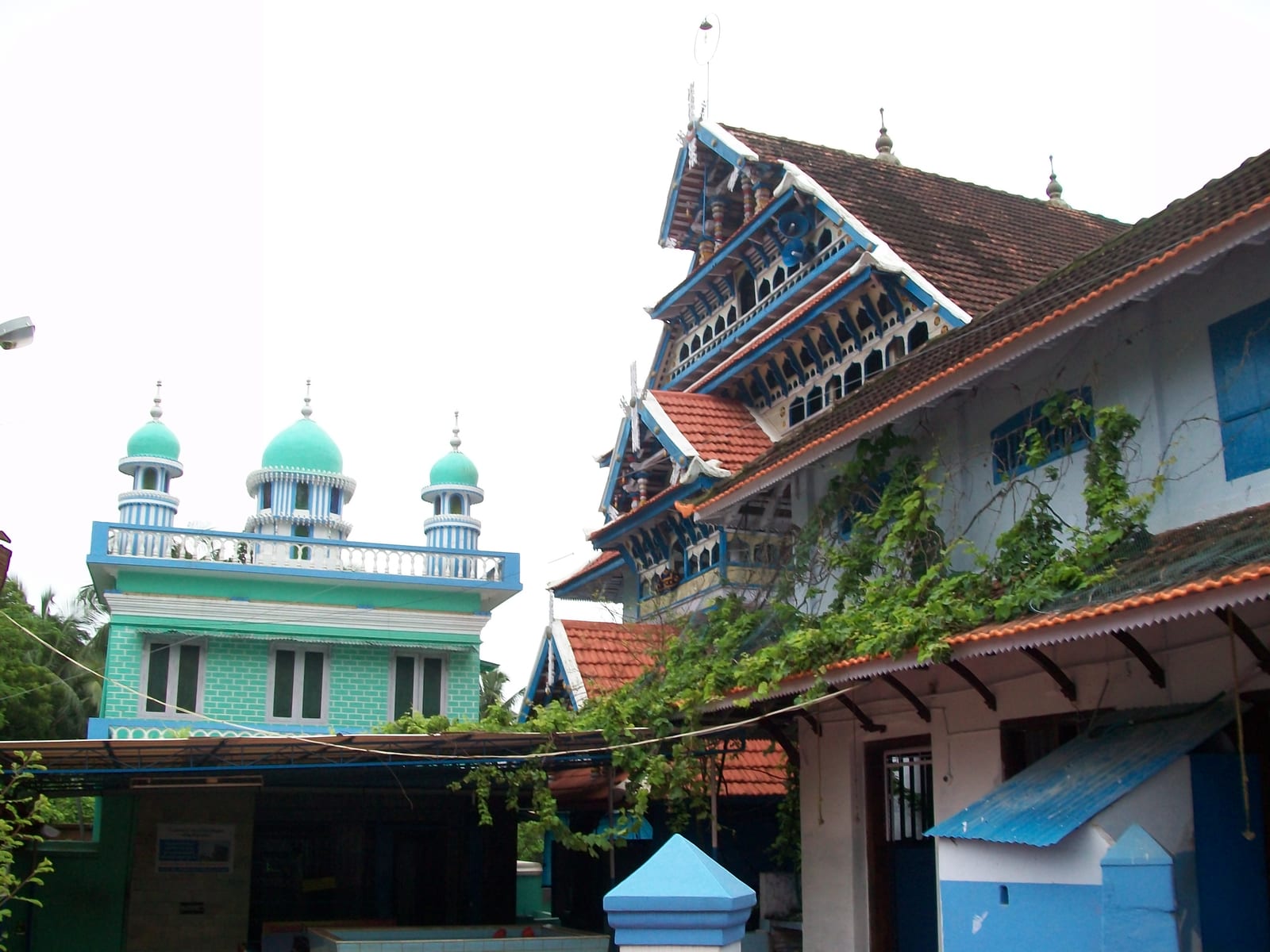
4.8 km · straight line
The great Juma Masjid of Ponnani, a centuries-old centre of Islamic learning on the Malabar coast, long called the “Mecca of Malabar”.
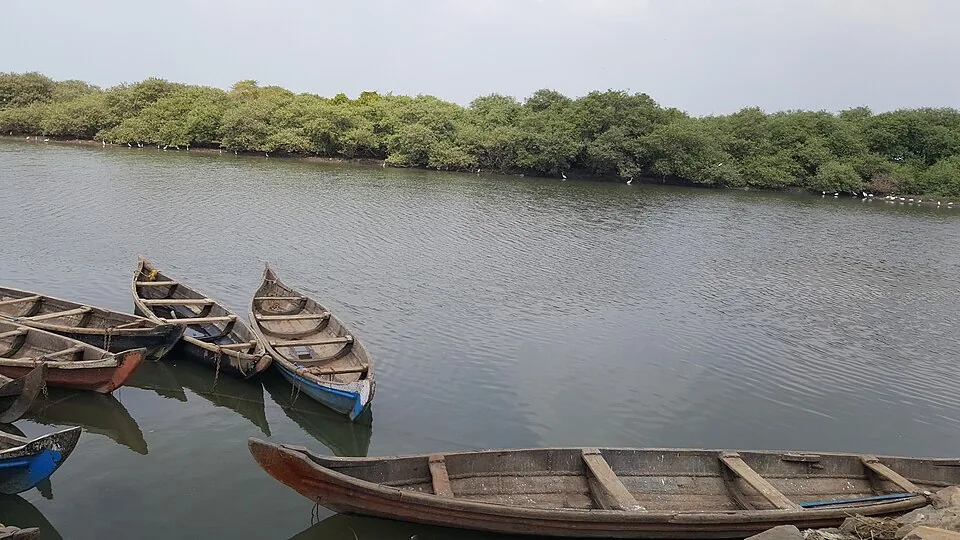
6.1 km · straight line
The mouth of the Bharathapuzha (Nila), Kerala’s second-longest river — which reaches the sea here together with the Tirur Puzha, between Ponnani on the south bank and Padinjarekkara on the north.
6.2 km · straight line
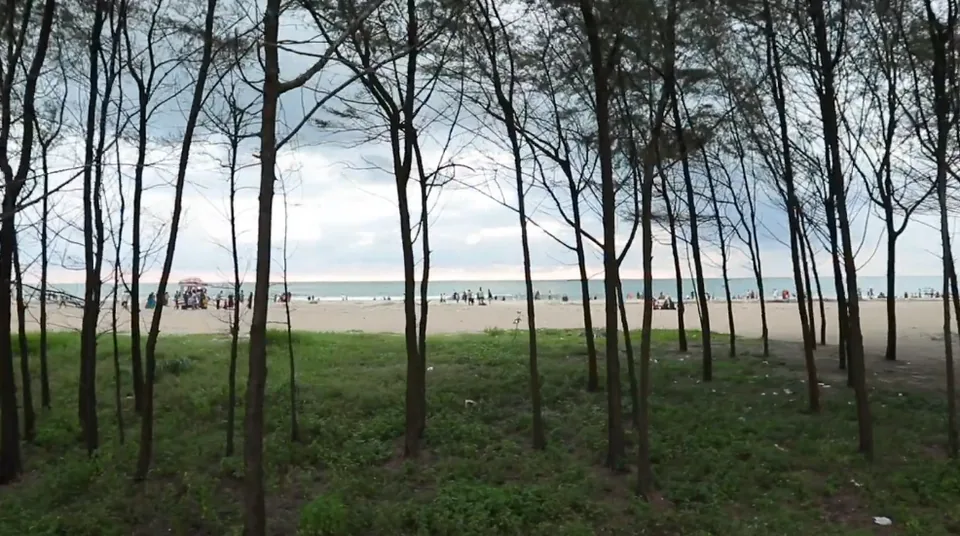
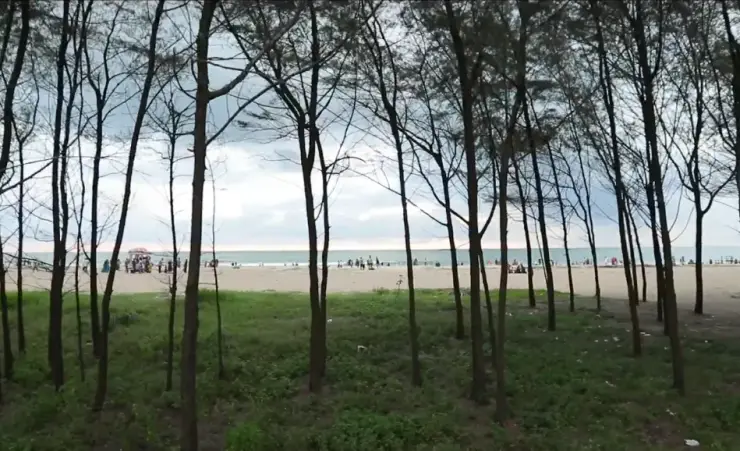
The sea-facing beach on the Padinjarekkara sandspit, with a casuarina belt behind the sand and a government park at the end of Tipu Sultan Road.
Roampedia is commission-free — own or know a stay, eatery, guide or shop near Biyyam Kayal? Submit public business details for review.
Add a nearby businessEntry: Entry to the park/lakeside is generally free; boat rides and adventure-park activities are charged per ride and rates differ between the DTPC/boat-club operators and the private water park.
Festivals: During Onam (around August–September) Biyyam Kayal hosts its own vallam kali (boat race), with about two dozen country boats and spectators watching from bankside pavilions.
Photography: Sunset over the lagoon and estuary is the standout shot, along with the hanging bridge and boats on the still water; early morning is best for birds and soft light. Casual photography is welcome — avoid disturbing wildlife or other visitors from boats.
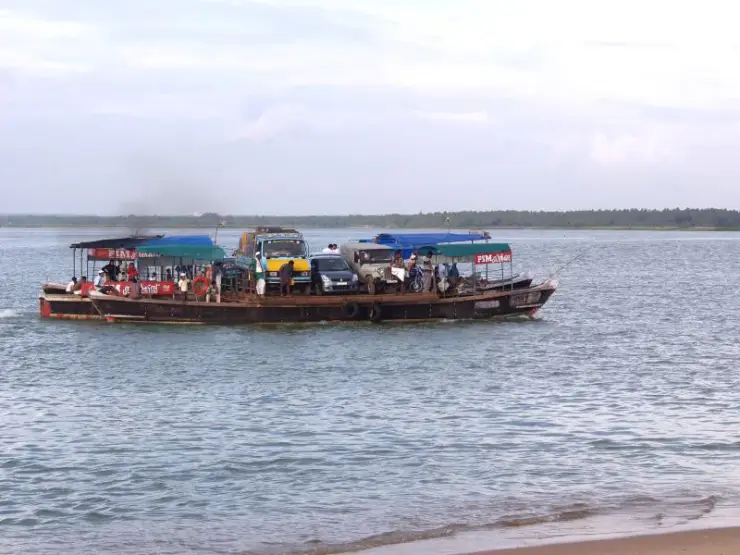
If you are travelling by bus or ferry, check the return service with the operator before setting out. Leave time to reach the stop or jetty after your visit.
Ask at the bus stand for the time of the last service back, not the next one. If you miss it, an auto or app cab is the fallback — agree the fare before you get in.
If you need step-free access, contact the site before travelling. Ask about a level entrance, steps along the route, the nearest drop-off point, seating and accessible toilets.
These services are listed within about 1.2 km of Biyyam Kayal. Walking distances follow mapped routes; access and opening hours can change. Other services may be closer but are not included here.
Published emergency and visitor-assistance contacts. For an immediate emergency, call 112. Shared Kerala contact sources checked 4 October 2026; publication does not establish a tested live response.
The great Juma Masjid of Ponnani, a centuries-old centre of Islamic learning on the Malabar coast, long called the “Mecca of Malabar”.
4.8 km · straight lineHistoric coastal town known for mosque traditions and Bharathapuzha estuary.
5.3 km · straight lineThe mouth of the Bharathapuzha (Nila), Kerala’s second-longest river — which reaches the sea here together with the Tirur Puzha, between Ponnani on the south bank and Padinjarekkara on the north.
6.1 km · straight lineThe sea-facing beach on the Padinjarekkara sandspit, with a casuarina belt behind the sand and a government park at the end of Tipu Sultan Road.
6.2 km · straight line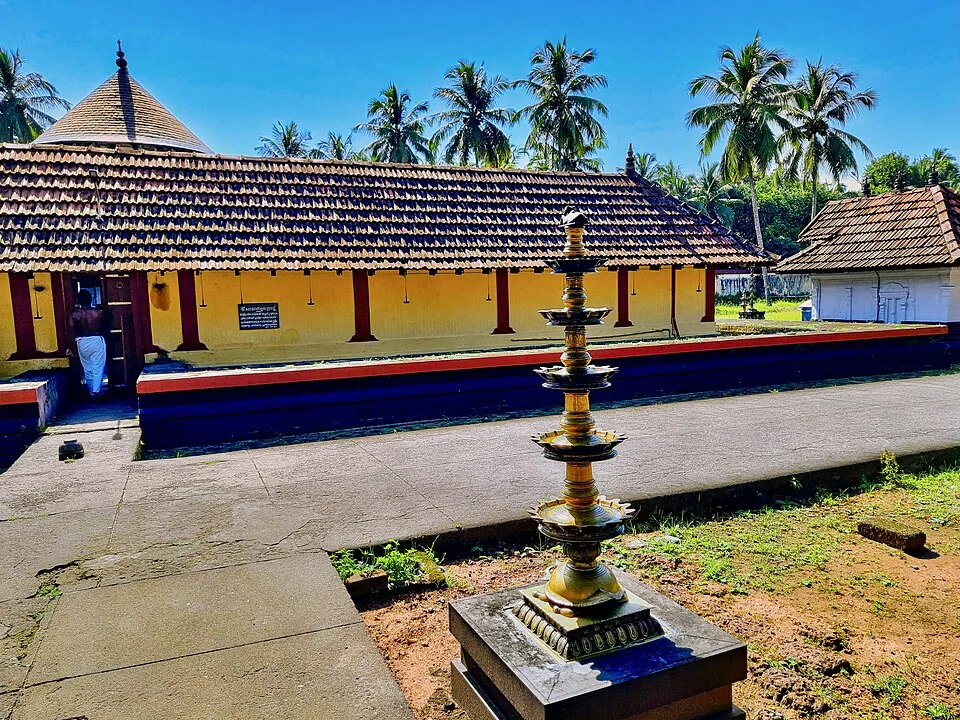
A west-facing Shiva temple south of Tirur, nine shrines inside six acres, built around the moment Shiva came out of the linga to stop Death taking the boy Markandeya.
8.2 km · straight line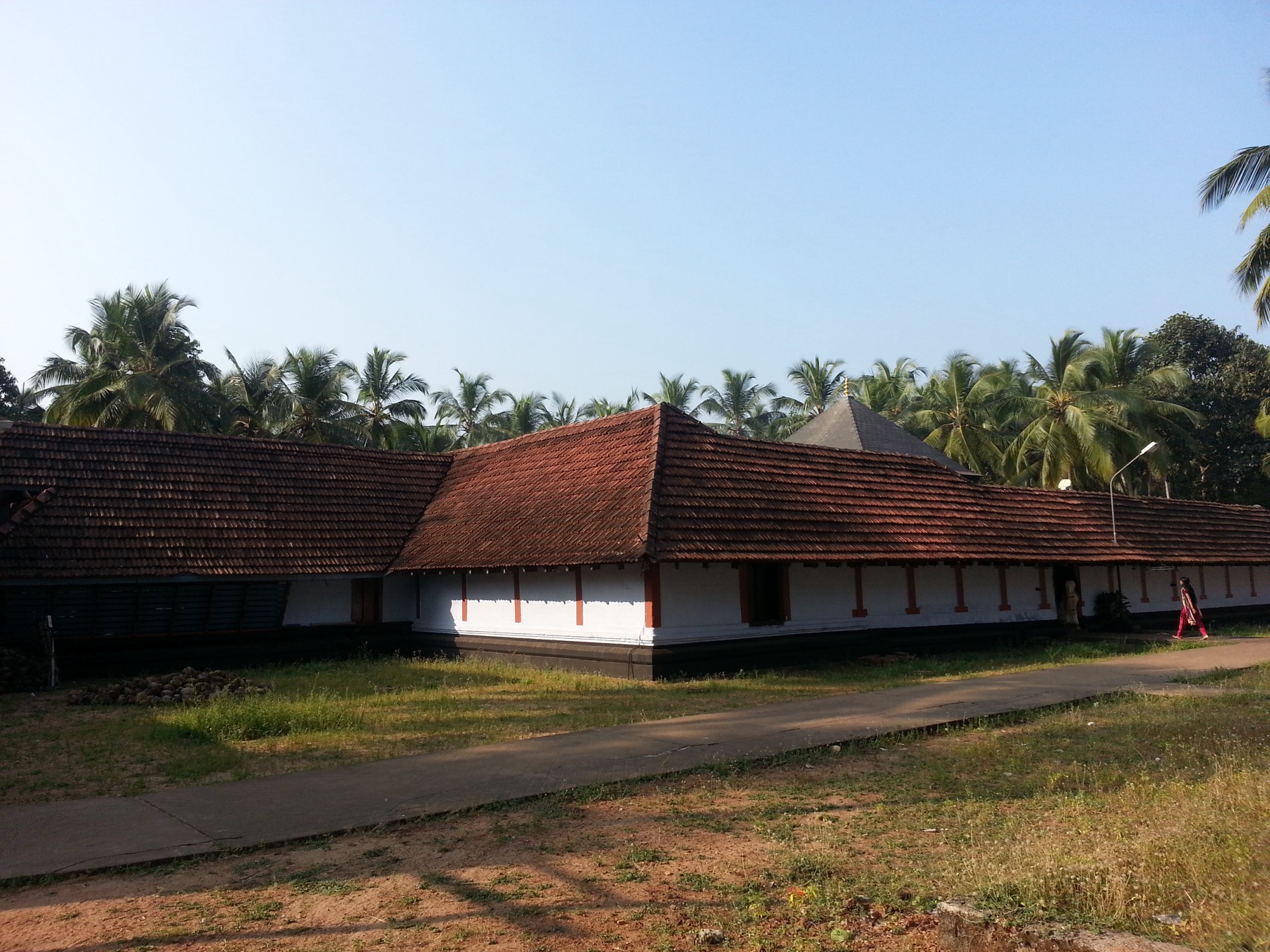
The Alathiyur Perumthrikkovil near Tirur, where the sanctum holds Sri Rama alone and the Hanuman carved outside it — leaning, caught in the act of listening to his orders — is the figure the crowds come for.
10.2 km · straight line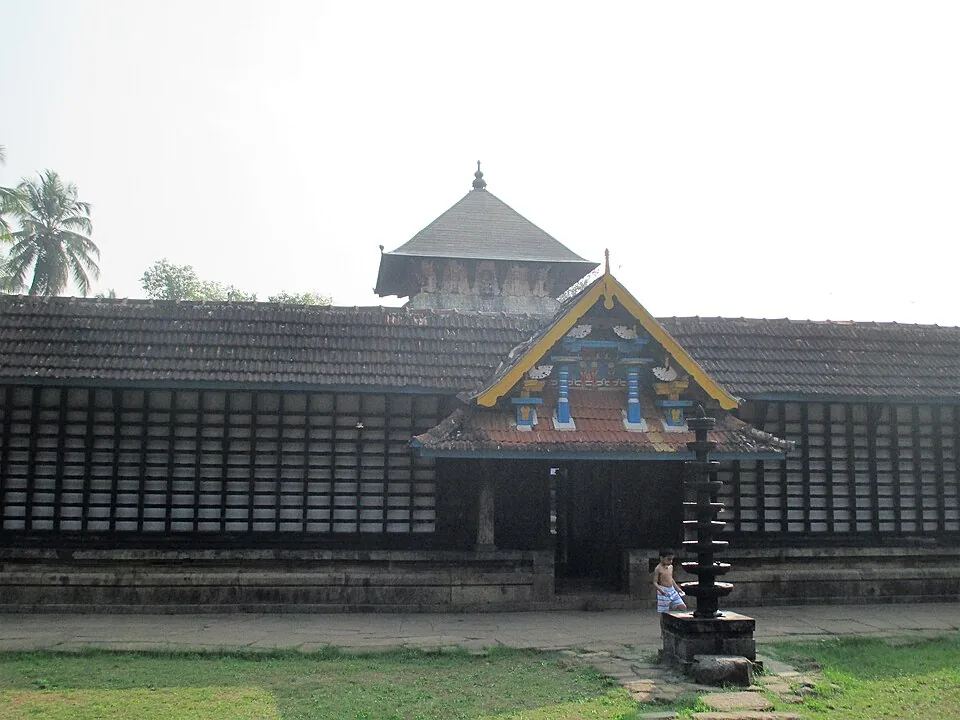
An ancient Vishnu temple on the Bharathapuzha at Thirunavaya, near the historic Mamankam fair-ground and a major venue for ancestral (bali/shraddha) rites.
11.7 km · straight line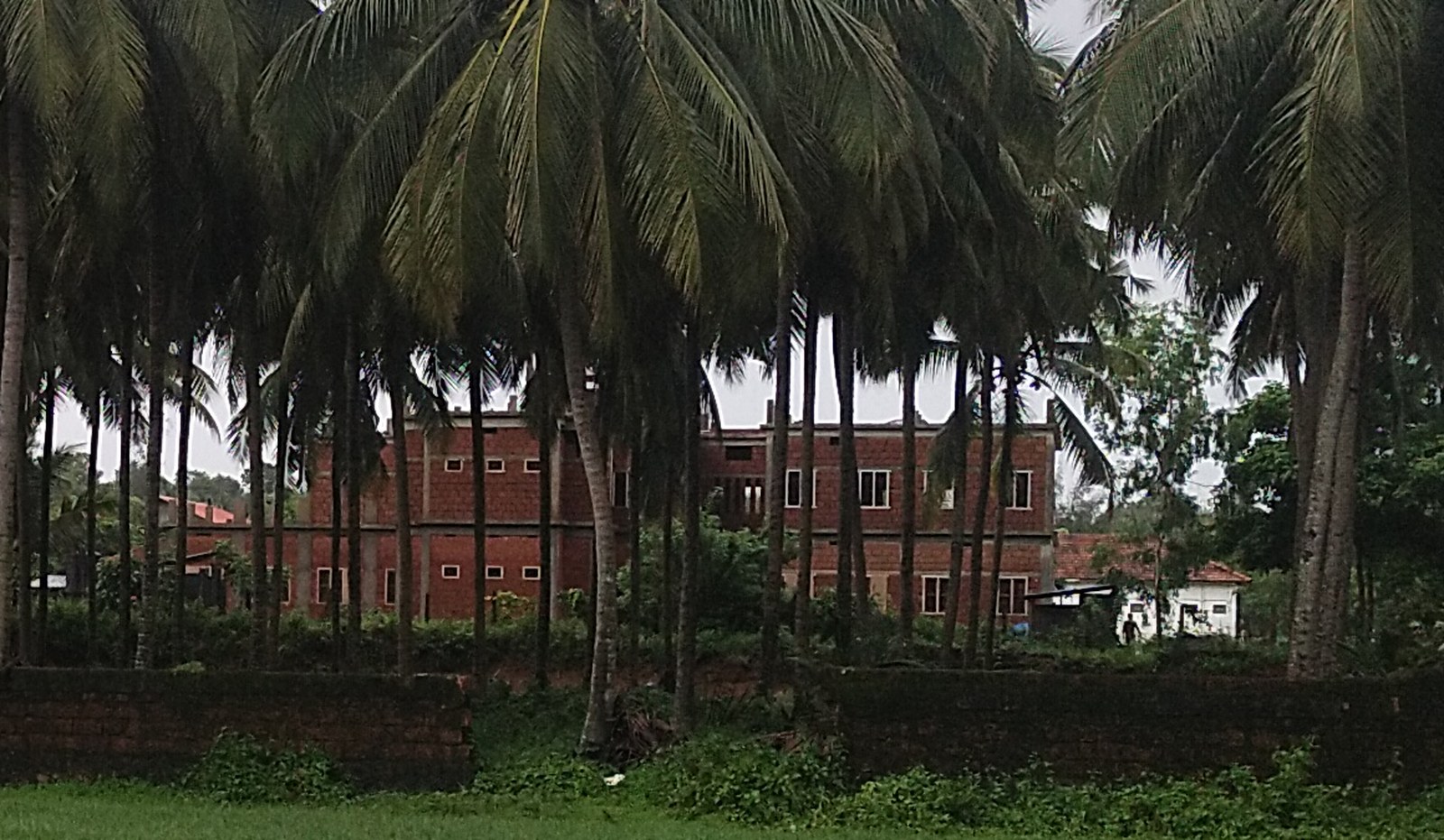
The state university at Vakkad, four kilometres west of Thunchan Parambu, founded in 2012 to teach the humanities and social sciences through Malayalam rather than English.
13.5 km · straight line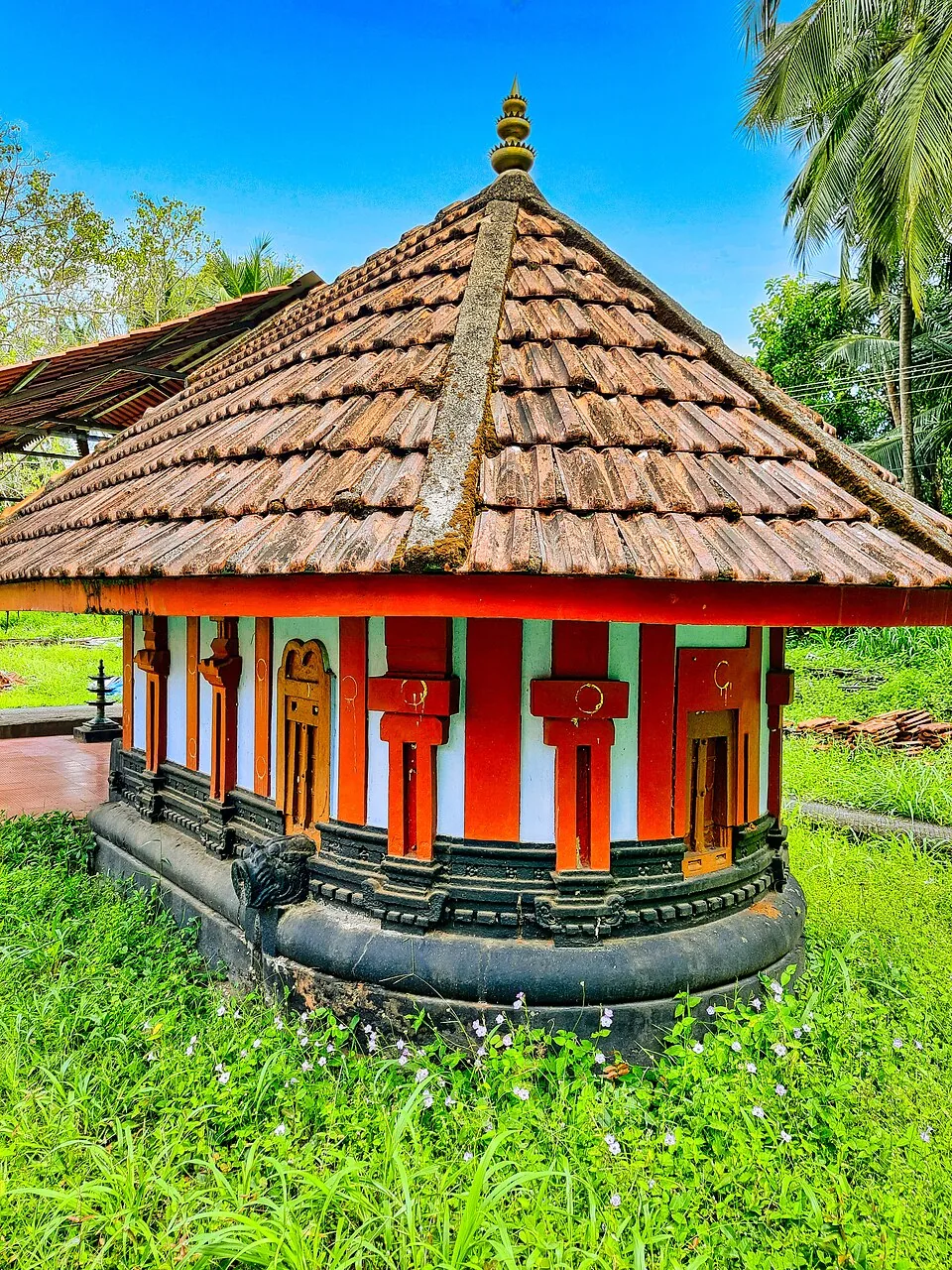
One of the hundred and eight Shiva temples of Kerala, a kilometre from Thunchan Parambu — an apsidal ninth-century shrine that opens at half past two in the morning because the god here was installed at dusk.
14.2 km · straight line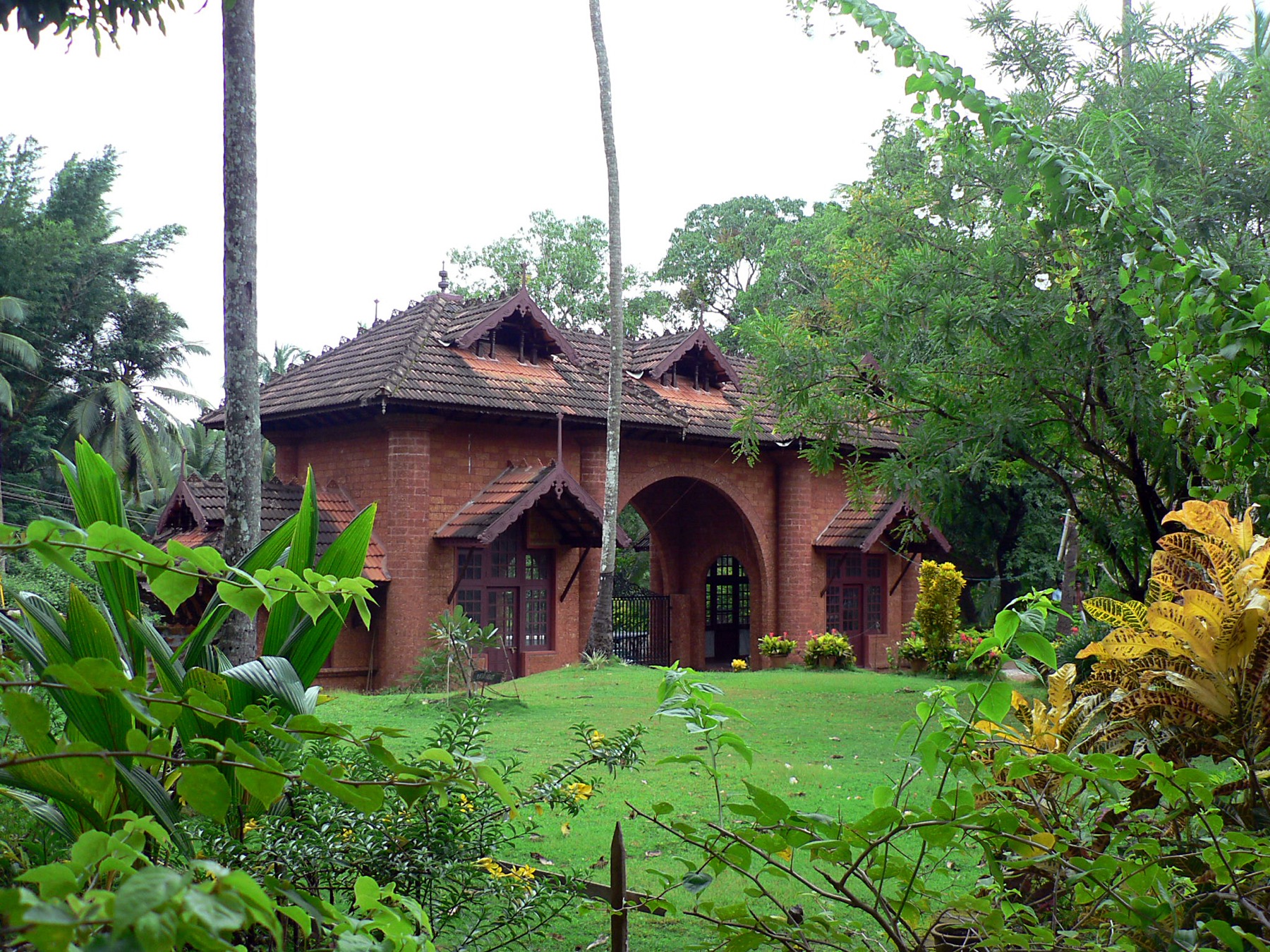
At Tirur, the ground of Thunchath Ezhuthachan, the “father of the Malayalam language” — a working literary institution with a museum, a manuscript library and the Vidyarambham first-letters tradition at Vijayadashami.
14.8 km · straight line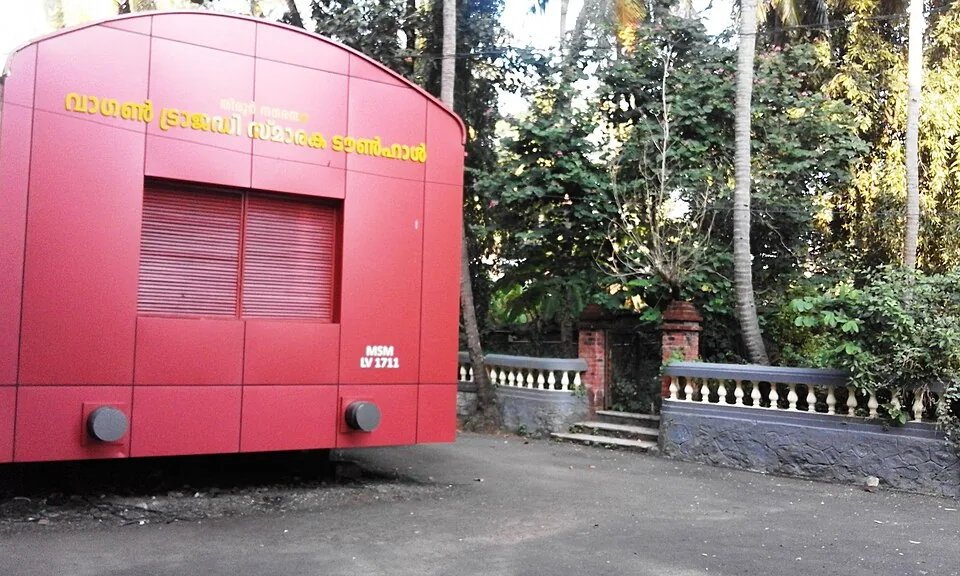
Tirur's town hall, built as a full-size railway goods wagon in signal red and lettered MSM LV 1711 — the memorial to the hundred prisoners shut into wagon 1711 at the station down the road on 19 November 1921.
15.3 km · straight line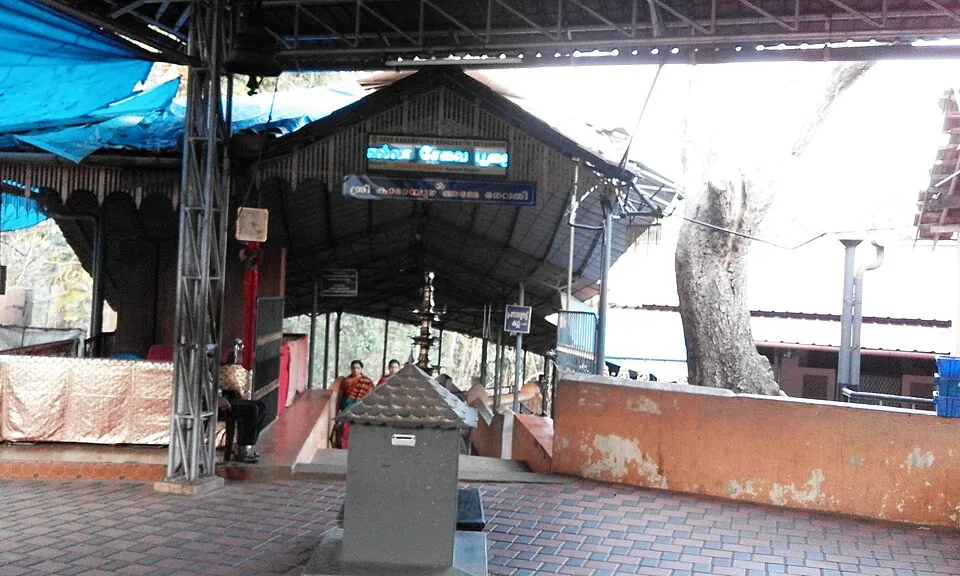
A revered Devi temple near Vettichira with no idol — the goddess is worshipped in a natural rock fissure; devotees offer the poomoodal and muri-pooja. Founded by legend of Adi Shankara.
19.6 km · straight lineNearby toilets, pharmacies, ATMs, seating and vets are community-mapped and may be incomplete or out of date. Map data © OpenStreetMap contributors | Walking times © openrouteservice.org by HeiGIT
It is a calm backwater lake (kayal) at Ponnani in Malappuram district, Kerala, developed as a tourism and water-sports spot by the DTPC. It sits near the Bharathapuzha estuary, roughly 6 km from Ponnani town.
Boating of several kinds — pedal/paddle boats, kayaks and canoes, plus speed-boat and water-scooter (jet-ski) rides. There is a lakeside park with a children’s play area, a hanging bridge, sunset viewing, and a private adventure/water park with zip-lines and rope courses.
Entry to the lakeside park area is generally free; individual boat rides and adventure-park activities are charged per ride and rates vary by operator.
October to February brings the most pleasant, clear weather for boating and photography; roughly July to February is the broader recommended window. Onam (around August–September) adds the boat race, and February–April is good for migratory birds.
Around 2 to 3 hours is typical for boating, the park and a sunset. Combine it with Ponnani town — the Juma Masjid and Padinjarekkara Beach — to fill a half or full day.
Yes — the gentle pedal boats, the lakeside park with a children’s play area, and the kids’ zone at the adventure park make it an easy, all-ages outing. As always around open water, keep young children supervised and use provided life jackets.
October to March is best for comfortable boat trips; monsoon is greener but weather can disrupt plans.
Entry: Entry to the park/lakeside is generally free; boat rides and adventure-park activities are charged per ride and rates differ between the DTPC/boat-club operators and the private water park. Timings: The lakeside park and backwater are generally open through the day, with boating and water-sports typically running from morning to evening; the private adventure park keeps its own hours.
Base yourself in Ponnani or a nearby town in Malappuram, then confirm the last-mile route locally before leaving. Plan boat timings first, then arrange road transfer around the departure point. If the visit depends on forest, temple, boat, ferry, weather or seasonal access, check the official/local rule on the day before travel.
2 hours to a full day; overnight if using a houseboat area.
Nearby you can pair Ponnani Juma Masjid (4.8 km, approximate straight-line separation), Ponnani (5.3 km, approximate straight-line separation), Bharathapuzha estuary (6.1 km, approximate straight-line separation), Padinjarekara Beach (6.2 km, approximate straight-line separation).
Use operators with life jackets and clear weather judgement. Avoid overloaded boats.
We have not published a story about Biyyam Kayal itself yet. These cover Ponnani and the wider district, with separate journeys between stops.
These guides explore Ponnani and the surrounding area. Choose a visit that fits your interests, allowing separately for travel between stops.
Route-level itineraries and practical guides for the rest of Kerala.
Photographs: Kondephy (CC BY-SA 4.0), Vicharam (CC BY-SA 4.0), Vicharam at Malayalam Wikipedia (CC BY-SA 3.0). Wikimedia Commons.