Konni Adavi trek

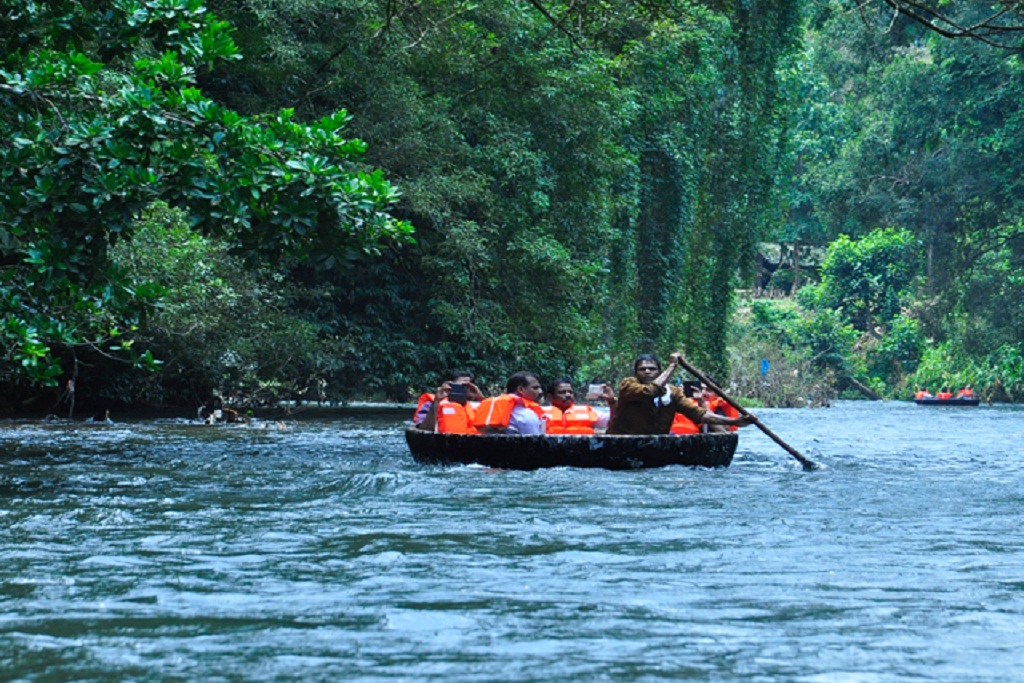
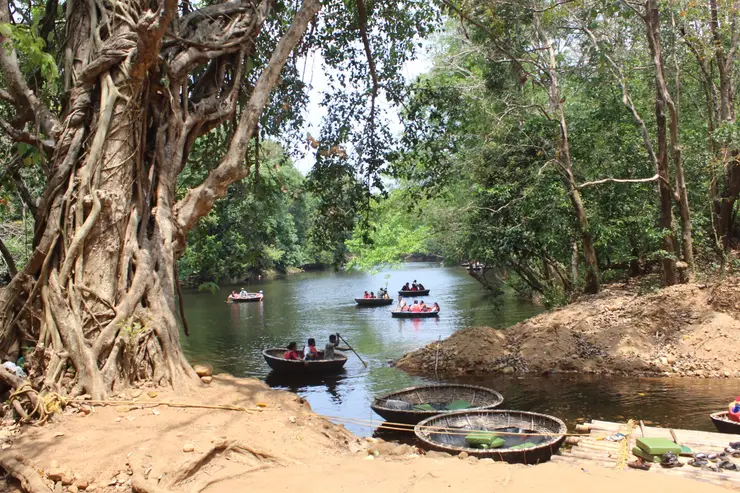
Konni Adavi trek is best understood as Adavi’s managed river-forest experience rather than a marked hiking trail. Its signature activity is a staff-run coracle ride on a broadened 5 km reach of the Kallar, with forest closing around calm water.

Konni Adavi trek, Konni
Practical guide

Plan Konni Adavi trek

Who's going?Tailor Konni Adavi trek to your trip
Typetrek
AreaKonni
DistrictPathanamthitta
Best timeThe official page recommends the monsoon…
Time needed1 to 2 hours for a coracle visit
Entry₹400
Places to visit4Listed businesses6

The official Konni–Adavi page separates four products: the Adavi coracle rides, tree-top bamboo-hut stays, the Konni elephant-kraal visit and a full-day bus journey to Gavi. Book the one you mean and confirm that it is operating before travelling.

The story

Adavi is a river experience before it is a trek. The official programme puts visitors into round woven coracles on a broadened reach of the Kallar, where the water moves beneath overhanging forest a short drive from Konni.

The story of Konni Adavi trek

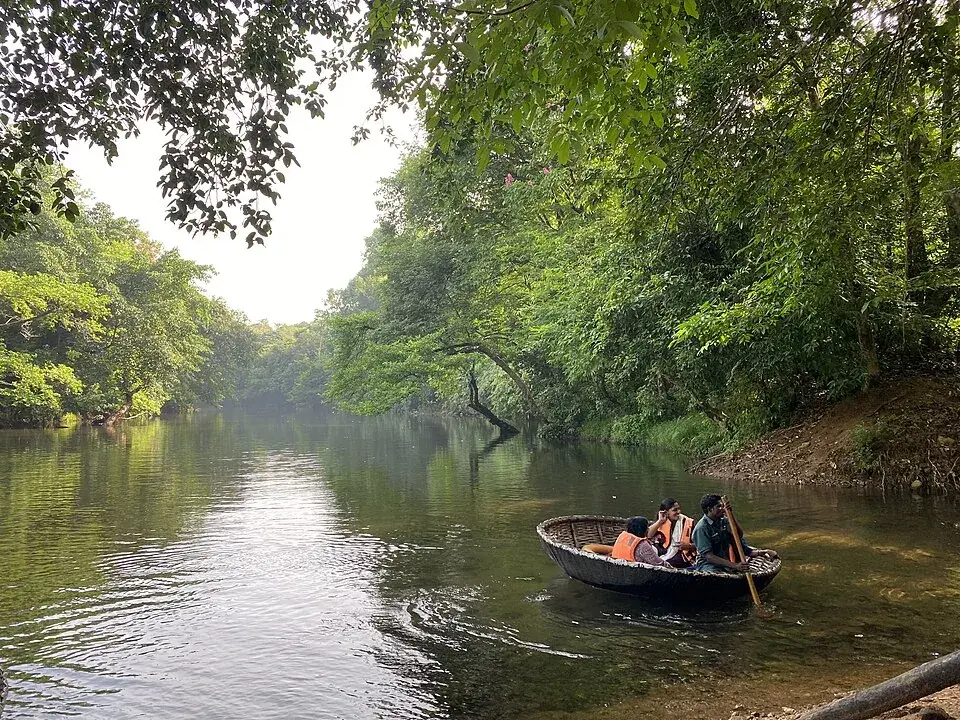
The word “trek” in the page title can send a visitor looking for a trailhead that does not exist. Kerala Tourism describes Adavi through bowl-boat or coracle riding on a five-kilometre stretch broadened by the Kallar River. The named map point is the ecotourism base on the Konni–Thannithodu road; it is where a managed visit begins, not a promise that every bank is open for walking.

The first thing to notice is the boat itself. A coracle is a shallow circular craft, its woven shell giving no bow or stern to point downriver. The operator supplies direction with a paddle while passengers sit low around the rim. That geometry makes even a calm reach feel different from a conventional ferry: the view turns with the basket, and forest, reflection and bank exchange places.

Adavi’s broad water is held visually between dense banks. Branches lean over the reach, roots show at the landing and the canopy breaks the sun into moving patches. In the strongest photographs the river does not look like a corridor cut through forest; it looks as if the forest has briefly opened enough water to carry a boat.

The landing is practical rather than theatrical. Coracles wait at the earth bank, paddles lie across their woven interiors and riders step down close to exposed roots. This is why footwear and balance matter even though the ride itself is seated. The risky moment is often boarding or leaving the round craft, not travelling across the calm centre of the reach.

Kerala Tourism publishes two coracle products, a short ride and a long ride, with different group capacities and tariffs. Those are operator categories, not distances a visitor should infer from the five-kilometre river description. Ask which ride is running, how many people the craft will carry and what the day’s water level allows before paying.

The official page calls the monsoon the best time because the Kallar is full and the vegetation intensely green. That recommendation needs to be read beside its own disclaimer: every ecotourism package can change with climate and other conditions. Fuller water can make the landscape richer while also making the operator more cautious. “Best” never overrides a suspension.

A dry-season visit tells another story. More bank and root may show, light reaches farther into the trees and boarding ground can be easier. The river may feel less dramatic but more legible. Neither season guarantees the same line or duration; this is a working forest-and-river operation rather than a fixed amusement ride.

The soundscape is unusually important. A coracle has no engine, so paddle strokes, birds, insects and voices travel across the water. Keeping conversation low is not only etiquette. It is the way the ride preserves its character and lets the shaded river feel separate from the road that delivered everyone to the counter.

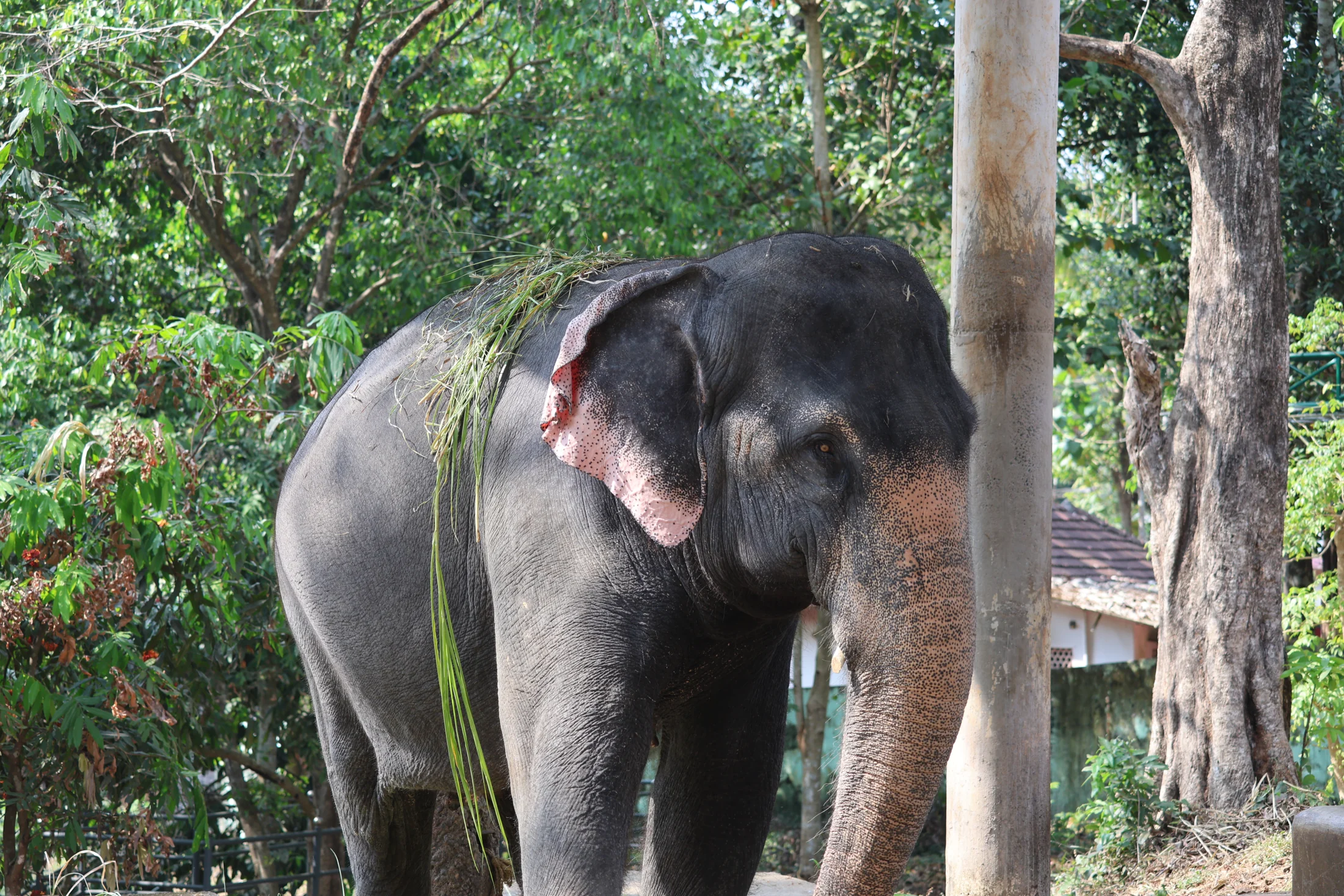
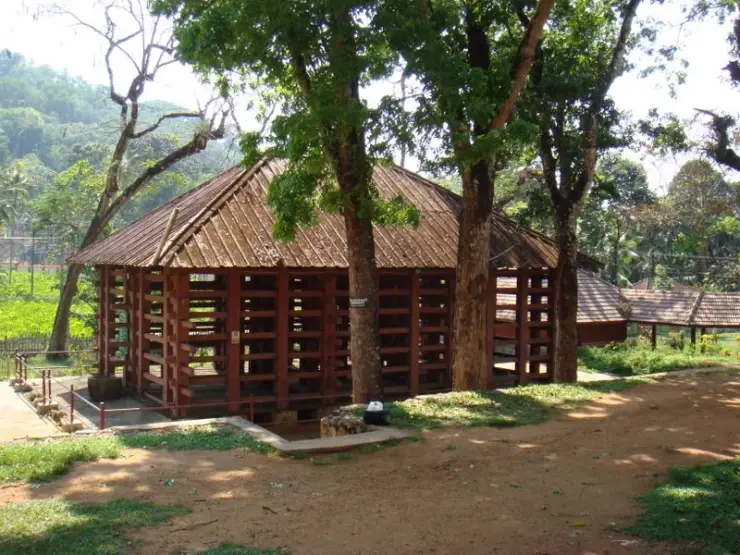
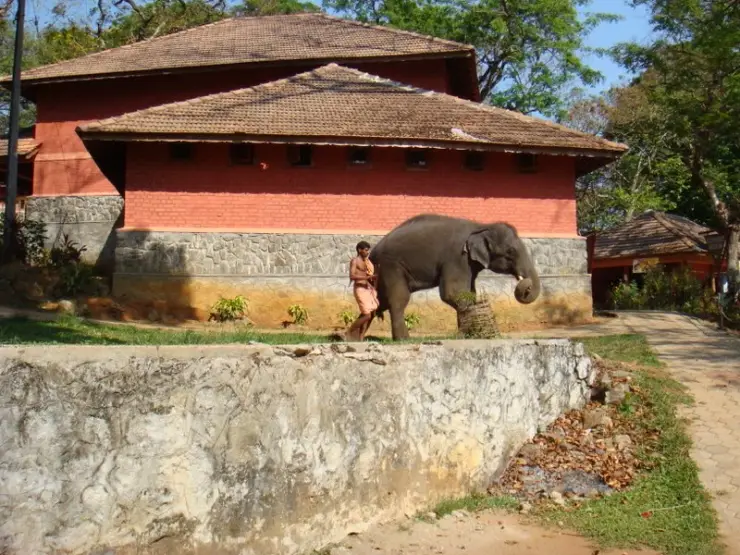
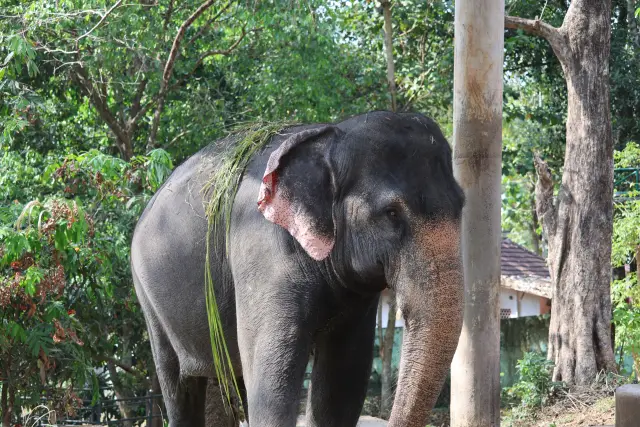
Adavi sits within the larger Konni forest story, but it is not the elephant kraal. The kraal is a separate historical site nearer Konni and its access must be checked independently. Combining the two in a day can make geographical sense; treating one ticket, opening status or safety condition as evidence for the other does not.

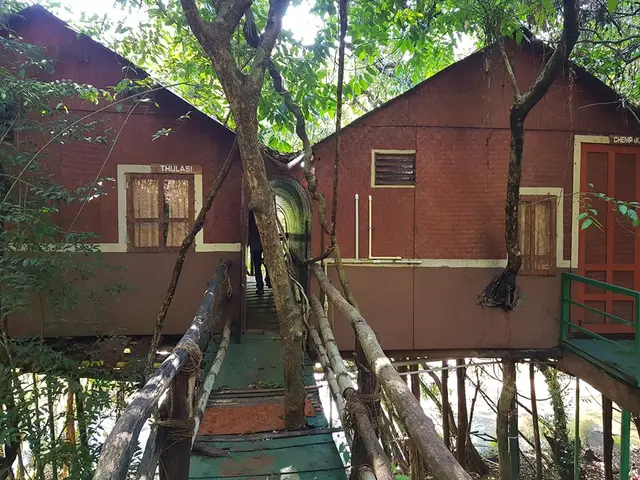
The tree-top bamboo huts are another separate product. Kerala Tourism describes an overnight package with food for a single hut. Their raised rooms and bamboo approaches belong to the same forest base, yet a hut booking is not included in a coracle ticket. Ask about current condition, meals, check-in and night access rather than assuming the photograph describes what is available today.

The longest programme attached to Adavi leaves the river entirely: an official full-day bus tour to Gavi. Its route passes the Moozhiyar, Kakki and Anathodu dam landscapes, reaches Kochu Pamba and returns through plantation towns. That is a road journey with arranged lunch, not an extension of the coracle ride and not a short add-on after arriving late.

These distinct products explain the value of precise language. “Konni–Adavi package” can mean the forest office’s family of activities, while a visitor may mean only the bowl boat. Name the coracle ride, bamboo hut or Gavi bus when contacting the office. Precision prevents a day-trip expectation from being attached to an overnight stay or a thirteen-hour road circuit.

The Divisional Forest Office at Konni is the operating contact published by Kerala Tourism. This matters because river conditions, forest rules and equipment availability can change faster than a static travel article. A confirmation is part of the trip, not administrative decoration. It establishes which programme is running and where staff expect the group.

Once aboard, resist turning the ride into a wildlife chase. The Kallar corridor is habitat, but no official itinerary promises a particular animal. The dependable subjects are the river’s surface, canopy layers, flowering bank vegetation and the human scale of a paddle-powered boat. A quiet passage remains complete without a headline sighting.

Photography works best when it respects the craft. Secure the camera before boarding, remain seated and do not ask the operator to create instability for an angle. The circular rim, paddle and reflections already describe the experience. A dropped phone is a small problem compared with a group shifting suddenly in a shallow woven boat.

Adavi is close enough to Konni for a half-day forest outing, but its controlled format prevents casual wandering. Unsigned banks can be slippery, privately used or ecologically sensitive. The honest boundary is simple: use the authorised landing and operator, follow the ride selected, and do not turn a short managed visit into an unapproved forest walk.

Read the five-kilometre figure carefully. It describes the broadened river setting named by Kerala Tourism, not a guarantee that every booking travels five kilometres or that the public may follow that distance along the bank. The short and long rides are the usable visitor choices. Their actual course belongs to the operator because water depth, current, loading and the condition of the landing all affect what can run safely.

That distinction also changes how the landscape is read. A footpath announces itself through tread, gradient and junctions; a river route can look open while still hiding shallow stones, submerged wood or a stronger line of current. Passengers do not need to interpret those hazards independently. They need to let the trained paddler choose the line and to avoid treating a placid photograph as proof of today’s conditions.

The coracles waiting on shore explain the programme’s capacity better than any promotional adjective. Each is small, and boarding happens one group at a time. On a busy day the visit can include a queue even though the ride itself is brief. Arriving earlier in the operating window leaves more room for staff instructions and weather changes; it does not create a right to a departure when the river has been judged unsuitable.

The round craft also rearranges the social experience. In a conventional boat, passengers tend to face forward and watch a destination approach. Here people sit around a shared centre, see one another as well as the banks, and may turn through the scene as the operator corrects the boat. The ride is less about reaching a landmark than about occupying the river for a controlled interval.

Families should make decisions from the landing, not from the easy difficulty label alone. A seated ride can still be awkward for someone who cannot step down to a low moving rim, remain stable without a backrest or rise from the same position at the end. The access note on this page describes those physical transitions so a group can ask the office a precise question before travelling.

The forest edge has two scales. At water level, roots, leaf litter and low branches dominate the frame; looking upward reveals taller crowns and small gaps of sky. Bird photographs from Konni help describe the wider habitat, but they should not be converted into a checklist for one short ride. The honest pleasure is learning to notice movement and calls without making the operator pursue them.

This restraint is part of the ecotourism bargain. Visitors receive a close, quiet encounter with a forest river, while access remains concentrated at a staffed base and within a small craft. The result is narrower than an open trail network but more specific: one landing, one traditional boat form, one paddler and a reach of Kallar that changes visibly with rain and light.

It also makes the return worth watching. Details that passed quickly on the outward movement—a leaning trunk, a bright crown, a pocket of reflected sky—often read differently from the opposite side of a turning coracle. There is no need to demand a longer route merely to collect more scenery. Attention can make the same short reach feel newly composed on the way back.

The river’s reflections are useful evidence of changing light, not of depth. A dark green surface can be shallow beneath shade, while a bright patch can be deeper and simply holding the sky. Visitors should avoid reading safety from colour or stillness. The operator has the local knowledge and the paddle; passengers have the simpler responsibility to keep their weight settled and follow instructions.

Rain changes more than the amount of water. It darkens the exposed bank, makes roots slick, softens the boundary between river and foliage and can reduce the time in which staff can load a group comfortably. A shower may enrich the scene without ending the programme, or conditions upstream may stop departures even when the landing itself looks quiet. The decision is operational, not photographic.

On clearer days, the strongest contrast is between the open strip of water and the layered wall of vegetation beside it. The coracle keeps riders close enough to see leaves and roots as individual forms, then lets the same bank merge into canopy when the craft moves away. That alternating intimacy and distance is Adavi’s real sequence; it does not require invented waypoints or named viewpoints.

The stored boats tell a second story after the ride. Turned upside down, they reveal broad circular shells rather than the familiar long outline of a canoe. Moored upright, their dark interiors and crossed paddles show how little machinery the experience needs. Seeing both states helps explain why this is a managed craft operation: the boats are handled, checked, launched and returned by people at the base.

A visitor writing about Adavi afterwards should keep those boundaries intact. Say that the coracle travelled on the Kallar at Adavi, not that it explored all five kilometres; say that birds occur in the Konni landscape, not that a short ride guarantees them; say that Gavi is reached by a separate scheduled bus product, not that it is the end of the boat route. Exact language preserves what made the place distinctive.

This precision is especially important online, where “trek”, “rafting”, “safari” and “boating” are often exchanged as search terms. At Adavi the visible object settles the question: a round paddle-driven coracle carrying a small group on a controlled forest reach. Calling it that is not underselling the visit. It gives travellers the experience they can actually arrive and ask for.

A useful itinerary therefore gives Adavi room without inflating it. Do the river programme as its own experience, pause after landing, and only add another Konni activity when its opening status has been confirmed separately. The Gavi bus deserves a whole day; the bamboo huts deserve an overnight plan; the elephant-kraal compound cannot be assumed open merely because Adavi is operating.

The best final image of Adavi is therefore not a summit or endpoint. It is the moment the coracle rounds slowly under trees and the landing disappears behind a bend. The experience measures distance by changing reflections and paddle strokes. That is why the river, not the label “trek”, should organise the visit.
Legend & myth

Adavi does not need a legendary trail to make it distinctive. Its story is material and visible: woven craft, paddle, river level, forest shade and the operating decisions that determine whether a boat leaves the bank.

Read the full history of Konni Adavi trek 210 more words

History

Konni’s wider identity grew around forests, timber and elephant capture and training. Adavi represents a newer ecotourism use of that forest edge: controlled recreation, locally operated boats and stays rather than open extraction or an unrestricted trail network.

The Kallar is part of the Achankovil river system. At Adavi its widened, shaded reach makes a small craft possible and gives the programme its defining landscape. The river is not merely scenery beside a land route; it is the route visitors are authorised to experience.

Coracles are old boat forms found across parts of South India, built around a light circular frame. At Adavi they have become the visual signature of a modern Forest Department tourism programme, linking a traditional craft shape with contemporary safety equipment and managed capacity.

Kerala Tourism’s published programme groups Adavi with the Konni elephant kraal, bamboo huts and the bus to Gavi. That administrative grouping explains the recurring “Konni–Adavi” name, but each component has its own duration, tariff and access conditions.

Why visit

Ride a round coracle through a genuinely shaded Kallar reach.

See forest at water level, without an engine masking the river soundscape.

Understand the difference between Adavi’s ride, huts, Konni kraal and Gavi bus.

Use a compact, managed experience that fits a Konni forest day.

What to expect

Highlights

  • Round woven coracles moving through a shaded reach of the Kallar.
  • A river corridor where reflections, overhanging branches and boat movement set the pace.
  • Separate tree-top bamboo huts and a long Adavi-to-Gavi forest bus programme.
  • A close-to-Konni forest experience without pretending the boating reach is a free trail network.
Getting there

How to visit

  • Contact the Divisional Forest Office at Konni and confirm the Adavi coracle slot by name.
  • Reach the named Adavi ecotourism point on the Konni–Thannithodu road; the map pin is the visitor base, not every point along the river.
  • Use the supplied boat, life jacket and operator. Do not launch privately or leave the managed reach.
  • Treat river level, rain and forest instructions as decisive; availability changes with conditions.

Distance by road

  • Thiruvananthapuram103 km
  • Kochi119 km
  • Madurai243 km
  • Coimbatore287 km
  • Kozhikode311 km

Road km to Pathanamthitta; ghat roads and traffic vary — allow extra.

Timing

Best time

The official page recommends the monsoon for fuller water and deep green, but rain also changes current, access and ride availability. October to February is usually easier for road travel.

Weather in Konni Adavi trekSeasonal guide

Live forecast loads in your browser.

Today at Konni Adavi trek
Sunrise6:10 am
Sunset6:08 pm
Golden hour best light5:08 pm–6:08 pm
Blue hour after sunset6:08 pm–6:33 pm
Sun sets toward compass bearingW · 263°
Moon tonight🌑 New moon · 0%
Retreating monsoon. October and November still see spells of rain from the retreating monsoon, though it is usually lighter than mid-year. Conditions are generally good but worth checking.

Sun and moon are calculated for this location and shown in IST. Photography windows are the hour around sunrise and sunset; the sunset bearing is degrees clockwise from true north. Moon phase is accurate to about half a day.

Visitor notes

  • The short and long rides have different group capacities and published tariffs.
  • Adavi is not the Konni elephant kraal; they are separate stops and current access must be checked separately.
  • Carry cash, water and insect protection, but keep belongings minimal in the boat.
  • There is no reason to label this a trek endpoint: the experience is controlled river travel.
Safety

Good to know

  • Wear the provided life jacket and follow the boat operator.
  • Do not enter the river when staff suspend rides after rain or changing flow.
  • Keep children seated and secure phones and cameras.
  • Do not walk into unsigned forest or remain after operating hours.
Official eco & forest programmes

Experiences around Konni Adavi trek

These are official or public-sector eco offerings that match this place, town or forest destination. Confirm availability, permits, tariffs and reporting times with the official operator before travel.

Konni, Konni Adavi trek
wildlifeinterpretation

Konni Elephant Kraal visit

Forest-side elephant kraal and interpretation stop at Konni, often combined with Adavi and Gavi routes.

Divisional Forest Office, KonniShort visit
Official source →
Adavi, Konni Adavi trek
boatingwildlife

Adavi coracle boating on Kallar River

Bowl-boat/coracle ride through the Kallar River forest setting at Adavi, near Konni.

Divisional Forest Office, KonniShort ride
Official source →
Adavi, Konni Adavi trek
forest staycamping

Adavi tree top bamboo huts

Official tree-top bamboo hut stay at Adavi with food included in the package listing.

Divisional Forest Office, Konnitree top hutOvernight
Official source →
Gavi, Konni Adavi trek
safariwildlifeviewpoint

Adavi to Gavi rainforest bus tour

Full-day forest bus route from Adavi towards Gavi, passing dams and rainforest scenery with lunch arranged at Gavi.

Divisional Forest Office, KonniFull day
Official source →
Stay · eat · do · rent · see · shop

Stays, food & things to do near Konni Adavi trek

Browse listed stays, food, activities, sights, shops and rentals around Konni Adavi trek. Check each listing’s locality and contact the business directly for current arrangements.

4 things to do near Konni Adavi trek

Forest tour · Konni
Adavi to Gavi Rainforest Bus Tour

The Adavi-to-Gavi bus outing is an organised forest programme. Confirm departures, stops, meals and the weather decision before building your day around it.

Directions Commission-freeView details
Coracle and forest activity · Konni
Adavi Ecotourism Kerala Tourism

Adavi near Konni offers organised river and forest ecotourism. Choose an available activity through the visitor service rather than entering forest routes independently.

Directions Commission-freeView details
Forest ecotourism · Konni
Konni Adavi Forest Ecotourism Official

Konni–Adavi’s visitor service handles permitted activities and bookings. Ask about the specific programme, meeting point and weather decision before travelling.

Directions Commission-freeView details
Visitor information · Konni
Konni Forest Division Contact

Konni Forest Division is the contact for forest access and ecotourism permission. Describe the route you want; an enquiry is not a general trail permit.

Directions Commission-freeView details

Book with the place itself. India’s cyber-crime coordination centre warned in April 2025 that convincing copies of hotel and pilgrimage booking sites are being pushed through sponsored search and social ads, taking payment for rooms the property never hears about. Use the contact and source details on each profile to confirm the exact business and booking channel. A directory entry or map pin alone does not establish an operator’s identity or current availability. Roampedia takes no commission and does not collect booking payments. If a booking page reached you through an ad, check the address bar against the property’s own site before you pay. Fraud can be reported on cybercrime.gov.in or on 1930.

Nearby guides

Top experiences around Konni

2 more places around Konni. Open a guide to plan the visit and onward journey.

trekKokkathodu–Kattathipara

A forest walk from Kokkathodu leads towards Kattathipara’s large rock formation near Konni. The wooded approach and exposed stone make this a walking trip that needs local guidance.

wildlifeKonni Elephant Camp

8.6 km · straight line

Konni’s Anathavalam combines a historic timber kraal, elephant-care areas and a museum within the Forest Department’s ecotourism campus.

Roampedia is commission-free — own or know a stay, eatery, guide or shop near Konni Adavi trek? Submit public business details for review.

Add a nearby business
Trek facts

Konni Adavi trek — at a glance

TimingsPublished coracle operating window: 08:30–17:30, subject to river, climate and forest conditions.
Best timeMonsoon brings fuller water and deep green but can also suspend rides. October to February is easier for road travel.
Entry price
Indian adult
₹400

Fees change without notice. Check the current rate at the counter.

Entry: Kerala Tourism publishes ₹400 for four people on the short coracle ride and ₹800 for eight people on the long ride. Confirm the current total before travel.

Parking: Use the visitor-base parking or staff-designated space; do not stop on the narrow approach or riverbank.

Getting here

How to reach Konni Adavi trek

  • ✈︎ By air Kerala Tourism lists Thiruvananthapuram airport at about 100 km. The remainder is a long road transfer, so confirm the river programme before leaving the airport.
  • 🚆︎ By train Kerala Tourism lists Chengannur railway station at about 35 km. Continue by road through Pathanamthitta/Konni and allow for the final forest-side approach.
  • 🚗︎ By road Use the Konni–Thannithodu road and report at the named Adavi ecotourism visitor base. The map pin is the staffed arrival point, not a route along the Kallar bank.
  • 🚌︎ By bus Reach Konni or Pathanamthitta first, then confirm the local connection to Adavi. Do not use the separate scheduled Adavi–Gavi package as evidence that an ordinary bus will meet a coracle slot.
Getting back

If you are travelling by bus or ferry, check the return service with the operator before setting out. Leave time to reach the stop or jetty after your visit.

Ask at the bus stand for the time of the last service back, not the next one. If you miss it, an auto or app cab is the fallback — agree the fare before you get in.

Prepare

What to carry

  • Ask specifically for the short or long Adavi coracle ride.
  • Wear the life jacket supplied by the operator.
  • Carry cash and insect protection, and keep loose belongings minimal.
  • Confirm separately if booking the tree-top bamboo hut or Gavi bus.
Getting around Konni Adavi trekNot wheelchair accessible
Terrain
Mostly flat
From the entrance
The visitor base has an earth-and-root riverbank landing. Riders step down into a shallow round coracle, remain seated for the staff-paddled route, then climb out at the managed landing. This is not a made walking trail, and the official page publishes no step count or firm-surface boarding route.
Step-free access
The published coracle programme is not wheelchair-accessible: it requires transfer down an uneven bank into a low circular craft, and no adapted boat, step-free landing, wheelchair loan or accessible toilet is published. Ask the Konni forest office whether the water can be viewed from road-reached level ground without purchasing the ride.
Prams
No. A pushchair cannot be taken into a coracle and the rooty earth landing is unsuitable. Keep small children seated and ask staff about age and life-jacket suitability before paying.

Forest-office counter and boat operatorsStaff-supplied coracles and paddlesLife-jacket use expected for the rideSeparate tree-hut stay product when operatingNo published adapted boat, step-free landing or accessible toilet

  • The landing is rooty, earthy and slippery after rain.
  • River level and current can stop rides without notice.
  • Round boats respond to sudden weight shifts; remain seated and follow the operator.
  • Unsigned banks are not public walking routes; do not enter the forest independently.

Checked 3 September 2026 against source 1source 2source 3. Conditions change and surfaces vary with weather — if step-free access is essential, confirm with the site before you travel.

Nearby

What’s near Konni Adavi trek

wildlifeKonni Elephant Camp

Konni’s Anathavalam combines a historic timber kraal, elephant-care areas and a museum within the Forest Department’s ecotourism campus.

8.6 km · straight line
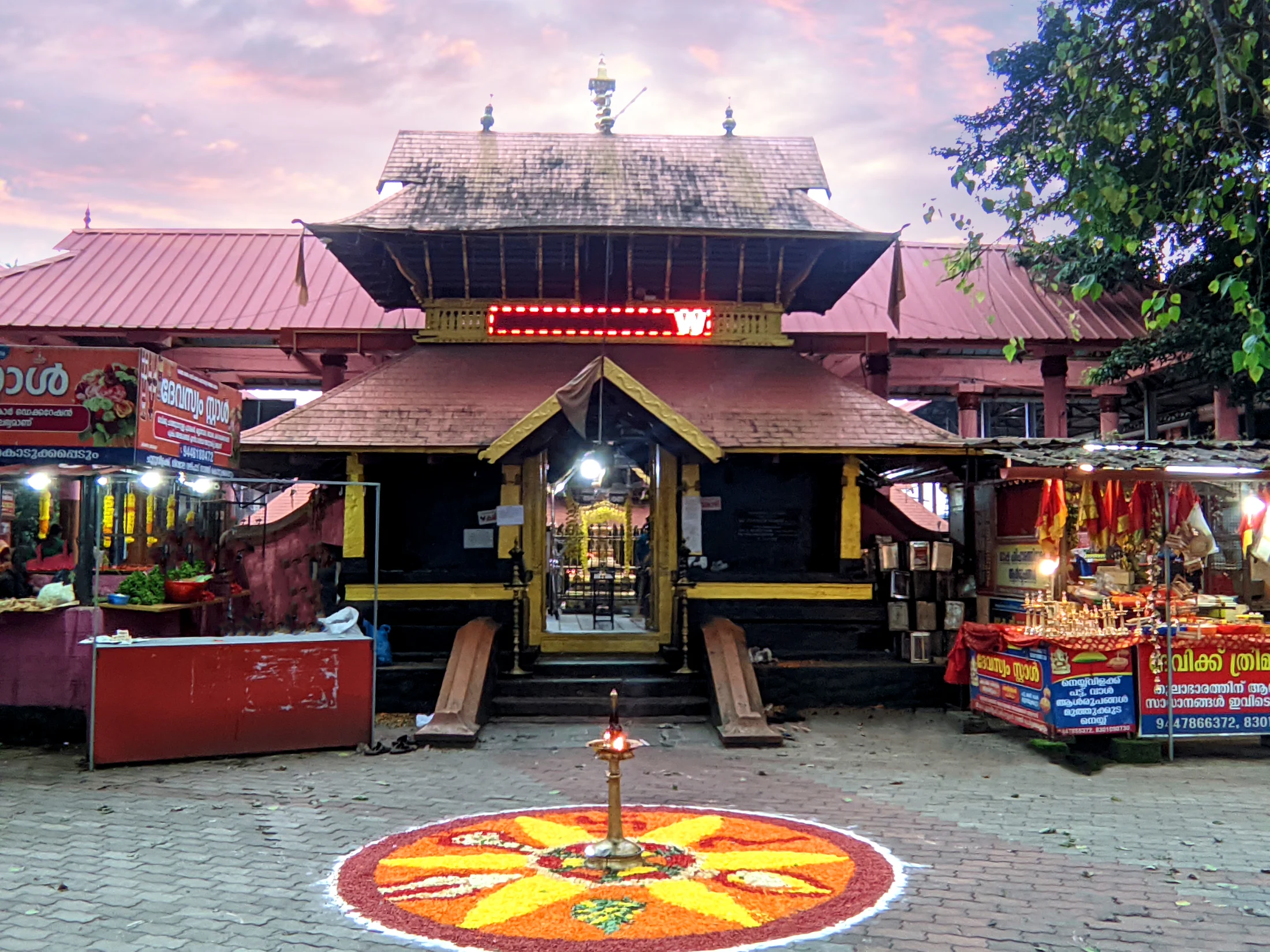
templeMalayalapuzha Devi Temple

Malayalapuzha, also written Malayalappuzha, is the Bhadrakali temple near Kumbazha in Pathanamthitta district, administered by the Travancore Devaswom Board.

11.9 km · straight line
C
Chuttippara
Place
trekChuttippara

The prominent rock hill above Pathanamthitta, reached by a steep local climb with broad town and highland views; heat, wet rock and exposed edges shape the visit.
14.1 km · straight line
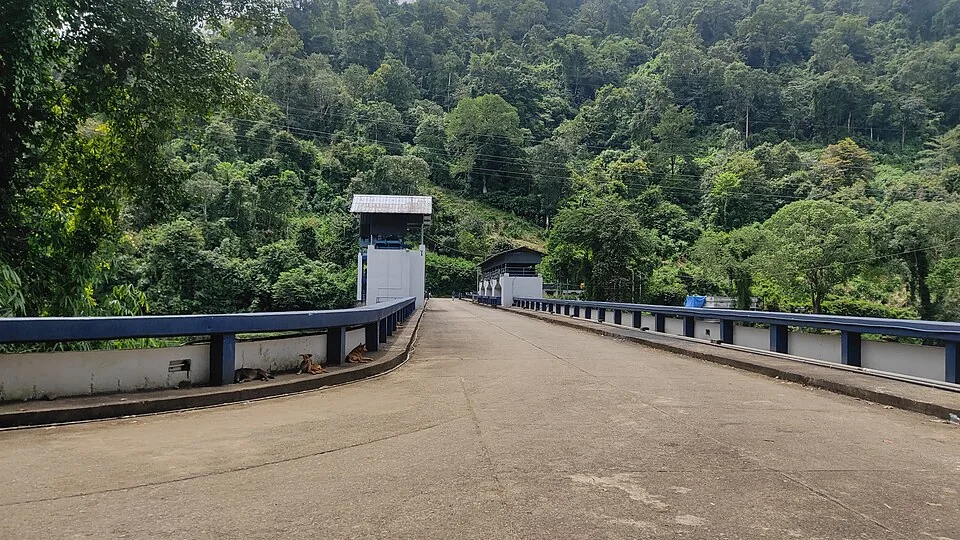
damMoozhiyar Dam

A gravity dam at Seethathodu near the Kakki reservoir that stores the tail water of the Sabarigiri hydro-electric project and diverts it to the Kakkad power station — a scenic reservoir stop on the forest road toward Gavi.

17.2 km · straight line
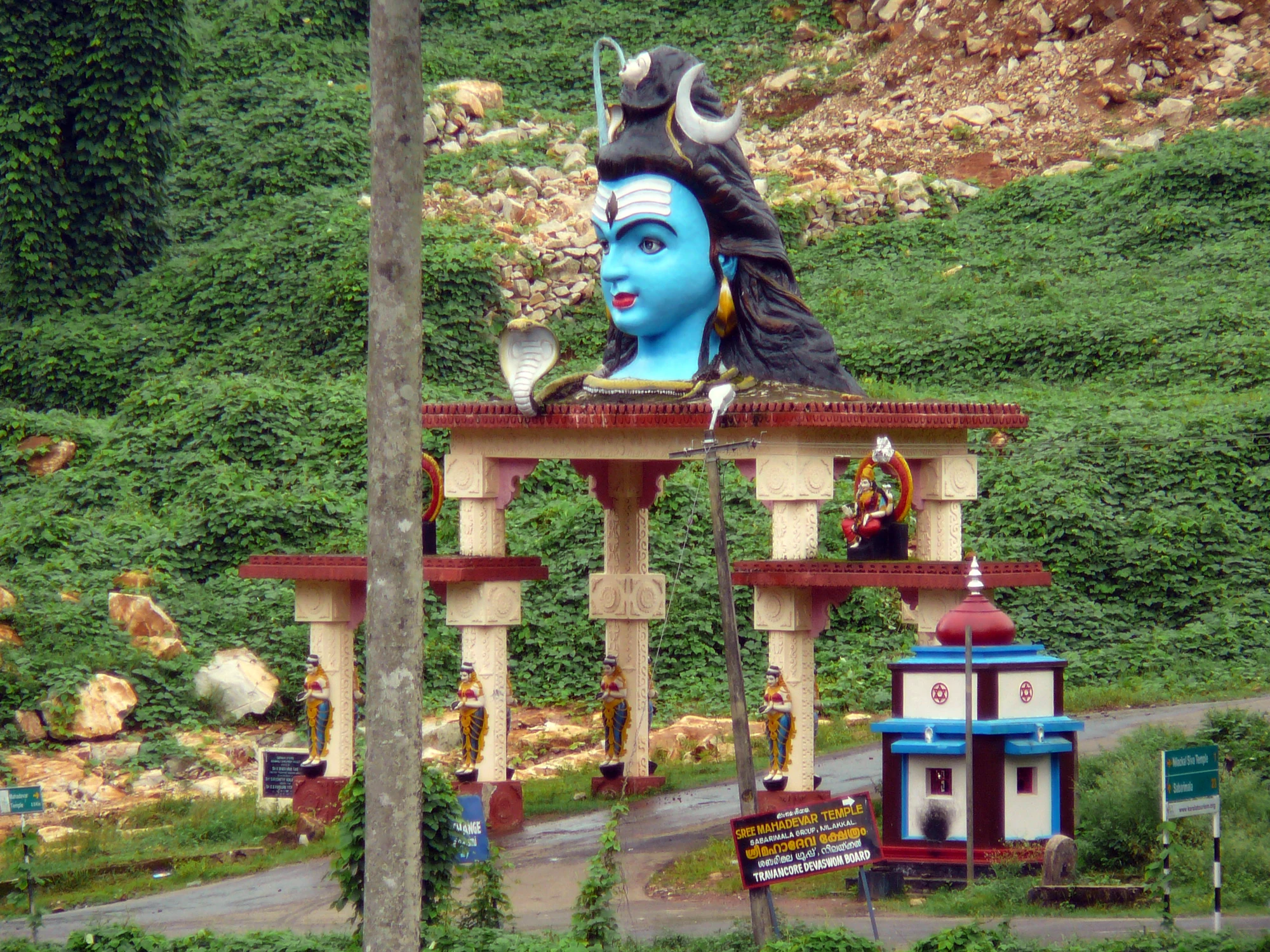
heritageNilackal

The Nilackal sacred landscape on the Pathanamthitta–Pamba road: Mahadeva Temple, the separate St Thomas Ecumenical Centre and the pilgrimage setting; Nilakkal is an alternative spelling.

18.9 km · straight line
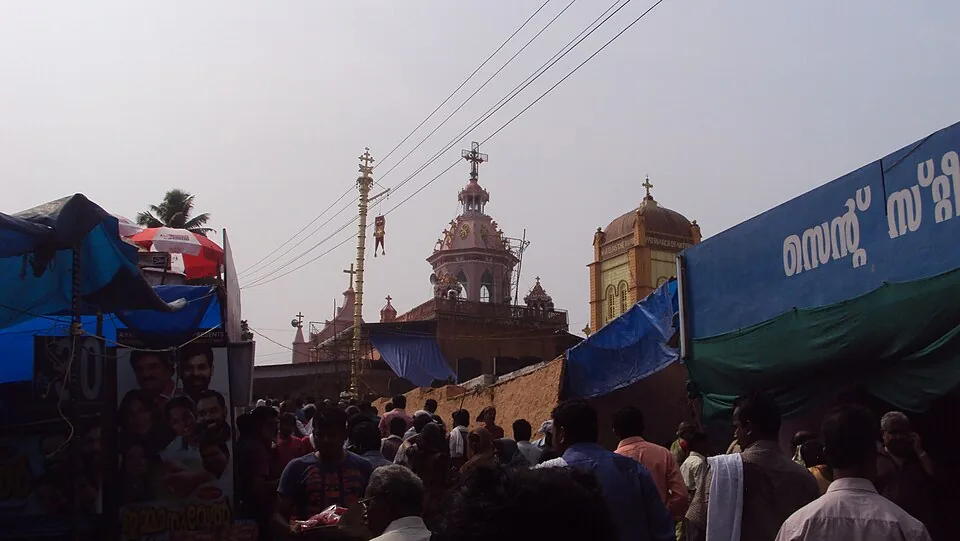
churchManjinikkara Church

A hilltop Jacobite Syrian pilgrim centre (dayara) near Pathanamthitta, the resting place of Patriarch Ignatius Elias III; its annual perunnal draws large crowds.

19.2 km · straight line
waterfallPerunthenaruvi Waterfalls

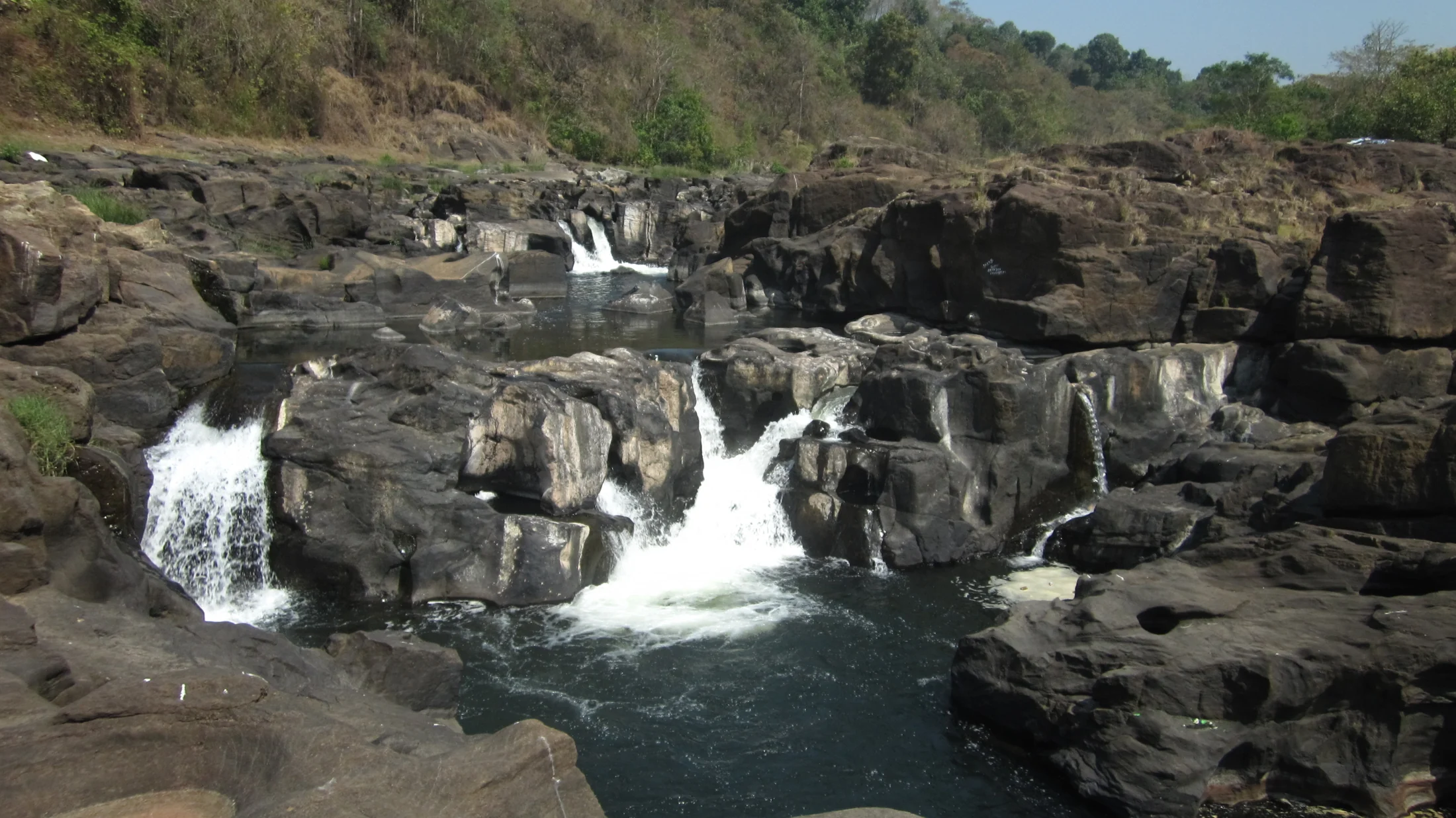
Perunthenaruvi is the broad rocky waterfall landscape in the Pamba basin near Ranni. The nearby KSEB weir and small hydel project are separate infrastructure, not the visitor waterfall entrance.

19.4 km · straight line
templeSabarimala

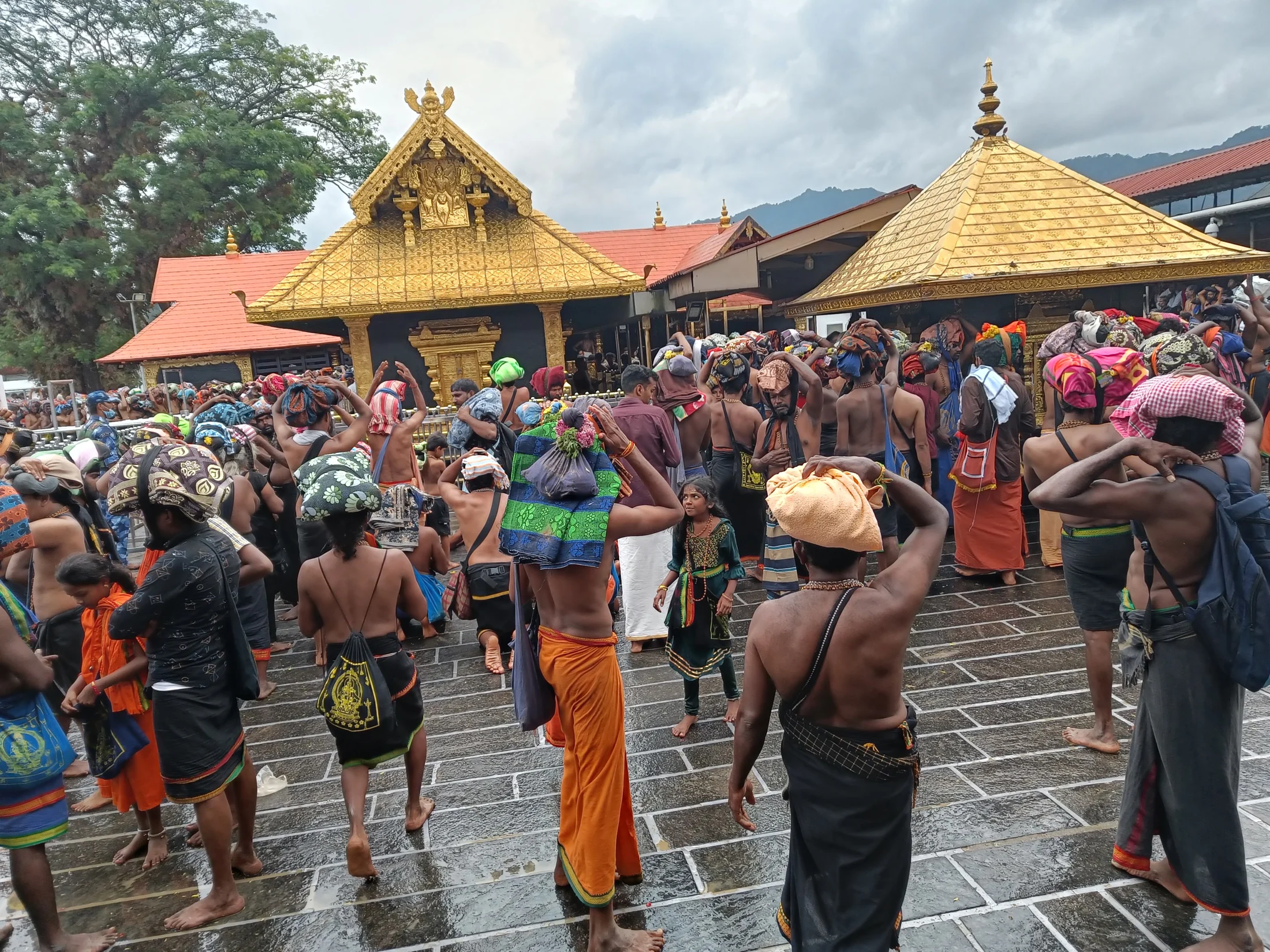
Sabarimala Sree Dharma Sastha Temple is the Ayyappa hill shrine in Pathanamthitta district, reached on foot from the Pamba pilgrimage base under the season’s access arrangements. Sannidhanam is the temple precinct on the hill; Pamba is the road-to-foot transfer area; Nilackal is the principal vehicle holding and bus-transfer base. The temple opens for specified periods, including the Mandala–Makaravilakku season and monthly poojas. Plan from the official opening calendar and Virtual Q instructions before arranging transport, accommodation or the ascent.

24.7 km · straight line
heritagePandalam Palace

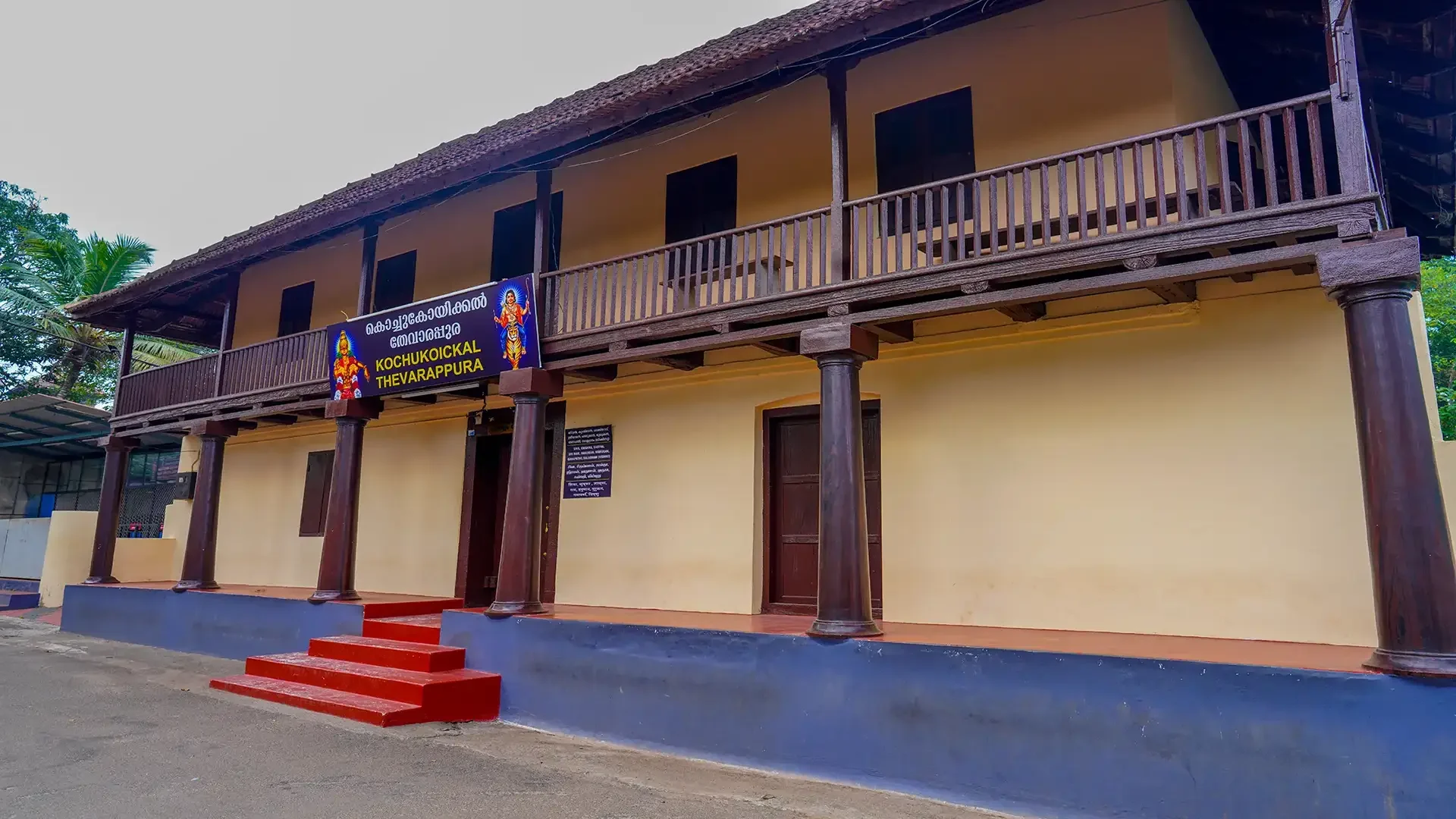
Pandalam Palace refers to a group of family buildings and worship spaces by the Achankovil river. The visitor anchor is the Valiyakoikkal-side approach, not a promise of admission to every residence or sacred room.

27.2 km · straight line
townErumely

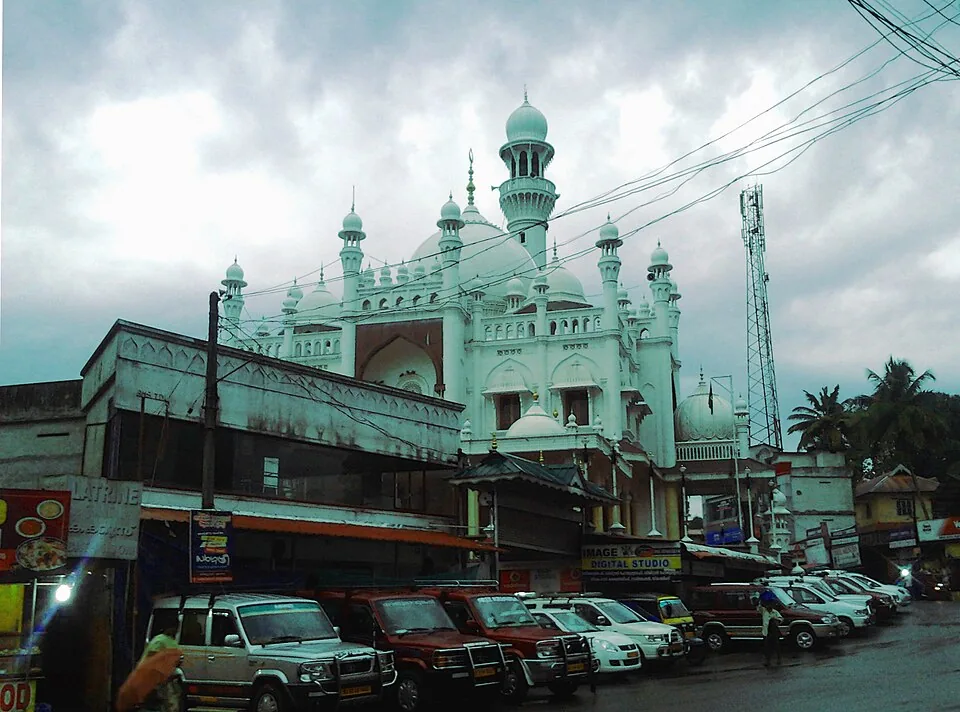
The Kottayam-border town where the traditional Sabarimala pilgrimage begins, with the Vavar mosque standing beside the Sastha temple.

27.6 km · straight line
heritageMaramon Convention

The site of Asia’s largest Christian convention, held for about eight days each February on the vast Pamba river sand-bed beside the Kozhencherry bridge; organised by the Mar Thoma church since 1895, the tent seats well over a hundred thousand.

28.0 km · straight line
heritageAranmula

Temple town on the Pamba, known for the Parthasarathy Temple, the Uthrattathi snake-boat race and the famous Aranmula Kannadi metal mirror.

28.2 km · straight line

4 detailed place guides in Konni →

On the map

Where Konni Adavi trek is

Good to know

Konni Adavi trek — frequently asked

Is Konni Adavi trek a walking trail?

No. The official Adavi product is coracle or bowl-boat riding on a broadened Kallar reach. Do not expect an independent marked trek.

How long does Adavi take?

Allow roughly one to two hours for arrival, boarding and a coracle ride. The tree-hut stay and full-day Gavi bus are separate products.

Is Adavi the same as Konni Elephant Camp?

No. They are separate attractions in the Konni area, with separate status, tickets and safety conditions.

Can I visit during monsoon?

The official page recommends the fuller monsoon river, but rides remain conditional on water, weather and forest instructions. Confirm on the day.

Do I need to book?

Confirm with the Divisional Forest Office at Konni before travel. Availability can change with climate and operating conditions.

Are the bamboo huts included?

No. The tree-top bamboo huts are a separate overnight programme with food, subject to current availability.

When is the best time to visit Konni Adavi trek?

The official page recommends the monsoon for fuller water and deep green, but rain also changes current, access and ride availability. October to February is usually easier for road travel.

What are the entry fee and timings at Konni Adavi trek?

Entry: Kerala Tourism publishes ₹400 for four people on the short coracle ride and ₹800 for eight people on the long ride. Confirm the current total before travel. Timings: Published coracle operating window: 08:30–17:30, subject to river, climate and forest conditions. The rupee figure quoted is the Indian adult rate.

How do I reach Konni Adavi trek?

Contact the Divisional Forest Office at Konni and confirm the Adavi coracle slot by name. Reach the named Adavi ecotourism point on the Konni–Thannithodu road; the map pin is the visitor base, not every point along the river. Use the supplied boat, life jacket and operator. Do not launch privately or leave the managed reach. Treat river level, rain and forest instructions as decisive; availability changes with conditions.

How much time do I need for Konni Adavi trek?

1 to 2 hours for a coracle visit; a night for a separately booked bamboo hut; the Adavi–Gavi bus is a full day.

What else is near Konni Adavi trek?

Nearby you can pair Konni Elephant Camp (8.6 km, approximate straight-line separation), Malayalapuzha Devi Temple (11.9 km, approximate straight-line separation), Chuttippara (14.1 km, approximate straight-line separation), Moozhiyar Dam (17.2 km, approximate straight-line separation).

What should I know before visiting Konni Adavi trek?

Wear the provided life jacket and follow the boat operator. Do not enter the river when staff suspend rides after rain or changing flow. Keep children seated and secure phones and cameras. Do not walk into unsigned forest or remain after operating hours.

Image credits

Photographs: Vinayaraj (CC BY-SA 4.0), Abhijith VG (CC BY-SA 4.0), Vijith9946956701 (CC BY-SA 4.0), Dr. Chinchu C. (CC BY 4.0), Gannu03 (CC BY-SA 4.0), ACKSEN (CC BY-SA 4.0), Vijith9946956701 / Wikimedia Commons (CC BY-SA 4.0), Kerala Tourism (Official tourism image). Wikimedia Commons.