Indicative entry fees and opening hours for the ticketed and timed places in Pathanamthitta. These change — always confirm with the official operator before you go.
PlaceEntry feeTimingsBest time
Kokkathodu–Kattathipara —A daylight outing in dry conditions; leave time for the return walk.A dry day with the route confirmed open. Rain, wet rock or poor visibility are reasons to postpone.
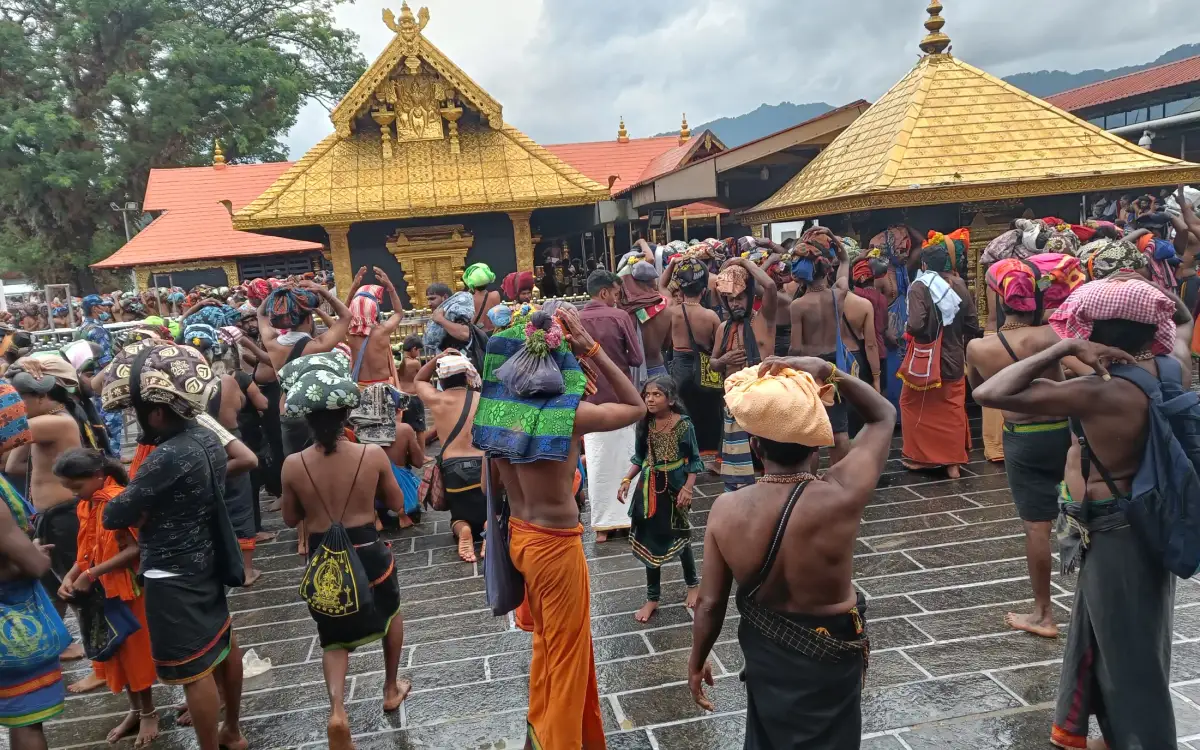
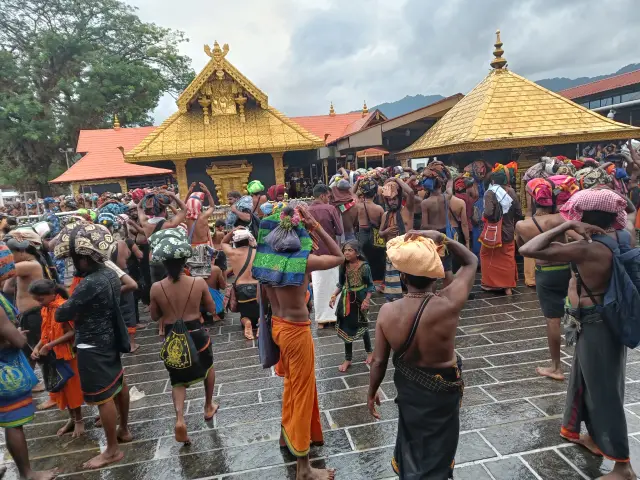
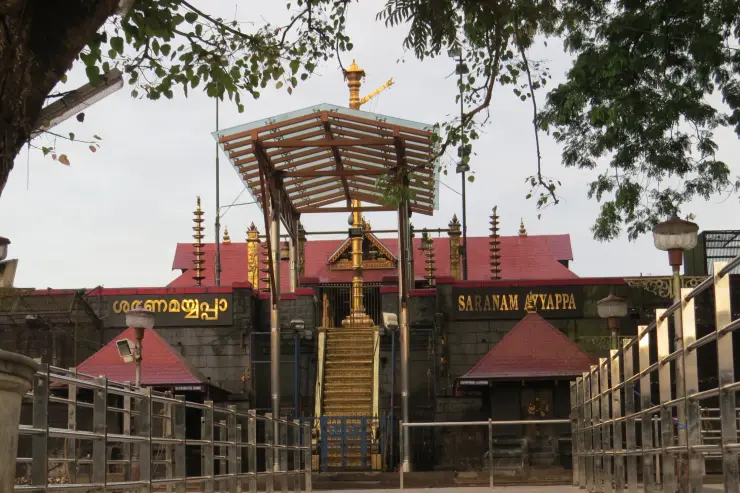
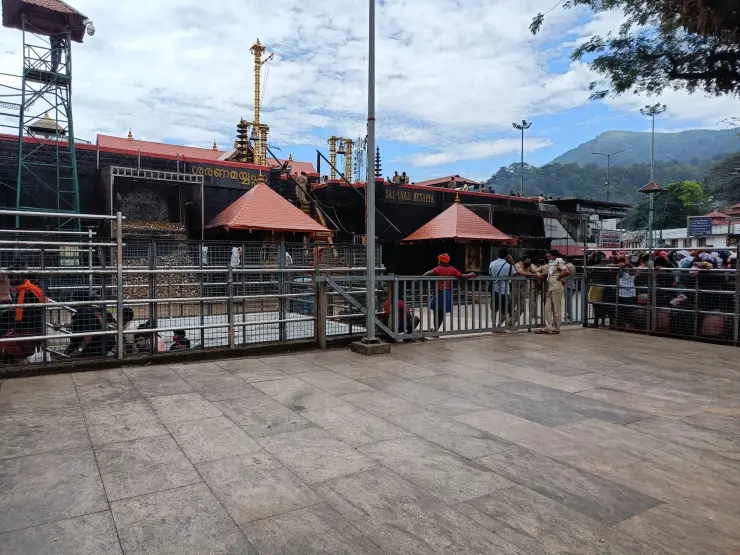
Sabarimala —Opening dates and daily ritual sessions depend on the official temple calendar. Use the current opening notice and Virtual Q instructions; there is no year-round daily opening schedule.—
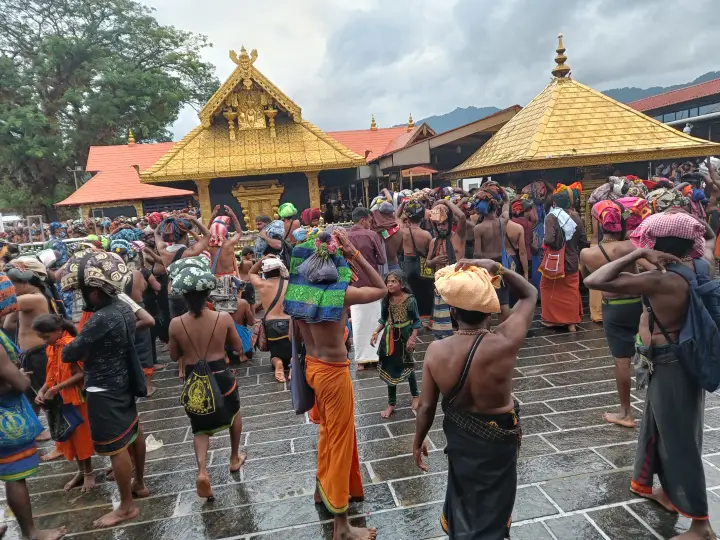
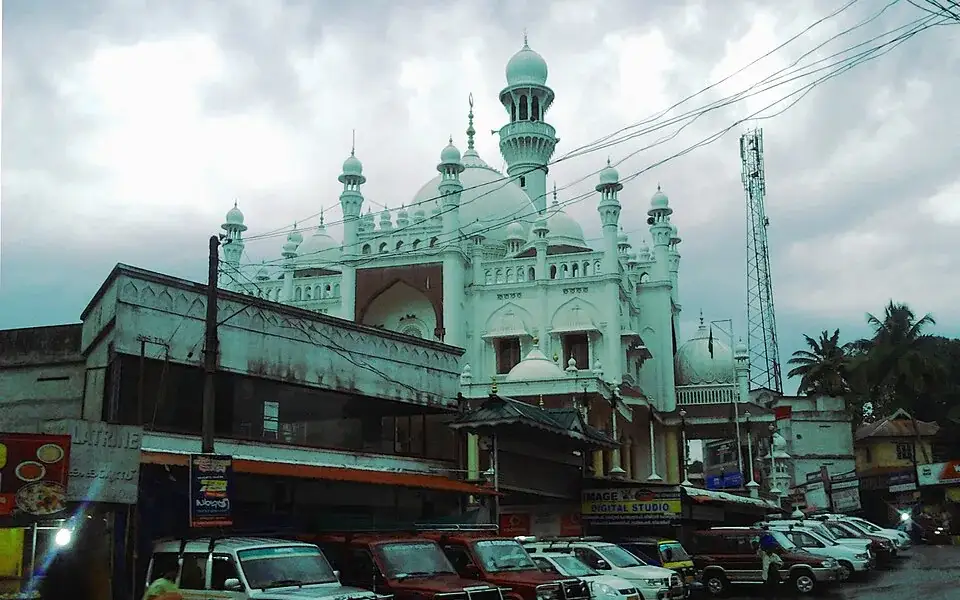
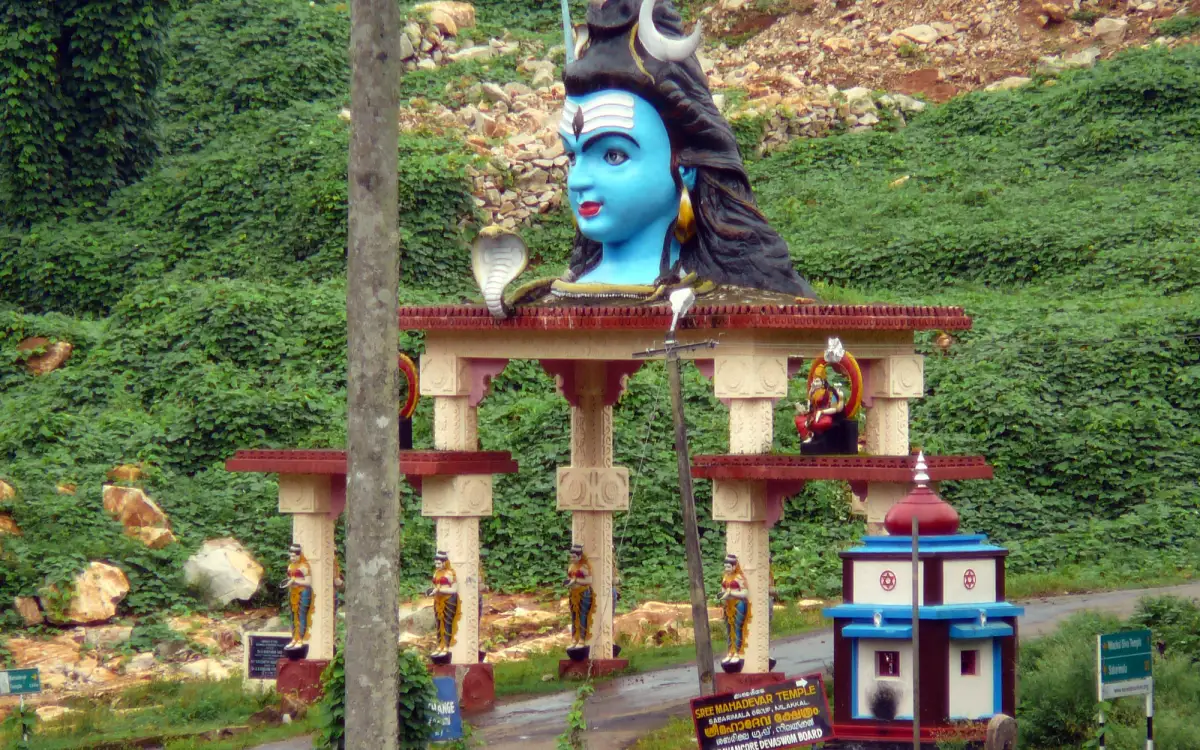
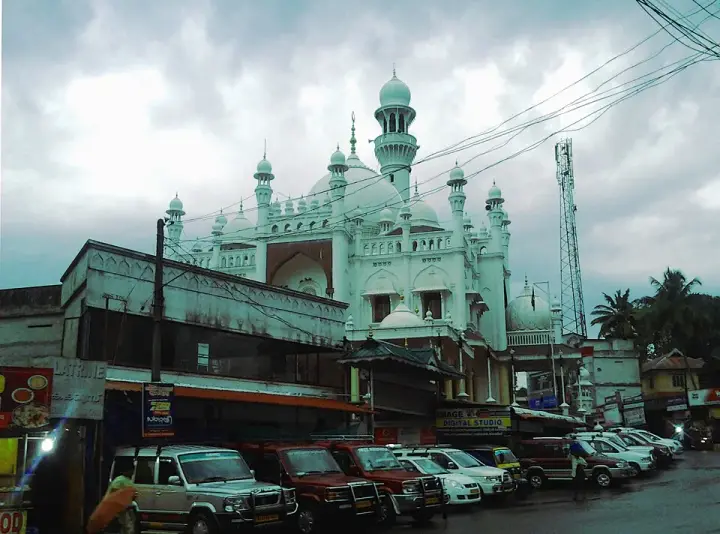
Erumely No general admission fee is published for entering the active temple or mosque; offerings and pilgrimage services are separate.Active worship schedules and seasonal access vary. Visit in daylight and check locally during Mandala–Makaravilakku and Petta Thullal dates.The main pilgrimage season brings the fullest ritual context and the heaviest crowds. Outside it, the town is easier to read but quieter.
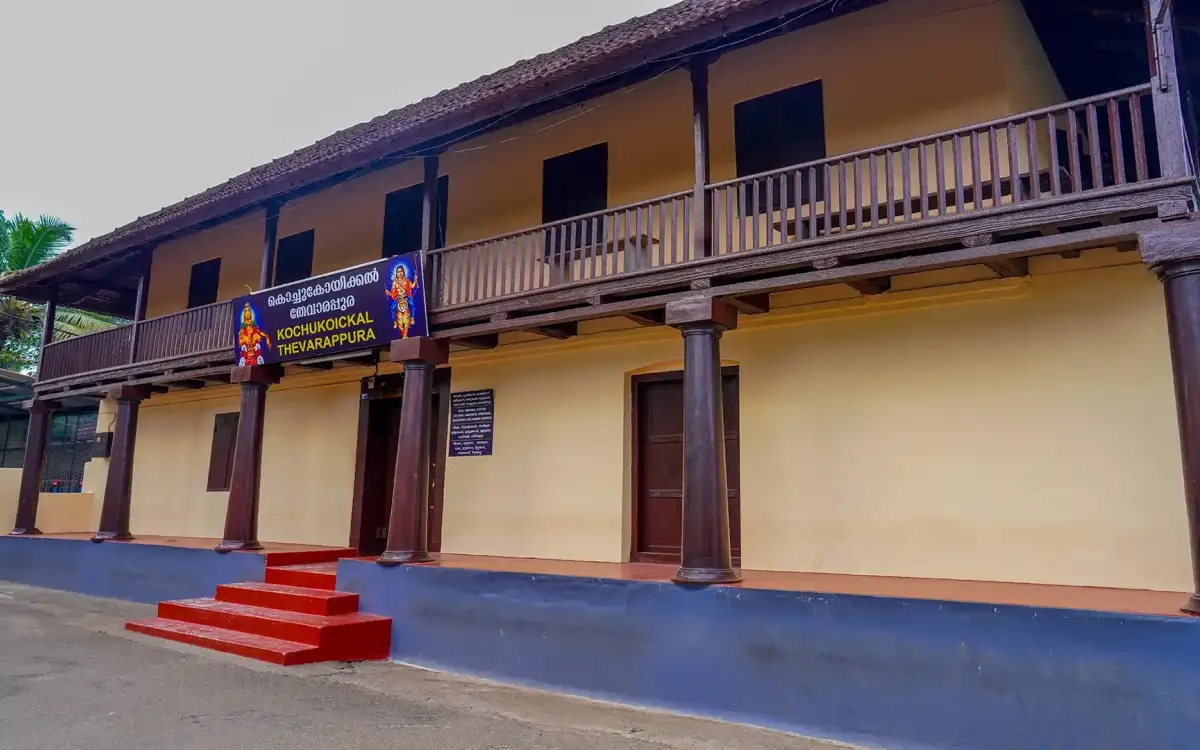
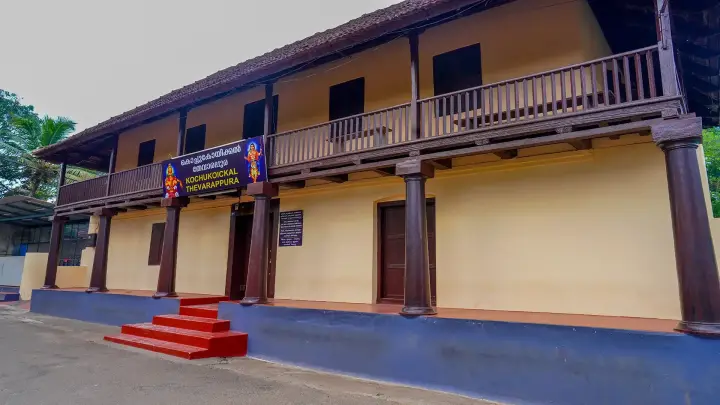
Pandalam Palace —Individual worship and seasonal viewing arrangements apply. A verified unified daily palace-museum schedule is not established.—
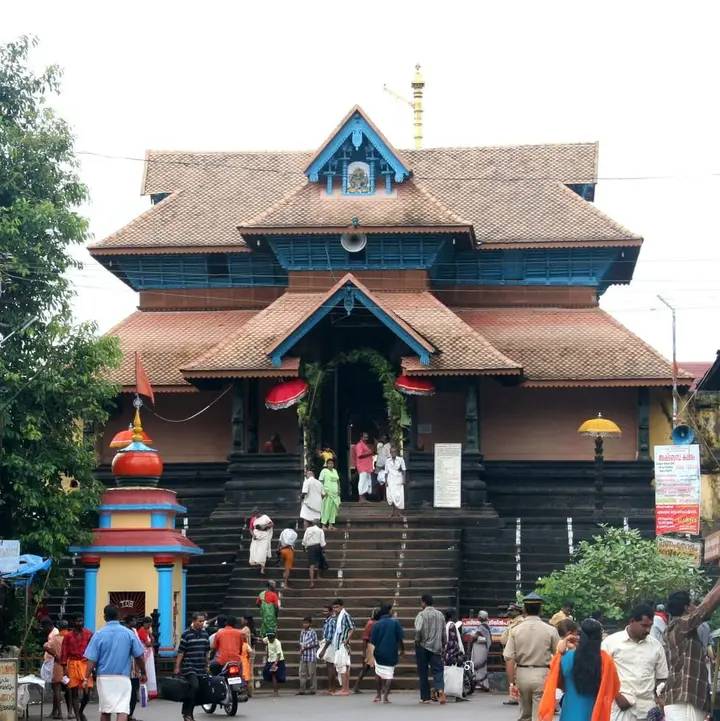
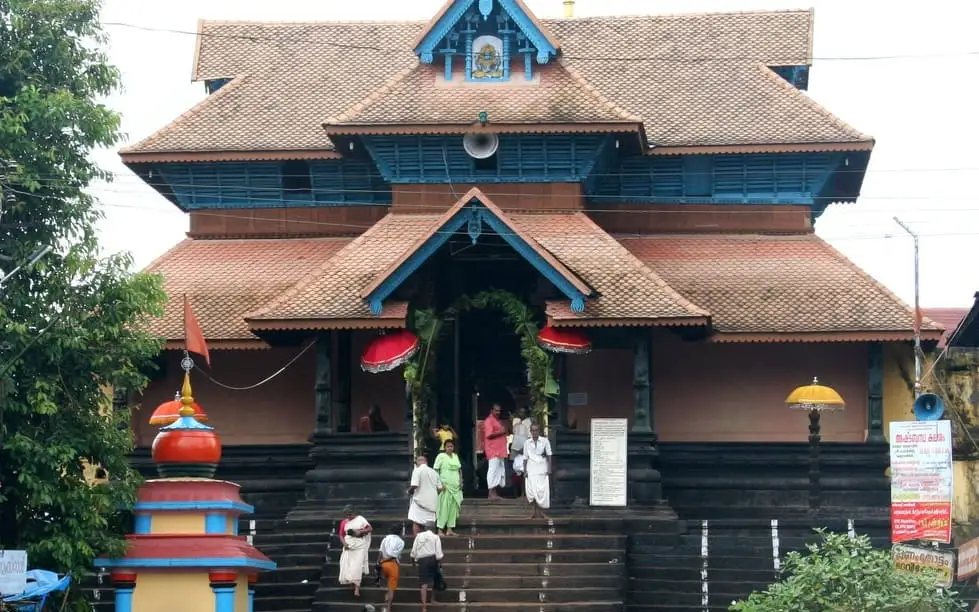
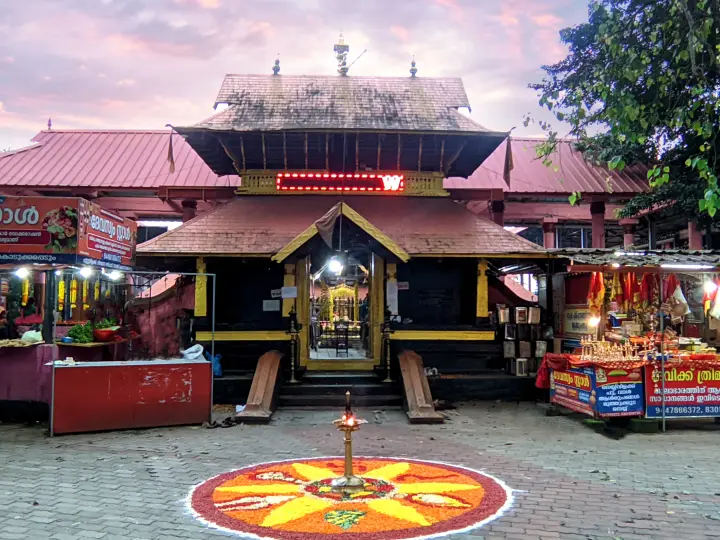
Aranmula No entry fee for the temple. Aranmula Kannadi mirrors are sold at workshops and outlets at prices varying by size.Temple generally open approx. 4 am to 11 am and 5 pm to 8 pm.October to March for pleasant weather. For the atmosphere, time your visit to the Onam season (Aug–Sep) for the Uthrattathi Vallamkali, or the Makara-month utsavam (Jan–Feb).
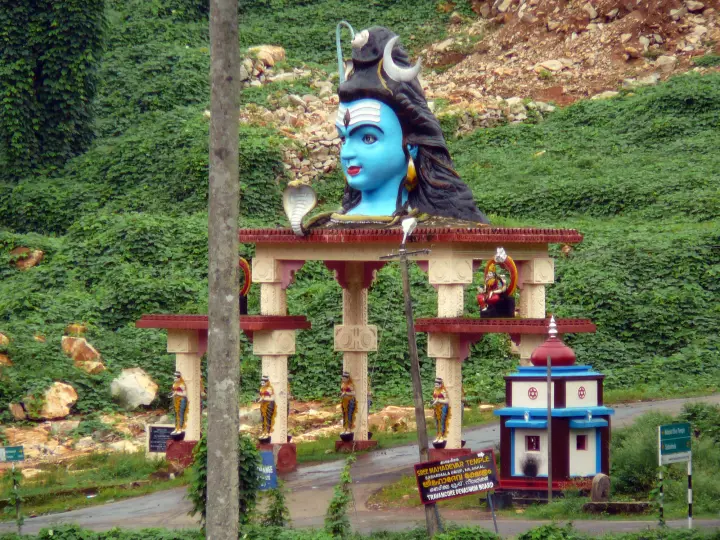
Kaviyoor Mahadeva Temple FreeTemple free (traditional dress code; non-Hindus not permitted in the sanctum). The Trikkakkudi rock-cut cave temple nearby is open to all.Morning and evening darshan; the rock-cut cave is a daytime visit.—
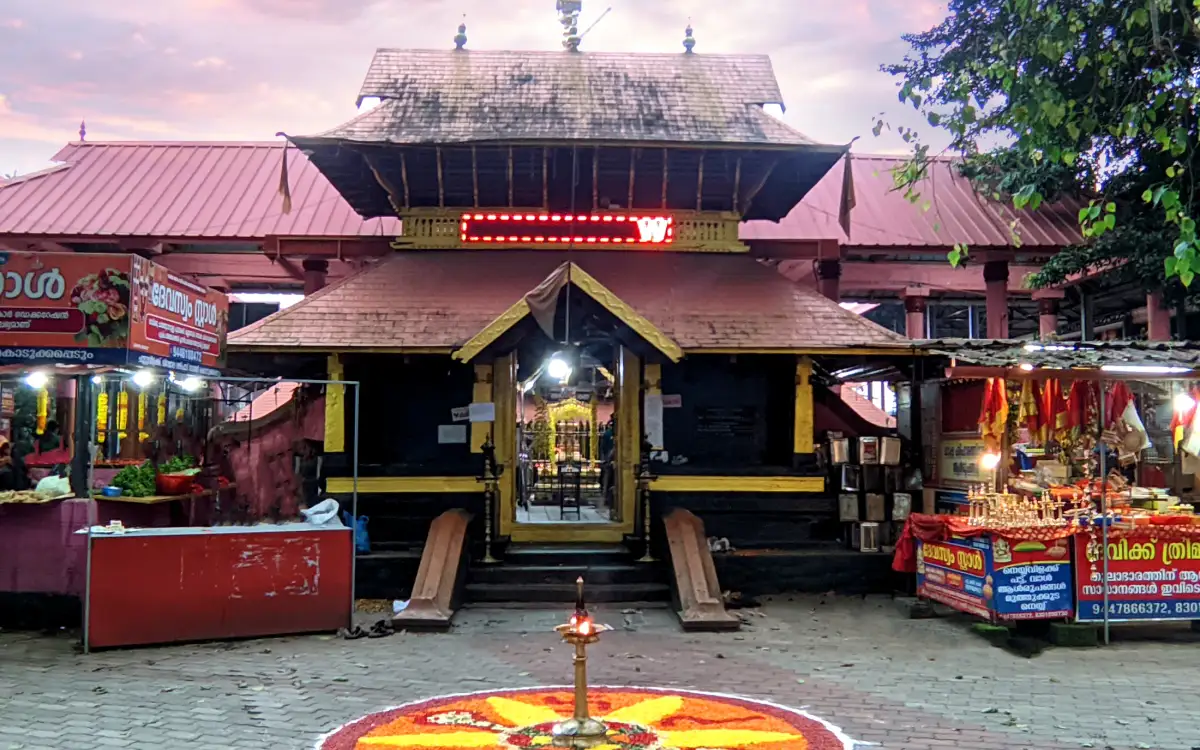
Malayalapuzha Devi Temple —DTPC Pathanamthitta lists daily 05:00–13:00 and 17:00–20:00. Special rituals and festival arrangements follow the temple’s current notice.—
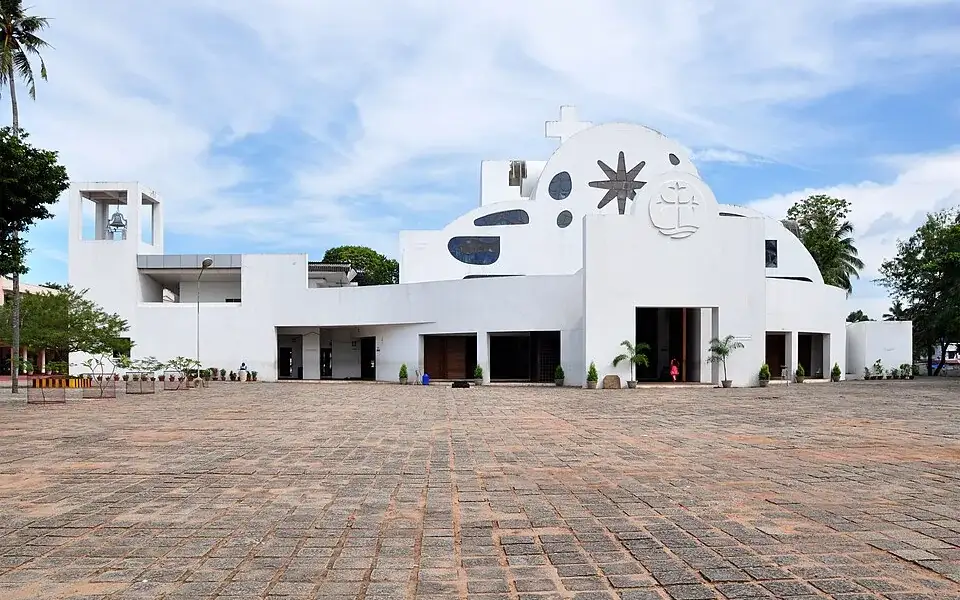
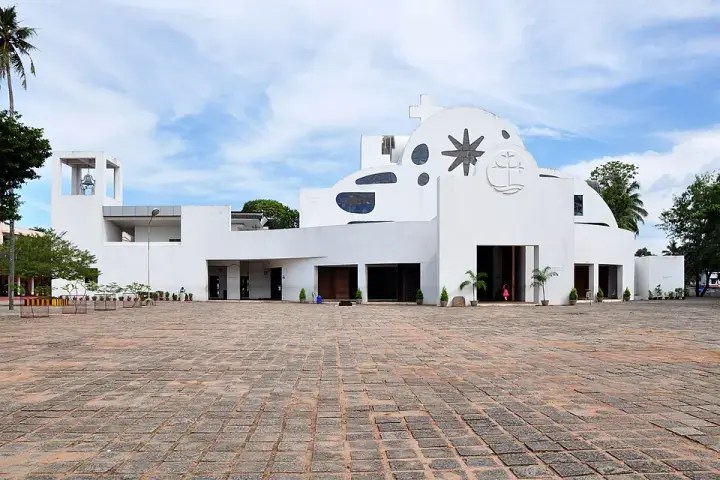
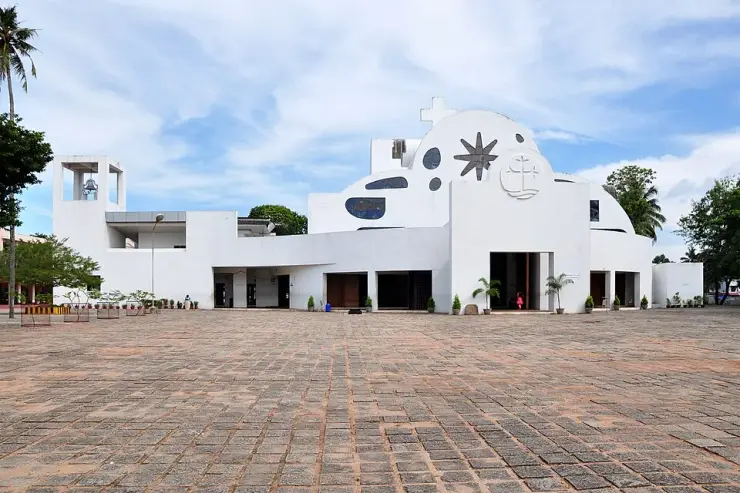
Parumala Church Free. There is no entry ticket to the church or the tomb; any offering is entirely voluntary.The church is generally open through the day for prayer, with set times for the Holy Qurbana (Orthodox liturgy) and for intercessory prayers at the tomb; mornings tend to be quietest and most conducive to a contemplative visit.Pleasant to visit year-round, but the cooler, drier months of roughly November to February are the most comfortable. The Ormaperunnal feast around 1–2 November is the most spiritually charged — and by far the most crowded — time; visit on an ordinary weekday if you prefer calm.
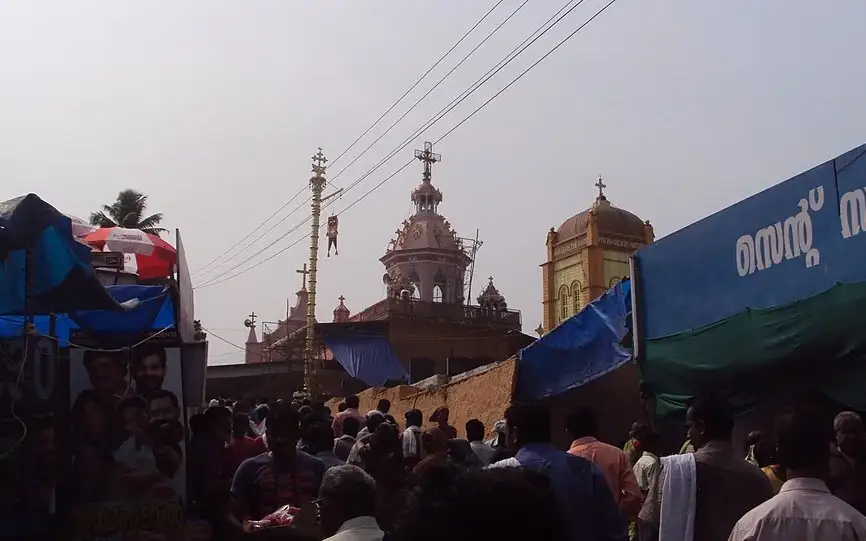
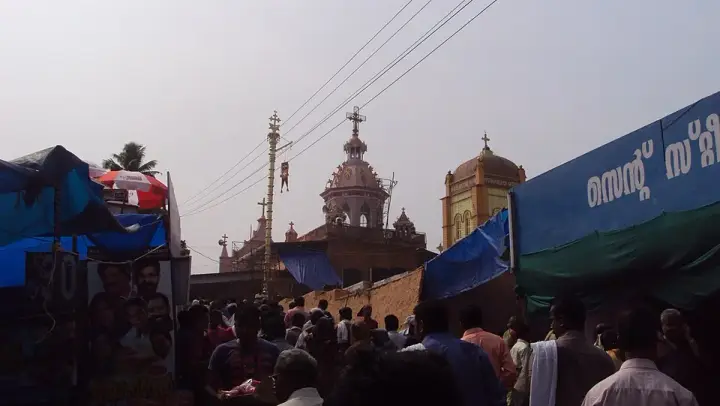
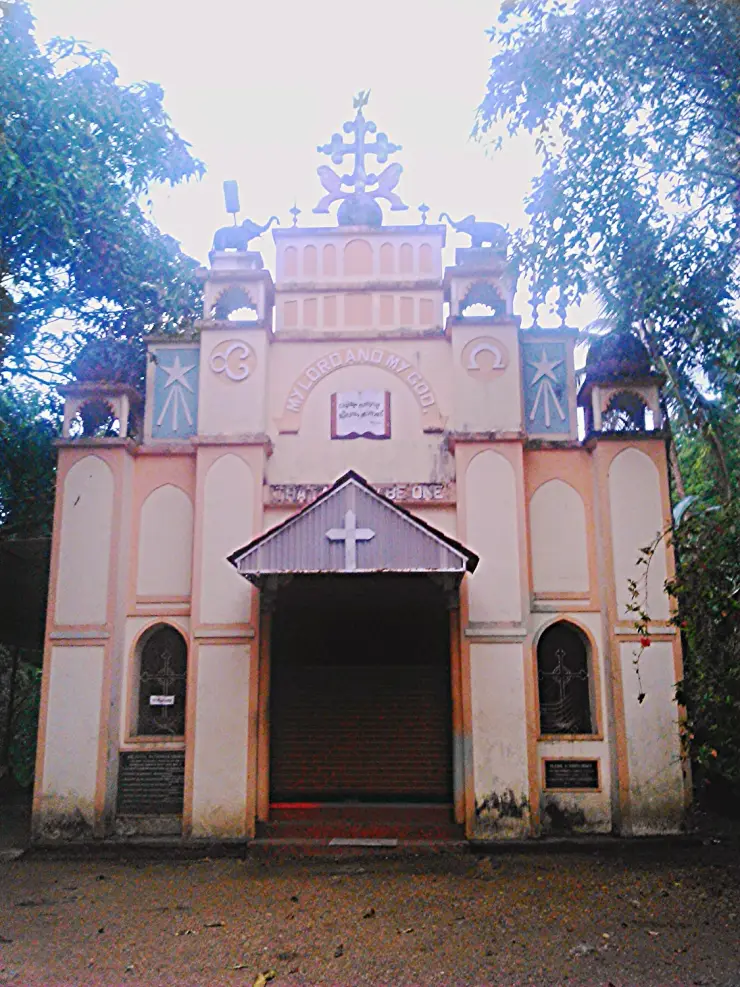
Manjinikkara Church FreeFree (dress modestly; an active pilgrim dayara).Open through the day; the annual perunnal is the busiest time.The Manjinikkara Perunnal (commemorating Patriarch Ignatius Elias III) falls around early February.
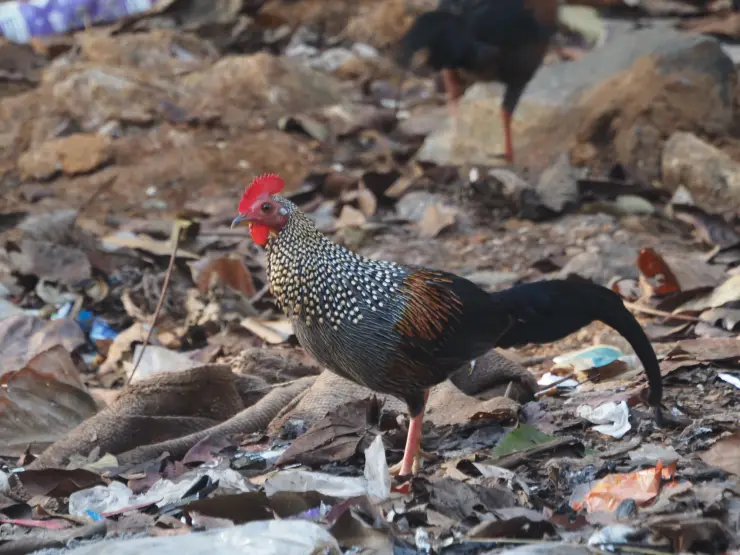
Gavi FreeEntry and activities are through KFDC eco-tourism packages (day trips and overnight stays), booked ahead.Day visits and overnight packages; the access route from Vandiperiyar is a slow forest road.September to March for pleasant weather; mornings are best for wildlife and birds.
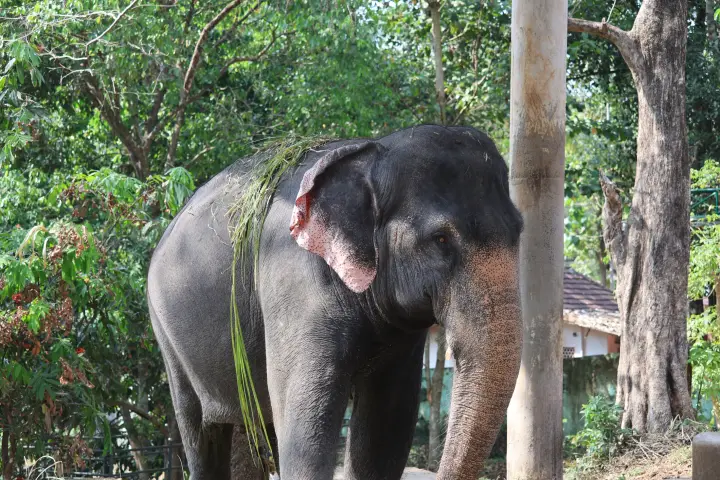
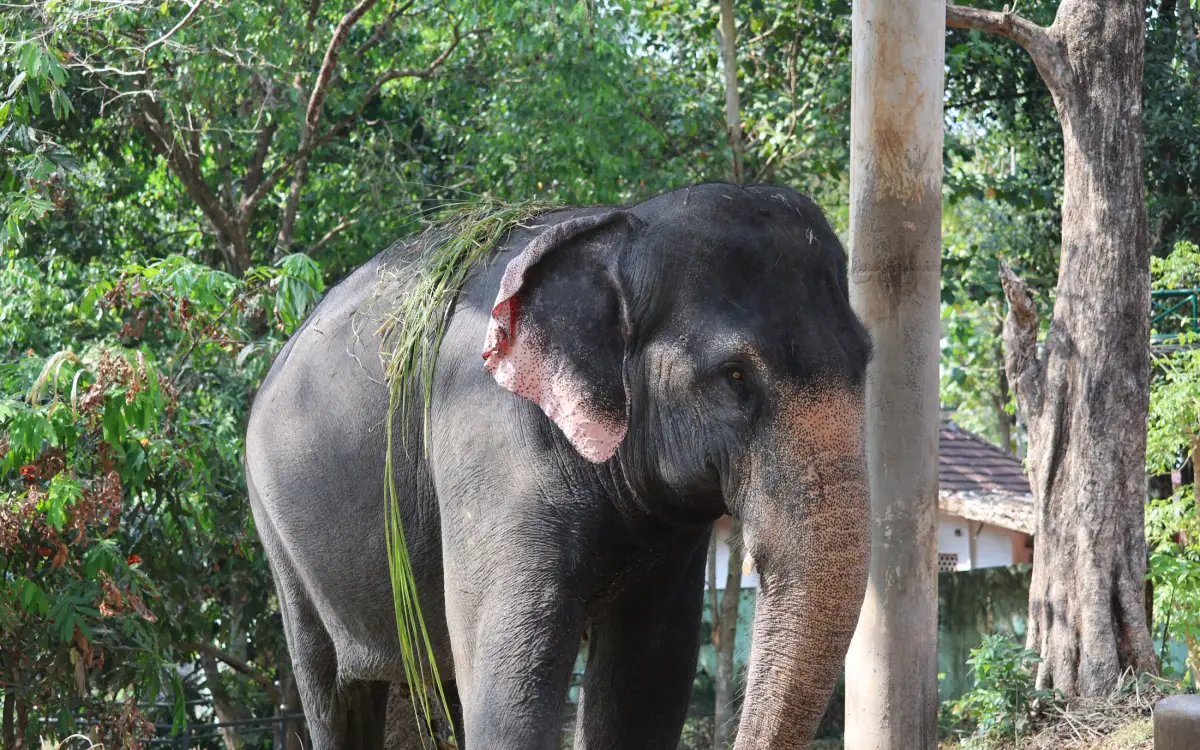
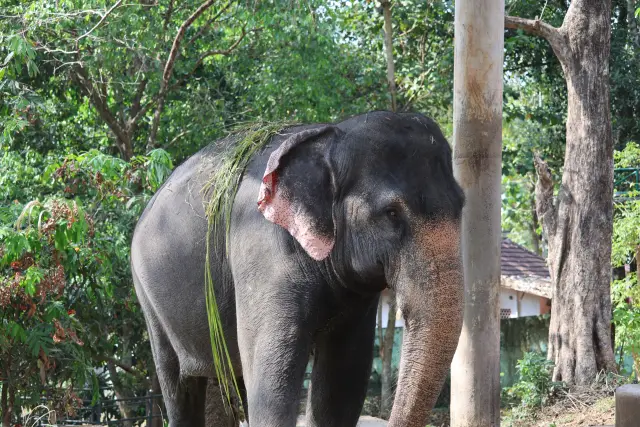
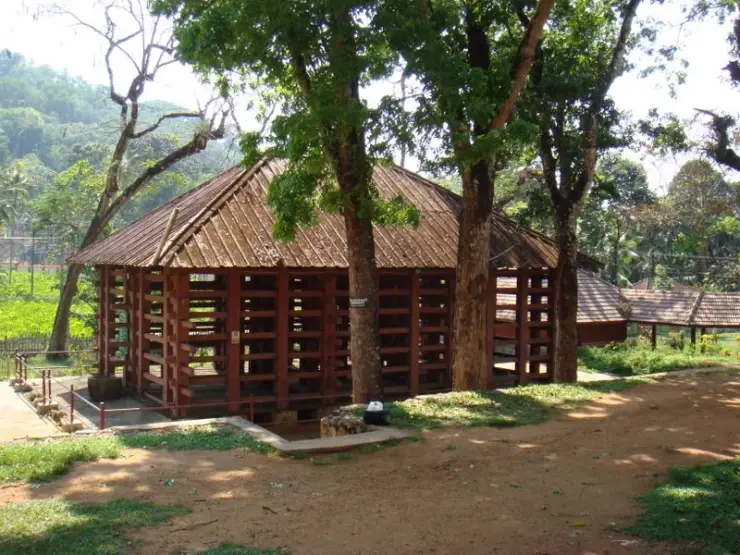
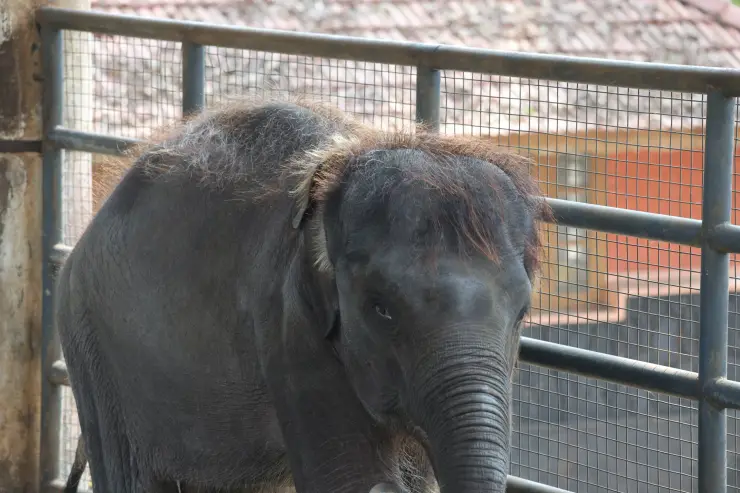
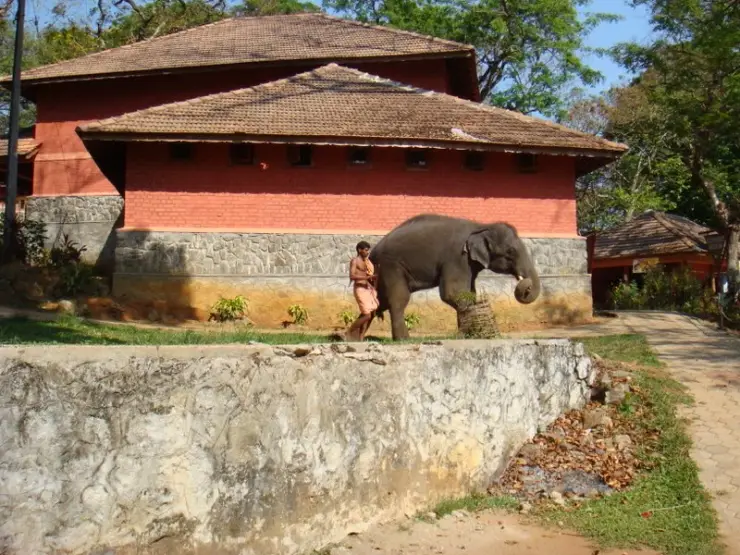
Konni Elephant Camp Published kraal-and-museum admission: ₹80 adult, ₹50 Indian child below 15, ₹50 foreign child and ₹50 student. The listed foreign-adult fare is also ₹80. Feeding is a separate programme.The Forest Department lists 9:30 am–6:30 pm for Elephant Kraal and Museum, with Monday closed.—
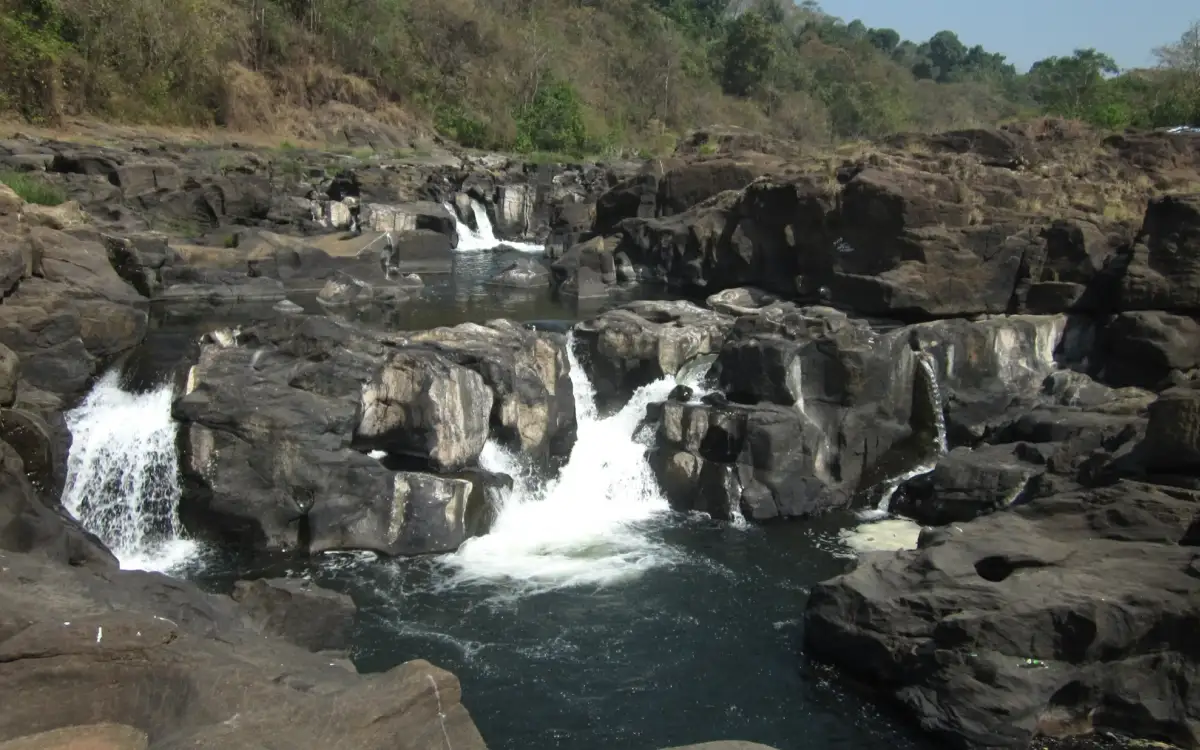
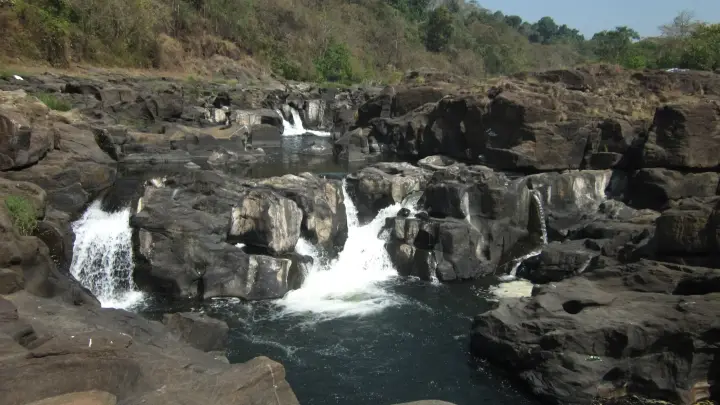
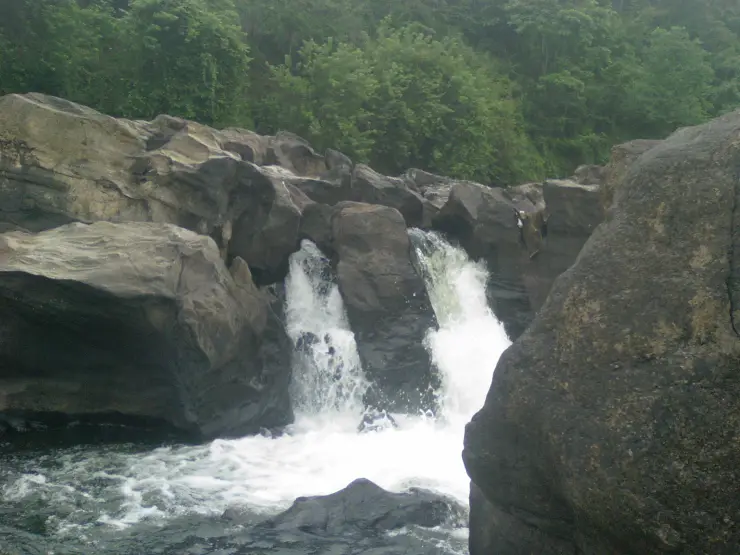
Perunthenaruvi Waterfalls DTPC lists adults ₹30 and children ₹15; the child age band is not specified.DTPC: 09:30–17:00; Tuesday holiday. Weather-related restrictions may apply.—
Gavi trekking Kerala Tourism publishes the full-day Gavi trekking programme at ₹1,500 per adult and ₹625 for a child aged 6–12. It includes breakfast, lunch and snacks as well as the guided plantation visit, boating and viewpoints. Treat this as the authority’s published reference and confirm the current total and operating date with KFDC before travel.The published full-day programme begins at about 08:30. The itinerary continues through the plantation walk, lunch, boating and viewpoints rather than ending at a fixed trail return time. Access and every activity remain subject to climate, forest and package availability.October to March is usually the most comfortable period for walking and clearer forest-road travel. The monsoon makes paths, cardamom ground and road edges wet and leech-prone; dry-season fire or wildlife conditions can also change access.
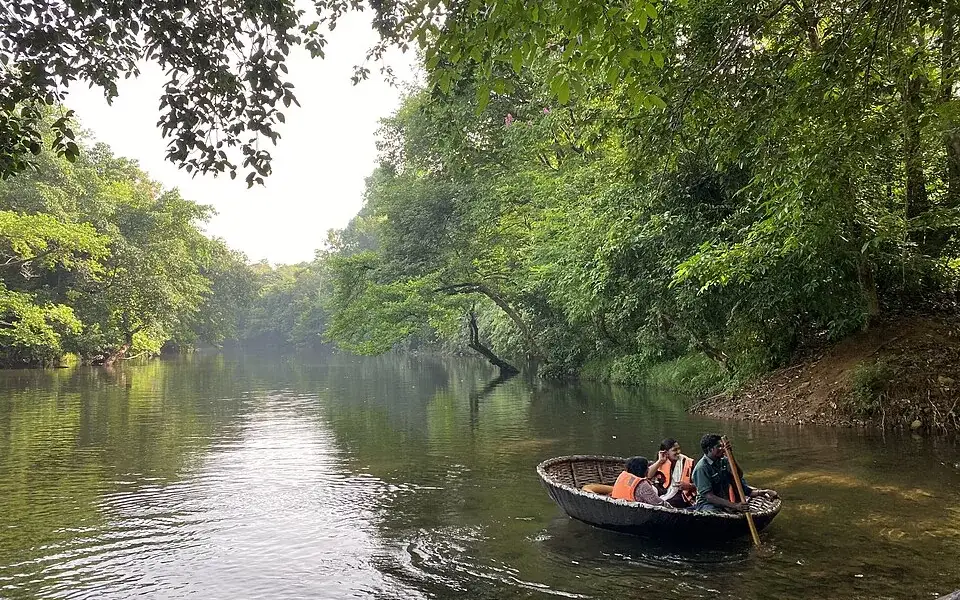
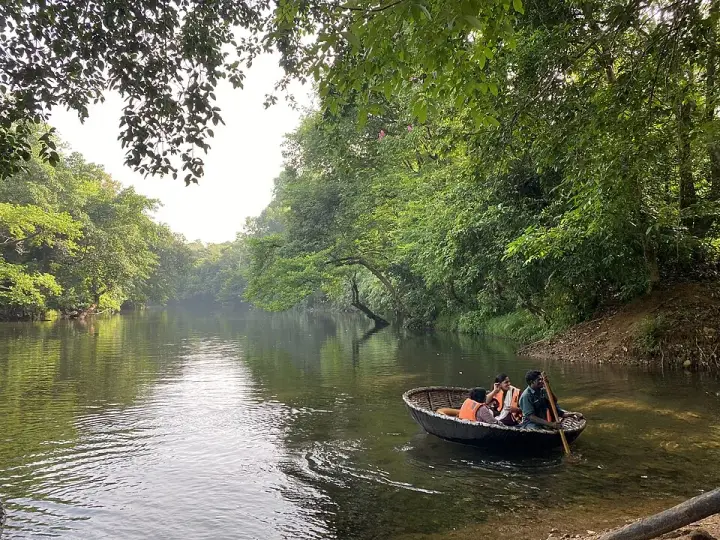
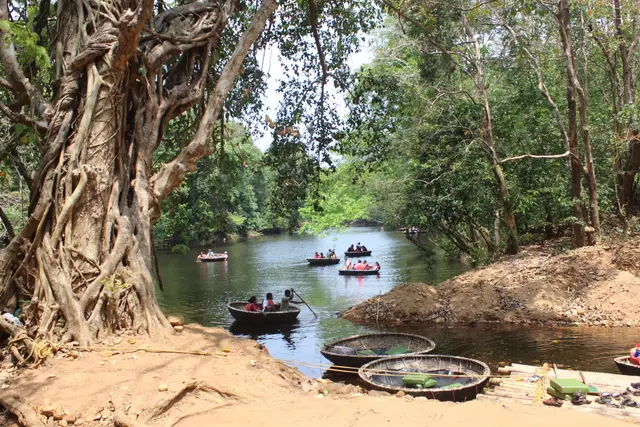
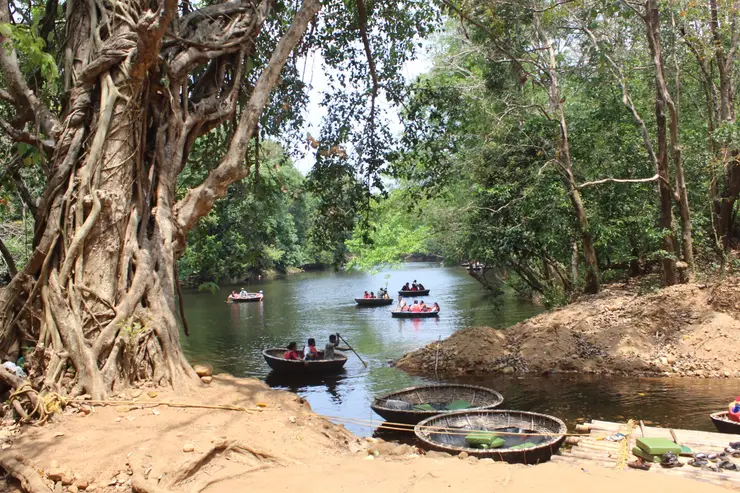
Konni Adavi trek Kerala Tourism publishes ₹400 for four people on the short coracle ride and ₹800 for eight people on the long ride. Confirm the current total before travel.Published coracle operating window: 08:30–17:30, subject to river, climate and forest conditions.Monsoon brings fuller water and deep green but can also suspend rides. October to February is easier for road travel.
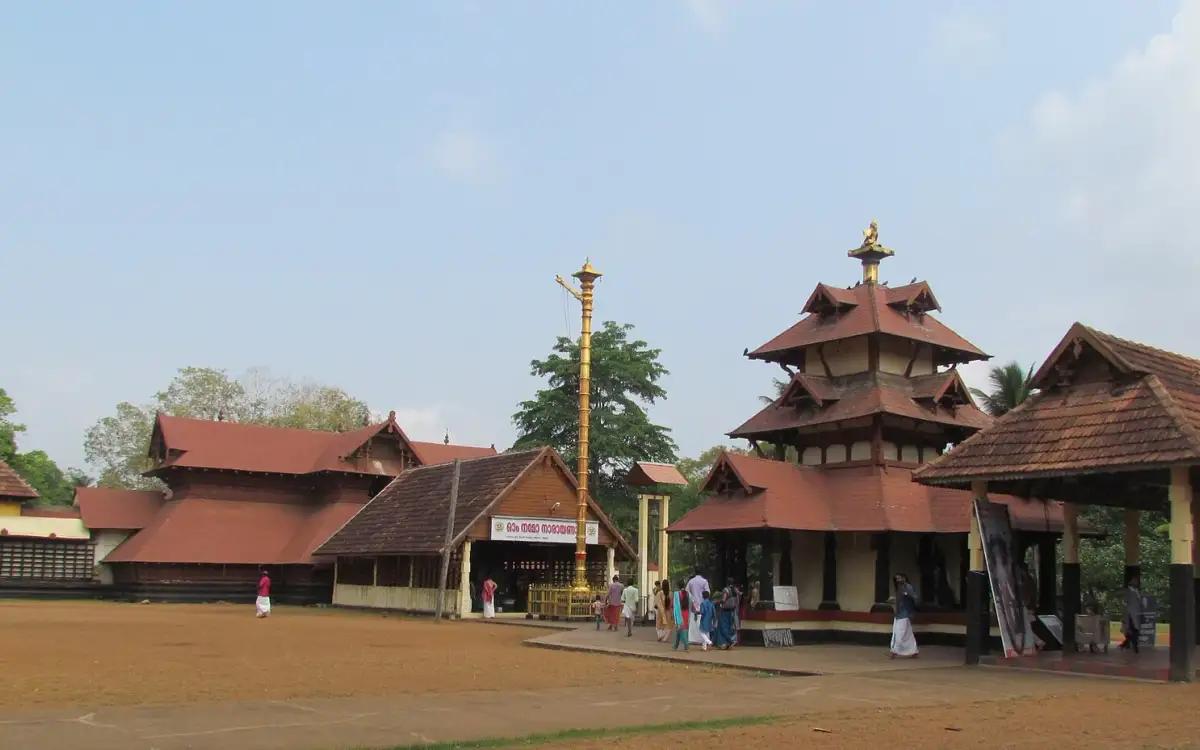
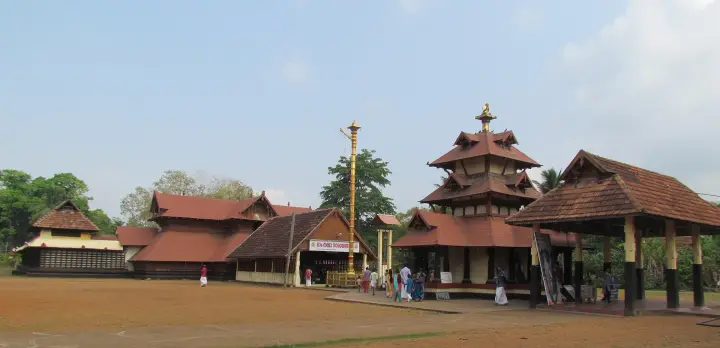
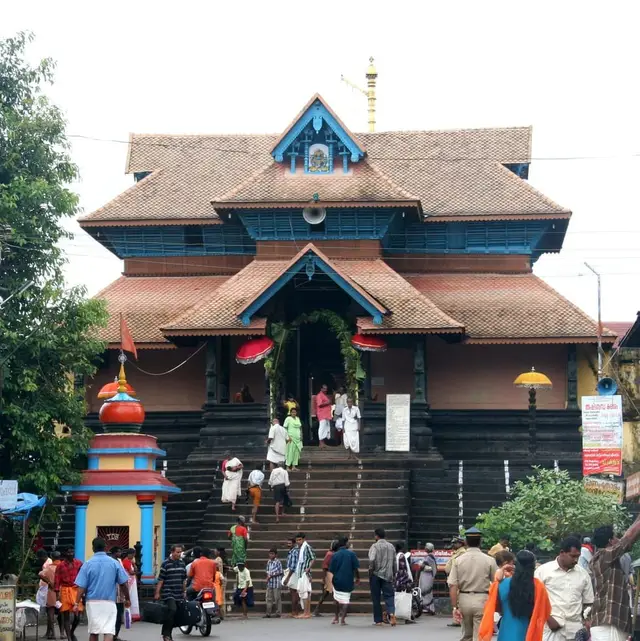
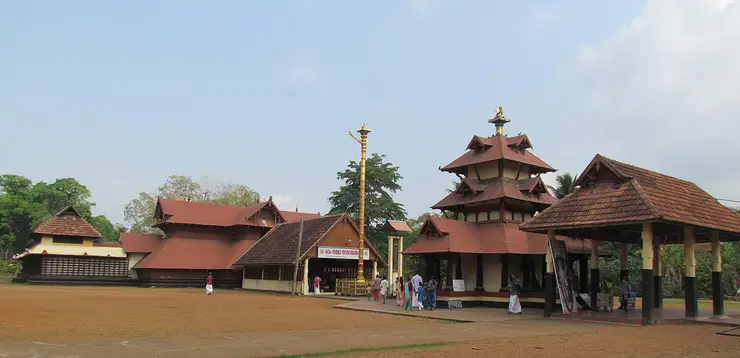
Sree Vallabha Temple Free (temple entry). Individual rituals, offerings and sponsoring the Kathakali performance carry set charges at the temple counter.Typically open early morning and again in the evening, with the sanctum shut during the midday interval — commonly around 4:00 am to about 11:00 am and roughly 5:00 pm to 8:00 pm, with the nightly Kathakali offering after the evening puja. Five daily pujas are performed. Timings shift on festival days and are best confirmed locally.The cooler, drier months from roughly October to February are the most comfortable for a visit. For the greatest spectacle, time it with the annual Uthra Sreebali utsavam in the Malayalam month of Meenam (March–April) or with Vishu; evenings are ideal to catch the Kathakali offering.
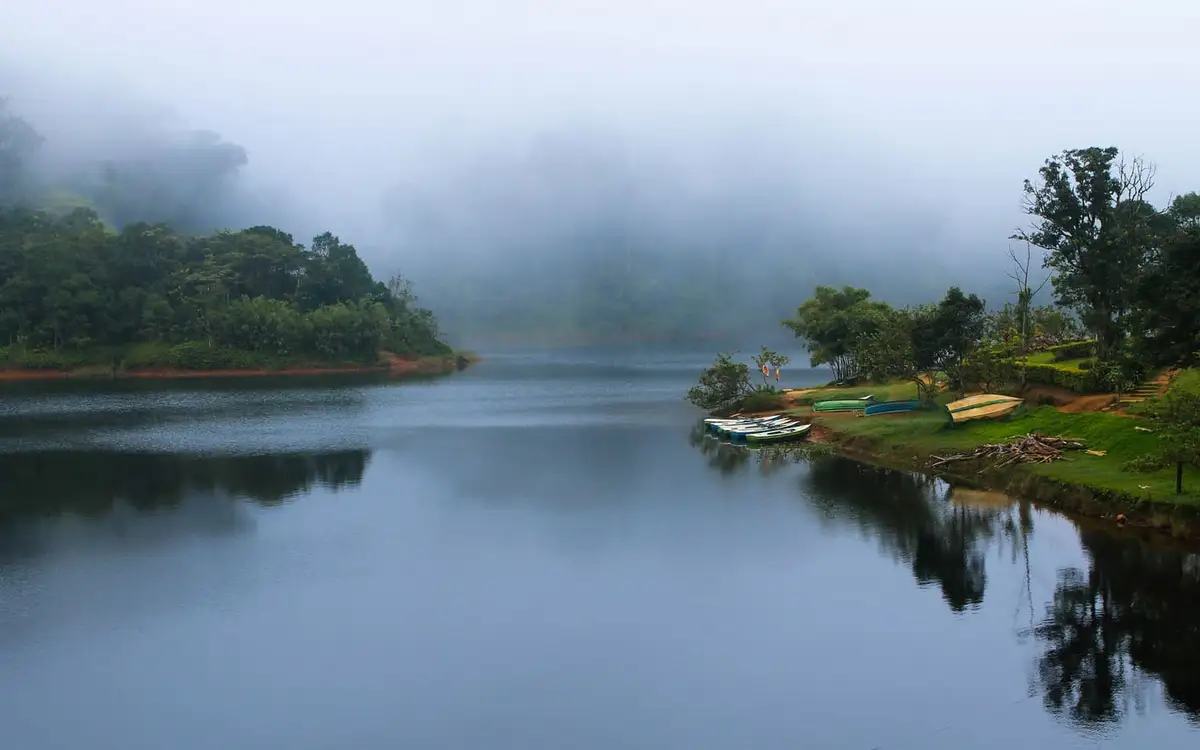
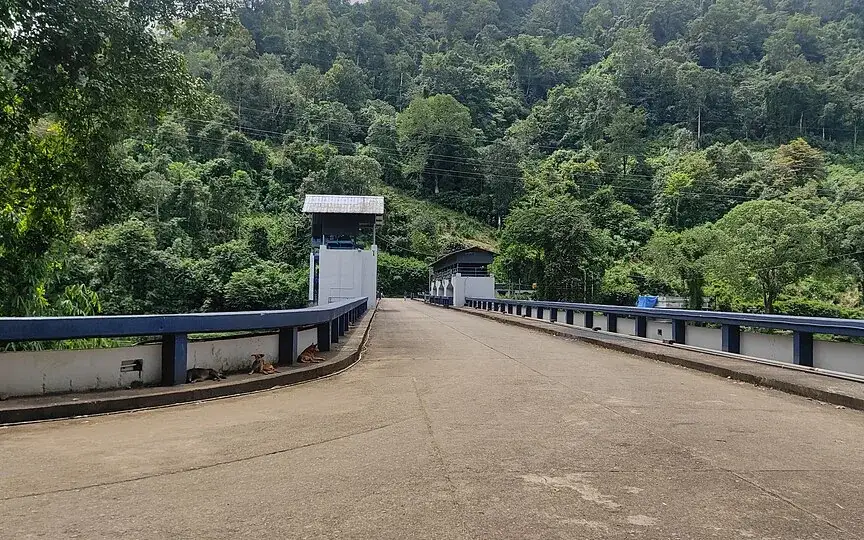
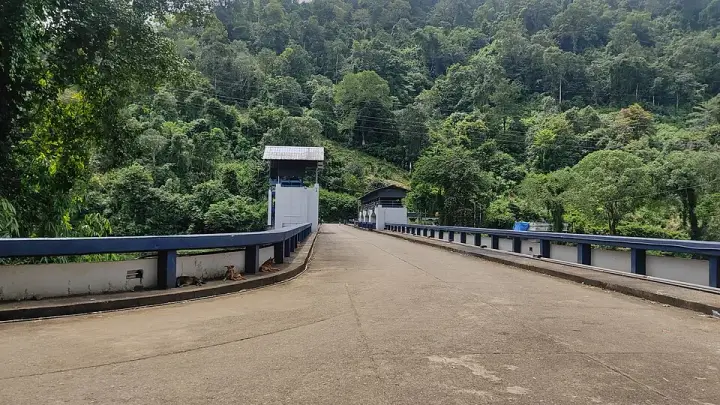
Moozhiyar Dam This is a KSEB dam area rather than an unconditional walk-in attraction. Use the posted gate procedure and enter only through a staffed visitor point.Daytime only.October to February; the reservoir is fullest just after the monsoon.
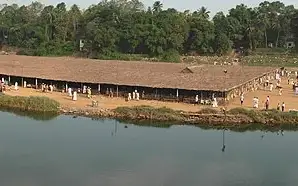
Maramon Convention FreeFree and open to all during the convention.Convention meetings run morning and evening across the eight days.February — the convention is held during the first week of the Great Lent; outside these days the venue is simply the open Pamba sand-bed.
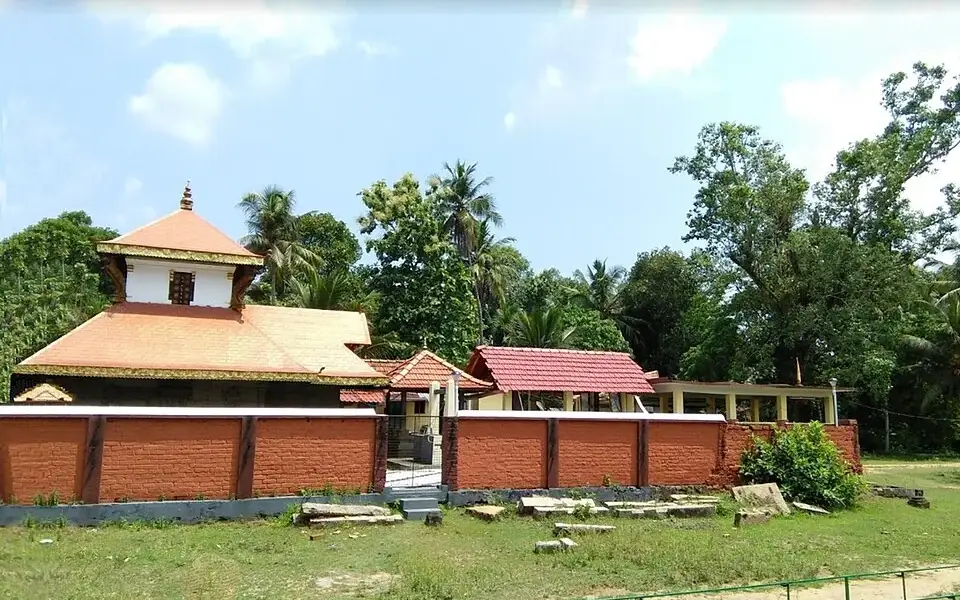
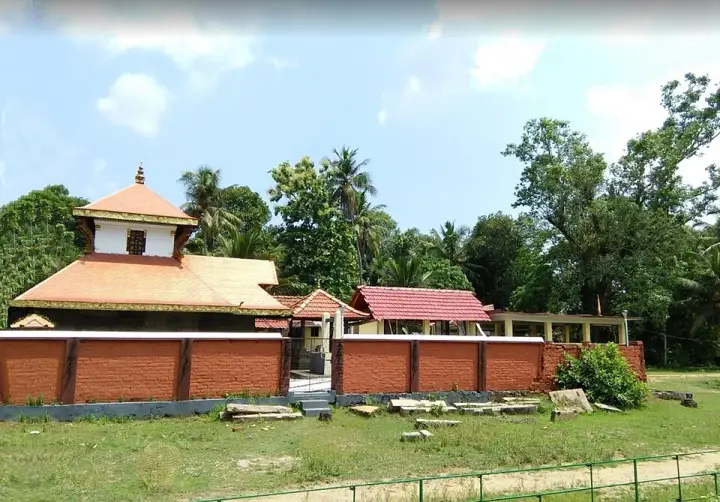
Niranam Thrikkapaleeswaram Temple FreeFree; an active Hindu temple with a dress code.Morning and evening darshan with a midday break (confirm times).October to February; the Sivaratri and annual utsavam are special.