Sabarimala

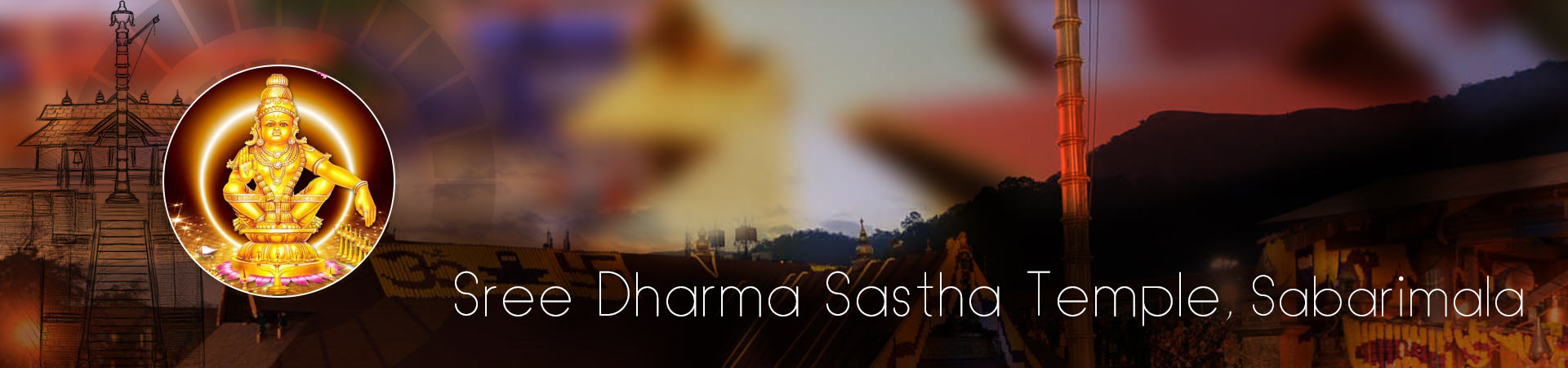
Sabarimala Sree Dharma Sastha Temple is the Ayyappa hill shrine in Pathanamthitta district, reached on foot from the Pamba pilgrimage base under the season’s access arrangements. Sannidhanam is the temple precinct on the hill; Pamba is the road-to-foot transfer area; Nilackal is the principal vehicle holding and bus-transfer base. The temple opens for specified periods, including the Mandala–Makaravilakku season and monthly poojas. Plan from the official opening calendar and Virtual Q instructions before arranging transport, accommodation or the ascent.

Sabarimala, Sabarimala and Pamba
Practical guide

Plan Sabarimala

Who's going?Tailor Sabarimala to your trip
Before you go to Sabarimala

Open to visitors of all faiths.Unusually among major Kerala temples, Sabarimala is open to people of all religions, with no restriction of caste or creed.

Dress code
Pilgrims traditionally wear black or dark blue; a mundu or dhoti for men. Many walk barefoot.
Darshan & ritual times
Only pilgrims carrying the traditional irumudi kettu — the two-part cloth bundle of offerings — may climb the eighteen sacred steps to the sanctum.
Busiest season
The Mandalam season runs about 41 days from mid-November, and Makaravilakku falls around Makara Sankranti in mid-January. These are the most crowded weeks of the year by a wide margin, and access, transport and accommodation across the whole region are affected.
  • Pilgrims traditionally observe a 41-day vratham beforehand — vegetarian diet, celibacy and the rudraksha mala.

Checked 4 August 2026 against source 1. Check the institution’s current rules and visiting session before travelling.

Typetemple
AreaSabarimala and Pamba
DistrictPathanamthitta
Best timeThe essential choice is an announced…
Time neededTreat Sabarimala as a pilgrimage journey…
Places to visit4Listed businesses3
The story

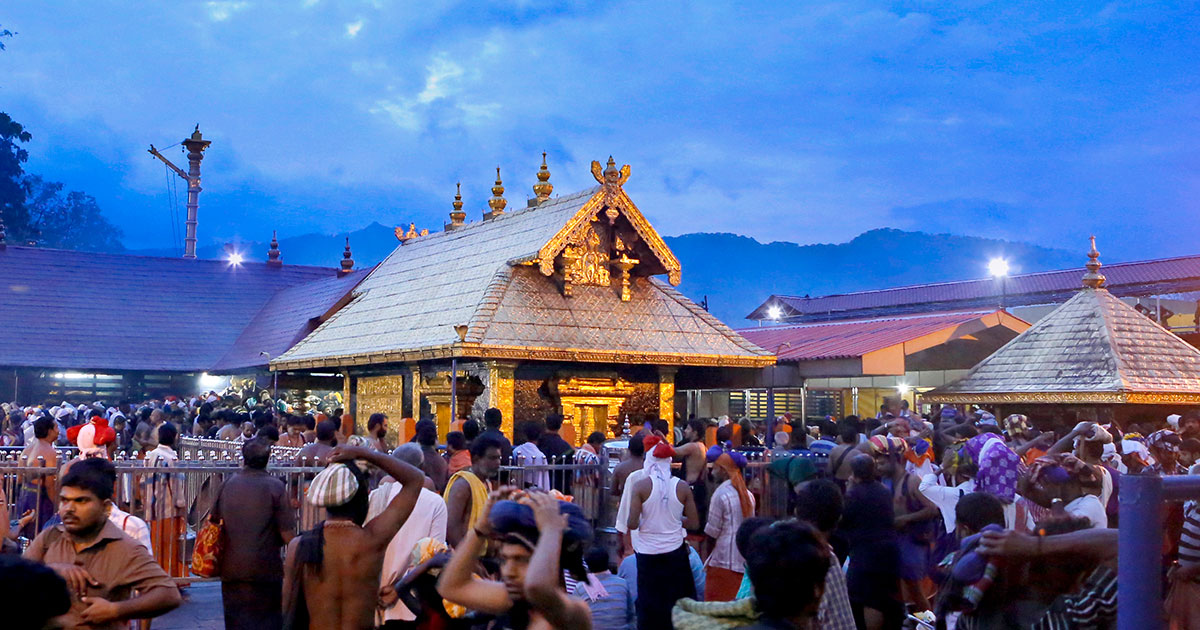
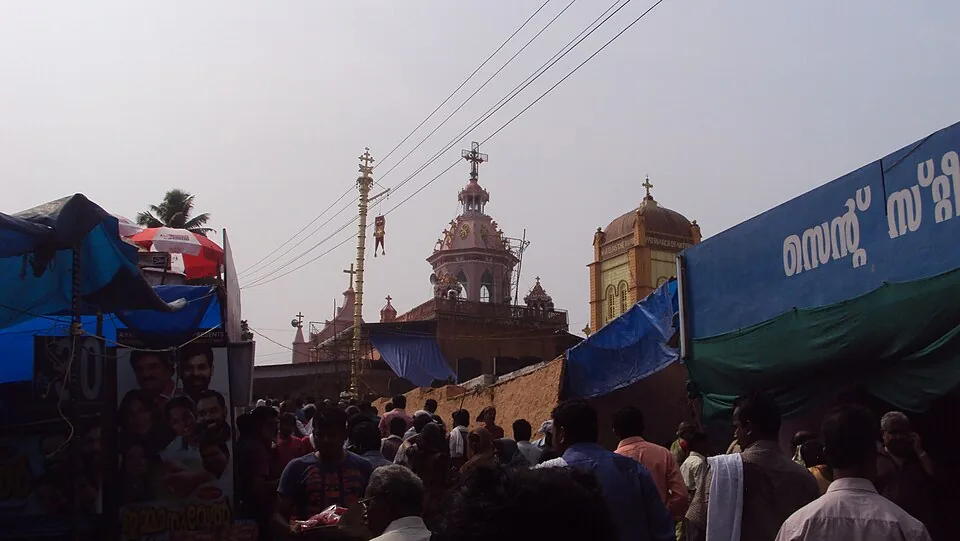
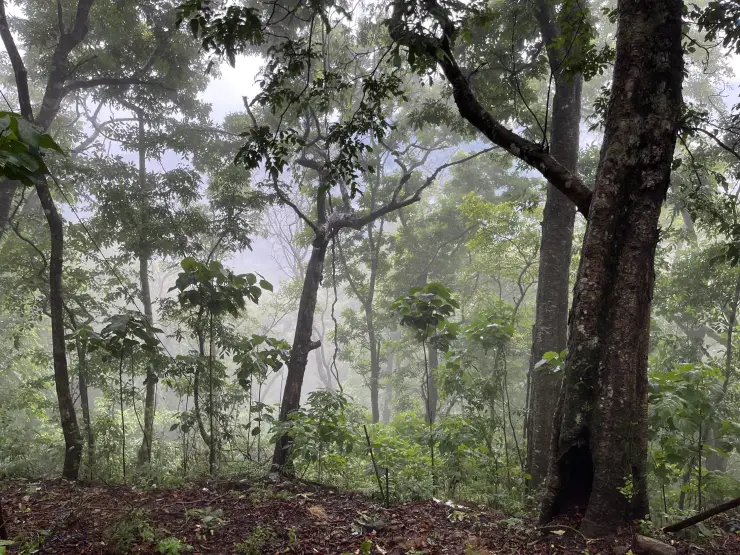
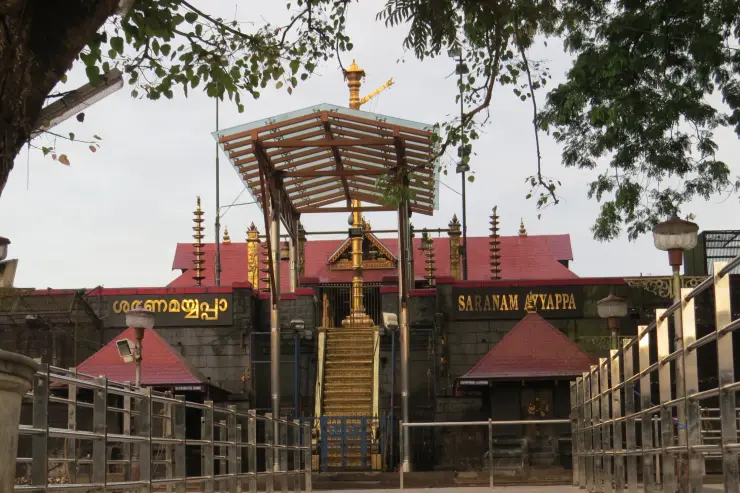
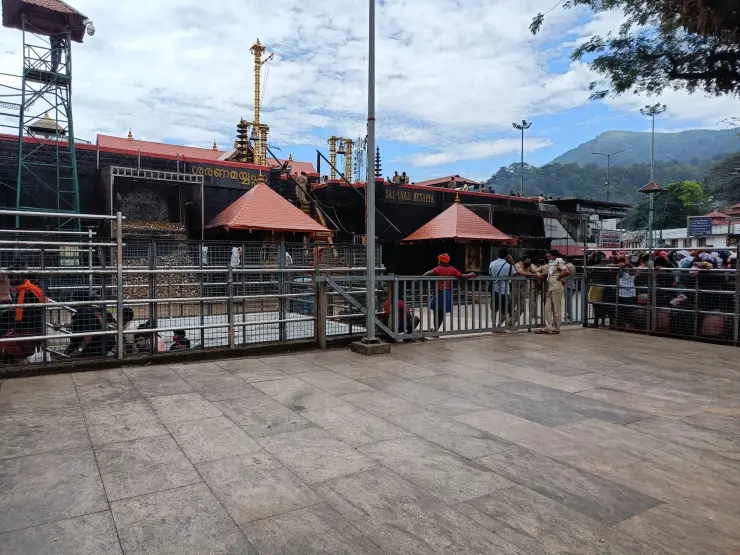
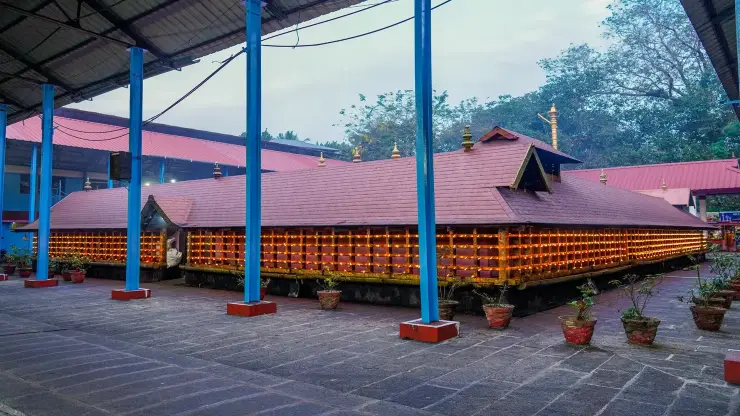
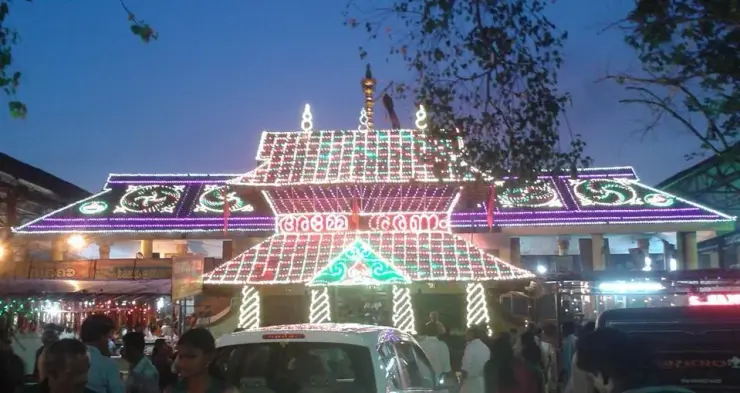
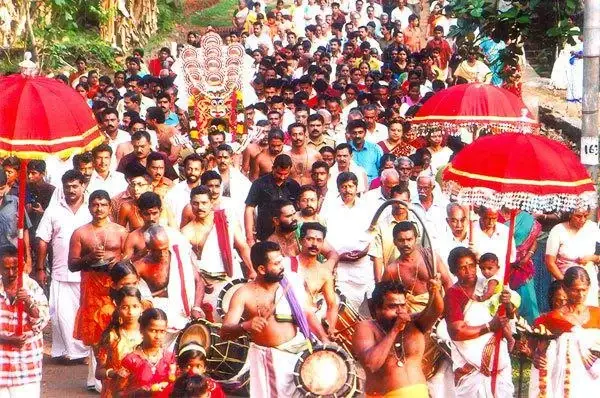
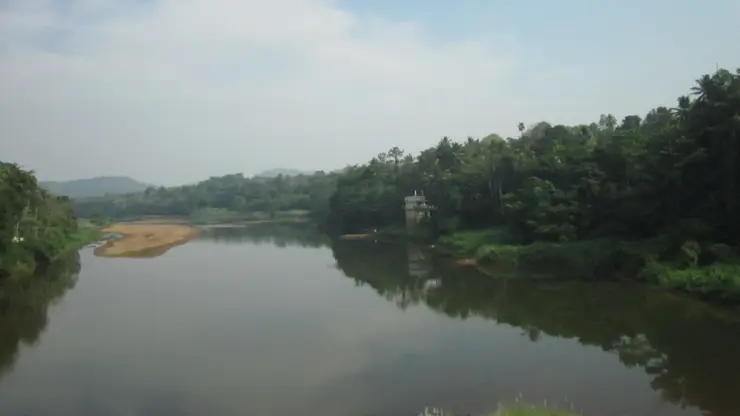
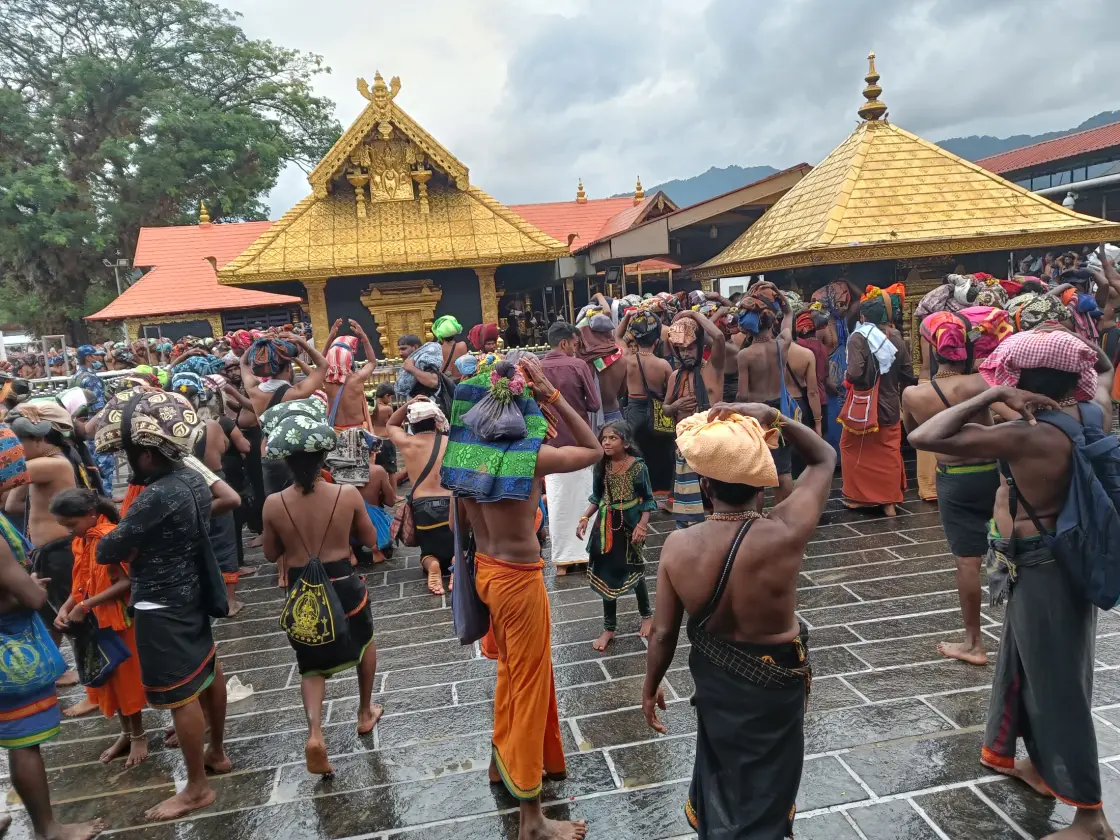
At Sabarimala, the approach is part of the place. The river base, uphill movement, gathering queues and final temple frontage form successive stages of the pilgrimage. Photographs of rain capes, forested paths and the gold-toned shrine show different moments within that sequence, rather than separate attractions connected by a casual walk.

The story of Sabarimala

The first useful distinction is geographical. Nilackal handles the vehicle and transfer stage; Pamba marks the river valley and the change to the walking approach; Sannidhanam is the hilltop temple precinct. Confusing these names creates practical mistakes, such as treating a parking location as the temple entrance or assuming that a taxi can complete the ascent.

The forested approach gives the pilgrimage a changing scale. At the base, roads and buses organise large groups. Higher up, the path, rest spaces and regulated queue determine movement. The government guidance identifies locations such as Neelimala, Appachimedu and Saramkuthi in the approach geography. Which path is in use for a particular opening is an operational decision, not something a historic route description can settle.

The religious preparation begins before that ascent. Mandala Vrutham is described as forty-one days of disciplined living and prayer, marked by wearing the mala. Its purpose in the official ritual account is sustained self-control. The pilgrimage’s physical effort therefore belongs within a devotional practice, rather than being promoted simply as a challenging forest hike.

Irumudi is prepared through Kettunirakkal under the guidance of a Guruswamy. The government account describes a two-compartment bundle carrying sacred offerings and other ritual items. A ghee-filled coconut, neyy-thenga, has a particular symbolic meaning: emptying and refilling the coconut represents turning from worldly attachment towards spiritual aspiration. This is an explanation of a rite, not an instruction to improvise the preparation independently.

Pathinettampadi, the eighteen sacred steps, is one of the clearest thresholds in the temple’s approach. The official ritual guidance connects climbing those steps with carrying Irumudi. It also states that other devotees use a different passage to reach the worship area. The steps should therefore not be described as the only physical way into the entire temple precinct.

Pandalam belongs to the shrine’s wider sacred narrative. In the Ayyappa tradition, King Rajasekhara finds the infant at the Pamba and raises him at Pandalam. The ornaments associated with the Makaravilakku season travel from Pandalam towards Sabarimala. These connections explain why a palace and a river base appear in the same pilgrimage geography without making them parts of the hilltop temple compound.

Erumely provides another connection. The traditional route begins with worship at the Dharma Sastha and Vavar-associated shrines and continues through a named forest itinerary. Petta Thullal, described in the government ritual account, brings the Ambalappuzha and Alangad groups into a distinctive ceremonial sequence. It is associated with particular pilgrimage traditions and dates, rather than a performance available whenever a visitor arrives.

The main pilgrimage season should also be separated from the annual Meenam Ulsavam. The latter begins with flag hoisting and includes Pallivetta followed by Aarattu at the Pamba. Understanding that distinction prevents different processions and festivals from being compressed into a single generic Sabarimala celebration. Each needs its own current programme.

The built facilities support this movement of pilgrims. The government describes medical centres at Pamba, Neelimala, Appachimedu and Sannidhanam, along with water, sanitation and annadanam arrangements. Their presence matters, but it does not make the steep journey effortless or guarantee a particular service outside the relevant opening period. The practical decision is whether the route and current assistance suit the individual pilgrim.

After darshan, circulation continues rather than ending at the shrine door. The official rules direct pilgrims along the return arrangement and ask them to use rest spaces without obstructing movement. That final stage deserves time in the plan: the descent, onward bus and recovery before a long road journey are part of completing the visit responsibly.

The traditional Erumely itinerary is best understood as a sequence of devotional places. Perur Thodu marks an early stage after the Erumely shrines; Kaalaketti follows in the account before the crossing of the Azhutha. The names are meaningful to pilgrims because the route is narrated through Ayyappa’s journey. They are not interchangeable shortcuts to Pamba, and a first-time pilgrim should take the current permitted route under the guidance of an experienced group.

At Kaalaketti, the government ritual account tells of Shiva tying his ox while witnessing Ayyappa’s encounter with Mahishi. At the Azhutha, the collection of a pebble and its later casting at Kallidumkunnu form another part of that sacred narrative. These are beliefs expressed through acts at particular places. Reading them as a sequence explains the importance of the route without treating the legend as a documented military expedition.

The terrain changes again through Inchipparakota and Karimala. The government account describes repeated ascent and descent before reaching the Pamba valley, with Valiyaanavattam and Cheriyaanavattam appearing towards the end. This longer forest itinerary requires a different commitment from starting the hill approach at Pamba. Historic distance descriptions are useful for understanding its scale, but current route permissions and the authorised opening determine whether it can form part of a particular pilgrimage.

The name Poongavanam, used in the ritual account for Ayyappa’s forest garden, gives the wooded route a devotional character. The forest is both the physical setting of the journey and a place held sacred by pilgrims. Leaving waste, straying away from the permitted way or disrupting wildlife would therefore work against both purposes of the journey. Use the current pilgrim facilities and the regulated route rather than treating open forest beside it as a campsite.

Erumely’s Petta Thullal has a recognisable order. The government describes the Ambalappuzha group beginning from the Kochambalam at Petta junction, visiting the Nainar mosque and proceeding to the larger Dharma Sastha shrine with members of the local Jamaat. The Alangad group’s ceremony follows its own sequence later. The welcome between institutions belongs to the ritual itself, giving the pilgrimage a social geography as well as a succession of shrines.

The ceremonial sightings associated with those groups are presented in the official account as religious tradition. They should not be made into a guaranteed wildlife spectacle or an astronomical event for spectators to book. For a visitor attending the ceremony, the practical focus is the announced gathering place, the procession’s route and the space left for the participating pilgrims. Erumely needs a separate stop in the journey, not a hurried detour during a tightly timed Pamba transfer.

The annual Meenam festival has a different progression from Petta Thullal and the Makaravilakku journey. The government ritual description begins with Kodiyettam, the raising of the flag, followed over the festival by special observances including Ulsavabali and Sree Bhootha Bali. Pallivetta is associated with Saramkuthi, and Aarattu with the Pamba. These names describe ceremonies at specific places; the current festival programme supplies the date and movement arrangements for attending them.

The distinction between a sacred step and a circulation route is particularly useful at Sannidhanam. A pilgrim’s preparation and Irumudi determine the ritual relationship with Pathinettampadi. The queue arrangement determines how that pilgrim moves through the precinct on the day. Treat both seriously: follow the group’s ritual guidance before departure, then follow the officials managing the live queue even if an older photograph shows people entering another way.

Plan the departure from the hill as a complete stage of the pilgrimage. A group may finish darshan at different times, and the descent still leads to a bus transfer and an onward road journey. Agree on a permitted meeting place and avoid gathering across the movement of other pilgrims. A reservation for distant accommodation or a train should leave room for the actual descent and transfer rather than assuming that reaching the shrine completes the travel day.

The names of offerings describe different forms of worship. Neyyabhishekam centres on ghee offered to Ayyappa, with a portion returned as prasadam. Udayasthamana Pooja describes worship extending from dawn to dusk, while Pushpabhishekam is a floral offering. Understanding these distinctions helps a pilgrim discuss the intended observance with the authorised booking counter instead of treating every pooja name as a different kind of entry ticket.

The floral offering has its own material vocabulary. The government’s pooja description names lotus, chrysanthemum and jasmine among the flowers, alongside sacred leaves. That variety is part of the ritual’s character. The account also describes advance booking for Pushpabhishekam; arrange an offering through the official service and follow its current conditions rather than arriving with an independently assembled substitute.

An offering reservation, an accommodation reservation and Virtual Q serve separate purposes. Keep the confirmations identifiable within the group, particularly when one person organises several arrangements. A pilgrim accompanying relatives may need only the darshan arrangement, while another has an additional offering to collect or attend. Decide how the party will regroup without occupying an active queue or assuming that every booked service is handled at the same counter.

Malikappuram and the Manimandapam carry a further sequence of observances within the Makaravilakku festival. Kerala Tourism describes evening ceremonial movement towards Pathinettampadi over the first four days and towards Sharamkuthi on the fifth. The sequence adds a changing ritual geography after the best-known arrival of the ornaments. A pilgrim attending several days encounters different movements and meanings, rather than one ceremony repeated unchanged each evening.

The fifth-day account describes a warrior representation of Ayyappa and Nayattu Vili at Sharamkuthi, followed by a return without musical accompaniment. The contrast between an outward procession and a silent return is part of its devotional character. The explanation involving mountain deities belongs to sacred tradition. Observe the ceremony through the arrangements made for pilgrims, without turning its narrated forest associations into an independent night excursion beyond the permitted route.

Guruthi follows in the festival's closing sequence. Kerala Tourism places it in front of the Manimandapam behind Malikappuram and associates the observance there with Bhadrakali. Its account identifies Kalamezhuthu, the making of a coloured floor image, together with song and offerings. The Kuruppans of the Ranni Kunnakad family have the traditional ritual role described in that account. This gives the ceremony named custodians and a particular place, rather than treating it as a generic temple performance.

The floor image is temporary ritual work, unlike the permanent stone or timber of the surrounding buildings. Its meaning lies in the ceremony, the singing and the offerings made around it. Someone interested in the visual arts can learn from that relationship without expecting the image to remain as an exhibit after the observance. Keep viewing and photography within the directions given for that occasion; the presence of an artistic form does not turn a restricted rite into a public demonstration.

These closing observances are another reason to choose the pilgrimage date according to its purpose. An ordinary opening, the main Makaravilakku gathering and the later Malikappuram ceremonies are different opportunities within Sabarimala's calendar. Use the announced programme for the specific rite and allow its actual completion and return arrangements to guide the onward journey. The historical description explains what the names mean; it cannot reserve a viewing position or a place in the live circulation of pilgrims.
Read the full history of Sabarimala 144 more words

History

Sabarimala’s religious history is told through the Ayyappa tradition, including the Pandalam royal household, Mahishi and the chosen hill shrine. These sacred narratives explain devotional relationships; they are not used as exact construction dates.

The traditional Erumely route preserves a sequence of named places associated with that narrative. Its cultural importance should remain distinct from the current permission and seasonal opening of the forest path.

The Travancore Devaswom Board administers the temple today. The annual calendar contains several kinds of opening, so a description of the Mandala–Makaravilakku season cannot substitute for the full temple calendar.

Why visit

Understand an Ayyappa pilgrimage whose preparation and route are integral to worship.

See the distinction between the Pamba river base and Sannidhanam’s hilltop precinct.

Learn the meaning of Irumudi and the specific rule governing the eighteen sacred steps.

Connect Sabarimala with Pandalam and Erumely without confusing their separate locations.

What to expect

Highlights

  • The ascent from the Pamba valley gives the pilgrimage a physical sequence of river base, forested slope, queue approaches and Sannidhanam.
  • The eighteen sacred steps, Pathinettampadi, have a specific ritual access rule associated with carrying Irumudi.
  • The hill shrine belongs to a wider Ayyappa devotional geography that includes Pandalam and the traditional Erumely route.
  • The government’s ritual account explains the forty-one-day Mandala Vrutham as preparation through discipline and prayer.
  • The annual Meenam festival is distinct from the Mandala–Makaravilakku pilgrimage season and has its own flag-hoisting, Pallivetta and Aarattu sequence.
Getting there

How to visit

  • Start with the official temple calendar and the linked Virtual Q portal. Choose an actual opening period and complete the instructions applicable to your party.
  • Establish current entry requirements, including age-related requirements affecting women, directly through the official booking and temple enquiry channels before buying travel.
  • Plan the road journey to Nilackal and the authorised onward bus arrangement to Pamba. A map destination at Sannidhanam does not create a motor road to the temple.
  • At Pamba, follow the route currently directed by the police and temple authorities; alternate paths and traditional forest routes have separate operating conditions.
  • Keep the booking identification available and follow the regulated queue towards Sannidhanam. A time slot does not promise an exact minute at the sanctum.
  • Follow the Irumudi rule for the eighteen sacred steps and use the directed alternative passage when that rule does not apply to you.
  • After worship, follow the signed return circulation and organise the Pamba-to-Nilackal connection before the longer onward journey.

Distance by road

  • Thiruvananthapuram103 km
  • Kochi119 km
  • Madurai243 km
  • Coimbatore287 km
  • Kozhikode311 km

Road km to Pathanamthitta; ghat roads and traffic vary — allow extra.

Timing

Best time

The essential choice is an announced opening period, not a general tourist season. Mandala–Makaravilakku, monthly poojas and the Meenam festival produce different crowd patterns and ritual schedules. Weather and route conditions also affect the ascent. Use the official calendar and current district directions for the chosen dates; the main-season daily pooja timetable is not a year-round opening promise.

Weather in SabarimalaSeasonal guide

Live forecast loads in your browser.

Today at Sabarimala
Sunrise6:10 am
Sunset6:15 pm
Golden hour best light5:15 pm–6:15 pm
Blue hour after sunset6:15 pm–6:40 pm
Sun sets toward compass bearingW · 268°
Moon tonight🌖 Waning gibbous · 97%
South-west monsoon. June to September is the south-west monsoon in Kerala. Expect heavy showers, mostly in bursts rather than all day — carry rain cover, allow extra time for getting around, and note that ferries and open-air sites are the first things affected.

Sun and moon are calculated for this location and shown in IST. Photography windows are the hour around sunrise and sunset; the sunset bearing is degrees clockwise from true north. Moon phase is accurate to about half a day.

Visitor notes

  • The temple is administered by the Travancore Devaswom Board, while road, crowd and forest access also involve public authorities.
  • Pamba, Nilackal and Sannidhanam are different places with different functions; retain all three names in the travel plan.
  • The traditional Erumely forest itinerary is not interchangeable with the shorter Pamba approach or automatically open throughout the year.
  • Do not interpret a photograph of a dolly or a historical service tariff as a confirmed current booking arrangement.
Safety

Good to know

  • Use the authorised ascent and return routes; do not take forest shortcuts around a crowd hold.
  • If the climb causes distress, seek help at the designated medical facilities rather than pushing onwards to preserve a schedule.
  • Keep river access within the current restrictions at Pamba. Religious significance does not remove the risks of flow, depth or crowding at the bank.
  • Use the directed rest areas and keep moving queue lanes and emergency access clear.
  • Break coconuts only at authorised places, and follow the official instruction not to stop or kneel on the sacred steps.
  • Keep waste out of the forest and river and use the pilgrimage waste-collection arrangements.
Stay · eat · do · rent · see · shop

Stays, food & things to do near Sabarimala

Verified hotels, homestays, restaurants, experiences, sights, shops and rentals around Sabarimala — commission-free, with direct contact. Filter by what you need.

SabarimalaOnline Virtual Q and Annadanam — Visitor information in Sabarimala and PambaPhoto: Sabarimala official portal
Top pick Verified
Visitor information · Sabarimala and Pamba
SabarimalaOnline Virtual Q and Annadanam

Travancore Devaswom Board online source for Virtual-Q, pooja/accommodation booking and annadanam information.

Directions Commission-freeView details
Sabarimala Official Contact Directory — Visitor information in Sabarimala and PambaPhoto: Sabarimala official portal
Top pick Verified
Visitor information · Sabarimala and Pamba
Sabarimala Official Contact Directory

Official Sabarimala contact directory for Pamba, Sannidhanam and Travancore Devaswom Board office checks.

Directions Commission-freeView details
Sabarimala Official Virtual Q and Contact — Pilgrimage service in Sabarimala and PambaPhoto: Kerala Tourism
Top pick Verified
Pilgrimage service · Sabarimala and Pamba
Sabarimala Official Virtual Q and Contact

Sabarimala official portals are the required first check for Virtual-Q, pooja/accommodation booking links, helplines, opening windows and Pamba/Sannidhanam contacts. Sabarimala and Pamba, Pathanamthitta, Kerala · Use official portals · Sabarimala, Virtual Q, TDB.

Directions Commission-freeView details

Book with the place itself. India’s cyber-crime coordination centre warned in April 2025 that convincing copies of hotel and pilgrimage booking sites are being pushed through sponsored search and social ads, taking payment for rooms the property never hears about. Every listing here links to the business’s own contact details and its own Google or Bing profile — we take no commission and sit in nobody’s payment path. If a booking page reached you through an ad, check the address bar against the property’s own site before you pay. Fraud can be reported on cybercrime.gov.in or on 1930.

Ranked guides

Top experiences around Sabarimala

4 separate places to consider after Sabarimala. Open each guide before deciding: their access, hours and return arrangements are independent.

heritageNilackal

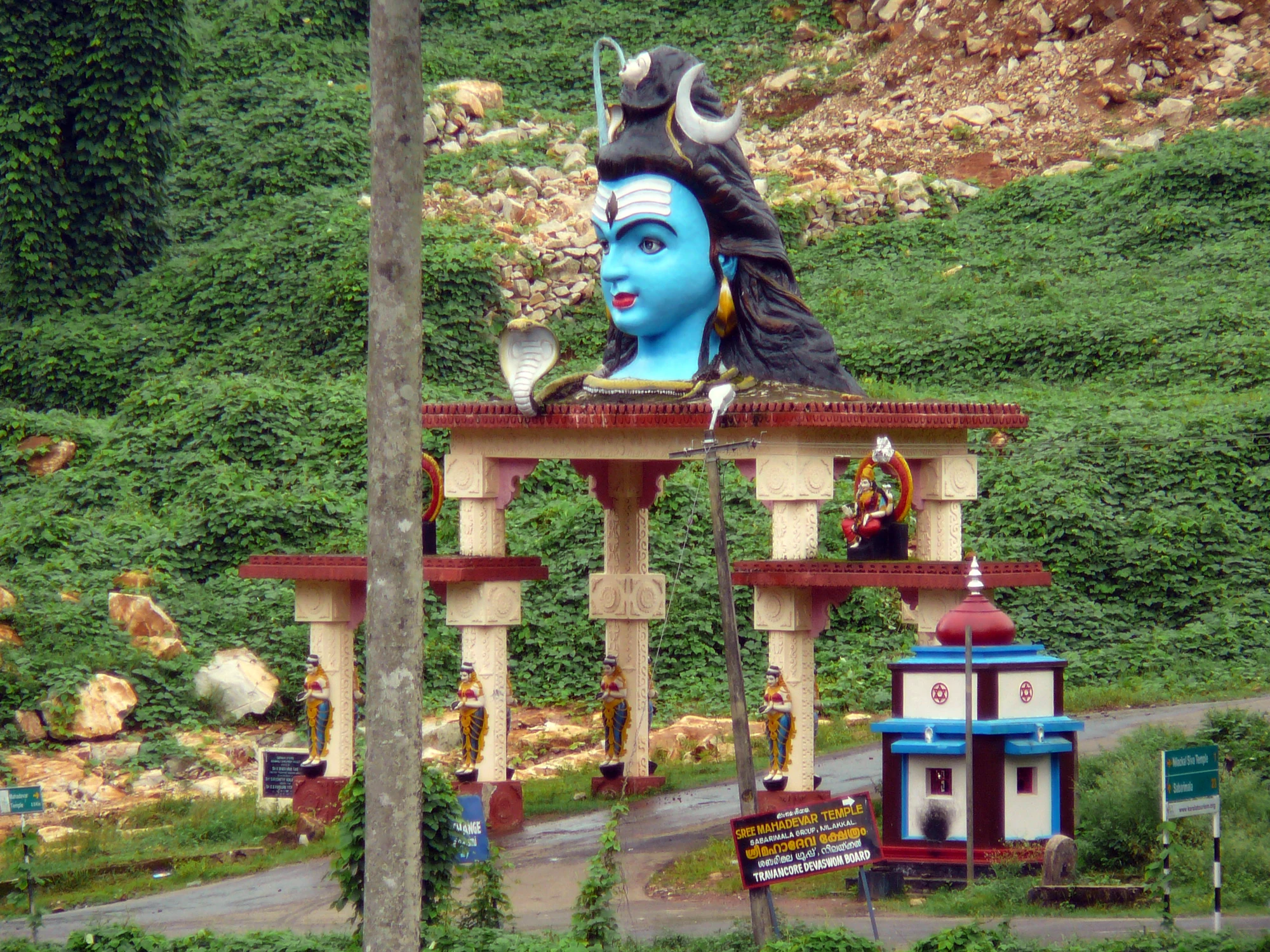
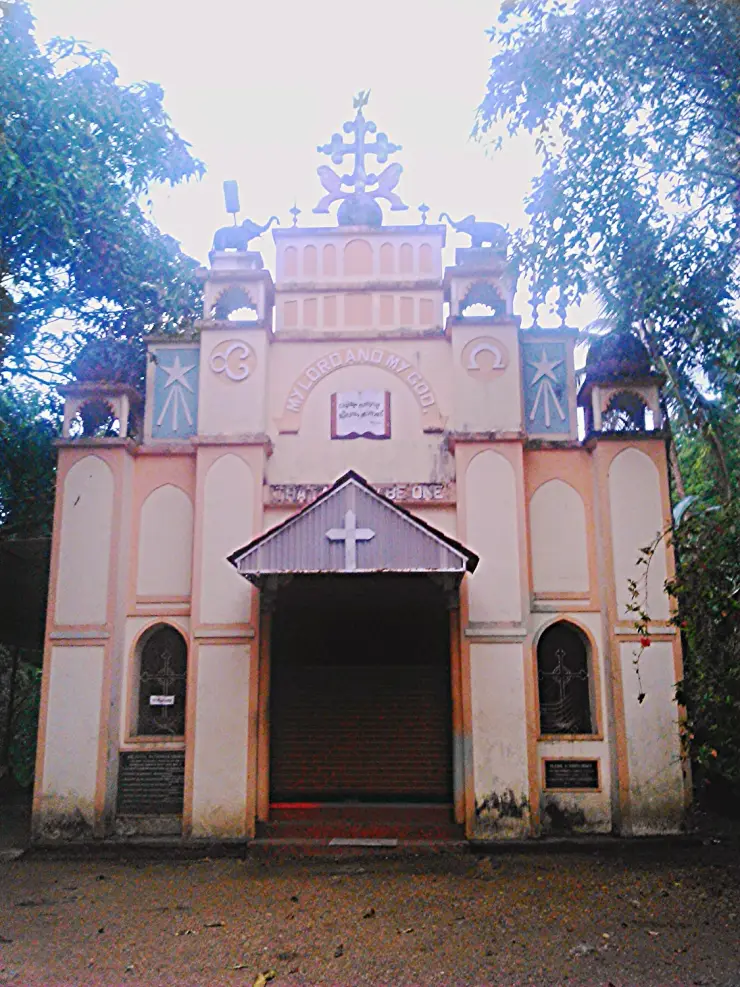
The Nilackal sacred landscape on the Pathanamthitta–Pamba road: Mahadeva Temple, the separate St Thomas Ecumenical Centre and the pilgrimage setting; Nilakkal is an alternative spelling.

trekGavi trekking

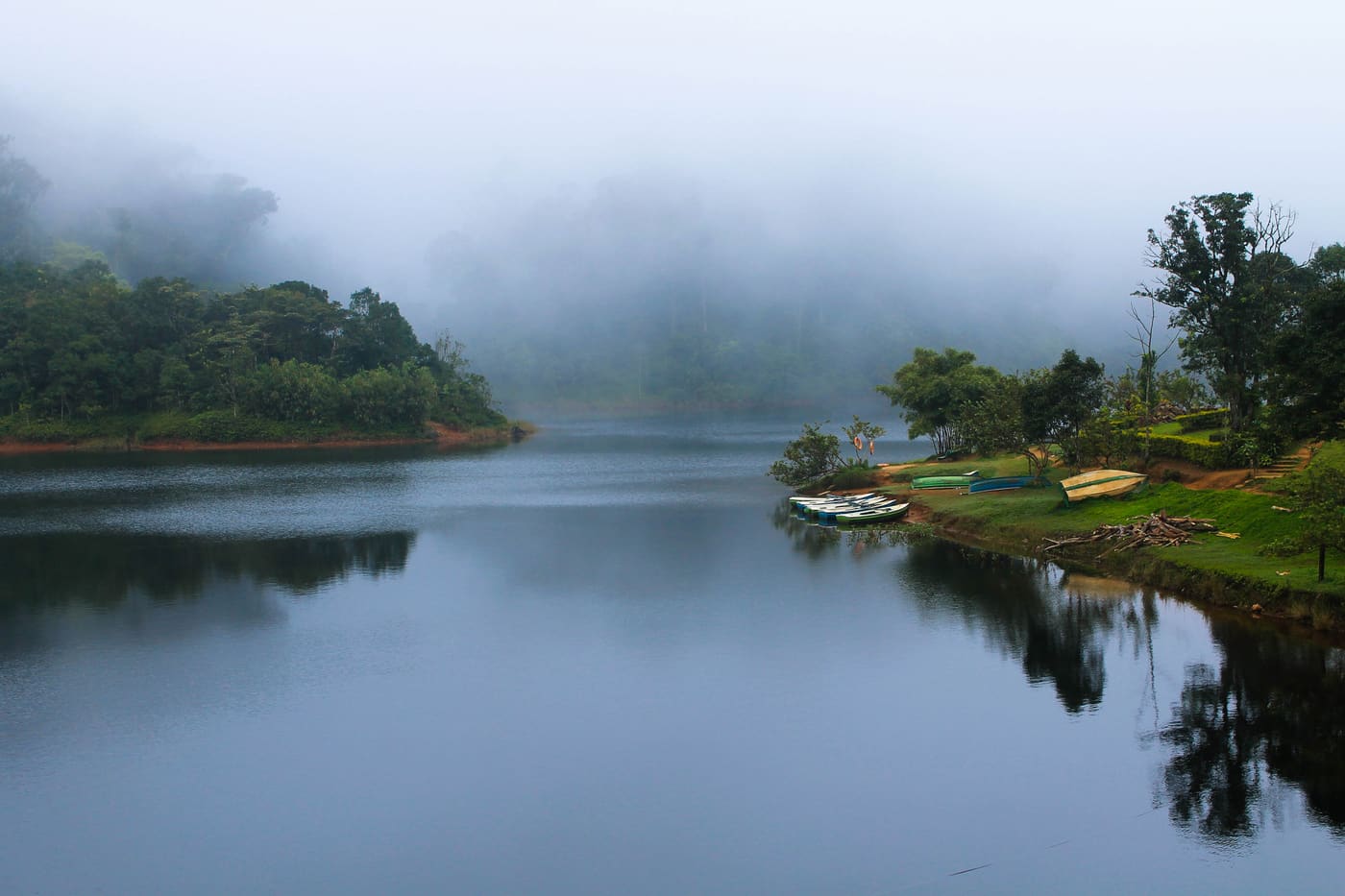
The KFDC full-day forest programme: a trained-guide plantation walk, lunch, lake boating and controlled visits to Sabarimala and Valley viewpoints. Gavi is managed ecotourism inside the Periyar Tiger Reserve landscape, not an independent trailhead.

damMoozhiyar Dam

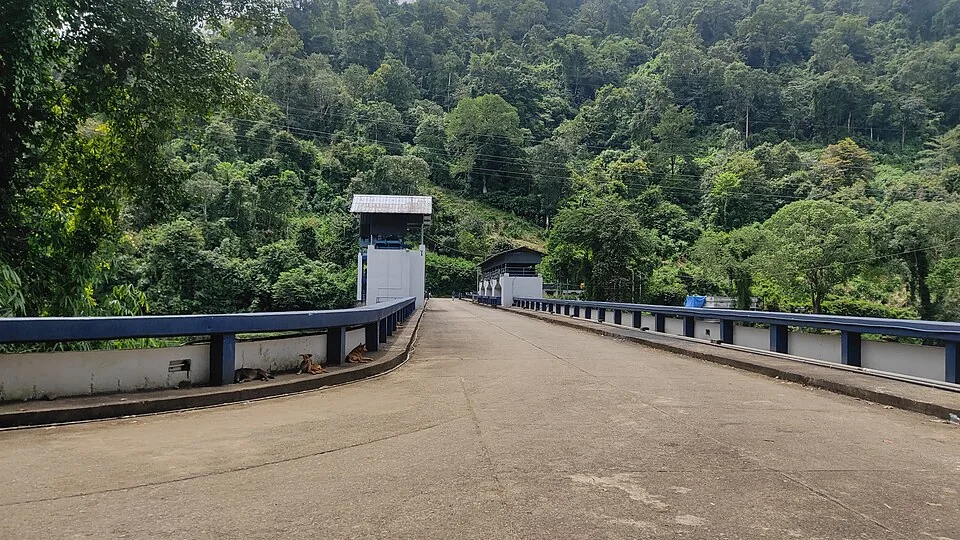
A gravity dam at Seethathodu near the Kakki reservoir that stores the tail water of the Sabarigiri hydro-electric project and diverts it to the Kakkad power station — a scenic reservoir stop on the forest road toward Gavi.

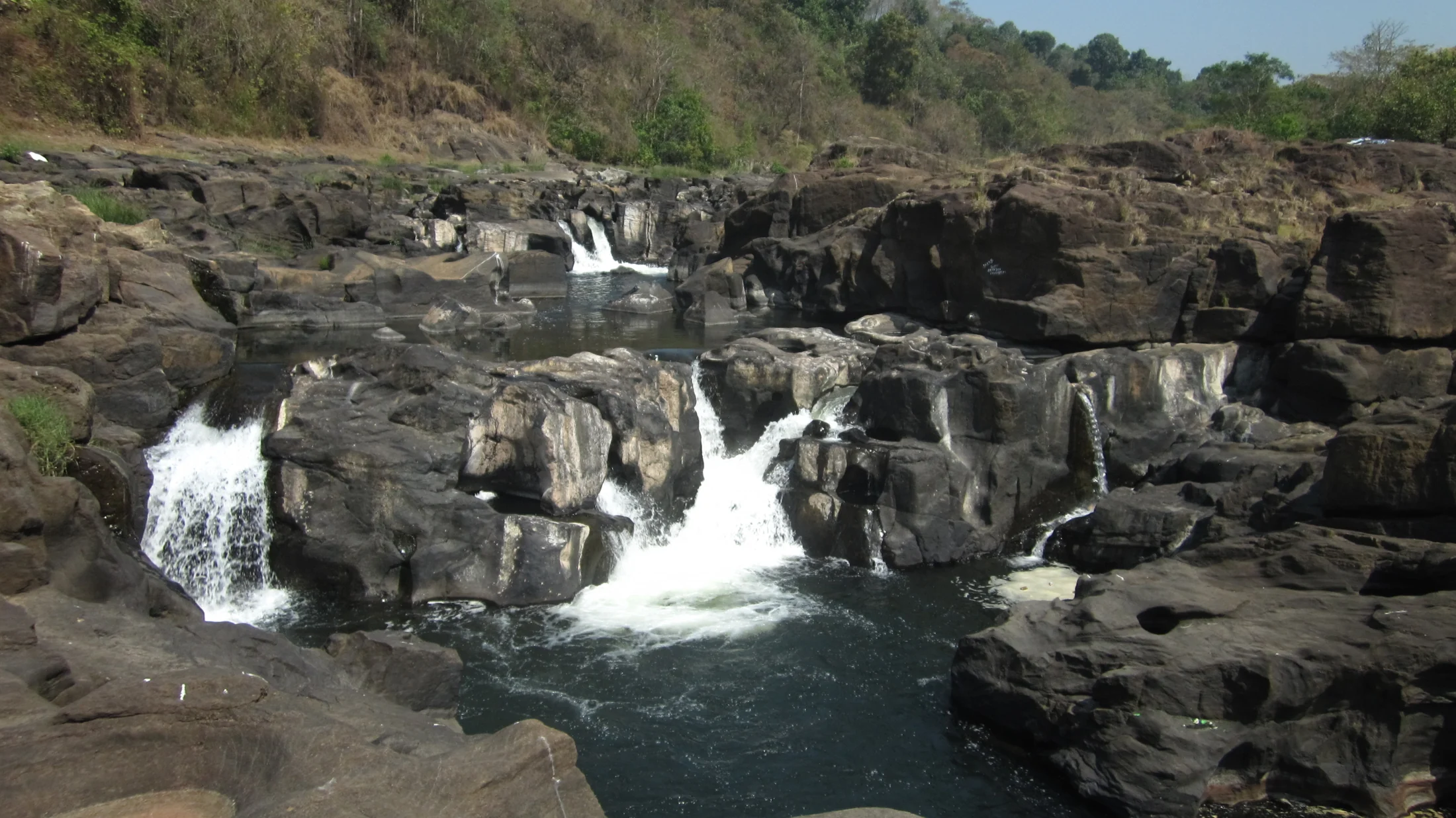
waterfallPerunthenaruvi Waterfalls

Perunthenaruvi is the broad rocky waterfall landscape in the Pamba basin near Ranni. The nearby KSEB weir and small hydel project are separate infrastructure, not the visitor waterfall entrance.

Roampedia is commission-free — own or know a stay, eatery, guide or shop near Sabarimala? List it and it appears here once verified.

Add a nearby business
Before you go

Sabarimala — at a glance

TimingsOpening dates and daily ritual sessions depend on the official temple calendar. Use the current opening notice and Virtual Q instructions; there is no year-round daily opening schedule.

Parking: Use the Nilackal vehicle holding arrangement and current traffic directions. Do not plan to park at Sannidhanam or assume unrestricted private-vehicle access to the Pamba river area.

Getting here

How to reach Sabarimala

  • ✈︎ By air The official access guidance names Cochin and Thiruvananthapuram airports. Compare the complete onward route and leave substantial flexibility between pilgrimage completion and a flight.
  • 🚆︎ By train The government access page names Chengannur and Kottayam railway stations. Book against the actual stopping train and the onward bus or road arrangement.
  • 🚗︎ By road Plan the road arrival to Nilackal and use the authorised transfer towards Pamba. Follow district and police traffic directions for the chosen opening period.
  • 🚌︎ By bus KSRTC operates the Nilackal–Pamba chain service under the pilgrimage arrangements. Longer-distance services and their frequency depend on the opening period; use the current KSRTC timetable.
Getting back

Follow the directed descent and onward Pamba–Nilackal transfer. Leave recovery time before the long road journey, and avoid a tight onward reservation based on an assumed queue duration.

Do

Things to do

  • Complete the pilgrimage preparation with the appropriate religious guidance.
  • Follow the authorised ascent from Pamba.
  • Attend darshan through the current queue arrangement.
  • Observe the Irumudi and sacred-step rules.
  • Participate in a specifically announced festival or monthly pooja opening.
  • Use the designated return route and pilgrimage facilities.
Facilities

On site

  • Government guidance identifies medical centres at Pamba, Neelimala, Appachimedu and Sannidhanam.
  • Water points, sanitation and pilgrim rest arrangements operate within the pilgrimage infrastructure.
  • The Devaswom Board provides annadanam arrangements, including the mandapam behind Malikappuram at Sannidhanam.
  • Accommodation and offering bookings are linked from the official government portal; use the current booking conditions.
Getting around Sabarimala
From the entrance
Pamba road junction beside the Forest IB
Step-free access
The route includes a demanding uphill journey, prolonged standing and regulated crowds. Wheelchair continuity is not established. Anyone needing assisted transport must confirm the current authorised service and its limits before travelling; a photograph of a dolly does not guarantee availability.

Checked 7 September 2026 against source 1source 2. Conditions change and surfaces vary with weather — if step-free access is essential, confirm with the site before you travel.

Practical things near Sabarimala

These services are listed within about 1.2 km of Sabarimala. Walking distances follow mapped routes; access and opening hours can change. Other services may be closer but are not included here.

Eat nearby

What to eat in Sabarimala and Pamba

Meals are part of the pilgrimage support plan. Use the announced annadanam arrangements or licensed food outlets at the relevant base, keeping the ascent and return transfers in mind.

Explore food in Sabarimala and Pamba →
01

Annadanam at Sannidhanam

The Board’s mandapam is described behind Malikappuram Temple; follow the current serving arrangement.

02

A meal at the transfer base

Pamba and Nilackal have different roles, so decide at which stage the group will eat rather than delaying a bus connection unexpectedly.

03

Prasadam collection

Collect booked offerings through the authorised counter. Prasadam collection and a full meal are separate parts of the plan.

Nearby

What’s near Sabarimala

heritageNilackal

The Nilackal sacred landscape on the Pathanamthitta–Pamba road: Mahadeva Temple, the separate St Thomas Ecumenical Centre and the pilgrimage setting; Nilakkal is an alternative spelling.

trekGavi trekking

The KFDC full-day forest programme: a trained-guide plantation walk, lunch, lake boating and controlled visits to Sabarimala and Valley viewpoints. Gavi is managed ecotourism inside the Periyar Tiger Reserve landscape, not an independent trailhead.

damMoozhiyar Dam

A gravity dam at Seethathodu near the Kakki reservoir that stores the tail water of the Sabarigiri hydro-electric project and diverts it to the Kakkad power station — a scenic reservoir stop on the forest road toward Gavi.

waterfallPerunthenaruvi Waterfalls

Perunthenaruvi is the broad rocky waterfall landscape in the Pamba basin near Ranni. The nearby KSEB weir and small hydel project are separate infrastructure, not the visitor waterfall entrance.

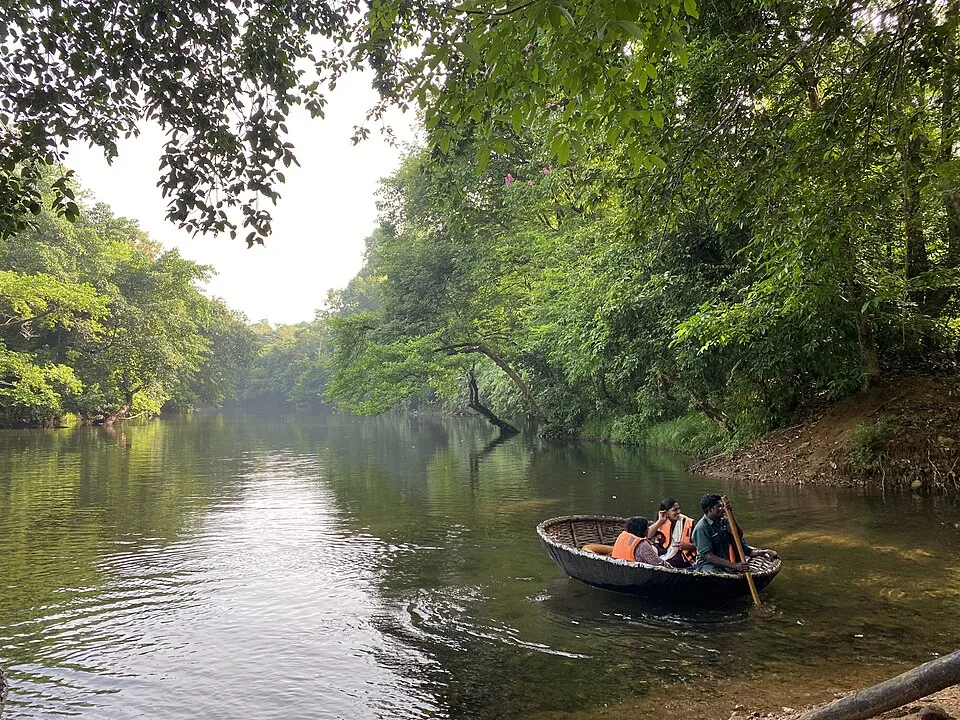
trekKonni Adavi trek

Adavi is a managed Kallar-river ecotourism stop, not a long independent trek: the official product is a short or long staff-run coracle ride through a forested 5 km reach, with separate tree-hut stays and an Adavi–Gavi bus tour.

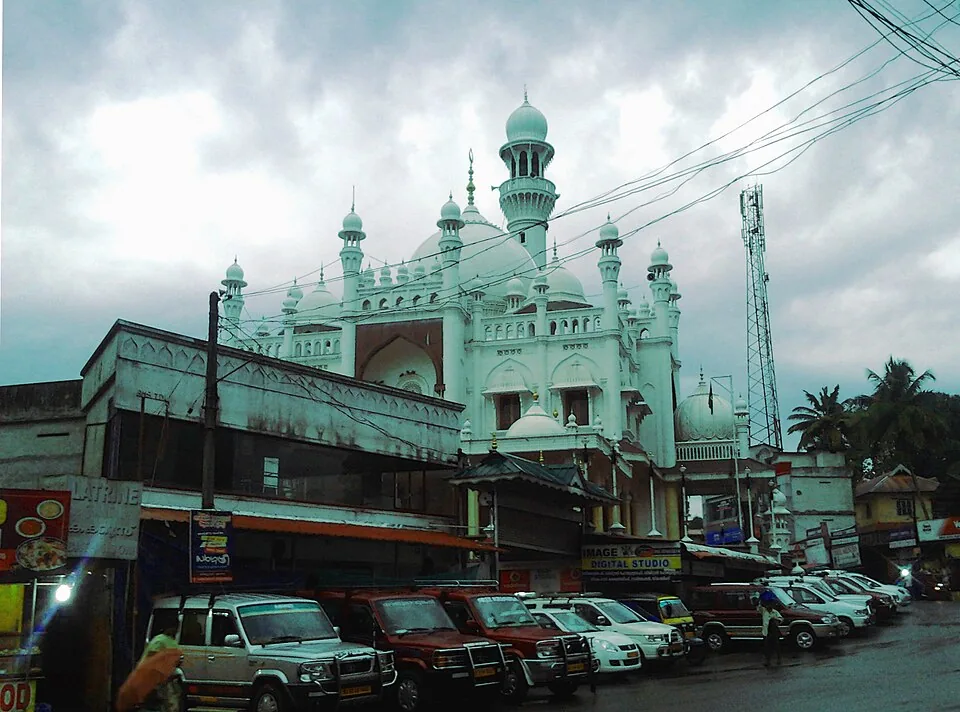
townErumely

The Kottayam-border town where the traditional Sabarimala pilgrimage begins, with the Vavar mosque standing beside the Sastha temple.

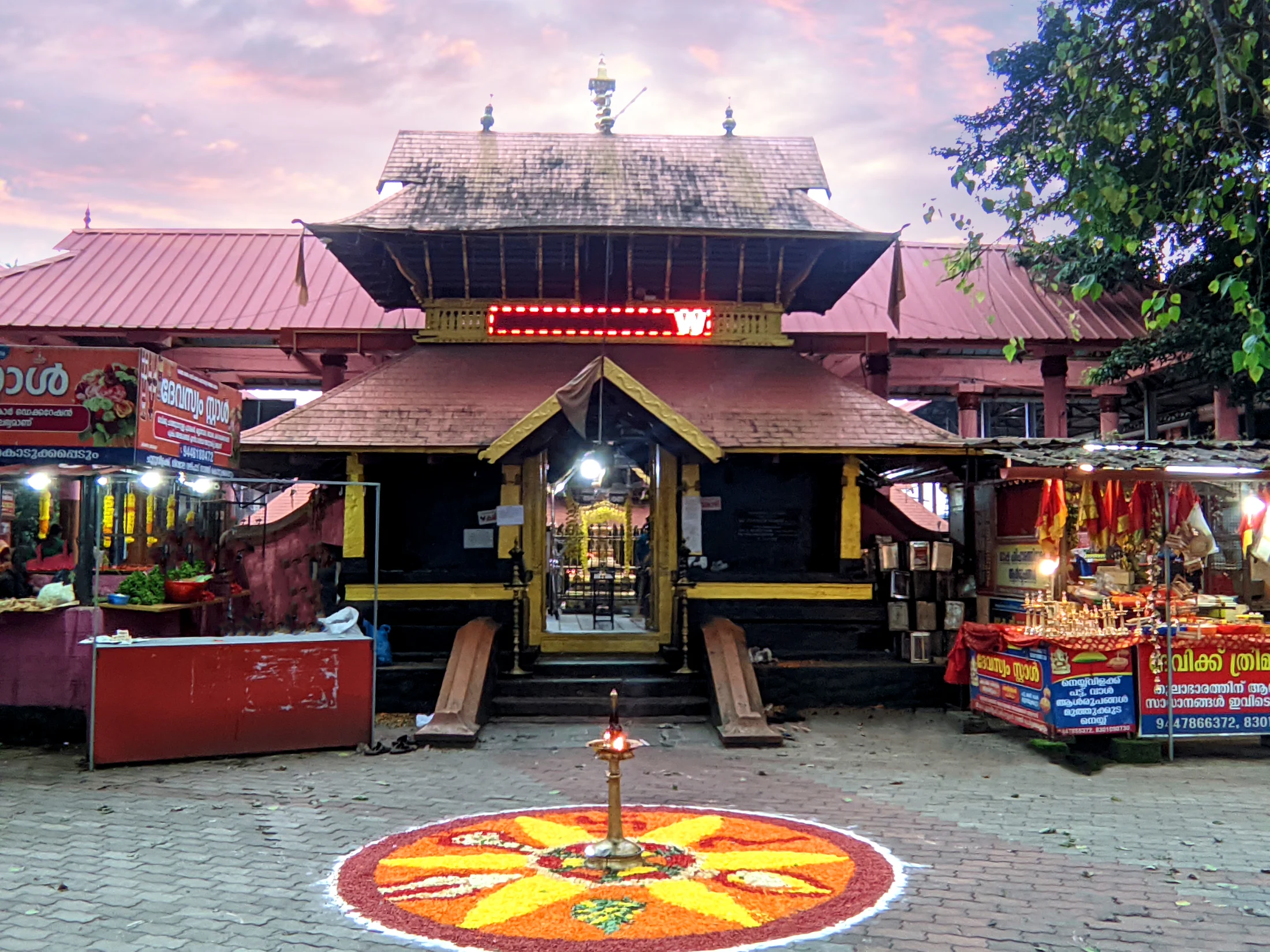
templeMalayalapuzha Devi Temple

Malayalapuzha, also written Malayalappuzha, is the Bhadrakali temple near Kumbazha in Pathanamthitta district, administered by the Travancore Devaswom Board.

wildlifeKonni Elephant Camp

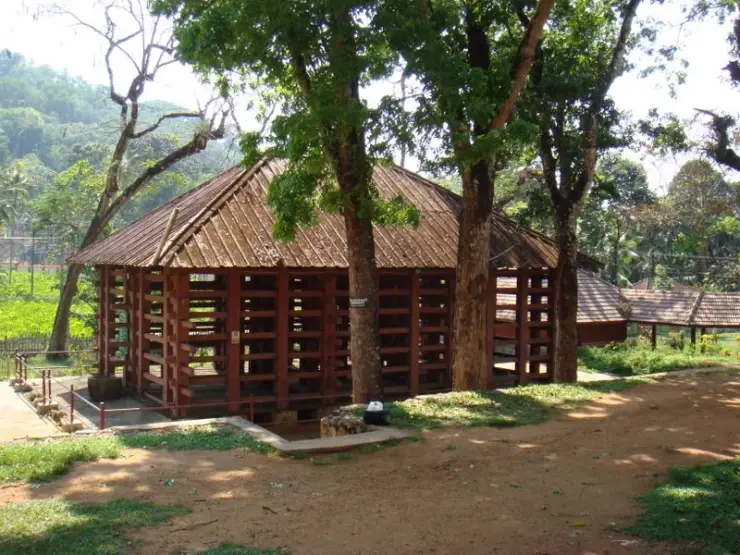
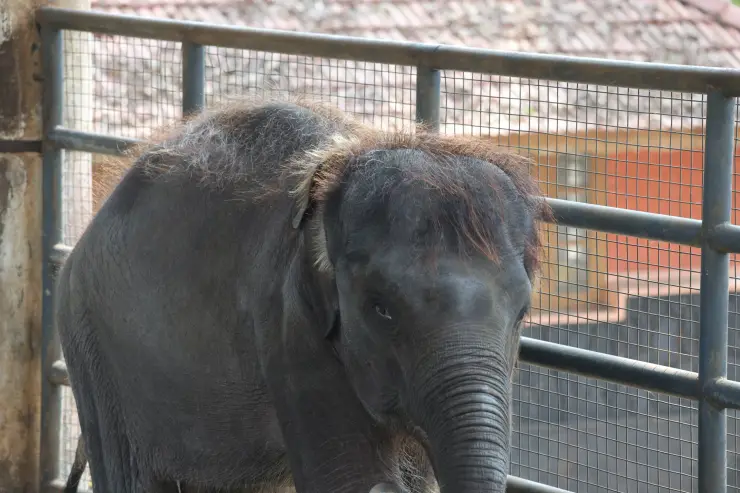
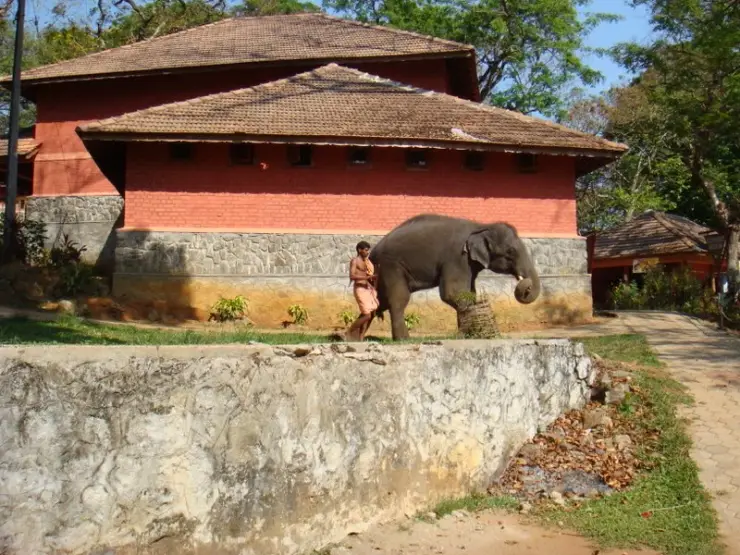
Konni’s Anathavalam combines a historic timber kraal, elephant-care areas and a museum within the Forest Department’s ecotourism campus.

C
Chuttippara
Place
trekChuttippara

The prominent rock hill above Pathanamthitta, reached by a steep local climb with broad town and highland views; heat, wet rock and exposed edges shape the visit.

churchManjinikkara Church

A hilltop Jacobite Syrian pilgrim centre (dayara) near Pathanamthitta, the resting place of Patriarch Ignatius Elias III; its annual perunnal draws large crowds.

C
Charalkunnu
Place
viewpointCharalkunnu

A breezy ridge and retreat landscape above the Pamba country near Kozhencherry, suited to a short viewpoint visit rather than being presented as a developed hill station.

heritageMaramon Convention

The site of Asia’s largest Christian convention, held for about eight days each February on the vast Pamba river sand-bed beside the Kozhencherry bridge; organised by the Mar Thoma church since 1895, the tent seats well over a hundred thousand.

All 4 places to visit in Sabarimala and Pamba →

Nearby toilets, pharmacies, ATMs, seating and vets are community-mapped and may be incomplete or out of date. Map data © OpenStreetMap contributors | Walking times © openrouteservice.org by HeiGIT

On the map

Where Sabarimala is

Good to know

Sabarimala — frequently asked

Is Sabarimala open every day?

No. It opens for specified periods. Use the official temple calendar and Virtual Q instructions for the intended date before arranging the journey.

Can a taxi take me to Sannidhanam?

No motor-road arrival at the hilltop shrine is implied. Plan the authorised transfer through Nilackal to Pamba and the onward walking approach.

Are Pamba and Nilackal the same base?

No. Nilackal is the principal vehicle holding and bus-transfer base; Pamba is the river-side approach area where the ascent begins under current directions.

Is Irumudi required to climb the eighteen steps?

The government ritual guidance reserves the sacred steps for devotees carrying Irumudi. Other devotees use the directed alternative passage to the worship area.

Does Virtual Q guarantee a short wait?

No. Follow the allotted booking instructions, but allow for crowd regulation and route holds. A booking should not be treated as a guaranteed completion time.

Which railway stations serve the pilgrimage?

The official access guidance names Chengannur and Kottayam. Compare the actual train and onward pilgrimage transport for your opening period.

Can women in my party enter?

Entry requirements affecting women require particular attention. Establish the current age and documentation conditions through the official booking portal and temple enquiry before committing to the journey; do not rely on an old article or a general tourism listing.

Is the climb wheelchair accessible?

The ascent is steep and physically demanding. Do not assume continuous wheelchair access or a guaranteed assisted-carrying service. Establish the exact current assistance arrangement before travelling.

Can I take the traditional Erumely forest route instead?

Only under its current authorised opening and route arrangements. The government’s description of its religious history is not a year-round trekking permit.

Is the Meenam Aarattu the same event as the Makaravilakku pilgrimage?

No. The government ritual account describes Meenam Ulsavam as a separate annual festival with flag hoisting, Pallivetta and Aarattu. Makaravilakku belongs to the main pilgrimage season and its own ceremonial sequence. Use the calendar and programme for the event you intend to attend.

Read before you go

Sabarimala guides, stories & itineraries

Stories & history of Sabarimala

Written about Sabarimala itself — its history, its legends and the arguments about them.

Around Sabarimala and Pamba

These reads cover nearby destinations, each with its own arrival point and visit arrangements.

Kerala-wide guides & itineraries

Route-level itineraries and practical guides for the rest of Kerala.

See all 33 Pathanamthitta guides & stories →