What to expect
Highlights
- Heritage experience at Shakthan Thampuran Palace
- Architecture, local stories and old trade/cultural routes
- Good fit for guided walks and nearby cafes/shops
Restored palace and archaeological museum in Thrissur city, built by Raja Rama Varma Sakthan Thampuran.
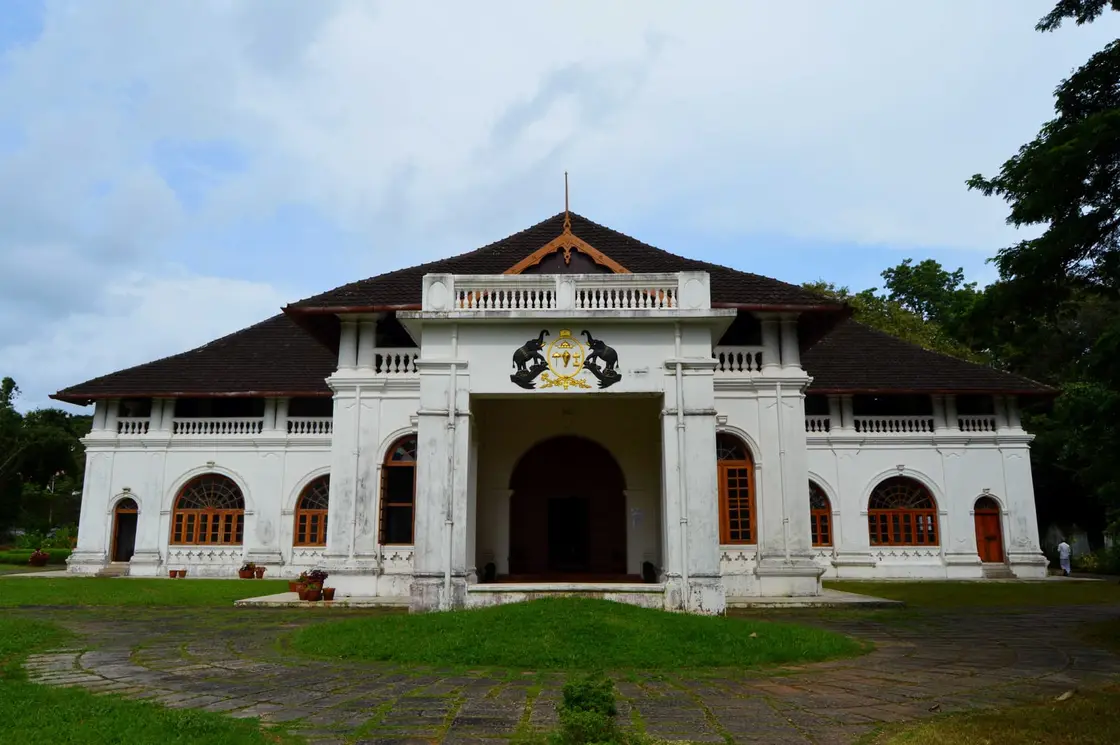
In the heart of Thrissur — the town he himself carved out of teak forest — stands the palace of the Cochin ruler who shaped modern Kerala's cultural capital. Shakthan Thampuran Palace, once the Vadakkechira Kovilakam, is now a State Archaeology heritage museum, a place where you can read the whole arc of one of the most formidable kings in Cochin's history against a backdrop of Kerala–Dutch architecture, cool tiled halls and a quiet memorial garden.
The palace you see today rose in 1795, rebuilt on the site of the older Vadakkekara (Vadakkechira) Kovilakam by Raja Rama Varma, the Cochin Maharaja whom Kerala remembers simply as Sakthan Thampuran — the powerful one. He shifted the royal seat here from Thrippunithura and made Thrissur the working capital of his kingdom, and so this building is not a decorative garden-palace but the administrative nerve-centre from which a determined ruler ran Cochin at the close of the eighteenth century.
Architecturally it is a fascinating hybrid. The core is a traditional Kerala nalukettu — the four-winged courtyard house — but the reconstruction folded in Dutch ideas the Cochin court had absorbed from decades of trade along the Malabar coast. The result is a two-storeyed structure with unusually thick walls, high tiled roofs and, on the floors, Italian marble. Those heavy walls and lofty ceilings are not just for grandeur; they keep the interiors remarkably cool and even-tempered whatever the weather outside, a piece of climate-clever design that still works two centuries on.
Spread over roughly six acres, the compound is far more than the main block. Since 2005 the Kerala Department of Archaeology has run it as a heritage museum, and the rooms that once held a king's household now hold his kingdom's deep past — galleries of bronzes, coins, sculpture, inscriptions and megalithic relics that carry the story of the region back thousands of years before Sakthan Thampuran himself.
Step out from the halls and the grounds open into a garden on the southern side, planted to display and preserve indigenous Kerala species, so the greenery itself is part of the exhibit. Within the compound lies a Sarpakavu, a traditional serpent grove of the kind attached to old Kerala households for the ritual worship of serpent deities — a reminder that this was a living family home as much as a seat of power.
The most solemn corner of all is the memorial. Sakthan Thampuran died at Thrissur on 26 September 1805 and was cremated here at the Vadakkechira Palace; a commemorative monument marks the spot, and the site is remembered as the resting place of the king and other rulers of the Kochi line. To stand there is to stand at the grave of the man who literally drew the map of the town around you.
For the visitor, that is the quiet power of the place. It is compact and easily seen in an hour or two, yet it braids together everything that makes Thrissur what it is — the king, the temple town, the Thrissur Pooram he founded, and the layers of Kerala history laid out gallery by gallery. It sits a short walk from the Vadakkunnathan Temple and the great Thekkinkadu Maidan, so it slots naturally into any day exploring the city centre.
Raja Rama Varma (1751–1805), Rama Varma IX of the Cochin royal family, was born on 26 July 1751 at Vellarapally Palace in Puthiyedam, near Kaladi. He lost his mother when he was three and was raised by a maternal aunt, and was educated by respected scholars of the day. He became Maharaja of Cochin in 1790 and was formally crowned in 1791, reigning until his death in 1805.
His epithet Sakthan — the powerful — was earned by the way he governed. He set about consolidating royal authority that had drained away to feudal chieftains, reclaiming lands and curbing the power of local lords. In a decisive move he brought the great Vadakkunnathan and Peruvanam Mahadeva temples under royal control, ending the entrenched authority of the Namboothiri temple oligarchy and abolishing the old Yogiatirippad system. His firm, sometimes severe, hand with criminals and over-mighty subjects sealed the name in popular memory.
It is to Sakthan Thampuran that Thrissur owes its very shape. Choosing the town as his capital, he cleared some sixty acres of teak forest around the hilltop Vadakkunnathan Temple, opening up the vast green Thekkinkadu Maidan at the city's centre and laying out the encircling Swaraj Round — the ring road that still defines Thrissur's plan. A shrewd administrator, he actively invited merchants of every religion, and even British officials, to settle and trade in his new town, seeding the commercial vigour Thrissur is still known for — and he dealt severely with those who resisted his taxes. Malayalam sources drawing on Cochin state histories record that he demanded higher taxes from the Konkani (Gowda Saraswat) Brahmin traders, sent officers to seize part of the treasure they kept at their Thirumala Devaswom temples, foiled an attempt to move the valuables to Alappuzha, and had three men executed — among them the merchant leader named as Devareshakini — with their property confiscated; and that Latin Christian landholders who refused the general land tax lost land and were expelled.
His most enduring creation is the Thrissur Pooram, begun around 1796. When temples around Thrissur were shut out of the older Arattupuzha Pooram for arriving late, Sakthan Thampuran invited them instead to bring their deities to Thrissur and pay homage to Lord Shiva at the Vadakkunnathan Temple. He organised the participants into two great camps — an eastern group led by the Paramekkavu Devaswom and a western group led by the Thiruvambadi Devaswom — and from that act of royal defiance grew what is today one of the most spectacular temple festivals in India.
Sakthan Thampuran died at Thrissur on 26 September 1805 and was cremated at this very palace, where his memorial still stands. The building he rebuilt in 1795 outlived his dynasty's power and, since 2005, has been conserved by the State Department of Archaeology as a protected monument and museum — a fitting keeper of the legacy of the man who made Thrissur the cultural capital of Kerala.
You are visiting the working seat of Sakthan Thampuran himself — the ruler who founded modern Thrissur and the Thrissur Pooram — so the building is a primary source for the city's whole story, not a generic heritage stop.
The Kerala–Dutch architecture is genuinely distinctive: a traditional nalukettu core wedded to thick Dutch-influenced walls, high roofs and Italian marble floors, and it stays naturally cool inside even in the heat.
The archaeological museum packs a lot into a small space — bronze, numismatics (coins), sculpture, epigraphy (inscriptions) and megalithic galleries that trace the region's past across millennia, with bronzes reported to date back to around the twelfth century.
The memorial to Sakthan Thampuran, on the spot where he was cremated, lets you pay respects to a towering figure of Cochin history at the place where his story ends.
The southern heritage garden of indigenous Kerala plants and the traditional Sarpakavu (serpent grove) give a calm, green counterpoint to the galleries and a glimpse of old Kerala household life.
Its location in the town centre, a short walk from the Vadakkunnathan Temple and the Thekkinkadu Maidan where the Pooram unfolds, makes it an easy and rewarding anchor for a day in the cultural capital of Kerala.
Road km to Thrissur; ghat roads and traffic vary — allow extra.
November to February and early mornings are best for walking; avoid midday heat where possible.
Live forecast loads in your browser.
Sun and moon are calculated for this location and shown in IST. Photography windows are the hour around sunrise and sunset; the sunset bearing is degrees clockwise from true north. Moon phase is accurate to about half a day.
These are official or public-sector eco offerings that match this place, town or forest destination. Confirm availability, permits, tariffs and reporting times with the official operator before travel.

Peechi reservoir, garden and the sanctuary’s southern public edge; a dam visit rather than proof that a guided forest trail is operating.
Official source →
The Vazhani dam approach, garden and forest threshold from which official tourism material names four local trails and a trek towards Peechi.
Official source →Browse listed stays, food, activities, sights, shops and rentals around Shakthan Thampuran Palace. Check each listing’s locality and contact the business directly for current arrangements.
Four-star hotel on Paliyam Road near the North (Vadakke) bus stand in central Thrissur, with air-conditioned rooms, a restaurant and banquet facilities. Its Kerala Tourism provider record classifies it as a four-star property, a convenient upper-tier city base for Thrissur Pooram and business visitors.
Long-running three-star hotel on Marar Road in the heart of Thrissur city, operating since 1984 with air-conditioned deluxe rooms, suites and double rooms. Its Kerala Tourism provider record and own website list a central location near the railway station with a restaurant and event facilities, making it a dependable mid-range city base.
Sakthan Nagar city hotel with direct contact page and restaurant/spa facilities. Thrissur city, Sakthan Nagar, Hotel.
Joys Palace is a Thrissur city hotel near the transport and cultural core, useful for Pooram-season planning, city stays, dining and events. Thrissur city, Hotel, T.B. Road.
Five-star business hotel near the Sakthan bus stand in Thrissur city. It has a multi-cuisine restaurant, spa and pool, on TB Road at Kokkalai.
Hotel near Thrissur Railway Station on T.B. Road, established 1980, with multi-cuisine restaurant and banquet halls.
Heritage hotel at Chembukavu in Thrissur city, established 1936. It offers rooms and an on-site family restaurant.
KTDC government-run budget hotel near the Indoor Stadium in central Thrissur. It has a restaurant and conference rooms.
Convention centre with hotel rooms at Puzhakkal, Thrissur, offering banquet halls, restaurant and business facilities.
Budget business hotel opposite the railway station on Poothole Road, Thrissur. It offers rooms and a multi-cuisine restaurant.
Four-star hotel on Kanjany Road, Olarikkara, in Thrissur. It has luxury rooms, a restaurant and banquet facilities.
Hotel in Thrissur city operating since 2003. It has a multi-cuisine air-conditioned restaurant plus banquet and conference halls.
Boutique hotel at Round North in central Thrissur. It has rooms, a multi-cuisine restaurant, a coffee shop and a spa.
Hotel near the North Bus Stand at Patturaikkal in Thrissur city. It has been run by the Koolas KPT group since 1978.
Four-star business-class hotel on Marar Road in central Thrissur, running for over 40 years. It offers multi-cuisine dining on site.
Tourism Department-approved Ramanilayam government guest house in Thrissur. Thrissur stay, Government guest house, Ramanilayam.
Hyatt Regency Thrissur is a city hotel on Civil Lines Road, useful for cultural-capital stays, business travel, family bases and direct reservations. 5-star luxury hotel · Thrissur city, Hotel, Hyatt.
Ashiaana Homestay is at Adambukulam House in Venginnissery, Paralam, outside central Thrissur. Its host describes a garden of about half an acre with roughly 60 kinds of fruiting and flowering plants, making the grounds a more specific part of this stay than a standard city-room listing.
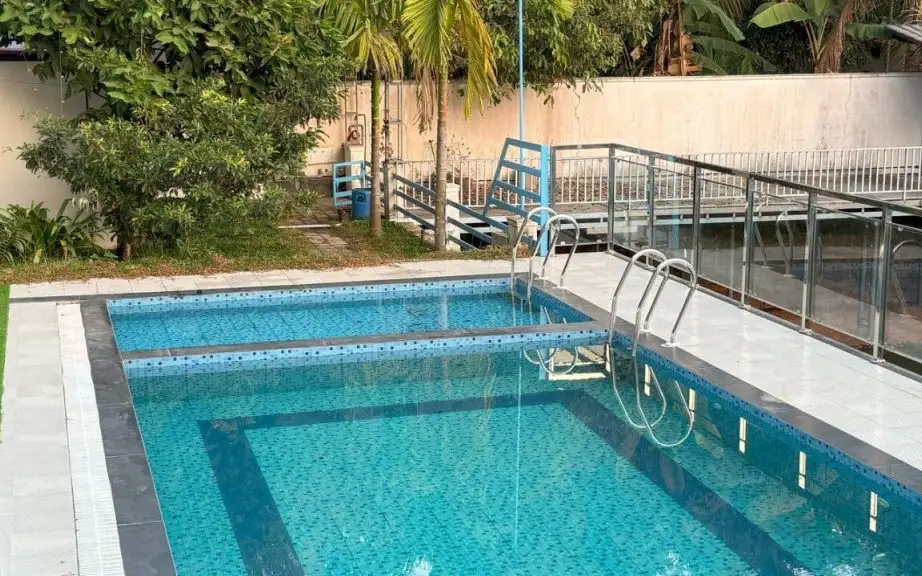
Silent Shore Homestay is on Purathur Munayam Road at Alapad, away from Thrissur's central hotel district. The provider advertises a private-pool stay and a children's play area, which are the clearest reasons to compare it with other local homestays.
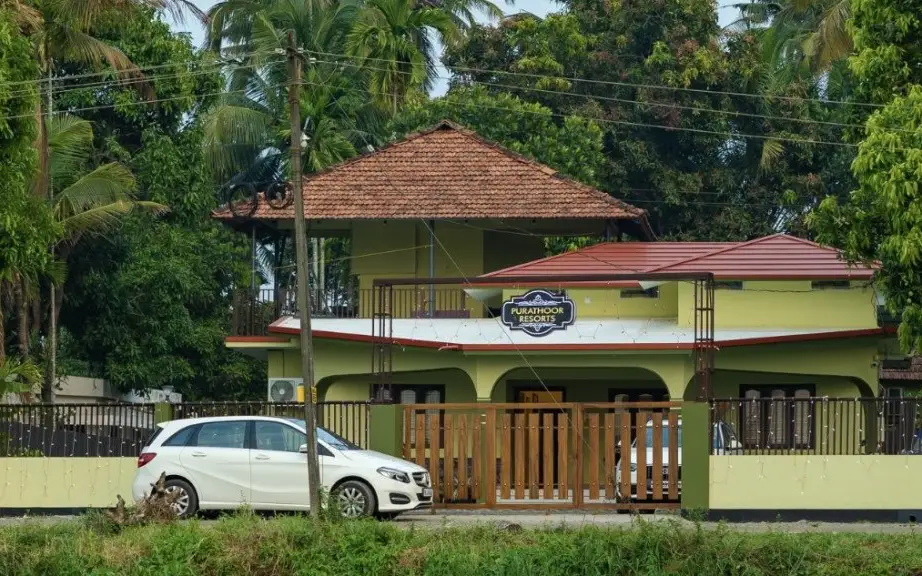
Purathoor Homestay is listed in Pullu, Alapad, on Munayam Road in Kerala’s Thrissur district. The host describes a green village and backwater setting, with home-cooked food and personalised hospitality. No specific room arrangement, facilities or activities are documented in the available evidence.
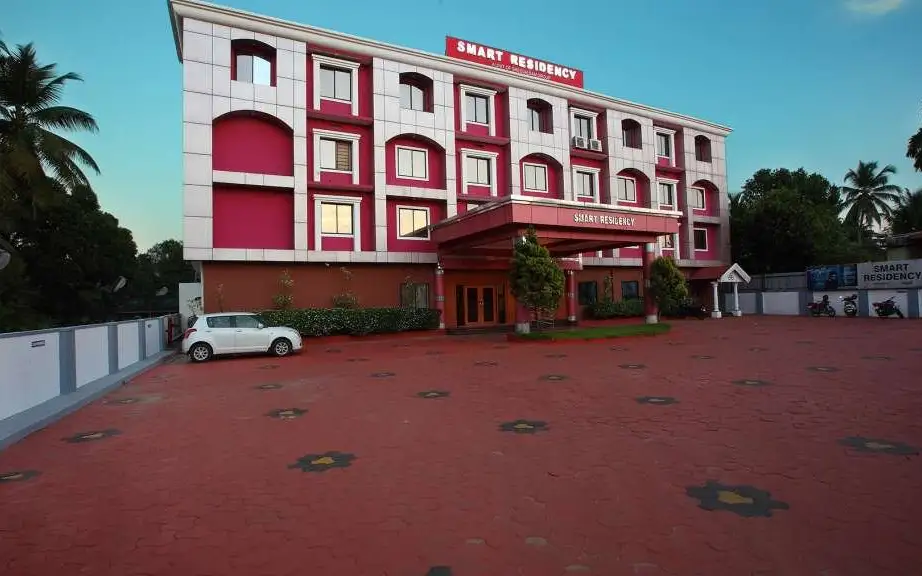
Smart Residency Hotels India Pvt. Ltd is listed on NH Bypass Road in Marathakkara, Ollur, outside the Thrissur Round area. Its Kerala Tourism profile records rooms with air conditioning, television, a separate seating area, reading lamp, telephone and an attached bathroom with hot and cold water, as well as free internet access.
Hotel Elite International is on Chemboottil Lane in Round South, Thrissur. The operator lists a restaurant, beer parlour, parking, air conditioning and televisions, and says Thrissur Pooram can be viewed from the property.
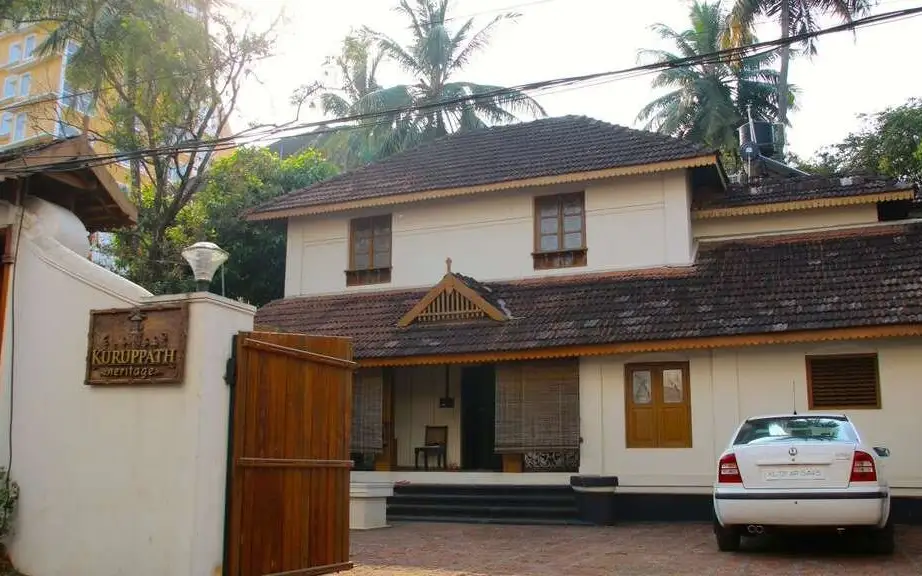
Kuruppath Heritage occupies a 120-year-old mansion on Mannadiar Lane, off Kuruppam Road in Thrissur. The operator’s Kerala Tourism listing describes a 2010 renovation, five air-conditioned bedrooms with attached bathrooms, a kitchen, dining room and large rear lawn.
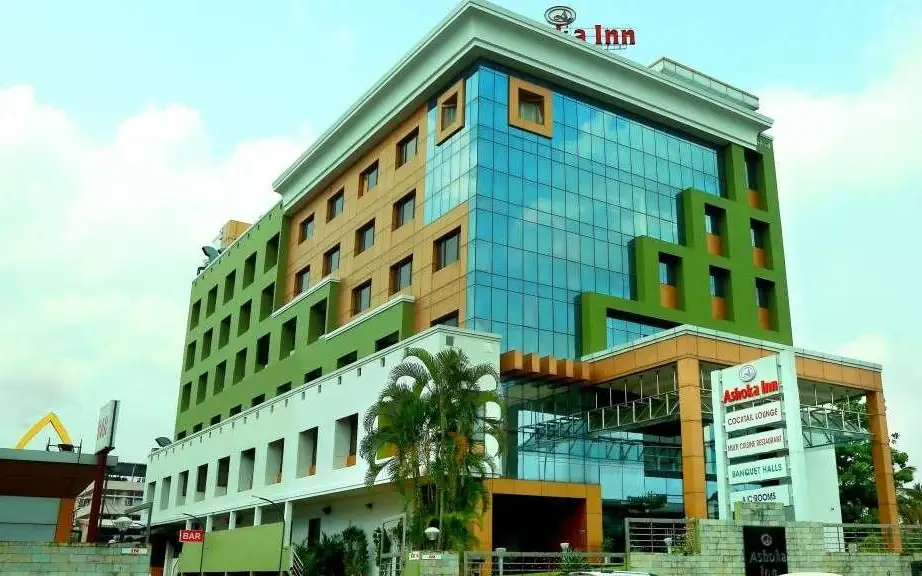
Ashoka Inn is listed on T. B. Road in Thrissur’s Sakthan Thampuran Nagar, near Sakthan Thampuran Bus Stand. The operator-submitted profile lists a restaurant, bar, high-speed Wi-Fi, parking and lockers, with air conditioning and televisions among the room facilities.
Book with the place itself. India’s cyber-crime coordination centre warned in April 2025 that convincing copies of hotel and pilgrimage booking sites are being pushed through sponsored search and social ads, taking payment for rooms the property never hears about. Use the contact and source details on each profile to confirm the exact business and booking channel. A directory entry or map pin alone does not establish an operator’s identity or current availability. Roampedia takes no commission and does not collect booking payments. If a booking page reached you through an ad, check the address bar against the property’s own site before you pay. Fraud can be reported on cybercrime.gov.in or on 1930.
Find food, accommodation and activities across Thrissur city. Browse the guides for places to eat, stay and explore along your route.
23 more places around Thrissur city. Open a guide to plan the visit and onward journey.
An old temple landscape near Kandanassery with nearby megalithic remains; living worship and archaeological evidence must be described as separate layers.
A narrow pedestrian suspension bridge over the Karuvannur river at Chemmapilly, best visited as a working local crossing rather than a staged thrill attraction.
16.8 km · straight line
A longstanding Catholic pilgrimage church at Mapranam associated with the Holy Cross and annual feast observances.
A lesser-known rocky hill destination in Thrissur district where the exact approach, safe stopping point and public access require local confirmation.
780 m · straight line
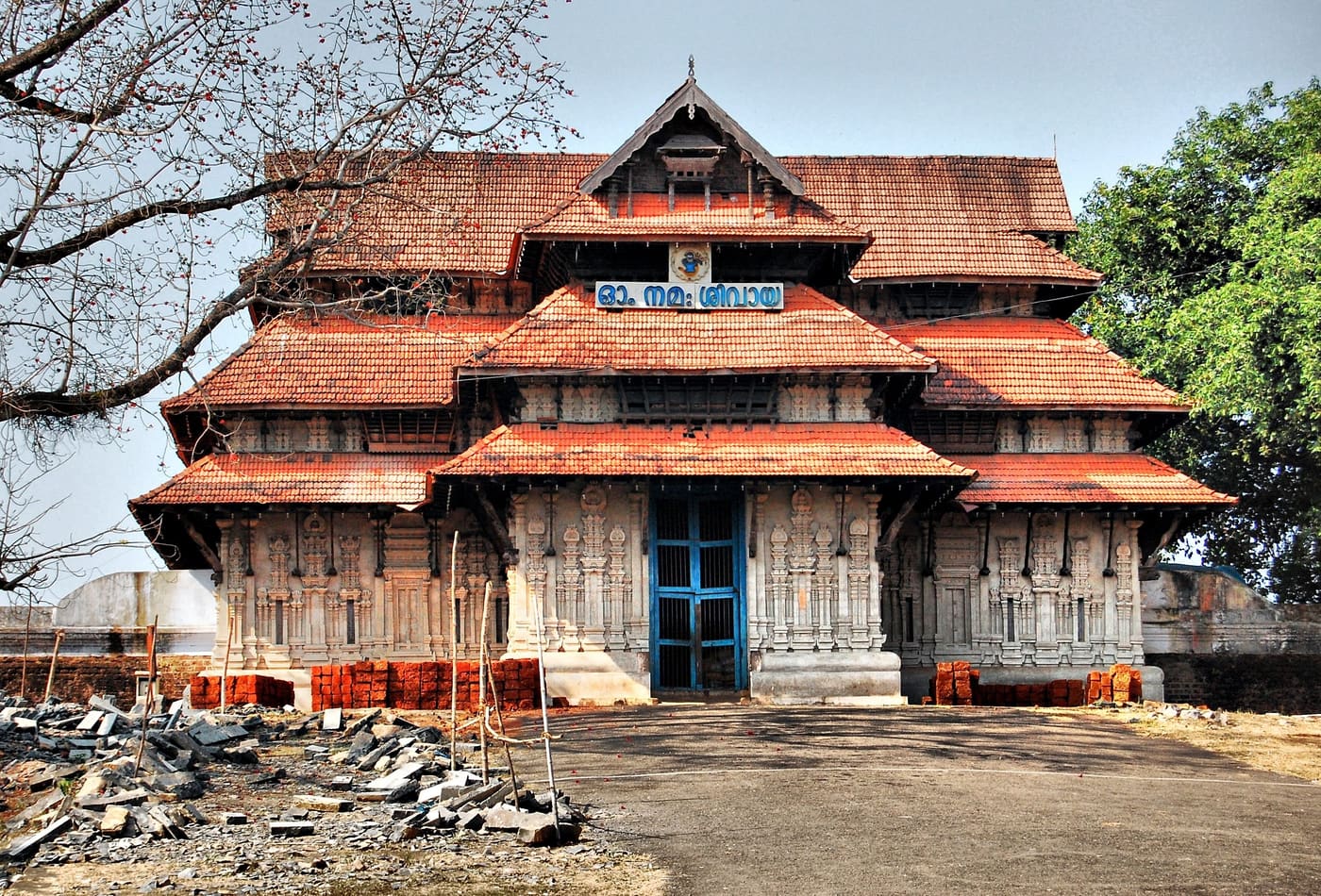
Ancient temple at the centre of Thrissur’s round, associated with Thrissur Pooram.
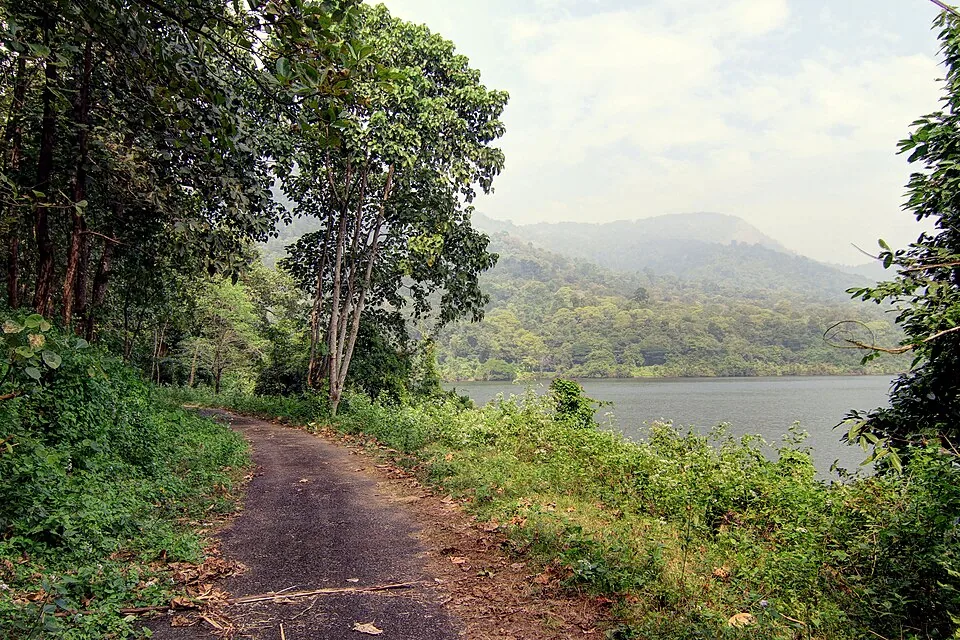
The official guided 5 km, roughly 3-hour forest route from Virakuthodu, one kilometre beyond the check post, to Choorathala inside Chimmony Wildlife Sanctuary.
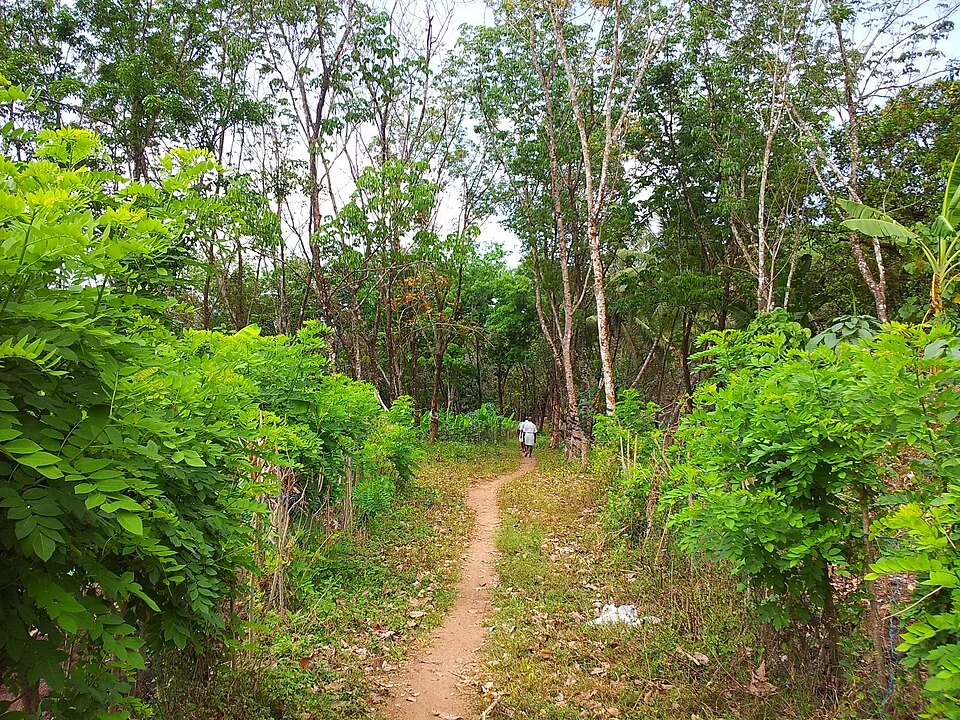
15.2 km · straight line
A guided forest crossing described from Vazhani towards Peechi, plus shorter named trails on the Vazhani side. Current operation, meeting point and return transport must be confirmed with the sanctuary office.
780 m · straight line
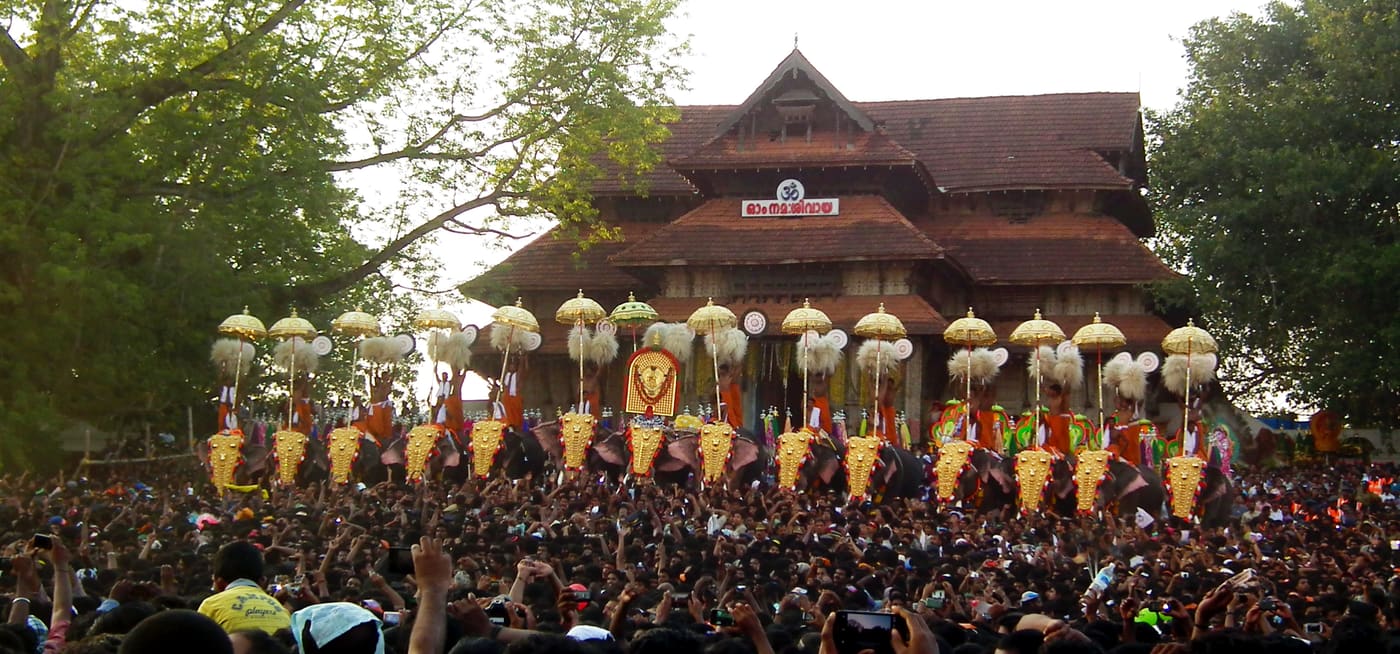
Kerala’s most famous temple festival, held around April/May at the Thekkinkadu ground around Vadakkunnathan.
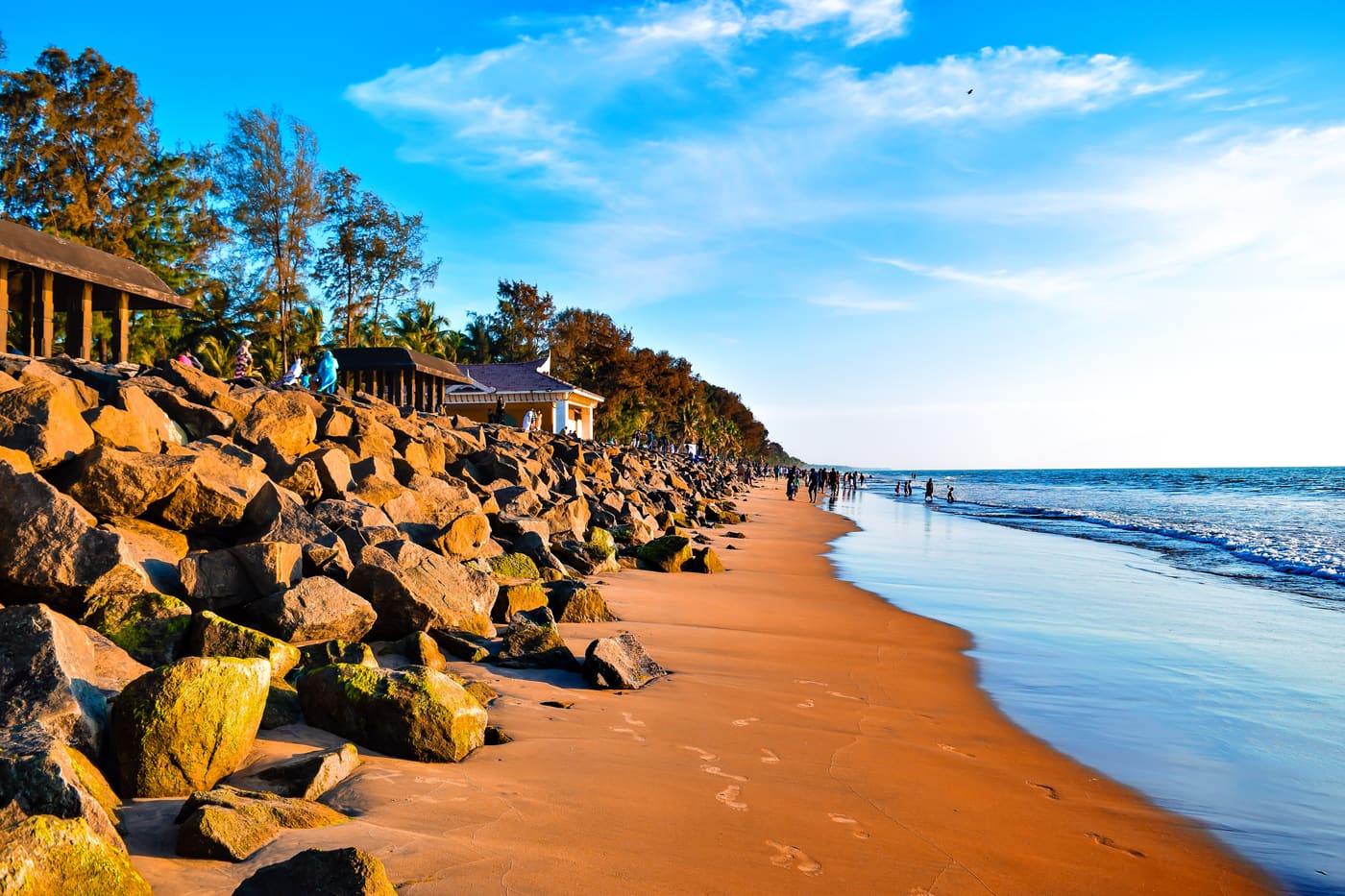
1.1 km · straight line
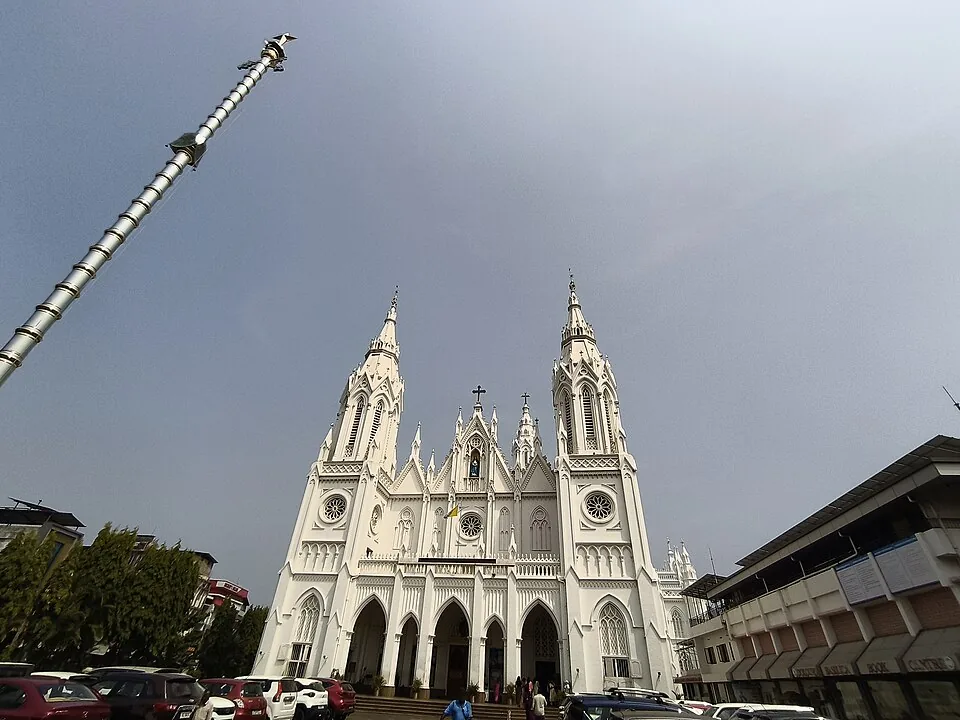
The “Puthan Pally” basilica in Thrissur, known for its Bible Tower — among the tallest church towers in Asia.
830 m · straight line
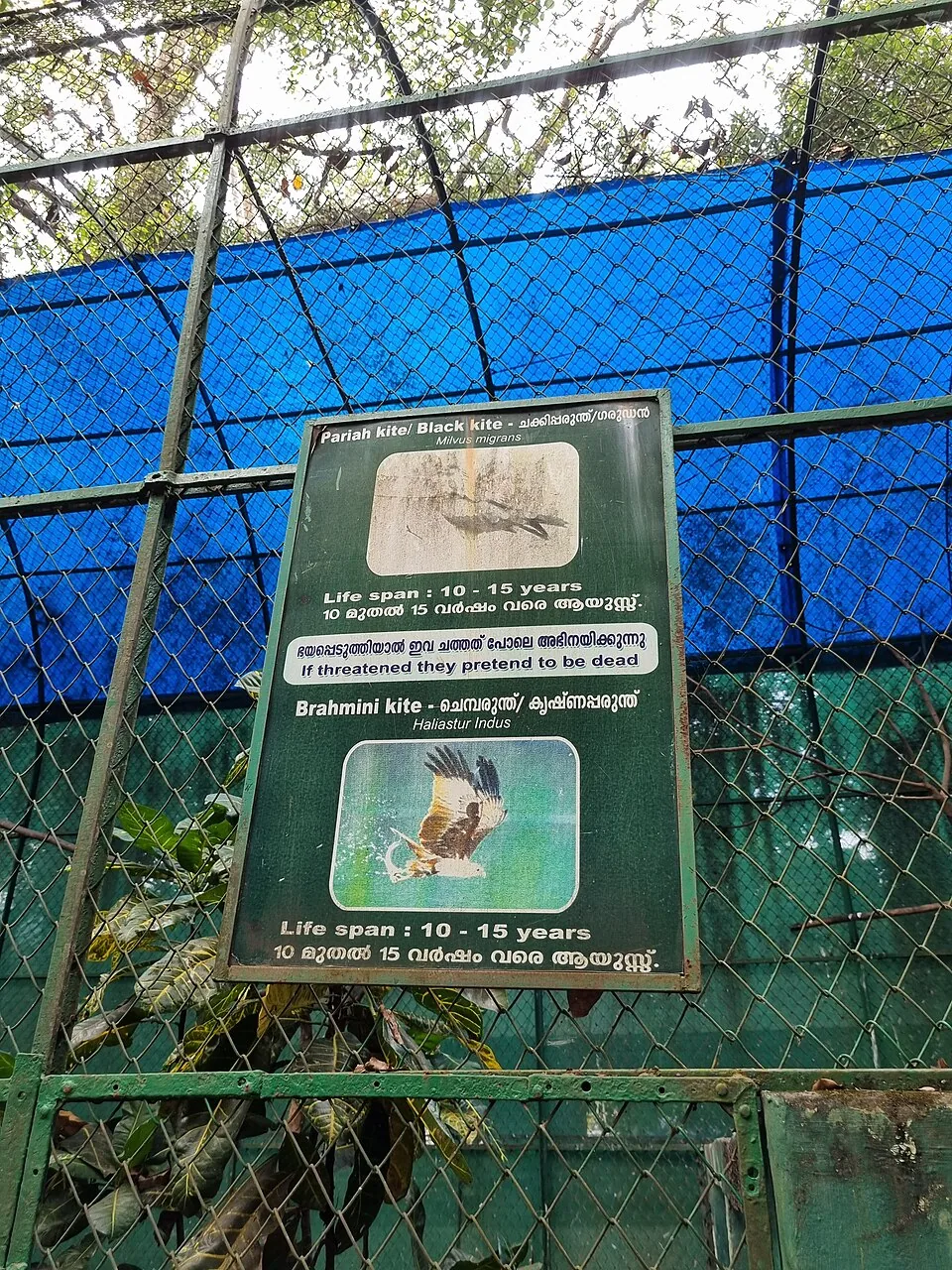
State museum, art gallery and natural-history collection at Chembukkavu; the zoo animals moved to the new zoological park at Puthur, open since February 2026.
16.8 km · straight line
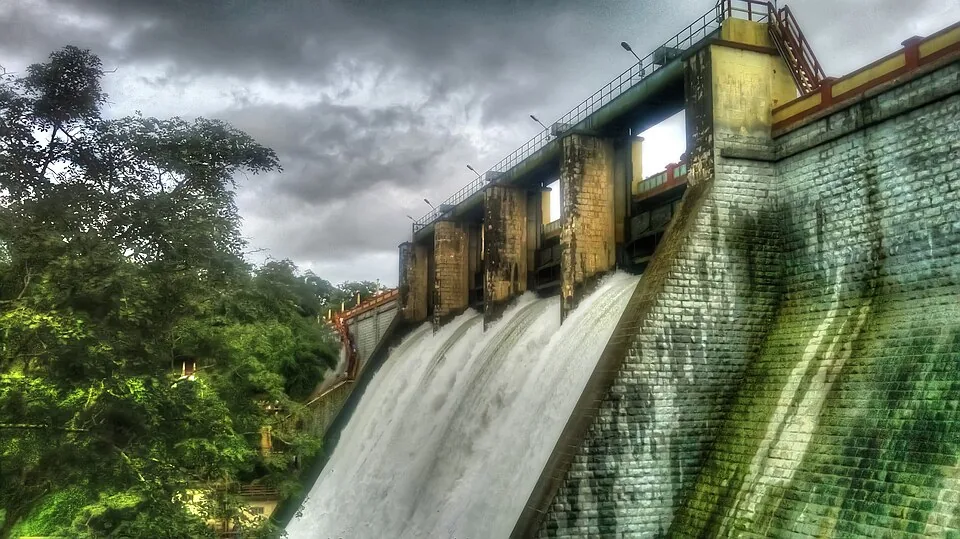
Reservoir and garden at the edge of the Peechi-Vazhani sanctuary, with boating, about 20 km east of Thrissur.
6.0 km · straight line
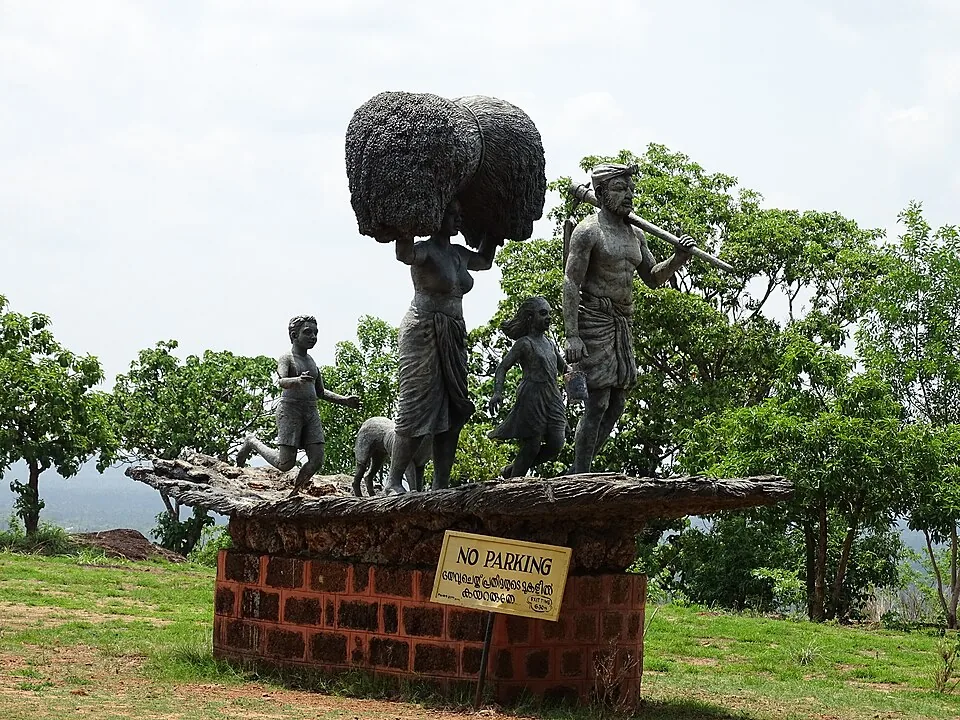
A low hill and park on the edge of Thrissur city, popular for sunset views and morning walks.
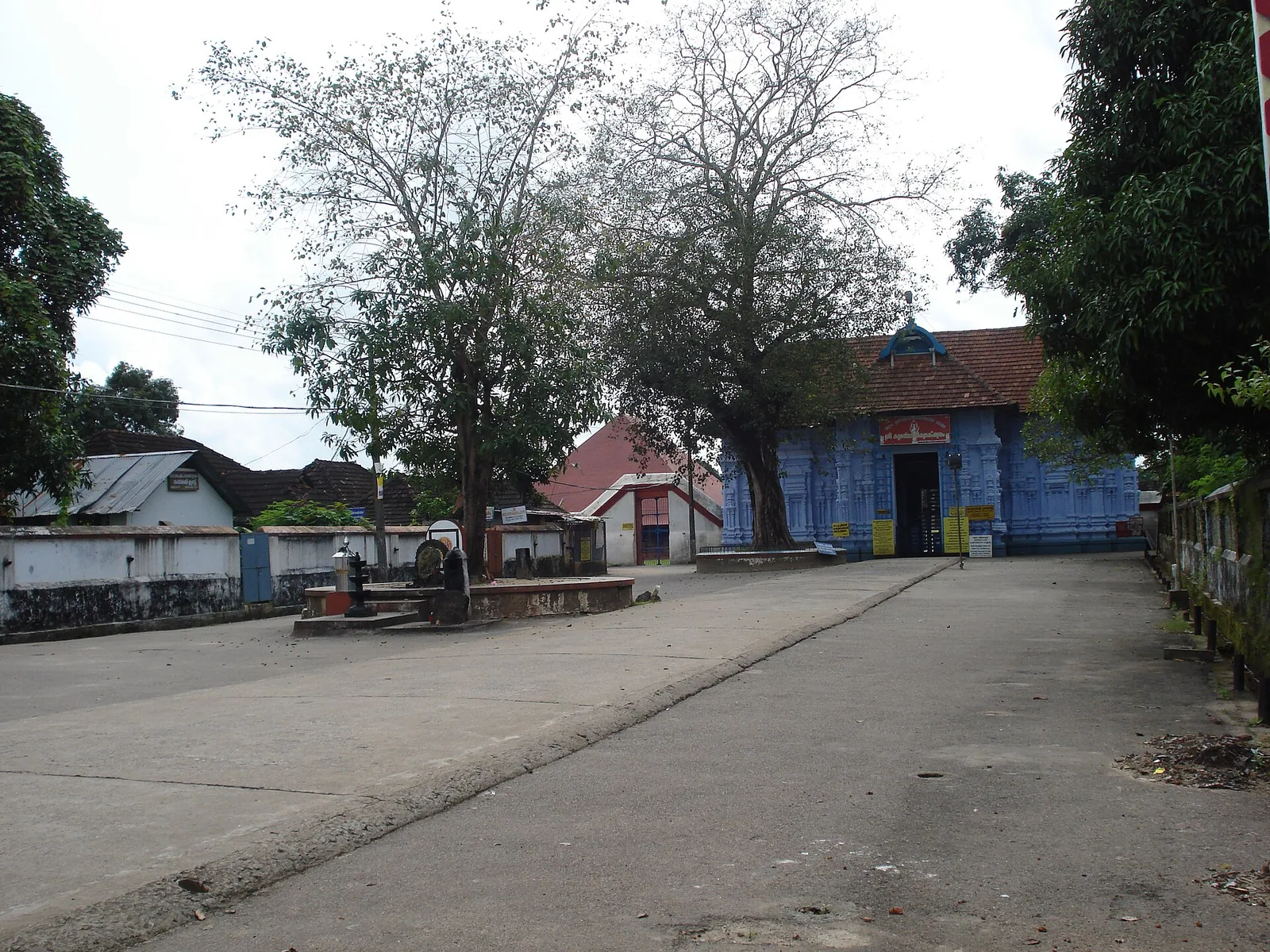
Rare temple at Irinjalakuda dedicated to Bharata, one of the Nalambalam (four-temple) Rama circuit shrines.
17.1 km · straight line
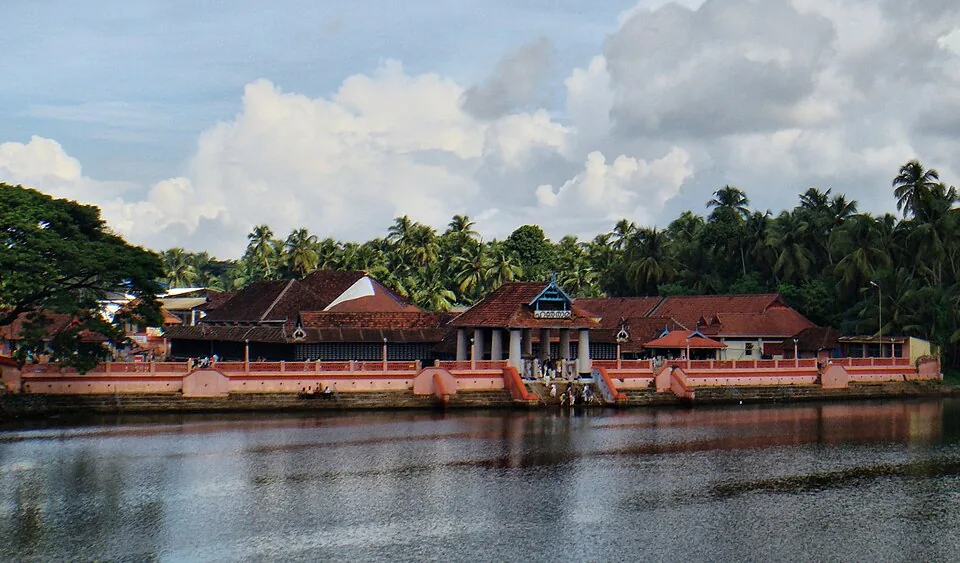
Sree Rama temple on the Theevra river near Triprayar, another of the Nalambalam circuit shrines.
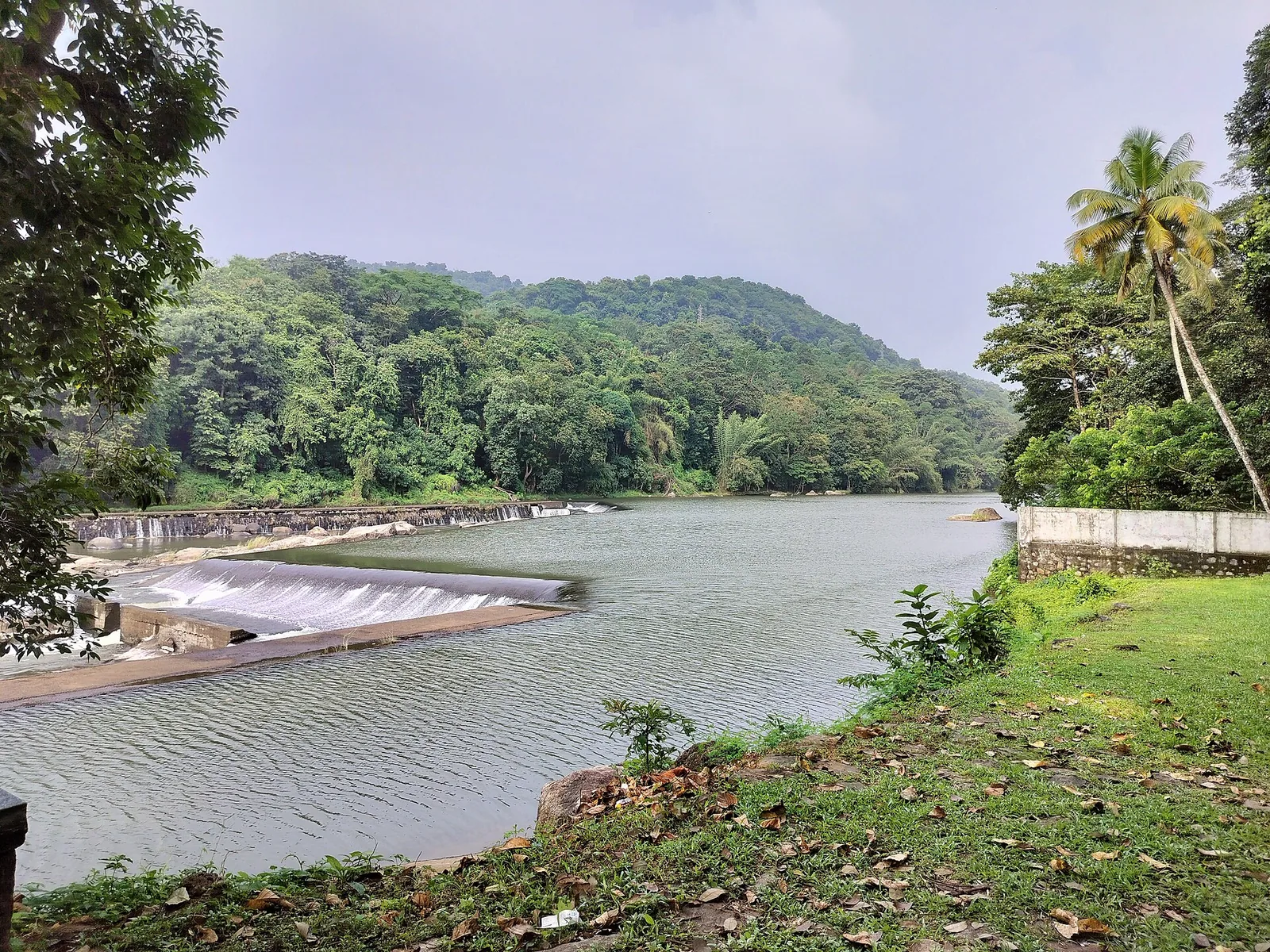
A check dam, hanging garden and butterfly garden on the Chalakudy river near Athirappilly, a popular picnic and day-trip stop.
15.4 km · straight line
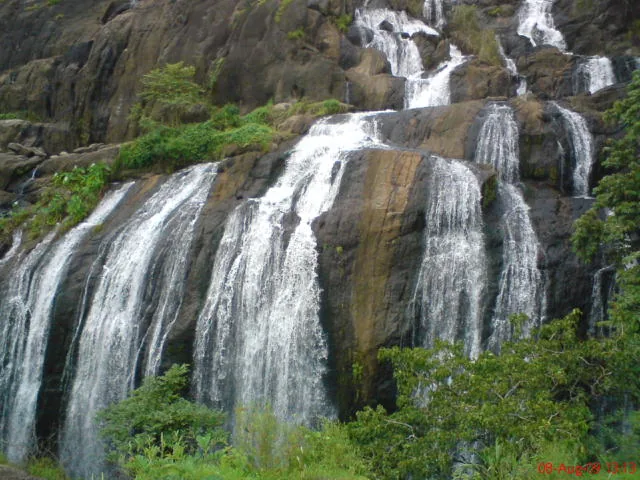
A forest waterfall and fish sanctuary near Marottichal in the hills east of Thrissur, reached by a short walk.
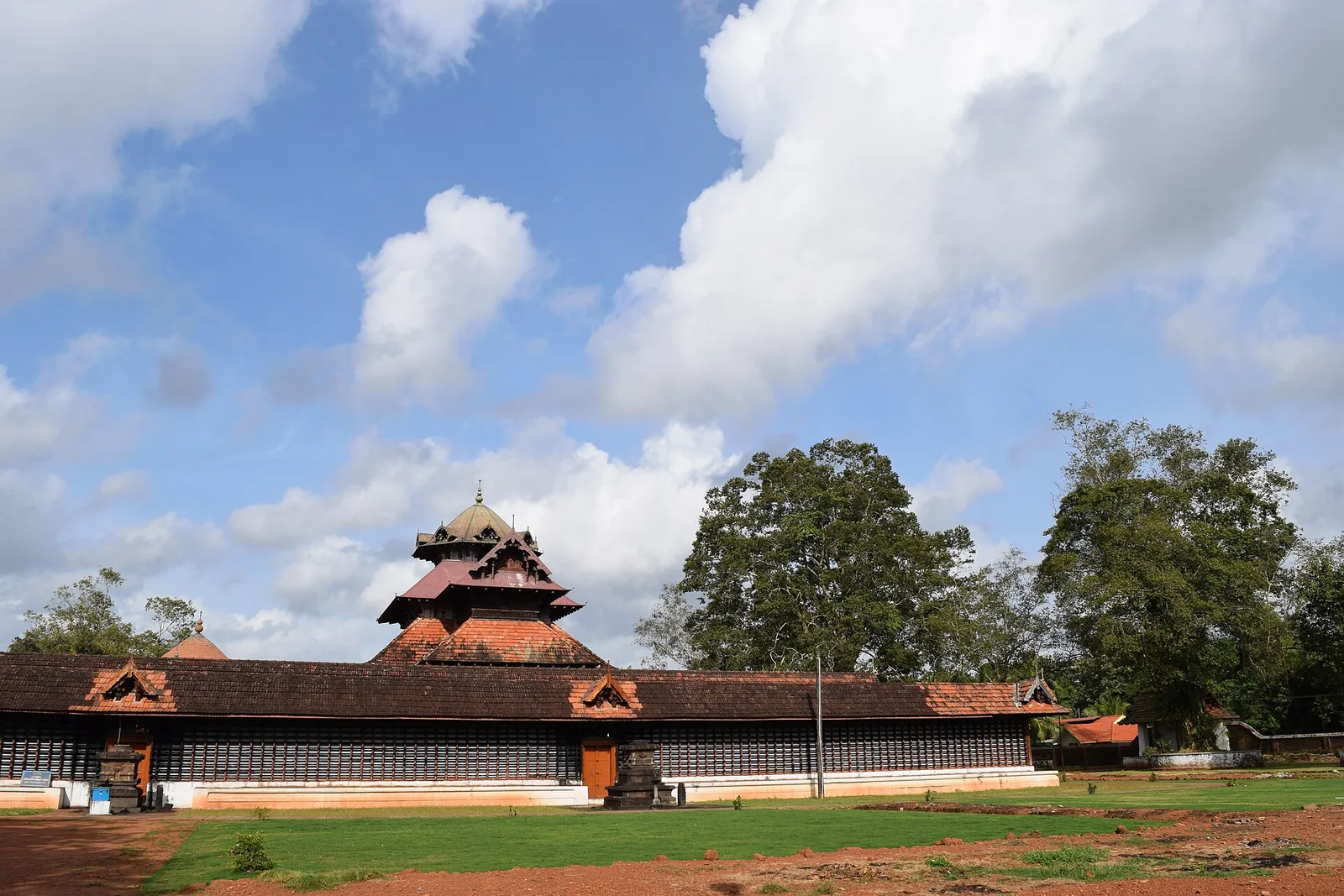
10.5 km · straight line
An ancient Shiva temple at Cherpu south of Thrissur, the ritual centre of the historic Peruvanam Pooram.
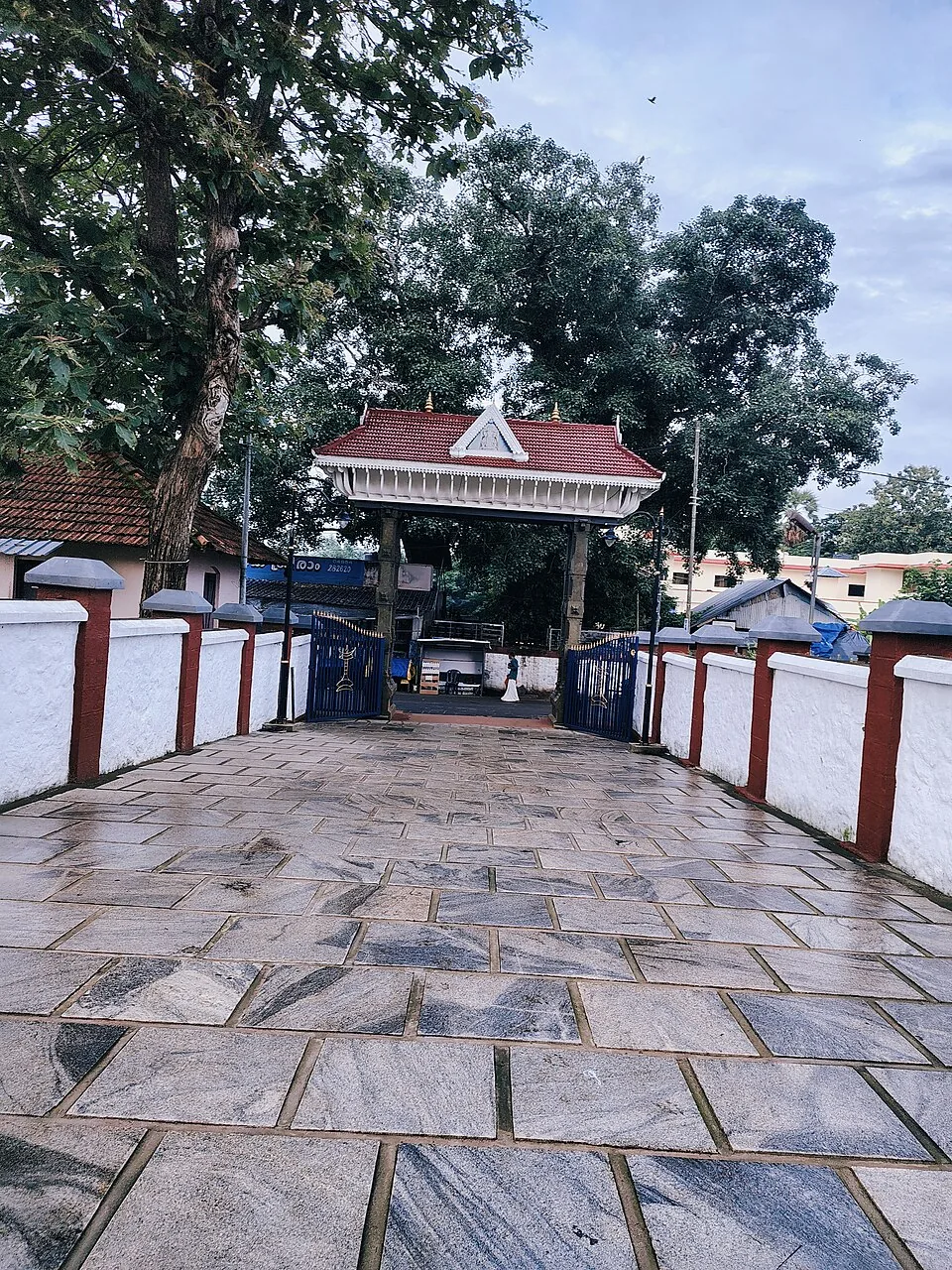
The Sree Rama (Vilwadrinatha) hill temple at Thiruvilwamala on the Nila river, reached by stone steps up the wooded rock.
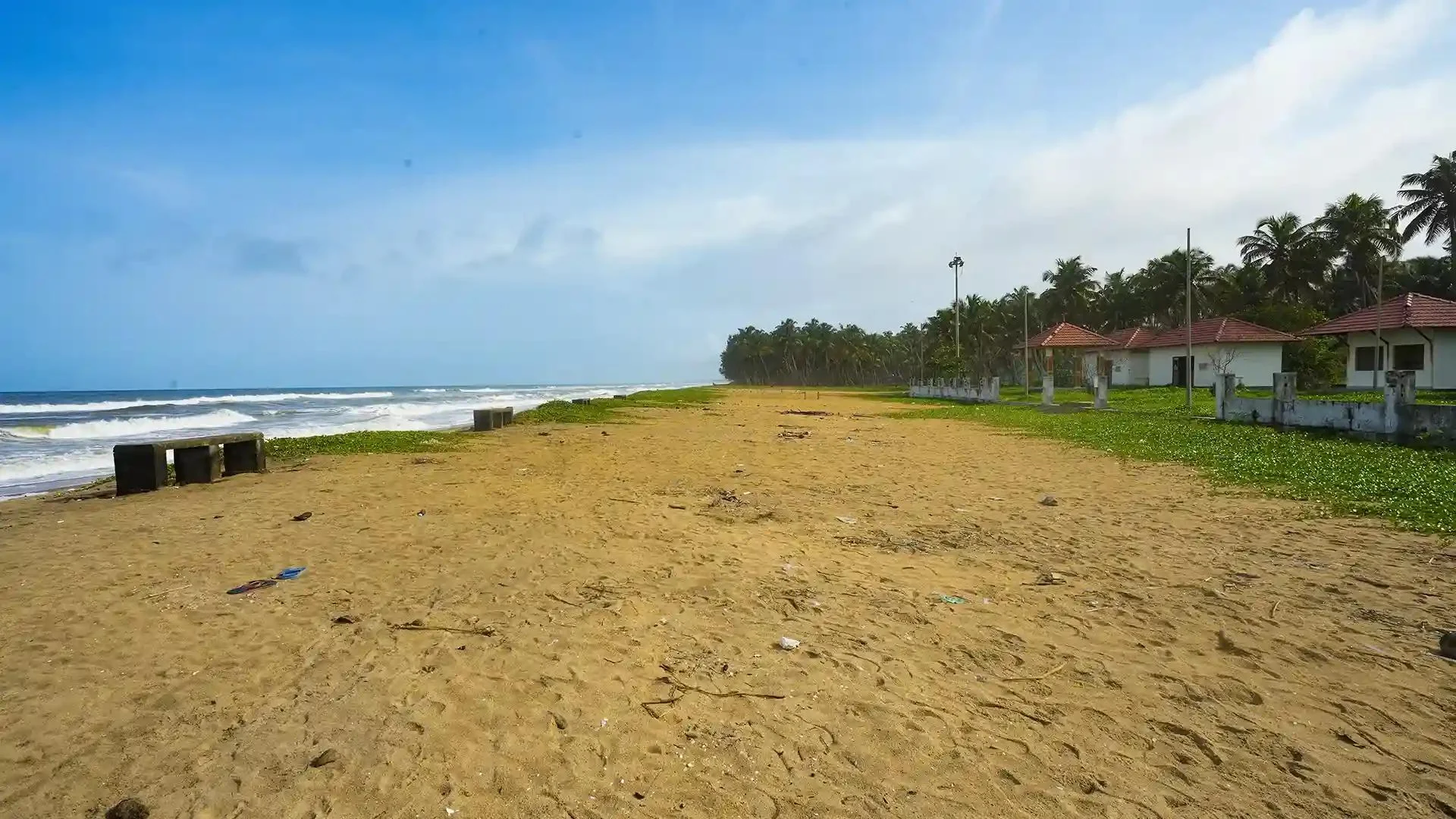
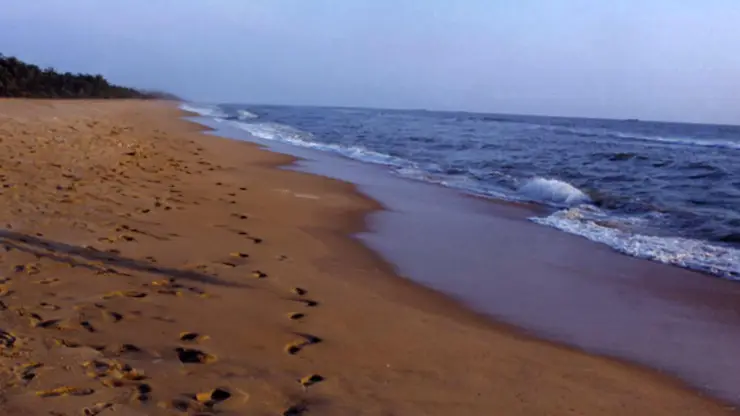
Nattika Beach is the Arabian Sea shore of Nattika in Thrissur district, also identified by Kerala Tourism as Attakuzhi Bandhar Kadapuram. Its long sand frontage, fishing-life connections and association with the Malayalam film Chemmeen give it a character distinct from a resort’s private grounds. Use the named public beach approach for a shore visit, with Nattika and Triprayar providing the wider town plan. The beach, Triprayar Sree Rama Temple and any accommodation property require separate arrival instructions.
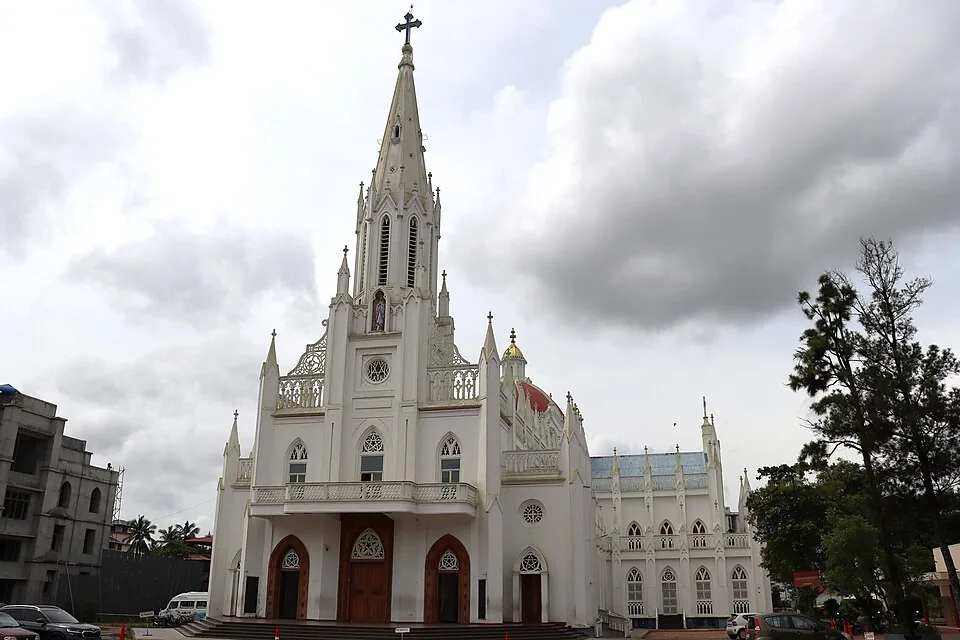
1.6 km · straight line
A landmark Syro-Malabar cathedral in Thrissur city known for its Gothic facade and an underground shrine (rock church).
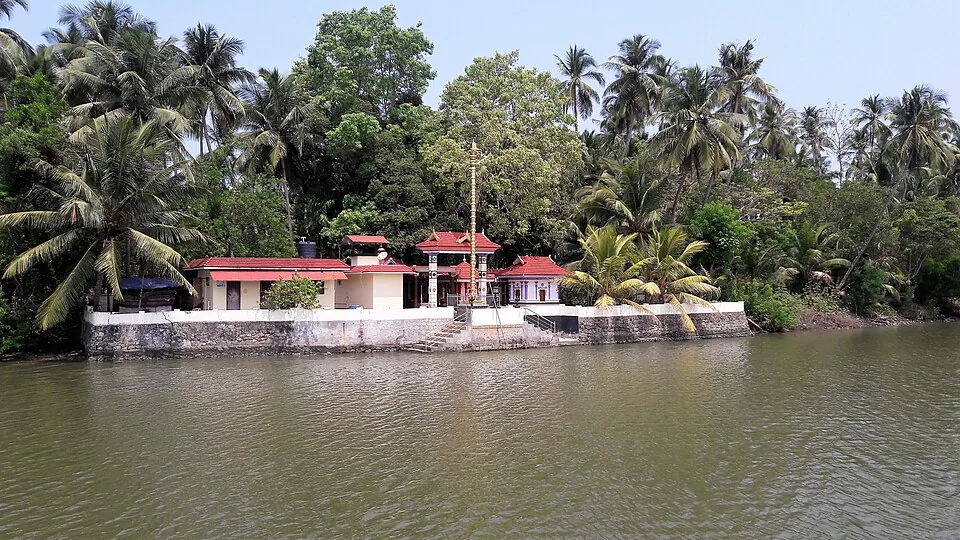
A calm estuarine backwater, mangroves and fishing-harbour belt on the Thrissur coast near Chavakkad, quieter than Alappuzha.
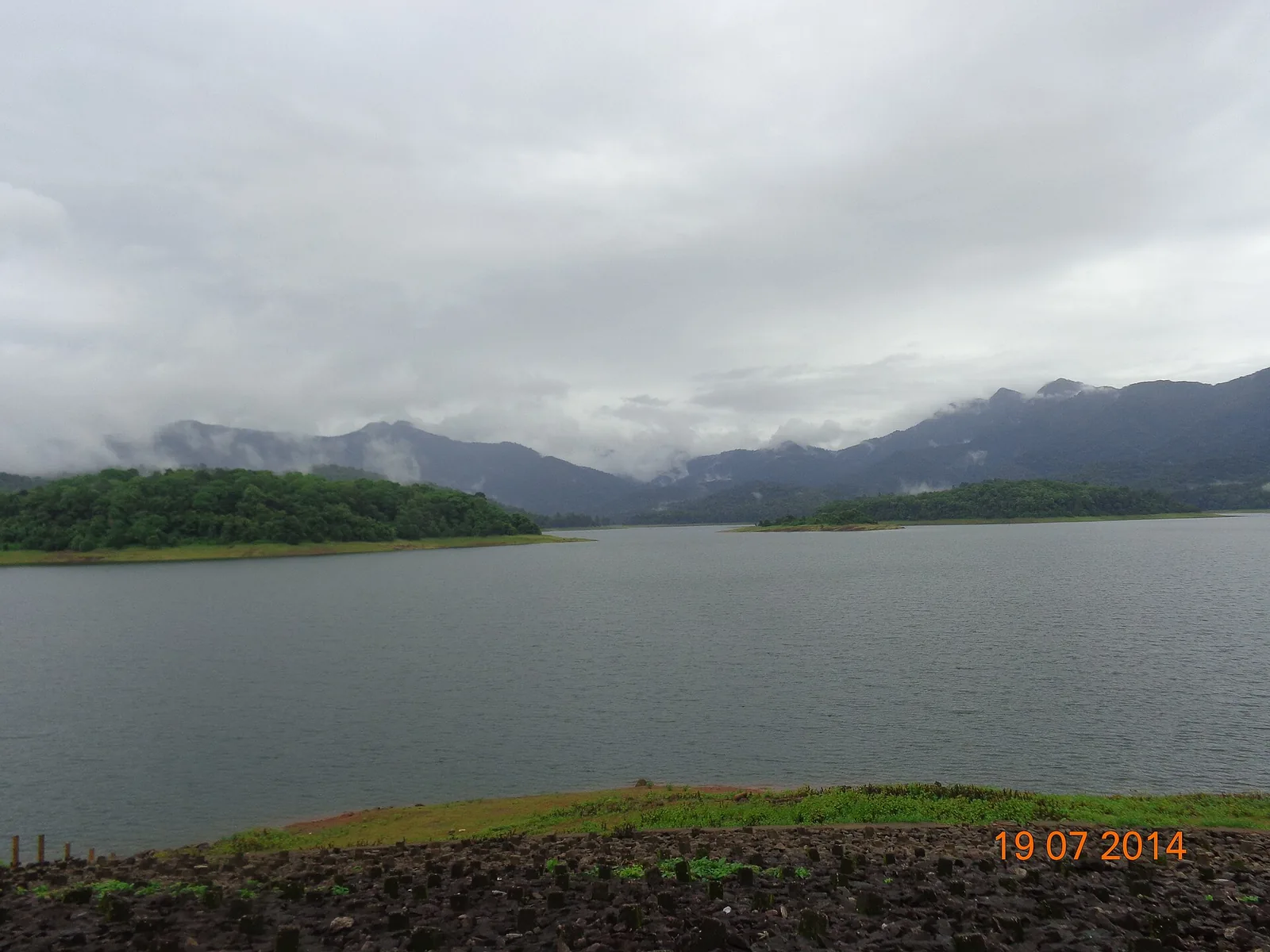
A reservoir and eco-tourism spot at the edge of the Chimmony Wildlife Sanctuary east of Thrissur, with boating and forest views.
Roampedia is commission-free — own or know a stay, eatery, guide or shop near Shakthan Thampuran Palace? Submit public business details for review.
Add a nearby businessGovernment monuments, museums and forest reserves in India often charge foreign visitors more. We have not verified whether this site does — ask at the counter.
Fees change without notice. Check the current rate at the counter.
Entry: Nominal ticket, commonly around ₹10 for adults and ₹5 for children, with roughly ₹30 extra for a camera.
Dress code: No strict dress code, but modest, comfortable clothing is appropriate for a heritage and memorial site.
Festivals: The palace's founder, Sakthan Thampuran, established the Thrissur Pooram (around 1796), held at the nearby Thekkinkadu Maidan around the Vadakkunnathan Temple, usually in the Malayalam month of Medam (April–May) — the town's grandest festival and a natural companion to a palace visit.
Photography: Cameras are generally allowed for a small extra fee (about ₹30); photography rules may differ inside individual galleries, so check signage or ask staff before photographing exhibits.
If you are travelling by bus or ferry, check the return service with the operator before setting out. Leave time to reach the stop or jetty after your visit.
Ask at the bus stand for the time of the last service back, not the next one. If you miss it, an auto or app cab is the fallback — agree the fare before you get in.
If you need step-free access, contact the site before travelling. Ask about a level entrance, steps along the route, the nearest drop-off point, seating and accessible toilets.
Charge cap and free-transaction limits: Reserve Bank of India, ATM FAQ updated 4 July 2025; checked 4 October 2026.
These services are listed within about 1.2 km of Shakthan Thampuran Palace. Walking distances follow mapped routes; access and opening hours can change. Other services may be closer but are not included here.
Published emergency and visitor-assistance contacts. For an immediate emergency, call 112. Shared Kerala contact sources checked 4 October 2026; publication does not establish a tested live response.
Ancient temple at the centre of Thrissur’s round, associated with Thrissur Pooram.
780 m · straight lineKerala’s most famous temple festival, held around April/May at the Thekkinkadu ground around Vadakkunnathan.
780 m · straight lineState museum, art gallery and natural-history collection at Chembukkavu; the zoo animals moved to the new zoological park at Puthur, open since February 2026.
830 m · straight lineThe “Puthan Pally” basilica in Thrissur, known for its Bible Tower — among the tallest church towers in Asia.
1.1 km · straight lineA landmark Syro-Malabar cathedral in Thrissur city known for its Gothic facade and an underground shrine (rock church).
1.6 km · straight lineA low hill and park on the edge of Thrissur city, popular for sunset views and morning walks.
6.0 km · straight lineAn ancient Shiva temple at Cherpu south of Thrissur, the ritual centre of the historic Peruvanam Pooram.
10.5 km · straight lineA guided forest crossing described from Vazhani towards Peechi, plus shorter named trails on the Vazhani side. Current operation, meeting point and return transport must be confirmed with the sanctuary office.
15.2 km · straight lineA forest waterfall and fish sanctuary near Marottichal in the hills east of Thrissur, reached by a short walk.
15.4 km · straight lineReservoir and garden at the edge of the Peechi-Vazhani sanctuary, with boating, about 20 km east of Thrissur.
16.8 km · straight lineA longstanding Catholic pilgrimage church at Mapranam associated with the Holy Cross and annual feast observances.
16.8 km · straight lineSree Rama temple on the Theevra river near Triprayar, another of the Nalambalam circuit shrines.
17.1 km · straight lineNearby toilets, pharmacies, ATMs, seating and vets are community-mapped and may be incomplete or out of date. Map data © OpenStreetMap contributors | Walking times © openrouteservice.org by HeiGIT
The palace museum is generally open Tuesday to Sunday, from about 9:30 AM to 4:30 PM, and is closed on Mondays.
There is a modest ticket — commonly cited as around ₹10 for adults and ₹5 for children, with a small extra charge of about ₹30 for cameras.
Yes. Since 2005 the palace has housed a State Archaeology heritage museum, with galleries devoted to bronzes, coins (numismatics), sculpture, inscriptions (epigraphy) and megalithic relics, plus old household objects in copper and bronze. Allow about one to two hours to see it comfortably.
Photography of the grounds and exterior is popular, and cameras are usually permitted for a small extra fee (about ₹30). Photography rules can differ inside individual galleries, so check the signage or ask staff before shooting exhibits.
It sits in the centre of Thrissur, roughly 2.5 km from the Thrissur (KSRTC) bus stand and about 3 km from Thrissur railway station. The nearest airport is Cochin International Airport at Nedumbassery. Autorickshaws and taxis run to the palace from anywhere in town.
The Thrissur Pooram was founded around 1796 by Sakthan Thampuran, the very king whose palace this is. He invited the region's temples to Thrissur to honour Lord Shiva at the nearby Vadakkunnathan Temple, organising them into the Paramekkavu and Thiruvambadi camps. The festival itself is staged at the Thekkinkadu Maidan around the temple, a short walk away, usually in the Malayalam month of Medam (April–May).
November to February and early mornings are best for walking; avoid midday heat where possible.
Entry: Nominal ticket, commonly around ₹10 for adults and ₹5 for children, with roughly ₹30 extra for a camera. Timings: Tuesday to Sunday, about 9:30 AM to 4:30 PM; closed on Mondays. The rupee figure quoted is the Indian adult rate. Government monuments, museums and forest reserves in India often charge foreign visitors more, and we have not verified whether this site does.
1 to 3 hours.
Nearby you can pair Vadakkunnathan Temple (780 m, approximate straight-line separation), Thrissur Pooram (780 m, approximate straight-line separation), Thrissur Zoo (830 m, approximate straight-line separation), Basilica of Our Lady of Dolours (1.1 km, approximate straight-line separation).
Watch traffic on narrow heritage streets. Keep valuables close in crowded markets.
We have not published a story about Shakthan Thampuran Palace itself yet. These cover Thrissur city and the wider district, with separate journeys between stops.
These guides explore Thrissur city and the surrounding area. Choose a visit that fits your interests, allowing separately for travel between stops.


Route-level itineraries and practical guides for the rest of Kerala.
Photographs: Abhijith Sheheer (CC BY-SA 4.0), KannanVM (CC BY-SA 4.0), Siby Varghese (CC BY-SA 3.0), Arayilpdas (CC BY-SA 3.0). Wikimedia Commons.