What to expect
Highlights
- Temple visit at Thriprayar Temple
- Kerala temple architecture and rituals
- Local food, shops and pilgrim services nearby
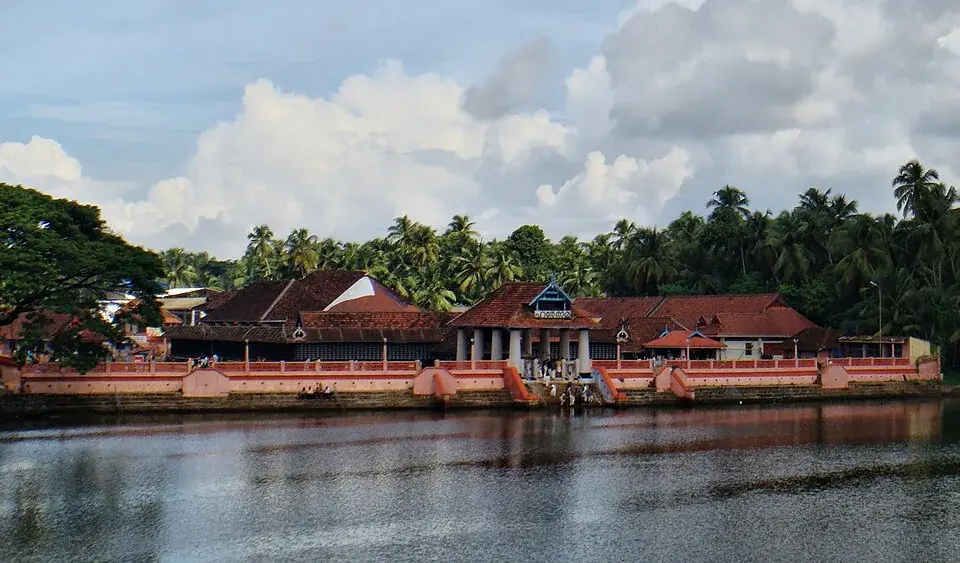
Sree Rama temple on the Theevra river near Triprayar, another of the Nalambalam circuit shrines.
Check entry arrangements. Ask temple staff about visitor entry, dress requirements and access to the inner shrine before you travel, especially if you are visiting as a non-Hindu.
Dress respectfully and follow the institution’s admission and photography rules.
On the quiet banks of the Theevra (Karuvannur) river, a short way inland from the Arabian Sea coast in Thrissur district, the Thriprayar Sree Ramaswamy Temple enshrines one of Kerala’s most beloved images of Sree Rama — worshipped here as Triprayar Thevar. Ancient, art-rich and steeped in the Ramayana, it is the foremost of the four Nalambalam shrines and the presiding deity of the legendary Arattupuzha Pooram.
Thriprayar sits on the southern bank of the Theevra river, also called the Karuvannur, in the coastal belt of Thrissur district roughly midway between the great pilgrimage centres of Guruvayur and Kodungallur. The temple is dedicated to Sree Rama, the seventh incarnation of Vishnu, but here he is addressed with an intimacy peculiar to Kerala — as Triprayarappan or, more commonly, Triprayar Thevar, “the Lord of Thriprayar.” Devotees often call the shrine the Dakshina Ayodhya, the Ayodhya of the South.
What sets the sanctum apart is the idol itself. Unlike the familiar two-armed archer of the Ramayana, the deity here is a rare chaturbahu — a four-armed form more usually associated with Vishnu. The image bears a conch (shankha) and a discus (chakra) in two of its hands, and, depending on the account you hear, a bow or a mace together with a garland or lotus in the others. To worshippers this is Rama invested with the full majesty of the Godhead, and tradition holds that it depicts him in the moment after the slaying of Ravana, victorious and serene.
That fusion of the warrior-prince and the cosmic Vishnu gives Triprayar Thevar a layered character. Local temple lore also links the form to the killing of the demon Khara, earning the deity the name Khara Samhara Moorthy, and some accounts read the four attributes as uniting the Shaiva and Vaishnava aspects, even hinting at the Trimurti. Whatever the theology, the effect on a visitor standing before the lamplit sanctum is of a Rama who is at once approachable and vast.
The sreekovil (sanctum) is circular, crowned by a conical copper-sheathed roof, and the temple is renowned across Kerala for the richness of its woodcarving — timber panels and struts alive with figures from the epics. As one of the district’s classic Kerala-style temples, Thriprayar has long been a stage for the ritual arts, and performances such as Kathakali and Chakyar Koothu have traditionally been offered here, especially during festival seasons (worth confirming the current programme locally before you plan around it).
The temple is also famous for its river life. A cherished offering called Meenootu — the feeding of the fish that shelter in the temple tank and the adjoining river — draws devotees who believe the act brings relief from respiratory ailments such as asthma. The sight of shoals gathering to be fed, in waters no one is permitted to harm, is one of the gentler images that stay with pilgrims long after the darshan.
Above all, Thriprayar is a temple of connections. It anchors the one-day Nalambalam circuit of the four sons of Dasharatha, and its deity presides over the Arattupuzha Pooram, spoken of as the “mother of all poorams.” To visit Thriprayar, then, is rarely to visit it alone — it is the head of a family of shrines and the senior partner in one of Kerala’s oldest festival gatherings.
As legend has it, the four-armed idol of Thriprayar was no ordinary image but one worshipped by Sree Krishna himself at Dwaraka. When Krishna completed his earthly sojourn and ascended (the swargarohana), the story goes, his sacred possessions were given up to the sea, and the idol of Rama was among those lost beneath the waves.
Generations later, so the tradition runs, fishermen casting their nets off the Kerala coast near the Chettuva region drew up something far heavier and stranger than any catch — the lost image of the four-armed Rama. Recognising its sanctity, the local chieftain, remembered as the Vakayil (Vakkayil) Kaimal, is said to have received the idol and installed it on the banks of the Theevra at Thriprayar, and so the temple was born.
These accounts — the Dwaraka worship, the sea-borne idol, the fishermen’s miraculous find — belong to the temple’s devotional legend rather than to documented history, and are cherished as such. They are best received as sacred story: a way the community has long explained why an image of such rare form, and such power, came to rest at this particular bend of a coastal river.
Thriprayar is regarded as an ancient foundation, generally spoken of as dating back many centuries, and it stands among the older established Rama temples of the Kerala coast. As with many shrines whose origins are wrapped in legend, precise dates are hard to fix, but its antiquity is not in doubt — it has been a working centre of worship and temple arts for a very long time.
Over the centuries the temple drew the patronage of the region’s ruling powers. Accounts associate it at various times with the Zamorins of Calicut and the rulers of Cochin, among others, whose gifts and protection helped sustain the shrine, its rituals and its considerable festival calendar. Such royal association was typical of a temple of Thriprayar’s standing.
Its most enduring historical role, however, is ceremonial. Triprayar Thevar is the presiding deity of the Arattupuzha Pooram, held at nearby Arattupuzha and reckoned among the most ancient of Kerala’s pooram festivals — so old that it is popularly called the “mother of all poorams,” a forerunner of the grand temple gatherings for which the Thrissur region is famous. Thriprayar’s deity takes the senior place in that assembly of gods.
Equally, Thriprayar heads the Nalambalam — the set of four temples honouring Rama and his three brothers, Bharata, Lakshmana and Shatrughna. The tradition of completing all four in a single day, especially in the monsoon month of Karkidakam, has made Thriprayar the starting point of a pilgrimage undertaken by generations of Malayali families, giving the temple a fixed and honoured place in the devotional geography of central Kerala.
Alongside these grand associations, the temple has preserved a set of distinctive vazhipadus (offerings) that carry their own remembered histories — the Meenootu fish-feeding, the Chathan seva or bhandaram believed to ward off malign influences, and the Kadhina Vedi barrel-cracker offering, popularly linked to the return of Hanuman from his search for Sita. Together these keep the older layers of the temple’s life alive in daily practice.
To stand before one of Kerala’s rare four-armed images of Sree Rama — Triprayar Thevar — a form understood as Rama in the full glory of Vishnu, and by tradition depicting him in the aftermath of Ravana’s fall.
To begin (or complete) the Nalambalam circuit at its very head: Thriprayar is the Rama shrine that opens the one-day pilgrimage of the four brothers, a deeply meaningful journey especially in Karkidakam.
To connect with the Arattupuzha Pooram, the “mother of all poorams,” whose presiding deity is the Lord of Thriprayar — a living link to the oldest festival traditions of the Thrissur country.
To take in a temple that is a treasury of Kerala craft and performing art — a circular copper-roofed sanctum, richly carved woodwork, and a long association with Kathakali and other ritual arts during the festival months.
To share in the gentle ritual of Meenootu, feeding the protected fish of the river, and to sit a while on the peaceful banks of the Theevra — a riverside setting that gives the whole visit an unhurried, contemplative air.
To time a trip with the temple’s great occasions — the Vrischikam Ekadasi, with its splendid procession of caparisoned elephants, and the Meenam-month Pooram — when the shrine is at its most alive with lamps, music and crowds.
Road km to Thrissur; ghat roads and traffic vary — allow extra.
Morning or early evening is usually best; festival days can be powerful but crowded.
Live forecast loads in your browser.
Sun and moon are calculated for this location and shown in IST. Photography windows are the hour around sunrise and sunset; the sunset bearing is degrees clockwise from true north. Moon phase is accurate to about half a day.
These are official or public-sector eco offerings that match this place, town or forest destination. Confirm availability, permits, tariffs and reporting times with the official operator before travel.

Peechi reservoir, garden and the sanctuary’s southern public edge; a dam visit rather than proof that a guided forest trail is operating.
Official source →
The Vazhani dam approach, garden and forest threshold from which official tourism material names four local trails and a trek towards Peechi.
Official source →Browse listed stays, food, activities, sights, shops and rentals around Thriprayar Temple. Check each listing’s locality and contact the business directly for current arrangements.
Round The Global Diner is a Thrissur restaurant on Shornur Road at Peringavu, useful for travellers who want a city dinner stop beyond traditional vegetarian meals. Thrissur food, Peringavu, Restaurant.
Chinese restaurant on Bennette Road with direct contact and timing evidence. Thrissur food, Chinese, Bennette Road.
Café (coffee shop, pizza) on Kottappuram Road in Thrissur City. Coffee Shop, Pizza, AC.
Restaurant (regional) on Ikkanda Warrier Road in Thrissur City.
Restaurant (coffee shop, indian) on Thrissur-Shornur Road in Thrissur City.
Large multi-cuisine global diner at Peringavu, Thrissur with Indian, Arabic, Asian and cafe sections under one roof.
Family restaurant at Central Hotel, Chembukavu, Thrissur serving traditional Kerala cuisine and fish curry meals since 1936.
Landmark pure-vegetarian restaurant on Chembottil Lane, Thrissur, serving since 1964. The menu spans South Indian dosas, Kerala meals and North Indian dishes.
Fine-dining restaurant at 5-star Joys Palace near Sakthan Stand, Thrissur serving international and local Kerala cuisine.
Patisserie, bakery and resto-cafe at Kuriachira, Thrissur offering artisanal cakes, pastries and a continental-Asian menu.
Akshaya multi-cuisine restaurant at Hotel Luciya Palace on Marar Road, central Thrissur. It serves Indian and international dishes.
Yemeni-Arabic restaurant at Ollur, Thrissur specialising in kuzhimandi, alfaham and mandi with chicken, beef and mutton.
Street food (fish and chips) on Bus Stop, Kodathi, Kalyan Nagar, Ayyanthole in Thrissur City.
Book with the place itself. India’s cyber-crime coordination centre warned in April 2025 that convincing copies of hotel and pilgrimage booking sites are being pushed through sponsored search and social ads, taking payment for rooms the property never hears about. Use the contact and source details on each profile to confirm the exact business and booking channel. A directory entry or map pin alone does not establish an operator’s identity or current availability. Roampedia takes no commission and does not collect booking payments. If a booking page reached you through an ad, check the address bar against the property’s own site before you pay. Fraud can be reported on cybercrime.gov.in or on 1930.
Find food, accommodation and activities across Thrissur city. Browse the guides for places to eat, stay and explore along your route.
23 more places around Thrissur city. Open a guide to plan the visit and onward journey.
An old temple landscape near Kandanassery with nearby megalithic remains; living worship and archaeological evidence must be described as separate layers.
A narrow pedestrian suspension bridge over the Karuvannur river at Chemmapilly, best visited as a working local crossing rather than a staged thrill attraction.
12.8 km · straight line
A longstanding Catholic pilgrimage church at Mapranam associated with the Holy Cross and annual feast observances.
A lesser-known rocky hill destination in Thrissur district where the exact approach, safe stopping point and public access require local confirmation.
16.4 km · straight line
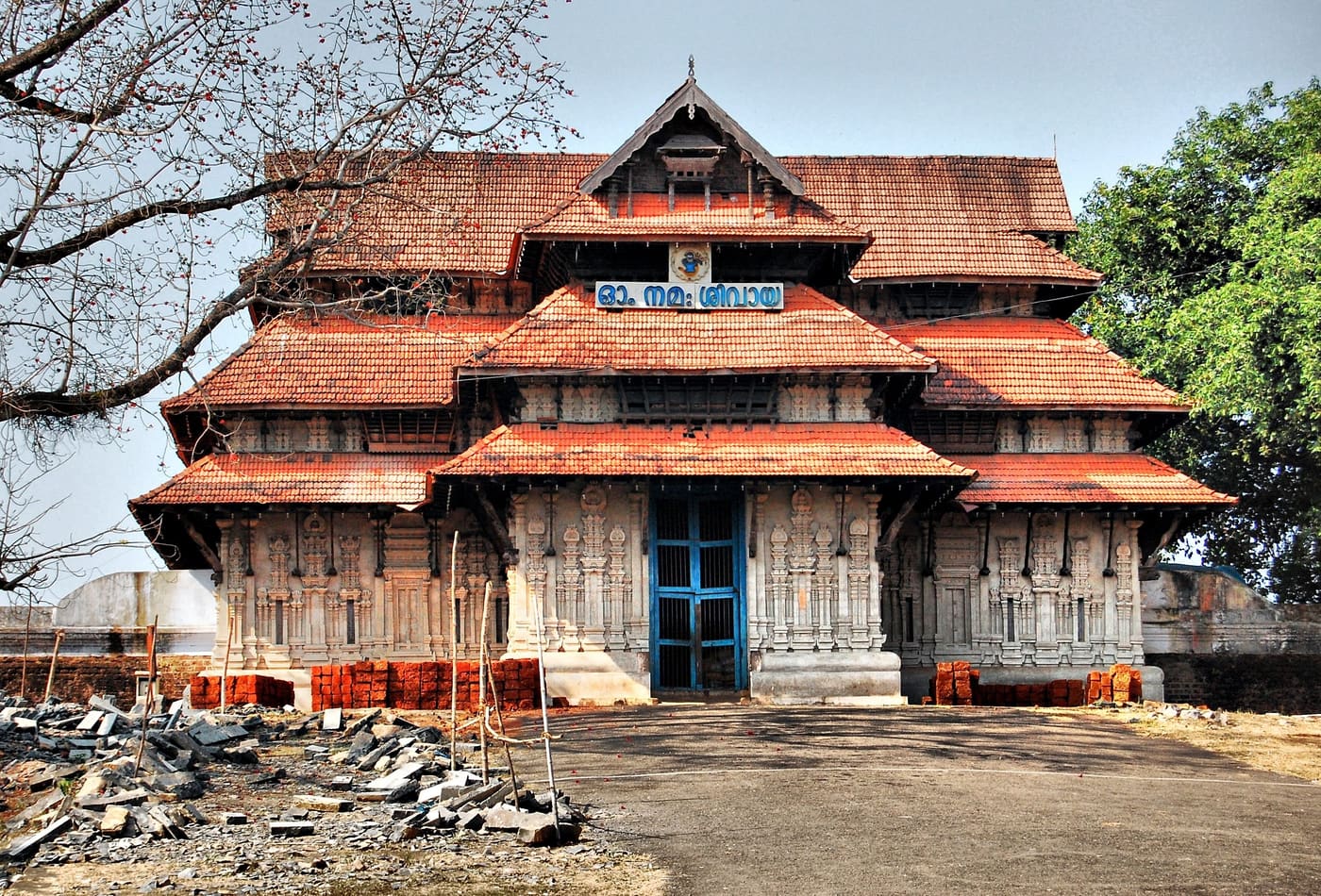
Ancient temple at the centre of Thrissur’s round, associated with Thrissur Pooram.
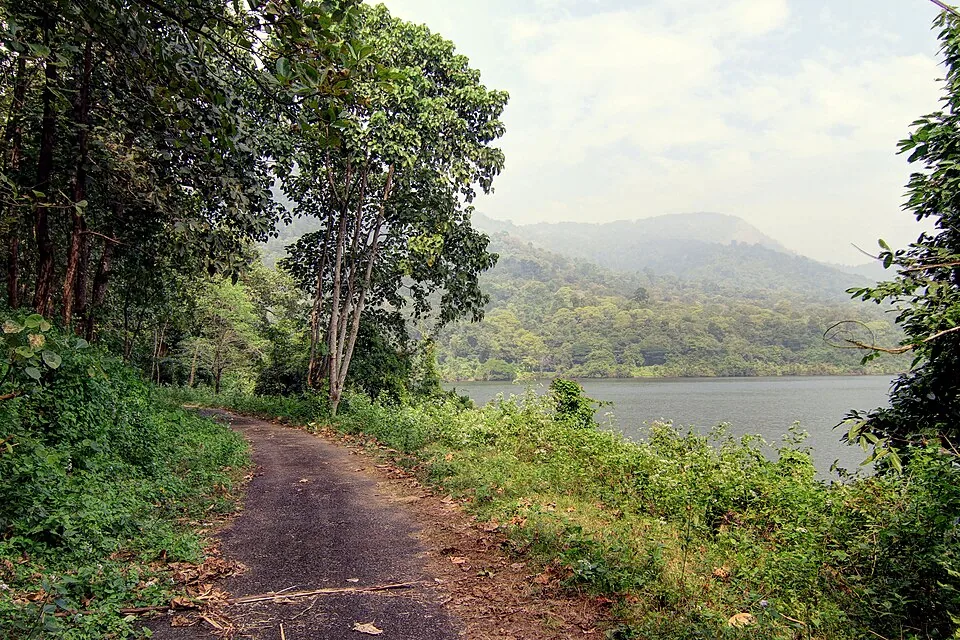
The official guided 5 km, roughly 3-hour forest route from Virakuthodu, one kilometre beyond the check post, to Choorathala inside Chimmony Wildlife Sanctuary.
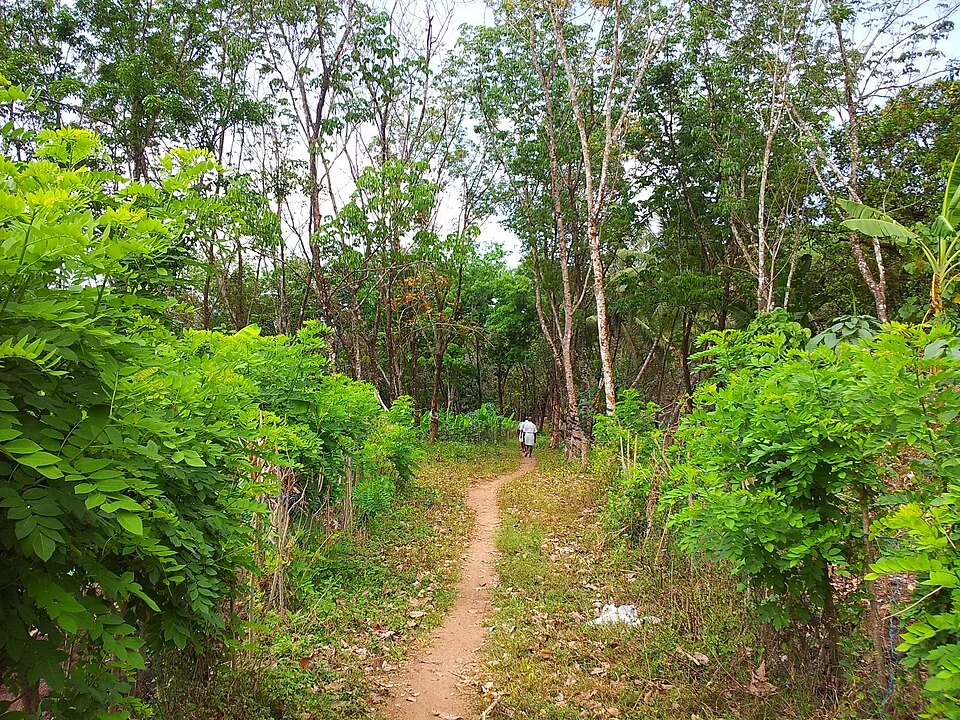
A guided forest crossing described from Vazhani towards Peechi, plus shorter named trails on the Vazhani side. Current operation, meeting point and return transport must be confirmed with the sanctuary office.
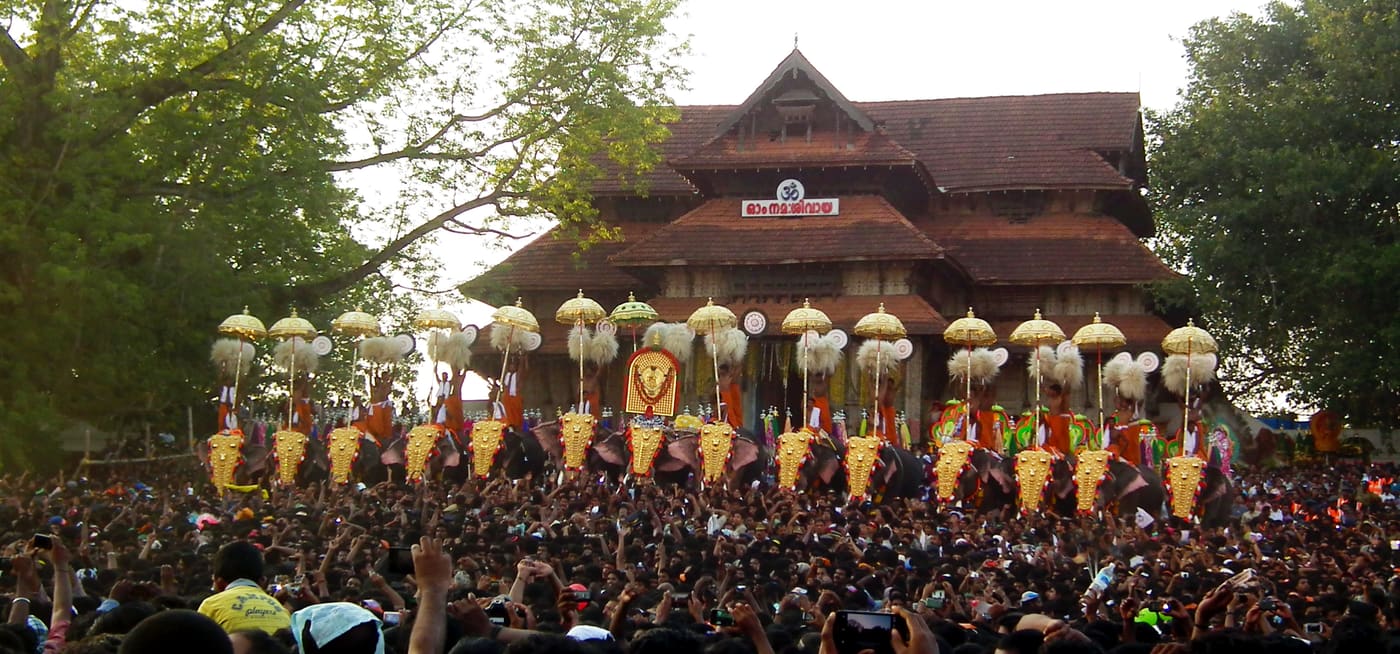
16.4 km · straight line
Kerala’s most famous temple festival, held around April/May at the Thekkinkadu ground around Vadakkunnathan.
17.1 km · straight line
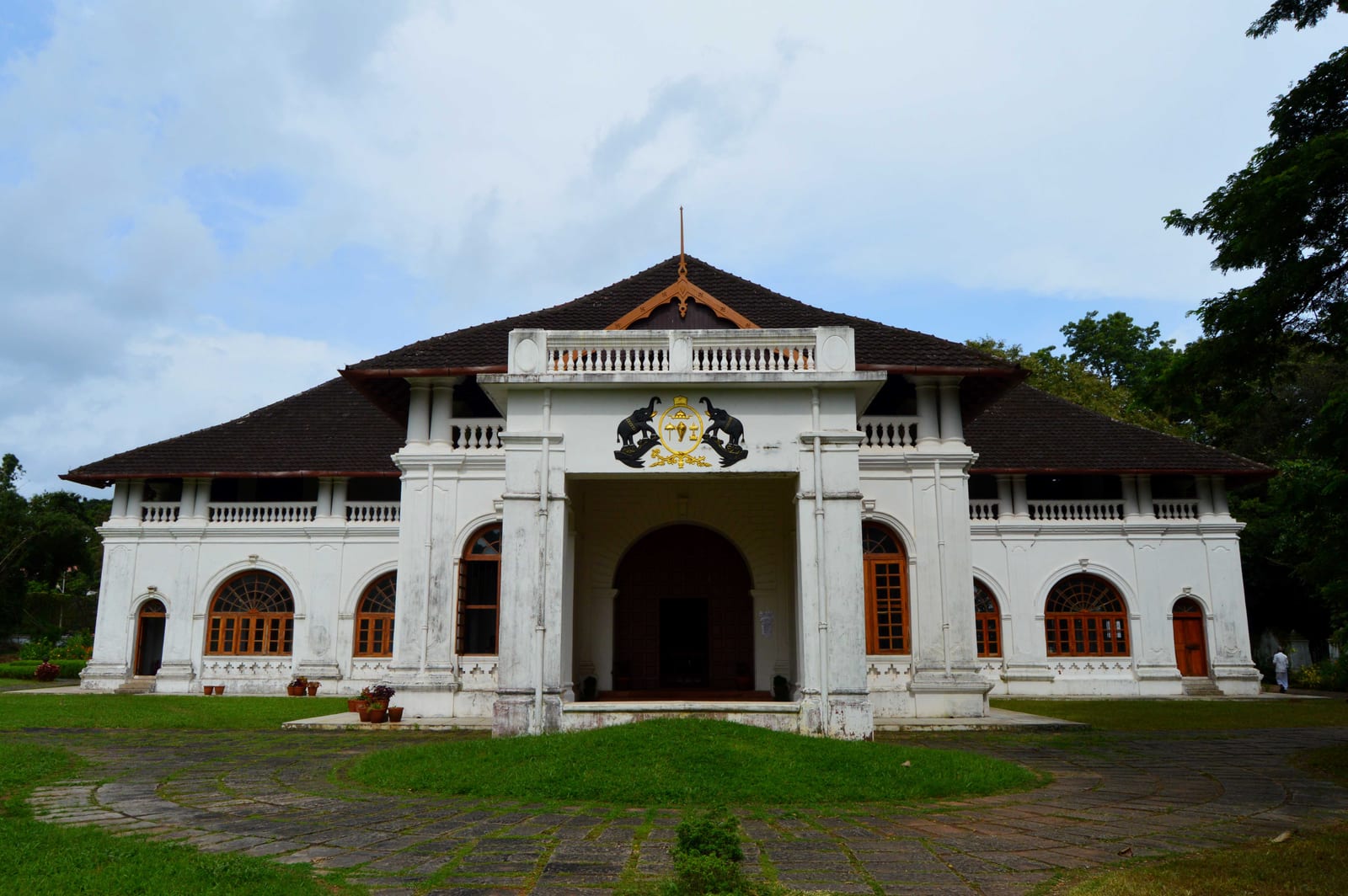
Restored palace and archaeological museum in Thrissur city, built by Raja Rama Varma Sakthan Thampuran.
16.3 km · straight line
The “Puthan Pally” basilica in Thrissur, known for its Bible Tower — among the tallest church towers in Asia.
17.5 km · straight line
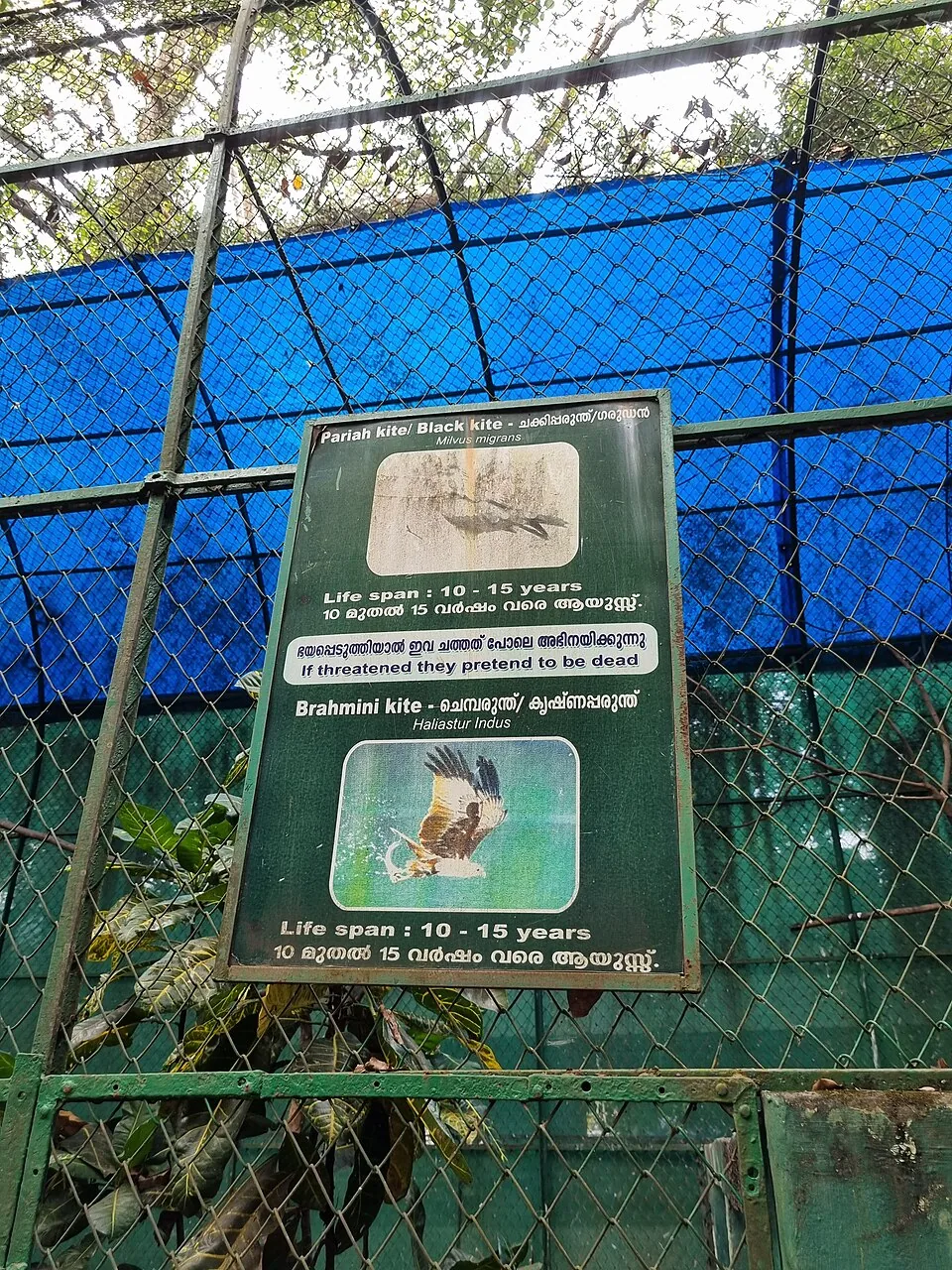
State museum, art gallery and natural-history collection at Chembukkavu; the zoo animals moved to the new zoological park at Puthur, open since February 2026.
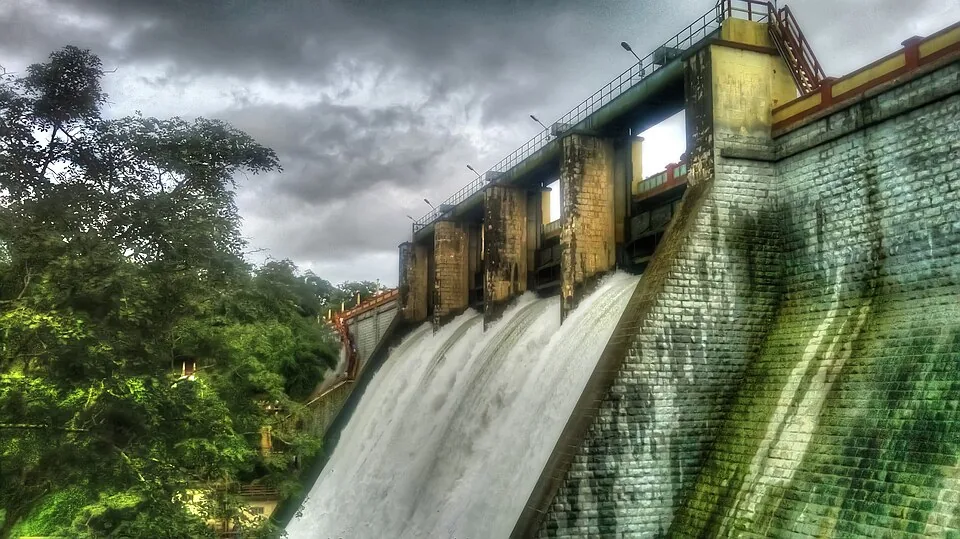
Reservoir and garden at the edge of the Peechi-Vazhani sanctuary, with boating, about 20 km east of Thrissur.
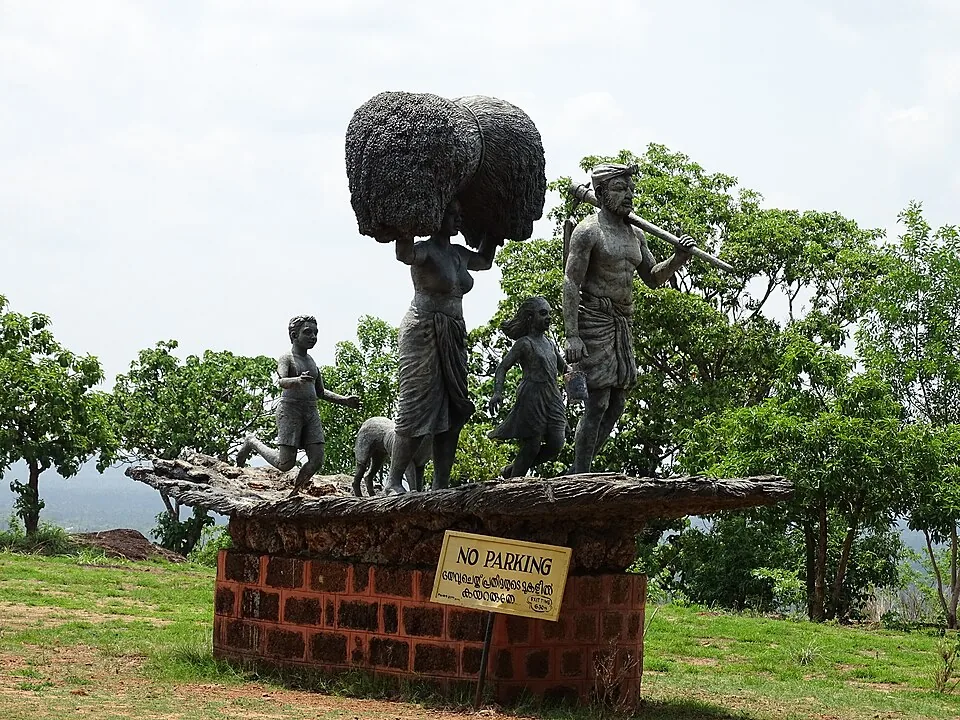
16.9 km · straight line
A low hill and park on the edge of Thrissur city, popular for sunset views and morning walks.
12.2 km · straight line
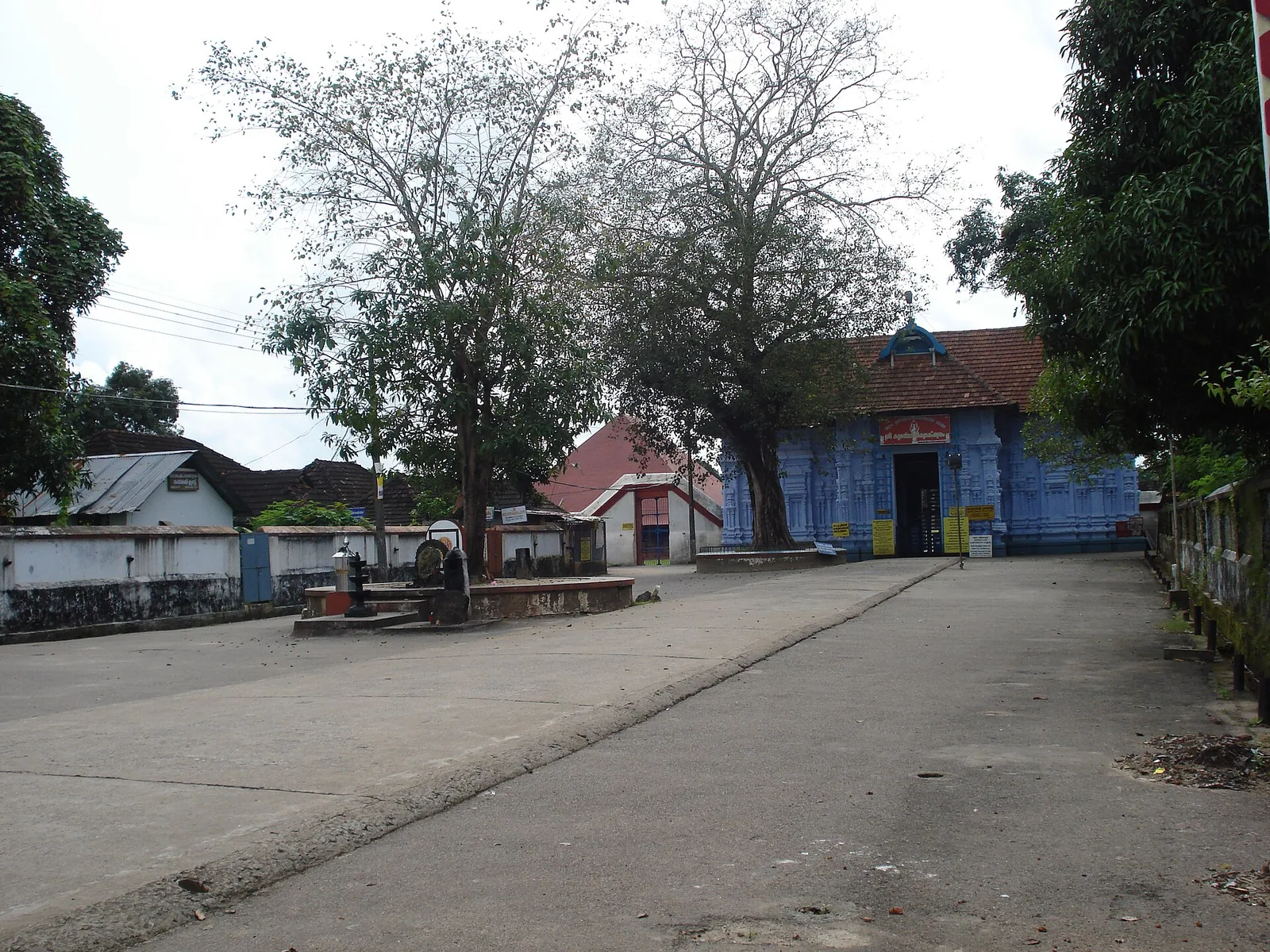
Rare temple at Irinjalakuda dedicated to Bharata, one of the Nalambalam (four-temple) Rama circuit shrines.
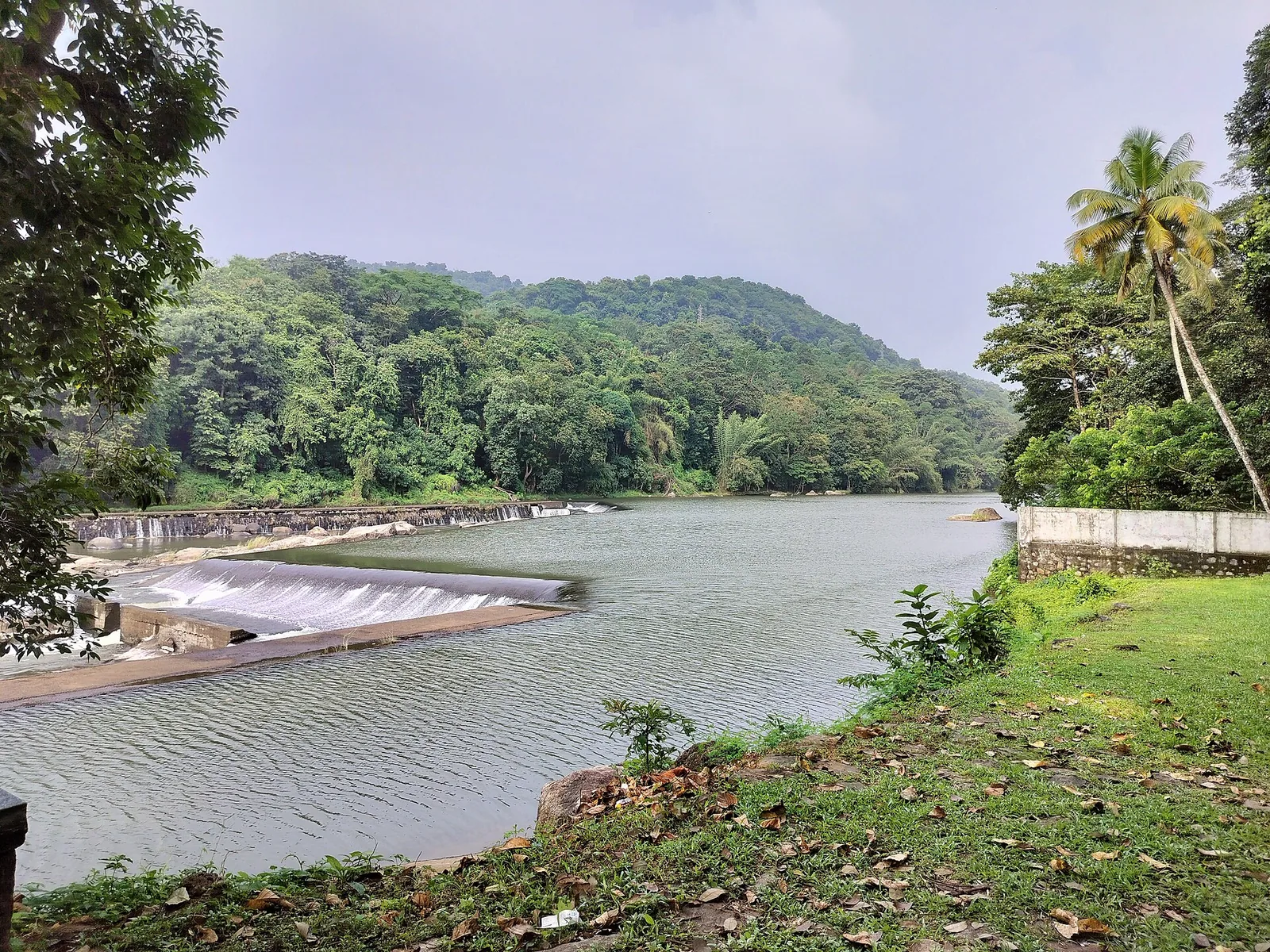
A check dam, hanging garden and butterfly garden on the Chalakudy river near Athirappilly, a popular picnic and day-trip stop.
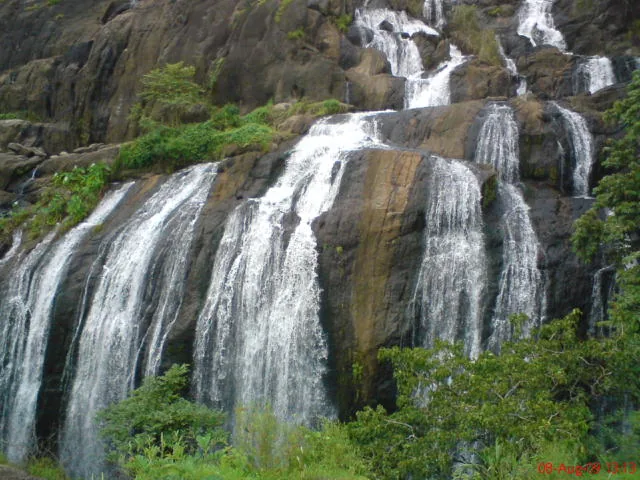
A forest waterfall and fish sanctuary near Marottichal in the hills east of Thrissur, reached by a short walk.
10.9 km · straight line
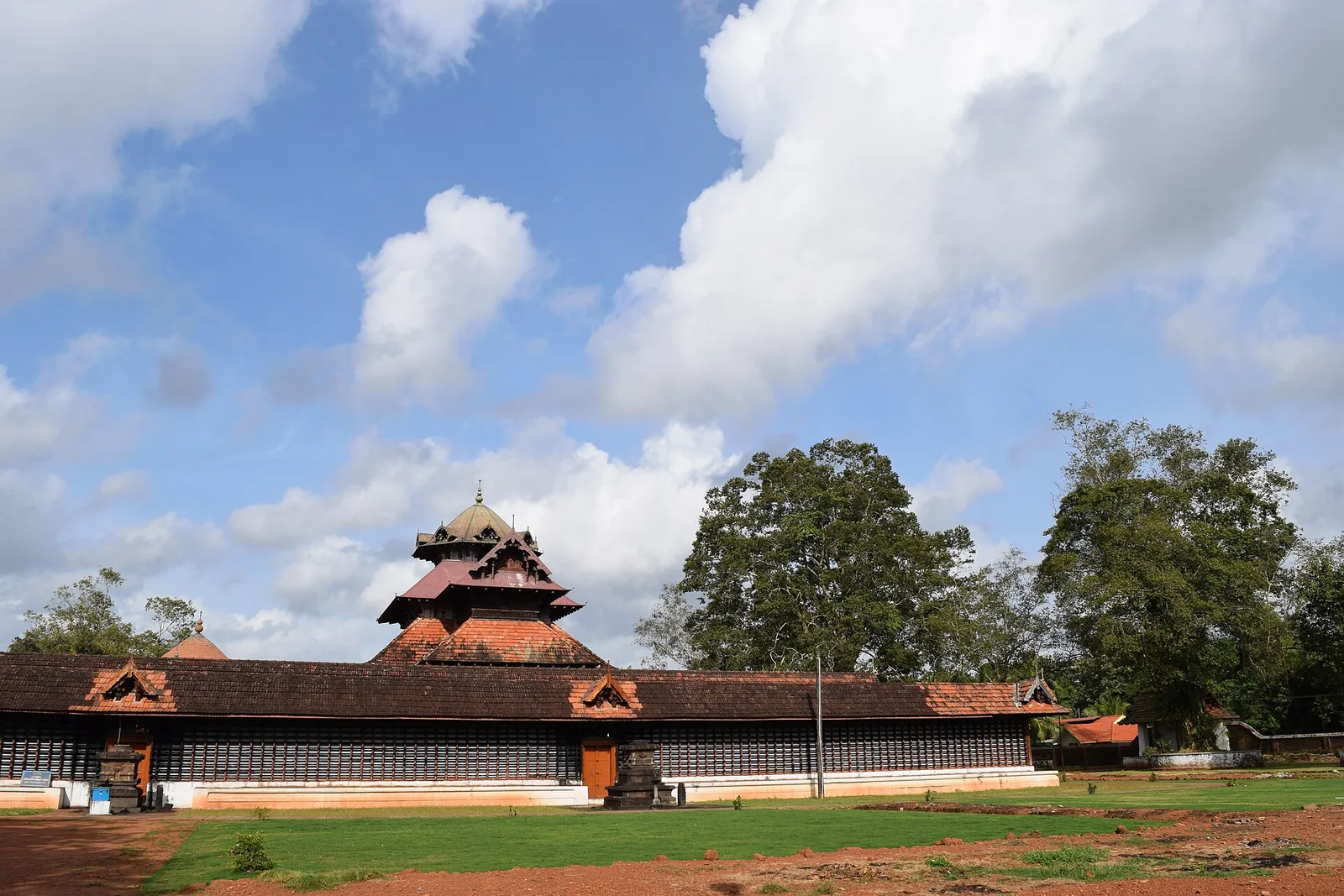
An ancient Shiva temple at Cherpu south of Thrissur, the ritual centre of the historic Peruvanam Pooram.
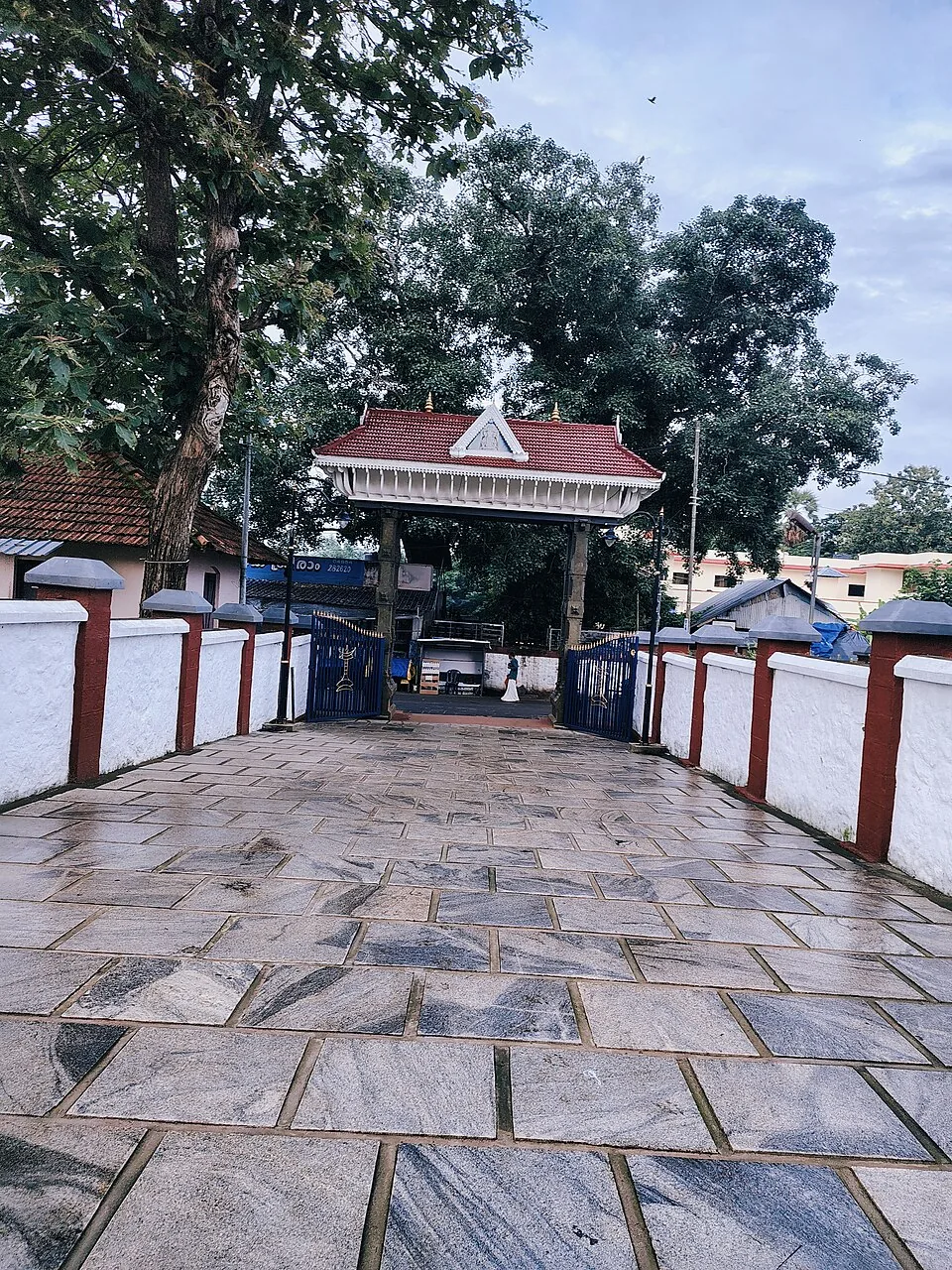
The Sree Rama (Vilwadrinatha) hill temple at Thiruvilwamala on the Nila river, reached by stone steps up the wooded rock.
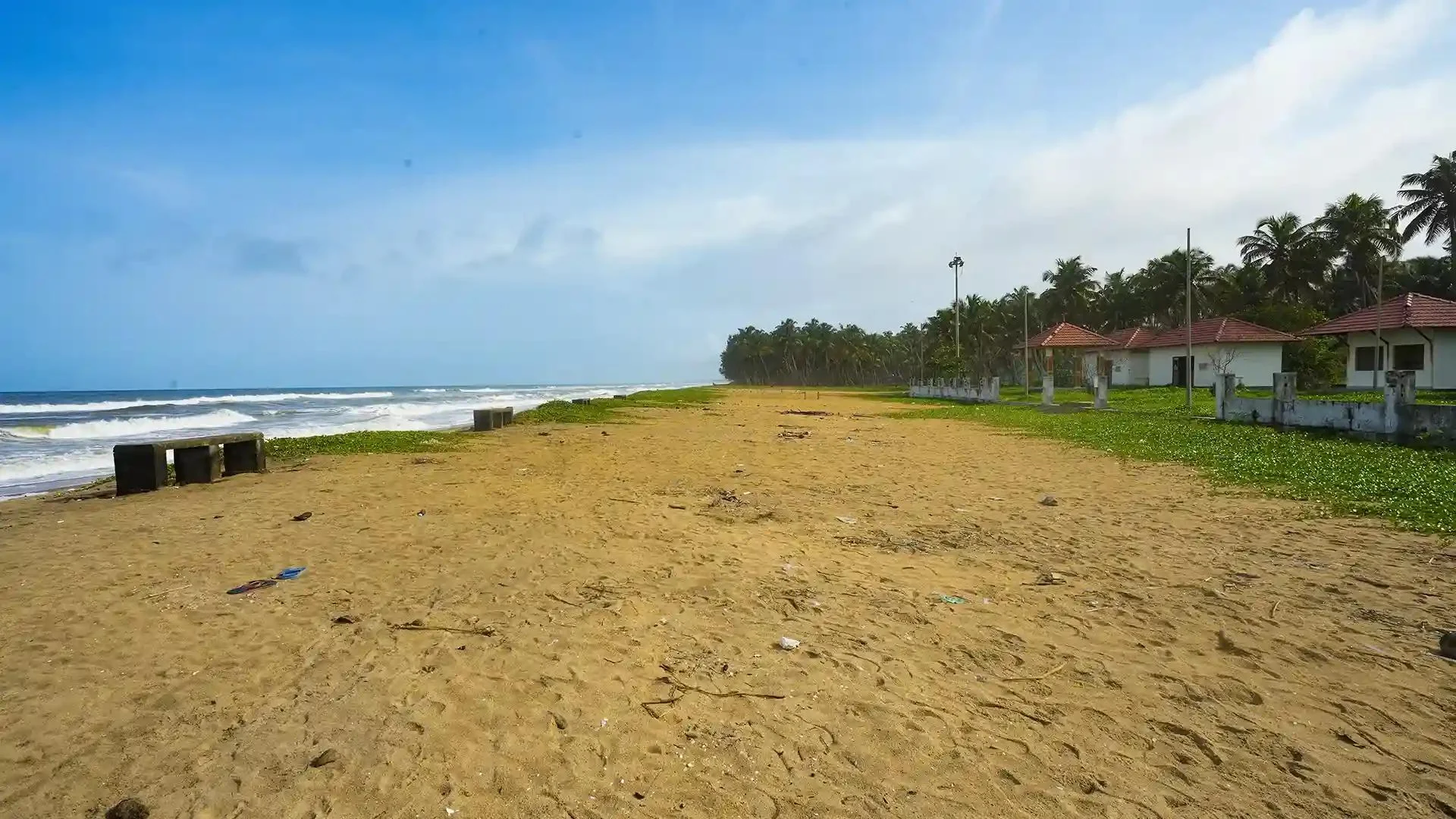
3.3 km · straight line
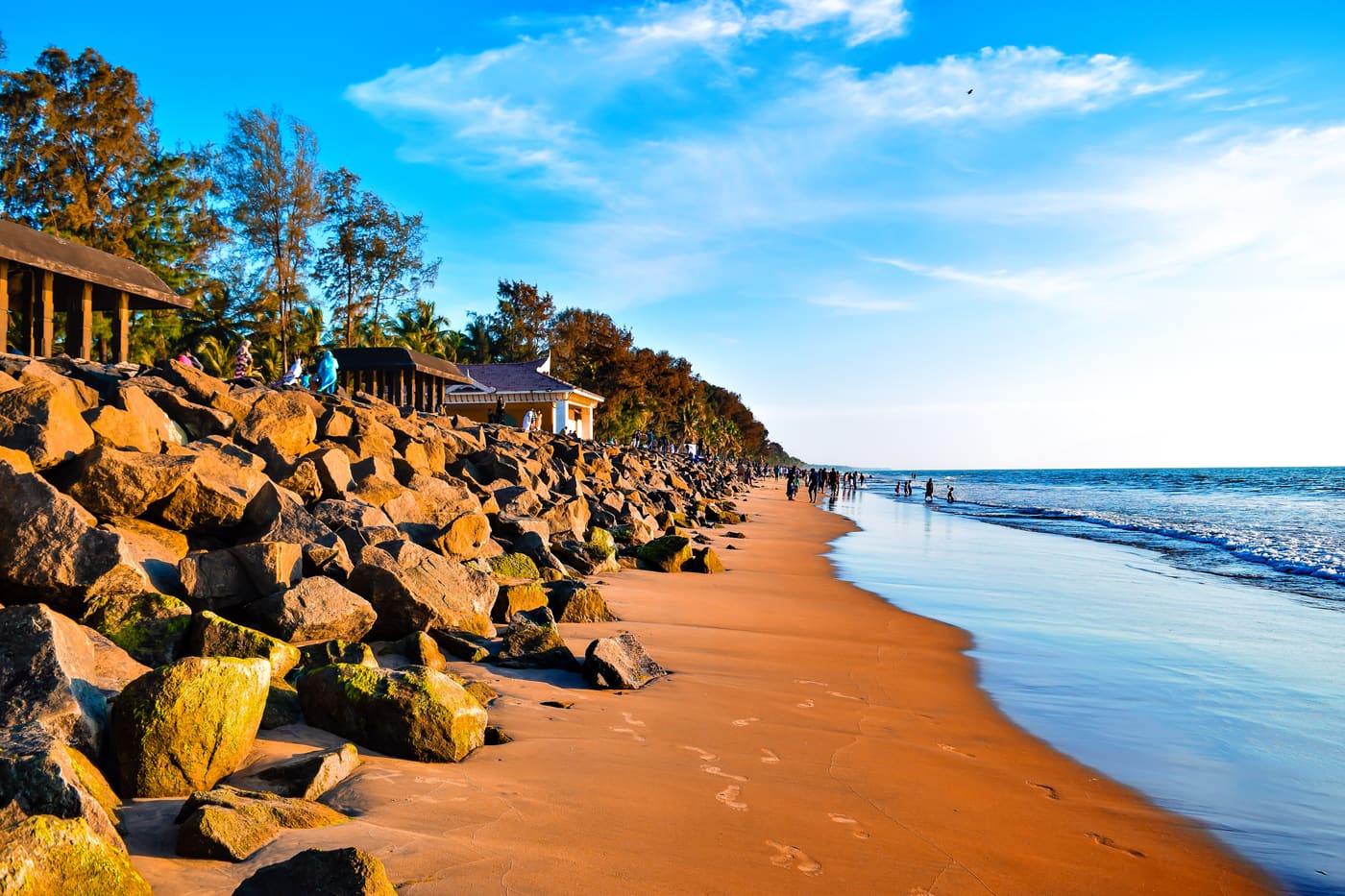
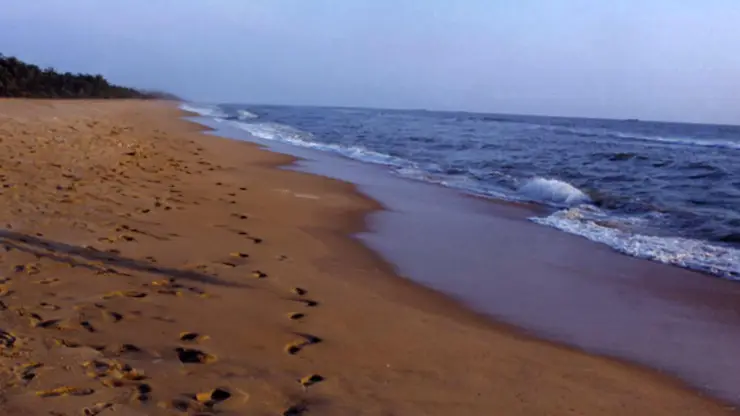
Nattika Beach is the Arabian Sea shore of Nattika in Thrissur district, also identified by Kerala Tourism as Attakuzhi Bandhar Kadapuram. Its long sand frontage, fishing-life connections and association with the Malayalam film Chemmeen give it a character distinct from a resort’s private grounds. Use the named public beach approach for a shore visit, with Nattika and Triprayar providing the wider town plan. The beach, Triprayar Sree Rama Temple and any accommodation property require separate arrival instructions.
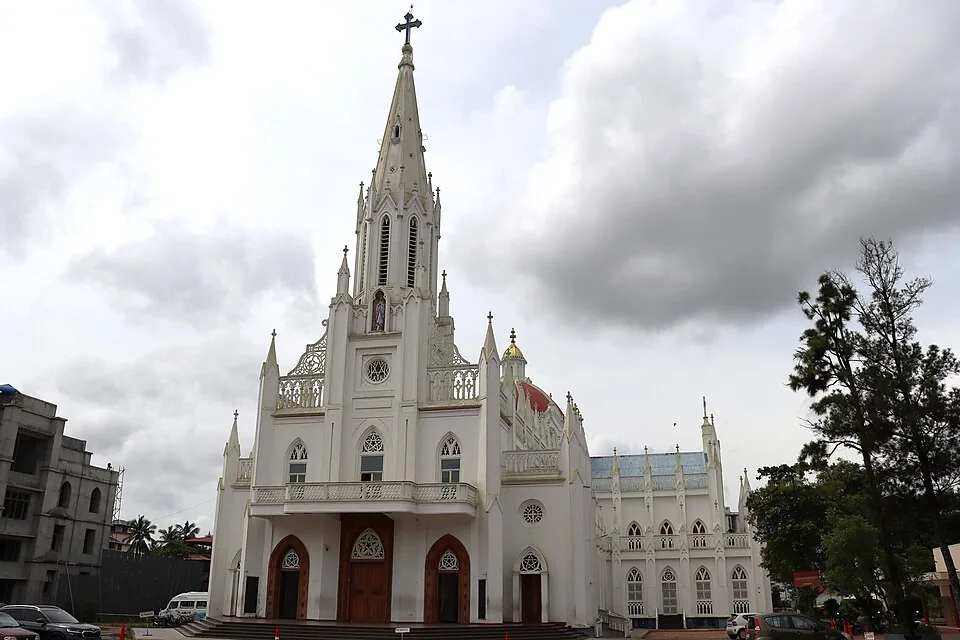
17.2 km · straight line
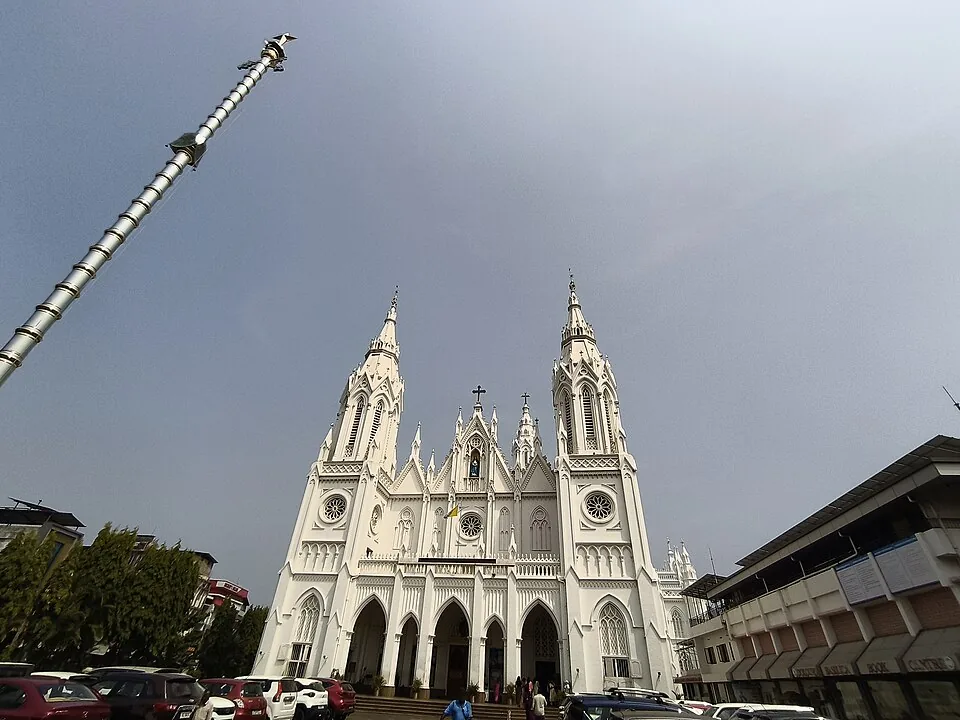
A landmark Syro-Malabar cathedral in Thrissur city known for its Gothic facade and an underground shrine (rock church).
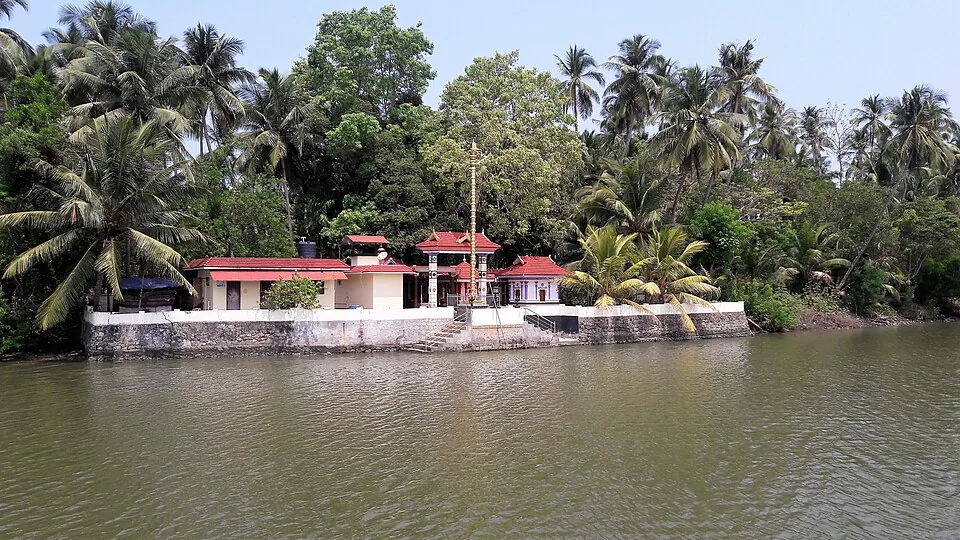
A calm estuarine backwater, mangroves and fishing-harbour belt on the Thrissur coast near Chavakkad, quieter than Alappuzha.
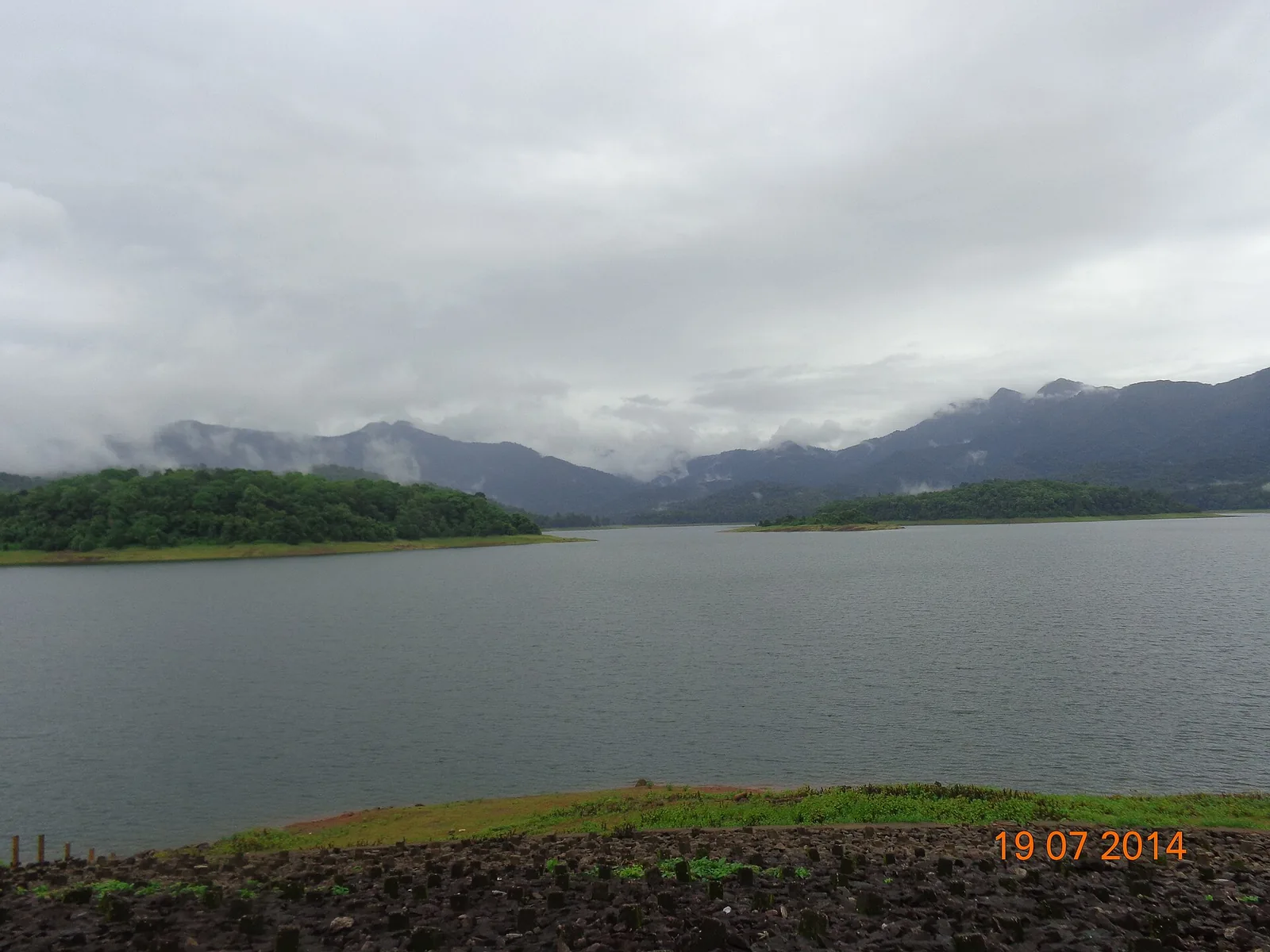
A reservoir and eco-tourism spot at the edge of the Chimmony Wildlife Sanctuary east of Thrissur, with boating and forest views.
Roampedia is commission-free — own or know a stay, eatery, guide or shop near Thriprayar Temple? Submit public business details for review.
Add a nearby businessEntry: There is no entry fee for darshan; you pay only for specific vazhipadus (offerings) or pujas you choose to book at the temple counter.
Dress code: Traditional temple dress is expected: men are generally required to remove their shirts and wear a mundu or dhoti at the sanctum, and women usually wear a saree or salwar-kameez rather than Western clothing. Entry to the shrine is customarily reserved for Hindus.
Festivals: The principal festivals are the Ekadasi in Vrischikam (November–December), celebrated with a magnificent procession of caparisoned elephants, and the Pooram in Meenam (March–April). Triprayar Thevar is also the presiding deity of the ancient Arattupuzha Pooram, the “mother of all poorams,” held at nearby Arattupuzha in the same season. Distinctive offerings include Meenootu (fish-feeding), Chathan seva and Kadhina Vedi. Dates follow the Malayalam calendar and shift each year.
Photography: Photography rules at Kerala temples are usually strict, and cameras and phones are commonly restricted at or near the sanctum. Do not photograph the deity or ongoing rituals without permission; ask temple staff about the current policy before taking any pictures.
If you are travelling by bus or ferry, check the return service with the operator before setting out. Leave time to reach the stop or jetty after your visit.
Ask at the bus stand for the time of the last service back, not the next one. If you miss it, an auto or app cab is the fallback — agree the fare before you get in.
If you need step-free access, contact the site before travelling. Ask about a level entrance, steps along the route, the nearest drop-off point, seating and accessible toilets.
Charge cap and free-transaction limits: Reserve Bank of India, ATM FAQ updated 4 July 2025; checked 4 October 2026.
These services are listed within about 1.2 km of Thriprayar Temple. Walking distances follow mapped routes; access and opening hours can change. Other services may be closer but are not included here.
Published emergency and visitor-assistance contacts. For an immediate emergency, call 112. Shared Kerala contact sources checked 4 October 2026; publication does not establish a tested live response.
Nattika Beach is the Arabian Sea shore of Nattika in Thrissur district, also identified by Kerala Tourism as Attakuzhi Bandhar Kadapuram. Its long sand frontage, fishing-life connections and association with the Malayalam film Chemmeen give it a character distinct from a resort’s private grounds. Use the named public beach approach for a shore visit, with Nattika and Triprayar providing the wider town plan. The beach, Triprayar Sree Rama Temple and any accommodation property require separate arrival instructions.
3.3 km · straight lineAn ancient Shiva temple at Cherpu south of Thrissur, the ritual centre of the historic Peruvanam Pooram.
10.9 km · straight lineRare temple at Irinjalakuda dedicated to Bharata, one of the Nalambalam (four-temple) Rama circuit shrines.
12.2 km · straight lineA longstanding Catholic pilgrimage church at Mapranam associated with the Holy Cross and annual feast observances.
12.8 km · straight lineThe “Puthan Pally” basilica in Thrissur, known for its Bible Tower — among the tallest church towers in Asia.
16.3 km · straight lineAncient temple at the centre of Thrissur’s round, associated with Thrissur Pooram.
16.4 km · straight lineKerala’s most famous temple festival, held around April/May at the Thekkinkadu ground around Vadakkunnathan.
16.4 km · straight lineA low hill and park on the edge of Thrissur city, popular for sunset views and morning walks.
16.9 km · straight lineRestored palace and archaeological museum in Thrissur city, built by Raja Rama Varma Sakthan Thampuran.
17.1 km · straight lineA landmark Syro-Malabar cathedral in Thrissur city known for its Gothic facade and an underground shrine (rock church).
17.2 km · straight lineState museum, art gallery and natural-history collection at Chembukkavu; the zoo animals moved to the new zoological park at Puthur, open since February 2026.
17.5 km · straight lineNearby toilets, pharmacies, ATMs, seating and vets are community-mapped and may be incomplete or out of date. Map data © OpenStreetMap contributors | Walking times © openrouteservice.org by HeiGIT
The temple is dedicated to Sree Rama, worshipped here as Triprayar Thevar or Triprayarappan. The idol is unusual because it is a rare four-armed (chaturbahu) form bearing a conch and discus together with a bow (or mace, by some accounts) and a garland or lotus — understood as Rama endowed with the attributes of Vishnu, and by tradition shown after the killing of Ravana.
The Nalambalam is a set of four temples honouring Rama and his brothers — Rama at Thriprayar, Bharata at Koodalmanikyam in Irinjalakuda, Lakshmana at Thirumoozhikkulam, and Shatrughna at Payammal. Pilgrims traditionally visit all four in a single day, most auspiciously in the monsoon month of Karkidakam (July–August). Thriprayar, as the shrine of the eldest brother, is the customary starting point.
Yes. Triprayar Thevar is the presiding, senior deity of the Arattupuzha Pooram, held at nearby Arattupuzha and reckoned among the most ancient of Kerala’s pooram festivals — so old it is popularly called the “mother of all poorams.” The Pooram falls in the Malayalam month of Meenam (March–April); confirm exact dates locally as they follow the traditional calendar.
Meenootu is the cherished offering of feeding the fish that live in the temple tank and the adjoining Theevra river, which are protected and never caught. Devotees believe the act brings relief from respiratory complaints such as asthma. It is one of the temple’s most distinctive and gentle rituals.
The two great occasions are the Ekadasi in the Malayalam month of Vrischikam (November–December), famed for a grand procession of caparisoned elephants, and the Pooram in Meenam (March–April), tied to the Arattupuzha Pooram. Because these follow the traditional Malayalam calendar, the Gregorian dates shift each year — confirm locally before planning.
As with many traditional Kerala temples, entry to the shrine is customarily reserved for Hindus, and a dress code applies — men are generally expected to remove their shirts and wear a mundu or dhoti at the sanctum. Non-Hindu visitors can still experience the peaceful riverside setting and the temple’s outer surroundings; check current practice on arrival.
Morning or early evening is usually best; festival days can be powerful but crowded.
Entry: There is no entry fee for darshan; you pay only for specific vazhipadus (offerings) or pujas you choose to book at the temple counter. Timings: Darshan is generally offered in the morning from about 4:00 am to around 12:00 noon and again in the evening from about 5:00 pm to 8:00 pm, with the sanctum closed for rituals through the middle of the day; during Karkidakam and other special periods the temple often opens earlier.
Base yourself in Thrissur city or a nearby town in Thrissur, then confirm the last-mile route locally before leaving. Check temple entry customs, dress rules and festival crowd conditions before arrival. If the visit depends on forest, temple, boat, ferry, weather or seasonal access, check the official/local rule on the day before travel.
45 minutes to 2 hours, longer during festival or queue periods.
Nearby you can pair Nattika Beach (3.3 km, approximate straight-line separation), Snehatheeram Beach (4.5 km, approximate straight-line separation), Peruvanam Mahadeva Temple (10.9 km, approximate straight-line separation), Koodalmanikyam Temple (12.2 km, approximate straight-line separation).
Use official counters for offerings/tickets where applicable. Keep footwear and valuables secure in crowded areas.
We have not published a story about Thriprayar Temple itself yet. These cover Thrissur city and the wider district, with separate journeys between stops.
These guides explore Thrissur city and the surrounding area. Choose a visit that fits your interests, allowing separately for travel between stops.


Route-level itineraries and practical guides for the rest of Kerala.
Photographs: Challiyan (CC BY-SA 3.0), Ssriram mt (CC BY-SA 4.0), Siby Varghese (CC BY-SA 3.0), Arayilpdas (CC BY-SA 3.0). Wikimedia Commons.