Thrissur Pooram

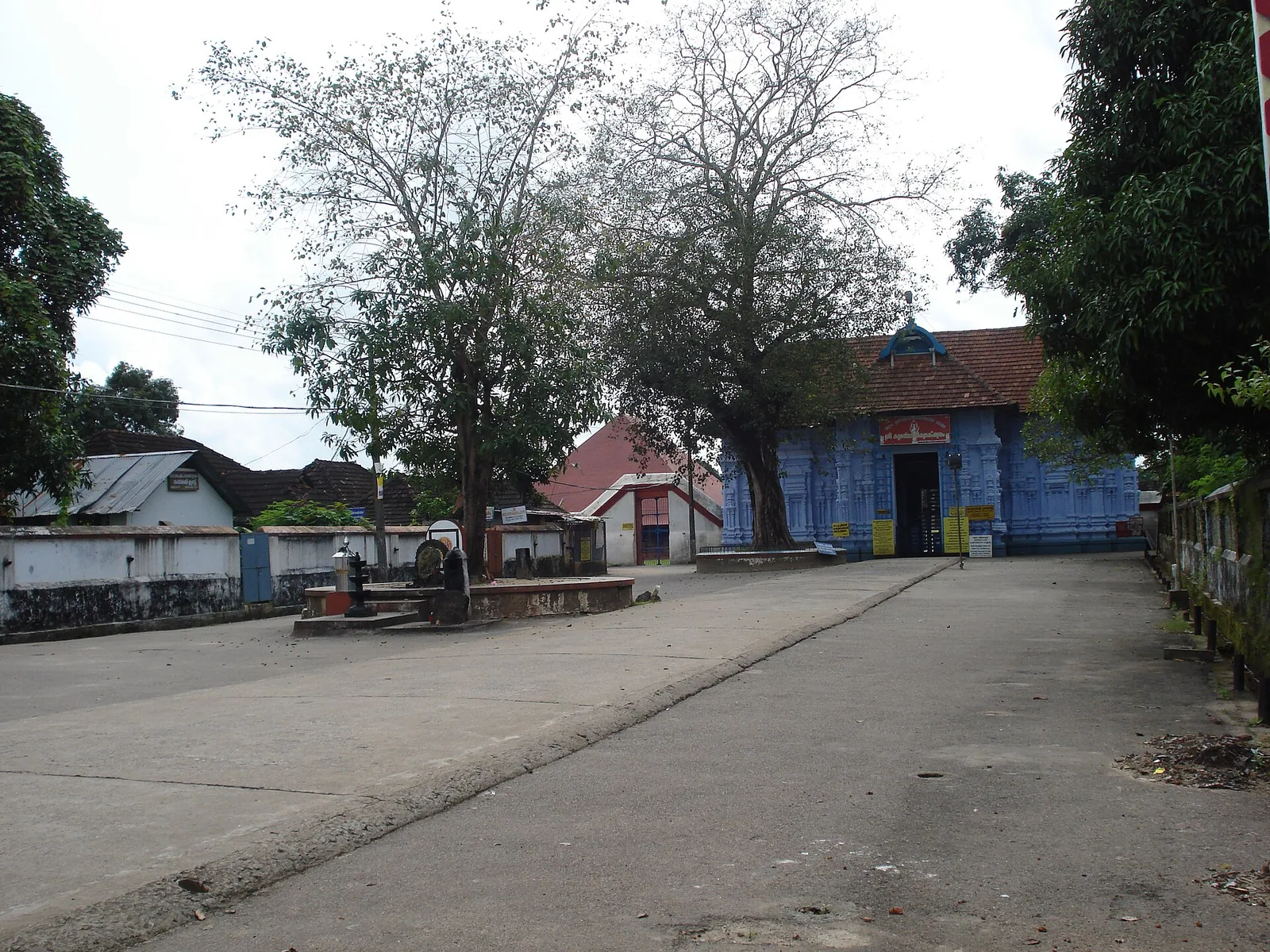
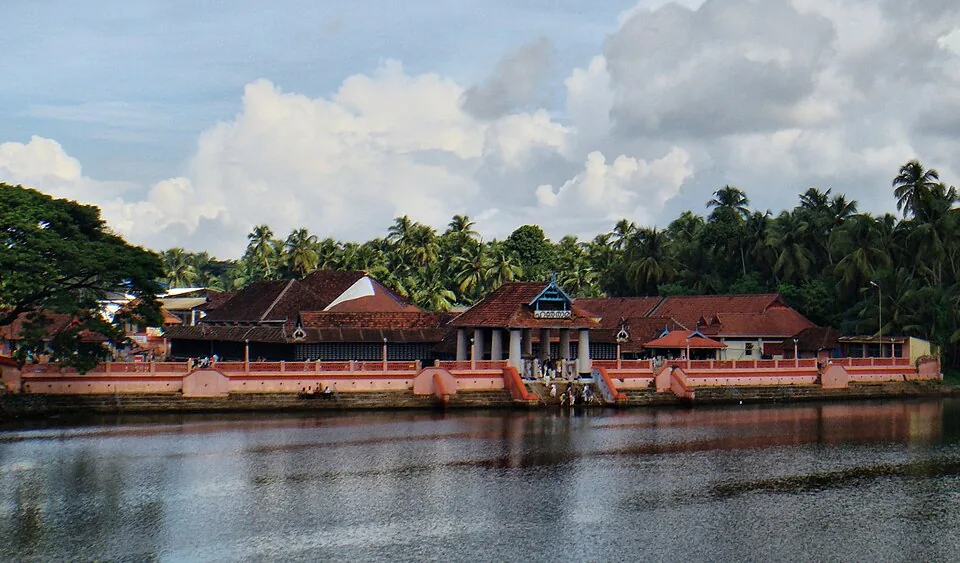
Thrissur Pooram is Kerala's most famous temple festival, centred on Vadakkunnathan Temple and Thekkinkadu Maidan in Thrissur city. The major draw is the scale of the ritual procession, percussion, parasol exchange and city-wide festival atmosphere, but it is also one of Kerala's most crowded travel events.

Thrissur Pooram, Thrissur city
Practical guide

Plan Thrissur Pooram

Who's going?Tailor Thrissur Pooram to your trip
Typeheritage
Nearest baseThrissur city
Best timeThe festival is seasonal, usually around April/May in the Malayalam month of Medam
Time neededOne full day minimum
EntryFree
Nearest town/baseThrissur city
DistrictThrissur
Place typeheritage
Time neededOne full day minimum; overnight in Thrissur is strongly preferable for visitors.

Thrissur Pooram is Kerala's most famous temple festival, centred on Vadakkunnathan Temple and Thekkinkadu Maidan in Thrissur city. The major draw is the scale of the ritual procession, percussion, parasol exchange and city-wide festival atmosphere, but it is also one of Kerala's most crowded travel events.

This guide should be practical and safety-led. The date follows the Malayalam calendar, arrangements can change, and crowd, heat, traffic and fireworks-related restrictions must be checked through current official/local sources before travellers commit.

The story

For thirty-six thunderous hours every Medam, the grassy Thekkinkadu Maidan around the ancient Vadakkunnathan Temple becomes the stage for the loudest, most dazzling spectacle in Kerala — a duel of drummers, tuskers and silk parasols that locals proudly call ‘the mother of all poorams’.

The story of Thrissur Pooram

There is nothing else in India quite like Thrissur Pooram. Once a year the whole city seems to pour into the Thekkinkadu Maidan, the round green ridge crowned by the Vadakkunnathan Temple, and for a day and a night Thrissur belongs to drums, gold and fire. Estimates run into the millions — some editions are said to draw close to two million people — packed shoulder to shoulder in the April–May heat, waving, roaring and utterly transfixed. It is a festival with no idols carried in worship at its centre; the real deities of the day are rhythm, colour and spectacle.

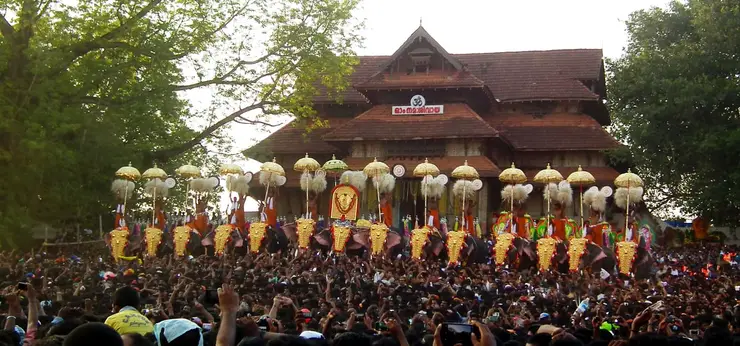
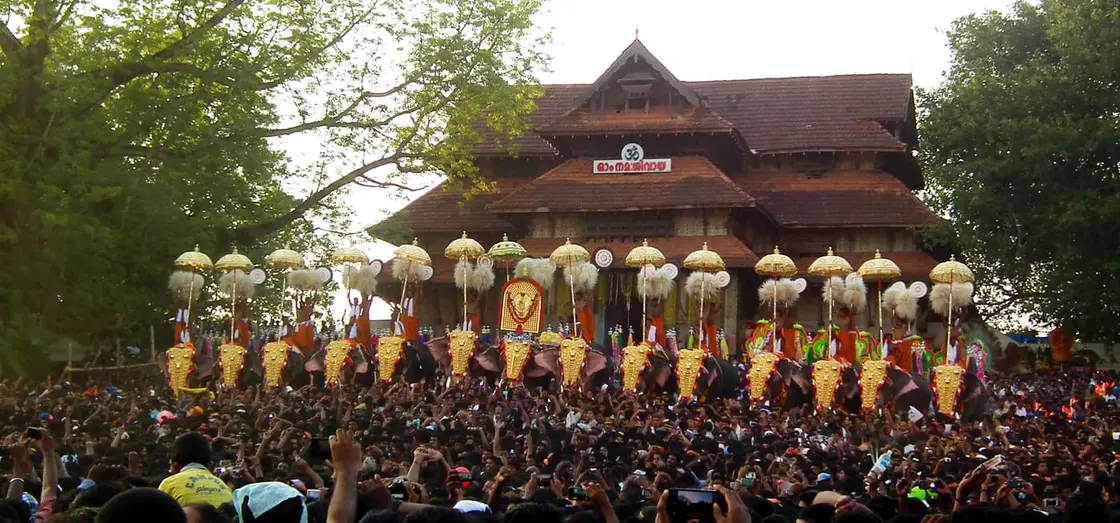
The heart of the pageant is the caparisoned elephant. Rows of majestic tuskers stand draped in the ‘nettipattam’, the gleaming gold forehead ornament, their mahouts perched high with ceremonial parasols, peacock-feather fans and yak-tail whisks. Facing them across the maidan, a second identical row belongs to the rival camp. This is the genius of the Pooram: two temple factions — the Paramekkavu Bhagavathy Devaswom and the Thiruvambadi Sri Krishna Devaswom — stage the entire event as a friendly but ferociously competitive contest, each trying to out-dazzle the other in elephants, music, umbrellas and fireworks.

Music is the soul of it. In the afternoon, beneath the sprawling old ‘ilanji’ tree inside the Vadakkunnathan compound, comes the Ilanjithara Melam — a colossal percussion ensemble of hundreds of artists on chenda drums, kombu horns, kurumkuzhal pipes and elathalam cymbals, building through slow, deliberate cycles to a shattering climax that can hold a crowd of thousands in a single collective trance. Purists call it the finest melam performance anywhere, and connoisseurs follow every rise and fall as intently as a symphony audience.

Then comes the Kudamattam, the parasol exchange, perhaps the single most photographed moment of the Pooram. Thirty caparisoned elephants — fifteen from Paramekkavu, fifteen from Thiruvambadi — line up face to face across the maidan. On a signal, the men riding them whip out one spectacular ceremonial umbrella after another, hoisting brilliantly coloured, sequinned and often ingeniously themed parasols high into the sky, then swapping them in rapid, rhythmic succession. Each side tries to top the other with wittier, grander, more surprising designs, and the crowd answers every flourish with a wall of applause.

When darkness falls the rivalry turns to fire. The Vedikettu — the great fireworks display, traditionally in the small hours before dawn — sends the two camps’ pyrotechnicians into a sky-splitting contest of colour and concussion that lights up the temple silhouette and rattles windows across the city. For many, standing in the dark packed maidan as the sky detonates overhead is the unforgettable core of the whole experience. A gentler daytime finale, the Pakal Pooram, and the tender farewell between the two Devaswoms close the cycle until the next Medam.

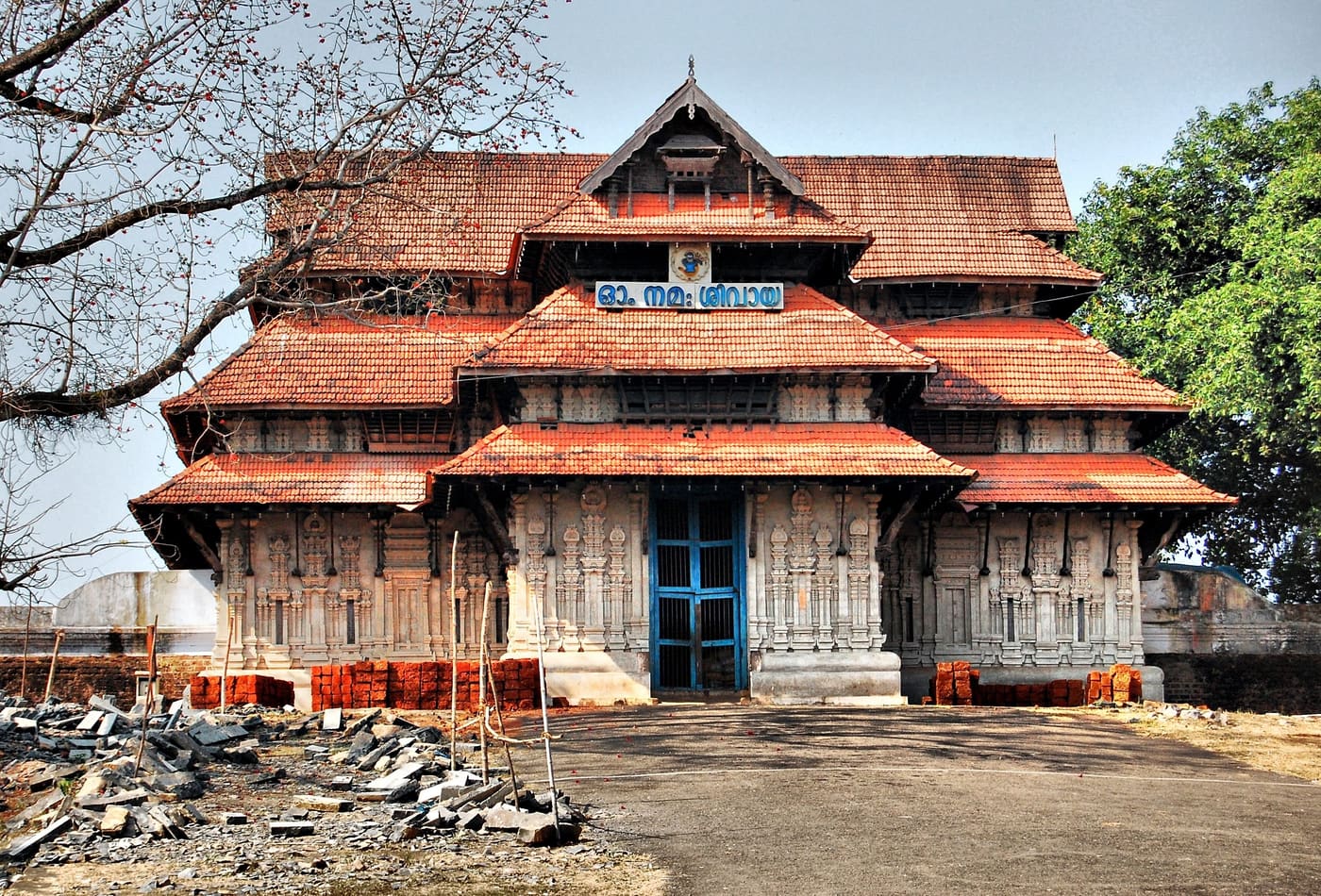
Around all of this swirls a whole ecosystem of celebration — vast decorated pandals and exhibition grounds, food stalls, all-night crowds, families who return to the same patch of grass year after year, and an atmosphere that fuses deep devotion with sheer carnival joy. Framed by the timeless grey walls of the Vadakkunnathan Temple, one of Kerala’s oldest and most sacred Shiva shrines, Thrissur Pooram feels less like an event you attend and more like a tide you are swept up in.

Legend & myth

By tradition, the Pooram was born of defiance. The story goes that the temples of the Thrissur area used to travel to the great Aarattupuzha Pooram, the region’s older grand festival. One year, according to the widely told account, heavy rains delayed the Thrissur contingents and they were shut out — denied their rightful place in the procession. Stung by the insult, the Maharaja of Cochin, Sakthan Thampuran (Raja Rama Varma), resolved that Thrissur would never again be turned away, and created a magnificent festival of its own around the Vadakkunnathan Temple. Whether every detail is literal history or cherished tradition, this tale of pride restored is told and retold as the origin of the Pooram.

Read the full history of Thrissur Pooram 467 more words

History

Thrissur Pooram was founded in the late 18th century by Raja Rama Varma, the ruler of the Kingdom of Cochin better known as Sakthan Thampuran, who reigned from about 1790 to 1805. Sources differ on the exact year — many cite 1796, others a formal royal proclamation around 1798 — so the precise date is best treated as ‘the closing years of the 18th century’ rather than a single certain year.

Sakthan Thampuran organised the new festival on the Thekkinkadu Maidan surrounding the Vadakkunnathan Temple, the great Shiva shrine at the very centre of Thrissur, which serves as the presiding presence over the whole event. He brought together ten temples from in and around the city and grouped them into two rival camps, a structure that survives to this day.

The two lead temples are the Paramekkavu Bhagavathy Temple and the Thiruvambadi Sri Krishna Temple, each heading a group of smaller shrines. The Paramekkavu side is generally listed with Chembukkavu, Panamukkumpally, Choorakkottukavu and Karamukku; the Thiruvambadi side with Laloor, Ayyanthole, Neythalakkavu and Kanimangalam. Each of these temples brings its own ‘pooram’ procession into the city, and the two Devaswoms carry out most of the marquee events — the melam, Kudamattam and Vedikettu — as a matched, competitive pair.

The festival unfolds over a sequence of days rather than a single afternoon. It opens with the Kodiyettam, the ceremonial flag-hoisting, days ahead; a ‘sample’ fireworks show whets the appetite; and then the main Pooram day delivers the grand processions, the Madathil Varavu, the Ilanjithara Melam under the ilanji tree, the Kudamattam parasol exchange, and the great pre-dawn Vedikettu, before the Pakal Pooram daytime finale and the emotional farewell ceremony between the two camps close the cycle.

Timed to the Pooram asterism in the Malayalam month of Medam (falling in April or May), the festival has grown into what is very widely described as the largest and most spectacular temple festival in Kerala — a UNESCO-noted cultural landmark of the state that anchors Thrissur’s identity as Kerala’s cultural capital. Because it follows the traditional lunar-solar calendar, the exact Gregorian date shifts each year and should always be confirmed for the year you plan to travel.

Why visit

Witness Kerala’s single most spectacular festival — scale, sound and colour on a scale you will not see anywhere else.

Rows of caparisoned elephants in gold ‘nettipattam’, mahouts aloft with ceremonial parasols and fans.

The Ilanjithara Melam — hundreds of drummers building to a trance-like climax, widely rated the finest percussion performance in India.

The Kudamattam parasol duel between Paramekkavu and Thiruvambadi, one of the most photographed moments in Kerala.

A jaw-dropping pre-dawn fireworks contest (Vedikettu) that lights up the Vadakkunnathan temple skyline.

The chance to stand inside a living tradition more than two centuries old, at the sacred heart of Kerala’s cultural capital.
What to expect

Highlights

  • Kerala's headline pooram festival in the cultural capital of Thrissur.
  • Associated with Vadakkunnathan Temple, Thekkinkadu Maidan, percussion ensembles and parasol displays.
  • Priority inventory for verified hotels, transport, viewing guidance, local food and festival-safe city planning.
Getting there

How to visit

  • Book Thrissur stays and transport well ahead once the current year date and arrangements are confirmed.
  • Use walkable city locations where possible; roads and parking around the round can be heavily restricted.
  • Carry water, sun protection and a clear meet-up plan because mobile signal and movement can be difficult in crowds.

Distance by road

  • Kochi85 km
  • Coimbatore115 km
  • Kozhikode130 km
  • Mysuru265 km
  • Madurai274 km

Road km to Thrissur; ghat roads and traffic vary — allow extra.

Timing

Best time

The festival is seasonal, usually around April/May in the Malayalam month of Medam. Exact dates and restrictions must be checked each year.

Weather in Thrissur PooramSeasonal guide

Live forecast loads in your browser.

Today at Thrissur Pooram
Sunrise6:16 am
Sunset6:45 pm
Golden hour best light5:45 pm–6:45 pm
Blue hour after sunset6:45 pm–7:10 pm
Sun sets toward compass bearingWNW · 285°
Moon tonight🌒 Waxing crescent · 1%
South-west monsoon. June to September is the south-west monsoon in Kerala. Expect heavy showers, mostly in bursts rather than all day — carry rain cover, allow extra time for getting around, and note that ferries and open-air sites are the first things affected.

Sun and moon are calculated for this location and shown in IST. Photography windows are the hour around sunrise and sunset; the sunset bearing is degrees clockwise from true north. Moon phase is accurate to about half a day.

Visitor notes

  • Do not rely on old schedules for current processions, fireworks or access rules.
  • Families and seniors should plan quieter viewing points and exit routes.
  • Hotel names alone are not enough for inventory review; exact distance to the round and traffic access matter.
Safety

Good to know

  • Follow police, temple and event-control instructions immediately.
  • Avoid crush-prone crowd pockets and keep children close.
  • Be cautious around fireworks, elephants, heat and late-night movement.
Official eco & forest programmes

Forest stays, camping and guided activities linked to Thrissur Pooram

These are official or public-sector eco offerings that match this place, town or forest destination. Confirm availability, permits, tariffs and reporting times with the official operator before travel.

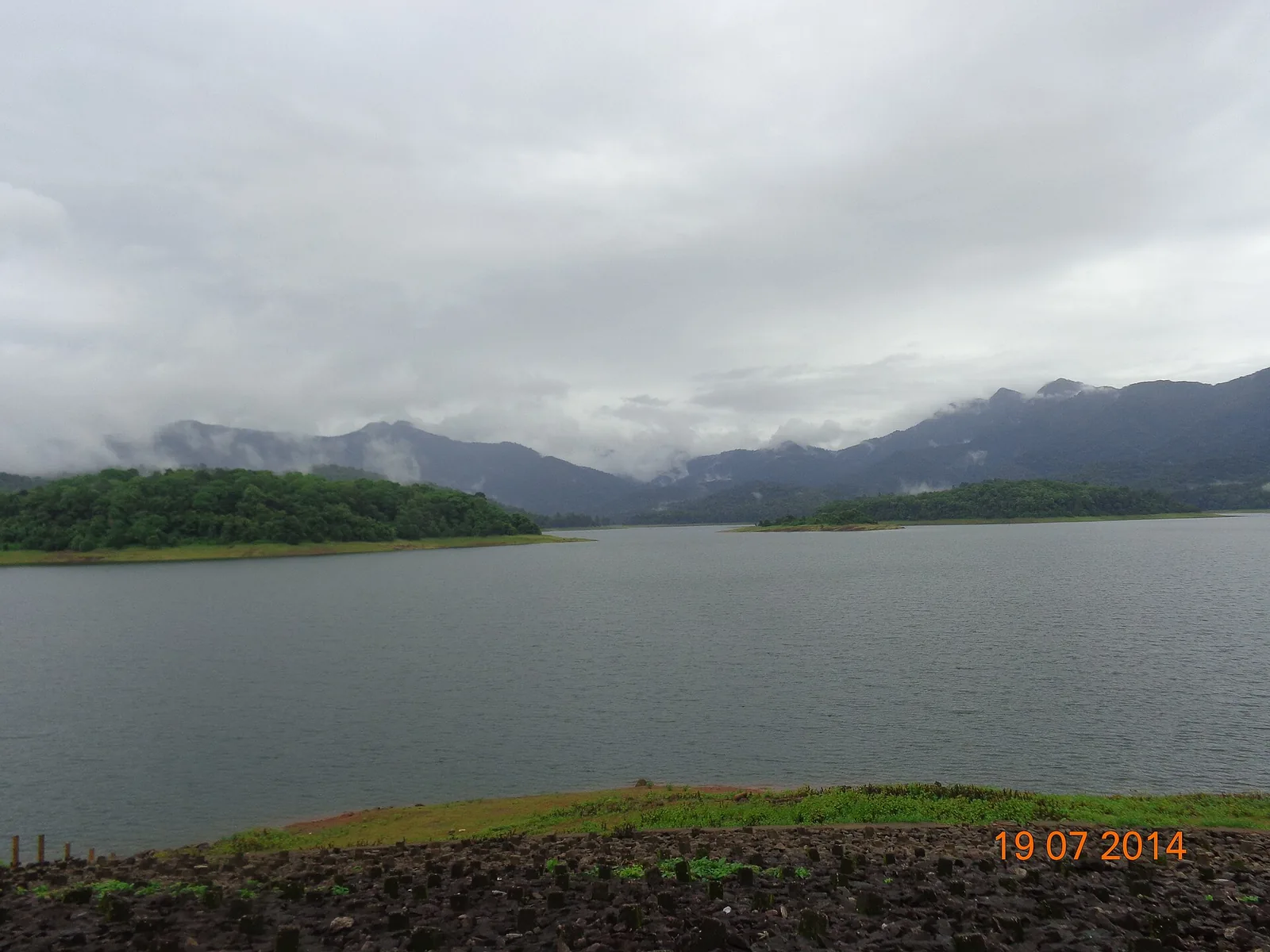
Peechi, Thrissur Pooram
wildlifeboatingviewpoint

Peechi eco visit

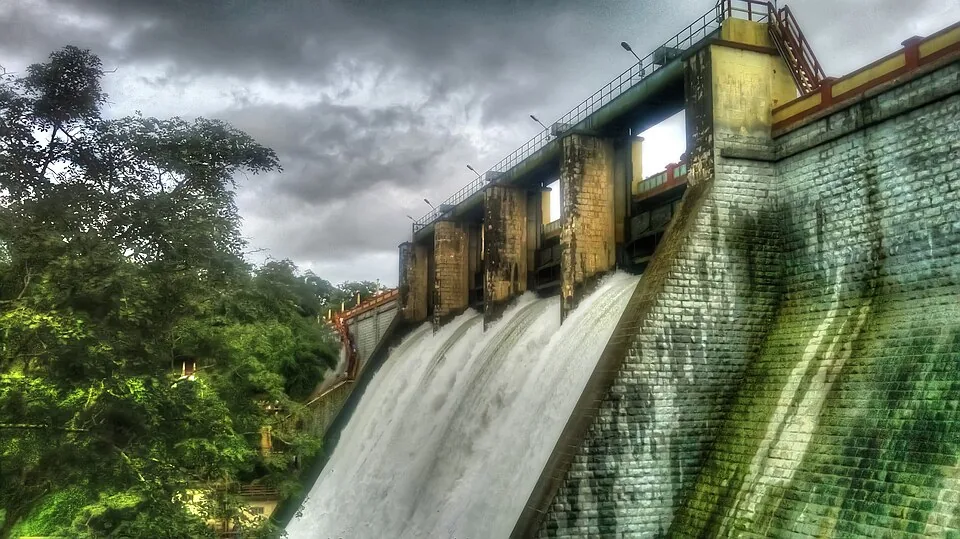
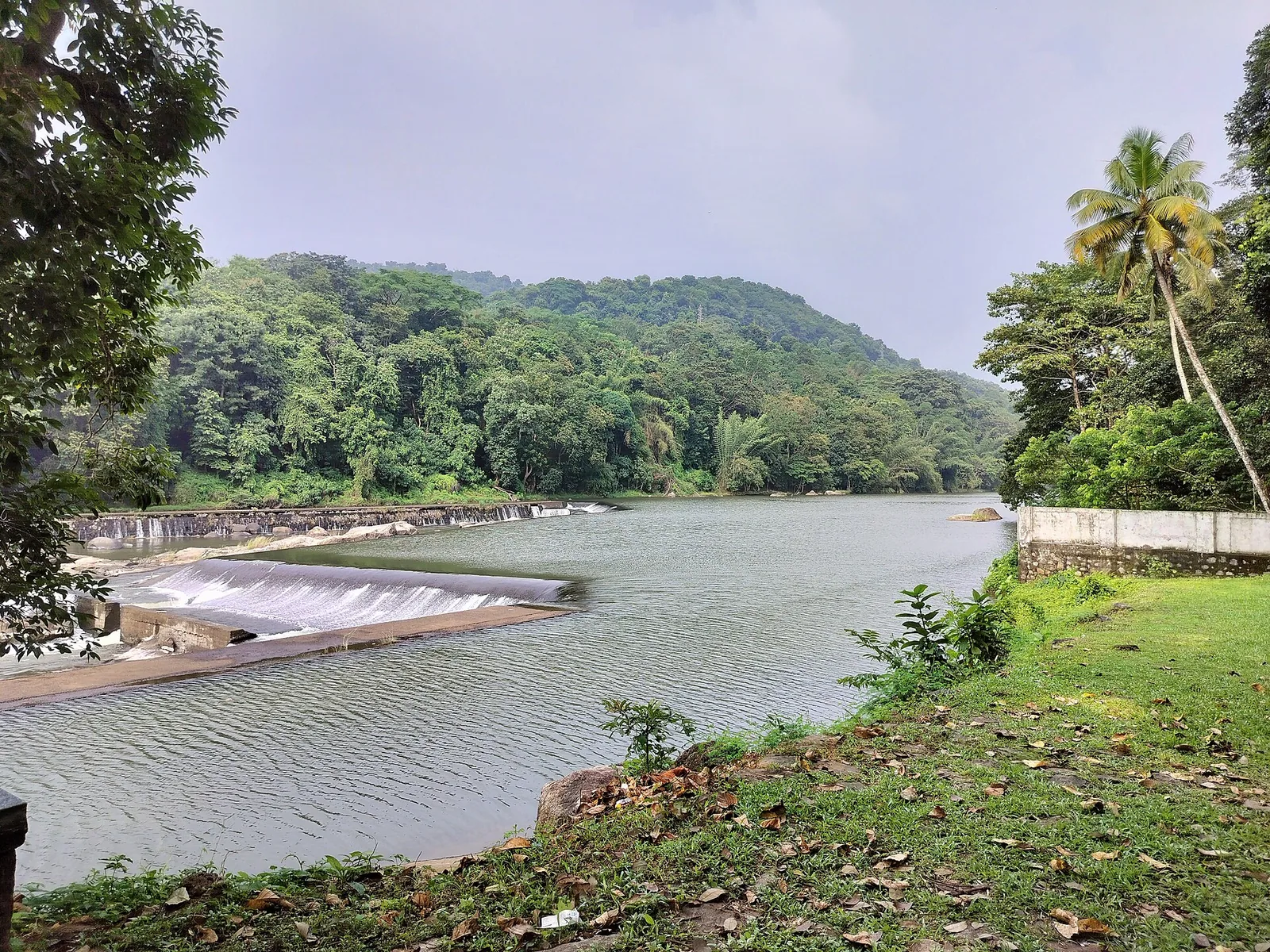
Dam, forest and sanctuary-side weekend eco destination near Thrissur.

Kerala Forest Department / local tourism authorities
Official source →
Vazhani, Thrissur Pooram
wildlifeboatingviewpoint

Vazhani eco visit

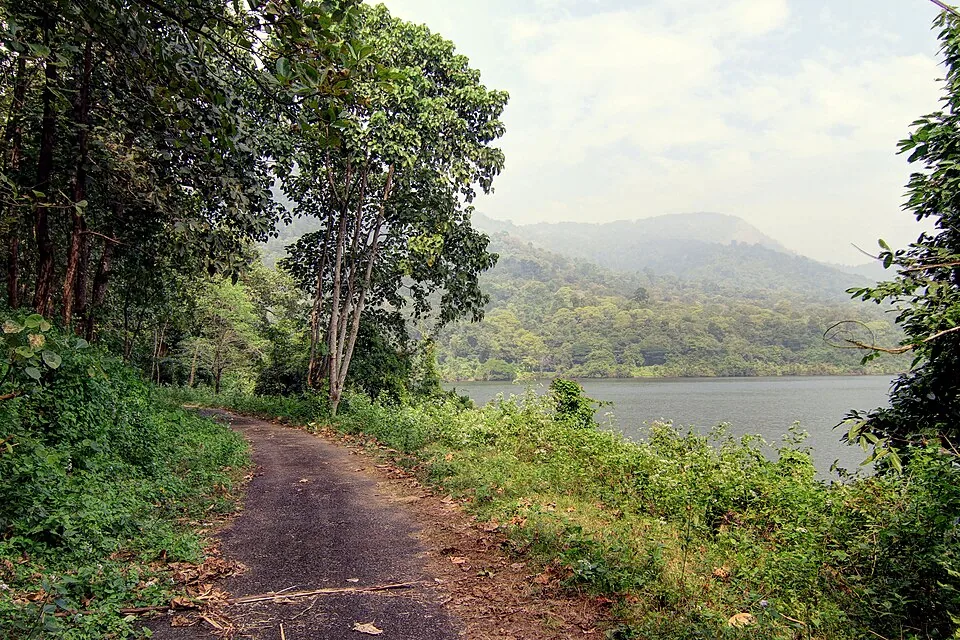
Quiet green dam and forest-side outing in Thrissur district, listed by Kerala Tourism as an ecotourism destination.

Kerala Forest Department / local tourism authorities
Official source →
Stay · eat · do · rent · see · shop

Stays, food & things to do near Thrissur Pooram

Verified hotels, homestays, restaurants, experiences, sights, shops and rentals around Thrissur Pooram — commission-free, with direct contact. Filter by what you need.

7 things to do near Thrissur Pooram

Traveller Taxi Thrissur — Athirappilly tour and taxi operator in Thrissur city
Verified
Athirappilly tour and taxi operator · Thrissur city
Traveller Taxi Thrissur

Thrissur-based tour and taxi operator running Athirappilly waterfall day trips, Guruvayur temple runs and Sabarimala transfers. It works from Nedupuzha near Vattappini Temple with Innova, Dzire and Ertiga cars plus 12 to 26 seat tempo travellers, and lists several direct booking numbers.

Commission-freeView details
Yellow Cabss Thrissur — Taxi service in Thrissur city
Verified
Taxi service · Thrissur city
Yellow Cabss Thrissur

Thrissur taxi provider near the railway station with Guruvayur and Athirappilly route evidence. Contact direct · Thrissur taxi, Railway station, Guruvayur transfer.

Commission-freeView details
LaBa Cabs Thrissur — Taxi service in Thrissur city
Verified
Taxi service · Thrissur city
LaBa Cabs Thrissur

Thrissur call-taxi and app cab provider near the railway station. Contact direct · Thrissur taxi, Railway station, App cab.

Commission-freeView details
Thrissur Call Taxi — Taxi service in Thrissur city
Verified
Taxi service · Thrissur city
Thrissur Call Taxi

Thrissur taxi operator near the railway station with direct booking contacts. Contact direct · Thrissur taxi, Railway station, Transport.

Commission-freeView details
Sree Vadakkunnathan Temple — Temple in Thrissur city
Verified
Temple · Thrissur city
Sree Vadakkunnathan Temple

Official temple contact for Thrissur city central Shiva temple and Pooram anchor. Temple rules apply · Thrissur, Vadakkunnathan Temple, Temple.

Commission-freeView details
DTPC Thrissur Tourist Information — Tourist information centre in Thrissur city
Verified
Tourist information centre · Thrissur city
DTPC Thrissur Tourist Information

Official Thrissur tourism contact context for city, Pooram and district trip planning. Contact direct · Thrissur, DTPC, Tourist information.

Commission-freeView details
N
Namasthe Kerala Holidays Irinjalakuda
Things to do
Verified
Travel agent · Thrissur city
Namasthe Kerala Holidays Irinjalakuda

Kerala Tourism-listed Thrissur district travel agent based in North Irinjalakuda. Contact direct · Thrissur travel agent, Irinjalakuda, Kerala Tourism listed.

Commission-freeView details

Book with the place itself. India’s cyber-crime coordination centre warned in April 2025 that convincing copies of hotel and pilgrimage booking sites are being pushed through sponsored search and social ads, taking payment for rooms the property never hears about. Every listing here links to the business’s own contact details and its own Google or Bing profile — we take no commission and sit in nobody’s payment path. If a booking page reached you through an ad, check the address bar against the property’s own site before you pay. Fraud can be reported on cybercrime.gov.in or on 1930.

Roampedia is commission-free — own or know a stay, eatery, guide or shop near Thrissur Pooram? List it and it appears here once verified.

Add a nearby business
Before you go

Thrissur Pooram — at a glance

TimingsThe main Pooram runs roughly 36 hours across the Pooram day and into the next, with events flowing day and night; the peak day falls in Medam (April–May). Individual events (melam, Kudamattam, fireworks) each have their own slots — confirm the exact date and timings for the year you visit.
Best timeThrissur Pooram is date-specific: it is held on the Pooram asterism in the Malayalam month of Medam, falling in April or May. The Gregorian date changes every year with the traditional calendar, so always confirm the exact date before booking. Expect very hot, humid weather.

Entry: Free to watch in the public areas of the Thekkinkadu Maidan. Paid galleries or reserved seating are sometimes arranged by the Devaswoms or local bodies — availability varies year to year, so check locally in advance.

Dress code: Light, breathable cotton clothing, a hat or cap, sunglasses and sunscreen for the fierce midday heat and hours in the open. Comfortable footwear you don’t mind losing in the crush, and plenty of water.

Festivals: Key milestones in order: Kodiyettam (ceremonial flag-hoisting) days before; a Sample Vedikettu preview fireworks; then the main Pooram day with the grand temple processions and Madathil Varavu, the Ilanjithara Melam under the ilanji tree, the Kudamattam parasol exchange, and the great Vedikettu fireworks (traditionally pre-dawn); closing with the Pakal Pooram daytime finale and the farewell ceremony between the two Devaswoms.

Photography: A photographer’s dream but a logistical challenge — huge crowds, bright harsh daylight on the elephants and umbrellas, and low-light night fireworks. Bring a zoom for the parasol exchange, keep gear secure in the crush, and scout a spot early for both the melam and the Vedikettu.

Getting here

How to reach Thrissur Pooram

  • ✈︎ By air The nearest airport is Cochin International Airport (Nedumbassery), roughly 55–60 km to the south; verify the current distance and transfer times, as travel is slow around the festival.
  • 🚆︎ By train Thrissur Railway Station is centrally located, about 1–2 km from the Thekkinkadu Maidan and Vadakkunnathan Temple; it is well connected on the main line, though trains are heavily booked around Pooram.
  • 🚗︎ By road Thrissur sits on the main national highway corridor through central Kerala and is easily reached by road from Kochi, Palakkad and beyond; expect heavy traffic and diversions around the festival, so allow extra time.
  • 🚌︎ By bus Thrissur is served by major KSRTC and private bus stands within walking distance of the maidan, with frequent services from across Kerala; special services often run around the festival — confirm locally.
Getting back

Work out your return before you settle in for the sunset. Services on this coast thin out sharply in the evening, and Thrissur Pooram is easier to reach than to leave. We do not publish departure times: there is no official live feed we are permitted to republish, and a wrong time here would strand you. Check the operator directly on the day.

Ask at the jetty or stand for the time of the last service back, not the next one. If you miss it, an auto or app cab is the fallback — agree the fare before you get in.

Do

Things to do

  • Settle in early for the Ilanjithara Melam and let the percussion build over you.
  • Watch the Kudamattam parasol exchange between the Paramekkavu and Thiruvambadi elephants.
  • Admire the caparisoned tuskers in their gold ‘nettipattam’ up close during the displays.
  • Stay for the Vedikettu fireworks contest lighting up the temple skyline.
  • Step into the Vadakkunnathan Temple, the ancient Shiva shrine at the centre of it all.
  • Wander the decorated pandals, exhibition grounds and food stalls ringing the maidan.
  • Catch the Pakal Pooram daytime finale and the moving farewell between the two camps.

Come prepared for enormous crowds — potentially close to two million people — plus extreme heat and long hours on your feet. Accommodation in Thrissur fills up months ahead, so book very early, and always reconfirm the exact date, since it shifts each year with the Malayalam calendar.

Getting around Thrissur Pooram

We have not assessed physical access at this place yet. Across India, step-free routes, handrails and accessible toilets are the exception rather than the rule, and pavements are often interrupted — if step-free access matters to you, contact the site or a local operator before committing to the trip.

Practical things near Thrissur Pooram
What the cash actually costs
  • Withdrawing from a bank that is not your own is free for a set number of times a month, then costs up to ₹23 plus GST — about ₹27 a withdrawal. This is not one of the RBI’s six metro centres, so the allowance here is the higher one: at least five free other-bank withdrawals a month, and at least five at your own bank.
  • That free allowance belongs to Indian bank accounts. On a card issued abroad your own bank’s international withdrawal and exchange charges apply instead. If the machine offers to bill you in your home currency, choose rupees — the conversion rate on that offer is set by the machine, not by your bank.
  • Given a choice, use an ATM inside or attached to a branch: it sits in view of staff and cameras, and there is someone to ask if the machine keeps your card. A machine standing alone on a tourist street is the one to be wary of. Banks are listed here alongside the ATMs, but the map data does not record which ATMs sit inside a branch — check when you get there.

Charge cap and free-transaction limits: Reserve Bank of India, in force since 1 May 2025.

Mapped within about 1.2 km of Thrissur Pooram, with real walking routes rather than straight-line distances. Community-mapped data: opening hours are shown only where they are recorded, and this is not a complete list — something unmapped may well be closer. Please confirm on the ground.

Nearby

What’s near Thrissur Pooram

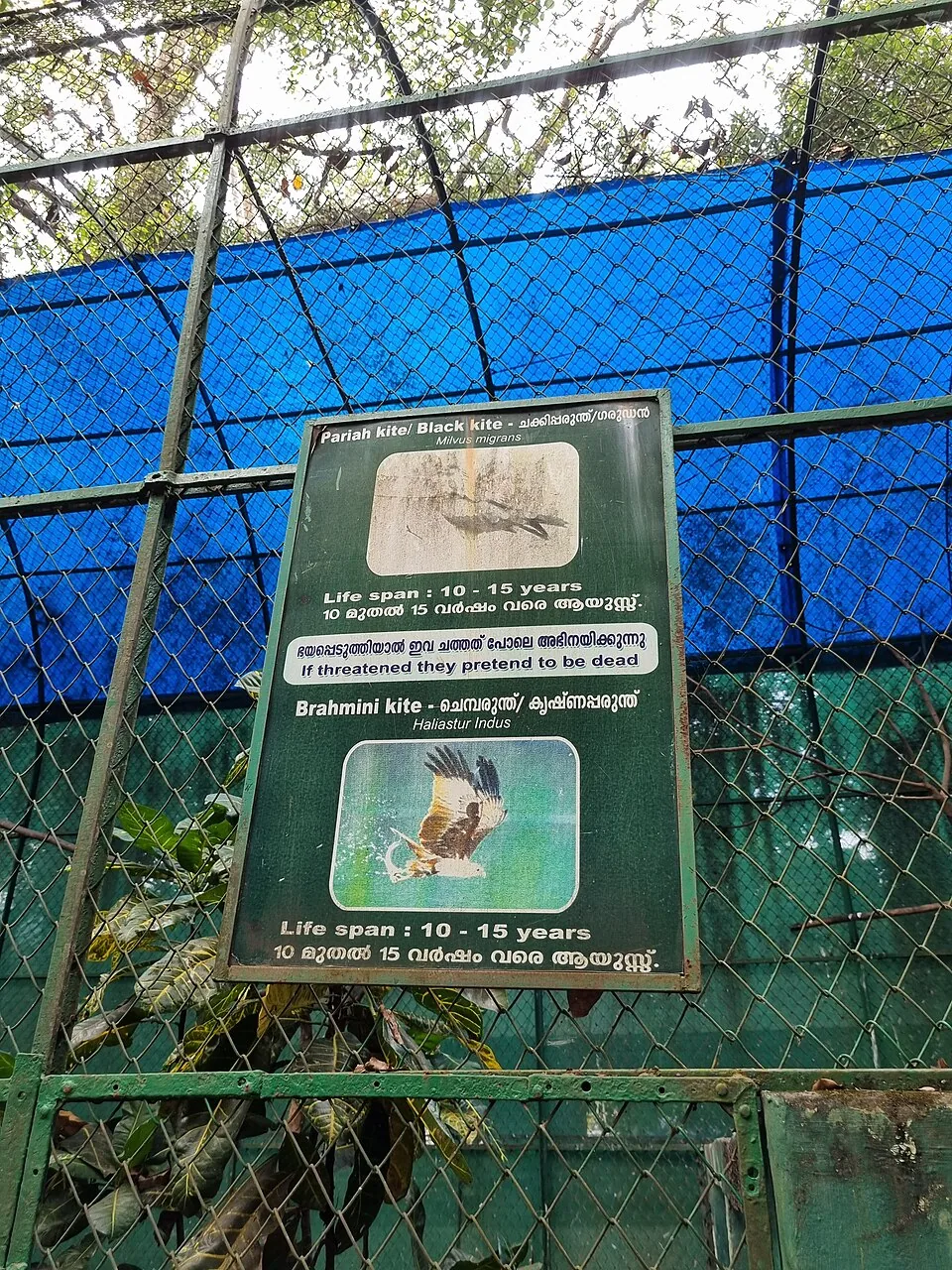
wildlifeThrissur Zoo 1.2 km · 15 min walk
viewpointVilangan Kunnu 6.2 km · ~16 min by auto
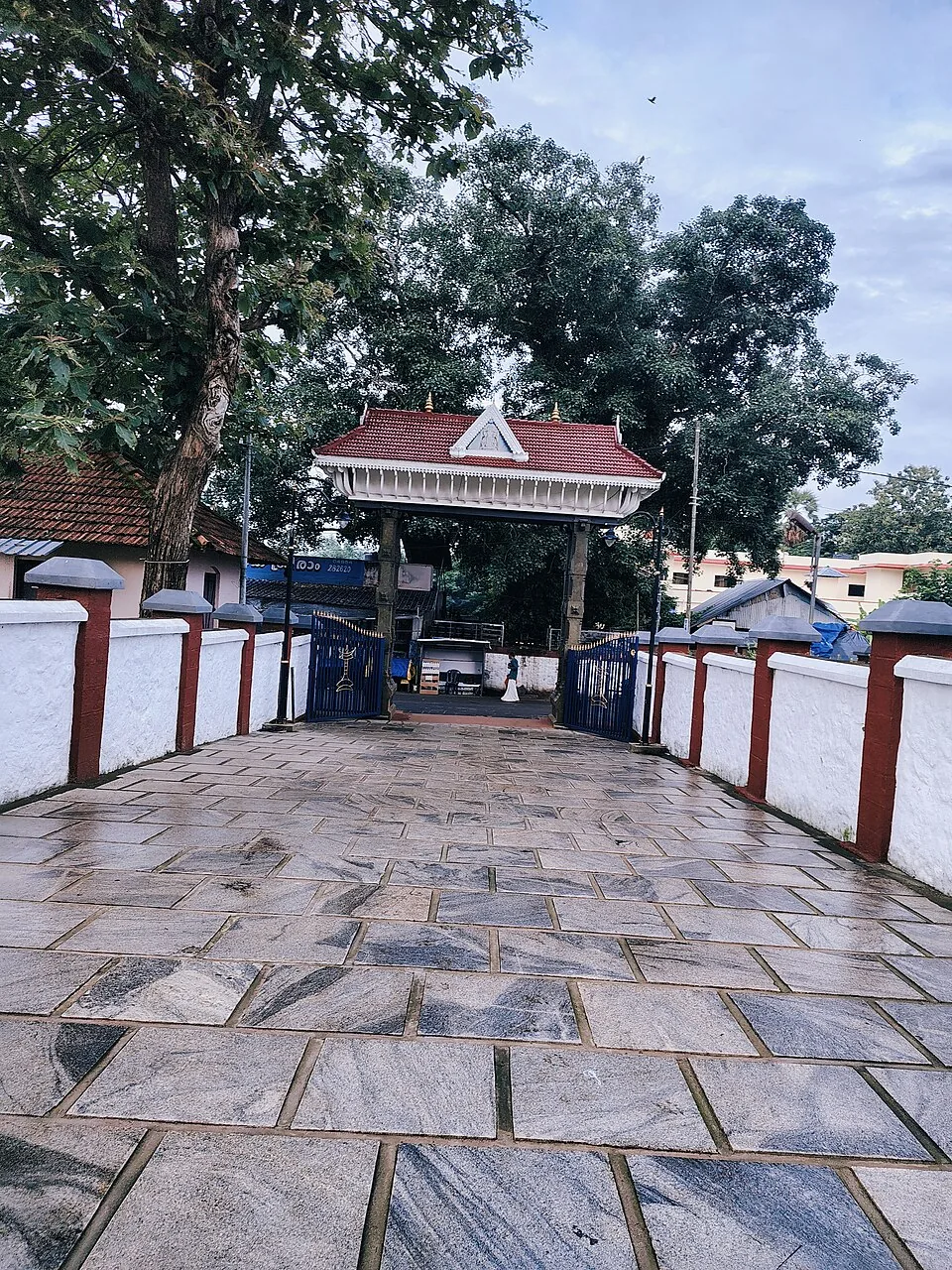
templeThriprayar Temple 16.4 km · ~27 min by cab
damPeechi Dam 17.0 km · ~28 min by cab
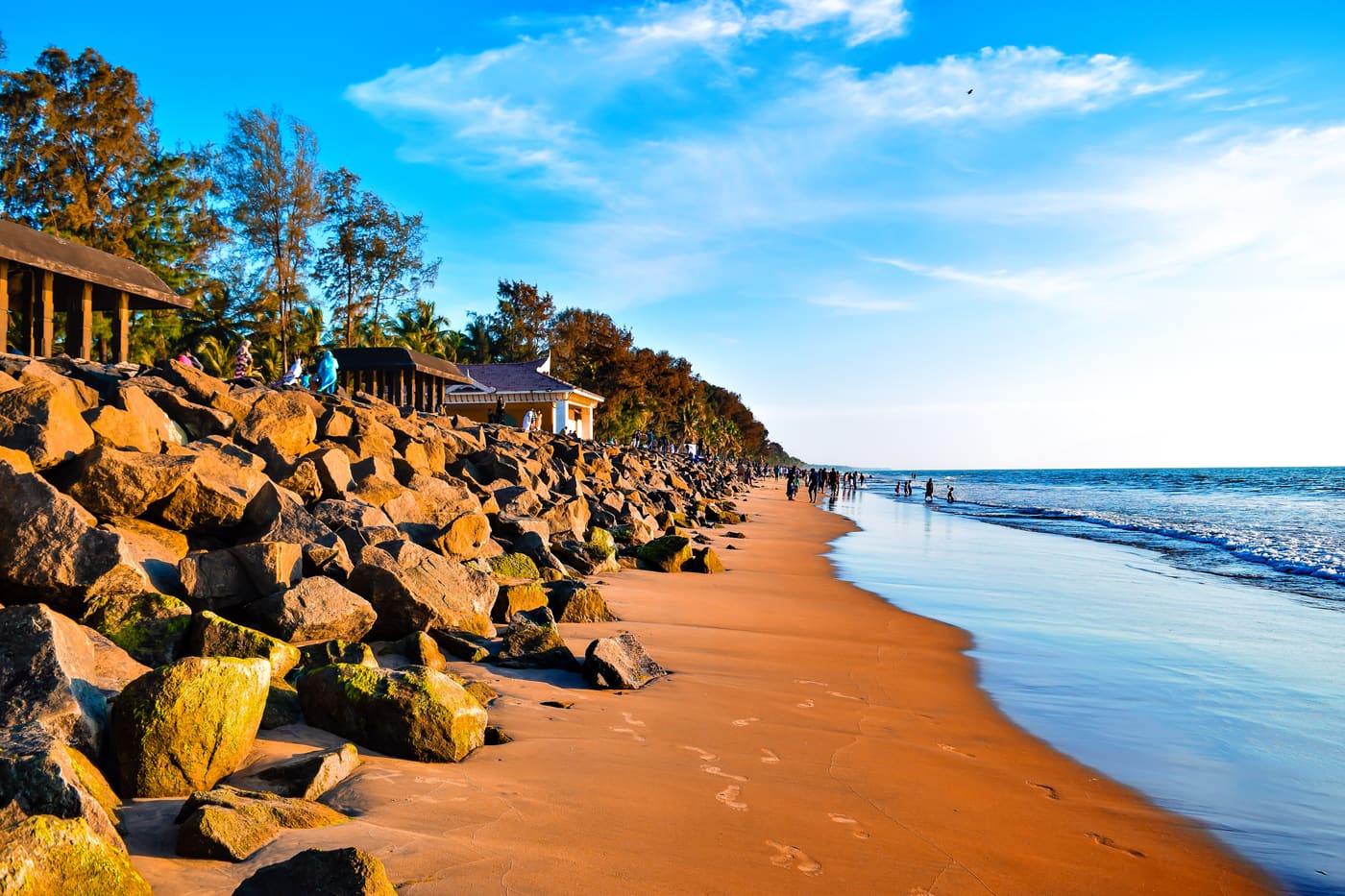
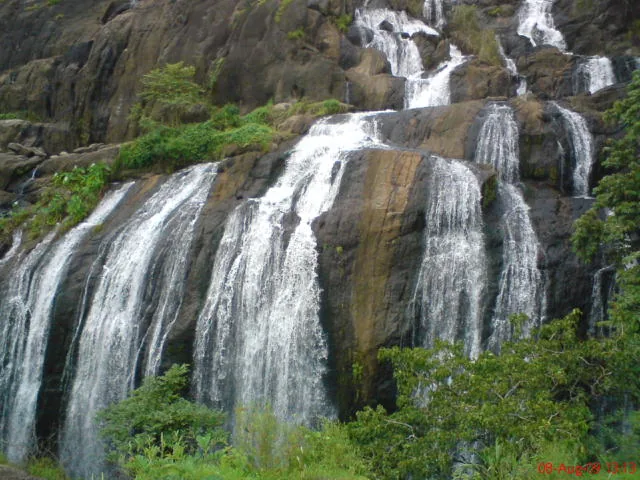
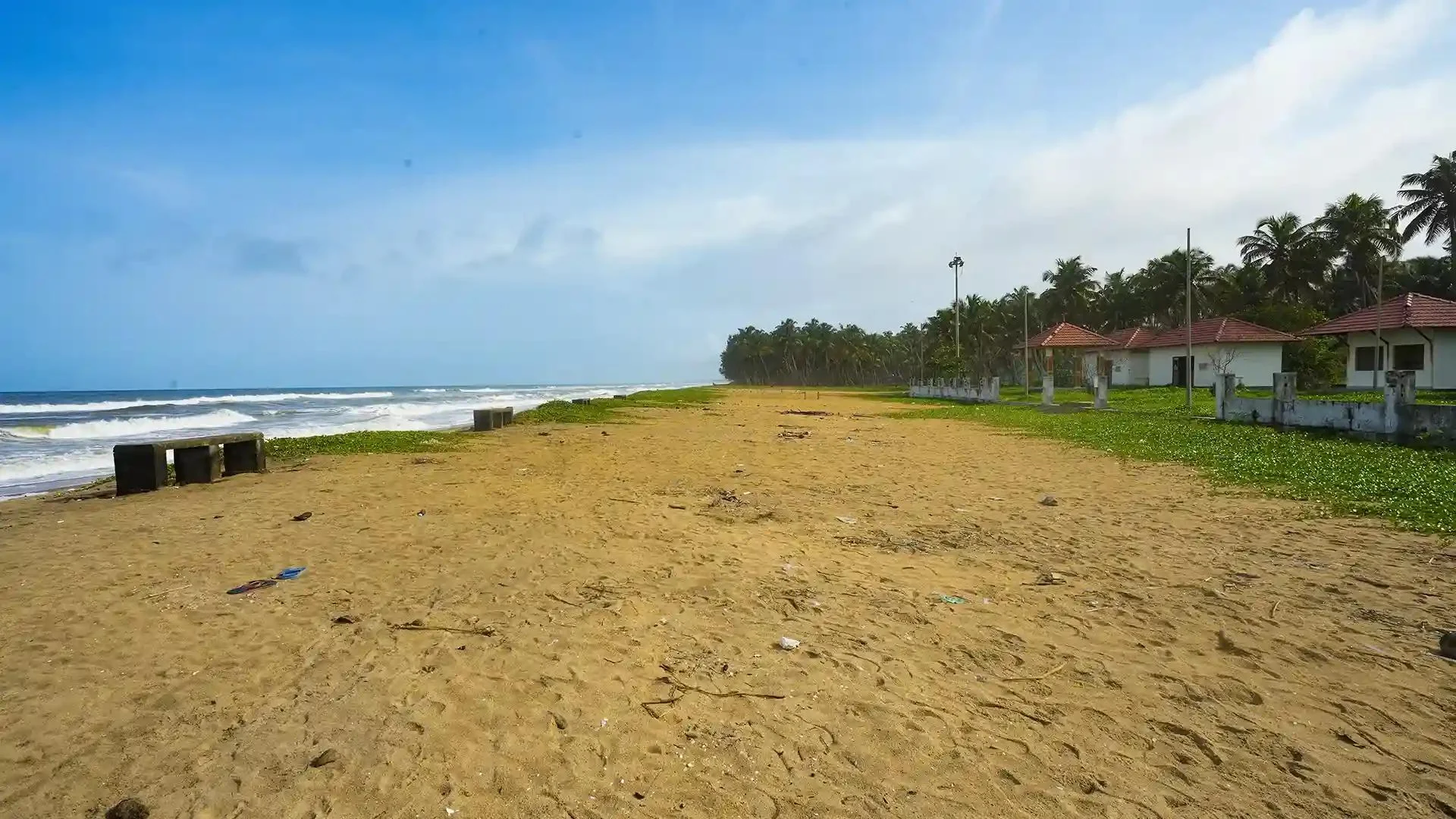
beachSnehatheeram Beach 18.2 km · ~30 min by cab
beachNattika Beach 18.5 km · ~31 min by cab
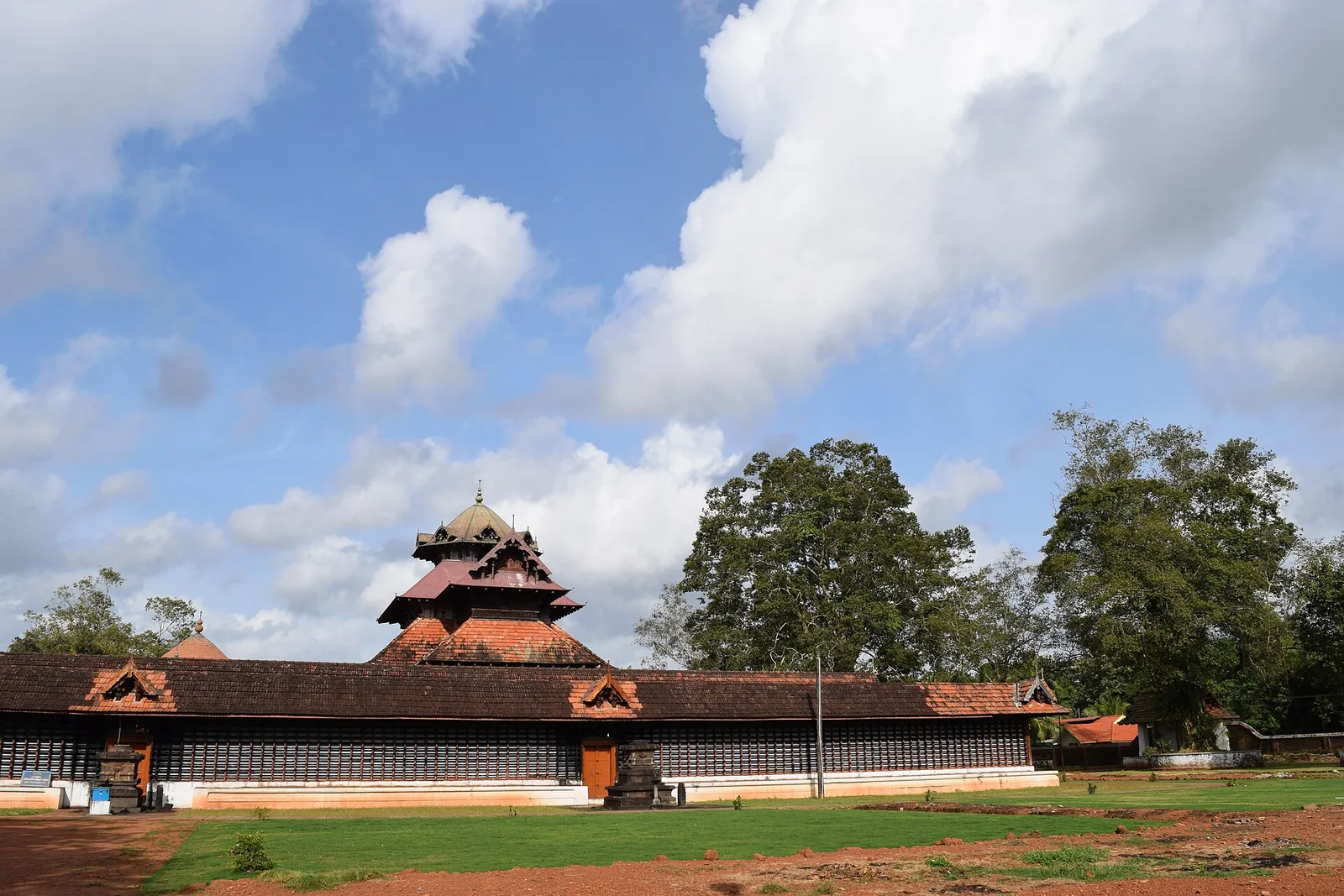
templeKoodalmanikyam Temple 19.8 km · ~33 min by cab
backwaterChettuva Backwaters 20.0 km · ~33 min by cab

All 23 places to visit in Thrissur city →

Nearby toilets, pharmacies, ATMs, seating and vets are community-mapped and may be incomplete or out of date. Map data © OpenStreetMap contributors | Walking times © openrouteservice.org by HeiGIT

On the map

Where Thrissur Pooram is

Good to know

Thrissur Pooram — frequently asked

When is Thrissur Pooram held?

It falls on the Pooram asterism in the Malayalam month of Medam, which lands in April or May. Because it follows the traditional calendar, the exact date changes every year — always confirm the current year’s date before you plan.

What are the two rival teams?

The festival is staged as a friendly competition between two temple groups — the Paramekkavu Bhagavathy Devaswom and the Thiruvambadi Sri Krishna Devaswom. Ten temples in all take part, five grouped under each side.

What are the must-see moments?

The Ilanjithara Melam percussion ensemble in the afternoon, the Kudamattam parasol exchange in the early evening, and the great fireworks display (Vedikettu), traditionally in the pre-dawn hours. The caparisoned elephants are on show throughout.

Who started Thrissur Pooram and when?

It was founded in the closing years of the 18th century — commonly dated to 1796, with some accounts citing a royal proclamation around 1798 — by Sakthan Thampuran (Raja Rama Varma), the Maharaja of Cochin, reportedly after Thrissur’s temples were excluded from the older Aarattupuzha Pooram.

Is it crowded, and is it free to watch?

Extremely crowded — some editions draw close to two million people — and the main events in the public maidan are free to view. Paid gallery or seating is sometimes arranged; check locally. Expect intense heat, dense crowds and very long days.

Where exactly does it take place?

On the Thekkinkadu Maidan, the ring of open ground around the Vadakkunnathan Temple in the very centre of Thrissur city — walkable from the railway station and the main bus stands.

When is the best time to visit Thrissur Pooram?

The festival is seasonal, usually around April/May in the Malayalam month of Medam. Exact dates and restrictions must be checked each year.

What are the entry fee and timings at Thrissur Pooram?

Entry: Free to watch in the public areas of the Thekkinkadu Maidan. Paid galleries or reserved seating are sometimes arranged by the Devaswoms or local bodies — availability varies year to year, so check locally in advance.. Timings: The main Pooram runs roughly 36 hours across the Pooram day and into the next, with events flowing day and night; the peak day falls in Medam (April–May). Individual events (melam, Kudamattam, fireworks) each have their own slots — confirm the exact date and timings for the year you visit.. Fees and timings are indicative — confirm on site before you travel.

How do I reach Thrissur Pooram?

Book Thrissur stays and transport well ahead once the current year date and arrangements are confirmed. Use walkable city locations where possible; roads and parking around the round can be heavily restricted. Carry water, sun protection and a clear meet-up plan because mobile signal and movement can be difficult in crowds.

How much time do I need for Thrissur Pooram?

One full day minimum; overnight in Thrissur is strongly preferable for visitors.

What else is near Thrissur Pooram?

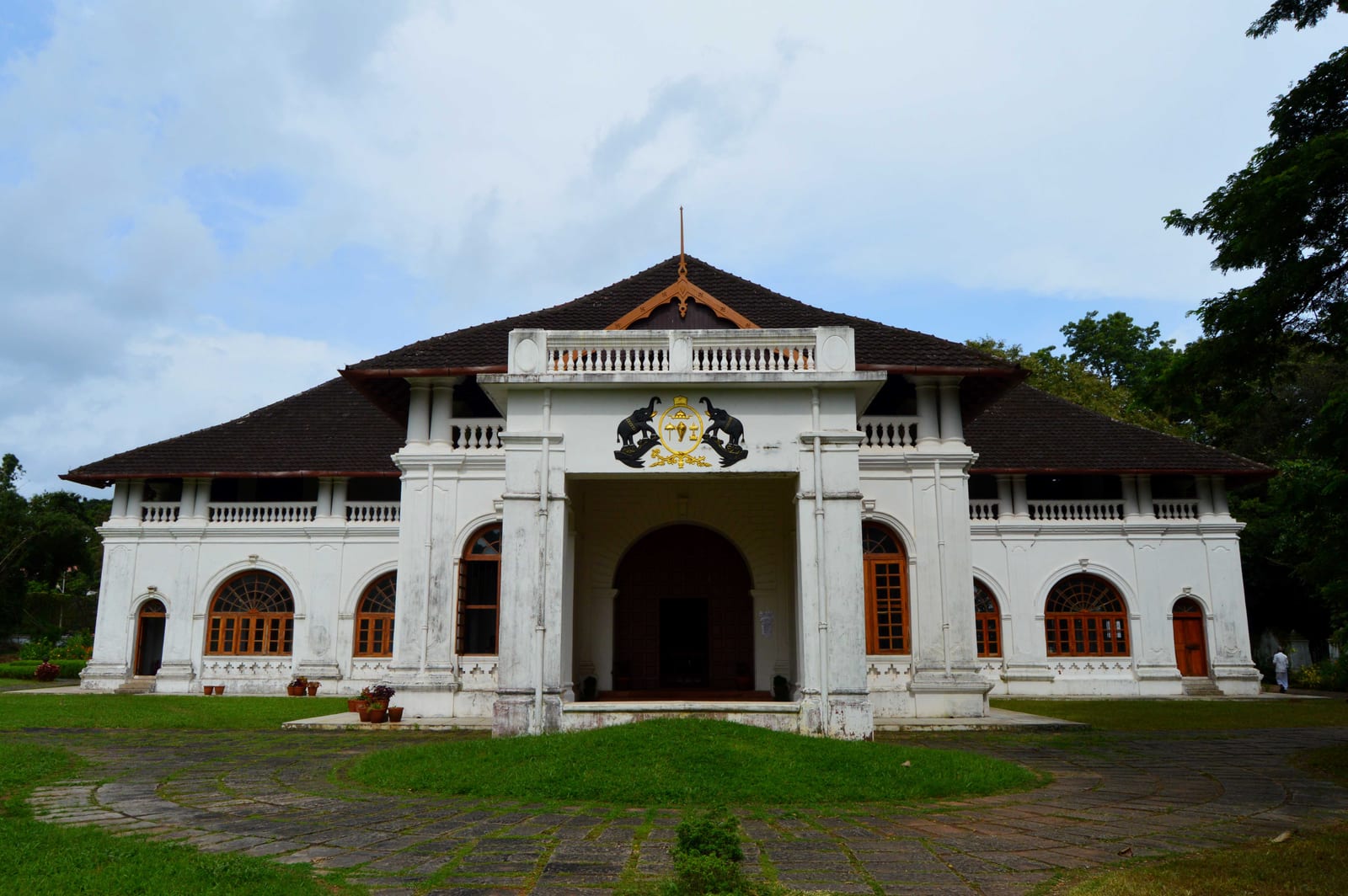
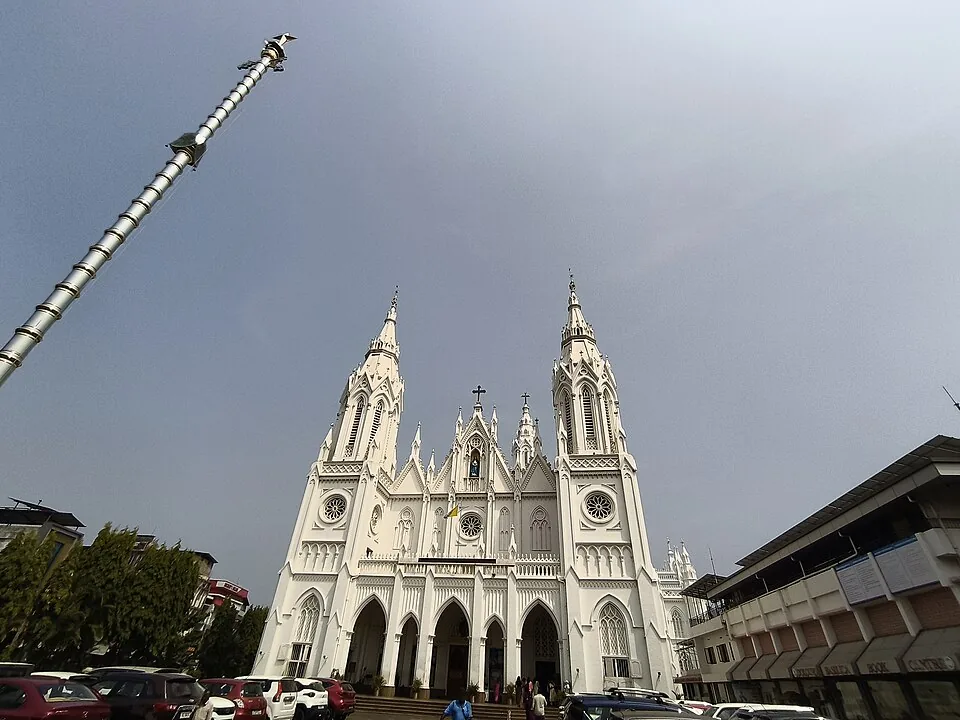
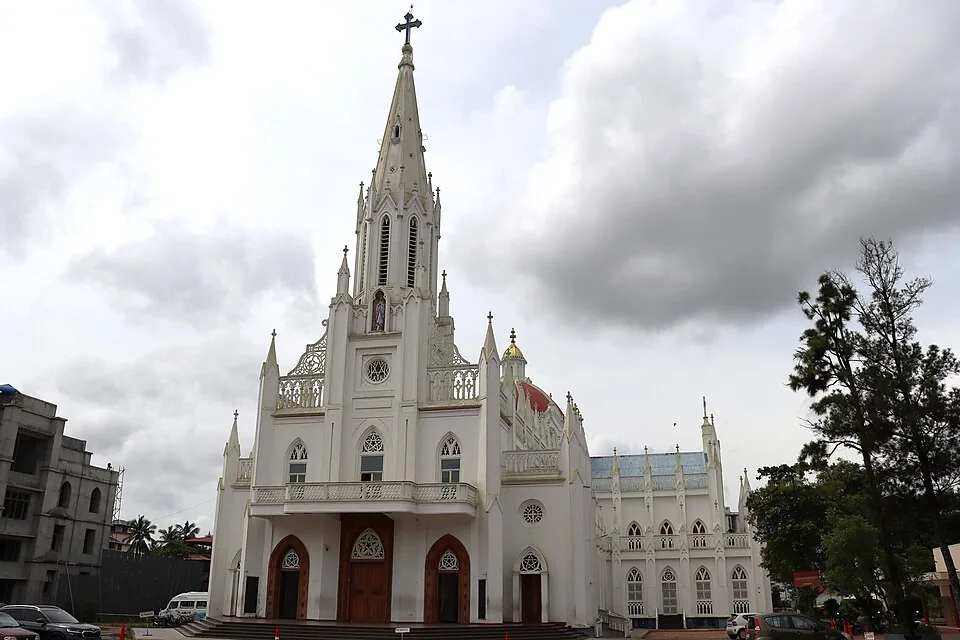
Nearby you can pair Basilica of Our Lady of Dolours (540 m), Shakthan Thampuran Palace (780 m), Thrissur Zoo (1.2 km), Our Lady of Lourdes Cathedral (1.5 km).

What should I know before visiting Thrissur Pooram?

Follow police, temple and event-control instructions immediately. Avoid crush-prone crowd pockets and keep children close. Be cautious around fireworks, elephants, heat and late-night movement.

Image credits
  • Thrissur Pooram:Rameshng · CC BY-SA 3.0