What to expect
Highlights
- Temple visit at Thirunelli Temple
- Kerala temple architecture and rituals
- Local food, shops and pilgrim services nearby
Ancient temple near the Brahmagiri forest edge, paired with Mananthavady and north-Wayanad routes.
Hindus only — non-Hindus are not admitted.Entry to the main temple premises is restricted to Hindus; the outer areas and the surrounding forest setting are open to everyone.
Checked 4 August 2026 against source 1source 2. Check the institution’s current rules and visiting session before travelling.
Cradled in a forest-ringed valley beneath the misty Brahmagiri peak, Thirunelli Temple is one of Kerala’s most ancient and atmospheric Vishnu shrines — a granite-pillared sanctuary reached through elephant country, where pilgrims come chiefly to remember their dead. Revered as the “Kashi of the South”, its sacred stream, the Papanasini, is believed to wash away sin and grant peace to departed souls.
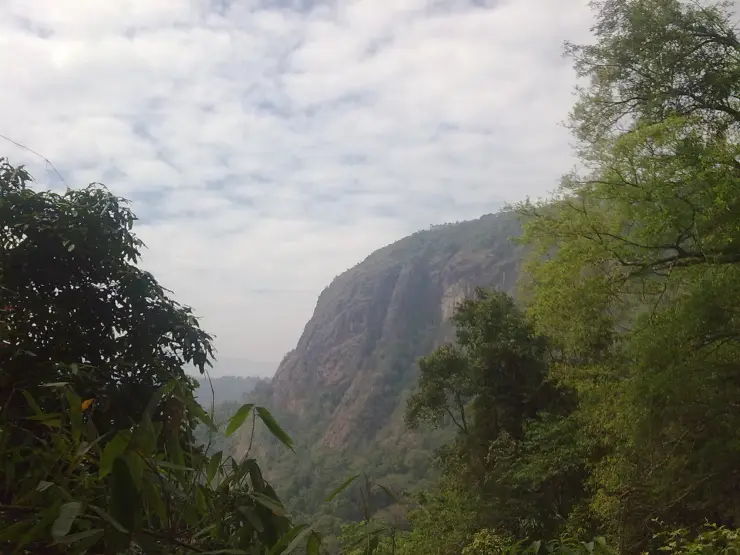
Set deep in the Brahmagiri hills of the Western Ghats, roughly 30–32 km from Mananthavady, Thirunelli feels less like a temple you visit than one you are drawn into. The road climbs through the forests of the Wayanad Wildlife Sanctuary, past teak and bamboo, before the valley opens and the grey stone shrine appears against a wall of green hills. At around 900 metres, wrapped in mist for much of the year, the setting is as much a part of the pilgrimage as the deity within.
The presiding deity is Maha Vishnu in his four-armed (Chaturbhuja) form, and the temple is counted among the revered Vaishnava shrines associated with the Puranas. Yet what sets Thirunelli apart from Kerala’s many Vishnu temples is its long, unbroken association with the rites of the dead. For centuries families have travelled here to perform pind-daan and bali tarpanam for departed ancestors, believing that the merit earned in this remote valley equals that of the great northern tirtha of Kashi (Varanasi) — hence its enduring title, “Dakshina Kashi”.
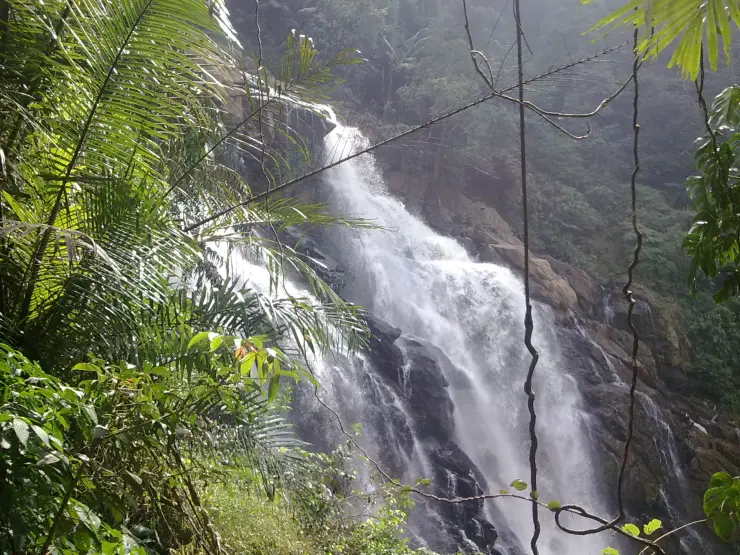
At the heart of that belief lies the Papanasini, a clear mountain stream that tumbles down from Brahmagiri a short walk from the temple. Its very name means “destroyer of sins”, and pilgrims bathe in its cold waters and offer rites for their forebears on the sacred rock beside it, known as the Pinnappara. The wider sacred geography — the Papanasini stream, the ritual waters of the Panchatheertham, and the shrine itself — is understood as a single spiritually charged landscape, a place where the living may settle their debts to the departed.
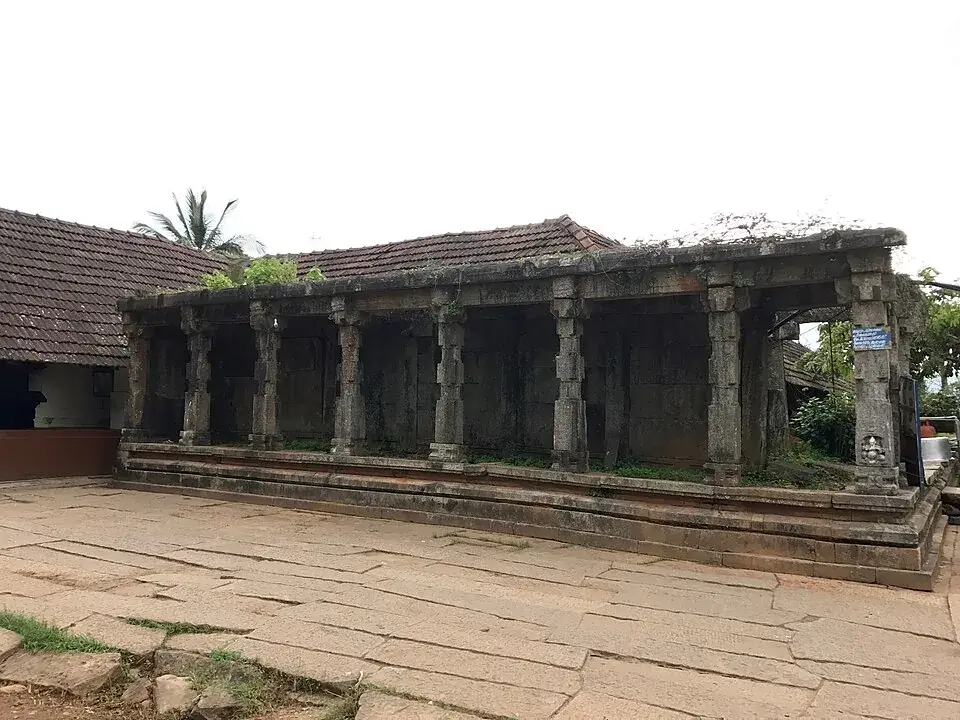
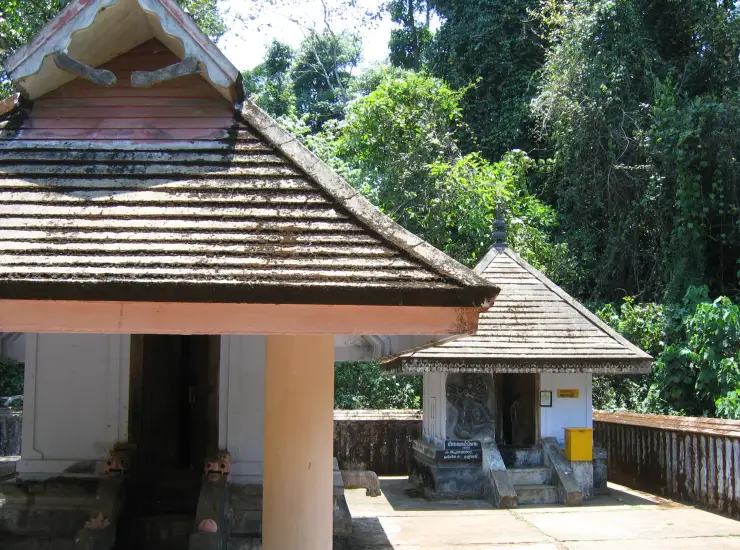
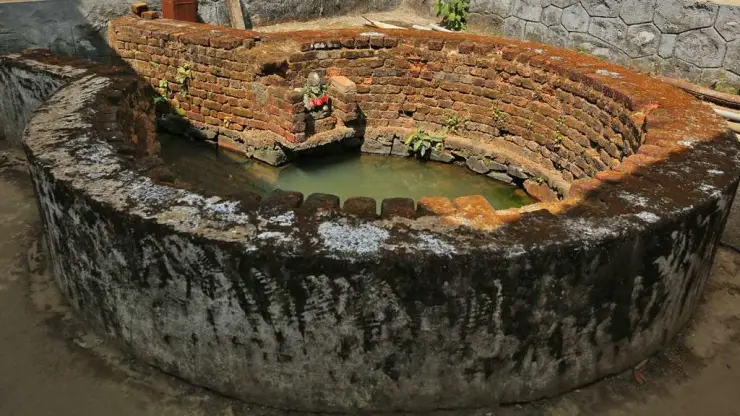
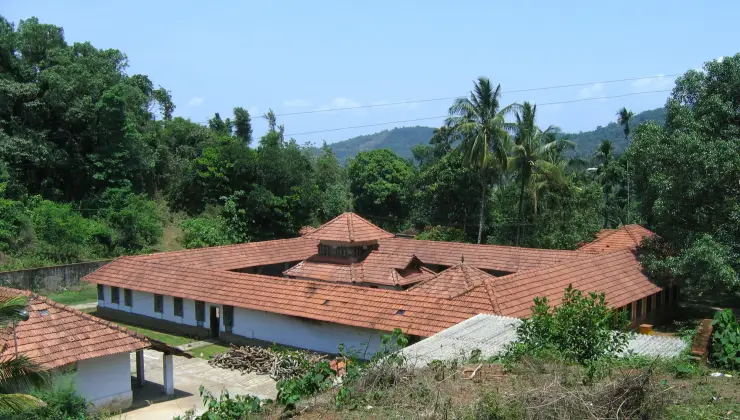
The temple is also admired for its austere, ancient architecture. Built largely of granite rather than Kerala’s more usual laterite and timber, its shrine is set on a raised platform ringed by rows of carved granite pillars, sheltered beneath a sloping roof. An old stone aqueduct, ingeniously cut, still carries water down from the hills into the temple — a small feat of early engineering that speaks to the antiquity and care lavished on this isolated site.
For the traveller, Thirunelli offers a rare combination of the sacred and the wild. There is little commercial bustle here — no crowded bazaar, few facilities — only the temple, the forest, the stream and the encircling peaks. Whether you come as a pilgrim performing ancestral rites or simply as a visitor moved by the silence, the place leaves a deep impression: a thousand-year-old shrine still standing where the mountains meet the sky.
By tradition, Thirunelli’s origins are credited to Brahma, the creator. Legend tells that Brahma was travelling across the universe on his swan (hamsa) when he was struck by the beauty of the Brahmagiri valley and descended to rest. There, set within an amla tree — the nelli, or Indian gooseberry — he found an idol of Vishnu, which he recognised as the Lord himself. Taking it as an auspicious sign, he is said to have consecrated the shrine on that very spot.
From this story comes the temple’s name: “Thiru-nelli”, the sacred (thiru) gooseberry (nelli), commemorating the amla tree beneath which the idol was found. It is told AS legend, passed down through generations and echoed in Puranic tradition rather than as documented history.
Legend further holds that Vishnu blessed the site so that rites performed here for the departed — pitru-karma — would carry special power, releasing ancestral souls toward liberation. It is this divine sanction, the stories say, that made Thirunelli a place of ancestral rites and earned it the name “Kashi of the South”. Local sage and Parashurama traditions, common across Kerala’s sacred sites, are also woven into the temple’s remembered past.
Thirunelli is reckoned among the oldest surviving temples in this part of Kerala, with a history commonly held to span well over a thousand years. Its granite construction and archaic layout point to a considerable antiquity, and the shrine is remembered in Vaishnava tradition as a place of long-standing sanctity in the Wayanad highlands.
Scholars and local tradition trace the temple’s important patronage to the early medieval Chera period, and rulers associated with the Kerala Cheras — including figures such as Bhaskara Ravi Varman — are linked in tradition to its upkeep and endowments. Old inscriptions and the temple’s stone works are cited as evidence of this early, sustained royal support in what was then a remote frontier of the Chera realm.
Among the temple’s remarkable surviving features is its ancient stone aqueduct, which channels water from the surrounding hills into the shrine — a piece of early hydraulic craftsmanship that has drawn the attention of historians and visitors alike. The rows of dressed granite pillars and the raised sanctum likewise reflect an old building tradition uncommon in a region where timber and laterite usually dominate.
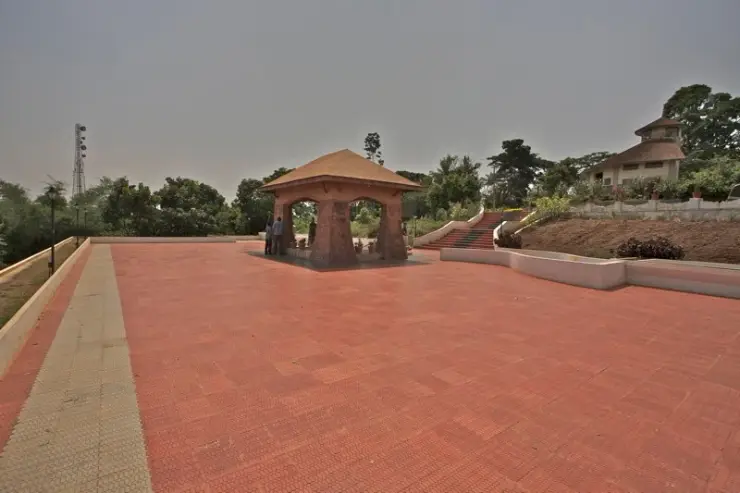
In the later history of Wayanad, Thirunelli lies within the landscape associated with Pazhassi Raja, the Kottayam prince who waged a long guerrilla resistance against the British in these very forests around the turn of the nineteenth century. The remote hills and valleys near Thirunelli formed part of the terrain of that struggle, binding the temple’s surroundings to one of Kerala’s most storied chapters of anti-colonial resistance.
In modern times the temple is administered under the Malabar Devaswom Board, which oversees its rituals, festivals and the great gatherings for ancestral rites. Despite its isolation, it remains a living shrine, drawing pilgrims from across Kerala and neighbouring states — especially on the new-moon (vavu) days set aside for offerings to the dead.
To perform or witness ancestral rites at one of India’s most revered sites for pitru-karma — the “Kashi of the South”, where pind-daan and bali tarpanam are offered for departed souls on the sacred rock beside the Papanasini.
To bathe in or simply sit beside the Papanasini stream, the “destroyer of sins”, whose cold, clear waters tumble down from Brahmagiri and lie at the heart of the temple’s spiritual pull.
To see a genuinely ancient granite temple — its rows of carved stone pillars, raised sanctum and old stone aqueduct making it architecturally distinct from Kerala’s usual timber-and-laterite shrines.
For the sheer remoteness and beauty of the setting: a forest-ringed valley below the 900-metre Brahmagiri peak, reached through the Wayanad Wildlife Sanctuary, where mist, silence and green hills surround the shrine.
For the deity — Maha Vishnu in his four-armed form — worshipped in a shrine wrapped in Puranic legend, from Brahma’s consecration to the story of the idol found beneath the amla tree.
For travellers drawn to the wild as much as the sacred: the drive from Tholpetty through elephant country, the birdsong and forest air, and a rare chance to experience a major pilgrimage place with almost none of the usual crowds or commerce.
Road km to Wayanad; ghat roads and traffic vary — allow extra.
Morning or early evening is usually best; festival days can be powerful but crowded.
Live forecast loads in your browser.
Sunset is in about 3 hours.
Sun and moon are calculated for this location and shown in IST. Photography windows are the hour around sunrise and sunset; the sunset bearing is degrees clockwise from true north. Moon phase is accurate to about half a day.
These are official or public-sector eco offerings that match this place, town or forest destination. Confirm availability, permits, tariffs and reporting times with the official operator before travel.
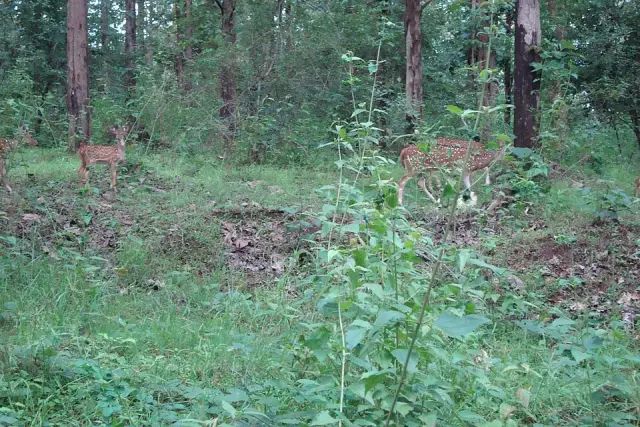
Northern Wayanad wildlife safari zone around Tholpetty, usually planned from Mananthavady or Thirunelli.
Official source →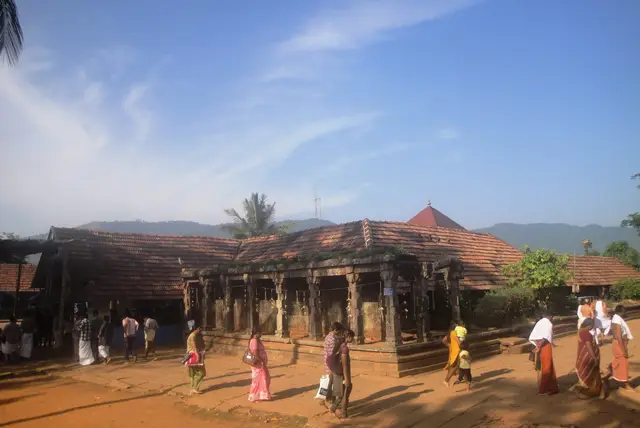
Temple, forest and Brahmagiri-edge landscape in north Wayanad, listed among Kerala Tourism ecotourism destinations.
Official source →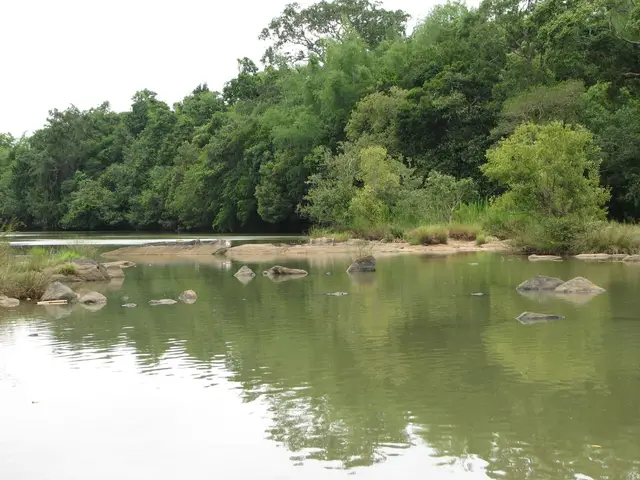
River-island eco-tourism area with seasonal and carrying-capacity restrictions; confirm opening status before travel.
Official source →Verified hotels, homestays, restaurants, experiences, sights, shops and rentals around Thirunelli Temple — commission-free, with direct contact. Filter by what you need.
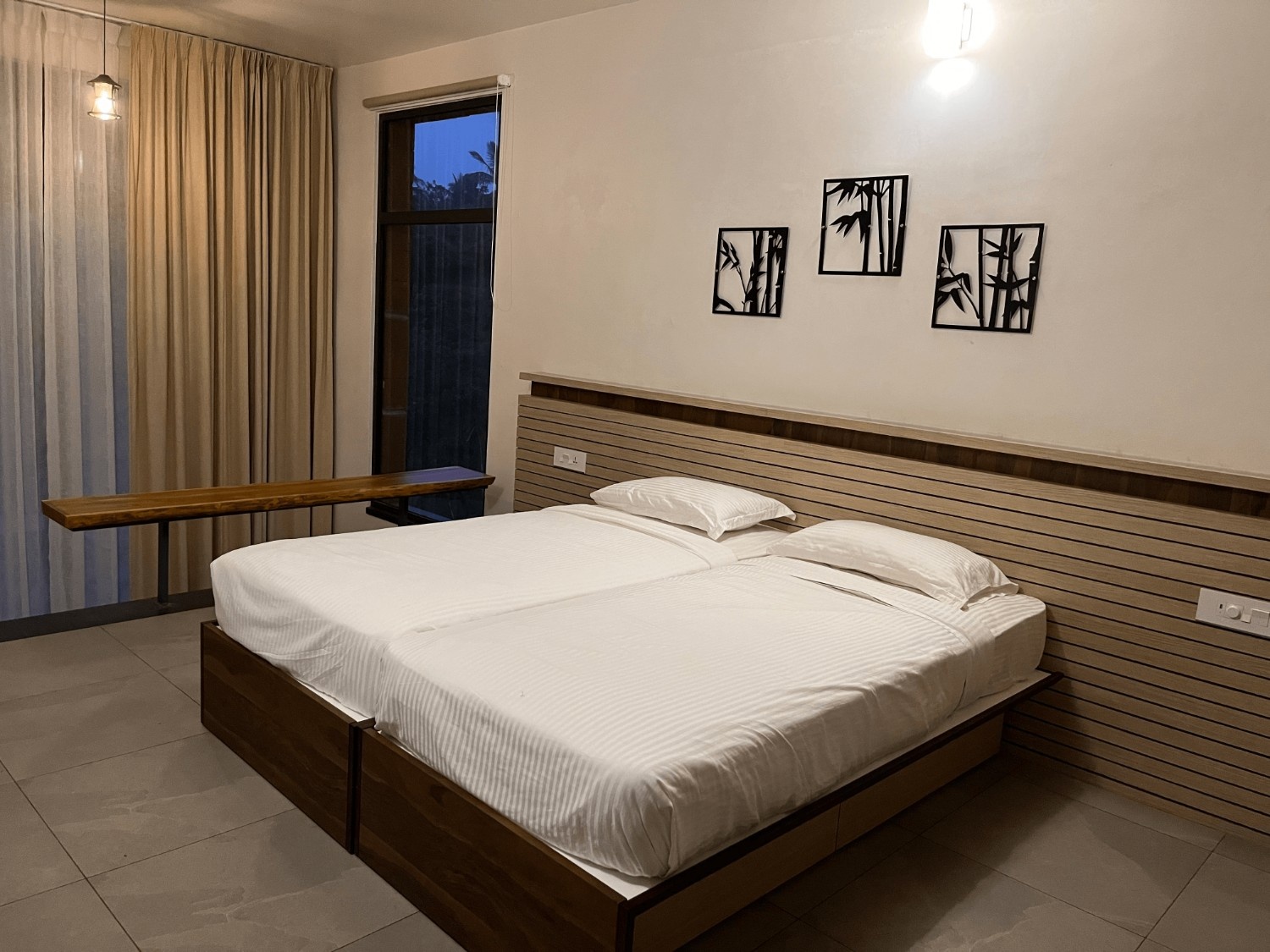
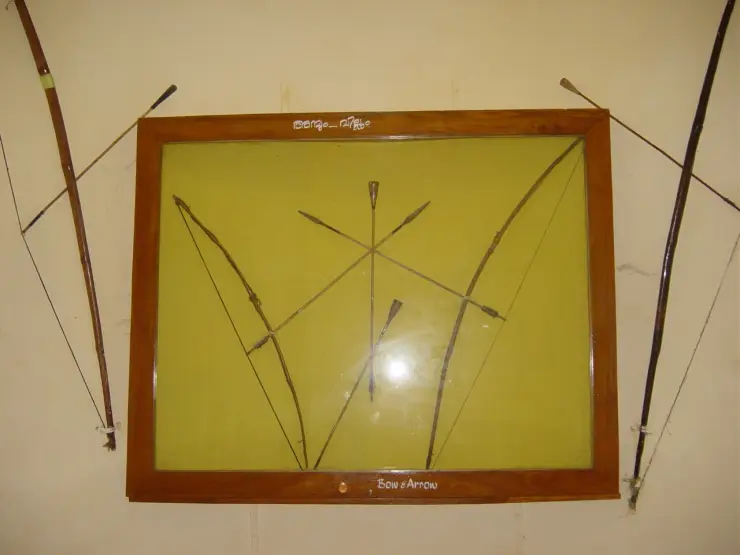
Wayanad Adventures is a Mananthavady-side eco-lodging and activity operator offering jeep safari, sightseeing, campfire, tour packages, archery and swimming. Mananthavady, Eco lodging, Jeep safari.
DTPC Wayanad source for Tholpetty safari from Mananthavady side. Tholpetty, Mananthavady, Wayanad Wildlife Sanctuary.
Official KSRTC Mananthavady branch contact for north-Wayanad bus-route planning. Public transport · Bus, KSRTC, Transport.
Book with the place itself. India’s cyber-crime coordination centre warned in April 2025 that convincing copies of hotel and pilgrimage booking sites are being pushed through sponsored search and social ads, taking payment for rooms the property never hears about. Every listing here links to the business’s own contact details and its own Google or Bing profile — we take no commission and sit in nobody’s payment path. If a booking page reached you through an ad, check the address bar against the property’s own site before you pay. Fraud can be reported on cybercrime.gov.in or on 1930.
Find food, accommodation and activities across Mananthavady. Browse the guides for places to eat, stay and explore along your route.
9 more places around Mananthavady. Open a guide to plan the visit and onward journey.
5.5 km · ~14 min by auto
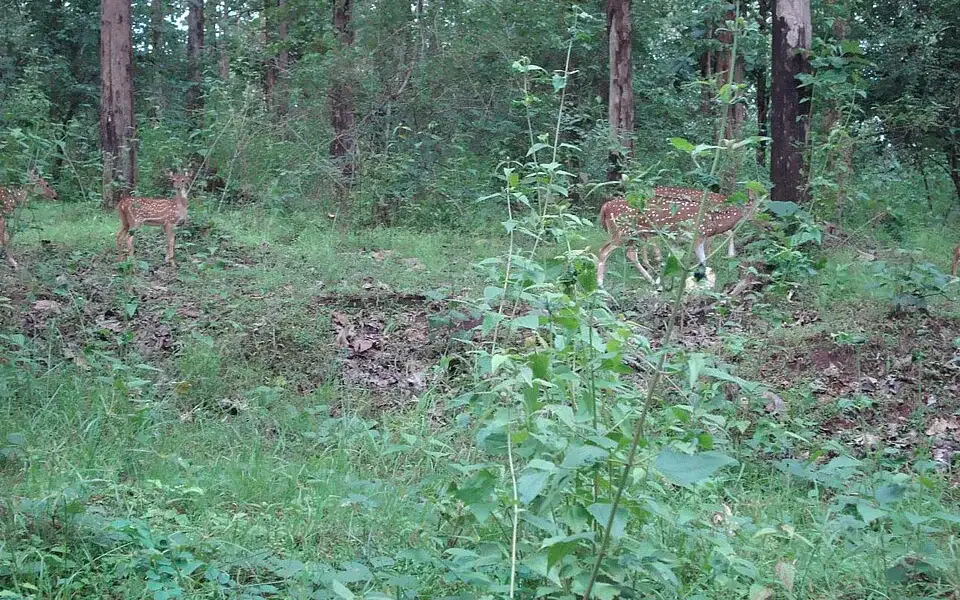
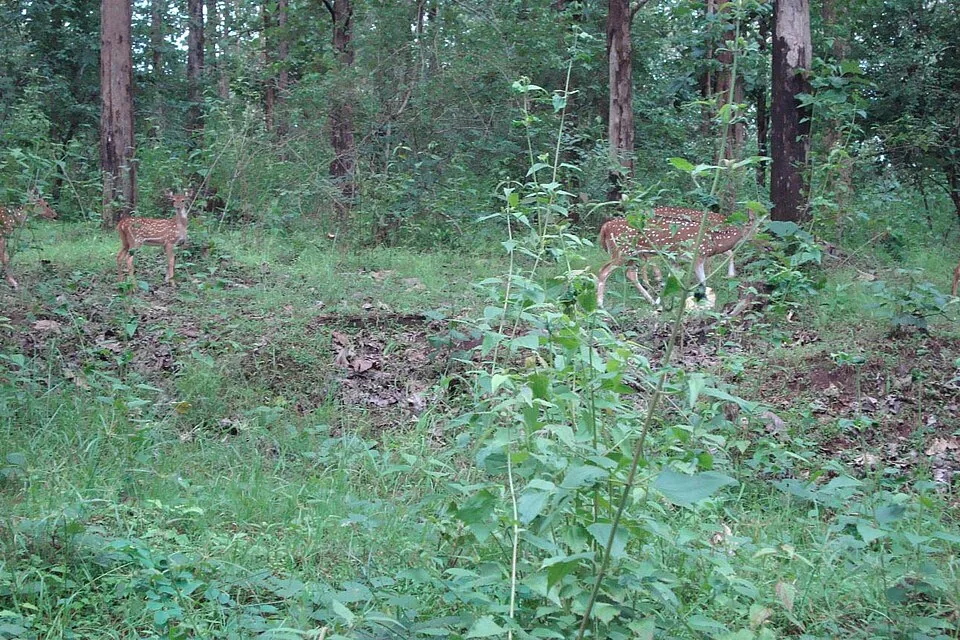
Tholpetty Wildlife Sanctuary is the Mananthavady-side wildlife gateway of Wayanad Wildlife Sanctuary. Plan it through current official safari timing, forest contact checks and responsible road buffers before adding nearby stays, food or drivers.
11.8 km · ~20 min by cab
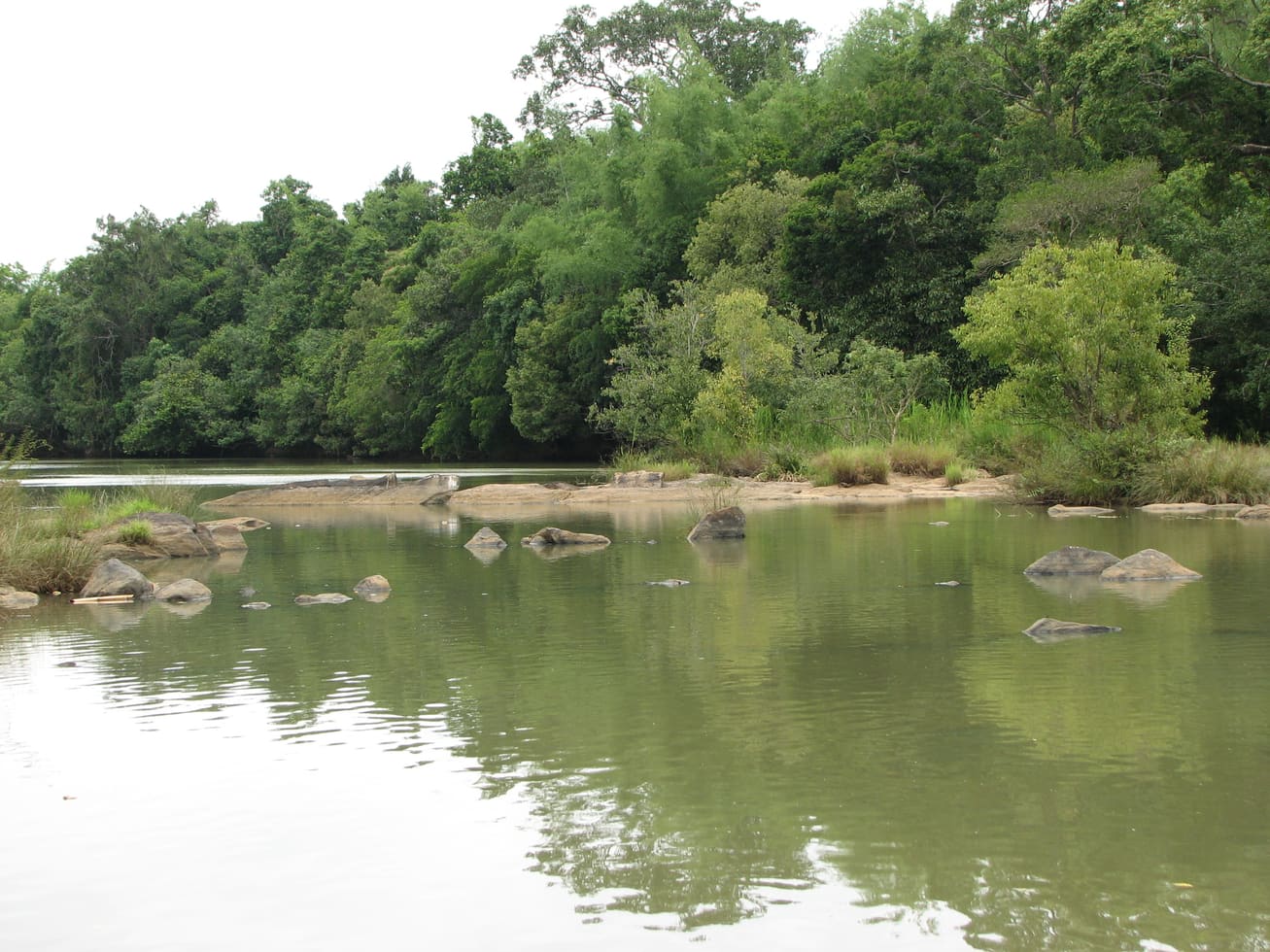
Protected river-island eco-tourism area on the Mananthavady/Pulpally side, with seasonal and capacity-based access restrictions.
6.7 km · ~17 min by auto
The Mananthavady Tribal Plantation Co-operative tea estate at Pancharakolly, combining a plantation walk, factory, museum, tasting and Vishwas Point.
12.6 km · ~21 min by cab
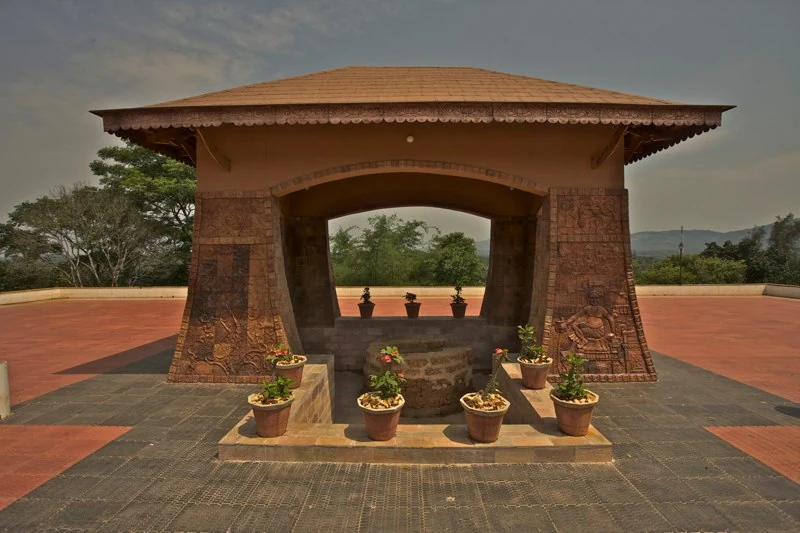
Pazhassi Raja’s memorial and the Kerala Archaeology Department museum at Mananthavady’s Hospital Hill, with four galleries connecting the resistance leader, Wayanad’s communities and the district’s material history.
14.0 km · ~23 min by cab
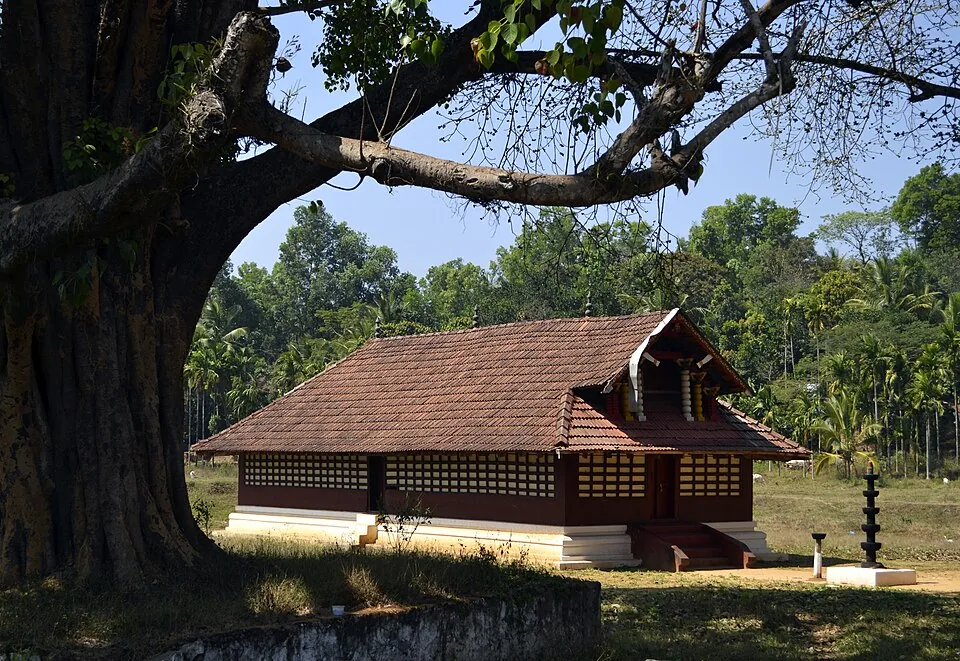
Important Mananthavady-side Bhagavathy temple known for festival and local cultural context.
6.6 km · ~17 min by auto
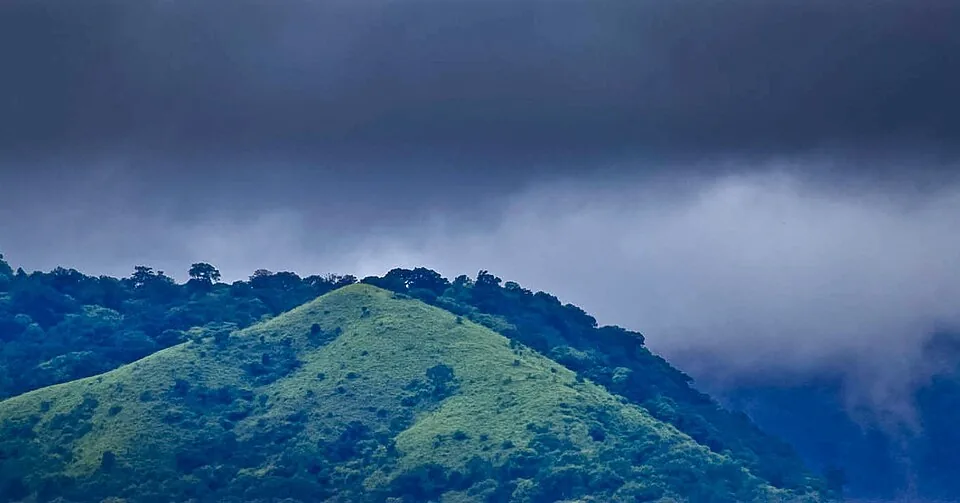
Highland forest-and-peak landscape near Thirunelli, with access dependent on rules and conditions.
6.6 km · ~17 min by auto
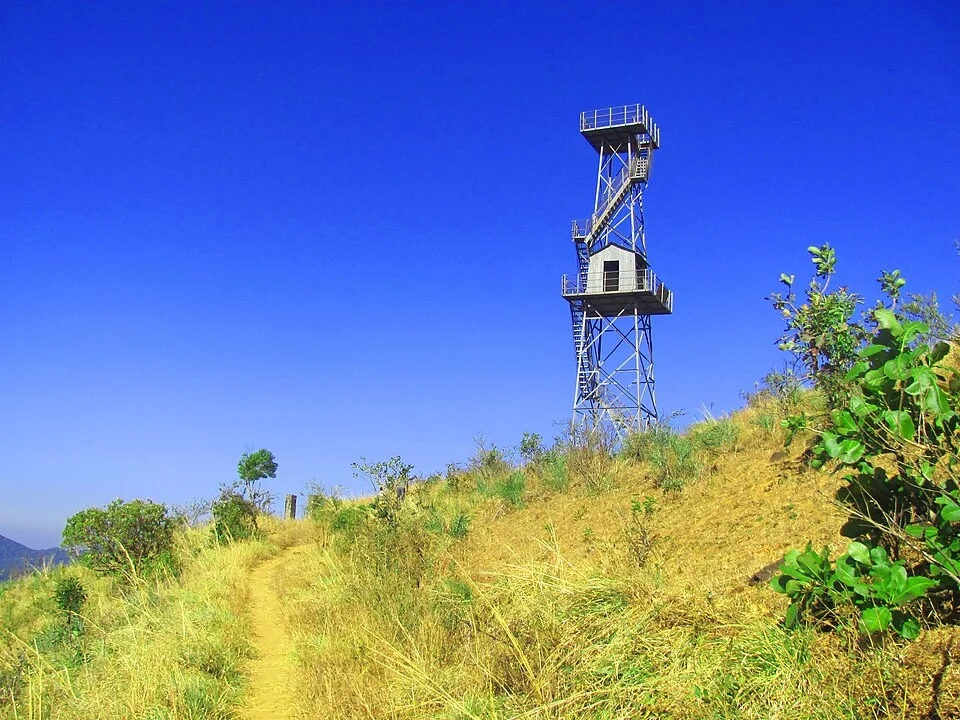
Brahmagiri Hills trek and cave landscape near Thirunelli, known for birdlife and permit-dependent forest access.
9.6 km · ~16 min by cab
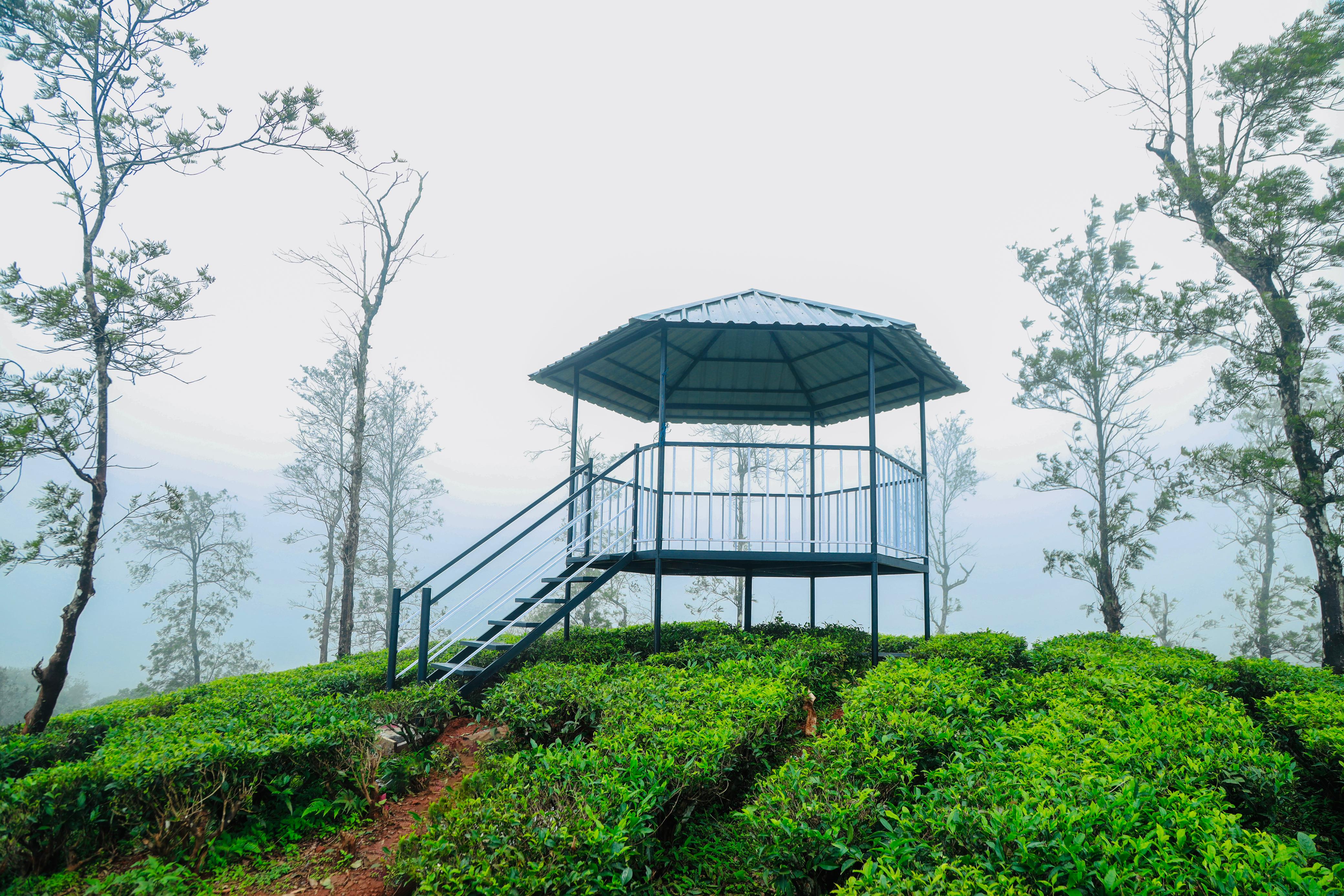
KFDC’s Camellia Eco Cottages stay inside its working Kambamala tea estate, with guided plantation and forest-edge activities arranged as part of the programme.
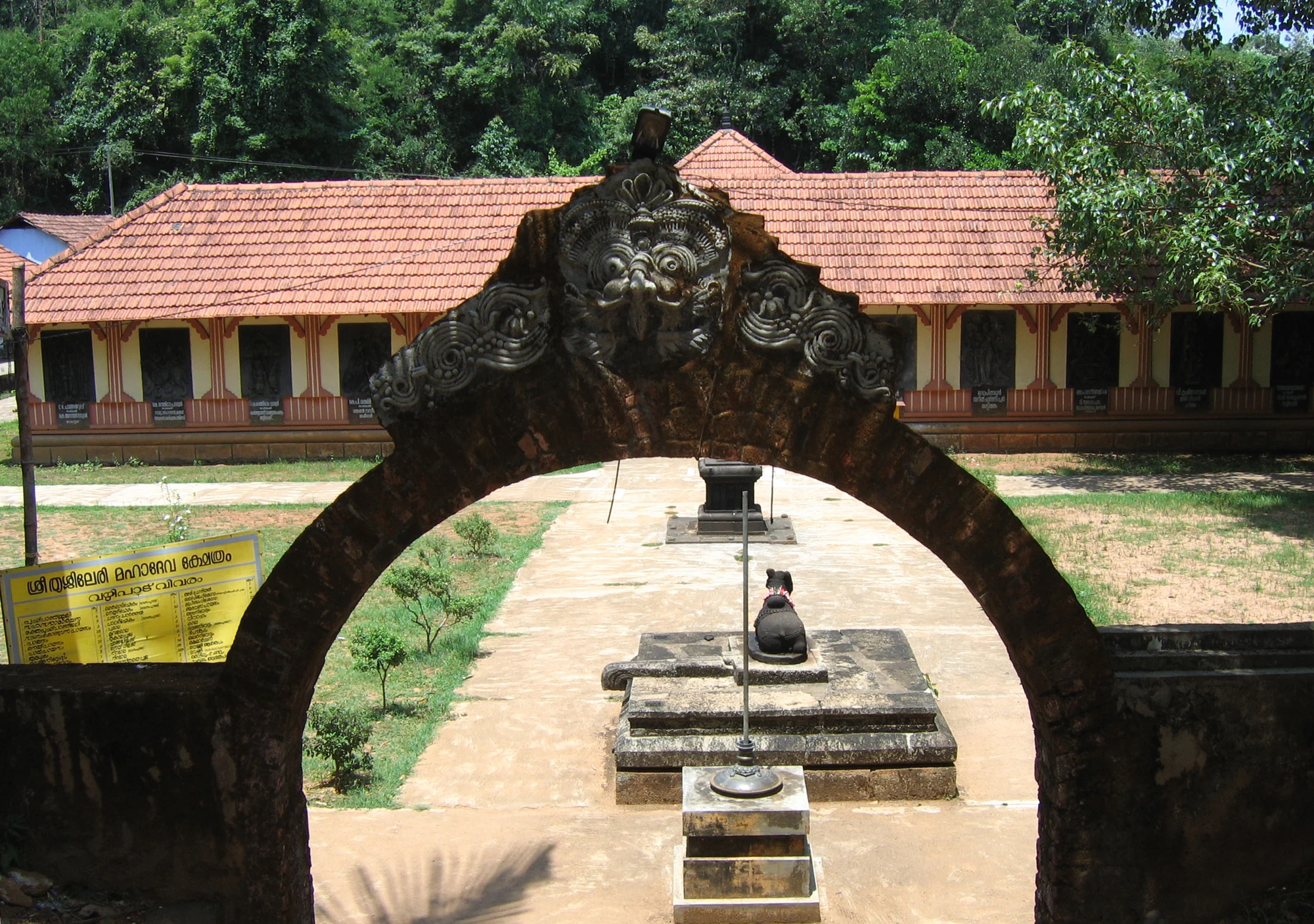
7.2 km · ~18 min by auto
The Shiva temple at Thrissilery near Mananthavady, with a west-facing worship tradition, relief-lined outer walls, Jala Durga water shrine and a ritual relationship with Thirunelli.
Roampedia is commission-free — own or know a stay, eatery, guide or shop near Thirunelli Temple? List it and it appears here once verified.
Add a nearby businessEntry: No entry fee for temple darshan; charges apply only for specific poojas, offerings and bali rites.
Dress code: Traditional and modest. Men typically wear a mundu/dhoti (often shirtless in the sanctum); women wear sarees, long skirts or salwar kameez. Shorts, sleeveless tops and revealing clothing are not allowed.
Festivals: A two-day annual temple festival is held around April; Bali Karma (ancestral rites) on new-moon days in Karkidakam, Thulam and Kumbham draw the largest crowds. Puthari, Sivarathri, Navaratri, Sree Krishna Jayanthi, Vishu and Chuttuvilakku are also observed (confirm dates locally).
Photography: Photography is generally restricted within the temple and around the sanctum; the forest, hills and stream make fine subjects outside. Ask permission and respect any signage, especially during rituals.
If you are travelling by bus or ferry, check the return service with the operator before setting out. Leave time to reach the stop or jetty after your visit.
Ask at the bus stand for the time of the last service back, not the next one. If you miss it, an auto or app cab is the fallback — agree the fare before you get in.
If you need step-free access, contact the site before travelling. Ask about a level entrance, steps along the route, the nearest drop-off point, seating and accessible toilets.
Emergency numbers are verified against official government and state tourism sources. 112 works anywhere in India.
Northern Wayanad wildlife zone usually planned from Mananthavady or Thirunelli with current safari timing confirmed.
5.5 km · ~14 min by auto · straight lineHighland forest-and-peak landscape near Thirunelli, with access dependent on rules and conditions.
6.6 km · ~17 min by auto · straight lineBrahmagiri Hills trek and cave landscape near Thirunelli, known for birdlife and permit-dependent forest access.
6.6 km · ~17 min by auto · straight lineThe Mananthavady Tribal Plantation Co-operative tea estate at Pancharakolly, combining a plantation walk, factory, museum, tasting and Vishwas Point.
6.7 km · ~17 min by auto · straight lineThe Shiva temple at Thrissilery near Mananthavady, with a west-facing worship tradition, relief-lined outer walls, Jala Durga water shrine and a ritual relationship with Thirunelli.
7.2 km · ~18 min by auto · straight lineKFDC’s Camellia Eco Cottages stay inside its working Kambamala tea estate, with guided plantation and forest-edge activities arranged as part of the programme.
9.6 km · ~16 min by cab · straight lineProtected river-island eco-tourism area on the Mananthavady/Pulpally side, with seasonal and capacity-based access restrictions.
11.8 km · ~20 min by cab · straight linePazhassi Raja’s memorial and the Kerala Archaeology Department museum at Mananthavady’s Hospital Hill, with four galleries connecting the resistance leader, Wayanad’s communities and the district’s material history.
12.6 km · ~21 min by cab · straight lineImportant Mananthavady-side Bhagavathy temple known for festival and local cultural context.
14.0 km · ~23 min by cab · straight line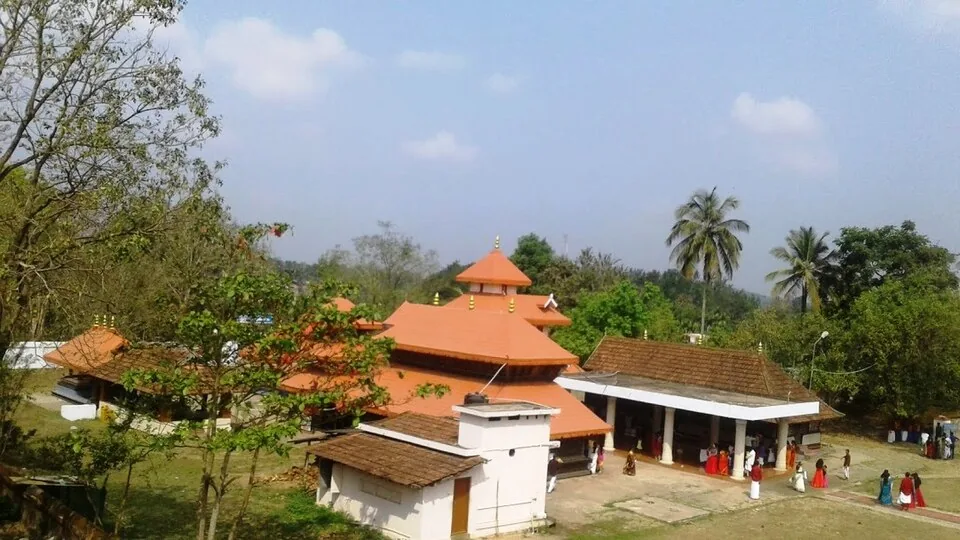
Pulpally-side temple with Ramayana-linked local tradition, usually planned as a north/east-Wayanad extension.
22.9 km · ~38 min by cab · straight line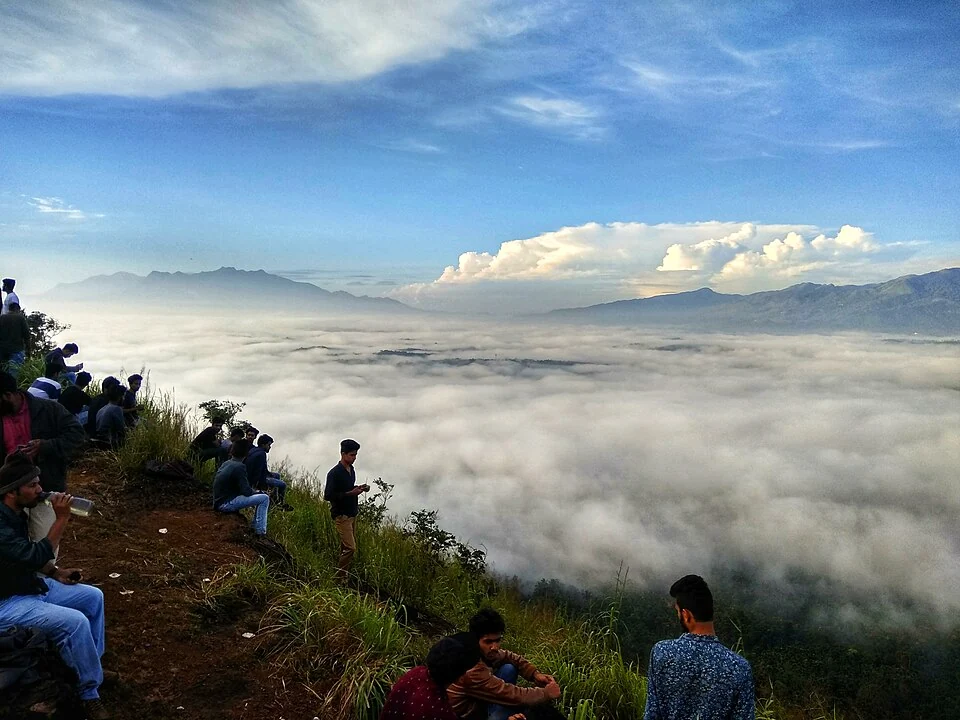
A walked hill viewpoint in the Kottathara area of Wayanad, known for dawn cloud below the ridge and wide daylight views over fields and wooded hills.
24.5 km · ~41 min by cab · straight line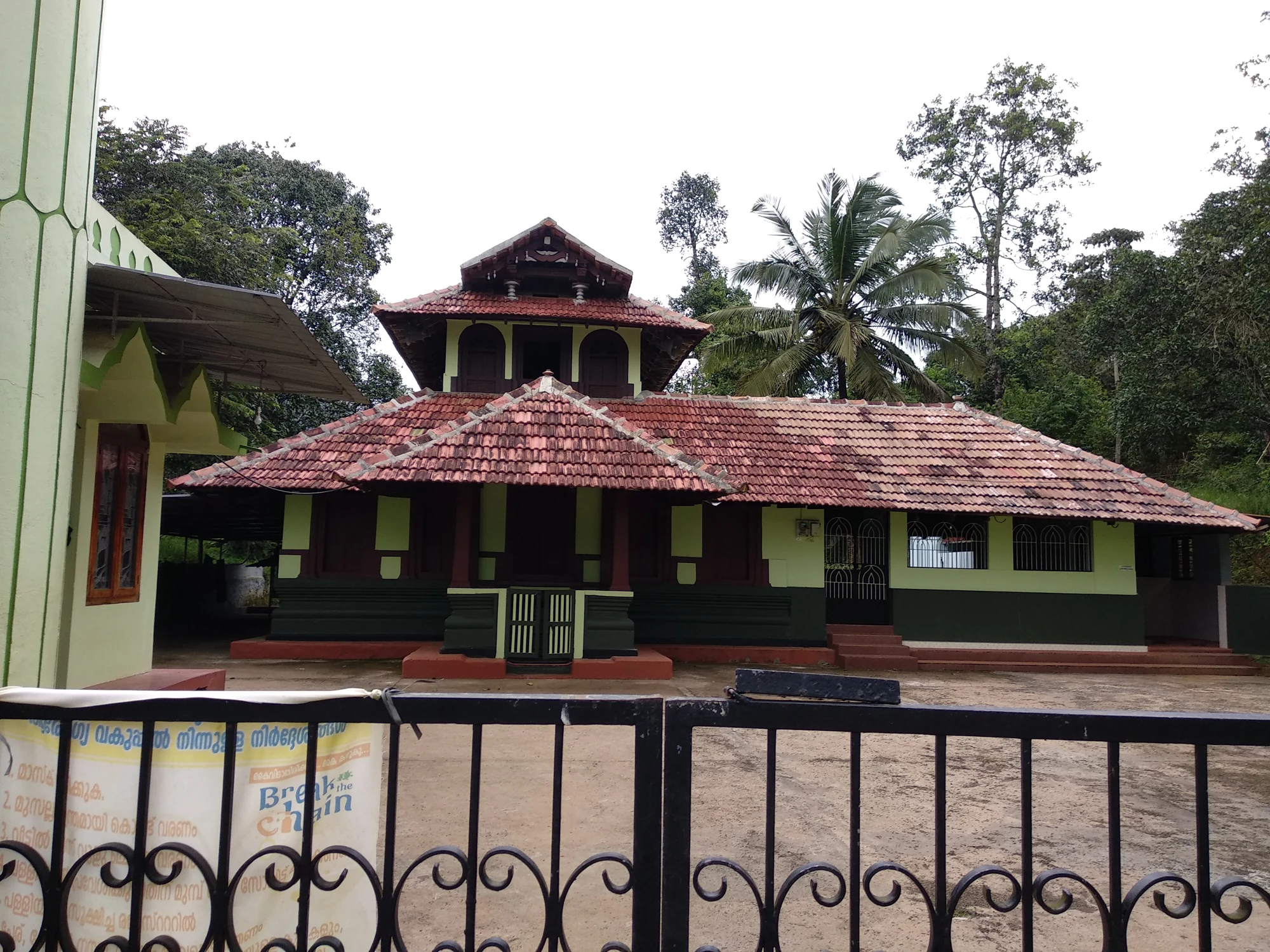
The Varambetta mosque and maqaam complex near Padinjarathara in Wayanad, with a tiled timber shrine, a neighbouring domed prayer building and a documented annual Nercha gathering.
25.3 km · ~42 min by cab · straight lineBecause it is one of the foremost places in South India for performing rites for departed ancestors (pind-daan and bali tarpanam). Devotees believe the merit earned here equals that of Kashi (Varanasi) in the north, and that the nearby Papanasini stream washes away sin and grants peace to the dead — hence the titles “Kashi of the South” and “Dakshina Kashi”.
The Papanasini is a mountain stream that flows down from the Brahmagiri hills a short walk from the temple. Its name means “destroyer of sins”. Pilgrims bathe in it and perform ancestral rites on a sacred rock beside it, known as the Pinnappara, believing its waters cleanse sin and liberate departed souls.
Bali rites for the departed are performed especially on new-moon (vavu) days, drawing large gatherings — notably in the Malayalam months of Karkidakam (around July–August), Thulam (around October–November) and Kumbham (around February–March). These days see thousands of pilgrims; expect crowds and confirm exact dates locally before travelling.
Legend holds that Brahma, travelling on his swan, was drawn to the beauty of the Brahmagiri valley and found an idol of Vishnu set within an amla tree — the nelli, or Indian gooseberry. He consecrated the shrine there, and the temple took the name “Thiru-nelli”, the sacred gooseberry. This is recounted as legend rather than documented history.
Yes. Traditional attire is expected: men typically wear a mundu or dhoti (often without a shirt inside the shrine), and women wear sarees, long skirts or salwar kameez. Shorts, sleeveless tops and revealing clothing are not permitted. As with most traditional Kerala temples, entry to the sanctum area may be restricted to Hindus; please confirm and follow local custom on arrival.
Very remote. Thirunelli sits in a forest valley about 30–32 km from Mananthavady, reached by driving through the Wayanad Wildlife Sanctuary, and facilities nearby are limited. The area is genuine elephant country, so follow forest department instructions, avoid travelling after dark, and plan your visit and return within daylight hours.
Morning or early evening is usually best; festival days can be powerful but crowded.
Entry: No entry fee for temple darshan; charges apply only for specific poojas, offerings and bali rites. Timings: Generally open for darshan around 5.30 am–12.00 noon and 5.30 pm–8.00 pm, closed in the afternoon.
Base yourself in Mananthavady or a nearby town in Wayanad, then confirm the last-mile route locally before leaving. Check temple entry customs, dress rules and festival crowd conditions before arrival. If the visit depends on forest, temple, boat, ferry, weather or seasonal access, check the official/local rule on the day before travel.
45 minutes to 2 hours, longer during festival or queue periods.
Nearby you can pair Tholpetty Wildlife Sanctuary (5.5 km), Brahmagiri Hills (6.6 km), Pakshipathalam (6.6 km), Priyadarshini Tea Environs (6.7 km).
Use official counters for offerings/tickets where applicable. Keep footwear and valuables secure in crowded areas.
Written about Thirunelli Temple itself — its history, its legends and the arguments about them.
These guides explore Mananthavady and the surrounding area. Choose a visit that fits your interests, allowing separately for travel between stops.
Route-level itineraries and practical guides for the rest of Kerala.
Photographs: Ms Sarah Welch (CC BY-SA 4.0), RajeshUnuppally (CC0), Vinayaraj (CC BY-SA 4.0), Ingo Mehling (CC BY-SA 4.0), Jaseem Hamza (CC BY 3.0), Mrriyad (CC BY-SA 3.0). Wikimedia Commons.