What to expect
Highlights
- Temple visit at Valliyoorkavu Bhagavathy Temple
- Kerala temple architecture and rituals
- Local food, shops and pilgrim services nearby
Important Mananthavady-side Bhagavathy temple known for festival and local cultural context.
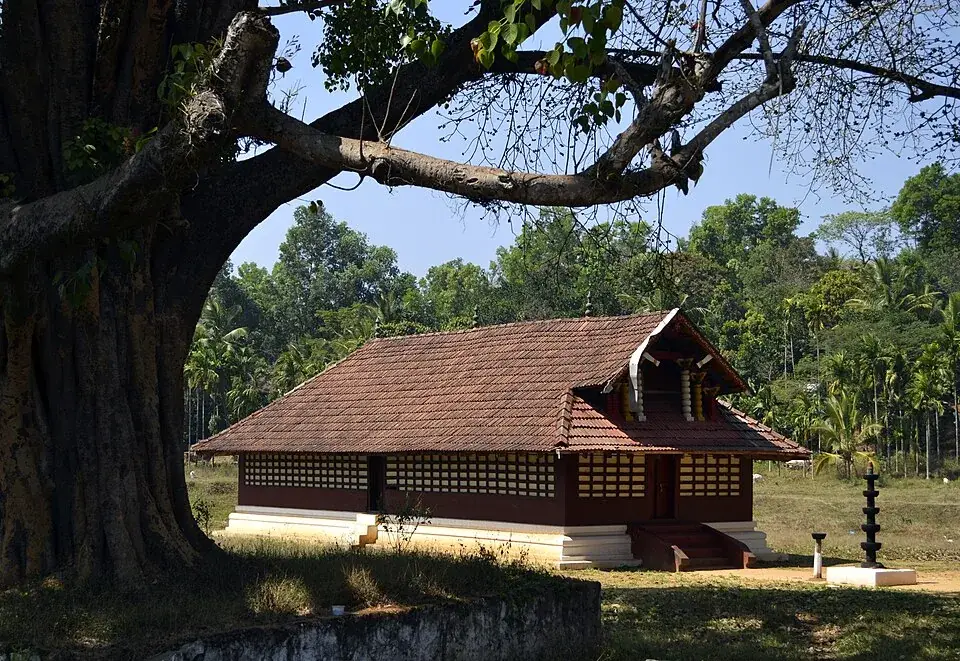
Check entry arrangements. Ask temple staff about visitor entry, dress requirements and access to the inner shrine before you travel, especially if you are visiting as a non-Hindu.
Dress respectfully and follow the institution’s admission and photography rules.
Set on the wooded banks of a river a few kilometres from Mananthavady, Valliyoorkavu Bhagavathy Temple is one of Wayanad’s most revered Devi shrines — a place bound tightly to the land, the water and, above all, to the district’s Adivasi (tribal) communities, whose devotion to the goddess reportedly runs back many generations.
Valliyoorkavu (also written Valliyoorkkavu) lies roughly 3 km from Mananthavady town in Wayanad, on the banks of a river that most sources identify as the Kabini or its tributary the Panamaram — the high, forested plateau country of northern Kerala. The word “kavu” itself points to the shrine’s character: in Kerala a kavu is a sacred grove, a patch of protected forest where a deity is felt to dwell among the trees rather than only within walls, and Valliyoorkavu is understood to belong to this old grove-shrine tradition.
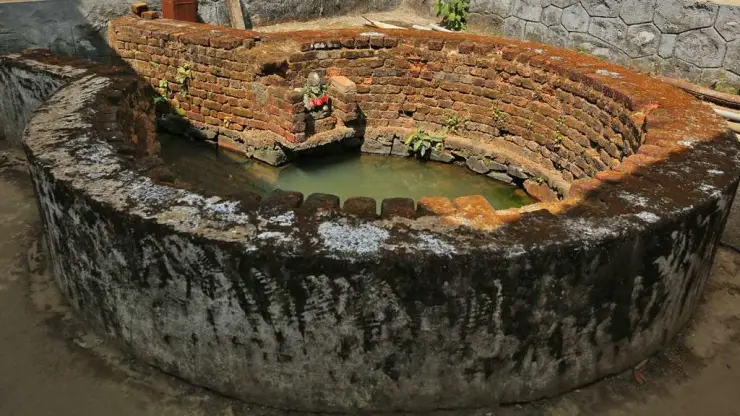
The presiding deity is the Bhagavathy — the Devi, a form of the supreme mother often identified with Durga and Bhadrakali. What makes worship here distinctive is that the goddess is said to be venerated in three forms across the shrine and its riverside settings: as Vana Durga, the forest goddess and guardian of the woods; as Jala Durga, the goddess of the waters who is felt to protect life along the river; and as Bhadrakali, the fierce slayer of the demon Darika. Sources vary on exactly how these forms are distributed, so the framing is best treated as a widely repeated devotional understanding rather than a fixed doctrine.
For the Adivasi peoples of Wayanad — communities such as the Paniya, Kurichiya (Kurichya) and Kuruma, among others — Valliyooramma, as the goddess is affectionately called, is reportedly far more than a distant deity. She is described in many accounts as the goddess of the tribes, a mother figure whose shrine anchored the ritual calendar, the oaths and the seasonal rhythms of tribal life. This profound bond is what gives the temple its particular reputation, and it colours everything from the annual festival to the folk arts performed here.
The temple is best known for its grand annual festival, the Valliyoorkavu Uthsavam, held over roughly a fortnight in the Malayalam month of Meenam (around March–April). It is counted among the largest festivals in Wayanad, drawing many thousands of devotees — tribal and non-tribal alike — to the riverside grove for ritual, procession, folk performance and the great gatherings that historically made this one of the region’s major social occasions of the year.
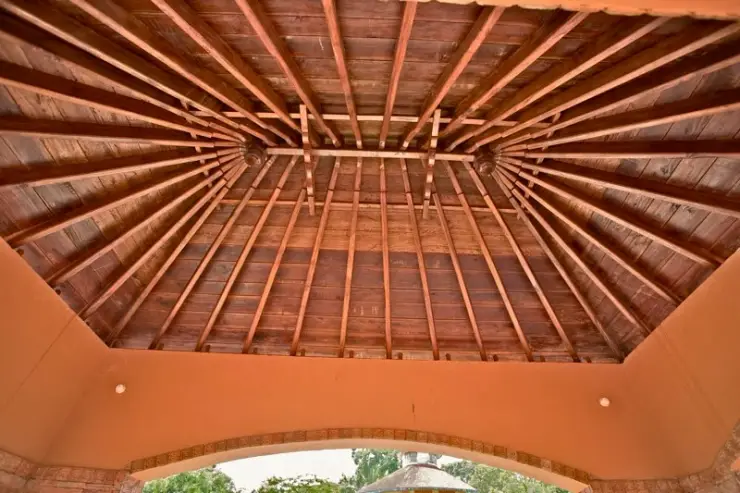
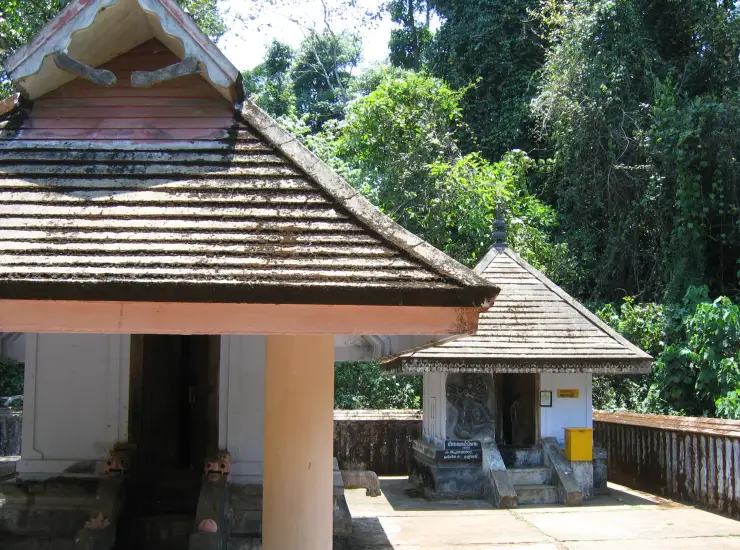
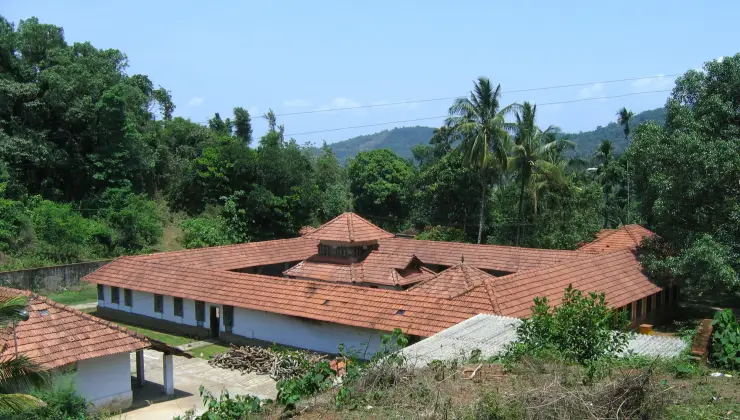
Architecturally and in atmosphere the shrine keeps the unshowy, grove-and-river character of an old Kerala kavu rather than the towering scale of a metropolitan temple. The idol is popularly believed to be self-manifested (swayambhu), a belief that tends to accompany shrines held to be very ancient; firm documentary dating is limited, though some popular accounts place a built temple here several centuries ago. Visitors should treat such age claims as tradition rather than settled history.
Today Valliyoorkavu draws pilgrims year-round for quiet darshan and rises to a great crescendo at festival time. It also carries a heavier historical memory: the same festival that gathered the tribes for worship was, in a harsher era, tied to a system of bonded labour — a piece of documented social history that is now openly discussed and is worth understanding respectfully as part of the place’s full story.
As with many of Kerala’s Bhagavathy shrines, the goddess of Valliyoorkavu is linked in devotional legend to Bhadrakali, born of Shiva’s fury to destroy the demon Darika when he grew invincible through his boons and terrorised the worlds. In this telling the Devi is the mother’s wrath made manifest — fierce, protective and victorious — and the ritual known as Rudhirakkolam performed during the festival is understood to recall her bloody triumph over the demon. This is related here as sacred legend, not as history.
Local tradition also holds the idol to be swayambhu — self-manifested rather than installed by human hands — and imagines the goddess as having chosen this forest by the river as her dwelling, appearing to devotees among the trees and waters. Such origin stories are common to grove-shrines (kavus) across Kerala and are cherished as living faith; they are best received as the community’s own way of expressing how deeply the goddess is felt to belong to this particular stretch of forest and river, rather than as verifiable event.
Valliyoorkavu’s deepest historical significance lies in its bond with Wayanad’s Adivasi communities, who make up the largest tribal population of any Kerala district and include the Paniya, Kurichiya, Kuruma, Adiya and others. For these communities the shrine of Valliyooramma reportedly stood at the centre of the ritual year, and the annual Meenam festival was as much a great social convergence of the tribes as it was an act of worship — a gathering whose scale and importance made it a landmark event across the plateau.
That same gathering carries a difficult and well-documented social history that deserves to be told honestly. In an earlier era the Valliyoorkavu festival was closely tied to a system of bonded or contracted labour, recorded under names such as valpattam, vallipani or kundalpani. During the fortnight of the festival, landlords (janmis) would engage tribal labourers — primarily from the Paniya and Adiya communities — for the coming year, a selection process that survivors and researchers have described in painful terms as resembling the picking of workers from a market.
The contract was sealed with an advance payment — reportedly called nippupanam or vallurkavu panam — handed over in the presence of the goddess. Because the Adivasi communities revered Valliyooramma so profoundly, an oath or transaction made before her carried immense binding force; to break it was, in the social logic of the time, close to unthinkable. Wages were often paid in paddy, and a labourer who had accepted the advance was generally bound to serve that landlord, and no other, until the next festival came round. Accounts stress that the temple as an institution was not itself the agent of this exploitation; rather, deeply held religious sentiment was harnessed to enforce an unjust labour order.
This system was outlawed with the Bonded Labour System (Abolition) Act of 1975, which survivors later remembered as the moment they ceased to live in fear of the janmis and could begin to send their children to school. The abolition is an essential part of the story: what remains at Valliyoorkavu today is a place of faith and festival, while the labour system that once shadowed it belongs to a closed chapter of social history that Kerala has formally rejected. Visitors are best served by holding both truths together — the sincerity of the devotion and the injustice of the old order — without sensationalising either.
The festival itself, shorn of that old economic function, endures as a vibrant tribal and religious celebration. Over its roughly fourteen days it reportedly features tribal chieftains performing ceremonial rites, folk arts and native percussion, the daily floor art of kalamezhuthu, processions such as the Adiyaras and Oppana varavu bringing offerings and the goddess’s emblem to the shrine, and ritual performances tied to the legend of Darika’s defeat. Together these keep alive an unusually direct link between a major Kerala temple festival and the living folk traditions of the region’s indigenous peoples.
To experience one of Wayanad’s most atmospheric Devi shrines — a riverside sacred grove where the goddess is worshipped as forest, water and fierce mother, in a setting that feels grown out of the landscape rather than imposed on it.
For the Valliyoorkavu Uthsavam, if you can time a visit to the roughly fortnight-long Meenam (around March–April) festival — among the biggest in Wayanad, alive with tribal folk arts, ritual floor painting, processions and huge, devout crowds.
For its rare and profound connection to Wayanad’s Adivasi communities, which makes it one of the most meaningful places in Kerala to appreciate how indigenous devotion and temple tradition have intertwined.
To engage thoughtfully with a layered history — the shrine’s deep faith alongside the honestly acknowledged, now-abolished bonded-labour past — for travellers who value understanding a place fully rather than only its picturesque surface.
For the quiet, uncrowded beauty of the grove and riverbank outside festival time, an easy and rewarding add-on to a Mananthavady itinerary that can include Thirunelli, Kuruva Island and the wider northern Wayanad circuit.
For the sense of standing at a living crossroads of forest, river, folk art and faith — a temple whose story is inseparable from the land and people of Wayanad.
Road km to Wayanad; ghat roads and traffic vary — allow extra.
Morning or early evening is usually best; festival days can be powerful but crowded.
Live forecast loads in your browser.
Sun and moon are calculated for this location and shown in IST. Photography windows are the hour around sunrise and sunset; the sunset bearing is degrees clockwise from true north. Moon phase is accurate to about half a day.
These are official or public-sector eco offerings that match this place, town or forest destination. Confirm availability, permits, tariffs and reporting times with the official operator before travel.
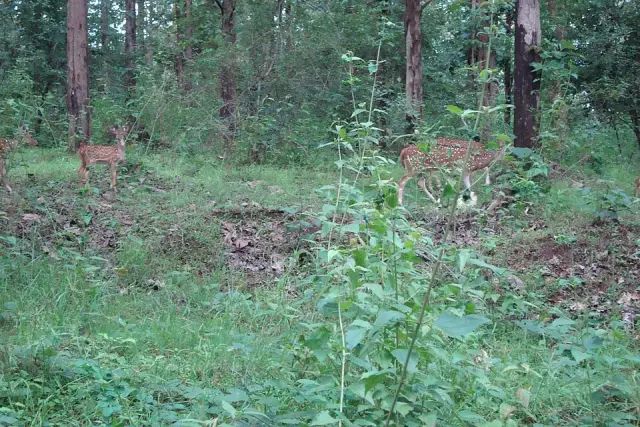
Northern Wayanad wildlife safari zone around Tholpetty, usually planned from Mananthavady or Thirunelli.
Official source →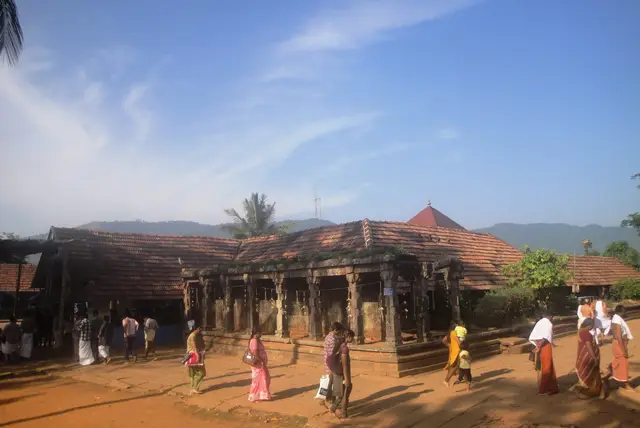
Temple, forest and Brahmagiri-edge landscape in north Wayanad, listed among Kerala Tourism ecotourism destinations.
Official source →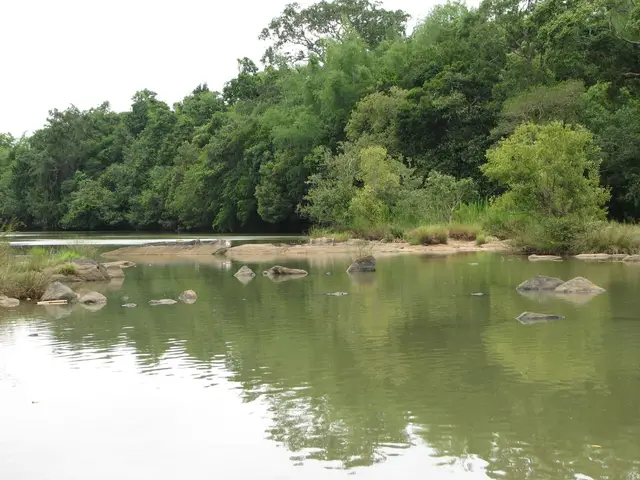
River-island eco-tourism area with seasonal and carrying-capacity restrictions; confirm opening status before travel.
Official source →Verified hotels, homestays, restaurants, experiences, sights, shops and rentals around Valliyoorkavu Bhagavathy Temple — commission-free, with direct contact. Filter by what you need.
Plantation resort restaurant in Mananthavady. Parisons Plantation Experiences by ABAD, Wayanad, near Mananthavady, Kerala · Plantation resort restaurant, ABAD Parisons Plantation Restaurant.
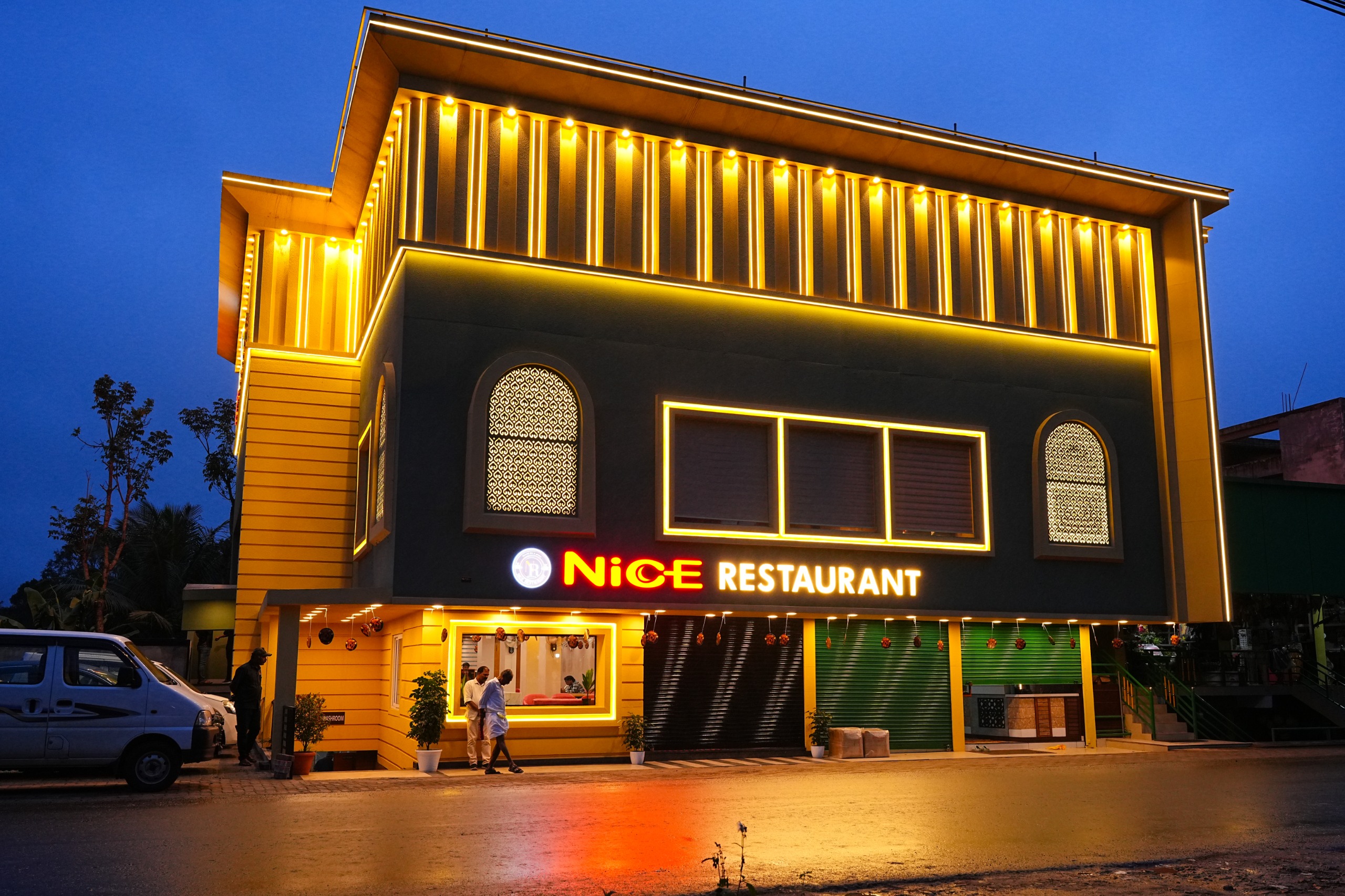
Nice Restaurant is a Mananthavady-side restaurant at Kuzhinilam, useful as a sourced food stop for north Wayanad, Tholpetty and Kuruva routes. Mananthavady food, Restaurant, Kuzhinilam.
A family-run Kerala restaurant at Kuzhinilam in Mananthavady town, open 25 years. Pepper roasts, mappas and biryani lead a menu of traditional Kerala fare.
Book with the place itself. India’s cyber-crime coordination centre warned in April 2025 that convincing copies of hotel and pilgrimage booking sites are being pushed through sponsored search and social ads, taking payment for rooms the property never hears about. Every listing here links to the business’s own contact details and its own Google or Bing profile — we take no commission and sit in nobody’s payment path. If a booking page reached you through an ad, check the address bar against the property’s own site before you pay. Fraud can be reported on cybercrime.gov.in or on 1930.
Find food, accommodation and activities across Mananthavady. Browse the guides for places to eat, stay and explore along your route.
9 more places around Mananthavady. Open a guide to plan the visit and onward journey.
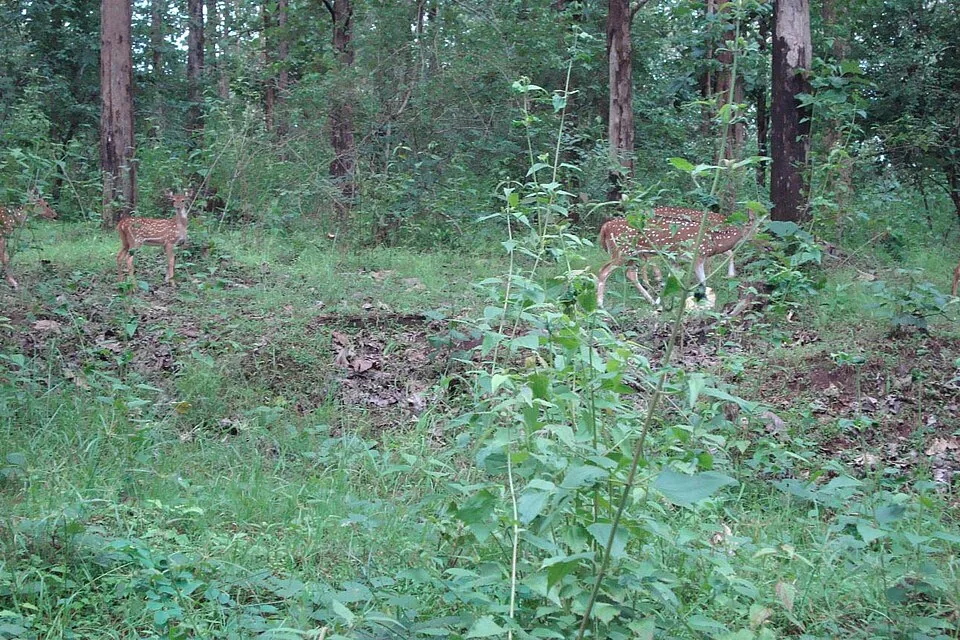
14.5 km · ~24 min by cab
Tholpetty Wildlife Sanctuary is the Mananthavady-side wildlife gateway of Wayanad Wildlife Sanctuary. Plan it through current official safari timing, forest contact checks and responsible road buffers before adding nearby stays, food or drivers.
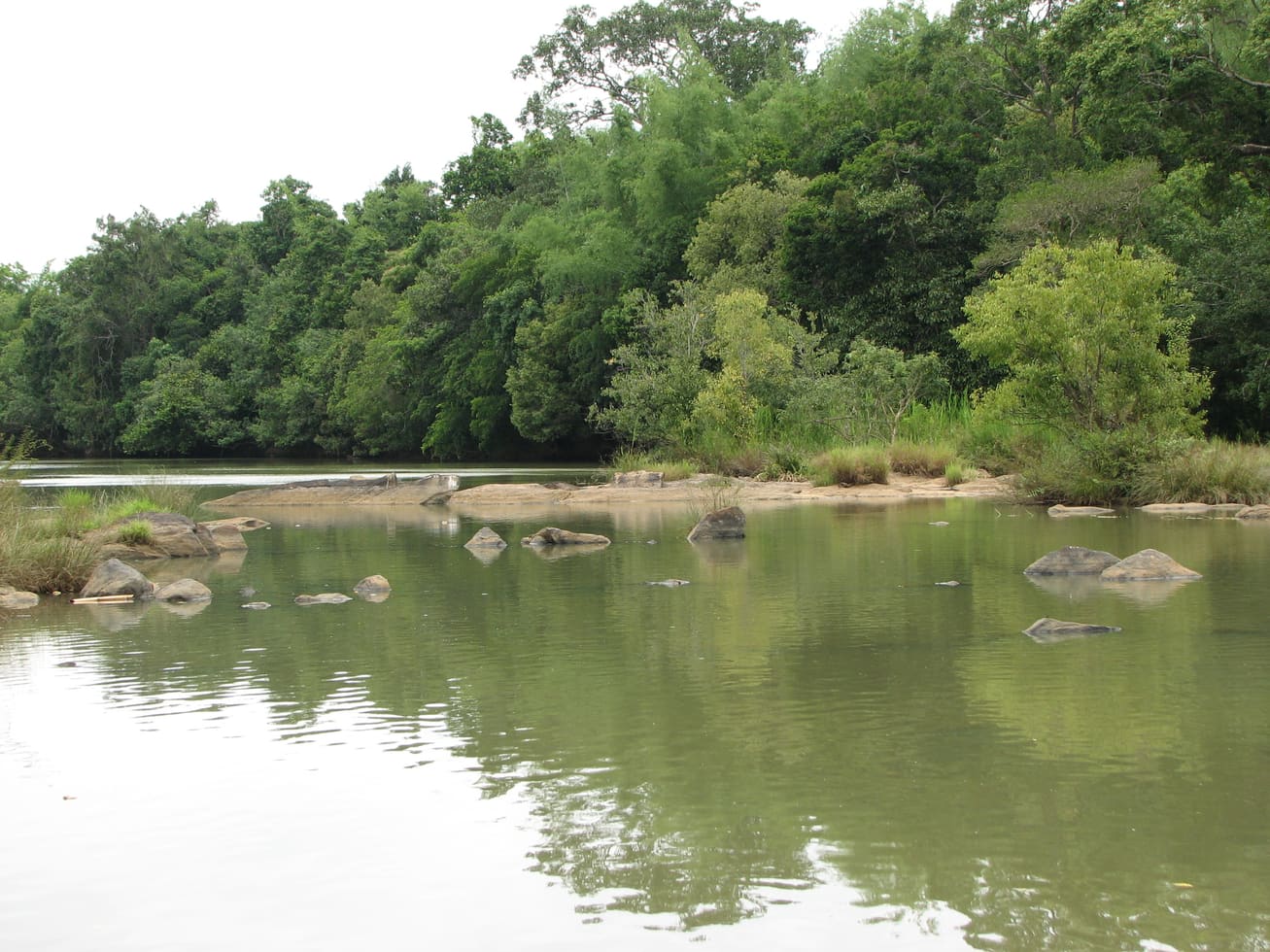
6.4 km · ~16 min by auto
Protected river-island eco-tourism area on the Mananthavady/Pulpally side, with seasonal and capacity-based access restrictions.
8.0 km · ~13 min by cab
The Mananthavady Tribal Plantation Co-operative tea estate at Pancharakolly, combining a plantation walk, factory, museum, tasting and Vishwas Point.
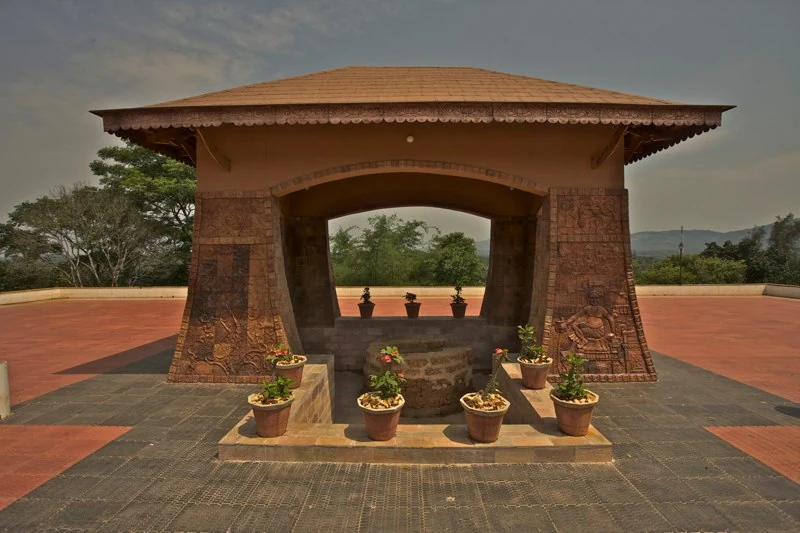
2.4 km · 30 min walk
Pazhassi Raja’s memorial and the Kerala Archaeology Department museum at Mananthavady’s Hospital Hill, with four galleries connecting the resistance leader, Wayanad’s communities and the district’s material history.
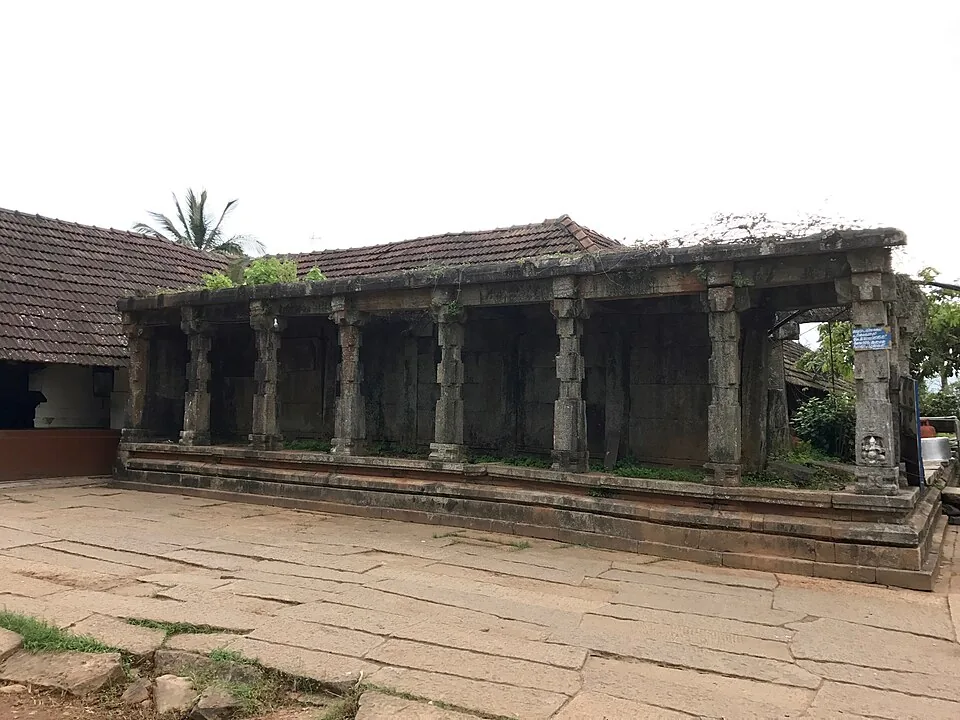
14.0 km · ~23 min by cab
Thirunelli Temple is a north-Wayanad forest-edge temple near the Brahmagiri landscape, usually planned from Mananthavady or Thirunelli. Check temple timing, road conditions and respectful visitor rules before pairing it with Tholpetty or Kuruva routes.
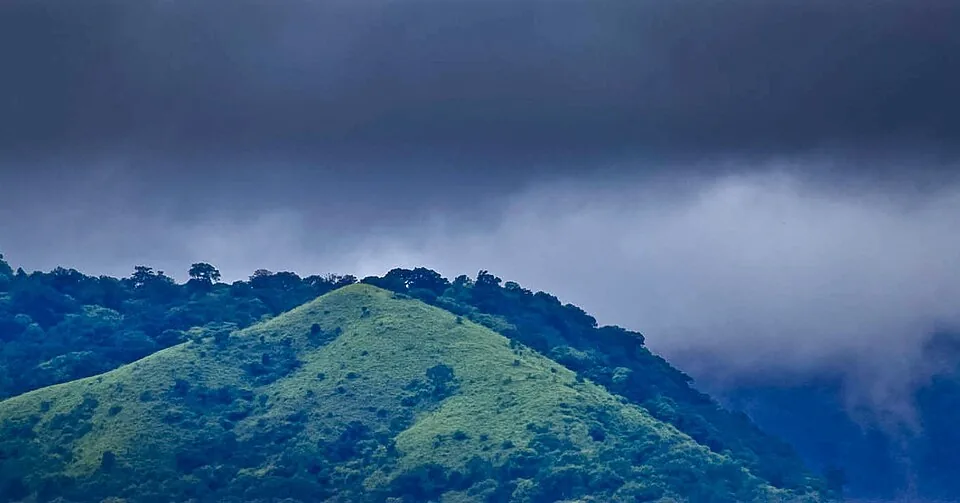
Highland forest-and-peak landscape near Thirunelli, with access dependent on rules and conditions.
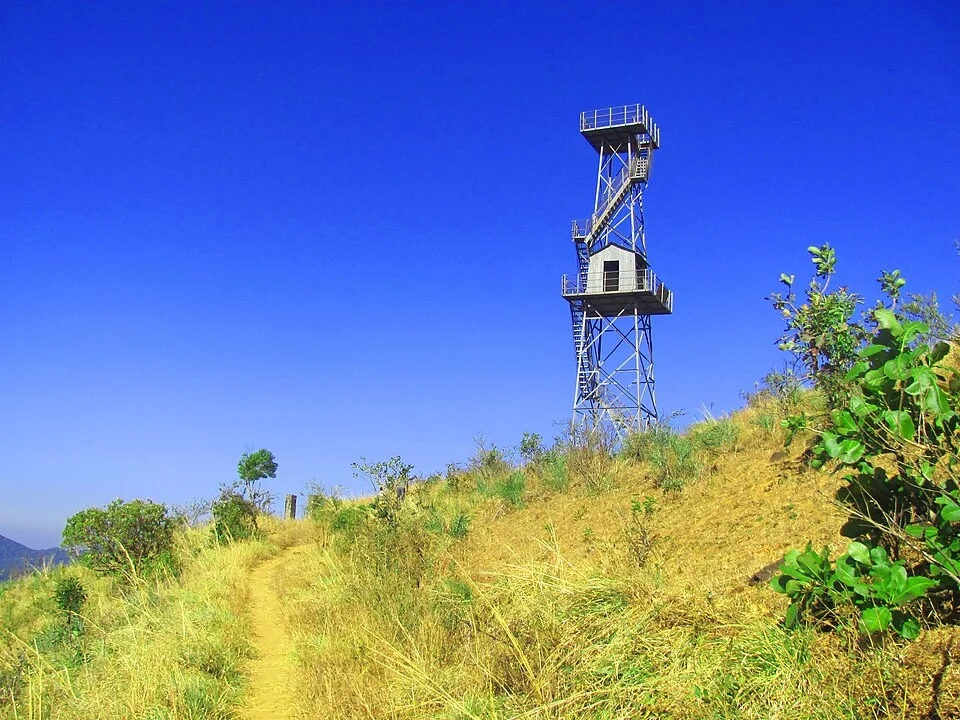
Brahmagiri Hills trek and cave landscape near Thirunelli, known for birdlife and permit-dependent forest access.
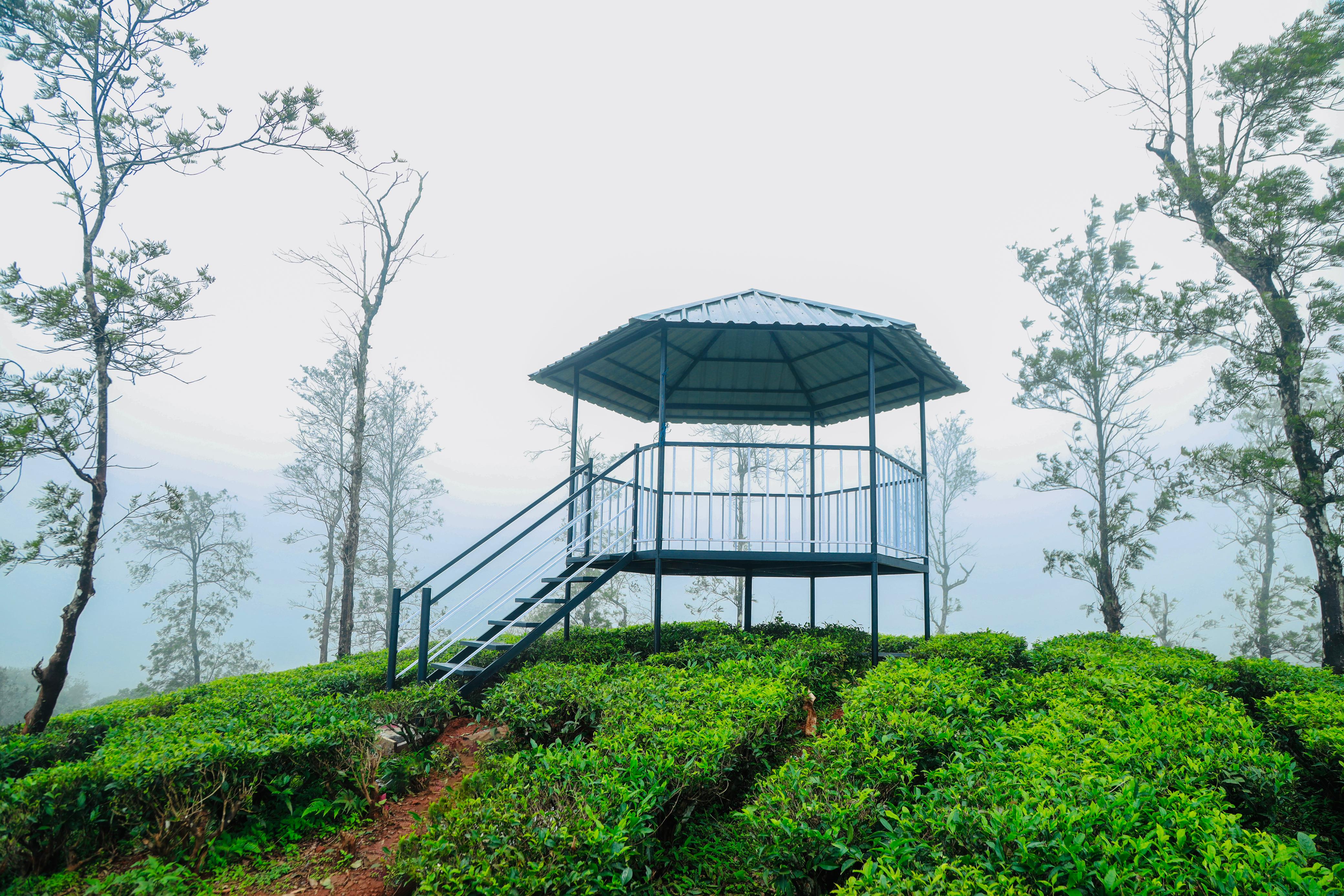
9.1 km · ~15 min by cab
KFDC’s Camellia Eco Cottages stay inside its working Kambamala tea estate, with guided plantation and forest-edge activities arranged as part of the programme.
6.8 km · ~17 min by auto
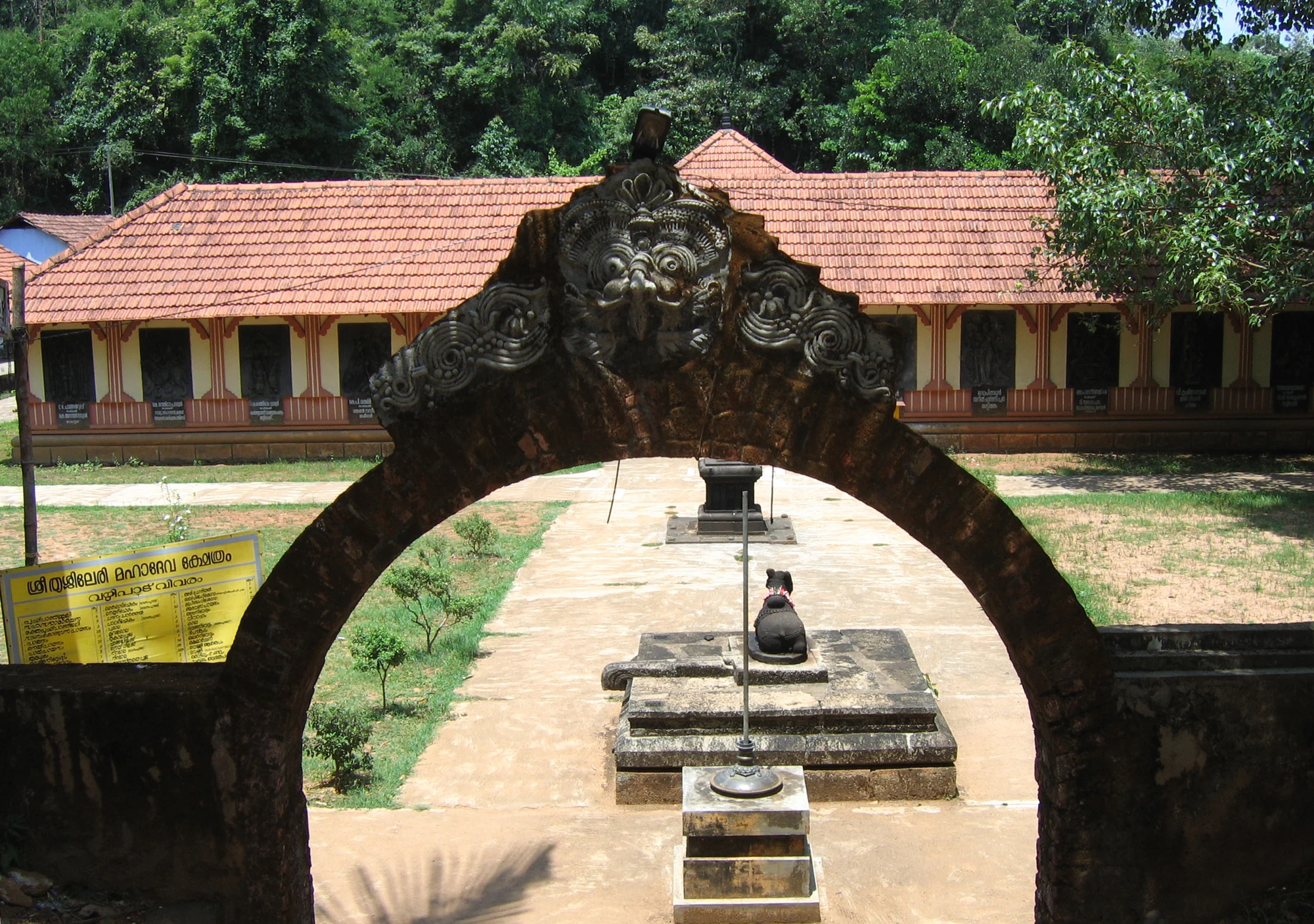
The Shiva temple at Thrissilery near Mananthavady, with a west-facing worship tradition, relief-lined outer walls, Jala Durga water shrine and a ritual relationship with Thirunelli.
Roampedia is commission-free — own or know a stay, eatery, guide or shop near Valliyoorkavu Bhagavathy Temple? List it and it appears here once verified.
Add a nearby businessEntry: Darshan is generally free, as at most Kerala temples; any special rituals, offerings or vazhipadu are paid separately. Fees and arrangements are best confirmed on site.
Dress code: Modest, traditional dress is expected, in keeping with Kerala temple custom; men may be asked to remove footwear and, at some shrines, upper garments at the sanctum. Dress conservatively and follow local guidance, especially during the festival.
Festivals: The headline event is the Valliyoorkavu Uthsavam, reportedly held over roughly fourteen days in the Malayalam month of Meenam (around March–April) and counted among Wayanad’s biggest festivals, with tribal folk arts, kalamezhuthu floor art, processions and ritual performances. Exact dates change yearly with the traditional calendar — confirm locally.
Photography: Photography is often restricted, particularly inside the sanctum and during rituals; practice varies and rules may tighten in festival crowds. Ask permission and follow posted signs and priests’ instructions.
If you are travelling by bus or ferry, check the return service with the operator before setting out. Leave time to reach the stop or jetty after your visit.
Ask at the bus stand for the time of the last service back, not the next one. If you miss it, an auto or app cab is the fallback — agree the fare before you get in.
If you need step-free access, contact the site before travelling. Ask about a level entrance, steps along the route, the nearest drop-off point, seating and accessible toilets.
Emergency numbers are verified against official government and state tourism sources. 112 works anywhere in India.
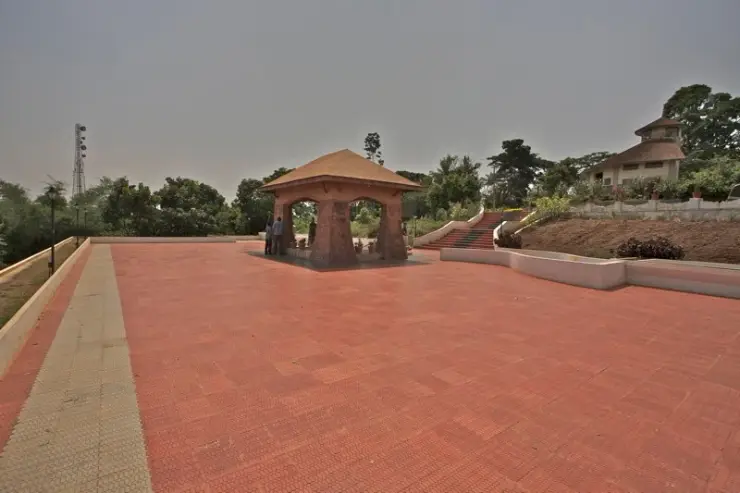
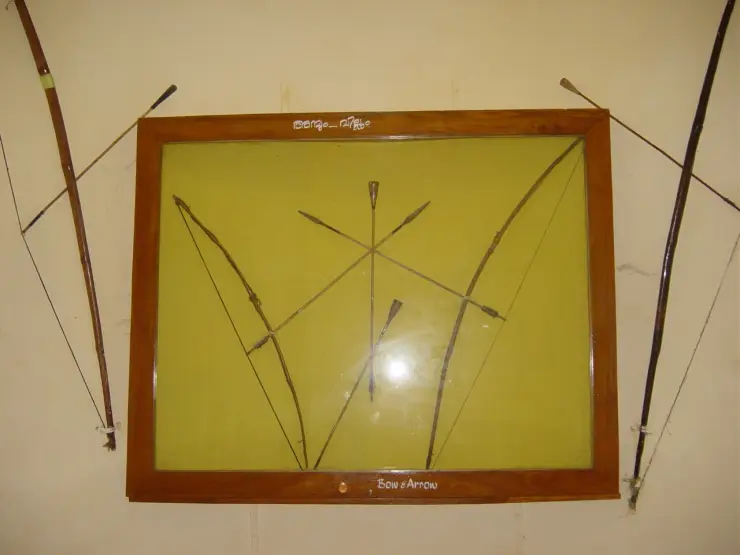
Pazhassi Raja’s memorial and the Kerala Archaeology Department museum at Mananthavady’s Hospital Hill, with four galleries connecting the resistance leader, Wayanad’s communities and the district’s material history.
2.4 km · 30 min walk · straight lineProtected river-island eco-tourism area on the Mananthavady/Pulpally side, with seasonal and capacity-based access restrictions.
6.4 km · ~16 min by auto · straight lineThe Shiva temple at Thrissilery near Mananthavady, with a west-facing worship tradition, relief-lined outer walls, Jala Durga water shrine and a ritual relationship with Thirunelli.
6.8 km · ~17 min by auto · straight lineThe Mananthavady Tribal Plantation Co-operative tea estate at Pancharakolly, combining a plantation walk, factory, museum, tasting and Vishwas Point.
8.0 km · ~13 min by cab · straight lineKFDC’s Camellia Eco Cottages stay inside its working Kambamala tea estate, with guided plantation and forest-edge activities arranged as part of the programme.
9.1 km · ~15 min by cab · straight line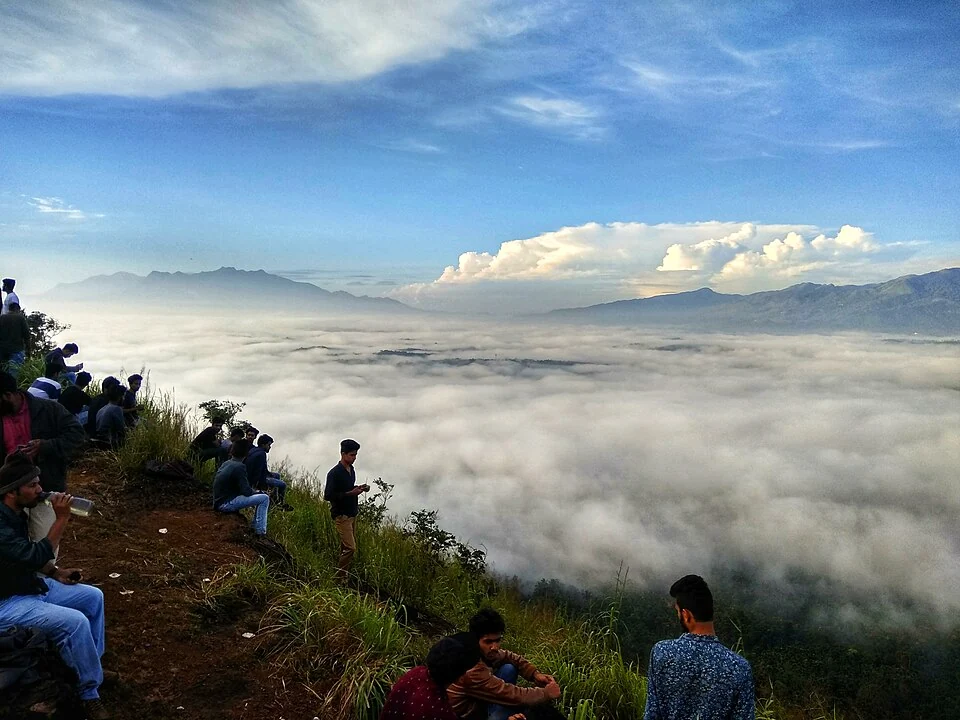
A walked hill viewpoint in the Kottathara area of Wayanad, known for dawn cloud below the ridge and wide daylight views over fields and wooded hills.
10.5 km · ~18 min by cab · straight line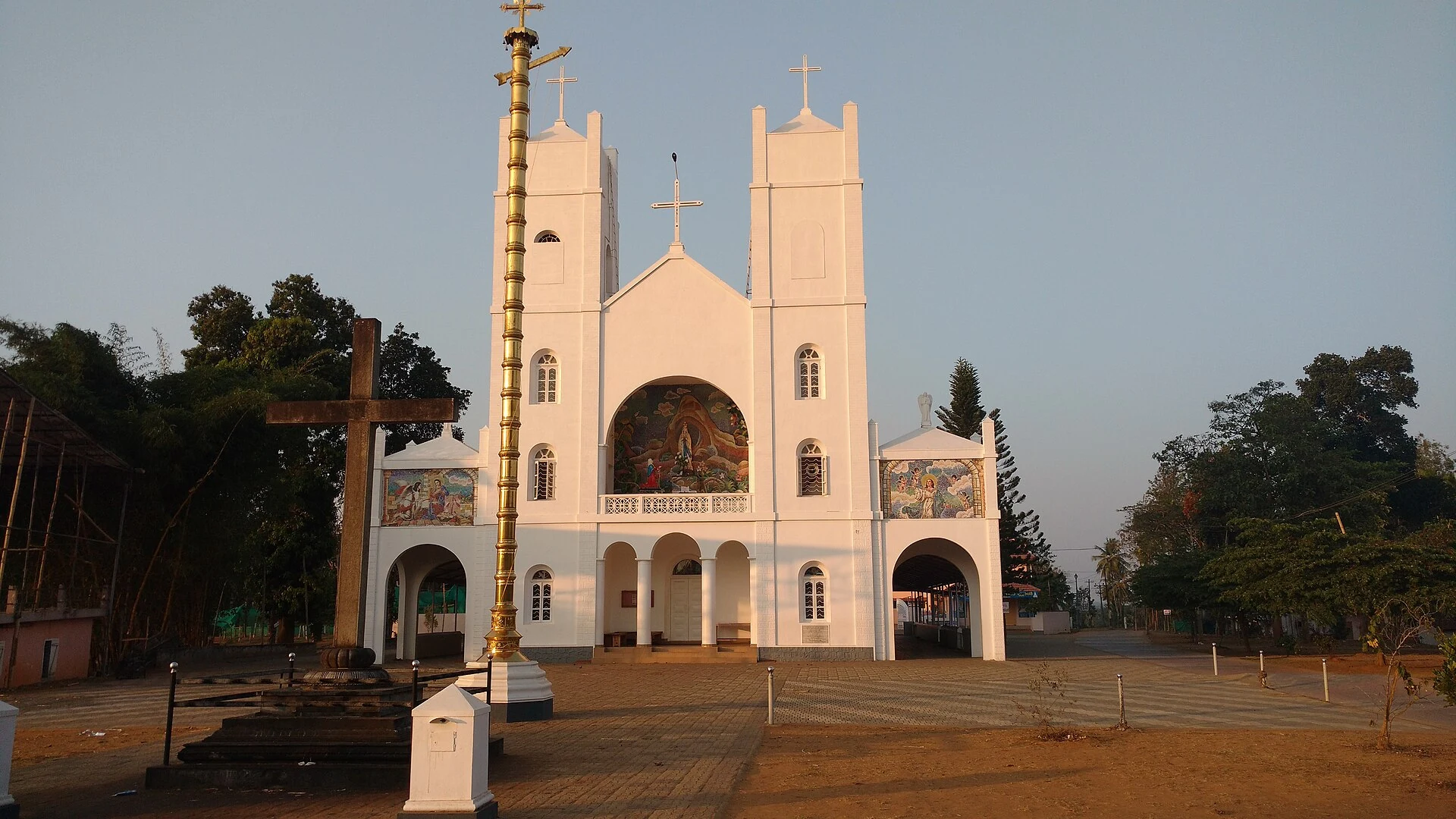
Our Lady of Lourdes shrine at Pallikkunnu in Wayanad, a Latin Catholic church of the Archdiocese of Calicut known for its twin-tower facade, February feast and local devotional customs.
12.4 km · ~21 min by cab · straight line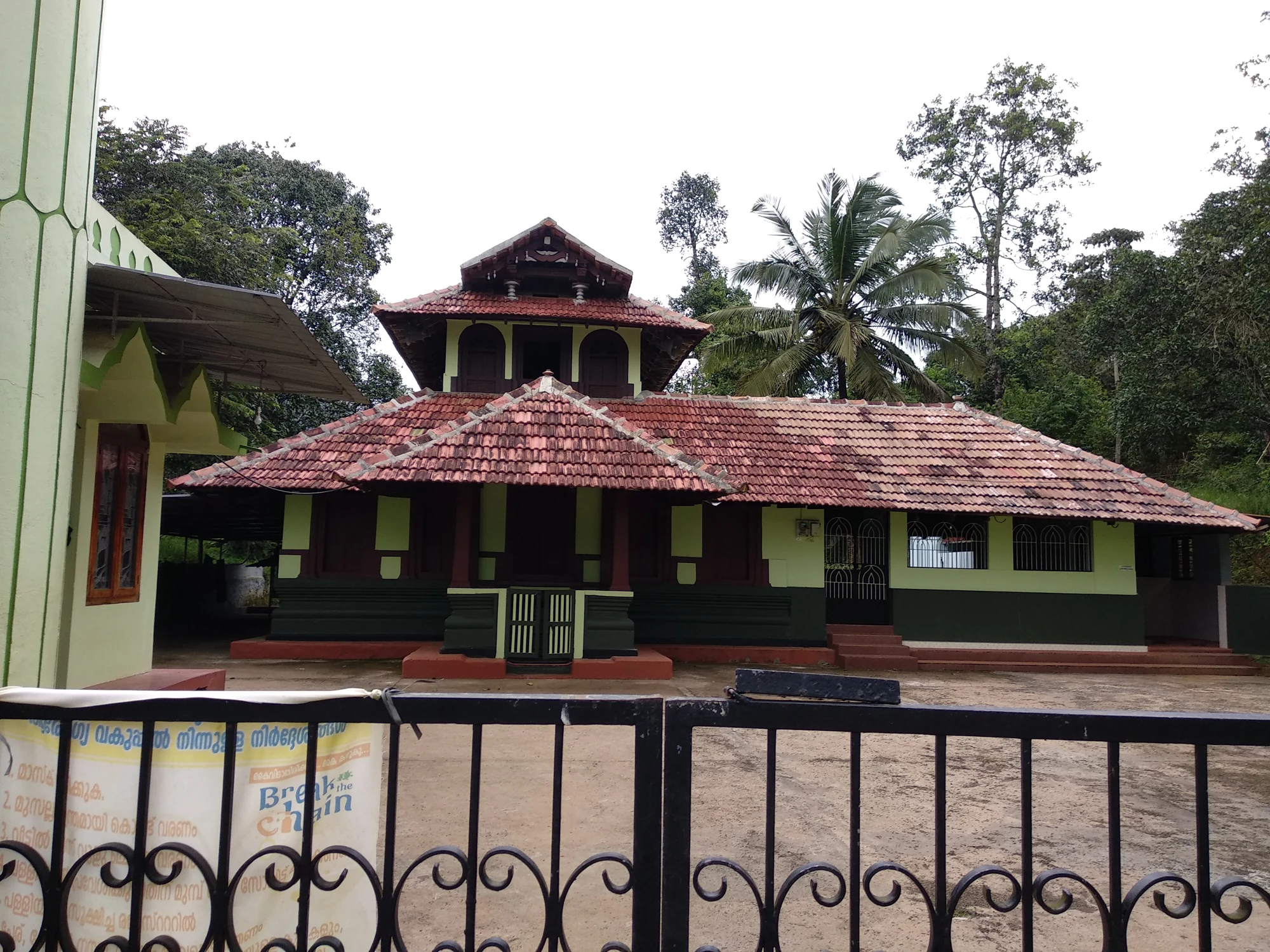
The Varambetta mosque and maqaam complex near Padinjarathara in Wayanad, with a tiled timber shrine, a neighbouring domed prayer building and a documented annual Nercha gathering.
12.9 km · ~22 min by cab · straight lineAncient temple near the Brahmagiri forest edge, paired with Mananthavady and north-Wayanad routes.
14.0 km · ~23 min by cab · straight line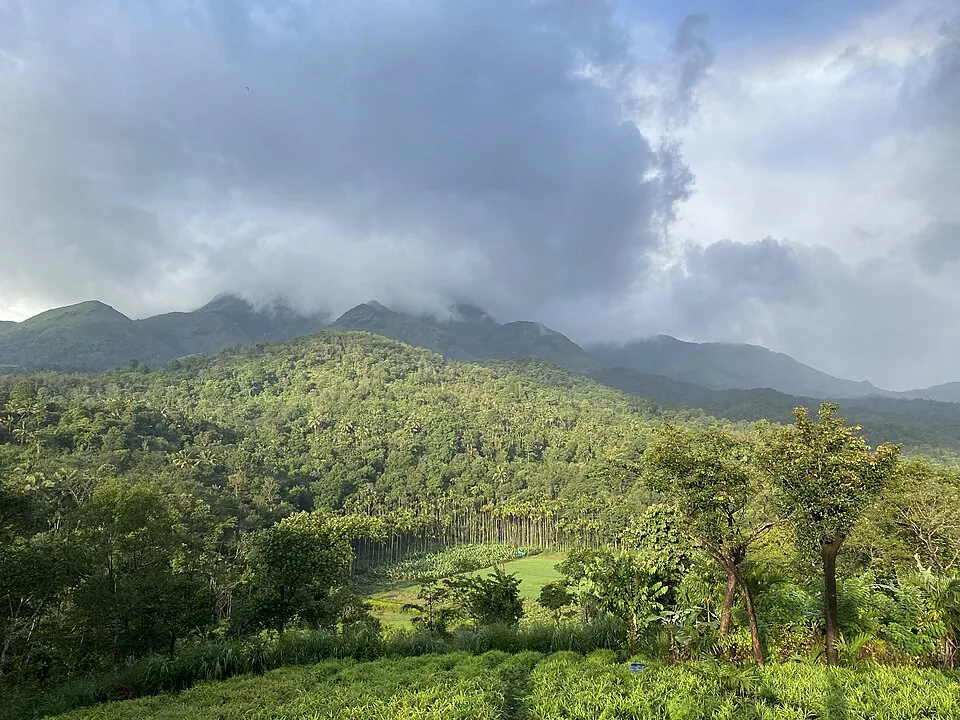
Highland trek and viewpoint landscape above the Banasura reservoir side; access and permissions should be checked locally.
14.2 km · ~24 min by cab · straight lineNorthern Wayanad wildlife zone usually planned from Mananthavady or Thirunelli with current safari timing confirmed.
14.5 km · ~24 min by cab · straight line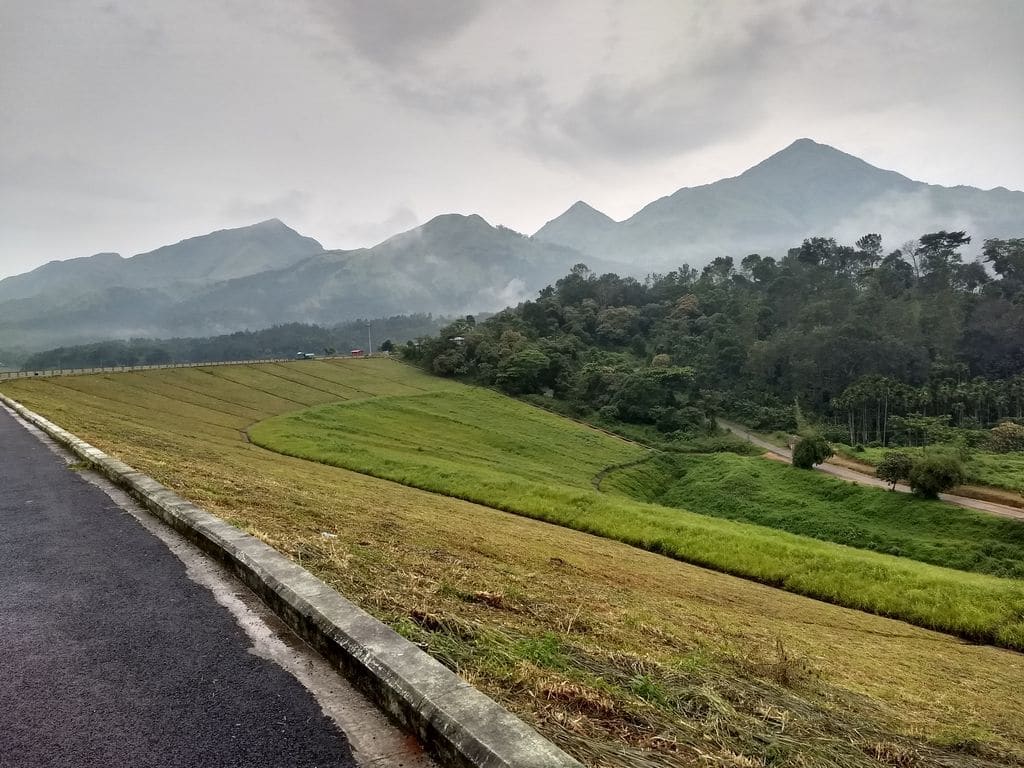
Large earth-fill dam with mountain views and reservoir activities, usually planned from Kalpetta or Vythiri with current activity checks.
15.0 km · ~25 min by cab · straight lineThe presiding deity is the Bhagavathy (Devi), a form of the supreme mother associated with Durga and Bhadrakali. She is popularly said to be worshipped in three forms connected with the shrine and its riverside setting — Vana Durga (of the forest), Jala Durga (of the waters) and Bhadrakali (the fierce slayer of the demon Darika). Sources differ on the exact arrangement, so this is best treated as a widely held devotional understanding.
Valliyooramma, as the goddess is called, is reportedly revered as a mother-goddess of the tribes. For Adivasi communities such as the Paniya, Kurichiya and Kuruma, the shrine and its annual festival long stood at the centre of the ritual year, and tribal folk arts remain woven into the celebrations. This deep bond is what gives the temple its distinctive reputation as a tribal shrine.
As documented social history, the old Valliyoorkavu festival was tied to a system of bonded or contracted labour (known by names such as valpattam or vallipani), in which landlords engaged tribal labourers for the year, sealing the arrangement with an advance payment made before the goddess whose oath was felt to be binding. The practice was outlawed by the Bonded Labour System (Abolition) Act of 1975. It is remembered honestly today as a closed and rejected chapter, and the temple itself is generally not regarded as the agent of that exploitation.
The main Valliyoorkavu Uthsavam is generally held over roughly fourteen days in the Malayalam month of Meenam, which usually falls around March–April. Exact dates shift each year with the traditional calendar, so it is wise to confirm the current year’s schedule locally before planning around it.
The shrine lies a few kilometres from Mananthavady, easily reached by road or local bus; the nearest major railheads and airports are around Kozhikode and Kannur (with Mysuru also used from the Karnataka side). Darshan at Kerala temples is typically free, with any offerings or special rituals paid separately. Confirm timings, fees and access customs on the spot, as these can change.
Access customs vary between Kerala temples, and some shrines observe restrictions at the inner sanctum. Valliyoorkavu is a working place of worship with a strong local and tribal following, so visitors should dress modestly, follow posted rules and priests’ guidance, and enquire locally about entry and photography, especially during the busy festival period.
Morning or early evening is usually best; festival days can be powerful but crowded.
Entry: Darshan is generally free, as at most Kerala temples; any special rituals, offerings or vazhipadu are paid separately. Fees and arrangements are best confirmed on site. Timings: Typically open for morning and evening darshan, with hours that reportedly extend and shift considerably during the festival; specific timings are not consistently published, so confirm locally before visiting.
Base yourself in Mananthavady or a nearby town in Wayanad, then confirm the last-mile route locally before leaving. Check temple entry customs, dress rules and festival crowd conditions before arrival. If the visit depends on forest, temple, boat, ferry, weather or seasonal access, check the official/local rule on the day before travel.
45 minutes to 2 hours, longer during festival or queue periods.
Nearby you can pair Pazhassi Smarakam (2.4 km), Kuruva Island (6.4 km), Thrissilery Shiva Temple (6.8 km), Priyadarshini Tea Environs (8.0 km).
Use official counters for offerings/tickets where applicable. Keep footwear and valuables secure in crowded areas.
We have not published a story about Valliyoorkavu Bhagavathy Temple itself yet. These cover Mananthavady and the wider district, with separate journeys between stops.
These guides explore Mananthavady and the surrounding area. Choose a visit that fits your interests, allowing separately for travel between stops.
Route-level itineraries and practical guides for the rest of Kerala.
Photographs: Mullookkaaran (CC BY-SA 3.0), Shagil Muzhappilangad (CC BY-SA 4.0), SREEJITHKANATH (CC BY-SA 4.0), Jaseem Hamza (CC BY 3.0), RajeshUnuppally (CC0), Mrriyad (CC BY-SA 3.0). Wikimedia Commons.