What to expect
Highlights
- Church visit at Malayattoor Church
- Pilgrimage, architecture or local Christian heritage
- Nearby town food and stays
The St Thomas hilltop pilgrimage church near Kalady, a major Christian pilgrimage site drawing large Malayattoor Perunnal crowds.
Check entry arrangements. Ask the church about visiting times around services and any dress or photography rules. During worship, keep voices low and follow staff directions.
Dress respectfully and follow the institution’s admission and photography rules.
On a forested hill above the Periyar, thousands of pilgrims climb barefoot to a golden cross, calling out to the apostle they believe once prayed on this very rock — Malayattoor, where a mountain became a shrine.
Malayattoor Church rises in two parts across the same landscape. At the foot of the hill, beside the broad, slow curve of the Periyar river near Kalady in Ernakulam district, stands the parish church of St Thomas — a large, welcoming complex where most visitors begin. High above it, on the summit of a wooded hill called Kurishumudi (the Mount of the Cross, said to be around 609 m, roughly 1,200–1,300 ft above the plain), sits the hilltop shrine that gives Malayattoor its fame. The two are linked by a steep, sweat-soaked pilgrim path, and it is the climb between them, as much as either building, that defines the place.
The name Malayattoor is spoken with real tenderness by Kerala Christians, for whom this is one of the most beloved pilgrimage destinations in the state. Tradition holds that St Thomas the Apostle — Mar Thoma, believed to have reached the Malabar coast in the first century AD — came to this hill, prayed here, and left his mark upon the summit rock. Whether one accepts the tradition as history or reveres it as sacred memory, the hill has drawn the devout for centuries, and the sight of the faithful winding up the slope, some carrying wooden crosses, has become one of the enduring images of Christian Kerala.
The climb itself is the heart of a Malayattoor visit. The path up Kurishumudi is genuinely strenuous — a long, unshaded ascent of stone steps and rough track that can take a fair while at a steady pace, threading through forest before opening onto the summit. Many pilgrims make the climb barefoot as an act of penance, chanting the well-known invocation to the apostle as they go. It is demanding under the Kerala sun, and the effort is precisely the point: the arrival at the top, where a golden cross catches the light and the Periyar valley spreads out far below, is meant to be earned.
At the summit the pilgrim reaches the old hilltop shrine and its cluster of sacred spots. Here is the rock said to bear the apostle’s footprint and knee-marks, venerated behind protective enclosure; here too is the golden cross, the ancient chapel, and a spring or well whose water is treasured by the faithful. The atmosphere shifts from the exertion of the climb to quiet devotion — people pausing, praying, touching the venerated stone, lighting candles. On ordinary days it can be peaceful and contemplative; during the great feast it becomes a river of humanity.
That feast is the Malayattoor Perunnal, held around the Sunday after Easter, when the hill is transformed. Enormous crowds — pilgrims arriving from across Kerala and beyond — pour up the path over the days of the festival, many barefoot, many shouldering crosses, the air filled with the cry of ‘Ponnin Kurishu Muthappo’. The foot-of-hill village fills with stalls, food, and the machinery of a major religious gathering. It is spectacular and deeply moving, but it is also intensely crowded, hot and slow-moving on the path, and quite different in character from a quiet weekday climb.
For the traveller, Malayattoor offers something layered: a place of living faith rather than a museum, a genuinely challenging walk with a real reward of views over the Periyar, and a window into a Christian tradition that traces itself back nearly two thousand years on Indian soil. It sits within easy reach of Kalady — birthplace of the philosopher Adi Shankara — and the airport town of Angamaly, making it an accessible half-day from Kochi. Approached with respect for its sanctity and honesty about the effort of the climb, it rewards both the pilgrim and the curious visitor.
The tradition at the heart of Malayattoor tells that St Thomas the Apostle — one of the twelve disciples of Christ, believed by Kerala Christians to have reached the Malabar coast around AD 52 — travelled inland and, facing hostility, fled to this hilltop. There, according to the tradition, he remained in prayer, and as he knelt upon the summit rock he left the impression of his footprint (and, some accounts say, his knee and hand) pressed into the stone. It is said that when he touched the rock, blood flowed from it. These are held as sacred tradition and hagiography rather than documented events, and the venerated impression on the summit is today understood by many to be honoured as a devotional marker; pilgrims revere the spot regardless.
A related tradition explains the spring near the old hilltop chapel: parched and exhausted during his long prayer, the apostle is said to have struck the rock, whereupon fresh water gushed out. Devotees hold this water to carry healing power, and many carry a little of it home. The golden cross at the summit is likewise linked in tradition to St Thomas — said to mark the place where he prayed, or where he signed a cross upon the rock — and it is to this ‘Ponnin Kurishu’ (Golden Cross) that pilgrims call as they climb: ‘Ponnin Kurishu Muthappo, Ponmala Kayattam’, roughly ‘O Patriarch of the Golden Cross, help us climb this golden hill’.
These stories are cherished as the spiritual inheritance of one of the world’s oldest Christian communities. Roampedia records them as tradition and living faith — the shared memory that gives the hill its meaning — and not as verified historical fact. Their power lies less in whether every detail can be proven than in the devotion they have inspired across generations of pilgrims who climb Kurishumudi to this day.
One thing on this page has needed settling for a while, and it is now settled. We wrote that Malayattoor is widely described as an International Shrine, that a figure of eight international shrines worldwide is commonly cited, and that the designation and the number should be confirmed with official Church sources. They can be. The declaration came from the Congregation for the Clergy and was read out by Cardinal Varkey Vithayathil in Kochi; the date given is 11 February 2004, and Kurisumudi became the first — and at the time the only — shrine in India to hold the status. What the declaration does not do is put a number on how many international shrines exist worldwide. The commonly repeated eight has no support in it, and it is exactly the shape of claim that gets invented once and quoted forever. Drop the number; keep the fact.
The wording of the declaration is worth having, because it says what the Church is actually recognising: a historic centre of Christianity in India closely linked with the preaching of St Thomas, the apostle of Christ, and the evangelisation of the subcontinent. Note the care in that sentence. It recognises the shrine's standing and its association with the tradition. It does not certify that the apostle stood on this rock — and no ecclesiastical document could. The footprint and knee-marks behind their glass are venerated, not authenticated, and the distinction is one the Church keeps even where visitors do not.
For scale: the hill runs to roughly 609 metres, and about four million pilgrims a year come to the shrine. At the Malayattoor Perunnal, on the Sunday after Easter, the crowd on the path is counted in thousands at any one moment. It is one of the largest Christian pilgrimages in India and it happens on a forested hill above the Periyar, a few kilometres from the birthplace of Adi Shankara — a coincidence Cardinal Vithayathil pointed to in his own remarks on the day the declaration was read.
The Malayattoor story belongs to the wider tradition of St Thomas Christians in Kerala, who trace their origins to the apostle’s reputed arrival on the Malabar coast in the first century AD (traditionally AD 52 — historical evidence is a matter of tradition rather than firm record). Malayattoor is remembered as one of the places associated with his ministry, and the hill of Kurishumudi has been a site of Christian veneration for a very long time. Some accounts date an ancient parish church at the site back many centuries (figures such as around 900 AD are cited in tradition), and the site is said to have been noted by the Portuguese in the early sixteenth century.
Over the centuries the shrine grew from a local place of pilgrimage into one of the most important Christian destinations in Kerala. It falls today within the Syro-Malabar Catholic Church — one of the Eastern Catholic churches in full communion with Rome and rooted in the ancient St Thomas Christian community of India. The parish and shrine are administered under the Syro-Malabar hierarchy, and the site’s status was raised in the modern era (several accounts date an archdiocesan-level recognition to the late 1990s), reflecting its growing significance.
Malayattoor is an International Shrine, and the designation can now be dated: the declaration came from the Vatican's Congregation for the Clergy and was read out by Cardinal Varkey Vithayathil in Kochi, with 11 February 2004 given as the date, making Kurisumudi the first shrine in India to hold the status. It is widely repeated that Malayattoor is one of only about eight such shrines worldwide; the declaration puts no number on how many exist, and it compares Malayattoor to shrines such as Lourdes without counting them, and the figure of eight has no support we can find. The recognition itself is real and marks Malayattoor's standing well beyond Kerala, drawing pilgrims from across India and from the Indian Christian diaspora abroad.
The annual Malayattoor Perunnal has grown into a mass pilgrimage of great scale. Centred on the Sunday after Easter (the celebration falls in the March–April window depending on the date of Easter each year — confirm dates locally), it draws enormous crowds who climb the hill over the feast days, many barefoot, many carrying wooden crosses of varying sizes. The feast has made Malayattoor a fixture of Kerala’s religious calendar, and the infrastructure of the site — the paved path, resting points, the foot-of-hill church complex — has developed over the years to serve the swelling numbers of pilgrims.
Alongside the Easter-season Perunnal, the site also observes the feast of St Thomas (Dukrana, traditionally 3 July — confirm locally), and receives pilgrims throughout the year, with the Lenten and Easter weeks especially busy. What began as a hilltop associated with an apostle’s memory is today a year-round shrine, its golden cross visible to climbers as they crest Kurishumudi and look out over the Periyar.
One of Kerala’s most revered Christian pilgrimage sites, steeped in the tradition of St Thomas the Apostle.
The barefoot climb up Kurishumudi — a genuinely earned ascent that is itself the spiritual heart of a visit.
The golden cross and the venerated summit rock, focal points of centuries of devotion.
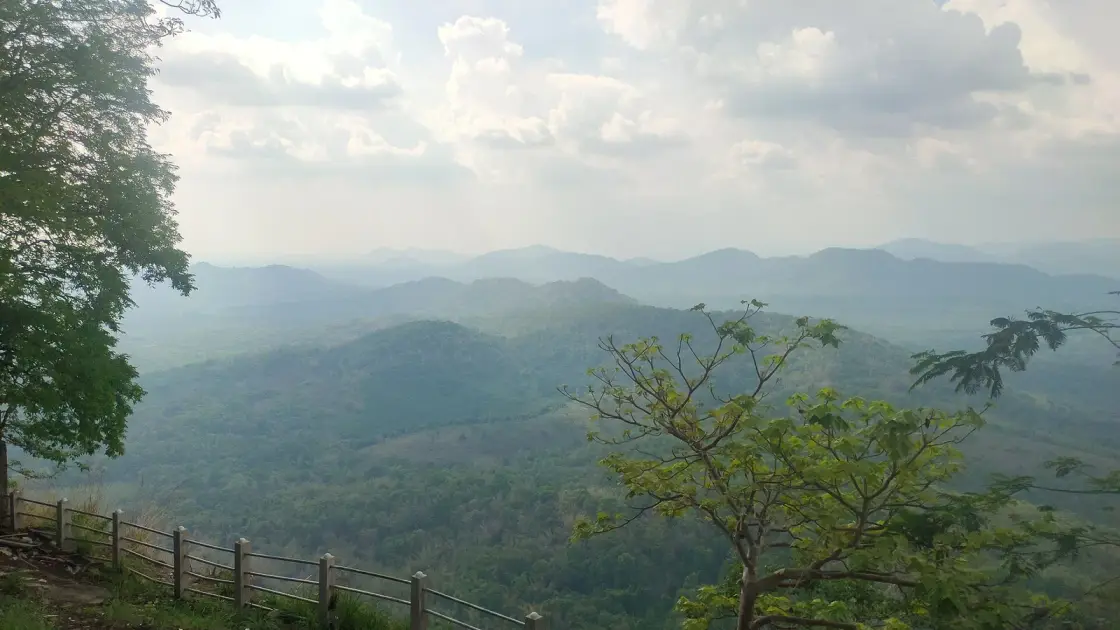
Sweeping views over the Periyar river and the forested Ernakulam landscape from the hilltop.
A living, atmospheric place of faith — quietly contemplative on ordinary days, overwhelming and spectacular during the Perunnal.
Easy to combine with nearby Kalady (birthplace of Adi Shankara) and the airport town of Angamaly for a rewarding half-day from Kochi.
Road km to Ernakulam; ghat roads and traffic vary — allow extra.
Morning or late afternoon for quieter visits and better light.
Live forecast loads in your browser.
Sun and moon are calculated for this location and shown in IST. Photography windows are the hour around sunrise and sunset; the sunset bearing is degrees clockwise from true north. Moon phase is accurate to about half a day.
Browse listed stays, food, activities, sights, shops and rentals around Malayattoor Church. Check each listing’s locality and contact the business directly for current arrangements.
Kerala Tourism accredited hotel at Marottichuvadu, the nearest classified stay to Kalady.
Kerala Tourism accredited tourist home at Chandrapura, along the Kalady-Manjapra road.
Book with the place itself. India’s cyber-crime coordination centre warned in April 2025 that convincing copies of hotel and pilgrimage booking sites are being pushed through sponsored search and social ads, taking payment for rooms the property never hears about. Use the contact and source details on each profile to confirm the exact business and booking channel. A directory entry or map pin alone does not establish an operator’s identity or current availability. Roampedia takes no commission and does not collect booking payments. If a booking page reached you through an ad, check the address bar against the property’s own site before you pay. Fraud can be reported on cybercrime.gov.in or on 1930.
Find food, accommodation and activities across Kalady. Browse the guides for places to eat, stay and explore along your route.
6 more places around Kalady. Open a guide to plan the visit and onward journey.
A family boating and waterside recreation centre on the Kadambrayar near Kakkanad; boat availability, operating hours and water conditions should be checked directly.
A historic mosque and pilgrimage centre near the Vembanad backwater belt, known for the Kodikuthu festival and visited with ordinary mosque etiquette.
9.0 km · 10 min drive
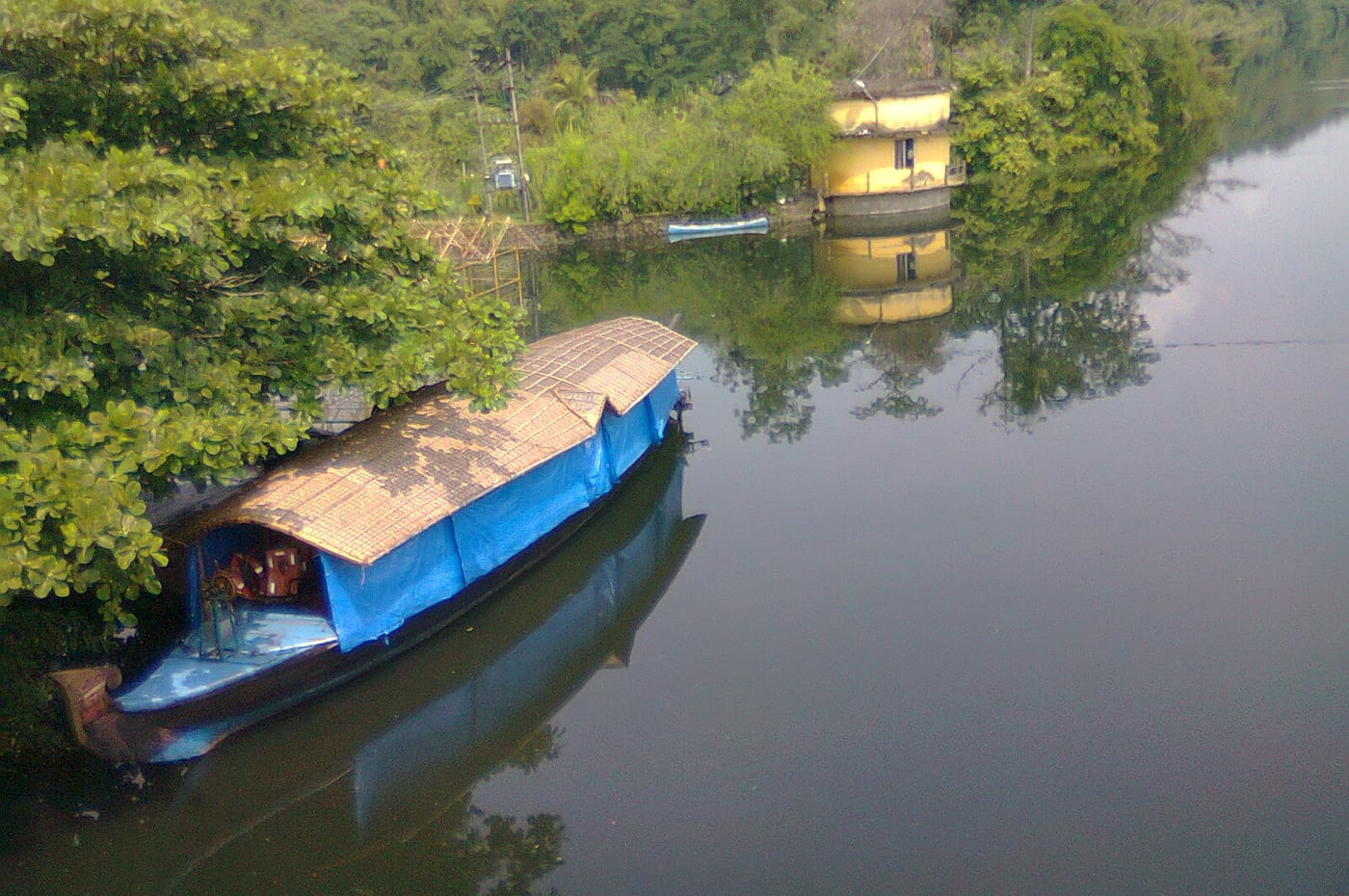
Kerala’s longest river, and the reason Kalady stands where it does — the Adi Shankara traditions of the crocodile and of the river changing course both belong to this water. Ghats and quiet riverside walks beside the birthplace complex.
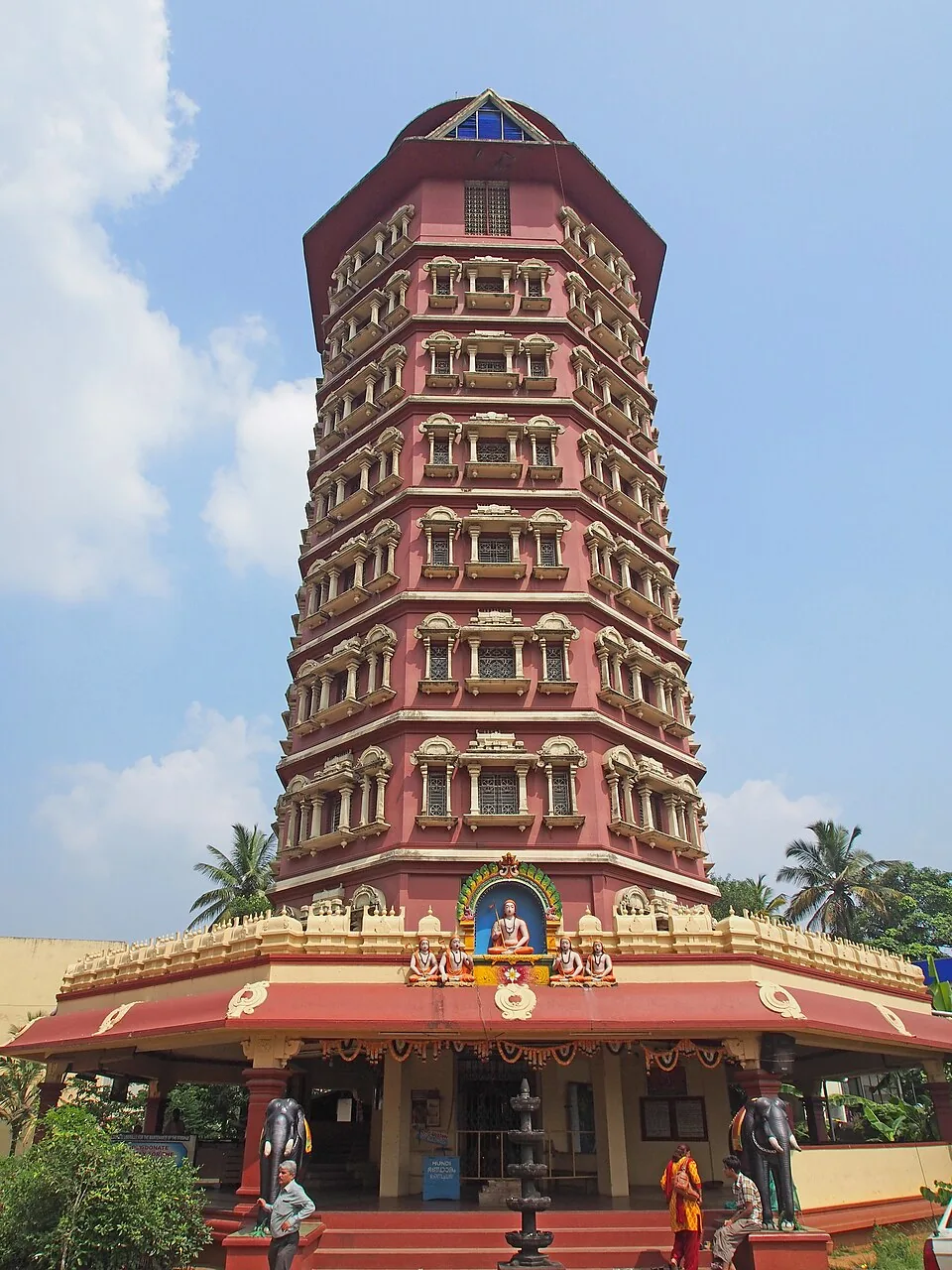
8.8 km · 10 min drive
An eight-storey octagonal memorial tower to the philosopher Adi Shankaracharya at his birthplace, Kalady, on the Periyar river, dedicated in 1978 and run by the Kanchi Kamakoti Peetham.
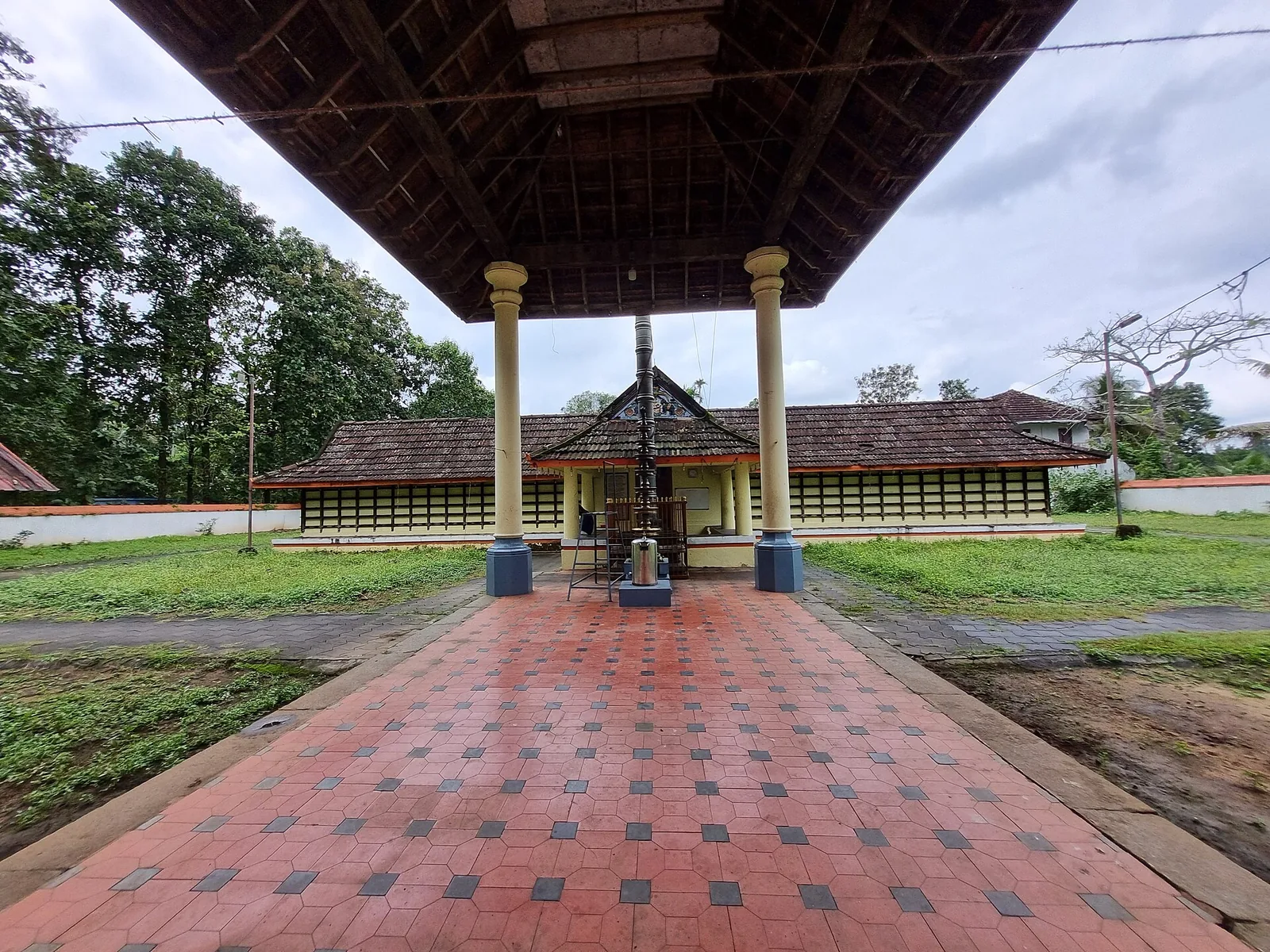
7.6 km · 9 min drive
The Manickamangalam Devi temple north of Kalady, remembered as the shrine where Adi Shankara’s father Sivaguru served — the family connection, rather than the building, is why pilgrims come.
8.0 km · 9 min drive
Adi Shankara’s family temple at Kalady, west of the Sringeri Math birthplace complex — the shrine at the centre of the story that gave the village its name.
Roampedia is commission-free — own or know a stay, eatery, guide or shop near Malayattoor Church? Submit public business details for review.
Add a nearby businessEntry: Free entry, as is usual for a place of worship; donations are welcomed and any charges are typically only for optional parking or services.
Dress code: Modest, respectful dress is expected for this active pilgrimage site — cover shoulders and knees. Light, breathable clothing suits the climb.
Festivals: The Malayattoor Perunnal, the great annual feast, is held around the Sunday after Easter (falling in March–April depending on Easter’s date each year); the feast of St Thomas (Dukrana, traditionally 3 July) is also observed. Both draw large crowds.
Photography: Photography of the hill, views and exteriors is generally fine, but be discreet and respectful inside the church and around worshippers and the venerated summit rock, especially during services and the feast; follow any posted restrictions.
If you are travelling by bus or ferry, check the return service with the operator before setting out. Leave time to reach the stop or jetty after your visit.
Ask at the bus stand for the time of the last service back, not the next one. If you miss it, an auto or app cab is the fallback — agree the fare before you get in.
If you need step-free access, contact the site before travelling. Ask about a level entrance, steps along the route, the nearest drop-off point, seating and accessible toilets.
Charge cap and free-transaction limits: Reserve Bank of India, ATM FAQ updated 4 July 2025; checked 4 October 2026.
These services are listed within about 1.2 km of Malayattoor Church. Walking distances follow mapped routes; access and opening hours can change. Other services may be closer but are not included here.
Published emergency and visitor-assistance contacts. For an immediate emergency, call 112. Shared Kerala contact sources checked 4 October 2026; publication does not establish a tested live response.
The Manickamangalam Devi temple north of Kalady, remembered as the shrine where Adi Shankara’s father Sivaguru served — the family connection, rather than the building, is why pilgrims come.
7.6 km · 9 min driveAdi Shankara’s family temple at Kalady, west of the Sringeri Math birthplace complex — the shrine at the centre of the story that gave the village its name.
8.0 km · 9 min driveAn eight-storey octagonal memorial tower to the philosopher Adi Shankaracharya at his birthplace, Kalady, on the Periyar river, dedicated in 1978 and run by the Kanchi Kamakoti Peetham.
8.8 km · 10 min driveKerala’s longest river, and the reason Kalady stands where it does — the Adi Shankara traditions of the crocodile and of the river changing course both belong to this water. Ghats and quiet riverside walks beside the birthplace complex.
9.0 km · 10 min drive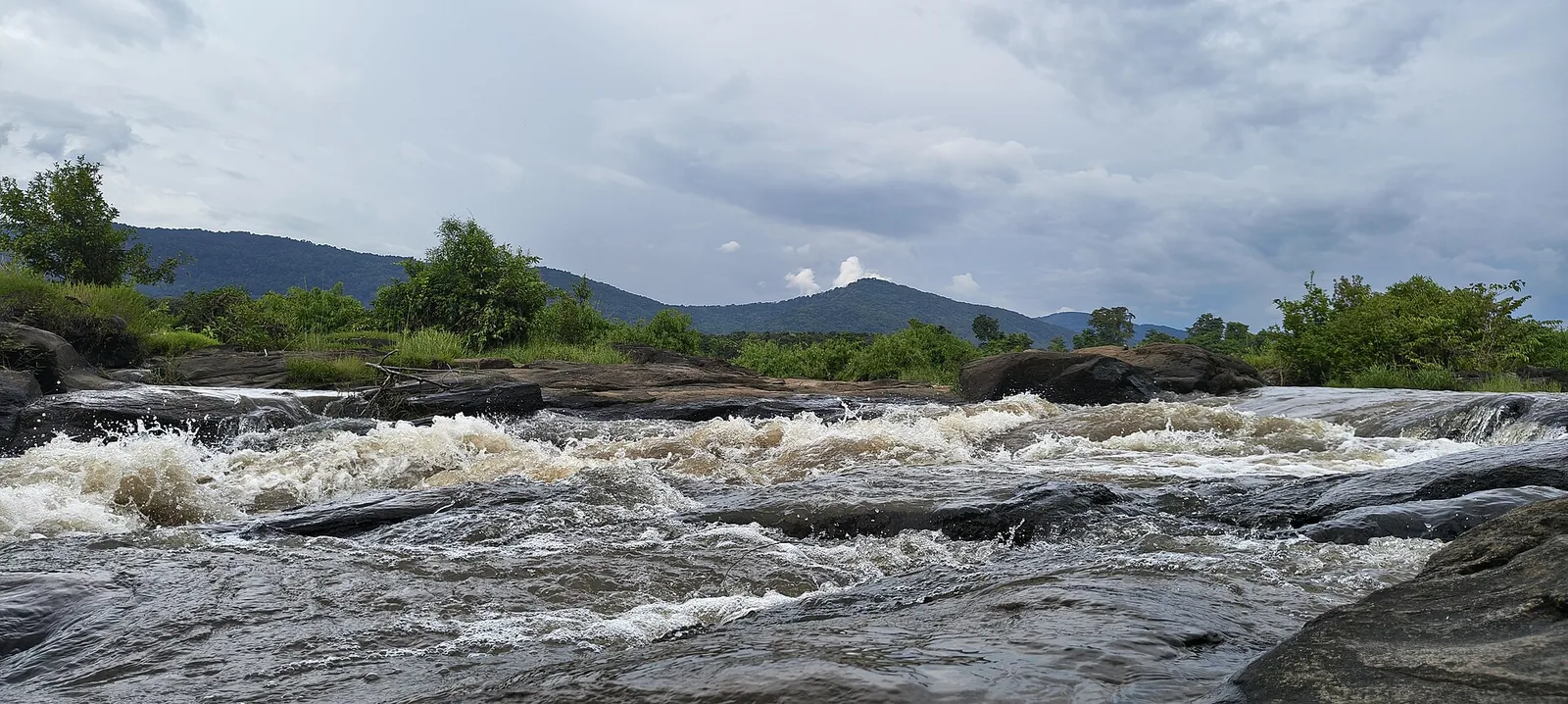
A rocky eco-tourism stretch of rapids and evergreen forest on the Periyar river near Perumbavoor in eastern Ernakulam, with riverside forest trekking along the falls.
9.8 km · straight line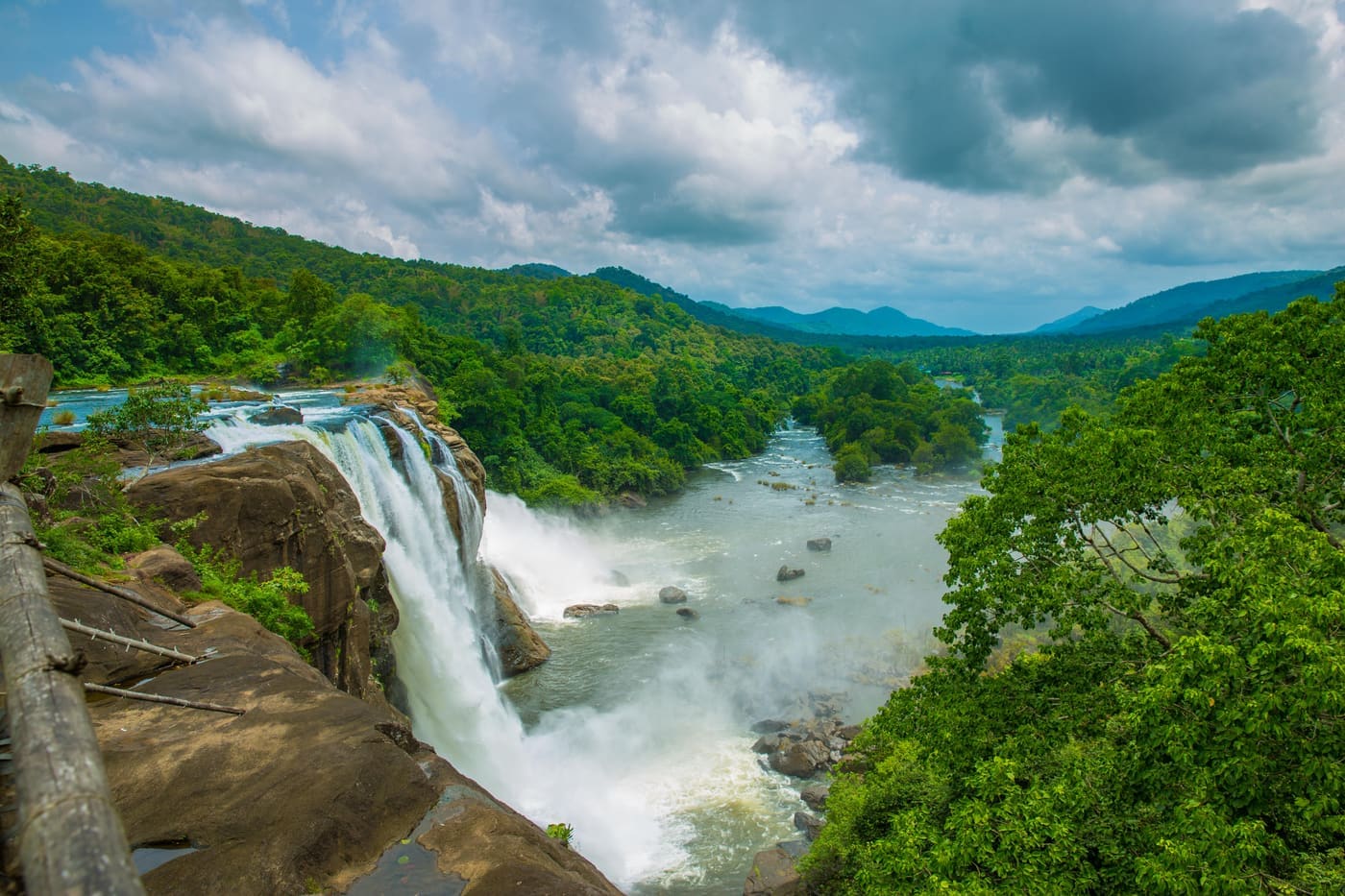
Major waterfall often visited from Kochi, on the Chalakudy river side.
13.0 km · straight line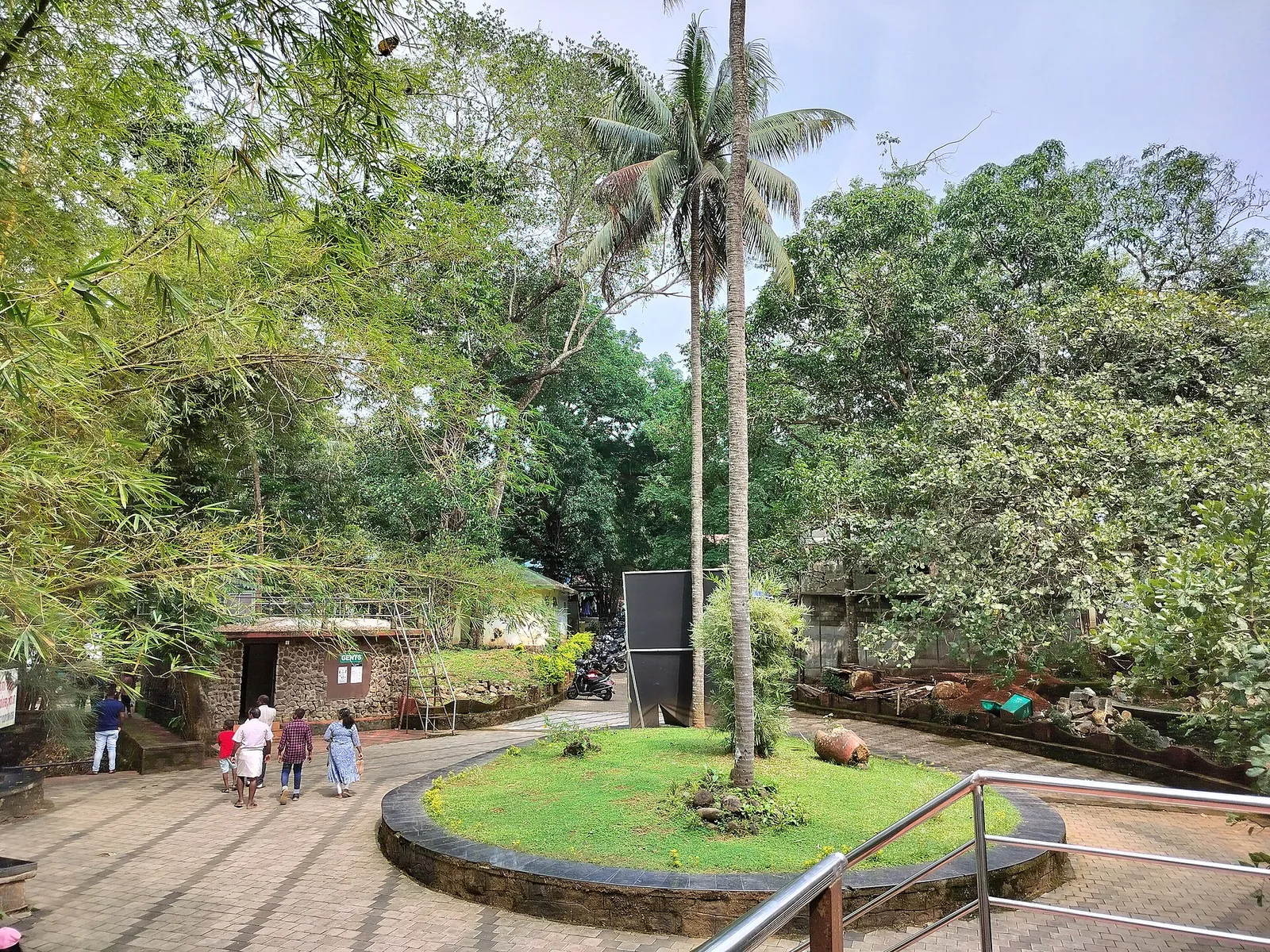
A riverside nature village on the Chalakudy river near Mattoor, with a bamboo forest walk and gentle river bathing spots, on the Athirappilly day-trip side.
13.8 km · straight line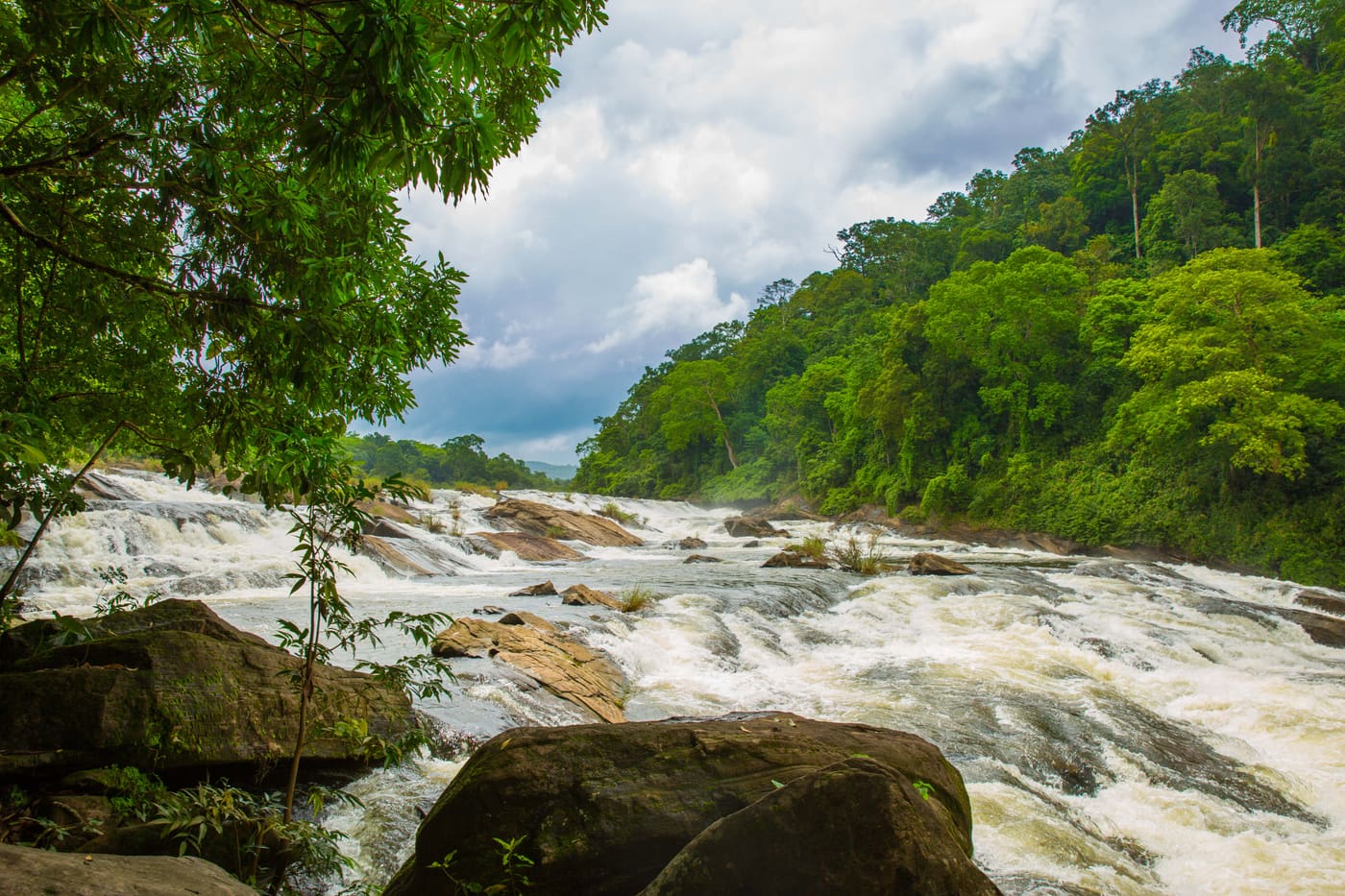
A forest waterfall on the Chalakudy river just above Athirappilly, on the Sholayar forest road — often visited on the same Kochi day trip.
15.9 km · straight line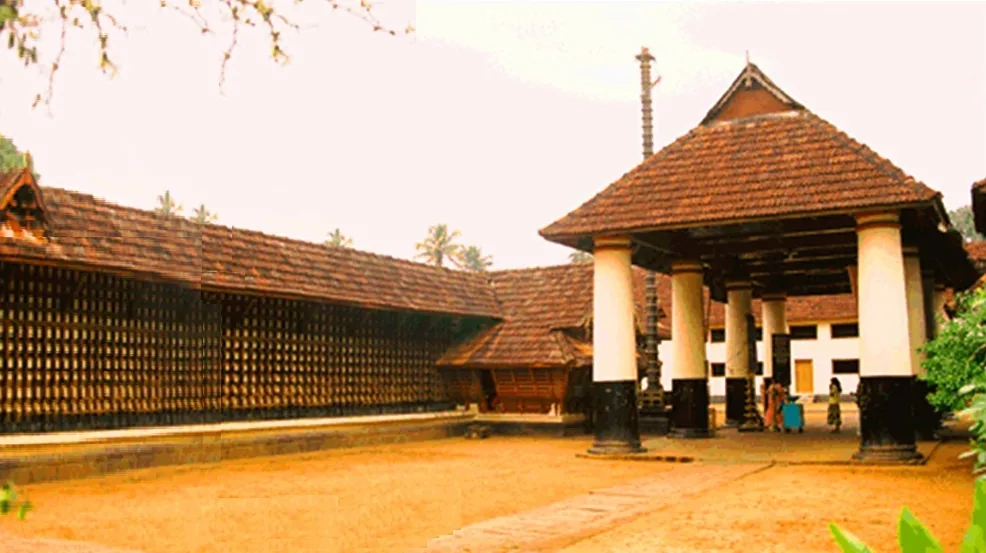
A historic Shiva temple at Kothamangalam near the Thattekkad forests, one of the important ancient temples of the old Kochi region.
16.1 km · straight line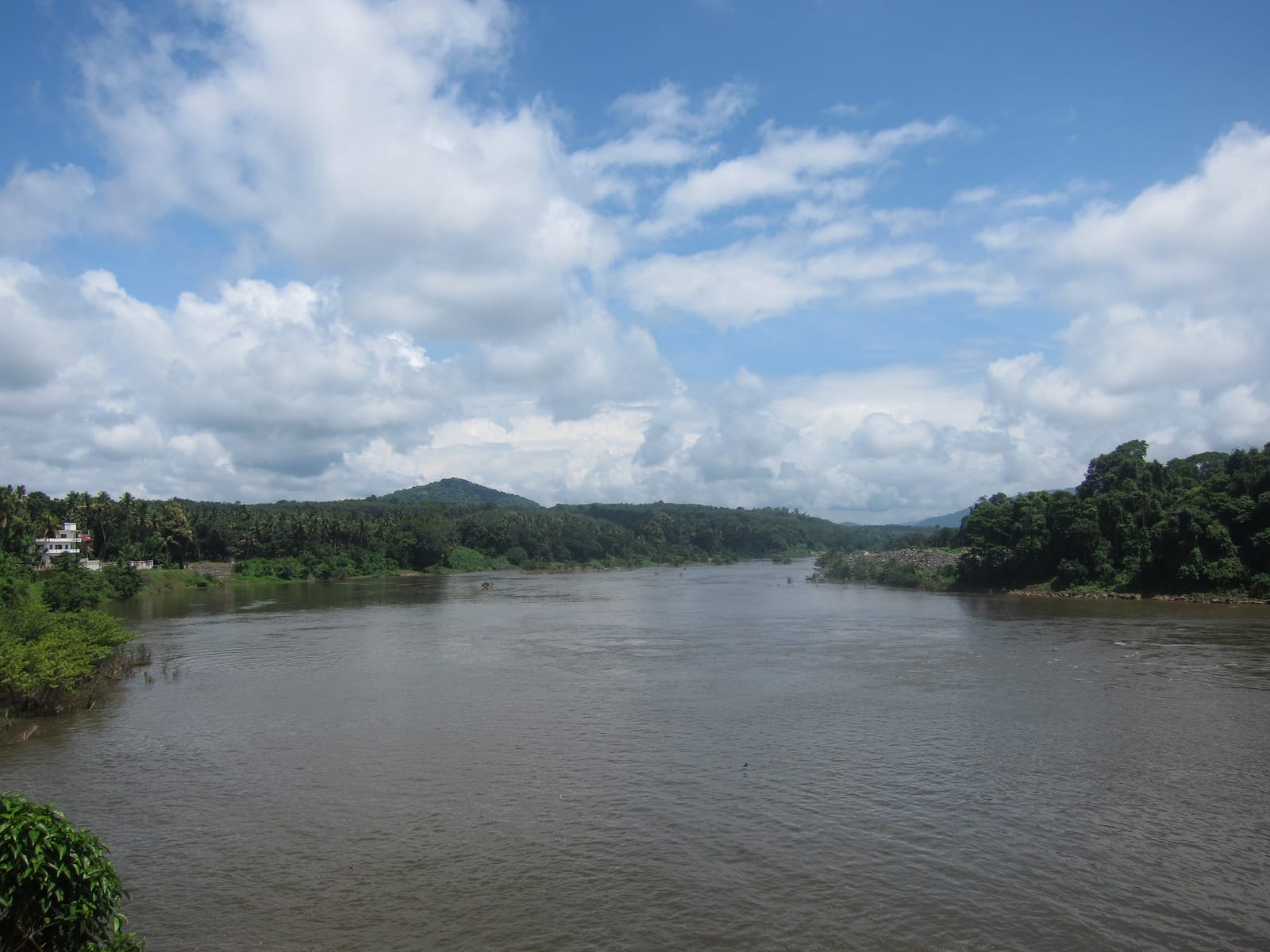
A reservoir and dam at the confluence of the Periyar’s tributaries near Kothamangalam, on the edge of the Thattekkad forests, with forest-and-reservoir trekking around the barrage and a DTPC boat jetty.
17.8 km · straight line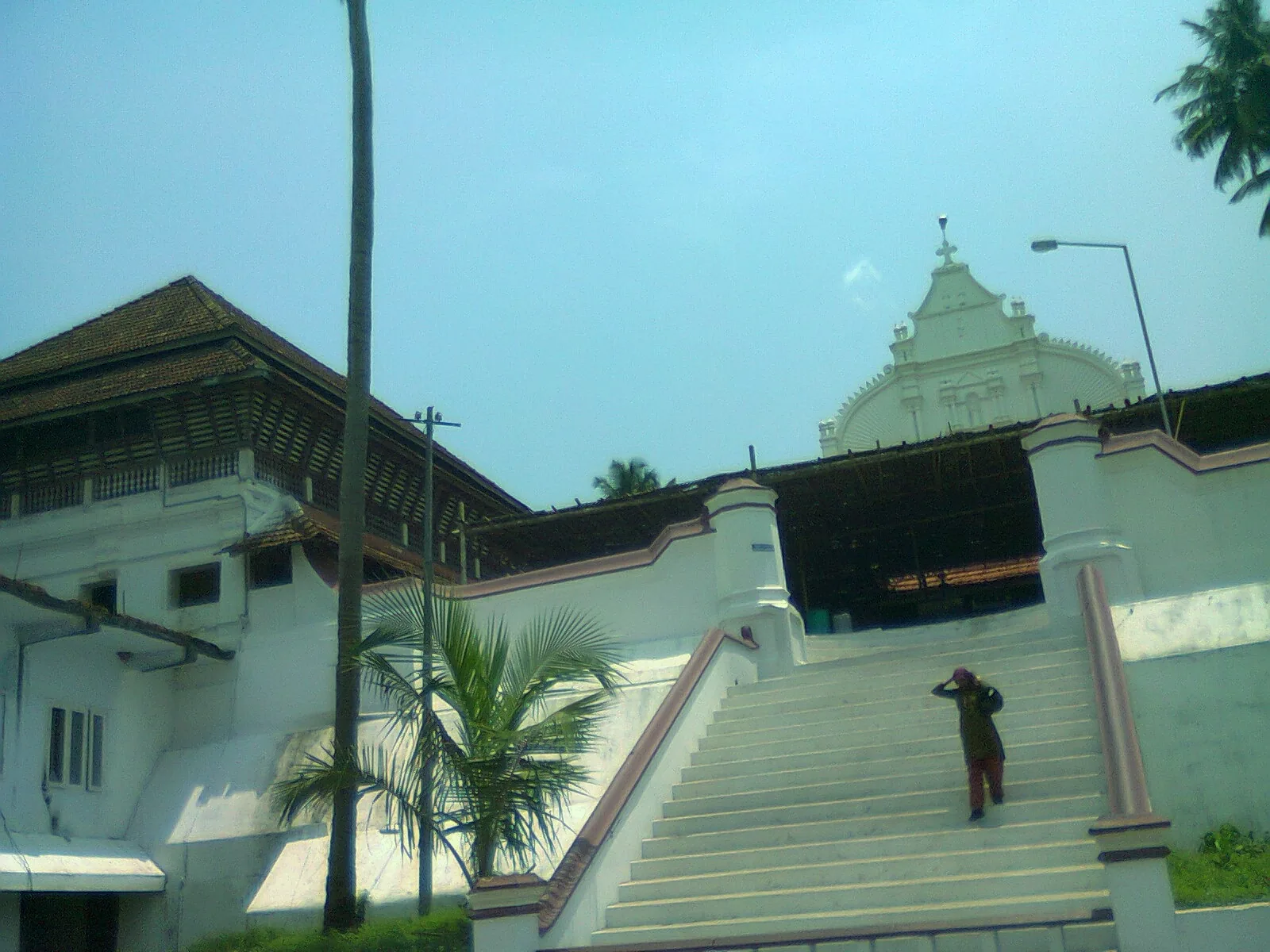
An ancient Orthodox church east of Kochi linked to the legend of the sorcerer-priest Kadamattathu Kathanar, drawing large crowds at its annual feast.
23.1 km · straight line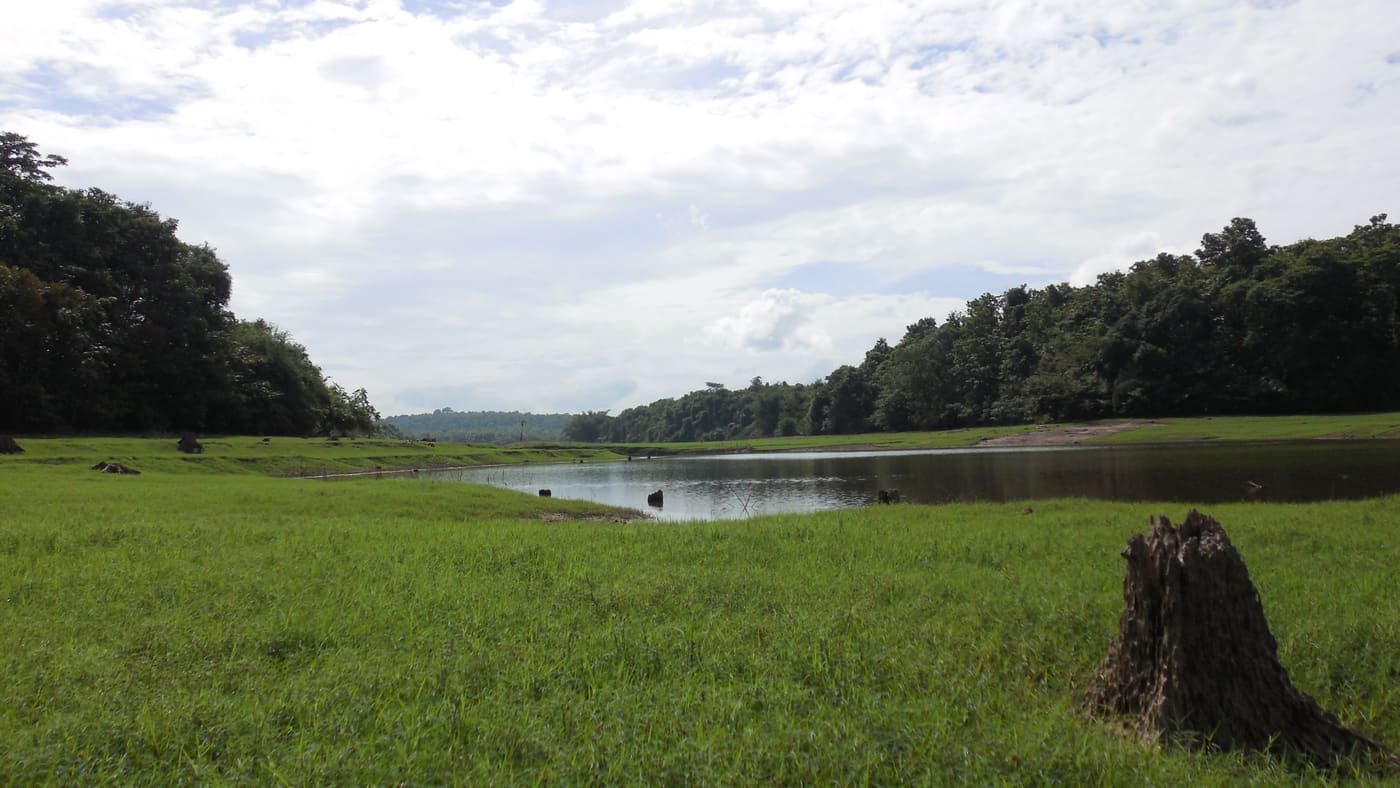
Important birding area east of Kochi near the Periyar river.
23.2 km · straight lineRoad and walking figures are route estimates, with travel times dependent on access, traffic and conditions. Figures marked “straight line” show direct separation and do not describe a road or walking route. Fare estimates use Kerala’s 26 April 2022 auto/taxi notification and exclude waiting, night and applicable one-way surcharges. Confirm the current meter or operator quote before travelling. Routing: © openrouteservice.org by HeiGIT | Map data © OpenStreetMap contributors
Nearby toilets, pharmacies, ATMs, seating and vets are community-mapped and may be incomplete or out of date. Map data © OpenStreetMap contributors | Walking times © openrouteservice.org by HeiGIT
Yes. The declaration came from the Vatican's Congregation for the Clergy and was read out by Cardinal Varkey Vithayathil in Kochi; the date given is 11 February 2004, and Kurisumudi became the first shrine in India to hold the status. The declaration describes it as a historic centre of Christianity in India closely linked with the preaching of St Thomas and the evangelisation of the subcontinent.
That figure is widely repeated and we can find nothing behind it. The declaration itself puts no number on how many international shrines exist worldwide; it compares Malayattoor to famous shrines such as Lourdes without counting them. Treat the number as unsupported and the status as documented.
The hill runs to roughly 609 metres. The shrine receives about four million pilgrims a year, with the heaviest crowds during Lent and at the Malayattoor Perunnal on the Sunday after Easter. The ascent is a long, largely unshaded climb of stone steps and rough track, and many pilgrims make it barefoot.
It is a major Christian pilgrimage shrine associated with St Thomas the Apostle, who tradition holds prayed on the hilltop of Kurishumudi. The site is famed for its steep barefoot pilgrim climb, its golden cross, the venerated summit rock said to bear the apostle’s footprint, and the huge annual Malayattoor Perunnal feast around the Sunday after Easter.
It is genuinely strenuous — a long, largely unshaded ascent of stone steps and rough path to a summit around 609 m. Reasonable fitness helps, and it can be hot and tiring under the Kerala sun. Many pilgrims climb barefoot as penance; others wear footwear for safety. Carry water and allow plenty of time.
The main feast falls around the Sunday after Easter, so it lands in the March–April window depending on Easter’s date each year. It draws very large crowds over the feast days; the path and hilltop are extremely busy during this period.
Visiting the church and climbing the hill are generally free, as is usual for a place of worship; any charges are typically only for optional services or parking. Donations are welcomed but not required.
No — the tradition that St Thomas visited in the first century AD and left his footprint on the rock, which is said to have oozed blood, is cherished religious tradition and hagiography rather than documented historical fact. Roampedia records it as the living faith of one of the world’s oldest Christian communities.
Yes. It is a welcoming pilgrimage site open to visitors of all backgrounds. Dress modestly, behave respectfully as this is an active place of worship, and be mindful during services and the crowded feast period.
Morning or late afternoon for quieter visits and better light.
Entry: Free entry, as is usual for a place of worship; donations are welcomed and any charges are typically only for optional parking or services. Timings: The foot-of-hill church and the hilltop shrine are generally open through daylight hours, with the hill path best climbed in the cooler early morning; specific timings for services and the hilltop can vary and are busiest in the Lent–Easter season.
Base yourself in Kalady or a nearby town in Ernakulam, then confirm the last-mile route locally before leaving. Check mass/prayer timings if visiting for worship; otherwise visit outside service rush. If the visit depends on forest, temple, boat, ferry, weather or seasonal access, check the official/local rule on the day before travel.
30 minutes to 1.5 hours.
Nearby you can pair Karthyayani Devi Temple (7.6 km, route estimate), Sree Krishna Temple (8.0 km, route estimate), Adi Shankara Keerthi Sthambha Mandapam (8.8 km, route estimate), Periyar river (9.0 km, route estimate).
Expect crowds on feast days and Sundays. Use marked parking and official entry points.
Written about Malayattoor Church itself — its history, its legends and the arguments about them.
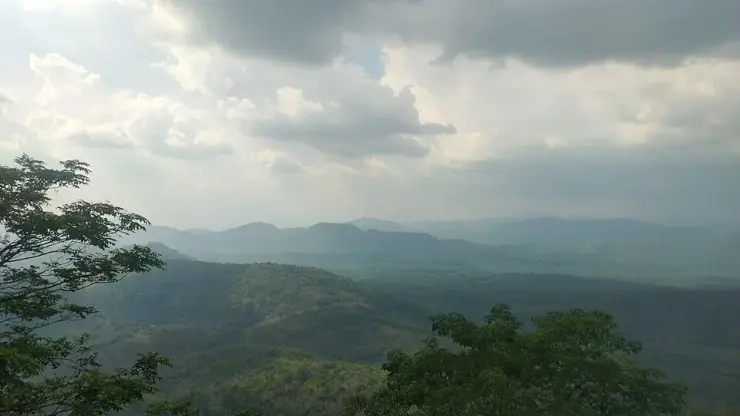
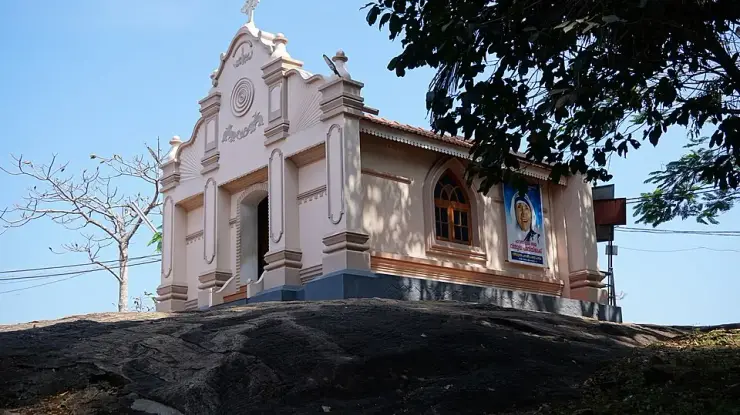
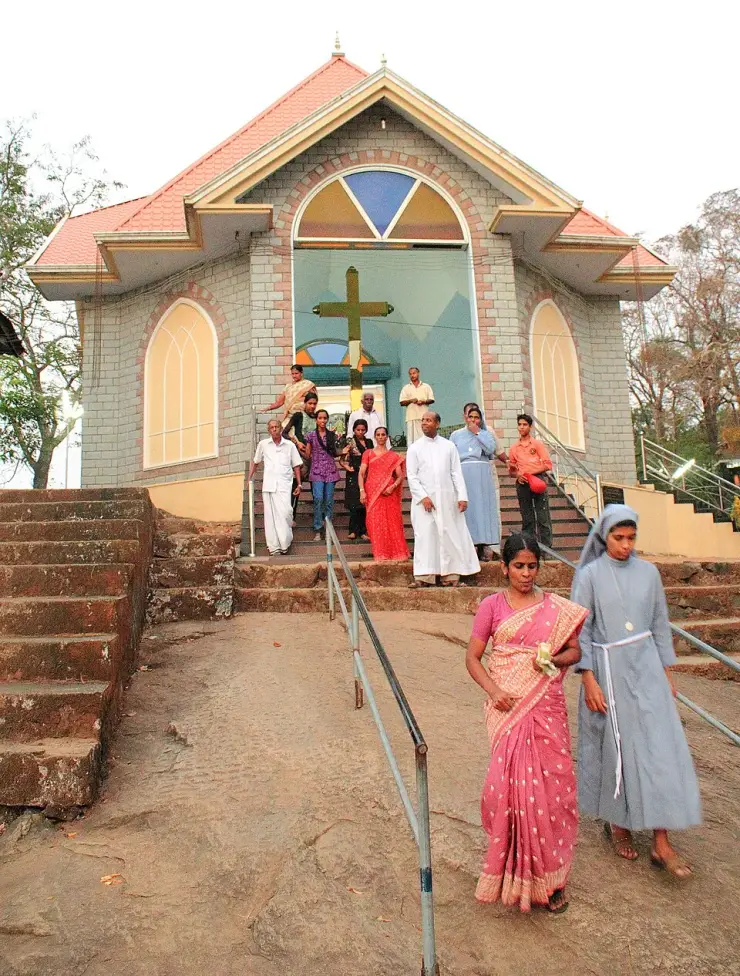
These guides explore Kalady and the surrounding area. Choose a visit that fits your interests, allowing separately for travel between stops.


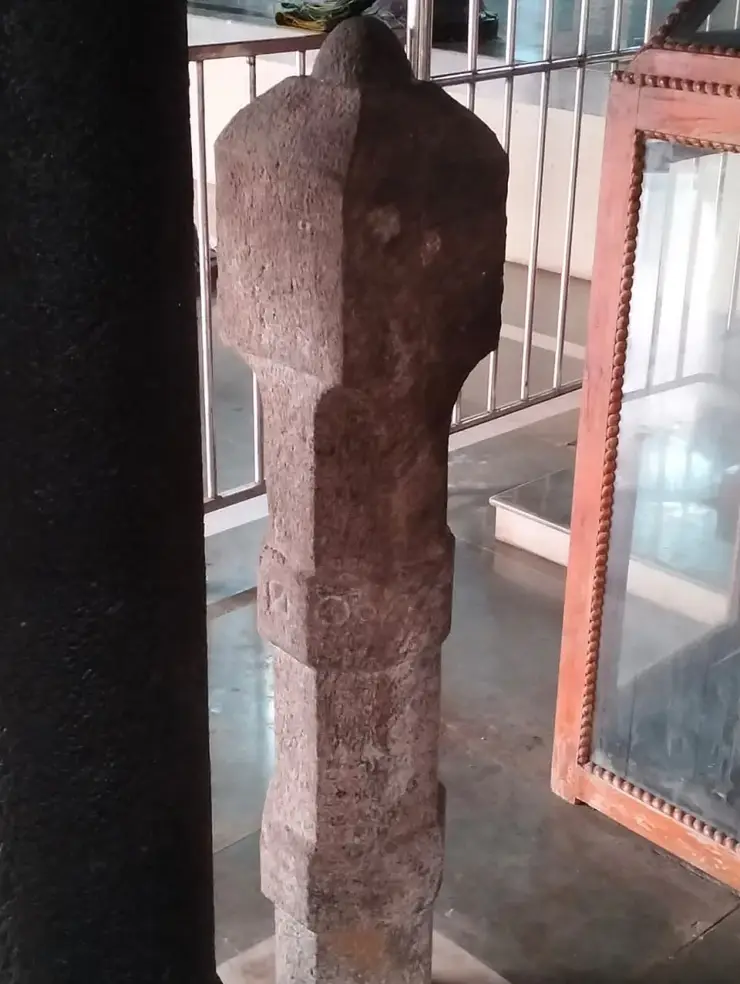
Route-level itineraries and practical guides for the rest of Kerala.
Photographs: Athulvis (CC BY-SA 4.0), Jainpt (CC BY-SA 4.0), Princebpaul0484 (CC BY-SA 3.0), Shijan Kaakkara (CC BY-SA 4.0). Wikimedia Commons.