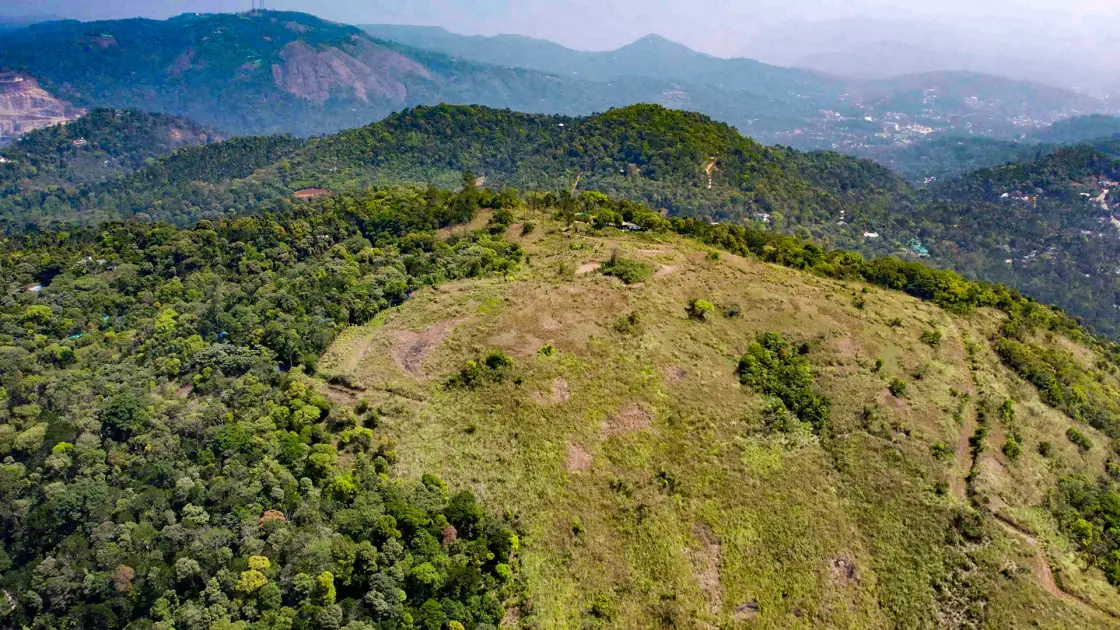
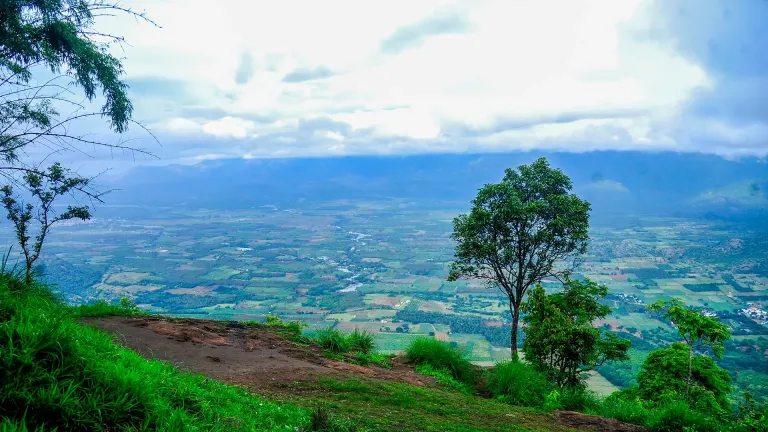
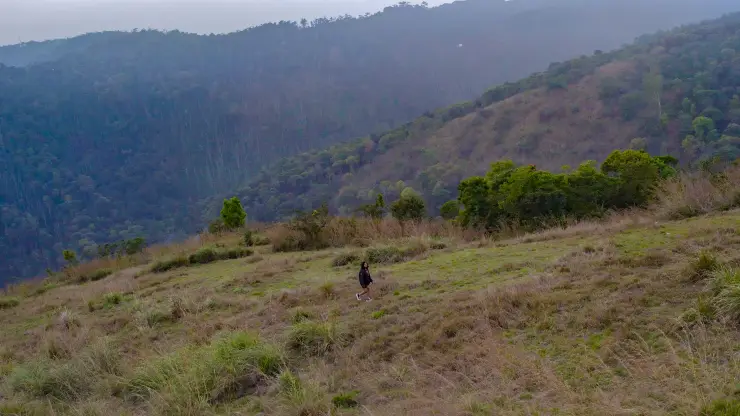
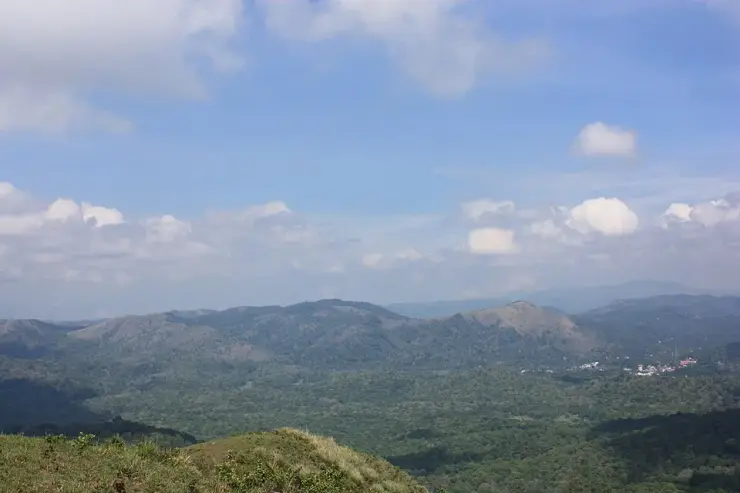
Murikkady is best read at two scales. From above, roads, wooded slopes and cultivated plots make a green mosaic. On a permitted plantation walk, the view narrows to a vine, a cluster of capsules or a coffee branch. Moving between those scales gives the settlement its interest.
The story of Murikkady
The name refers to a wider locality near Kumily, not to a single estate with a universal visitor counter. Kerala Tourism’s route directory places it on the Anavilasam route and records Murukkady as another spelling. OpenStreetMap uses Murickady for the village. These variations are useful when recognising the destination, but the property name still matters for the final turn.
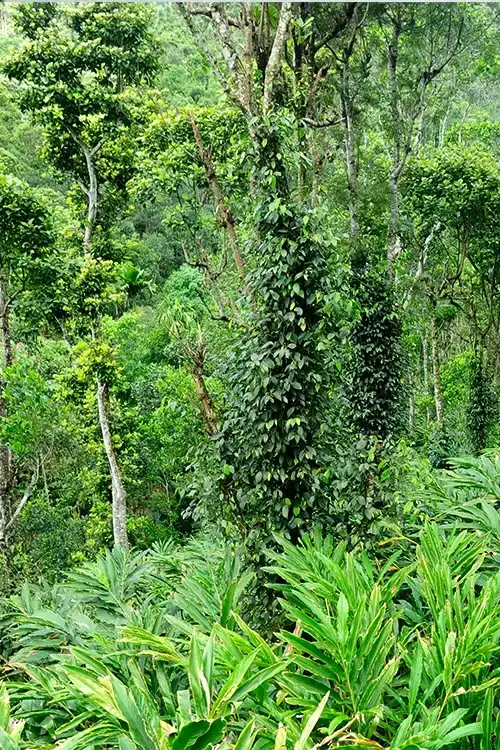
Coffee, cardamom and pepper are the crops most consistently associated with Murikkady in the official visitor descriptions. They do not all look alike in the landscape. A pepper vine, a cardamom clump and a coffee plant have different forms, so a knowledgeable host can turn what first appears to be undifferentiated greenery into a more legible working plot.
Pepper offers a particularly clear connection between plant and kitchen. ICAR’s Indian Institute of Spices Research identifies black pepper as a perennial vine grown for its berries. On a plantation visit, that means looking for the climbing plant and its fruiting spikes rather than expecting black peppercorns to grow on a low bush exactly as they appear in a shop.
Cardamom introduces a different relationship with the surrounding trees. Its native habitat lies in the evergreen forests of the Western Ghats. A plantation is managed land, but the presence of overhead vegetation can help explain why a crop walk here looks different from a broad open tea panorama. Ask the host how the particular plot uses shade instead of assuming every tall tree is incidental.
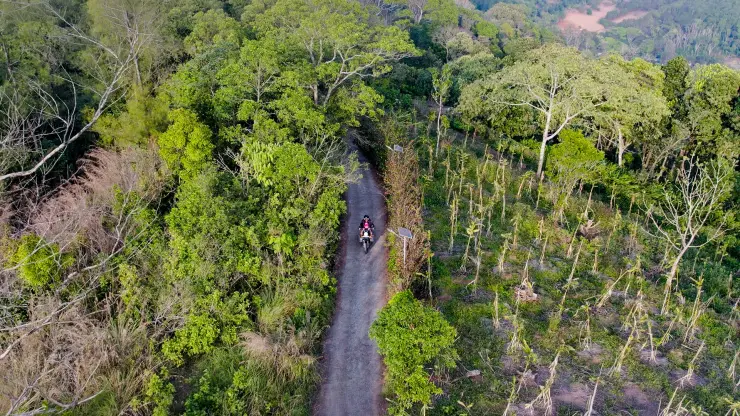
Plantation lanes connect Murikkady’s cultivated plots and wooded slopes. Kerala Tourism’s overhead view shows a narrow road running between taller trees and organised planting, with a motorcycle providing a sense of scale. These lanes serve everyday movement through the plantations; an arranged estate visit is the way to explore the work beyond the public approach.
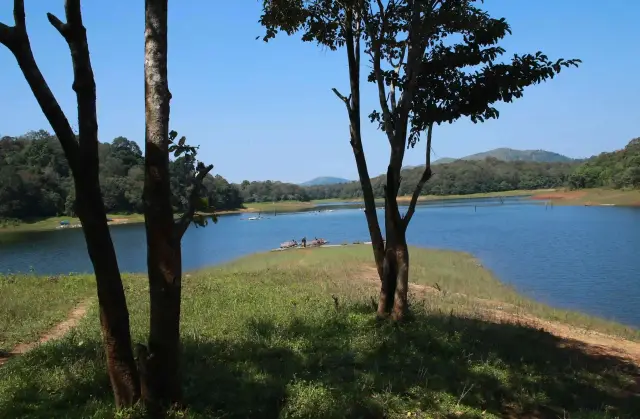
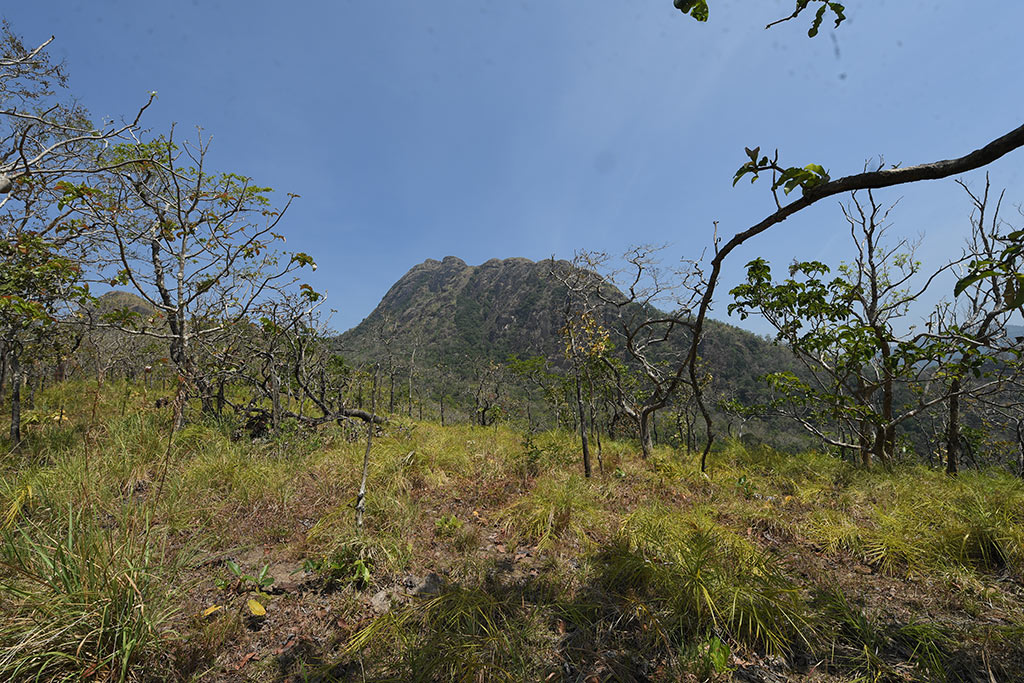
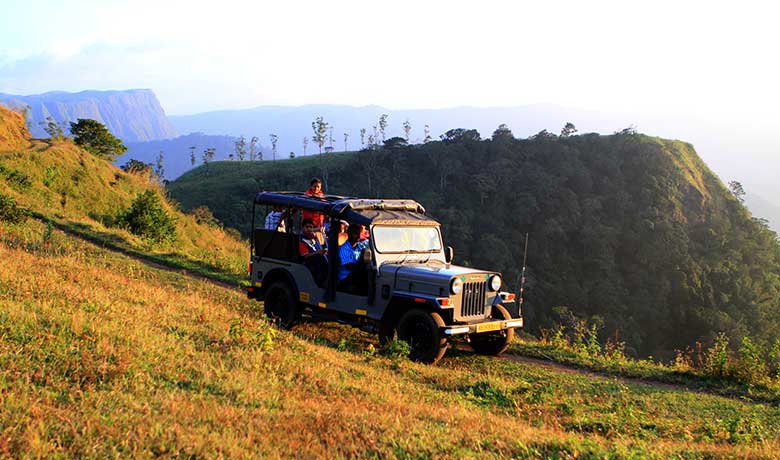
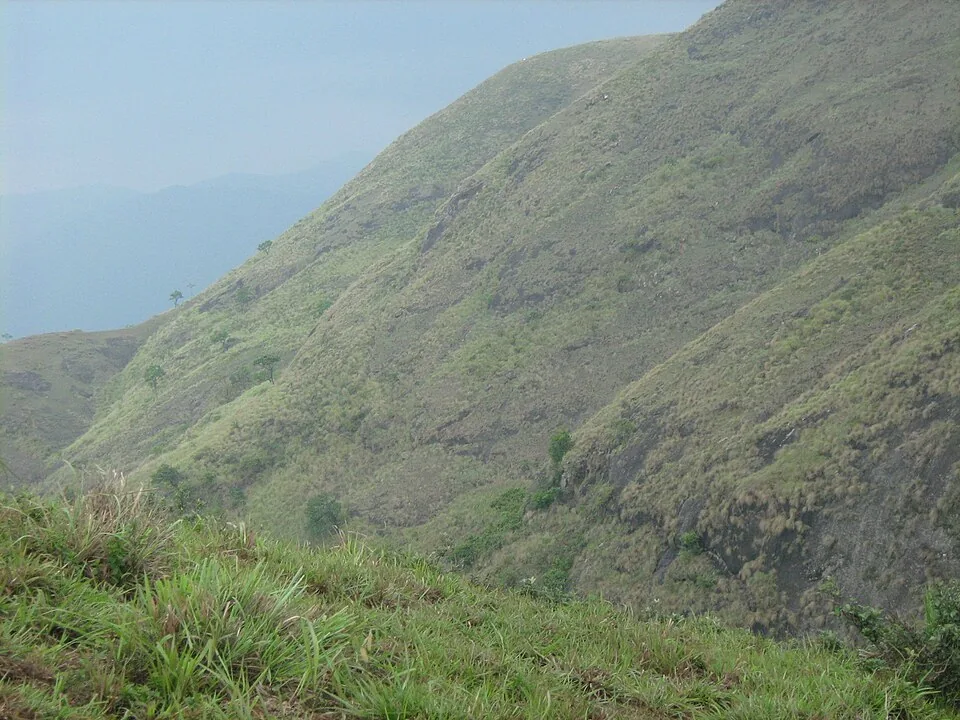
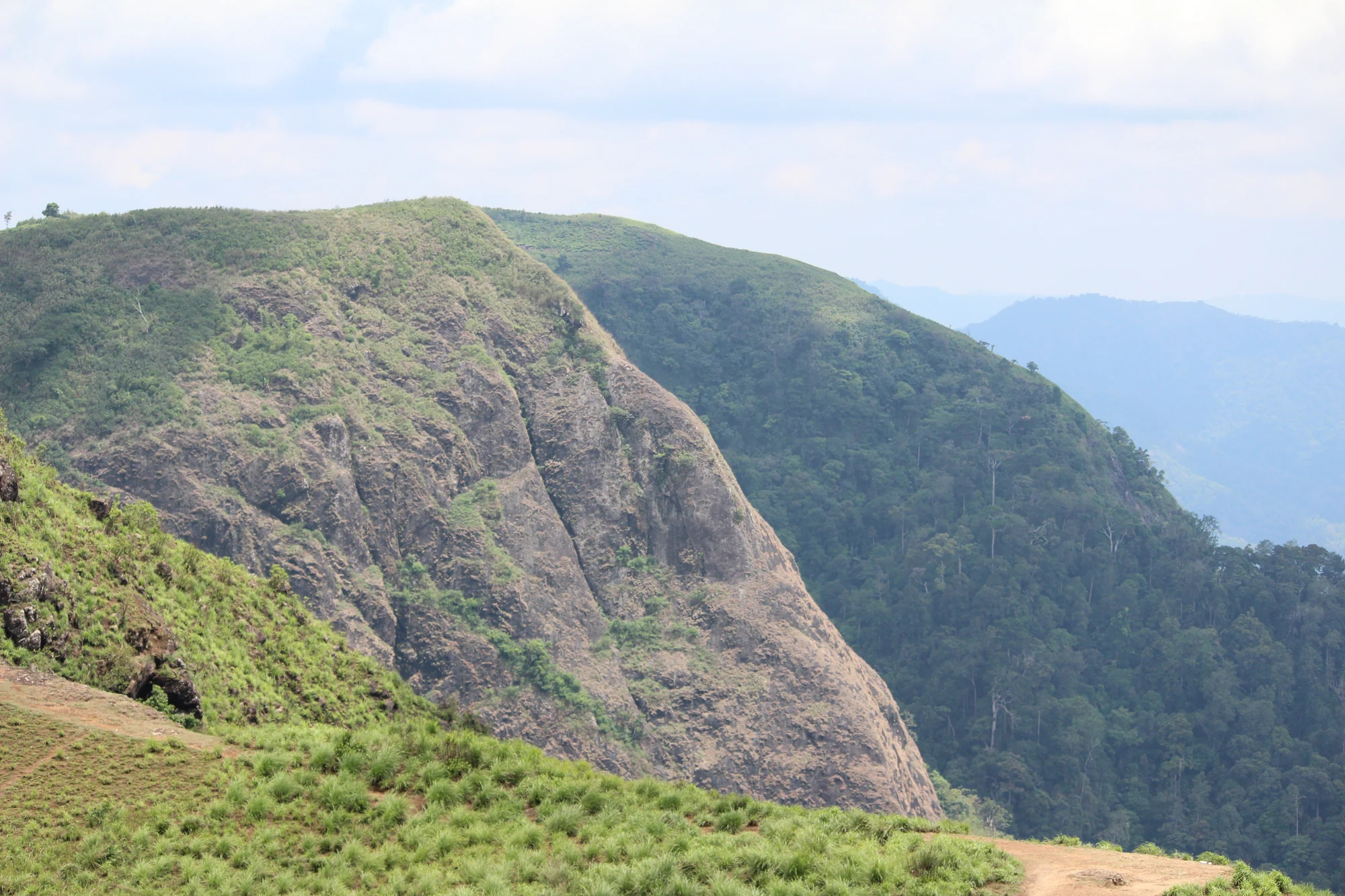
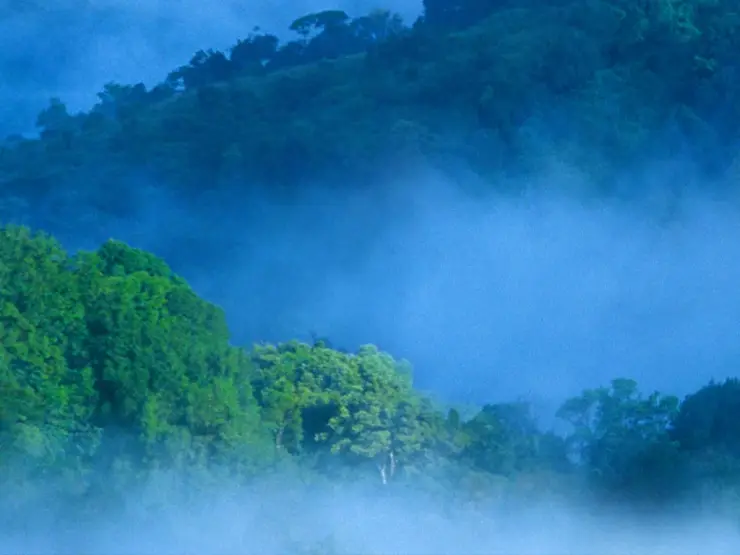
Other official Murikkady photographs open the view towards rounded slopes and wooded ridges. They show why the locality can appeal even to someone with little interest in buying spices. The patterns of clear ground, dense vegetation and scattered buildings create a landscape that rewards observation without requiring every visit to become a shopping tour.
A host-led visit can connect those patterns with ordinary work. Useful questions include which crop occupies a plot, when it flowers or is harvested, and which processing steps happen on the property. The answer may differ between neighbouring holdings. A small demonstration garden may show many species in one place, while a working plantation may concentrate on fewer crops.
Read the full history of Murikkady 205 more words
History
Murikkady’s visitor identity is rooted in cultivation. The official Periyar guide describes its coffee, cardamom and pepper plantations, while the route directory identifies the locality through its connection with Kumily and Anavilasam. Together these describe a working settlement reached by ordinary roads, rather than a purpose-built attraction isolated from village life.
The crop history is visible in practical relationships: climbing plants and their supports, shade above lower planting, and lanes linking different parts of a holding. A host can explain the history of a particular property, but one estate’s foundation should not be treated as the founding date of the whole locality.
Tourism adds another use to that cultivated setting. Plantation walks, accommodation and spice retail can be connected, but they are not identical activities. Understanding which one a host actually offers helps a visitor engage with the place on its own terms, including the people who continue to work there.
Why visit
Learn to distinguish coffee, cardamom and pepper through a properly arranged plantation visit.
See how village roads and planted plots fit the wooded hills near Kumily.
Choose a slower countryside outing alongside Thekkady’s more tightly scheduled forest programmes.
Connect spice shopping with cultivation, while keeping a purchase separate from the value of the walk.