What to expect
Highlights
- Mosque visit at Muchundi Mosque
- Local Islamic heritage and coastal/trade history where relevant
- Nearby food streets and markets
Kuttichira mosque built by a freed slave and endowed by the Zamorin, holding a 13th-century bilingual Vattezhuthu–Arabic inscription; it has no minbar and holds no Friday prayers.
Check entry arrangements. Ask the mosque when sightseeing visits are welcome and which areas you may enter. Check dress and footwear requirements before going inside, and avoid interrupting prayers.
Dress respectfully and follow the institution’s admission and photography rules.
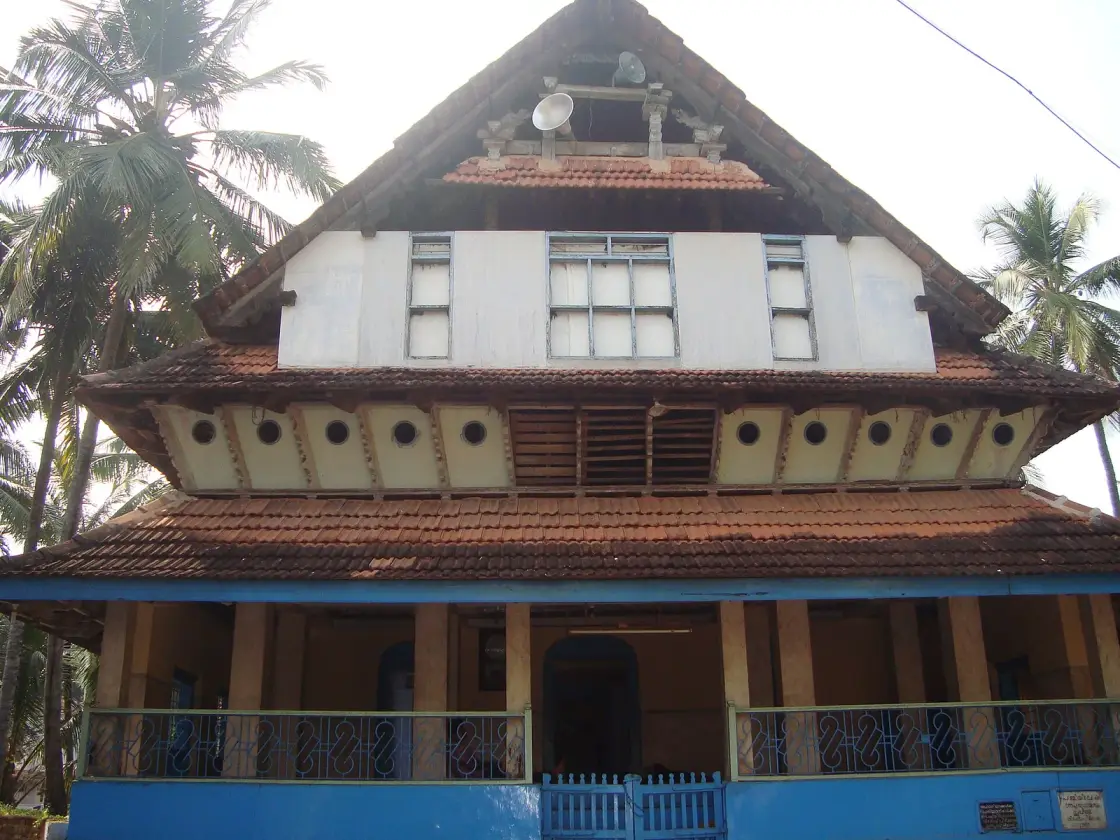
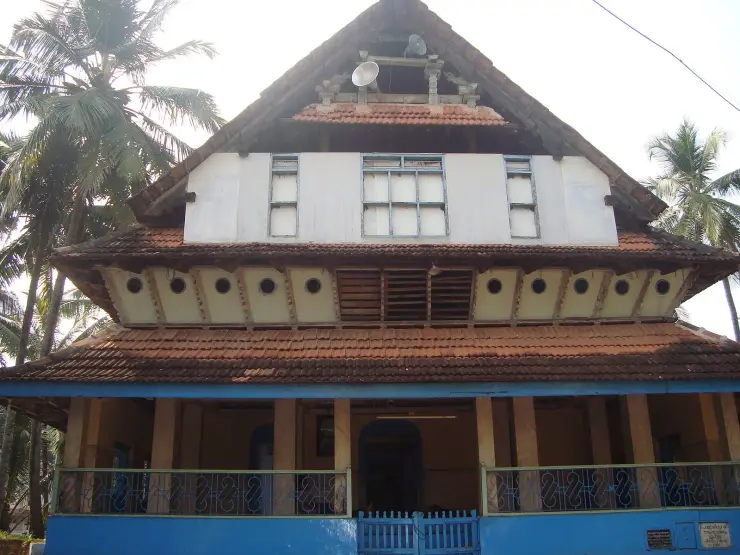
Muchundi Palli stands at a lane junction in Kuttichira, in the old Muslim quarter of Kozhikode, and from the street it is easy to walk straight past: a modest two-tier building with a red-tiled roof, a bright blue plinth and verandah wall, and a Malayalam plaque fixed low beside the gate. Set flush into one of its walls is a worn granite slab that historians regard as one of the most remarkable documents in Kerala. It carries an inscription in two languages and two scripts — old Malayalam in Vattezhuthu and Arabic — and it records two separate acts of generosity, by two men from two faiths, that almost every retelling of it collapses into one. The mosque is still in daily use. It does not hold Friday prayers, and the reason is written into its architecture.
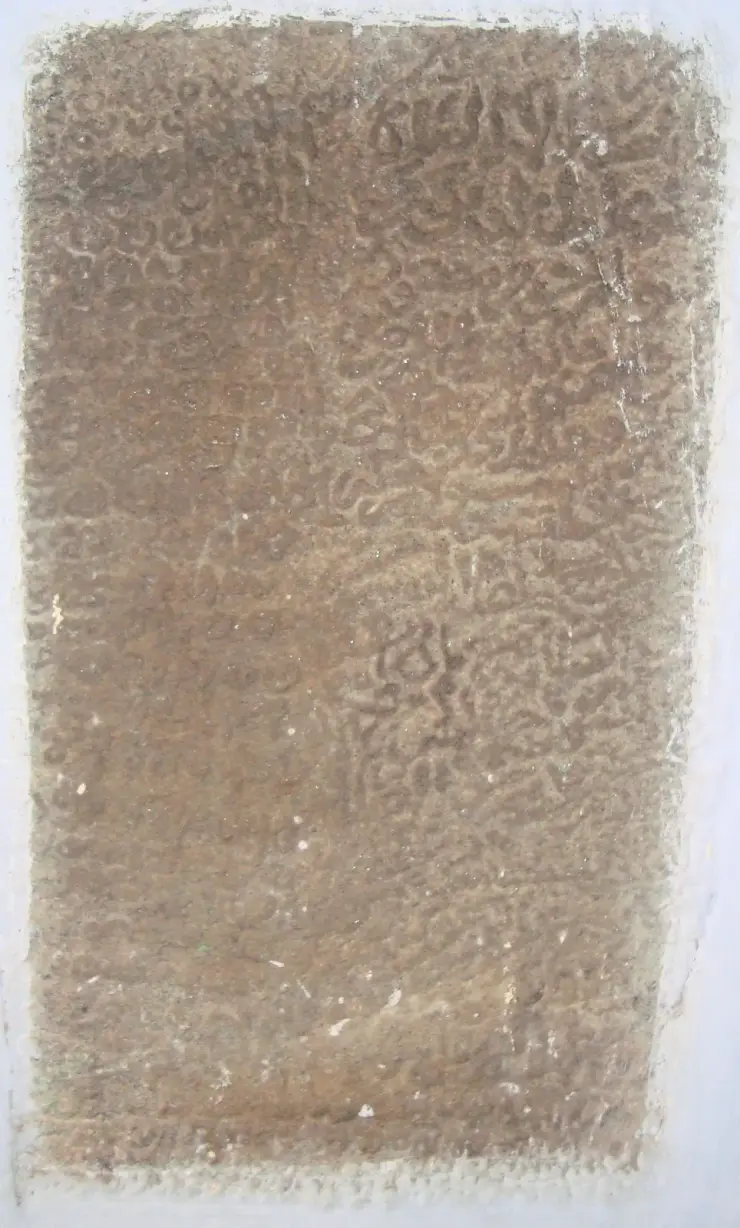
Begin with the stone, because the stone is why anyone writes about this building. It is a granite donative inscription, undated, placed on palaeographic grounds at around the thirteenth century CE. It was first flagged for scholarship by William Logan, Collector and Magistrate of Malabar, in his 1887 manual Malabar, where he called the building the Machchinde Mosque. The reading that historians now use was produced by M. G. S. Narayanan with M. R. Raghava Warrier and Kunhu Muhammed, and published as "The Zamorin's Gift to the Muccunti Mosque" in Cultural Symbiosis in Kerala (Kerala Historical Society, 1972). One detail is easy to miss and worth knowing before you look at it: the letters are not incised into the stone in the usual Kodungallur–Chera manner. They stand raised in relief, imitating the standard practice of Islamic epigraphy. A Malayalam script has been cut the way an Arabic one would be.
The Malayalam half runs to thirty-two very short Vattezhuthu lines and is, in effect, an administrative order. It opens as the order of Punturakkon — "Lord of Punthura", a known title of the Zamorin — and grants a daily allowance of one nazhi of rice to the mosque, with a further endowment of twelve para from lands at Kunnamangalam and Pulikkizhu. No ruler is named. The title is what ties the grant to Calicut's ruling house. It is a Hindu king writing a Muslim place of worship into his revenue arrangements, in perpetuity, in the language of routine administration rather than of ceremony.
The Arabic half says something else entirely, and that is the hinge of the whole document. In Z. A. Desai's translation, published in A Topographical List of Arabic, Persian and Urdu Inscriptions of South India (ICHR, 1989), it records that Shahab al-din Raihan, a freed slave — the word is atiq — of the late Mas'ud, bought land from its owner out of his own money and built on it this mosque and a well, and made provision for its imam and mu'adhdhin by constructing a large building. Read the two halves together and there are two acts and two parties: a manumitted slave who purchased land with his own savings and built and staffed a mosque and a well; and a king who later attached perpetual maintenance to what the freed man had made. Nearly every published summary merges these, and the merged version usually credits the Zamorin with the building. He did not build it. He kept it going.
Narayanan's claim for the stone, as en.wikipedia reproduces it from his Kozhikkodinte Katha, is narrow and precise: it is the only surviving document recording an endowment by a Hindu king to the Muslims of Kerala. That exact form is defensible. The looser versions in circulation — the only bilingual inscription in Kerala, the only Vattezhuthu–Arabic inscription in India, the only record of Hindu–Muslim harmony — are not what the source says, and are not true. The Ramanthali inscriptions of 929 and 1075 CE record Mushika and Alupa rulers endowing a Hindu temple; the Chera copper plates record royal grants to Christian and Jewish communities. What is unusual about Muccunti is the recipient, not the act.
The stone's condition should be said plainly, because it is a live problem. English Wikipedia describes it as highly damaged, worn and fragmentary, and the photograph on Wikimedia Commons bears that out: the Arabic is legible in patches at the upper right and mid right, and the Vattezhuthu on the left is largely gone. The wall around it has been whitewashed, repeatedly, and the whitewash has been carried right up to and over the slab's edges, leaving a chalky rim on the stone. A document described in the literature as unique is being painted around by whoever maintains the wall.
The other thing worth knowing before you visit is what the mosque does not do. Muchundi does not conduct the jum'ah, the Friday congregational prayer. That is unusual enough to be reported wherever the mosque is written about, and the architecture explains it rather than merely coexisting with it. Mehrdad Shokoohy's Muslim Architecture of South India (Routledge, 2003) — the scholarly authority on the building — describes a semi-circular mihrab with a wide-bordered arch, and records that there is no minbar. No pulpit means no khutbah, and no khutbah means no Friday congregation. The mosque that does hold it is the Kuttichira Juma Masjid, a two-minute walk north. Mishkal, further on again, keeps a carved wooden minbar in Friday use. Three mosques within four hundred metres, doing three different jobs.
What Muchundi did instead, by the account preserved in Malayalam sources, was teach. Students are said to have come from overseas and from the islands for religious study here down to the seventeenth century, and Sadaqathullah, a Sufi from Kayalpattinam on the Tamil coast, is recorded as having lived at the mosque for years teaching. Malayalam sources also record that the poet Moyinkutty Vaidyar composed the Uhud Padappattu, published in 1878, upstairs at Muchundi Palli — though his own memorial institution, the Mahakavi Moyinkutty Vaidyar Mappila Kala Academy, lists the work without mentioning Muchundi or Kuttichira, so the connection is best stated as a tradition rather than a fact. Today worship is on the ground floor only. The upper floor, where the teaching is said to have happened, is unused.
The commonest thing said about this mosque is that the Zamorin built it. He did not, and the correction is not pedantry — it inverts the most interesting thing the inscription records. The Arabic half of the stone names the builder: Shahab al-din Raihan, described as the atiq, the freed slave, of the late Mas'ud. He bought the land with his own money. He built the mosque and a well and endowed the salaries of the imam and the muezzin. The Zamorin's contribution, recorded in the Malayalam half in the flat language of a revenue order, came afterwards and was maintenance: one nazhi of rice a day, and twelve para from named lands. A Hindu king underwriting the running costs of a mosque founded by a manumitted slave is a considerably better story than a king's vanity project, and it is the one the stone actually tells.
The second confusion is geographical, and it will actually cost you your afternoon. Kuttichira holds at least six mosques within four hundred metres of Muchundi — the Juma Masjid at about a hundred and sixty metres, Elayante Masjid at a hundred and twenty, Hallara Palli at two hundred, Barami at around three hundred and twenty-five, Muneerul at three hundred and thirty, and Mishkal at just under four hundred. Guidebook copy and web listings routinely fold two or three of them into a single phrase — "the Kuttichira Juma (Muchundi) mosques" is a real example, and we had it on our own Mishkal page until we wrote this one. They are separate buildings with separate founders and separate functions. Muchundi is small, two-tiered and gabled on a plinth about a metre and a half high. The Juma Masjid is single-storeyed and has the largest floor area of any mosque in Kerala. Mishkal is a four-tiered timber pile on some fifty teak pillars. Standing in front of any one of them, you cannot mistake it for the others; reading about them, people do it constantly.
Muneerul Masjid deserves a line of its own, because search engines and map apps confuse it with Muchundi. It is a different mosque, about three hundred and thirty metres to the south-south-west, outside the Kuttichira lane cluster, mapped with no historical tagging at all. The names cannot be variants of one another either: every attested form of this mosque's name has the same consonant skeleton — Muchundi, Muchunthi, Muccunti, Muchandi, Logan's Machchinde of 1887, the Madras High Court's Muchanti of 1912 — while Muneerul comes from munir, "luminous", and is one of the commonest modern mosque names in Kerala. There is no path from one to the other.
The inscription is undated. Its thirteenth-century placement is palaeographic—an estimate from letter forms—so it should not be described as bearing a firm date. The visible building is later too: Shokoohy says the small rectangular original structure has been maintained ‘to a large extent’, acknowledging later fabric. A claim that 1674 repairs are written on the ceiling traces to one uncited Malayalam Wikipedia sentence rather than a published record. The defensible account is that the foundation and inscription are medieval while the building has been repaired over centuries without securely documented repair dates.
A few smaller claims should be retired. The inscription is not "kept in a nearby church" — it is in situ, set flush into a whitewashed wall, and the photograph shows it there. The carvings are not of animals: the verified vocabulary is floral and geometric, with ceiling boards, beams and door leaves worked in a padmadala or lotus-petal motif, a temple carver's idiom carrying a mosque's Qur'anic calligraphy. The "huge tanks" sometimes listed as a feature of the mosque are the Kuttichira pond, two hundred and ninety metres away. And Ibn Battuta is not recorded as visiting this mosque; the Shah Bandar of Calicut he mentions is a different man, Shihab-ud-din Khasaruni, whose name has drifted onto Shahab al-din Raihan by resemblance. Finally, this is not "the oldest mosque in Kerala" or in India. One of the oldest in Kozhikode is the claim the sources will carry.
The mosque's name has been argued over for a century, and the argument is unusually well documented. M. G. S. Narayanan derived it from Muchiyanre palli, "the mosque of Muchiyan", with Muchiyan contracting to Muchin — and the inscription supports him, because the Malayalam half literally calls it the Muchiyan's mosque. Historians tentatively identify Muchiyan with Shahab al-din Raihan, the freed slave who built it. Narayanan noted two survivals of the name near the mosque in his own day: a house called Muchintakam, and a mausoleum called Muchiyante Jaram.
The rival reading is simpler. Calicut Heritage traced the name to muchanti, Tamil for a junction, the mosque standing where lanes meet — a word that survives with the same meaning in the Tamil quarter of Penang. Two pieces of evidence support it more strongly than the popular accounts admit. The first is a court record: in Muthala Kandi Katturi Koya Molla v. Palli Veetil Abu Baker, decided by the Madras High Court on 16 July 1912, the judges refer throughout to "the Muchanti mosque in Calicut". Muchanti was the building's ordinary legal name within living memory, and the shift to Muchundi is a twentieth-century one. The second is that the junction is still there and still called that: it is mapped as a named place, Muchundi Junction, twenty-seven metres due east of the mosque, and India's national mapping company files the mosque's postal address under a locality named Muchundhi. This is not a philologist's speculation about a dead word.
That 1912 case is worth a paragraph for its own sake, because it is a dated documentary glimpse of the mosque's working life. The suit was not about land or about the inscription. A worshipper went to court for a declared right to offer prayers and recite the Qur'an on particular dates in the month of Sha'ban, and to distribute sweetmeats; the Mulla denied that worshippers could recite without his permission. A quarrel over who controlled the ritual calendar, argued in a colonial high court, about a mosque founded by a freed slave six centuries earlier.
The building itself, as Shokoohy describes it, is a small rectangular original structure standing on a plinth about a metre and a half high. An open colonnaded porch with three doors leads to a small antechamber, and three more doors lead from that into the prayer hall. There are numerous exterior doors with semi-circular arches and wide borders. Inside, decorated beams carry religious inscriptions and the ceiling is coffered. The mihrab is semi-circular under a wide-bordered arch, and there is no minbar. The roof comes in two parts: a single hipped roof on wooden columns over the original core, and the porch roof in two external tiers, indented at the eastern gable end so that it reads as three. Kerala Tourism adds the decorated gable; Malayalam sources add karinkallu — black stone — walls under a timber roof frame.
One quiet confirmation of that plan comes from an unexpected direction. The locally drawn map footprint of the building measures roughly twenty-seven metres by twelve, with its long axis running almost due east–west. A Kerala mosque's prayer hall must face the qibla, roughly west-north-west from Malabar, and Shokoohy's plan has the visitor entering from the east through the porch and praying to the west. The shape on the map is the shape the floor plan requires. That is also how we know our own map pin was in the wrong place: the coordinate that Wikidata, English Wikipedia and every aggregator carry traces to a single hand-typed value entered on Malayalam Wikipedia in 2012 and imported everywhere since, in whole arcseconds, and it sits forty-three metres south-west of the building, which in lanes three to five metres wide is a different door.
It holds a bilingual, bi-scriptural inscription that historians treat as the only surviving record of a Hindu king endowing a Muslim institution in Kerala — and the letters are raised in relief rather than incised, a Malayalam script cut in an Arabic manner.
It is the quietest of the three famous Kuttichira mosques, and the one almost nobody stops at, though it is the one with the document.
The architecture rewards a slow look: a metre-and-a-half plinth, a two-tier tiled roof indented at the gable, coffered ceilings and door leaves worked in lotus-petal carving, and Qur'anic calligraphy on beams cut by craftsmen trained in temple work.
It is a working mosque with an unusual daily life — five prayers, no Friday congregation, no minbar — which makes the building itself the explanation of its own routine.
Standing at Muchundi Junction you are inside one of the densest heritage quarters in Kerala: the Juma Masjid two minutes north, the Kuttichira tank beyond it, Mishkal beyond that, and tharavadu houses down every lane between.
Road km to Kozhikode; ghat roads and traffic vary — allow extra.
Outside prayer rush, unless visiting for worship.
Live forecast loads in your browser.
Sun and moon are calculated for this location and shown in IST. Photography windows are the hour around sunrise and sunset; the sunset bearing is degrees clockwise from true north. Moon phase is accurate to about half a day.
Verified hotels, homestays, restaurants, experiences, sights, shops and rentals around Muchundi Mosque — commission-free, with direct contact. Filter by what you need.
Restaurant in Kozhikode city. Kannur Road, near CH Overbridge, Kozhikode, Kerala 673001 · Paragon, Kozhikode food, Malabar cuisine.
Restaurant (indian, regional) on Wayanad Rd, in Kozhikode City.
Café on South Beach Road, Kuttichira, Kozhikode, Kerala, 573001 in Kozhikode City.
Café (kebab, tikka, chicken grill, rolls) on P T Usha Road. in Kozhikode City.
Iconic Malabar restaurant on Kannur Road, established in 1939. It is renowned for Kozhikode biryani, seafood and fish curries.
Malabar restaurant by the Paragon group, serving nostalgic 1970s-80s Calicut recipes. Its West Nadakkavu outlet is one of several branches across the city.
Heritage Malabar eatery founded in 1975, near KSRTC on Mavoor Road. It is known for chicken biryani, tea and snacks across five Kozhikode outlets.
One of Kozhikode's oldest eateries, serving Malabari fare near the city beach since 1949. It is known for biryani, traditional Malabar snacks and Arabic dishes.
Restaurant (regional) on Empress Hotel Road in Kozhikode City.
Restaurant (regional, chicken) on Mini Byepass Road in Kozhikode City.
Rahmath Family Restaurant is a known Calicut biryani and Malabar food stop near the old-city/Mananchira side, useful for source-checked food planning. Rahmath, Kozhikode biryani, Malabar food.
Sagar Restaurant Calicut is a Mavoor Road food stop near the city bus/KSRTC side, useful for Malabar meals, seafood and practical city dining. Sagar Restaurant, Mavoor Road, Kozhikode food.
Bombay Hotel Calicut is a long-running Silk Street food stop useful for Kozhikode snacks, biryani, breakfast and old-city food planning. Bombay Hotel, Silk Street, Kozhikode food.
Book with the place itself. India’s cyber-crime coordination centre warned in April 2025 that convincing copies of hotel and pilgrimage booking sites are being pushed through sponsored search and social ads, taking payment for rooms the property never hears about. Every listing here links to the business’s own contact details and its own Google or Bing profile — we take no commission and sit in nobody’s payment path. If a booking page reached you through an ad, check the address bar against the property’s own site before you pay. Fraud can be reported on cybercrime.gov.in or on 1930.
Find food, accommodation and activities across Kozhikode city. Browse the guides for places to eat, stay and explore along your route.
9 more places around Kozhikode city. Open a guide to plan the visit and onward journey.
A small historic mosque in Kuttichira with an important early Malayalam-Arabic inscription, distinct from the nearby and much larger Mishkal Mosque.
560 m · 7 min walk
Historic shopping street and sweet-stall area in Kozhikode city.
1.4 km · 17 min walk
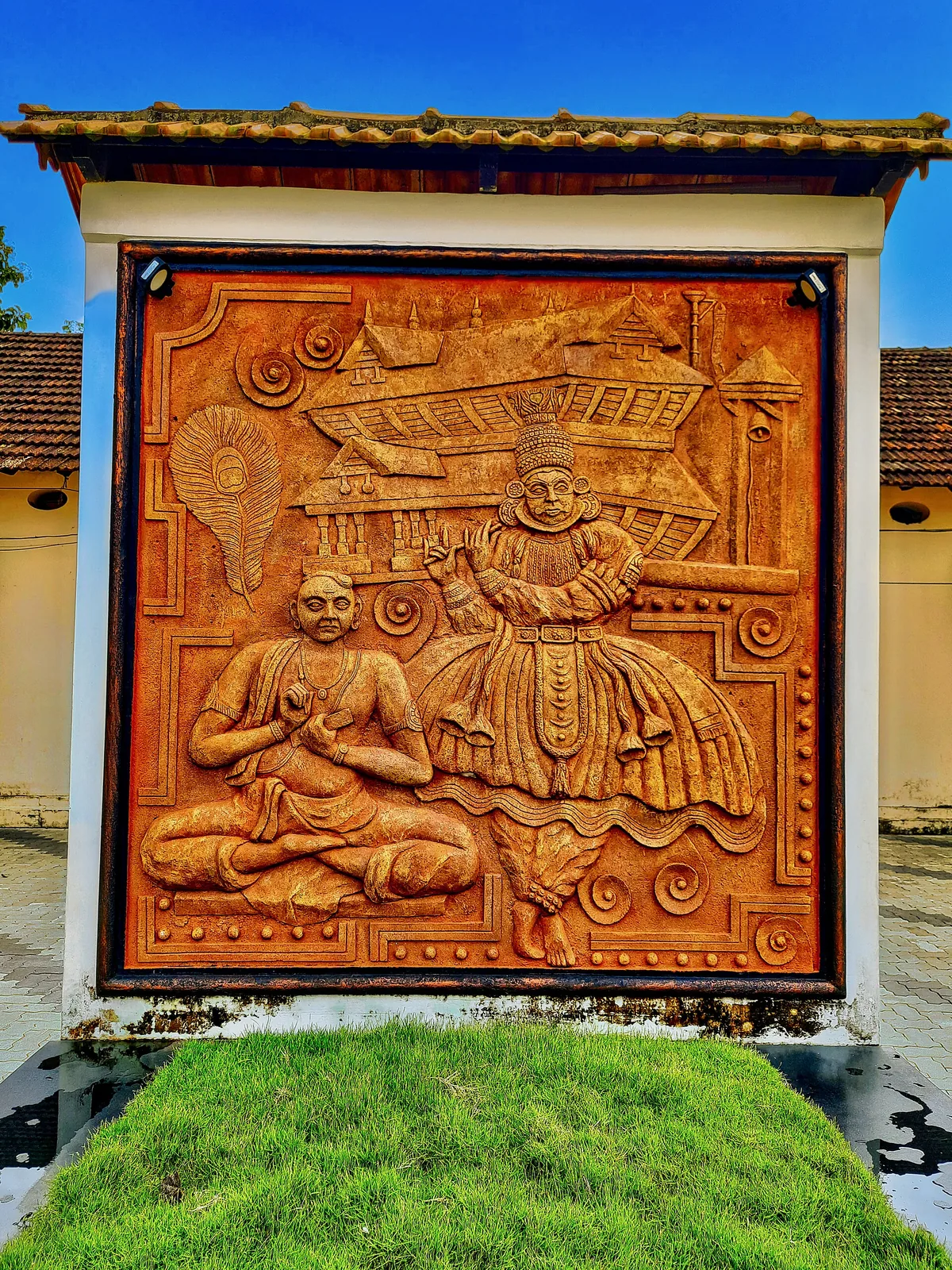
Landmark park in the city centre on the old Zamorin palace grounds, around the Mananchira tank, with a musical fountain.
390 m · 5 min walk
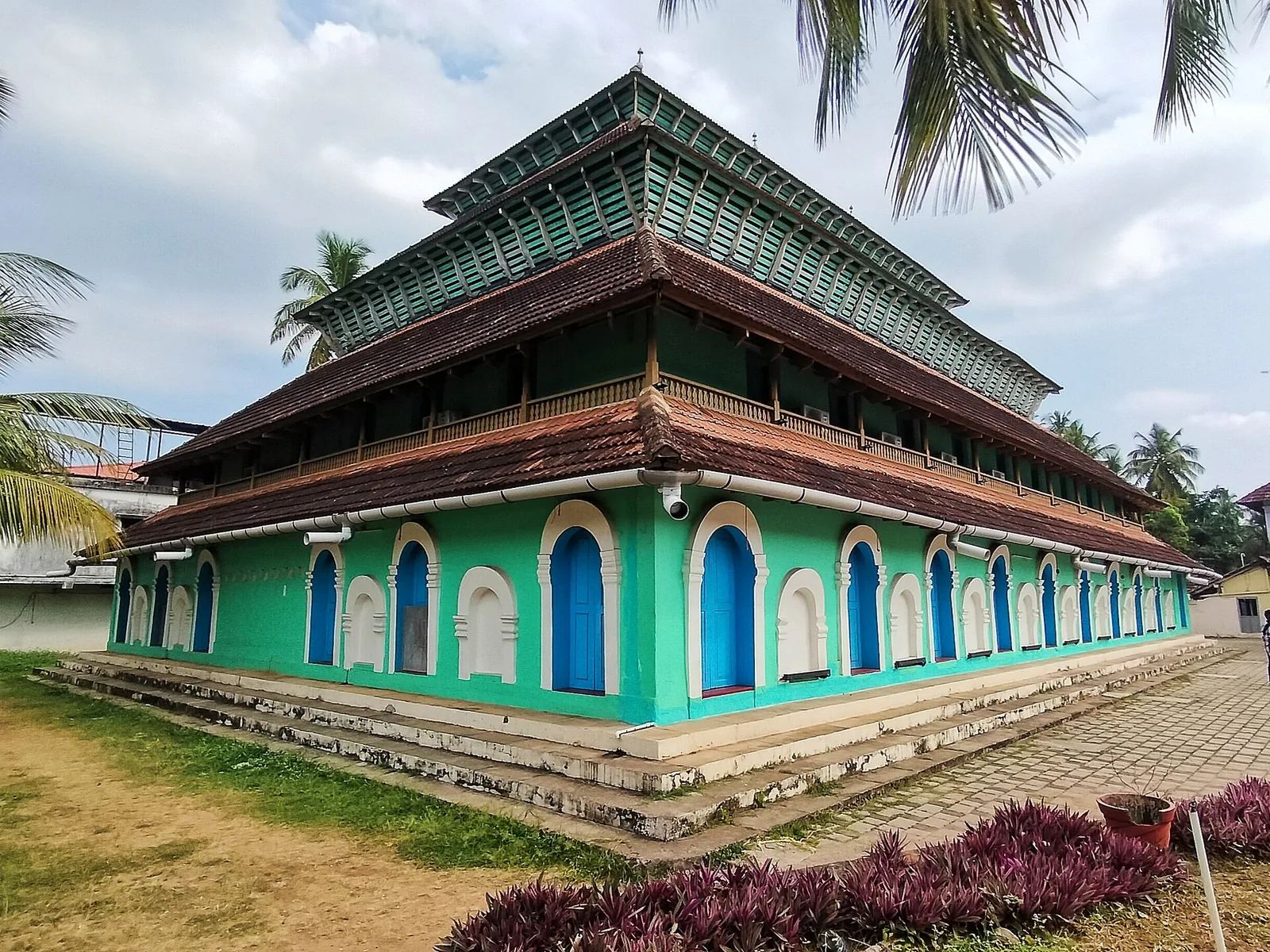
Historic timber mosque at Kuttichira built by a 14th-century Yemeni trader, once five storeys, burned by the Portuguese in 1510 and rebuilt.
1.3 km · 16 min walk
One of Kozhikode’s oldest temples, a laterite-and-timber Shiva shrine near Mananchira long patronised by the Zamorins.
2.5 km · ~6 min by auto
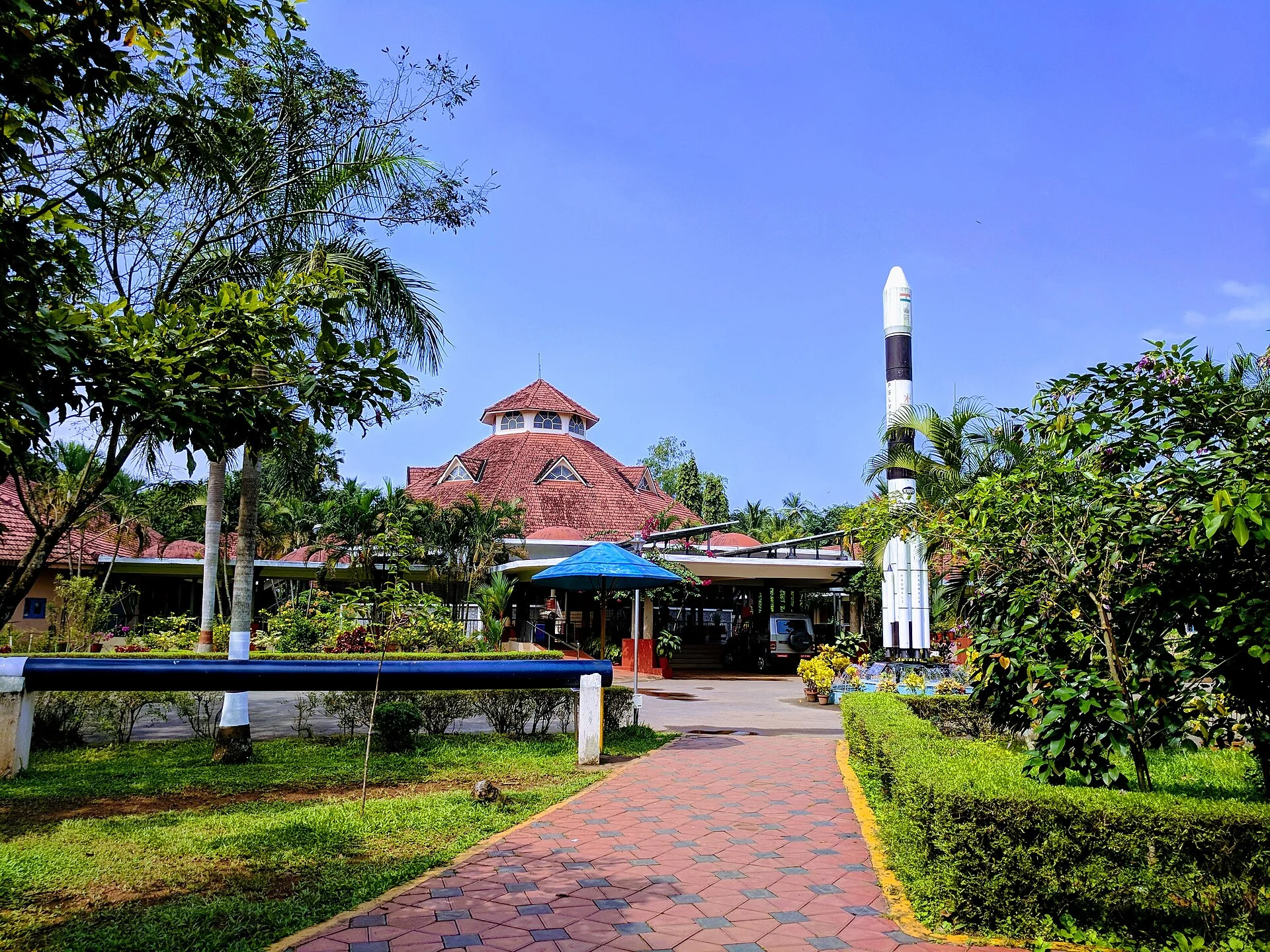
Check the planetarium before you plan an afternoon around it: it has been shut since 13 July 2026 for a full projector replacement and no reopening date has been announced. The rest of the centre — a National Council of Science Museums site in central Kozhikode — is working: five galleries, a 3D theatre and an outdoor science park that is the real draw for children.
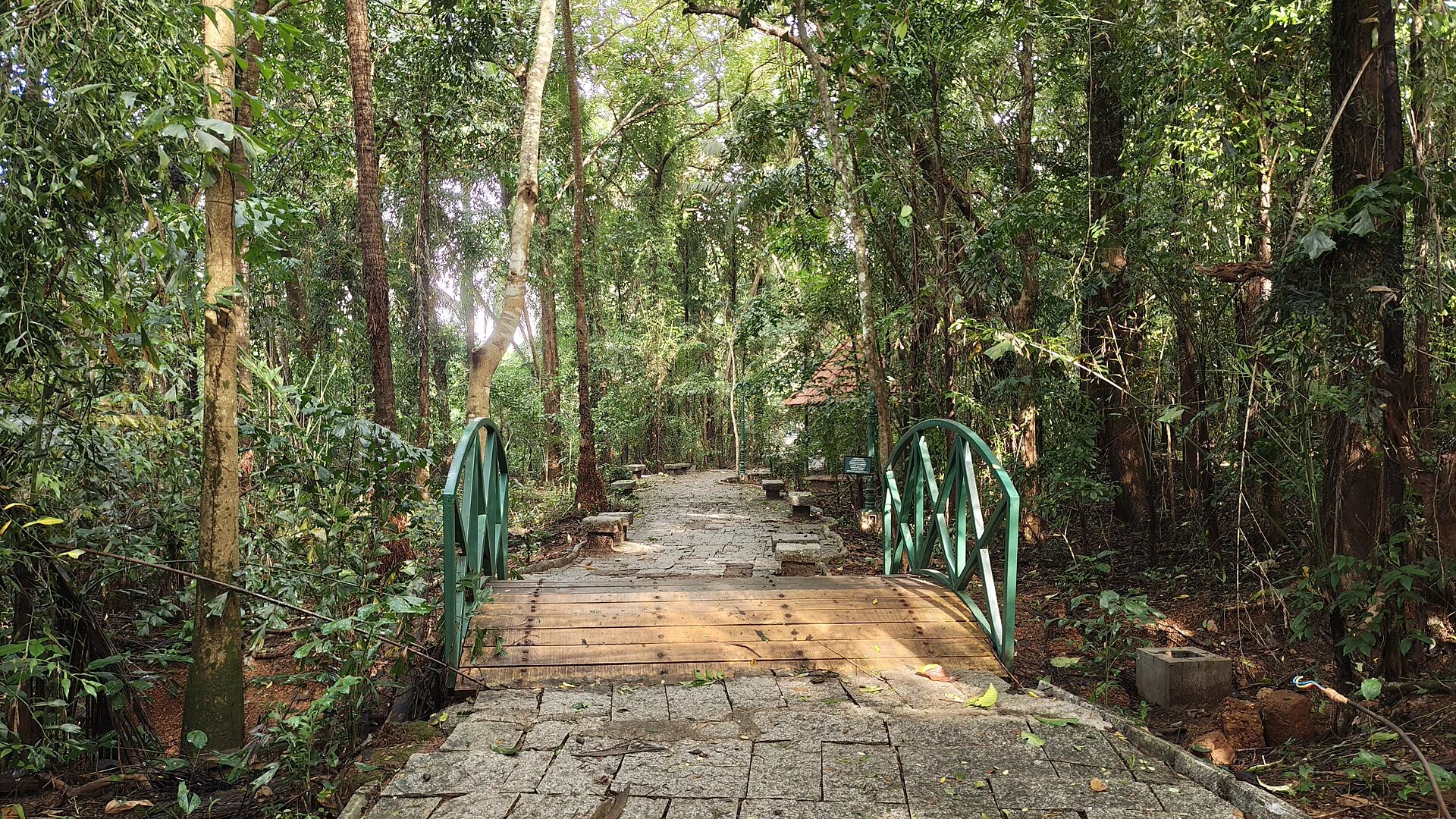
3.4 km · ~9 min by auto
A 98-acre public eco-park on the Conolly Canal in central Kozhikode, the developed part of the Kottooli wetland — mature urban woodland and mangrove-fringed water, mid-renovation and partly not operating.
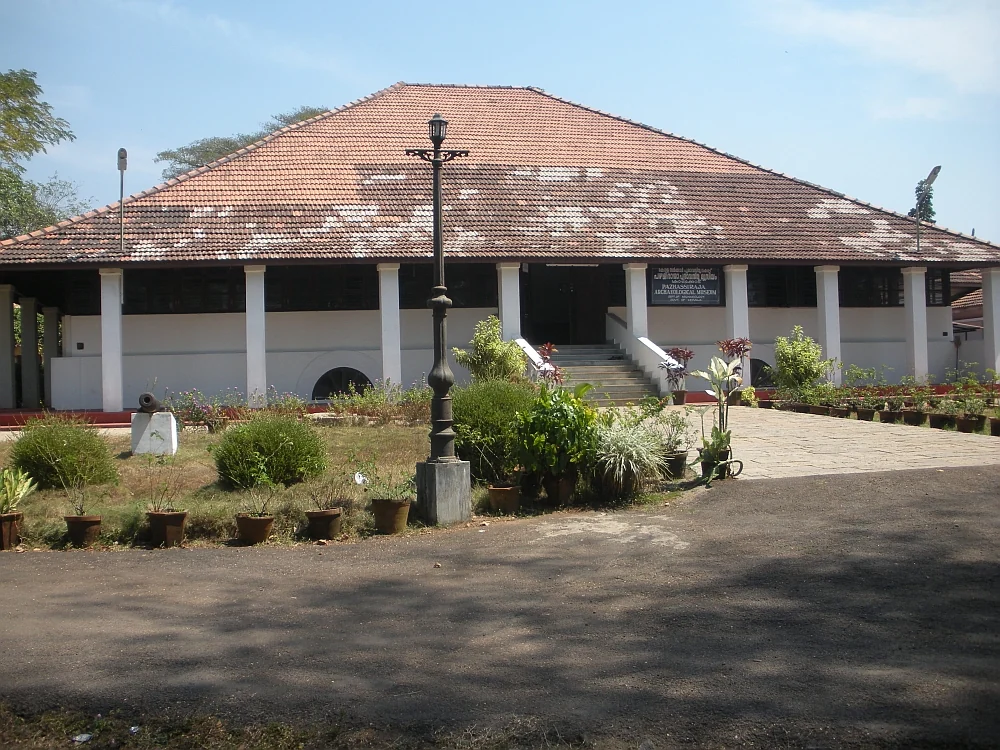
5.6 km · ~14 min by auto
State archaeology museum at East Hill in an 1812 bungalow, with murals, bronzes, coins and megalithic monuments.
Roampedia is commission-free — own or know a stay, eatery, guide or shop near Muchundi Mosque? List it and it appears here once verified.
Add a nearby businessEntry: Free. It is an active place of worship, not a ticketed monument.
Dress code: Dress modestly with shoulders and knees covered, and remove footwear. Men of all faiths are generally welcome. Published visitor guidance does not state the arrangement for women at Muchundi Palli, and restrictions quoted online refer to Mishkal rather than this mosque. Ask at the door and respect prayer times.
Festivals: As an active mosque it keeps the main Islamic occasions — Ramadan, Eid al-Fitr, Eid al-Adha — on the lunar calendar, so dates shift each year. A Madras High Court case of 1912 records worshippers observing particular dates in the month of Sha'ban here with recitation and the distribution of sweetmeats; we have no confirmation that the practice continues.
Photography: The mosque does not publish a visitor photography policy. Ask before taking photographs and treat interiors and worshippers as off-limits without explicit permission.
If you are travelling by bus or ferry, check the return service with the operator before setting out. Leave time to reach the stop or jetty after your visit.
Ask at the bus stand for the time of the last service back, not the next one. If you miss it, an auto or app cab is the fallback — agree the fare before you get in.
If you need step-free access, contact the site before travelling. Ask about a level entrance, steps along the route, the nearest drop-off point, seating and accessible toilets.
Emergency numbers are verified against official government and state tourism sources. 112 works anywhere in India.
Historic timber mosque at Kuttichira built by a 14th-century Yemeni trader, once five storeys, burned by the Portuguese in 1510 and rebuilt.
390 m · 5 min walk · straight lineHistoric shopping street and sweet-stall area in Kozhikode city.
560 m · 7 min walk · straight lineOne of Kozhikode’s oldest temples, a laterite-and-timber Shiva shrine near Mananchira long patronised by the Zamorins.
1.3 km · 16 min walk · straight lineLandmark park in the city centre on the old Zamorin palace grounds, around the Mananchira tank, with a musical fountain.
1.4 km · 17 min walk · straight lineCity beach with old pier remains and sunset food stalls.
1.8 km · 22 min walk · straight lineA National Council of Science Museums centre in central Kozhikode — five galleries, a 3D theatre and an outdoor science park. ⚠ Its planetarium has been closed for a projector replacement since 13 July 2026 with no announced reopening date.
2.5 km · ~6 min by auto · straight lineA 98-acre public eco-park on the Conolly Canal in central Kozhikode, the developed part of the Kottooli wetland — mature urban woodland and mangrove-fringed water, mid-renovation and partly not operating.
3.4 km · ~9 min by auto · straight lineState archaeology museum at East Hill in an 1812 bungalow, with murals, bronzes, coins and megalithic monuments.
5.6 km · ~14 min by auto · straight line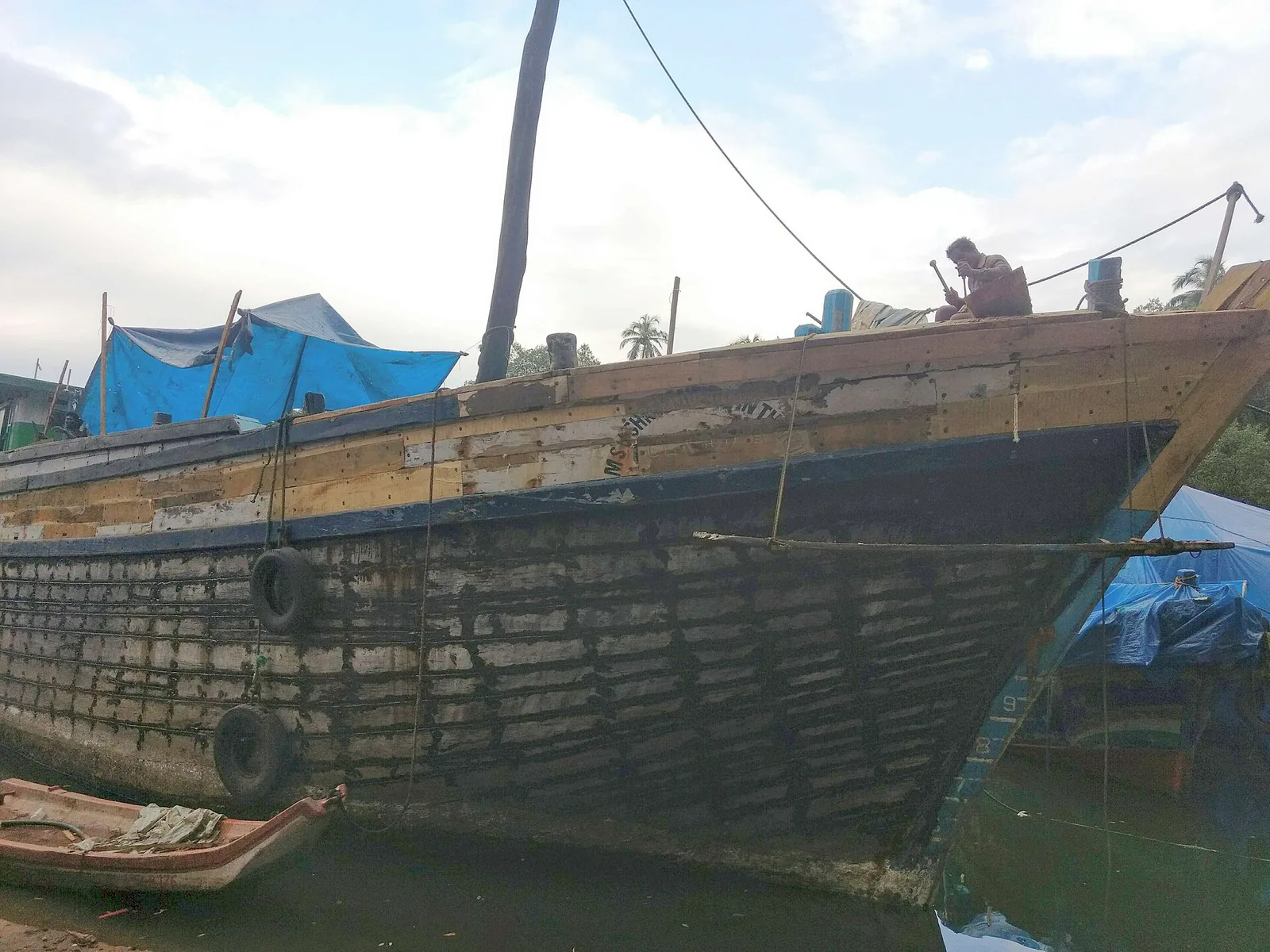
Old port and boat-building area known for uru construction.
7.8 km · ~19 min by auto · straight line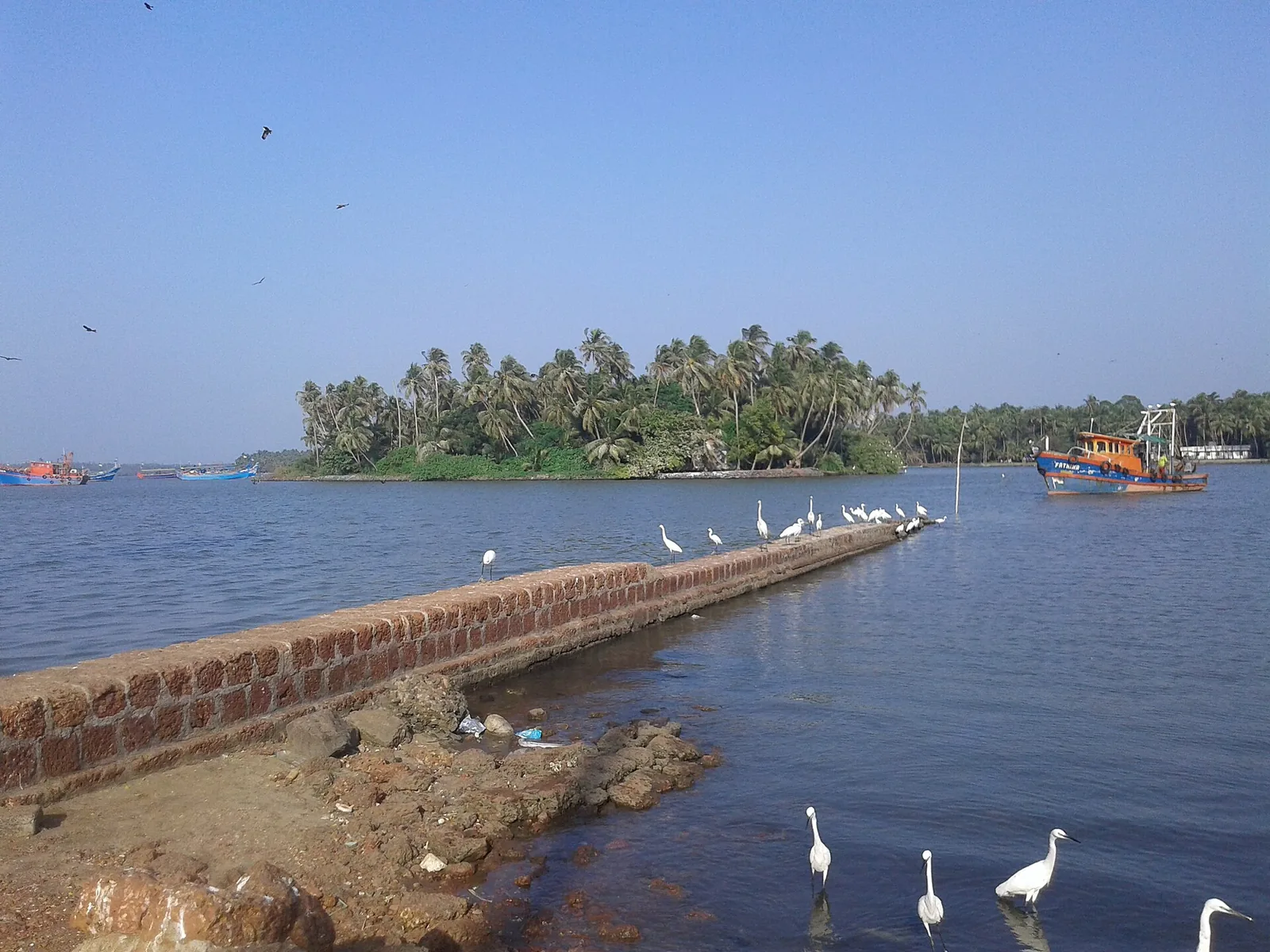
The south bank of the Chaliyar mouth, opposite Beypore — site of Kerala’s first railway terminus (1861) and of the Portuguese fort of 1532, both of which were demolished and carted to Kozhikode. One well and some laterite courses on the beach are what is left.
9.8 km · ~16 min by cab · straight line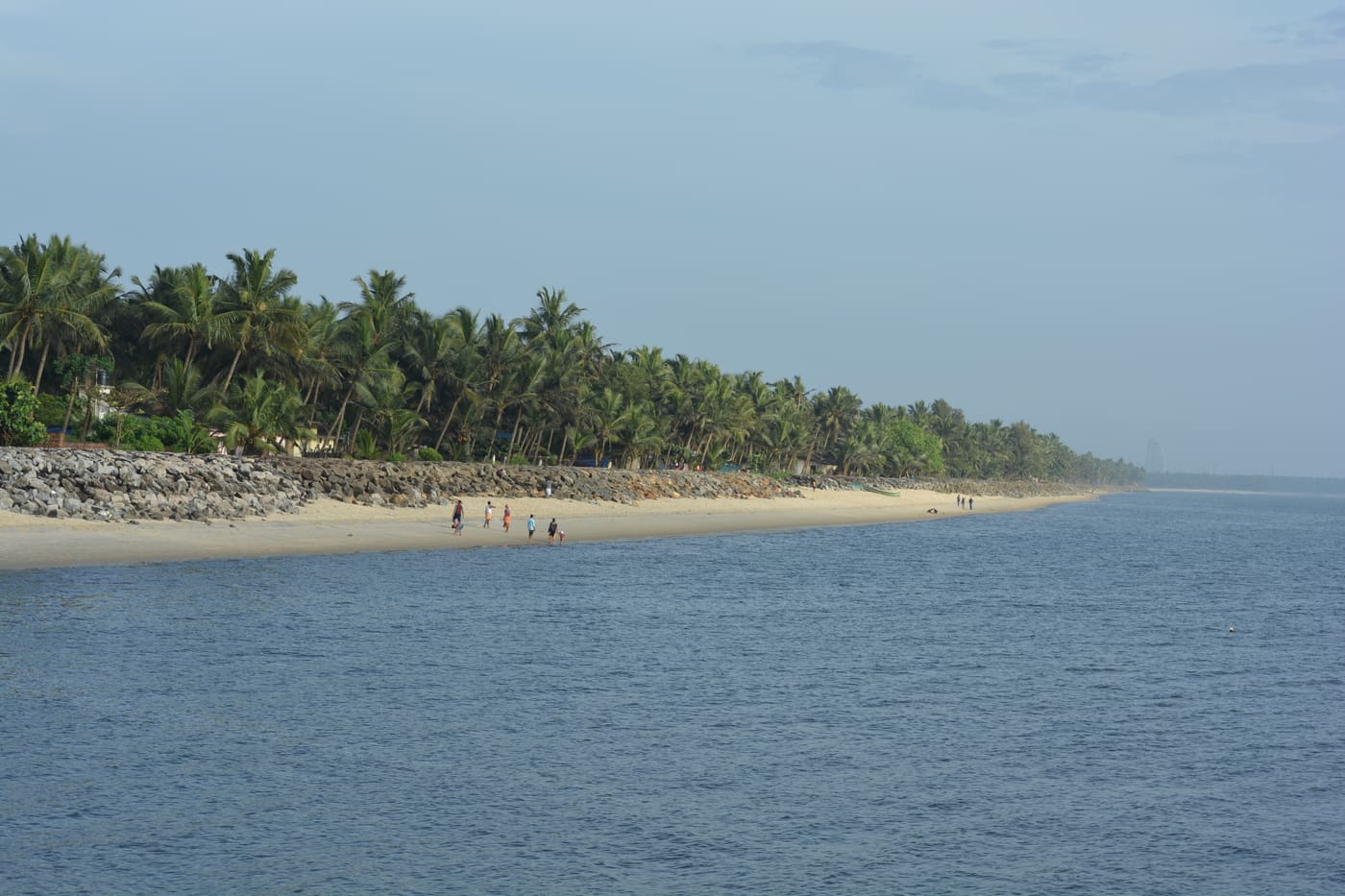
Historic beach associated with Vasco da Gama’s arrival on the Malabar coast.
17.2 km · ~29 min by cab · straight line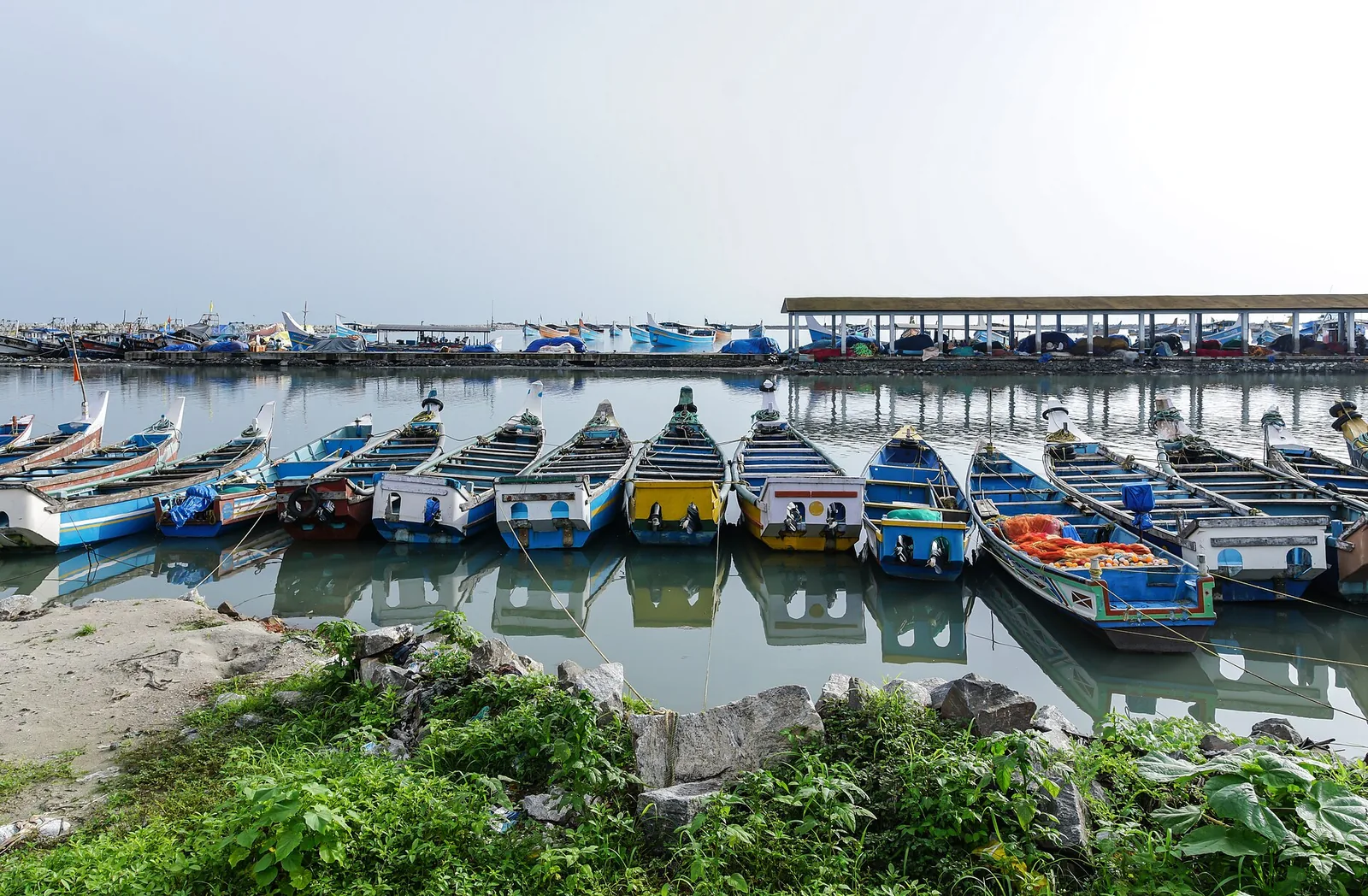
The medieval port of Panthalayani Kollam — Ibn Battuta’s Fandarayna, where Chinese junks wintered, and the anchorage where da Gama’s fleet lay 88 days in 1498. Nothing of the port survives above ground; the working fishing harbour is what you come for.
23.3 km · ~39 min by cab · straight lineThe Arabic half of its inscription names Shahab al-din Raihan, a freed slave — the word used is atiq — of the late Mas'ud, who bought the land with his own money and built the mosque and a well, and endowed the salaries of its imam and muezzin. The Zamorin of Calicut did not build it: the Malayalam half of the same stone records him granting daily rice and land revenue for its upkeep afterwards. Almost every short account merges the two acts and credits the king with the building.
The undated inscription is placed around the thirteenth century on palaeographic grounds, making that a scholarly estimate rather than a recorded date. The visible building includes later fabric. A reported 1674 ceiling repair date traces to one uncited Malayalam Wikipedia sentence, so it should not be treated as established. The mosque is best described as one of Kozhikode’s oldest.
Because it has no minbar — no pulpit, and therefore no khutbah and no Friday congregation. That is recorded in Mehrdad Shokoohy's study of the building. Five daily prayers continue on the ground floor; the upper floor is unused. The congregational mosque for the quarter is the Kuttichira Juma Masjid, a two-minute walk north.
Men of all faiths are generally welcome when dressed modestly and without footwear. Published visitor guidance does not state the arrangement for women at Muchundi Palli, and restrictions quoted online refer to Mishkal rather than this mosque. Ask at the door and respect the answer given.
There is no fee. There are also no published hours: the mosque has no website, and Kerala Tourism's own destination page for it carries no address, hours, fee or entry rules. Assume it is open around daylight hours and visit between the five prayer times. The one timing figure in circulation online is uncorroborated and looks inferred from prayer times rather than observed.
There is no street address, and that is the answer rather than a gap — the locality is named after the mosque. Aim for Muchundi Junction in Muchundhi, Kuttichira (Thekkepuram), Kozhikode 673001, near the Cheruchanda market; the mosque is about twenty-seven metres west of the junction. It is roughly 1.5 km from Kozhikode railway station. Take an auto to the quarter and walk the last stretch: the lanes are three to five metres wide and vehicles cannot reach the door. Ask for Muchundi Palli.
No. Muneerul is a different mosque about 330 m south-south-west, outside the Kuttichira lane cluster, with no historical significance recorded for it. The names are not variants: every attested form of this mosque's name runs Muchundi, Muchunthi, Muccunti, Muchanti or Logan's Machchinde, while Muneerul derives from munir, meaning luminous.
Outside prayer rush, unless visiting for worship.
Entry: Free. It is an active place of worship, not a ticketed monument. Timings: No published hours exist. The mosque has no website, and Kerala Tourism's own destination page for it carries no address, hours, fee or entry rules. It is an active mosque, so assume it is open around daylight hours and visit between the five daily prayer times. Unusually, there is no Friday congregational prayer here, so there is no Friday closure spike. The one figure circulating online (5.00 am to 9.00 pm) comes from a single aggregator and looks inferred from prayer times rather than observed — we do not repeat it as fact.
Base yourself in Kozhikode city or a nearby town in Kozhikode, then confirm the last-mile route locally before leaving. Plan around prayer times and local visitor rules. If the visit depends on forest, temple, boat, ferry, weather or seasonal access, check the official/local rule on the day before travel.
30 minutes to 1 hour.
Nearby you can pair Mishkal Mosque (390 m), SM Street / Mittayi Theruvu (560 m), Thali Temple (1.3 km), Mananchira Square (1.4 km).
Avoid crowding entry areas during prayer times. Respect gendered or restricted spaces.
Written about Muchundi Mosque itself — its history, its legends and the arguments about them.
Route-level itineraries and practical guides for the rest of Kerala.
Photographs: Nmkuttiady (CC BY-SA 3.0). Wikimedia Commons.