What to expect
Highlights
- Museum visit at Pazhassi Raja Museum
- Indoor cultural or historical context
- Easy pairing with nearby food and heritage stops
State archaeology museum at East Hill in an 1812 bungalow, with murals, bronzes, coins and megalithic monuments.
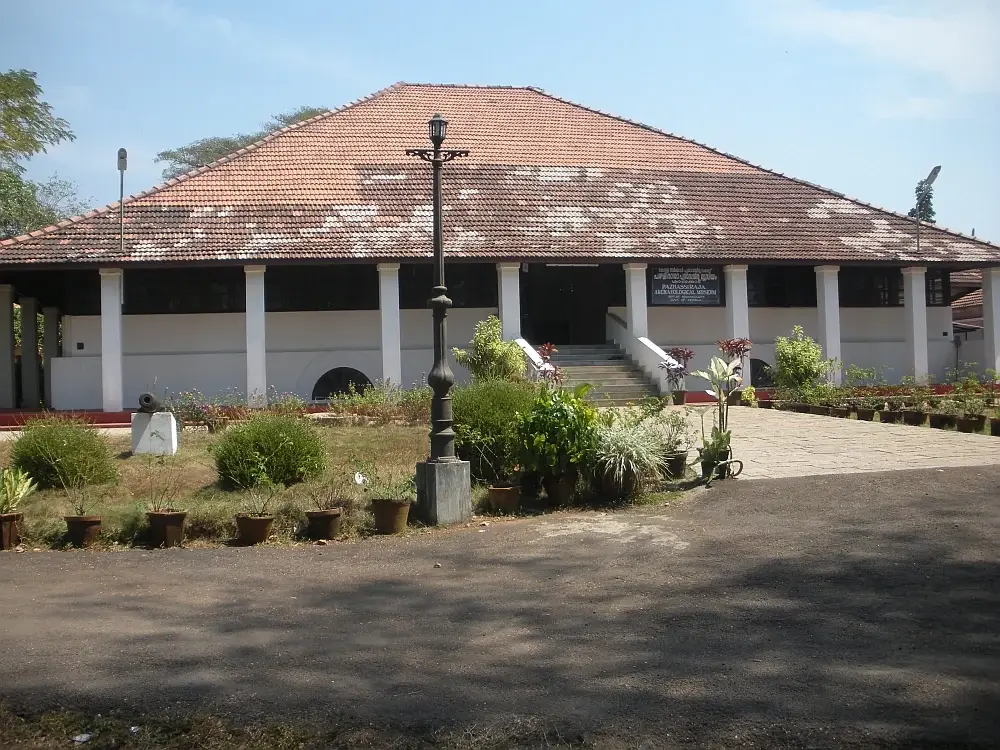
On East Hill above Kozhikode, a low white colonial bungalow of 1812 holds the state archaeological collection for this part of Malabar — megalithic burial stones, bronzes, coins, temple models and pottery running from around 1000 BC to 200 AD, along with mural paintings and a scattering of military relics. It is quiet, uncrowded, unhurried and almost entirely ignored by visitors to the city, which is a pity, because it contains the oldest things in Kozhikode by a margin of two thousand years.
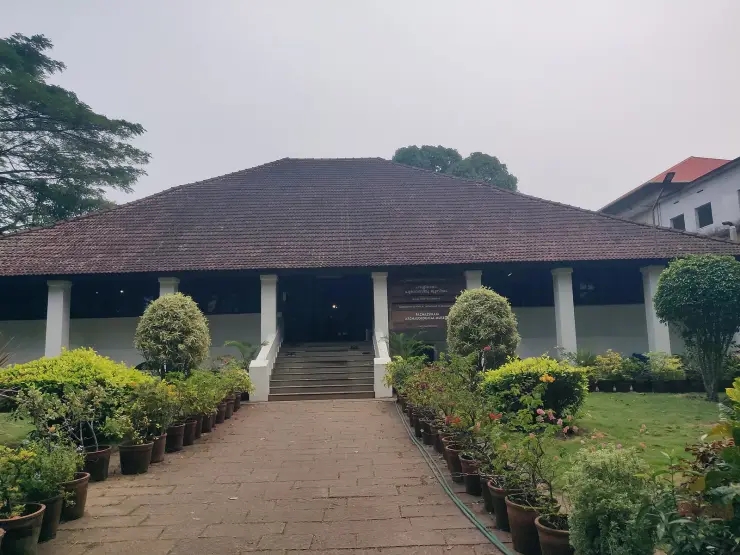
The museum occupies the East Hill Bungalow, built in 1812, on rising ground a few kilometres from the centre of Kozhikode. It became an archaeological museum in 1976 and was renamed in 1980, and it is run by the Kerala State Archaeology Department rather than as a tourist attraction — which sets the tone for everything about a visit. Labels are functional. Lighting is what it is. Nobody will hand you an audio guide. What you get instead is a genuine working collection, displayed without theatre.
The megalithic material is the heart of it and the reason to come. Kerala has an extraordinary and distinctive prehistoric burial tradition, and the museum holds examples of its most striking forms: umbrella stones, large dressed stones set over burials and described in the collection as the tomb markers of rulers; dolmenoid cists, quadrangular burial chambers roofed with capstones; and burial urns, the great earthenware jars in which the dead were interred. These are not small objects and they are not delicate. They are heavy, blunt and immediately legible as what they are.
Around them sits the ordinary archaeology of a very old coastline. Pottery, toys, stone and metal sculpture, coins, and models of temples fill out a picture of settled life across a long span, from roughly 1000 BC through to about 200 AD. Panchaloha idols — figures cast in the traditional five-metal alloy — represent the later devotional tradition. Individually many of these are modest. Collectively they do the thing a good regional museum should, which is to make the depth of local time feel real.
There is a stranger and more recent layer too. The collection includes war weapons taken from British soldiers, and official caps belonging to British and French soldiers — the debris of the colonial contest for the Malabar coast, sitting a few rooms away from burial urns three thousand years older. Nothing in the display draws attention to the juxtaposition, and it is all the more effective for that.
Mural painting forms the other significant strand, alongside an art section, and this is where a common confusion arises: the museum sits beside the Krishna Menon Museum and Art Gallery, a separate institution named for the statesman V. K. Krishna Menon, and the two are usually visited together and frequently described as one. If you are specifically hoping to see paintings, check which building you are standing in, because attributions get muddled between the two in a good deal of published writing.
Practically, this is a one-hour museum and a peaceful one. It is rarely busy. It sits on a hill with air moving through it, which is a considerable virtue in Kozhikode. Photography rules vary and should be checked at the desk rather than assumed, opening days and times are those of a state department rather than a commercial attraction and are worth confirming before travelling out, and the entry charge is nominal.
The most interesting thing about this museum is its name, and almost nobody notices the problem with it. Kerala Varma Pazhassi Raja is among the most celebrated figures in Kerala's history — the Lion of Kerala, the Kottayam raja of the Malabar highlands who fought a long guerrilla resistance against the English East India Company and died in the field in 1805. Naming the state archaeological museum after him is an entirely understandable act of national memory.
The difficulty is the building. The East Hill Bungalow was constructed in 1812. Pazhassi Raja died in 1805. The house that now carries his name was built seven years after he was killed, by the colonial administration whose forces killed him, and it served as a British colonial bungalow through the century that followed — reported in several accounts as a residence for the British Collectors of Kozhikode. He never entered it. He could not have. It did not exist in his lifetime.
The naming came later still. The bungalow was converted into an archaeological museum in 1976, and only in 1980 was it renamed for Pazhassi Raja — a hundred and seventy-five years after his death, and by then a building with no connection to him whatsoever beyond the accident of standing in Malabar. What visitors therefore encounter is a memorial in which the honoured man has no presence at all, housed in the architecture of the power he spent his life fighting.
It is worth being clear that this is not a scandal or a piece of carelessness. Repurposing colonial buildings and renaming them after figures of the resistance is one of the most widespread practices of post-independence India, and it is a deliberate one — an assertion that the building has changed hands and changed meaning. Read that way, the name is not a claim about who lived here. It is a statement about who the place belongs to now.
But the practical consequence catches people out, and it is the reason this belongs on a page about visiting. A significant number of visitors arrive at the Pazhassi Raja Archaeological Museum expecting a museum about Pazhassi Raja — his campaign, his weapons, the guerrilla war in the Wayanad forests, the manner of his death. That is not what is here. This is a general archaeological collection for the region, and its centre of gravity sits three thousand years before he was born. Arrive expecting megalithic burial stones and you will not be disappointed; arrive expecting a biography and you will be.
For anyone who does arrive wanting the man rather than the archaeology, it is worth knowing where to go instead. Pazhassi Raja’s campaign was fought inland, in the forested hills of Wayanad and the old Kottayam country of northern Malabar, not on this coast, and it is there that the sites associated with him survive. His tomb and memorial at Mananthavady in Wayanad — the Pazhassi Smarakam, protected by the Kerala State Archaeology Department since 1980, with a museum added beside it in December 2010 — is the principal place of pilgrimage for those following his story, several hours from Kozhikode by road and up the ghats. The distance is itself instructive: the reason he held out against the Company for as long as he did is precisely that he operated in country the colonial army found almost impossible to campaign in, a long way from comfortable bungalows on breezy hills above a port.
There is a final irony in the collection that rewards a moment’s attention. Among the exhibits are weapons taken from British soldiers and uniform caps belonging to British and French troops — the material residue of the European contest for this coast, now sitting in cases inside a house the British built, in a museum named for the man who fought them. Nothing in the display comments on this. The objects simply sit there, and the building sits around them, and the name sits above the door, and the whole arrangement quietly documents a change of ownership that no label needs to explain.
One further caution about vocabulary, since it recurs across almost everything written about this collection. Kerala's megalithic monuments include several distinct forms with similar names — kudakkallu, the umbrella stone, and topikkallu or thoppikkallu, the hat stone, among them — and published sources treat these terms inconsistently, sometimes using them interchangeably for what specialists regard as different monument types. The museum's own material describes umbrella stones as tomb markers of rulers. Where you see the terms swapped around elsewhere, treat the naming rather than the object as the unreliable part.
The building dates to 1812 and was known as the East Hill Bungalow, put up in the decades after the English East India Company established its authority over Malabar. Its position on high ground away from the crowded town is characteristic of colonial residential building in tropical India — cooler, drier, defensible, and set apart from the population being administered. Several accounts describe it as serving as the residence of the British Collectors of Kozhikode.
The wider context is the conquest of Malabar. The Company took control of the region in the aftermath of the wars with Mysore at the end of the eighteenth century, and its authority was contested almost immediately — most famously by Kerala Varma Pazhassi Raja, whose resistance ran from the 1790s until his death in 1805, fought largely as a guerrilla campaign from the forests and hills inland. The bungalow belongs to the settled administration that followed that resistance being put down.
The building's second life began in 1976, when it was converted into an archaeological museum under the Kerala State Archaeology Department. In 1980 it was renamed the Pazhassi Raja Archaeological Museum, joining a long list of colonial-era structures across India rededicated to figures who had fought the power that built them.
The collection itself reaches very much further back than the building. Its principal holdings span roughly 1000 BC to 200 AD, the period of Kerala's megalithic and early historic cultures, and include the burial architecture — umbrella stones, dolmenoid cists, urns — that is among the most distinctive prehistoric survivals anywhere in south India. This material comes from excavation across the region and constitutes the primary public display of Malabar's deep past.
Later material fills in the intervening centuries: bronzes and panchaloha idols from the devotional tradition, coins, temple models and mural painting. The military items — weapons and uniform caps associated with British and French soldiers — belong to the era of European competition on this coast, and close the loop back to the building they are displayed in.
Kerala's distinctive megalithic burial monuments — umbrella stones, dolmenoid cists and burial urns — displayed as substantial objects rather than photographs.
The oldest things in Kozhikode by a wide margin, with the core collection running from around 1000 BC to 200 AD.
An 1812 colonial bungalow on East Hill, quiet and airy, and interesting as a building in its own right.
Bronzes, panchaloha idols, coins, temple models and mural painting covering the later devotional and artistic traditions of Malabar.
Colonial-era military relics, including weapons and uniform caps linked to British and French soldiers on this coast.
It is genuinely uncrowded — a calm hour in a city that does not offer many, and a nominal entry charge.
Road km to Kozhikode; ghat roads and traffic vary — allow extra.
Midday works well for museums, especially when outdoor heat is high.
Live forecast loads in your browser.
Sun and moon are calculated for this location and shown in IST. Photography windows are the hour around sunrise and sunset; the sunset bearing is degrees clockwise from true north. Moon phase is accurate to about half a day.
Browse listed stays, food, activities, sights, shops and rentals around Pazhassi Raja Museum. Check each listing’s locality and contact the business directly for current arrangements.
Kerala Tourism-classified Ayurveda and panchakarma hospital at Azhiyur in Kozhikode district, with 16 treatment rooms and full-time physicians. It runs panchakarma, classical treatments and Ayurveda, yoga and marma study courses over more than two decades.
Green Leaf-accredited Ayurveda and yoga retreat set in a 170-year-old heritage homestead at Bilathikkulam in Kozhikode. It offers physician-led panchakarma, classical treatments and yoga in a family-run heritage setting rather than a hotel spa.
Calicut taxi provider with direct address, phones and email. Bank Road, Calicut Town, Kerala 673006 · Calicut taxi, Airport transfer, Outstation cab.
Kerala Tourism-listed Kalaripayattu and Ayurveda centre at Puthiyara. Kalaripayattu, Hindustan Kalari, Puthiyara.
Kerala Tourism-listed Kalaripayattu training and Kalari Marma centre in Nadakkavu. Kalaripayattu, CVN Kalari, Nadakkavu.
Mayukaha Taxi Calicut Cabs is a local Kozhikode taxi service for airport, railway and city pickups, useful as a direct-contact transport option when app cabs are not enough. Kozhikode taxi, Calicut cabs, Airport taxi.
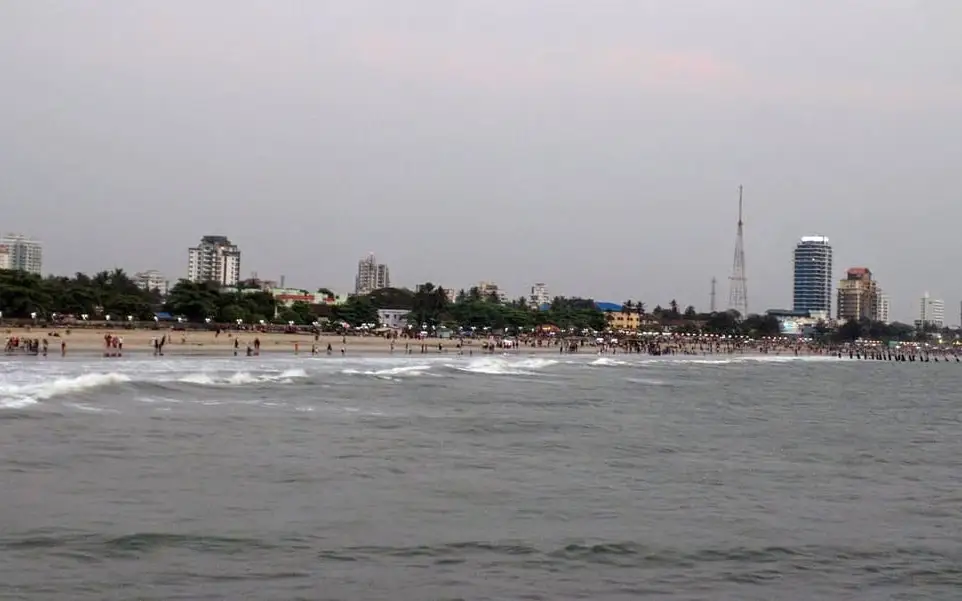
Kozhikode Beach is the city seafront and sunset-food anchor, best planned with old pier context, evening crowds and nearby SM Street or city food stops. Public beach; check current facilities · Kozhikode Beach, Calicut Beach, Sunset.
Official DTPC Kozhikode contact anchor for district visitor planning. Public information · DTPC Kozhikode, Tourist information, District planning.
Green Leaf-certified Ayurvedic nursing home in Kozhikode offering classical panchakarma and physician-led treatment. It is one of the Malabar city’s established Ayurveda centres, with direct clinic phone and email contacts for consultations.
Kerala Tourism-listed Kozhikode tour operator on Mavoor Road. Alhind, Tour operator, Mavoor Road.
Greenwood Holidays is a Kozhikode-based travel agency and tour operator for packages, hotels, transportation and sightseeing support. Tour operator, Travel agency, Mankave.
Responsible Tourism Mission Kozhikode is the official contact for village-life and community experience enquiries, including crafts, food, backwater and local livelihood experiences. Responsible Tourism, Kozhikode experiences, Village life.
Book with the place itself. India’s cyber-crime coordination centre warned in April 2025 that convincing copies of hotel and pilgrimage booking sites are being pushed through sponsored search and social ads, taking payment for rooms the property never hears about. Use the contact and source details on each profile to confirm the exact business and booking channel. A directory entry or map pin alone does not establish an operator’s identity or current availability. Roampedia takes no commission and does not collect booking payments. If a booking page reached you through an ad, check the address bar against the property’s own site before you pay. Fraud can be reported on cybercrime.gov.in or on 1930.
Find food, accommodation and activities across Kozhikode city. Browse the guides for places to eat, stay and explore along your route.
9 more places around Kozhikode city. Open a guide to plan the visit and onward journey.
A small historic mosque in Kuttichira with an important early Malayalam-Arabic inscription, distinct from the nearby and much larger Mishkal Mosque.
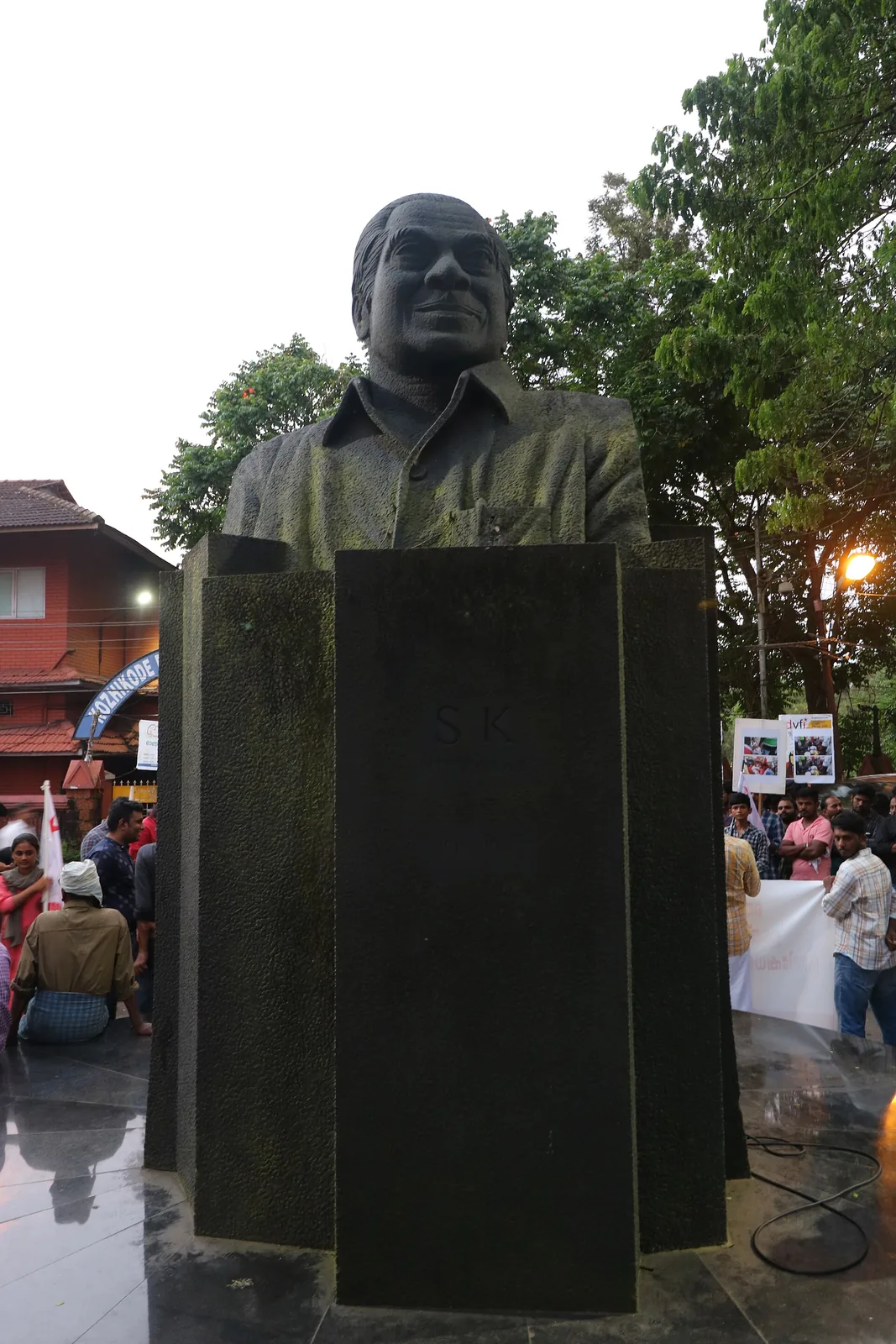
5.2 km · straight line
Historic shopping street and sweet-stall area in Kozhikode city.
4.3 km · straight line
Landmark park in the city centre on the old Zamorin palace grounds, around the Mananchira tank, with a musical fountain.
5.2 km · straight line
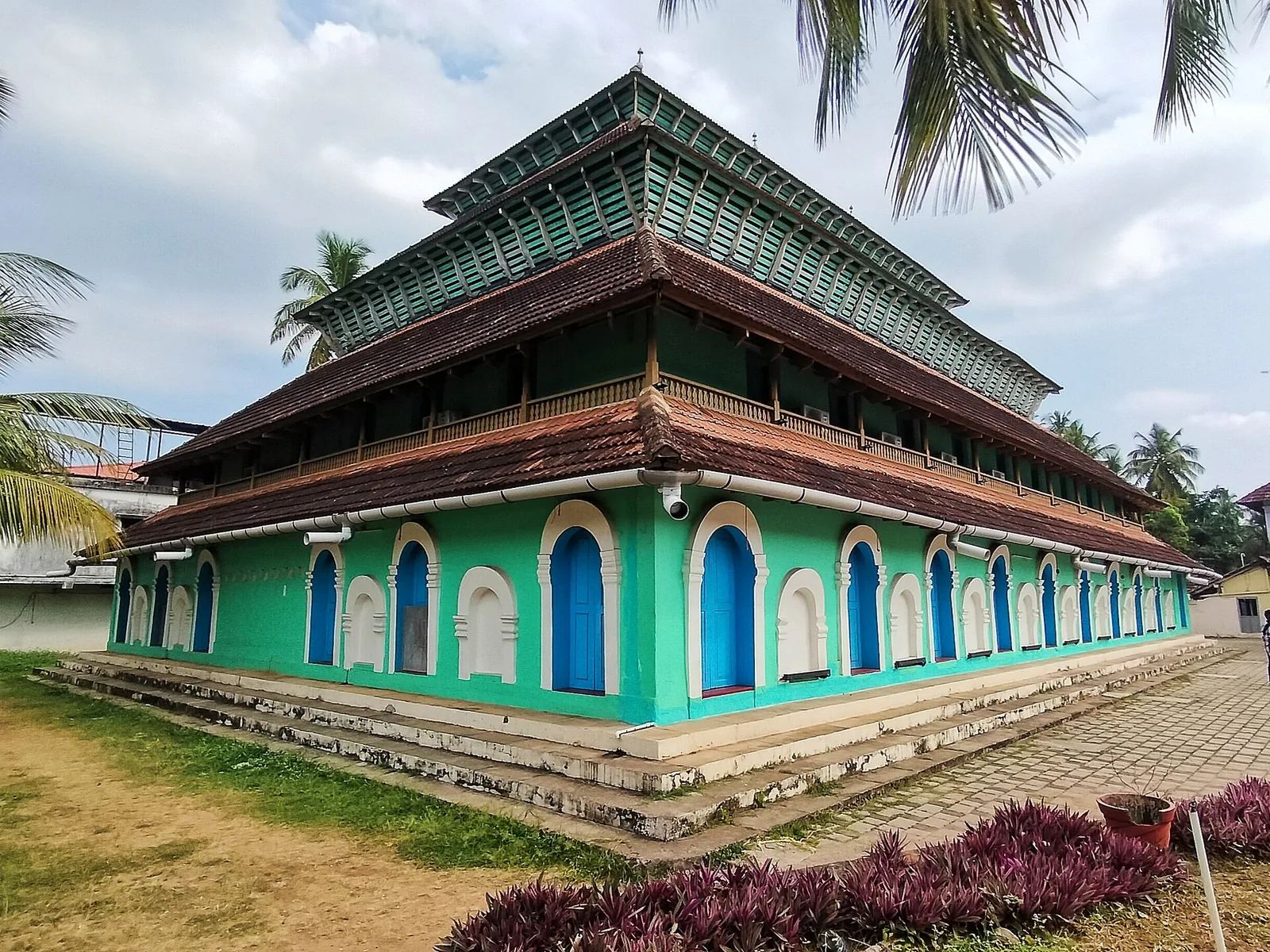
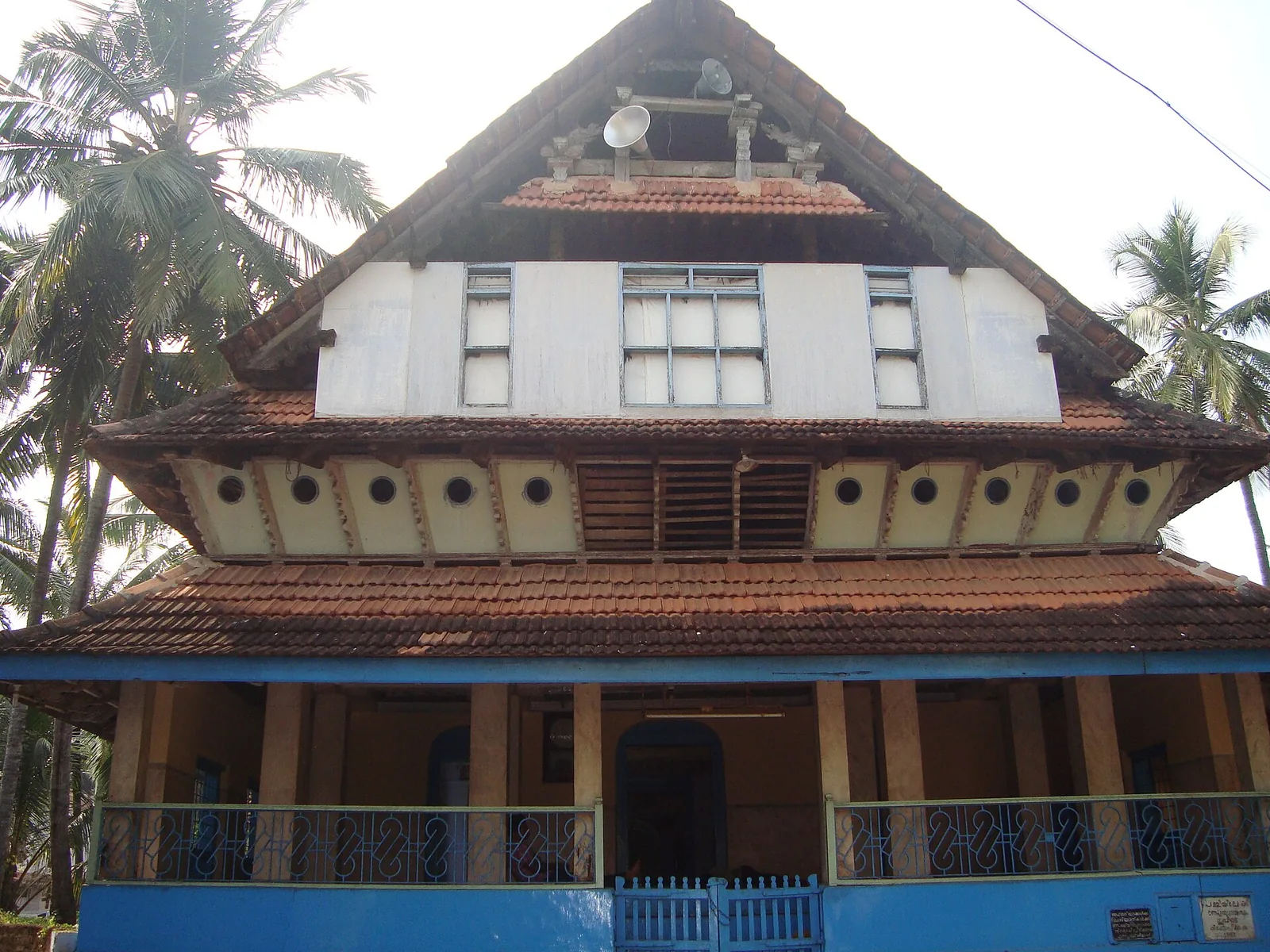
Historic timber mosque at Kuttichira built by a 14th-century Yemeni trader, once five storeys, burned by the Portuguese in 1510 and rebuilt.
5.0 km · straight line
One of Kozhikode’s oldest temples, a laterite-and-timber Shiva shrine near Mananchira long patronised by the Zamorins.
3.4 km · straight line
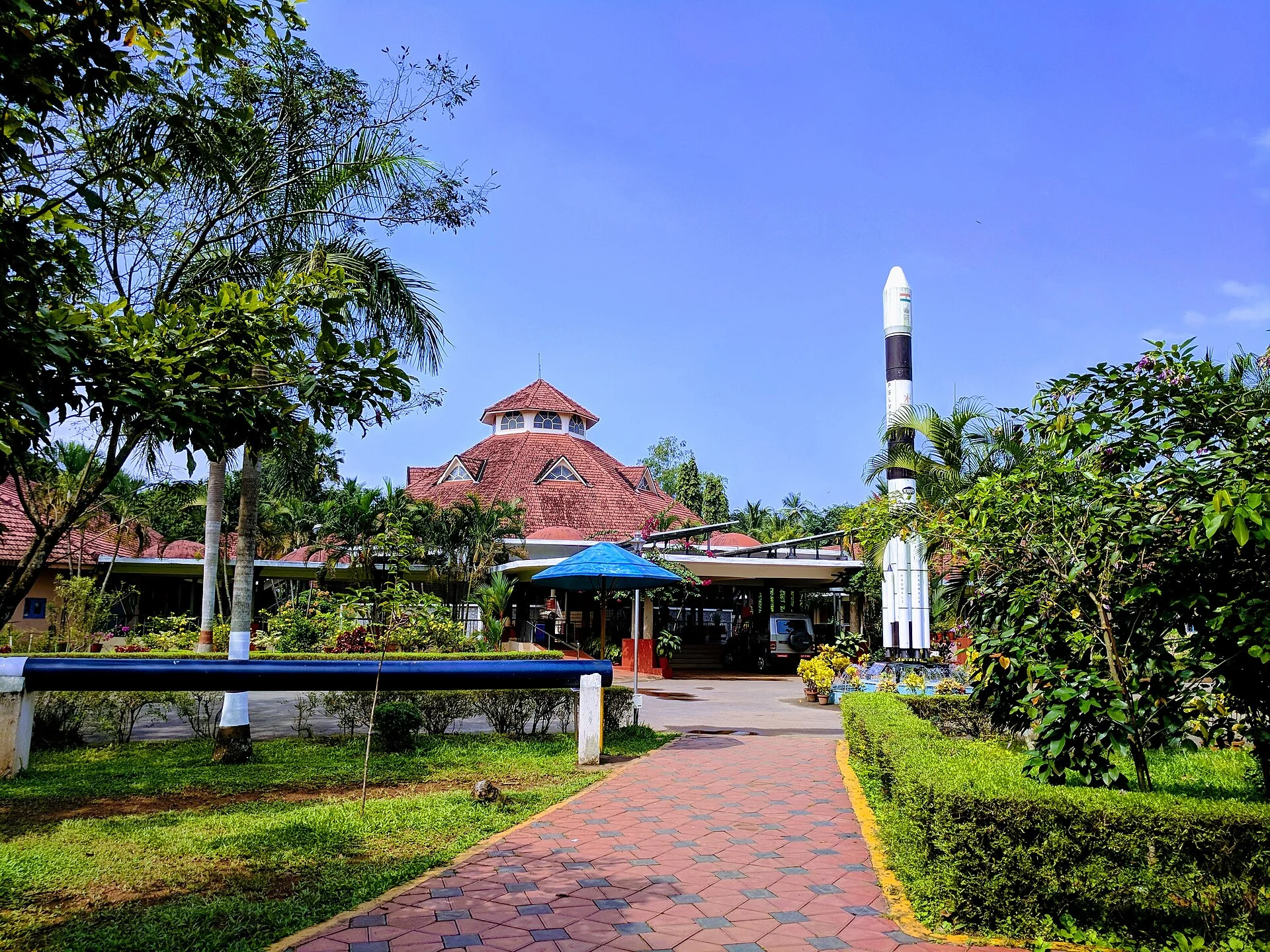
Check the planetarium before you plan an afternoon around it: it has been shut since 13 July 2026 for a full projector replacement and no reopening date has been announced. The rest of the centre — a National Council of Science Museums site in central Kozhikode — is working: five galleries, a 3D theatre and an outdoor science park that is the real draw for children.
3.2 km · straight line
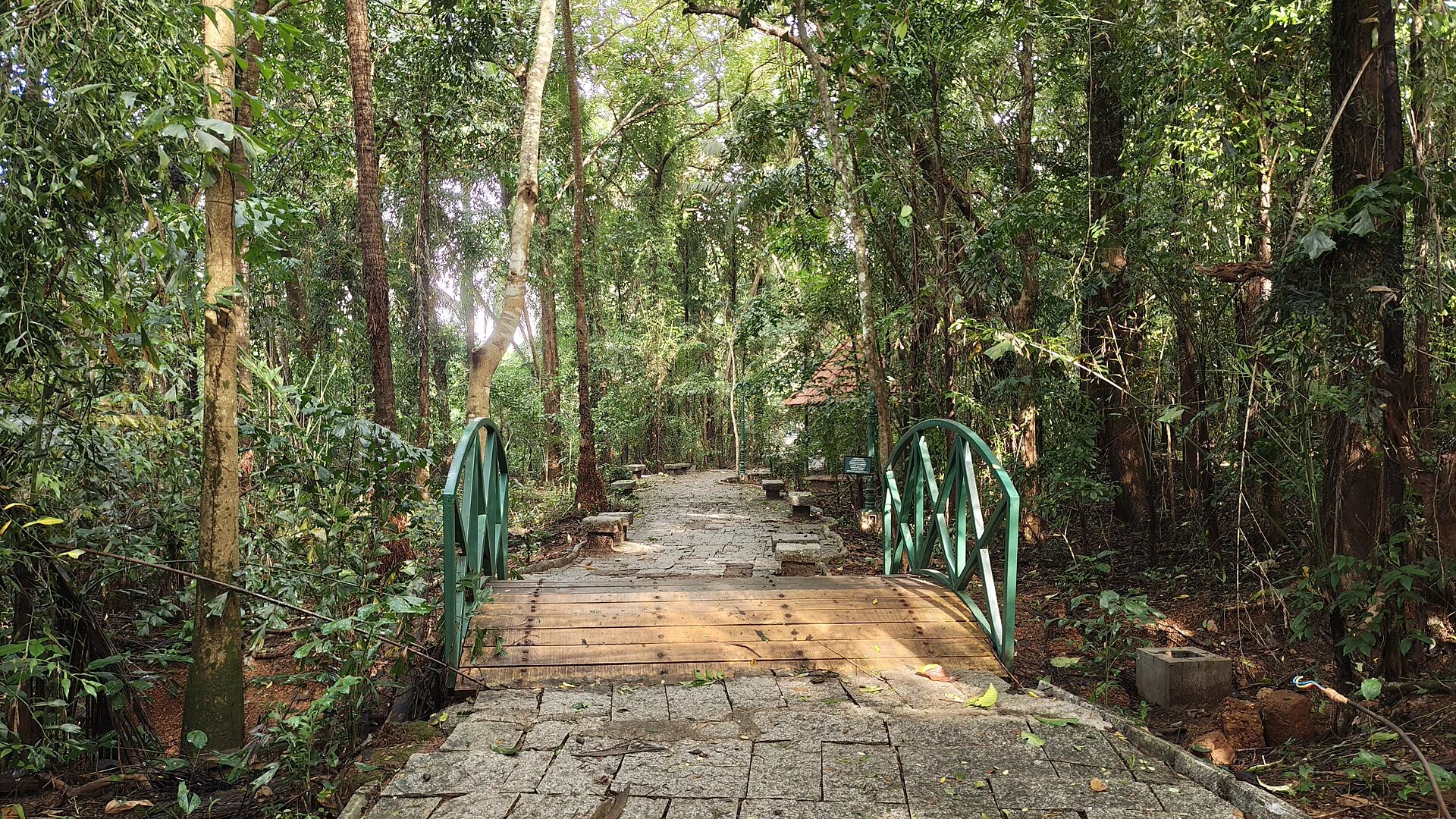
A 98-acre public eco-park on the Conolly Canal in central Kozhikode, the developed part of the Kottooli wetland — mature urban woodland and mangrove-fringed water, mid-renovation and partly not operating.
5.6 km · straight line
Kuttichira mosque built by a freed slave and endowed by the Zamorin, holding a 13th-century bilingual Vattezhuthu–Arabic inscription; it has no minbar and holds no Friday prayers.
Roampedia is commission-free — own or know a stay, eatery, guide or shop near Pazhassi Raja Museum? Submit public business details for review.
Add a nearby businessEntry: A small ticket (around ₹10–20); confirm on site.
At East Hill, about 5 km from the city centre by auto or taxi.
If you are travelling by bus or ferry, check the return service with the operator before setting out. Leave time to reach the stop or jetty after your visit.
Ask at the bus stand for the time of the last service back, not the next one. If you miss it, an auto or app cab is the fallback — agree the fare before you get in.
If you need step-free access, contact the site before travelling. Ask about a level entrance, steps along the route, the nearest drop-off point, seating and accessible toilets.
Charge cap and free-transaction limits: Reserve Bank of India, ATM FAQ updated 4 July 2025; checked 4 October 2026.
These services are listed within about 1.2 km of Pazhassi Raja Museum. Walking distances follow mapped routes; access and opening hours can change. Other services may be closer but are not included here.
Published emergency and visitor-assistance contacts. For an immediate emergency, call 112. Shared Kerala contact sources checked 4 October 2026; publication does not establish a tested live response.
A 98-acre public eco-park on the Conolly Canal in central Kozhikode, the developed part of the Kottooli wetland — mature urban woodland and mangrove-fringed water, mid-renovation and partly not operating.
3.2 km · straight lineA National Council of Science Museums centre in central Kozhikode — five galleries, a 3D theatre and an outdoor science park. ⚠ Its planetarium has been closed for a projector replacement since 13 July 2026 with no announced reopening date.
3.4 km · straight lineLandmark park in the city centre on the old Zamorin palace grounds, around the Mananchira tank, with a musical fountain.
4.3 km · straight lineOne of Kozhikode’s oldest temples, a laterite-and-timber Shiva shrine near Mananchira long patronised by the Zamorins.
5.0 km · straight lineHistoric shopping street and sweet-stall area in Kozhikode city.
5.2 km · straight lineHistoric timber mosque at Kuttichira built by a 14th-century Yemeni trader, once five storeys, burned by the Portuguese in 1510 and rebuilt.
5.2 km · straight lineKuttichira mosque built by a freed slave and endowed by the Zamorin, holding a 13th-century bilingual Vattezhuthu–Arabic inscription; it has no minbar and holds no Friday prayers.
5.6 km · straight line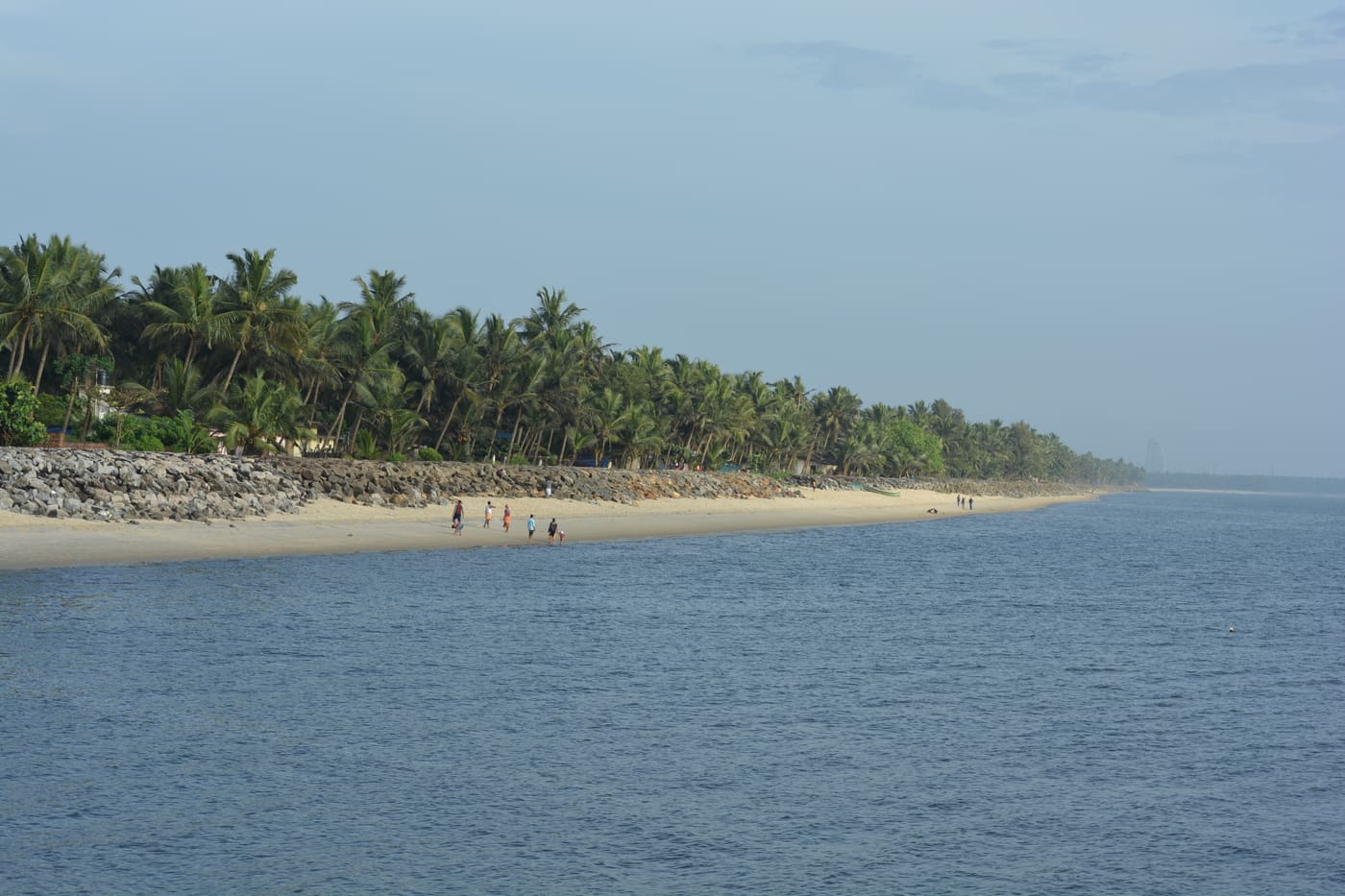
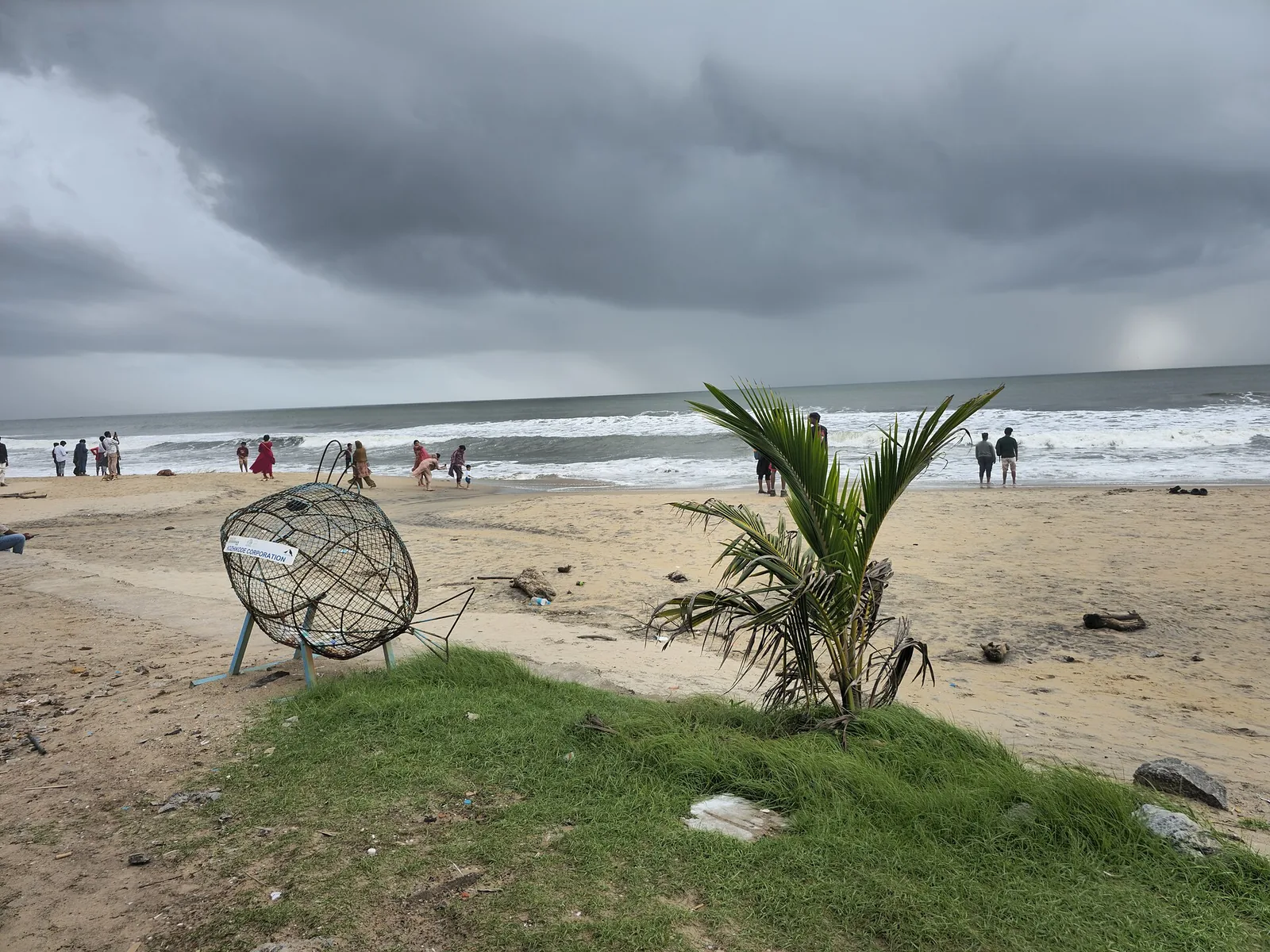
Historic beach associated with Vasco da Gama’s arrival on the Malabar coast.
12.2 km · straight line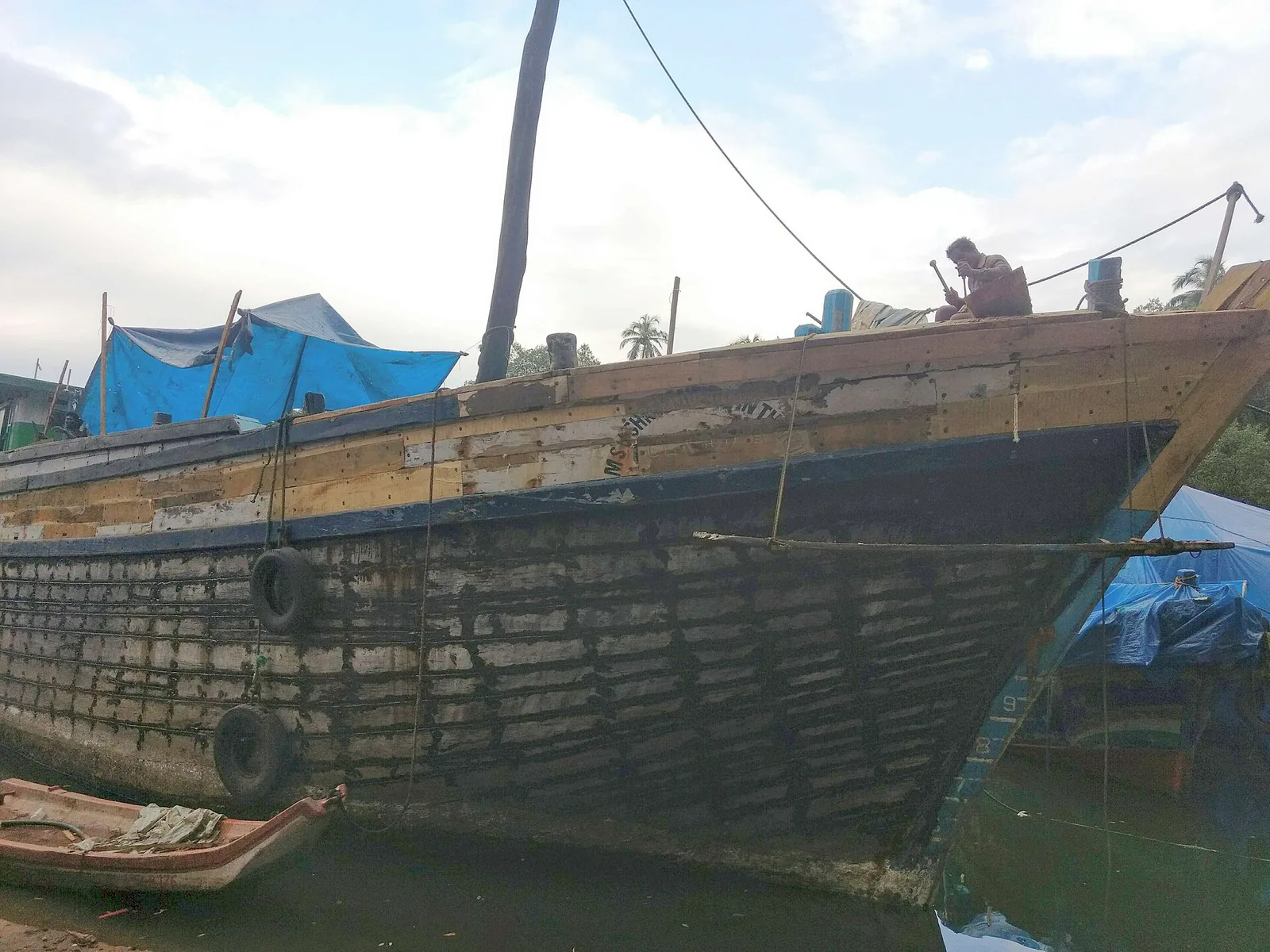
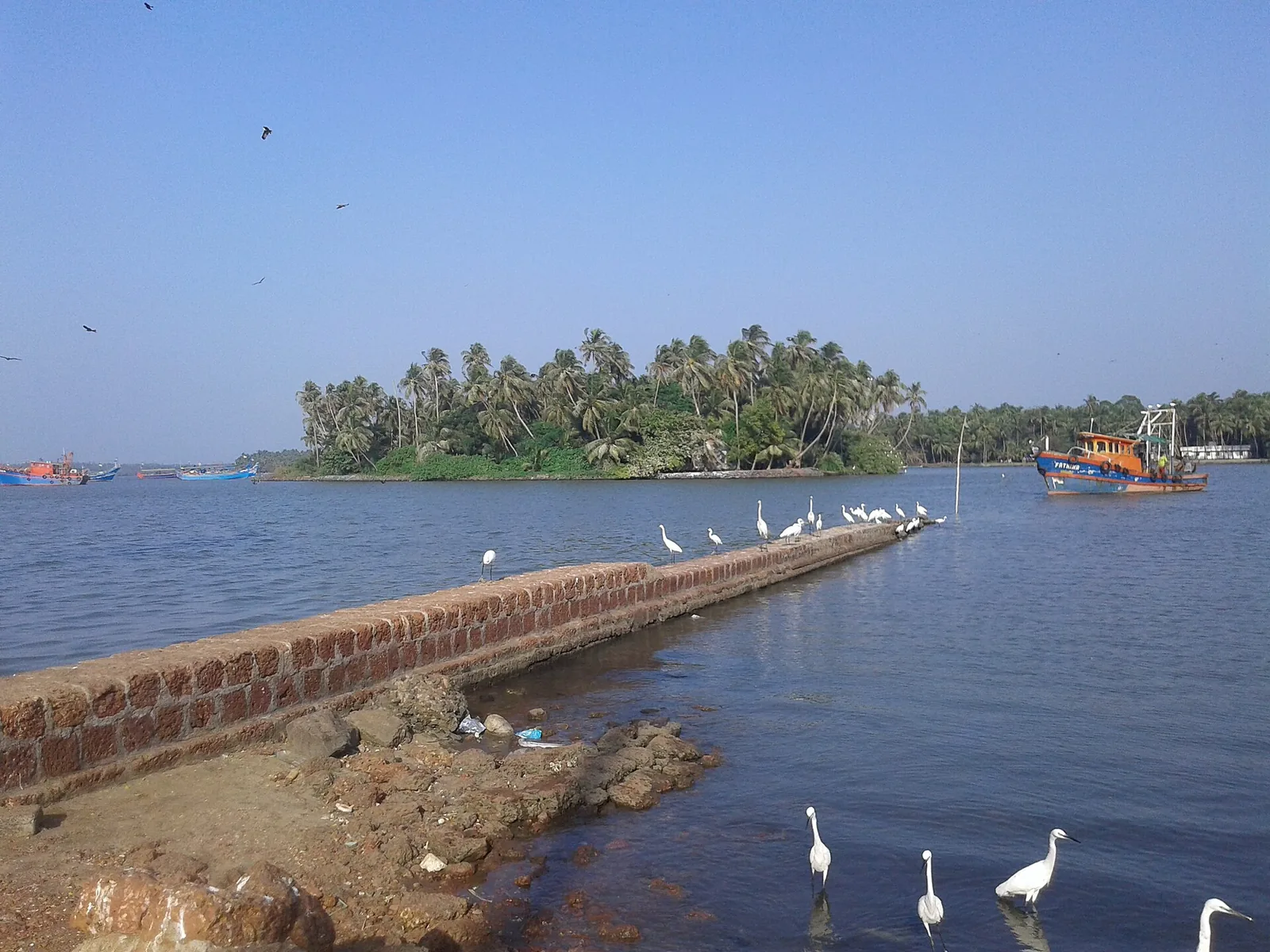
The south bank of the Chaliyar mouth, opposite Beypore — site of Kerala’s first railway terminus (1861) and of the Portuguese fort of 1532, both of which were demolished and carted to Kozhikode. One well and some laterite courses on the beach are what is left.
15.2 km · straight line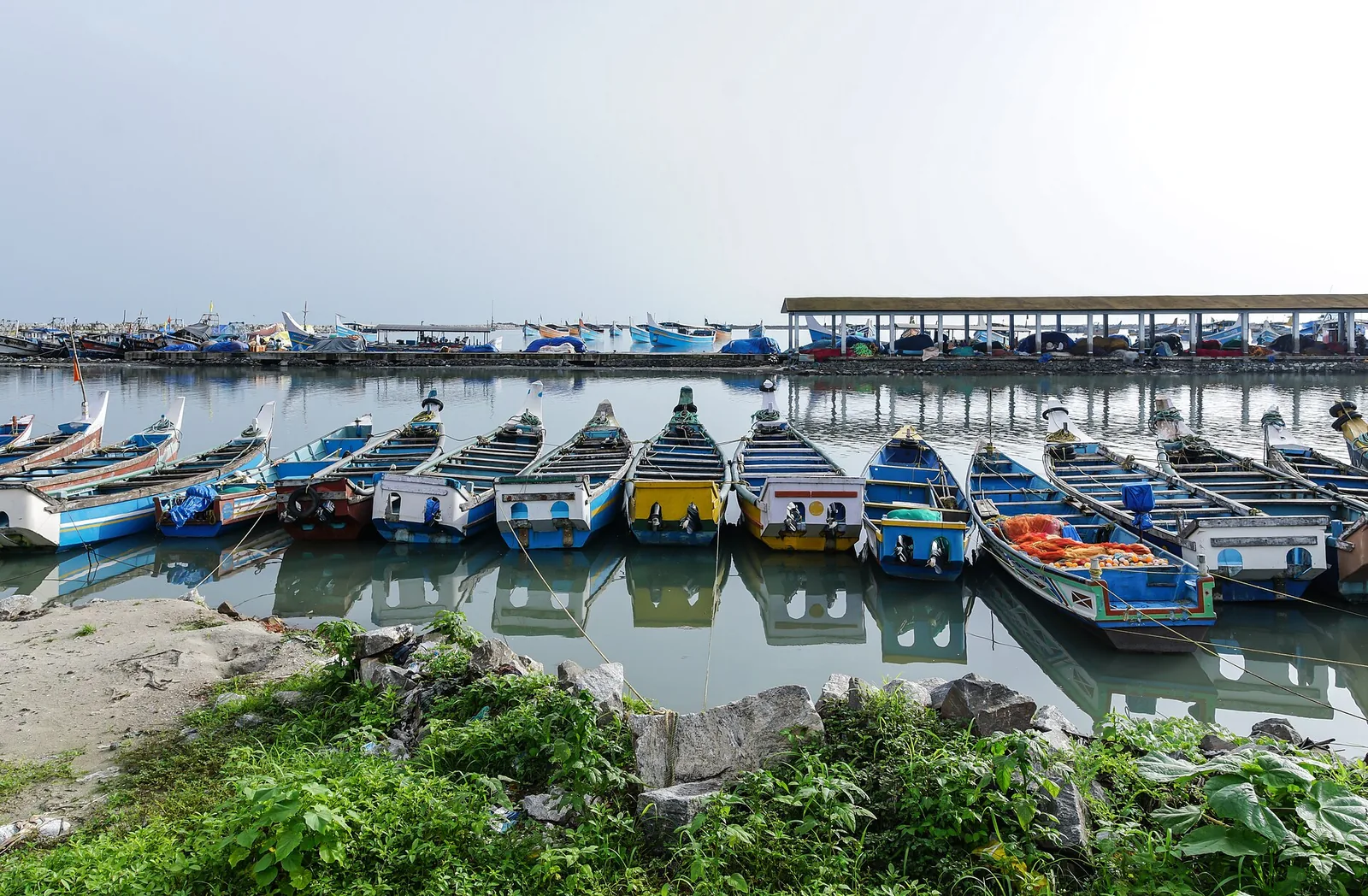
The medieval port of Panthalayani Kollam — Ibn Battuta’s Fandarayna, where Chinese junks wintered, and the anchorage where da Gama’s fleet lay 88 days in 1498. Nothing of the port survives above ground; the working fishing harbour is what you come for.
18.4 km · straight lineNearby toilets, pharmacies, ATMs, seating and vets are community-mapped and may be incomplete or out of date. Map data © OpenStreetMap contributors | Walking times © openrouteservice.org by HeiGIT
No, and this catches a lot of visitors out. It is the regional archaeological museum for this part of Malabar, and its core collection runs from roughly 1000 BC to 200 AD — around three thousand years before Pazhassi Raja was born. He led the resistance to the English East India Company in Malabar and died in 1805. The building was constructed in 1812, seven years after his death, as a British colonial bungalow, and was renamed in his honour only in 1980. Come for the megalithic archaeology, not for a biography.
Inland, to Wayanad and the old Kottayam country of northern Malabar, where the campaign was actually fought. His tomb and memorial at Mananthavady in Wayanad — the Pazhassi Smarakam, a protected monument since 1980, with a museum added beside it in December 2010 — is the main site associated with him, several hours from Kozhikode by road and up the ghats. The distance explains a good deal about the war itself: he survived as long as he did because he operated in forested hill country that the Company’s army found extremely difficult to campaign in, far from the coastal towns it controlled comfortably.
They are among the most distinctive prehistoric monuments in Kerala — large dressed stones set over burials, described in the museum's material as tomb markers of rulers. Alongside them the collection holds dolmenoid cists, which are quadrangular burial chambers roofed with capstones, and the large earthenware urns in which the dead were interred. Note that published sources use the Malayalam terms for Kerala's various megalithic forms inconsistently, so names may differ between accounts.
It was constructed in 1812 and was known as the East Hill Bungalow, built in the period after the English East India Company established its control of Malabar. It was converted into an archaeological museum in 1976 and renamed the Pazhassi Raja Archaeological Museum in 1980. It is managed by the Kerala State Archaeology Department.
No, though the two sit beside each other on East Hill and are almost always visited together, which is why they are so often described as a single institution. The Krishna Menon Museum and Art Gallery is a separate establishment named for the statesman V. K. Krishna Menon. Attributions of particular paintings and exhibits get muddled between the two in published sources, so check which building you are in if you are looking for something specific. A useful way to keep them apart on site is that they are run by different arms of the state: the signboard on this building reads Department of Archaeology, while the neighbouring Art Gallery and Krishna Menon Museum is signed to the Department of Museums and Zoos, with its own separate timings.
About an hour covers it comfortably. It is rarely crowded — this is a state department museum rather than a commercial attraction, and most visitors to Kozhikode never come out to East Hill at all. That quiet is a large part of its appeal, along with its position on high ground where there is usually some air moving.
It keeps state museum hours rather than commercial ones, with a weekly closing day, and the entry charge is nominal. Photography rules vary and are not consistent across the galleries. Both are worth checking at the ticket desk on arrival, and confirming timings before travelling out from the city centre, as government museum hours are subject to change.
Midday works well for museums, especially when outdoor heat is high.
Entry: A small ticket (around ₹10–20); confirm on site. Timings: About 09:00–16:30 with a midday break.
Base yourself in Kozhikode city or a nearby town in Kozhikode, then confirm the last-mile route locally before leaving. Check weekly closure day and ticket counter timings before going. If the visit depends on forest, temple, boat, ferry, weather or seasonal access, check the official/local rule on the day before travel.
1 to 2 hours.
Nearby you can pair Sarovaram Bio Park (3.2 km, approximate straight-line separation), Regional Science Centre and Planetarium (3.4 km, approximate straight-line separation), Kozhikode Beach (4.2 km, approximate straight-line separation), Mananchira Square (4.3 km, approximate straight-line separation).
Use official ticket counters and cloakroom rules. Keep bags and cameras within permitted areas.
Written about Pazhassi Raja Museum itself — its history, its legends and the arguments about them.
Route-level itineraries and practical guides for the rest of Kerala.
Photographs: Pradeep717 (CC BY-SA 3.0), Atheenasiji (CC BY-SA 4.0). Wikimedia Commons.