What to expect
Highlights
- Museum visit at Regional Science Centre and Planetarium
- Indoor cultural or historical context
- Easy pairing with nearby food and heritage stops
A National Council of Science Museums centre in central Kozhikode — five galleries, a 3D theatre and an outdoor science park. ⚠ Its planetarium has been closed for a projector replacement since 13 July 2026 with no announced reopening date.
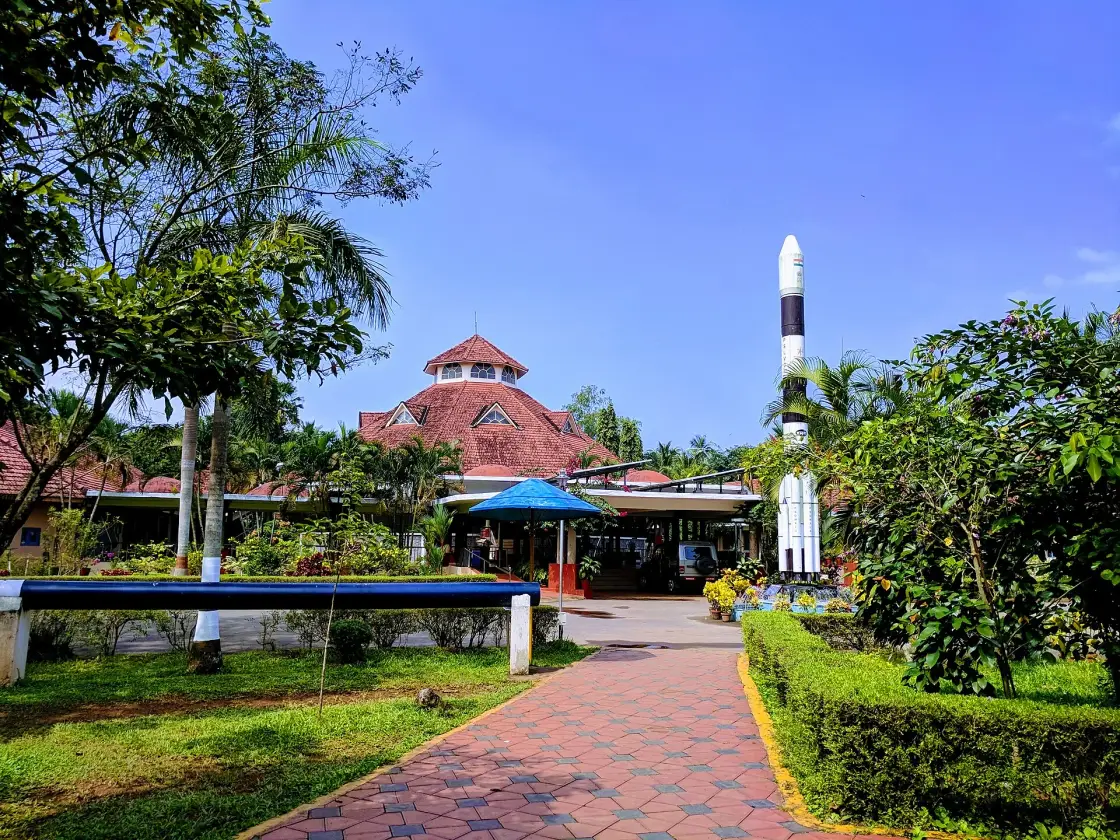
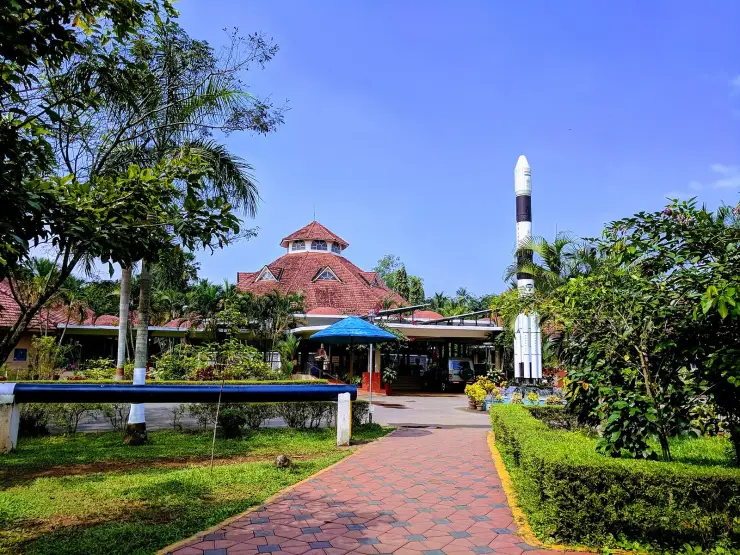
🔴 Read this first: the planetarium has been closed since Monday 13 July 2026 for a full projector replacement, and the operator has not announced a reopening date. Everything else at the Regional Science Centre and Planetarium is open — five galleries, a 120-seat 3D theatre, the outdoor Science Park and the programmes — and the visit is still worth a half-day. But a family arriving expecting a star show will find a dark dome, and would be right to feel cheated by whoever told them otherwise. This is a unit of the National Council of Science Museums, on a wooded compound off Jaffer Khan Colony Road, about 350 metres from Kozhikode's new bus stand.
The most interesting object in Kozhikode is one most visitors never actually see. Since Republic Day week in 1997 a German opto-mechanical star projector has been throwing the night sky onto a 15.3-metre dome in Jaffer Khan Colony, and in July 2026 it was switched off to make way for its successor.
The operator's own description of the hardware is worth quoting, because nearly every travel listing gets it wrong: a hybrid projection system comprising a nine-channel digital dome system with nine JVC projectors, and a fully refurbished Space Flight opto-mechanical projection system from Carl Zeiss of Jena, Germany. Two distinct machines working the same dome. The Zeiss is the classical instrument — a mechanical starball of pierced metal and lenses that makes pinpoint stars by physically projecting light through apertures. The nine projectors are the modern layer, blanketing the dome in video, which is how you fly an audience through Saturn's rings rather than merely showing them a correct sky. Running both is genuinely more capable than either alone: the Zeiss stars stay sharper than any projector can render, and the digital layer supplies everything that moves.
The paperwork for the replacement is public. A tender published in September 2024 covers the supply, installation, testing and commissioning of a complete full-dome hybrid immersive planetarium projection system at Kozhikode, and the package included a document listed as buyback specifications — the outgoing equipment offered to the incoming vendor as part-payment. The closure notice, dated 10 July 2026, says shows are suspended from Monday 13 July, that the reopening date will be announced through official channels, and — the sentence that matters most to a family — that all other facilities and activities, including 3D shows, galleries, the Science Park and educational programmes, continue as usual. It offers no refund or exchange policy, which is consistent with the planetarium having been sold as a per-visit add-on at the counter rather than booked ahead.
The one hopeful detail is that the replacement is specified as hybrid again rather than purely digital, so an opto-mechanical star capability is meant to survive the upgrade. What we cannot tell you is what happens to the 1997 Zeiss. The tender's buyback listing implies it is being traded in; the notice does not name the instrument, and we are not going to assert it.
What deserves more attention than the hardware is what this centre did with it. It did not merely buy shows — it made them. The first three came from the Birla planetarium at Hyderabad; after that the staff developed their own, writing scripts, building visuals, composing and recording music and synchronising the lot. In seventeen years they produced sixteen main shows, the first of them called Dona and the Universe.
And the audience shaped the programme. Staff noticed that after the winter vacation the dome filled with primary-school children who were too young to follow the astronomy in a public show pitched at high-school level, so they built eight more shows specifically for primary groups, using cartoon slides. Beyond that they made two community shows, for Ramadan and for Onam, and one on Indian astronomy. A planetarium in Malabar writing its own festival programming is not a thing you find in a tourism listing.
There is one more reason this place matters to Kozhikode, and it has a date. On the morning of 26 December 2019 an annular solar eclipse crossed south India, and Kozhikode was not a spectator city on the edge of it — the ring phase was visible here, from 09:26:33 to 09:27:51, one minute and eighteen seconds of it. That is among the shorter durations recorded, which places the city near the edge of the annular band rather than on its centreline, but inside it.
The science centre is where the city went to watch, and the morning is unusually well documented because a Wikimedian was there with a camera. Photographs timestamped from 08:18 show several hundred people under the trees inside the compound, a reporter with a national wire agency's microphone among them; by 09:04 a digital telescope is set up on a flat roof beside the water tanks, twenty minutes before annularity; at 09:07 there is a queue for it; and at 10:11, well after the ring has passed, a boy is bent to the eyepiece of a large refractor with a ring of children and parents waiting behind him.
What makes that a story rather than an anecdote is what a science centre is for on such a morning. An annular eclipse is the single most dangerous celestial event for an untrained crowd, because unlike a total eclipse there is no safe moment: the photosphere is never fully covered, so the sun must be filtered for every second of the three hours. The photographs show exactly the two mitigations that work — certified handheld viewers handed out to the public, and filtered instruments run by staff so that nobody points their own optics at the sun. Several hundred people doing the right thing at once is an institution functioning.
The most damaging error in circulation about this centre is that it is closed on Mondays. It is not. The operator publishes a day-by-day table listing Monday from 10:00 to 18:30, identical to every other day, under a heading stating that the centre is open to the public on all days. The myth almost certainly migrates from other Indian science centres and museums, many of which genuinely do close on Mondays. What does keep Monday-to-Friday hours is the office, not the galleries. The only full closures the operator names are Onam and Diwali, both of which move.
The second is the ticket price, and the published figures are roughly half the real ones. One widely used listing gives ₹25 for adults and ₹15 for children; another set in circulation gives ₹40, ₹95 and ₹75. The operator's own tariff is ₹50 for the science centre alone and ₹100 for the full centre with planetarium and 3D show. There is no separate child rate above the age of five and no foreigner rate — one individual price. Children under five, ICOM members, people with disabilities and uniformed service personnel enter free.
The third is the operator itself, and it is worth getting right because it is the sort of error that propagates. This centre is not run by the Kerala State Science and Technology Museum, the state body in Thiruvananthapuram that runs the Priyadarsini Planetarium. That organisation's own site lists its satellites as Kerala Science City Kottayam and the regional centres at Chalakudy and Parapanangadi — no Kozhikode. This is a unit of the National Council of Science Museums under the Union Ministry of Culture, one of its twenty-six own centres, and its tender notices are issued through the council's southern headquarters at Bengaluru. The confusion is understandable, and it has a real cause: the centre was inaugurated by E. K. Nayanar as Chief Minister of Kerala, and its later galleries have been opened by Kerala ministers and by the current Chief Minister. A central institution repeatedly opened by state politicians reads, at a glance, like a state one.
The fourth is a name that should never be attached to this place. At least one Kozhikode directory calls it the Jawaharlal Nehru Planetarium. There is no such institution in Kozhikode — the Jawaharlal Nehru planetariums are in Bengaluru and New Delhi.
The fifth matters for a visiting family. The shows are not in English. The operator states that shows are normally in Malayalam and that English can be arranged on request for a group of more than thirty. A reviewer quoted on the centre's own about page puts it plainly: it was all in Malayalam, they could not follow it, and for locals it is good.
The sixth is the galleries themselves. Kerala Tourism still describes a Giants of Nature section and omits both the Hall of Ocean and the Astronomy Gallery, which are the two best things here. There is also no taxidermy and there are no preserved specimens — the Hall of Ocean is explicit that it holds working models, still models, replicas of sea creatures and marine artefacts. And the Aqua Life Corner is a freshwater aquarium of aquarium-trade fish, not a marine one. A Human Endurance gallery that appears in older accounts was dismantled in 2017.
Two smaller things. Do not promise a particular 3D film: the centre's own two pages disagree about what is screening, and the programme rotates by design. And the operator publishes no camera or photography charge anywhere, so nobody should invent one — as nobody should invent an online booking system, which does not exist either.
The centre opened on 30 January 1997, inaugurated by E. K. Nayanar, then Chief Minister of Kerala. It has been added to steadily since. Mirror Magic opened in February 2008, inaugurated by the then Home Minister; an additional block with an exhibition hall and auditorium followed the same year; the Life Science and Fun Science galleries were renovated in 2009 and 2010; an astronomy gallery was set up in the new block in 2010; and the Hall of Ocean was inaugurated by Chief Minister Pinarayi Vijayan on 5 May — the operator says 2019, a council-sourced summary says 2018, and we cannot settle it.
The most recent addition is the one that matters most right now. Astronomy — unveiling the universe was inaugurated on Saturday 14 June 2025 by the state Minister for Public Works and Tourism, with the Mayor of Kozhikode present. Thirteen months later the dome went dark. The timing could hardly have been kinder.
That gallery is a serious piece of work rather than a corridor of posters. It runs from the ancient astronomers — Aristotle and Ptolemy alongside Aryabhata and Bhaskara, and then Copernicus — through a light-animated model of the Samrat Yantra, the great sundial at the Jantar Mantar, and a life-size statue of Galileo at his telescope. There are interactives on lunar phases, Kepler's laws, transits, occultations and eclipses; a large-format video wall on the Big Bang; a Solar System zone where you can weigh yourself on other planets; sections on constellations, asteroids and minor planets; a Cosmic Explorer exhibit on the electromagnetic spectrum; a cyclorama; exoplanets and astrobiology; a multi-touch kiosk on Einstein's curvature of spacetime; and scale models of the Hubble Space Telescope, its repair mission, and the James Webb.
In effect it is a walk-through planetarium — and for a family that would have sat through a Malayalam-language show without following it, the gallery is arguably better than the thing that is closed. It is self-paced rather than a fixed half-hour slot, and it is visual rather than narrated, so the language barrier simply disappears.
The rest of the indoor space runs to about 15,000 square feet. The Hall of Ocean is the largest gallery at 4,800 square feet and the one children remember: a huge blue whale with its body in motion, and beside it a cylindrical section of the ocean's depths standing above every other exhibit in the room, with tides, estuaries, El Niño and La Niña, the Beaufort scale, ocean energy and navigation instruments around them. Mirror Magic is the one that produces the noise — a mirror maze, dining with several images of yourself, and set pieces called floating in air, vanishing image and the tunnel of infinite depth. Fun Science is classic hands-on physics, a ball held up against gravity in an air jet, eddy currents, a lazy channel. Aqua Life Corner is a freshwater tank of aquarium-trade fish.
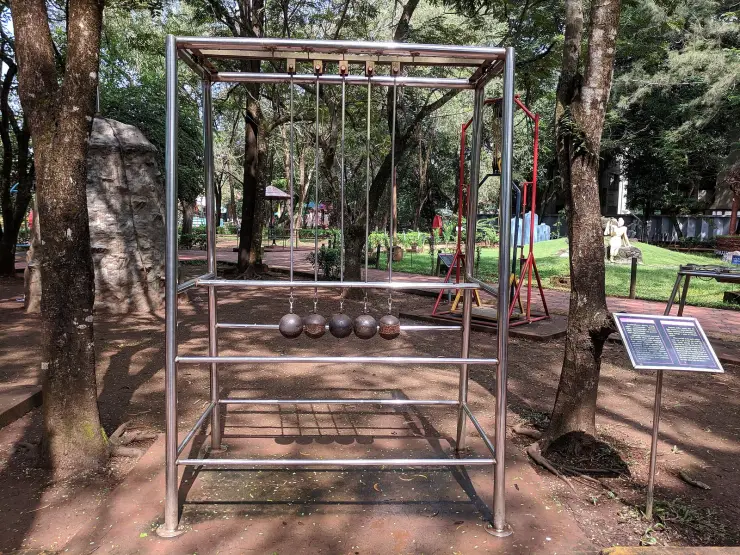
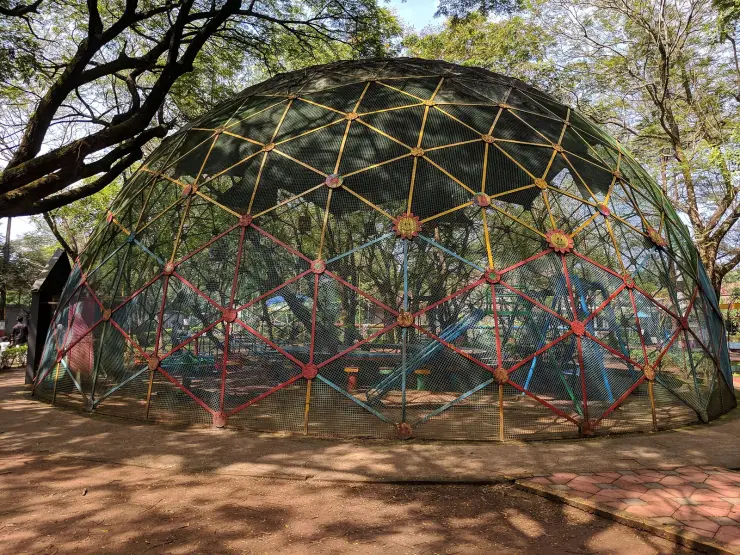
Outdoors, the Science Park is an open-air gallery of interactive exhibits under mature shade trees: an Archimedes screw, whispering dishes, pulleys and levers, a gravity well, a periscope, gears, pendulums, centripetal-force models, solar water heating and photovoltaics, a full-size Newton's cradle in polished steel with five iron spheres, tuned resonance pipes with bilingual instruction plates, a walk-in delayed-hearing chamber, a netted geodesic dome over a play area, and a human sundial where the visitor is the gnomon. Reviewers routinely single it out as the best part of the visit.
The centre also does a great deal that is not a gallery: live science demonstration lectures on stage, an Innovation Hub with vetted student projects, an Amateur Astronomy Club that makes telescopes and runs Messier marathons and roadside astronomy, a children's club, a six-month certificate course in astronomy and astrophysics now in its sixth edition, a bookable evening programme for groups of twenty-five or more, and a Mobile Science Exhibition bus that takes exhibits out to schools across Malabar.
It is the best rainy-day answer in Kozhikode: about 15,000 square feet of indoor galleries, a 3D theatre and an outdoor science park, all in the city centre rather than an hour away.
The Astronomy Gallery, opened in June 2025, is effectively a walk-through planetarium — self-paced and visual, which makes it better than the closed dome for anyone who does not follow Malayalam.
The Hall of Ocean's blue whale and depth column, and the Mirror Magic hall, are the two exhibits children talk about afterwards.
The Science Park is outdoors under mature trees and holds the best ninety minutes of the visit — a Newton's cradle you can set going, whispering dishes, a human sundial.
At ₹65 for entry and a 3D show it is a half-day for the price of a coffee, and it is 350 metres from the new bus stand, so it pairs naturally with Mananchira Square and the beach.
⚠ But not for the planetarium, which has been dark since 13 July 2026 with no announced reopening date.
Road km to Kozhikode; ghat roads and traffic vary — allow extra.
Midday works well for museums, especially when outdoor heat is high.
Live forecast loads in your browser.
Sun and moon are calculated for this location and shown in IST. Photography windows are the hour around sunrise and sunset; the sunset bearing is degrees clockwise from true north. Moon phase is accurate to about half a day.
Verified hotels, homestays, restaurants, experiences, sights, shops and rentals around Regional Science Centre and Planetarium — commission-free, with direct contact. Filter by what you need.
Kerala Tourism-classified Ayurveda and panchakarma hospital at Azhiyur in Kozhikode district, with 16 treatment rooms and full-time physicians. It runs panchakarma, classical treatments and Ayurveda, yoga and marma study courses over more than two decades.
Green Leaf-accredited Ayurveda and yoga retreat set in a 170-year-old heritage homestead at Bilathikkulam in Kozhikode. It offers physician-led panchakarma, classical treatments and yoga in a family-run heritage setting rather than a hotel spa.
Calicut taxi provider with direct address, phones and email. Bank Road, Calicut Town, Kerala 673006 · Calicut taxi, Airport transfer, Outstation cab.
Kerala Tourism-listed Kalaripayattu and Ayurveda centre at Puthiyara. Kalaripayattu, Hindustan Kalari, Puthiyara.
Kerala Tourism-listed Kalaripayattu training and Kalari Marma centre in Nadakkavu. Kalaripayattu, CVN Kalari, Nadakkavu.
Mayukaha Taxi Calicut Cabs is a local Kozhikode taxi service for airport, railway and city pickups, useful as a direct-contact transport option when app cabs are not enough. Kozhikode taxi, Calicut cabs, Airport taxi.
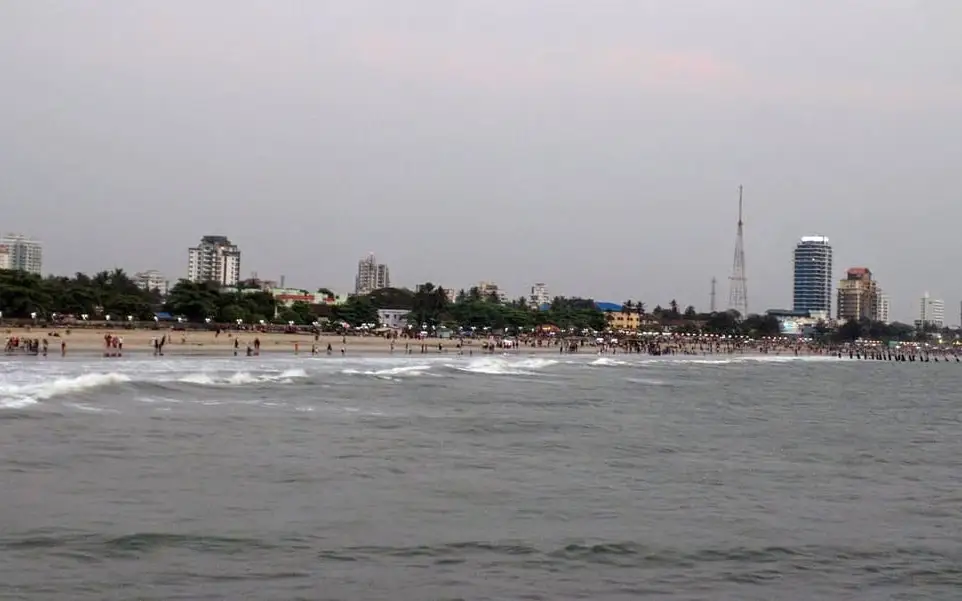
Kozhikode Beach is the city seafront and sunset-food anchor, best planned with old pier context, evening crowds and nearby SM Street or city food stops. Public beach; check current facilities · Kozhikode Beach, Calicut Beach, Sunset.
Official DTPC Kozhikode contact anchor for district visitor planning. Public information · DTPC Kozhikode, Tourist information, District planning.
Green Leaf-certified Ayurvedic nursing home in Kozhikode offering classical panchakarma and physician-led treatment. It is one of the Malabar city’s established Ayurveda centres, with direct clinic phone and email contacts for consultations.
Kerala Tourism-listed Kozhikode tour operator on Mavoor Road. Alhind, Tour operator, Mavoor Road.
Greenwood Holidays is a Kozhikode-based travel agency and tour operator for packages, hotels, transportation and sightseeing support. Tour operator, Travel agency, Mankave.
Responsible Tourism Mission Kozhikode is the official contact for village-life and community experience enquiries, including crafts, food, backwater and local livelihood experiences. Responsible Tourism, Kozhikode experiences, Village life.
Book with the place itself. India’s cyber-crime coordination centre warned in April 2025 that convincing copies of hotel and pilgrimage booking sites are being pushed through sponsored search and social ads, taking payment for rooms the property never hears about. Every listing here links to the business’s own contact details and its own Google or Bing profile — we take no commission and sit in nobody’s payment path. If a booking page reached you through an ad, check the address bar against the property’s own site before you pay. Fraud can be reported on cybercrime.gov.in or on 1930.
Find food, accommodation and activities across Kozhikode city. Browse the guides for places to eat, stay and explore along your route.
9 more places around Kozhikode city. Open a guide to plan the visit and onward journey.
A small historic mosque in Kuttichira with an important early Malayalam-Arabic inscription, distinct from the nearby and much larger Mishkal Mosque.
2.0 km · 25 min walk
Historic shopping street and sweet-stall area in Kozhikode city.
1.2 km · 15 min walk
Landmark park in the city centre on the old Zamorin palace grounds, around the Mananchira tank, with a musical fountain.
2.2 km · 28 min walk
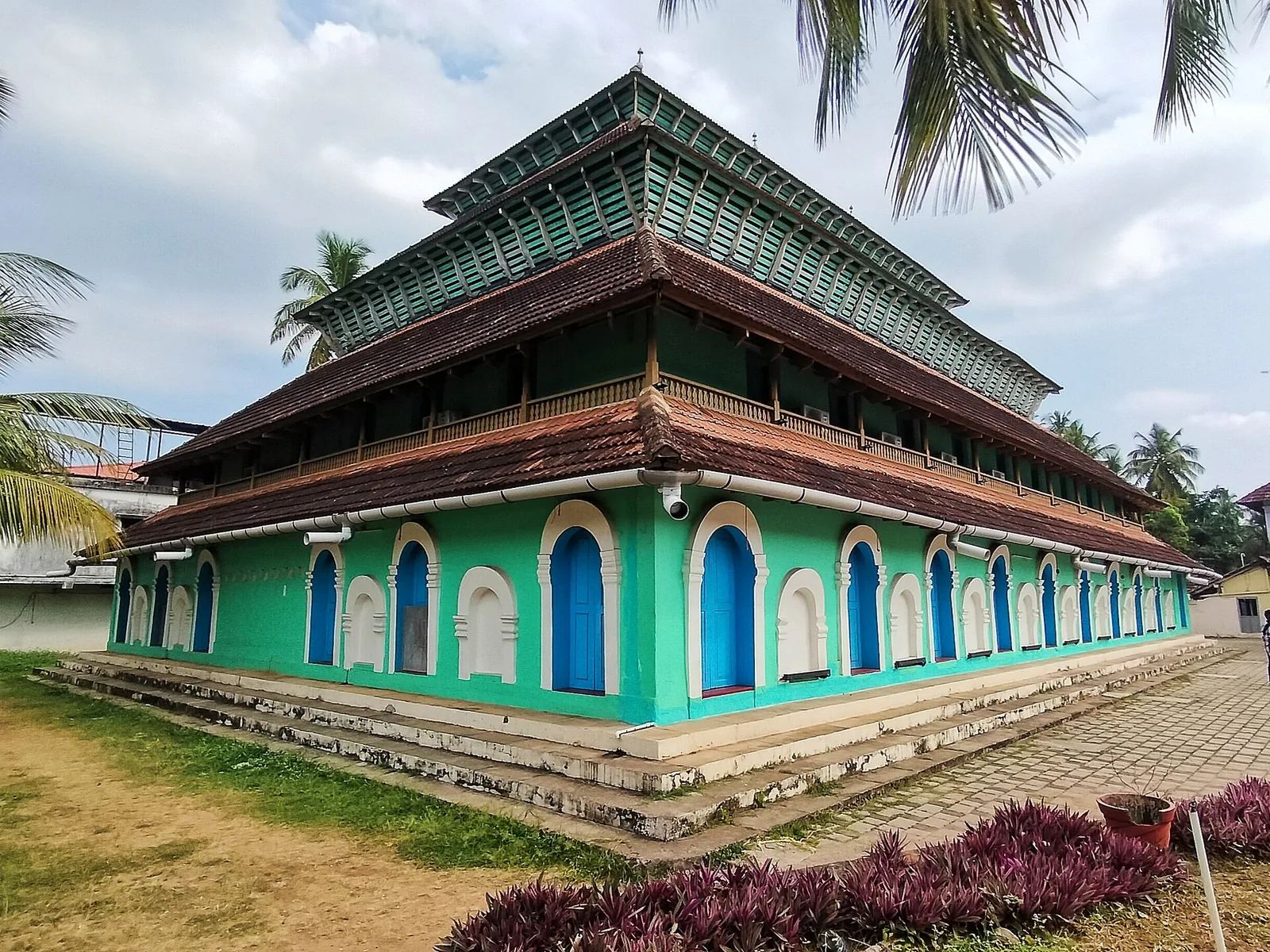
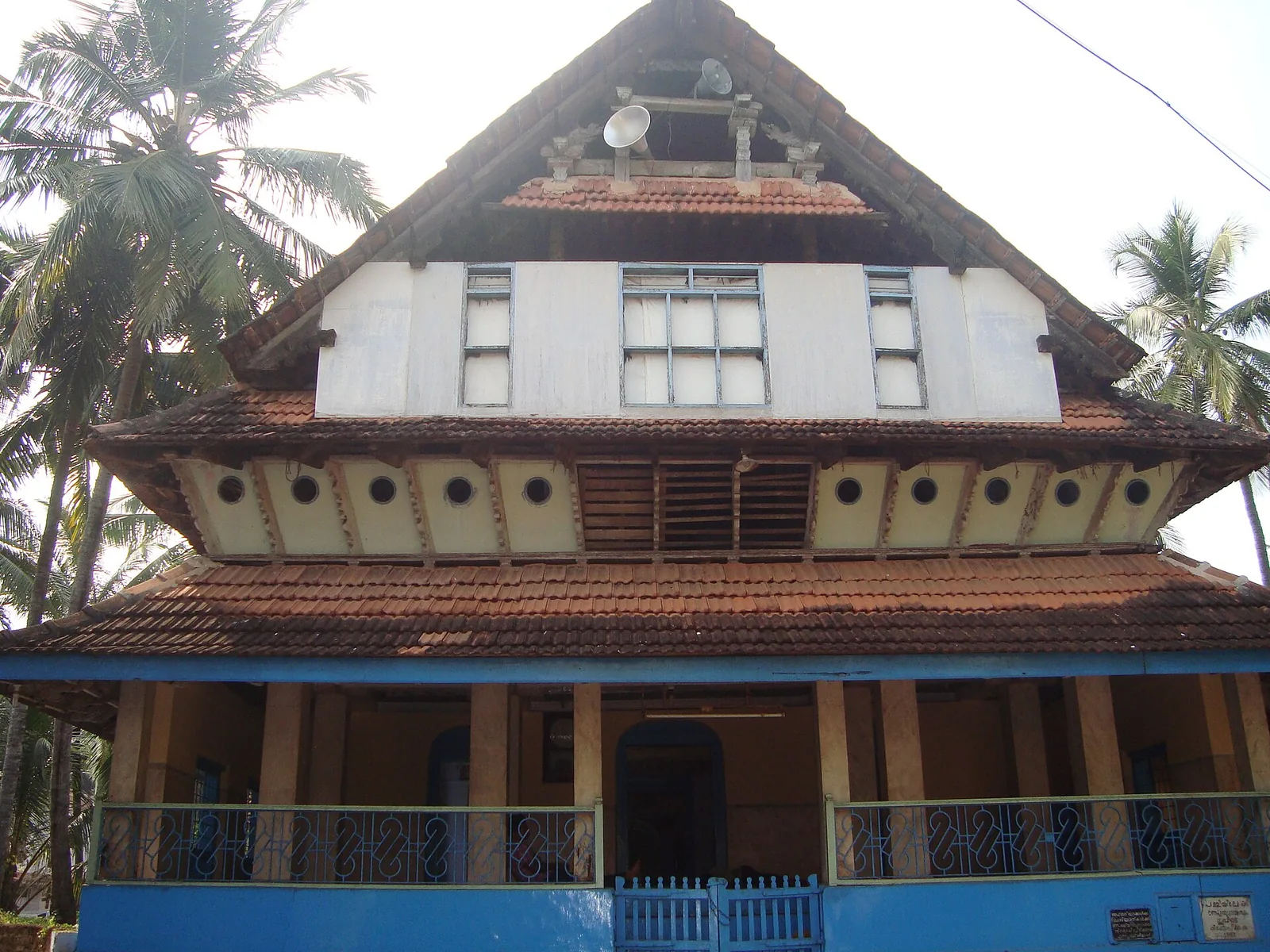
Historic timber mosque at Kuttichira built by a 14th-century Yemeni trader, once five storeys, burned by the Portuguese in 1510 and rebuilt.
1.6 km · 20 min walk
One of Kozhikode’s oldest temples, a laterite-and-timber Shiva shrine near Mananchira long patronised by the Zamorins.
1.0 km · 12 min walk
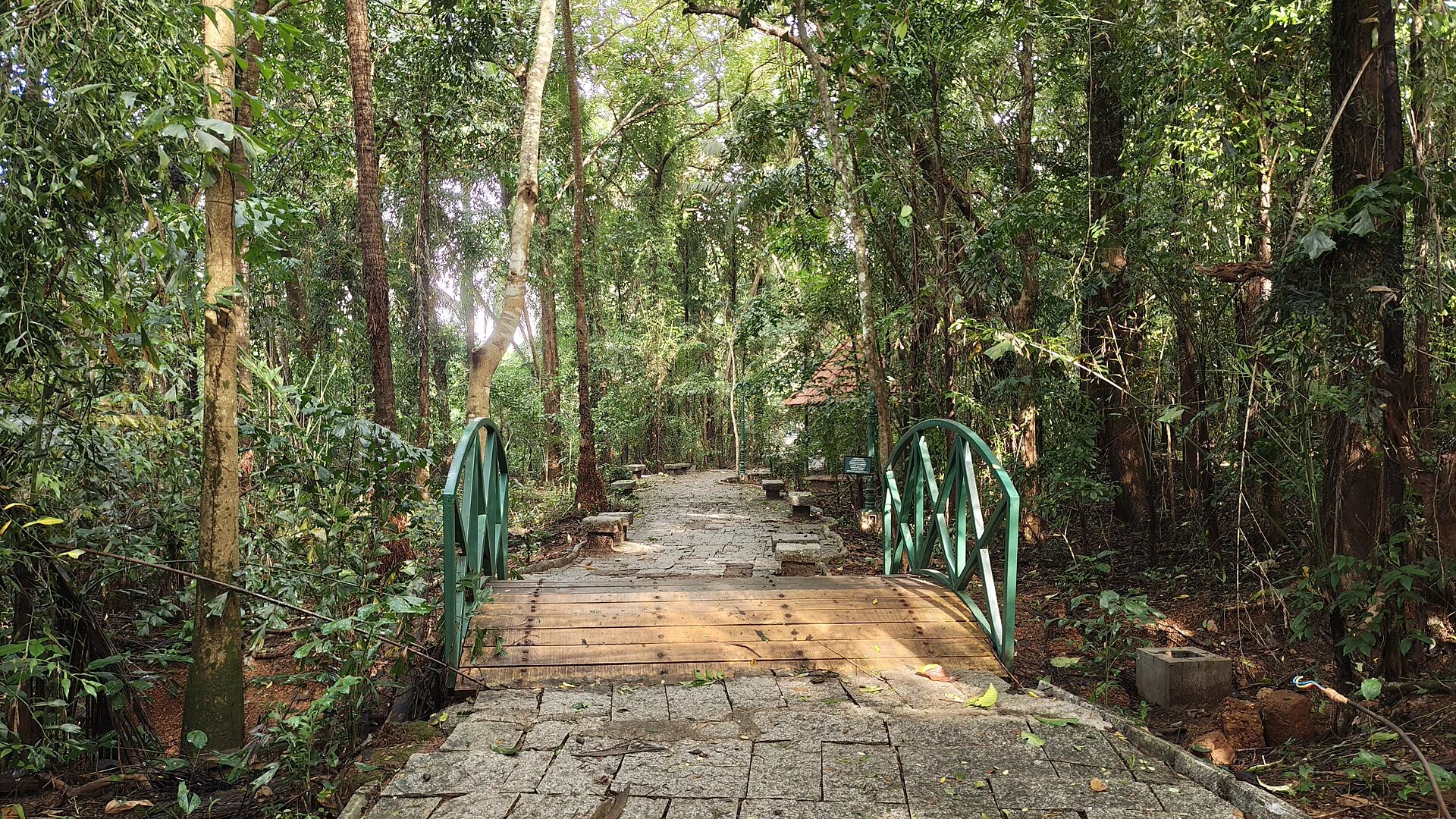
A 98-acre public eco-park on the Conolly Canal in central Kozhikode, the developed part of the Kottooli wetland — mature urban woodland and mangrove-fringed water, mid-renovation and partly not operating.
2.5 km · ~6 min by auto
Kuttichira mosque built by a freed slave and endowed by the Zamorin, holding a 13th-century bilingual Vattezhuthu–Arabic inscription; it has no minbar and holds no Friday prayers.
3.4 km · ~8 min by auto
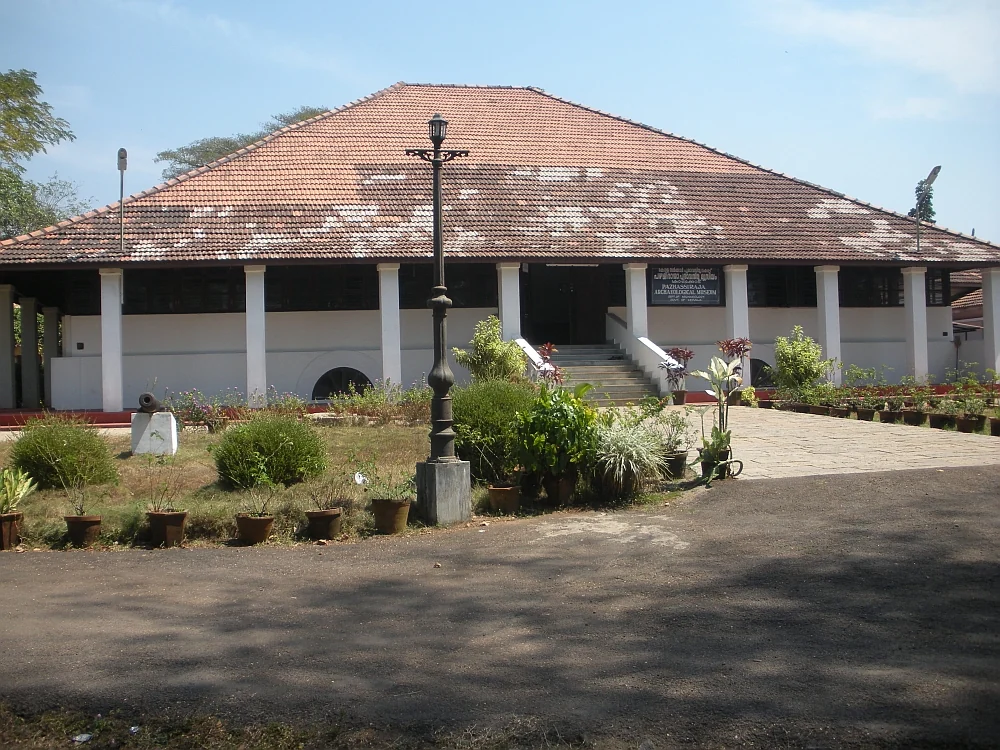
State archaeology museum at East Hill in an 1812 bungalow, with murals, bronzes, coins and megalithic monuments.
Roampedia is commission-free — own or know a stay, eatery, guide or shop near Regional Science Centre and Planetarium? List it and it appears here once verified.
Add a nearby businessFees change without notice. Check the current rate at the counter.
Entry: Operator's published tariff: science centre only ₹50 individual / ₹25 organised school group / ₹10 government school; entry + planetarium ₹75 / ₹30 / ₹15; entry + 3D show ₹65 / ₹30 / ₹10; planetarium separately after entry ₹55 / ₹20 / ₹10; centre + planetarium + 3D ₹100 / ₹45 / ₹25; science demonstration lecture ₹15 general public, ₹10 school groups; night programme ₹200 per head for pre-booked groups of 25+. Free for children under 5, ICOM members, people with disabilities and uniformed service personnel. NO separate child rate above 5 and NO foreigner rate. No camera or photography charge is published anywhere, and there is no online booking. ⚠ With the planetarium suspended, expect the ₹75, ₹55 and ₹100 tickets not to be on sale; the operator has published no revised tariff. Phone ahead.
Dress code: None.
Festivals: None of its own, but the centre runs a public programme worth checking: science demonstration lectures, star parties with local colleges, an amateur astronomy club, a children's club and a six-month certificate course in astronomy and astrophysics, now in its sixth edition.
Photography: No camera or photography charge is published by the operator anywhere. We are not going to invent one.
If you are travelling by bus or ferry, check the return service with the operator before setting out. Leave time to reach the stop or jetty after your visit.
Ask at the bus stand for the time of the last service back, not the next one. If you miss it, an auto or app cab is the fallback — agree the fare before you get in.
If you need step-free access, contact the site before travelling. Ask about a level entrance, steps along the route, the nearest drop-off point, seating and accessible toilets.
Emergency numbers are verified against official government and state tourism sources. 112 works anywhere in India.
A 98-acre public eco-park on the Conolly Canal in central Kozhikode, the developed part of the Kottooli wetland — mature urban woodland and mangrove-fringed water, mid-renovation and partly not operating.
1.0 km · 12 min walk · straight lineLandmark park in the city centre on the old Zamorin palace grounds, around the Mananchira tank, with a musical fountain.
1.2 km · 15 min walk · straight lineOne of Kozhikode’s oldest temples, a laterite-and-timber Shiva shrine near Mananchira long patronised by the Zamorins.
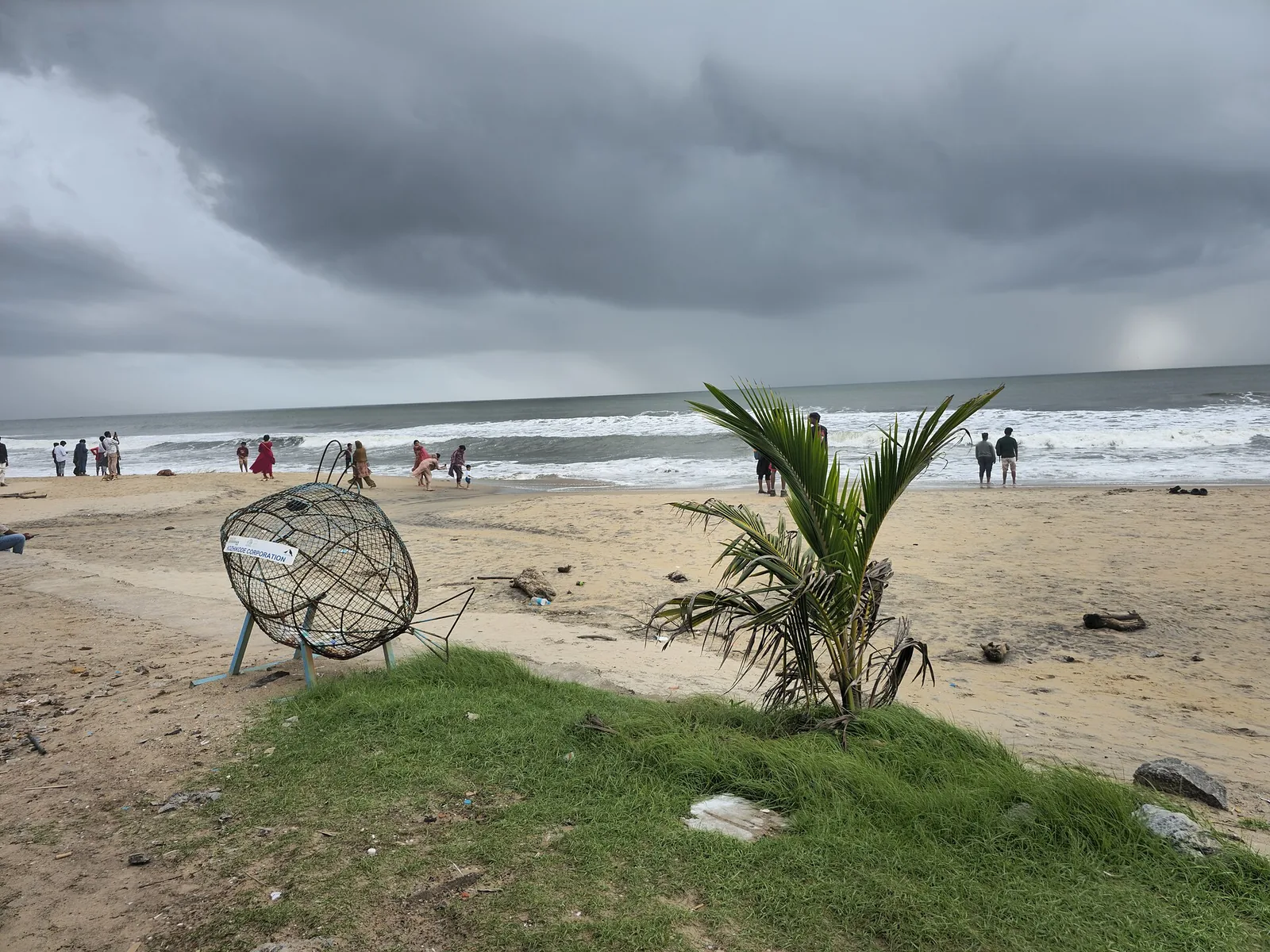
1.6 km · 20 min walk · straight lineCity beach with old pier remains and sunset food stalls.
2.0 km · 25 min walk · straight lineHistoric shopping street and sweet-stall area in Kozhikode city.
2.0 km · 25 min walk · straight lineHistoric timber mosque at Kuttichira built by a 14th-century Yemeni trader, once five storeys, burned by the Portuguese in 1510 and rebuilt.
2.2 km · 28 min walk · straight lineKuttichira mosque built by a freed slave and endowed by the Zamorin, holding a 13th-century bilingual Vattezhuthu–Arabic inscription; it has no minbar and holds no Friday prayers.
2.5 km · ~6 min by auto · straight lineState archaeology museum at East Hill in an 1812 bungalow, with murals, bronzes, coins and megalithic monuments.
3.4 km · ~8 min by auto · straight line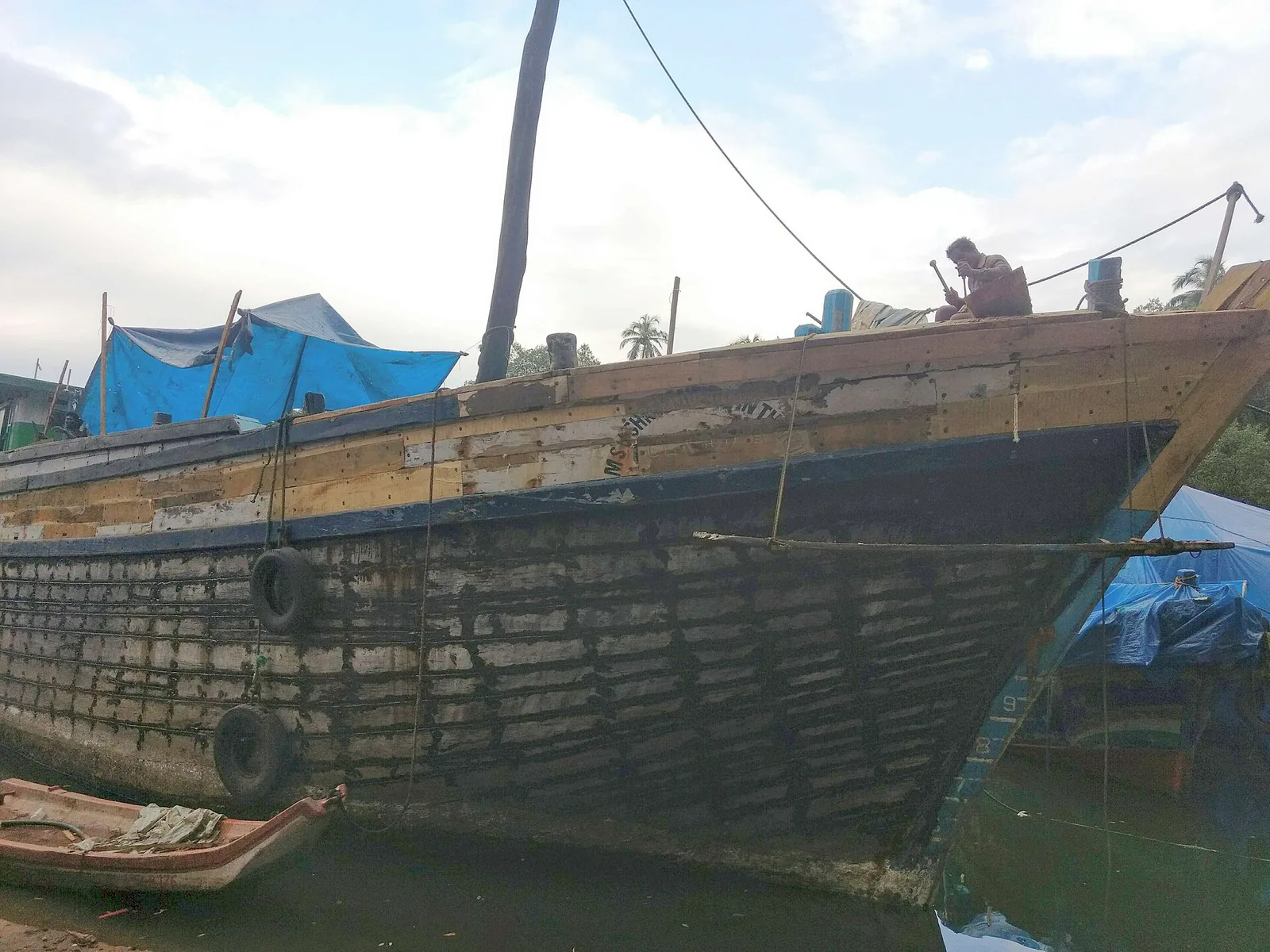
Old port and boat-building area known for uru construction.
9.6 km · ~16 min by cab · straight line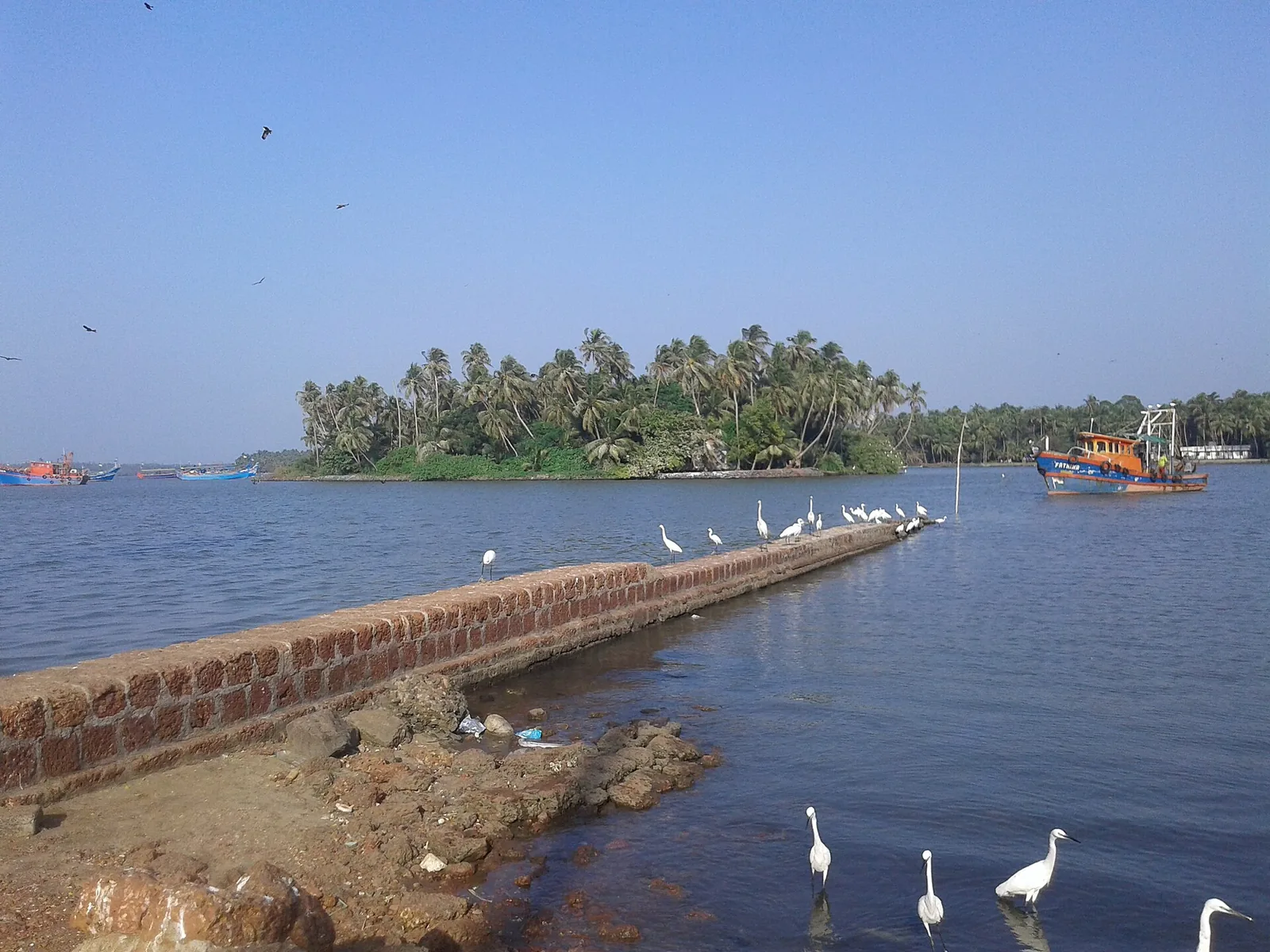
The south bank of the Chaliyar mouth, opposite Beypore — site of Kerala’s first railway terminus (1861) and of the Portuguese fort of 1532, both of which were demolished and carted to Kozhikode. One well and some laterite courses on the beach are what is left.
11.8 km · ~20 min by cab · straight line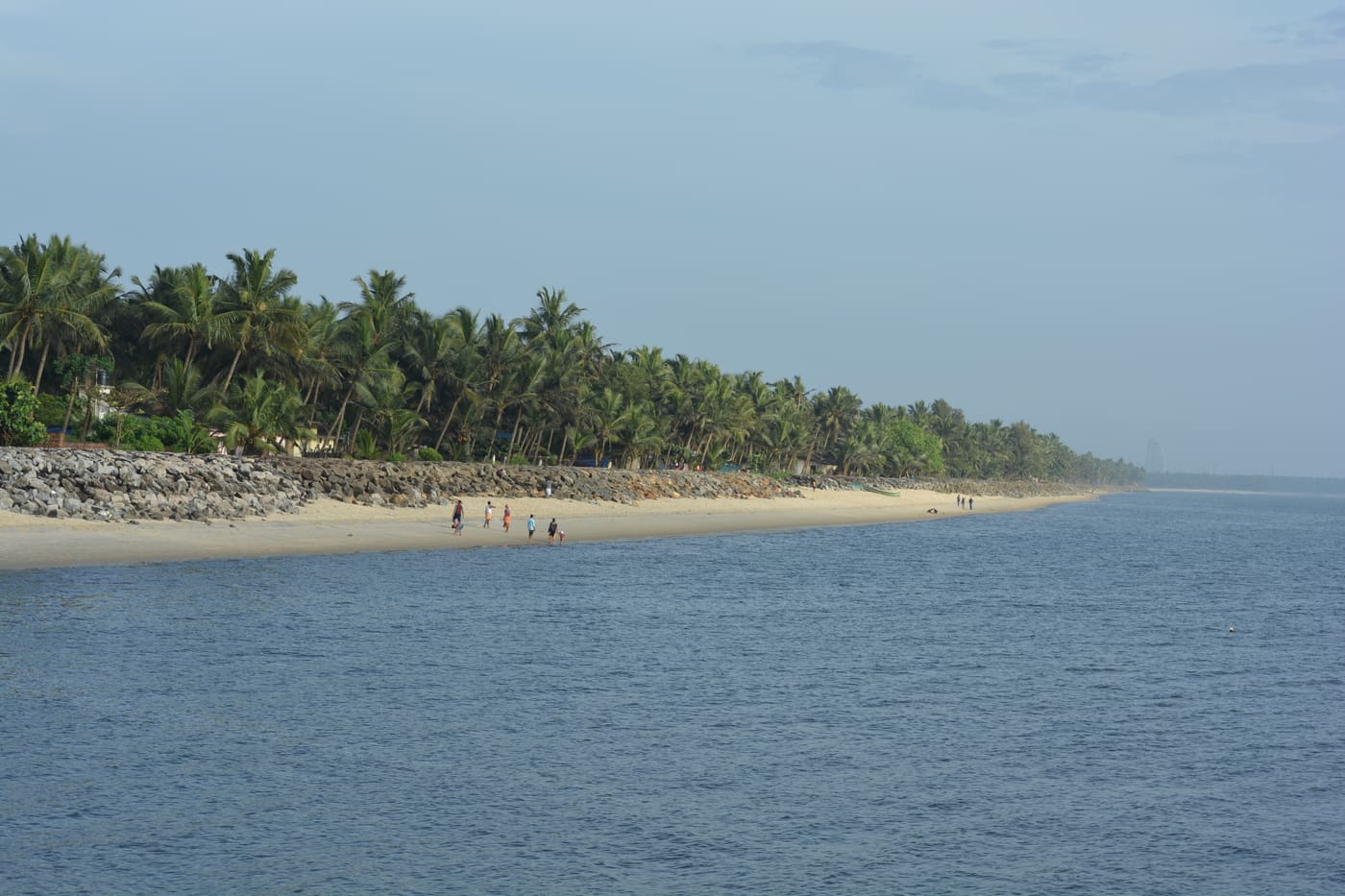
Historic beach associated with Vasco da Gama’s arrival on the Malabar coast.
15.5 km · ~26 min by cab · straight line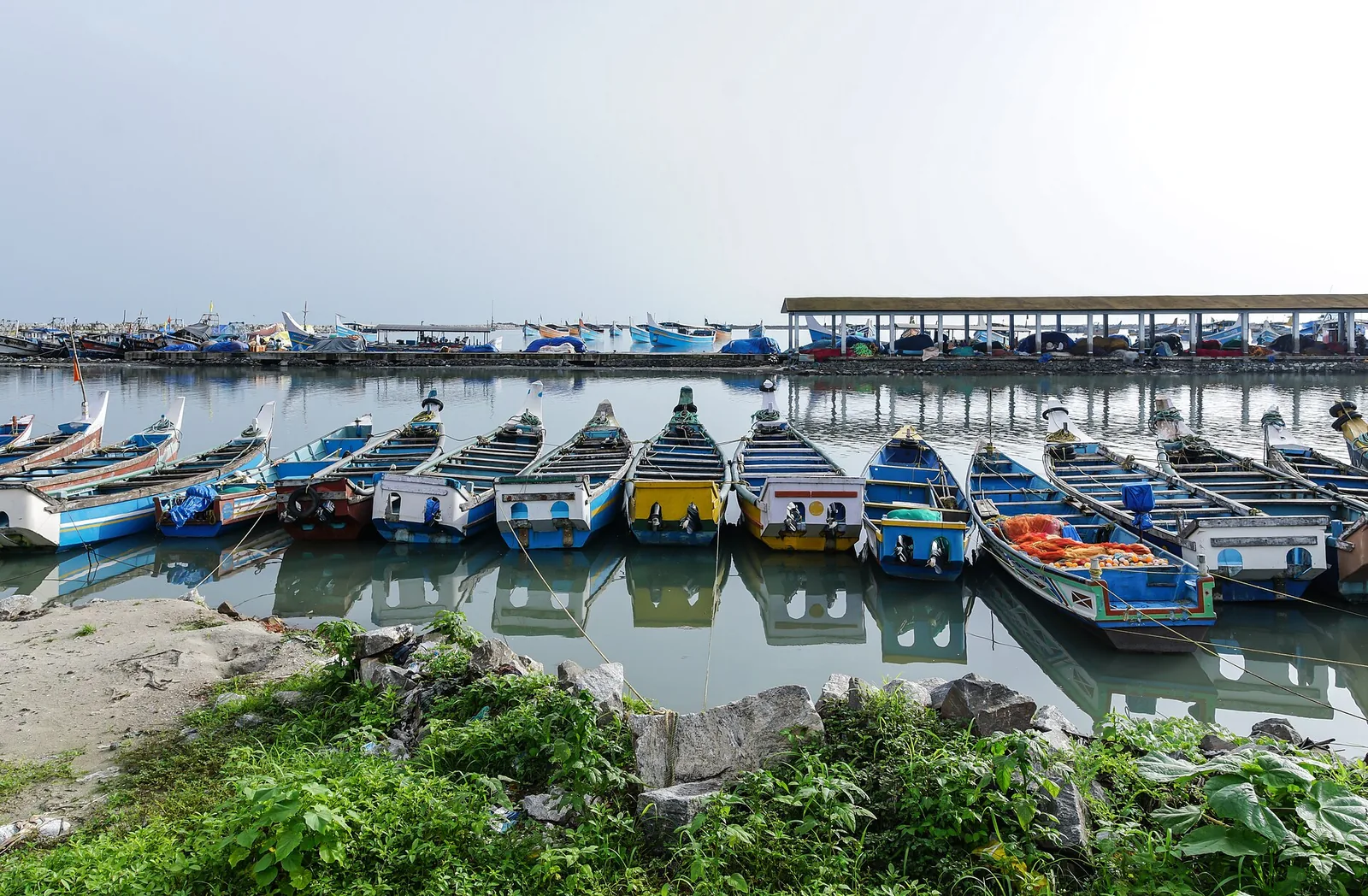
The medieval port of Panthalayani Kollam — Ibn Battuta’s Fandarayna, where Chinese junks wintered, and the anchorage where da Gama’s fleet lay 88 days in 1498. Nothing of the port survives above ground; the working fishing harbour is what you come for.
21.6 km · ~36 min by cab · straight lineNo. It closed on Monday 13 July 2026 for a full projector replacement and the operator has not announced a reopening date. Everything else — the galleries, the 3D theatre, the Science Park and the programmes — continues as normal. Phone 0495 277 0571 before travelling if the dome is the reason you are going.
Yes, and the arithmetic is clearer than you might expect. The show was thirty minutes of a half-day, on a fixed four-slot schedule, and it ran in Malayalam by default — for a visiting non-Malayali family it was arguably the weakest item on the ticket. What is closed is half an hour. What is open is everything that actually fills the afternoon, including an astronomy gallery that opened thirteen months before the dome went dark.
No. This is the most repeated error about the centre. The operator publishes a day-by-day table showing Monday 10:00–18:30, exactly like every other day. The office keeps weekday hours; the galleries do not close. The only full closures named are Onam and Diwali.
From the operator's own tariff: ₹50 for the science centre alone, ₹65 with a 3D show, ₹75 with the planetarium, ₹100 for all three, with lower rates for organised school groups and government schools. Under-fives, ICOM members, people with disabilities and uniformed service personnel go free. There is no child rate above five and no foreigner rate. ⚠ With the planetarium suspended, expect the planetarium-inclusive tickets not to be on sale; no revised tariff has been published. No camera charge is published, and there is no online booking.
Open 10:00 to 18:30 every day, but ticket sales close at 17:55 — that is the hardest deadline here. The centre's own advice is to come in the afternoon, because mornings are usually crowded with school groups, and it asks schools wanting a full day to come between June and September. So a weekday afternoon or a Sunday works best.
Three to four hours for the full circuit: Hall of Ocean 20–30 minutes, Mirror Magic 30–40, Fun Science 25–30, Aqua Life Corner 10–15, Astronomy Gallery 30–45, a 3D show about 30 with the queue, and the Science Park 45–90. In heavy rain it compresses to 2 to 2.5 hours indoors, because the Science Park is outdoors and unroofed — and that is the part of the visit most people rate highest.
No. Shows are normally in Malayalam; English can be arranged on request for a group of more than thirty. This is the single most useful thing for a non-Malayali family to know, and almost nothing published about the centre says it.
The National Council of Science Museums, under the Union Ministry of Culture — one of its twenty-six own centres, administered through the council's Bengaluru headquarters. It is not run by the Kerala State Science and Technology Museum, whose own regional centres are Kottayam, Chalakudy and Parapanangadi. The confusion arises because Kerala's chief ministers and state ministers have inaugurated the building and its galleries.
It is a city-centre attraction, not an excursion — about 350 metres from the Mavoor Road new bus stand, so any city bus to the bus stand puts you within walking distance. Roughly 1.8 km from the railway station in a straight line and about 3.5 km by road. Parking is limited: ₹10 for two-wheelers, ₹15 cars, ₹25 buses. Address: Jaffer Khan Colony Road, near New Bus Stand, Kozhikode 673006.
Midday works well for museums, especially when outdoor heat is high.
Entry: Operator's published tariff: science centre only ₹50 individual / ₹25 organised school group / ₹10 government school; entry + planetarium ₹75 / ₹30 / ₹15; entry + 3D show ₹65 / ₹30 / ₹10; planetarium separately after entry ₹55 / ₹20 / ₹10; centre + planetarium + 3D ₹100 / ₹45 / ₹25; science demonstration lecture ₹15 general public, ₹10 school groups; night programme ₹200 per head for pre-booked groups of 25+. Free for children under 5, ICOM members, people with disabilities and uniformed service personnel. NO separate child rate above 5 and NO foreigner rate. No camera or photography charge is published anywhere, and there is no online booking. ⚠ With the planetarium suspended, expect the ₹75, ₹55 and ₹100 tickets not to be on sale; the operator has published no revised tariff. Phone ahead. Timings: 10:00 to 18:30, all seven days — the operator publishes a day-by-day table listing Monday identically to Sunday. 🔑 Ticket sales close at 17:55, which is the hardest deadline here. The office keeps Monday–Friday hours, 09:30–18:00, but the galleries do not close. The only full closures the operator names are Onam and Diwali, both movable.
Base yourself in Kozhikode city or a nearby town in Kozhikode, then confirm the last-mile route locally before leaving. Check weekly closure day and ticket counter timings before going. If the visit depends on forest, temple, boat, ferry, weather or seasonal access, check the official/local rule on the day before travel.
1 to 2 hours.
Nearby you can pair Sarovaram Bio Park (1.0 km), Mananchira Square (1.2 km), Thali Temple (1.6 km), Kozhikode Beach (2.0 km).
Use official ticket counters and cloakroom rules. Keep bags and cameras within permitted areas.
Written about Regional Science Centre and Planetarium itself — its history, its legends and the arguments about them.
Route-level itineraries and practical guides for the rest of Kerala.
Photographs: Vengolis (CC BY-SA 3.0). Wikimedia Commons.