What to expect
Highlights
- Temple visit at Sree Vallabha Temple
- Kerala temple architecture and rituals
- Local food, shops and pilgrim services nearby
One of the oldest and largest temples in Kerala and one of the 108 Divya Desams, at Thiruvalla — famous for Kathakali performed every evening as a temple offering and for a 54-ft Garuda flag mast carved from a single granite block.
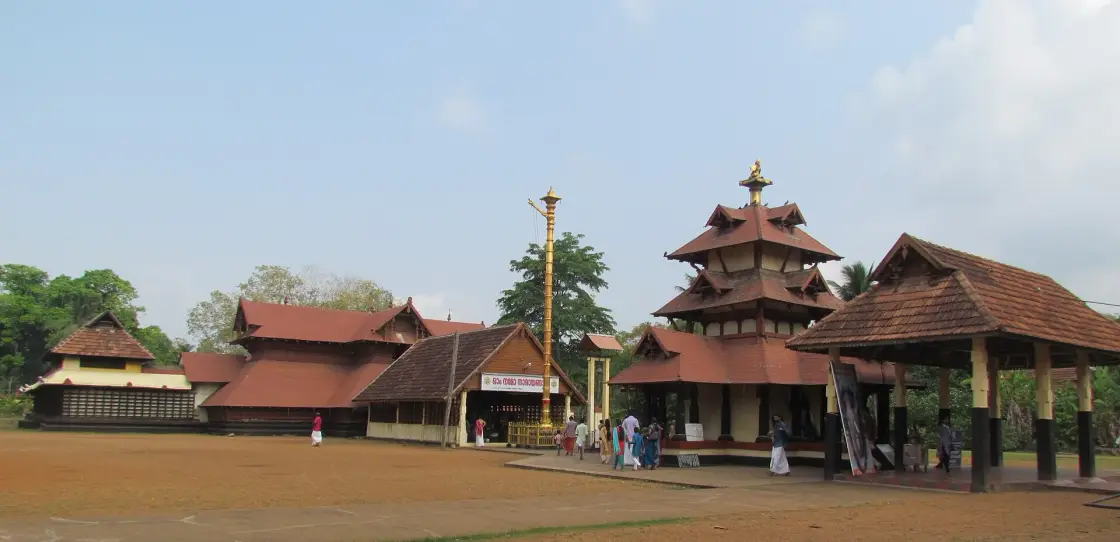
Check entry arrangements. Ask temple staff about visitor entry, dress requirements and access to the inner shrine before you travel, especially if you are visiting as a non-Hindu.
Dress respectfully and follow the institution’s admission and photography rules.
In the temple town of Thiruvalla, where the Manimala river slows and the paddy turns gold, stands one of Kerala’s oldest and grandest Vishnu shrines — the Thiruvalla Sree Vallabha Mahakshetram. It is a temple of superlatives: a towering single-stone flagstaff said to touch the sky, a sanctum where two deities are worshipped from opposite doors, references reaching back to the Tamil Sangam age, and — most singular of all — a full Kathakali performance staged inside the temple every single night as an offering to the god. Few places in India so completely fuse granite antiquity, high classical art and living daily ritual.
Approach Sree Vallabha Temple at dusk and you feel the weight of centuries before you cross the threshold. The great granite gopuram, the long pillared corridors and the vast rectangular sreekovil speak of an age when temples were carved to outlast empires. This is no modest wayside shrine — it is a mahakshetram, a temple counted among the very oldest and largest in Kerala, its walls dark with the patina of well over a thousand years of oil-lamps and incense.
The presiding deity is Sree Vallabha — Vishnu as the beloved lord of Sree (Lakshmi) — enshrined in a tall standing form so cosmic, tradition says, that it shows neither clear top nor bottom, an image of the boundless. But the temple’s deepest mystery is that it houses two objects of worship in one sanctum. Sree Vallabha faces east; and through the western door the same sreekovil is worshipped as the Sudarshana Chakra, Vishnu’s flaming discus, honoured as a deity in its own right. Devotees circle round to make offerings at both faces, and the temple is often described as the shrine where the Chakra itself is a god.
Then there is the flagstaff. Rising before the sanctum is the dhwaja stambham — the kodimaram, crowned by a figure of Garuda — carved, remarkably, from a single towering shaft of black granite. It is cited as among the tallest single-stone flagstaffs anywhere, often given as roughly 53 to 54 feet, and folk tradition credits it to the legendary master-craftsman Uliyannoor Perunthachan, said to have raised it in a single day. Whatever the history, standing at its base and looking up the unbroken stone is one of the great quiet astonishments of a Kerala temple visit.
What truly sets Thiruvalla apart, though, unfolds after the last evening puja. Night after night, on a stage within the temple precinct, artists in the towering crowns and green-painted faces of Kathakali enact the old epics — not as a festival spectacle but as a vazhipadu, a devotional offering laid before Sree Vallabha himself. It is said to be among the very few temples in the world, and perhaps the only one in Kerala, where Kathakali is presented daily as routine ritual worship. Some nights a full company performs to a hall of pilgrims; on quieter nights the offering may still be honoured in simpler form. Either way, the god is understood to be the true and constant spectator.
The setting deepens the spell. To one side lies the temple tank — Jalavanthy, also called the Khandakarna Theertham — a sacred pond wrapped in its own legend of hidden idols and immersed devotees. Around the shrine the compact town of Thiruvalla goes about its day, but within the granite enclosure time moves to the old rhythm of five daily pujas, the deity dressed by turns as a young brahmachari in white, as a householder, and as the supreme Parabrahma.
To visit is to stand where Sangam-age poets, Alvar saints and generations of Malayali pilgrims have stood. The temple appears among the 108 Divya Desams sung by the Tamil Vaishnava Alvars, and Thiruvalla’s ancient inscriptions are prized as among the earliest specimens of Malayalam prose. Antiquity, architecture and art here are not exhibits behind ropes; they are simply the everyday texture of a temple still very much alive.
The best-loved legend belongs to Khandakarna, a fierce devotee of Shiva. So single-minded was his devotion, the story goes, that he hung great bells upon his ears — his name means the bell-eared one — so that no sound could reach him but the chanting of Shiva’s name. When the sage Durvasa directed him to immerse himself in the temple’s sacred tank, Khandakarna cast off his old bells and rose with new ones tuned to the praise of Vishnu; and there before him Vishnu manifested as Sree Vallabha and granted him liberation. The tank is remembered to this day as the Khandakarna Theertham, and folk belief holds that sixty-four hidden idols of Vishnu lie sunk within its waters.
Another strand of tradition ties the temple’s origin to a pious woman and to royal patrons across the ages. Local lore and the Thiruvalla inscriptions speak of a shrine for the Sudarshana Chakra raised in almost unimaginable antiquity and rebuilt by a queen in centuries long past (dates given in tradition are legendary and not historically verifiable — treat as sacred story, not fact). Whatever the true chronology, the enduring point of the legends is the same: that here the flaming discus of Vishnu came to be worshipped as a living deity, worthy of its own western door and its own daily honours.
The flagstaff, too, has its tale. The single granite shaft is credited to Uliyannoor Perunthachan, the near-mythical master-carpenter and stone-worker of Kerala folklore, who is said to have shaped and raised the whole towering mast in the span of a single day — a story that captures, in one image, the awe the temple’s builders have always inspired.
Sree Vallabha Temple is genuinely ancient. It is counted among the oldest surviving temples in Kerala, and its fame reaches back to the Tamil Sangam era, with references that place Thiruvalla among the great early centres of Vaishnava worship. The shrine is one of the 108 Divya Desams — the sacred abodes of Vishnu celebrated in the hymns of the Alvar saints — and is associated with Alvars such as Nammalvar and Thirumangai Alvar, linking it to the pan-South-Indian Sri Vaishnava tradition.
The temple is especially valued by historians of language for the Thiruvalla copper-plate inscriptions, a large body of records regarded as among the earliest examples of Malayalam prose. These document endowments, land grants and the elaborate ritual economy that sustained a temple of this scale, giving a rare, concrete window into medieval Kerala’s religious and social life.
Worship of the Sudarshana Chakra as a distinct deity, honoured through the sanctum’s western door, is traditionally traced to the medieval period (commonly cited as around the 13th century). This dual worship — Sree Vallabha to the east, the Chakra to the west — is one of the temple’s defining and unusual features, and it shapes how pilgrims move through the shrine to this day.
The monumental granite architecture — the great sreekovil, the pillared halls and above all the single-stone dhwaja stambham — reflects Kerala’s classical temple-building tradition, executed here at exceptional scale. The complex has been maintained, endowed and renovated by rulers, chieftains and devotees across many centuries, and today it is administered under the Travancore Devaswom Board.
Through all of it, the temple’s most remarkable continuity is the nightly Kathakali. The offering of this classical dance-drama as a daily vazhipadu has made Thiruvalla one of the most important living homes of the art, credited with staging Kathakali on more nights of the year than almost anywhere else — a tradition of devotion and patronage that has kept a demanding classical form alive as everyday worship.
To witness the nightly Kathakali offering — a full classical dance-drama performed inside a temple not for tourists but for the god, a devotional experience you can find in almost no other shrine in the world.
To stand beneath the towering single-stone dhwaja stambham, one of the tallest granite flagstaffs anywhere, crowned by Garuda and wrapped in the legend of the master-craftsman Perunthachan.
To experience the rare two-deity worship — offering darshan to Sree Vallabha through the eastern door and to the Sudarshana Chakra through the western — a ritual geometry unique among Kerala temples.
To feel true antiquity: a Sangam-age, Divya Desam shrine sung by the Alvar saints, whose inscriptions rank among the earliest Malayalam prose, its granite halls dark with more than a millennium of worship.
To absorb the atmosphere of a great living mahakshetram — five daily pujas, the deity redressed from brahmachari to householder to Parabrahma, the sacred Khandakarna tank beside the shrine, and the deep calm of Thiruvalla’s temple town.
To combine it easily with a wider Pathanamthitta pilgrimage circuit, Thiruvalla sitting conveniently on the road and rail spine of central Kerala.
Road km to Pathanamthitta; ghat roads and traffic vary — allow extra.
Morning or early evening is usually best; festival days can be powerful but crowded.
Live forecast loads in your browser.
Sunset is in about 3 hours.
Sun and moon are calculated for this location and shown in IST. Photography windows are the hour around sunrise and sunset; the sunset bearing is degrees clockwise from true north. Moon phase is accurate to about half a day.
These are official or public-sector eco offerings that match this place, town or forest destination. Confirm availability, permits, tariffs and reporting times with the official operator before travel.

Rocky waterfall and river landscape on the Pamba tributary system, listed among Kerala ecotourism destinations.
Official source →Browse listed stays, food, activities, sights, shops and rentals around Sree Vallabha Temple. Check each listing’s locality and contact the business directly for current arrangements.
Restaurant at Kerala Tourism-listed Hotel Hills Park in Pathanamthitta. Hotel restaurant.
Book with the place itself. India’s cyber-crime coordination centre warned in April 2025 that convincing copies of hotel and pilgrimage booking sites are being pushed through sponsored search and social ads, taking payment for rooms the property never hears about. Use the contact and source details on each profile to confirm the exact business and booking channel. A directory entry or map pin alone does not establish an operator’s identity or current availability. Roampedia takes no commission and does not collect booking payments. If a booking page reached you through an ad, check the address bar against the property’s own site before you pay. Fraud can be reported on cybercrime.gov.in or on 1930.
Find food, accommodation and activities across Pathanamthitta town. Browse the guides for places to eat, stay and explore along your route.
11 more places around Pathanamthitta town. Open a guide to plan the visit and onward journey.
14.6 km · straight line
A breezy ridge and retreat landscape above the Pamba country near Kozhencherry, suited to a short viewpoint visit rather than being presented as a developed hill station.
28.3 km · straight line
The prominent rock hill above Pathanamthitta, reached by a steep local climb with broad town and highland views; heat, wet rock and exposed edges shape the visit.
A lesser-known Pathanamthitta hill viewpoint whose road, final approach and land access need confirming locally on the day of travel.
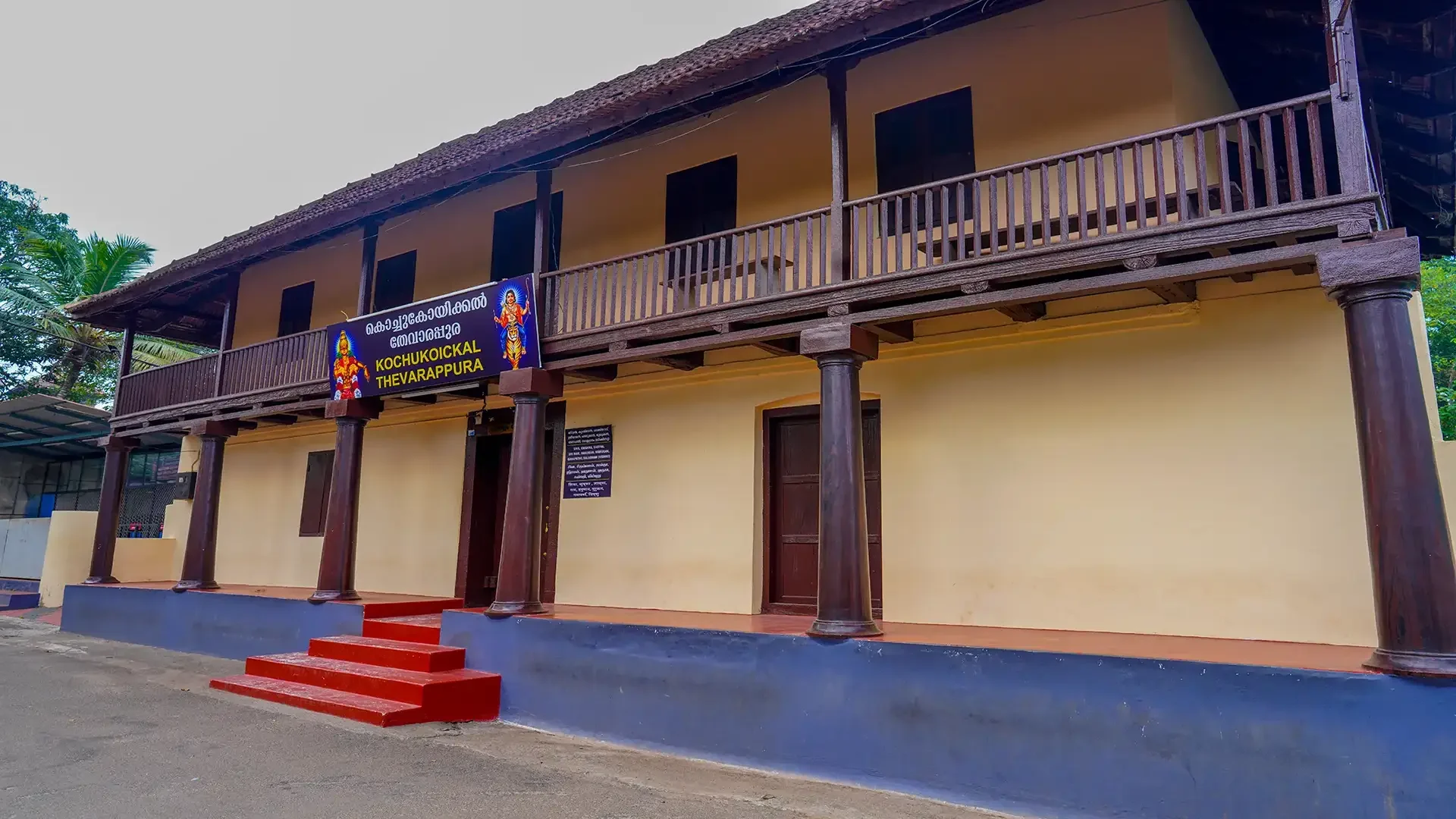
20.0 km · straight line
Pandalam Palace refers to a group of family buildings and worship spaces by the Achankovil river. The visitor anchor is the Valiyakoikkal-side approach, not a promise of admission to every residence or sacred room.
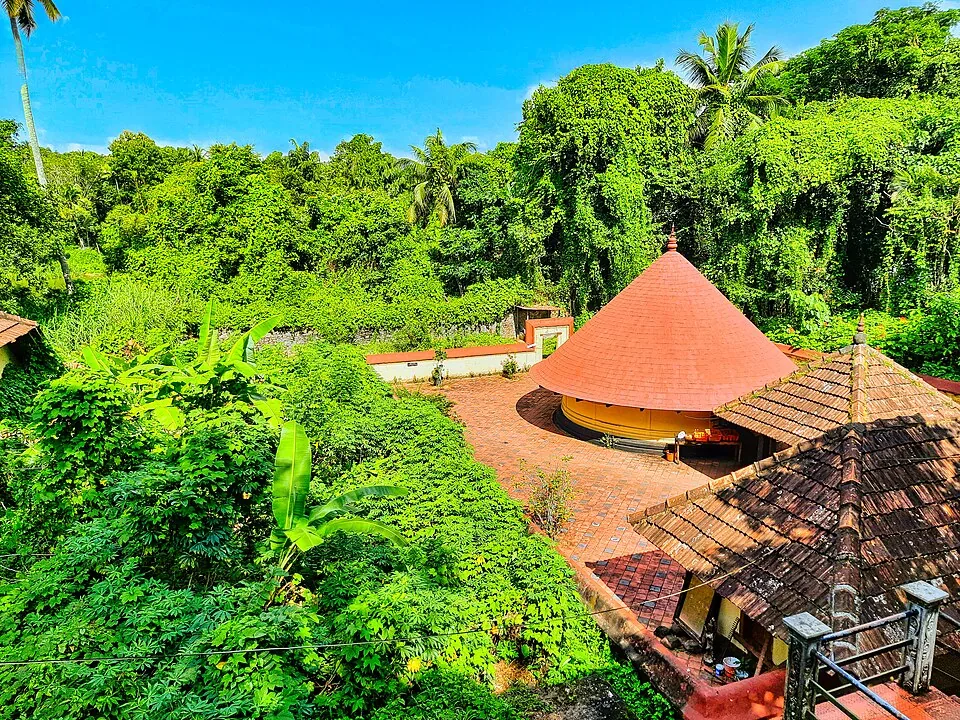
5.9 km · straight line
An ancient hilltop Shiva temple near Thiruvalla, with fine woodwork; the nearby Trikkakkudi rock-cut cave temple, carved from a single rock, dates to about the 8th century.
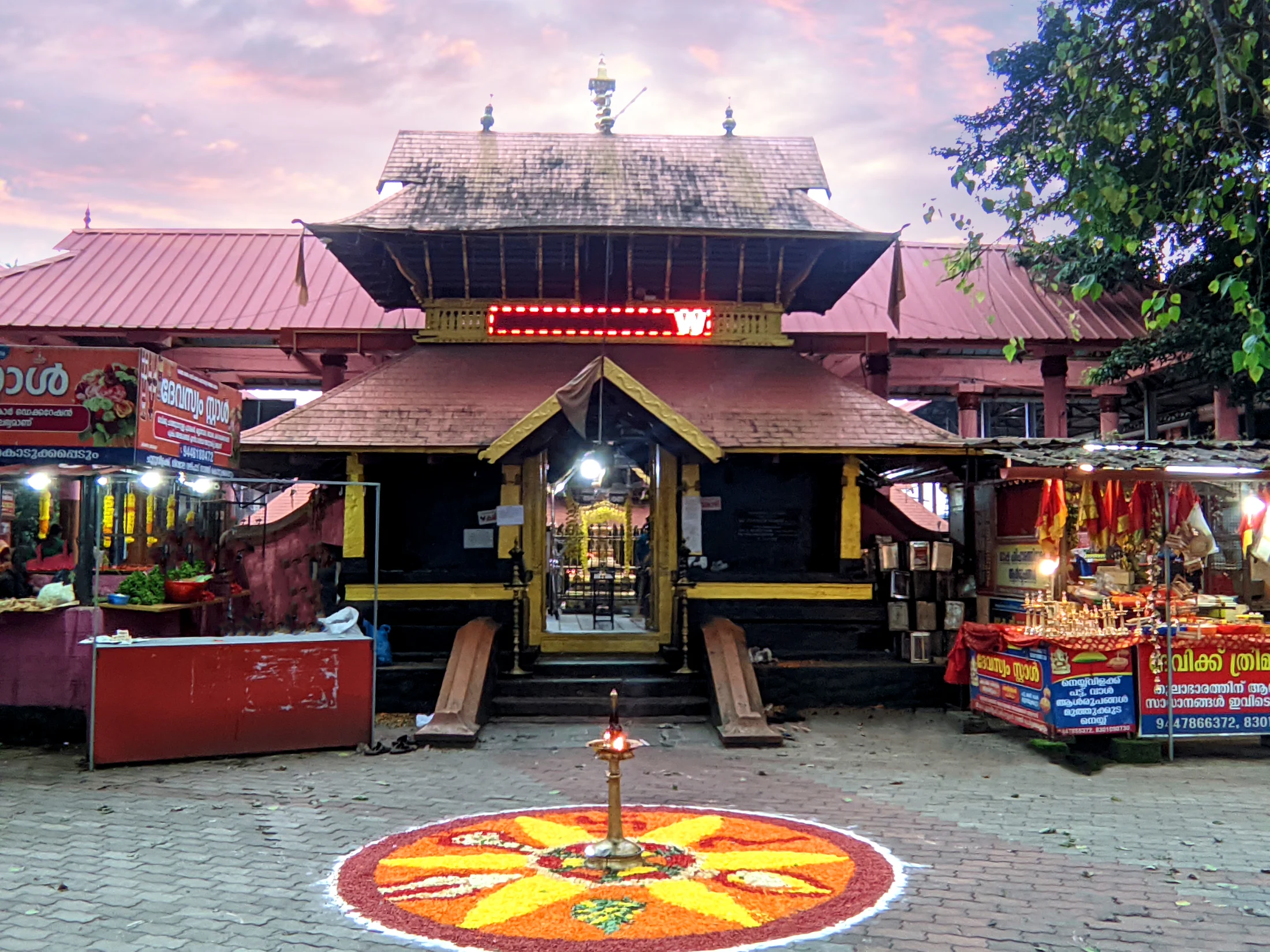
30.2 km · straight line
Malayalapuzha, also written Malayalappuzha, is the Bhadrakali temple near Kumbazha in Pathanamthitta district, administered by the Travancore Devaswom Board.
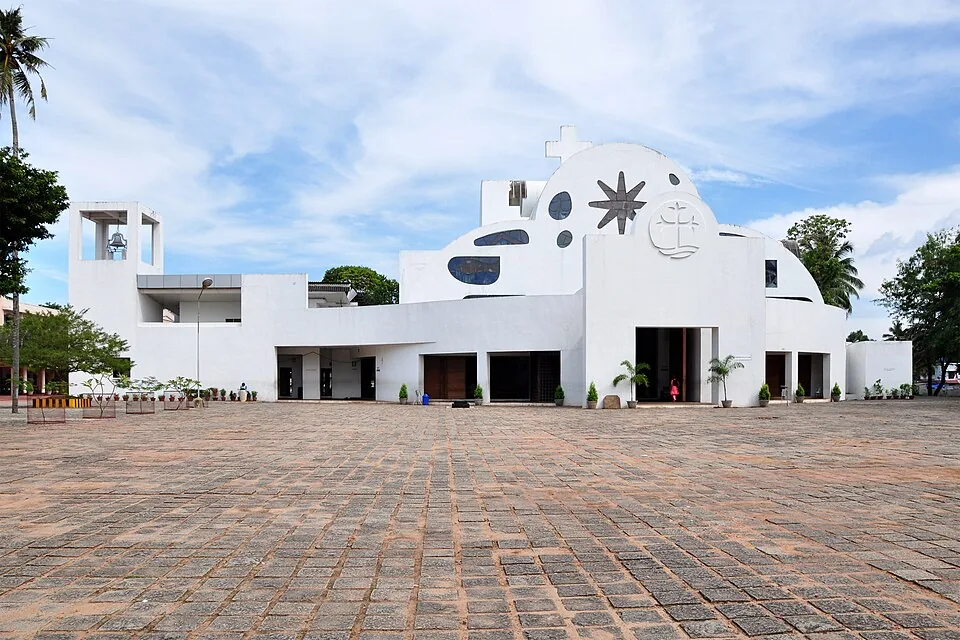
6.1 km · straight line
On an island in the Pamba, the church of St Gregorios of Parumala (Parumala Thirumeni) — the first canonised saint of the Malankara Orthodox Church; a major pilgrimage, busiest at the November feast.
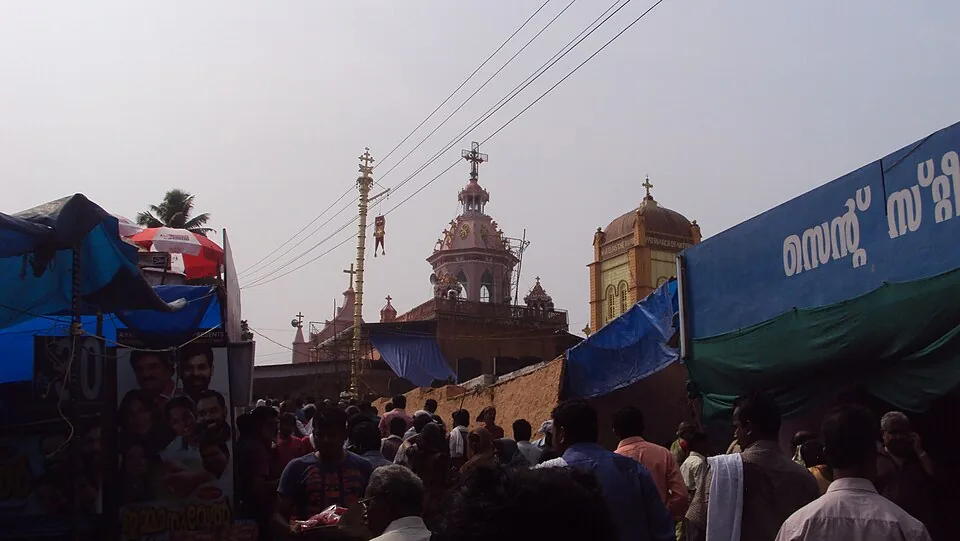
24.7 km · straight line
A hilltop Jacobite Syrian pilgrim centre (dayara) near Pathanamthitta, the resting place of Patriarch Ignatius Elias III; its annual perunnal draws large crowds.
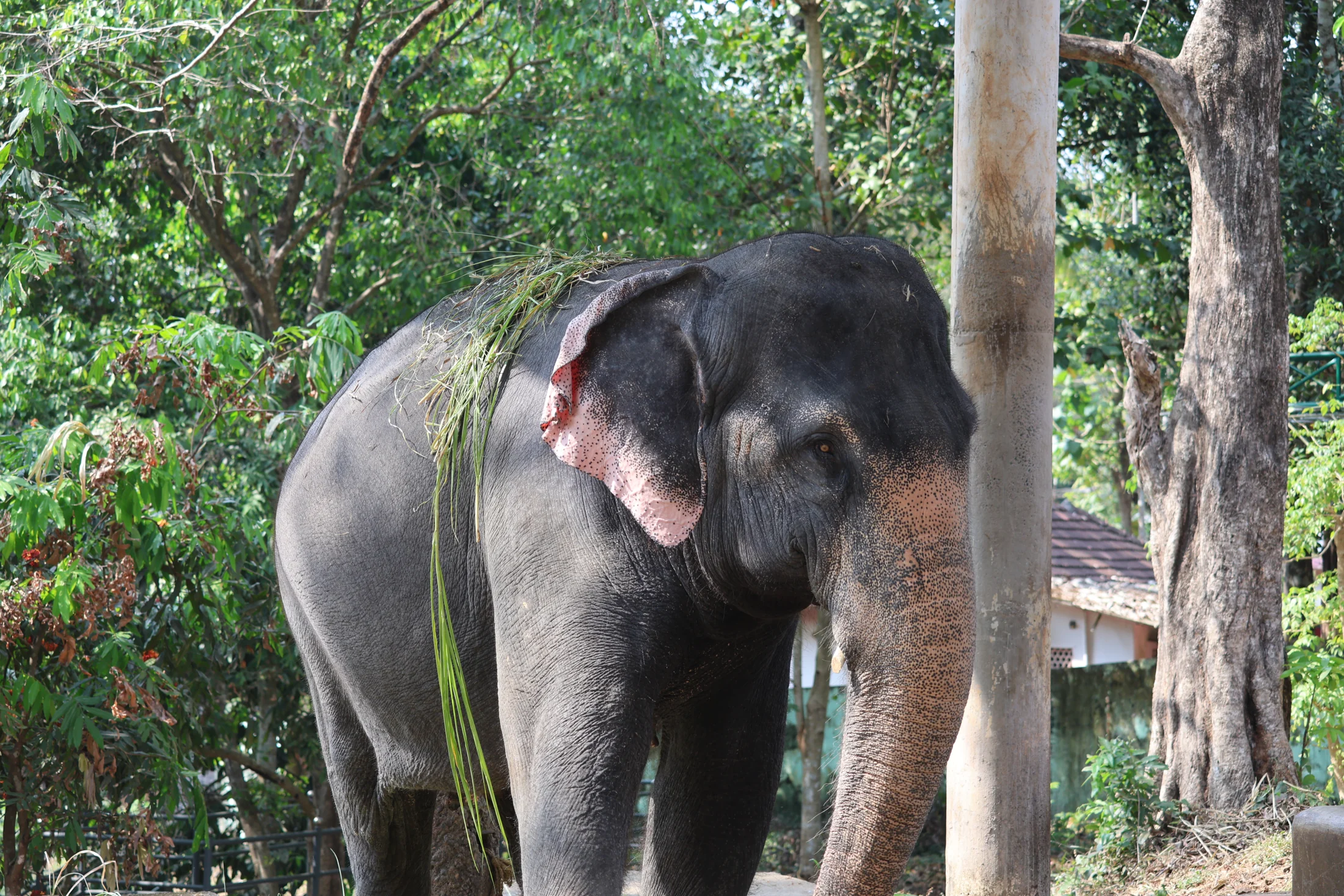
Konni’s Anathavalam combines a historic timber kraal, elephant-care areas and a museum within the Forest Department’s ecotourism campus.
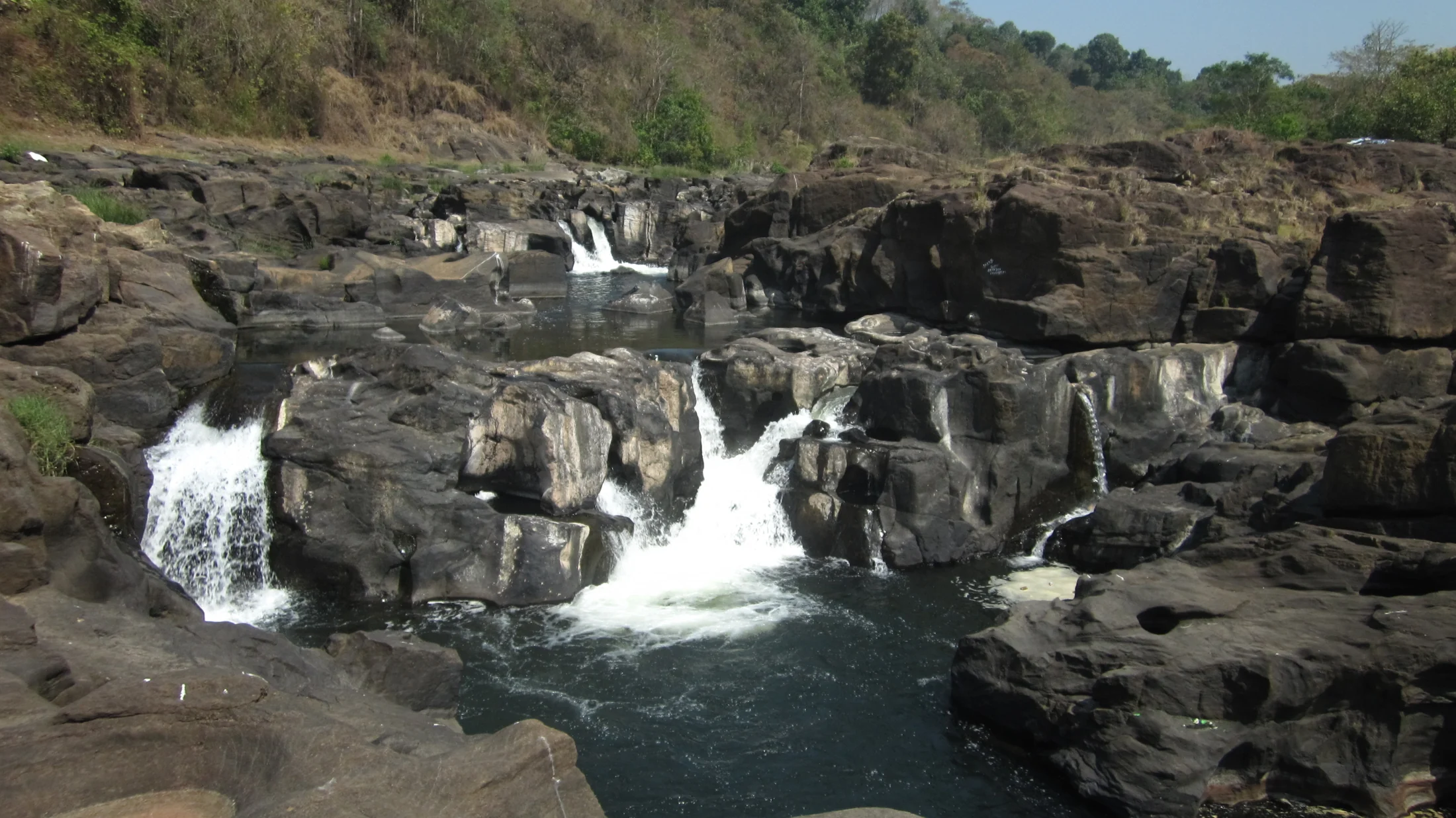
34.6 km · straight line
Perunthenaruvi is the broad rocky waterfall landscape in the Pamba basin near Ranni. The nearby KSEB weir and small hydel project are separate infrastructure, not the visitor waterfall entrance.
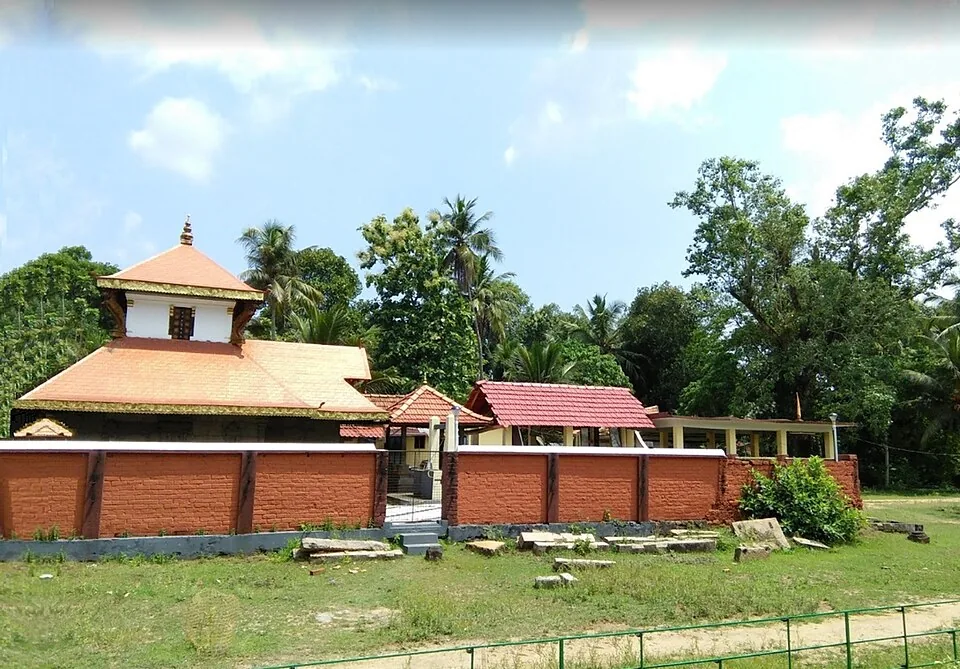
4.7 km · straight line
An ancient Shiva temple on the banks of the Pamba at Niranam, one of the 108 famous Shiva temples of Kerala; its deity is Dakshinamurthy (Shiva as the teacher of all knowledge), and it is tied to the Niranam (Kannassan) poets of the 14th–15th centuries.
Roampedia is commission-free — own or know a stay, eatery, guide or shop near Sree Vallabha Temple? Submit public business details for review.
Add a nearby businessEntry: Free (temple entry). Individual rituals, offerings and sponsoring the Kathakali performance carry set charges at the temple counter.
Dress code: Strict traditional dress. Men are generally required to remove the shirt and wear a mundu (dhoti); women wear a sari or set-mundu, and modest dress is expected of all. Note that entry to the inner temple is usually restricted to Hindus at such shrines — confirm the current rules at the entrance.
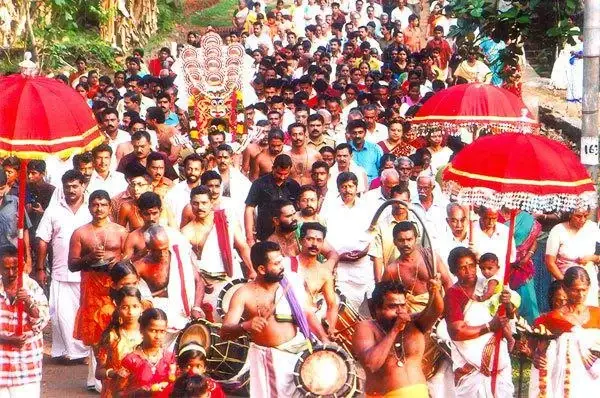
Festivals: The main annual festival is the Uthra Sreebali (utsavam) in the Malayalam month of Meenam (March–April), a multi-day celebration with processions, caparisoned elephants and ritual lamp-dancing. Vishu, Ashtami Rohini and other Vaishnava occasions are also observed. Festival dates follow the Malayalam calendar and vary yearly.
Photography: Photography inside the temple, and of the deities, is typically restricted or prohibited, and phones may not be permitted beyond the entrance; the Kathakali performance may have its own rules. Ask permission and follow posted signs and staff instructions.
If you are travelling by bus or ferry, check the return service with the operator before setting out. Leave time to reach the stop or jetty after your visit.
Ask at the bus stand for the time of the last service back, not the next one. If you miss it, an auto or app cab is the fallback — agree the fare before you get in.
If you need step-free access, contact the site before travelling. Ask about a level entrance, steps along the route, the nearest drop-off point, seating and accessible toilets.
Charge cap and free-transaction limits: Reserve Bank of India, ATM FAQ updated 4 July 2025; checked 4 October 2026.
These services are listed within about 1.2 km of Sree Vallabha Temple. Walking distances follow mapped routes; access and opening hours can change. Other services may be closer but are not included here.
Published emergency and visitor-assistance contacts. For an immediate emergency, call 112. Shared Kerala contact sources checked 4 October 2026; publication does not establish a tested live response.
An ancient Shiva temple on the banks of the Pamba at Niranam, one of the 108 famous Shiva temples of Kerala; its deity is Dakshinamurthy (Shiva as the teacher of all knowledge), and it is tied to the Niranam (Kannassan) poets of the 14th–15th centuries.
4.7 km · straight lineAn ancient hilltop Shiva temple near Thiruvalla, with fine woodwork; the nearby Trikkakkudi rock-cut cave temple, carved from a single rock, dates to about the 8th century.
5.9 km · straight lineOn an island in the Pamba, the church of St Gregorios of Parumala (Parumala Thirumeni) — the first canonised saint of the Malankara Orthodox Church; a major pilgrimage, busiest at the November feast.
6.1 km · straight line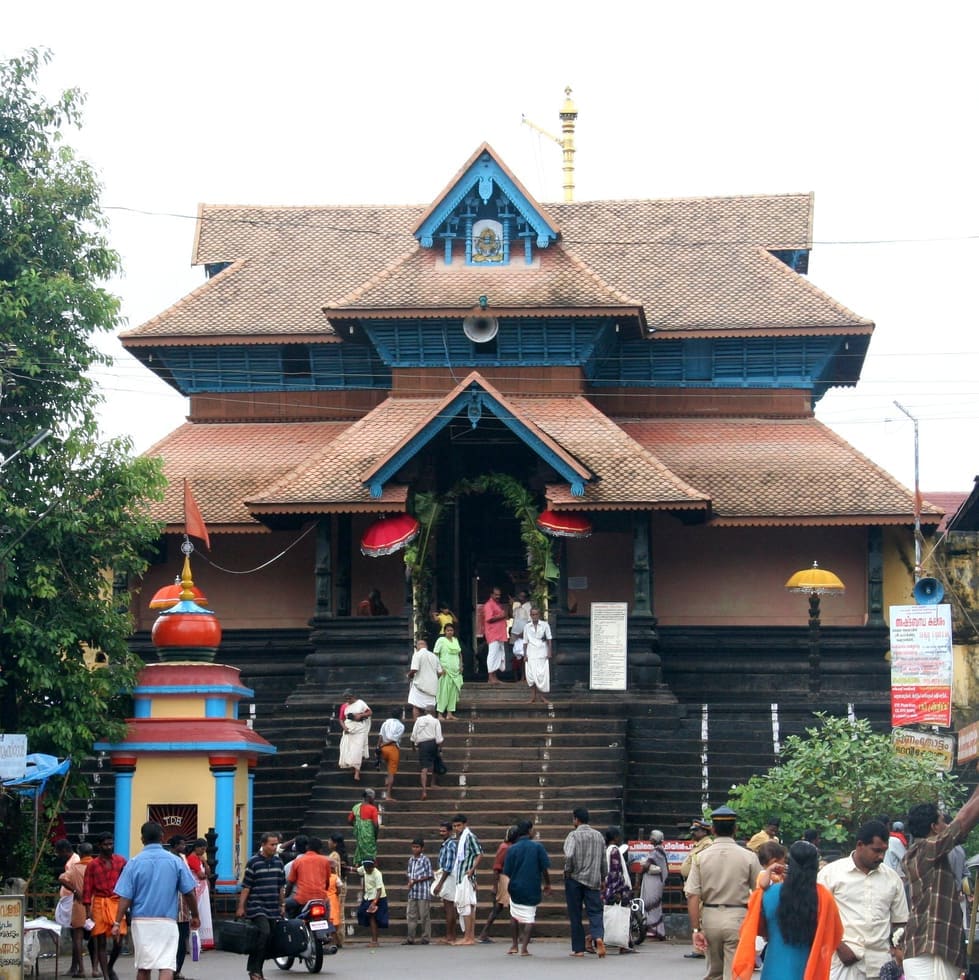
Temple town on the Pamba, known for the Parthasarathy Temple, the Uthrattathi snake-boat race and the famous Aranmula Kannadi metal mirror.
13.8 km · straight line
The site of Asia’s largest Christian convention, held for about eight days each February on the vast Pamba river sand-bed beside the Kozhencherry bridge; organised by the Mar Thoma church since 1895, the tent seats well over a hundred thousand.
14.0 km · straight lineA breezy ridge and retreat landscape above the Pamba country near Kozhencherry, suited to a short viewpoint visit rather than being presented as a developed hill station.
14.6 km · straight linePandalam Palace refers to a group of family buildings and worship spaces by the Achankovil river. The visitor anchor is the Valiyakoikkal-side approach, not a promise of admission to every residence or sacred room.
20.0 km · straight lineA hilltop Jacobite Syrian pilgrim centre (dayara) near Pathanamthitta, the resting place of Patriarch Ignatius Elias III; its annual perunnal draws large crowds.
24.7 km · straight lineThe prominent rock hill above Pathanamthitta, reached by a steep local climb with broad town and highland views; heat, wet rock and exposed edges shape the visit.
28.3 km · straight lineMalayalapuzha, also written Malayalappuzha, is the Bhadrakali temple near Kumbazha in Pathanamthitta district, administered by the Travancore Devaswom Board.
30.2 km · straight line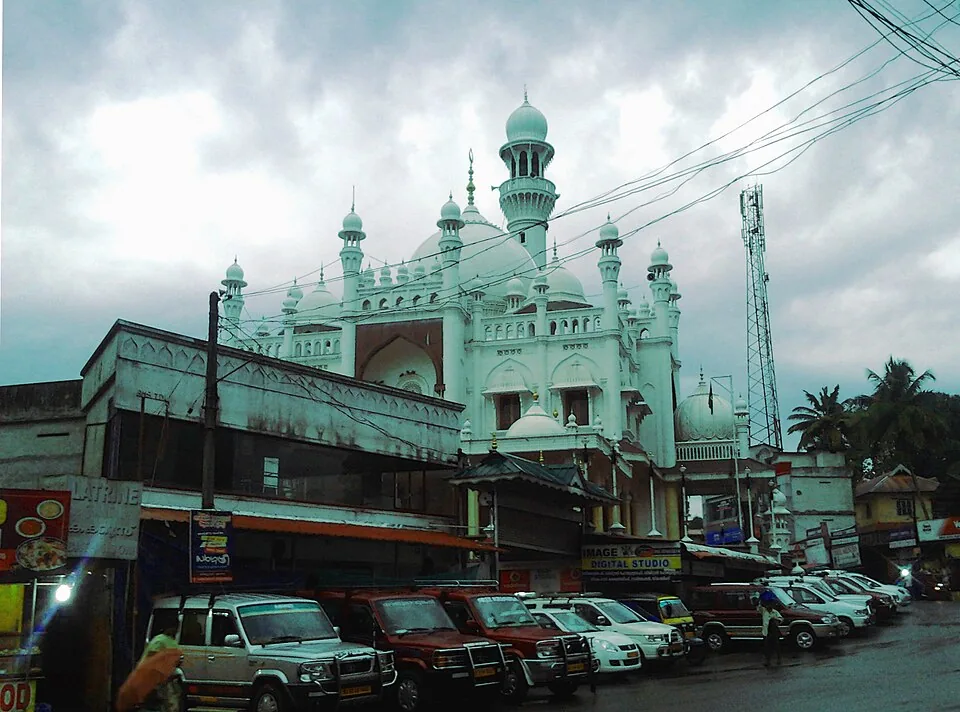
The Kottayam-border town where the traditional Sabarimala pilgrimage begins, with the Vavar mosque standing beside the Sastha temple.
33.2 km · straight linePerunthenaruvi is the broad rocky waterfall landscape in the Pamba basin near Ranni. The nearby KSEB weir and small hydel project are separate infrastructure, not the visitor waterfall entrance.
34.6 km · straight lineNearby toilets, pharmacies, ATMs, seating and vets are community-mapped and may be incomplete or out of date. Map data © OpenStreetMap contributors | Walking times © openrouteservice.org by HeiGIT
Yes — Thiruvalla Sree Vallabha Temple is famous for offering Kathakali as a daily ritual (vazhipadu) after the evening puja, and is often described as the only Kerala temple where the art is staged as regular nightly worship. The exact form can vary night to night, and it depends on sponsorship and the temple calendar, so confirm the day’s programme and timing locally before you plan around it.
Like many traditional Kerala Vishnu temples, entry to the inner temple is generally restricted to Hindus, and a strict dress code applies. This is a common rule at such shrines but can change, so please confirm the current position at the temple entrance or with the Devaswom office before visiting.
Traditional attire is expected. Men are typically required to remove the shirt and wear a mundu (dhoti) around the waist; women usually wear a sari or set-mundu, and modest dress is expected of everyone. Rules are enforced strictly at Kerala Vishnu temples, so dress conservatively and confirm specifics on arrival.
The presiding deity is Sree Vallabha, a form of Maha Vishnu, worshipped through the eastern door. Uniquely, the Sudarshana Chakra — Vishnu’s discus — is worshipped as a deity through the western door of the same sanctum. Many devotees offer prayers at both.
That is the dhwaja stambham (kodimaram), the temple flagstaff crowned by a figure of Garuda. It is renowned for being carved from a single towering shaft of black granite and is cited as among the tallest single-stone flagstaffs anywhere, roughly 53 to 54 feet. Tradition credits it to the legendary craftsman Uliyannoor Perunthachan.
No — like Kerala temples generally, entry is free. Specific rituals, offerings (vazhipadu) and sponsoring the Kathakali performance carry set charges paid at the temple counter.
Morning or early evening is usually best; festival days can be powerful but crowded.
Entry: Free (temple entry). Individual rituals, offerings and sponsoring the Kathakali performance carry set charges at the temple counter. Timings: Typically open early morning and again in the evening, with the sanctum shut during the midday interval — commonly around 4:00 am to about 11:00 am and roughly 5:00 pm to 8:00 pm, with the nightly Kathakali offering after the evening puja. Five daily pujas are performed. Timings shift on festival days and are best confirmed locally.
Base yourself in Pathanamthitta town or a nearby town in Pathanamthitta, then confirm the last-mile route locally before leaving. Check temple entry customs, dress rules and festival crowd conditions before arrival. If the visit depends on forest, temple, boat, ferry, weather or seasonal access, check the official/local rule on the day before travel.
45 minutes to 2 hours, longer during festival or queue periods.
Nearby you can pair Niranam Thrikkapaleeswaram Temple (4.7 km, approximate straight-line separation), Kaviyoor Mahadeva Temple (5.9 km, approximate straight-line separation), Parumala Church (6.1 km, approximate straight-line separation), Aranmula (13.8 km, approximate straight-line separation).
Use official counters for offerings/tickets where applicable. Keep footwear and valuables secure in crowded areas.
Written about Sree Vallabha Temple itself — its history, its legends and the arguments about them.
These guides explore Pathanamthitta town and the surrounding area. Choose a visit that fits your interests, allowing separately for travel between stops.
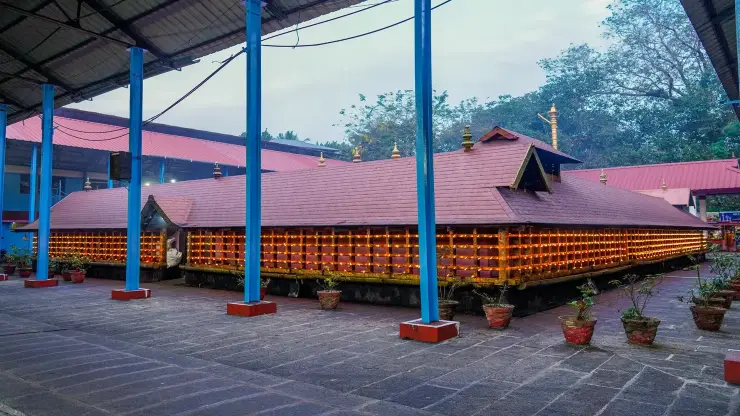
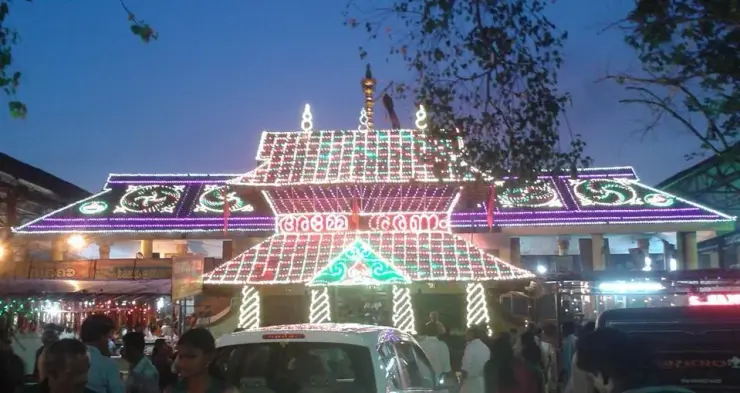


Route-level itineraries and practical guides for the rest of Kerala.
Photographs: Getpraveennair (CC BY-SA 4.0), Ssriram mt (CC BY-SA 4.0), Dvellakat (CC BY-SA 4.0), Prajaneeshp (CC BY-SA 3.0). Wikimedia Commons.