Konni Elephant Camp

Konni Elephant Camp is the Forest Department’s Anathavalam in Konni town, where a large timber Aanakoodu and the elephant museum explain the area’s long association with elephant management. The visit combines historical structures with the observation of animals under staff care. It is separate from Adavi’s river-based ecotourism programme and from a wild-elephant safari in the surrounding forests. Start at the signed Konni Ecotourism entrance and let the available visitor route shape the day.

Konni Elephant Camp, Konni
Practical guide

Plan Konni Elephant Camp

Who's going?Tailor Konni Elephant Camp to your trip
Typewildlife
AreaKonni
DistrictPathanamthitta
Best timeChoose daylight with enough time for the…
Time neededAllow about 60–90 minutes as a planning…
Entry₹80
Places to visit4Listed businesses7
The story

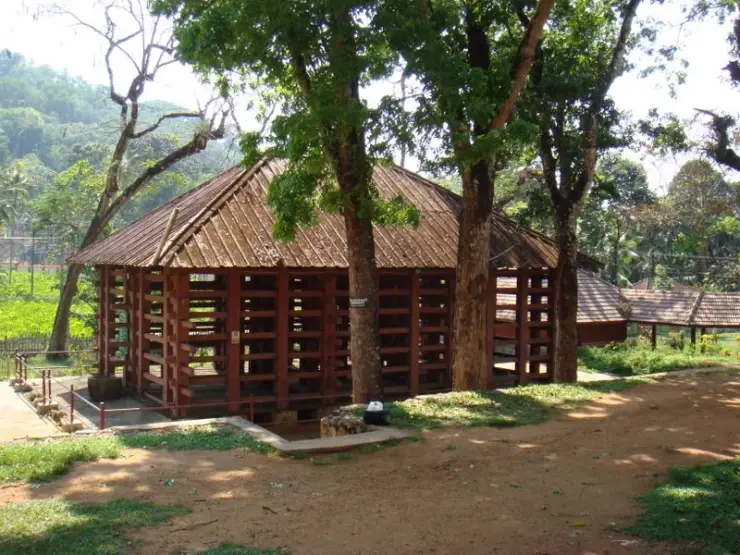
The timber kraal at Konni has a scale that is easy to underestimate in a photograph. Thick members stack into an open lattice beneath a broad roof, with the visitor rail sitting low around its base. The building’s purpose becomes clearer when its construction is read alongside the history of the camp.

The story of Konni Elephant Camp

The Aanakoodu is not a decorative wooden pavilion. Its repeated beams and uprights form a strong enclosure associated with the older practice of managing captured elephants. Light passes through the gaps, revealing the depth of the frame. A visitor can appreciate the construction while recognising the confinement for which it was designed.

The current structure and the longer history need separate dates. Kerala Tourism traces Konni’s elephant-training tradition to 1810 and dates the surviving Aanakoodu to 1942. These are different claims: a practice can begin long before the particular structure now on view is built. Keeping the distinction clear avoids making the present roof and beams two centuries old.

A Malayalam history board supplies another layer of interpretation. It records the start and end of elephant capture as 1810 and 1977, describes the timber structure and lists elephants associated with the camp. The resident names and ages belong to the board’s own period. Its historical dates help explain the site, while its changing details should not become a modern visitor promise.

The material is locally called kambakam in the tourism account and on the historical sign. The important visible feature is the substantial timber lattice. Different published labels give conflicting botanical names, so the local material name is more useful here than attaching an uncertain species identification to every beam.

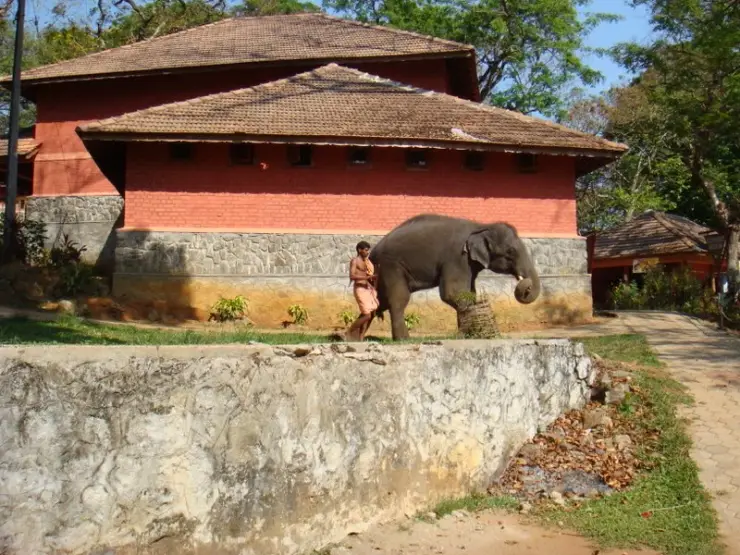
Modern shelters elsewhere in the campus have a different appearance. Photographs show open-sided roofs supported by columns, with elephants in managed areas behind the visitor boundary. The difference between these shelters and the historic kraal is worth noticing. They belong to the same elephant-camp story but should not be captioned as if every roofed structure were the old Aanakoodu.

The museum helps connect those observations to a wider account. A campus visit can otherwise become a brief look at whichever elephant happens to be visible. Reading the interpretation gives the structure, handlers and animals a historical setting and leaves something meaningful to learn even when a care area is closed to visitors.

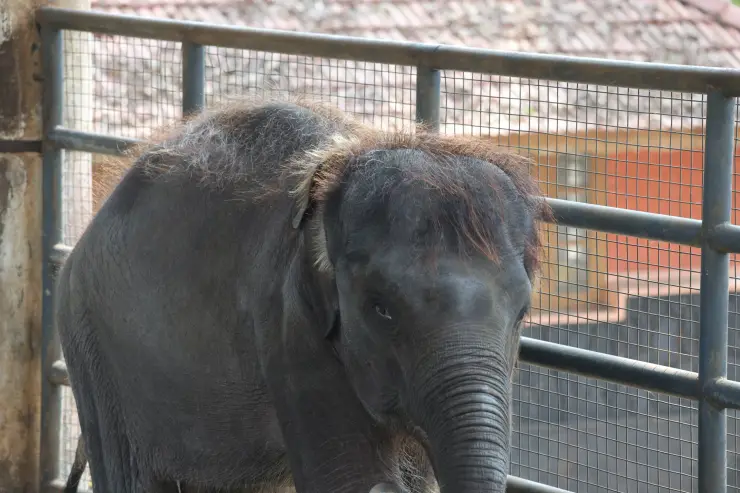
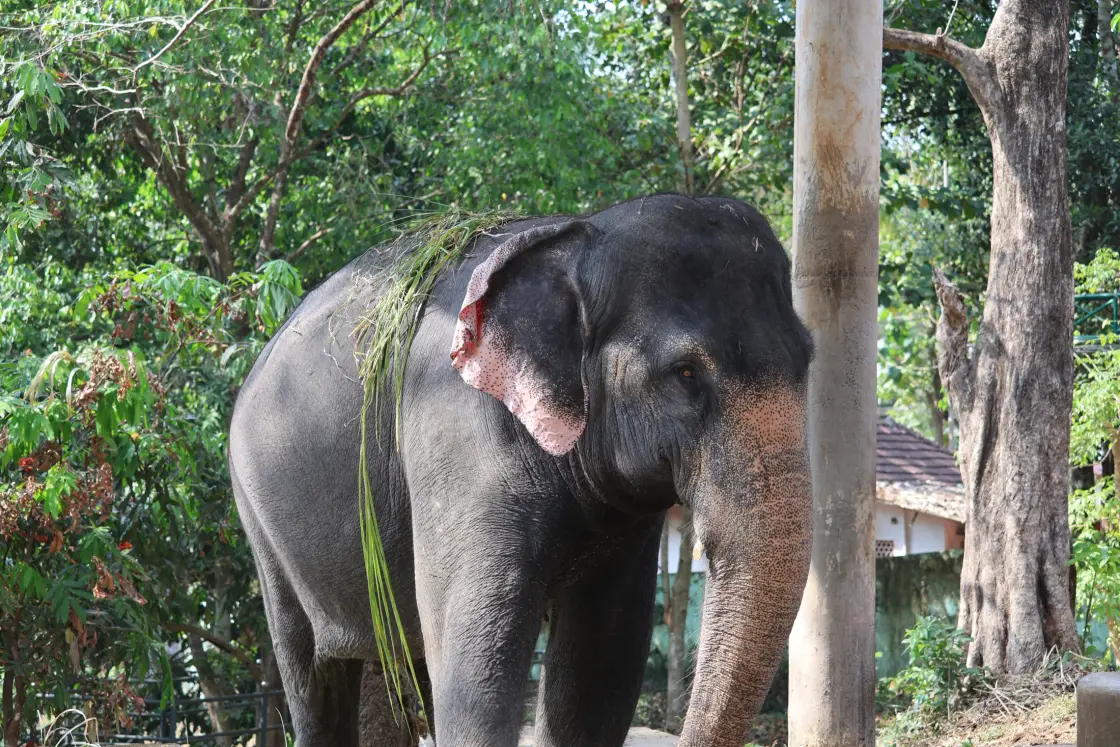
A young elephant photographed beside a mesh barrier and an adult photographed beside a shelter column show two very different views of managed animals. Neither frame establishes the animal’s current name, age or daily routine. Good visitor attention begins with what is actually present: the barrier, the handler’s instructions, the animal’s space and the path the public is allowed to use.

Konni’s surrounding forest history extends beyond the campus. The Forest Department identifies Konni with an early reserve-forest declaration in 1888. That context helps explain why the town became closely associated with forest administration and elephant management. It does not make a walk around the visitor compound equivalent to a trek through the wider division.

The town setting also changes the practical character of the visit. This is somewhere to arrive for a museum and managed observation, then return to local transport and a town meal. Adavi’s Kallar-side activities offer another way of experiencing the wider Konni area, but their separate geography and booking arrangements should remain clear when planning a day.

The care described in Kerala Tourism’s 2022 account starts with the circumstances in which young elephants arrive: calves may have been separated from their herds, abandoned or injured in the forest. Their needs explain why the centre’s daily work extends beyond the moments visible to a visitor. Feeding, bathing and supervised movement belong to a care routine. An elephant that is resting or being attended to is not waiting for the public programme to resume around it.

The same account describes mahouts using particular commands, sometimes with help from already trained elephants. There is a relationship between the spoken instruction, the handler’s position and the animal’s response. Observe that exchange from the area staff allocate, without trying to imitate commands or attract the elephant’s attention. A guided explanation of the work can be more informative than a close encounter because it makes the purpose of the routine clear.

Konni’s history museum offers a way to connect that work with the large timber kraal. The 2022 tourism description also records a plant making file boards from paper and elephant dung, illustrating a use for material produced by the camp itself. Ask which displays are operating on the day and give the museum its own part of the visit. The kraal, animal-care spaces and interpretation displays each explain a different aspect of the same institution.

Konni's forest institutions also developed around timber. The Forest Department's historical account records small-scale teak planting in Konni in 1866–67, following experiments elsewhere in Travancore. This places the elephant camp within a town shaped by several forms of forest work. Timber cultivation and elephant management were different activities, but both required staff, practical knowledge and long-term organisation. The camp's large wooden structure can therefore be read within a wider administrative landscape, rather than as an isolated curiosity beside a modern road.

The same history records a plantation experiment called taungya at Konni in 1910 and describes its eventual failure, including concerns about soil erosion and degradation. This is useful context for understanding how forestry methods changed. Older practices were not automatically benign simply because they were traditional or took place among trees. A historical visit can acknowledge the skill involved in constructing and operating the kraal while also recognising how expectations about forests and captive animals have changed.

For someone visiting with children, the timber enclosure offers a concrete starting question: which parts keep the structure upright, and which parts enclose its interior? Look from outside at the repeated vertical posts and the horizontal members between them. Then compare that dense frame with the more open modern shelter visible elsewhere in the campus photographs. Explaining the difference in construction gives the visit substance even if no elephant is close to the public boundary or a care area cannot be entered.

A second useful question is what the museum can explain that a photograph cannot. The image records an animal and its surroundings at one moment; interpretation can connect that moment to the institution's history and a handler's work. Let children describe the visible position of the elephant, the space around it and the boundary separating visitors before reading a historical label. This keeps observation grounded in the animal actually present and avoids turning a named former resident into a story about every elephant at Konni.
Read the full history of Konni Elephant Camp 145 more words

History

Kerala Tourism places the beginning of Konni’s elephant-training tradition in 1810. The present Aanakoodu dates to 1942; the same year appears on the camp’s photographed interpretation board.

The historical board records that elephant capture ceased in 1977. This helps distinguish the earlier capture-and-training period from the way the camp is presented to visitors today.

The Forest Department’s present ecotourism catalogue lists an Elephant Kraal and Museum programme and a separate Anayoottu feeding programme. The current visitor offer should be understood through those specific programmes, rather than assuming every activity in an older promotional account remains available.

Why visit

Read the large timber kraal as a historical structure with a specific purpose and construction.

Use the museum to put Konni’s elephant-management history in context.

Observe elephants respectfully from the designated visitor areas.

Build a focused Konni town outing that can be paired with a separately arranged forest-area programme.

What to expect

Highlights

  • The timber Aanakoodu is the central historical structure: heavy horizontal and vertical members form a large enclosure beneath a sloping roof. Kerala Tourism dates the present structure to 1942.
  • The museum gives the camp a purpose beyond seeing an elephant. Use its interpretation to understand how the older capture-and-training history differs from the present visitor programme.
  • The shelter areas allow observation from the designated public side. Animals, staff routines and access can vary; a named elephant from an old article is not a promised encounter.
  • Konni town provides a convenient base for a focused museum-and-camp visit, with a separately planned Adavi outing possible if its programme is available and enough road-transfer time remains.
Getting there

How to visit

  • Use the Konni Ecotourism entrance in town and ask for the Elephant Kraal and Museum programme. A ticket for an activity elsewhere in the Konni forest area does not automatically cover this campus.
  • Begin with the timber kraal and its historical interpretation. Looking at the scale of the beams before entering the museum makes the history easier to follow.
  • Observe elephants only from the areas staff open to visitors. Keep the working space around shelters and handlers clear, and do not interpret an animal approaching a barrier as an invitation to touch it.
  • If interested in the separately listed Anayoottu feeding programme, establish the day’s arrangement at the counter. It is staff-managed and should not be confused with bringing food or feeding independently.
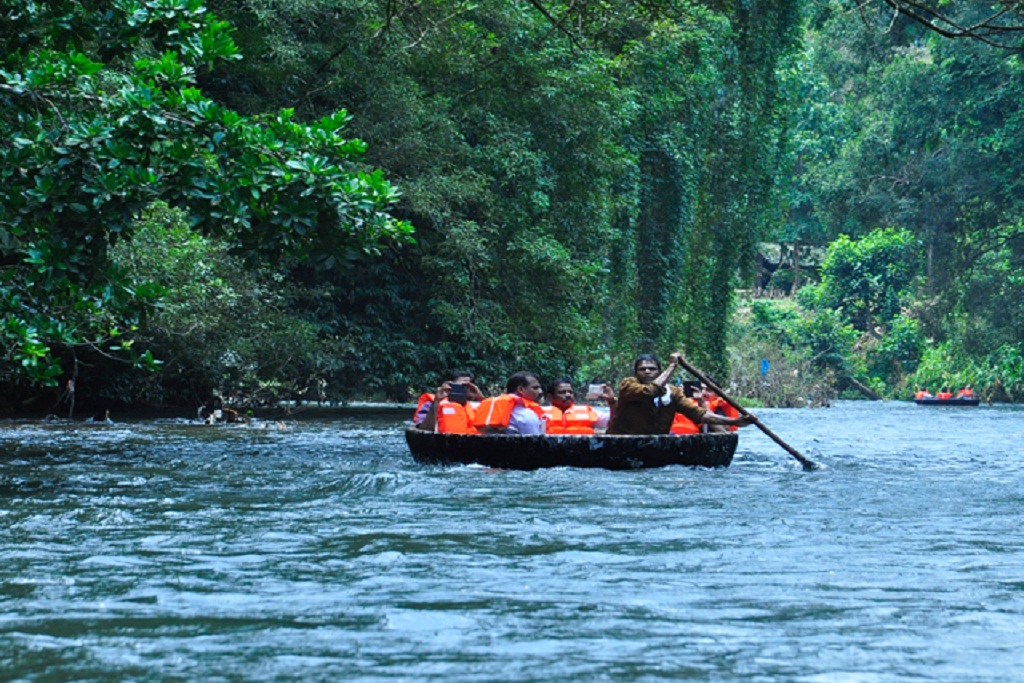
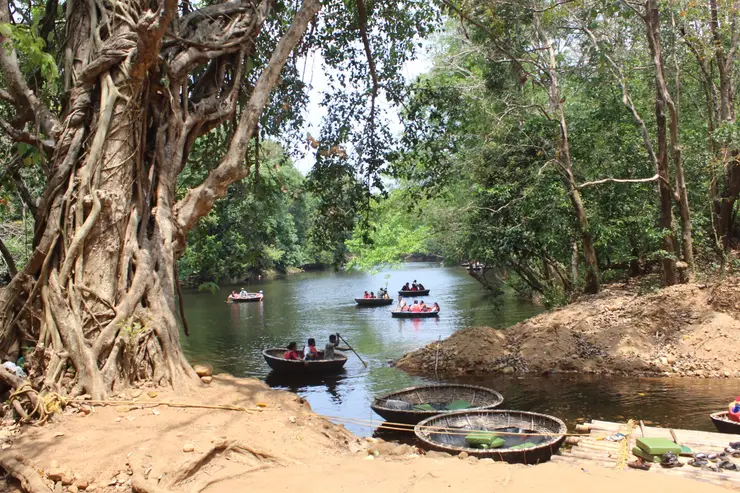
  • Treat Adavi as a second journey and a separate programme. The elephant camp is a town destination; coracle rides on the Kallar are not an activity inside the same compound.

Distance by road

  • Thiruvananthapuram103 km
  • Kochi119 km
  • Madurai243 km
  • Coimbatore287 km
  • Kozhikode311 km

Road km to Pathanamthitta; ghat roads and traffic vary — allow extra.

Timing

Best time

Choose daylight with enough time for the museum and outdoor structures, rather than arriving solely for an assumed feeding or bathing scene. Rain can affect the comfort of the open paths independently of the indoor visit. Staff care routines take precedence over a visitor’s preferred photograph or activity.

Weather in Konni Elephant CampSeasonal guide

Live forecast loads in your browser.

Today at Konni Elephant Camp
Sunrise6:12 am
Sunset6:21 pm
Golden hour best light5:21 pm–6:21 pm
Blue hour after sunset6:21 pm–6:46 pm
Sun sets toward compass bearingW · 272°
Moon tonight🌓 First quarter · 52%
South-west monsoon. June to September brings heavy rain to Kerala. Trails, falls and ghat roads can be slippery, swollen or closed at short notice, and forest departments sometimes suspend access. Check locally on the day before you travel.

Check the official alert before you travel. Kerala’s beaches, waterfalls and trekking routes close at short notice during heavy rain, and district alert levels change day to day. We do not publish an alert level of our own — read it from the state authority: Kerala State Disaster Management Authority, or the district control room on 1077.

Sun and moon are calculated for this location and shown in IST. Photography windows are the hour around sunrise and sunset; the sunset bearing is degrees clockwise from true north. Moon phase is accurate to about half a day.

Visitor notes

  • Aanakoodu refers to the elephant enclosure; Anathavalam refers to the elephant-camp destination. Konni Elephant Camp and the training-centre name are used for this same visitor site.
  • An old history board lists resident elephants and ages from the time it was made. Use it for historical interpretation, not as a current inventory of animals you will see.
  • Older tourism descriptions mention rides and close interaction. The visit described here centres on the current kraal-and-museum programme and staff-directed observation, with separately arranged feeding only under the centre’s rules.
Safety

Good to know

  • Remain outside working enclosures and follow staff directions around elephants. Do not reach through rails or approach from an unmarked side of a shelter.
  • Do not offer food brought from outside or attempt to attract an animal for a photograph. Use only a specifically authorised staff-led arrangement.
  • Keep children beside an adult near barriers and changes of level. The campus includes raised paths and shelter platforms; it is not one continuous level enclosure.
  • Avoid blocking the route used by mahouts and animals. Move aside when staff direct visitors to clear a path.
Official eco & forest programmes

Experiences around Konni Elephant Camp

These are official or public-sector eco offerings that match this place, town or forest destination. Confirm availability, permits, tariffs and reporting times with the official operator before travel.

Konni, Konni Elephant Camp
wildlifeinterpretation

Konni Elephant Kraal visit

Forest-side elephant kraal and interpretation stop at Konni, often combined with Adavi and Gavi routes.

Divisional Forest Office, KonniShort visit
Official source →
Adavi, Konni Elephant Camp
boatingwildlife

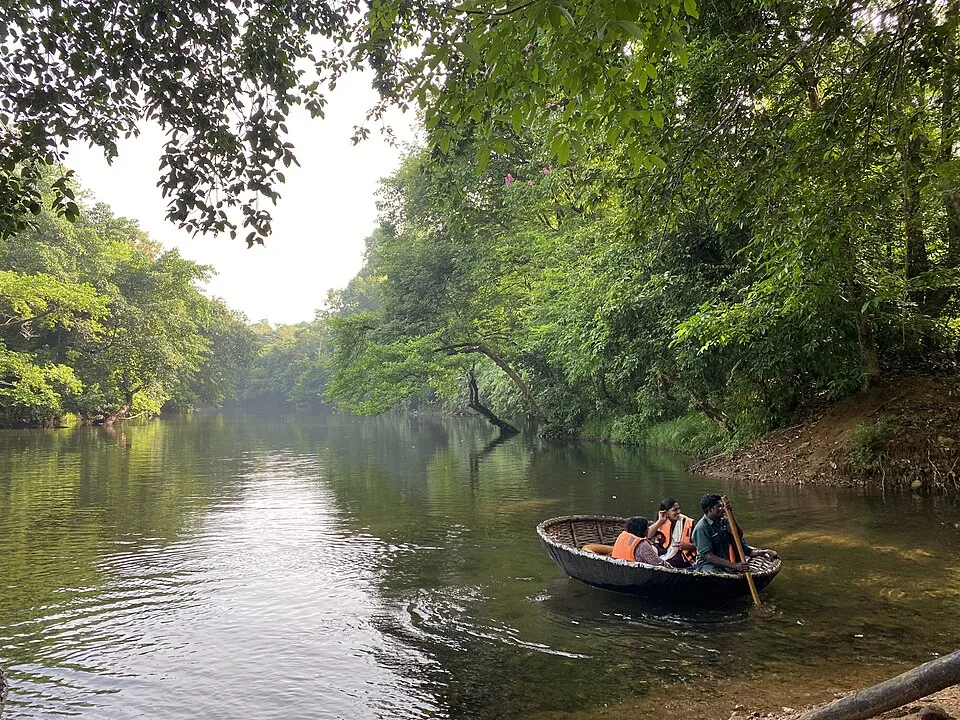
Adavi coracle boating on Kallar River

Bowl-boat/coracle ride through the Kallar River forest setting at Adavi, near Konni.

Divisional Forest Office, KonniShort ride
Official source →
Adavi, Konni Elephant Camp
forest staycamping

Adavi tree top bamboo huts

Official tree-top bamboo hut stay at Adavi with food included in the package listing.

Divisional Forest Office, Konnitree top hutOvernight
Official source →
Gavi, Konni Elephant Camp
safariwildlifeviewpoint

Adavi to Gavi rainforest bus tour

Full-day forest bus route from Adavi towards Gavi, passing dams and rainforest scenery with lunch arranged at Gavi.

Divisional Forest Office, KonniFull day
Official source →
Stay · eat · do · rent · see · shop

Stays, food & things to do near Konni Elephant Camp

Verified hotels, homestays, restaurants, experiences, sights, shops and rentals around Konni Elephant Camp — commission-free, with direct contact. Filter by what you need.

Adavi to Gavi Rainforest Bus Tour — Forest tour in Konni
Top pick Verified
Forest tour · Konni
Adavi to Gavi Rainforest Bus Tour

The Adavi-to-Gavi bus outing is an organised forest programme. Confirm departures, stops, meals and the weather decision before building your day around it.

Directions Commission-freeView details
Adavi Tree Top Bamboo Huts — Forest stay in Konni
Top pick Verified
Forest stay · Konni
Adavi Tree Top Bamboo Huts

Adavi’s bamboo-hut stay is an ecotourism programme. Confirm availability, access, facilities and included activities before booking an overnight.

Directions Commission-freeView details
Adavi Ecotourism Kerala Tourism — Coracle and forest activity in Konni
Verified
Coracle and forest activity · Konni
Adavi Ecotourism Kerala Tourism

Adavi near Konni offers organised river and forest ecotourism. Choose an available activity through the visitor service rather than entering forest routes independently.

Directions Commission-freeView details
Konni Adavi Forest Ecotourism Official — Forest ecotourism in Konni
Verified
Forest ecotourism · Konni
Konni Adavi Forest Ecotourism Official

Konni–Adavi’s visitor service handles permitted activities and bookings. Ask about the specific programme, meeting point and weather decision before travelling.

Directions Commission-freeView details
C
Contour Jungle Resort
Place to stay
Top pick Verified
Resort · Konni
Contour Jungle Resort

Contour Jungle Resort sits inside the Konni forest belt of Pathanamthitta, with air-conditioned cottages and rooms whose balconies face the reserve forest and organic farms. It has an in-house restaurant and conference hall, and is used as a nature base for Konni elephant-camp and Achankovil river trips.

Directions Commission-freeView details
K
Konni Adavi Forest Canteen
Where to eat
Top pick Verified
Forest canteen · Konni
Konni Adavi Forest Canteen

The forest canteen at Adavi is a food-stop option in the Konni outing. Check service with the visitor counter and carry water for separate trails.

Directions Commission-freeView details
K
Konni Forest Division Contact
Things to do
Top pick Verified
Visitor information · Konni
Konni Forest Division Contact

Konni Forest Division is the contact for forest access and ecotourism permission. Describe the route you want; an enquiry is not a general trail permit.

Directions Commission-freeView details

Book with the place itself. India’s cyber-crime coordination centre warned in April 2025 that convincing copies of hotel and pilgrimage booking sites are being pushed through sponsored search and social ads, taking payment for rooms the property never hears about. Every listing here links to the business’s own contact details and its own Google or Bing profile — we take no commission and sit in nobody’s payment path. If a booking page reached you through an ad, check the address bar against the property’s own site before you pay. Fraud can be reported on cybercrime.gov.in or on 1930.

Ranked

More ways to explore Konni

The camp is in Konni, with Pathanamthitta as the wider district-town base. Adavi’s Kallar-side activities are a separate journey from the elephant compound.

Across the whole of Konni

Ranked guides

Top experiences around Konni Elephant Camp

4 separate places to consider after Konni Elephant Camp. Open each guide before deciding: their access, hours and return arrangements are independent.

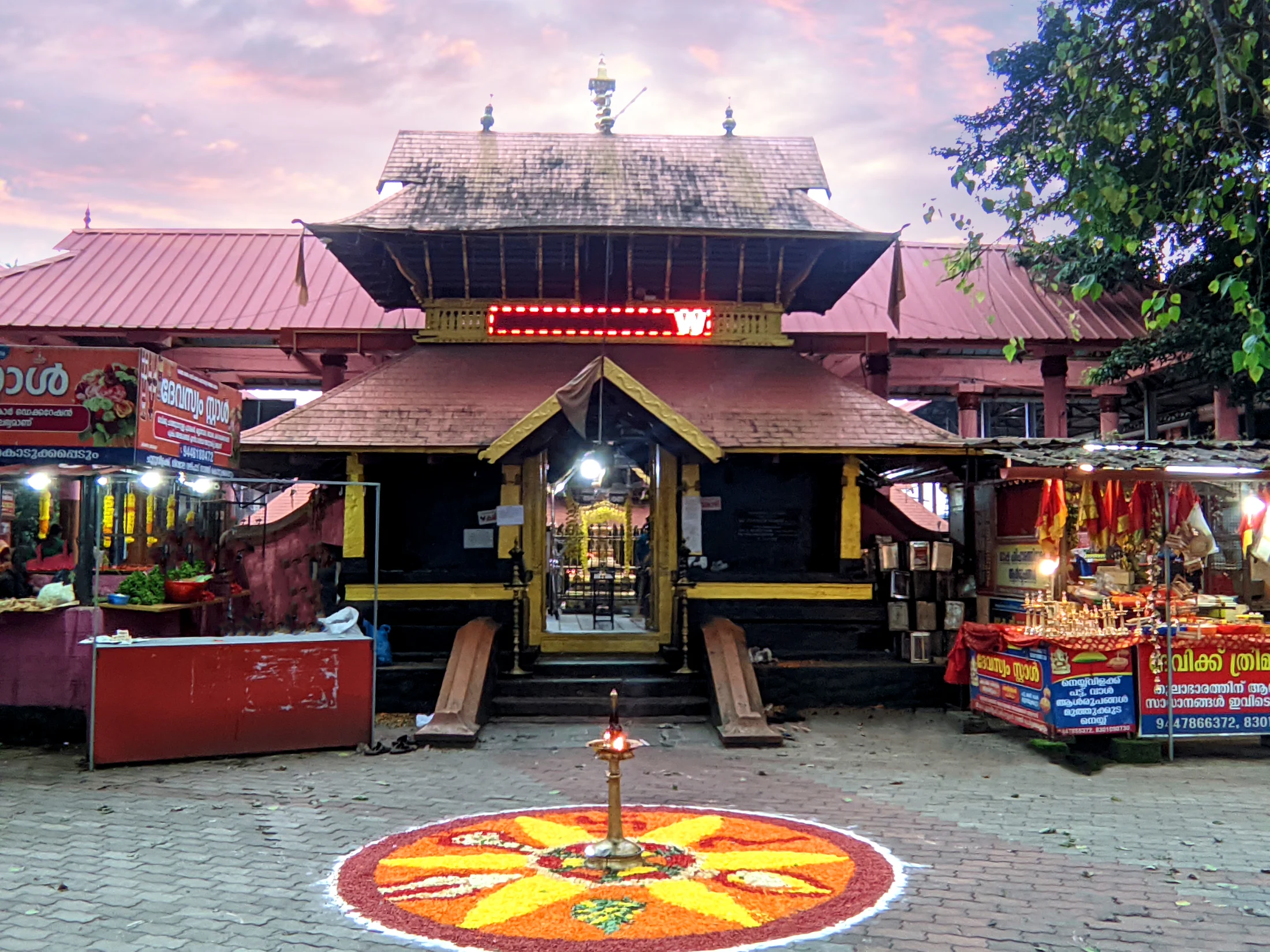
templeMalayalapuzha Devi Temple

Malayalapuzha, also written Malayalappuzha, is the Bhadrakali temple near Kumbazha in Pathanamthitta district, administered by the Travancore Devaswom Board.

trekKonni Adavi trek

Adavi is a managed Kallar-river ecotourism stop, not a long independent trek: the official product is a short or long staff-run coracle ride through a forested 5 km reach, with separate tree-hut stays and an Adavi–Gavi bus tour.

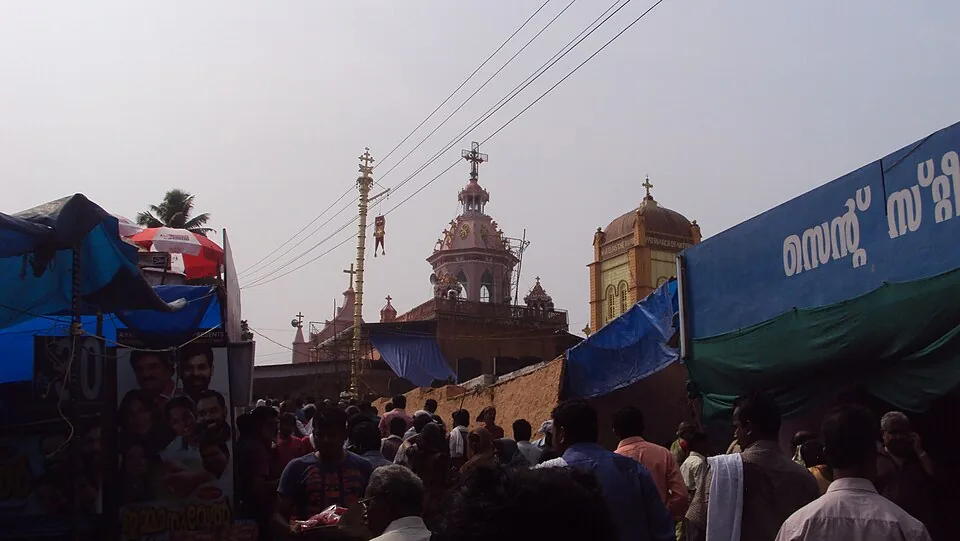
churchManjinikkara Church

A hilltop Jacobite Syrian pilgrim centre (dayara) near Pathanamthitta, the resting place of Patriarch Ignatius Elias III; its annual perunnal draws large crowds.

heritagePandalam Palace

Pandalam Palace refers to a group of family buildings and worship spaces by the Achankovil river. The visitor anchor is the Valiyakoikkal-side approach, not a promise of admission to every residence or sacred room.

Roampedia is commission-free — own or know a stay, eatery, guide or shop near Konni Elephant Camp? List it and it appears here once verified.

Add a nearby business
Before you go

Konni Elephant Camp — at a glance

OperatorKerala Forest Department — Konni Ecotourism
TimingsThe Forest Department lists 9:30 am–6:30 pm for Elephant Kraal and Museum, with Monday closed.
Entry price
Indian adult
₹80

Fees change without notice. Check the current rate at the counter.

Entry: Published kraal-and-museum admission: ₹80 adult, ₹50 Indian child below 15, ₹50 foreign child and ₹50 student. The listed foreign-adult fare is also ₹80. Feeding is a separate programme.

Photography: The official tariff lists a still camera at ₹100 and a non-commercial video camera at ₹250. Ask which category applies to the intended equipment; remain on the visitor side of barriers and keep handlers’ routes clear.

Booking: Ask for Elephant Kraal and Museum at Konni Ecotourism. The separate Anayoottu listing gives ₹2,001 per elephant, not per visitor; confirm the actual arrangement and availability with the centre before choosing it.

Parking: The centre’s published vehicle tariff lists two-wheelers at ₹15, four-wheelers and medium vehicles at ₹40, and heavy vehicles at ₹100. Use the directed visitor area without blocking the camp’s working access.

Getting here

How to reach Konni Elephant Camp

  • ✈︎ By air Thiruvananthapuram International Airport is an air gateway identified in the tourism account. The remainder is a substantial road journey to Konni; choose the route around the actual flight and ground transport rather than a guessed transfer duration.
  • 🚆︎ By train Kerala Tourism identifies Chengannur as the rail approach, about 35 km from the camp. Continue by road through the Pathanamthitta–Konni itinerary.
  • 🚗︎ By road Approach Konni town from Pathanamthitta or the Punalur–Muvattupuzha road corridor and use the signed Konni Ecotourism entrance. Kerala Tourism places the centre about 10 km from Pathanamthitta town.
  • 🚌︎ By bus Konni town is the local bus base. Establish the stop and final approach to Anathavalam with the service crew; a bus towards the wider forest area is not automatically an Adavi or camp transfer.
Getting back

Return to the camp’s signed entrance for pickup or the local transfer into Konni town. Arrange any Adavi continuation separately around its available programme.

Do

Things to do

  • Study the lattice construction and scale of the historic timber kraal.
  • Read the museum interpretation before identifying an old management practice with present care.
  • Observe the elephants from the open public areas without feeding or touching them independently.
  • Compare the old kraal with the separate modern shelter forms.
  • Plan Adavi as a second destination when its programme and the road transfer fit the day.
Facilities

On site

  • The current Forest Department programme specifically includes the elephant kraal and museum.
  • The separate feeding programme is staff-managed and must be arranged as its own activity. Animal-care areas are working spaces, not freely accessible visitor facilities.
Getting around Konni Elephant Camp
From the entrance
Chandanappally–Konni Road, beside the elephant camp
Step-free access
The campus photographs show raised paths and shelter platforms, while the kraal has a low visitor boundary around its base. A continuous step-free route through the museum and all observation areas is not confirmed. Ask for the usable ground-level circuit on arrival.

Checked 7 September 2026 against source 1source 2. Conditions change and surfaces vary with weather — if step-free access is essential, confirm with the site before you travel.

Practical things near Konni Elephant Camp
What the cash actually costs
  • Withdrawing from a bank that is not your own is free for a set number of times a month, then costs up to ₹23 plus GST — about ₹27 a withdrawal. This is not one of the RBI’s six metro centres, so the allowance here is the higher one: at least five free other-bank withdrawals a month, and at least five at your own bank.
  • That free allowance belongs to Indian bank accounts. On a card issued abroad your own bank’s international withdrawal and exchange charges apply instead. If the machine offers to bill you in your home currency, choose rupees — the conversion rate on that offer is set by the machine, not by your bank.
  • Choose a well-lit ATM, preferably at a bank branch. Shield your PIN, avoid help from strangers and use your bank’s support number if a withdrawal fails or the machine retains your card.

Charge cap and free-transaction limits: Reserve Bank of India, in force since 1 May 2025.

These services are listed within about 1.2 km of Konni Elephant Camp. Walking distances follow mapped routes; access and opening hours can change. Other services may be closer but are not included here.

If you need help at Konni Elephant Camp
112All emergencies (police · fire · medical)The single number to call in any emergency (ERSS).

Emergency numbers are verified against official government and state tourism sources. 112 works anywhere in India.

Eat nearby

What to eat in Konni

Konni town is the practical meal base around the camp visit. A town lunch can also separate the museum outing from a later drive towards Adavi, keeping the two destinations and their reporting arrangements distinct.

Explore food in Konni →
01

Lunch in Konni

Use an established town restaurant after the museum and observation circuit, before committing to another road journey.

02

Tea near the town stop

Choose a shop around the local transport plan so the group and driver can meet away from the camp’s working gate.

03

A meal in Pathanamthitta

If returning to the district town, keep dinner with that onward itinerary rather than assuming evening food inside the camp.

Nearby

What’s near Konni Elephant Camp

C
Chuttippara
Place
trekChuttippara

The prominent rock hill above Pathanamthitta, reached by a steep local climb with broad town and highland views; heat, wet rock and exposed edges shape the visit.

templeMalayalapuzha Devi Temple

Malayalapuzha, also written Malayalappuzha, is the Bhadrakali temple near Kumbazha in Pathanamthitta district, administered by the Travancore Devaswom Board.

trekKonni Adavi trek

Adavi is a managed Kallar-river ecotourism stop, not a long independent trek: the official product is a short or long staff-run coracle ride through a forested 5 km reach, with separate tree-hut stays and an Adavi–Gavi bus tour.

churchManjinikkara Church

A hilltop Jacobite Syrian pilgrim centre (dayara) near Pathanamthitta, the resting place of Patriarch Ignatius Elias III; its annual perunnal draws large crowds.

heritagePandalam Palace

Pandalam Palace refers to a group of family buildings and worship spaces by the Achankovil river. The visitor anchor is the Valiyakoikkal-side approach, not a promise of admission to every residence or sacred room.

waterfallPerunthenaruvi Waterfalls

Perunthenaruvi is the broad rocky waterfall landscape in the Pamba basin near Ranni. The nearby KSEB weir and small hydel project are separate infrastructure, not the visitor waterfall entrance.

heritageMaramon Convention

The site of Asia’s largest Christian convention, held for about eight days each February on the vast Pamba river sand-bed beside the Kozhencherry bridge; organised by the Mar Thoma church since 1895, the tent seats well over a hundred thousand.

heritageAranmula

Temple town on the Pamba, known for the Parthasarathy Temple, the Uthrattathi snake-boat race and the famous Aranmula Kannadi metal mirror.

C
Charalkunnu
Place
viewpointCharalkunnu

A breezy ridge and retreat landscape above the Pamba country near Kozhencherry, suited to a short viewpoint visit rather than being presented as a developed hill station.

heritageNilackal

The Nilackal sacred landscape on the Pathanamthitta–Pamba road: Mahadeva Temple, the separate St Thomas Ecumenical Centre and the pilgrimage setting; Nilakkal is an alternative spelling.

damMoozhiyar Dam

A gravity dam at Seethathodu near the Kakki reservoir that stores the tail water of the Sabarigiri hydro-electric project and diverts it to the Kakkad power station — a scenic reservoir stop on the forest road toward Gavi.

townErumely

The Kottayam-border town where the traditional Sabarimala pilgrimage begins, with the Vavar mosque standing beside the Sastha temple.

All 4 places to visit in Konni →

Nearby toilets, pharmacies, ATMs, seating and vets are community-mapped and may be incomplete or out of date. Map data © OpenStreetMap contributors | Walking times © openrouteservice.org by HeiGIT

On the map

Where Konni Elephant Camp is

Good to know

Konni Elephant Camp — frequently asked

Is Konni Elephant Camp the same as Anathavalam?

Yes. Anathavalam, Konni Elephant Camp and the Konni Elephant Training Centre refer to this Forest Department visitor destination. Aanakoodu is the name used for its elephant enclosure.

How old is the Konni Aanakoodu?

Kerala Tourism and the camp’s photographed history board date the present timber kraal to 1942. The broader elephant-training tradition is traced to 1810, which is not the construction date of the surviving structure.

Can I feed the elephants at Konni?

The Forest Department lists a separate Anayoottu feeding programme. Establish its availability and staff-led arrangement at the centre; do not bring food to feed animals independently or assume it is included with museum entry.

Are elephant rides included in the camp ticket?

The current programme described here is Elephant Kraal and Museum admission. It does not establish an included ride. Plan for the museum, historic structure and the observation areas that staff make available.

Is Konni Elephant Camp closed on Monday?

The Forest Department’s current catalogue lists Monday as the weekly closure for both the kraal-and-museum programme and the separate feeding programme.

Is Adavi boating inside the elephant camp?

No. Adavi is a separate river-side destination in the wider Konni area, with its own programme and road approach. A camp visit does not include a coracle ride.

Will I see the elephants named in older Konni articles?

A name, age or photograph in an old article is not a current resident list. The animals visible during a visit depend on the centre’s present care arrangements and the areas open to the public.

Is the whole elephant camp step-free?

A continuous accessible route has not been verified. Photographs show raised paths, shelter platforms and changes of level. Establish the practical museum and observation route at the entrance before committing to the full circuit.

Read before you go

Konni Elephant Camp guides, stories & itineraries

Stories & history of Konni Elephant Camp

Written about Konni Elephant Camp itself — its history, its legends and the arguments about them.

Around Konni

These reads cover nearby destinations, each with its own arrival point and visit arrangements.

Kerala-wide guides & itineraries

Route-level itineraries and practical guides for the rest of Kerala.

See all 33 Pathanamthitta guides & stories →