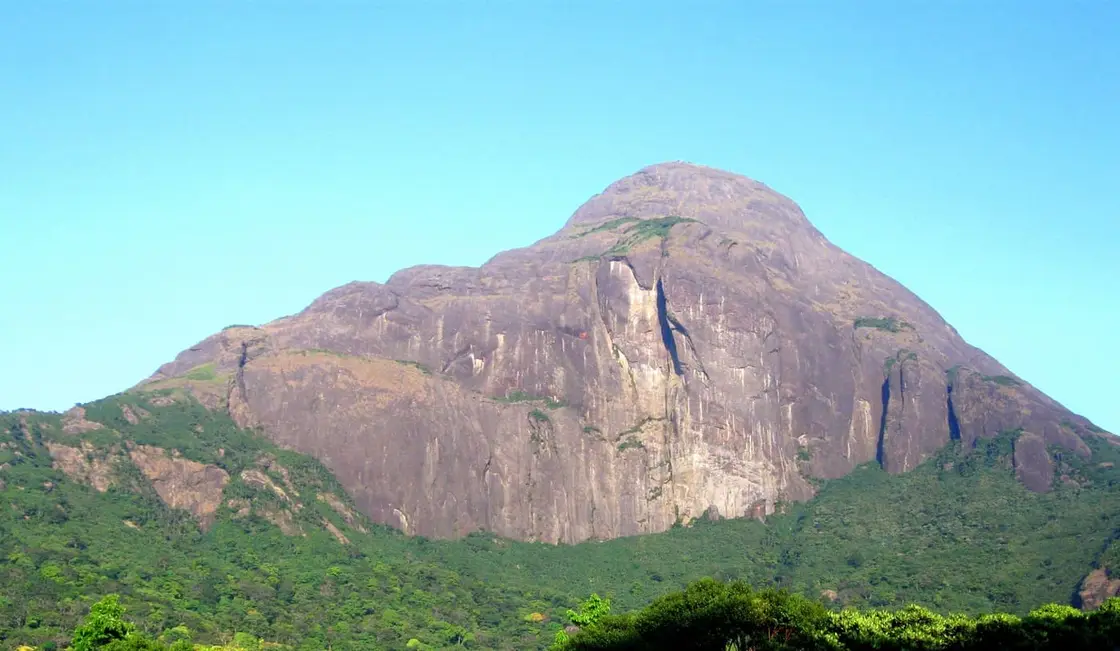
At 1,868 metres, Agasthyakoodam is the great peak of southern Kerala and the only mountain in the state you cannot simply decide to climb. It opens for a few weeks a year, on a permit issued in a small daily quota by the Forest Department, and until 2018 half the population was barred from it altogether.
The story of Agasthyakoodam trek
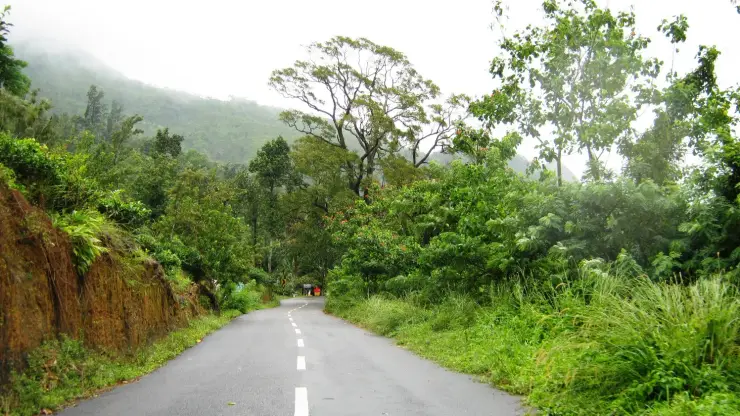
The mountain is known by several names — Agasthyakoodam, Agasthyarkoodam, Agastya Mala — all of them naming the same sage. It stands on the Kerala–Tamil Nadu border at the heart of the Agasthyamala Biosphere Reserve, and the trek to it from the Kerala side starts at Bonacaud, a former plantation settlement reached through Vithura.
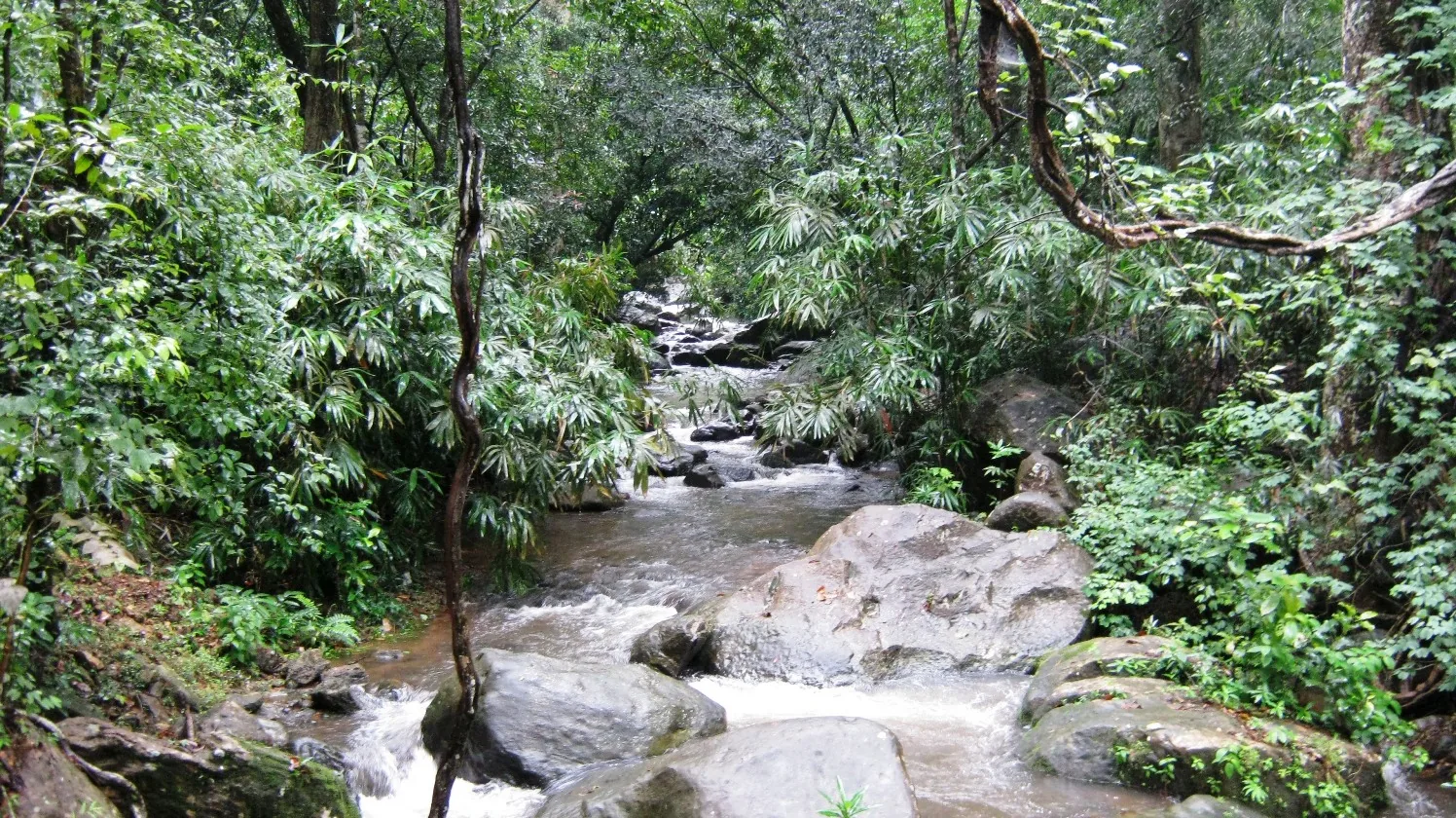
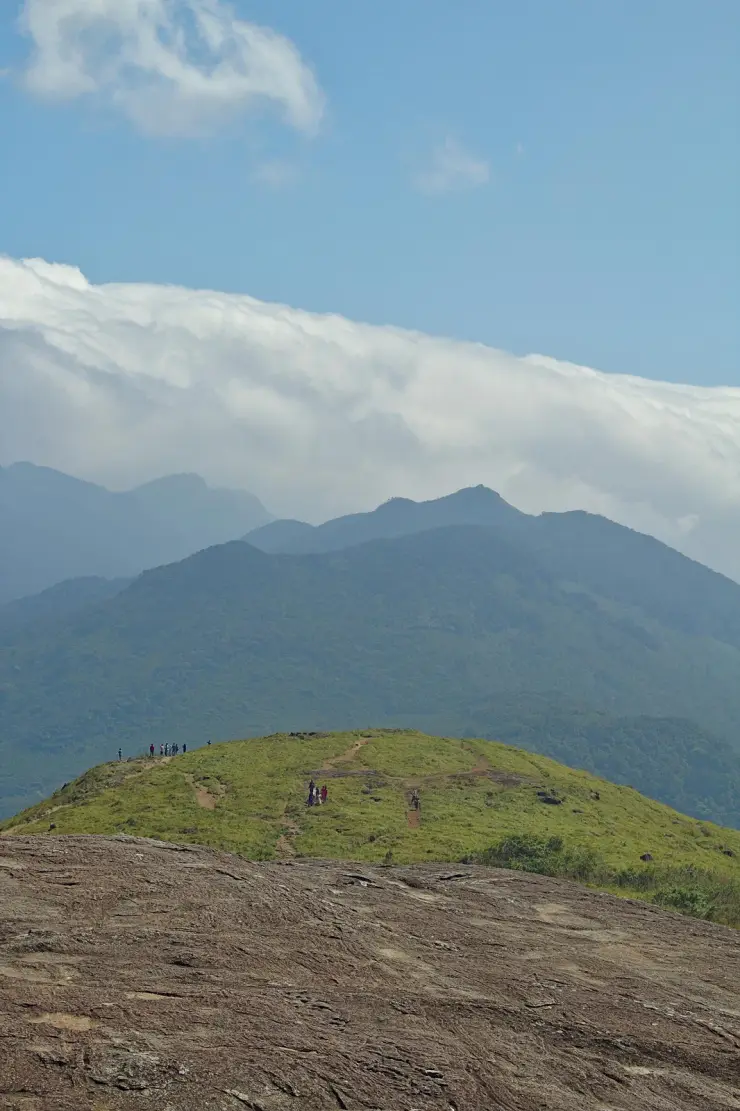
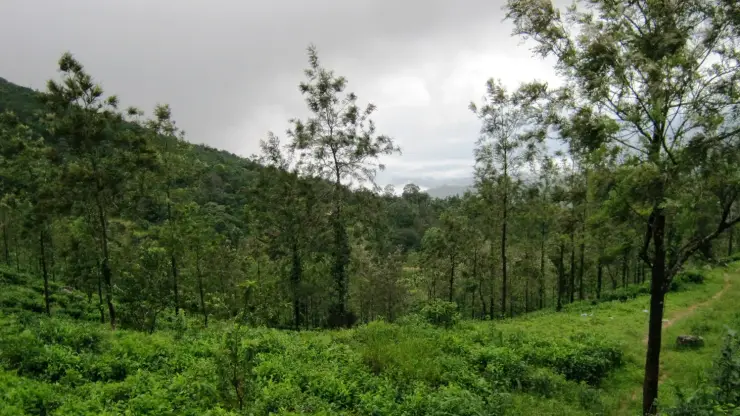
The walk is not technical but it is long and it is sustained, typically covering something like 28 kilometres each way over two days with a night at a Forest Department camp on the mountain. The route climbs out of evergreen forest into the shola–grassland country of the high Ghats, and the second day's ascent to the summit is the hardest part of it.
What makes this trek different from every other hill walk in the south is the botany. The Agasthyamala massif is one of the richest concentrations of endemic plant species anywhere in the Western Ghats, and the mountain is closely associated in tradition with medicinal plants — the sage Agastya being remembered as the founder of Siddha medicine. Walking through the shola forest here you are moving through a genuinely exceptional piece of biodiversity, not merely attractive scenery.
The summit carries an idol of Agastya, and the peak is regarded as sacred. That sacredness is the root of the trek's most contested chapter. For decades women were barred from the climb by custom, on the grounds of the deity's celibate character — the same argument advanced at Sabarimala. The restriction was challenged and, in 2018, women were permitted to make the trek; women have climbed it since. If you encounter a source stating that women may not go, it is out of date.
The practical reality is that the mountain is administered, not merely visited. Passes are issued by the Kerala Forest Department in a limited daily number through an official online system, checked against photo ID at the base, and the season is notified — in recent years running roughly from mid-January to mid-March, though the dates move and should never be assumed. Outside the notified window the trek is simply closed. Nothing sold by a third party as a permit is a permit.
The forest itself imposes the rest. There is no vehicle access on the route and no mobile coverage over most of it, so turning back is rarely quick. Leeches are constant on the lower forest sections. Elephants use the lower slopes, and the guide's instructions on that subject are not advisory. Plastic is prohibited and checked. It is, in short, the most rewarding trek in southern Kerala and the least casual.
Bonacaud, where it starts, is worth a moment on its own. It is a former tea settlement, and what remains is the skeleton of one — estate bungalows, a disused factory, roads laid out for an operation that has wound down. The base camp uses that legacy. Arriving in the dark at a half-abandoned plantation to have your permit checked against a photo ID is an oddly formal beginning to two days of wilderness, and it is the last built thing you will see until you come back down.
The two days are not symmetrical, and people underestimate the second. Day one is the long approach through evergreen forest, sustained rather than steep, with the leeches and the river crossings. Day two is the climb to the summit and then, for most groups, the descent all the way out — which means the hardest ascent of the trek is followed immediately by the longest downhill of it, on legs that have already done a full day. Knees, not lungs, are what fail people here. Poles help more than fitness does.
Legend & myth
The mountain is named for Agastya, the sage of the southern tradition, who in the Puranic account was sent south by Shiva to balance the earth when too many gods gathered in the Himalaya for Shiva's wedding and tilted the world northward. Agastya's weight, the story goes, held the south down. He is remembered as the one who brought the Vedic tradition south, as the founder of Tamil grammar, and as the originator of Siddha medicine — which is why the mountain's extraordinary medicinal flora and its sage are, in the tradition, the same fact told twice.
The peak is held to be his abode, and the idol at the summit is the object of worship for those who climb. These are living beliefs, not folklore for visitors: people go up this mountain to worship as well as to walk.
Now the corrections, and the first is one this site was repeating on five separate pages. Agasthyakoodam is described almost everywhere — in tourism material, in guidebooks, and until now here — as the second-highest peak in Kerala. It is not. At 1,868 m it ranks somewhere around thirty-third in the state: more than thirty Kerala summits are taller, beginning with Anamudi at about 2,695 m, Meesapulimala at about 2,647 m and a long run of peaks through the Idukki and Palakkad highlands. The claim is not marginally out. It is out by thirty places.
What is true is worth stating instead, because it is impressive enough. Every one of those taller peaks lies in the northern and central highlands; Agasthyakoodam is the dominant summit of the far south, the high point of the Agasthyamala massif, and the mountain that gives this whole biosphere reserve its name. The likeliest origin of the error is a claim about the south of the state, or about this range, that lost its qualifier somewhere and then propagated by copying — which is how most durable travel-writing errors are made. Treat the height, 1,868 m, as the reliable number; you will also see 1,890 m quoted.
The second correction is a date, and it matters because it concerns who is allowed on the mountain. For decades women were barred from the climb by custom, on the grounds of the deity’s celibate character — the same argument advanced at Sabarimala. On 30 November 2018 the Kerala High Court ruled that no gender-based restriction could be imposed on trekking to the peak. But no woman climbed it in 2018: the season had to come round. Dhanya Sanal K, a central government officer, made the first ascent by a woman in January 2019, and women have trekked it since.
That distinction between the ruling and the first ascent is not pedantry. A court order and a woman actually standing on the summit are two different events, separated here by about six weeks and a notified trekking season, and the gap is where the argument about whether it would really happen was conducted. If you find a source saying women may not climb Agasthyakoodam, it is out of date. If you find one saying they first did so in 2018, it is out by a season.
Read the full history of Agasthyakoodam trek 333 more words
History
Agasthyakoodam stands at 1,868 metres on the Kerala–Tamil Nadu border, the highest summit in the far south of the state and the core of the Agasthyamala Biosphere Reserve, an area recognised for exceptional endemism in the southern Western Ghats. It is very widely described as Kerala's second-highest peak; it is not, and the myths section explains where that claim came from.
The Kerala-side approach runs from Bonacaud, a plantation settlement whose estate infrastructure — bungalows, a factory, estate roads — reached its present, largely abandoned state after the tea operation there wound down. The base camp for the trek uses that legacy.
Access has been controlled by the Kerala Forest Department for decades through a notified season and a limited permit quota, both to protect the habitat and to manage the numbers on a route with no road access.
The trek's most significant recent change came on 30 November 2018, when the Kerala High Court ruled that no gender-based restriction could be imposed on the climb, ending a customary bar on women. The first ascent by a woman followed in January 2019, when Dhanya Sanal K reached the summit. The change was contested at the time and remains a live subject locally; it is, nonetheless, the current position.
Why visit
It is the great peak of southern Kerala and one of the few genuinely wild multi-day treks in the state, walked through some of the richest endemic plant habitat in the Western Ghats.
The route climbs from evergreen forest into high shola and grassland, so you cross several distinct Western Ghats habitats in a single walk.
The Agasthyamala Biosphere Reserve is a serious conservation landscape rather than a scenic one, and the permit system means you share it with very few people.
The summit's association with the sage Agastya and with the origins of Siddha medicine gives the climb a dimension that no other peak in the south has.
The strict permit quota means that when you are on the mountain, it is genuinely quiet.