Indicative entry fees and opening hours for the ticketed and timed places in Thiruvananthapuram. These change — always confirm with the official operator before you go.
PlaceEntry feeTimingsBest time
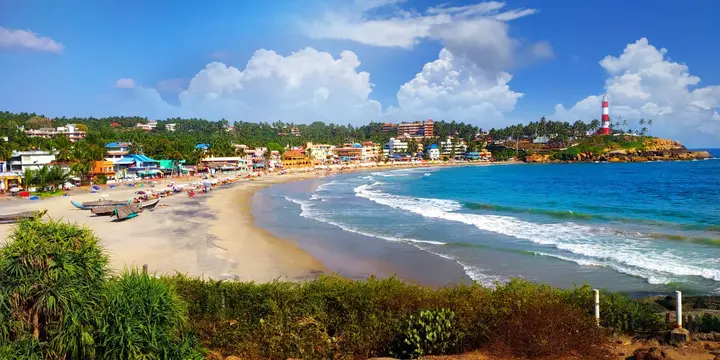
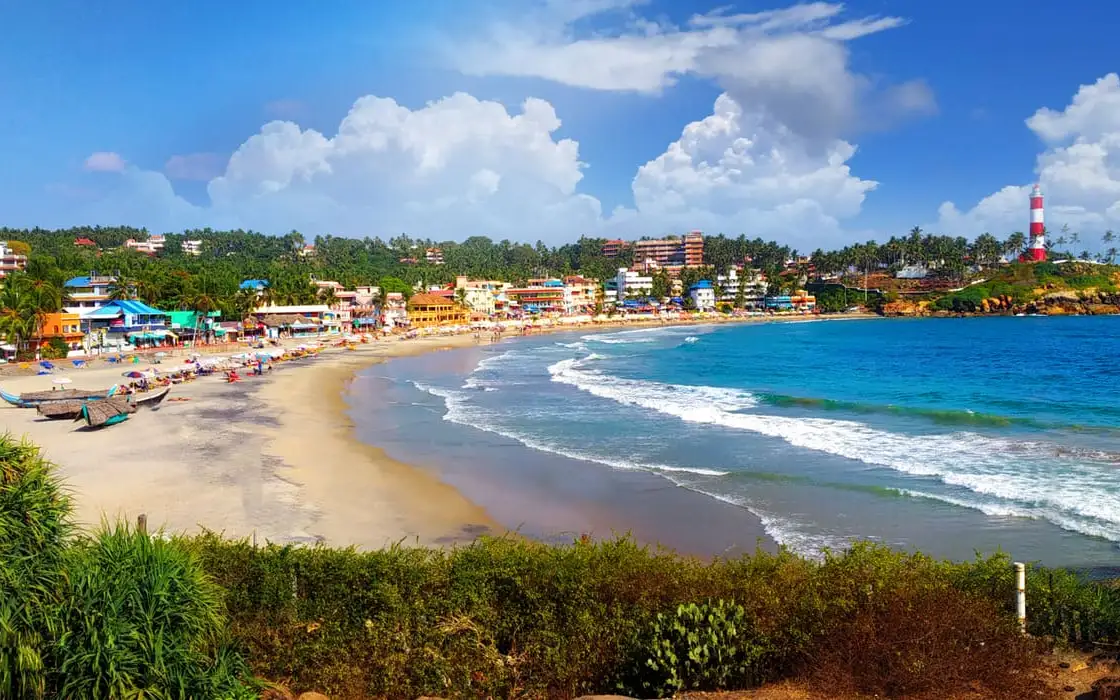
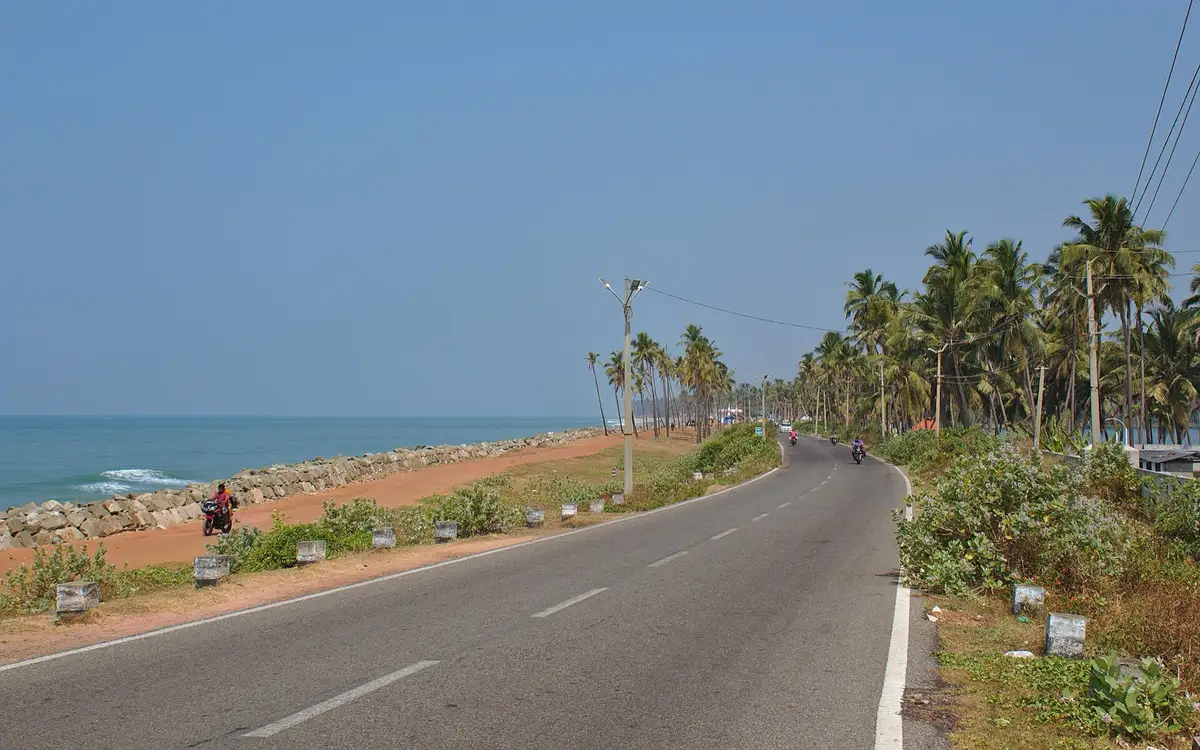
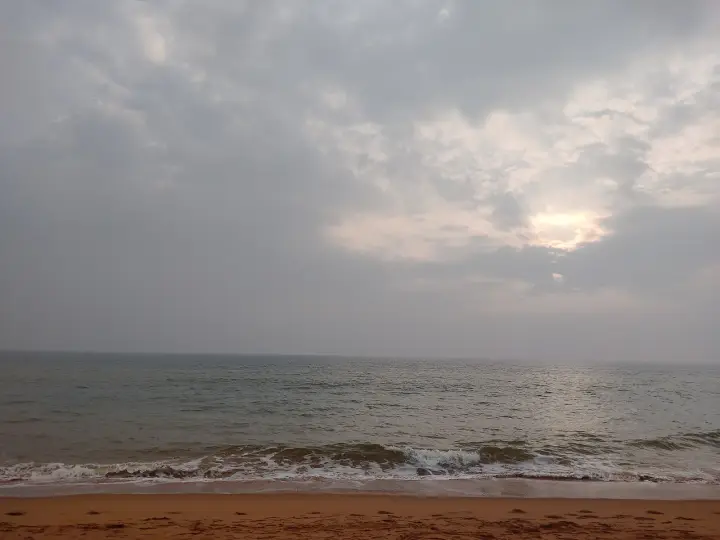
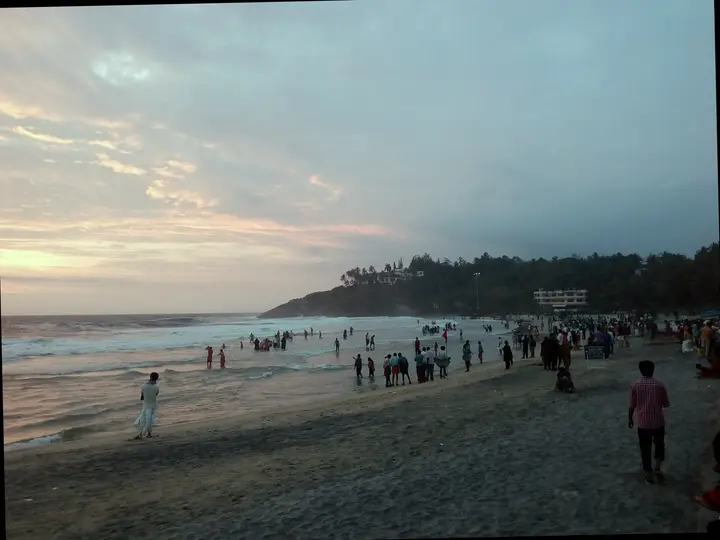
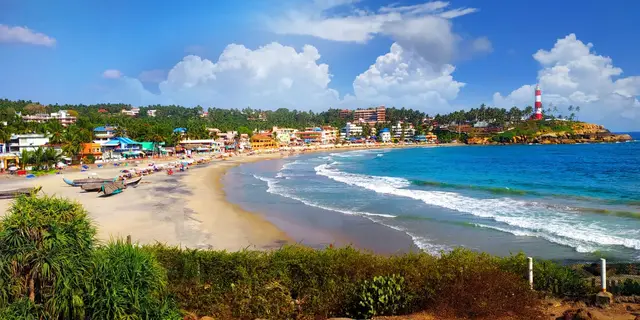
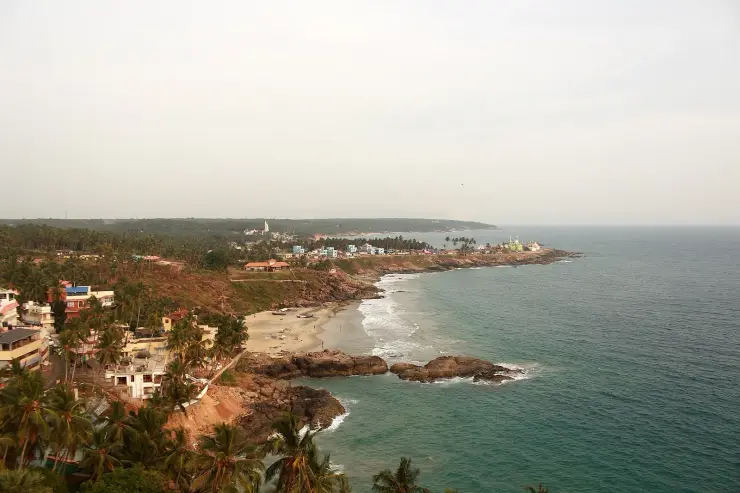
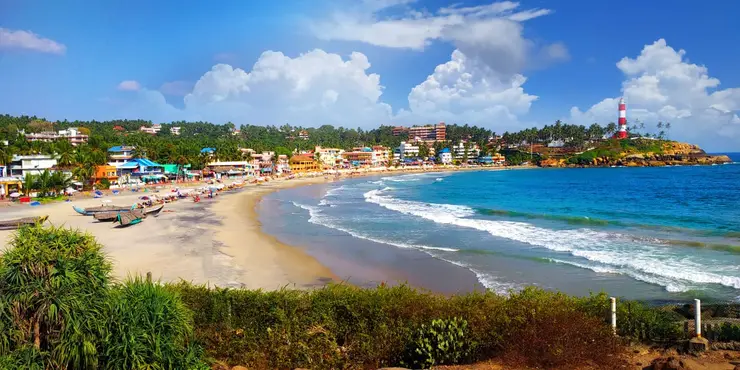
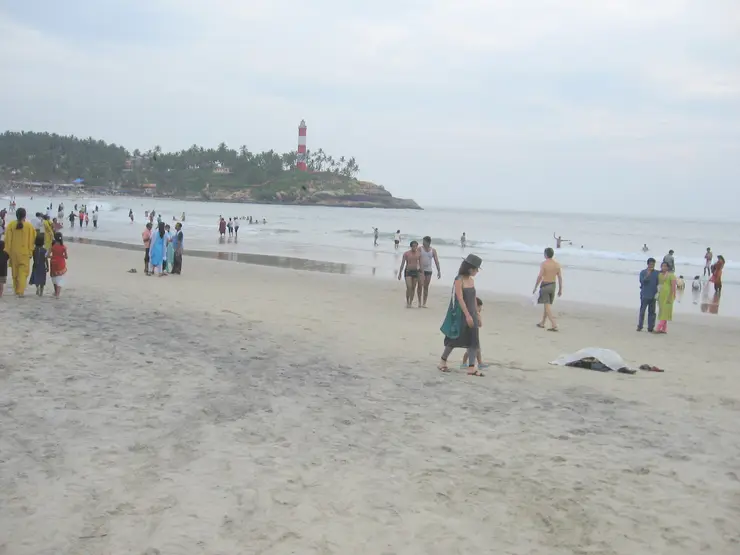
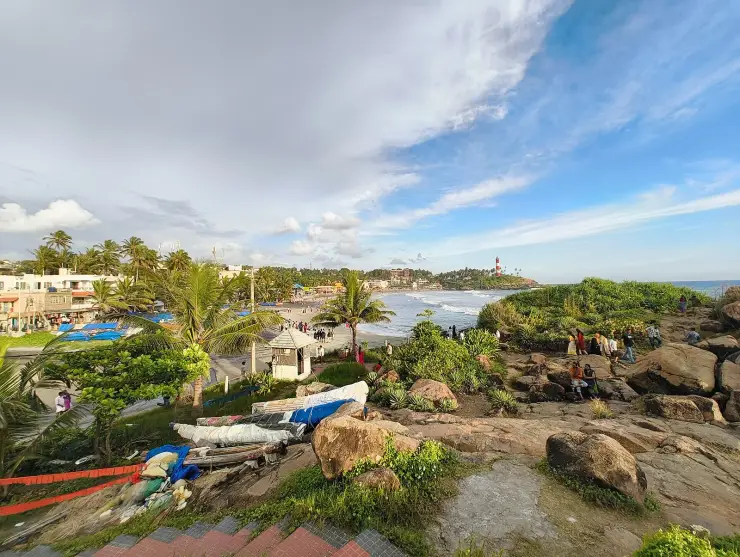
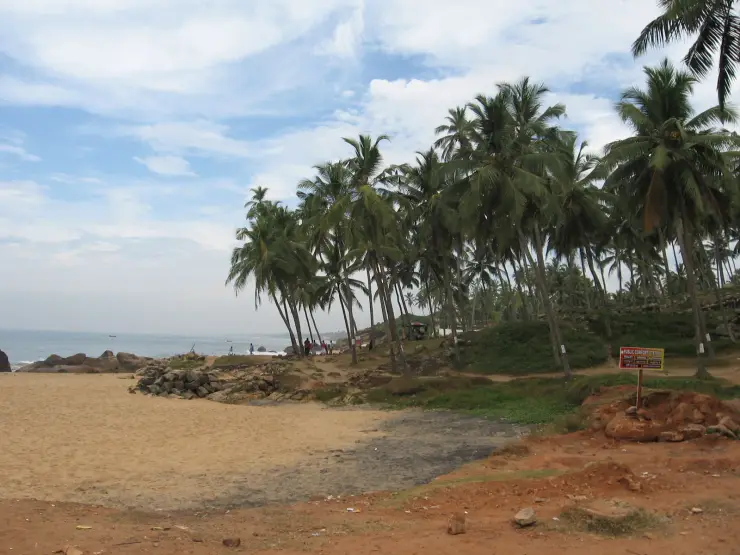
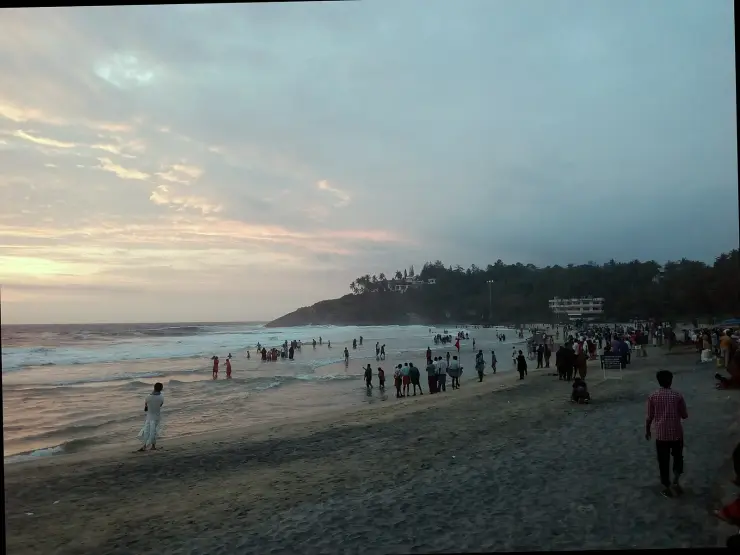
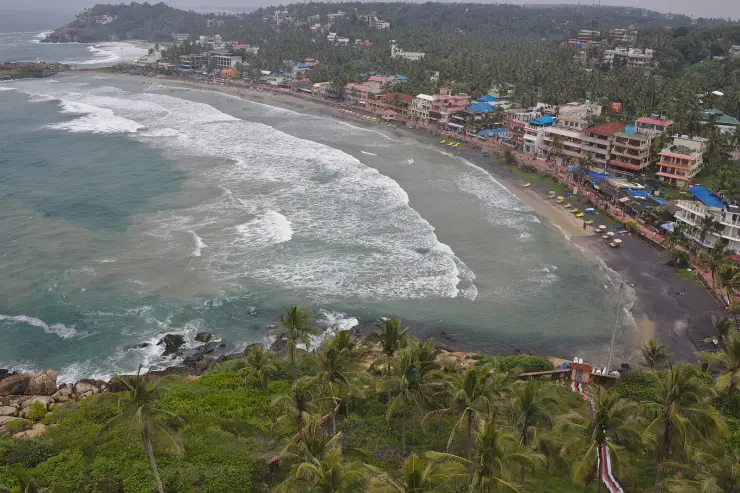
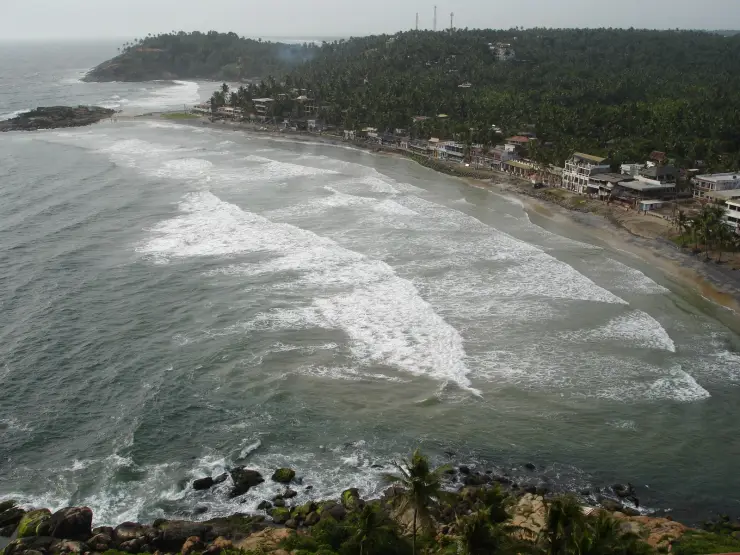
Kovalam Beach is free to enter; the lighthouse charges a small entry ticket, around Rs 20 for Indians and Rs 50 for foreign visitors, children under 12 freeOpen beach, accessible at all hours, though daylight and early evening are safest and best; the Vizhinjam lighthouse keeps its own visiting hours, generally around 10am to 1pm and 2pm to 6pm daily except MondaysOctober to March for dry, sunny beach weather; avoid the June to September southwest monsoon when the sea is rough
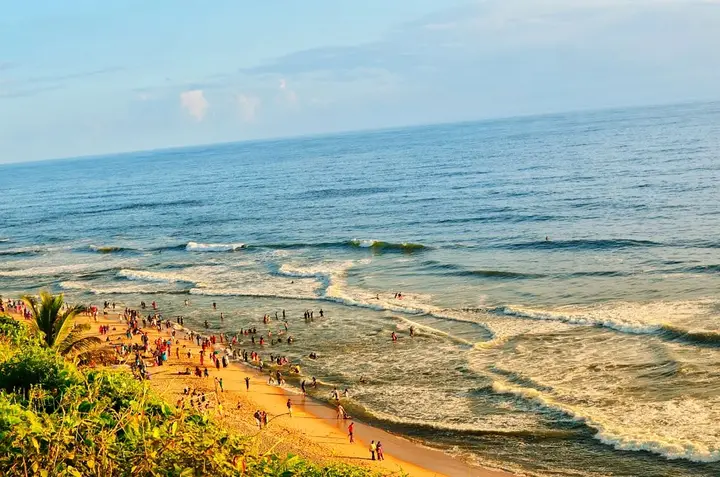
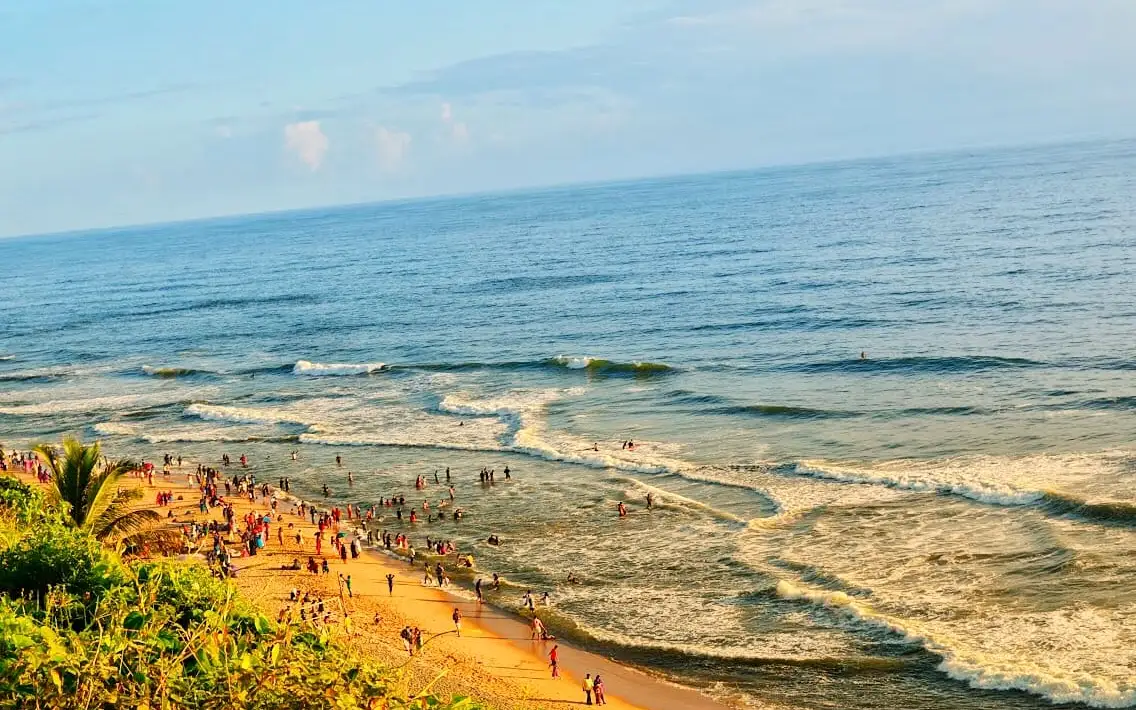
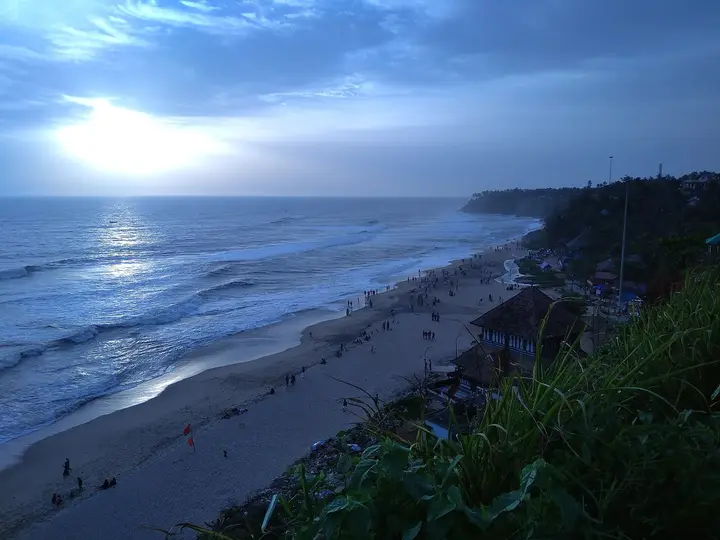
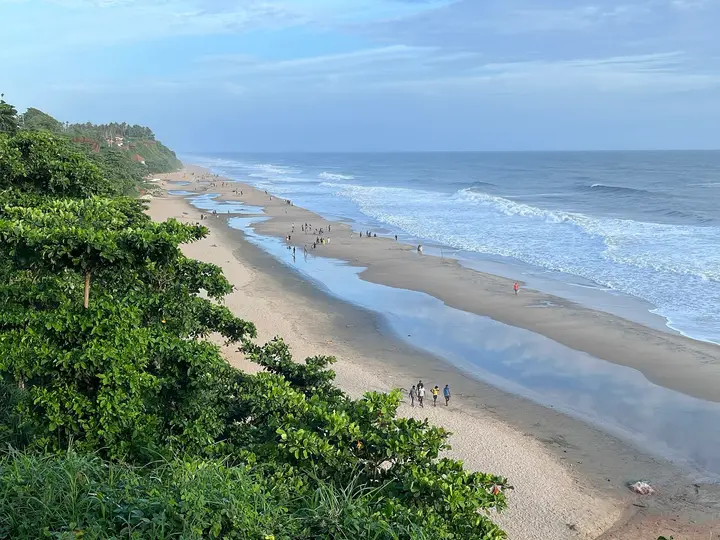
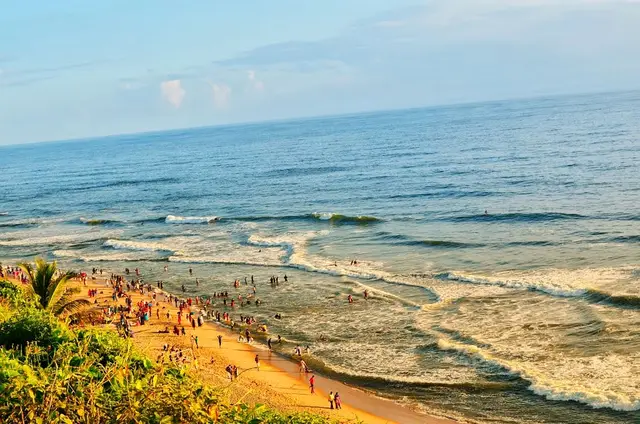
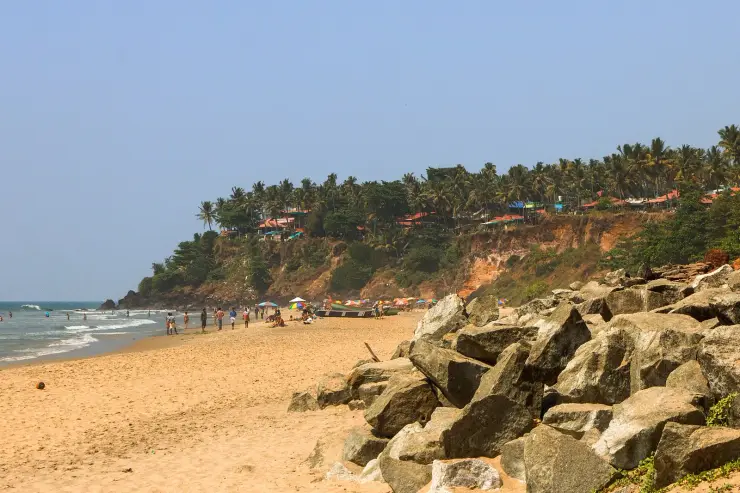
Varkala No entry fee for the beach or cliff.The beach and cliff promenade are open-access public areas that can be visited through the day; the Janardanaswamy Temple keeps separate morning and evening darshan hours.Roughly November to March for calm seas and pleasant weather; avoid the rough southwest monsoon (about June–September) for swimming.
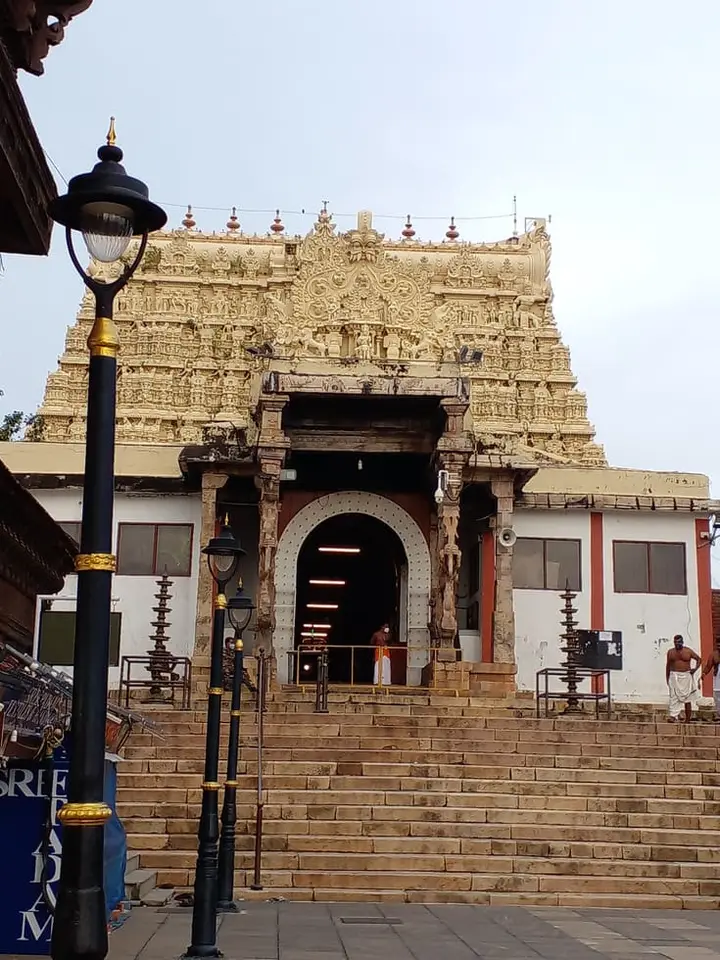
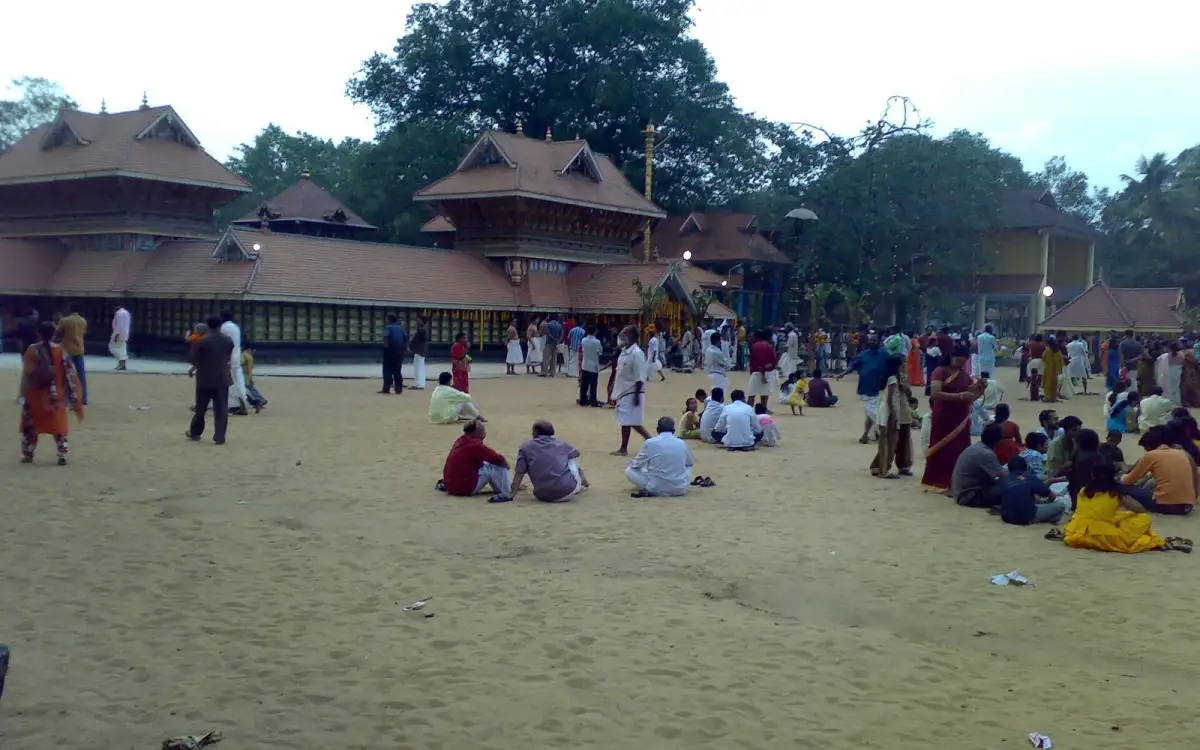
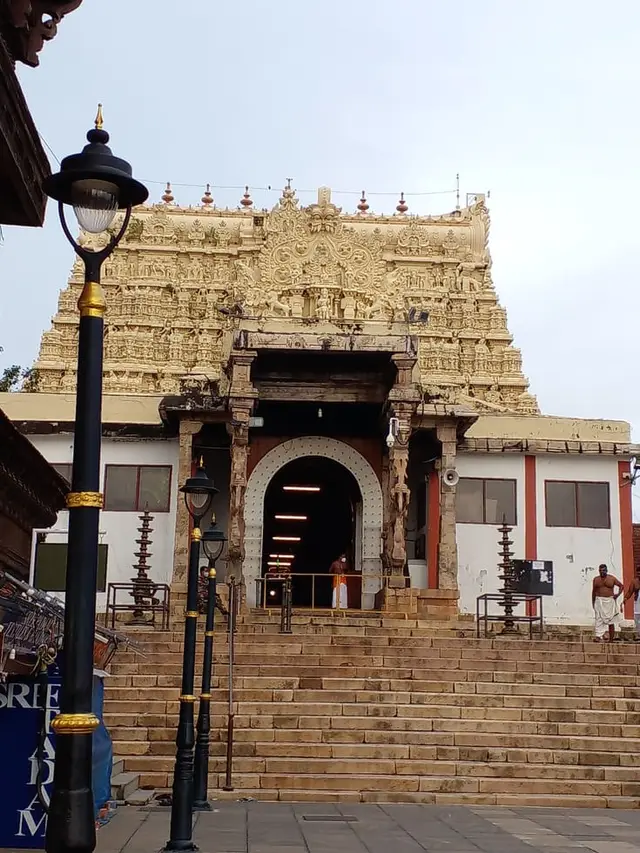
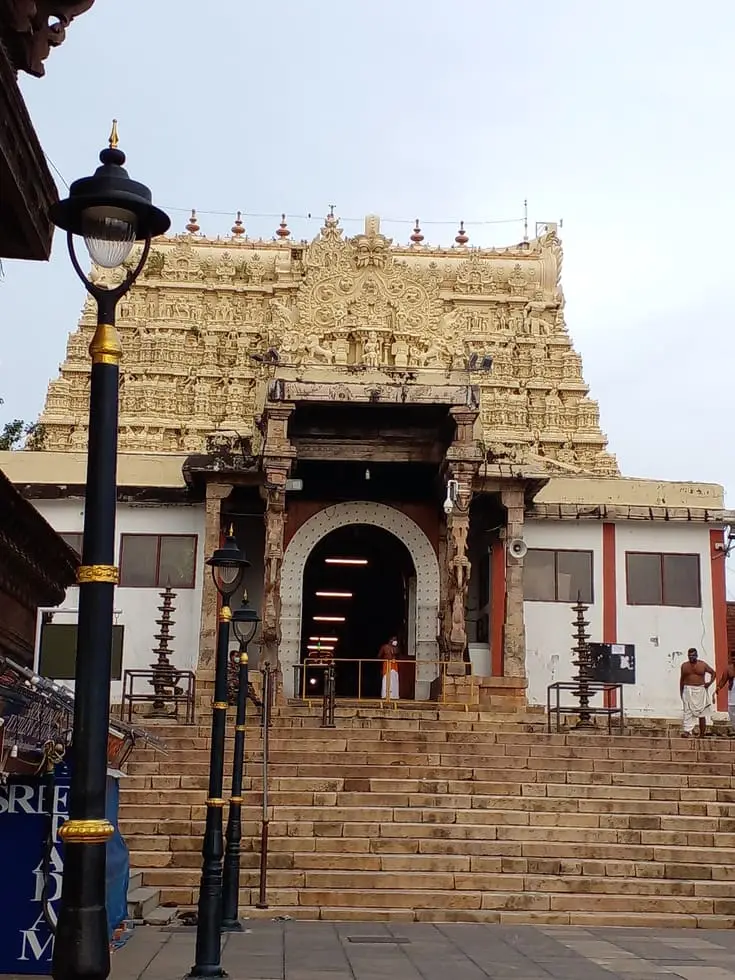
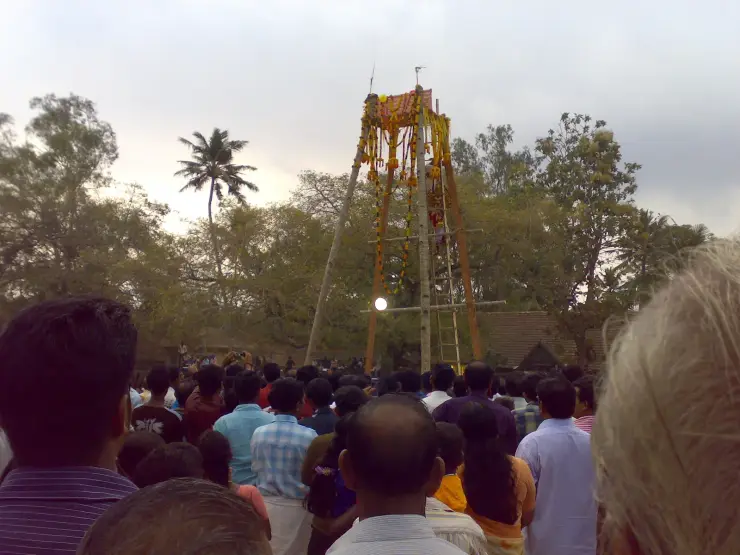
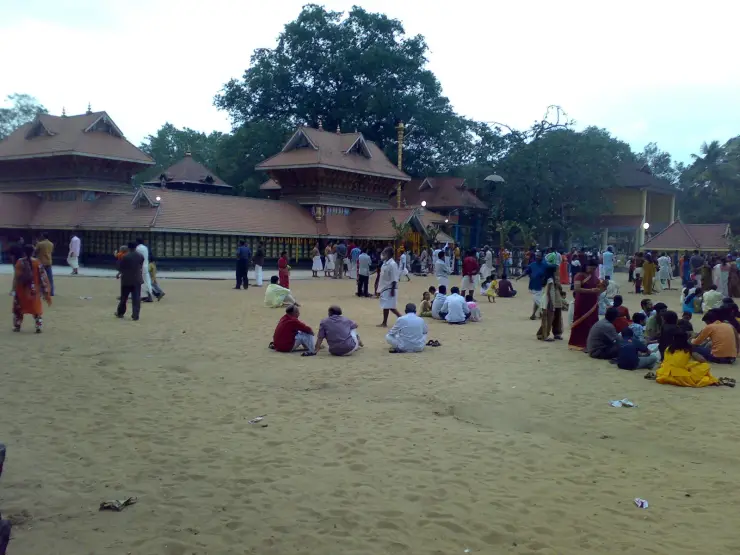
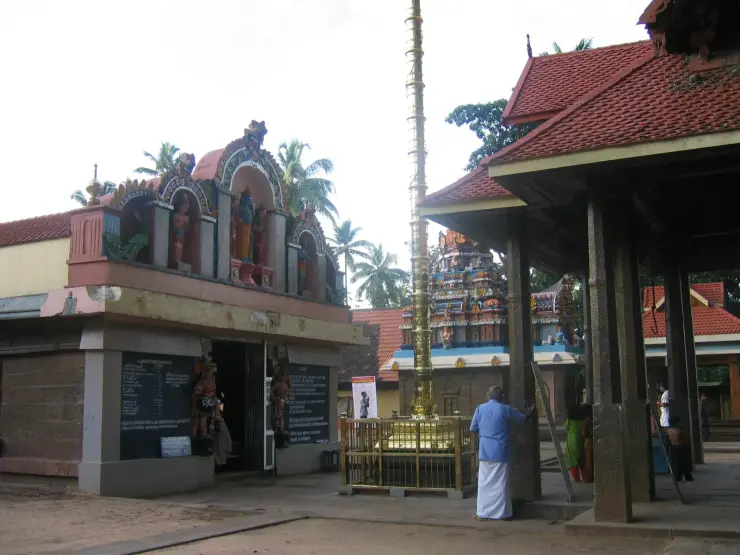
Sree Padmanabhaswamy Temple General darshan is free for devotees in the correct dress; a paid special/VIP darshan (commonly cited at about ₹500 per person) skips the longest queues.Darshan runs in fixed slots, roughly 03:30–04:45 (Nirmalya), 06:30–07:00, 08:30–10:00, 11:45–12:00, 17:00–18:15 and 18:45–19:20.October to February for the coolest, driest weather; time it with the Painkuni or Alpashy festivals to catch the Arattu procession.
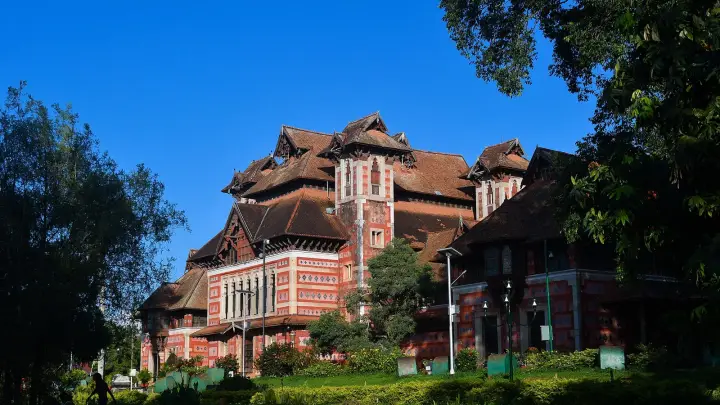
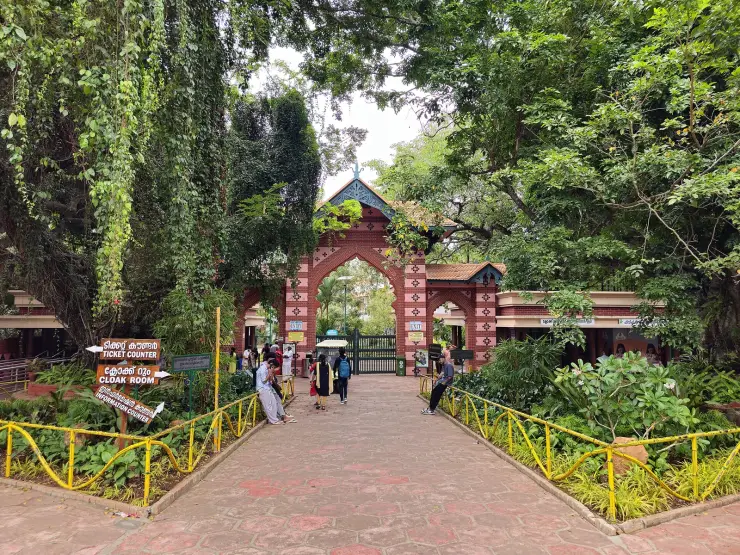
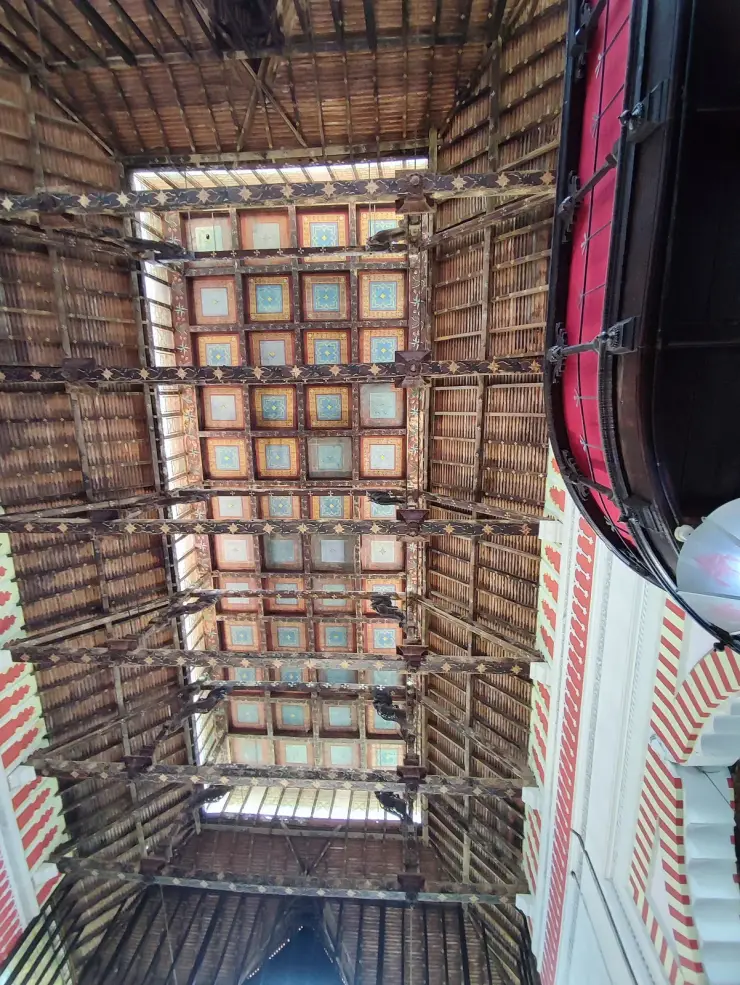
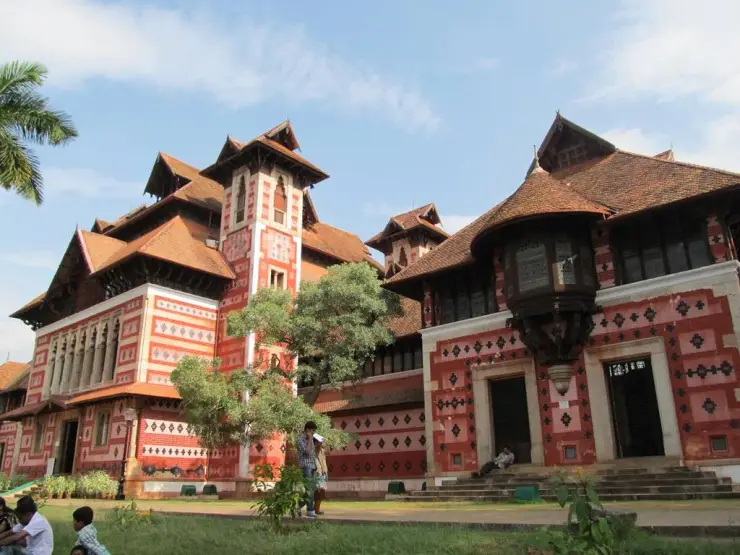
Napier Museum Nominal — roughly ₹12 per adult and about ₹10 for children, with a separate small charge for the Sree Chitra Art Gallery and additional parking fees for vehicles.Generally open around 10.00 a.m. to 4.45 p.m., with entry closing shortly before. Note the museum does not open on Wednesday mornings.October to February brings the coolest, driest weather and is the most pleasant time to wander the museum and its gardens. Late afternoon light is especially good for photographing the polychrome façade. Avoid the heavy monsoon spells of June to September if you plan to enjoy the grounds.
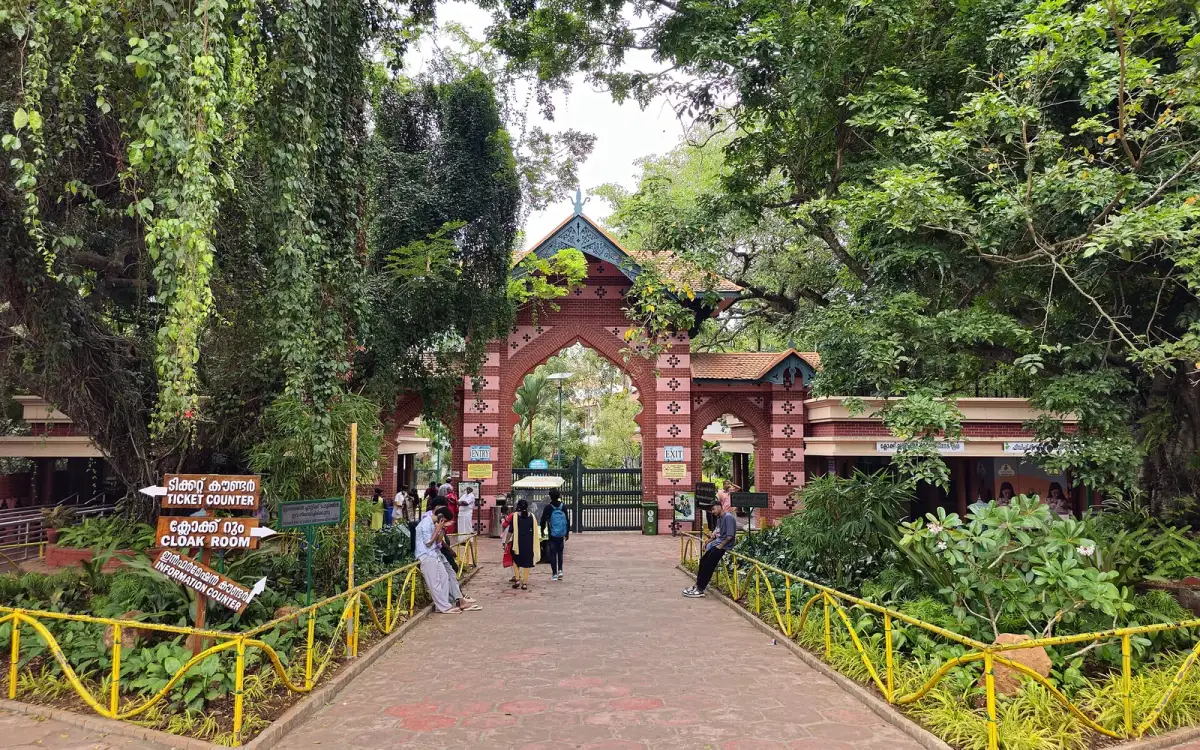
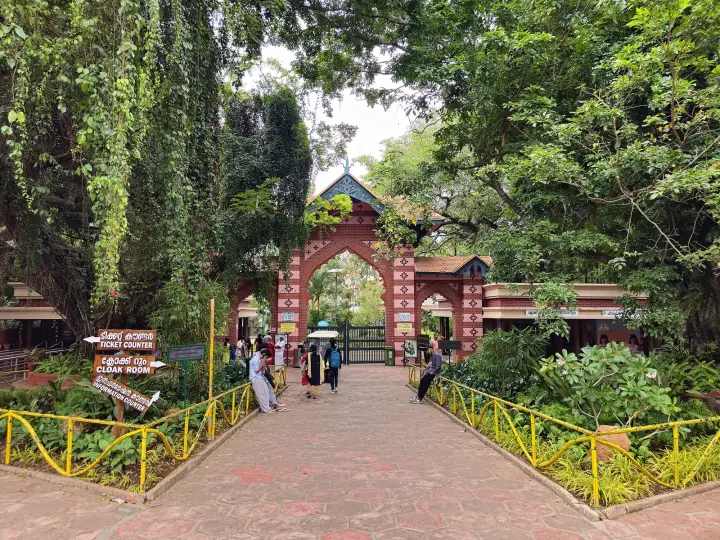
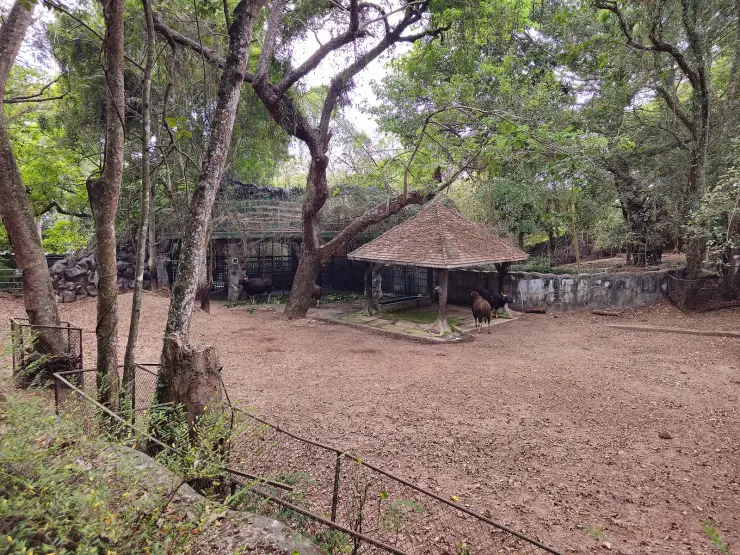
Thiruvananthapuram Zoo A modest ticket, charged separately from the Napier Museum and the Sree Chitra Art Gallery even though all three share the same walled compound. A camera charge may apply.Generally open from the morning through to late afternoon and closed on mondays, along with certain public holidays. The last entry is well before closing.Year-round. Come early in the morning: the animals are active, the light is good under the old trees and the school groups have not yet arrived. October to February is the most comfortable time of year to walk the grounds.
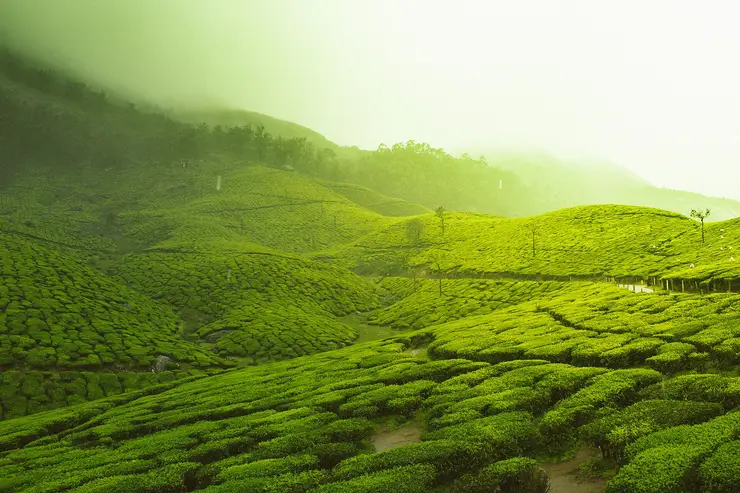
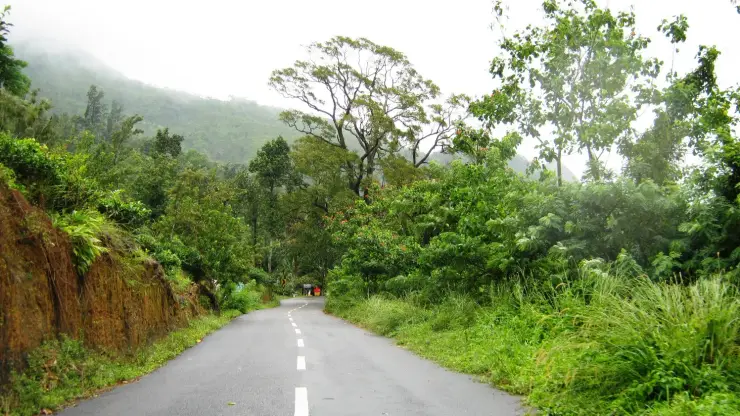
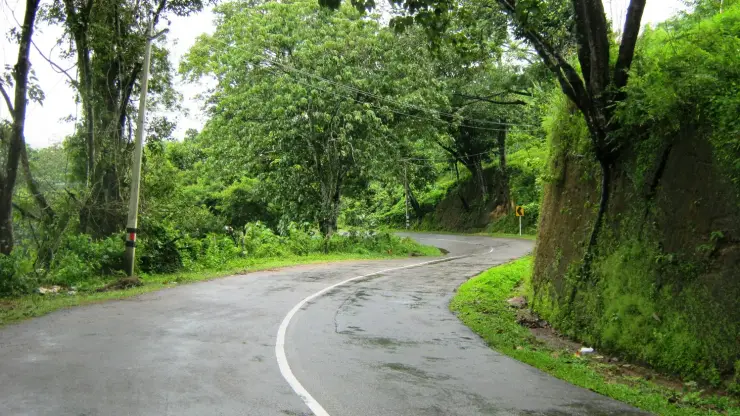
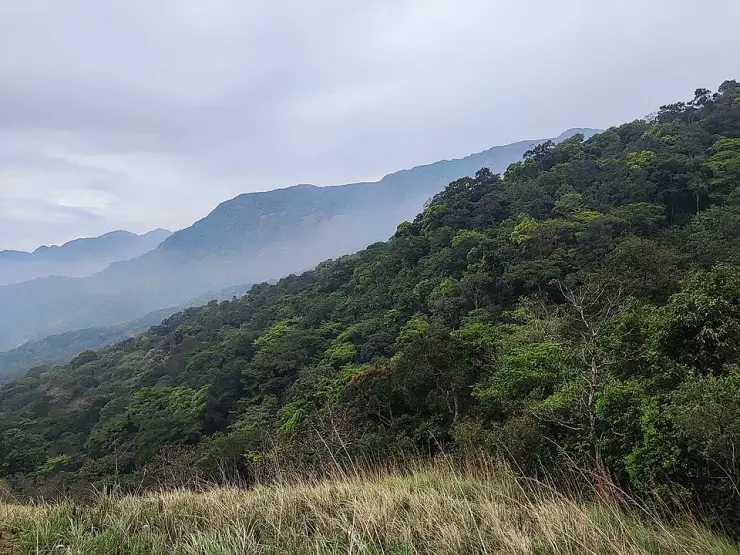
Ponmudi Nominal Kerala Forest Department charges collected at the Kallar check-post — commonly around ₹20 per Indian adult and ₹10 per child, with higher rates (about ₹200 / ₹150) for foreign visitors; parking roughly ₹10 for two-wheelers/autos up to ₹50 for buses; still-camera fee around ₹25 and video-camera around ₹150. Guided treks (e.g. Varayadumotta) are separately ticketed and may need forest-department booking. Fees change with season and regulation.Generally open daily from around 8:00 am, with last entry up the ghat road in the afternoon (commonly cited between 4:00 and 5:00 pm) and visitors expected to descend by early evening. Early morning is best for clear views before the cloud builds.October to March offers the coolest, clearest weather. Avoid the June–September south-west monsoon when the hairpin road turns slippery, mist blocks views and leeches are common on forest trails; roads can occasionally close after heavy rain.
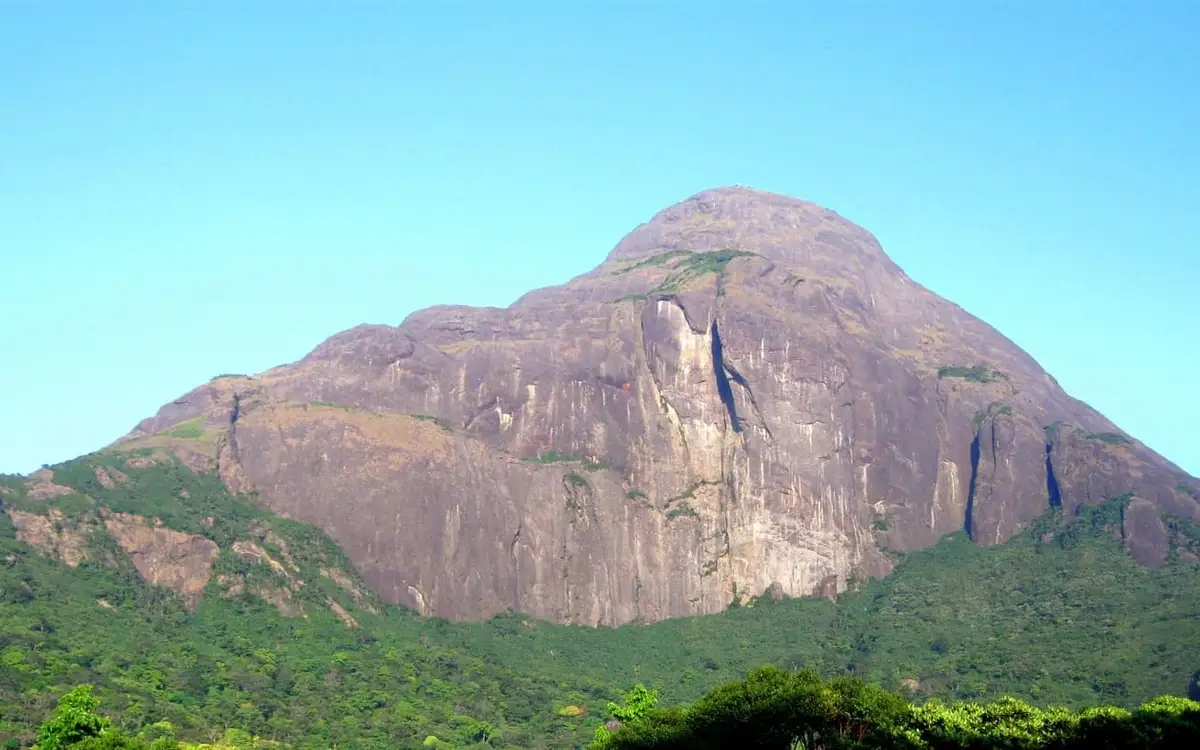
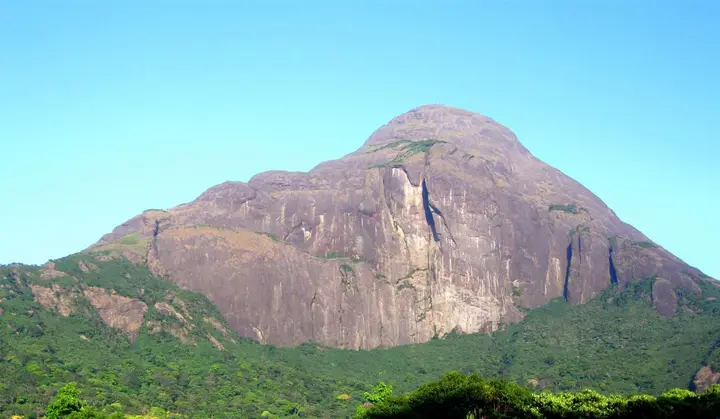
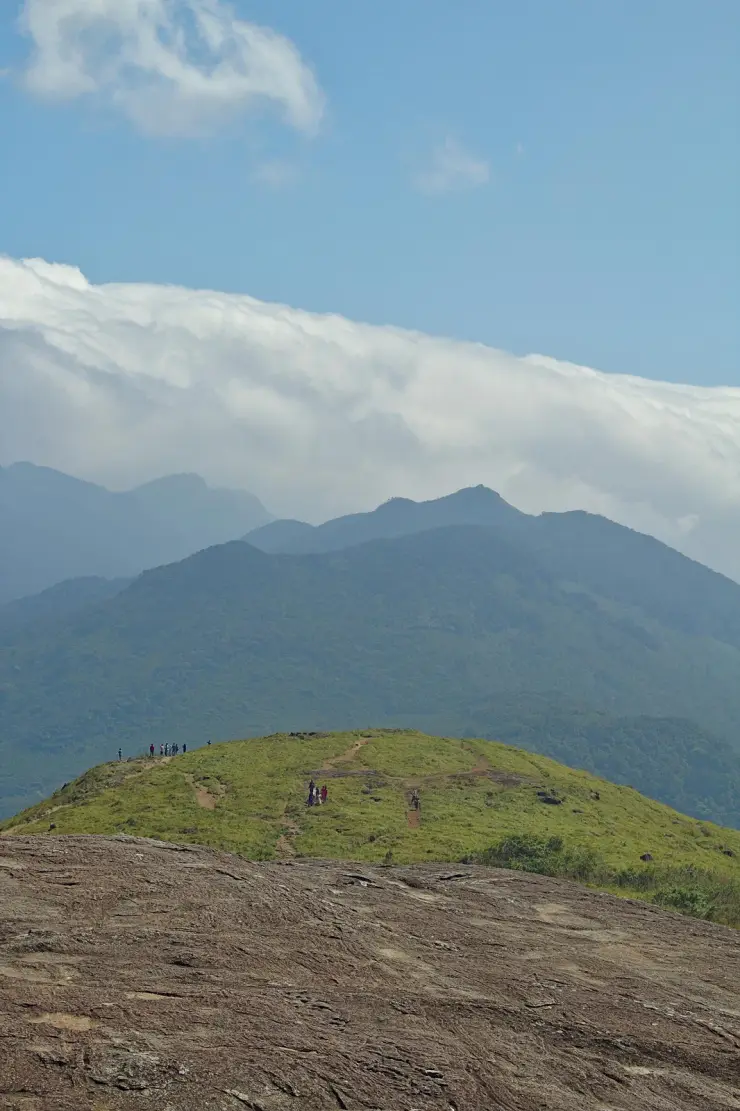
Agasthyakoodam trek A Forest Department trek fee applies per person, paid as part of the booking rather than at the gate.The trek runs only in a notified season and only on booked dates, with reporting at the base camp very early in the morning. It is not possible to turn up and walk.The season is notified by the Forest Department and has in recent years run from around mid-January to mid-March. Do not plan around generic months — check the current notice, because the dates move and the trek is simply closed outside them.
Neyyar trek A Forest Department trek fee and a guide charge apply, arranged at the sanctuary office at Neyyar Dam; carry cash.Daytime only, on Forest Department timings, with an early start and a return well before dusk.November to March. Trails are wet, leech-heavy and frequently closed through the southwest monsoon.
Peppara trek A Forest Department entry fee and, where required, a guide charge are collected at the sanctuary gate; carry cash.Daytime only, on Forest Department timings, with entry usually closing early in the afternoon so walkers are clear of the forest before dusk.October to March. The sanctuary sits in the Karamana catchment and the trails are wet, leech-heavy and often closed through the monsoon.
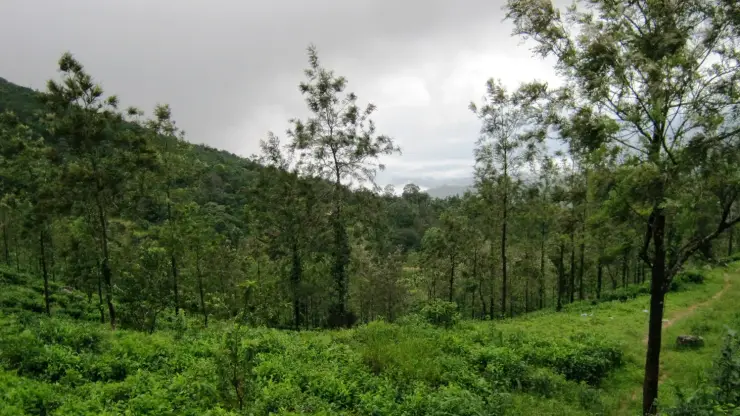
Ponmudi trek A nominal forest entry fee, and a guide charge where a guide is required, are collected at the check-post; carry cash.Daytime only, governed by Forest Department check-post timings — typically an early-morning start so walkers are back out well before dusk.October to March. The trails are on steep, root-bound ground and become genuinely hazardous in the monsoon, when leeches are also at their worst.
Poovar There is no entry fee for the village or waterfront. Reaching the golden beach requires a paid boat cruise; costs vary by boat type, duration, group size and season, with shared rides cheaper per head and private boats dearer.Poovar village and its waterfront are open-access at any time. The golden beach itself, however, is reached only by boat, so in practice access follows cruise operating hours; boating generally runs through the day from the morning onwards.Best from about November to February for pleasant, clear weather; the wider dry season roughly August to March is also good. Early morning cruises give the calmest water and best birdwatching, while late-afternoon cruises catch the sunset over the estuary. Avoid peak monsoon, when heavy rain can disrupt boating.
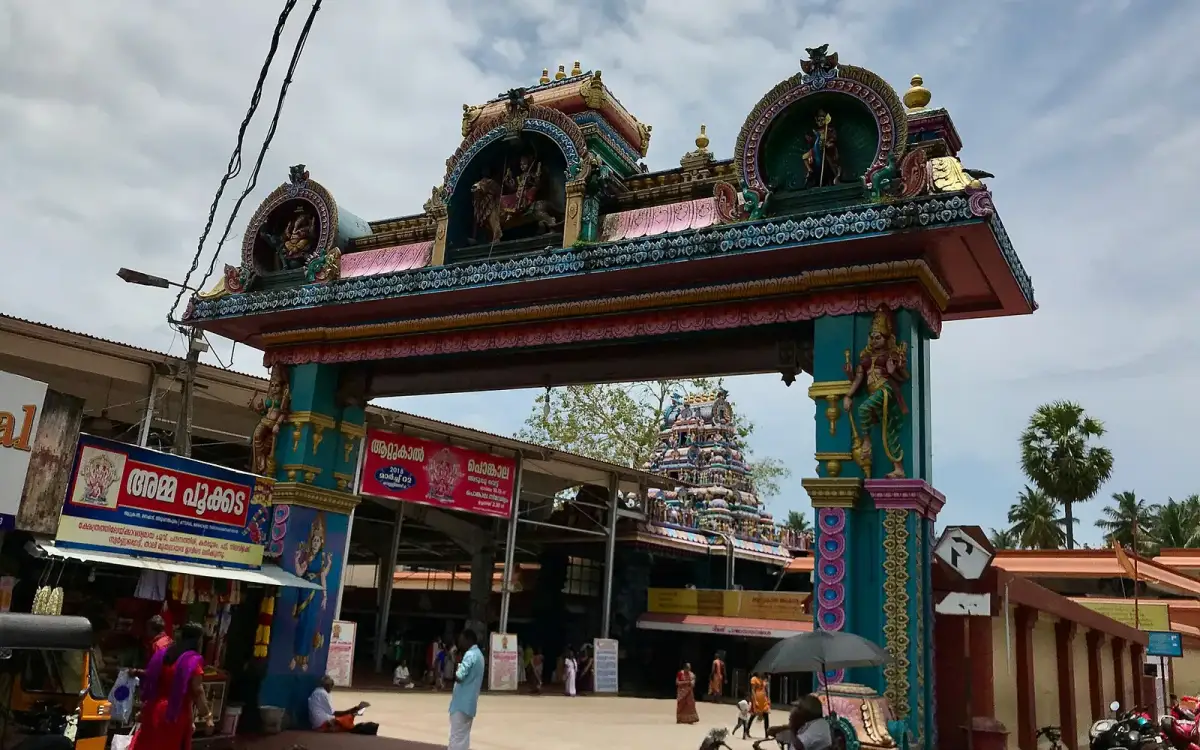
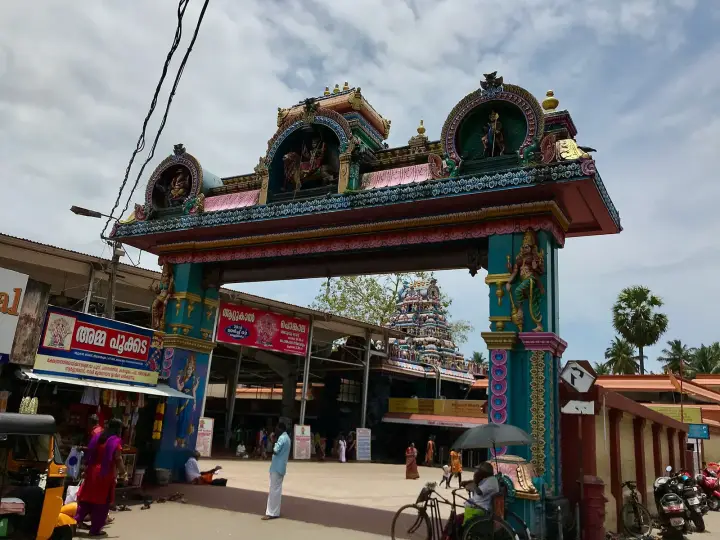
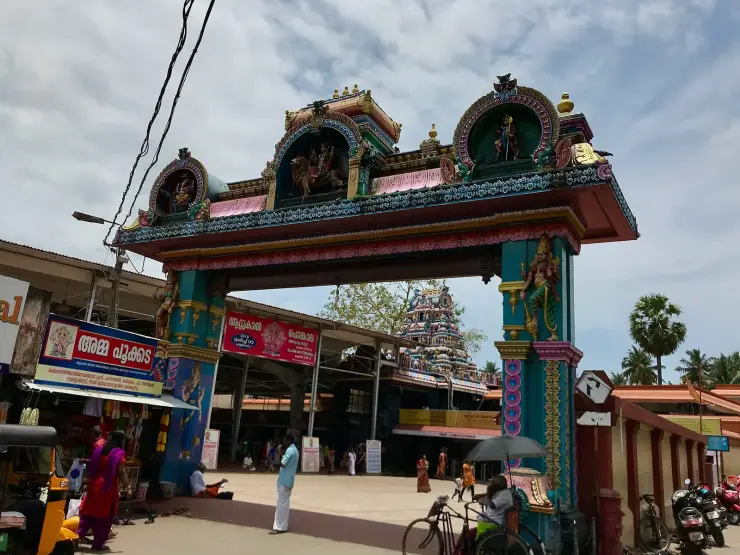
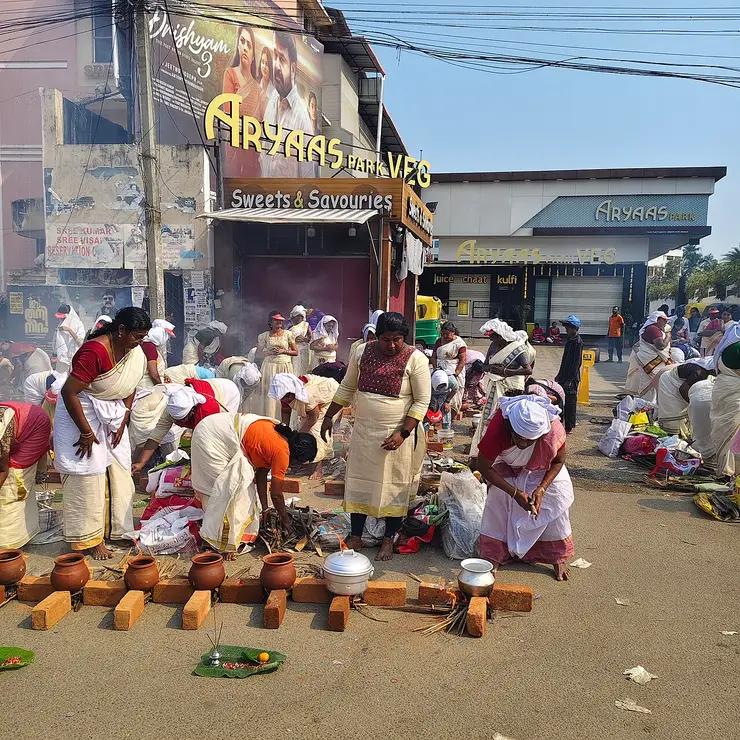
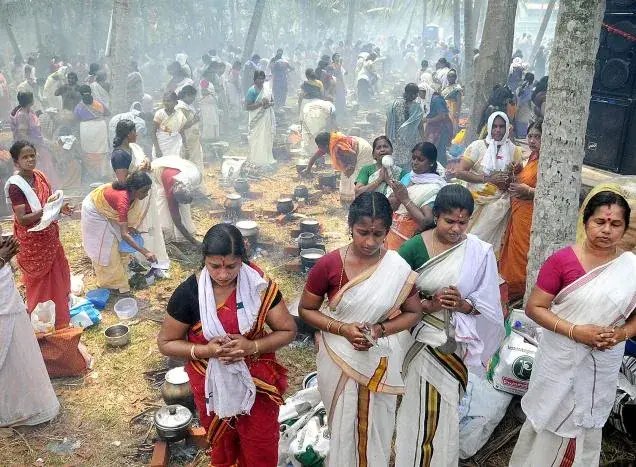
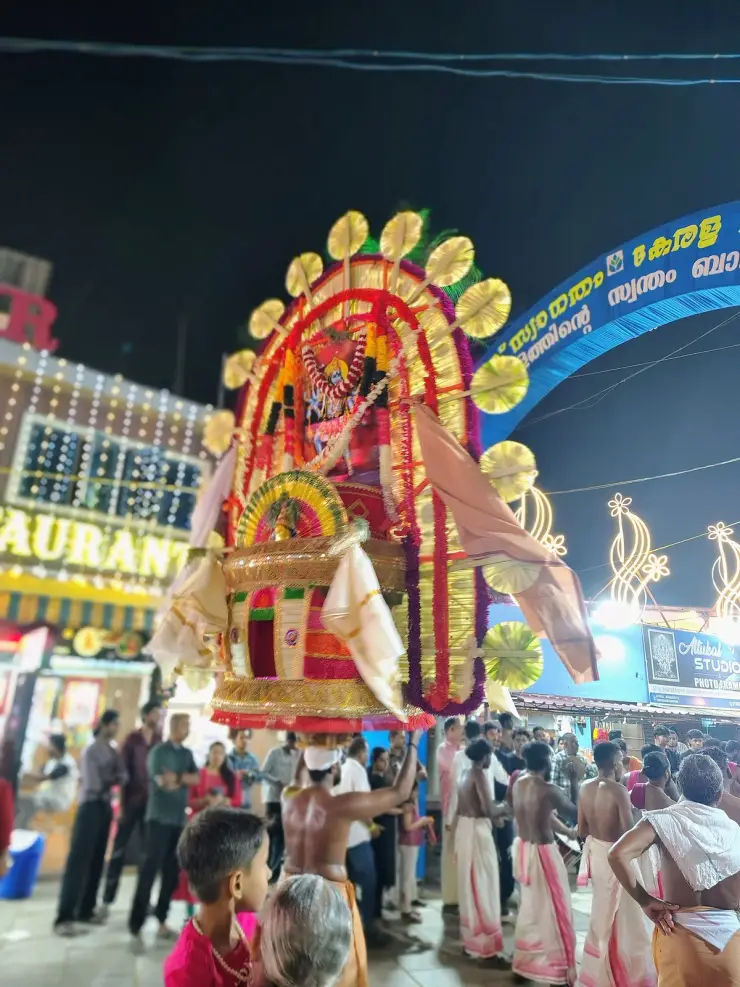
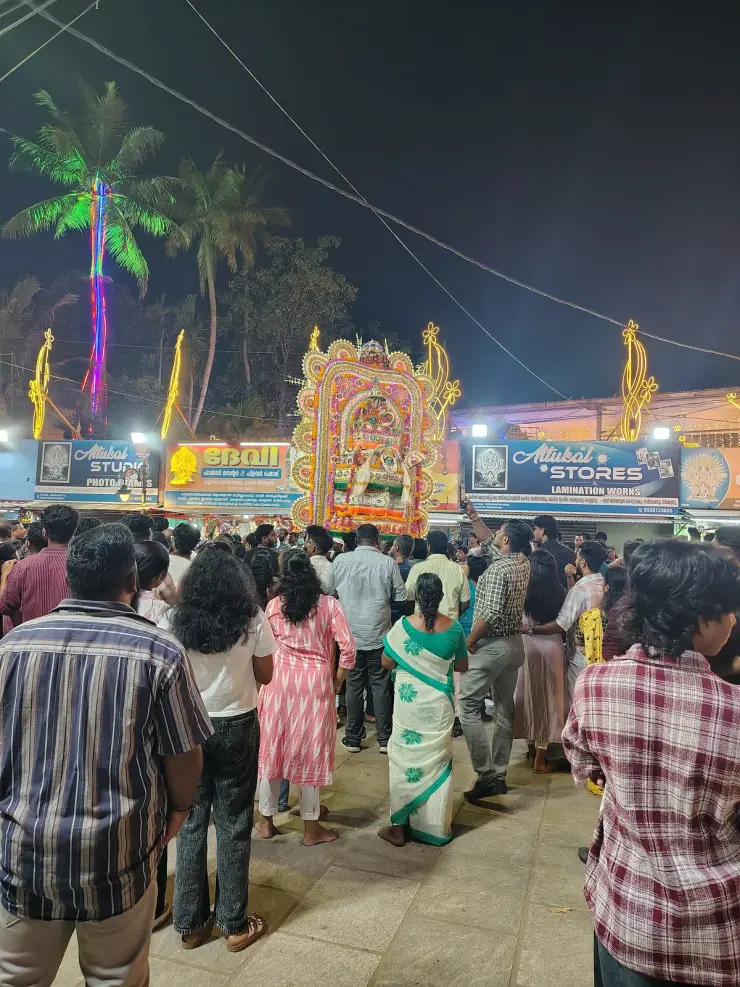
Attukal Bhagavathy Temple No entry fee for darshan; specific poojas, offerings and vazhipadu are charged as per the temple’s rates.Typically open early morning to around midday and again in the evening (commonly reported roughly 04:00–12:00 and 17:00–20:00), with special extended timings and darshan arrangements during festival days.Pleasant from roughly October to February. The Attukal Pongala (Kumbham, about February–March) is the peak spiritual highlight but brings immense crowds; for a quieter visit choose an ordinary day outside the festival.
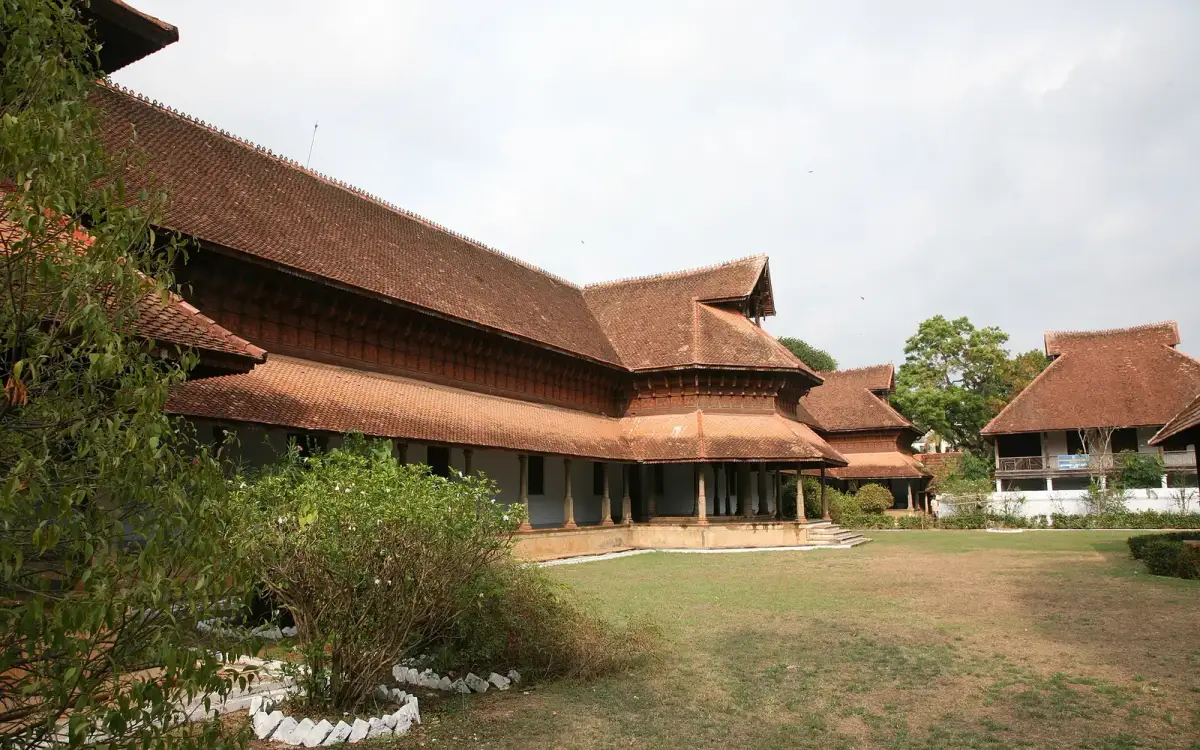
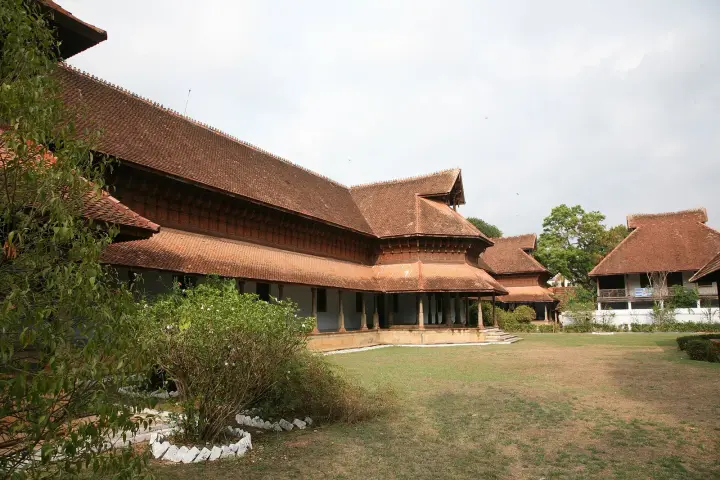
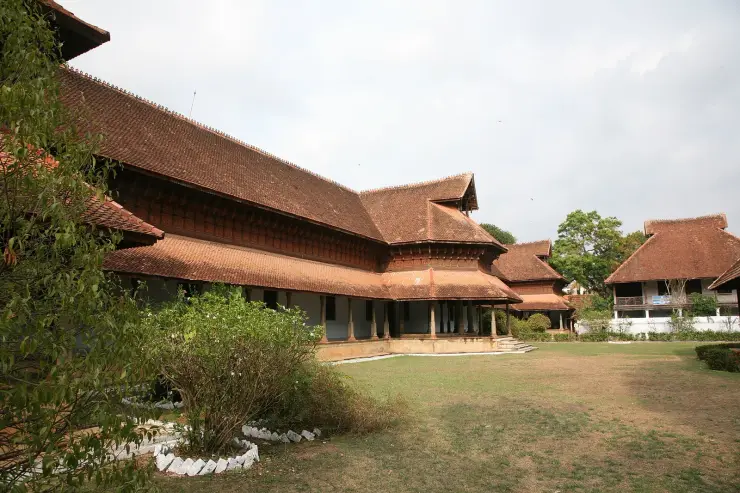
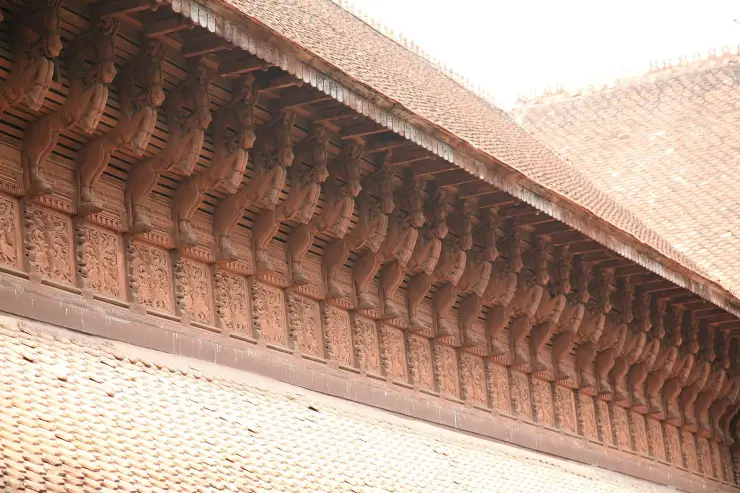
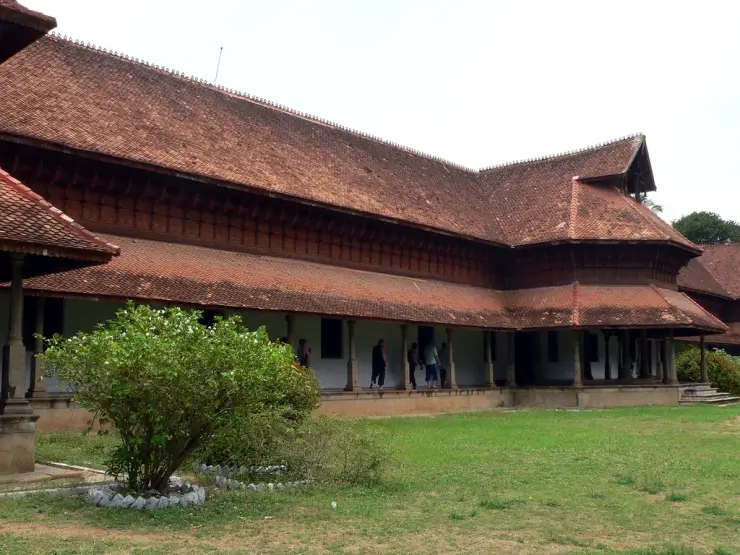
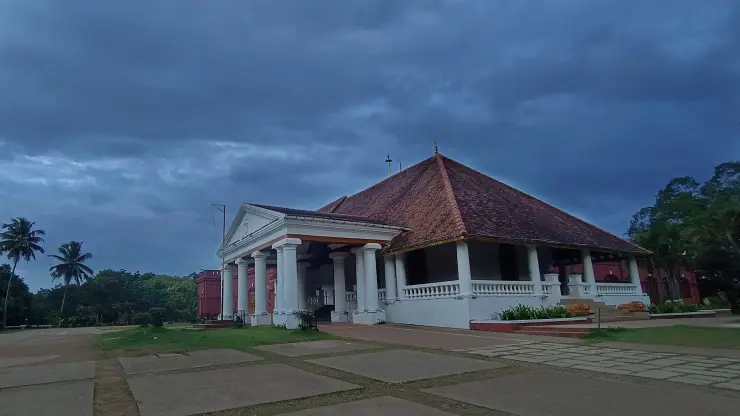
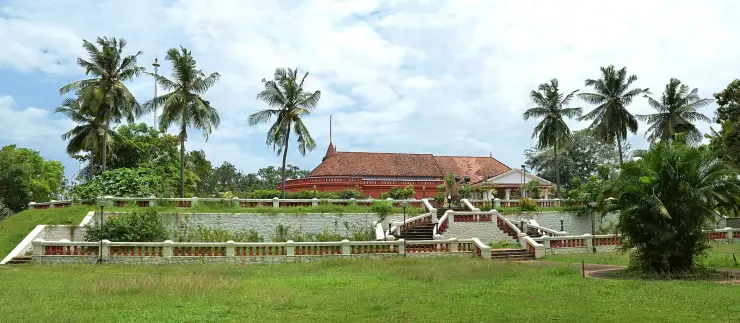
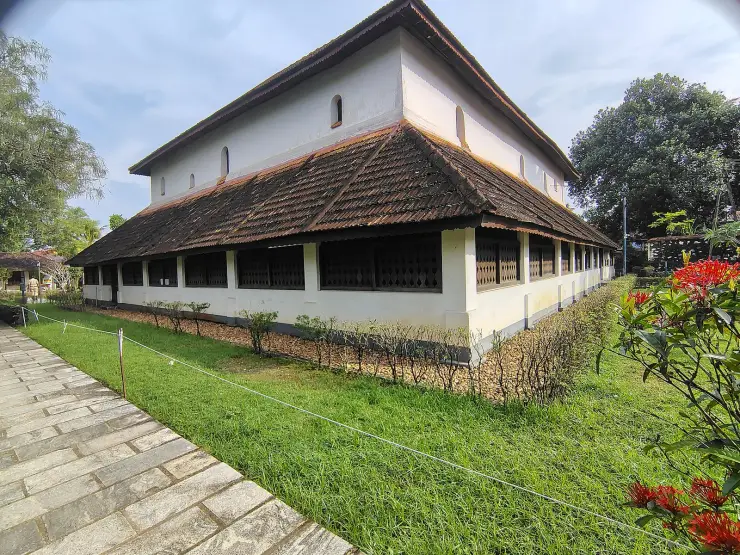
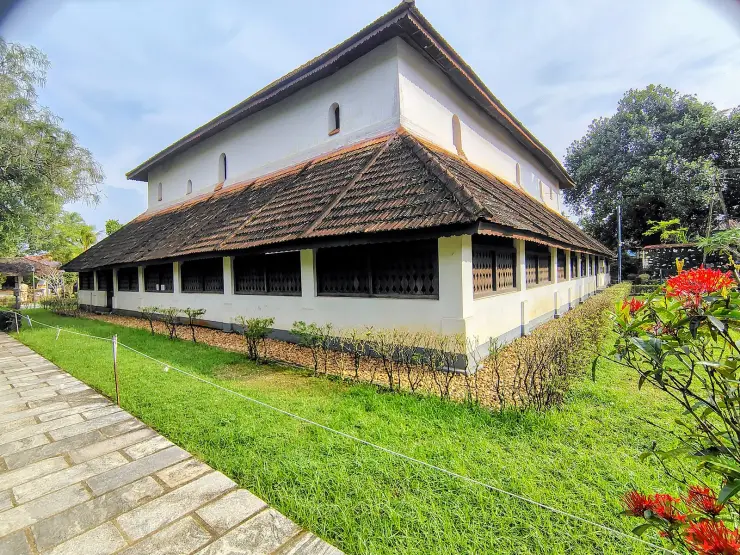
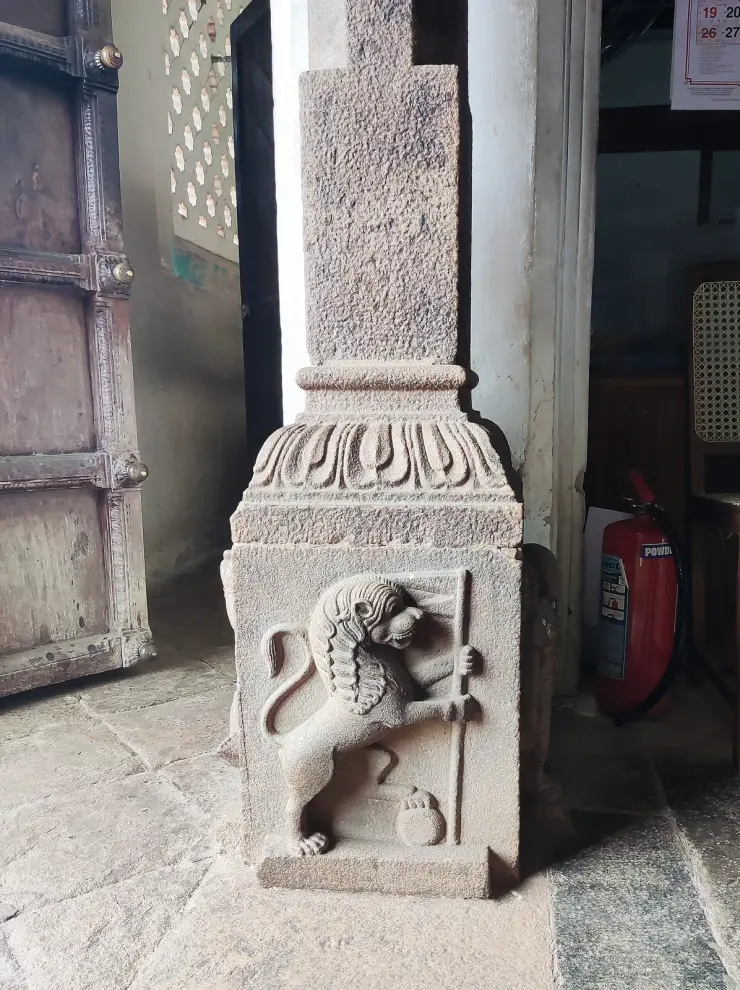
Kuthiramalika Palace Per the museum’s own published rates: ₹70 for Indian adults, ₹20 for Indian children aged 5–12, ₹200 for foreign visitors, and ₹50 to use a mobile phone camera on the exterior (confirm at the counter).The museum publishes 9:00 am–12:30 pm and 2:00 pm–4:45 pm, closed on Mondays (confirm before visiting, as museum hours change).October to March is the pleasant, drier window on the Kerala coast; early January is special if you want to catch the Swathi Sangeetholsavam. Mornings are coolest and least crowded.
Kanakakunnu Palace FreeGrounds are free to enter; the palace interior is open mainly during cultural events and programmes.Indicative, confirm locally: the grounds are a popular open-access park, best in the late afternoon and evening.—
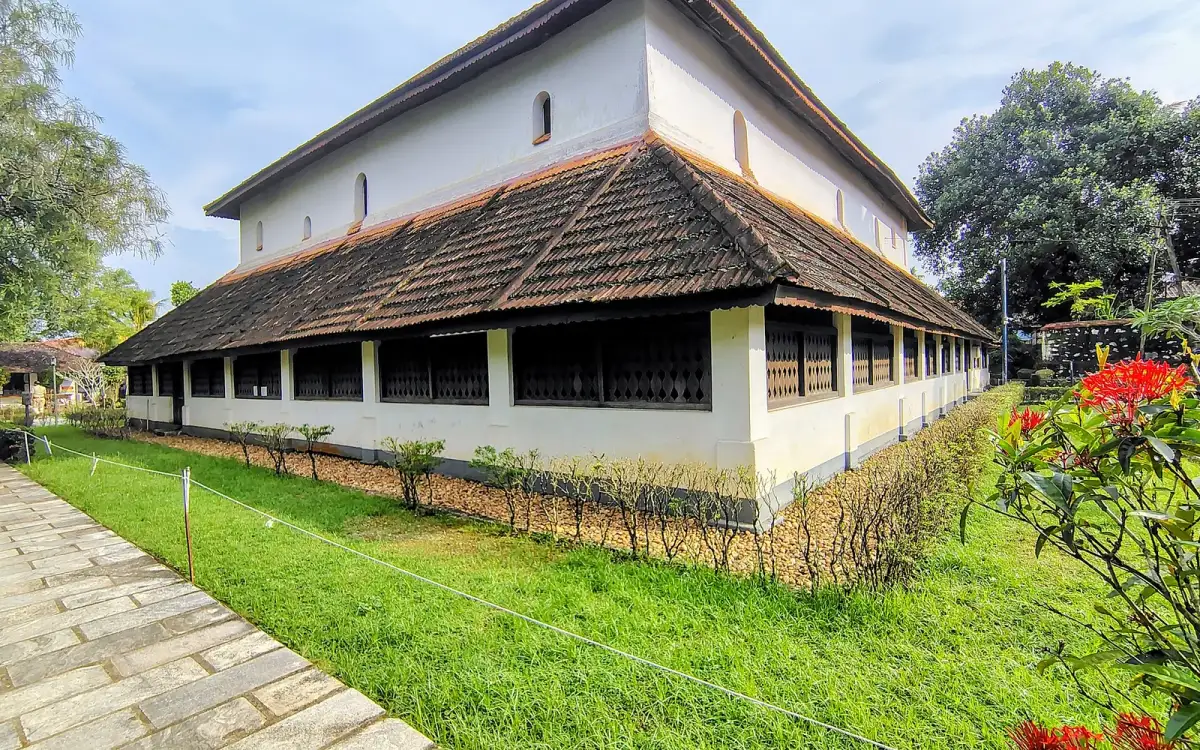
Koyikkal Palace INR 25 for adults, INR 5 for children, INR 50 for a still camera and INR 550 for a video camera (Department of Archaeology's published rates, confirm locally).9:00 AM to 1:00 PM and 2:00 PM to 4:30 PM; closed on Mondays and national holidays (Department of Archaeology's published hours, confirm locally).—
Veli Tourist Village A modest entry ticket applies — roughly ₹20 for adults and ₹5 for children, with family tickets around ₹40; boating, horse rides and games are charged separately, with boat rides from about ₹100 per person.The village is generally open around 8:00 am to 6:00 pm daily, with boating nominally from about 10:00 am to 5:00 pm. Ask specifically whether boating is running rather than whether the park is open: reporting on the village describes it suspended for months at a stretch, with the four KTDC safari boats out of service awaiting repairs and clearances.October to February is the most pleasant window, with cooler, drier weather ideal for boating and the beach; the June–July monsoon brings heavy rain, and April–May can be hot and humid.
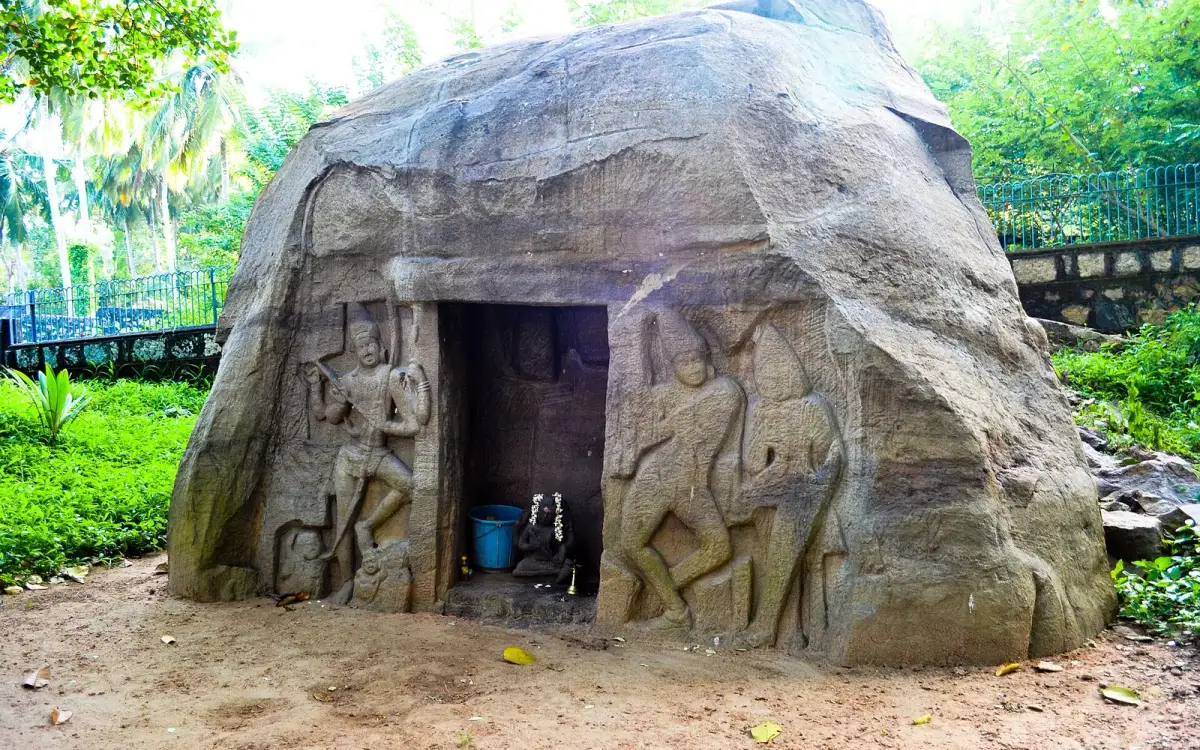
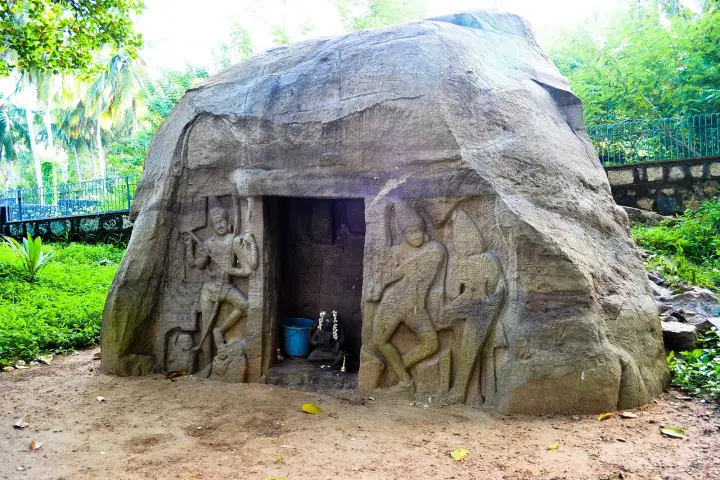
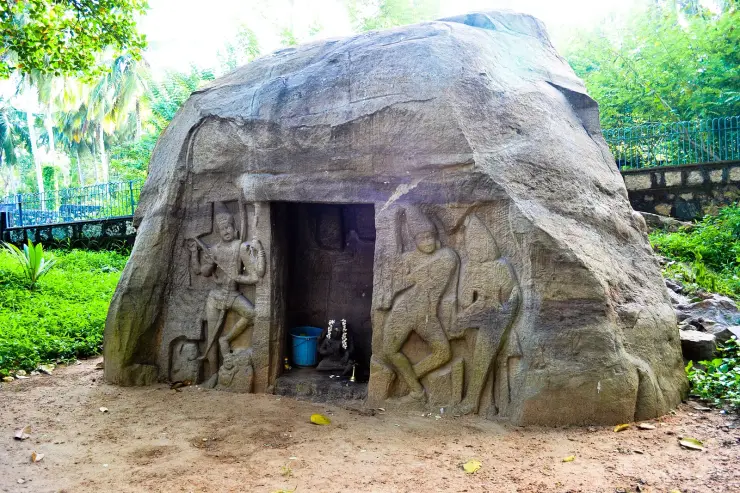
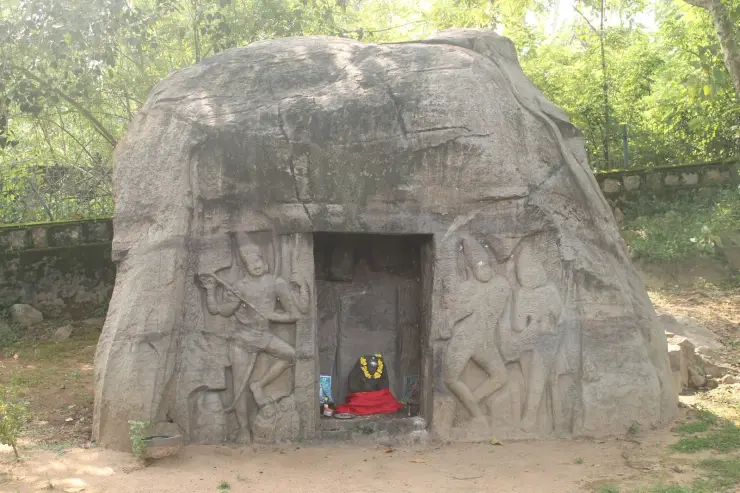
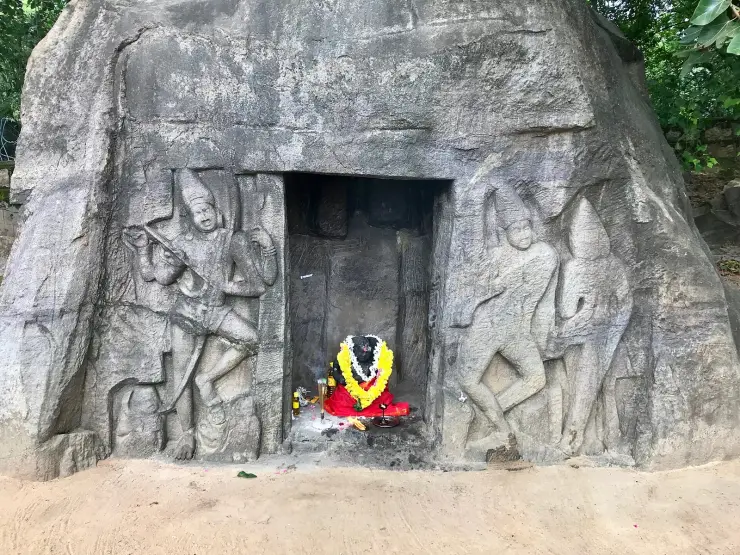
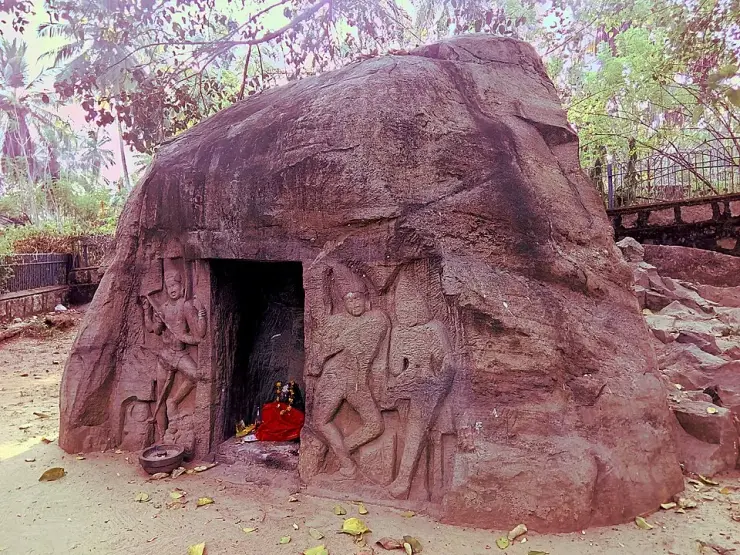
Vizhinjam Rock-Cut Cave Temple FreeFree (open rock-cut shrine).Indicative, confirm locally: daytime access.—
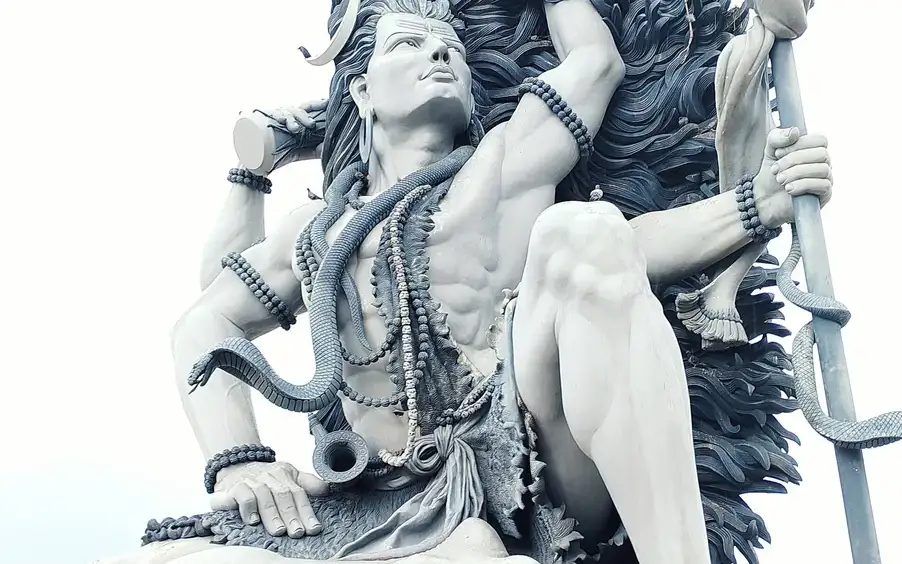
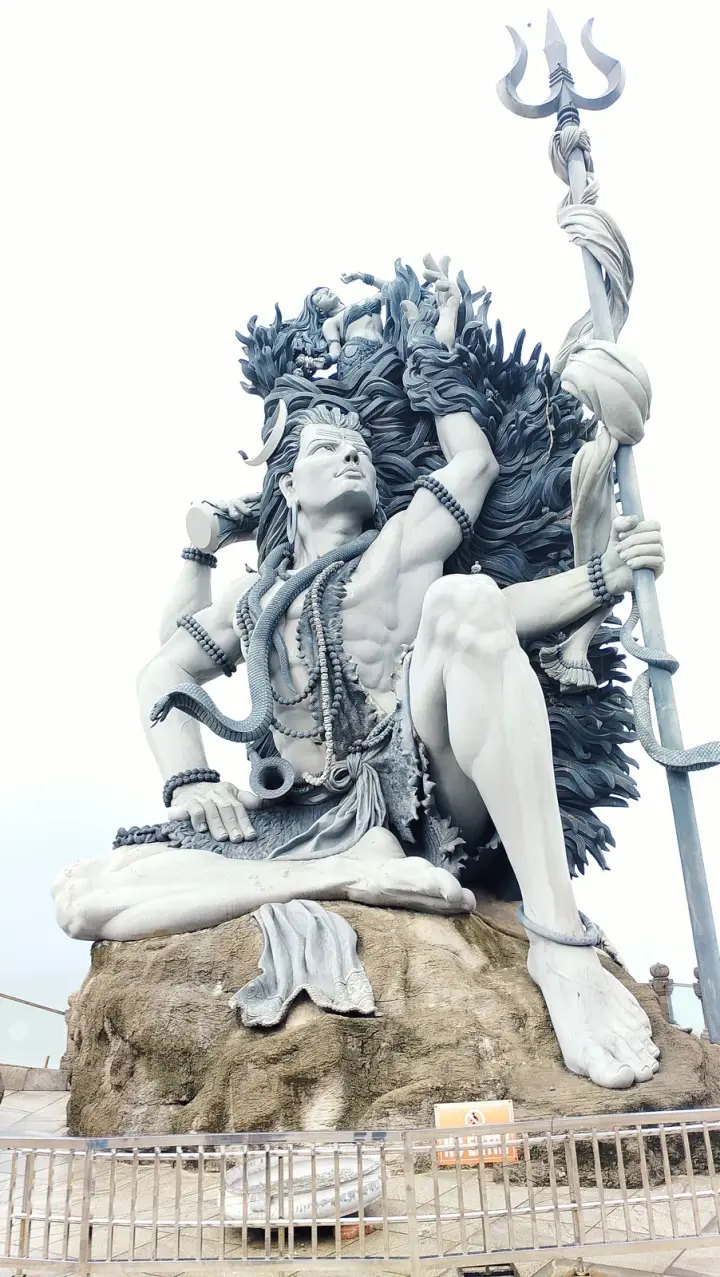
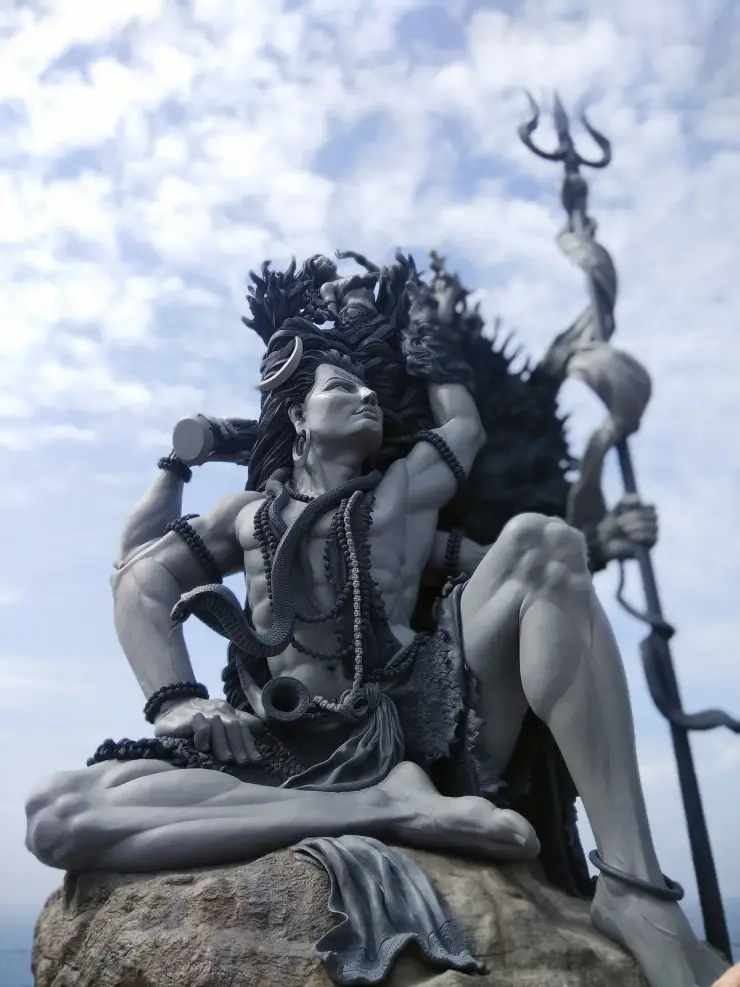
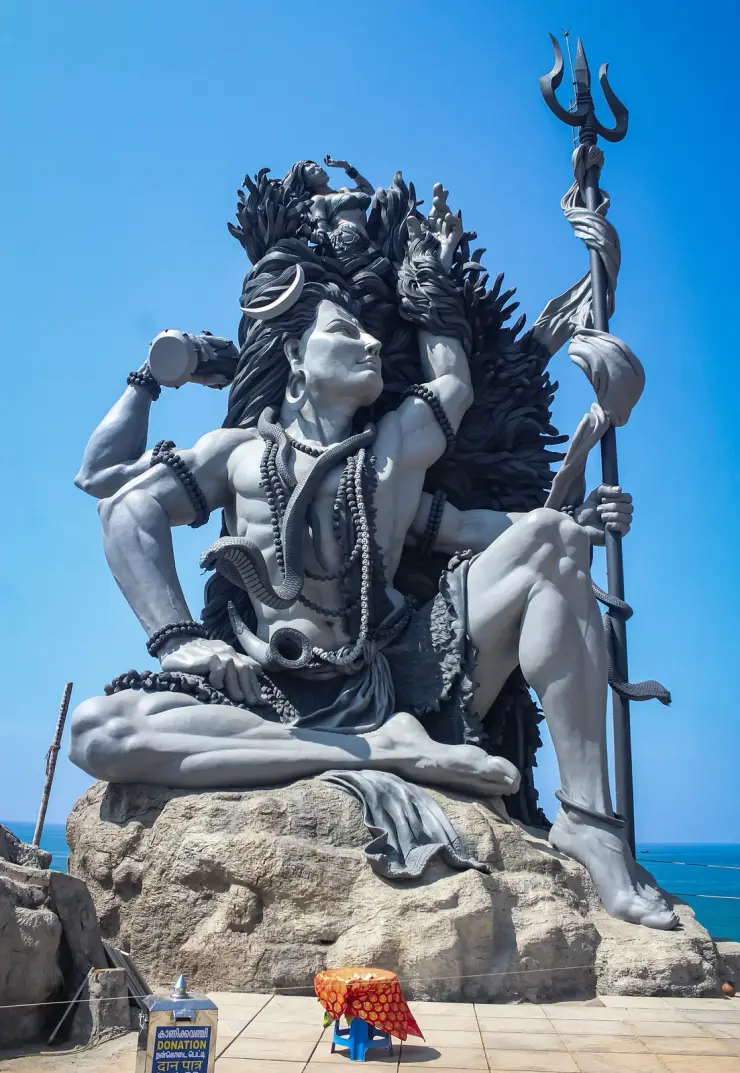
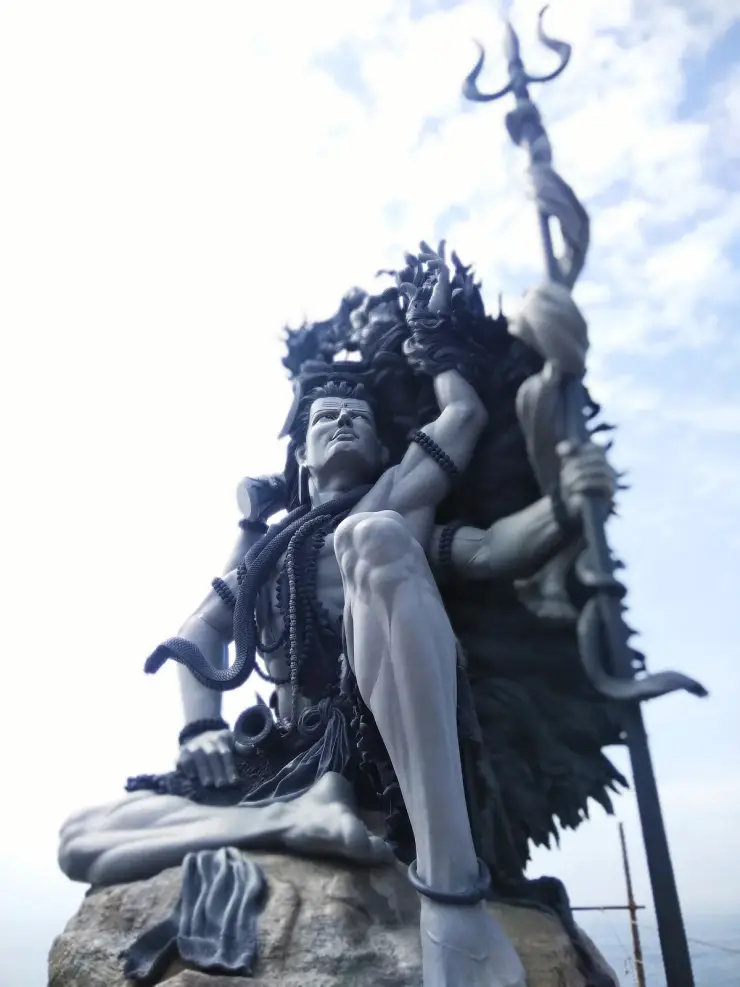
Aazhimala Shiva Temple Generally free entry for darshan; a small charge to access the statue viewing area is reported by some visitorsTemple darshan is commonly reported as roughly 5.30 am–11.00 am and 5.00 pm–8.00 pm, with some sources noting it may be closed on Mondays; the statue and viewpoint are typically accessible during daylightOctober to March (cool, dry season); early mornings for quiet darshan and late afternoon to sunset for the best sea views
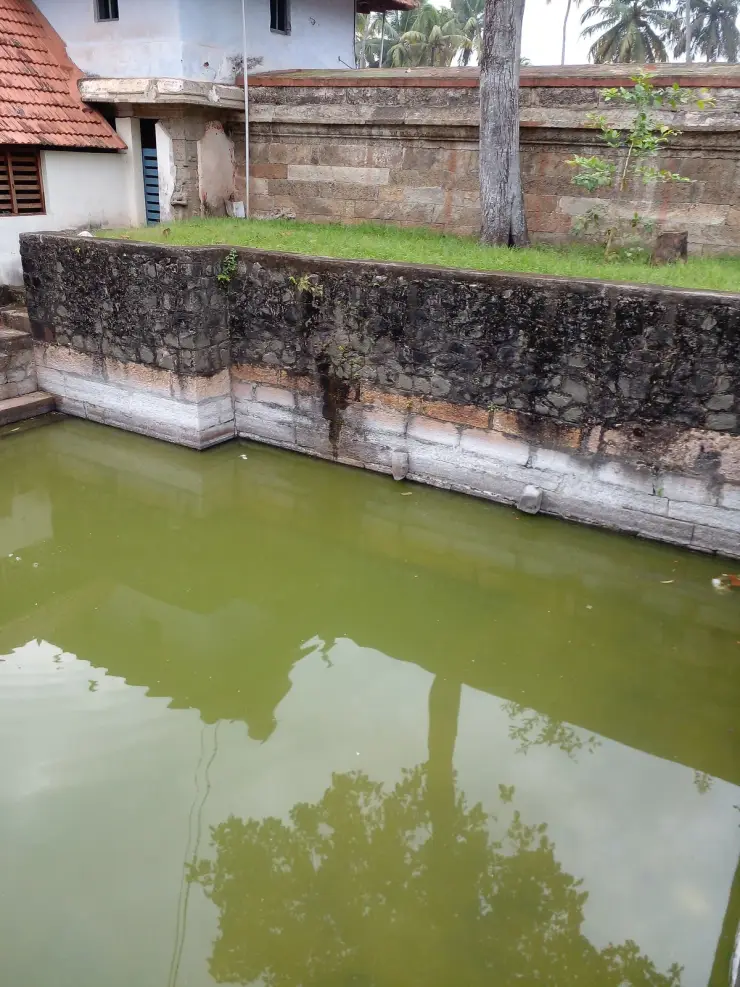
Thiruvallam Parasurama Temple FreeFree entry (dress code applies; charges apply for ancestral bali rituals).Indicative, confirm locally: early-morning to mid-day, busiest on new-moon (amavasi) and Karkidaka Vavu days.—
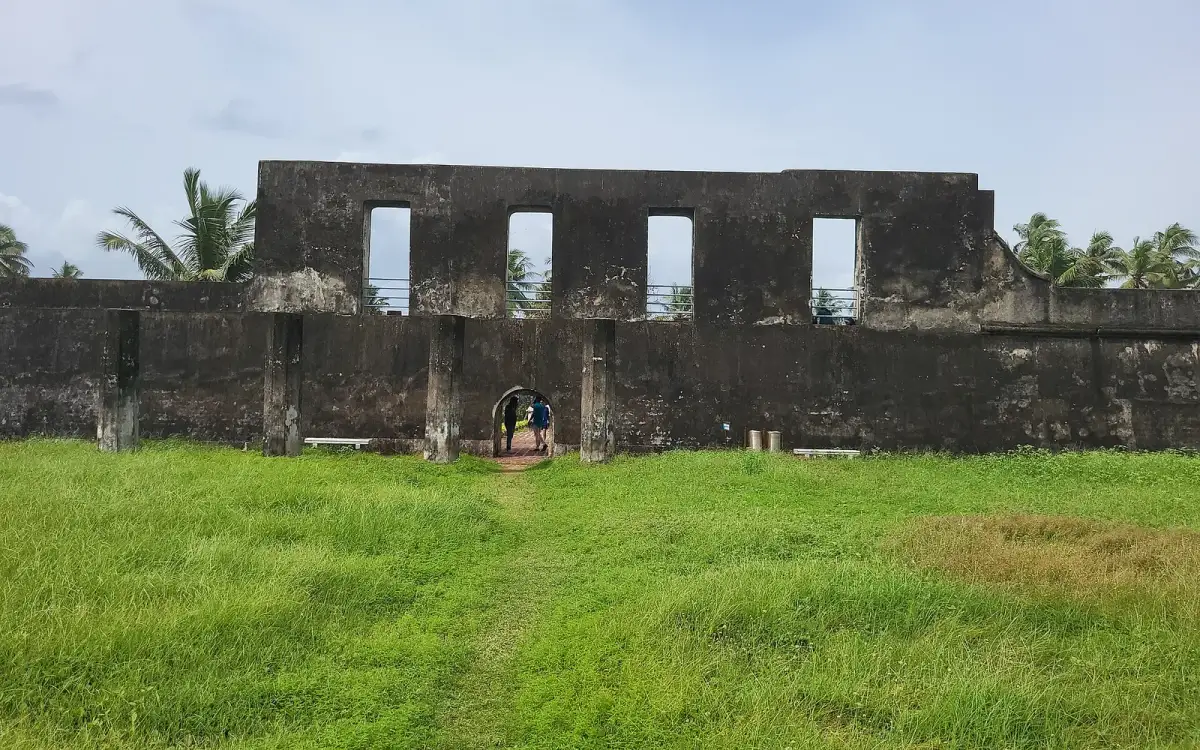
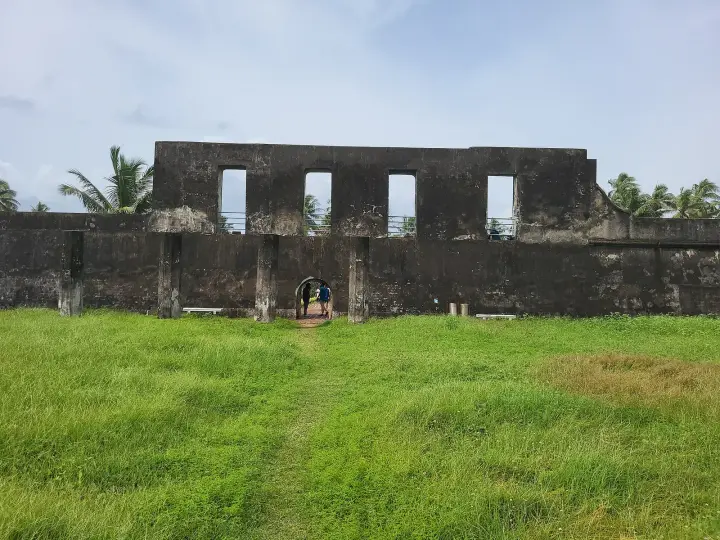
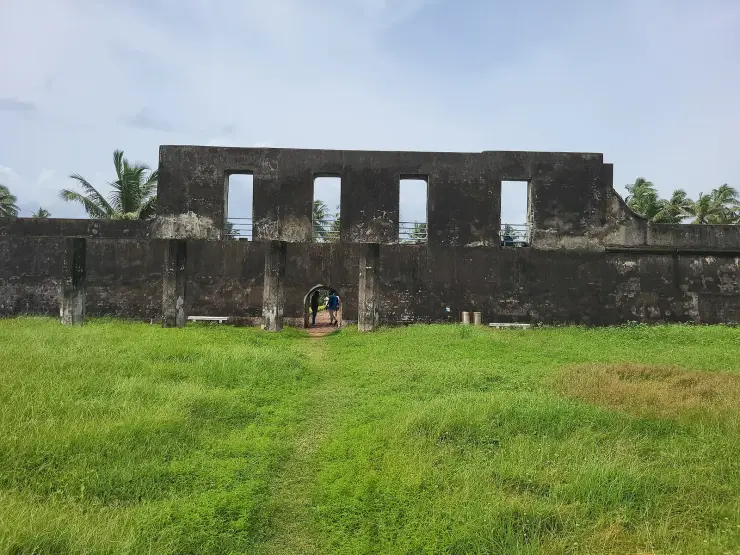
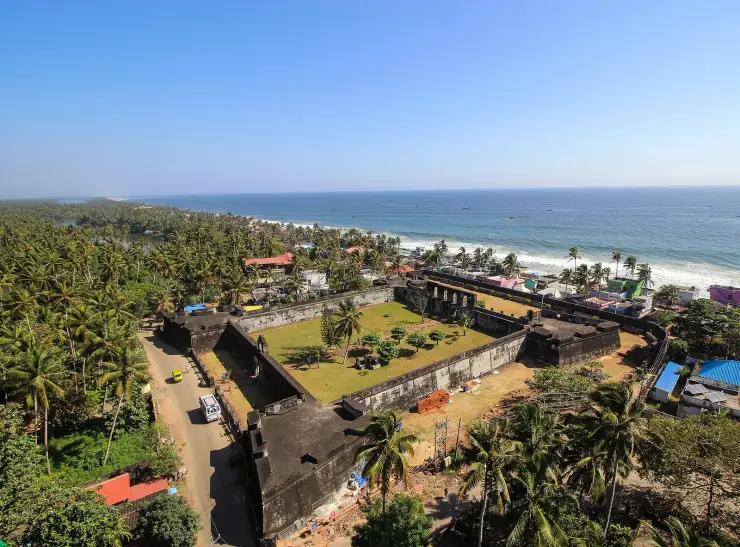
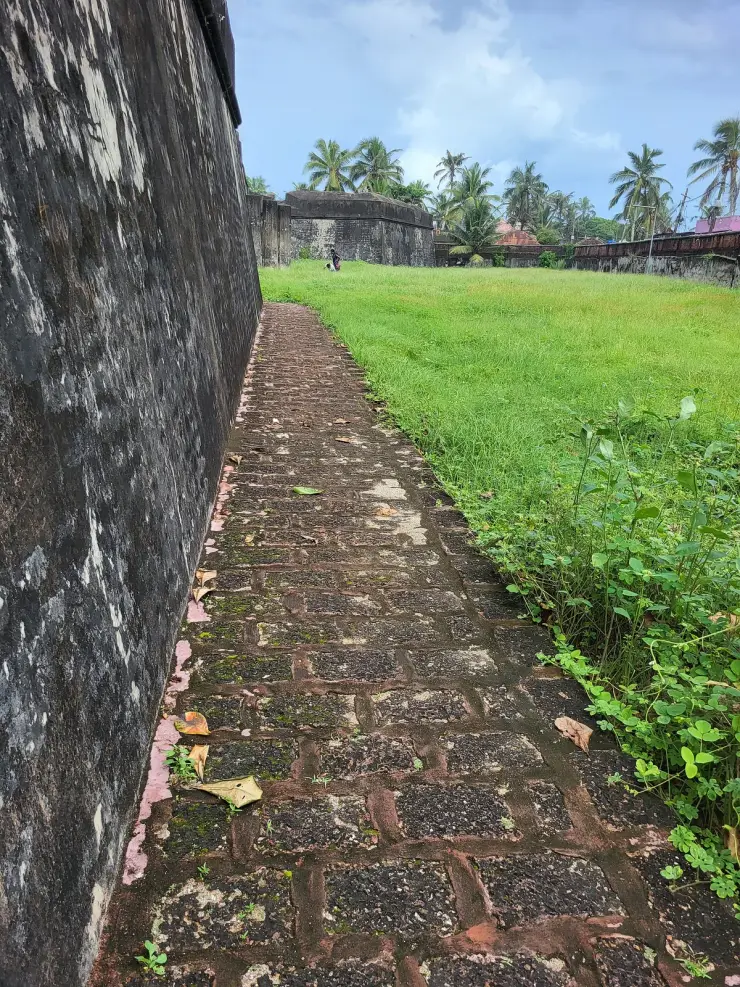
Anchuthengu Fort FreeFree (open heritage site).Indicative, confirm locally: open daytime; best in the morning or late afternoon.—
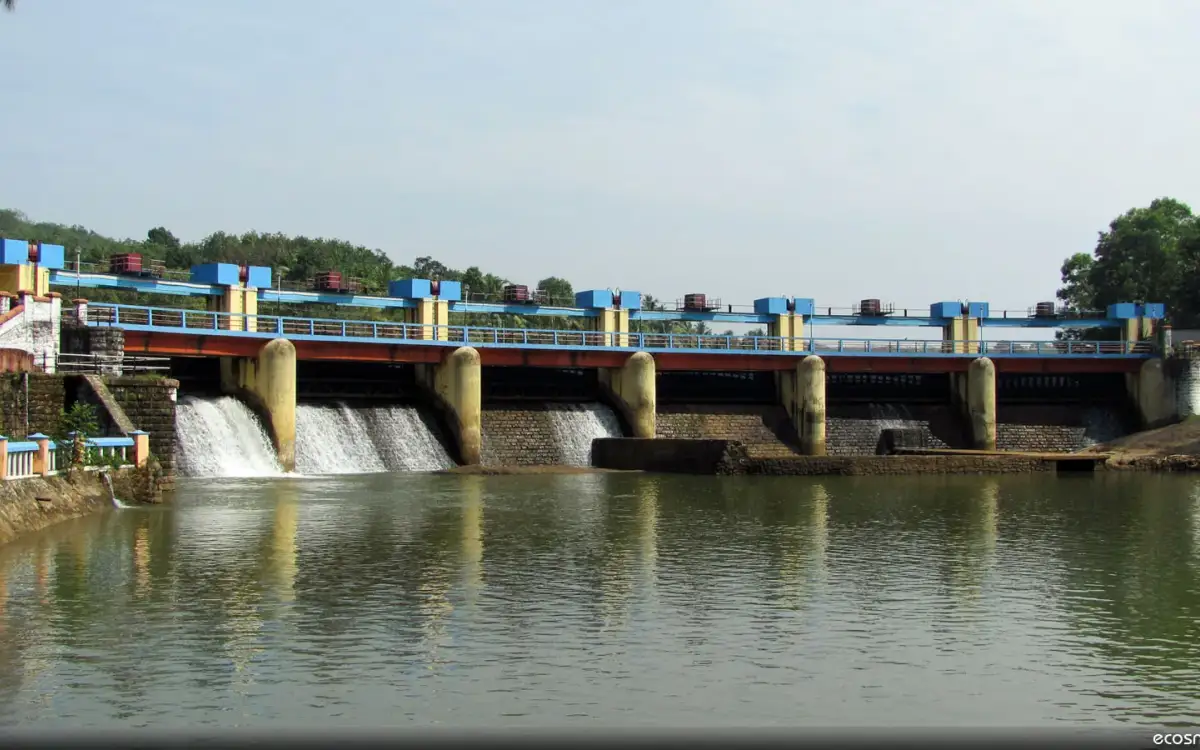
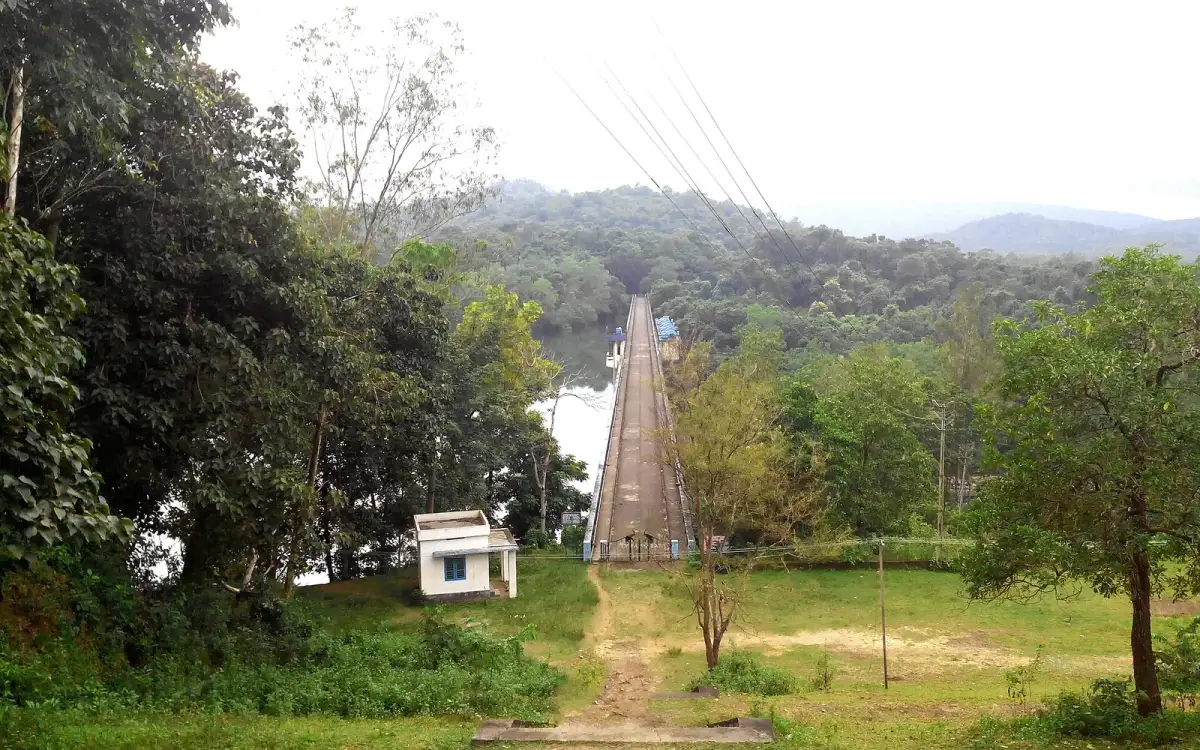
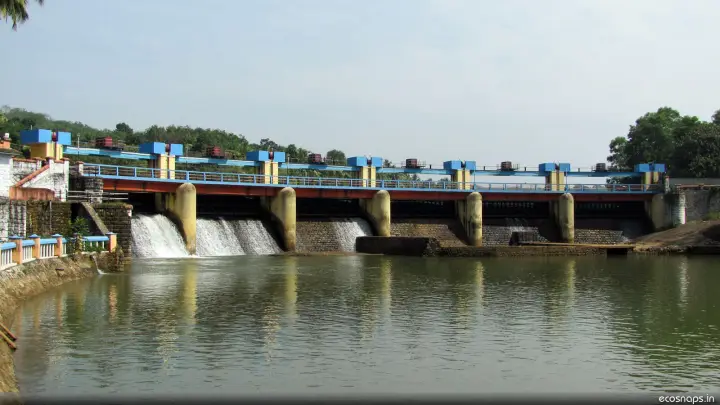
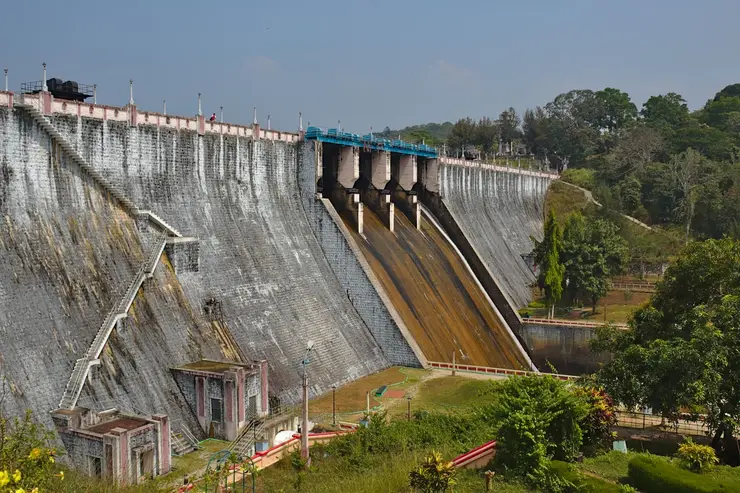
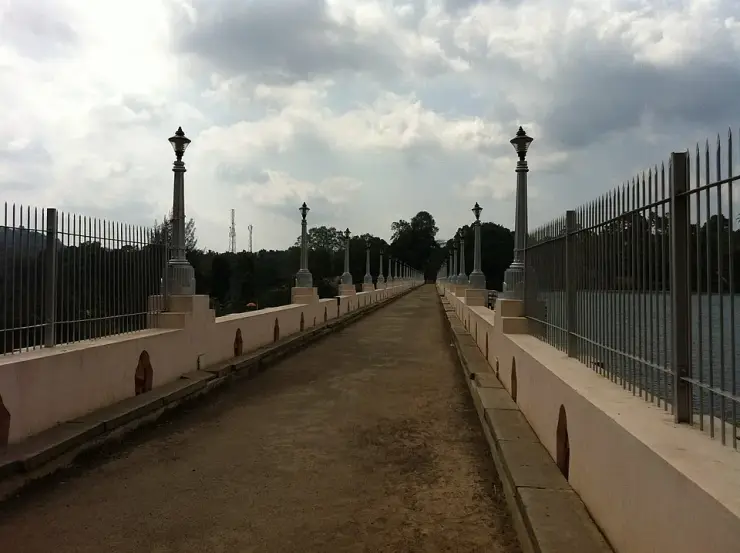
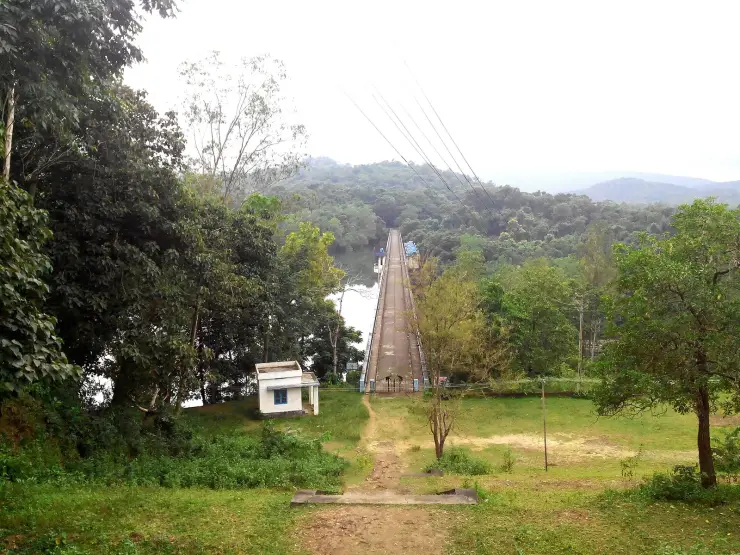
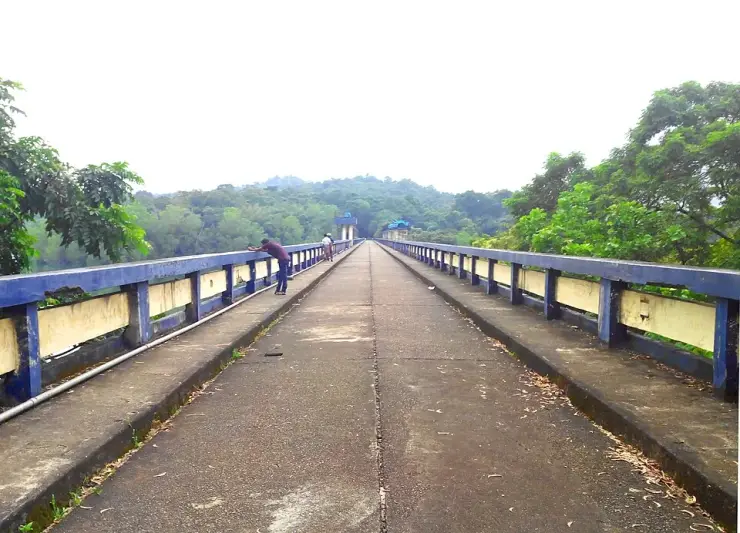
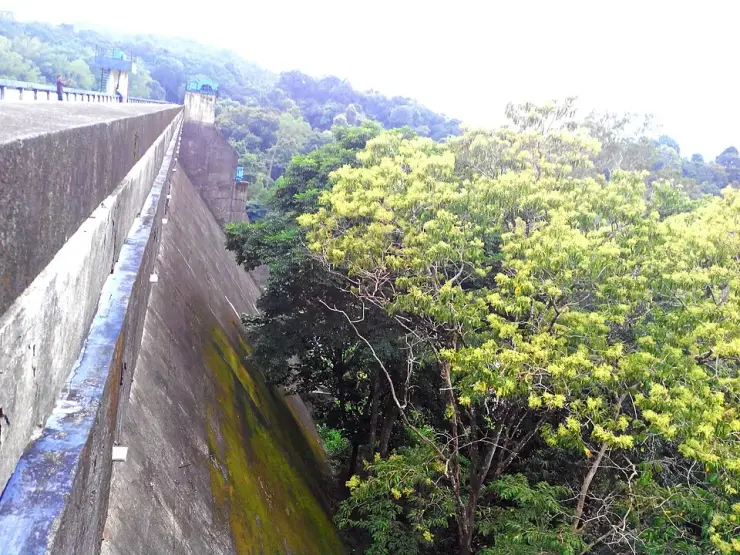
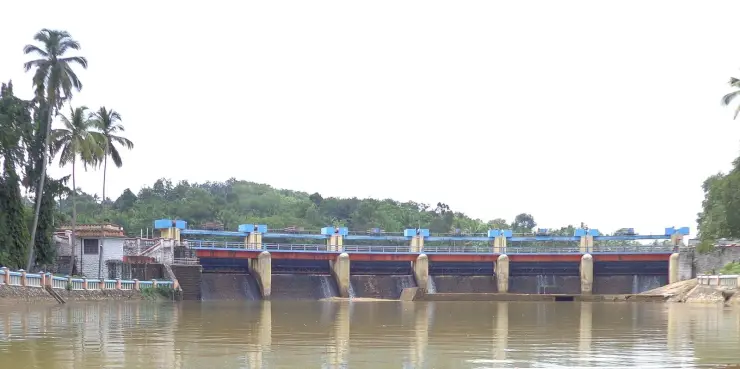
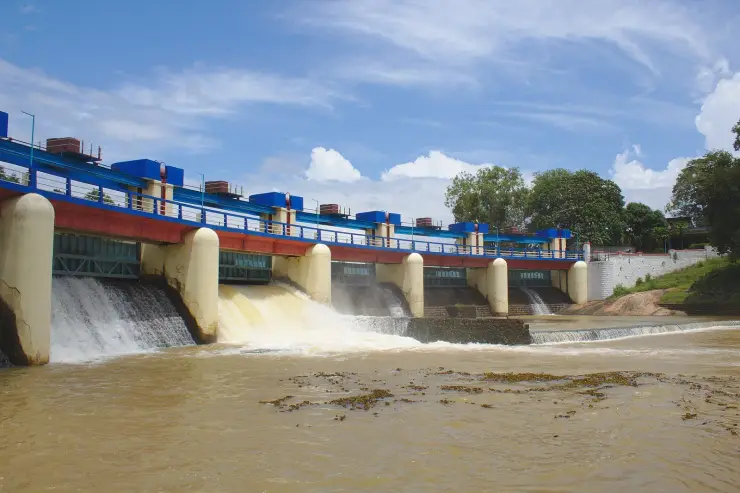
Aruvikkara Dam FreeFree to view; small charges may apply for any rides or boating.Indicative, confirm locally: open daytime; best after the monsoon when the river is full.—
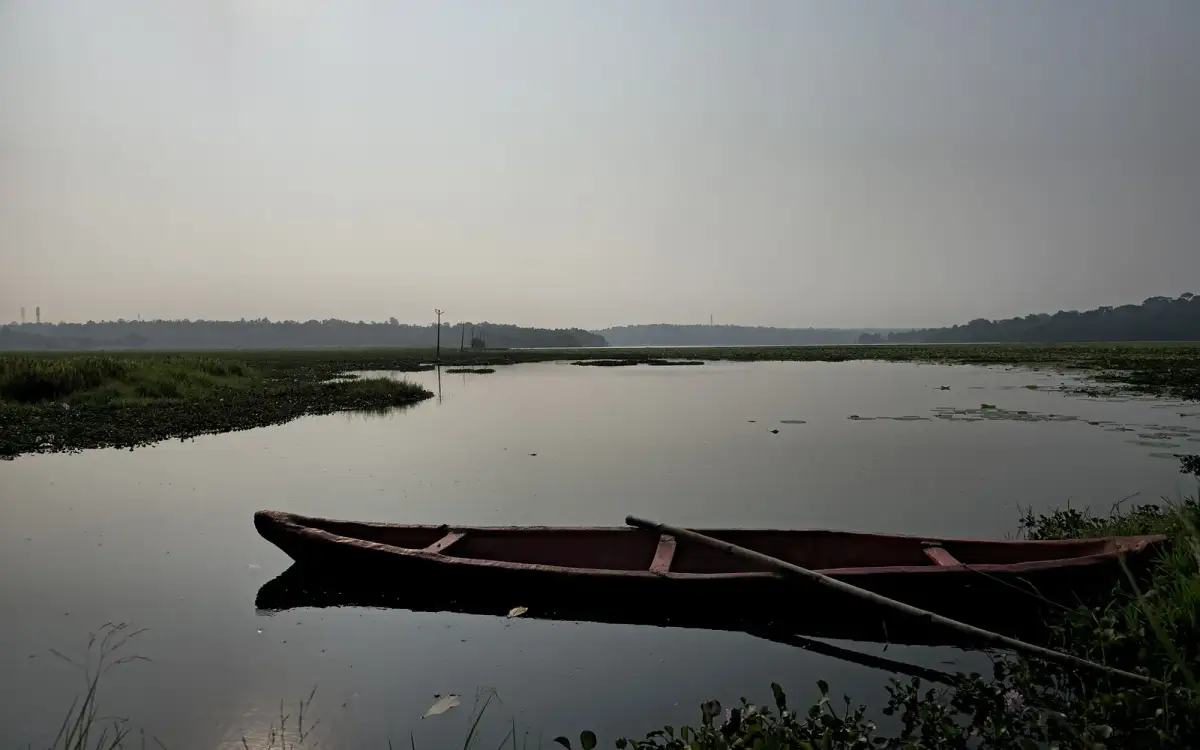
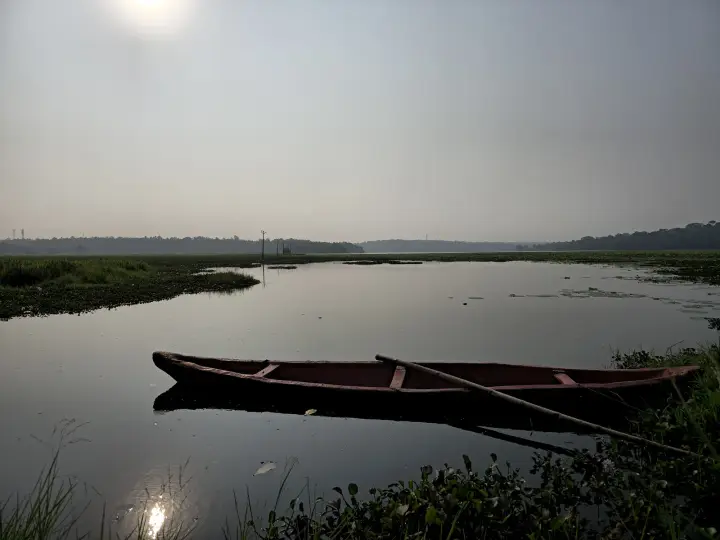
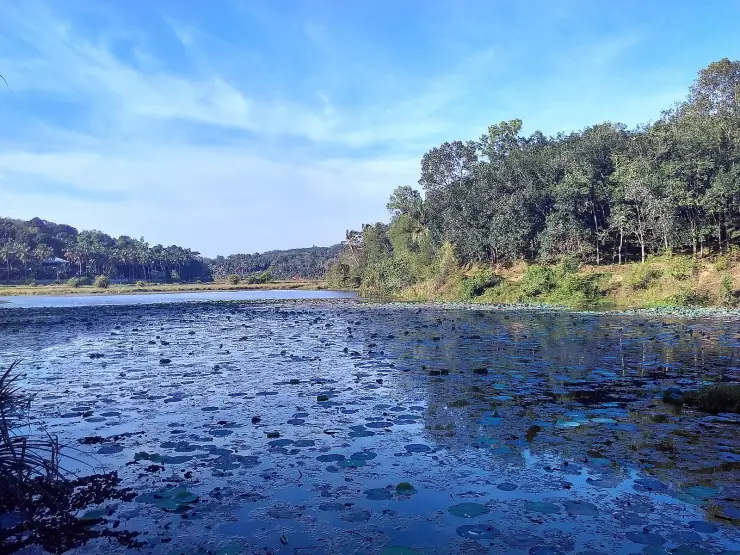
Vellayani Lake FreeFree (open lake; boating where available is charged locally).Indicative, confirm locally: open-access, best at sunrise and sunset.—
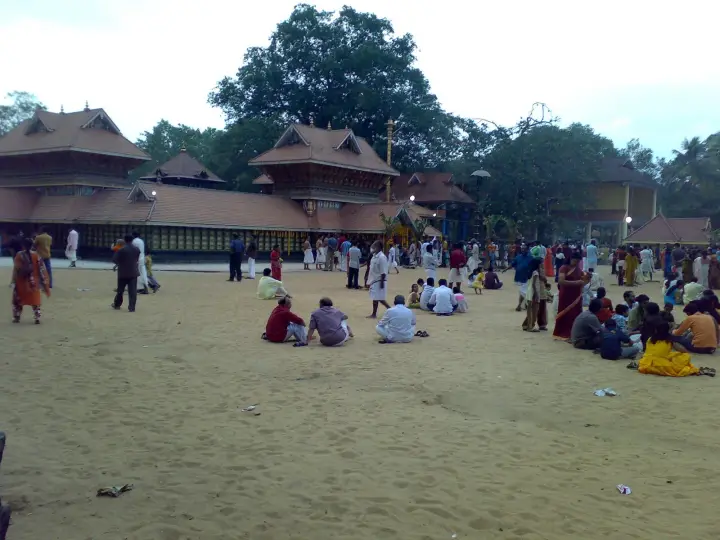
Sarkaradevi Temple FreeFree entry (dress code applies).Indicative, confirm locally: roughly early-morning to mid-day and evening darshan with pooja gaps.—
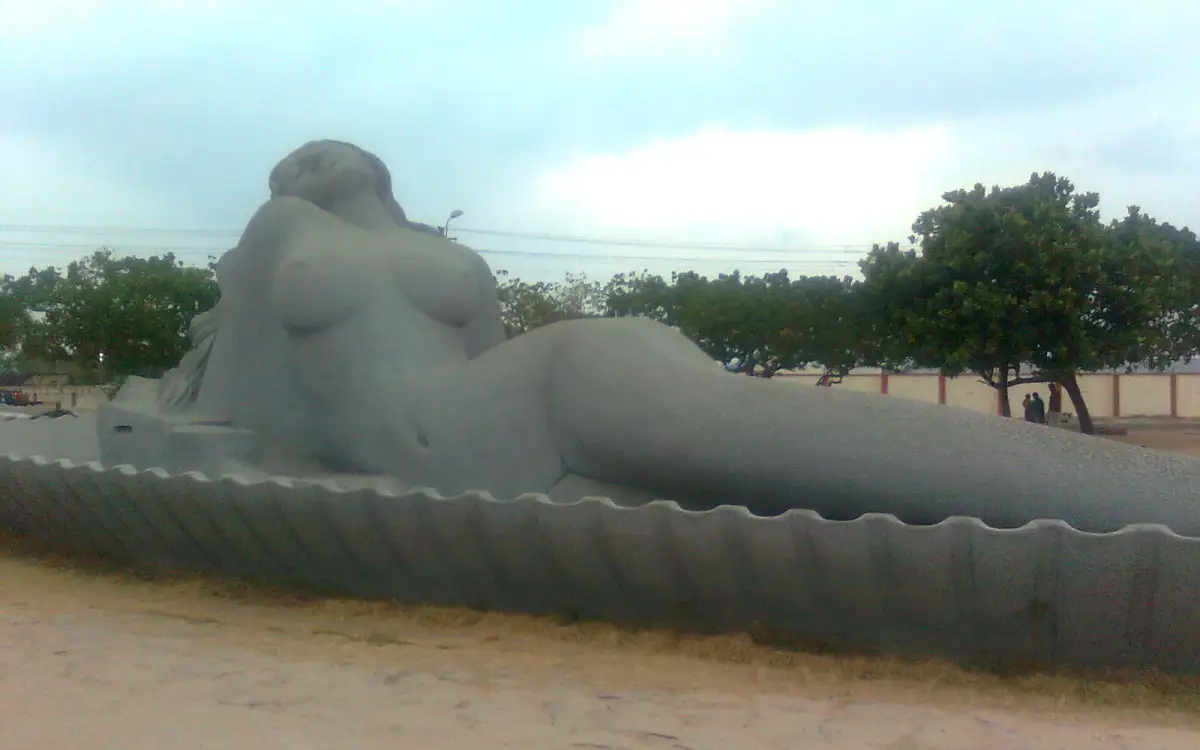
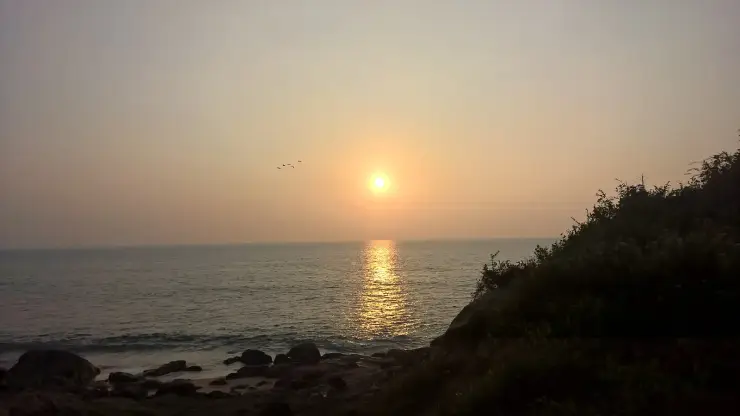
Shanghumukham Beach FreeFree (public beach).Indicative, confirm locally: open beach, best at sunset; there is no lifeguard cover.—
Peppara Dam FreeFree to view the reservoir; forest eco-tourism access is arranged through the sanctuary and charged.Indicative, confirm locally: daytime; forest access is regulated.—
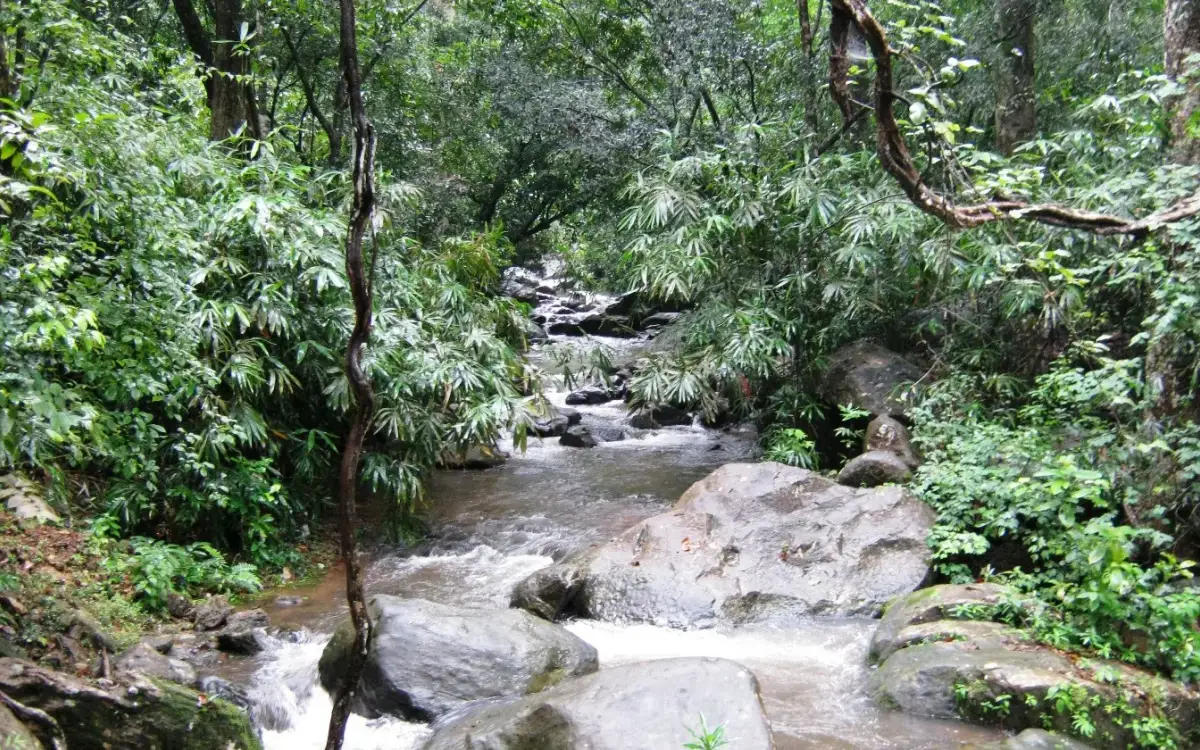
Kallar Meenmutty Falls A nominal forest entry fee and, where required, a guide charge may apply at the Kallar check-post; carry cash for both.Daytime only — a forest trek governed by check-post timings, typically morning to late afternoon so trekkers are out well before dusk; permission may be required.Mid-November to March is ideal, with clear skies and a firmer, less slushy trail. Avoid the monsoon (roughly June to September) when the path is treacherous and the river runs high; early morning starts are best year-round.
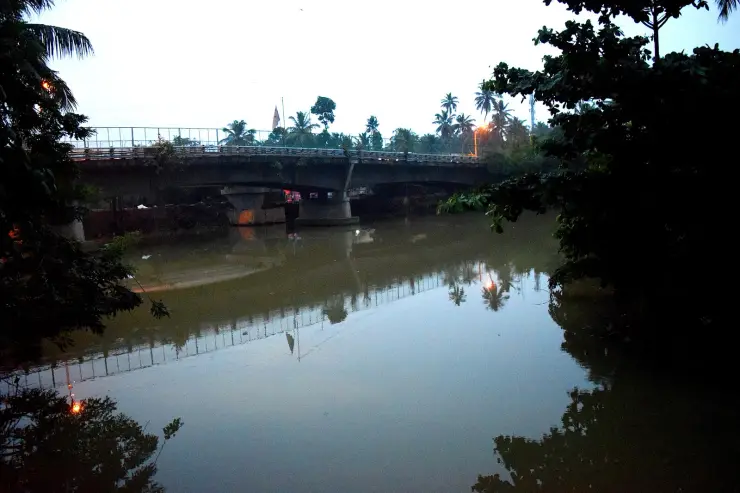
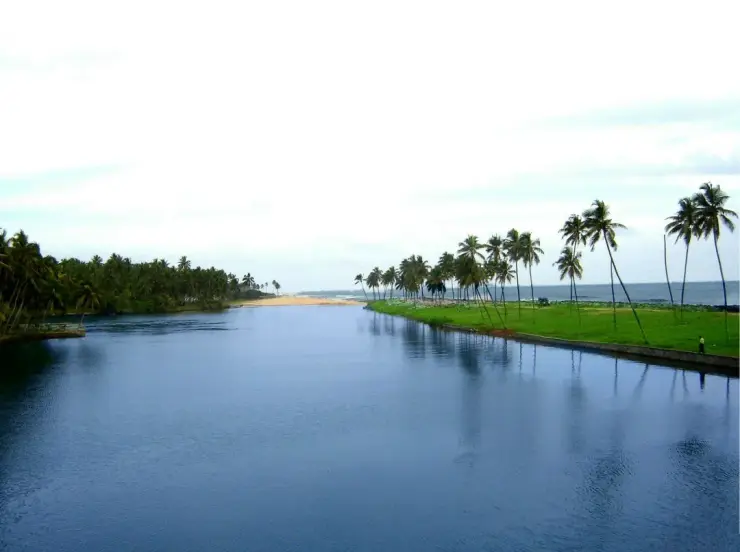
Kappil Beach No entry fee for the beach. Boating is charged separately — reported at around ₹600 for a safari boat seating up to about seven people, with shorter and pedal-boat options available.The beach and the Kappil bridge viewpoint are open and freely accessible at all hours; backwater boating operates during daytime, roughly 10 am to 6 pm.October to February or March, when the weather is dry and pleasant and the backwater is calm, is the best window; avoid the heavy monsoon from June to September. Late afternoon into sunset is the loveliest time of day.
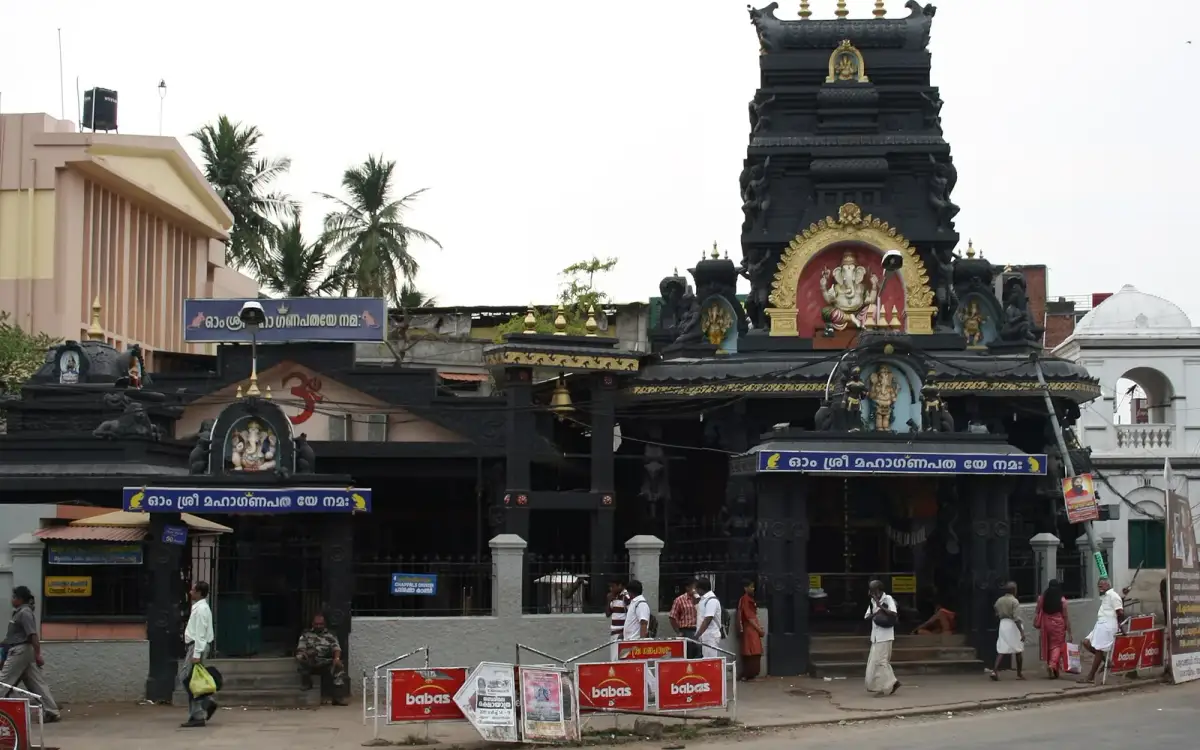
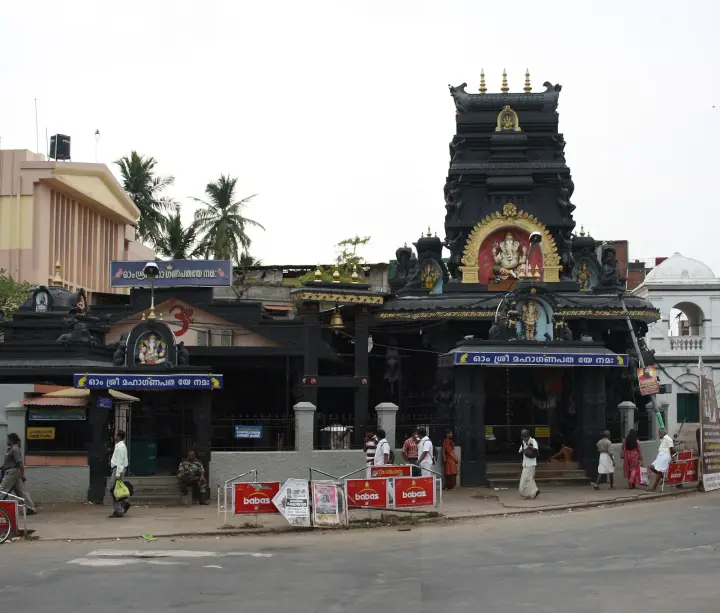
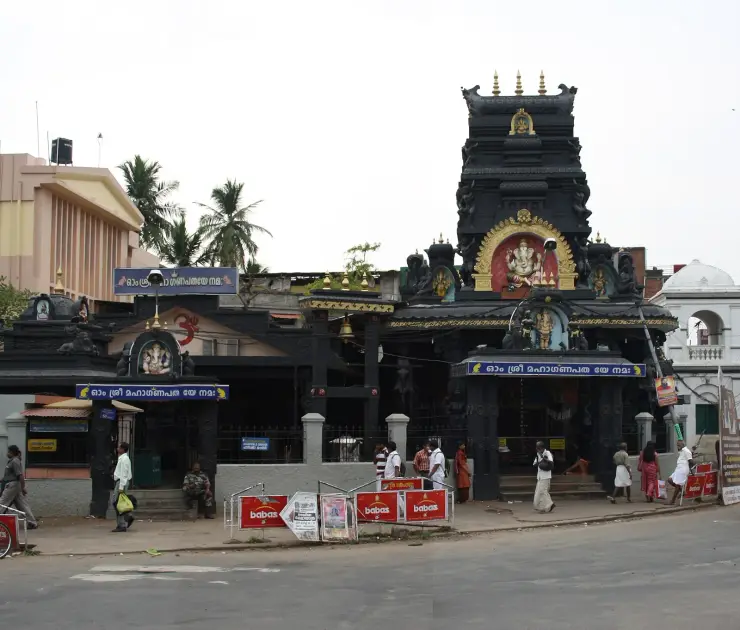
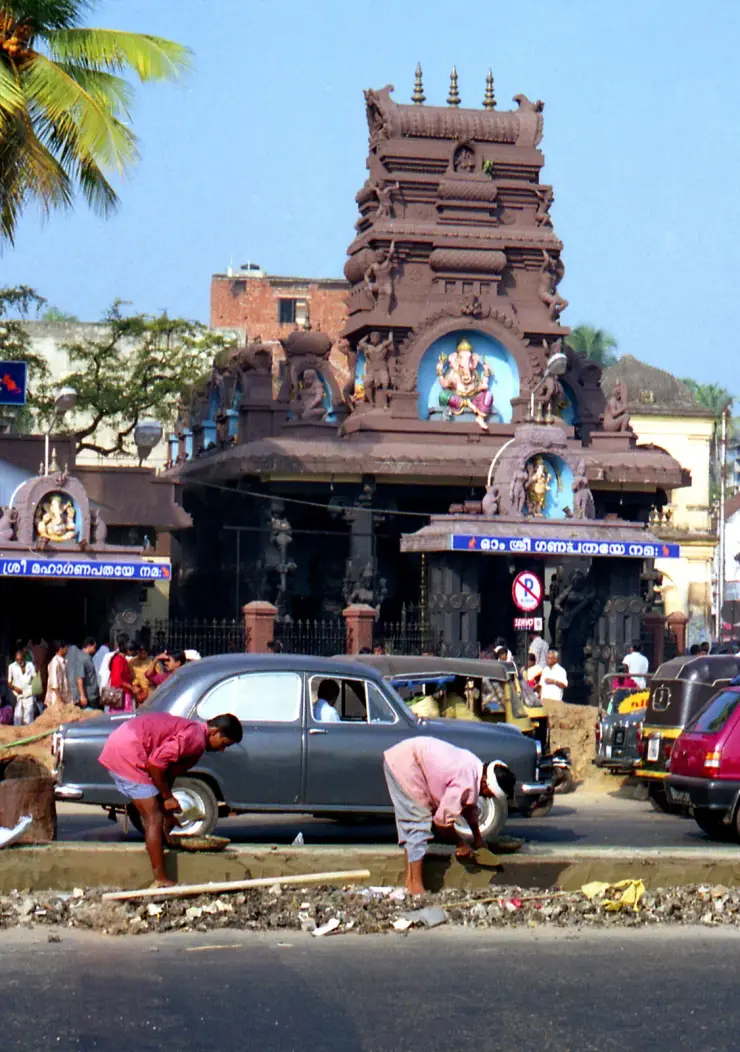
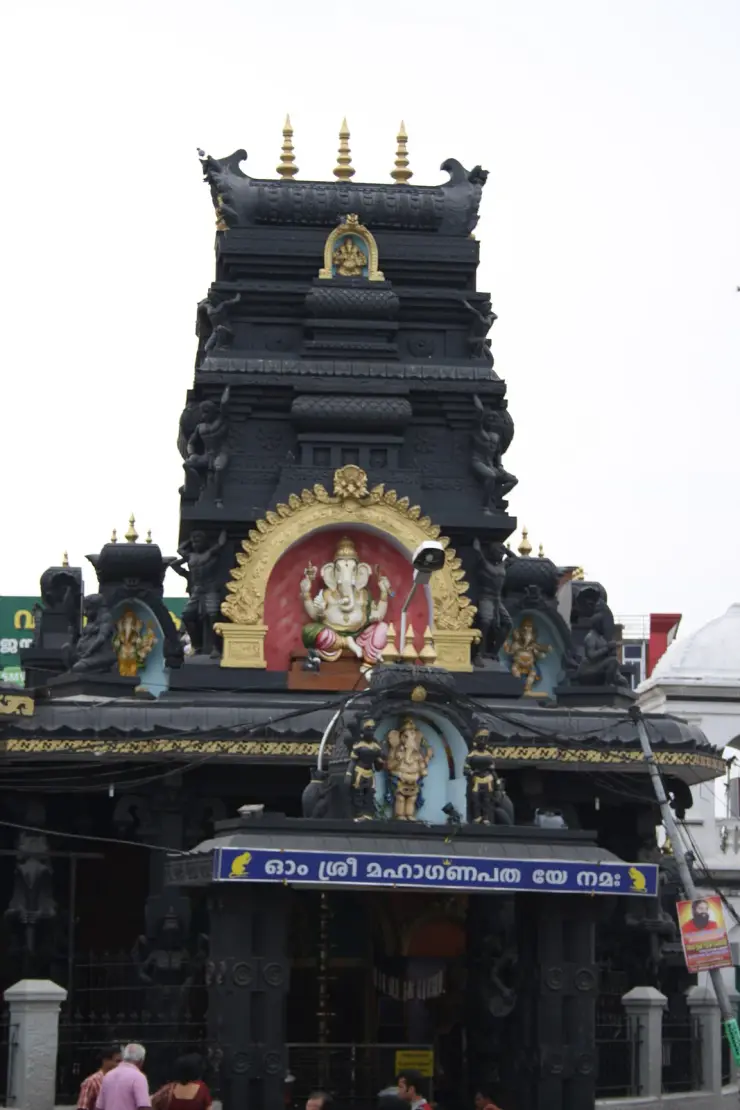
Pazhavangadi Ganapathy Temple FreeFree entry (dress code applies).Indicative, confirm locally: roughly early-morning to mid-day and evening with pooja gaps.—
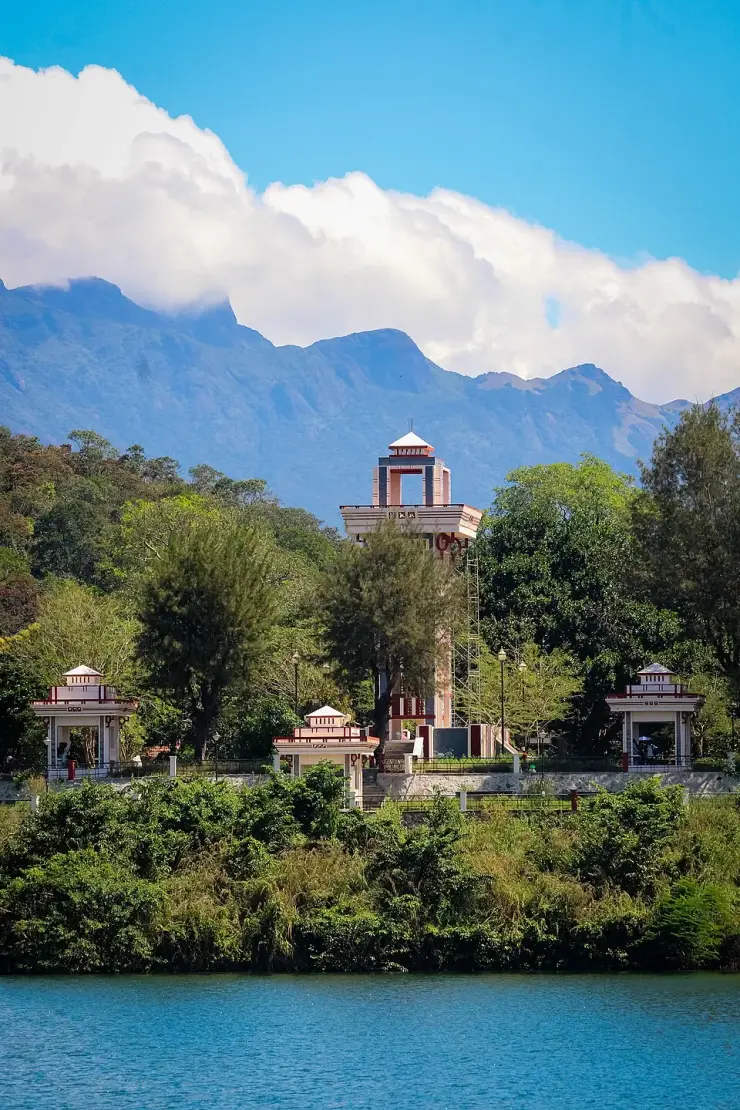
Akkulam Lake FreeDTPC gate charge, widely quoted at around Rs 30 adult / Rs 20 child under 12; boating (roughly Rs 150-600 by craft and duration), the pools and the adventure activities are all ticketed separately. Neither DTPC nor Kerala Tourism publishes a current tariff online, so treat these as indicative and carry cash.Indicative, confirm locally: open daytime into the evening; the Air Force Museum inside the grounds may keep different hours.—
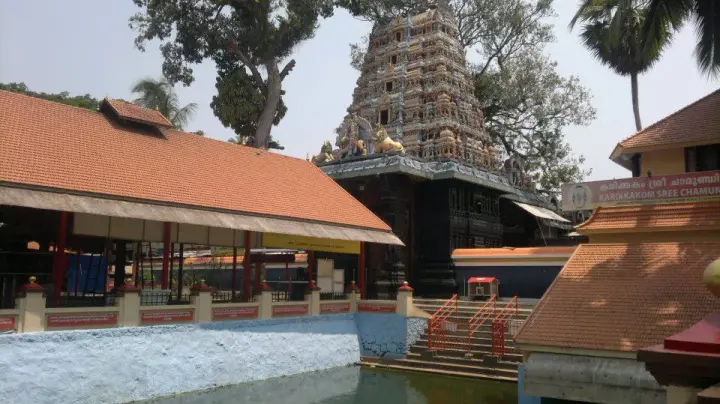
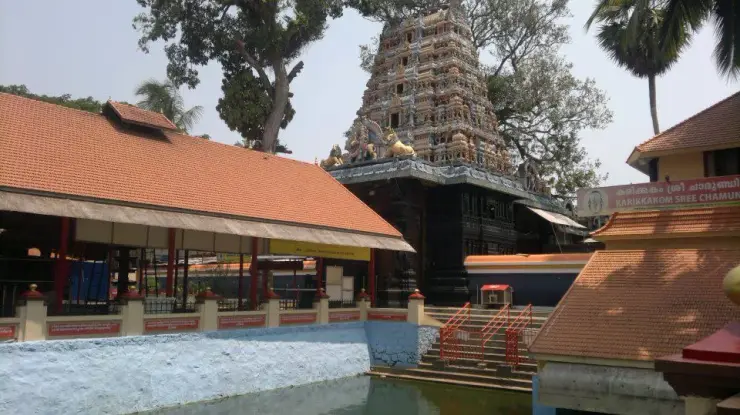
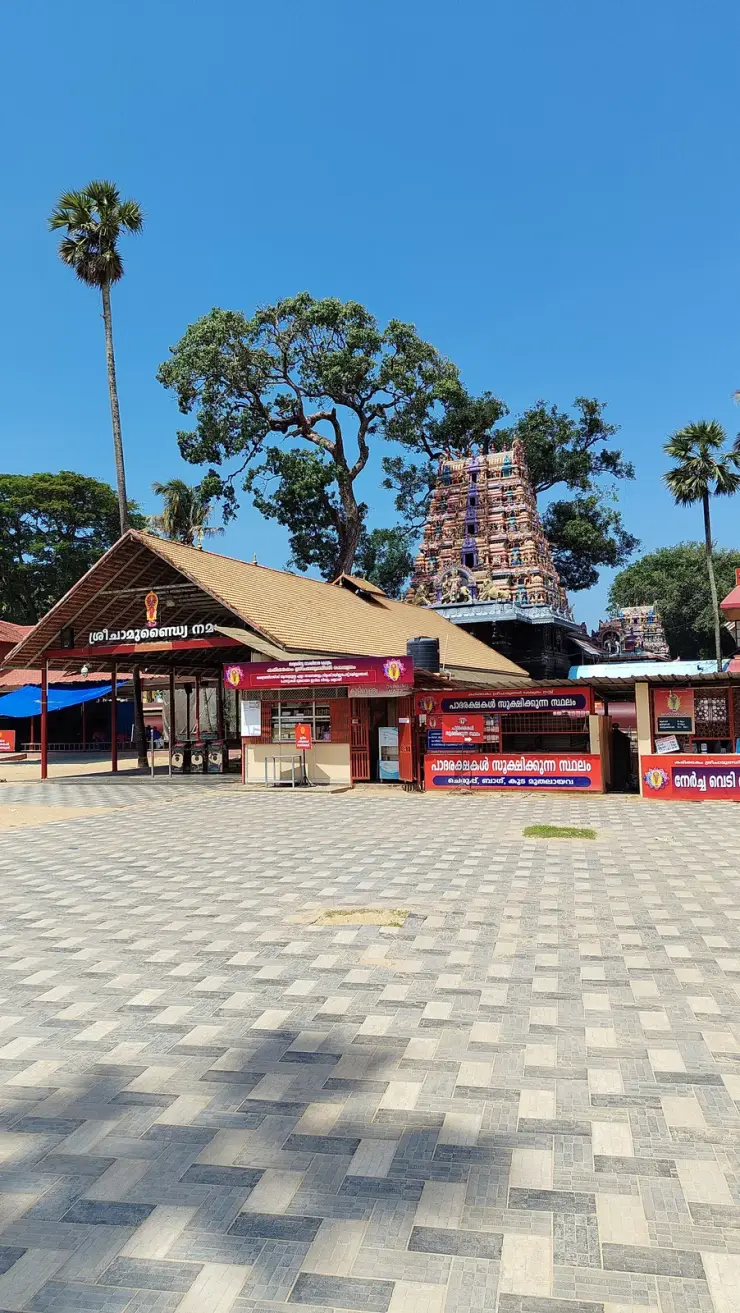
Karikkakom Chamundi Temple FreeFree entry (dress code applies).Indicative, confirm locally: roughly early-morning to mid-day and evening darshan with pooja gaps.—
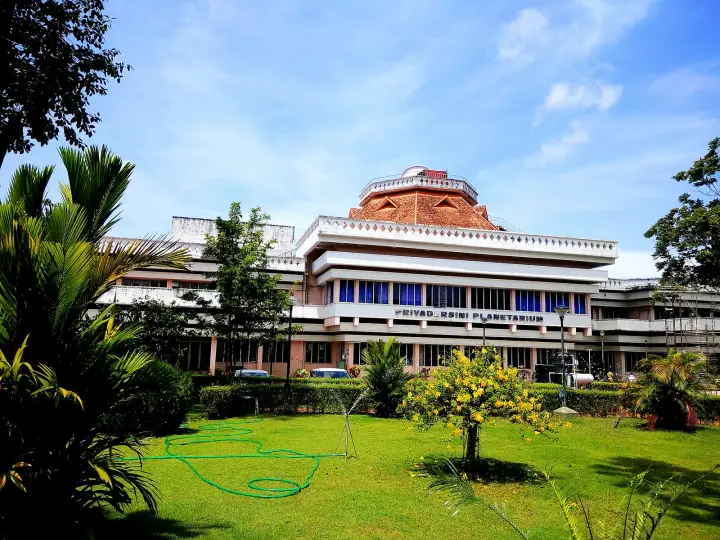
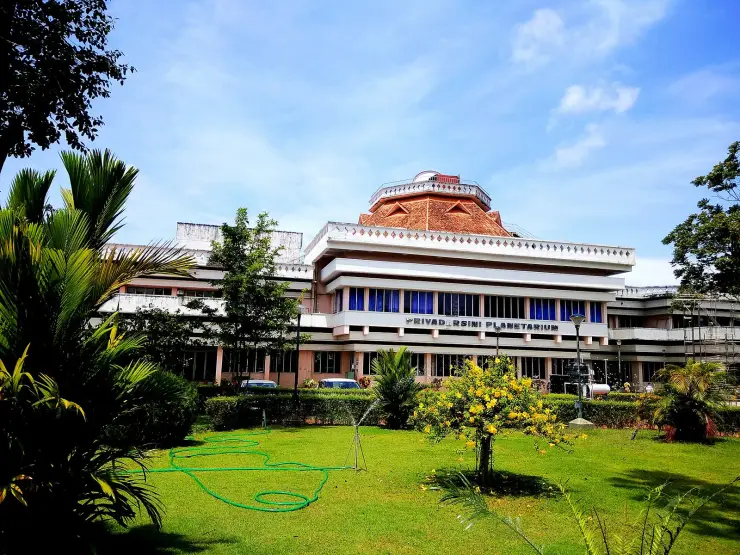
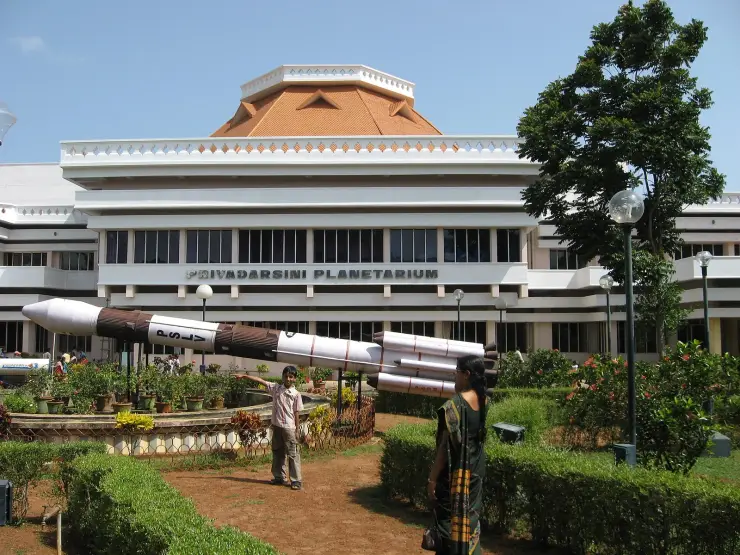
Kerala Science and Technology Museum FreeSmall entry charge; the Priyadarshini Planetarium shows are ticketed separately.Indicative, confirm locally: roughly 10:00 AM to 5:30 PM; planetarium shows run to a daily schedule.—
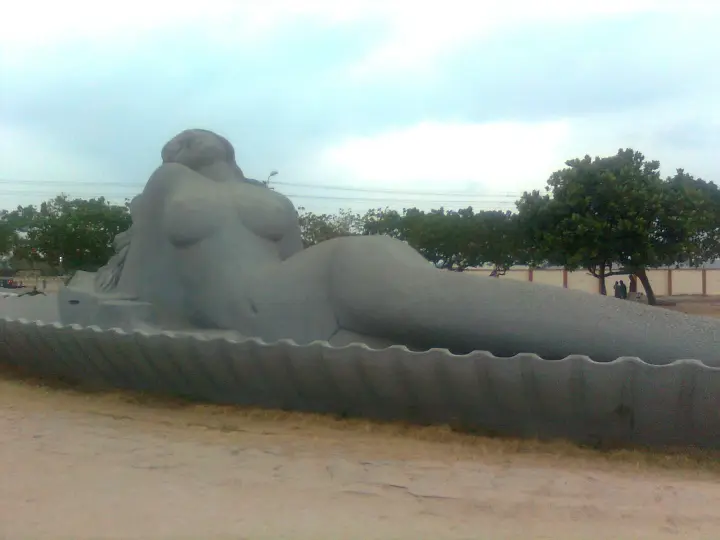
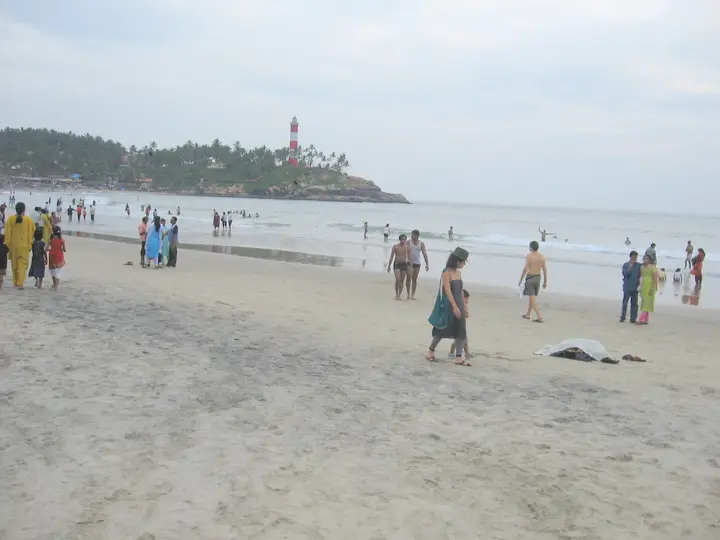
Lighthouse Beach Access to the beach is free; the lighthouse climb charges a small entry fee, usually with an additional camera fee.The beach is open-access at all times; the lighthouse climb has fixed visiting hours, typically afternoon into early evening.September to March offers calm seas, warm sun and clear skies — the best window for swimming and sunsets. Avoid the southwest monsoon (June to August), when the sea turns rough and swimming is unsafe. Late afternoon is ideal for the lighthouse climb and sunset.
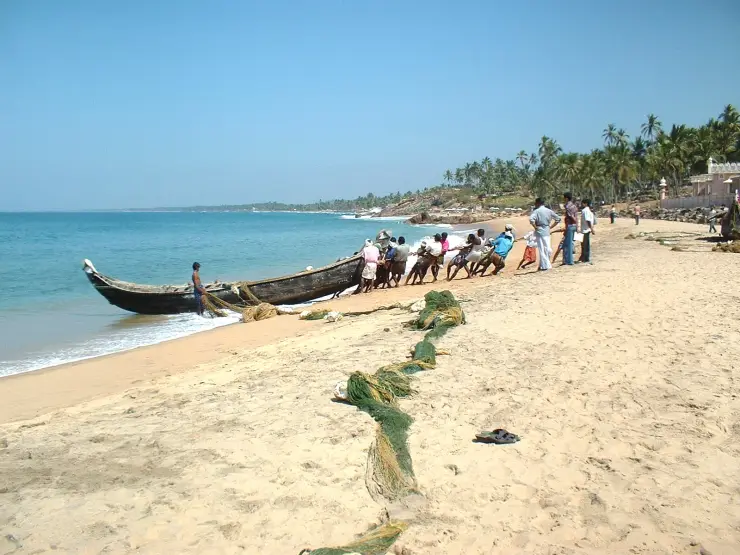
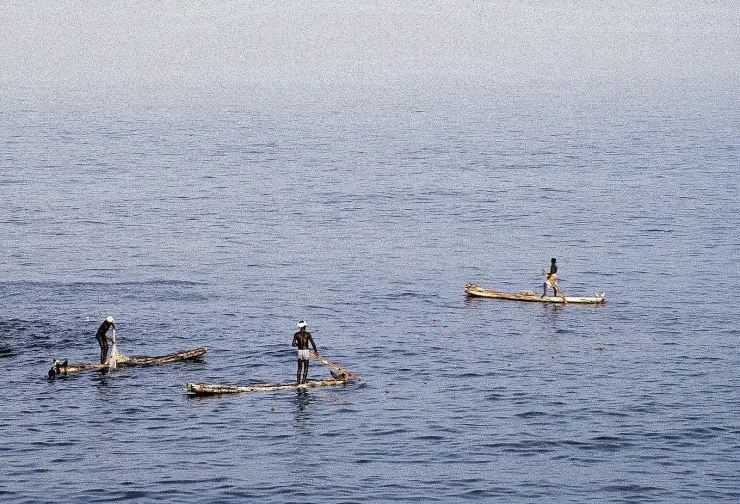
Hawa Beach Free — there is no gate and no ticket for the beach itself.Open access at all times. The fishing crews work the shore from before first light, and the beach is at its busiest for visitors between mid-afternoon and sunset.September to March for calm water and clear sunsets. The southwest monsoon (June to August) brings a heavy, dangerous sea and the fishing boats often stay ashore. Early morning is the time to see catamarans landing the night's catch.
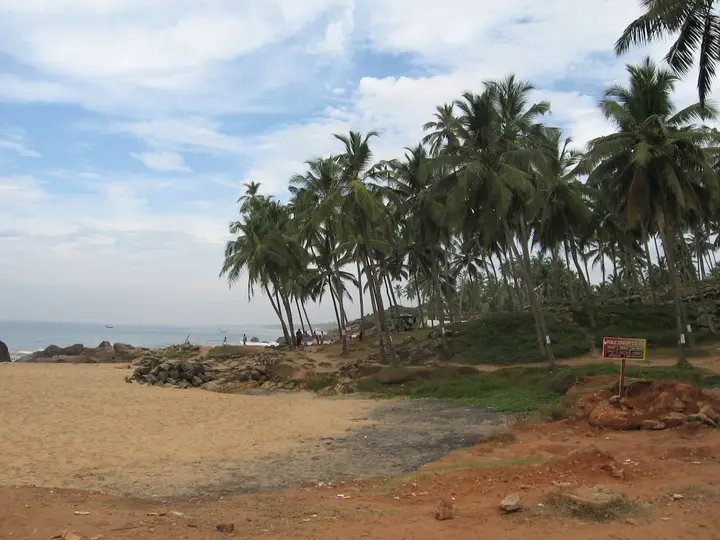
Samudra Beach Free — no gate, no ticket.Open access at all times; quietest in the early morning and after dark.September to March. This is the most exposed of the three Kovalam crescents, so the monsoon sea (June to August) is heavier here than further south and swimming is unsafe.
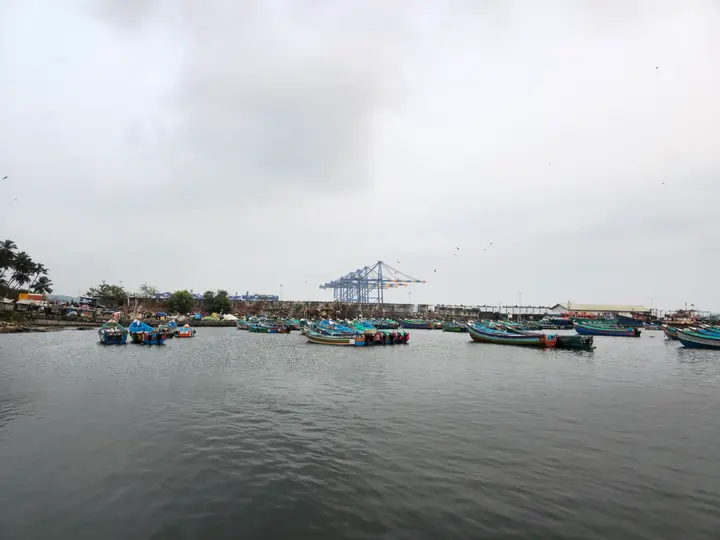
Vizhinjam Free to walk the harbour and the town. The marine aquarium charges a small ticket.The harbour and the town are open at all times; the fish landing is busiest in the early morning. The rock-cut cave temple and the marine aquarium keep their own hours — see their own pages and confirm locally.October to March. Vizhinjam is a working port rather than a beach resort, so the monsoon affects the fishing rhythm more than the visit itself, though the sea wall is dangerous in heavy weather.
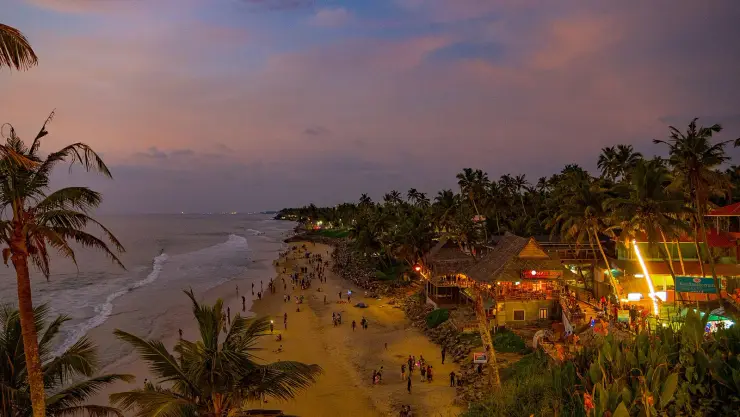
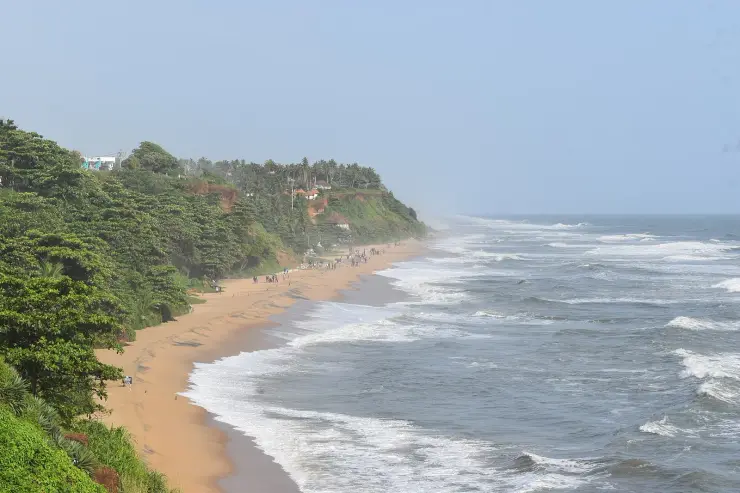
Varkala Cliff Free to walk the clifftop promenade and beach; sunbeds, umbrellas, surf lessons and other activities are paid extrasOpen-air clifftop promenade accessible at any time; at its best in the late afternoon and at sunset. Individual cafés and shops keep their own hoursBest from roughly October to March, when seas are calmer and skies clearer; the southwest monsoon (about June to September) brings rough surf and rain, and the sea can be dangerous in the rough-sea season
Papanasam Beach Free. Priests conducting bali rites take their own dakshina, which is arranged directly with them.Open access at all times. Ancestral rites are performed at the northern end in the early morning; the swimming and sunset crowd builds through the afternoon.October to March for calm sea and clear sunsets. Avoid the southwest monsoon (June to August), when the surf here is heavy and the path above becomes slippery. Karkidaka Vavu, the new-moon day of the Malayalam month of Karkidakam (roughly July–August), draws very large crowds for ancestral offerings.
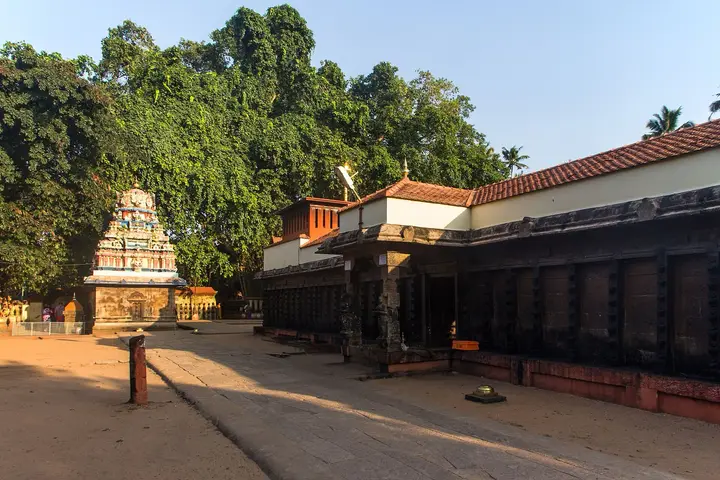
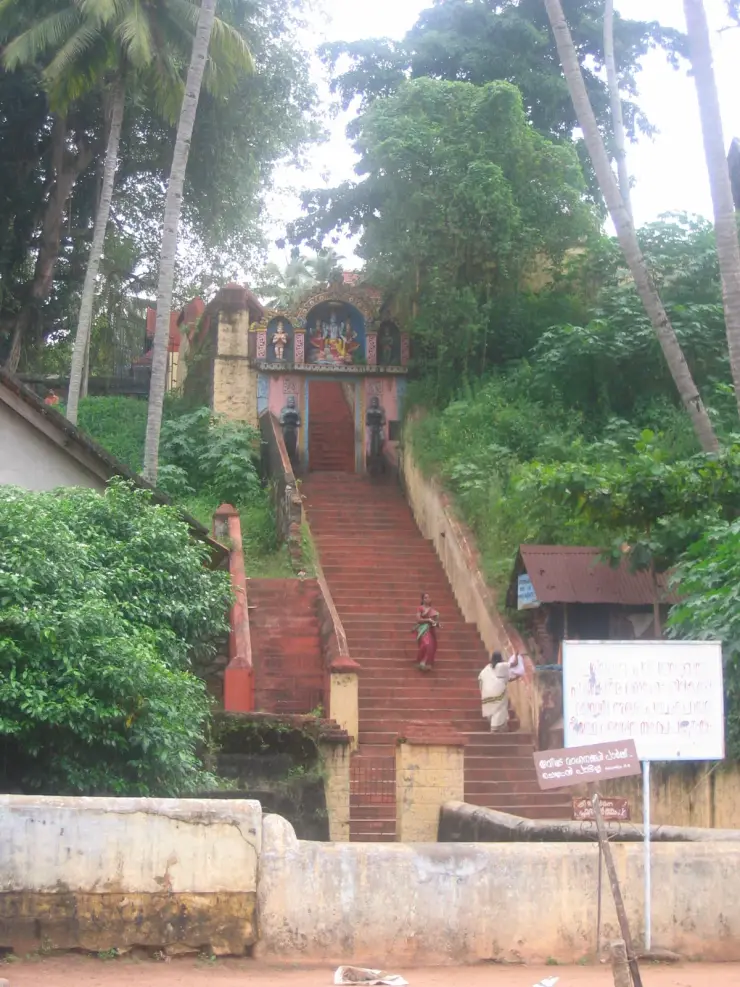
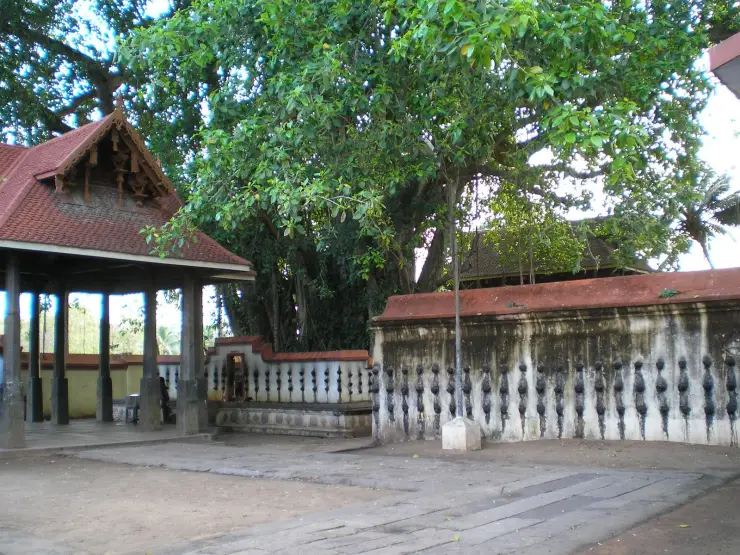
Janardanaswamy Temple Darshan is generally free; specific poojas, offerings or vazhipadu may carry the usual temple charges.Commonly reported as open early morning to around midday and again in the evening — often cited as roughly 4 am to 12 noon and about 5 pm to 8 pm, with darshan best in the early morning and at evening deeparadhana.Pleasant from about October to March when the coast is cooler and drier; dawn and dusk are the calmest, most atmospheric times to visit. The Meenam Arattu festival (March–April) and the Karkidaka Vavu ancestral‑rite day (July–August) are especially vivid but very crowded.
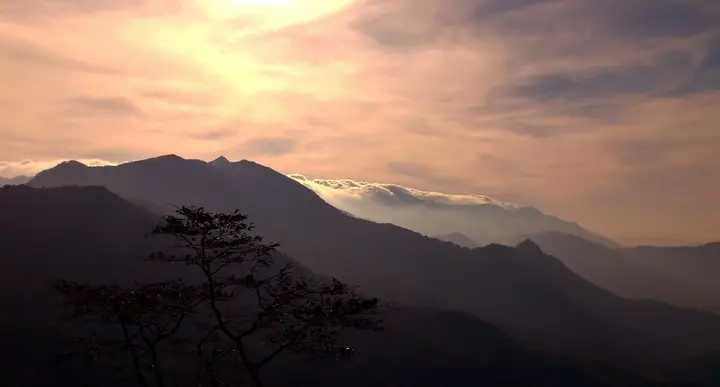
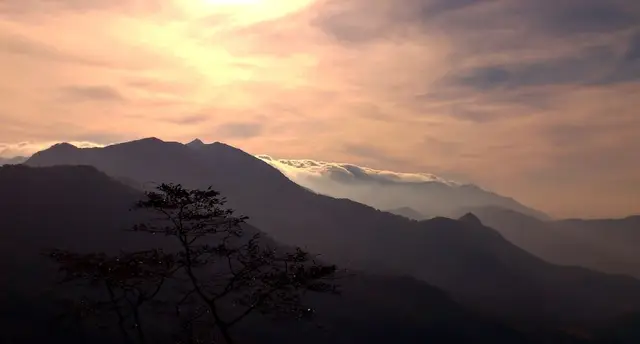
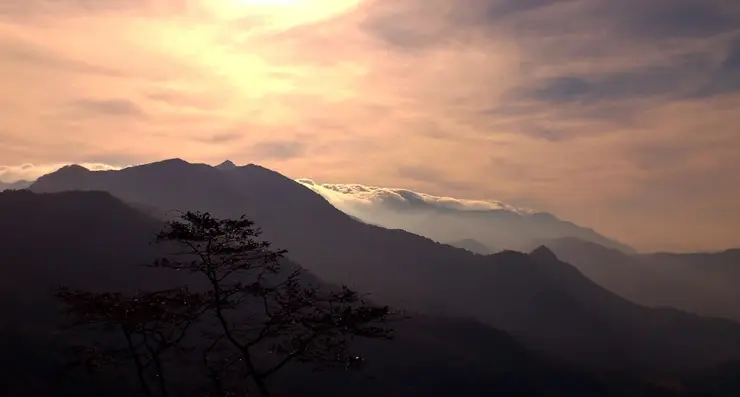
Ponmudi viewpoint A small entry or vehicle charge is collected on the Ponmudi road at the Forest Department check-post.The Ponmudi road is normally open through the day and closed to traffic after dusk; the upper viewpoint is reached on foot from the road head. Hill roads here close at short notice in bad weather.October to March, and above all the early morning, when the valley below fills with cloud and the Agasthyamala ridge stands clear. From April the haze builds; in the monsoon the viewpoint is often inside the cloud rather than above it.
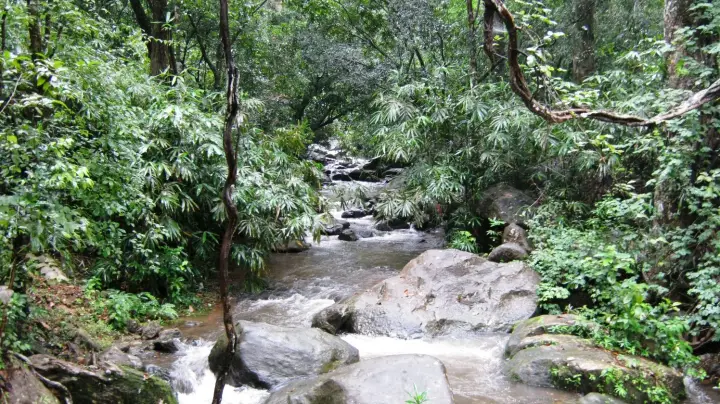
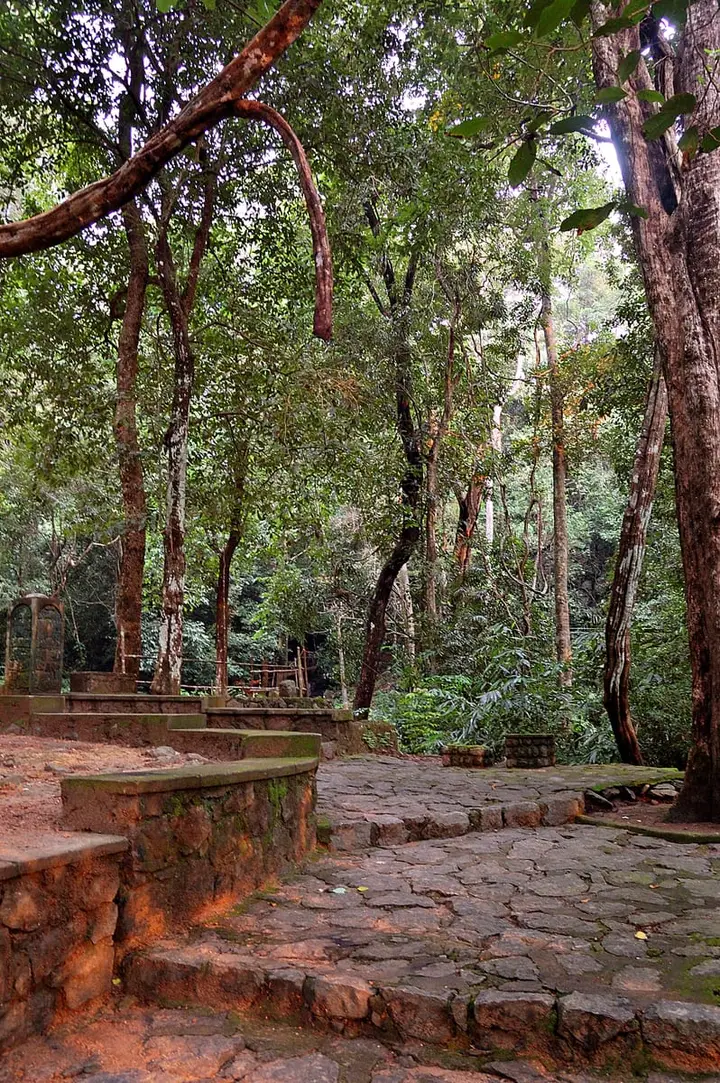
Golden Valley A nominal entry charge is collected at the Kallar check-post; carry cash.Daytime only. Access is through the Forest Department check-post at Kallar and is closed well before dusk.November to February, when the Kallar runs clear and shallow over the boulders. Avoid the monsoon and the weeks after it entirely: this is a flash-flood river fed by a steep forested catchment, and the level can rise without warning under a clear sky downstream.
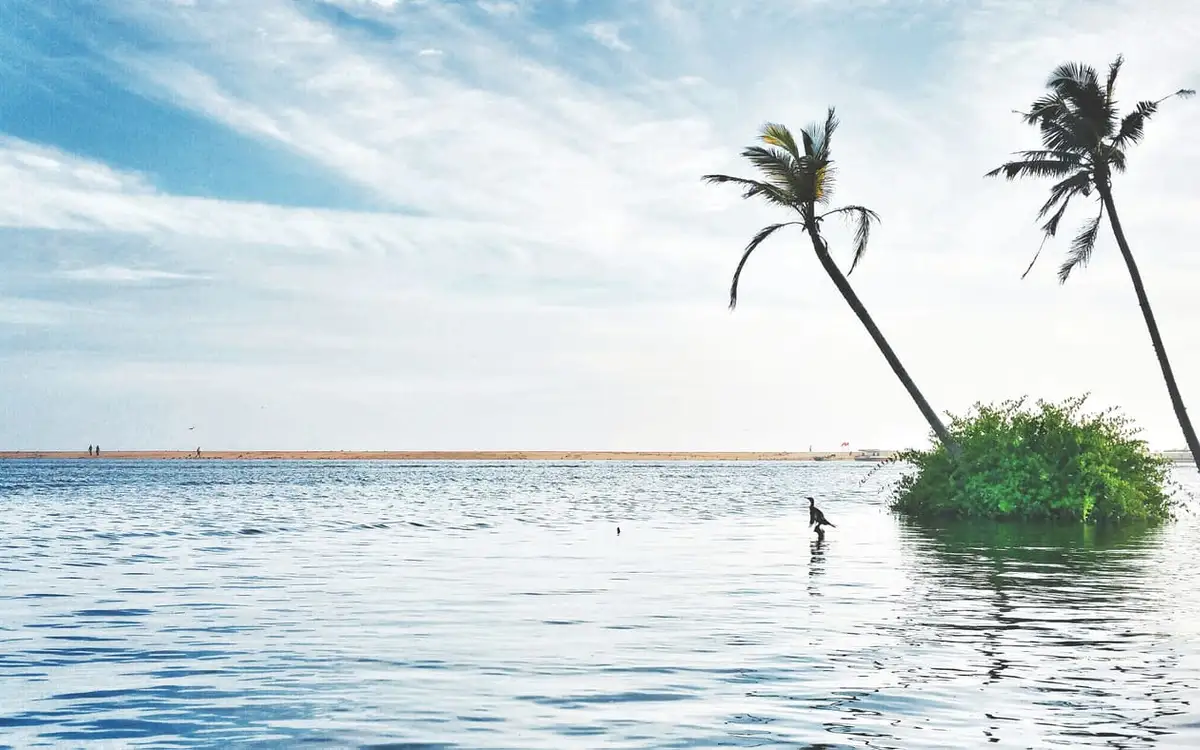
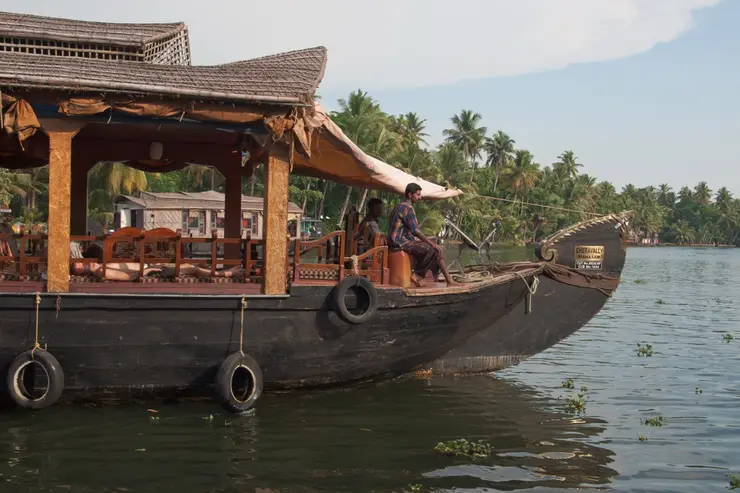
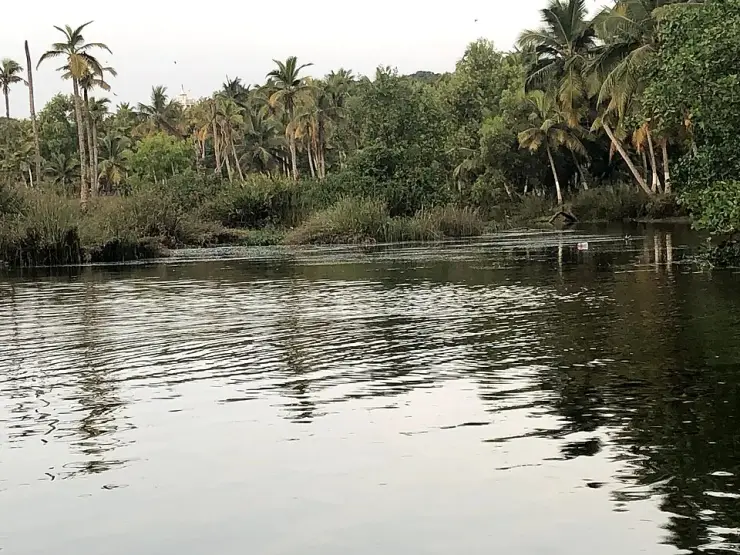
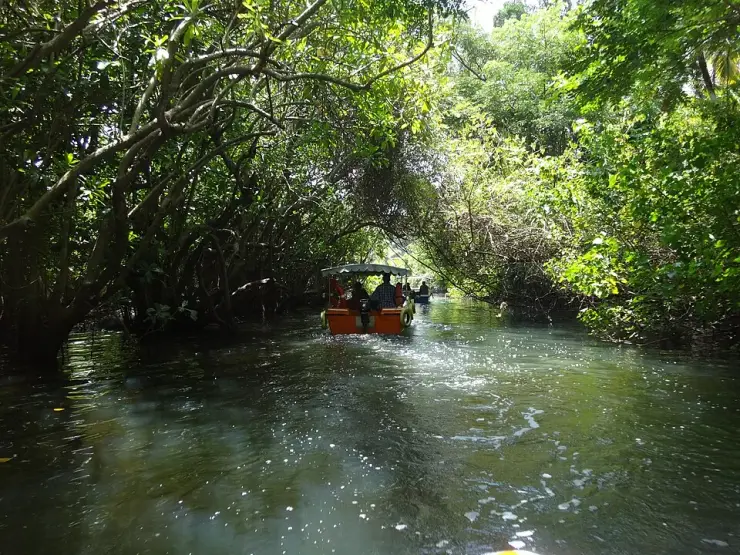
Poovar backwaters No entry charge for the backwater itself; you pay the boat. Rates are per boat rather than per head and vary with the length of the trip and whether it includes the sandbar landing.Boats run through daylight hours from the Poovar jetties, with the last return timed to be off the water before dark. Sunset cruises are the popular slot and fill early in season.October to March for calm water and clear light. The estuary is at its most dramatic just after the monsoon, when the river is full and the bar is reworked, but boat operations can be suspended in heavy weather.
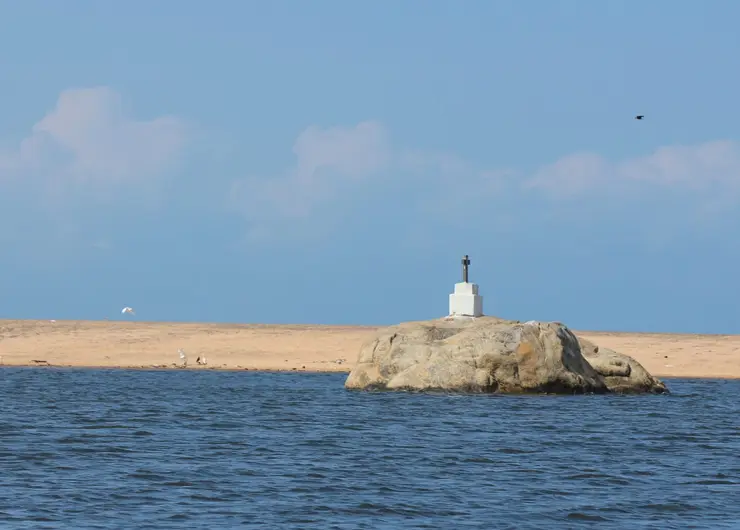
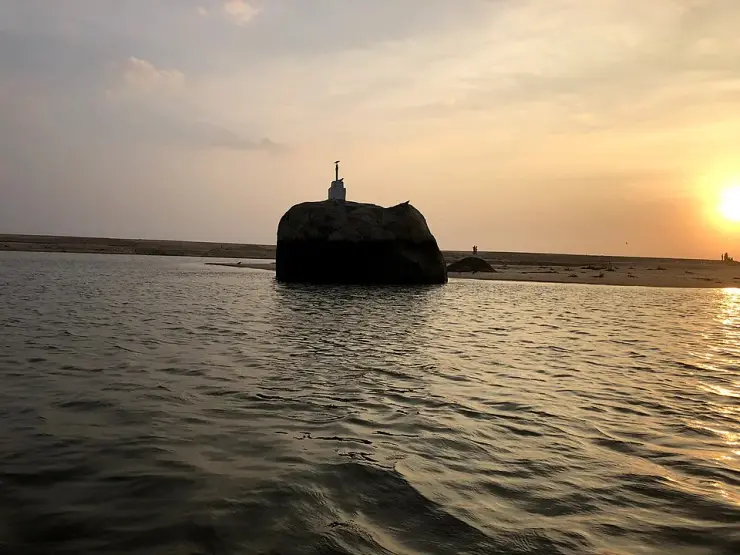
Poovar beach No charge for the beach; the cost is the boat that takes you there.Daylight hours in practice, because access is by boat and the boats stop before dark.October to March. Through the southwest monsoon the bar is reworked by heavy surf and landings are often not made at all.
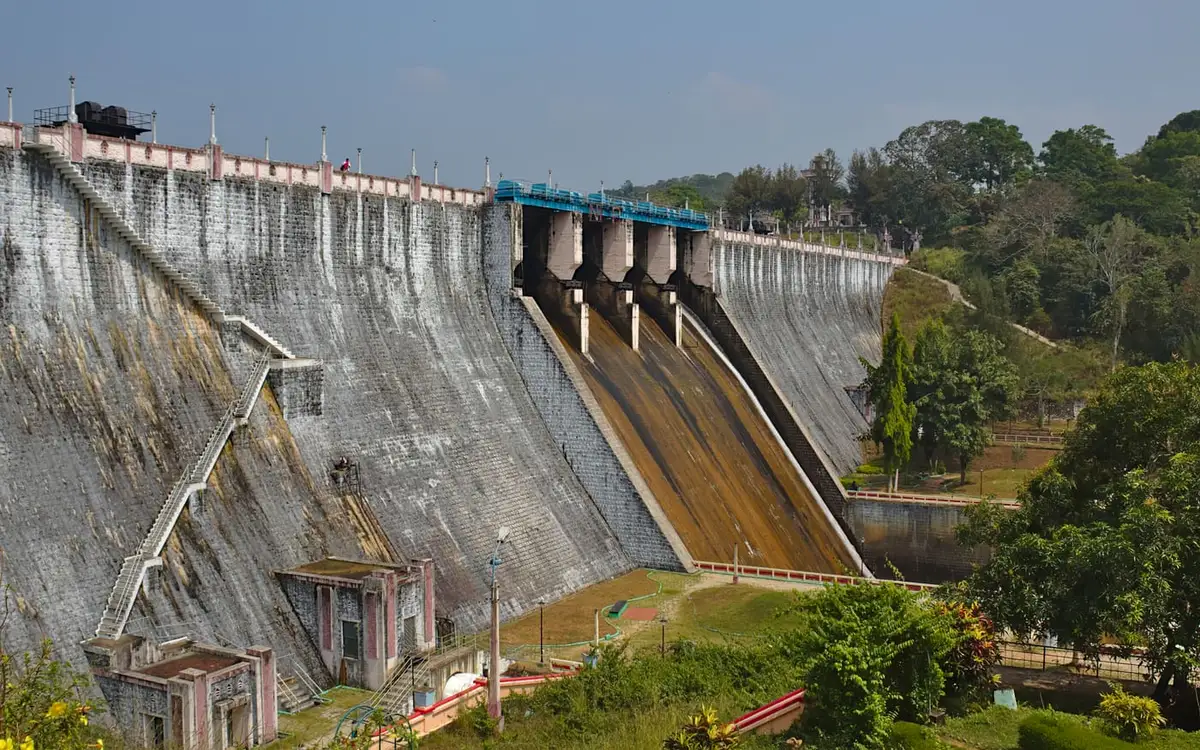
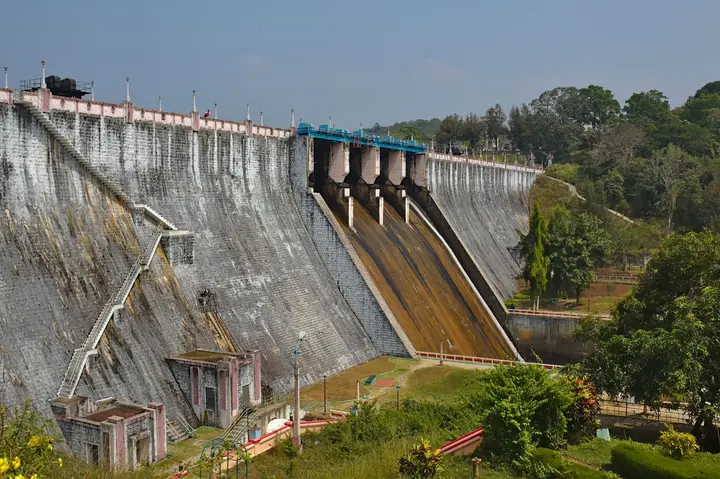
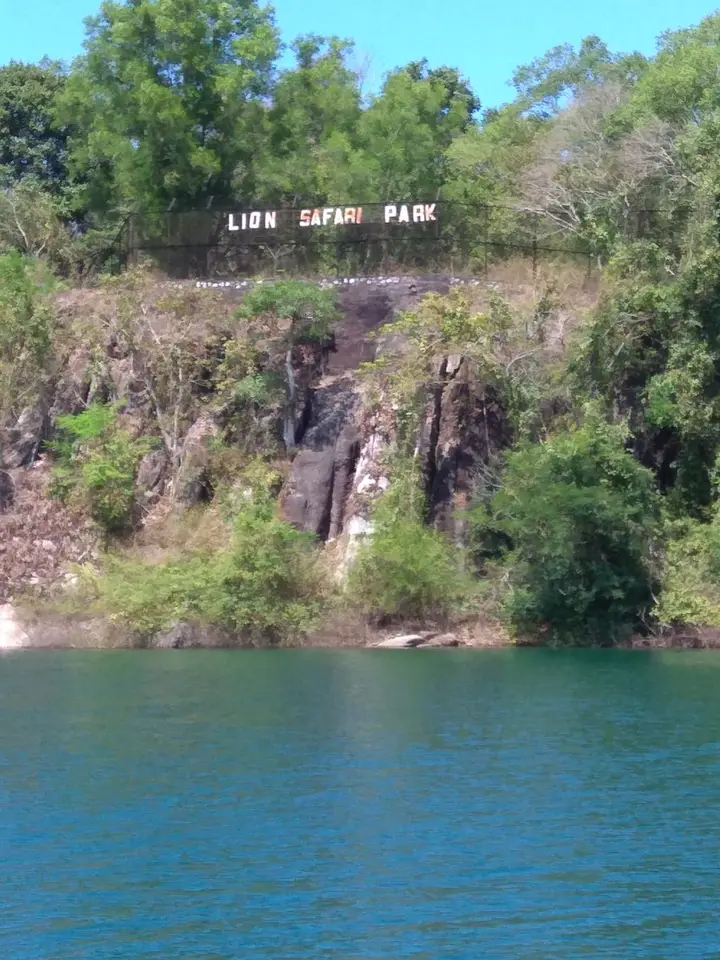
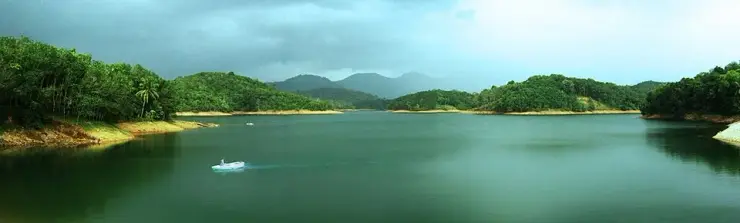
Neyyar Dam A modest sanctuary/park entry ticket, with boating, the Lion Safari Park and the crocodile park charged separately; rates differ for adults, children and cameras and are revised from time to time.Generally open through the day, roughly 9 am to about 4–5 pm, usually closed on Mondays; boating typically stops in the mid-afternoon (around 3:30 pm). Timings vary with season and water levels.October to March, when the weather is pleasant and the reservoir is scenic; mornings are best for boating and wildlife. The Agasthyakoodam trek opens only for a short season, usually in the first months of the year.
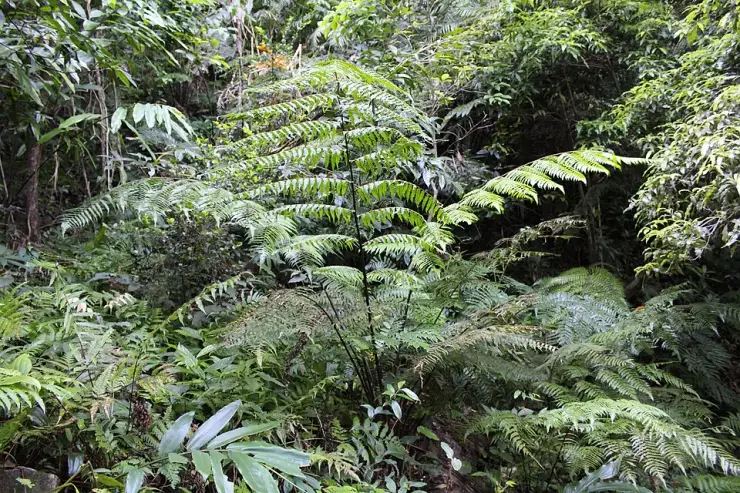
Neyyar Wildlife Sanctuary A Forest Department entry fee applies, with separate charges for the boat trip and for the safari park and crocodile centre at the dam end. Camera charges may apply.Daytime only, on Forest Department timings; the visitor facilities at the dam end typically open mid-morning and close in the late afternoon.November to March is the comfortable window. The sanctuary is at its greenest immediately after the monsoon, but trails and boating are frequently suspended during heavy rain.