What to expect
Highlights
- Temple visit at Sarkaradevi Temple
- Kerala temple architecture and rituals
- Local food, shops and pilgrim services nearby
A renowned Devi temple at Chirayinkeezhu, famous for the Kaliyoot festival and the Sarkara jaggery legend.
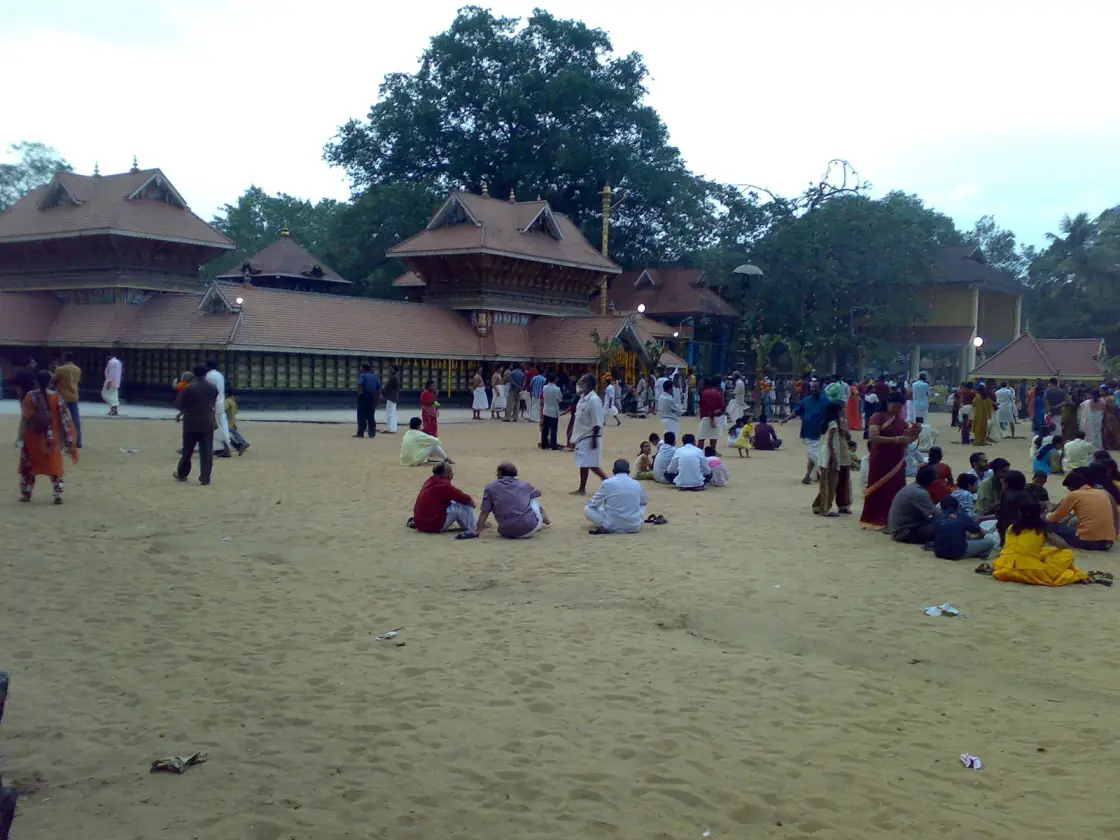
Check entry arrangements. Ask temple staff about visitor entry, dress requirements and access to the inner shrine before you travel, especially if you are visiting as a non-Hindu.
Dress respectfully and follow the institution’s admission and photography rules.
At Chirayinkeezhu, north of the city, stands a Bhadrakali temple famous for two things: a jaggery legend that gave it its name, and the Kaliyoot — a ritual festival in which the goddess’s battle with the demon Darika is performed rather than merely told.
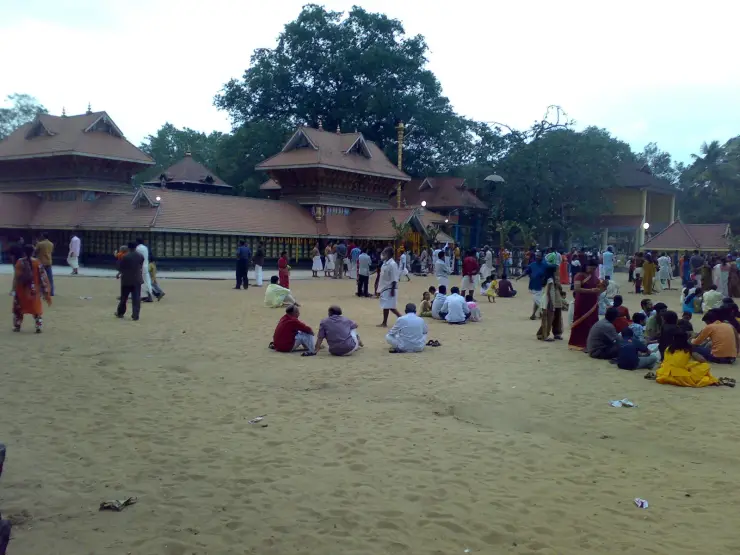
Sarkaradevi sits at Chirayinkeezhu, in the northern part of the district on the road towards Varkala, and it is one of the more significant Devi temples in this part of Kerala. The presiding deity is Bhadrakali, the fierce form of the goddess born to destroy the demon Darika, and everything distinctive about the temple follows from that.
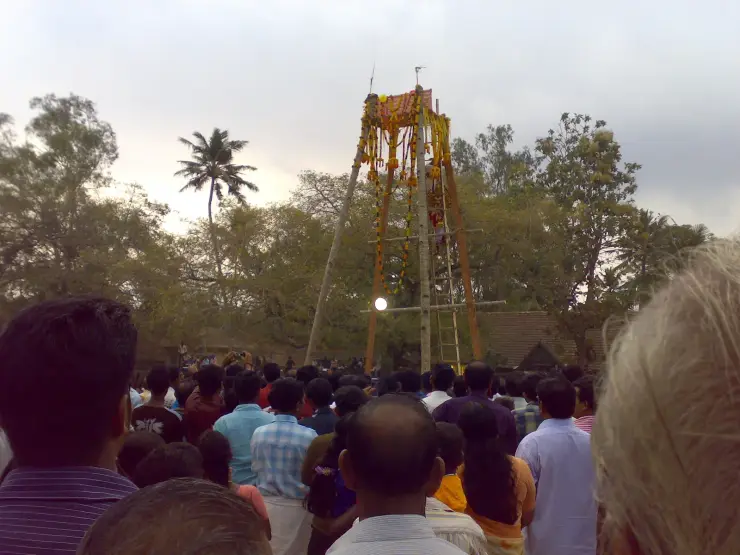
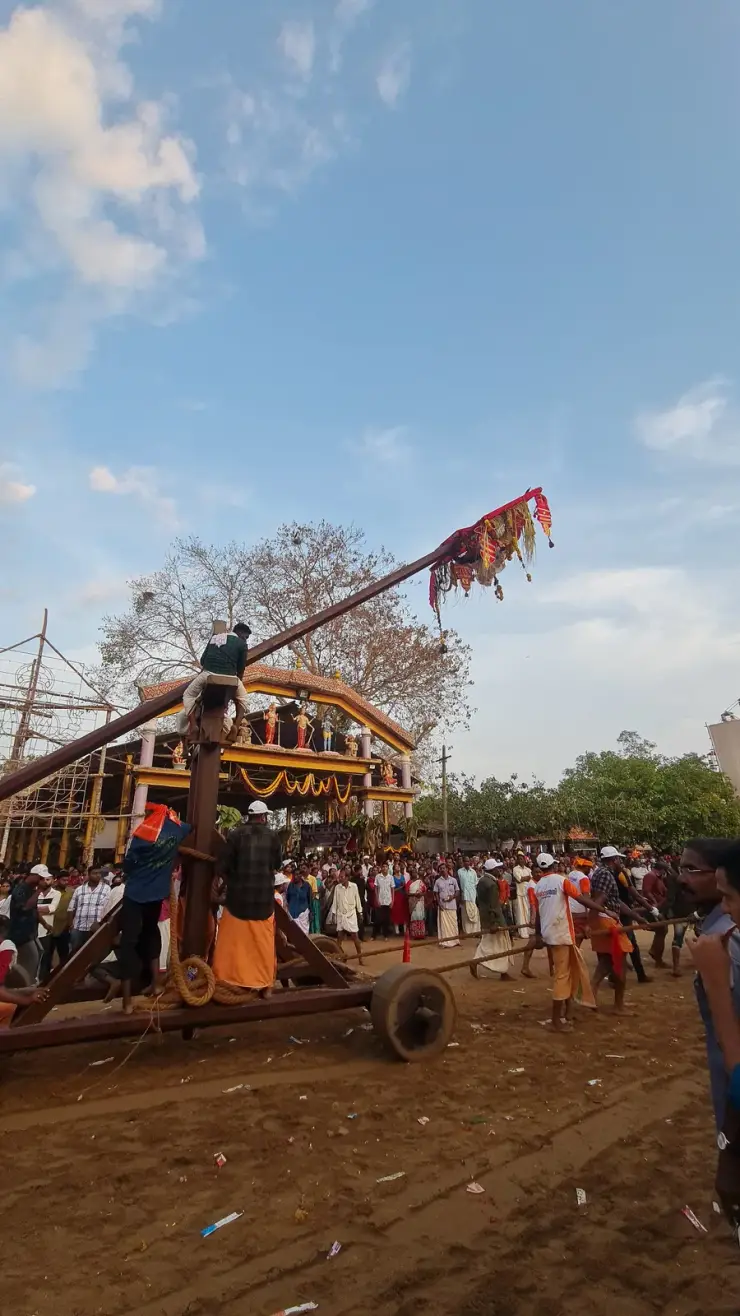
The Kaliyoot is what the temple is known for. It is a ritual festival in which the encounter between Bhadrakali and Darika is enacted — not as a play for an audience but as ritual performance, with the confrontation and its outcome staged over the course of the festival. Kerala has a number of Kali-centred ritual forms; the Kaliyoot at Sarkara is among the best known, and it draws very large numbers.
The name is explained by a jaggery story. Sarkara means jaggery — unrefined cane sugar — and in the telling given at the temple, a party of jaggery merchants halted at the wayside rest near this spot and then found that their pots of sharkara could not be moved. They read the immovability as the goddess making her presence known, and the site was afterwards confirmed as a Shakti shrine by Vilwamangalam Swamiyar. Versions differ in detail, as they do at most old shrines, and it is told as tradition rather than as documented history.
The temple is also known for its Meena Bharani observances, and its festival calendar makes it a significant centre for the northern part of the district in the way that Attukal is for the city itself.
For a visitor, this is a temple to see either very quietly on an ordinary day, when it is a calm and handsome Kerala shrine, or during the Kaliyoot, when it is something else entirely. The two experiences have almost nothing in common. The usual conventions apply — entry rules that may restrict access to Hindus, conservative dress, no photography inside — and should be checked at the gate.
If you can only come on an ordinary day, come early. The morning at Sarkara is genuinely quiet — a working shrine going about its routine, with the northern district's flat green country around it and none of the pressure of a city temple. It is one of the more pleasant places in the district to sit for twenty minutes without being asked for anything.
The Kaliyoot's dates move with the Malayalam calendar, and this is a case where turning up on the wrong week means missing it entirely rather than catching a smaller version. Confirm locally before you build a trip around it. The same applies to the Meena Bharani observances, which are also significant here and also calendar-dependent.
Geographically it belongs with the north of the district rather than with the capital. Chirayinkeezhu sits on the run of coast that carries Varkala and Anchuthengu, and the sensible way to see Sarkara is as one stop on that northern line — cliff, fort, temple — rather than as an excursion out from the city and back.
The demon Darika, in the tradition, obtained a boon that made him invulnerable to men and gods, and grew intolerable. Shiva's answer was Bhadrakali — born from him, not male, not bound by the terms of the boon — who hunted Darika down and destroyed him. The Kaliyoot at Sarkara is the enactment of that encounter, performed as ritual rather than staged as theatre.
The precision of the boon is the whole point, and it is worth stating properly because most retellings blur it. Darika's protection, in the usual account, was against any man in any of the fourteen worlds — an exhaustive-sounding grant with a gap in it. Kali is produced expressly to occupy that gap. She is not merely a more powerful opponent; she is a being the terms of the boon did not anticipate. The story is, at bottom, about a contract read too carelessly by the party it was meant to protect.
The temple's name is explained by a jaggery legend: sarkara means jaggery, and tradition holds that the deity's presence was revealed in connection with it. The telling given at the temple has a party of jaggery merchants halting at the wayside rest here and finding, when they came to leave, that their pots of sharkara would not move — an immovability they read as the goddess declaring the spot hers. The versions vary in their details, which is characteristic of an old oral tradition, and none should be taken as documented history.
The variants are worth knowing rather than flattening into one. Alongside the immovable pots, you will hear versions in which the image is discovered by someone processing or boiling jaggery, and others in which it is found in a load being carried or traded. These are not competing claims to be adjudicated — they are what an oral tradition looks like when it has been alive for a long time, and the disagreement is evidence of age rather than of unreliability. What is constant across all of them is the jaggery itself, which is what the name preserves.
One caution about the Kaliyoot. It is often described in listings as a performance or a dance-drama, which sets the wrong expectation. It is ritual, conducted for the goddess and for the community, and an audience is incidental to it rather than the reason it happens. Attend as a guest at somebody's rite, not as a ticket-holder at a show.
Two corrections to what is usually told here, both of which make the temple more interesting rather than less. The first is the jaggery legend. The commonest telling has the image found in a consignment of jaggery; that is not the version told at the temple. In the version told at Sarkara, jaggery merchants halted at the vazhiyambalam — the wayside rest — near the present temple, and when they came to leave, the sharkara pots could not be moved. Taking the immovability as a sign, they understood the goddess to be present in that spot. The site was later confirmed as a Shakti shrine by Vilwamangalam Swamiyar, the seer who appears in the founding accounts of a great many Kerala temples. Note what the story actually turns on: not a hidden image, but a load that would not shift.
The second is larger, and we had missed it entirely. The Kaliyoot is not indigenous to Sarkara. It is a north Malabar ritual form, and it was brought to southern Kerala by Marthanda Varma in 1748. The account has him halting near the Sarkara temple during his campaign against Kayamkulam and vowing a Kaliyoot to the goddess if she granted him victory; he won, and he kept the vow. That is an unusually specific and datable thing to be able to say about a ritual tradition, and it changes how the festival reads. What you are watching at Sarkara is not an immemorial local custom but a deliberate royal transplant — a king importing a northern rite into his newly consolidated south and endowing it well enough that it has run ever since. The northern thread is doubled by the temple's hereditary arrangements: festival responsibilities are held by the Ponnara family, whose role descends from those who accompanied adopted Kolathunadu princesses to Attingal, Kolathunadu being north Malabar itself.
The Sarkara Devi Temple stands at Chirayinkeezhu in the northern part of Thiruvananthapuram district, on the route towards Varkala, and is dedicated to Bhadrakali.
Its best-known observance is the Kaliyoot, a ritual festival enacting the goddess's destruction of the demon Darika, which is among the more significant Kali-centred ritual performances in Kerala and draws very large crowds.
The temple also observes the Meena Bharani, and its festival calendar makes it the principal Devi centre for the northern part of the district.
The Kaliyoot's presence here is datable, which is unusual for a ritual tradition. It is a north Malabar form, and it was brought south by Marthanda Varma in 1748: campaigning against Kayamkulam, he is said to have halted near the Sarkara temple and vowed a Kaliyoot to the goddess in return for victory, then kept the vow after winning. What runs at Sarkara is therefore a deliberate royal transplant rather than an immemorial local custom, endowed well enough at its founding to have continued ever since.
The northern connection is reinforced by the temple's hereditary arrangements. Festival responsibilities are held by the Ponnara family, whose role descends from those who accompanied the adopted Kolathunadu princesses to Attingal — Kolathunadu being north Malabar, the same region the Kaliyoot came from. The temple thus carries two separate threads of northern inheritance, one ritual and one familial, in a shrine that sits well to the south of both.
The Kaliyoot itself runs over nine days. The first seven build the story leading to the confrontation between Bhadrakali and Darika; the eighth is the Mudi uzhichil, in which the goddess searches for Darika and blesses devotees directly; and the ninth is the Nilathil poru, the fight on the ground, in which Darika is destroyed. The Meena Bharani is a separate ten-day observance falling around March or April, opening with a flag-hoisting and closing with the arat, the ceremonial immersion of the deity in the temple tank; its ninth day carries the Pallivatta, a hunting procession that has historically involved caparisoned elephants. Animal sacrifice, once part of the older observance, was given up in later periods.
The temple's name and foundation are explained by a jaggery tradition — sarkara meaning jaggery — told in several variant forms and best treated as tradition rather than record.
The Kaliyoot is one of Kerala's notable Kali ritual festivals, enacting the Bhadrakali–Darika encounter as ritual rather than as performance for an audience.
It is the principal Devi temple of the northern part of the district, and a significant counterpart to Attukal in the city.
The jaggery legend behind the name is one of the more charming temple-origin traditions in Kerala.
On an ordinary day it is calm and handsome, and almost entirely free of visitors.
It sits on the road north towards Varkala and Anchuthengu, so it combines easily with either.
For a ritual with a birth certificate: the Kaliyoot was imported from north Malabar by Marthanda Varma in 1748 to settle a war vow, and has run here ever since.
For the Meena Bharani, a separate ten-day observance closing with the arat in the temple tank, with the Pallivatta hunting procession on its ninth day.
Road km to Thiruvananthapuram; ghat roads and traffic vary — allow extra.
Morning or early evening is usually best; festival days can be powerful but crowded.
Live forecast loads in your browser.
Sun and moon are calculated for this location and shown in IST. Photography windows are the hour around sunrise and sunset; the sunset bearing is degrees clockwise from true north. Moon phase is accurate to about half a day.
Browse listed stays, food, activities, sights, shops and rentals around Sarkaradevi Temple. Check each listing’s locality and contact the business directly for current arrangements.
Sree Padmanabhaswamy Temple anchors East Fort with its monumental entrance and Travancore associations. Worship entry follows admission, dress and device rules; the vaults are not a public exhibition.
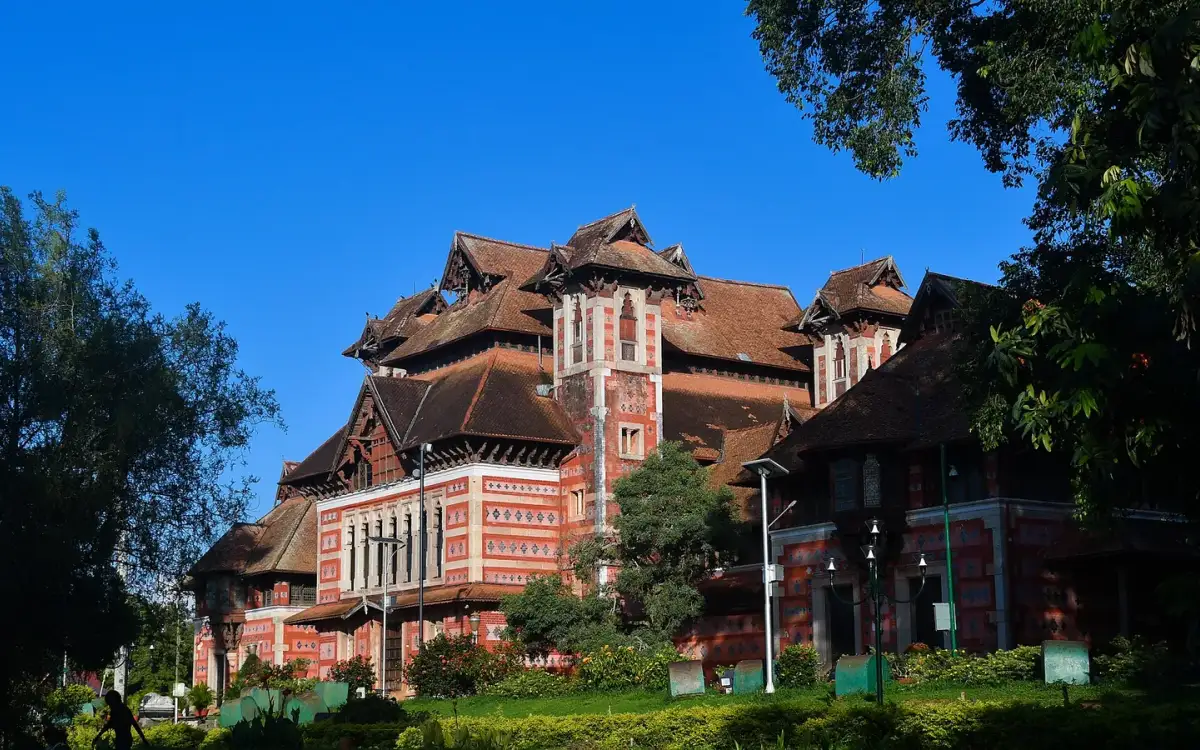
Napier Museum combines a distinctive landmark building with art and historical collections in Museum Park. Give the galleries their own visit; zoo and art-gallery tickets are separate.
Kanakakunnu Palace and its grounds add a green pause to a museum-side city outing. Cultural events follow their own programme; this is not a walk-in royal collection museum.
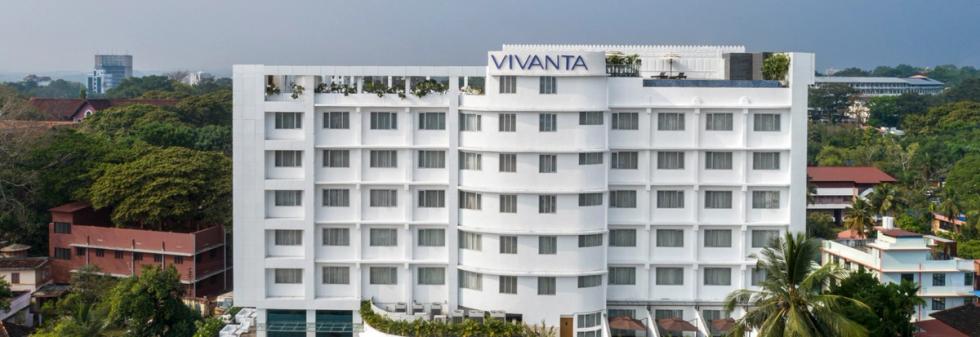
Central business hotel in Thiruvananthapuram city. Punnen Road, Statue, Thiruvananthapuram, Kerala 695039, India.
Vivanta Thiruvananthapuram is a hotel on Extra Police Road at Palayam. Choose the central address for city outings, comparing room packages and onward transfers for your dates.
Thiruvananthapuram International Airport serves the city and southern Kerala’s coast. Match your airline’s terminal to your pickup point when booking an airport-side stay or meeting a driver.
Zam Zam’s Palayam restaurant is opposite the MLA Hostel. Use this branch’s menu and contact for a city meal or group booking; the chain has other locations.
Mango Cabs lists an Edapazhanji office and advertises city taxis, airport transfers, outstation cabs and vehicle hire. If you are arriving at Thiruvananthapuram airport, give the operator your terminal, flight time, destination and luggage count before asking for a vehicle. For a Kovalam, Varkala or longer trip, request a written quote covering the exact route, tolls, parking, waiting time and return journey. The website lists vehicle categories, but the car and fare for your date need direct confirmation.
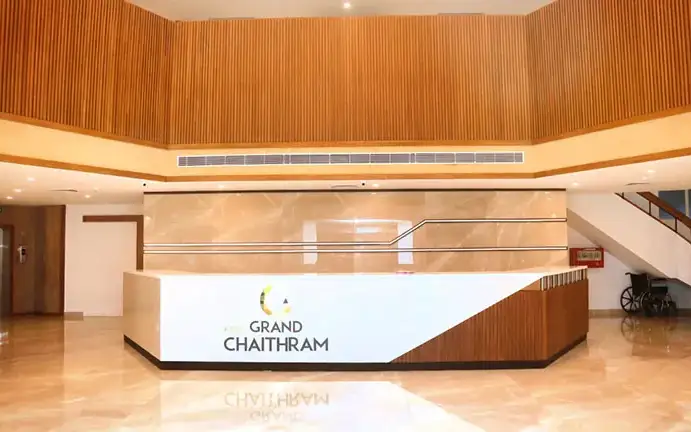
KTDC Grand Chaithram is a Budget City Hotel at Thampanoor, opposite Thiruvananthapuram Central railway station and beside the bus terminal. Choose it for a rail or bus arrival, with beach visits arranged as separate outings.
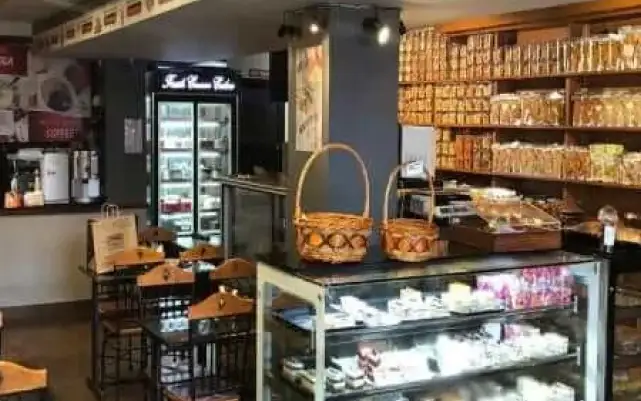
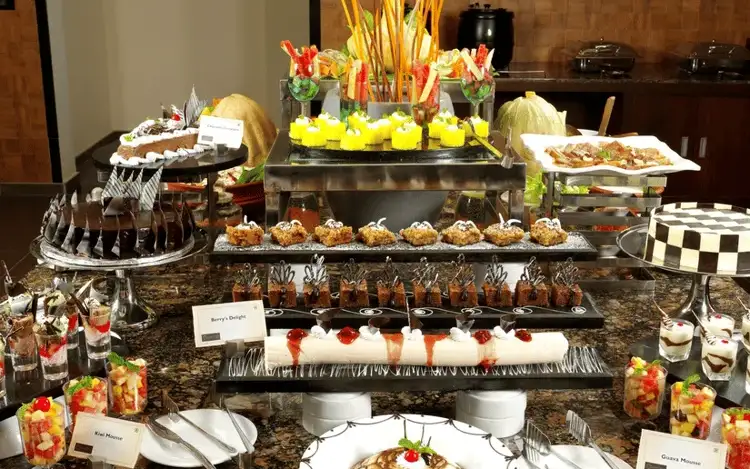
Trivandrum bakery with 24+ years of heritage that also runs Atelier by Ambrosia, a European fine-dining restaurant.
Restaurant (regional, north indian) on Venpalavattom, Near Lulu Mall in Thiruvananthapuram City. Regional, North Indian, AC.
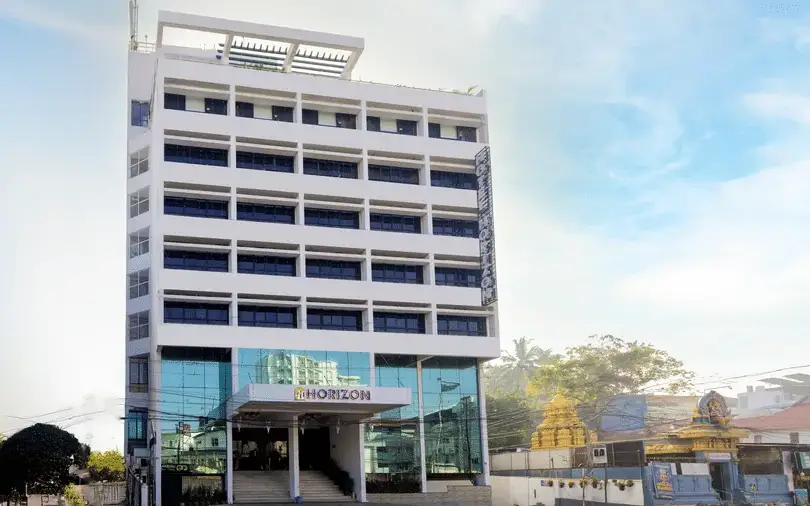
A city hotel at Aristo Junction, Thampanoor, a short walk from Trivandrum Central Railway Station and Sree Padmanabhaswamy Temple.
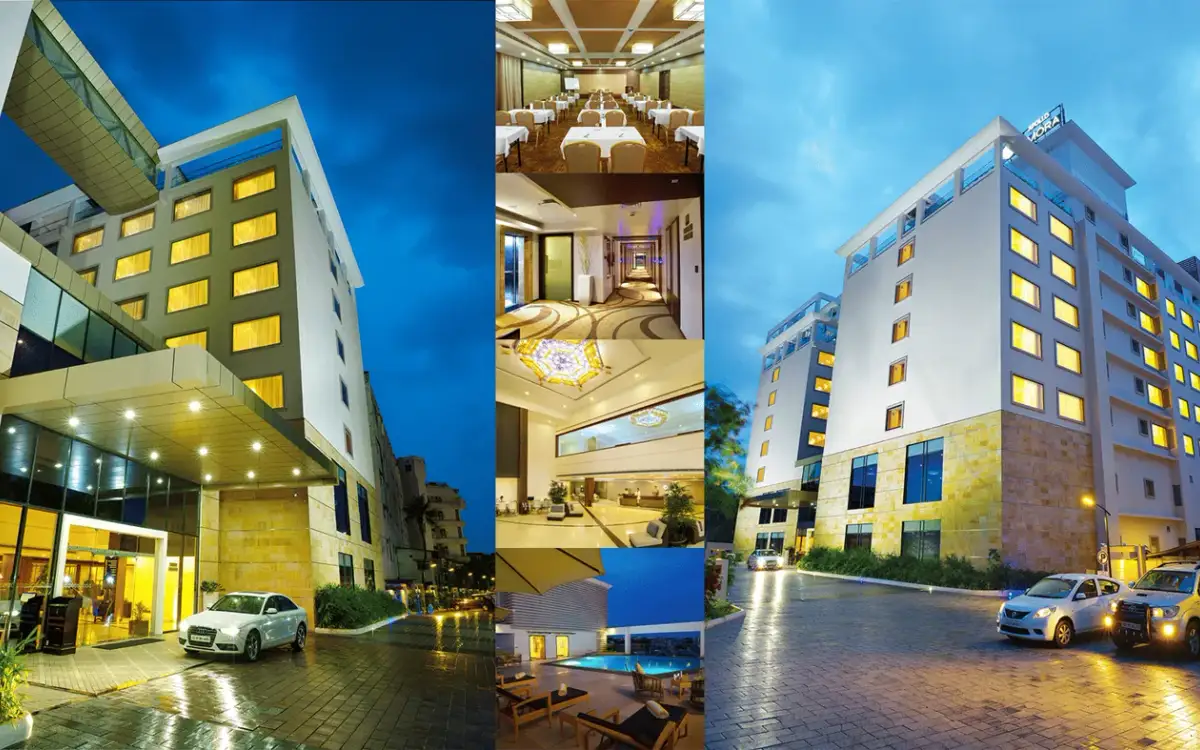
Dimora is opposite Thiruvananthapuram Central railway station at Thampanoor. Its operator offers Standard and Deluxe rooms and suites, with vegetarian dining at Vega Dimora and multi-cuisine dining at Cafe Hive. Compare the room category and arrival entrance, then confirm the meal plan with the hotel.
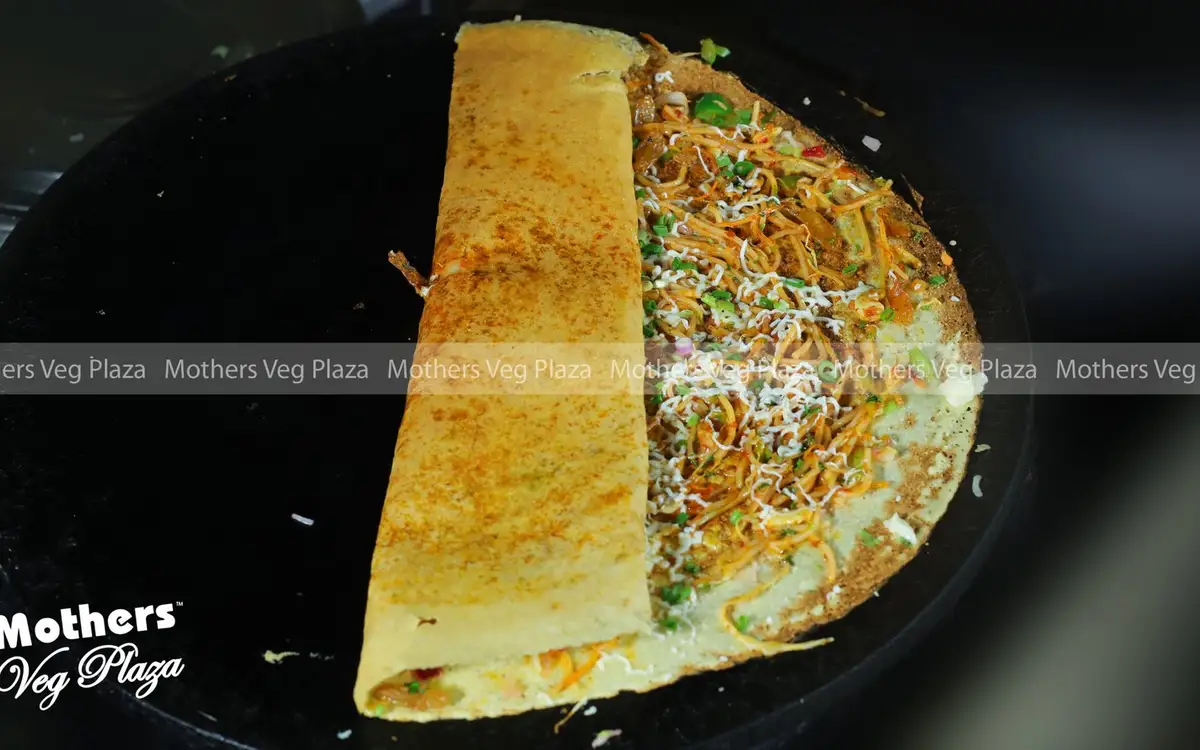
Mothers Veg Plaza is a vegetarian restaurant at Bakery Junction near the Russian Cultural Centre in Palayam, Thiruvananthapuram. Its website highlights Kerala sadya and a range of dosas. Choose a banana-leaf meal or ask about the dosa menu for your visit.
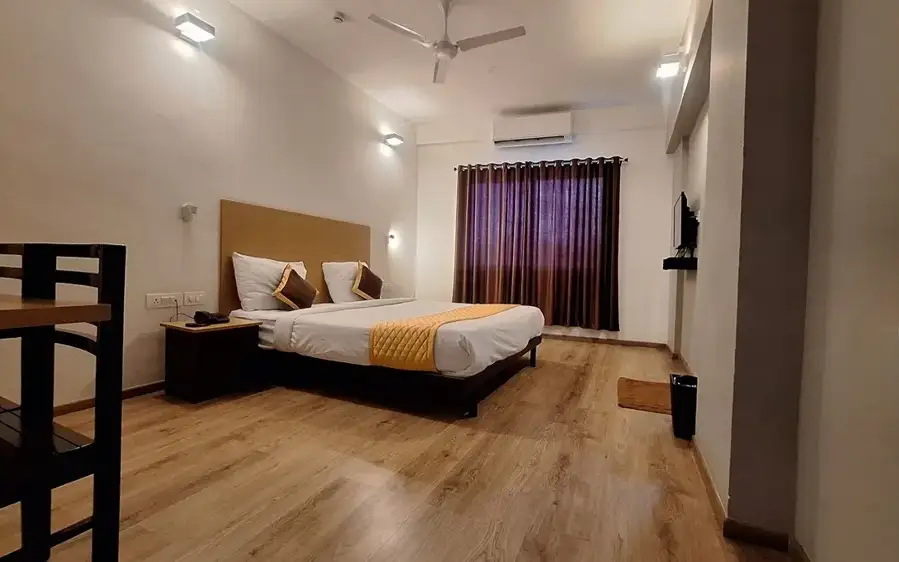
BR Regency is at Chenthitta, Valiyasalai, in the Chalai area. Its operator lists Classic Executive AC, Superior Deluxe AC and Suite AC rooms with attached bathrooms. Compare the room category and parking needs, and ask separately about any paid airport transfer.
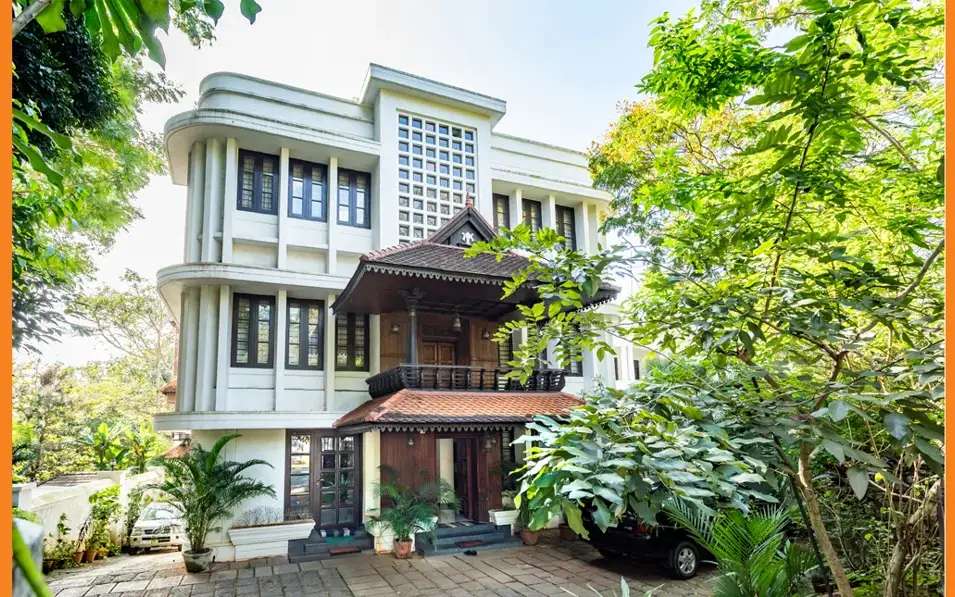
Avenue Kowdiar appears as a serviced villa in Kerala Tourism’s historical provider list, at Kowdiar in Thiruvananthapuram. Current room and booking details need confirmation.
Multi-cuisine restaurant at Apollo Dimora, opposite Trivandrum Central railway station in Thampanoor. Paired with the hotel's pure-veg Vega Dimora next door.
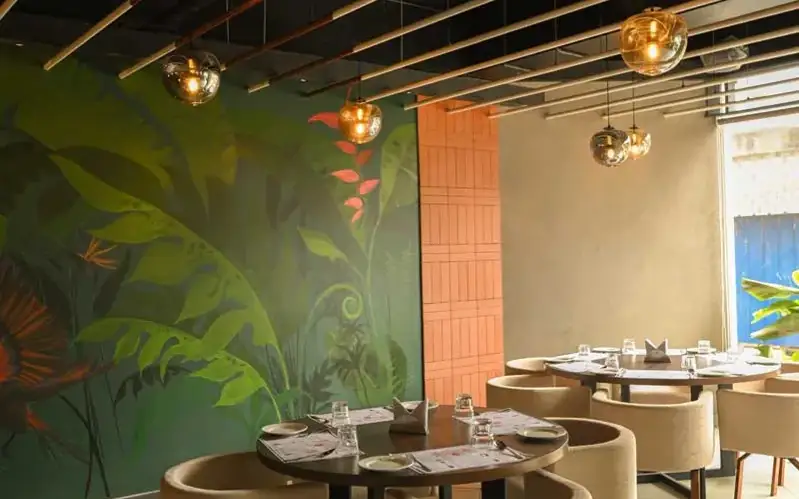
Villa Maya is a restaurant on Airport Road at Injakkal in Thiruvananthapuram. Its Kerala Tourism owner-submitted listing describes a dining concept shaped by Kerala’s spice-trade connections. Consider it for a planned meal and confirm the current menu and dining setting before reserving.
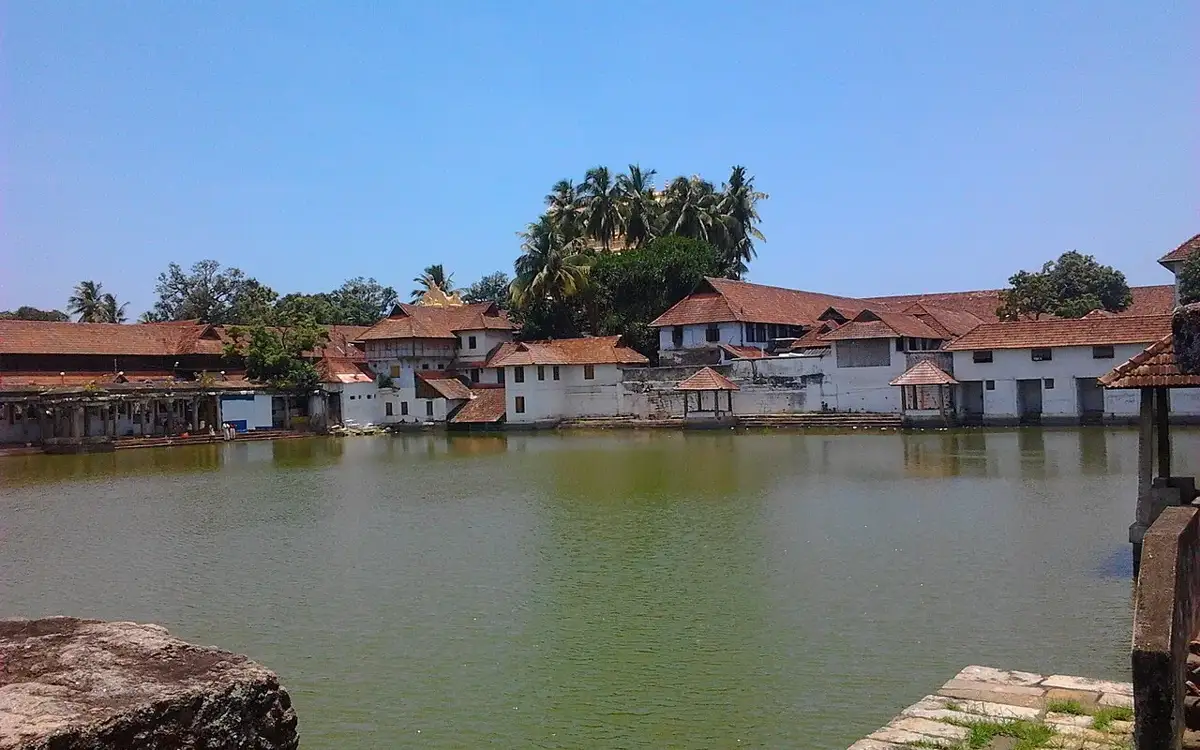
The temple tank beside Sree Padmanabhaswamy at East Fort — a ritual bathing tank in active use, not a park pond. Conduct and dress expectations apply this close to the temple.
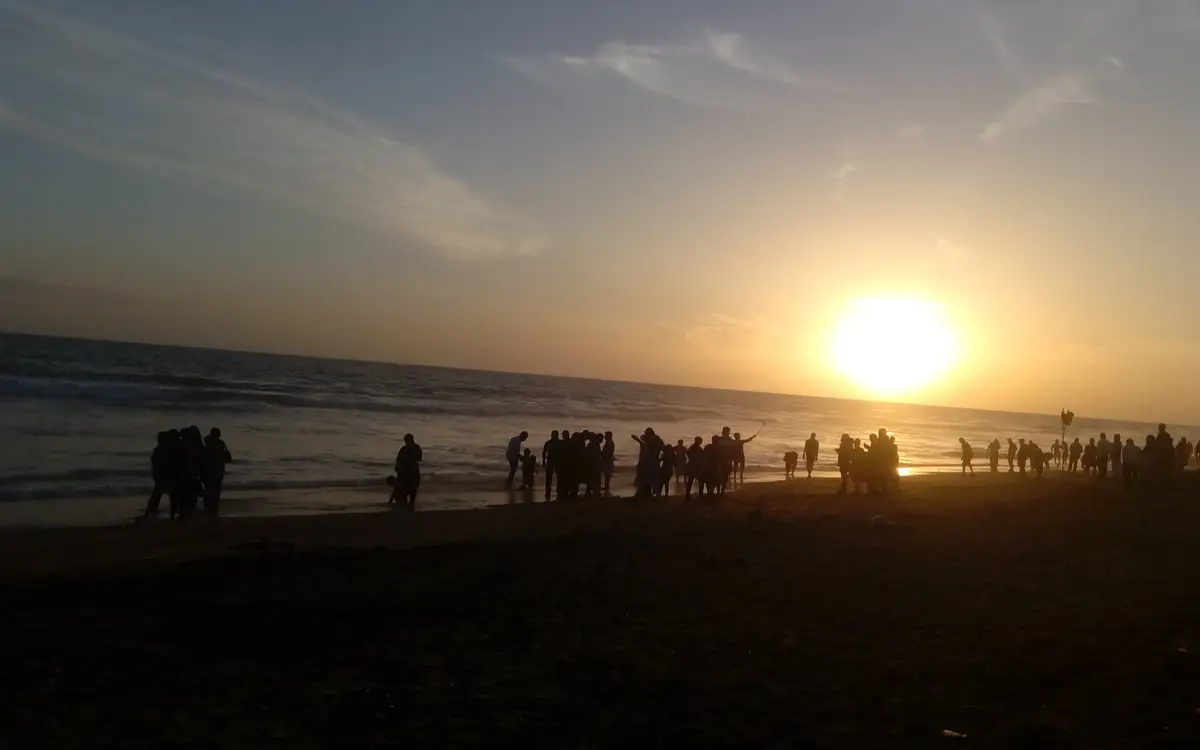
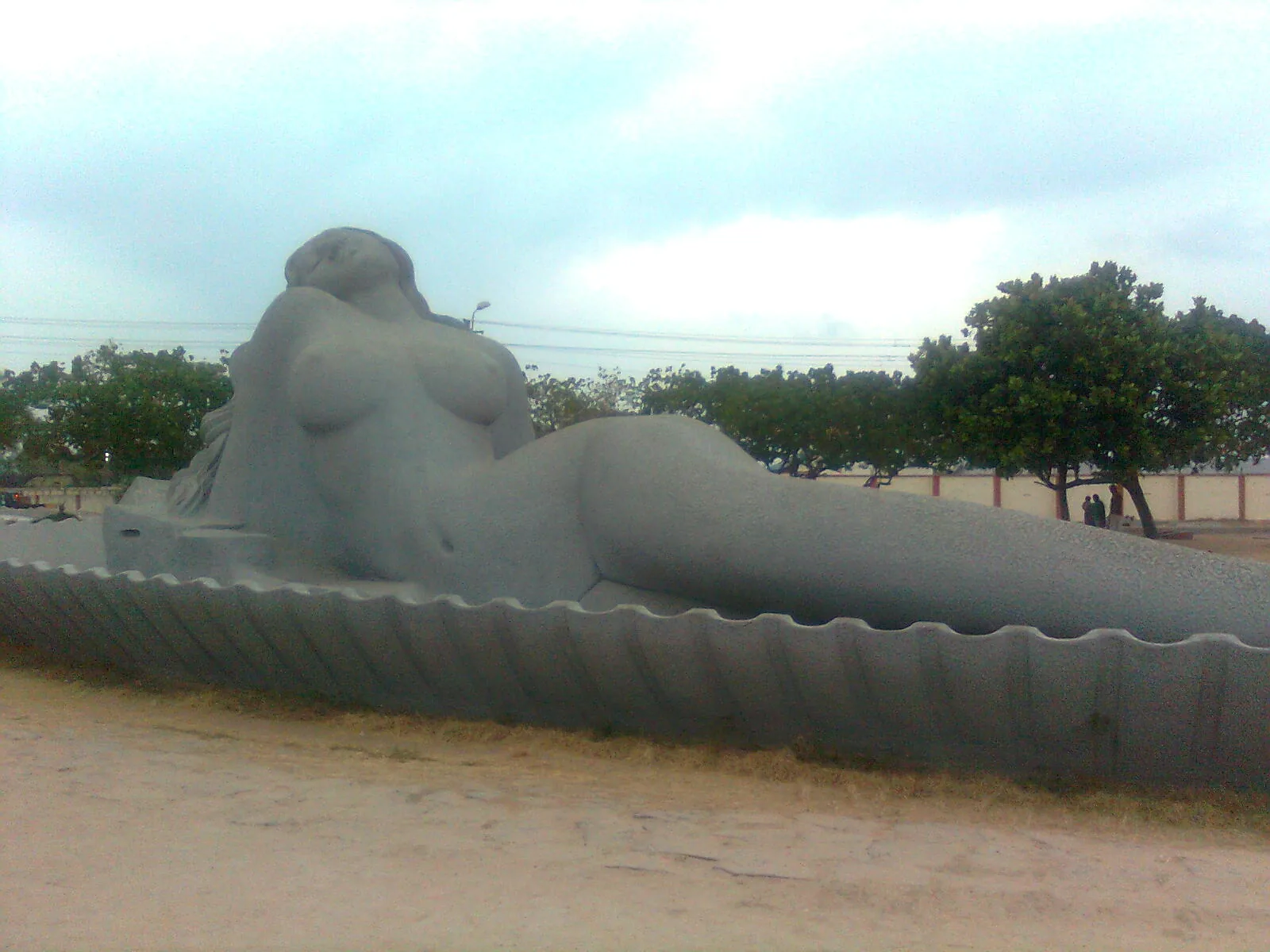
The capital’s own evening beach, minutes from the airport, with Kanayi Kunhiraman’s 26.5-metre Jala Kanyaka mermaid sculpture at one end. An open Arabian Sea shore — treat it as a sunset walk, not a swimming beach.
Anies Garden is a family homestay at Kodiyattu House on NCC Road in the Peroorkada–Ambalamukku area of Thiruvananthapuram. Its own website offers Standard and Deluxe rooms, with home meals and transfers described as available on request. Confirm the category and inclusions for your dates.
Restaurant (regional) on Kuttikad Lane in Thiruvananthapuram City.
The Russian Cultural Centre is at Gorky Hills on S. Roerich Road near Vanross Junction in Thiruvananthapuram. Kerala Tourism lists it as a cultural centre, while the Ministry of External Affairs directory publishes a Russian honorary-consulate contact at the same locality.
Restaurant (south indian) on kuravankonam, Opposite Surya Medicals in Thiruvananthapuram City.
Book with the place itself. India’s cyber-crime coordination centre warned in April 2025 that convincing copies of hotel and pilgrimage booking sites are being pushed through sponsored search and social ads, taking payment for rooms the property never hears about. Use the contact and source details on each profile to confirm the exact business and booking channel. A directory entry or map pin alone does not establish an operator’s identity or current availability. Roampedia takes no commission and does not collect booking payments. If a booking page reached you through an ad, check the address bar against the property’s own site before you pay. Fraud can be reported on cybercrime.gov.in or on 1930.
Find food, accommodation and activities across Thiruvananthapuram city. Browse the guides for places to eat, stay and explore along your route.
22 more places around Thiruvananthapuram city. Open a guide to plan the visit and onward journey.
14.9 km · straight line
The ancestral palace compound associated with Raja Ravi Varma at Kilimanoor; visitor access concerns the working family estate and must be confirmed before travel.
A major coastal Muslim pilgrimage landmark south-west of the city centre, known for the Beemapally Uroos and the tombs honoured within the shrine complex.
14.7 km · straight line
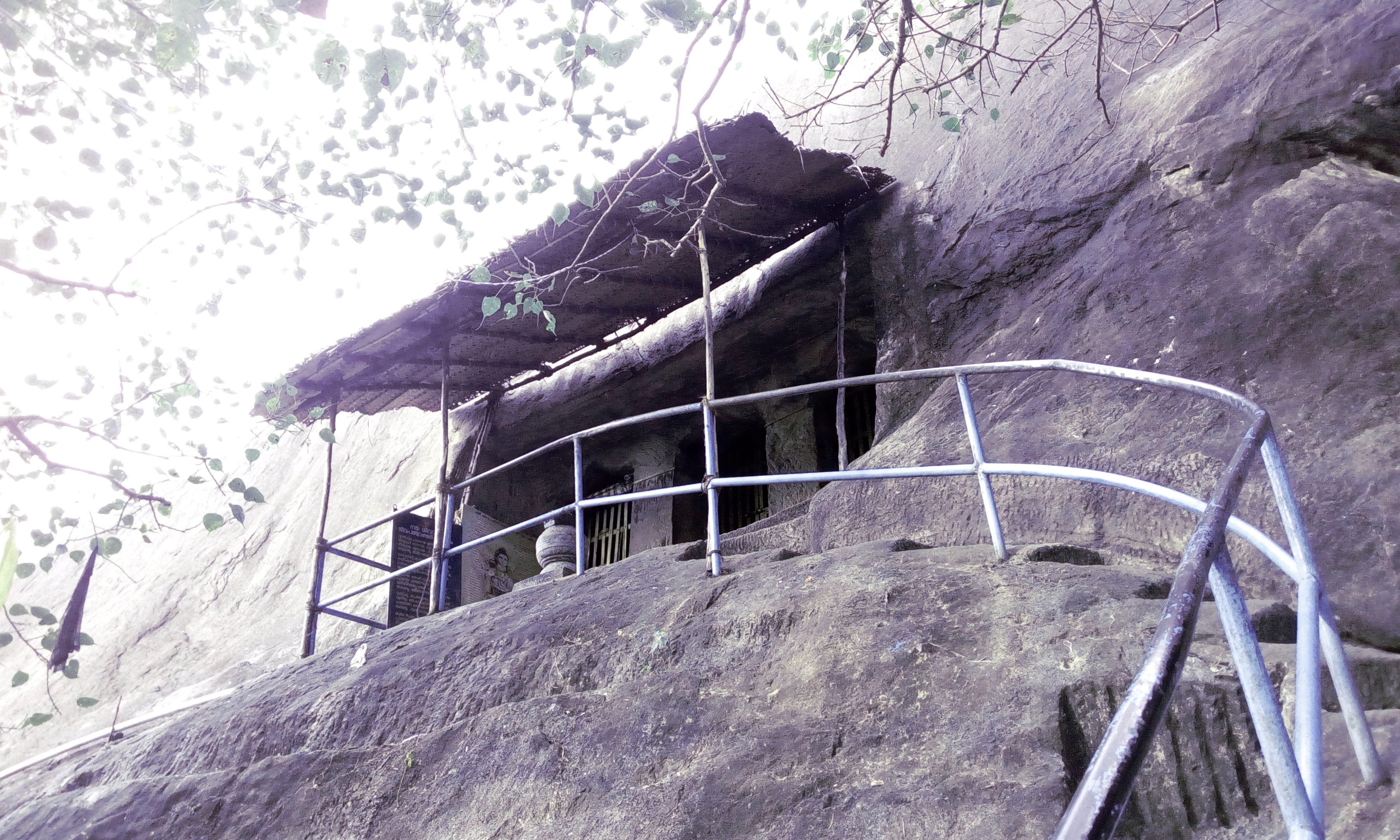
Madavoorpara combines a rock-cut Shiva shrine with a rocky hill landscape on Thiruvananthapuram’s northern edge. The temple and the climb offer different reasons to visit, and both deserve time.
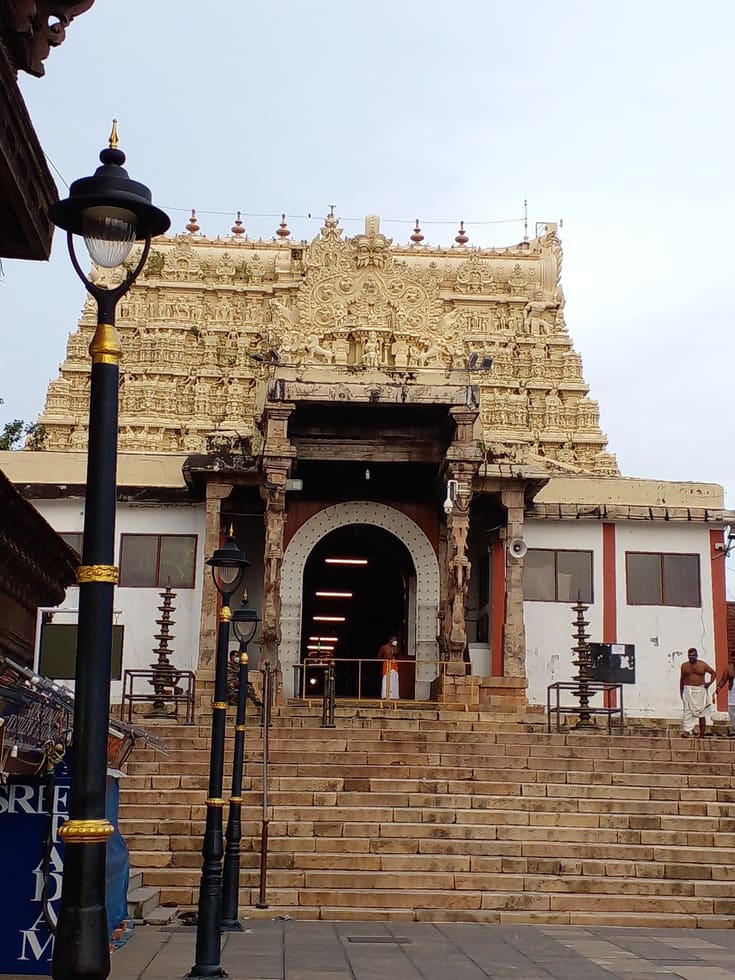
Major Vishnu temple and one of Kerala’s most important pilgrimage landmarks; strict entry and dress rules apply.
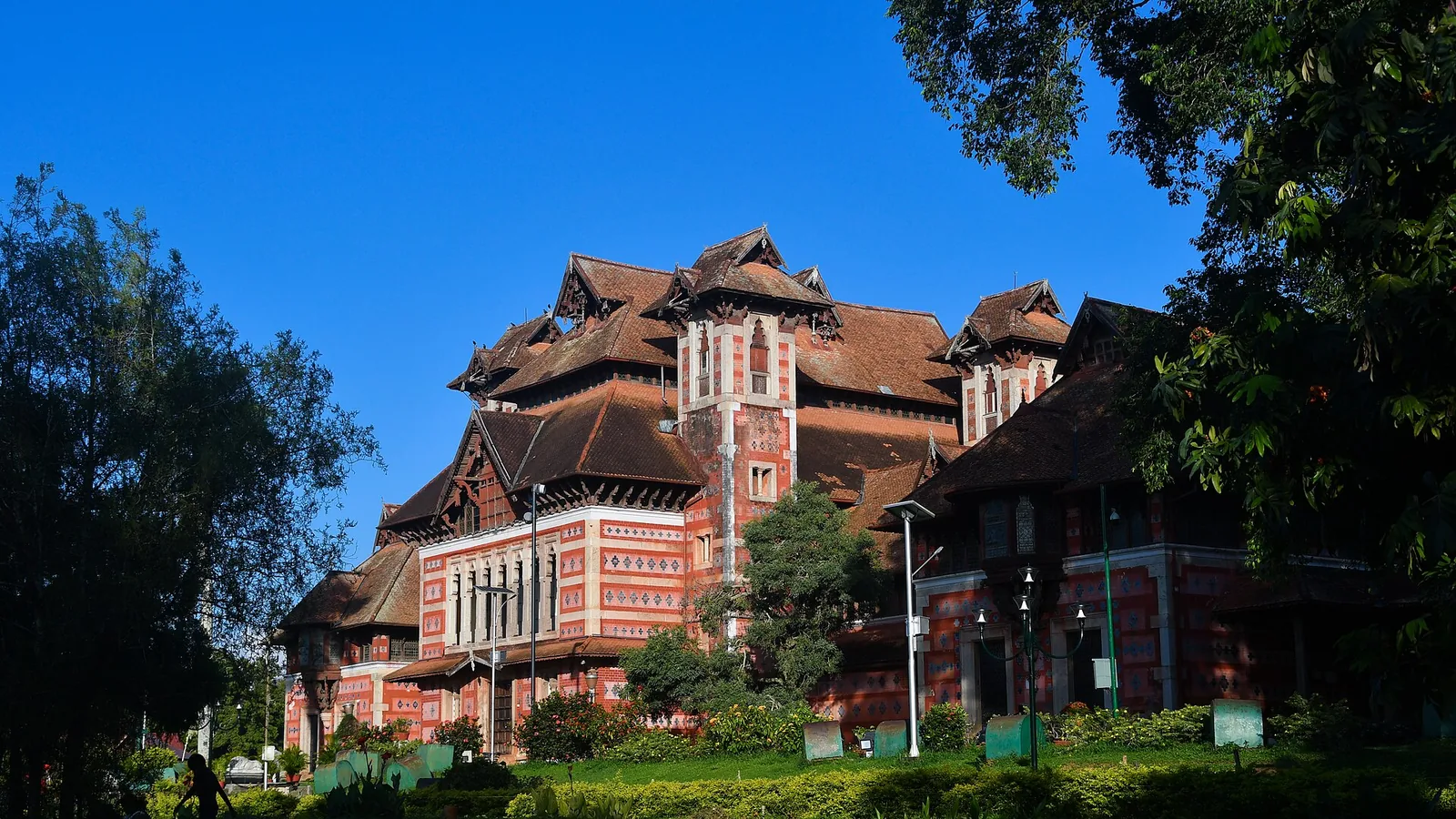
Robert Chisholm’s 1880 Indo-Saracenic museum in the Museum Park — a polychrome landmark holding Chola and Kerala bronzes, ivories and temple carts, with the Sree Chitra Art Gallery alongside it.
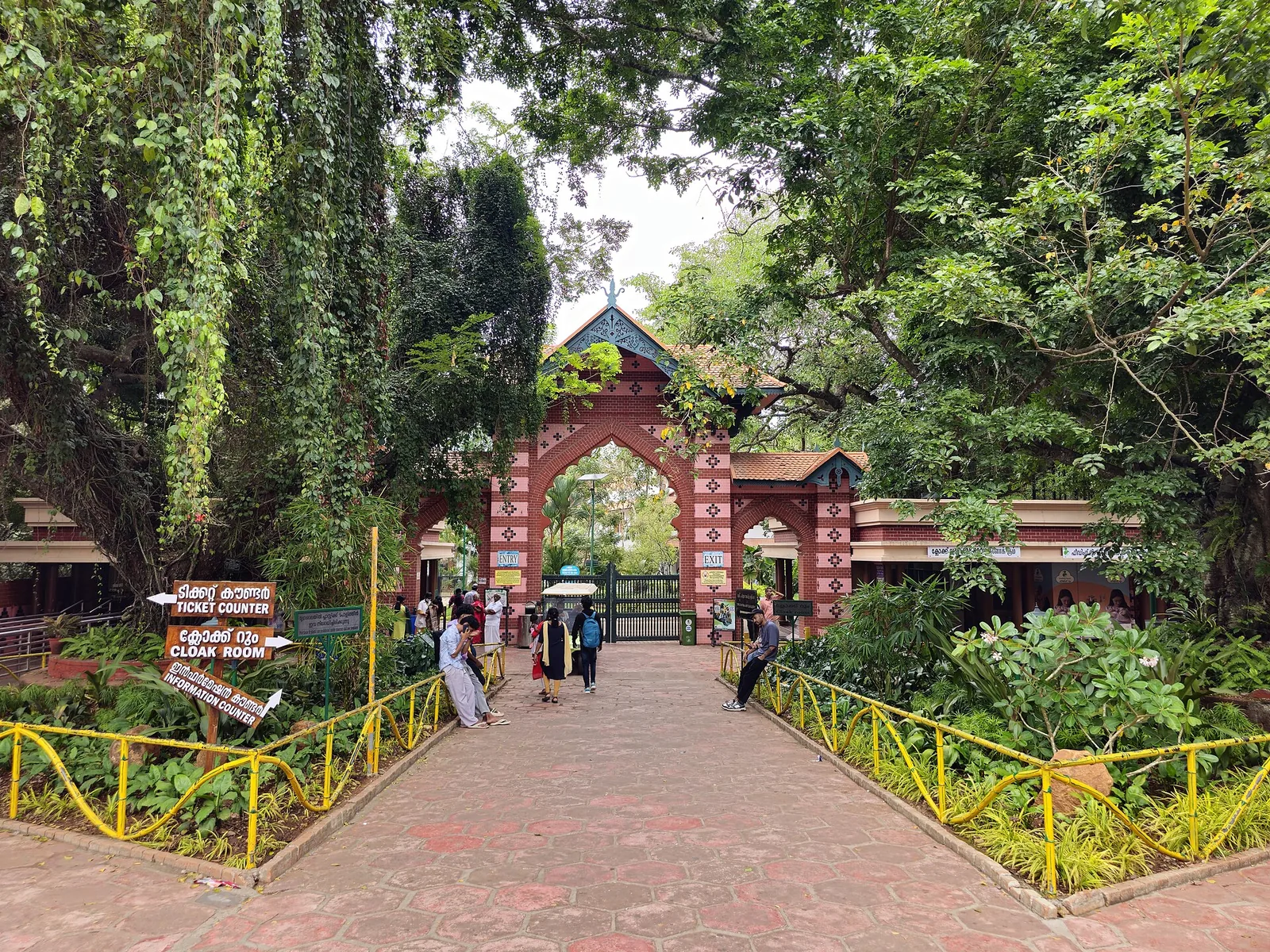
Old trees, winding paths and animal enclosures share the Museum Park at Thiruvananthapuram Zoo, also known as Trivandrum Zoo. Allow time for the garden as well as the collection, with the Napier Museum close by.
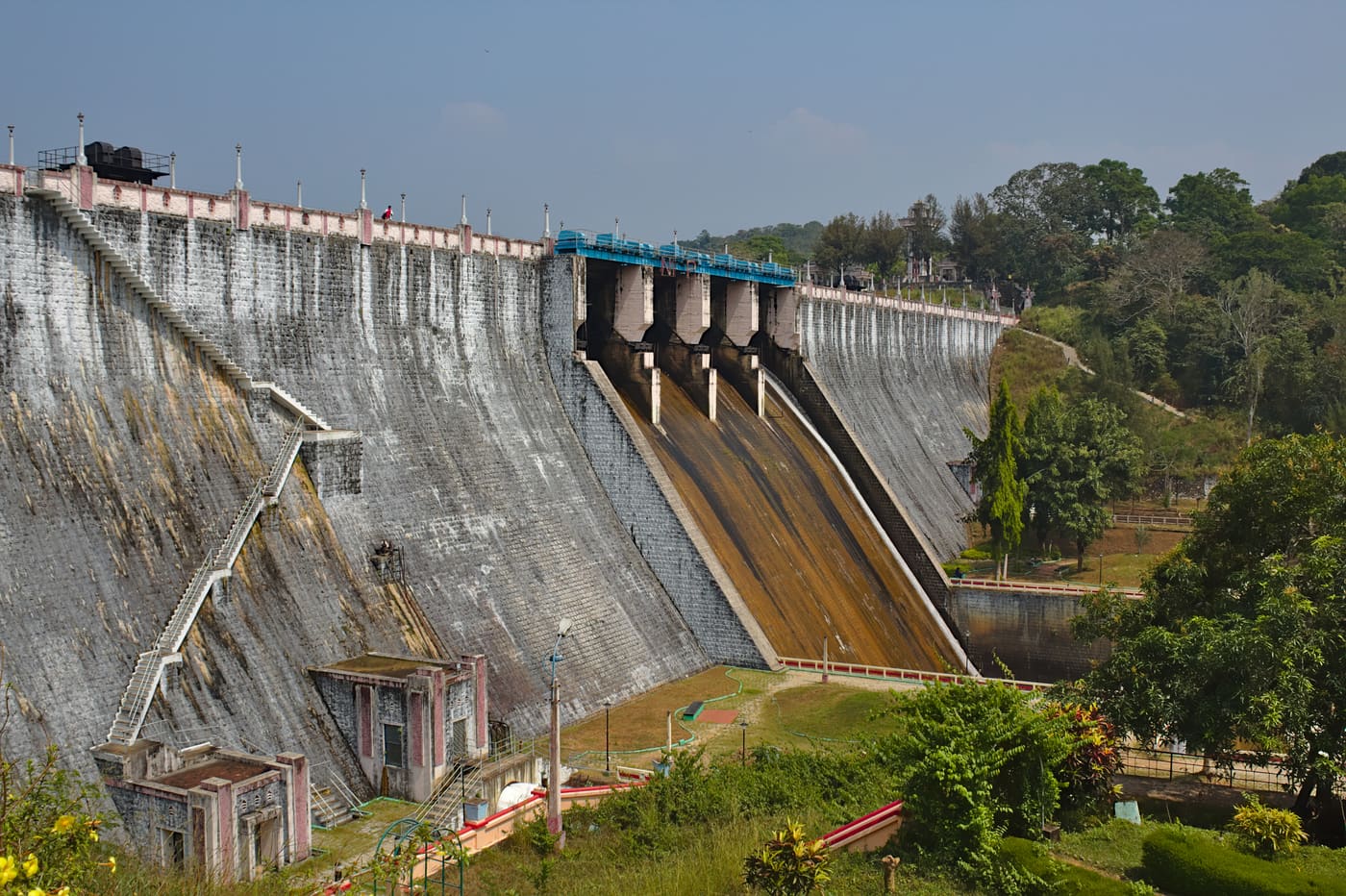
Guided forest trekking in the Neyyar Wildlife Sanctuary near the Agasthyamala foothills, south-east of Thiruvananthapuram.
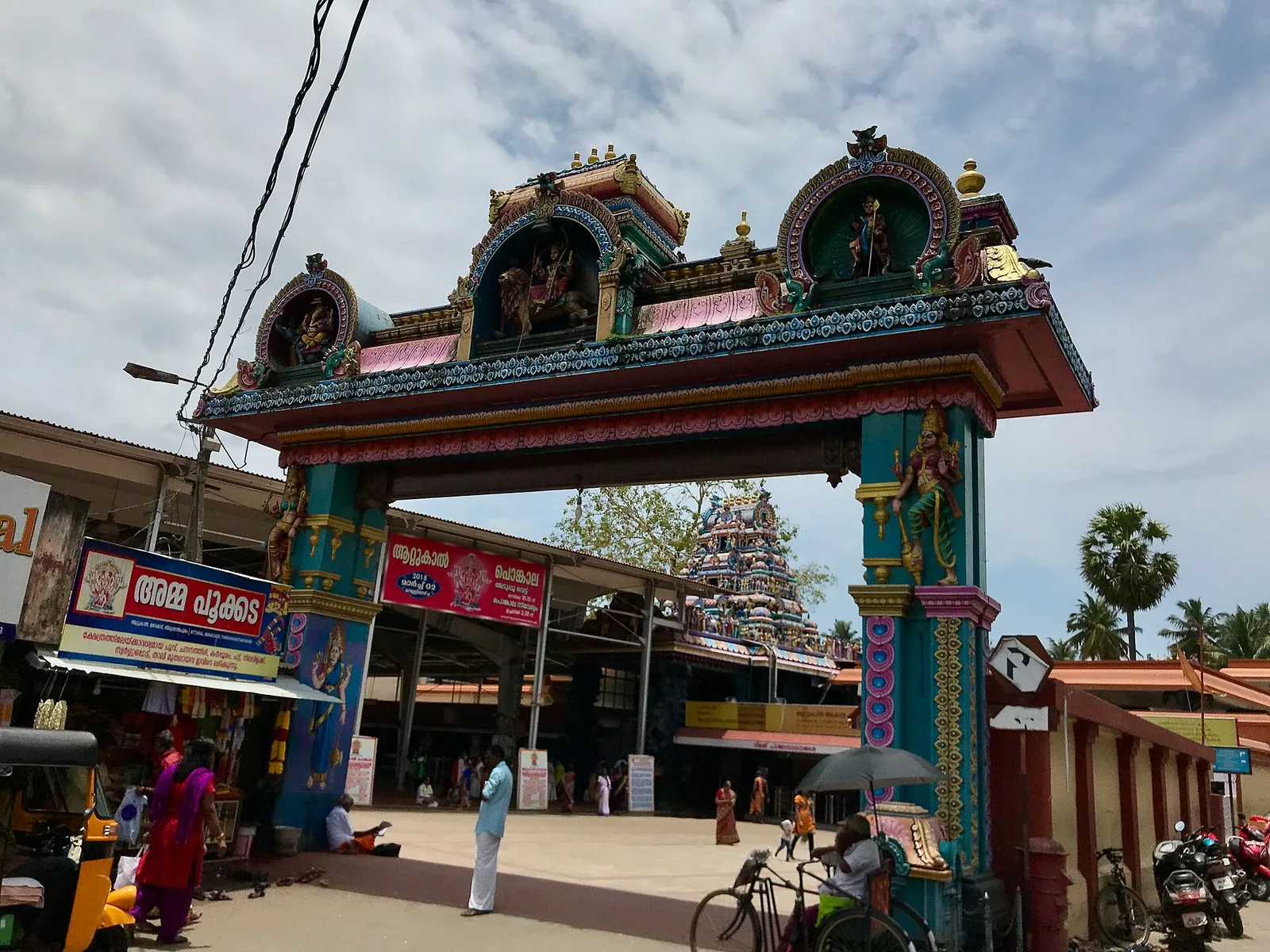
Famous Devi temple in the city, home of the Attukal Pongala — recorded as the largest annual gathering of women.
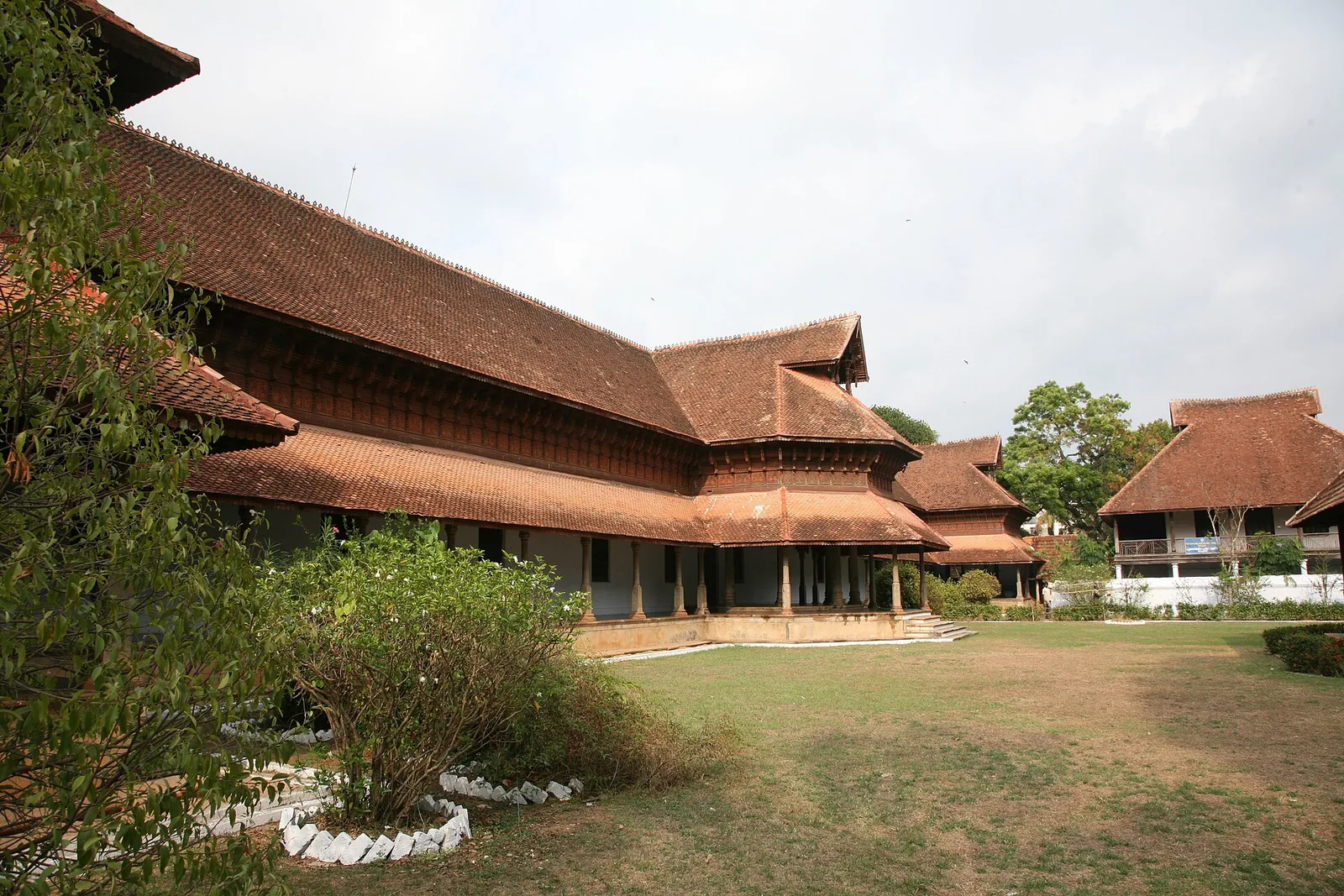
A row of carved wooden horses gives Kuthiramalika its name. Beside Sree Padmanabhaswamy Temple, this Travancore palace museum brings timber craftsmanship and royal collections into one compact visit.
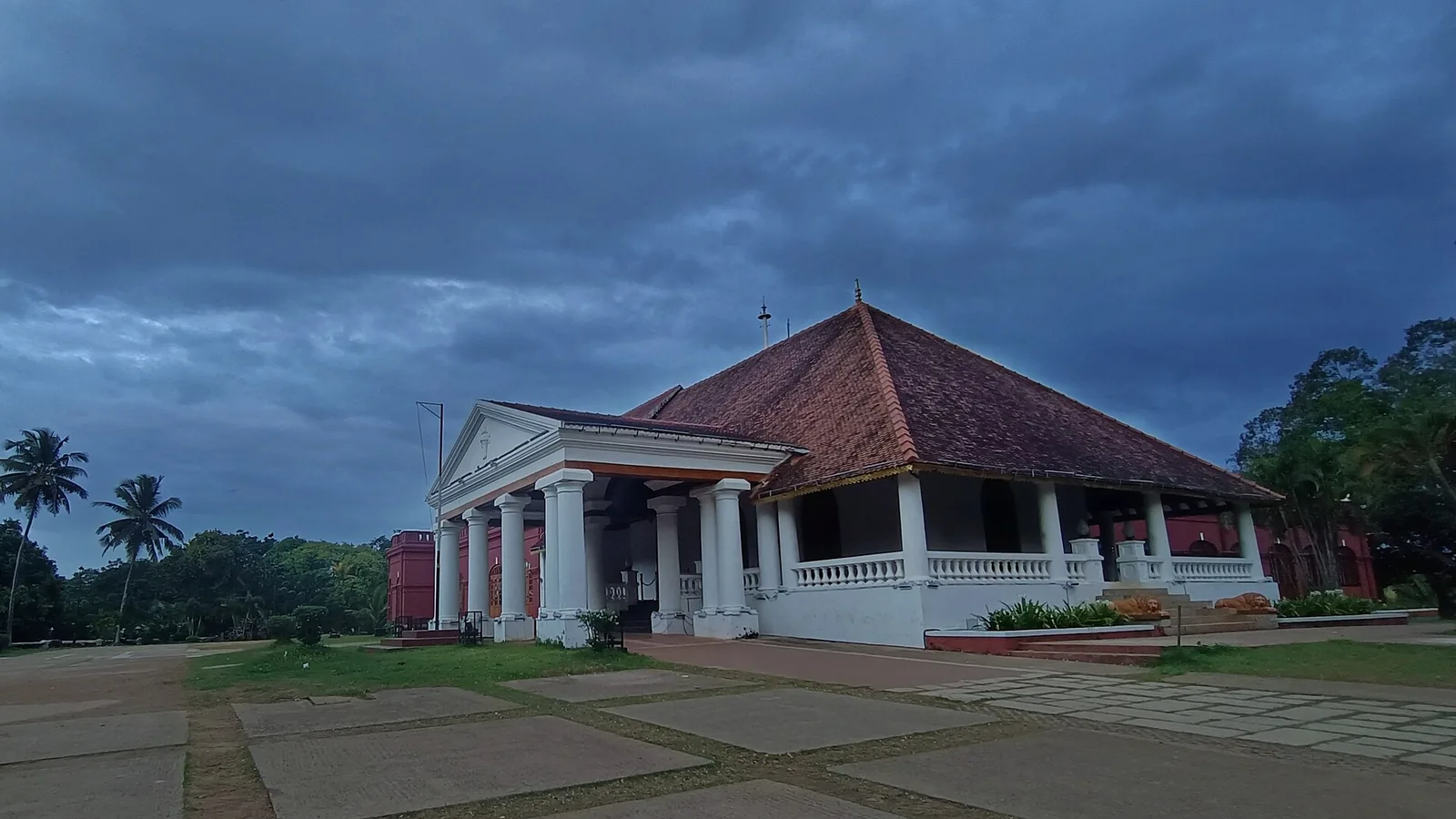
Kanakakunnu puts a Travancore palace among gardens and cultural venues near Thiruvananthapuram’s Museum Park. Come for an evening walk or choose a date around a performance.
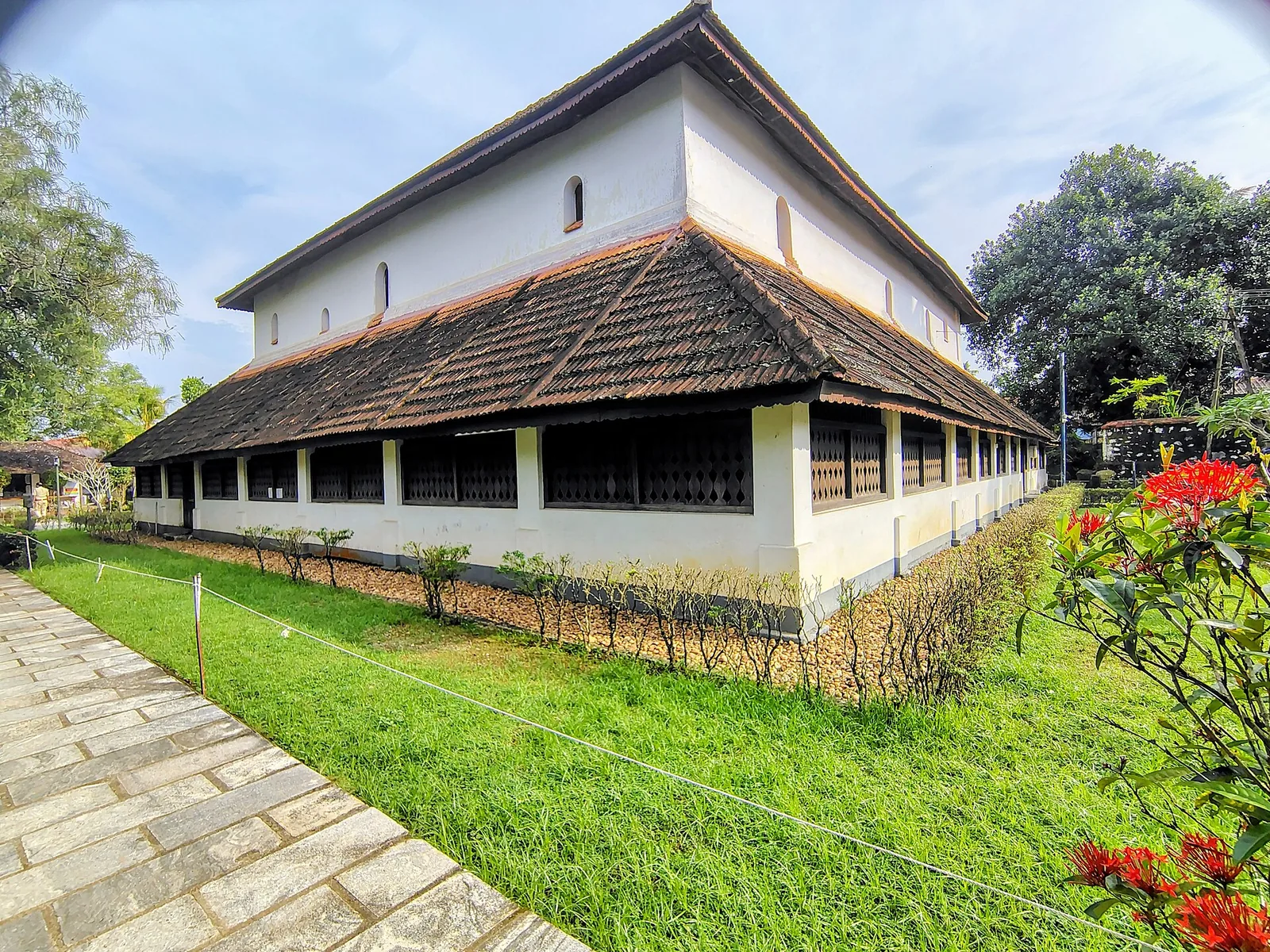
Koyikkal Palace at Nedumangad houses folklore and coin collections inside a traditional Kerala palace. Everyday objects, instruments and currency make this a more intimate museum stop than a grand royal gallery.
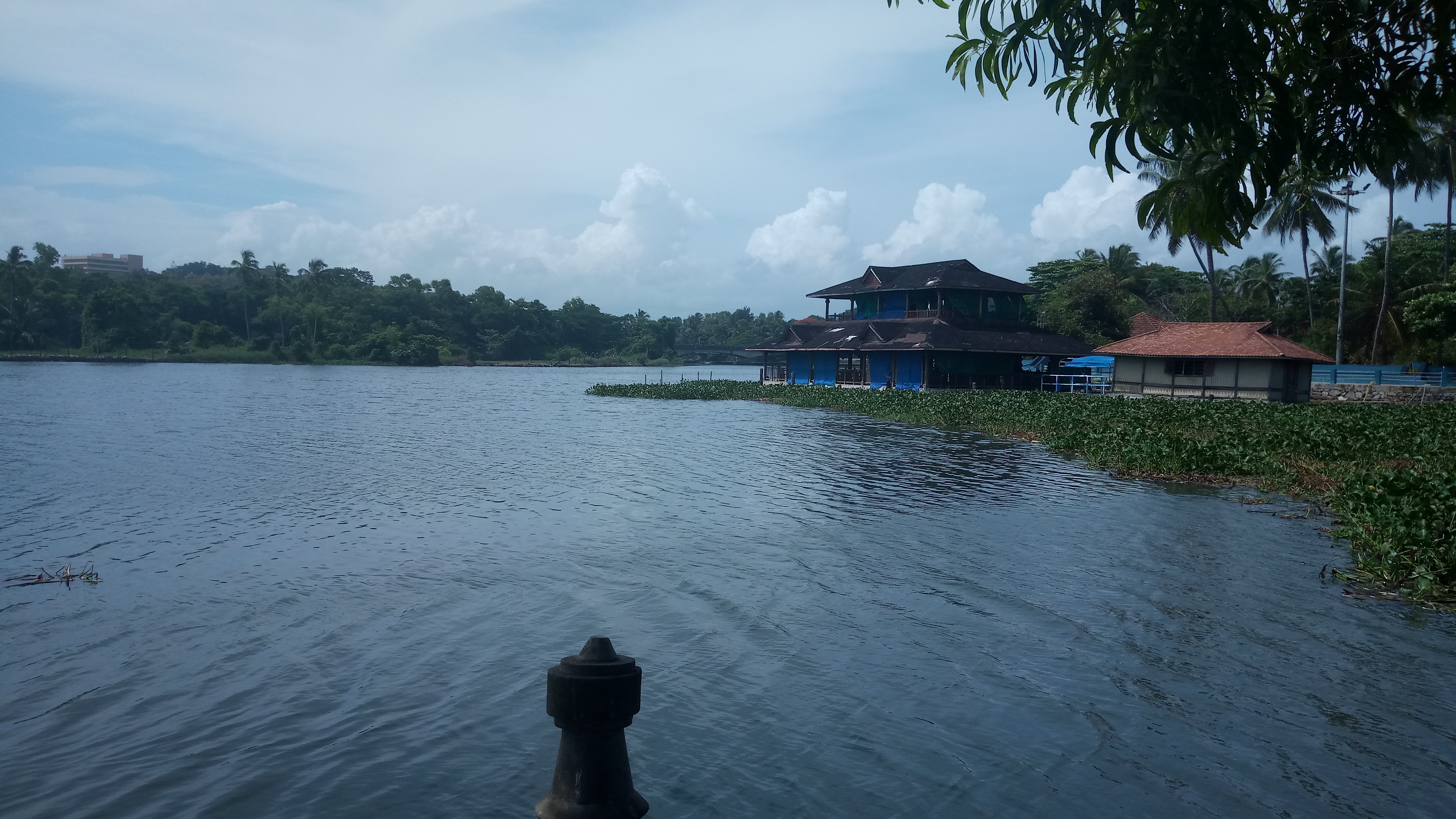
23.3 km · 25 min drive
Veli Tourist Village brings lake views, gardens and boating to the coast near Thiruvananthapuram. It is a family outing at the meeting of Veli Lake and the Arabian Sea.
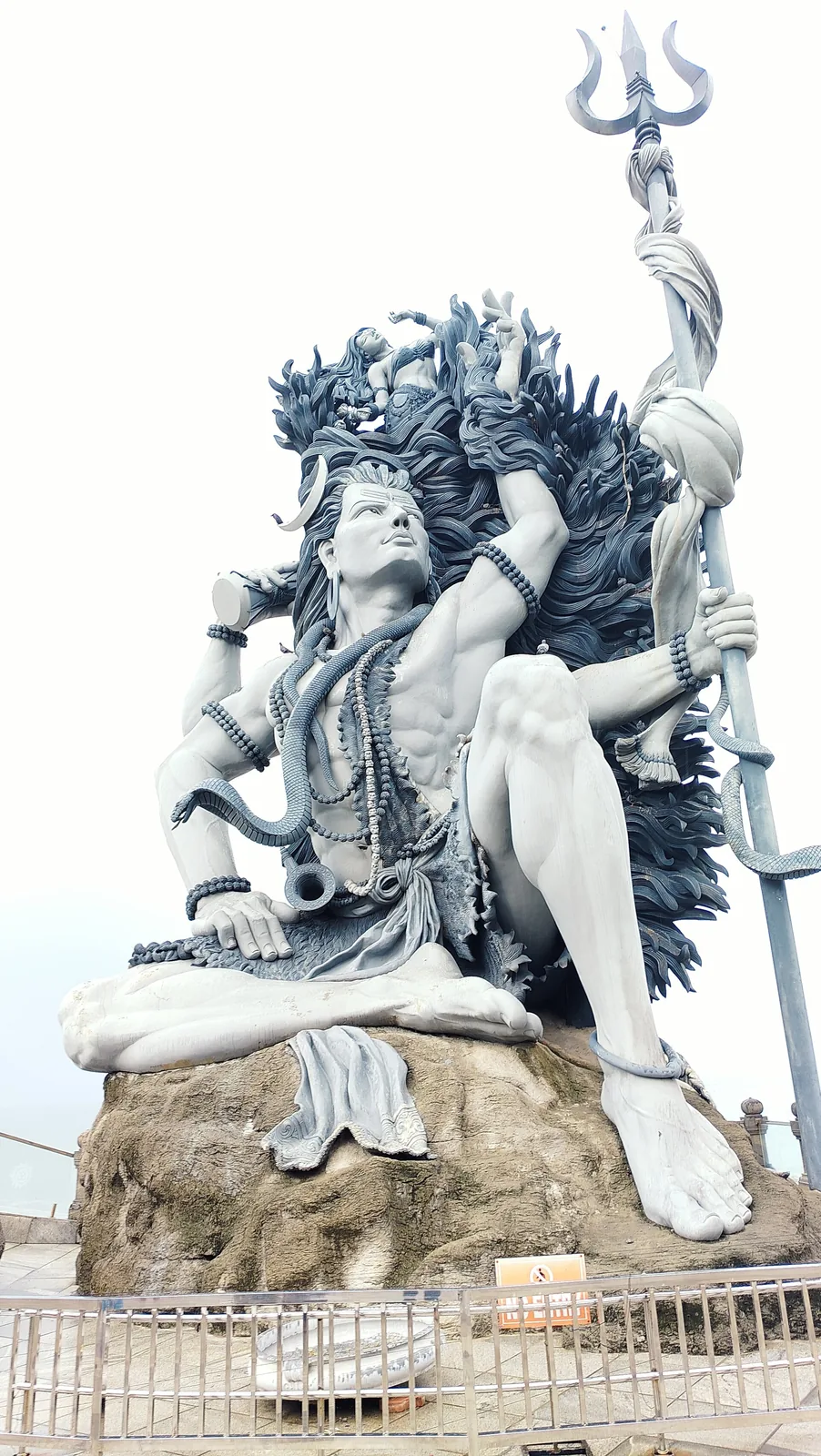
A clifftop seaside temple at Adimalathura near Vizhinjam, known for a giant Gangadhareswara (Shiva) sculpture.
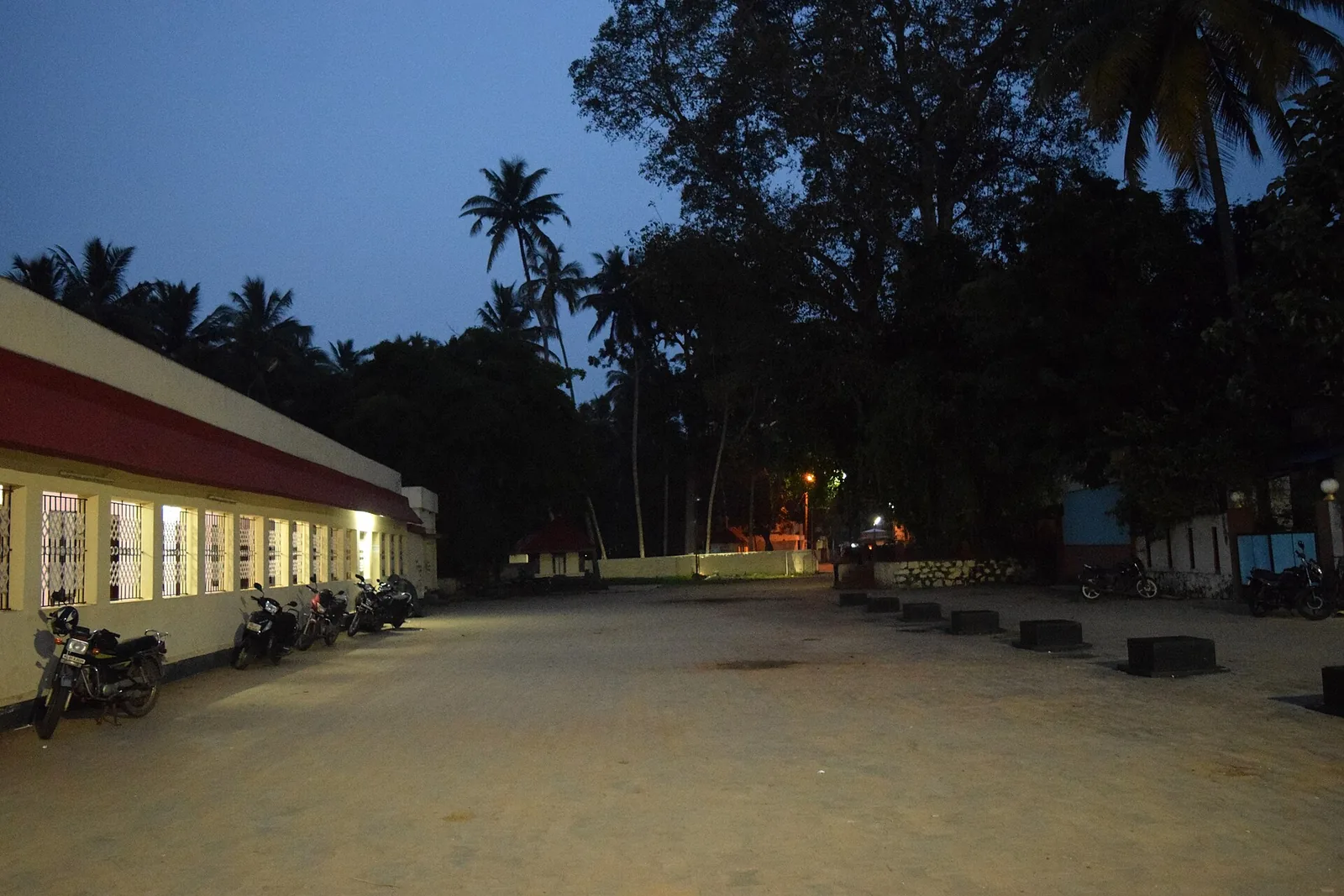
An ancient temple on the Karamana river, the district’s main site for ancestral (bali) rituals and rare for its Parasurama deity.
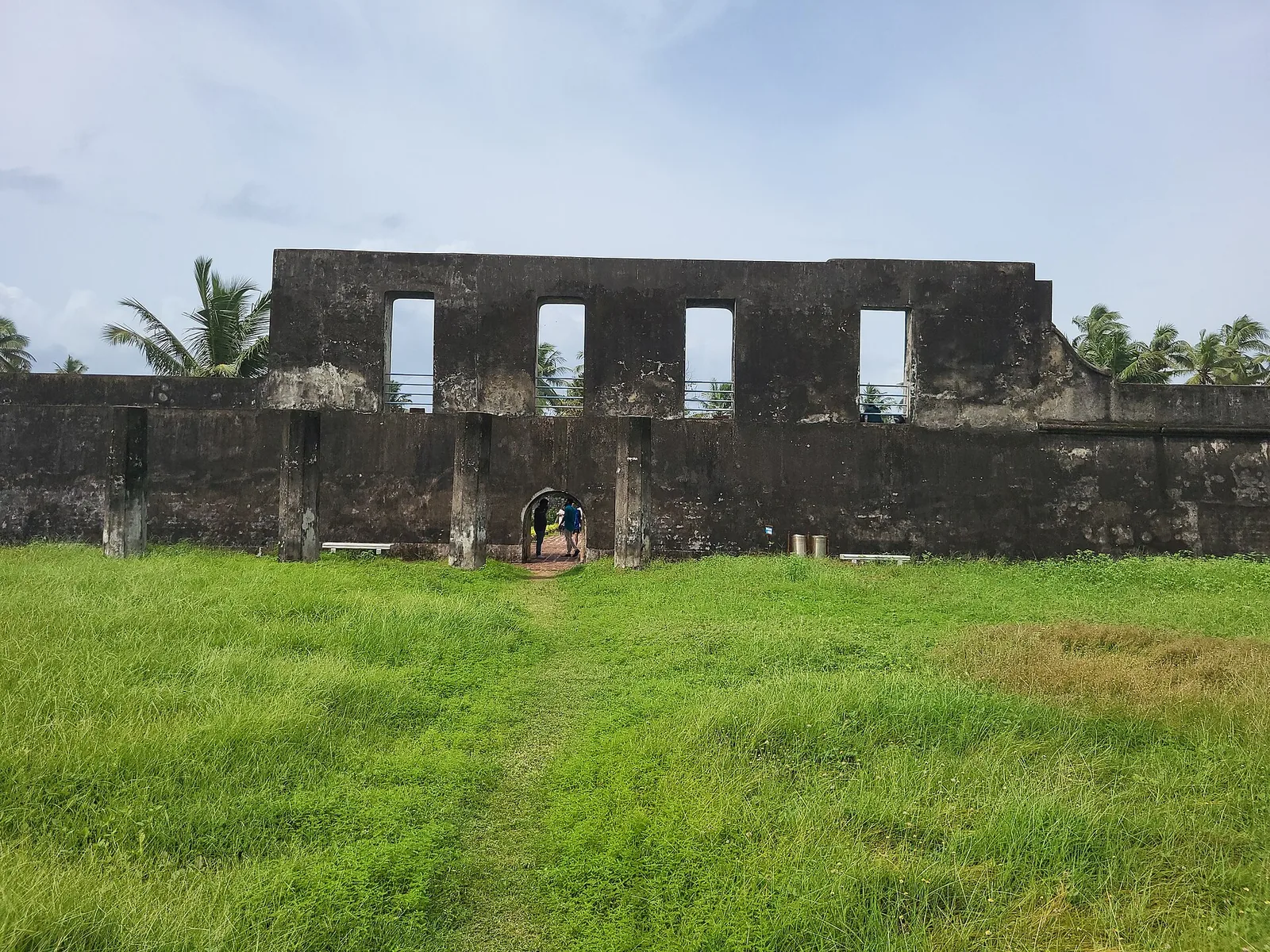
33.9 km · 52 min drive
A 1690s English East India Company sea fort (Anjengo) on the coast north of the city, one of the earliest English settlements in Kerala.
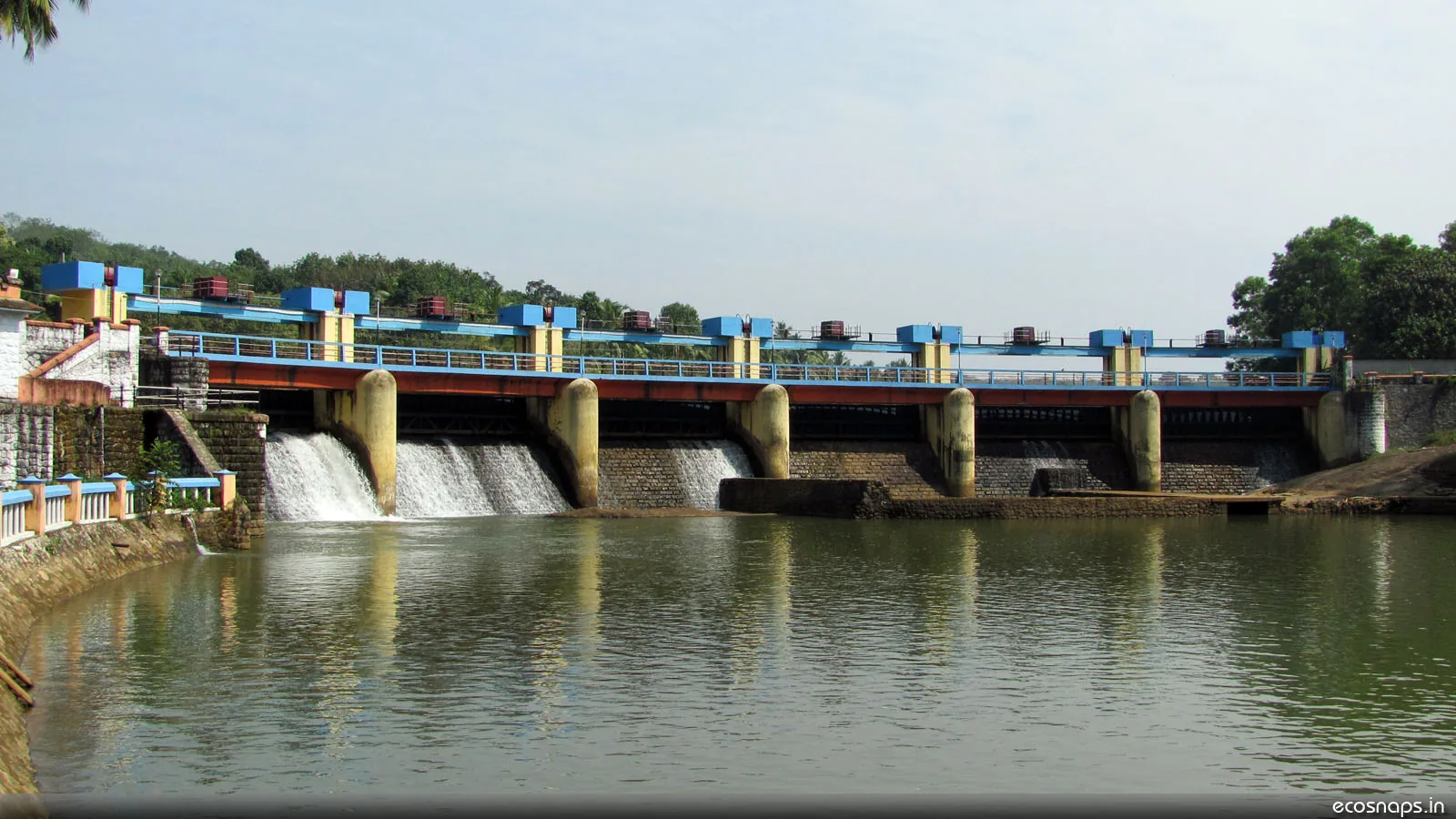
A reservoir, riverside temple and small park on the Karamana river north-east of the city, a popular local picnic spot.
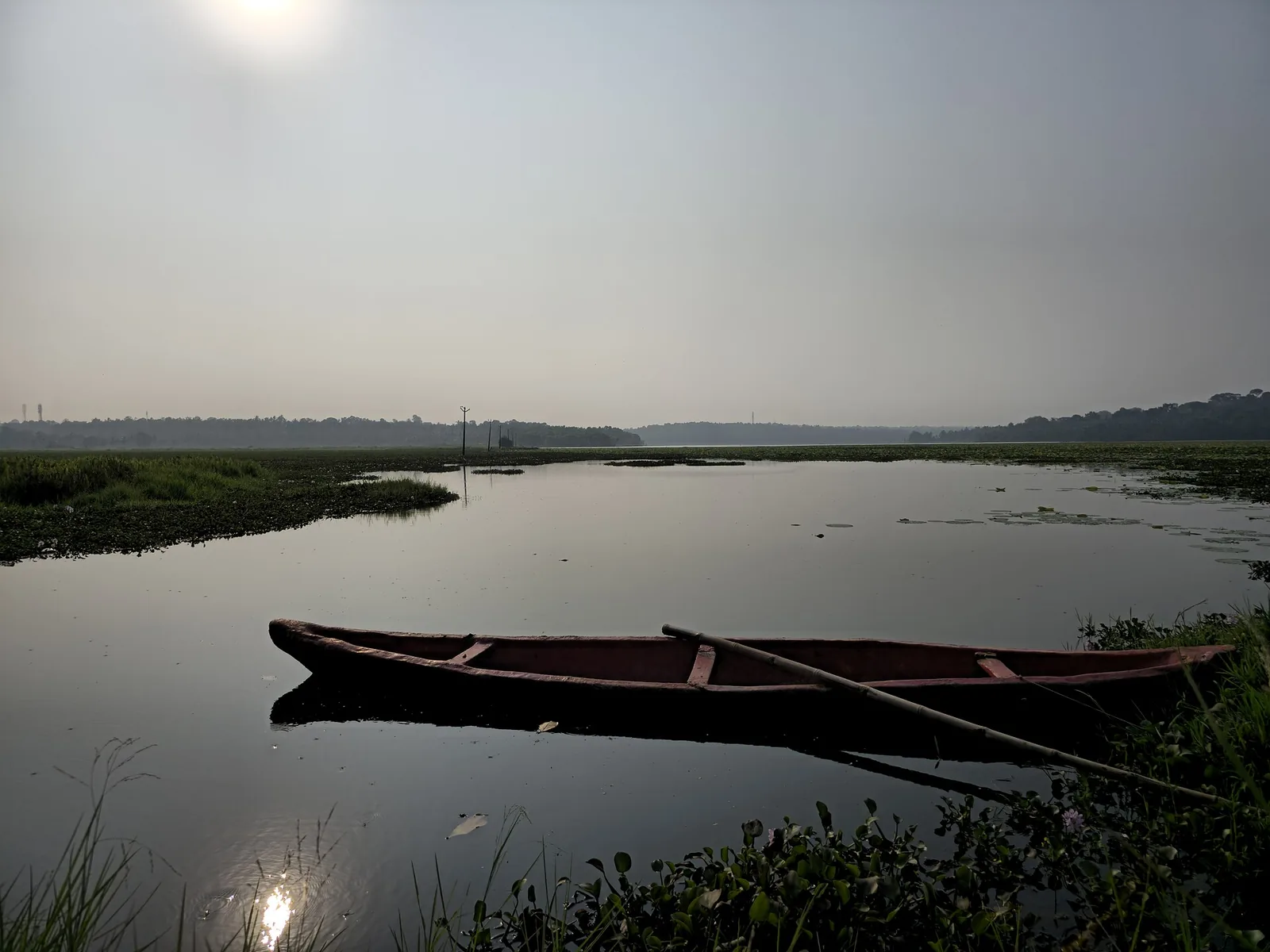
A freshwater lake in Thiruvananthapuram district, with the Punchakari–Vellayani wetlands nearby offering seasonal birdwatching.
27.3 km · 30 min drive
Shanghumukham is Thiruvananthapuram’s evening shoreline: an open sea horizon, airport-side access and Kanayi Kunhiraman’s reclining mermaid sculpture. Come for a coastal walk and the changing light.
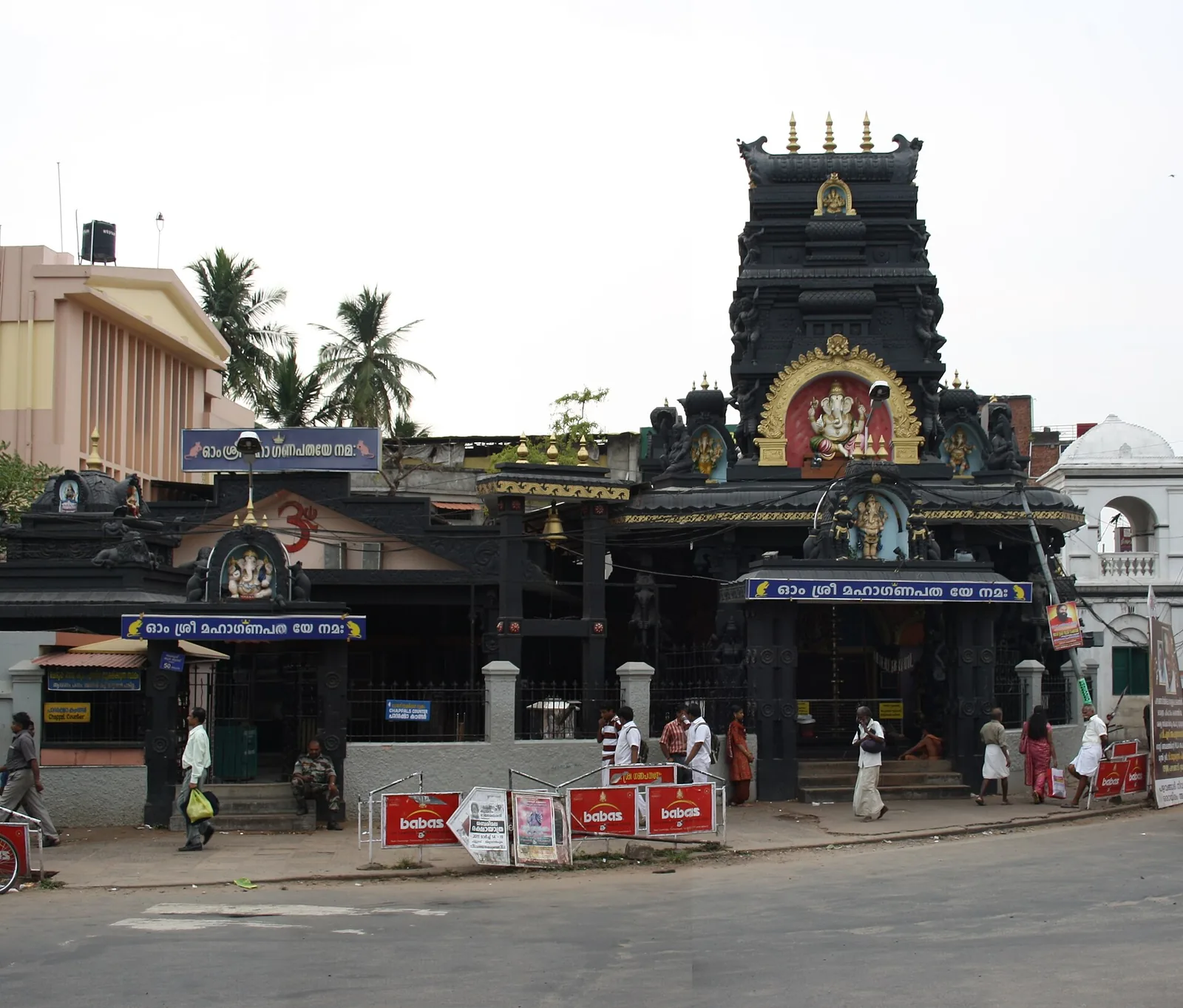
A popular Ganapathy temple near East Fort, known for the coconut-breaking offering; run by the defence services.
23.5 km · 26 min drive
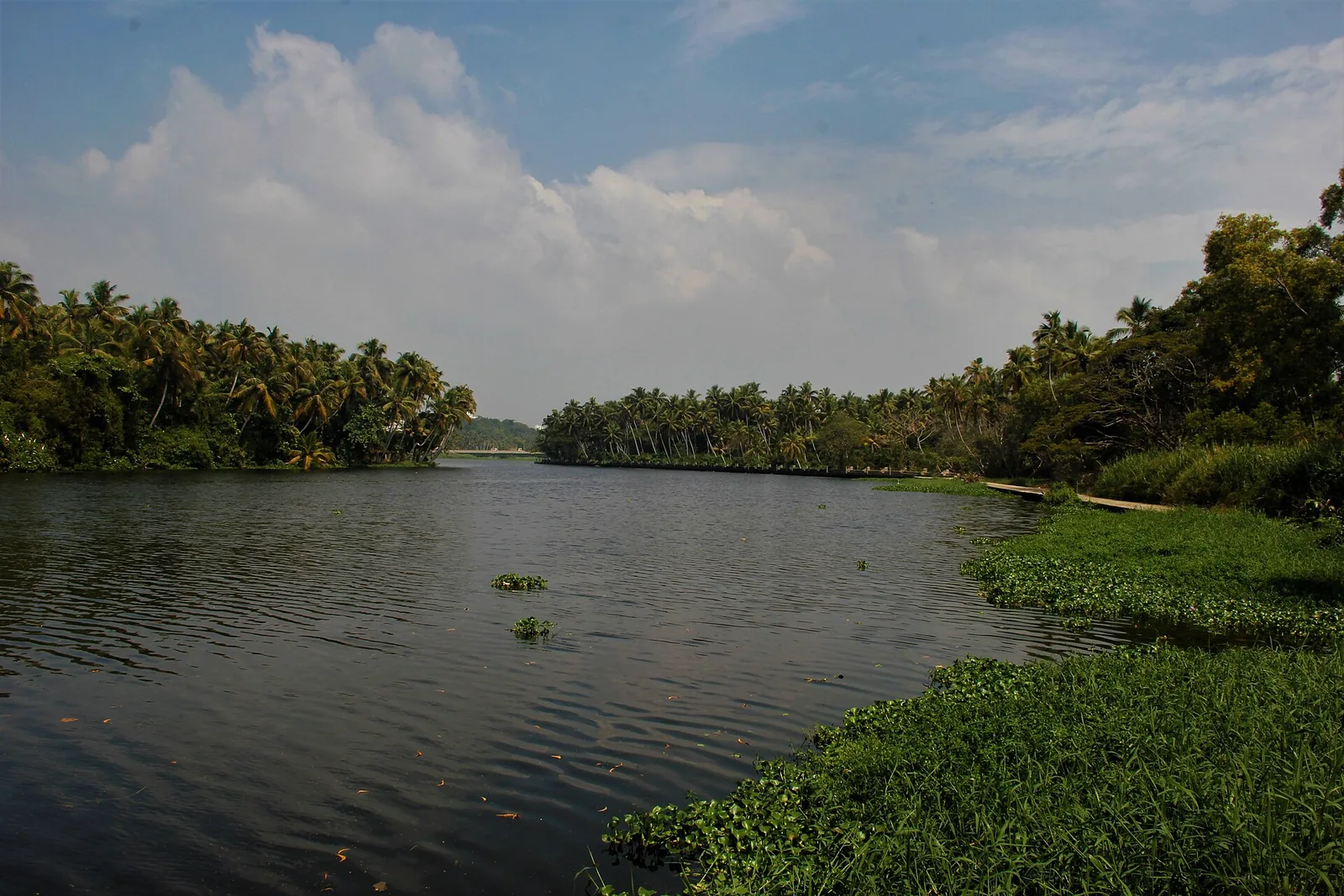
A calm backwater and boating spot near Veli with a lakeside tourist village and children’s park.
24.7 km · 29 min drive
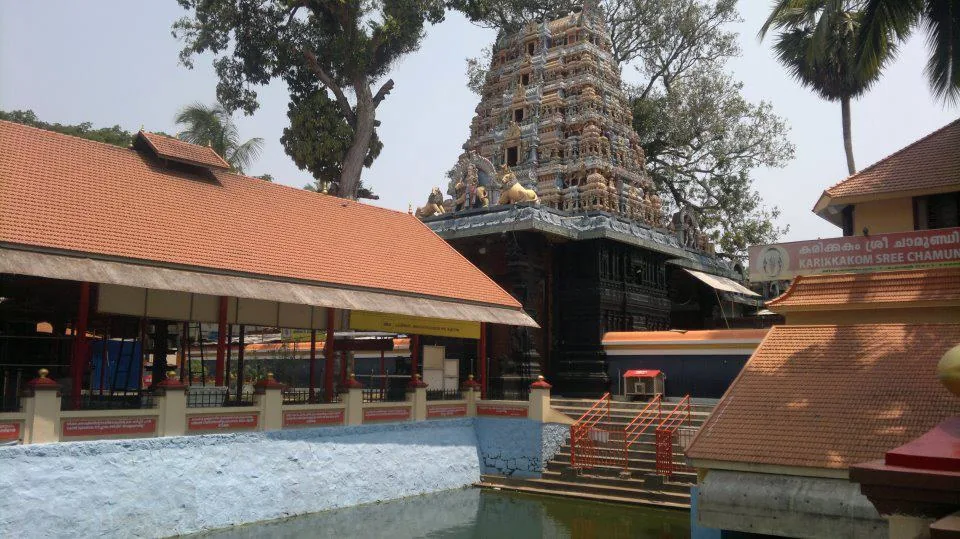
A well-known Chamundi Devi temple on the western edge of the city, busy during its festival season.
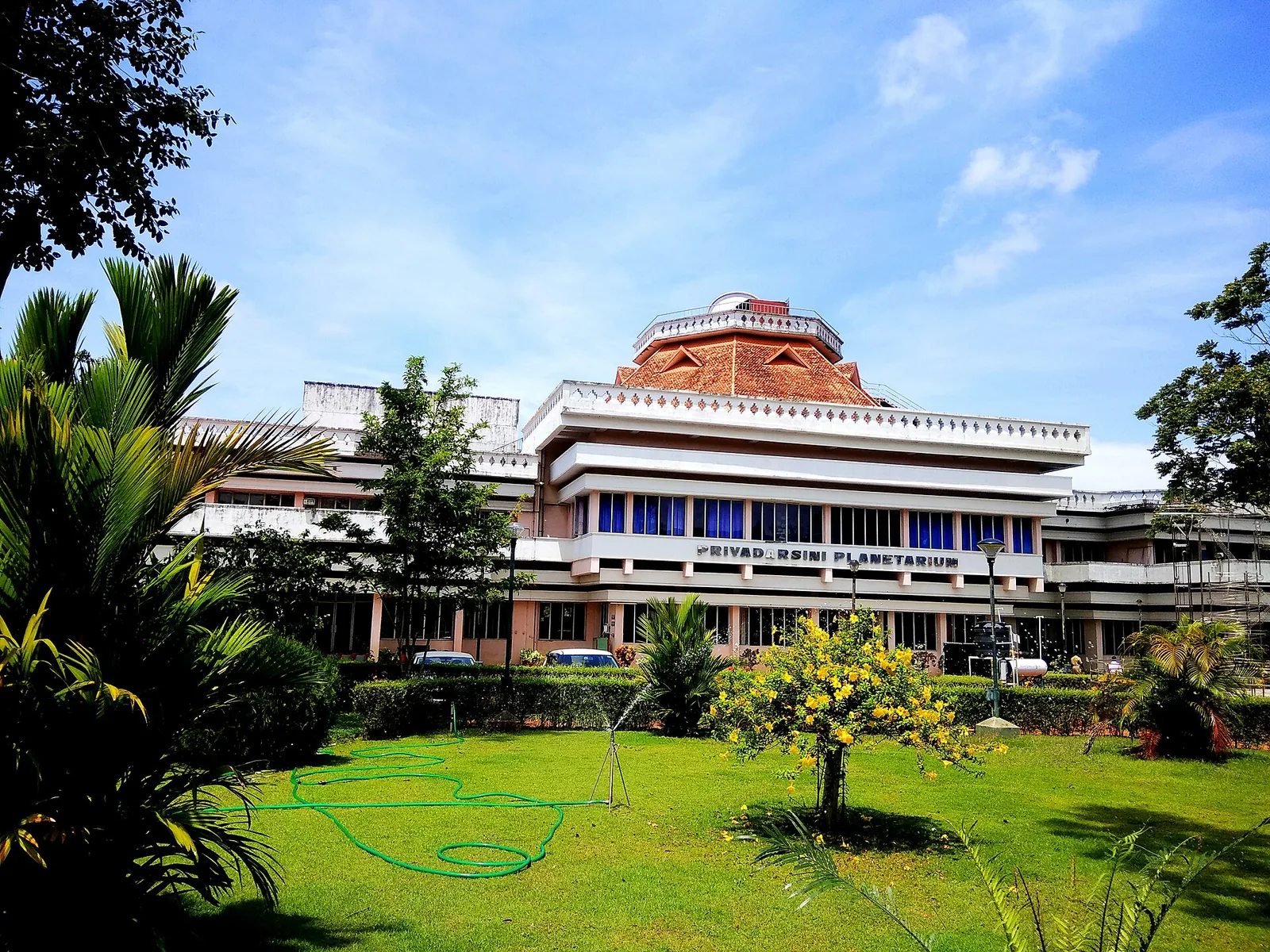
A hands-on science museum with the Priyadarshini Planetarium, popular with families and school groups.
Roampedia is commission-free — own or know a stay, eatery, guide or shop near Sarkaradevi Temple? Submit public business details for review.
Add a nearby businessEntry: Free entry (dress code applies).
At Chirayinkeezhu, about 30 km north of the city near Attingal; reachable by train to Chirayinkeezhu or by bus.
If you are travelling by bus or ferry, check the return service with the operator before setting out. Leave time to reach the stop or jetty after your visit.
Ask at the bus stand for the time of the last service back, not the next one. If you miss it, an auto or app cab is the fallback — agree the fare before you get in.
If you need step-free access, contact the site before travelling. Ask about a level entrance, steps along the route, the nearest drop-off point, seating and accessible toilets.
Charge cap and free-transaction limits: Reserve Bank of India, ATM FAQ updated 4 July 2025; checked 4 October 2026.
These services are listed within about 1.2 km of Sarkaradevi Temple. Walking distances follow mapped routes; access and opening hours can change. Other services may be closer but are not included here.
Published emergency and visitor-assistance contacts. For an immediate emergency, call 112. Shared Kerala contact sources checked 4 October 2026; publication does not establish a tested live response.
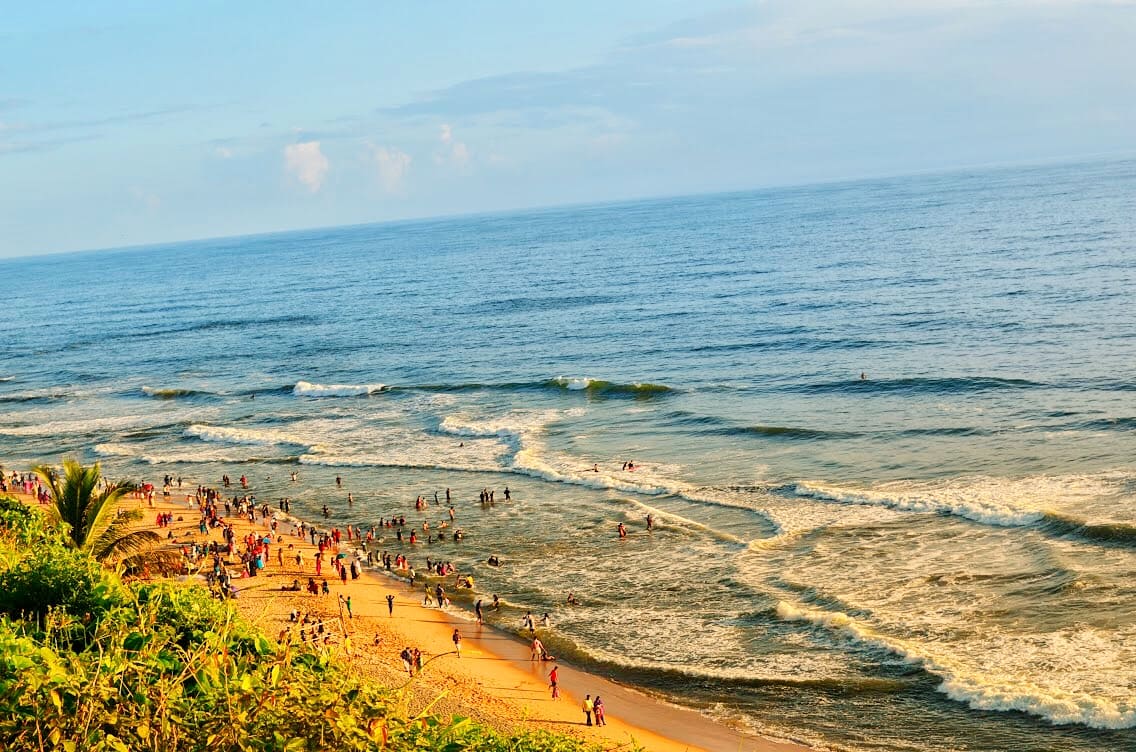
Red-cliff beach town with sea views, cafes, Janardanaswamy Temple and easy train access.
11.6 km · straight line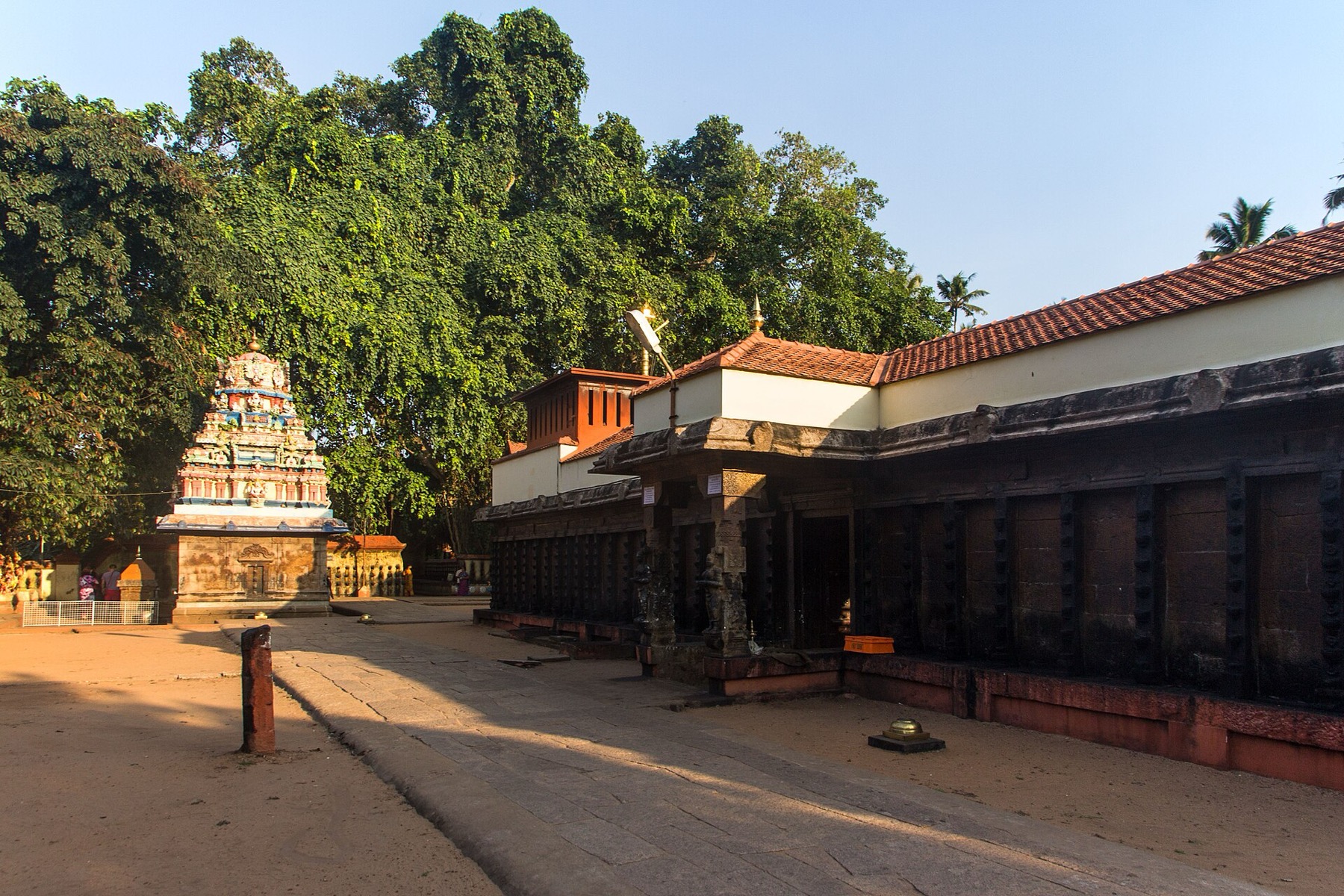
Broad steps lead from Varkala’s beach road to Janardanaswamy Temple. Dedicated to Vishnu, the hilltop shrine brings a quieter pilgrimage setting close to Papanasam’s busy shore.
12.0 km · straight line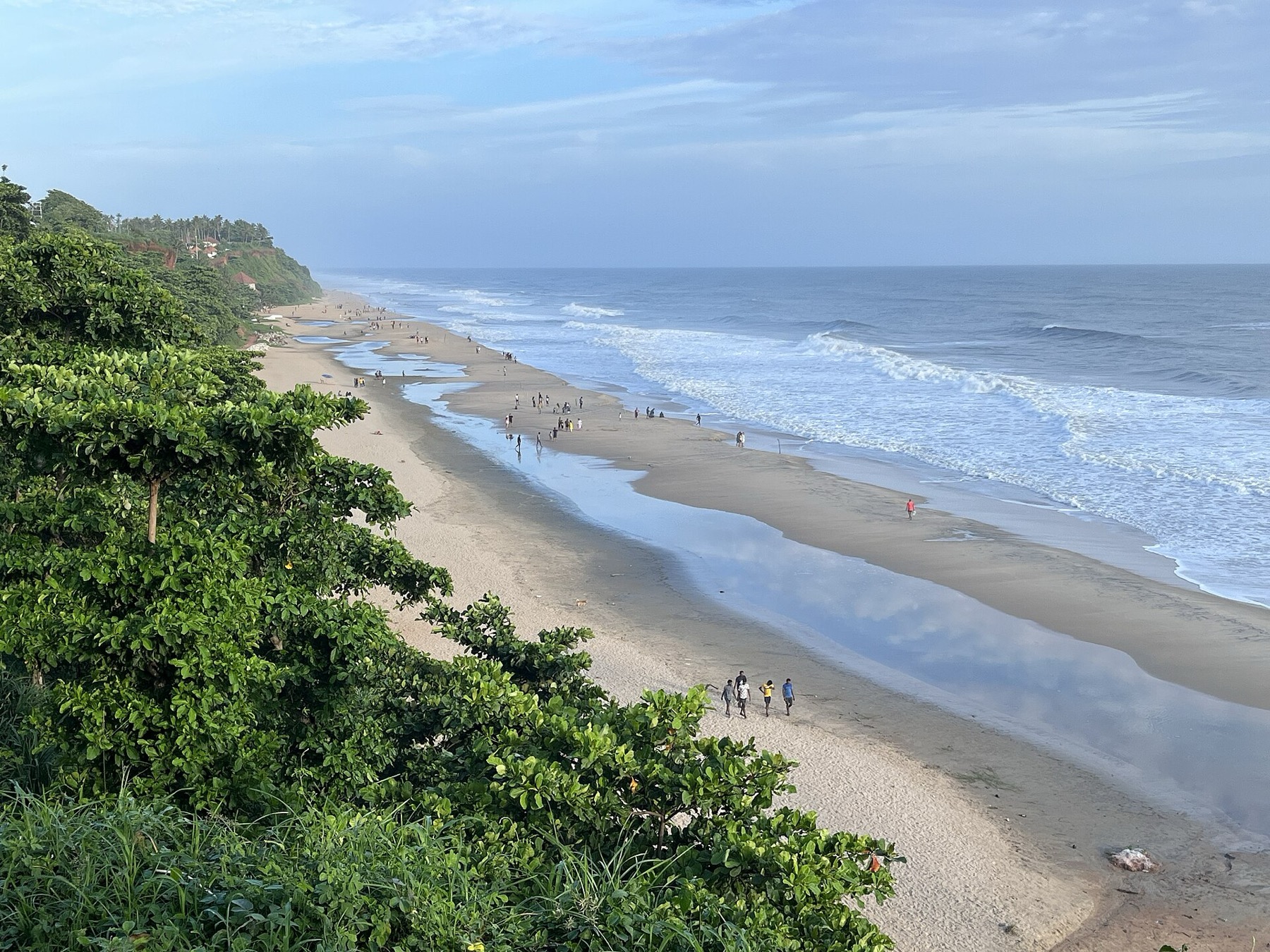
Papanasam is the sandy shore beneath Varkala’s cliff, with ancestral rituals as well as beach visitors. Come with room in your plans for both the landscape and the people using it.
12.4 km · straight line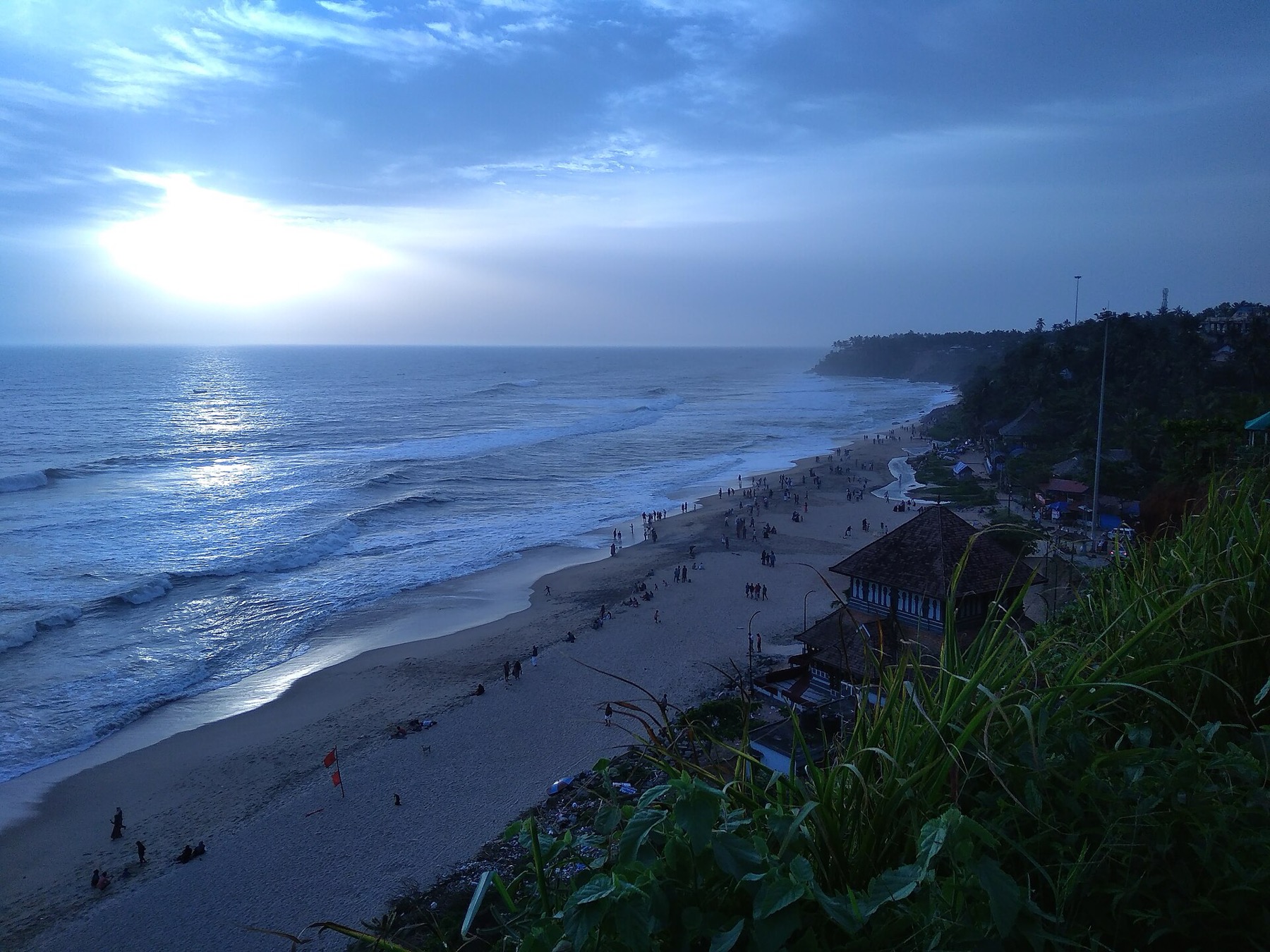
Varkala’s laterite cliff puts the Arabian Sea below your feet and cafés along your walk. The clifftop path and Papanasam Beach are connected experiences, reached at different levels.
13.0 km · straight lineMadavoorpara combines a rock-cut Shiva shrine with a rocky hill landscape on Thiruvananthapuram’s northern edge. The temple and the climb offer different reasons to visit, and both deserve time.
14.7 km · straight lineThe ancestral palace compound associated with Raja Ravi Varma at Kilimanoor; visitor access concerns the working family estate and must be confirmed before travel.
14.9 km · straight line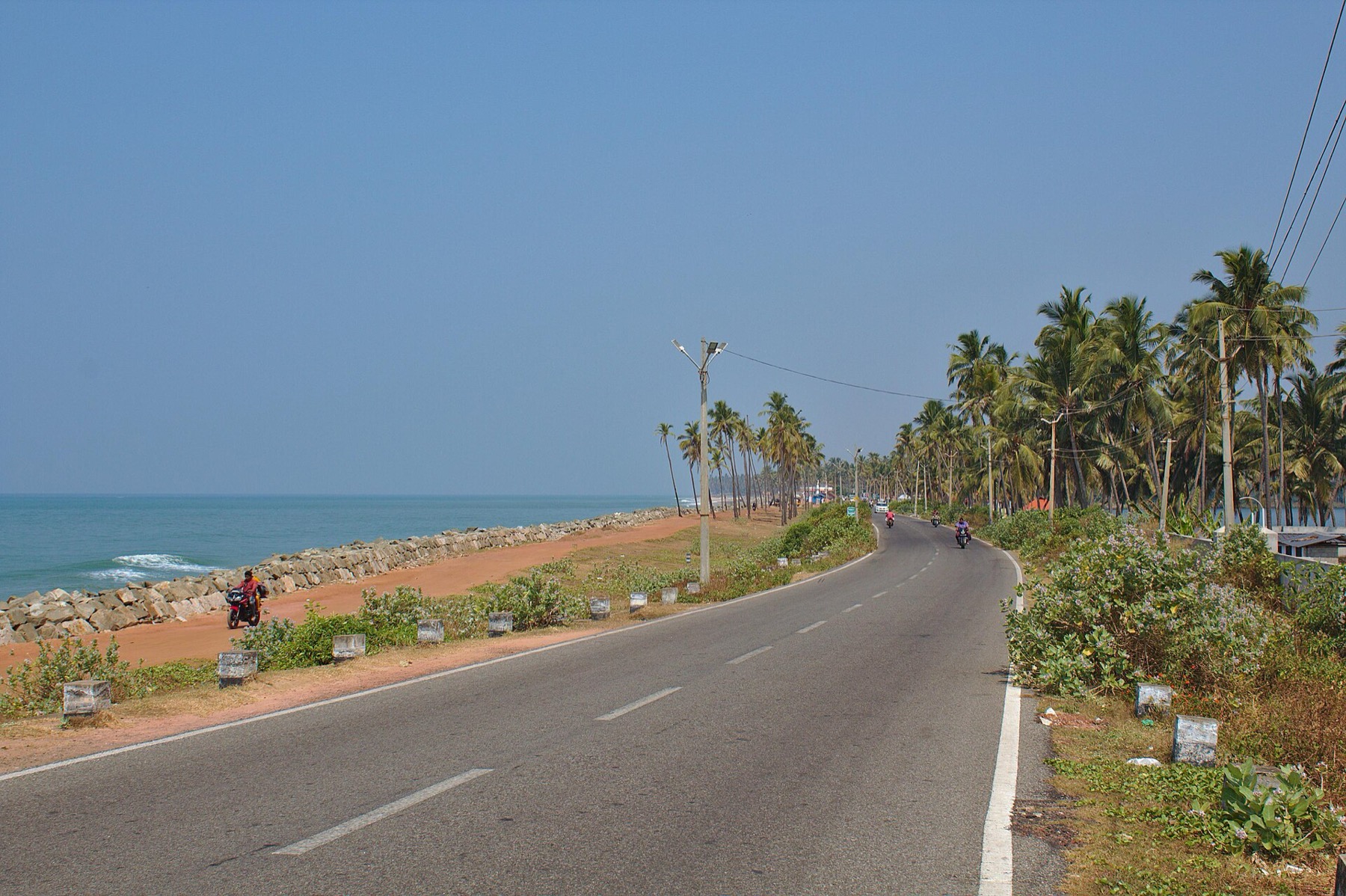
At Kappil, a narrow coastal landscape holds backwater on one side and the Arabian Sea on the other. The bridge and shore make a rewarding short trip north of Varkala.
18.5 km · straight lineVeli Tourist Village brings lake views, gardens and boating to the coast near Thiruvananthapuram. It is a family outing at the meeting of Veli Lake and the Arabian Sea.
23.3 km · 25 min driveA calm backwater and boating spot near Veli with a lakeside tourist village and children’s park.
23.5 km · 26 min driveA well-known Chamundi Devi temple on the western edge of the city, busy during its festival season.
24.7 km · 29 min driveShanghumukham is Thiruvananthapuram’s evening shoreline: an open sea horizon, airport-side access and Kanayi Kunhiraman’s reclining mermaid sculpture. Come for a coastal walk and the changing light.
27.3 km · 30 min driveA 1690s English East India Company sea fort (Anjengo) on the coast north of the city, one of the earliest English settlements in Kerala.
33.9 km · 52 min driveRoad and walking figures are route estimates, with travel times dependent on access, traffic and conditions. Figures marked “straight line” show direct separation and do not describe a road or walking route. Fare estimates use Kerala’s 26 April 2022 auto/taxi notification and exclude waiting, night and applicable one-way surcharges. Confirm the current meter or operator quote before travelling. Routing: © openrouteservice.org by HeiGIT | Map data © OpenStreetMap contributors
Nearby toilets, pharmacies, ATMs, seating and vets are community-mapped and may be incomplete or out of date. Map data © OpenStreetMap contributors | Walking times © openrouteservice.org by HeiGIT
A ritual festival at the temple in which the encounter between Bhadrakali and the demon Darika is enacted — performed as ritual rather than as theatre for an audience. It is among the better-known Kali-centred ritual forms in Kerala and draws very large crowds. Dates follow the Malayalam calendar; confirm locally.
Sarkara means jaggery, unrefined cane sugar. Local tradition holds that the deity's presence was revealed in connection with jaggery, most commonly told as the image being discovered in a consignment of it. The versions differ in detail and it is tradition rather than documented history.
Darika, in the tradition, held a boon making him invulnerable to men and gods. Bhadrakali — a fierce form of the goddess, born of Shiva and outside the terms of that boon — was the answer to him, and destroyed him. That encounter is what the Kaliyoot enacts.
It runs over nine days. The first seven build the story leading to the confrontation between Bhadrakali and Darika. The eighth is the Mudi uzhichil, in which the goddess searches for Darika and blesses devotees directly. The ninth is the Nilathil poru — the fight on the ground — in which Darika is destroyed. Dates follow the Malayalam calendar and move each year, so confirm locally before planning around it.
No, and its history is unusually precise for a ritual form. The Kaliyoot belongs to north Malabar, and it was brought to southern Kerala by Marthanda Varma in 1748. The account has him halting near the Sarkara temple while campaigning against Kayamkulam, vowing a Kaliyoot to the goddess in return for victory, and keeping the vow after he won. What runs here is a deliberate royal transplant that has since become the temple's defining observance.
A separate ten-day observance from the Kaliyoot, falling around March or April. It opens with a flag-hoisting and closes with the arat, the ceremonial immersion of the deity in the temple tank. Its ninth day carries the Pallivatta, a hunting procession historically involving caparisoned elephants. Animal sacrifice formed part of the older observance and was given up in later periods.
Hereditary festival responsibilities are held by the Ponnara family, whose role descends from those who accompanied the adopted Kolathunadu princesses to Attingal. Since Kolathunadu is in north Malabar — the region the Kaliyoot itself came from — the temple carries two distinct northern inheritances, one ritual and one familial, in a shrine that sits well to the south of both.
Kerala temples commonly restrict entry to Hindus and the rules are set locally rather than uniformly. Check at the entrance, dress conservatively with legs covered, and expect photography inside to be prohibited.
At Chirayinkeezhu in the north of Thiruvananthapuram district, on the road towards Varkala. It combines easily with Varkala or with Anchuthengu Fort on the same stretch of coast.
Morning or early evening is usually best; festival days can be powerful but crowded.
Entry: Free entry (dress code applies). Timings: Indicative, confirm locally: roughly early-morning to mid-day and evening darshan with pooja gaps.
Base yourself in Thiruvananthapuram city or a nearby town in Thiruvananthapuram, then confirm the last-mile route locally before leaving. Check temple entry customs, dress rules and festival crowd conditions before arrival. If the visit depends on forest, temple, boat, ferry, weather or seasonal access, check the official/local rule on the day before travel.
45 minutes to 2 hours, longer during festival or queue periods.
Nearby you can pair Varkala (11.6 km, approximate straight-line separation), Janardanaswamy Temple (12.0 km, approximate straight-line separation), Papanasam Beach (12.4 km, approximate straight-line separation), Varkala Cliff (13.0 km, approximate straight-line separation).
Use official counters for offerings/tickets where applicable. Keep footwear and valuables secure in crowded areas.
Written about Sarkaradevi Temple itself — its history, its legends and the arguments about them.
These guides explore Thiruvananthapuram city and the surrounding area. Choose a visit that fits your interests, allowing separately for travel between stops.


Route-level itineraries and practical guides for the rest of Kerala.