What to expect
Highlights
- Heritage experience at Coffee Plantations around Kalpetta
- Architecture, local stories and old trade/cultural routes
- Good fit for guided walks and nearby cafes/shops
A distributed, working coffee landscape rather than one ticketed attraction: arrange an estate walk with a host, farm or accredited operator, and use Kalpetta town as the honest visitor base.
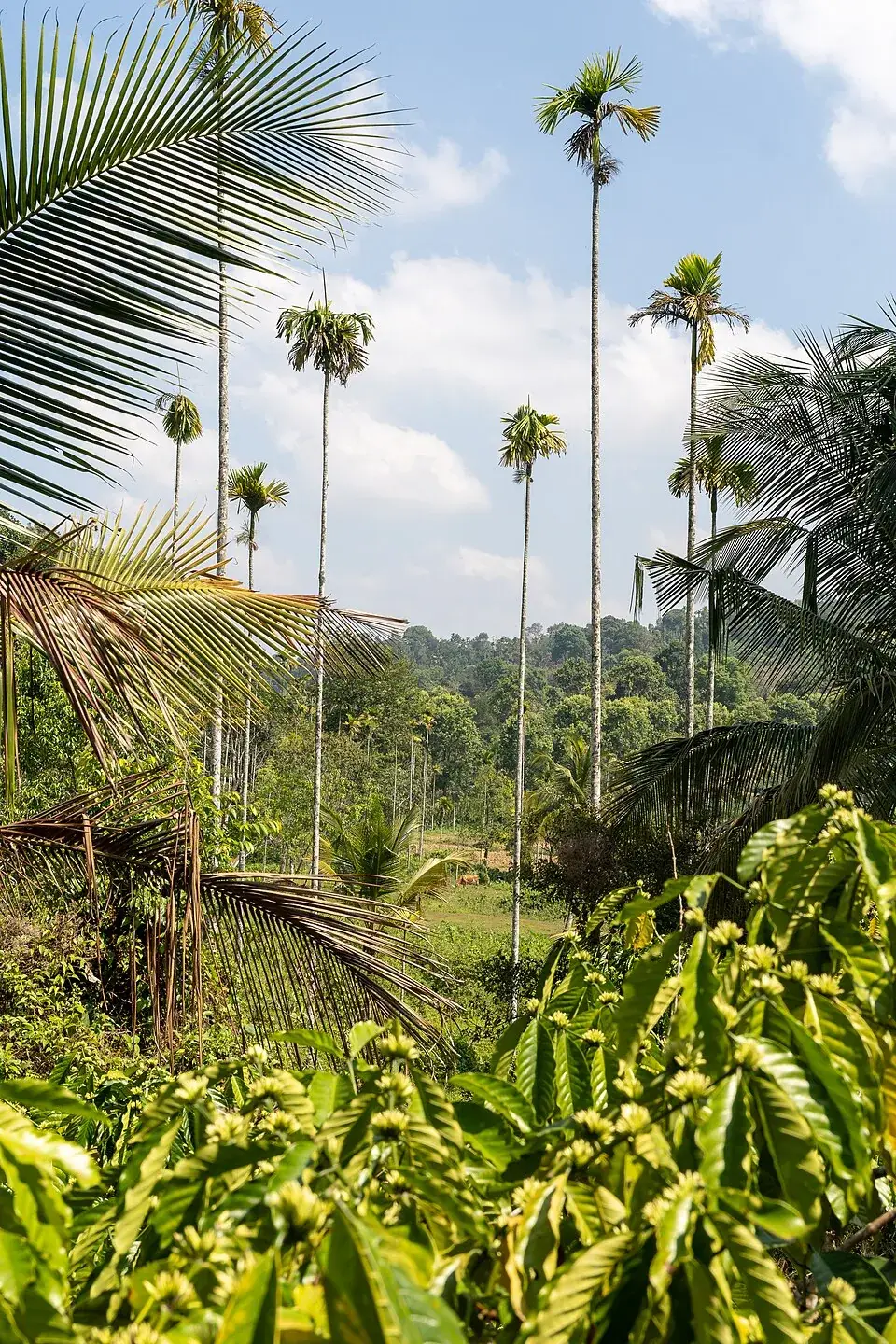
Around Kalpetta, coffee is not a scenic green backdrop pasted behind a resort. It is a layered working landscape: glossy shrubs under silver oak, jackfruit, areca and coconut; pepper climbing the shade trunks; homes, drying yards and narrow paths tucked into the same cultivated canopy. The rewarding visit is the one that teaches you to read those layers without pretending that private farmland is a public park.
Start with the most important identity check: “Coffee Plantations around Kalpetta” names a landscape and an experience category, not one attraction with one gate. Kerala Tourism says coffee is grown in every Wayanad panchayat, on both large estates and small holdings. The map therefore points to the named Kalpetta town node—the practical base from which a host can send the real meeting point—rather than inventing a universal plantation entrance.
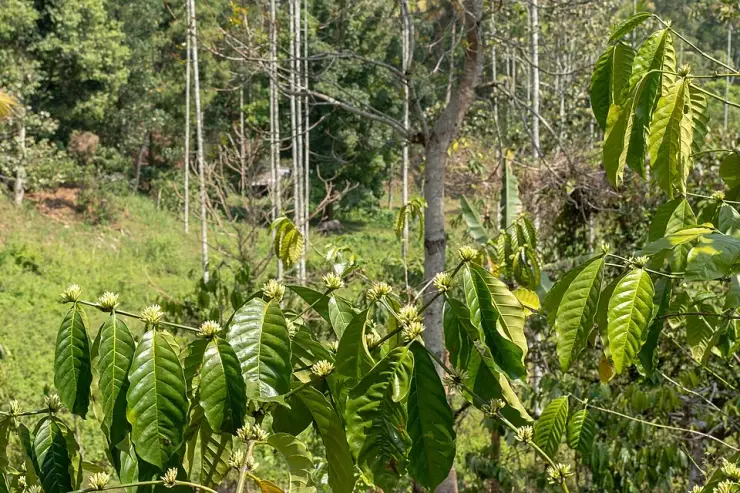
Wayanad coffee is predominantly Robusta. The Coffee Board places the region at roughly 600–900 metres and identifies Robusta as its main type, while listing pepper, banana, ginger and vegetables among its intercrops. That is why the most revealing frame is vertical: coffee bushes below, pepper vines climbing support trees, fruit and palms higher up, and a broken pattern of light reaching the soil.
A good walk changes scale repeatedly. From the road you see a green hillside; under the canopy you notice paired coffee leaves, flower clusters at the nodes, green cherries, ripening fruit and the deliberate pruning that keeps picking possible. Then the guide should connect the plant to the cup—how cherries are selected, pulped or dried, sorted, roasted and finally brewed—without claiming every farm performs every stage on site.
The calendar cannot be promised from a generic webpage. Flowering can arrive in a sudden white, fragrant burst after rain and disappear quickly. Cherries mature later, while harvest timing shifts with elevation, weather, variety and farm practice. Ask the host what stage is visible now; an honest leaf-and-canopy walk is better than a guaranteed “harvest experience” that the plants cannot supply.
Private ownership shapes the visit. Estate tracks may look like forest trails, but they pass homes, irrigation lines, drying areas and active work. Permission is not a formality: it decides where you may walk, whether people may be photographed and whether a processing shed is safe to enter. Booked access also turns a generic green stroll into a conversation with someone who understands that particular holding.
Kalpetta works well as the base because it sits in the middle of the district’s plantation belt and has buses, taxis, stays and food. The experience may ultimately take you towards Muttil, Vythiri, Meppadi or another nearby panchayat. Obtain the exact pin and host name before departure; “near Kalpetta” is useful for trip planning but inadequate for somebody’s front gate.
The same plot reads differently at each height. At ankle level there may be leaf litter, ground cover and the channels that move monsoon water. Coffee branches occupy hand and shoulder height, where flowers and cherries are picked. Pepper climbs beyond easy reach, while fruit and shade crowns close the view overhead. Asking what each layer contributes turns a pretty green tunnel into a comprehensible farm.
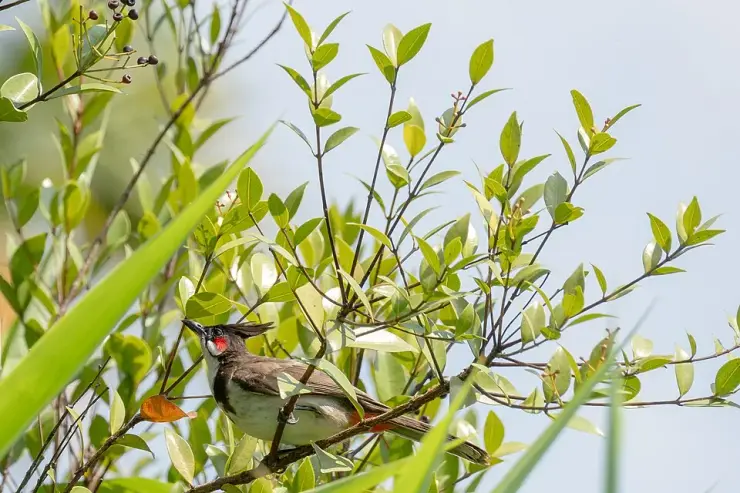
Listen as carefully as you look. A breeze moves the upper canopy before it reaches the coffee; insects work the flowering branches; farm tools and voices reveal that the scene is productive, not pristine wilderness. Birds can use the layered vegetation, but neither a bulbul nor any more dramatic species should be sold as a guaranteed sighting. Wildlife language must never erase the people working below it.
Rain is both maker and obstacle. It helps govern flowering and keeps the district intensely green, yet it also turns roots, clay and leaf litter slippery and can interrupt outdoor work. A monsoon visit can still be rewarding when a host offers a short safe circuit and a sheltered explanation, but it is not interchangeable with a dry-season walk. Ask about current ground conditions on the morning of the visit.
A tasting is most useful when it remains connected to evidence. Compare aroma and body, but also ask whether the cup is Robusta alone or a blend, whether the coffee came from that holding, and who roasted it. There is no failure in serving a regional blend or using a specialist roaster; the failure is allowing the theatrical word “estate” to substitute for a traceable answer.
Buying at the end can support a local business, although the label deserves the same attention as the landscape. Look for roast date, whole-bean or ground form, processing information and a real producer or roaster address. Choose the grind for the brewer you actually use. Fresh local coffee prepared badly is not automatically better than a clearly labelled regional coffee prepared with care.
The strongest visit leaves some things untouched. Fallen leaves stay under the shrubs, unripe cherries stay on their branches and workers decide whether their image travels home with you. That restraint is not separate from the experience. It is how a visitor acknowledges that Wayanad’s plantation scenery exists because land, weather, crop knowledge and daily labour continue after the tour has ended.
Plan the rest of the day around what this visit actually offers. A morning farm walk works well before town errands or a separate lake, temple or viewpoint, but it should not be marketed as a substitute for Wayanad’s protected forests. Likewise, a plantation stay can deepen the agricultural experience without granting access to every adjoining track. Keep each boundary clear: the host interprets the farm; Forest Department rules govern forest land; public attractions keep their own tickets and timings. This distinction is practical as well as ethical. It prevents a loose “nature tour” from becoming trespass, keeps vehicles out of work yards, and lets the farmer set a route that fits pruning, picking, spraying, rain or family life on that particular day. The itinerary becomes better when the agricultural stop owns its time instead of serving as anonymous scenery between headline sights.
Wayanad’s older agricultural story is broader than coffee. Its very name is commonly connected with vayal nadu, the land of paddy fields, and the plateau continues to hold rice valleys, forest edges, homestead gardens and spice crops beside plantations. Coffee became a defining commercial crop, but it did not erase this mixed highland landscape.
Kerala Tourism’s district agriculture account calls Wayanad’s system specifically “coffee-based”: coffee is grown as a pure crop and mixed with pepper, while homesteads add coconut, areca, jackfruit, papaya and vegetables. Coffee Board data likewise presents Wayanad as a major Robusta region rather than the Arabica-only romance often marketed to travellers.
Shade is not accidental decoration. Coffee in India is grown under shade, and the taller layer moderates sun while supporting pepper vines and other crops. The visible result around Kalpetta is closer to an agroforestry mosaic than to the low, uninterrupted rows familiar from open-sun coffee imagery.
Modern tourism entered this agricultural world through plantation stays, guided walks and Kerala’s Responsible Tourism work in the Vythiri cluster, which includes Kalpetta, Vythiri, Pozhuthana and Meppadi. The useful principle remains local benefit: pay for knowledge and access, respect work in progress, and choose an experience that can identify who hosts it.
Learn to recognise Robusta leaves, flowers and cherries instead of leaving with only a photograph of “greenery”.
See how coffee, pepper, jackfruit, areca, coconut and shade trees share one vertical farm system.
Understand why a Wayanad cup begins with rain, pruning, shade and picking long before roasting.
Use a hosted walk to meet the people whose land and labour create the landscape.
Pair a gentle morning plantation visit with Kalpetta’s town logistics or a separate afternoon attraction without turning it into a rushed roadside stop.
Photograph small details—flowers, cherries, bark and filtered light—with permission and accurate names.
Road km to Wayanad; ghat roads and traffic vary — allow extra.
November to February and early mornings are best for walking; avoid midday heat where possible.
Live forecast loads in your browser.
Sun and moon are calculated for this location and shown in IST. Photography windows are the hour around sunrise and sunset; the sunset bearing is degrees clockwise from true north. Moon phase is accurate to about half a day.
Verified hotels, homestays, restaurants, experiences, sights, shops and rentals around Coffee Plantations around Kalpetta — commission-free, with direct contact. Filter by what you need.
Cafe 41 by Alibaba is a Kalpetta cafe at Mazarine Hotel, useful as a sourced cafe stop for central Wayanad stays and town transfers. Cafe, Mazarine Hotel, Town food.
The multi-cuisine restaurant inside Hotel Haritagiri on Kalpetta main road. Its menu spans Malabar, Mughlai and Continental, with a garden restaurant alongside.
The multi-cuisine restaurant at the four-star Indriya hotel by Kalpetta's bus terminal. Diners eat beside a rooftop pool with terrace views over Wayanad.
Spice Route is the restaurant at Oshin Hotels opposite Kalpetta Civil Station. It runs a separate green kitchen for pure-vegetarian and Jain guests.
1980's Nostalgic Restaurant is a Kalpetta food stop for Kerala meals and Wayanad town dining, useful for source-backed food planning near the bypass/Civil Station side. Kalpetta food, Kerala meals, Restaurant.
Book with the place itself. India’s cyber-crime coordination centre warned in April 2025 that convincing copies of hotel and pilgrimage booking sites are being pushed through sponsored search and social ads, taking payment for rooms the property never hears about. Every listing here links to the business’s own contact details and its own Google or Bing profile — we take no commission and sit in nobody’s payment path. If a booking page reached you through an ad, check the address bar against the property’s own site before you pay. Fraud can be reported on cybercrime.gov.in or on 1930.
Find food, accommodation and activities across Kalpetta. Browse the guides for places to eat, stay and explore along your route.
13 more places around Kalpetta. Open a guide to plan the visit and onward journey.
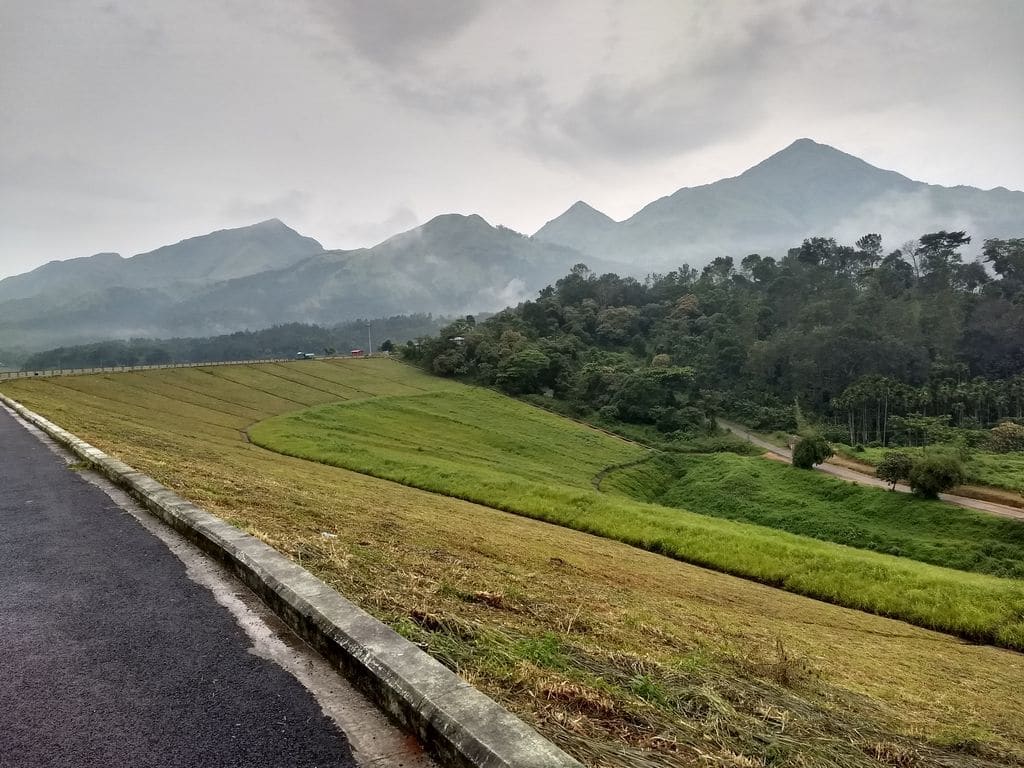
Large earth-fill dam with mountain views and reservoir activities, usually planned from Kalpetta or Vythiri with current activity checks.
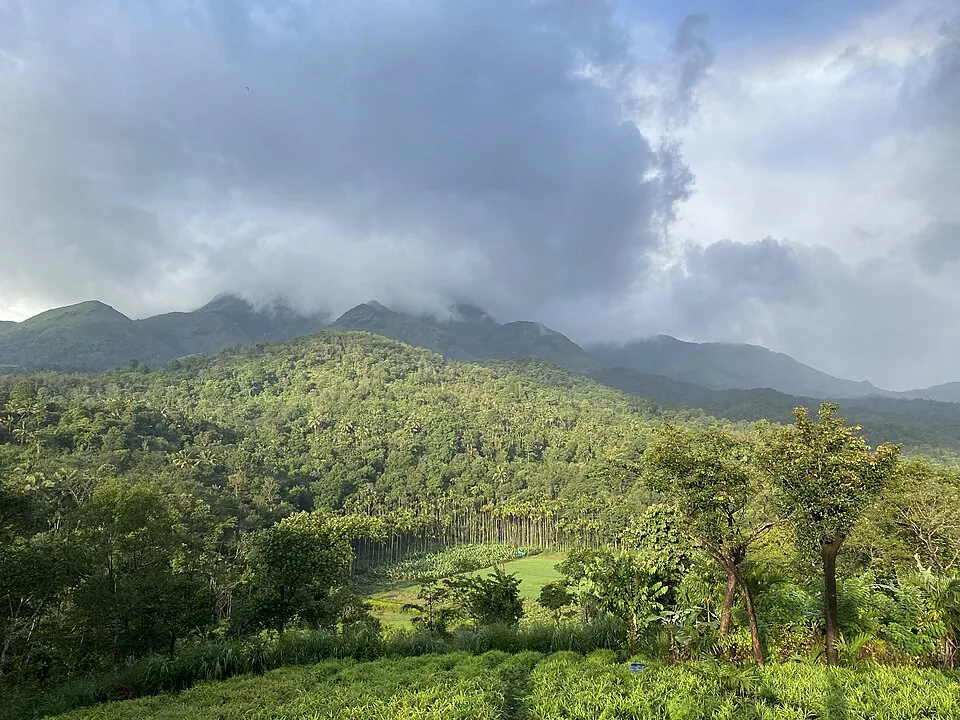
Highland trek and viewpoint landscape above the Banasura reservoir side; access and permissions should be checked locally.
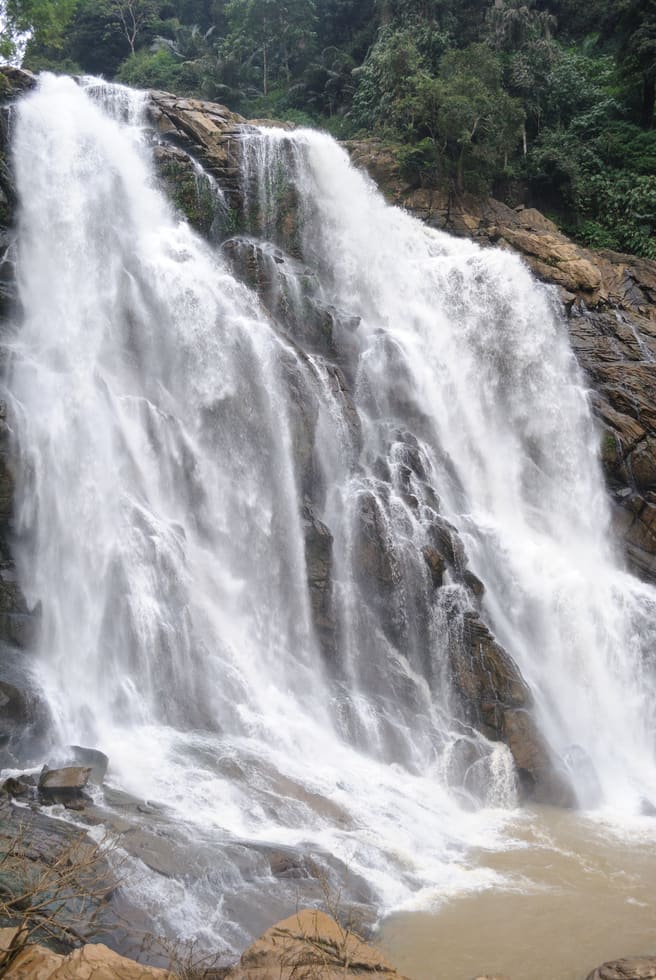
The closed Meppadi–Vaduvanchal waterfall, also listed as Meenmutty Falls trek. The map marks Vaduvanchal bus stand for town orientation, not an open waterfall entrance. Banasura Meenmutty is a different site.
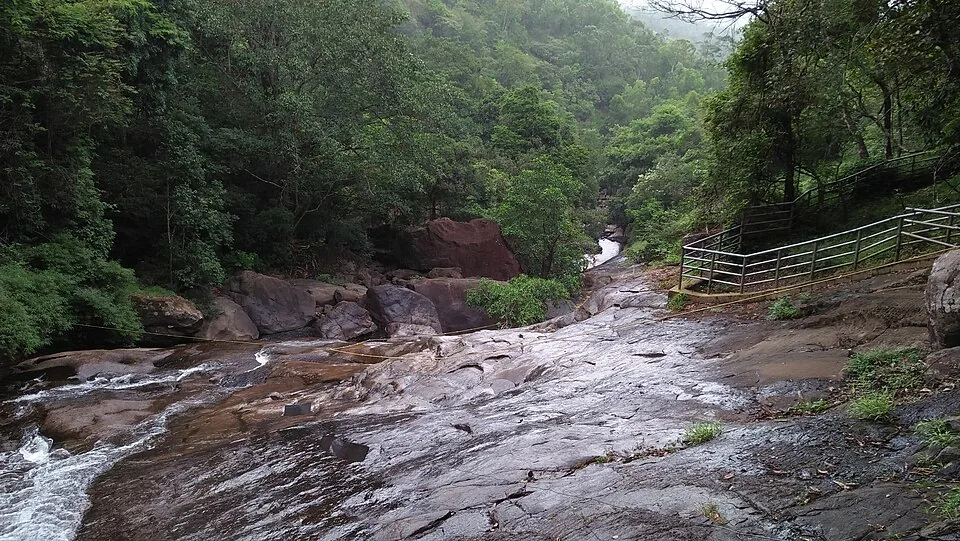
The Banasura-side Meenmutty at Kappikkalam, five kilometres from Banasura Sagar Dam—not the Meppadi or Makkiyad waterfalls with the same name.
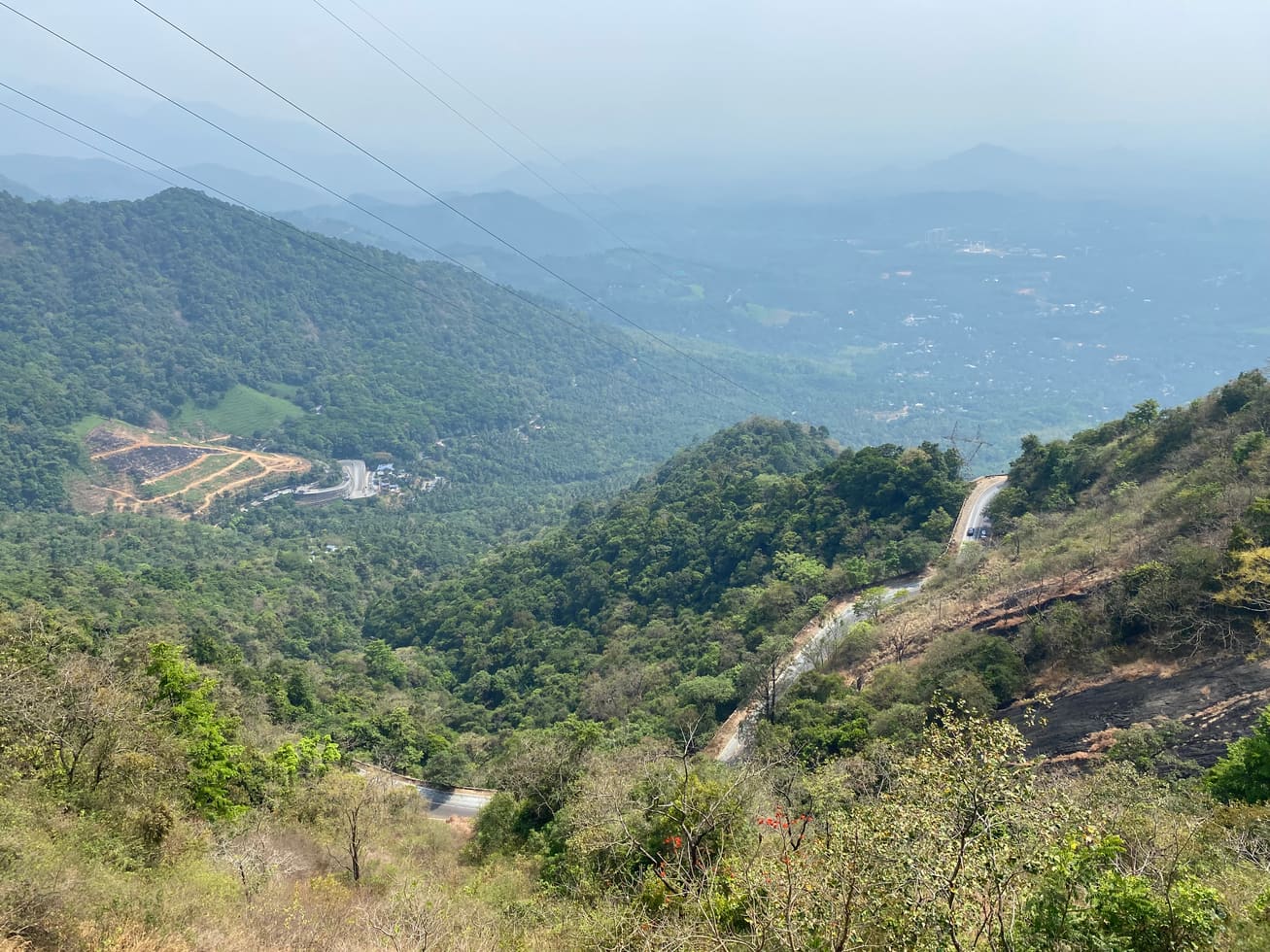
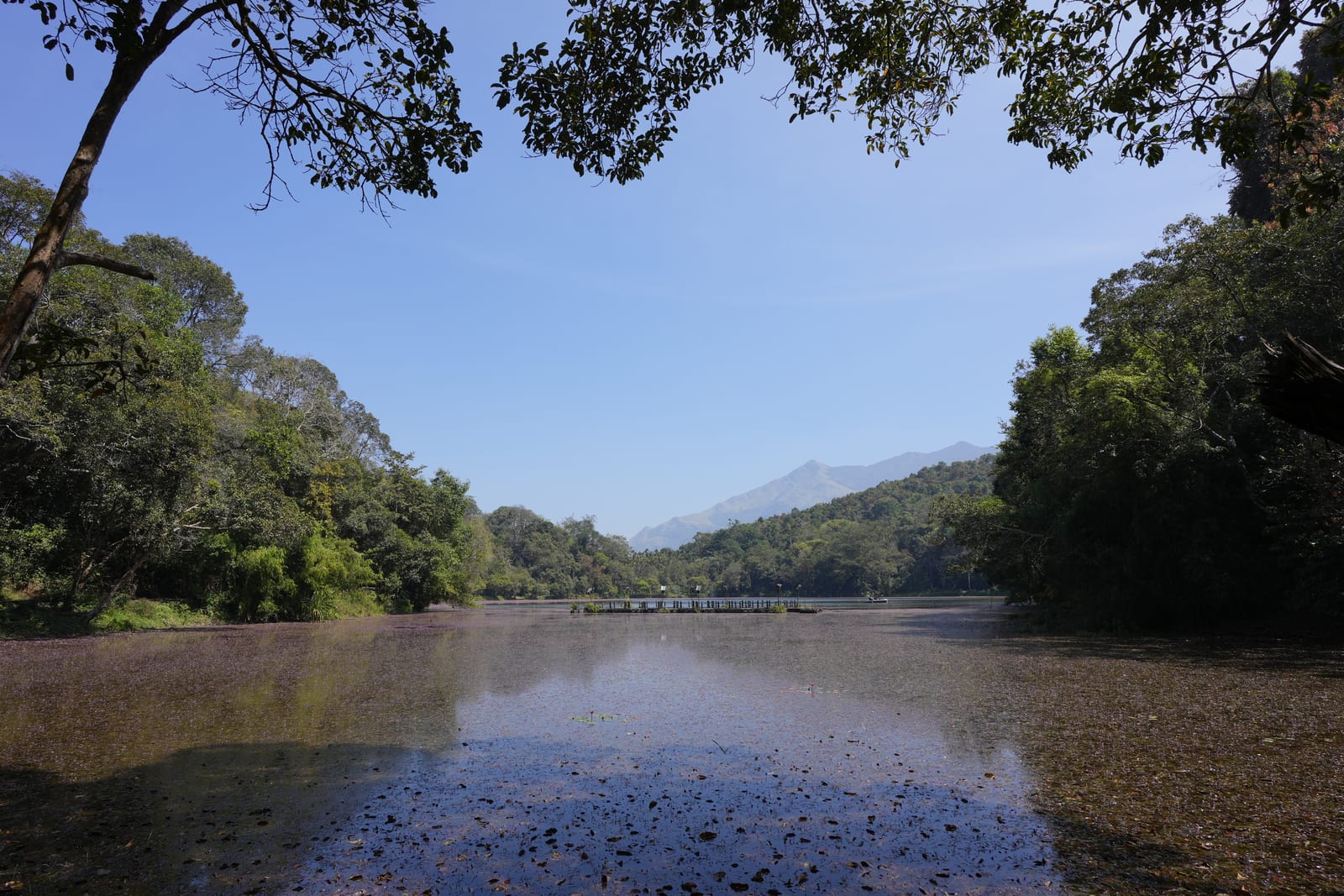
9.7 km · ~16 min by cab
Freshwater lake near Vythiri/Lakkidi, commonly paired with the ghat entrance and En Ooru side.
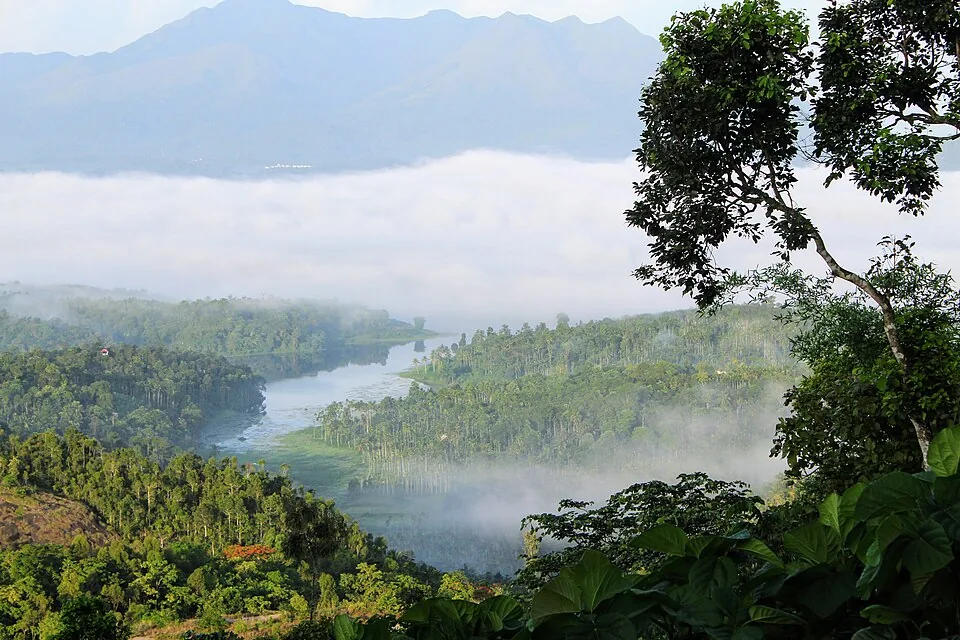
9.3 km · ~15 min by cab
Reservoir and garden-side attraction near the Ambalavayal/Kalpetta side of Wayanad.
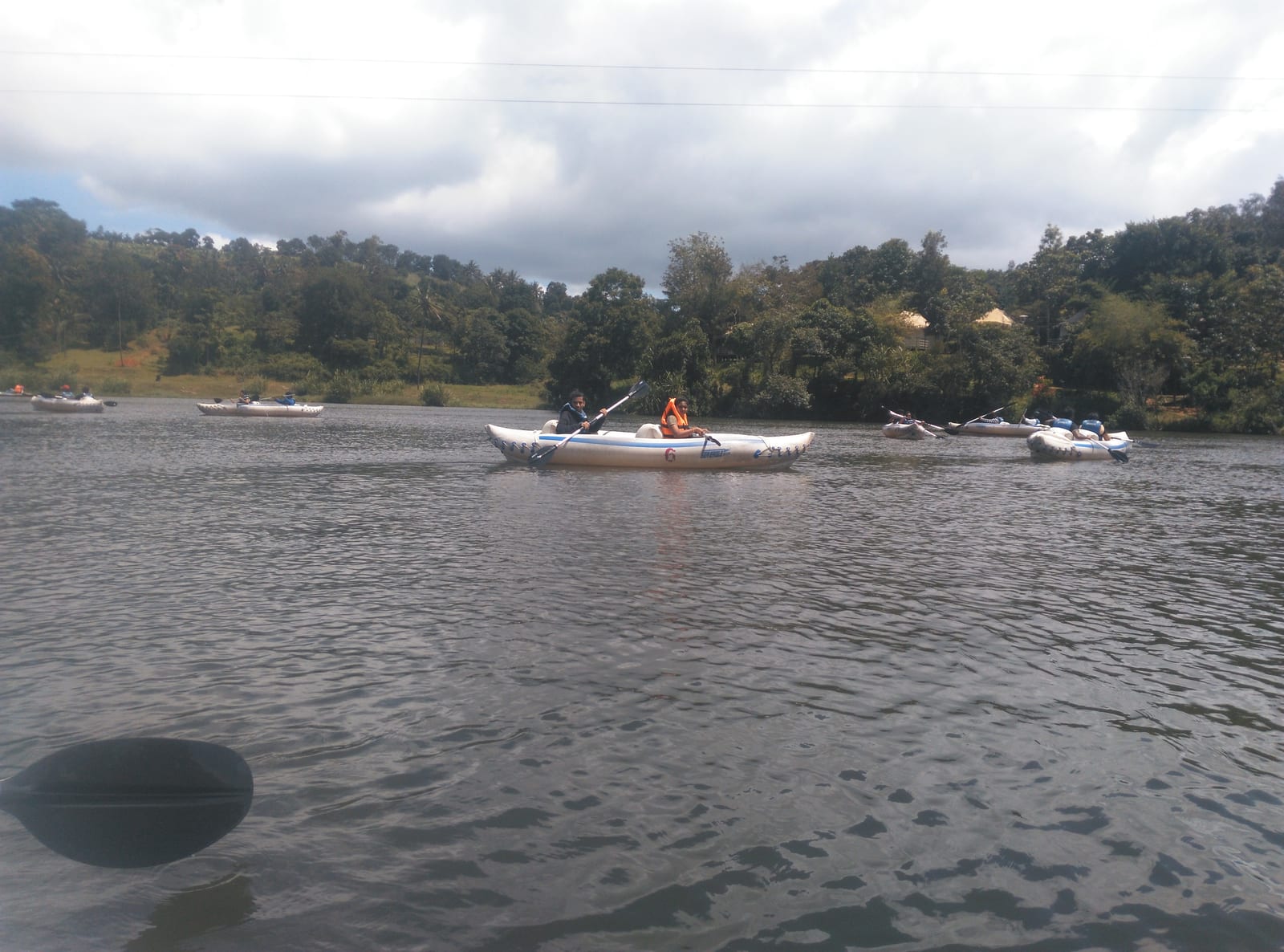
Banasura-side adventure lake used for kayaking, zipline and family activity planning when open.
3.4 km · ~9 min by auto
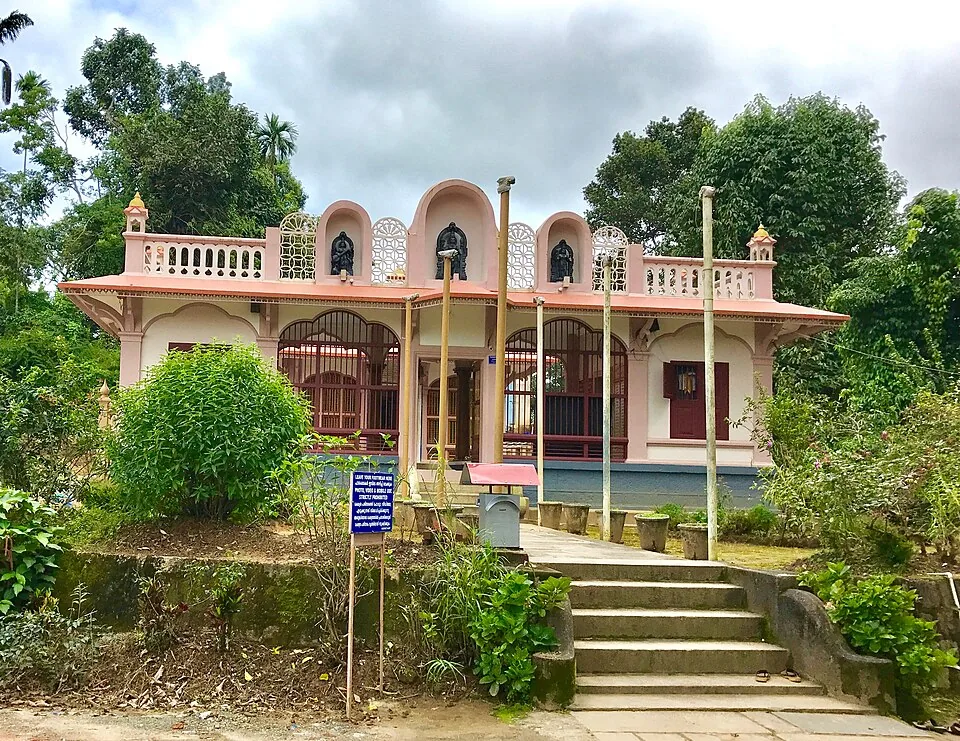
The Anantnath Swami temple at Puliyarmala near Kalpetta — the quieter, living Jain shrine of Wayanad, often paired with the conserved basti at Sulthan Bathery.
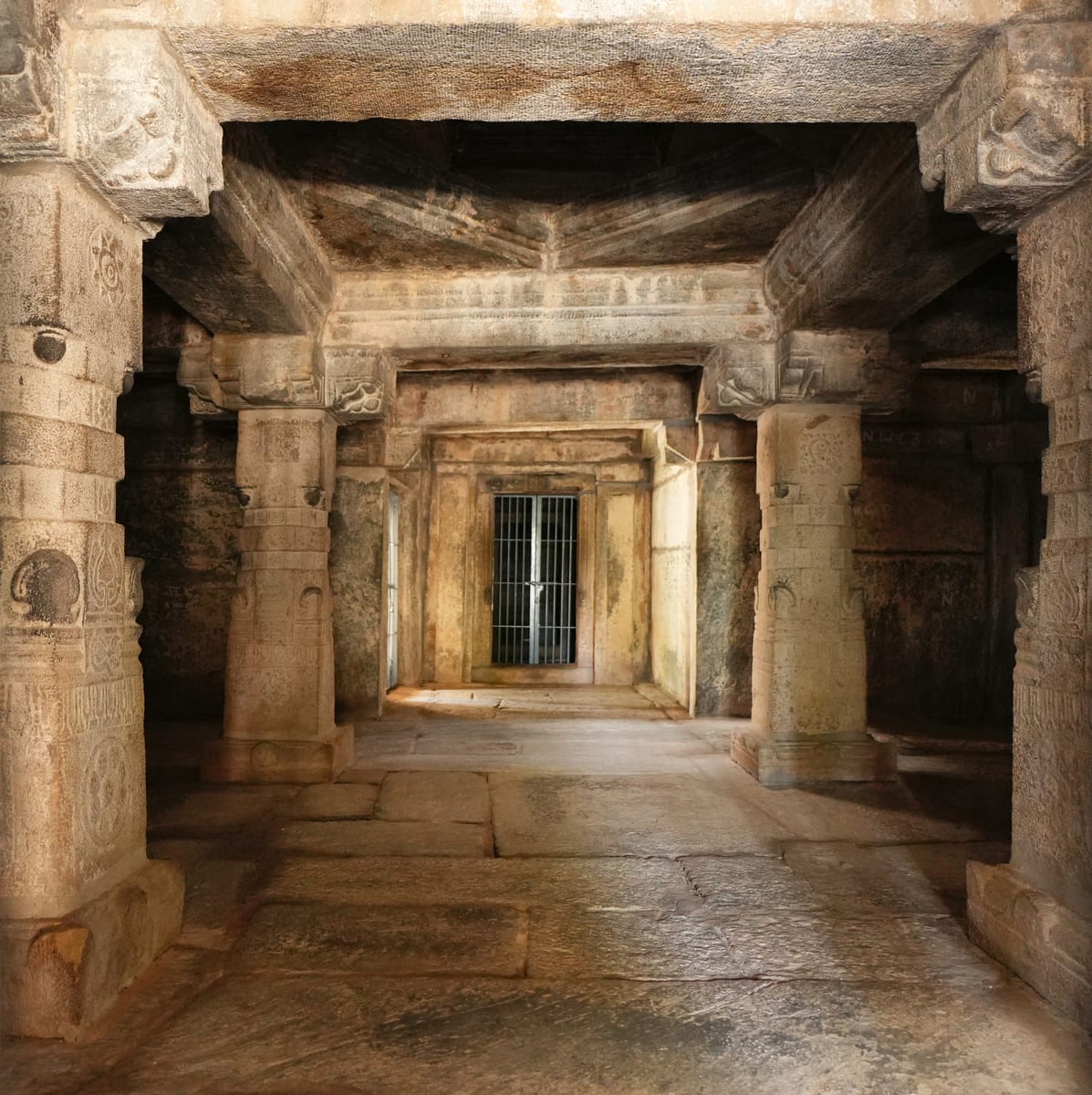
Sulthan Bathery Jain temple with old stone architecture and east-Wayanad heritage context.
11.3 km · ~19 min by cab
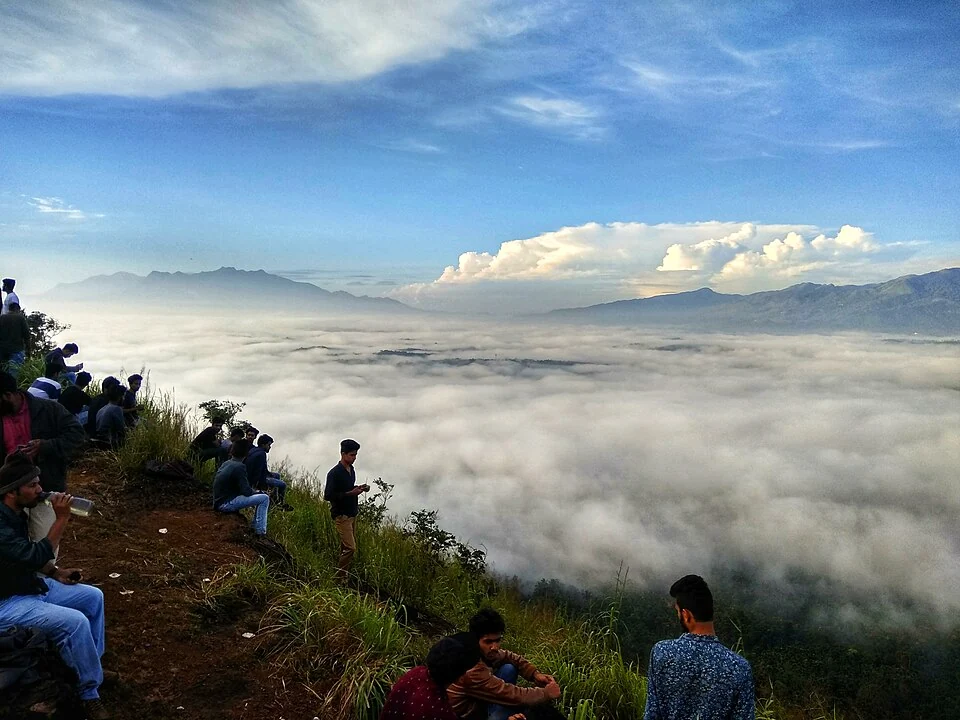
A walked hill viewpoint in the Kottathara area of Wayanad, known for dawn cloud below the ridge and wide daylight views over fields and wooded hills.
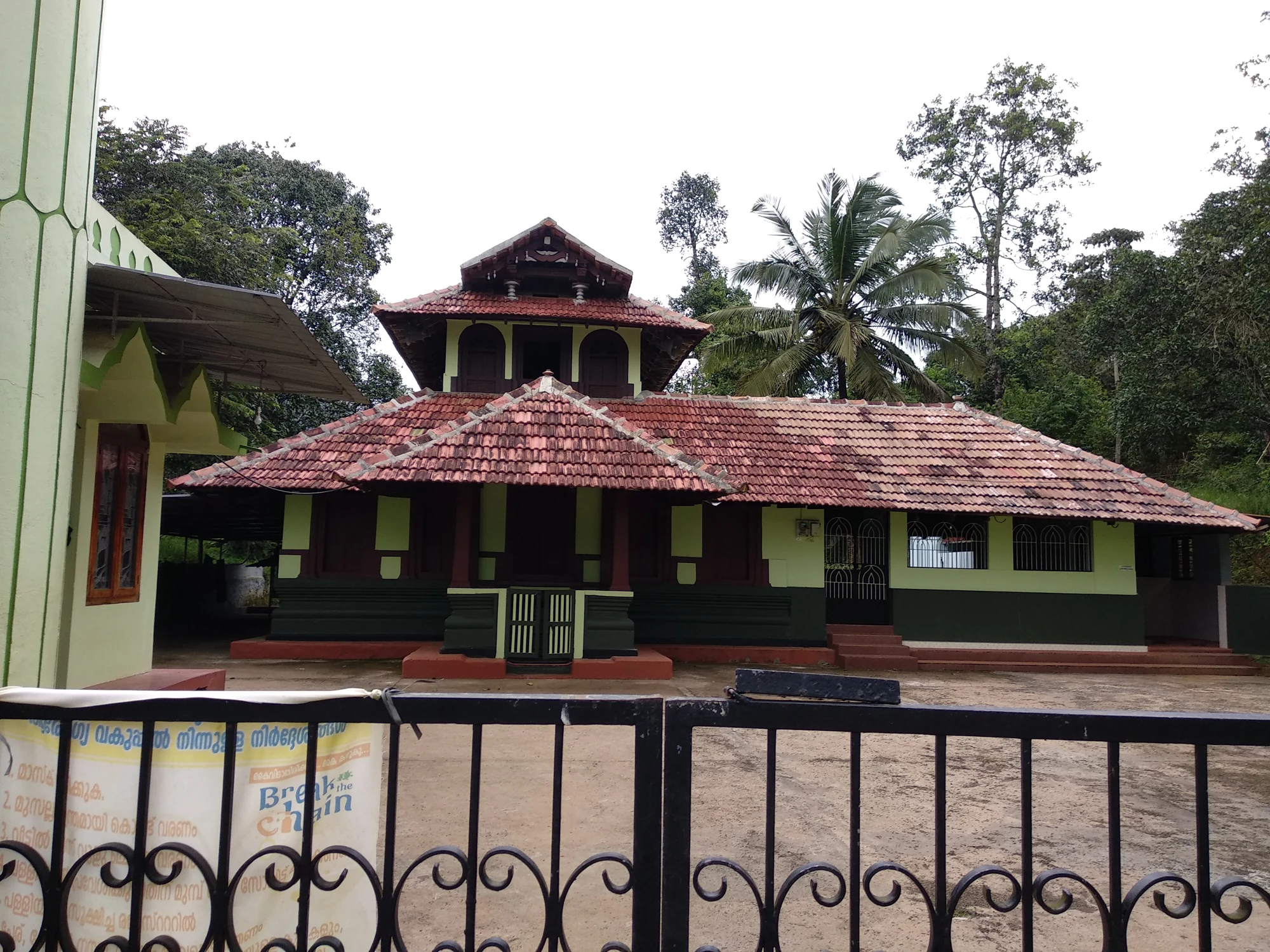
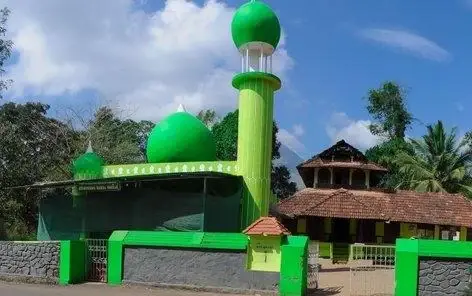
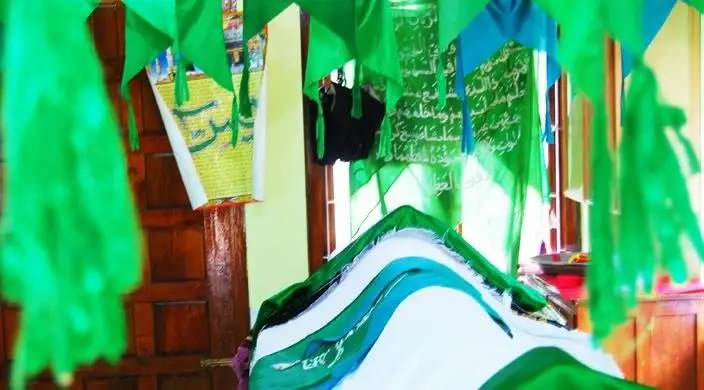
The Varambetta mosque and maqaam complex near Padinjarathara in Wayanad, with a tiled timber shrine, a neighbouring domed prayer building and a documented annual Nercha gathering.
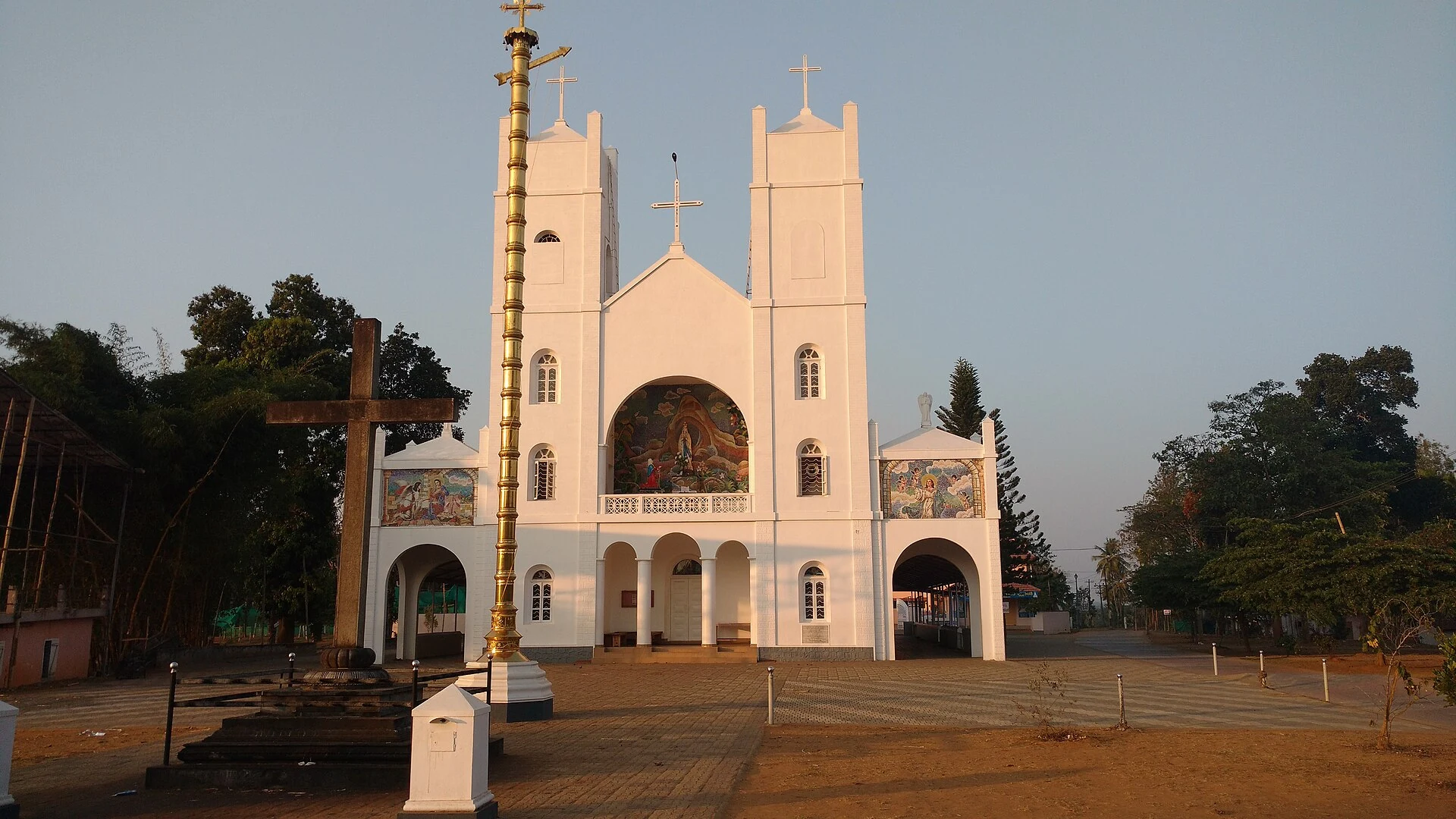
8.8 km · ~15 min by cab
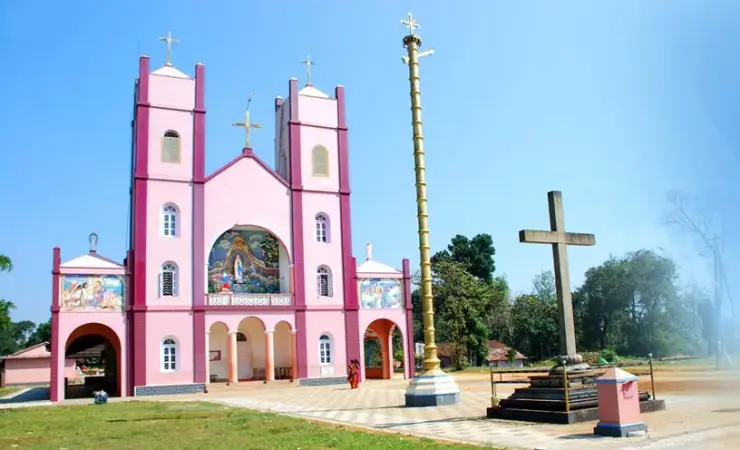
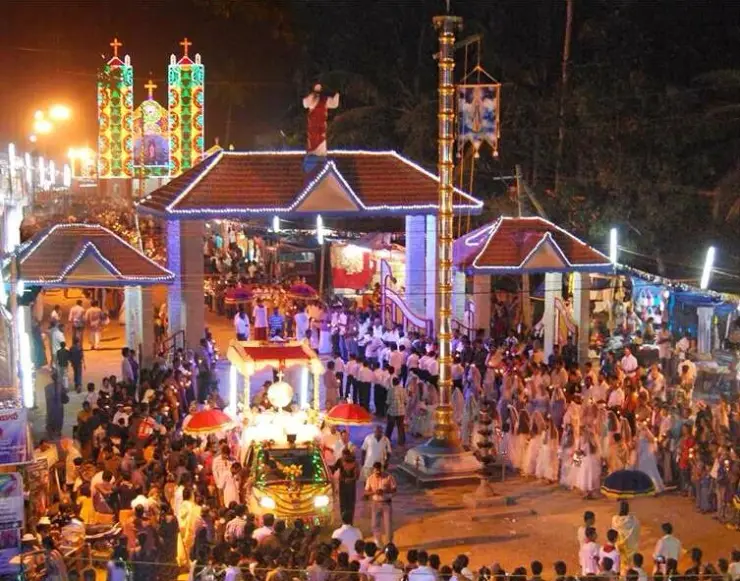
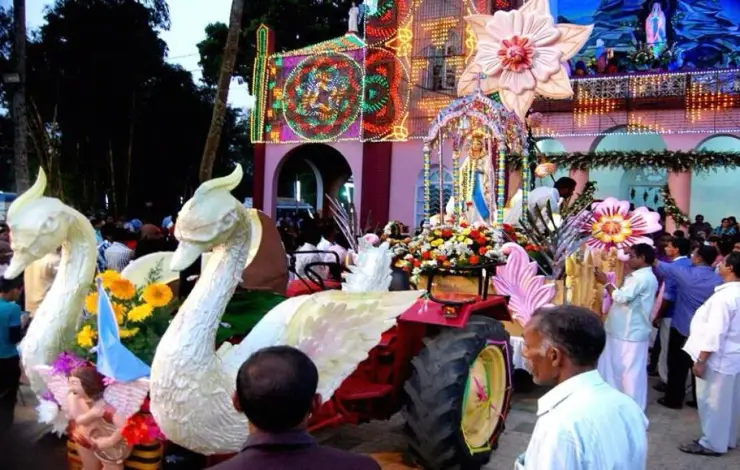
Our Lady of Lourdes shrine at Pallikkunnu in Wayanad, a Latin Catholic church of the Archdiocese of Calicut known for its twin-tower facade, February feast and local devotional customs.
Roampedia is commission-free — own or know a stay, eatery, guide or shop near Coffee Plantations around Kalpetta? List it and it appears here once verified.
Add a nearby businessEntry: There is no single public gate or standard ticket: these are working private farms. A hosted walk, tasting or stay is priced by its operator; agree the named experience and inclusions before arriving.
Parking: Confirm parking with the host. Narrow estate roads, drying yards and farm tracks are working spaces; leave turning room for farm vehicles.
Wildlife: Shade plantations can support birds and other wildlife, but they are not safari parks. Follow the host, avoid dawn or night wandering, and never interpret an animal sighting as guaranteed.
If you are travelling by bus or ferry, check the return service with the operator before setting out. Leave time to reach the stop or jetty after your visit.
Ask at the bus stand for the time of the last service back, not the next one. If you miss it, an auto or app cab is the fallback — agree the fare before you get in.
If you need step-free access, contact the site before travelling. Ask about a level entrance, steps along the route, the nearest drop-off point, seating and accessible toilets.
Charge cap and free-transaction limits: Reserve Bank of India, in force since 1 May 2025.
These services are listed within about 1.2 km of Coffee Plantations around Kalpetta. Walking distances follow mapped routes; access and opening hours can change. Other services may be closer but are not included here.
Emergency numbers are verified against official government and state tourism sources. 112 works anywhere in India.
The Anantnath Swami temple at Puliyarmala near Kalpetta — the quieter, living Jain shrine of Wayanad, often paired with the conserved basti at Sulthan Bathery.
3.4 km · ~9 min by auto · straight line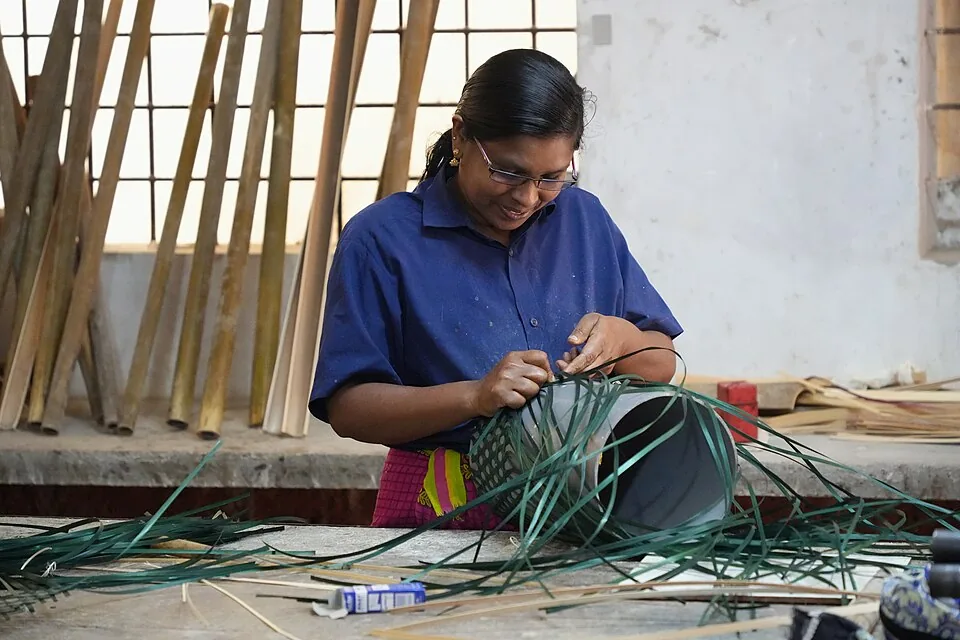
Thrikkaipatta bamboo craft and responsible-tourism village experience, useful from the Vythiri/Lakkidi side.
5.6 km · ~14 min by auto · straight line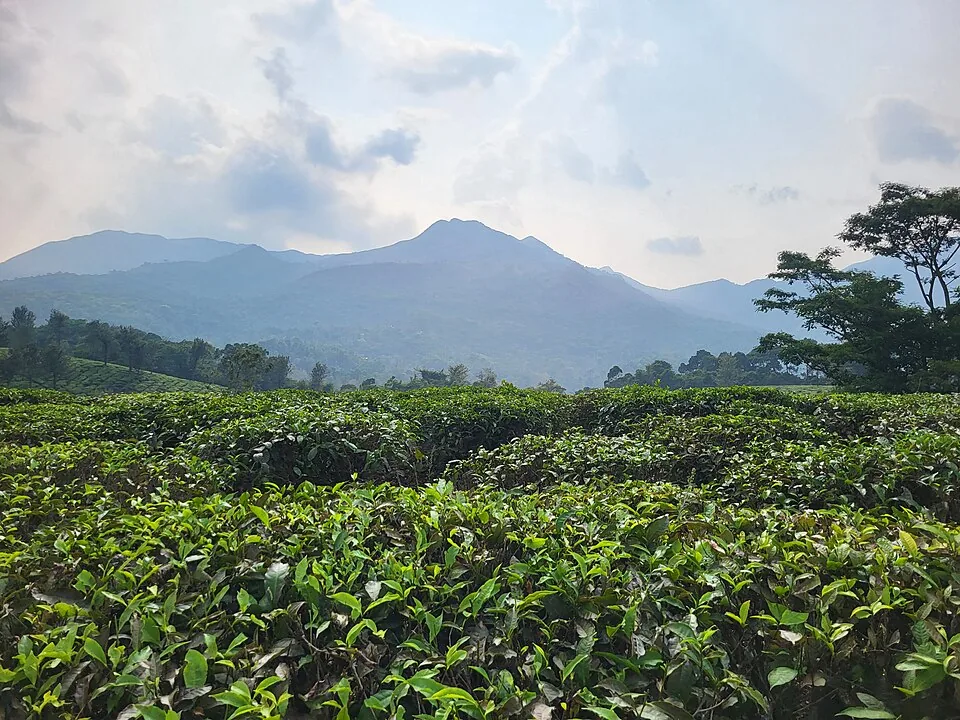
Harrisons Malayalam’s three-storey tea museum in its 1911 former factory at Achoor, with separately scheduled museum, tasting, working-factory and garden visits.
7.8 km · ~19 min by auto · straight lineOur Lady of Lourdes shrine at Pallikkunnu in Wayanad, a Latin Catholic church of the Archdiocese of Calicut known for its twin-tower facade, February feast and local devotional customs.
8.8 km · ~15 min by cab · straight lineReservoir and garden-side attraction near the Ambalavayal/Kalpetta side of Wayanad.
9.3 km · ~15 min by cab · straight lineFreshwater lake near Vythiri/Lakkidi, commonly paired with the ghat entrance and En Ooru side.
9.7 km · ~16 min by cab · straight line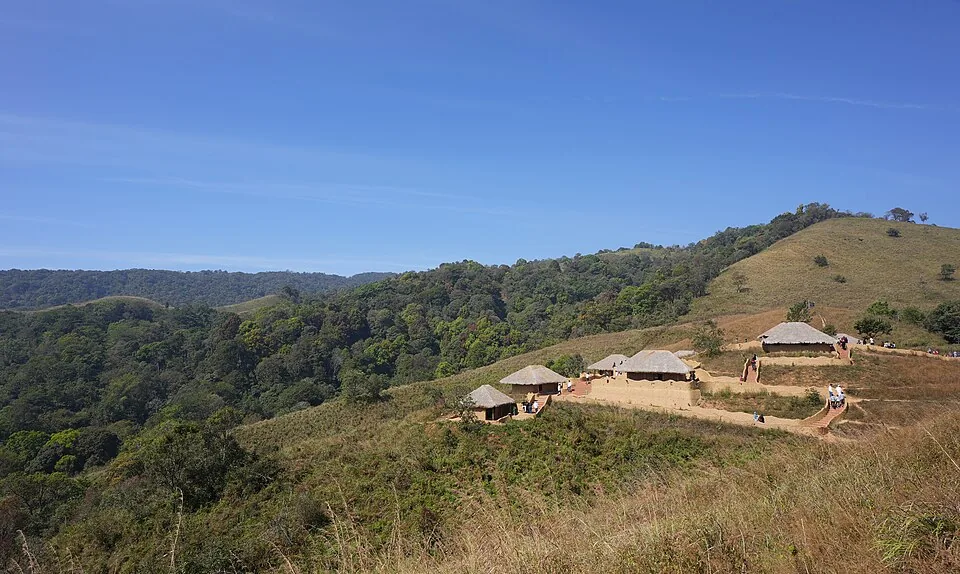
Tribal heritage village near Pookode/Vythiri with culture, craft and Wayanad community context.
10.7 km · ~18 min by cab · straight line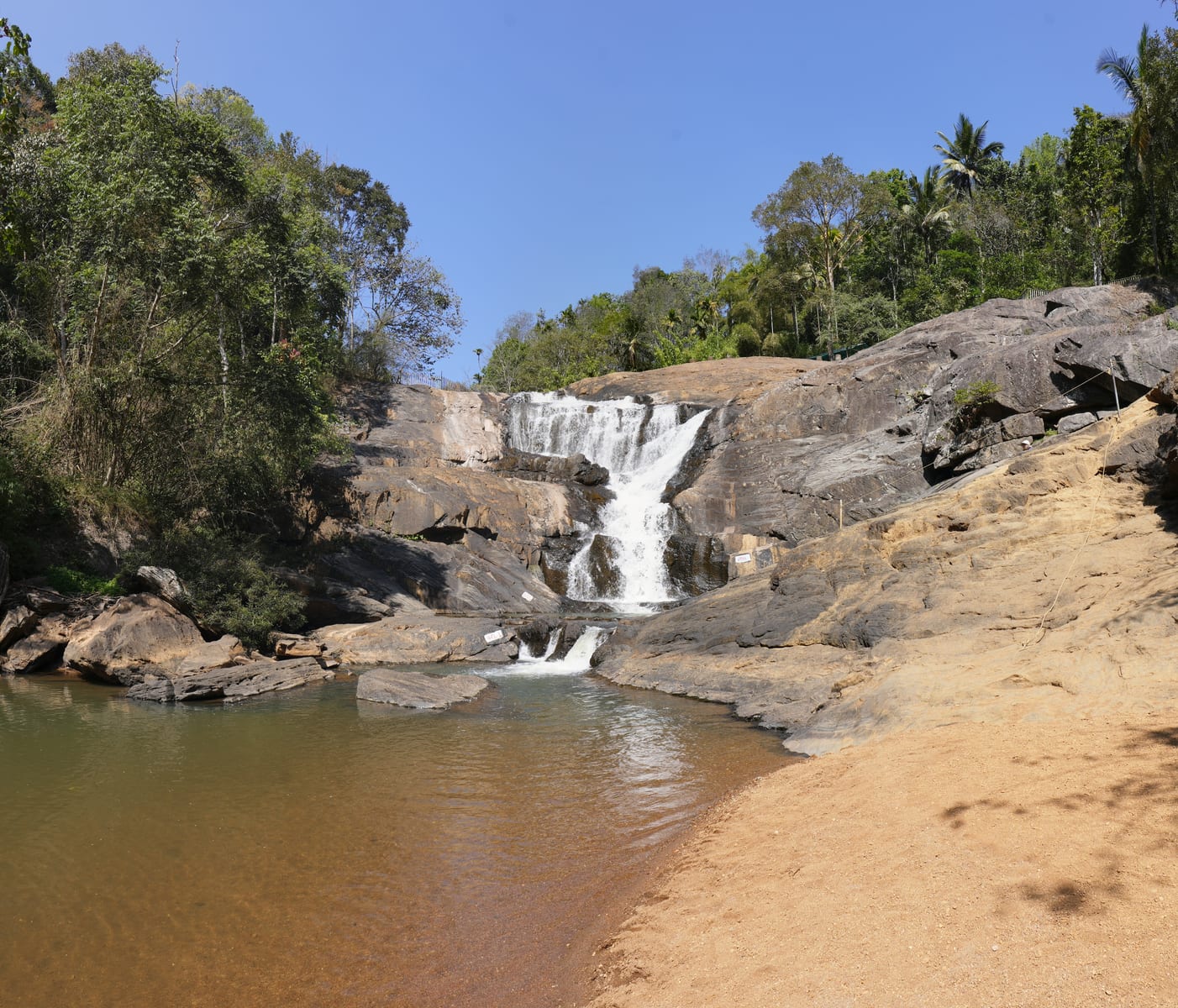
Meppadi-side waterfall with easier access than some larger Wayanad falls, still weather-sensitive in monsoon.
10.8 km · ~18 min by cab · straight line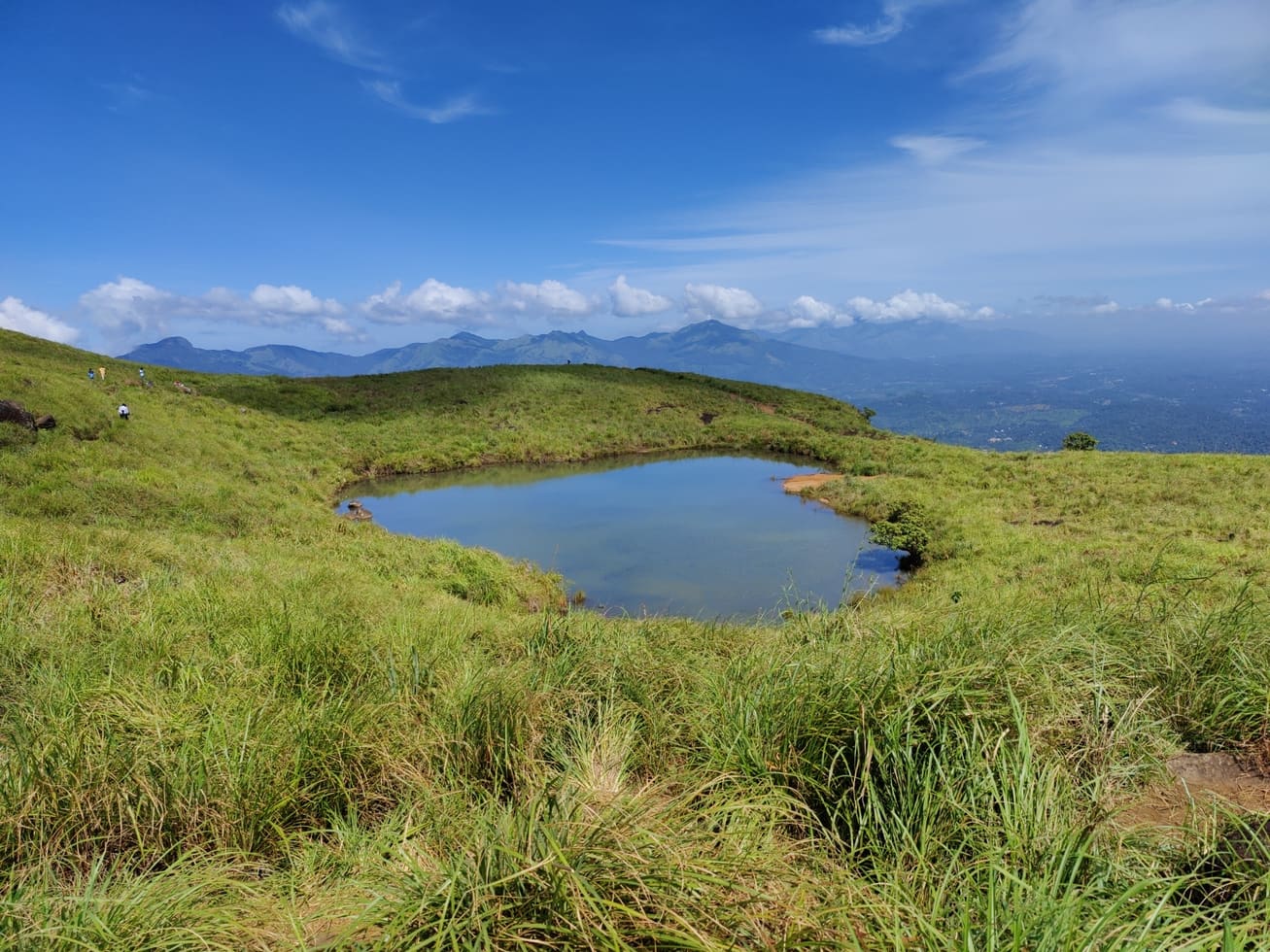
Famous highland trek area, known for the heart-shaped lake viewpoint; permits and access vary.
10.9 km · ~18 min by cab · straight lineA walked hill viewpoint in the Kottathara area of Wayanad, known for dawn cloud below the ridge and wide daylight views over fields and wooded hills.
11.3 km · ~19 min by cab · straight line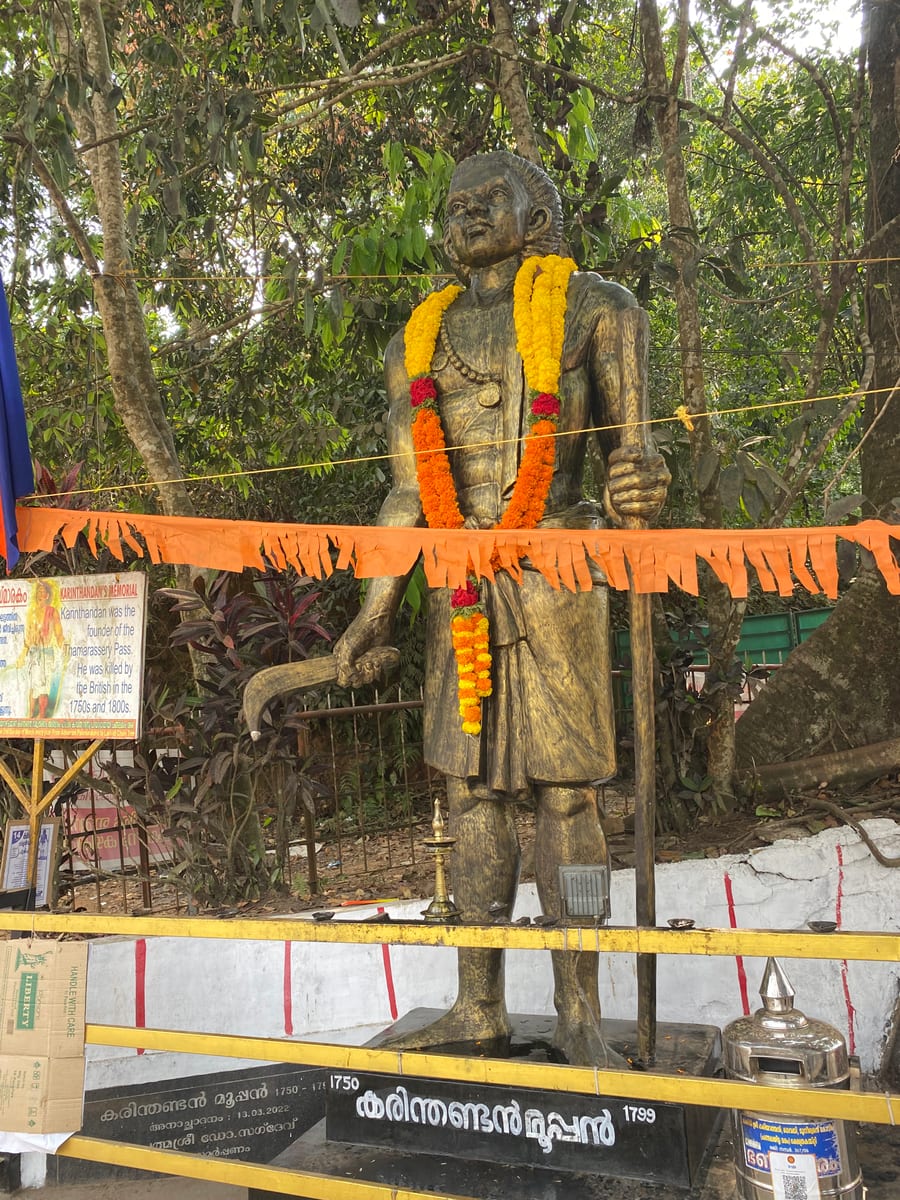
Lakkidi landmark tied to the Karinthandan legend, usually visited with Lakkidi View Point and Pookode Lake.
12.2 km · ~20 min by cab · straight line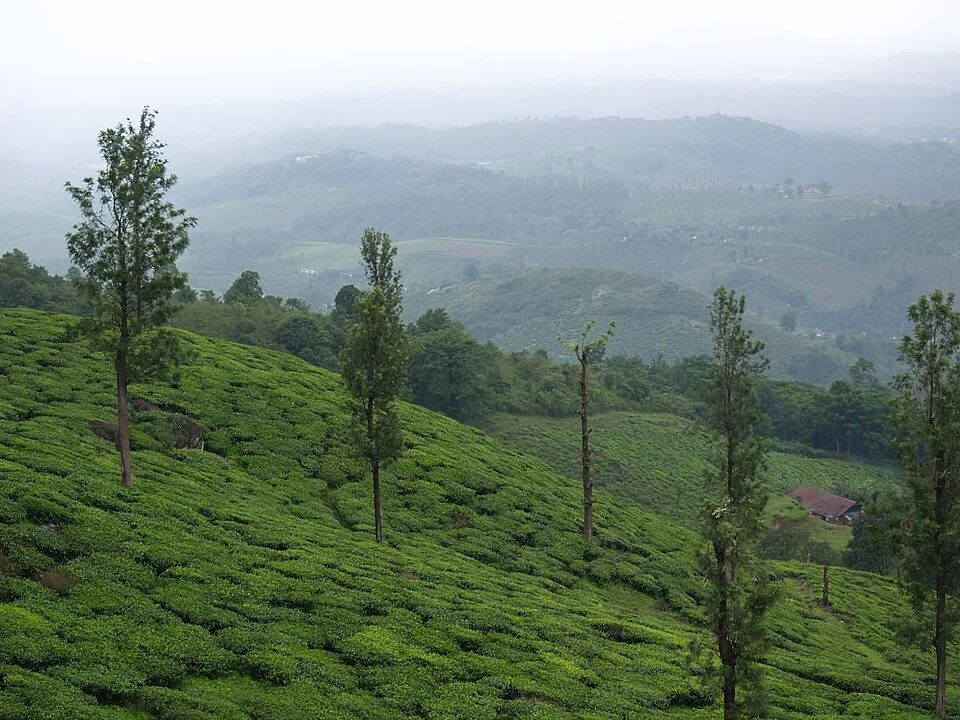
A working tea-estate landscape rather than a single ticketed attraction. The map marks Rippon 52 village as the honest visitor base; any private walk or factory visit needs its own confirmed property address.
12.2 km · ~20 min by cab · straight lineNearby toilets, pharmacies, ATMs, seating and vets are community-mapped and may be incomplete or out of date. Map data © OpenStreetMap contributors | Walking times © openrouteservice.org by HeiGIT
No. It is a distributed working landscape around Kalpetta and neighbouring panchayats, not one public attraction. The map marks Kalpetta as the visitor base; your host must provide the actual meeting point.
No. Coffee estates and smallholdings are private working farms even when a track appears open. Arrange access with the owner, stay or guide.
The Coffee Board identifies Robusta as Wayanad’s main coffee type, with varieties including Peridenia, S.274 and CxR. Individual farms can differ, so ask your host what is planted there.
Flowering is a short event triggered by rain, while ripening and harvest vary by farm, altitude and weather. Ask what is actually visible on your dates rather than booking against a generic promise.
At minimum, a legitimate host, a guided walk and an explanation of the plants and mixed shade system. Processing, roasting, tasting, meals and transport are separate inclusions unless stated.
It depends on the property. Ask about slope, steps, mud, walking distance and whether the tasting area can be reached by vehicle before paying.
About 1.5–3 hours gives time to walk slowly, identify the crop layers and taste or discuss processing. A longer farm stay can follow work across different times of day.
November to February and early mornings are best for walking; avoid midday heat where possible.
Entry: There is no single public gate or standard ticket: these are working private farms. A hosted walk, tasting or stay is priced by its operator; agree the named experience and inclusions before arriving. Timings: No universal opening hours apply. Arrange a daylight visit in advance with the estate, homestay or accredited guide; do not enter a plantation because it appears unfenced.
Base yourself in Kalpetta or a nearby town in Wayanad, then confirm the last-mile route locally before leaving. Walkable heritage areas are best done slowly; combine nearby streets, museums, markets and food stops. If the visit depends on forest, temple, boat, ferry, weather or seasonal access, check the official/local rule on the day before travel.
1 to 3 hours.
Nearby you can pair Puliyarmala Jain Temple (3.4 km), Uravu Bamboo Village (5.6 km), Achoor Tea Museum (7.8 km), Pallikkunnu Church (8.8 km).
Watch traffic on narrow heritage streets. Keep valuables close in crowded markets.
Written about Coffee Plantations around Kalpetta itself — its history, its legends and the arguments about them.

These guides explore Kalpetta and the surrounding area. Choose a visit that fits your interests, allowing separately for travel between stops.

Route-level itineraries and practical guides for the rest of Kerala.
Photographs: Rainer Halama (CC BY-SA 4.0), CocoPhotographer008 (CC BY-SA 4.0). Wikimedia Commons.