What to expect
Highlights
- Heritage experience at Thevally Palace
- Architecture, local stories and old trade/cultural routes
- Good fit for guided walks and nearby cafes/shops
A Travancore royal residence on the Ashtamudi shore in Kollam, built to be arrived at by boat and now a working NCC establishment — viewed from outside or from the water.
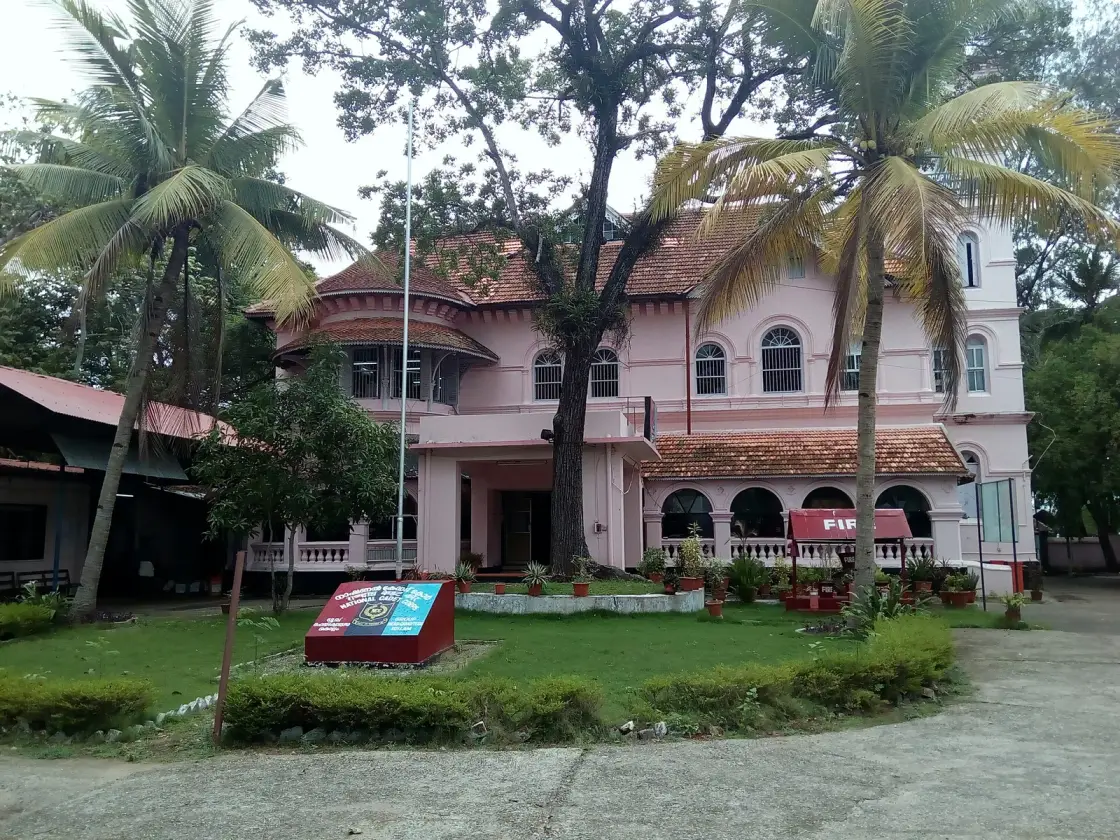
On a promontory at the south-western edge of Kollam town, where the Kollam–Theni highway runs down to the water, a pink two-storey mansion stands with its best face turned away from the road and towards Ashtamudi. Thevally Palace was built for the Travancore royal family to be arrived at by boat, and it is still best seen from one. It is also, for a building routinely called an important historic monument, remarkably undocumented: it carries no legal heritage protection of any kind, and not one primary source anywhere records who built it or when. Today it is a working National Cadet Corps establishment, so there is no ticket, no timing and no way in.
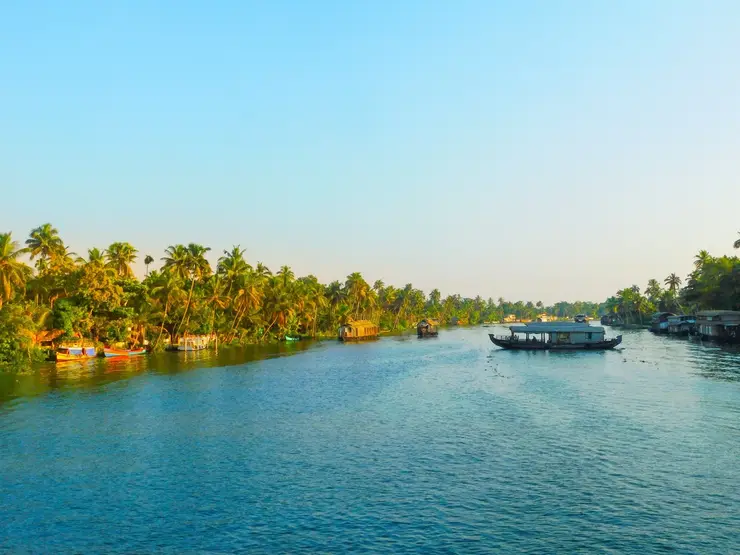
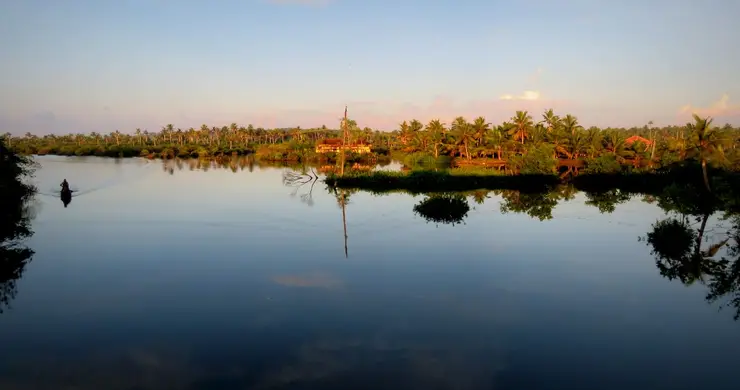
Thevally sits on a low promontory on the south-western edge of Kollam town, on the shore of Ashtamudi — the eight-armed brackish lagoon, not a river, that has been the town’s reason for existing since long before Travancore. The palace is immediately beside the Kollam–Theni national highway and a few hundred metres south of Thevally Bridge, which means that most visitors now approach it from behind. That is worth knowing before you go, because almost everything odd about the building makes sense once you understand that the road side was never meant to be the front.
The main entrance was from the water. A carved landing was built on the lake face, and the steps rising from it fork — left to the palace itself, right to a pavilion set among the trees. Because the arrival was by boat, the lake elevations were the ones loaded with carving, given the long unbroken run of windows and the ranked verandahs. A visitor came off a barge, climbed a flight of carved steps and saw the house rise above the trees. From the highway you see the back of that idea.
The compound was much larger than the house. Local accounts describe a complex of roughly 63,800 square metres holding the palace proper, the antappuram or inner apartments, the ootupura or dining hall, and the carved lake landing — a royal establishment rather than a single villa. Only fragments of that plan are legible now, and the parts a visitor can see from outside are the front elevation, the compound wall along the water and the landing.
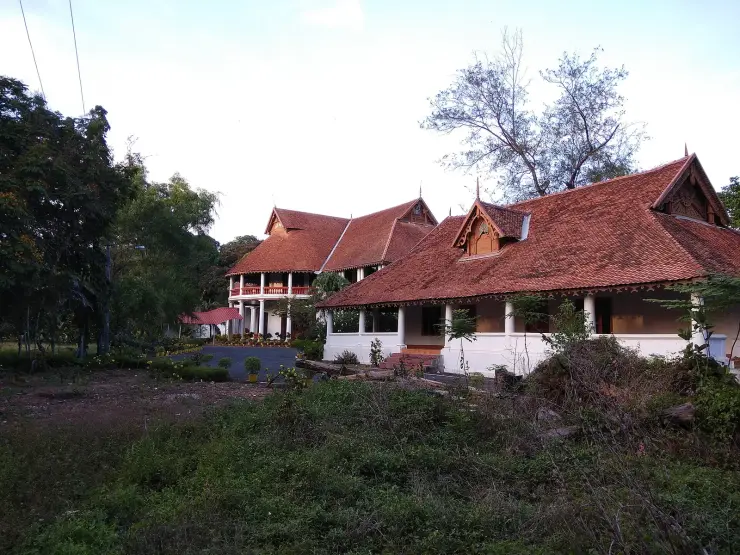
The fabric is more interesting than the formula usually printed about it. The verandahs run on arches; the columns were turned from laterite — chenkallu, the region’s own iron-red stone — and finished in lime plaster; the balustrades are terracotta. The spire-form front roof sits on carved rafters that converge to a single point, described locally as a demonstration piece of tachu-shastra, the Kerala carpentry tradition. The one foreign influence named in any detailed account is Chinese, in the music pavilion — not the Dutch-Portuguese-British triad that travel pages repeat.
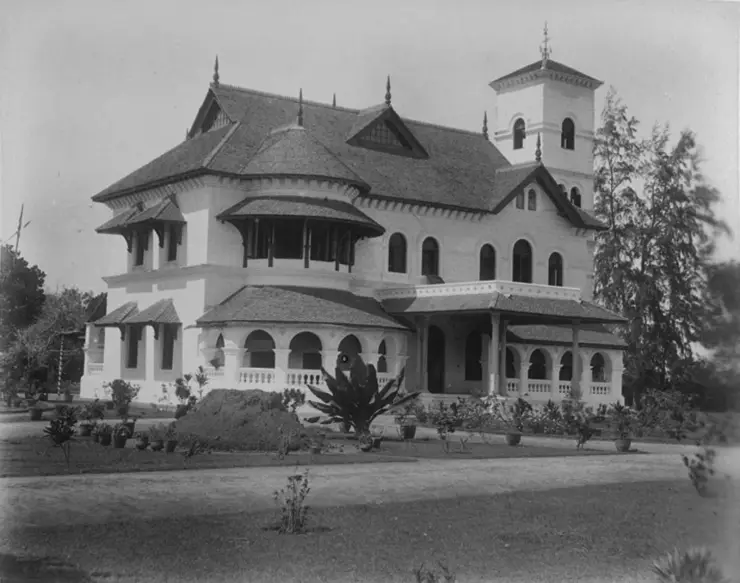
There was, and by the last detailed local description still is, a tower: about twenty-two metres high, enclosing a circular wooden staircase whose handrails are sheathed in copper plate, a treatment the same account calls a kind not found in ordinary Kerala building practice. It appears in three historic photographs. It appears in no English-language travel page about this palace at all. That gap between what the building has and what the internet says it has is the most striking thing about Thevally.
The building has been in official hands throughout. It was Travancore state property, served for a period as a guest house for British officials, and is today held by the Kerala Public Works Department and occupied by the National Cadet Corps — one of five Group Headquarters under the NCC Directorate for Kerala and Lakshadweep, sharing the site with 3 (Kerala) Naval Unit NCC. That is the practical fact for a traveller. The gravel in front of the palace is a cadet parade ground, there is no entry and no ticket, and what is genuinely available to you is the exterior from the drive, the lake elevation from a boat, and the view from Thevally Bridge.
Every page you will read about Thevally Palace gives the same date. It was built between 1811 and 1819, during the reign of Maharani Gowri Parvati Bayi. English Wikipedia says it, Malayalam Wikipedia says it, the travel aggregators say it, and tourism copy repeats it. It reads like a record. It is not one, and it cannot be true as stated.
Gowri Parvati Bayi was not ruling in 1811. Her elder sister Gowri Lakshmi Bayi was Maharani from November 1810 until July 1813, and Regent from 1813 to 1815. Gowri Parvati Bayi became Regent only in 1815, at the age of thirteen, and held the regency until 1829. Four of the nine years in the famous bracket belong to a different queen, and the rest belong to a child. This is not a matter of hedging a date; the sentence does not survive its own chronology.
So where do the numbers come from? About a kilometre away, at Asramam on the same lagoon, stands the British Residency. Its recorded construction span is 1811 to 1819, and it is credited to Colonel John Munro — Resident of Travancore and Cochin from 1810, and, extraordinarily, simultaneously Dewan of Travancore from June 1811 until 1814. Munro took charge in October 1810, became Dewan in 1811 and resigned in 1819. Those two numbers are the beginning and the end of the most powerful British career in Travancore’s history. They are a tenure, printed for two centuries as a building. And they migrated onto Thevally by proximity, helped by the sentence both buildings carry — that the Maharaja came to Kollam to meet the British Resident.
The absence behind all this is the real finding. English Wikipedia cites exactly one source for the Thevally date: a travel aggregator. Wikidata records a bare 1819. There is no gazette entry, no survey, no dossier, because Thevally Palace is not on the Kerala Department of Archaeology’s list of protected monuments — the eight in Kollam district are the Kottukkal rock-cut temple, the Chennamath Siva temple, the Punalur suspension bridge, Madankavu at Mangad, the Chattampi Swami memorial at Panmana, the Ochira kalithattu, the Ilayidathu Valiya Koyikkal Thampuran Palace and the Kottathala kalithattu — and it is not an Archaeological Survey of India monument either. No monument dossier was ever compiled, because no monument was ever declared. The most photographed heritage building in Kollam is dated by nobody and protected by nobody.
One local source dissents, and it is the only account that describes the building in any detail. A Kollam local-history post from January 2007 states in Malayalam that the palace was built in 1840, as part of connecting the principal places within Travancore’s authority. 1840 falls inside Swathi Thirunal’s personal reign, and unlike the standard bracket it is at least internally consistent. It cannot be adjudicated from primary record either, so we are not going to assert it. What we can say is that the same account is the source of everything the travel pages leave out: the twenty-two-metre tower, the copper-sheathed circular stair, the carved lake landing from which the main entrance was made, the Chinese-influenced music pavilion used by the Maharaja’s instrumental troupe, and the dance hall opening off the king’s great room.
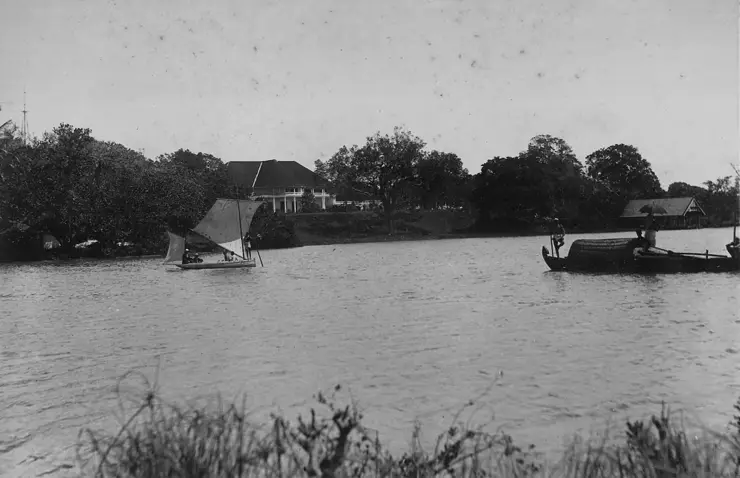
That is the shape of it. The internet has kept the wrong building’s dates and lost the right building’s architecture. Every page prints 1811 to 1819 and a blend of Dutch, Portuguese and British styles — a formula for which no source exists, and which the one primary description contradicts. The British Library’s caption on the c.1900 government photograph says something much plainer, and much more useful: the palace shown here was built in the European style with a square tower. The tower is right there in the print. Nobody writes about it.
The palace has no established construction date. The universally printed span of 1811 to 1819 under Maharani Gowri Parvati Bayi is chronologically impossible — she became Regent only in 1815, aged thirteen — and matches exactly the recorded construction bracket of the British Residency a kilometre away and the tenure of Colonel John Munro. English Wikipedia’s only citation for it is a travel listing, and Wikidata records a bare 1819. A Kollam local-history account of 2007 gives 1840 instead, which would place it in Swathi Thirunal’s personal reign. No primary source supports any of them, and this page does not assert one.
What is not in doubt is why a royal residence stood here at all. Travancore was a subsidiary-alliance state with a British Resident, and after the rebellion of 1808–09 that Resident was Munro, who held the Residency and the office of Dewan at once. The Residency he is credited with still stands at Asramam, about a kilometre from Thevally, and is today the Government Guest House. The tradition that the Maharajas came to Kollam to meet the British Residents is real: it is the reason two large European-style houses face each other across the same lagoon. Kollam itself was not the capital — Travancore’s capital had moved to Thiruvananthapuram in 1795 — which is precisely why coming here was an event.
Architecturally, the one contemporary description of substance is the British Library’s caption to the c.1900 photograph by Zacharias D’Cruz, government photographer of Travancore: built in the European style with a square tower. The detailed Malayalam account grounds the design in tachu-shastra carpentry with borrowed foreign elements used in measured proportion, and the single foreign influence it names is Chinese, in the music pavilion. The widely repeated blend of Dutch, Portuguese and British styles traces to a Wikipedia infobox whose cited references are a dead blog and a paywalled headline. It is a copied formula, not an architectural finding.
The materials are laterite and lime, worked with unusual care. Verandah arches; columns turned from laterite and lime-plastered; terracotta balustrades; a spire-form front roof carried on carved rafters converging to a single point. The upper storey in both the c.1900 and the modern photographs is plastered masonry pierced by round-arched windows, not a timber frame — the timber is in the projecting curved oriel, the rafters and the tower stair. A shrine to Lord Sastha stands inside the compound at the water’s edge and is visible from the lake, small, red-and-white and gabled, with a painted deity panel set into the wall above it.
The building never passed from private to public hands, because it was state property throughout. Before the cadets came, the Malayalam account records that it had been used for some time as a guest house for British officials. Malayalam-language accounts also say that Rabindranath Tagore and his party stayed here in 1922, during the Travancore visit on which he was raising funds for Santiniketan; the visit itself is documented — he was in Thiruvananthapuram on 15 November 1922 and at Sivagiri on 22 November — but the stay at Thevally is not corroborated outside those Malayalam sources, and is given here as their claim rather than as established fact.
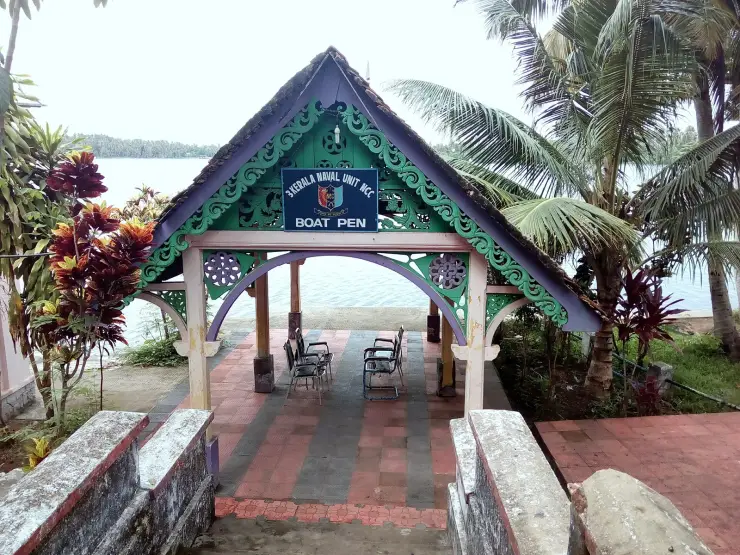
Today the property is held by the Kerala Public Works Department and occupied by the National Cadet Corps. This is not the Indian Army, and it is a distinction worth making because the internet routinely gets it wrong: the NCC is a tri-service youth organisation under the Ministry of Defence, and Kollam is one of five Group Headquarters under its Directorate for Kerala and Lakshadweep. The site also hosts 3 (Kerala) Naval Unit NCC, whose name is on a board at the palace’s own lake landing. No transfer date is published anywhere; the NCC was in occupation by 2007. Fitting the building out for that use meant additions with concrete roofing, which the 2007 account says damaged the overall composition, and a tin sheet laid over the music pavilion, which it calls an eyesore. Its author closed by saying the building deserved more protection than it was getting. It still has none.
It is the best building in Kollam and the least explained. A pink two-storey Travancore mansion on a promontory over Ashtamudi, with carved bargeboards, an arcaded verandah on laterite columns and a curved timber oriel — and a documented twenty-two-metre tower with a copper-railed circular stair that no travel page mentions.
The date on every page about it belongs to a different building. The famous 1811–1819 bracket is the British Residency’s, and Colonel Munro’s tenure — and the Residency still stands a kilometre away at Asramam as the Government Guest House. Seeing both in one afternoon is the point.
See it from the water, which is how it was meant to be seen. The main entrance was the carved lake landing; the lake-facing elevations were deliberately loaded with carving to improve the view from a boat. Any Ashtamudi cruise passes it.
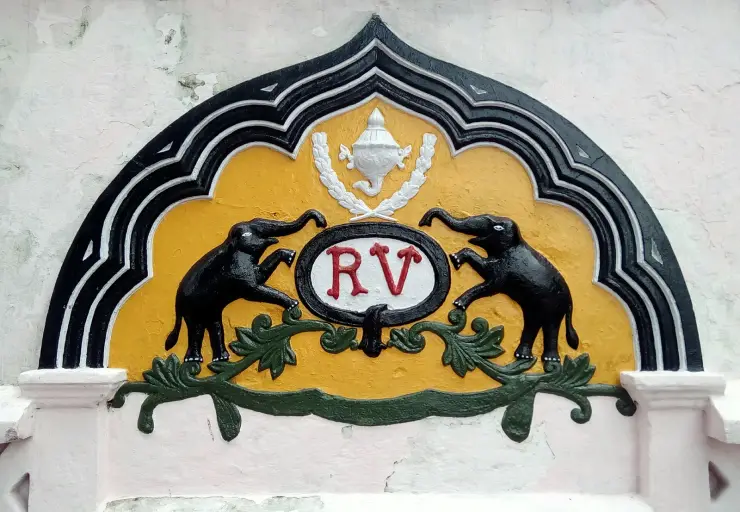
The royal crest is still on the wall and still maintained — an arched plaque with two rearing black elephants flanking the monogram RV, for Rama Varma. Which Rama Varma nobody can say. A crest with no date, on a building with no date.
The old landing is still a landing. The steps down to Ashtamudi carry a small carved gabled pavilion, painted green and purple, with a board reading 3 Kerala Naval Unit NCC — Boat Pen. The royal boat landing now belongs to naval cadets.
It is a genuinely quiet stop in a town most visitors treat as a departure point for backwaters — no ticket queue, no crowd, no gift shop, and no gate you are meant to go through.
Road km to Kollam; ghat roads and traffic vary — allow extra.
November to February and early mornings are best for walking; avoid midday heat where possible.
Live forecast loads in your browser.
Sun and moon are calculated for this location and shown in IST. Photography windows are the hour around sunrise and sunset; the sunset bearing is degrees clockwise from true north. Moon phase is accurate to about half a day.
Verified hotels, homestays, restaurants, experiences, sights, shops and rentals around Thevally Palace — commission-free, with direct contact. Filter by what you need.
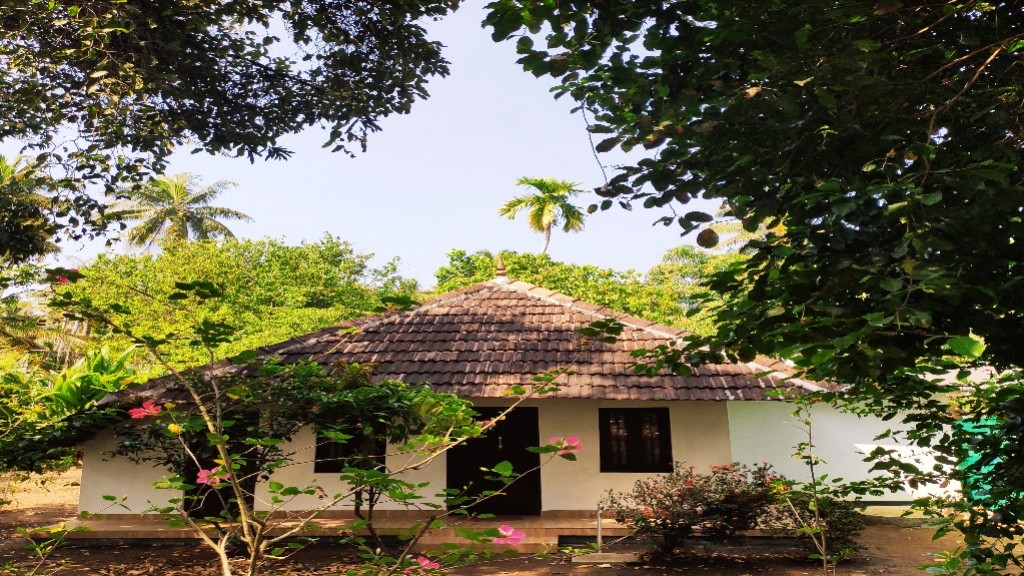
A family homestay reached by a short boat ride on Munroe Island in the Ashtamudi backwaters. Offers two AC rooms with home-cooked breakfasts.
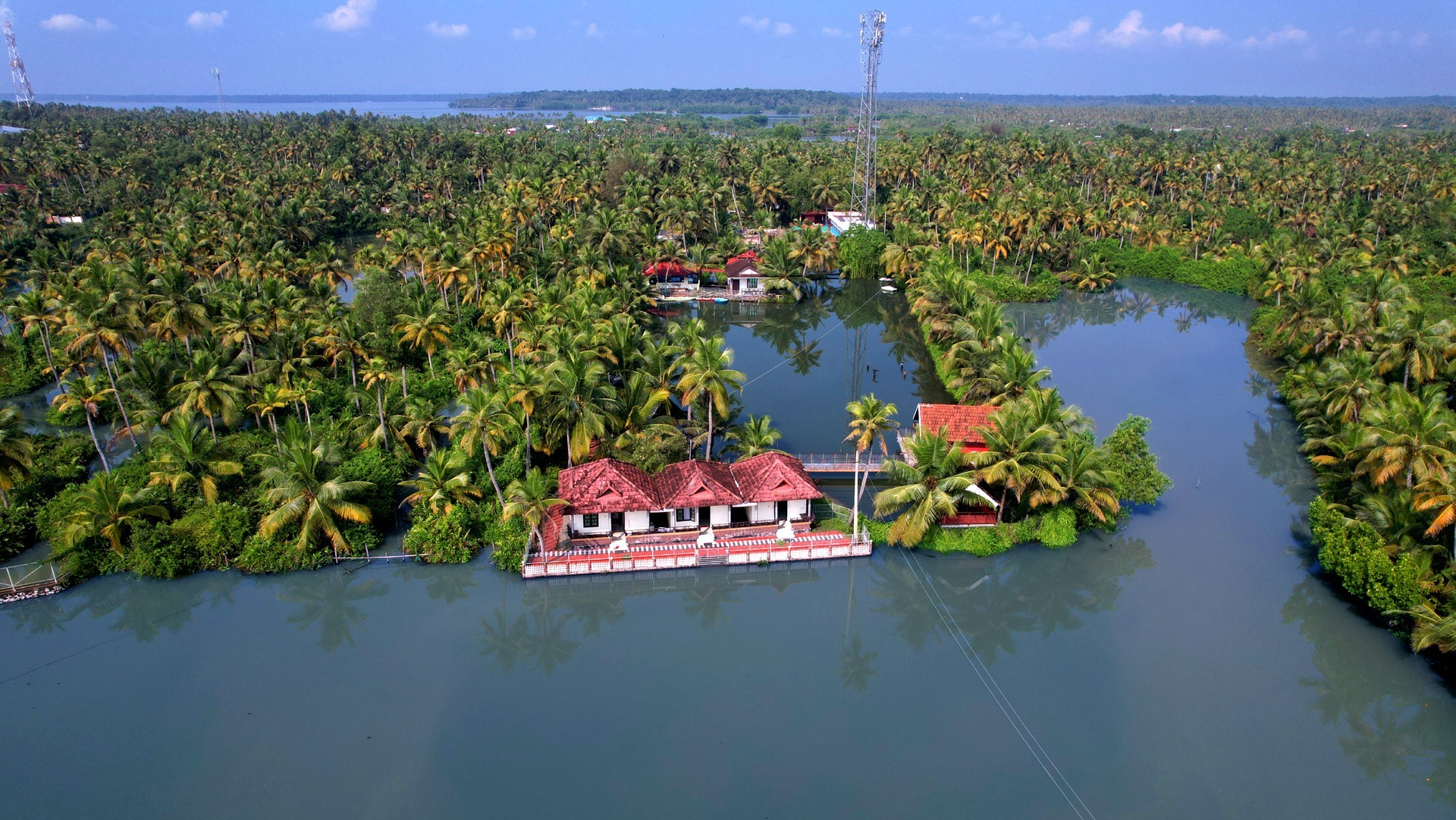
A backwater resort where Ashtamudi Lake meets the Kallada River. Named after Colonel John Munroe, it offers canoe tours and houseboat cruises.
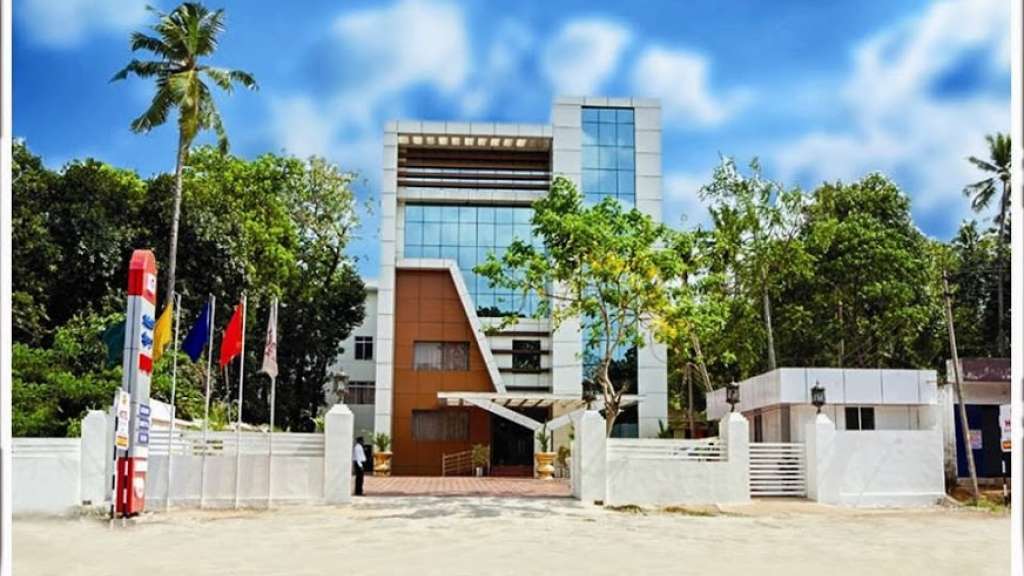
Modern budget hotel at Aadichanalloor on the Kollam–Thiruvananthapuram highway side of Kollam district, south of the town. It offers clean, value air-conditioned rooms with a restaurant and parking, a low-cost highway base for travellers passing through greater Kollam.
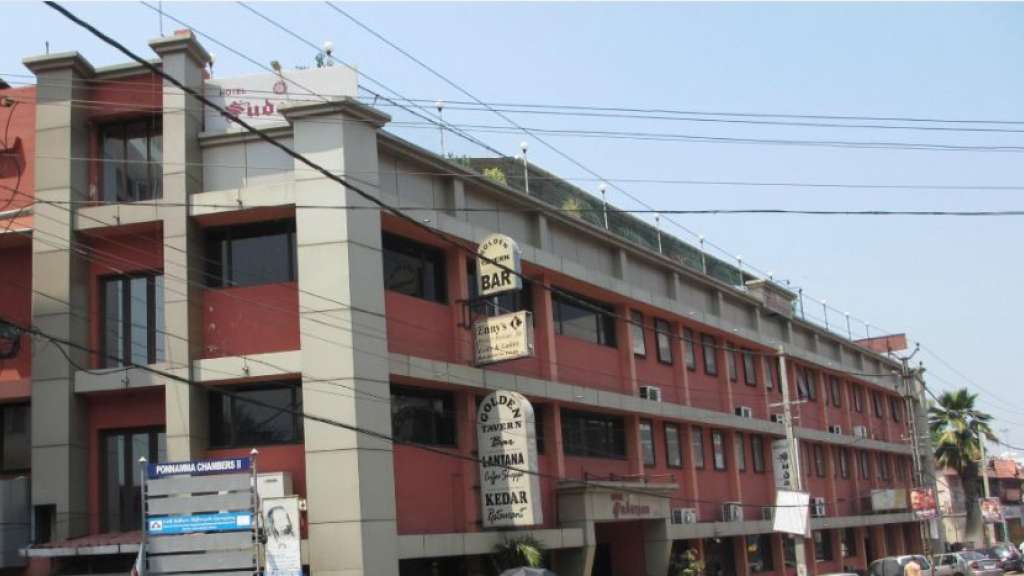
Long-running budget hotel at Parameswar Nagar in central Kollam, rated two-star class by travel directories. It offers value air-conditioned rooms with the Kedar multi-cuisine restaurant and Golden Tavern bar, a practical low-cost town-centre base for transit and business travellers.
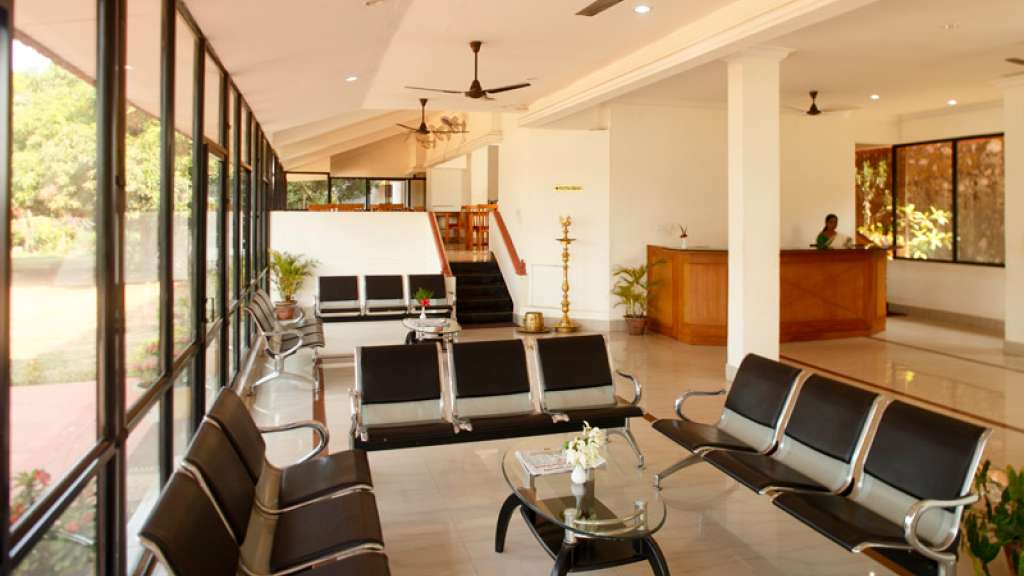
Government-run KTDC Easy budget hotel in the Guest House compound at Ashramom, beside Ashtamudi Lake on the quiet edge of Kollam town. It offers simple, low-cost air-conditioned and non-air-conditioned rooms with a restaurant, run under the Kerala Tourism Development Corporation budget brand.
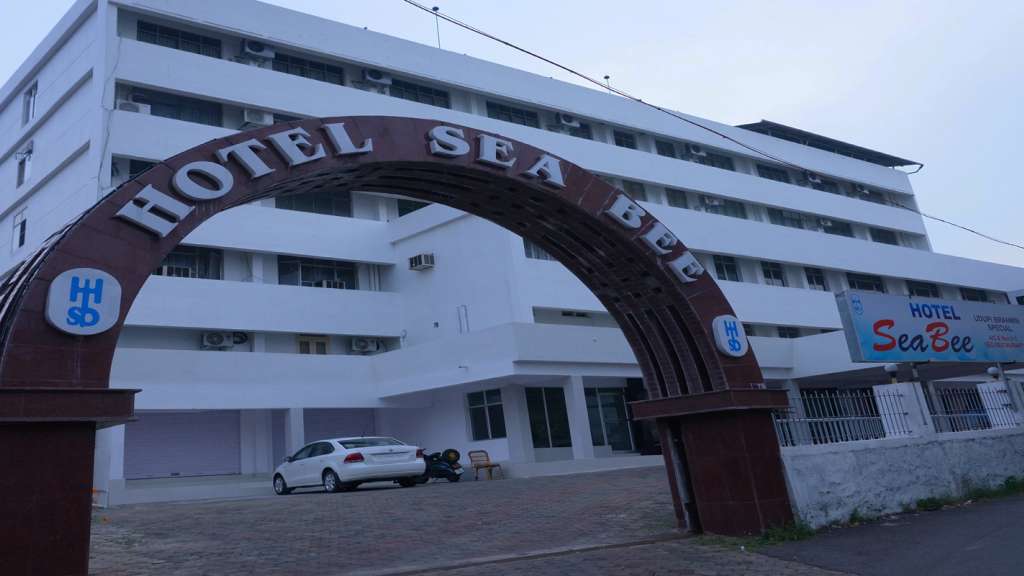
Long-running three-star-class hotel near the KSRTC bus station on Jetty Road in central Kollam, a short walk from the Ashtamudi backwater boat jetty. It offers 44 air-conditioned rooms, a multi-cuisine restaurant, bar, travel desk and boating assistance, a practical mid-range base for backwater and transit travellers.
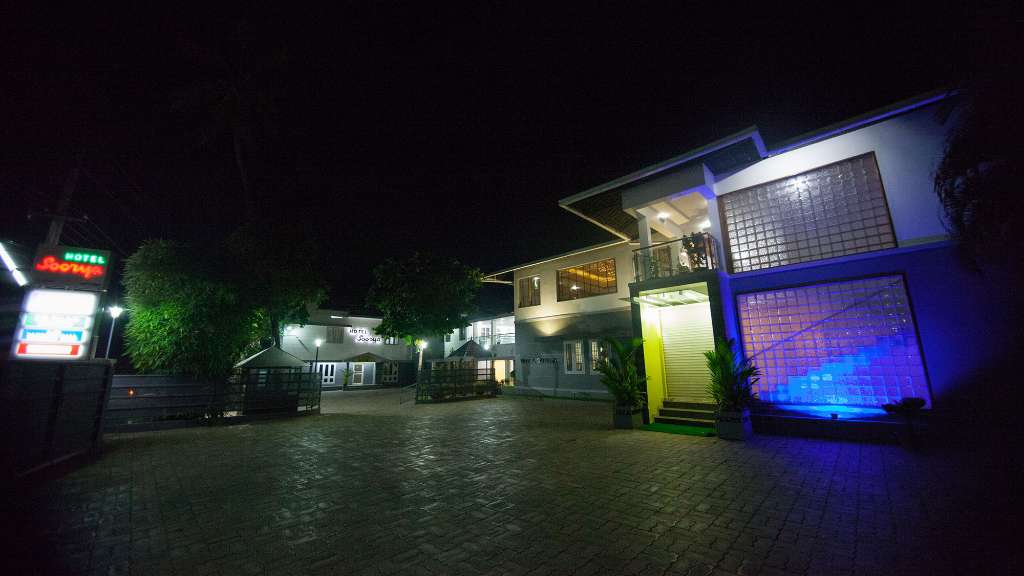
Kerala Tourism-classified three-star hotel at Kottiyam on the Kollam–Thiruvananthapuram highway, in the southern part of Kollam district. It offers air-conditioned rooms, a multi-cuisine restaurant, bar, banquet hall and travel desk, a comfortable mid-range highway base a short drive south of Kollam town.
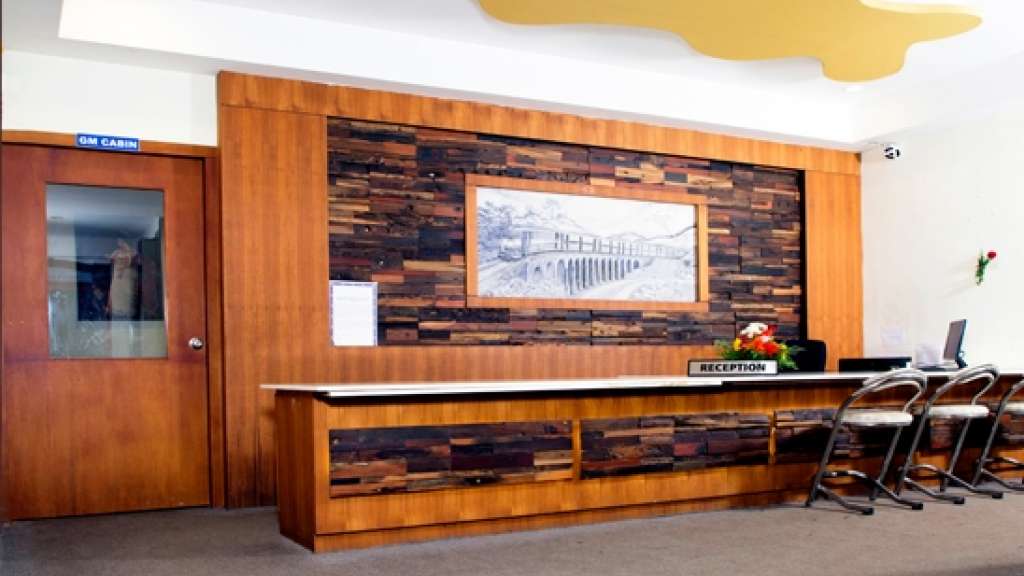
Kerala Tourism-classified three-star hotel on NH-47 directly opposite Kollam Railway Station, in the heart of Kollam town. It offers air-conditioned rooms, a multi-cuisine restaurant, bar, banquet and conference halls and 24-hour room service, a convenient mid-range base for rail and business travellers.
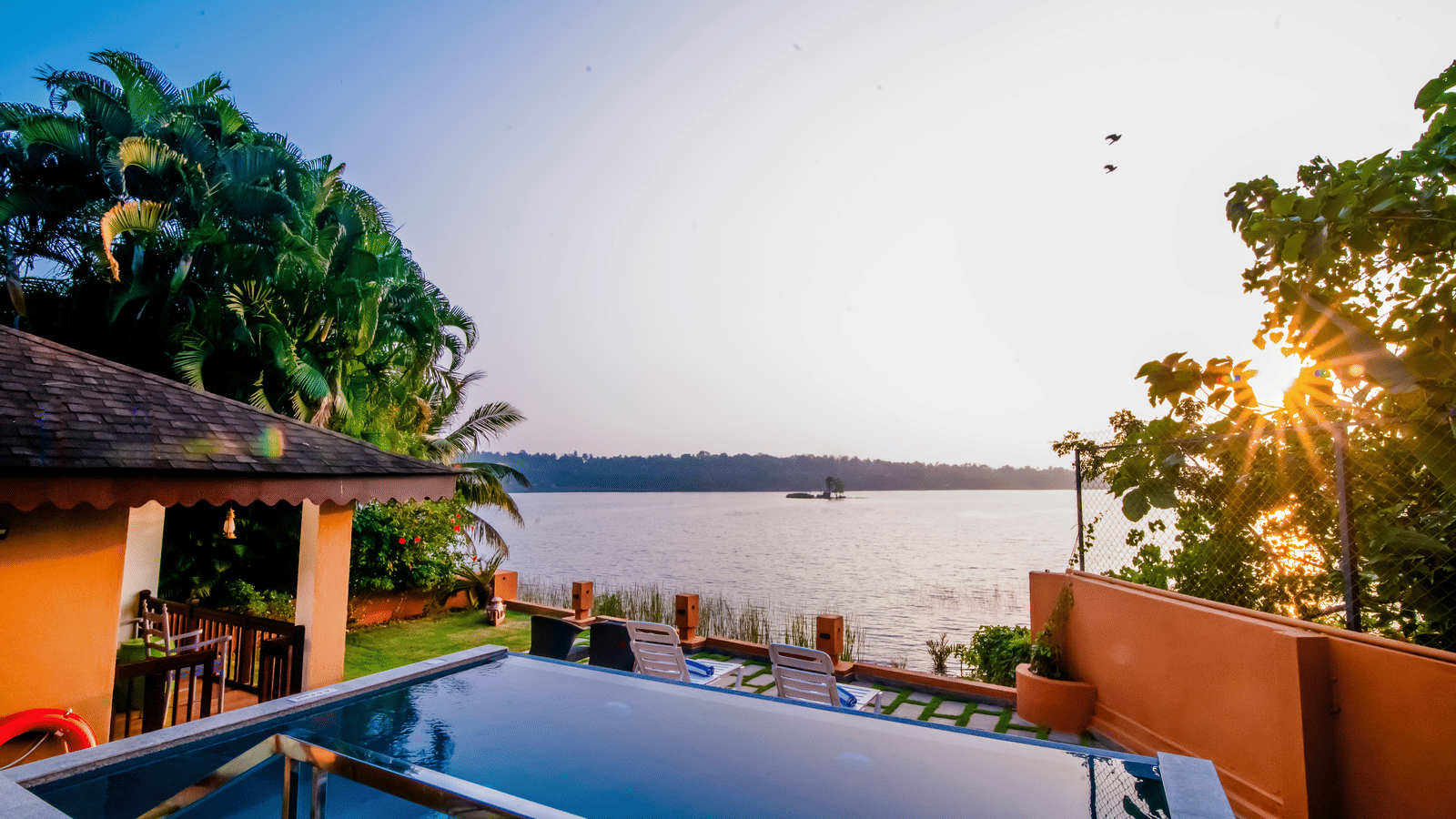
Fragrant Nature at Paravur is a lake-side resort outside central Kollam. Allow separate road journeys for Thangassery, city dining and onward rail travel.
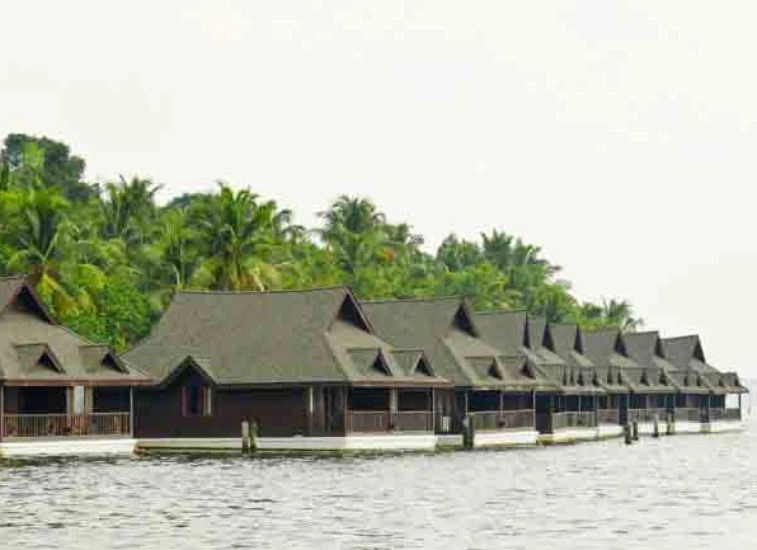
Club Mahindra Ashtamudi offers a lake-side stay, including floating-cottage options. Compare rooms, guest booking conditions and activities for your dates.

D Fort Hotel is a Thangassery stay near the lighthouse neighbourhood. Check room and wellness packages separately from the lighthouse’s own visitor session.
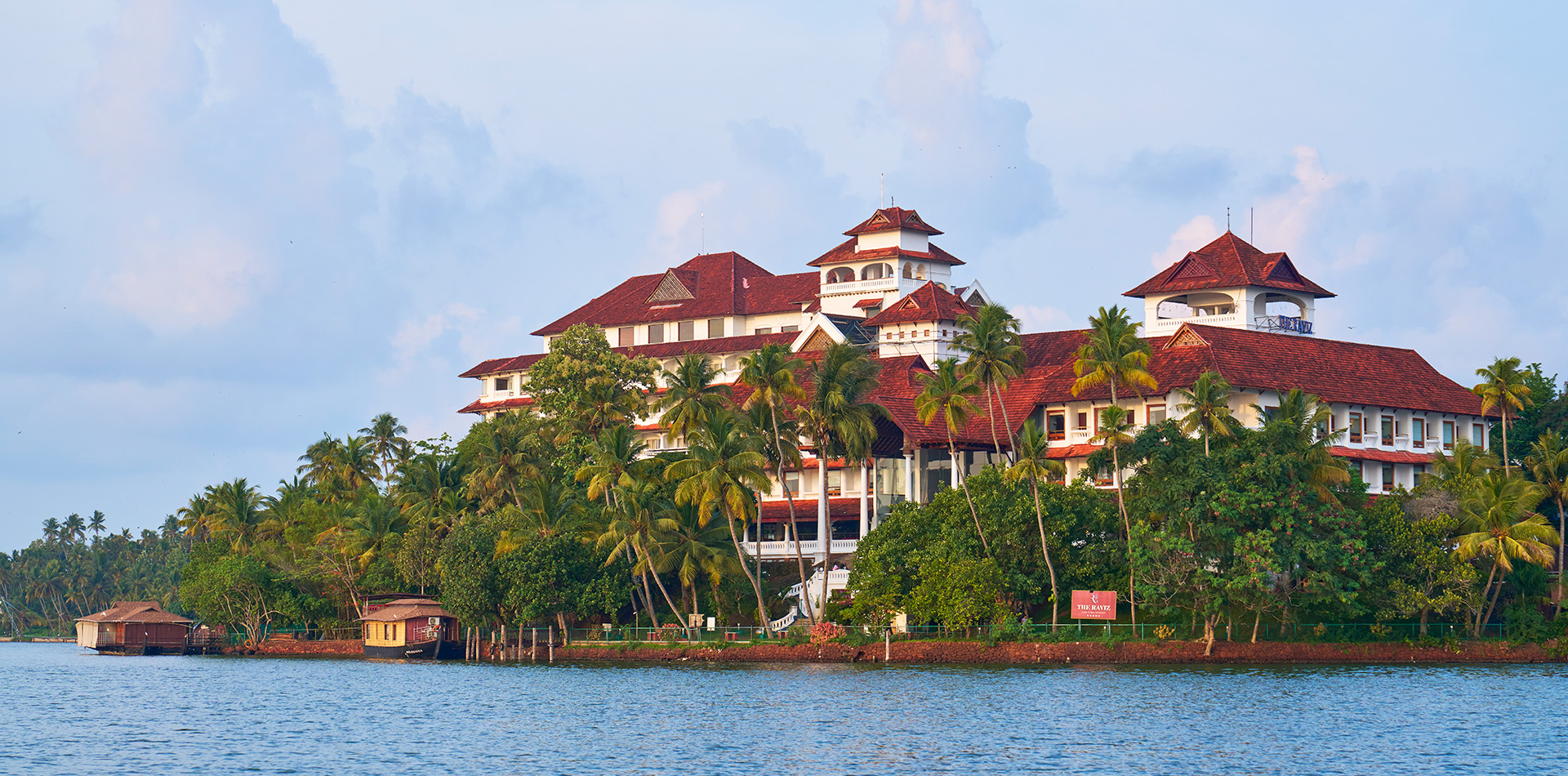
Five-star heritage resort in nalukettu style on the banks of Ashtamudi Lake. Dates to 1911, with a floating restaurant and backwater houseboats.
A boutique hotel overlooking the Chinnakada Clock Tower in central Kollam. Its 28 rooms display original artwork by artist Namboothiri.
A five-star beachfront hotel with 94 sea-facing rooms over the Arabian Sea. Near Thangassery lighthouse, it houses a large convention centre.
A three-star resort set in a coconut palm forest on the banks of Ashtamudi Lake. Its 26 units include houseboats and floating cottages.
A budget backwater homestay on Munroe Island near Kalluvila Temple. Offers canoe and shikara trips, Ayurvedic massage, and Kerala home cooking.
A houseboat operator offering overnight backwater stays on Ashtamudi Lake. Cruises serve fresh Kerala cuisine and traditional sadya feasts.
5-star classified beachfront hotel with 94 sea-facing rooms overlooking the Arabian Sea and Kollam Port.
A backwater resort on the shores of Ashtamudi Lake in Kollam district. Known for floating cottages on the water and a floating seafood restaurant.
Boutique hotel with 28 rooms and original artwork in the heart of Kollam, overlooking the city's Clock Tower.
A lakefront resort where all 20 rooms and suites face Ashtamudi Lake. Runs its own houseboat cruises and shoreside Ayurveda treatments.
A lakeside homestay on the banks of Ashtamudi Lake near the Leela Raviz. Rooms open to balconies with lake views, with kayaks and a restaurant.
Hotel in Kollam town. Luxury beach hotel and convention centre · Kollam Beach, Hotel, Convention centre.
Book with the place itself. India’s cyber-crime coordination centre warned in April 2025 that convincing copies of hotel and pilgrimage booking sites are being pushed through sponsored search and social ads, taking payment for rooms the property never hears about. Every listing here links to the business’s own contact details and its own Google or Bing profile — we take no commission and sit in nobody’s payment path. If a booking page reached you through an ad, check the address bar against the property’s own site before you pay. Fraud can be reported on cybercrime.gov.in or on 1930.
Find food, accommodation and activities across Kollam town. Browse the guides for places to eat, stay and explore along your route.
Walking routes start at Thevally Palace. Check the route and access before setting out, especially where a road, gate or waterway separates the stops.
13 more places around Kollam town. Open a guide to plan the visit and onward journey.
17.4 km · 19 min drive
Large palm-fringed backwater system and houseboat base around Kollam.
3.4 km · 5 min drive
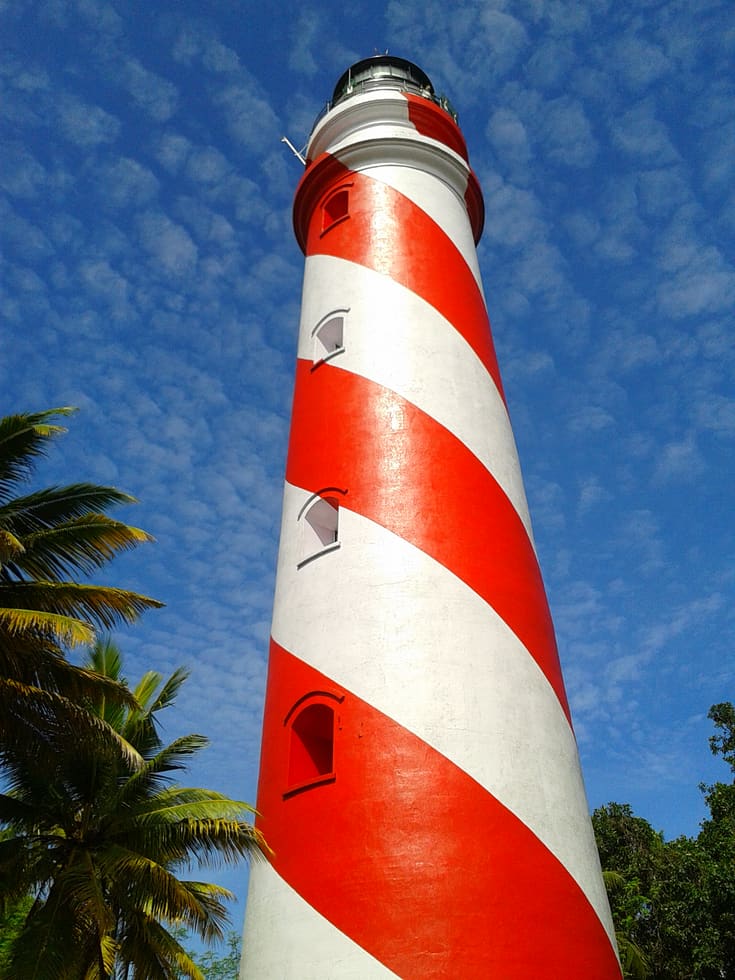
Thangassery Lighthouse raises Kollam’s sea view above a historic coastal neighbourhood. The red-and-white tower is a working navigation landmark with a separate visitor session.
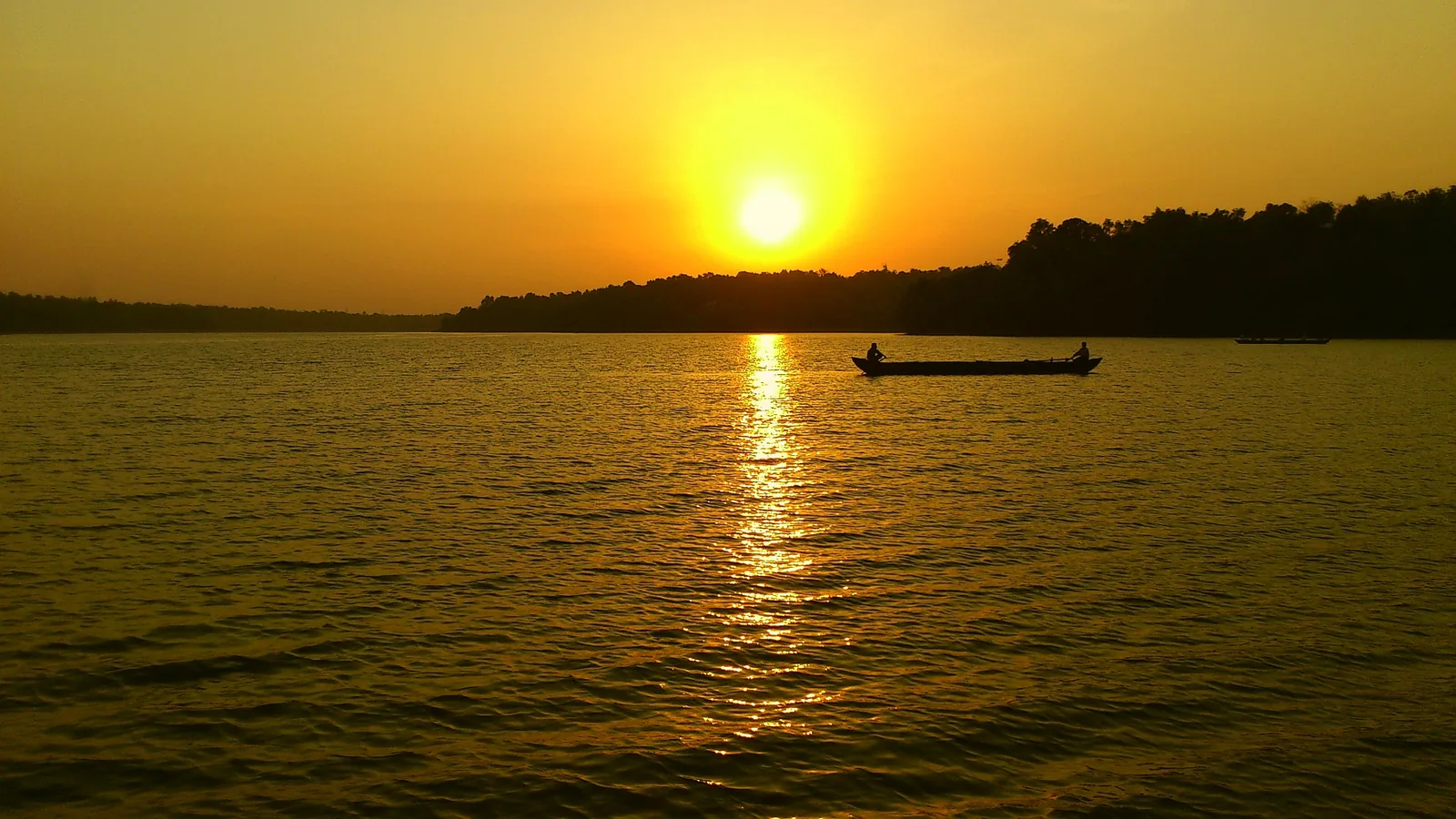
Kerala’s largest freshwater lake, a Ramsar wetland ringed by hills and a Sastha temple, north of Kollam.
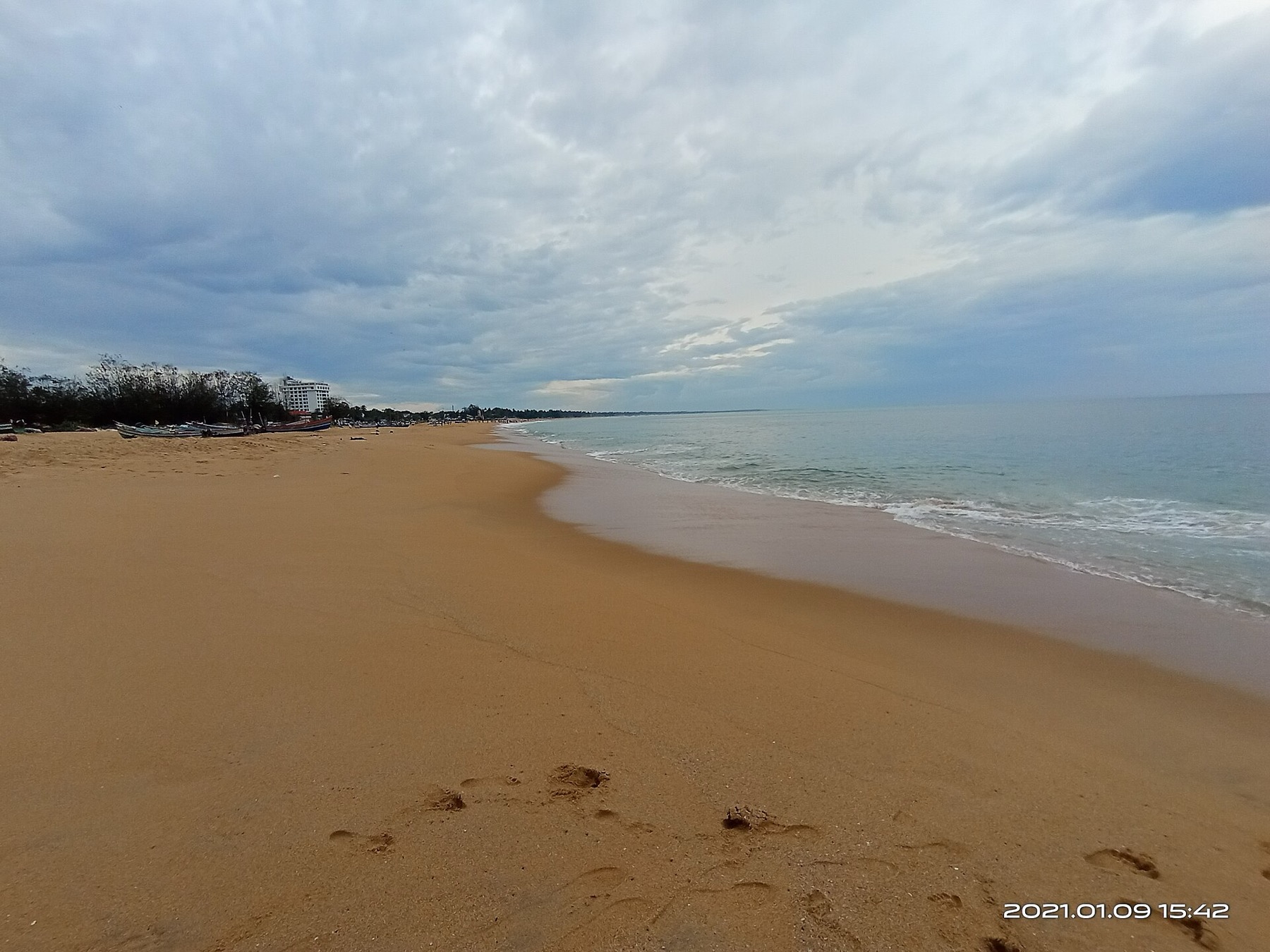
4.0 km · 5 min drive
The city’s Mahatma Gandhi beach and park on the Arabian Sea, a popular evening spot near Kollam town.
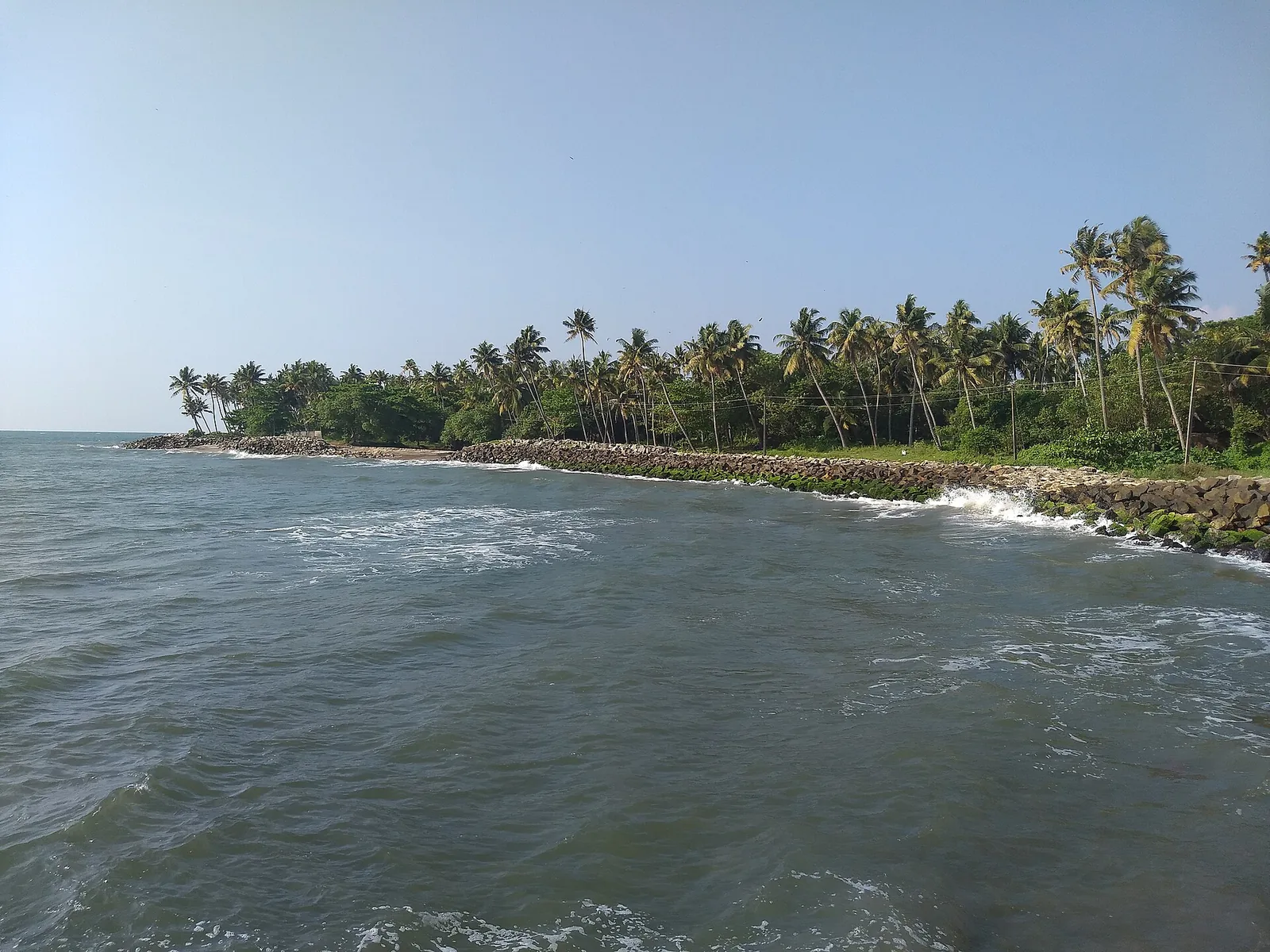
4.2 km · 5 min drive
A quiet, curved bay beach west of Kollam town, calmer than the city beach and good for a relaxed evening.
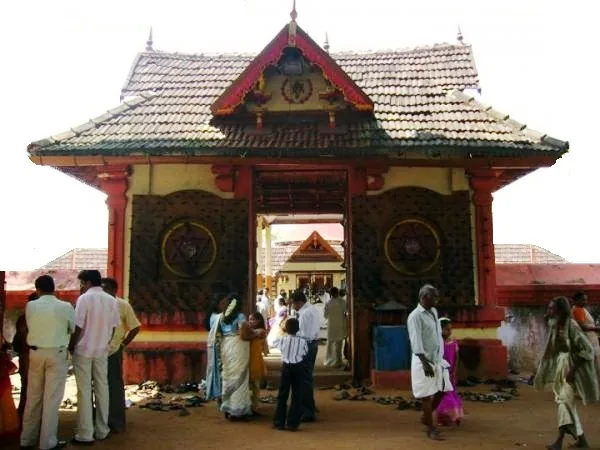
1.3 km · 16 min walk
Anandavalleeswaram is an active Shiva temple in Kollam, with an Anandavally shrine and a ten-day annual festival in March or April. Ritual processions and cultural performances bring another dimension to the temple visit. Follow its worship session, admission and photography rules.
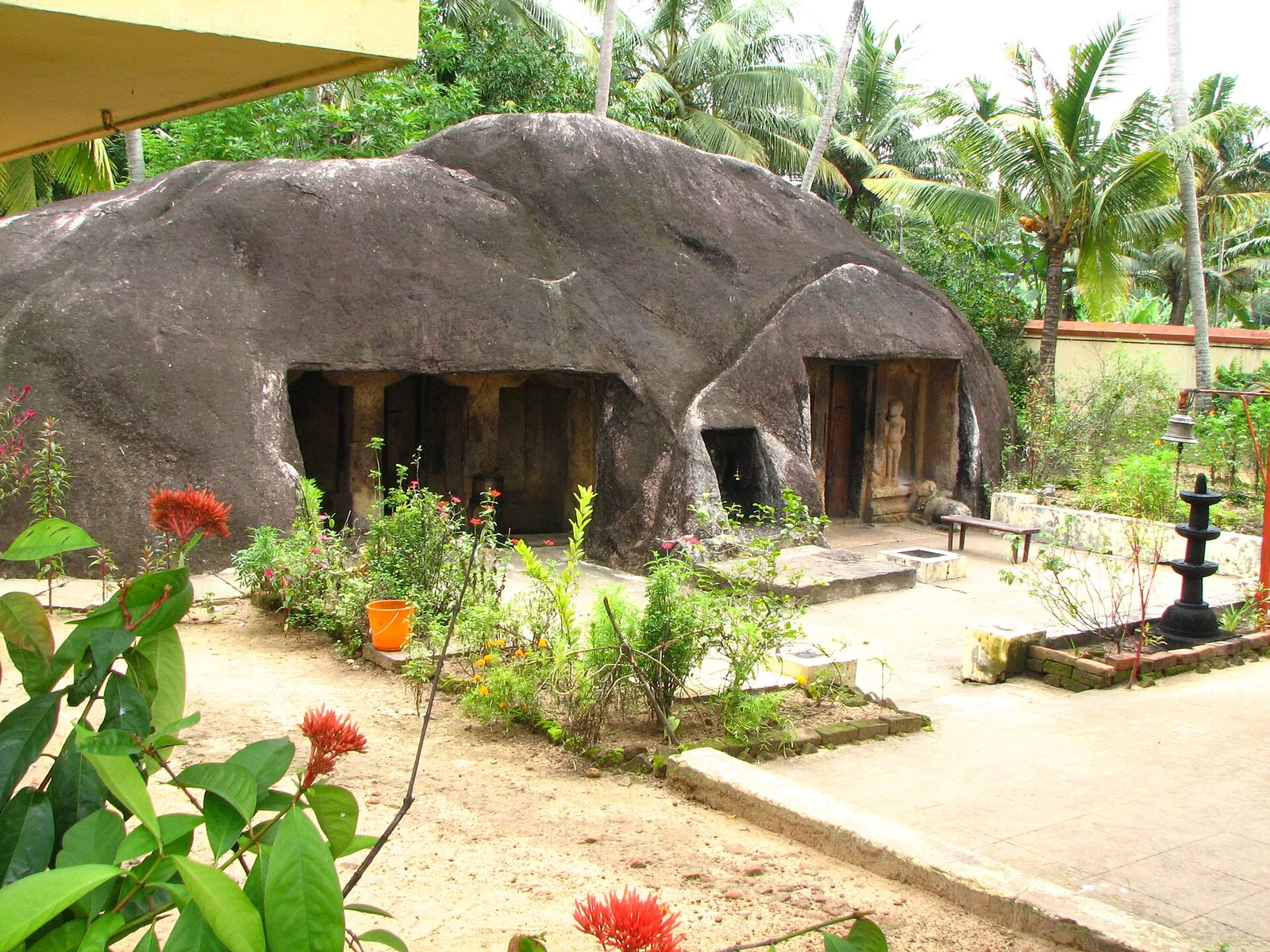
A monolithic rock-cut cave temple near Anchal/Kadakkal in south Kollam, carved with a Shiva shrine.
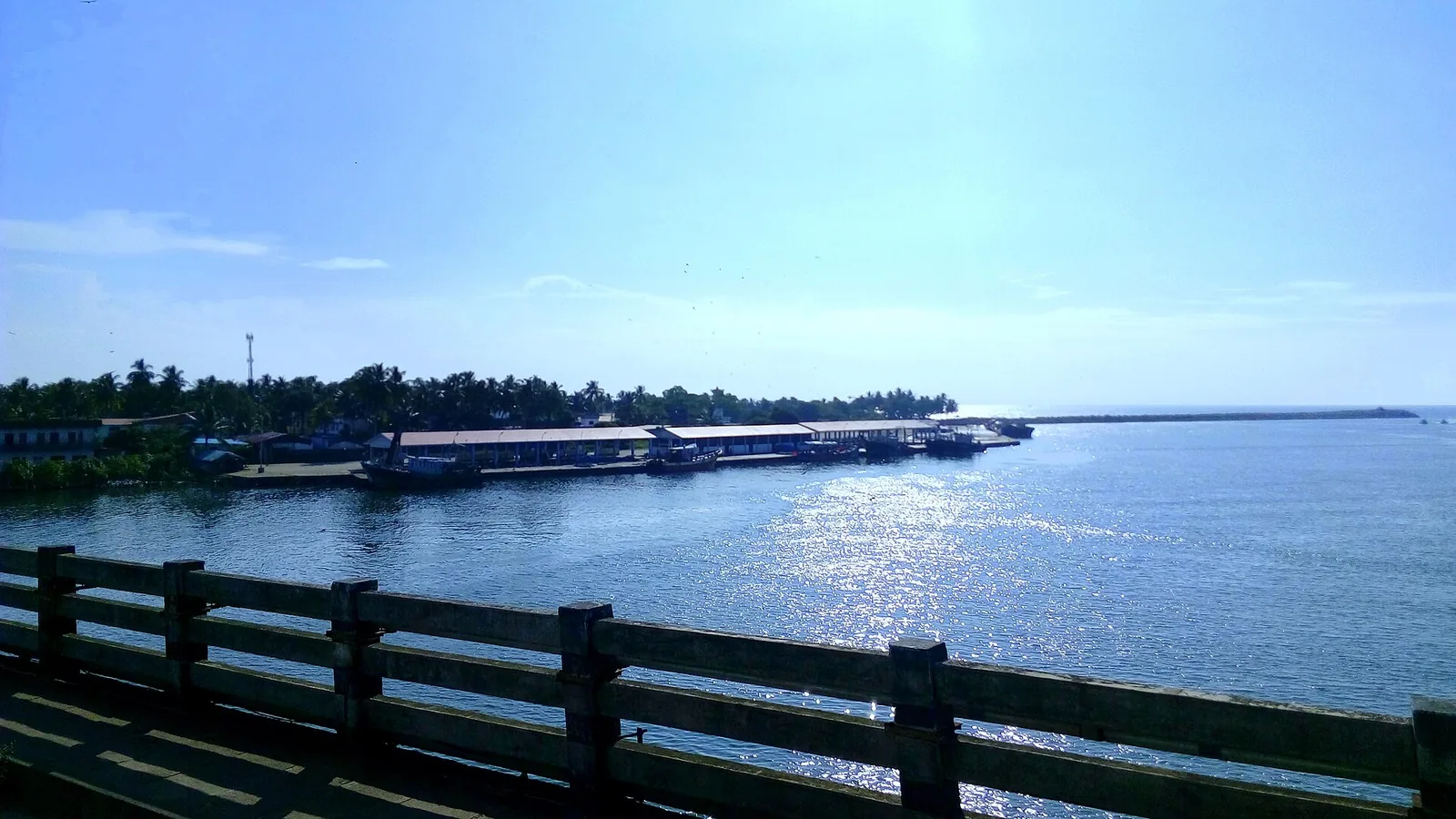
10.1 km · 11 min drive
By most accounts Kerala’s largest fishing harbour, at the mouth of Ashtamudi Lake about 9 km from Kollam town, and where Indian fishing was mechanised; two bridges cross the confluence and the early-morning auction is the sight to catch.
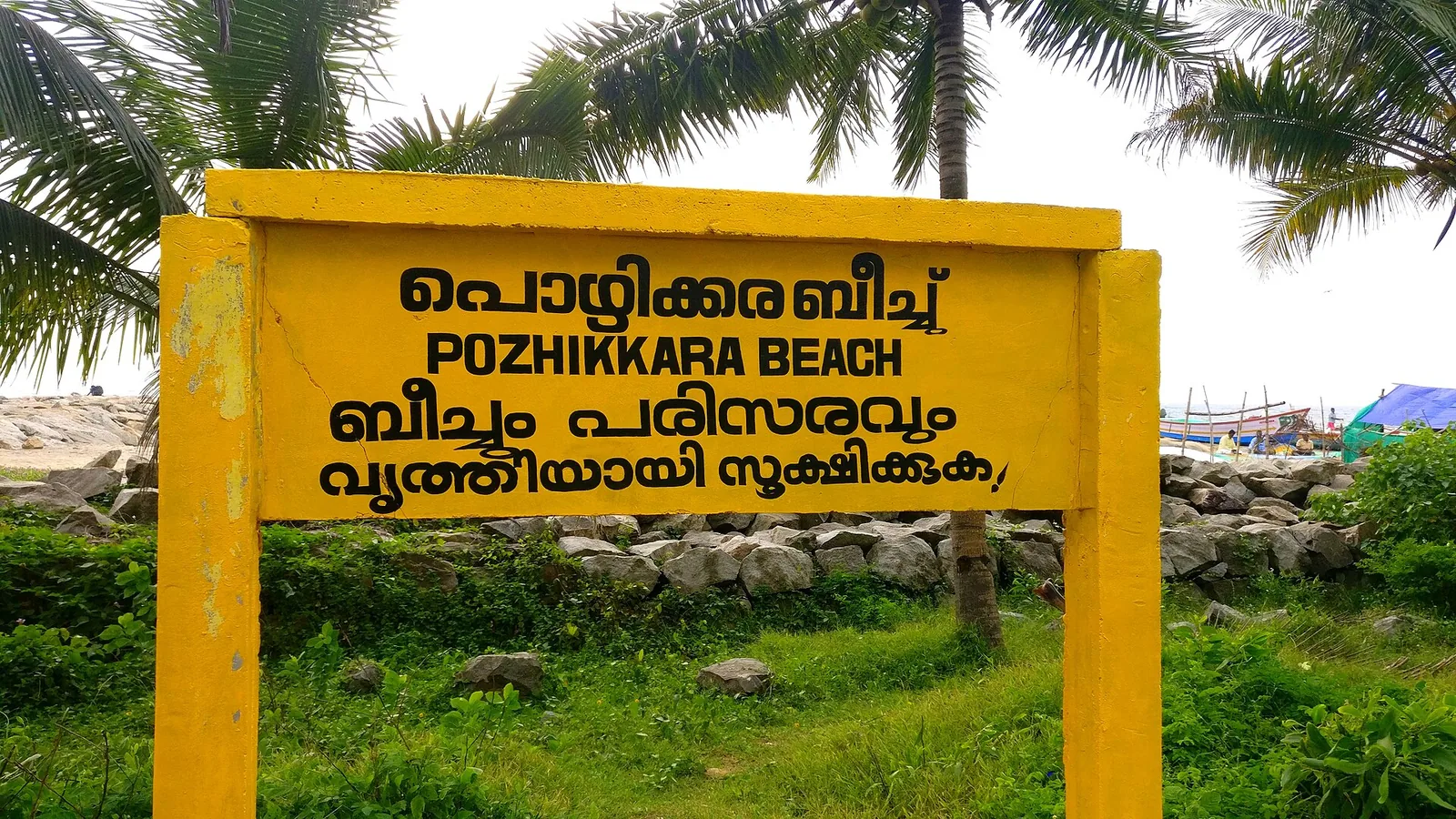
The estuary and beach at Paravur south-east of Kollam, where the Paravur backwaters meet the sea across a sandbar — a quiet spot known for its regulator bridge, the TS Canal and calm backwater-and-sea scenery.
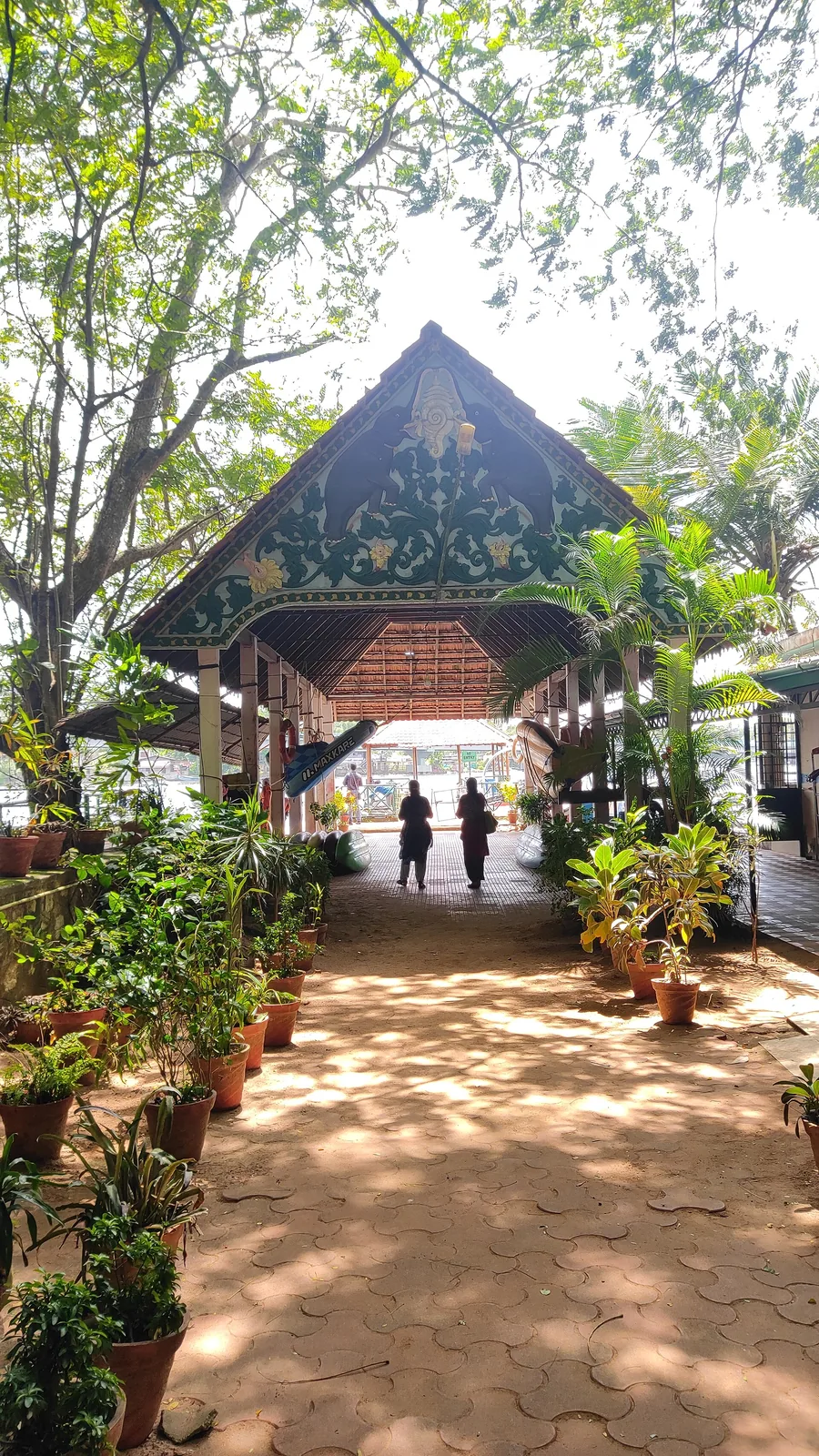
890 m · 11 min walk
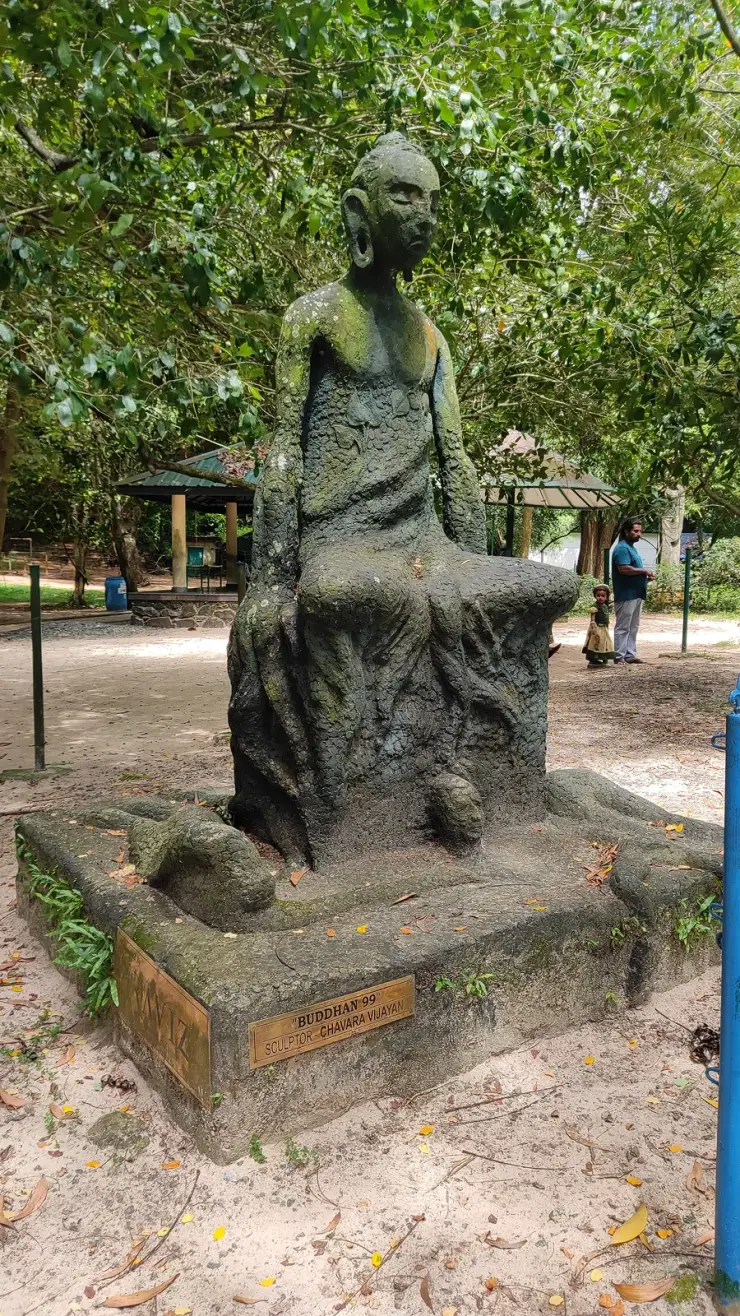
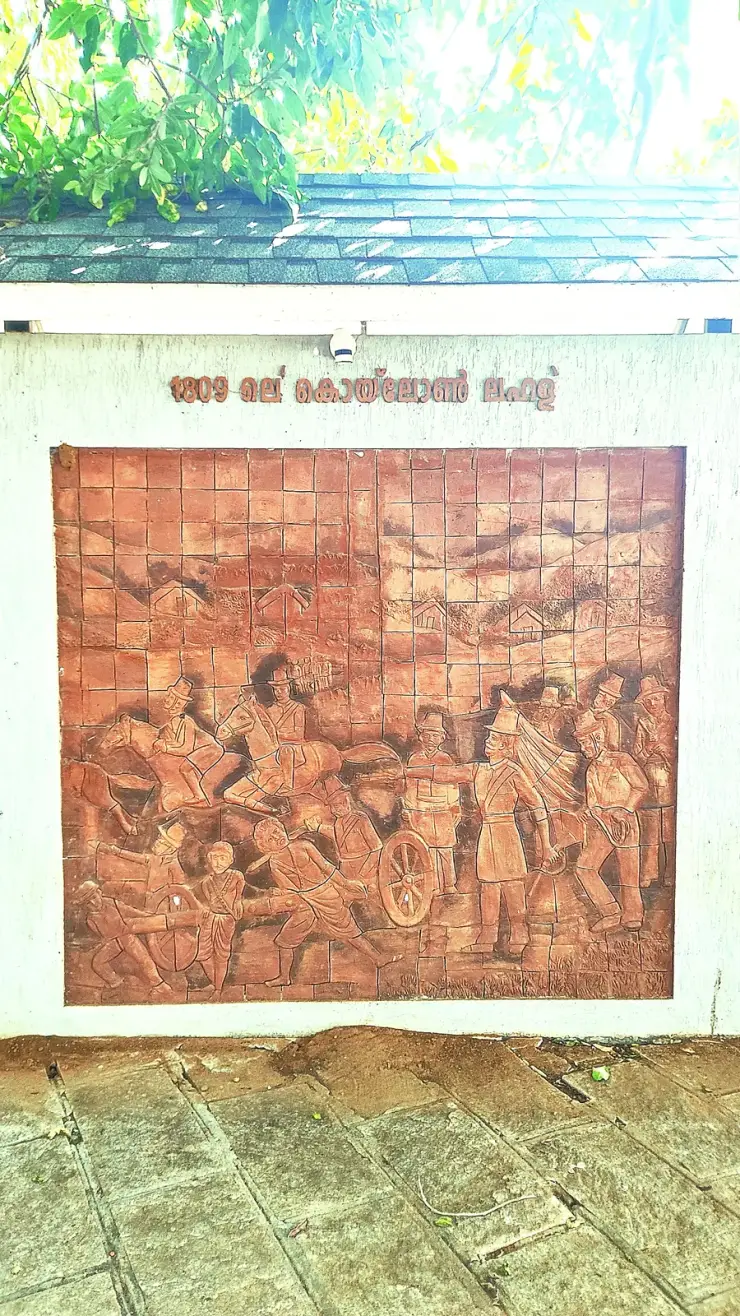
Forty-eight acres of municipal park on the Ashtamudi shore in the middle of Kollam, run by the DTPC — boating and kayaking off a painted jetty, ziplines and rope courses, a heritage walkway of terracotta reliefs, contemporary sculpture left behind by a 2012 festival, and a mangrove wetland with a state biodiversity heritage tag.
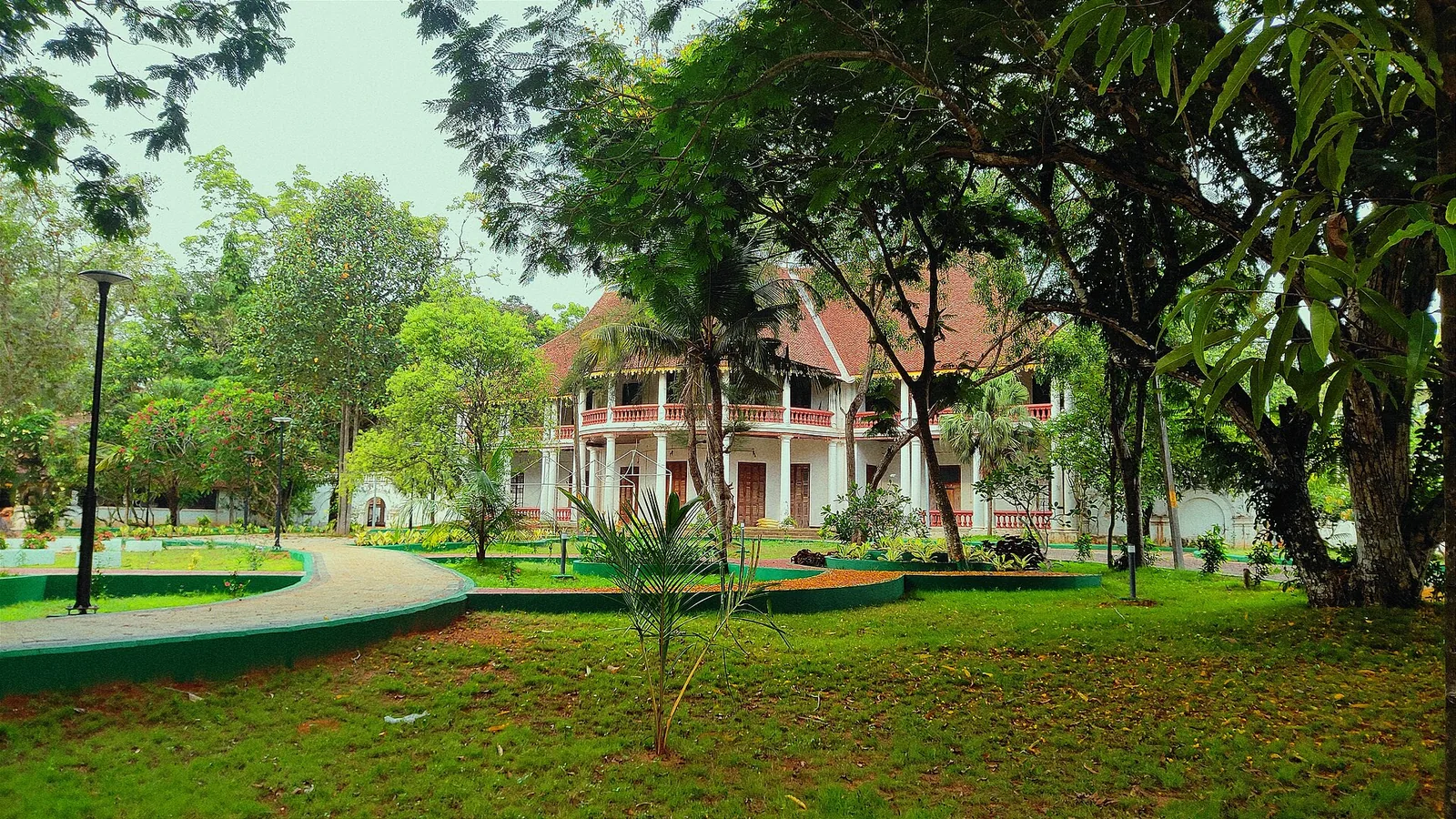
910 m · 11 min walk
The former British Residency at Asramam survives as a government guest house beside Kollam’s backwater landscape. Its architecture is the attraction, with access governed by its working use.
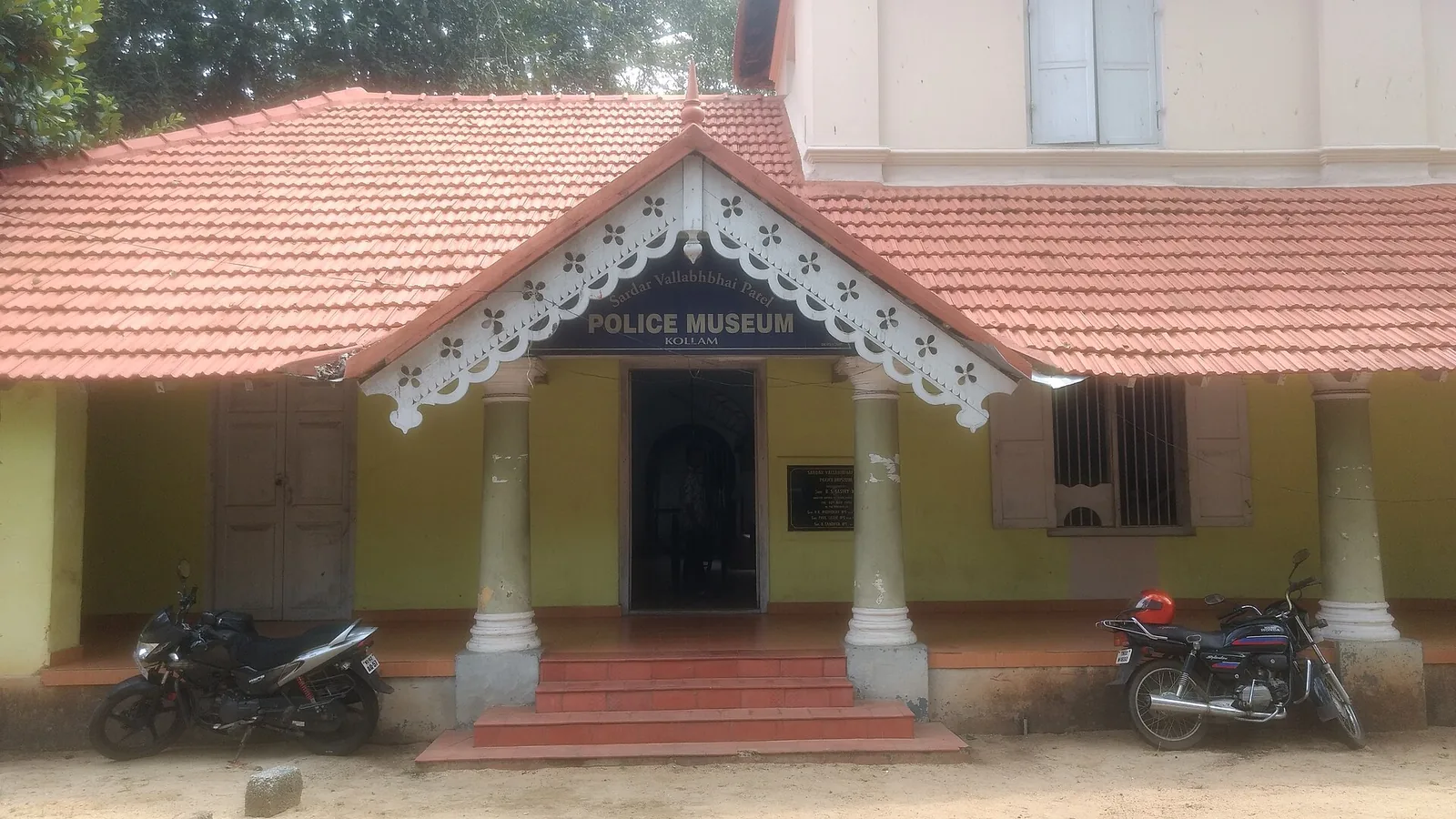
2.5 km · ~6 min by auto
Kollam’s Sardar Vallabhbhai Patel Police Museum introduces the history of policing through arms, equipment and investigation displays. It offers an indoor history stop during a city outing. Check the museum’s session before choosing your day, and leave time to read the displays.
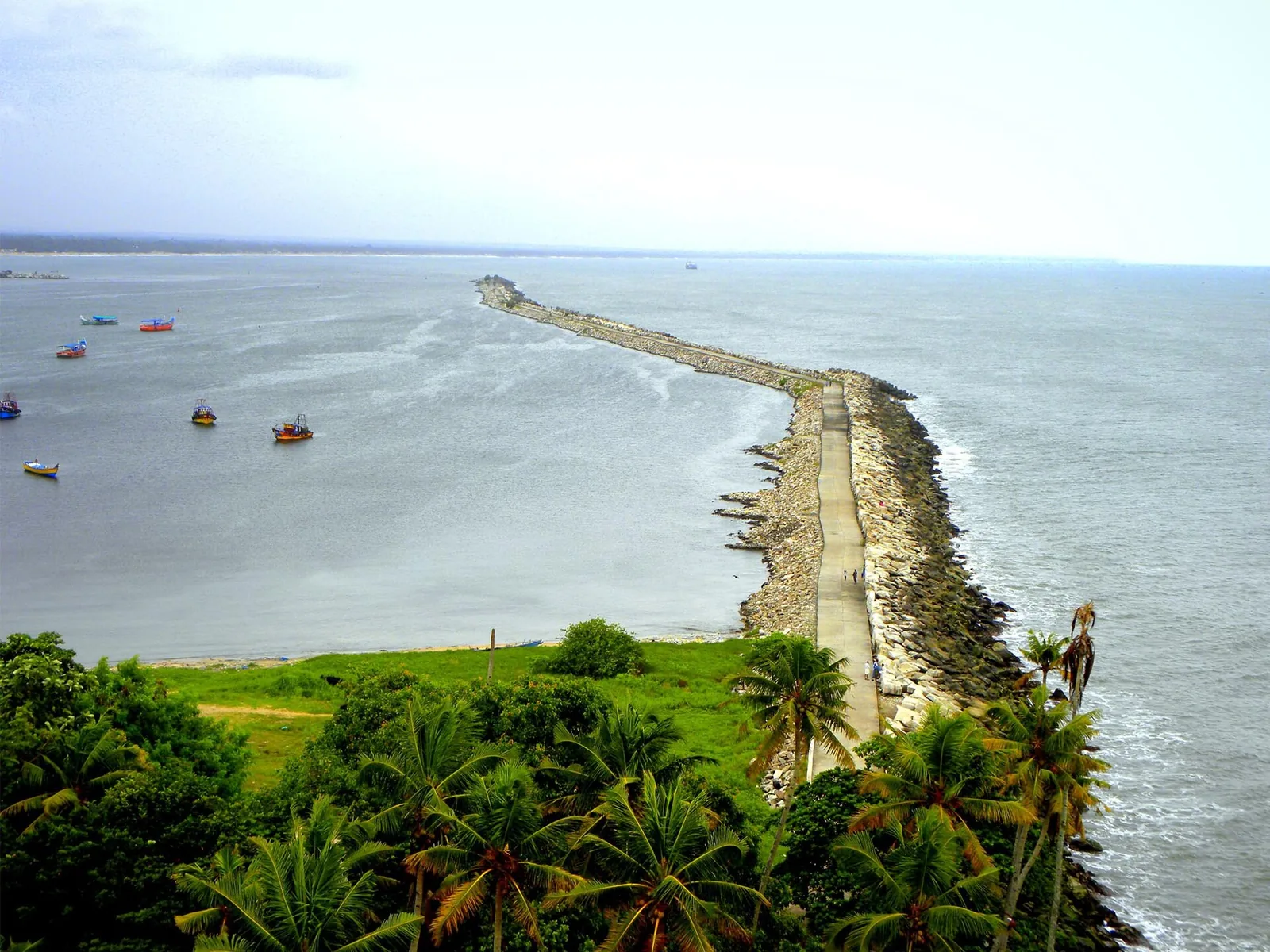
2.8 km · ~7 min by auto
The working wharf and breakwater at Thangassery, conventionally founded in AD 825 — the event the Malayalam calendar counts from. A short cargo quay and a long public breakwater walk, above a seabed that has produced Tang and Song coins and Lower Palaeolithic tools.
Roampedia is commission-free — own or know a stay, eatery, guide or shop near Thevally Palace? List it and it appears here once verified.
Add a nearby businessEntry: Not applicable — this is not a ticketed public monument; access is restricted rather than paid.
Photography: Photography of the exterior from public areas and from the lake is generally fine, but because the palace is a defence-affiliated site (NCC/PWD), photography of the premises up close, of any security features or from within the grounds may be restricted — be discreet and follow any signage or instructions from staff on site.
If you are travelling by bus or ferry, check the return service with the operator before setting out. Leave time to reach the stop or jetty after your visit.
Ask at the bus stand for the time of the last service back, not the next one. If you miss it, an auto or app cab is the fallback — agree the fare before you get in.
If you need step-free access, contact the site before travelling. Ask about a level entrance, steps along the route, the nearest drop-off point, seating and accessible toilets.
Charge cap and free-transaction limits: Reserve Bank of India, in force since 1 May 2025.
These services are listed within about 1.2 km of Thevally Palace. Walking distances follow mapped routes; access and opening hours can change. Other services may be closer but are not included here.
Emergency numbers are verified against official government and state tourism sources. 112 works anywhere in India.
Forty-eight acres of municipal park on the Ashtamudi shore in the middle of Kollam, run by the DTPC — boating and kayaking off a painted jetty, ziplines and rope courses, a heritage walkway of terracotta reliefs, contemporary sculpture left behind by a 2012 festival, and a mangrove wetland with a state biodiversity heritage tag.
890 m · 11 min walk · straight lineThe former British Residency at Asramam survives as a government guest house beside Kollam’s backwater landscape. Its architecture is the attraction, with access governed by its working use.
910 m · 11 min walk · straight lineAnandavalleeswaram is an active Shiva temple in Kollam, with an Anandavally shrine and a ten-day annual festival in March or April. Ritual processions and cultural performances bring another dimension to the temple visit. Follow its worship session, admission and photography rules.
1.3 km · 16 min walk · straight lineKollam’s Sardar Vallabhbhai Patel Police Museum introduces the history of policing through arms, equipment and investigation displays. It offers an indoor history stop during a city outing. Check the museum’s session before choosing your day, and leave time to read the displays.
2.5 km · ~6 min by auto · straight lineThe working wharf and breakwater at Thangassery, conventionally founded in AD 825 — the event the Malayalam calendar counts from. A short cargo quay and a long public breakwater walk, above a seabed that has produced Tang and Song coins and Lower Palaeolithic tools.
2.8 km · ~7 min by auto · straight lineThangassery Lighthouse raises Kollam’s sea view above a historic coastal neighbourhood. The red-and-white tower is a working navigation landmark with a separate visitor session.
3.4 km · 5 min driveThe city’s Mahatma Gandhi beach and park on the Arabian Sea, a popular evening spot near Kollam town.
4.0 km · 5 min driveA quiet, curved bay beach west of Kollam town, calmer than the city beach and good for a relaxed evening.
4.2 km · 5 min drive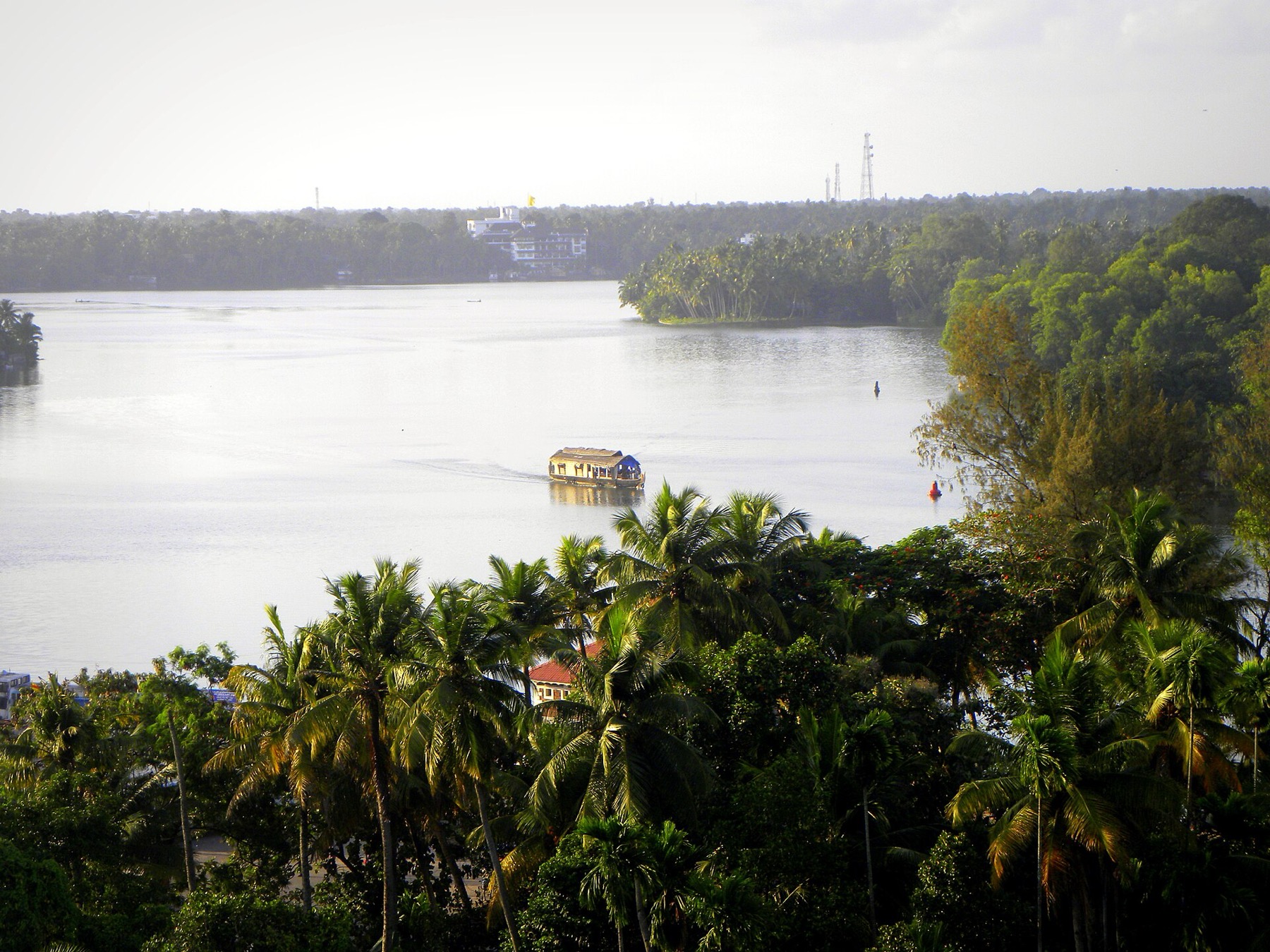
The open-water outlooks on the Munroe Island and Perumon side of Ashtamudi, where the lake widens out — the wide views the canal trips themselves do not give you.
7.0 km · ~18 min by auto · straight line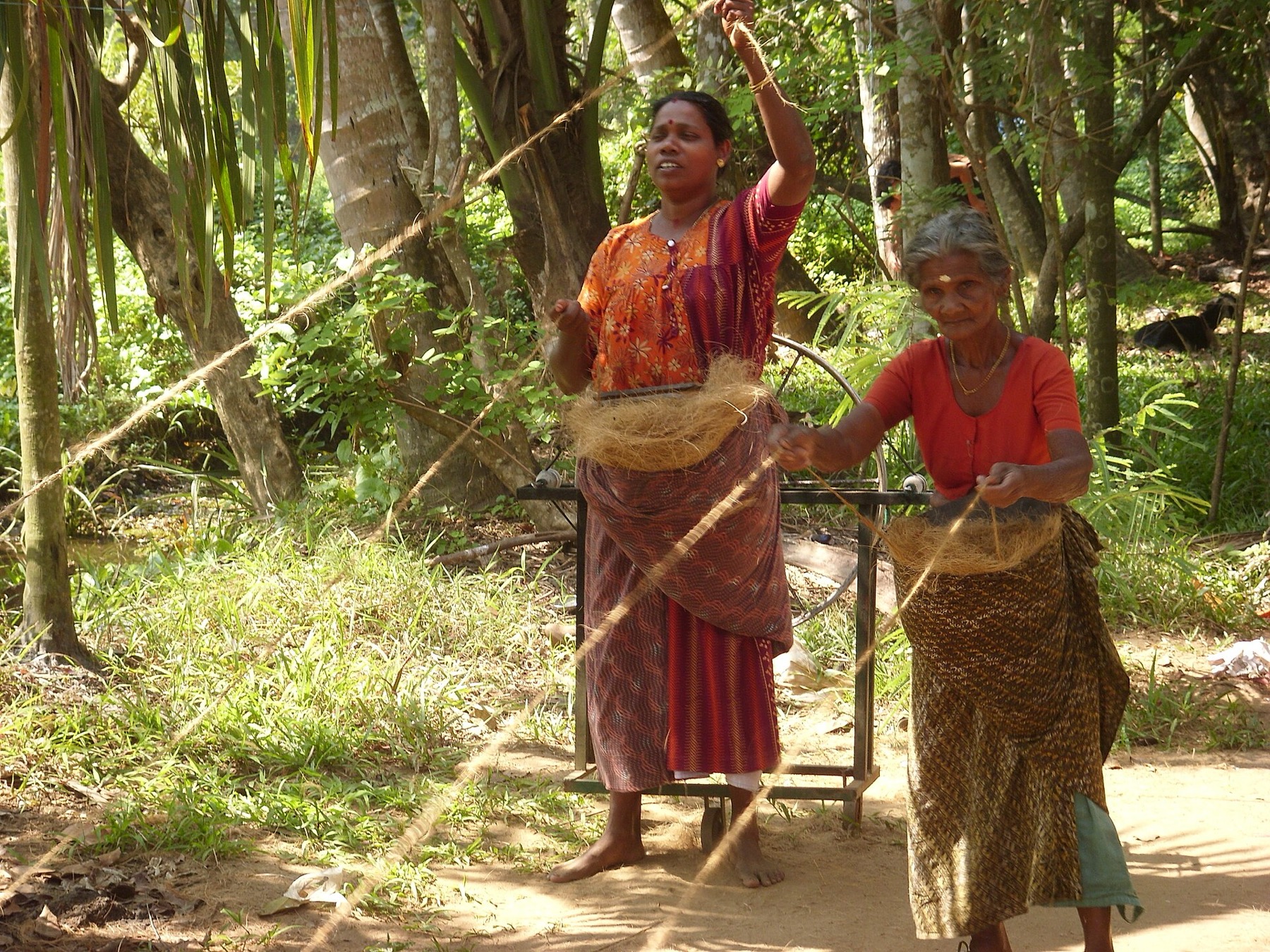
The coir-working settlements of Munroe Island, where coconut husk is retted in the backwater and spun into yarn — a working craft economy on the canal banks rather than a demonstration laid on for visitors.
9.3 km · ~16 min by cab · straight lineBy most accounts Kerala’s largest fishing harbour, at the mouth of Ashtamudi Lake about 9 km from Kollam town, and where Indian fishing was mechanised; two bridges cross the confluence and the early-morning auction is the sight to catch.
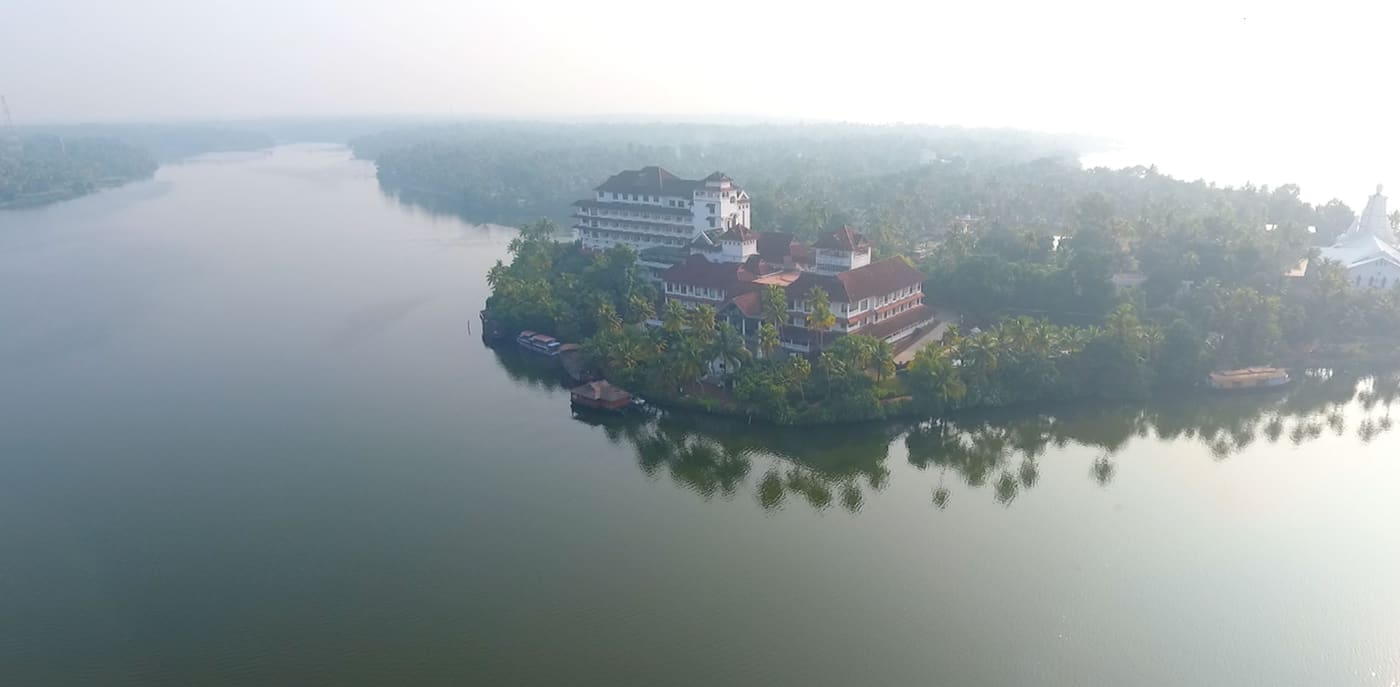
10.1 km · 11 min driveLarge palm-fringed backwater system and houseboat base around Kollam.
17.4 km · 19 min driveWalking and driving times are real routed distances, except the few marked “straight line”, which are direct-line estimates and will read short. Fare figures are estimates from Kerala’s notified auto/taxi tariff and exclude waiting and night charges. Routing: © openrouteservice.org by HeiGIT | Map data © OpenStreetMap contributors
Nearby toilets, pharmacies, ATMs, seating and vets are community-mapped and may be incomplete or out of date. Map data © OpenStreetMap contributors | Walking times © openrouteservice.org by HeiGIT
No. The palace is Kerala PWD property occupied by the National Cadet Corps as its Kollam Group Headquarters, with 3 (Kerala) Naval Unit NCC on the same site. It is a working defence establishment with a cadet parade ground in front, not a monument. There is no ticket counter and no tour. Some sites print visiting hours of 9:30 am to 5 pm; there are no visitor timings, and those sites contradict themselves elsewhere on the same page.
Nobody knows, and that is the honest answer. Every source prints 1811–1819 under Maharani Gowri Parvati Bayi, but she became Regent only in 1815 at the age of thirteen — her sister Gowri Lakshmi Bayi held power from 1810 to 1815 — so the sentence cannot be true. That exact bracket is the recorded construction span of the British Residency a kilometre away and the span of Colonel John Munro’s tenure. English Wikipedia’s sole citation for the Thevally date is a travel aggregator; Wikidata records a bare 1819; a Kollam local-history account of 2007 gives 1840. No primary source exists for any of them.
No. It is not on the Kerala Department of Archaeology’s list of State Protected Monuments — the eight in Kollam district are the Kottukkal rock-cut temple, the Chennamath Siva temple, the Punalur suspension bridge, Madankavu at Mangad, the Chattampi Swami memorial at Panmana, the Ochira kalithattu, the Ilayidathu Valiya Koyikkal Thampuran Palace and the Kottathala kalithattu — and it is not an ASI monument either. It has no legal heritage protection at all.
No, and this is very widely misreported. The occupant is the National Cadet Corps, a tri-service youth organisation under the Ministry of Defence. Kollam is one of five NCC Group Headquarters under the Directorate for Kerala and Lakshadweep, alongside Thiruvananthapuram, Kottayam, Ernakulam and Kozhikode. It is not an Army unit and not under Southern Command.
Verandah arches, columns turned from laterite and finished in lime plaster, terracotta balustrades, and a spire-form front roof on carved rafters converging to a single point — described locally as a demonstration of tachu-shastra carpentry. The upper storey is plastered masonry with round-arched windows; the timber is in the curved oriel, the rafters and the tower stair. The British Library’s c.1900 caption calls it simply the European style with a square tower. The much-repeated blend of Dutch, Portuguese and British styles has no source behind it.
From the water. The building was designed to be arrived at by boat and its lake elevations carry the carving; any Ashtamudi cruise or houseboat run passes the compound wall, the landing and the small red-and-white Sastha shrine at the shoreline. From land, the front elevation, the NCC plinth and the RV crest are visible from the approach off the NH-183 drive, and Thevally Bridge a few hundred metres north gives the setting.
It is in Kollam town itself, on a promontory on the south-western edge, roughly 2 km from Chinnakada — not 25 km away, as one widely syndicated listing claims. Pair it with the British Residency at Asramam, about a kilometre off and now the Government Guest House: those two buildings share a set of dates, and only one of them earned them.
November to February and early mornings are best for walking; avoid midday heat where possible.
Entry: Not applicable — this is not a ticketed public monument; access is restricted rather than paid. Timings: The palace is not an open, ticketed monument. It is a government-held property (PWD) widely reported to serve as the NCC (National Cadet Corps) Group Headquarters for Kollam district, so it is a working defence-affiliated establishment and general public access is restricted — it is typically viewed only from outside or from the Ashtamudi Lake rather than entered.
Base yourself in Kollam town or a nearby town in Kollam, then confirm the last-mile route locally before leaving. Walkable heritage areas are best done slowly; combine nearby streets, museums, markets and food stops. If the visit depends on forest, temple, boat, ferry, weather or seasonal access, check the official/local rule on the day before travel.
1 to 3 hours.
Nearby you can pair Asramam Adventure Park (890 m), British Residency, Asramam (910 m), Anandavalleeswaram Temple (1.3 km), Sardar Vallabhbhai Patel Police Museum (2.5 km).
Watch traffic on narrow heritage streets. Keep valuables close in crowded markets.
Written about Thevally Palace itself — its history, its legends and the arguments about them.
These guides explore Kollam town and the surrounding area. Choose a visit that fits your interests, allowing separately for travel between stops.
Route-level itineraries and practical guides for the rest of Kerala.
Photographs: Akhilan (CC BY-SA 3.0), Unknown author — British Library, Curzon Collection (Photo 430), c.1900 (Public domain), Anonymous — Leiden University Library, KITLV 1402360, c.1910 (Public domain), D'Cruz (Public domain), Thessentials (CC BY-SA 4.0). Wikimedia Commons.