Conolly’s Plot

Conolly’s Plot is the teak-heritage destination near Nilambur in Malappuram district, approached through the Vadapuram side near the Government Timber Depot. Its name commemorates H. V. Conolly, while its plantation history also depends on the work of Chathu Menon. The tall planted trees represent a nineteenth-century forestry experiment, not an untouched natural teak forest.

Conolly’s Plot, Vadapuram, Nilambur
Practical guide

Plan Conolly’s Plot

Who's going?Tailor Conolly’s Plot to your trip
Typeheritage
AreaVadapuram, Nilambur
DistrictMalappuram
Best timeChoose daylight within the Forest…
Time neededAllow about 60–90 minutes as a planning…
Entry₹50
Places to visit5Listed businesses17

The present Forest Department ecotourism centre includes a canopy walkway and themed gardens. Reaching the preserved plantation across the river is a separate practical question: the current departmental listing explicitly says the jankar ferry service is unavailable. Arrive for the visitor areas actually open, without relying on old suspension-bridge photographs or a promised boat crossing.

The story

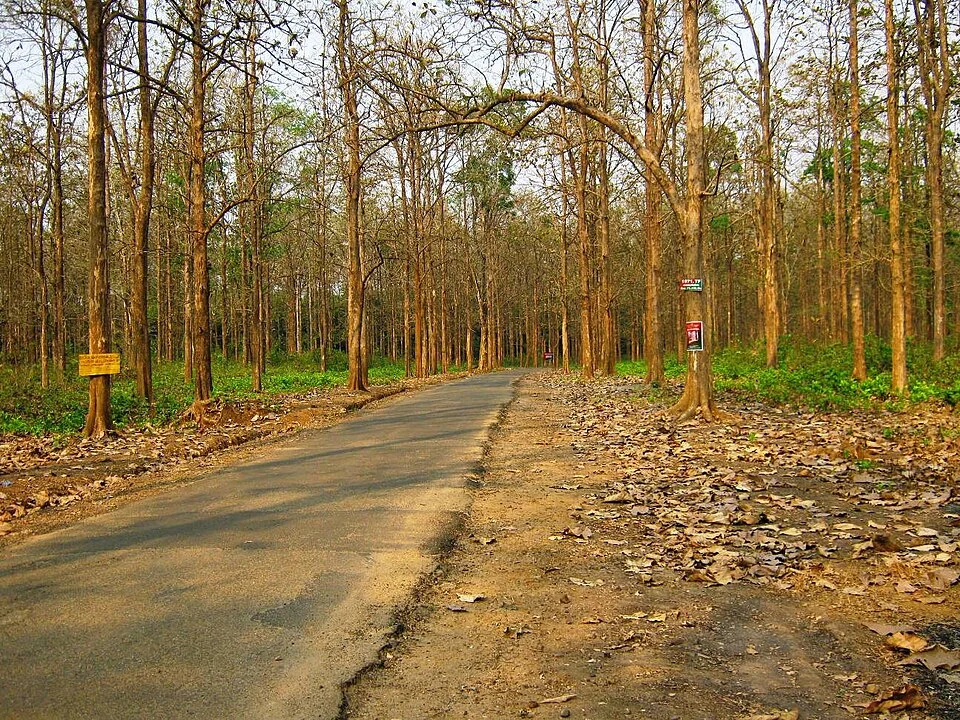
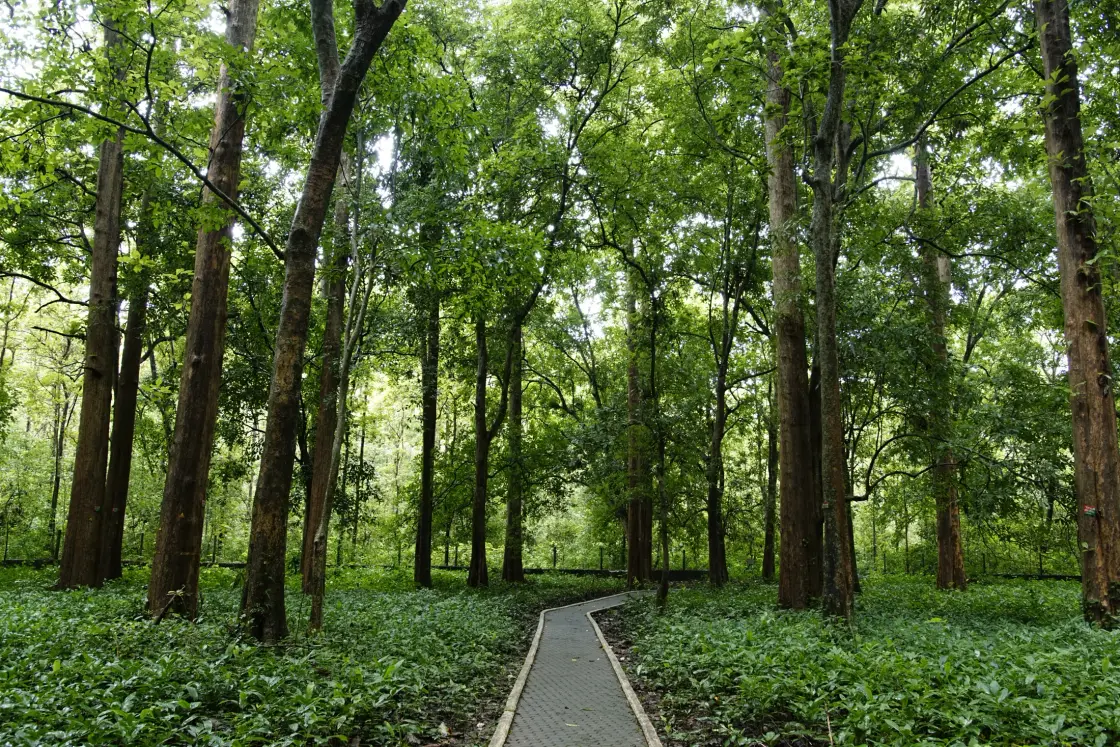
The most striking feature of Conolly’s Plot is vertical: long teak trunks rise through a canopy that can make the planted landscape feel much larger than the path beneath it. The small labels on those trunks bring a second scale into view—the individual tree as a measured and remembered specimen.

The story of Conolly’s Plot

A photograph of a winding path between the trees reveals two different kinds of order. The paved route turns around the trunks, while the trunks themselves rise with the characteristic straightness that made teak valuable as timber. This is an appropriate place to think about the difference between appreciating a tree’s living form and understanding the economic purpose for which a plantation was created.

The name on the sign is only part of the history. Conolly was the Malabar collector associated with the initiative, but official accounts also recognise Chathu Menon’s practical work in raising and maintaining teak. Establishing a plantation required more than assigning land: seeds had to germinate, young plants had to survive and the growing stand had to be tended over time.

That distinction matters when the site is reduced to a claim about being the oldest. Its value lies in the evidence of an early, sustained effort to cultivate a timber species systematically. The broad 1840s context is more useful than treating every published year as if it referred to one single planting ceremony. Different accounts discuss early trials, planted stands and the later preserved plot.

A labelled tree makes this history tangible. An archival photograph records Tree No. 23 with a sign giving measurements as of 2008. The date is essential: a number on a living tree is a measurement made at a particular time, not a timeless fact. A visitor can use such labels to notice the tree’s girth and vertical growth without turning an old figure into today’s size.

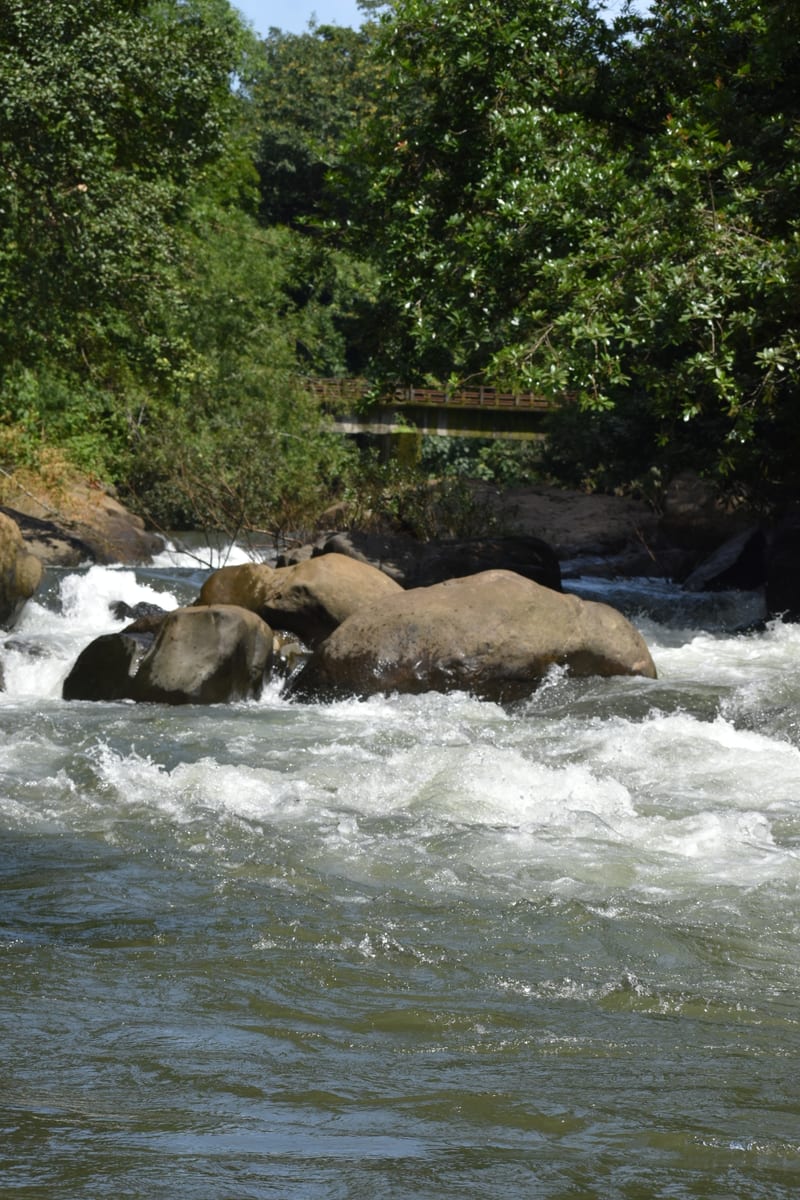
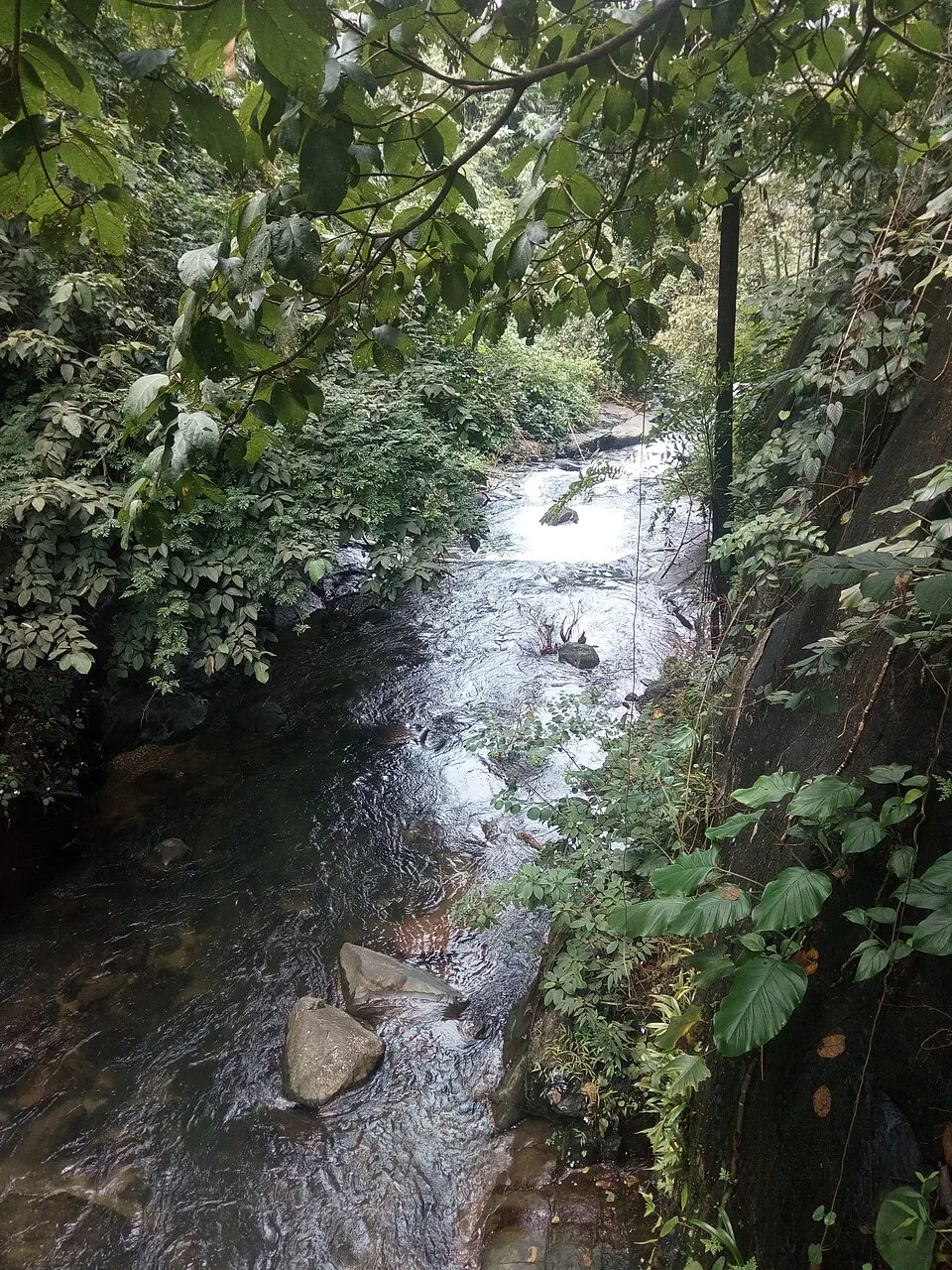
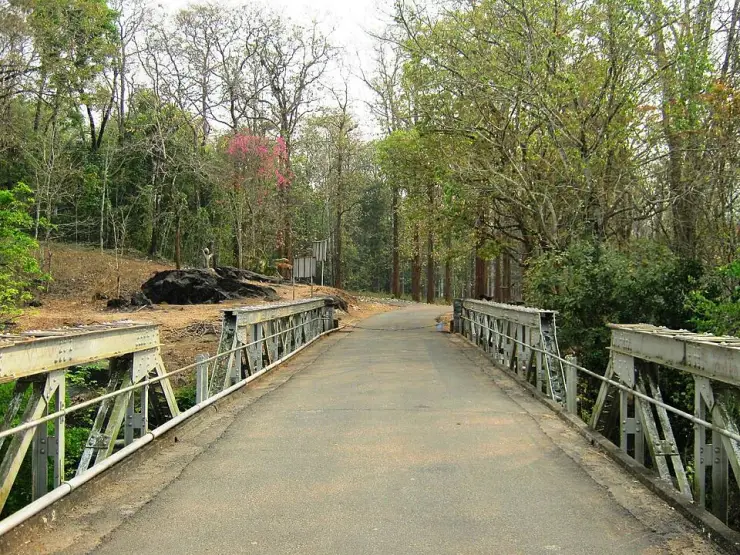
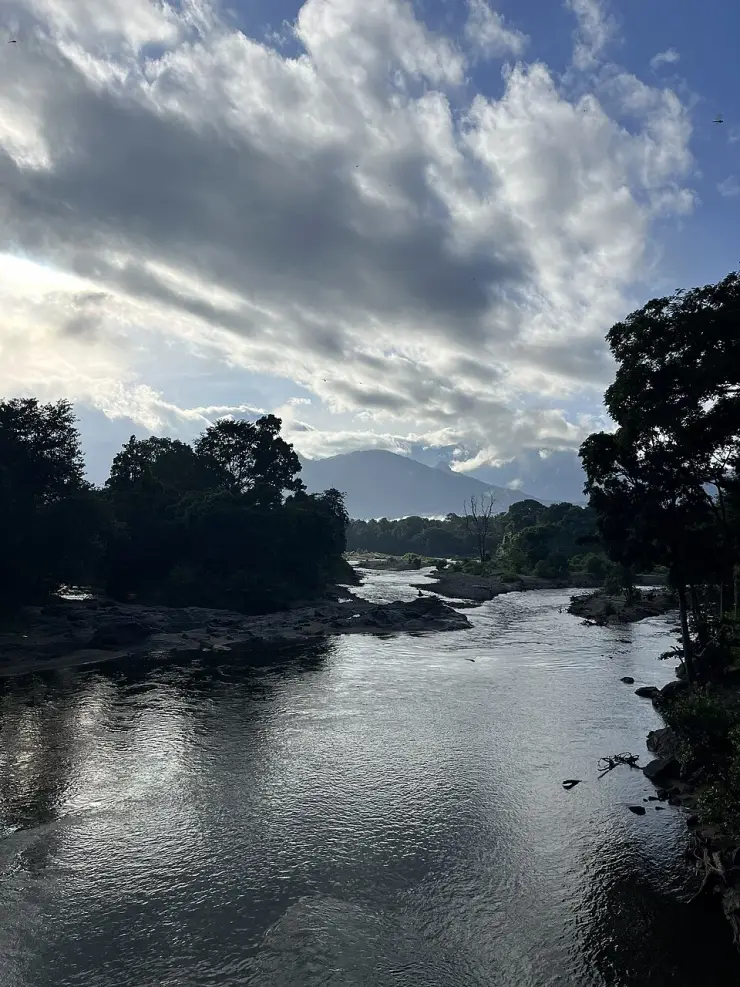
The river also belongs to the story. Kerala Tourism places the plot beside the Chaliyar and a joining watercourse, while historic visitor photographs show elevated bridge access. River boundaries give the plantation a distinct setting, but they also make access vulnerable to changing conditions. The trees can remain the same heritage subject while the practical way of reaching them changes.

The present ecotourism centre broadens the visit beyond teak alone. The Forest Department describes medicinal and ornamental plants, a butterfly garden, a star-themed planting area and a canopy walkway. These are visitor collections with their own purpose. They should not be confused with the original teak stand or used to imply that every tree beside a modern path dates from the nineteenth century.

The canopy walkway offers a different way of observing a wooded setting. From an elevated route, leaves and branches become nearer features rather than a ceiling far above the ground. Its usefulness is in changing the level of observation. It is not evidence that the older suspension bridge across the river has reopened, and the two structures should not be described interchangeably.

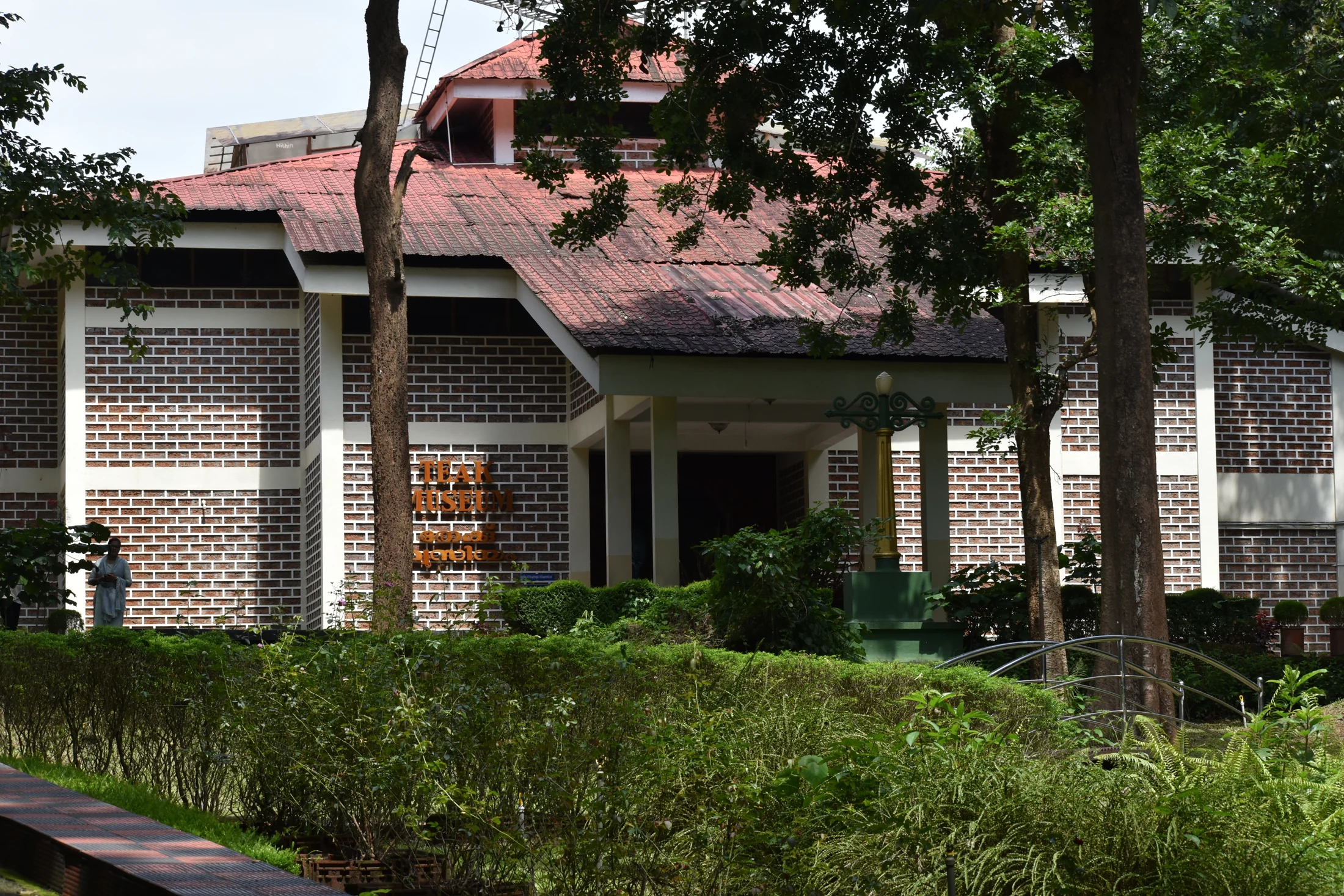
A second visit to the Teak Museum can answer questions left by the trees. At the KFRI campus, roots, logs, timber products and displays of propagation explain processes that are difficult to see in a standing plantation. Conolly’s Plot supplies the living landscape; the museum gives the species a wider material and scientific context. Each can be enjoyed on its own, but keeping their addresses distinct makes the pairing work.

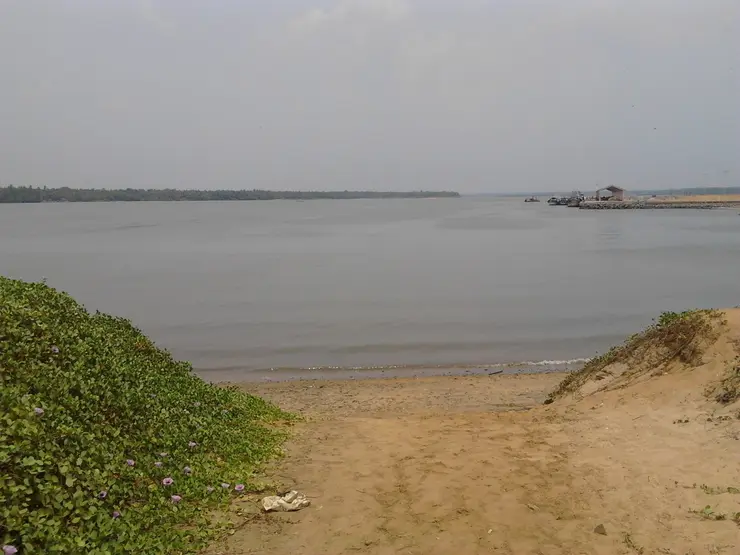
The river junction helps explain the plot’s shape. Kerala Tourism identifies the Chaliyar and Kurinjipuzha as two of its boundaries and places their meeting at the edge of the plantation. A riverbank view consequently tells a different part of the story from a close portrait of a numbered tree: one shows the land’s limits, the other an individual within the stand. Neither requires treating the river as a swimming area or the opposite bank as freely accessible.

For a child or a first-time visitor, a useful comparison is the trunk, the leaf canopy and the label. The trunk makes the timber’s scale tangible, the canopy shows the living growth above it, and the label connects one specimen to a system of observation. At the separate museum, a root display adds the part normally hidden below ground. Together these views turn the broad word ‘teak’ into a whole tree with different structures and uses, without requiring an expert to identify every neighbouring plant.

The plantation's early nursery work was experimental. The Forest Department's history describes unsuccessful attempts before Chathu Menon raised seedlings using treated seed. It then records planting young material into prepared pits and later thinning the growing stand. Those are separate operations, requiring attention at different stages of a tree's life. A mature straight trunk hides this long sequence of decisions. Looking at the stand with the nursery in mind restores some of the labour that a collector's name alone cannot convey.

The department records the start of thinning under Chathu Menon in 1854. In a planted stand, removing selected trees gives the retained trees more growing space. The gaps therefore belong to the plantation's management history; they need not represent a failed planting or an unfinished row. A preserved heritage plot has a different present purpose from a commercial stand approaching harvest, so its modern care should not be inferred from a nineteenth-century thinning schedule.

Nilambur's forestry history continued beyond the first successful planting. The department dates the division's first working plan to 1894. A working plan moves the discussion from individual trees to the management of a larger forest area over time. This gives a useful distinction while visiting: the numbered tree is one observed specimen, Conolly's Plot is a particular preserved stand, and Nilambur Forest Division covers a much broader administrative landscape. A fact about one scale does not describe every tree at the others.

The timber purpose also complicates a purely celebratory reading of the site. Plantation establishment sought a continuing supply of valuable wood; it was not the same project as protecting a diverse forest without harvesting. The preserved trees now allow visitors to examine that history in a living setting. Appreciating their size can sit alongside questions about why they were planted, whose practical work made them survive and how a single-species crop differs from the surrounding forest vegetation.

Carry those questions into the separate Teak Museum if making both visits. Its seed, propagation and thinning displays explain the operations named in the plantation history, while the timber objects show the demand behind them. At the plot, the useful final comparison is between the retained old trees and the younger planting collections within the present visitor centre. Both are living plants, but their dates and purposes differ. Reading a label carefully is the simplest way to keep those histories attached to the right specimen.
Read the full history of Conolly’s Plot 425 more words

History

Early teak planting in Nilambur took shape in the 1840s under H. V. Conolly’s initiative and with the work of Chathu Menon. The Kerala Forest Department’s historical account describes nursery experiments and the use of treated seeds before successful planting. Kerala Tourism’s account of Conolly’s Plot associates the preserved destination with 1846.

The purpose was a dependable timber supply at a time when demand placed pressure on natural teak resources. KFRI places Nilambur within the development of plantation forestry, a shift from collecting timber alone towards deliberately raising a future crop. This is a history of resource use as well as one of trees.

Later preservation and interpretation gave part of that plantation history a visitor role. Today’s departmental ecotourism offer includes landscaped collections and a canopy walk. The historic plot, the later visitor facilities and the separate KFRI museum belong to connected but different chapters.

Kerala Tourism’s September 2024 account gives the surviving plot a particularly important later date: 1993, when it says the area was preserved for research. It describes a remaining 5.7 acres within a plantation history once associated with 1,500 acres. Those figures refer to very different extents. The small heritage plot is a surviving fragment of a larger forestry undertaking, rather than a compact original project that has simply grown taller with age.

The same account links the reduction of the plantation with timber supplied during the Second World War for Allied requirements. This places the quiet grove within a much wider history of material demand. A teak plantation was raised to be harvested; preserving an old stand changes its purpose from future timber to a record of cultivation. Looking at the retained trunks with that distinction in mind explains why survival itself became part of the site’s significance.

Kerala Tourism also records Chathu Menon’s remains at the plot. His association is therefore more than a name added to a plantation’s founding story. The destination holds a memorial connection to the person whose practical work helped establish the planting. Access restrictions may prevent a visitor from reaching every historic feature, but that does not erase the distinction between the memorial landscape and the newer recreational gardens at the ecotourism entrance.

Why visit

Read a plantation as a piece of history, noticing tree form, labels and the relationship between paths and planted trunks.

Recognise Chathu Menon’s role alongside the better-known name of Conolly.

Explore the open botanical collections and canopy walkway without depending on a river crossing.

Pair a living teak landscape with the Teak Museum’s explanation of roots, propagation and timber uses.

What to expect

Highlights

  • Tall, straight teak trunks and a preserved plantation landscape associated with the early history of organised teak cultivation in Nilambur.
  • The Forest Department’s present canopy walkway, described as 300 metres, and its medicinal, ornamental and butterfly-garden interests.
  • The Chaliyar river setting, which explains both the landscape’s appeal and the need to distinguish the visitor centre from a river crossing.
Getting there

How to visit

  • Use the Conolly Ecotourism entrance on the Vadapuram–Government Timber Depot side near Nilambur. Ask at the counter which areas the day’s admission includes.
  • Start with the open visitor gardens and canopy walkway. A ticket to the ecotourism centre should not be interpreted as confirmation that the historic plot on the other side is reachable.
  • Treat a boat or bridge crossing as available only when the centre itself confirms it. The current official listing says the jankar service is unavailable; do not arrange an improvised crossing from an unrelated riverbank.
  • Keep the Teak Museum as a second, separately reached destination at KFRI’s Chandakkunnu campus. It complements the plantation history but is not a building inside the same ticketed stop.

Distance by road

  • Kozhikode49 km
  • Coimbatore133 km
  • Kochi168 km
  • Mysuru192 km
  • Mangaluru277 km

Road km to Malappuram; ghat roads and traffic vary — allow extra.

Timing

Best time

Choose daylight within the Forest Department’s visitor hours, with enough time to understand the site layout before committing to the full walkway. After persistent rain, river conditions and wet steps can affect the visit independently of whether the entrance is open. The shaded gardens can be the main purpose of a shorter outing; a crossing should never be the assumed reward for arriving.

Weather in Conolly’s PlotSeasonal guide

Live forecast loads in your browser.

Today at Conolly’s Plot
Sunrise6:15 am
Sunset6:24 pm
Golden hour best light5:24 pm–6:24 pm
Blue hour after sunset6:24 pm–6:49 pm
Sun sets toward compass bearingW · 272°
Moon tonight🌓 First quarter · 52%
South-west monsoon. June to September is the south-west monsoon in Kerala. Expect heavy showers, mostly in bursts rather than all day — carry rain cover, allow extra time for getting around, and note that ferries and open-air sites are the first things affected.

Sun and moon are calculated for this location and shown in IST. Photography windows are the hour around sunrise and sunset; the sunset bearing is degrees clockwise from true north. Moon phase is accurate to about half a day.

Visitor notes

  • Conolly, Connolly, Canoli and Canoly appear in different signs and descriptions of the same Nilambur heritage destination. They do not identify four separate plantations.
  • Official histories place the early Nilambur planting work in the 1840s, with different dates referring to trials and individual plantation records. The preserved visitor plot should not be equated with the entire original plantation estate.
  • Kannimara, the standing natural teak tree at Parambikulam, is a different destination. The Nilambur Teak Museum displays a representation of it; it has not been moved to Conolly’s Plot.
Safety

Good to know

  • Keep to the walkway and authorised garden paths. A closed river crossing is not an invitation to use a small private boat or enter the river.
  • Use handrails and allow room on steps and narrow elevated sections. Someone unable to manage these should establish the ground-level alternative before entry.
  • Do not remove leaves, bark, seedlings or fragments from labelled trees. The preserved plantation and botanical collections are living heritage.
Official eco & forest programmes

Experiences around Conolly’s Plot

These are official or public-sector eco offerings that match this place, town or forest destination. Confirm availability, permits, tariffs and reporting times with the official operator before travel.

Nilambur Nedumkayam, Conolly’s Plot
trekwildlifeinterpretation

Nilambur Nedumkayam forest trail

Teak-country forest trail and river landscape in Nilambur, listed by Kerala Tourism as an ecotourism destination and programme.

Kerala Forest Department
Official source →
Stay · eat · do · rent · see · shop

Stays, food & things to do near Conolly’s Plot

Verified hotels, homestays, restaurants, experiences, sights, shops and rentals around Conolly’s Plot — commission-free, with direct contact. Filter by what you need.

1 place to eat near Conolly’s Plot

Rose International Restaurant Nilambur — Hotel restaurant in Nilambur
Verified
Hotel restaurant · Nilambur
Rose International Restaurant Nilambur

Hotel restaurant in Nilambur. Rose International Hotel, Nilambur, Malappuram district, Kerala · nilambur, eat, Hotel restaurant.

Directions Commission-freeView details

Book with the place itself. India’s cyber-crime coordination centre warned in April 2025 that convincing copies of hotel and pilgrimage booking sites are being pushed through sponsored search and social ads, taking payment for rooms the property never hears about. Every listing here links to the business’s own contact details and its own Google or Bing profile — we take no commission and sit in nobody’s payment path. If a booking page reached you through an ad, check the address bar against the property’s own site before you pay. Fraud can be reported on cybercrime.gov.in or on 1930.

Ranked guides

Top experiences around Conolly’s Plot

4 separate places to consider after Conolly’s Plot. Open each guide before deciding: their access, hours and return arrangements are independent.

museumNilambur Teak Museum

A museum devoted to teak at KFRI’s Chandakkunnu campus, with an adjoining Bioresources Nature Park.

waterfallAdyanpara Waterfalls

A forest waterfall near Nilambur (Kurumbalangode/Kalikavu side), with cascades over granite among evergreen jungle; slippery rocks, so keep well back in and after the monsoon.

trekNedumkayam rainforest trek

A Forest Department sightseeing visit through the Nedumkayam forest and Karimpuzha riverside near Karulai; longer forest treks require their own permission.

waterfallKeralamkundu Waterfalls

A high forest waterfall on the Western Ghat edge near Karuvarakundu/Kalikavu, dropping into a clear pool — remote and scenic; slippery rocks demand care.

Roampedia is commission-free — own or know a stay, eatery, guide or shop near Conolly’s Plot? List it and it appears here once verified.

Add a nearby business
Before you go

Conolly’s Plot — at a glance

TimingsThe Forest Department lists 9 am–5 pm, with Monday closed.
Entry price
Indian adult
₹50

Fees change without notice. Check the current rate at the counter.

Entry: The Forest Department lists Indian adult admission at ₹50, Indian children below 15 at ₹20 and students at ₹15; foreign adult admission is ₹550 and foreign children ₹200. The unavailable jankar service is not included as a bookable crossing.

Photography: Photograph labelled trees without touching or removing the labels. Keep an old date visible when documenting an old measurement, and distinguish an archival bridge photograph from the current visitor route.

Parking: Use the visitor vehicle space directed by the centre. The official tariff distinguishes two-wheelers at ₹15, three-wheelers at ₹20, four-wheelers at ₹30 and medium or heavy vehicles at ₹90. Keep the timber-depot approach and entrance turning space clear.

Getting here

How to reach Conolly’s Plot

  • ✈︎ By air Calicut International Airport at Karipur is the air gateway named by Kerala Tourism. The onward journey is by road to the Nilambur area.
  • 🚆︎ By train Nilambur Road is the terminus of the Shoranur–Nilambur branch and the rail approach identified in official sources. Kerala Tourism places it about 6.3 km from the plot; continue by road to the correct visitor entrance.
  • 🚗︎ By road Use Nilambur and the Vadapuram-side approach near the Government Timber Depot. Ask for Conolly Ecotourism, rather than a museum entrance or a marker on the inaccessible side of the river.
  • 🚌︎ By bus Nilambur town is the public-transport base for the final local transfer towards Vadapuram. Establish the actual roadside stop and walking approach before boarding; a bus to Chandakkunnu serves the museum side of the itinerary instead.
Getting back

Return to the same visitor entrance and transport pickup. Do not plan an onward route that depends on crossing the Chaliyar when the official ferry service is unavailable.

Do

Things to do

  • Follow the open garden paths and compare the planted collections.
  • Use the canopy walkway when staff confirm it is operating for visitors.
  • Observe the straight trunks and tree labels that explain the plantation’s heritage.
  • Continue separately to the KFRI Teak Museum for exhibits on cultivation and timber use.
Facilities

On site

  • The Forest Department describes a mini park for children, medicinal and ornamental plant collections, a butterfly garden and a star-themed planting area at the ecotourism centre.
  • The 300-metre canopy walkway is part of the current departmental description. The jankar ferry is specifically listed as unavailable; it should not be treated as a visitor facility in operation.
Getting around Conolly’s Plot
From the entrance
Conolly’s Plot southern footbridge approach
Step-free access
The complete route is not verified as step-free. Older photographs show steps, narrow paths and a raised bridge approach. Ask which ground-level gardens can be used without stairs before purchasing entry, and assess the canopy walkway separately.

Checked 7 September 2026 against source 1source 2. Conditions change and surfaces vary with weather — if step-free access is essential, confirm with the site before you travel.

Eat nearby

What to eat in Nilambur

Use Nilambur town or the established Vadapuram road itinerary for a meal. The plantation visit and the museum can fit around a town lunch, without assuming a restaurant inside either attraction.

Explore food in Nilambur →
01

Nilambur town lunch

Choose a town restaurant between the two teak-heritage stops rather than losing time searching at a closed crossing.

02

Tea on the Vadapuram approach

A roadside shop works when the vehicle can stop clear of the depot and ecotourism entrance.

03

An evening meal in town

Returning to Nilambur after the visitor centre closes keeps the meal and onward transport in the same settled area.

Nearby

What’s near Conolly’s Plot

museumNilambur Teak Museum

A museum devoted to teak at KFRI’s Chandakkunnu campus, with an adjoining Bioresources Nature Park.

waterfallAdyanpara Waterfalls

A forest waterfall near Nilambur (Kurumbalangode/Kalikavu side), with cascades over granite among evergreen jungle; slippery rocks, so keep well back in and after the monsoon.

trekNedumkayam rainforest trek

A Forest Department sightseeing visit through the Nedumkayam forest and Karimpuzha riverside near Karulai; longer forest treks require their own permission.

waterfallKeralamkundu Waterfalls

A high forest waterfall on the Western Ghat edge near Karuvarakundu/Kalikavu, dropping into a clear pool — remote and scenic; slippery rocks demand care.

viewpointKottakkunnu

A hill garden and cultural park in Malappuram town, with an art gallery, open-air theatre and amusement attractions — a popular family picnic spot.

templeThirumandhamkunnu Temple

The Thirumandhamkunnu Bhagavathy (Durga) temple at Angadipuram — a major Devi pilgrimage and the paradevata shrine of the old Valluvanad rajas, famous for its Pooram festival.

viewpointKodikuthimala

The “Ooty of Malappuram” — a breezy hill viewpoint about 11 km from Perinthalmanna, good for sunrise, sunset and paragliding views.

heritageKottakkal Arya Vaidya Sala

The famous Ayurveda institution at Kottakkal, founded in 1902 by Vaidyaratnam P.S. Varier — hospital, medicine-making, herb gardens and the PSV Natyasangham Kathakali academy.

templeKadampuzha Devi Temple

A revered Devi temple near Vettichira with no idol — the goddess is worshipped in a natural rock fissure; devotees offer the poomoodal and muri-pooja. Founded by legend of Adi Shankara.

wildlifeKadalundi Bird Sanctuary

Estuary birding area shared around the Kozhikode/Malappuram coast.

wildlifeKadalundi Vallikkunnu Community Reserve

Kerala’s first community reserve, declared in 2007 over mangrove, mudflat and five islands at the Kadalundi river mouth.

templeThirunavaya Nava Mukunda Temple

An ancient Vishnu temple on the Bharathapuzha at Thirunavaya, near the historic Mamankam fair-ground and a major venue for ancestral (bali/shraddha) rites.

All 5 places to visit in Nilambur →

On the map

Where Conolly’s Plot is

Good to know

Conolly’s Plot — frequently asked

Is the ferry to Conolly’s Plot operating?

The current Kerala Forest Department programme listing explicitly states that the jankar service is unavailable. Plan around the visitor areas the counter confirms as open, and do not rely on an old ferry price or a photograph of a previous crossing.

Is the canopy walk the same as the old hanging bridge?

No. The present ecotourism description lists a 300-metre walkway through the canopy. Archival photographs also show a suspension-bridge approach associated with crossing the river. One structure’s description does not confirm access over the other.

Who were Conolly and Chathu Menon?

H. V. Conolly was the Malabar collector associated with the Nilambur teak-planting initiative. Chathu Menon played a practical role in establishing and tending the plantation, including the nursery work recognised in the Forest Department’s history.

Is Conolly’s Plot a natural forest?

The heritage subject is a planted teak stand associated with nineteenth-century forestry. Its mature trees and understorey create a wooded setting, but the plantation’s deliberate origin is central to its meaning.

Is the Nilambur Teak Museum inside Conolly’s Plot?

No. The museum is at the KFRI Sub Centre in Chandakkunnu. It is a separate journey and admission arrangement, although its exhibits explain the plantation history connected with Conolly’s Plot.

Is Kannimara teak at Conolly’s Plot?

The famous naturally growing Kannimara teak stands at Parambikulam. KFRI’s Nilambur museum displays a representation of it. Do not confuse that tree with a labelled planted specimen at Conolly’s Plot.

Can I visit Conolly’s Plot on Monday?

The Forest Department’s current programme data lists Monday as the weekly closure. Use the operator’s schedule when planning a Nilambur day, especially if combining two separately managed destinations.

Is Conolly’s Plot suitable for a wheelchair visit?

The complete visitor route is not verified as step-free. Archival access photographs show steps and elevated structures. Establish the ground-level areas available before entry, rather than assuming the canopy walkway or a river crossing is accessible.

Should I visit Conolly’s Plot or the Teak Museum first?

Choose the order around the museum’s opening and the conditions at the river approach. The museum explains specimens and forestry methods indoors; the plot lets you relate those ideas to living trees and their spacing. They have separate entrances and need a road transfer between them.

Read before you go

Conolly’s Plot guides, stories & itineraries

Stories & history of Conolly’s Plot

Written about Conolly’s Plot itself — its history, its legends and the arguments about them.

Around Nilambur

These reads cover nearby destinations, each with its own arrival point and visit arrangements.

Kerala-wide guides & itineraries

Route-level itineraries and practical guides for the rest of Kerala.

See all 36 Malappuram guides & stories →

Image credits

Photographs: Vengolis (CC BY-SA 4.0), Jaseem Hamza (CC BY 3.0), Ganesh Mohan T (CC BY-SA 4.0), Dvellakat (CC BY-SA 4.0), Dhruvaraj S from India (CC BY 2.0), Manukrishnan80 (CC BY-SA 3.0), Quraishie (CC BY-SA 3.0), aryavaidyasala.com (CC BY-SA 4.0), Prof tpms (CC BY-SA 4.0), Vinayaraj (CC BY-SA 4.0), Dhruvaraj S (CC BY 2.0), Ssriram mt (CC BY-SA 4.0), Vengolis / CC BY-SA 4.0, PP Yoonus / CC BY-SA 3.0, Jamesnk.nk / CC BY-SA 4.0, Jaseem Hamza / CC BY 3.0 / Wikimedia Commons, Naveenkumar Hirth / CC BY-SA 4.0 / Wikimedia Commons, PP Yoonus / CC BY-SA 3.0 / Wikimedia Commons, Navaneeth Krishnan S / CC BY-SA 3.0 / Wikimedia Commons, Vinayaraj / CC BY-SA 4.0 / Wikimedia Commons, Kerala Tourism (Official tourism provider image), Kerala Tourism / Heavens Homestay (Official tourism provider image), Kerala Tourism / Puthiya Kovilakam Homestay (Official tourism provider image). Wikimedia Commons.