What to expect
Highlights
- Church visit at Parumala Church
- Pilgrimage, architecture or local Christian heritage
- Nearby town food and stays
On an island in the Pamba, the church of St Gregorios of Parumala (Parumala Thirumeni) — the first canonised saint of the Malankara Orthodox Church; a major pilgrimage, busiest at the November feast.
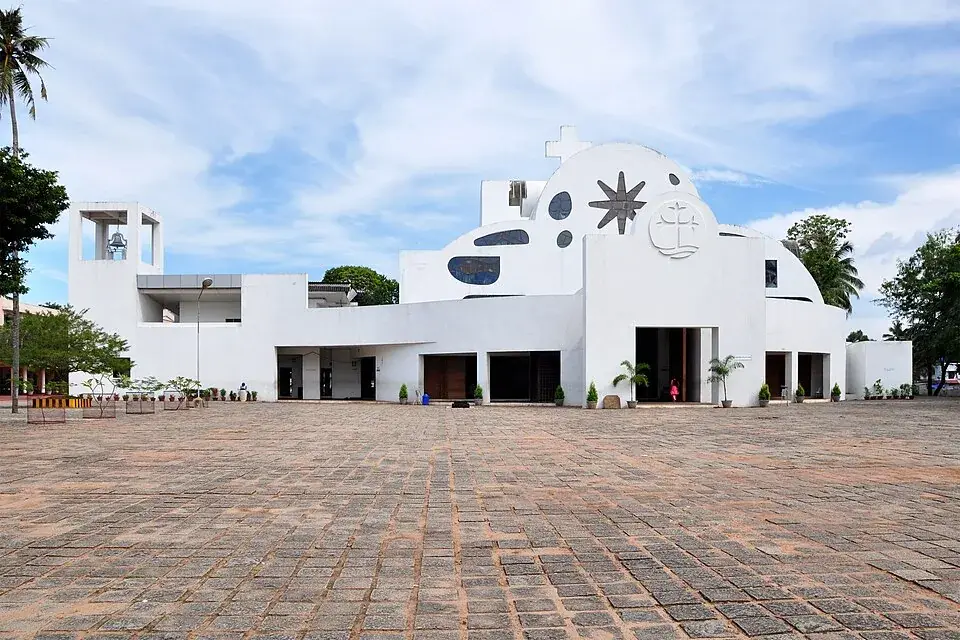
Check entry arrangements. Ask the church about visiting times around services and any dress or photography rules. During worship, keep voices low and follow staff directions.
Dress respectfully and follow the institution’s admission and photography rules.
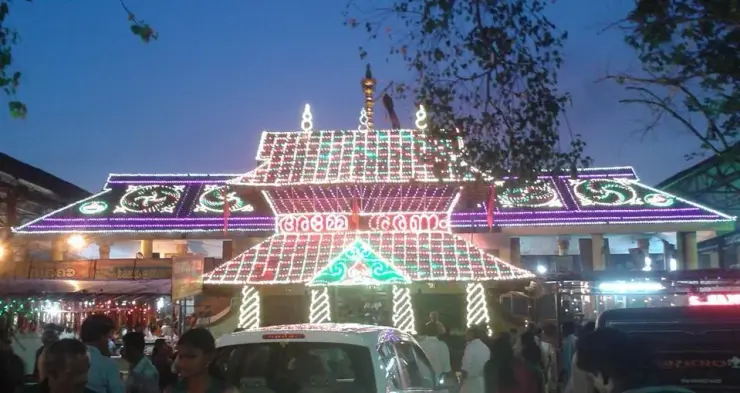
On a low green island where the Pamba river braids itself into backwater channels near Mannar, Parumala Church — properly the St Peter’s and St Paul’s Orthodox Church, and known to Malayalis simply as Parumala Palli — keeps the tomb of the first canonised saint of the Malankara Orthodox Syrian Church, St Gregorios of Parumala. Pilgrims of every faith come here quietly, all year round, to light a candle at the grave of the bishop they call, with unforced affection, Parumala Thirumeni.
Parumala is not a place you stumble upon; you arrive deliberately, crossing a bridge onto a river island so flat and low that in monsoon the Pamba seems to lap at the very compound walls. The setting is disarmingly humble — coconut palms, paddy, the slow brown river — and yet a steady current of people moves toward the whitewashed church at its heart. They come in ones and twos on weekday mornings and in their tens of thousands at feast time, and a striking number of them are not Orthodox Christians at all. Hindus, Muslims and Catholics walk the same path to the same tomb. That quiet, matter-of-fact plurality is the first thing many visitors notice, and it is the truest thing about Parumala.
At the centre of it all lies a man who died here in 1902 and has never really left the imagination of Kerala. Geevarghese Mar Gregorios — Parumala Thirumeni — was a bishop of extraordinary austerity and gentleness, remembered less for grand pronouncements than for fasting, sleepless nights of prayer, and a habit of giving away whatever he had. Devotees speak of him the way one speaks of a beloved grandfather who happened also to be a saint: strict with himself, endlessly tender with the poor, the sick and the frightened. The church you visit grew up around his grave, and the whole island still feels organised, gently, around his memory.
The devotion here is intensely personal. Pilgrims kneel at the kabaradana, the tomb chamber, pressing foreheads to cool stone, and leave behind an unruly, moving tangle of offerings — models of houses hoped for, tiny cradles for a longed-for child, replicas of limbs prayed over. Many bring letters. Devotees believe that Parumala Thirumeni still hears them, and they will tell you — without insisting you agree — of examinations passed, illnesses eased, marriages mended after a visit here. These accounts are cherished as testimony of the saint’s intercession; Roampedia records them respectfully as the living belief of those who make the journey, not as documented fact.
The rhythm of Parumala is prayer. There are set hours for the Holy Qurbana (the Orthodox liturgy) and for special intercessory prayers at the tomb, and the air carries the particular signature of Eastern worship — Syriac and Malayalam chant, the sweet fog of incense, oil lamps and slender candles guttering in the river breeze. Even outside service hours the church rarely feels empty. Someone is always at the grave.
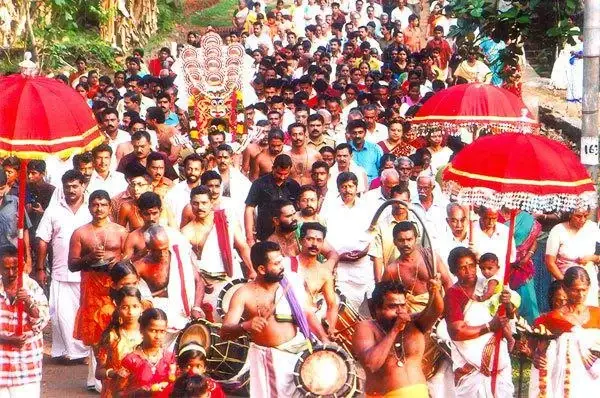
Then, once a year, the island transforms. Around the saint’s death anniversary at the start of November, the Ormaperunnal — the great commemoration feast — swells Parumala with a sea of pilgrims that spills far beyond the compound, along the riverbank and into every approach road. It is one of the largest Christian gatherings in Kerala, and for a few days this quiet island becomes, briefly, the spiritual capital of a whole community — before the crowds ebb and Parumala returns to its patient, prayerful stillness.
For the traveller who is not a pilgrim, Parumala still repays the detour. It is a window into a very old and very Indian form of Christianity — the Malankara Orthodox tradition, tracing its lineage to the Apostle Thomas — set in a gentle riverine landscape of the kind that made Kuttanad and the Pamba basin famous. Come for the saint, and you also find a way of life along the water: ferries and country boats, paddy and palm, and a hospitality that treats the outsider as one more welcome guest at the tomb.
The man at the heart of Parumala was born Geevarghese on 15 June 1848 at Mulanthuruthy, near Kochi, into a devout family of the ancient Syrian Christian community of Kerala. Drawn to the Church from boyhood, he was ordained deacon while still very young, reportedly around the age of ten, under the guidance of his relatives and clergy who recognised an unusual seriousness in the child. He grew into a monk of rigorous discipline, steeped in Syriac learning, liturgy and the ascetic tradition of the Malankara Church.
His rise was remarkably swift. In December 1876, during the visit of the Syriac Orthodox Patriarch of Antioch, Ignatius Peter (the period of the Mulanthuruthy Synod that reshaped the Malankara Church), Geevarghese was consecrated a Metropolitan and took the name Mar Gregorios — becoming, at around twenty-eight, one of the youngest bishops the Church had known. He was entrusted with the pastoral care of several dioceses, a heavy charge for so young a bishop, and he carried it with a seriousness that would define the rest of his life.
Parumala itself became central to his work. A seminary had been established on the island under Pulikottil Joseph Mar Dionysius, and Mar Gregorios made Parumala his base — the aramana, or bishop’s residence — pouring his energy into forming priests and deepening the spiritual life of his flock. From this quiet river island he championed causes that were forward-looking for his day: he was a strong advocate of education, encouraging the founding of schools (including English-medium teaching) and Sunday schools, and he laboured constantly for the poor and the sick. In 1895 he undertook a pilgrimage to Jerusalem, a long and arduous journey that deepened the reputation for holiness that already surrounded him.
Mar Gregorios died at Parumala on 2 November 1902, and by his own wish was buried on the island he had made his home. Almost immediately his grave became a place of pilgrimage; the ordinary faithful, and then the wider Church, came to regard him as a saint long before any formal act declared it. Reports of answered prayers gathered around the tomb, and the little church grew steadily into a major shrine.
In 1947 the Malankara Orthodox Syrian Church formally declared Geevarghese Mar Gregorios a saint — the first canonised saint of Indian origin in that Church, and a landmark moment for Indian Christianity, which could now venerate a saint of its own soil. Devotion continued to spread far beyond Kerala; in 1987 the Syriac Orthodox Patriarch of Antioch also solemnly proclaimed his sainthood, and today churches named for St Gregorios of Parumala stand across India and around the world. Yet the heart of it all remains this modest island, where the saint chose to be laid to rest.
To stand at the tomb of the first canonised saint of Indian origin in the Malankara Orthodox Church — a place of genuine historical weight for Indian Christianity, not merely a pretty church, but the resting place of a figure venerated across continents.
For the remarkable all-faith character of the pilgrimage: Parumala is one of those rare Kerala shrines where Hindus, Muslims and Christians pray side by side. Whatever your own beliefs, the sight of that easy plurality is quietly moving.
To experience living Eastern Orthodox worship — Syriac and Malayalam chant, incense, oil lamps and the ancient rhythm of the Holy Qurbana — in the tradition that traces itself to the Apostle Thomas, one of the oldest continuous Christian communities on earth.
For the setting itself: a low green island cradled by the Pamba river near Mannar, on the edge of the Kuttanad backwater country. The approach over the water, the paddy and palms, and the slow river make even the journey part of the experience.
For the extraordinary human texture of the tomb chamber — the letters, the model houses and cradles, the offerings left by strangers — which tells you more about hope, grief and gratitude in Kerala than any guidebook could.
And, if your timing allows, for the Ormaperunnal in early November, when Parumala becomes the focus of one of the largest Christian gatherings in the state and the whole island pulses with candlelight, chant and an enormous, orderly tide of pilgrims.
Road km to Pathanamthitta; ghat roads and traffic vary — allow extra.
Morning or late afternoon for quieter visits and better light.
Live forecast loads in your browser.
Sun and moon are calculated for this location and shown in IST. Photography windows are the hour around sunrise and sunset; the sunset bearing is degrees clockwise from true north. Moon phase is accurate to about half a day.
These are official or public-sector eco offerings that match this place, town or forest destination. Confirm availability, permits, tariffs and reporting times with the official operator before travel.

Rocky waterfall and river landscape on the Pamba tributary system, listed among Kerala ecotourism destinations.
Official source →Browse listed stays, food, activities, sights, shops and rentals around Parumala Church. Check each listing’s locality and contact the business directly for current arrangements.
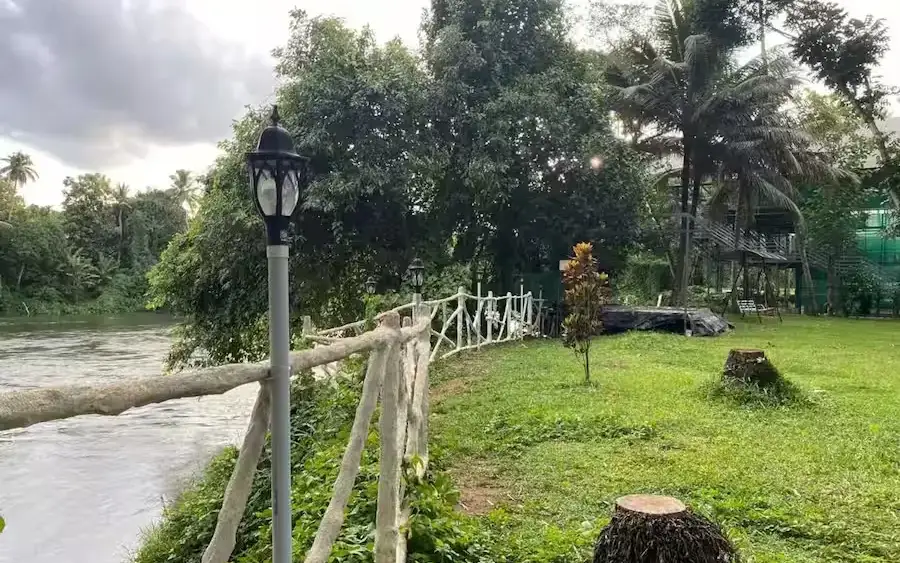
Riverside Retreat is a premium three-bedroom villa on a gated riverside estate at Thirumoolapuram, Thiruvalla, on the banks of the Manimala river. The whole villa is booked as one stay with its own kitchen, living space and river frontage, suited to families and small groups.
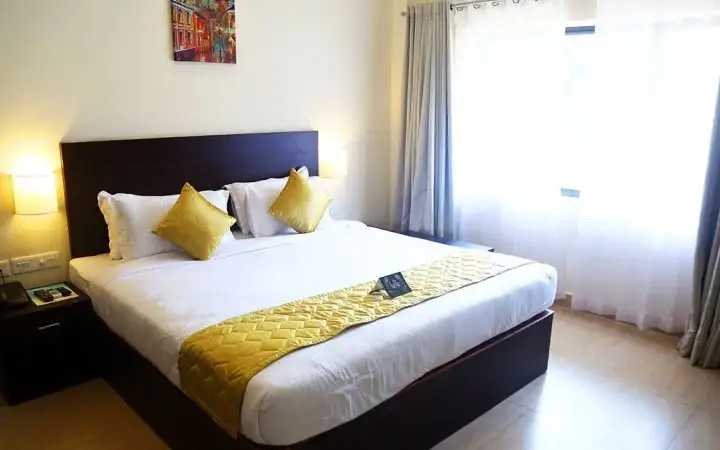
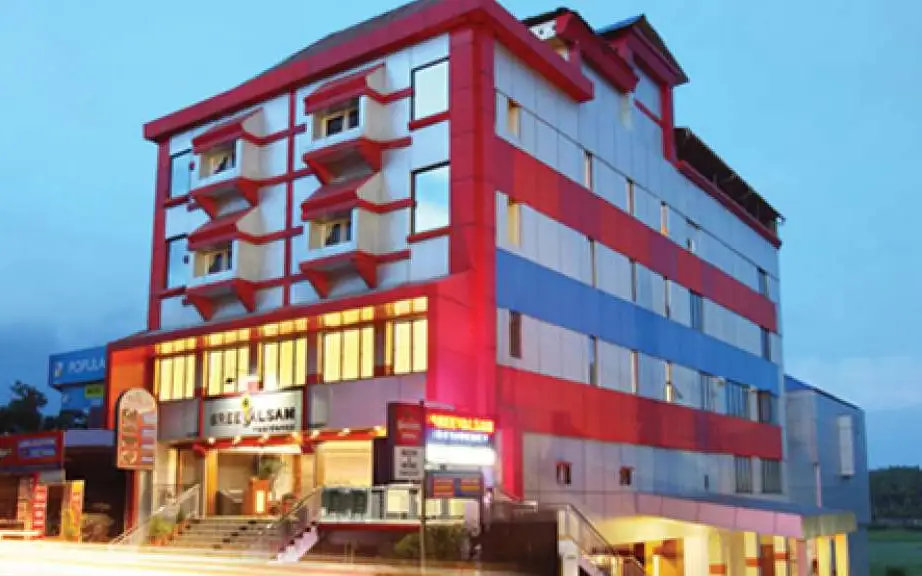
Hotel Yamuna is a three-star hotel on MC Road in Adoor, Pathanamthitta, with 24 air-conditioned rooms, a restaurant and a bar. It is a convenient mid-range base for Sabarimala-season travel and central-Travancore trips, with rooms around Rs 2,400–2,800 per night.
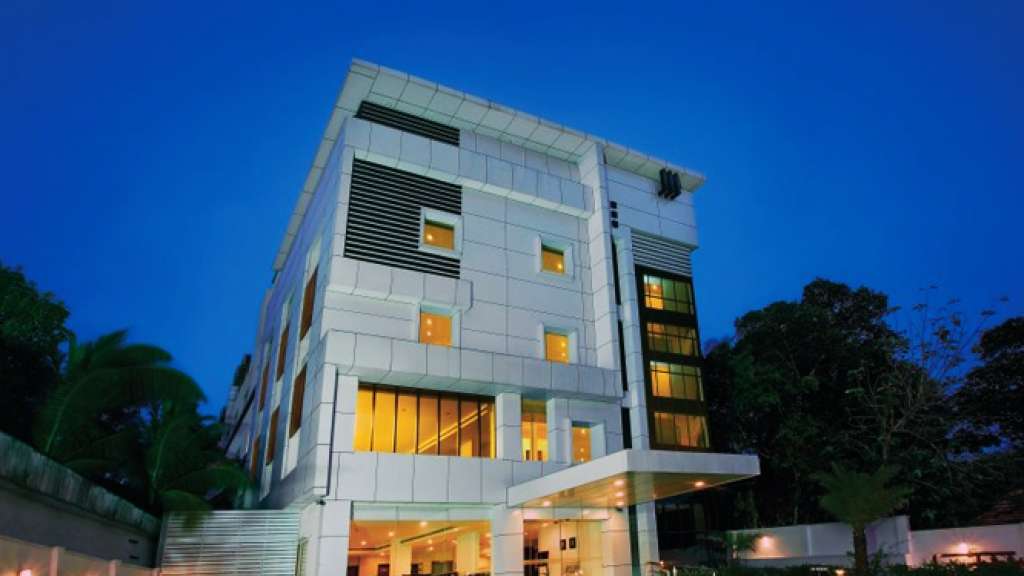
Kerala Tourism-listed four-star hotel on MC Road at Kulanada. Kulanada, Pandalam, MC Road.
24 Inn Residency is a mid-range hotel at College Junction in Pathanamthitta town, with air-conditioned rooms, banquet and conference halls. Well rated by guests, it sits on NH-183A and works as a comfortable town base at around Rs 2,600 per night.
Hotel Hills Park is a three-star town hotel on TK/Kumbazha Road in Pathanamthitta, with air-conditioned rooms, an in-house restaurant and parking. It is a practical mid-range option for pilgrims and travellers passing through the district headquarters.
Vanjipuzha Palace is an eight-room heritage resort in Ranni, Pathanamthitta, set in the former summer palace of the Vanjipuzha chiefs of central Travancore. It pairs old palace architecture and family history with simple rooms, on the road towards Gavi and the Sabarimala forest belt.
Kerala Tourism-listed government guest house on Azhoor Road. Published tariff from Kerala Tourism listing · Government stay, Azhoor Road, Pathanamthitta town.
Book with the place itself. India’s cyber-crime coordination centre warned in April 2025 that convincing copies of hotel and pilgrimage booking sites are being pushed through sponsored search and social ads, taking payment for rooms the property never hears about. Use the contact and source details on each profile to confirm the exact business and booking channel. A directory entry or map pin alone does not establish an operator’s identity or current availability. Roampedia takes no commission and does not collect booking payments. If a booking page reached you through an ad, check the address bar against the property’s own site before you pay. Fraud can be reported on cybercrime.gov.in or on 1930.
Find food, accommodation and activities across Pathanamthitta town. Browse the guides for places to eat, stay and explore along your route.
11 more places around Pathanamthitta town. Open a guide to plan the visit and onward journey.
18.2 km · straight line
A breezy ridge and retreat landscape above the Pamba country near Kozhencherry, suited to a short viewpoint visit rather than being presented as a developed hill station.
29.1 km · straight line
The prominent rock hill above Pathanamthitta, reached by a steep local climb with broad town and highland views; heat, wet rock and exposed edges shape the visit.
A lesser-known Pathanamthitta hill viewpoint whose road, final approach and land access need confirming locally on the day of travel.
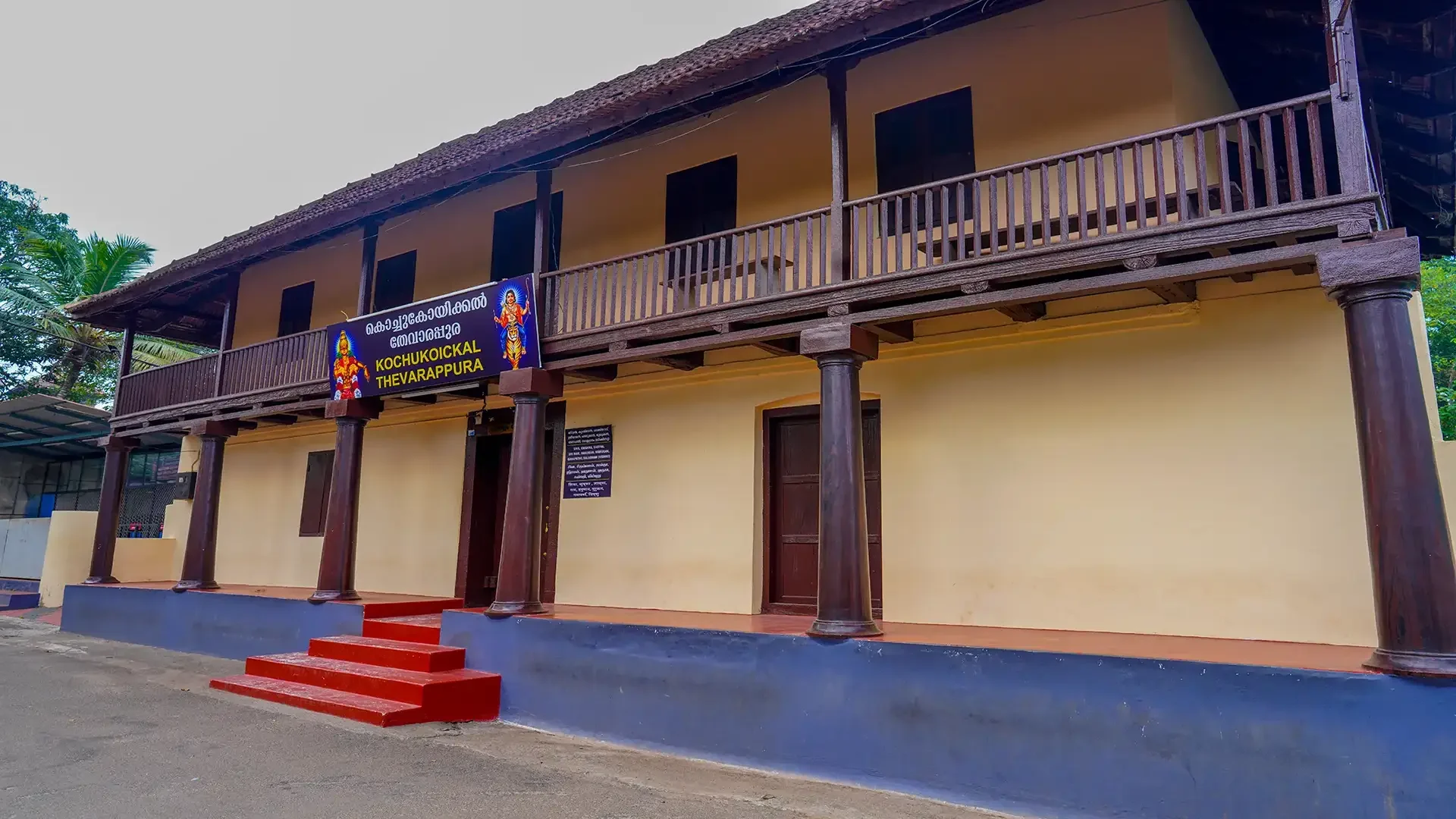
18.3 km · straight line
Pandalam Palace refers to a group of family buildings and worship spaces by the Achankovil river. The visitor anchor is the Valiyakoikkal-side approach, not a promise of admission to every residence or sacred room.
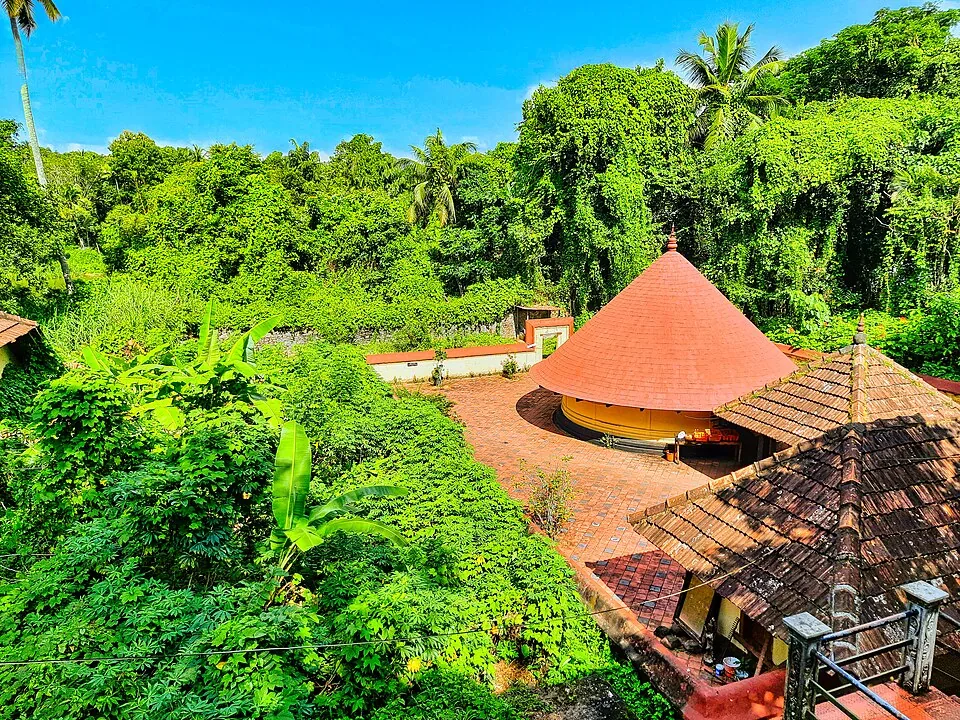
11.4 km · straight line
An ancient hilltop Shiva temple near Thiruvalla, with fine woodwork; the nearby Trikkakkudi rock-cut cave temple, carved from a single rock, dates to about the 8th century.
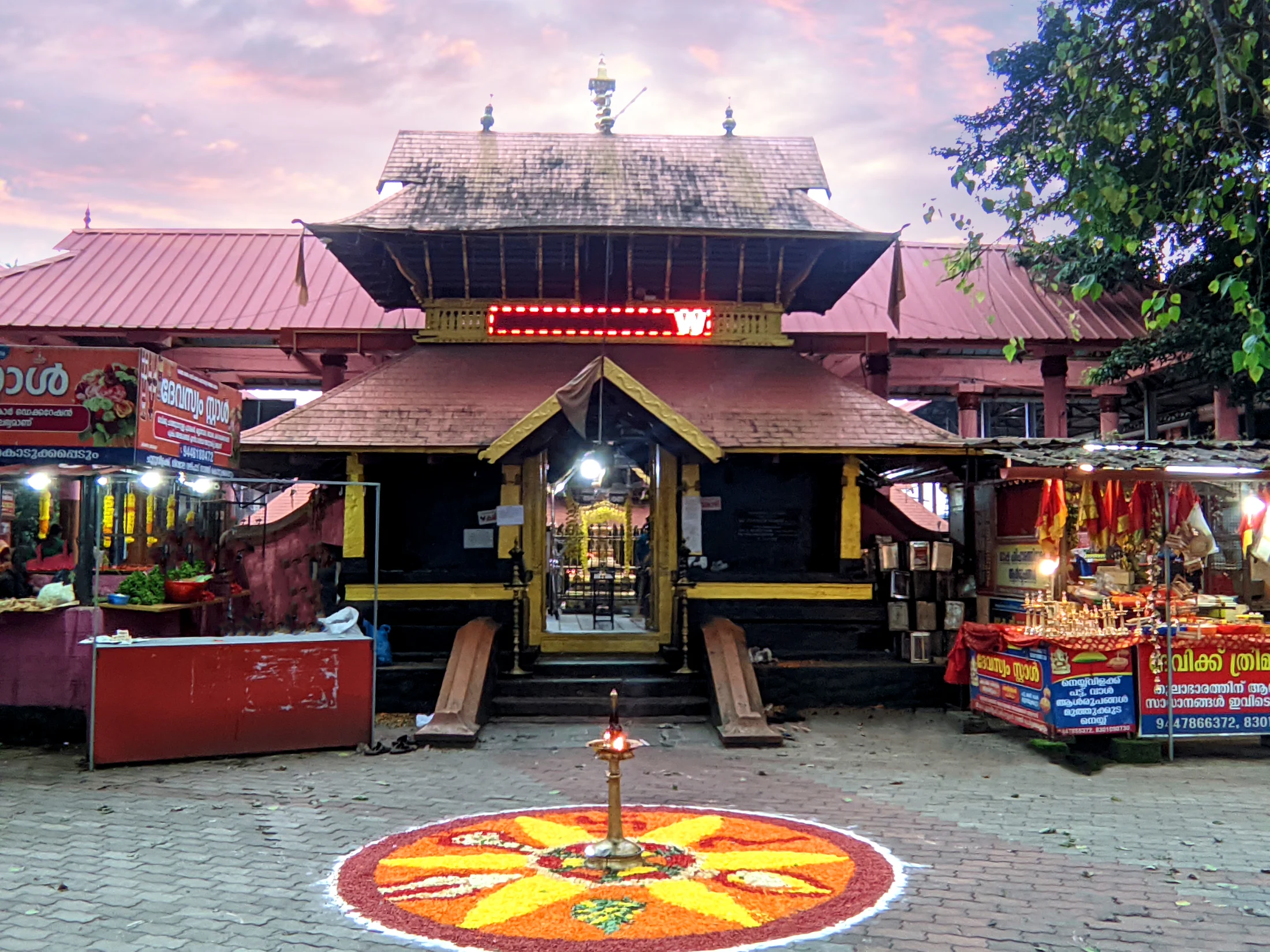
31.7 km · straight line
Malayalapuzha, also written Malayalappuzha, is the Bhadrakali temple near Kumbazha in Pathanamthitta district, administered by the Travancore Devaswom Board.
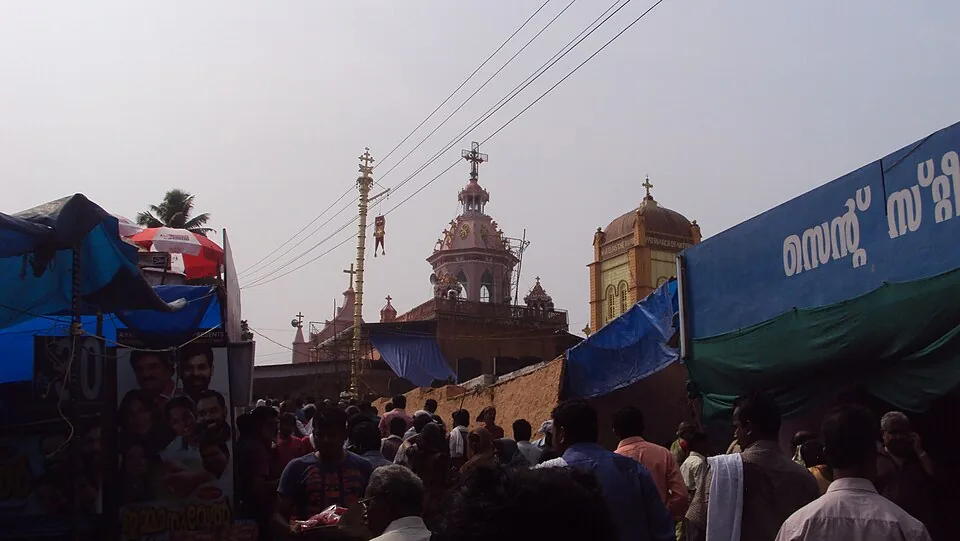
24.7 km · straight line
A hilltop Jacobite Syrian pilgrim centre (dayara) near Pathanamthitta, the resting place of Patriarch Ignatius Elias III; its annual perunnal draws large crowds.
35.4 km · straight line
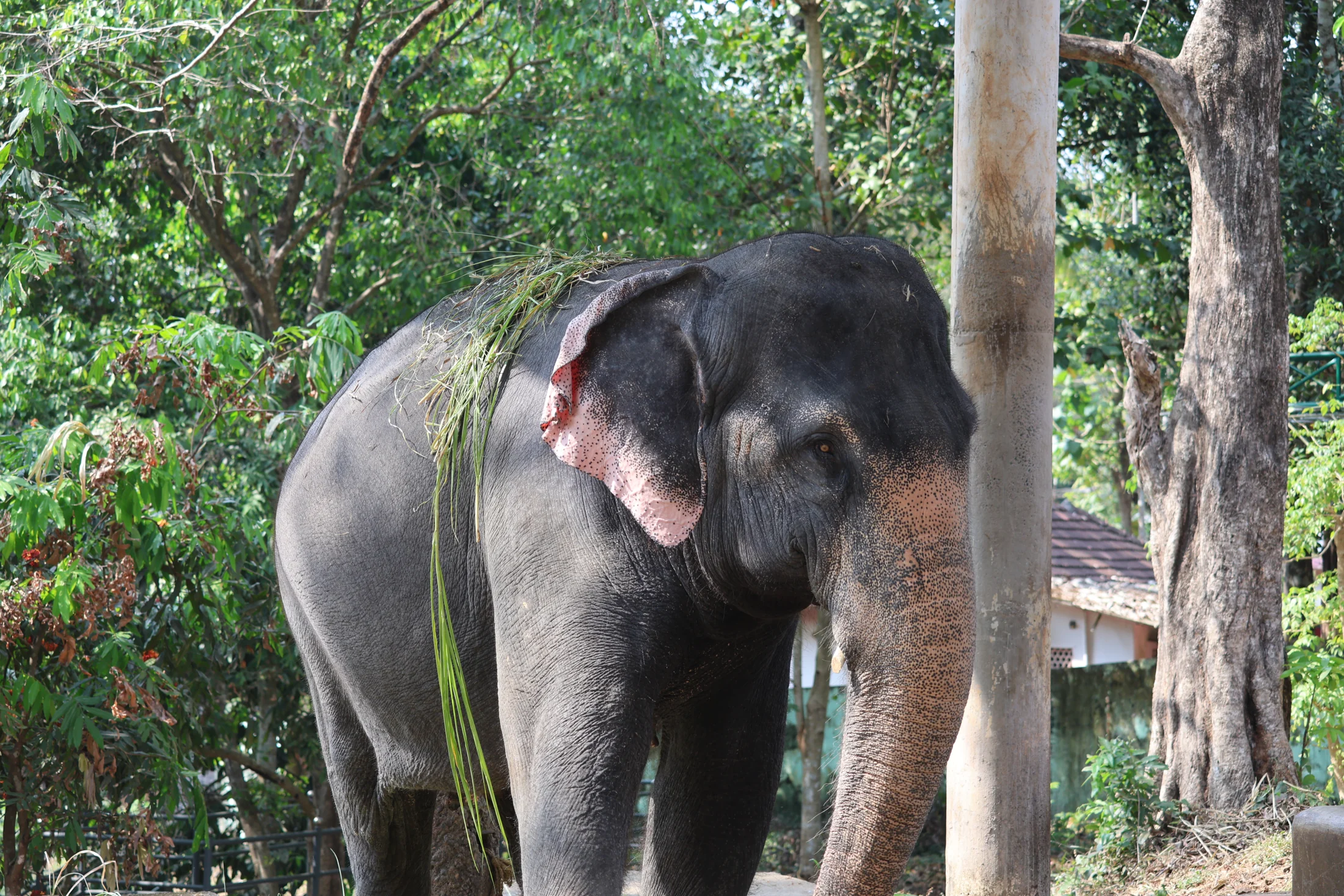
Konni’s Anathavalam combines a historic timber kraal, elephant-care areas and a museum within the Forest Department’s ecotourism campus.
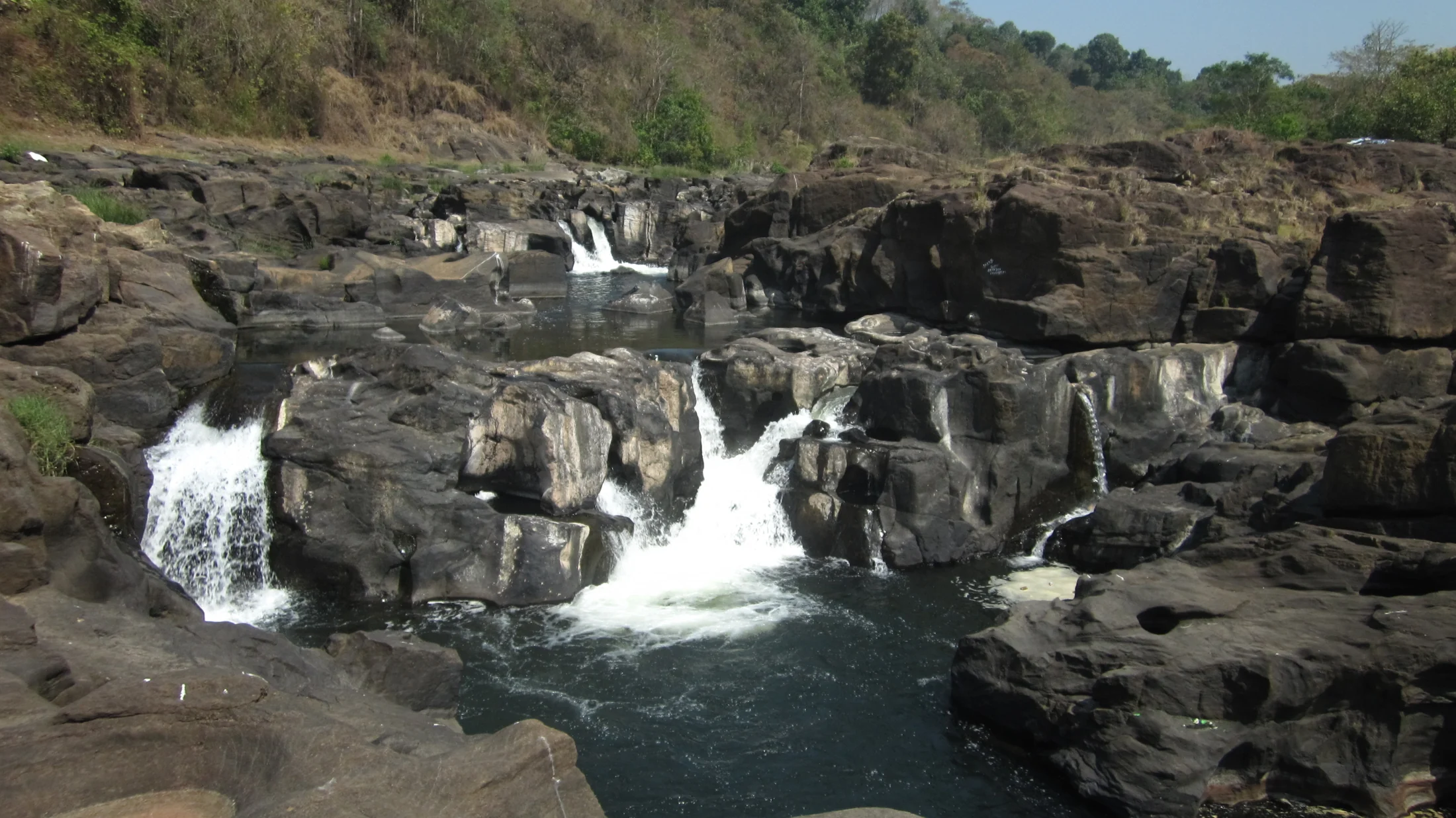
Perunthenaruvi is the broad rocky waterfall landscape in the Pamba basin near Ranni. The nearby KSEB weir and small hydel project are separate infrastructure, not the visitor waterfall entrance.
6.1 km · straight line
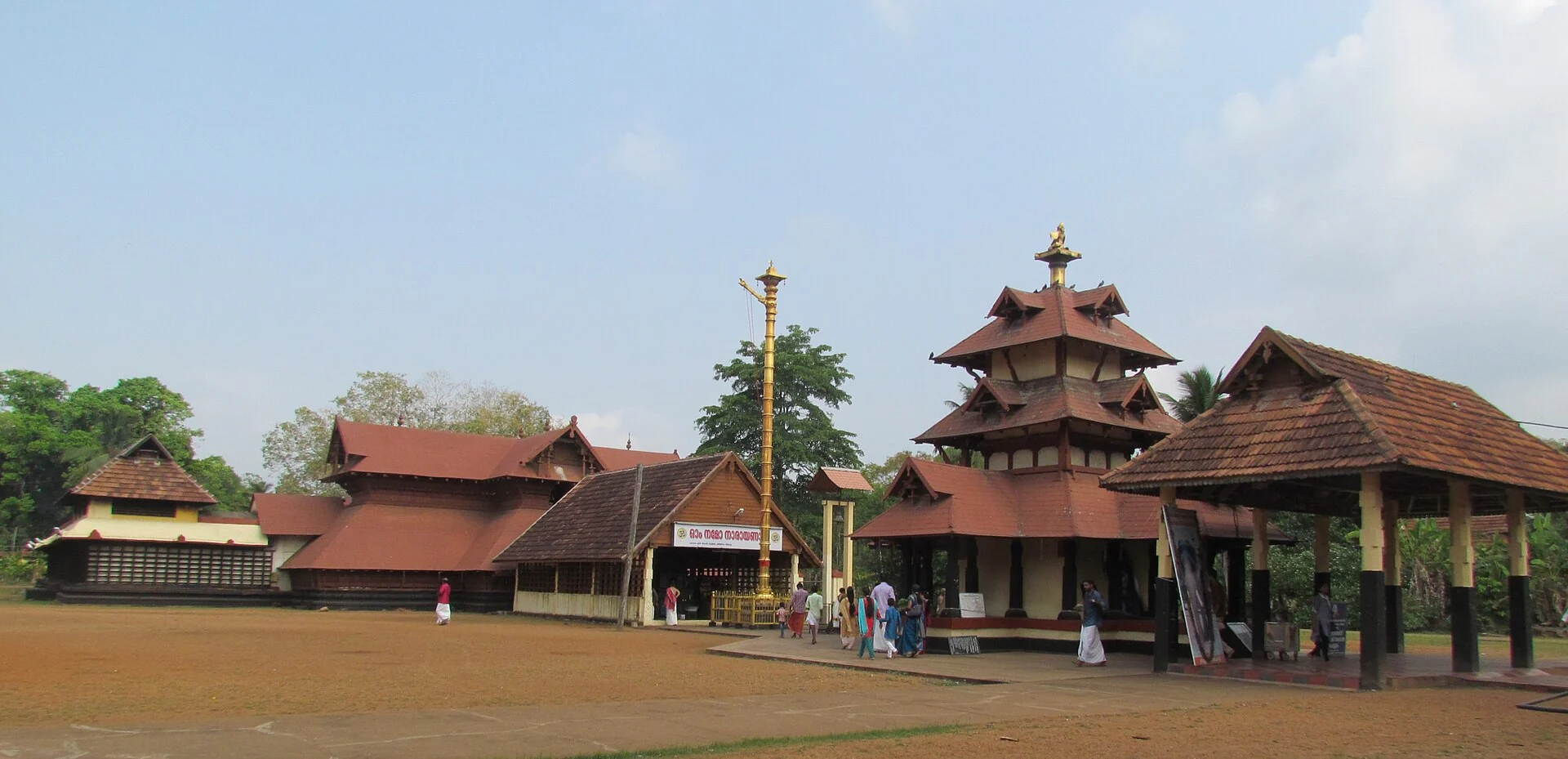
One of the oldest and largest temples in Kerala and one of the 108 Divya Desams, at Thiruvalla — famous for Kathakali performed every evening as a temple offering and for a 54-ft Garuda flag mast carved from a single granite block.
2.7 km · straight line
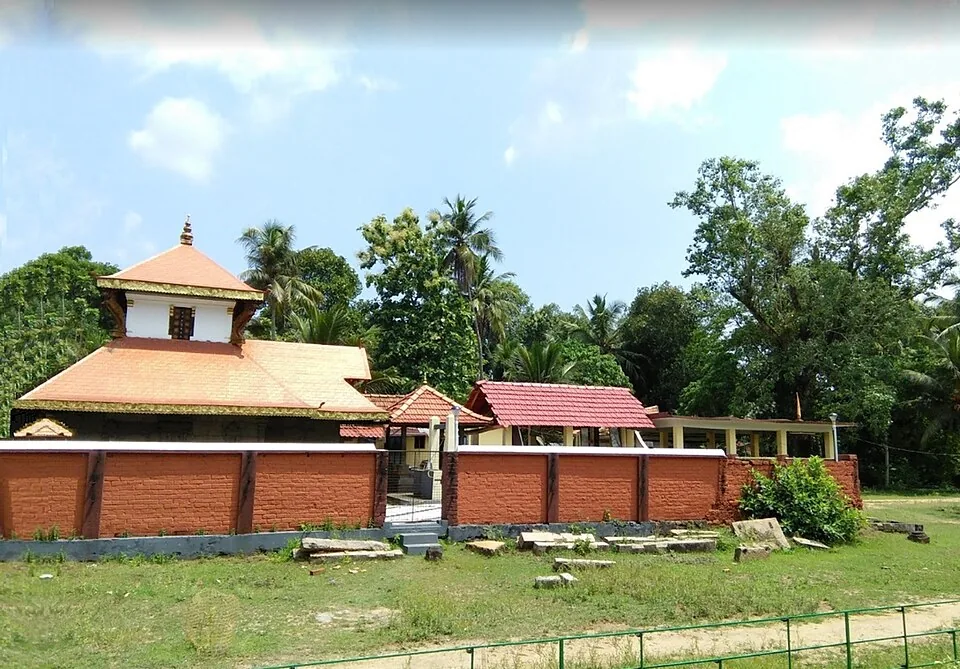
An ancient Shiva temple on the banks of the Pamba at Niranam, one of the 108 famous Shiva temples of Kerala; its deity is Dakshinamurthy (Shiva as the teacher of all knowledge), and it is tied to the Niranam (Kannassan) poets of the 14th–15th centuries.
Roampedia is commission-free — own or know a stay, eatery, guide or shop near Parumala Church? Submit public business details for review.
Add a nearby businessEntry: Free. There is no entry ticket to the church or the tomb; any offering is entirely voluntary.
Dress code: Modest church dress — shoulders and knees covered, nothing revealing. Dress as you would for any place of worship; footwear may need to be removed at the tomb area (confirm locally).
Festivals: The Ormaperunnal (Parumala Perunnal), the commemoration of St Gregorios’ death, is the great annual event, culminating on 2 November with observances typically running through the preceding days from late October. It is one of the largest Christian gatherings in Kerala and draws pilgrims of all faiths.
Photography: Photography of the church and grounds is generally fine, but be discreet and respectful inside — avoid photographing people at prayer or during services, and follow any signs or instructions at the tomb chamber (confirm locally).
If you are travelling by bus or ferry, check the return service with the operator before setting out. Leave time to reach the stop or jetty after your visit.
Ask at the bus stand for the time of the last service back, not the next one. If you miss it, an auto or app cab is the fallback — agree the fare before you get in.
If you need step-free access, contact the site before travelling. Ask about a level entrance, steps along the route, the nearest drop-off point, seating and accessible toilets.
Charge cap and free-transaction limits: Reserve Bank of India, ATM FAQ updated 4 July 2025; checked 4 October 2026.
These services are listed within about 1.2 km of Parumala Church. Walking distances follow mapped routes; access and opening hours can change. Other services may be closer but are not included here.
Published emergency and visitor-assistance contacts. For an immediate emergency, call 112. Shared Kerala contact sources checked 4 October 2026; publication does not establish a tested live response.
An ancient Shiva temple on the banks of the Pamba at Niranam, one of the 108 famous Shiva temples of Kerala; its deity is Dakshinamurthy (Shiva as the teacher of all knowledge), and it is tied to the Niranam (Kannassan) poets of the 14th–15th centuries.
2.7 km · straight lineOne of the oldest and largest temples in Kerala and one of the 108 Divya Desams, at Thiruvalla — famous for Kathakali performed every evening as a temple offering and for a 54-ft Garuda flag mast carved from a single granite block.
6.1 km · straight lineAn ancient hilltop Shiva temple near Thiruvalla, with fine woodwork; the nearby Trikkakkudi rock-cut cave temple, carved from a single rock, dates to about the 8th century.
11.4 km · straight line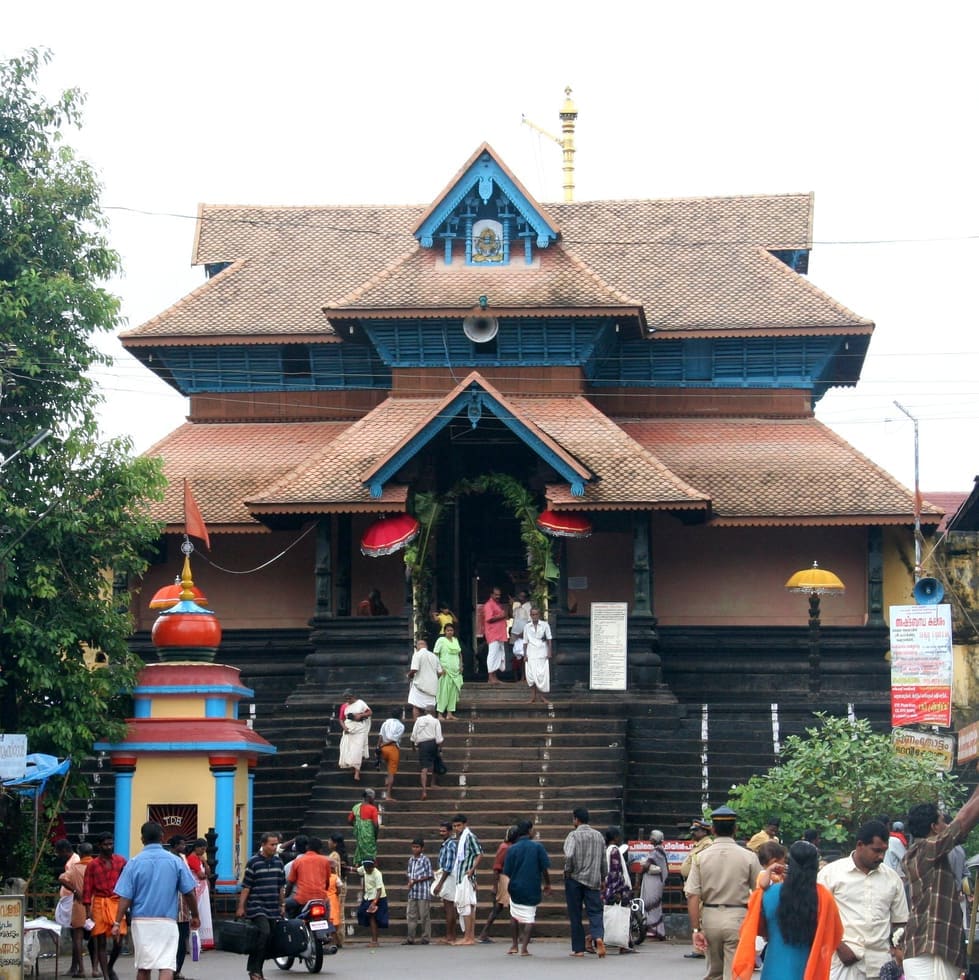
Temple town on the Pamba, known for the Parthasarathy Temple, the Uthrattathi snake-boat race and the famous Aranmula Kannadi metal mirror.
15.7 km · straight line
The site of Asia’s largest Christian convention, held for about eight days each February on the vast Pamba river sand-bed beside the Kozhencherry bridge; organised by the Mar Thoma church since 1895, the tent seats well over a hundred thousand.
16.1 km · straight lineA breezy ridge and retreat landscape above the Pamba country near Kozhencherry, suited to a short viewpoint visit rather than being presented as a developed hill station.
18.2 km · straight linePandalam Palace refers to a group of family buildings and worship spaces by the Achankovil river. The visitor anchor is the Valiyakoikkal-side approach, not a promise of admission to every residence or sacred room.
18.3 km · straight lineA hilltop Jacobite Syrian pilgrim centre (dayara) near Pathanamthitta, the resting place of Patriarch Ignatius Elias III; its annual perunnal draws large crowds.
24.7 km · straight lineThe prominent rock hill above Pathanamthitta, reached by a steep local climb with broad town and highland views; heat, wet rock and exposed edges shape the visit.
29.1 km · straight lineMalayalapuzha, also written Malayalappuzha, is the Bhadrakali temple near Kumbazha in Pathanamthitta district, administered by the Travancore Devaswom Board.
31.7 km · straight lineKonni’s Anathavalam combines a historic timber kraal, elephant-care areas and a museum within the Forest Department’s ecotourism campus.
35.4 km · straight line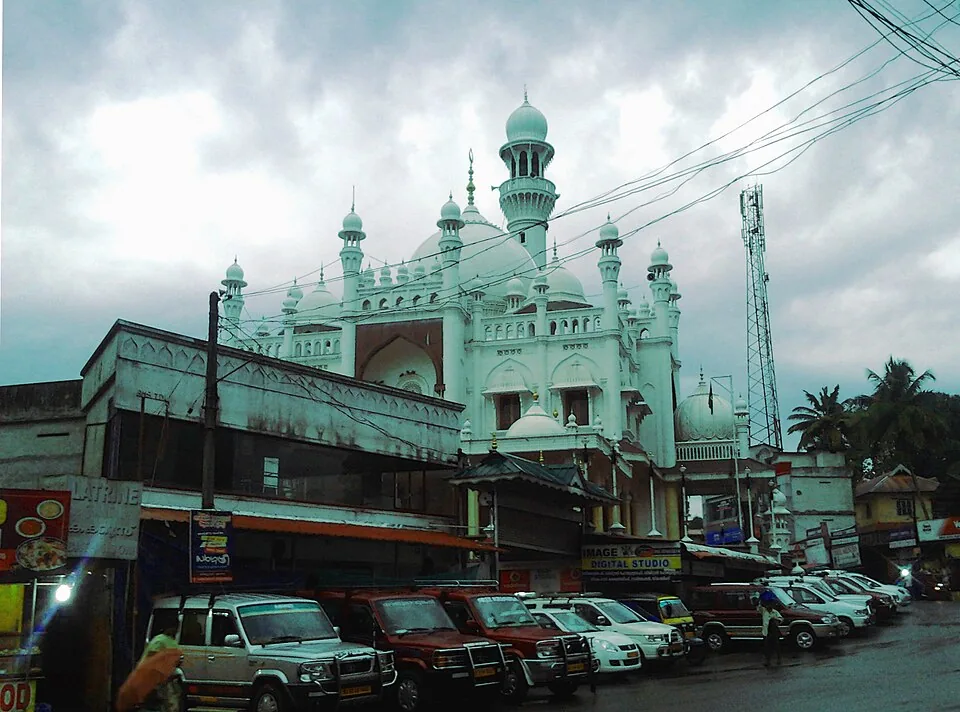
The Kottayam-border town where the traditional Sabarimala pilgrimage begins, with the Vavar mosque standing beside the Sastha temple.
38.0 km · straight lineNearby toilets, pharmacies, ATMs, seating and vets are community-mapped and may be incomplete or out of date. Map data © OpenStreetMap contributors | Walking times © openrouteservice.org by HeiGIT
Parumala Thirumeni is the affectionate name for St Gregorios of Parumala (Geevarghese Mar Gregorios, 1848–1902), a bishop of the Malankara Orthodox Syrian Church renowned for his asceticism, prayerfulness and care for the poor. In 1947 he became the first canonised saint of Indian origin in that Church. Devotees believe he continues to intercede for those who pray at his tomb, which is why Parumala has become a major pilgrimage centre.
Yes, and many do. Parumala is famous precisely for its all-faith character — Hindus, Muslims and Christians of other traditions come here freely to pray at the tomb. Visitors of every background are welcomed, provided they observe the quiet, respectful conduct expected in a place of worship.
The main feast, the Ormaperunnal (the saint’s commemoration), culminates on 2 November, with associated observances typically running through the preceding days from late October. It draws vast crowds and is spiritually the most intense time to visit, but also by far the most congested. For a calmer, more contemplative visit, come on an ordinary weekday outside the feast period.
No. Like other churches in Kerala, Parumala Church is free to enter and there is no ticket to visit the tomb. Any offering you leave is entirely voluntary.
The kabaradana, or tomb chamber, holds the grave of St Gregorios, and pilgrims come to pray, light candles and leave offerings — letters, and small models of houses, cradles and other things prayed for. There are set times for the Holy Qurbana and for intercessory prayers; even between services the church is rarely empty, and you can usually spend quiet time at the grave.
Parumala sits on a river island near Mannar, roughly between Thiruvalla and Chengannur in Pathanamthitta district; the nearest railway stations are Tiruvalla (Thiruvalla) and Chengannur. A visit of one to two hours is enough for most travellers to pray, walk the compound and take in the riverside setting, though pilgrims often stay considerably longer.
Morning or late afternoon for quieter visits and better light.
Entry: Free. There is no entry ticket to the church or the tomb; any offering is entirely voluntary. Timings: The church is generally open through the day for prayer, with set times for the Holy Qurbana (Orthodox liturgy) and for intercessory prayers at the tomb; mornings tend to be quietest and most conducive to a contemplative visit.
Base yourself in Pathanamthitta town or a nearby town in Pathanamthitta, then confirm the last-mile route locally before leaving. Check mass/prayer timings if visiting for worship; otherwise visit outside service rush. If the visit depends on forest, temple, boat, ferry, weather or seasonal access, check the official/local rule on the day before travel.
30 minutes to 1.5 hours.
Nearby you can pair Niranam Thrikkapaleeswaram Temple (2.7 km, approximate straight-line separation), Sree Vallabha Temple (6.1 km, approximate straight-line separation), Kaviyoor Mahadeva Temple (11.4 km, approximate straight-line separation), Aranmula (15.7 km, approximate straight-line separation).
Expect crowds on feast days and Sundays. Use marked parking and official entry points.
Written about Parumala Church itself — its history, its legends and the arguments about them.

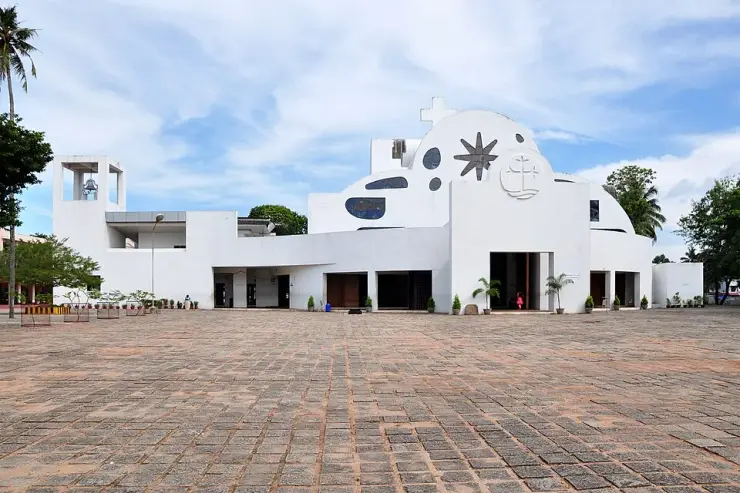
These guides explore Pathanamthitta town and the surrounding area. Choose a visit that fits your interests, allowing separately for travel between stops.
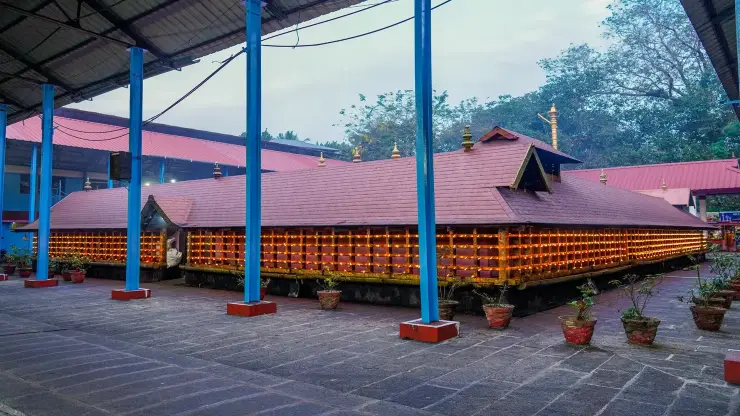


Route-level itineraries and practical guides for the rest of Kerala.
Photographs: Joe Ravi (CC BY-SA 3.0), Noblevmy at Malayalam Wikipedia (CC BY 2.5), Prajaneeshp (CC BY-SA 3.0). Wikimedia Commons.