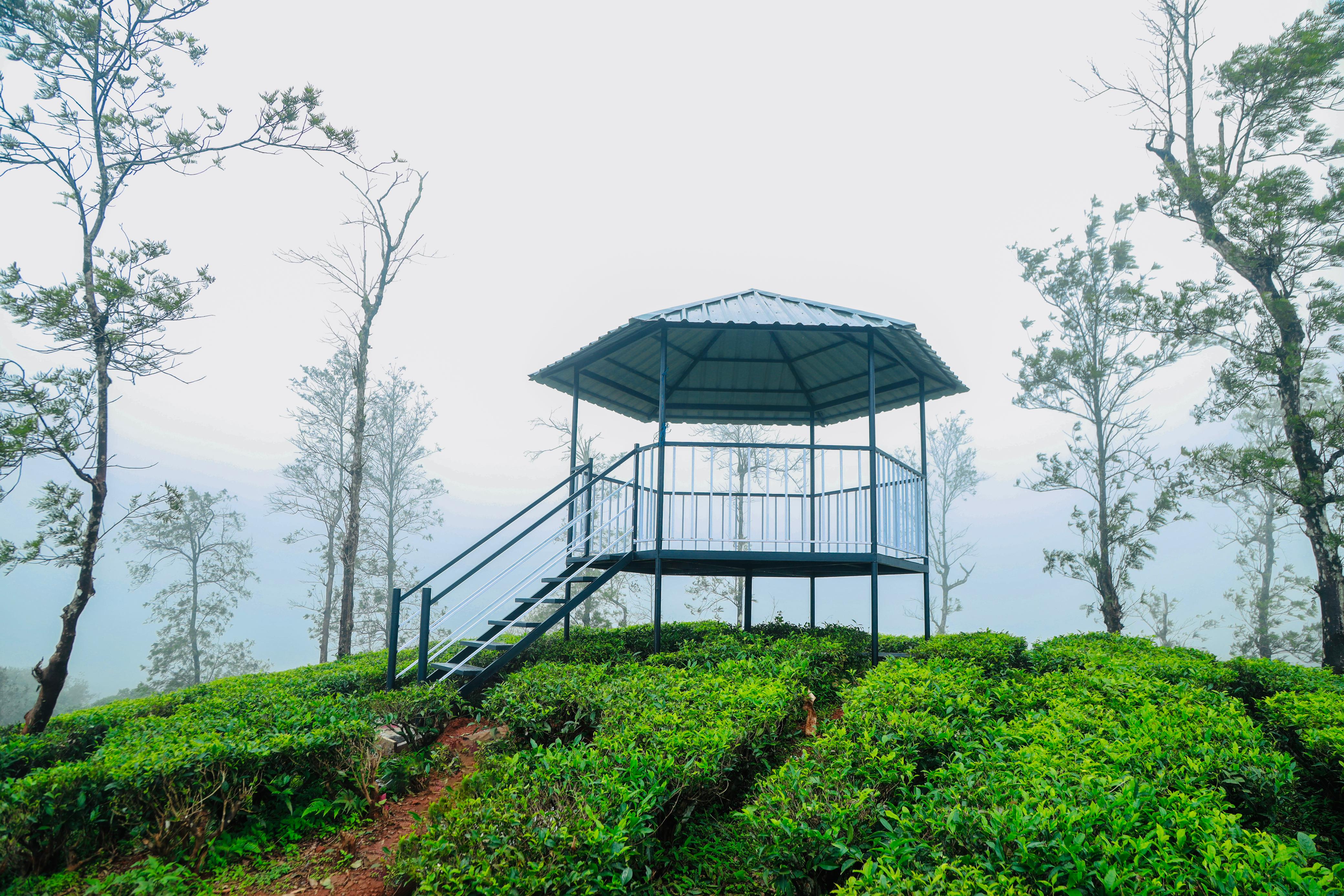
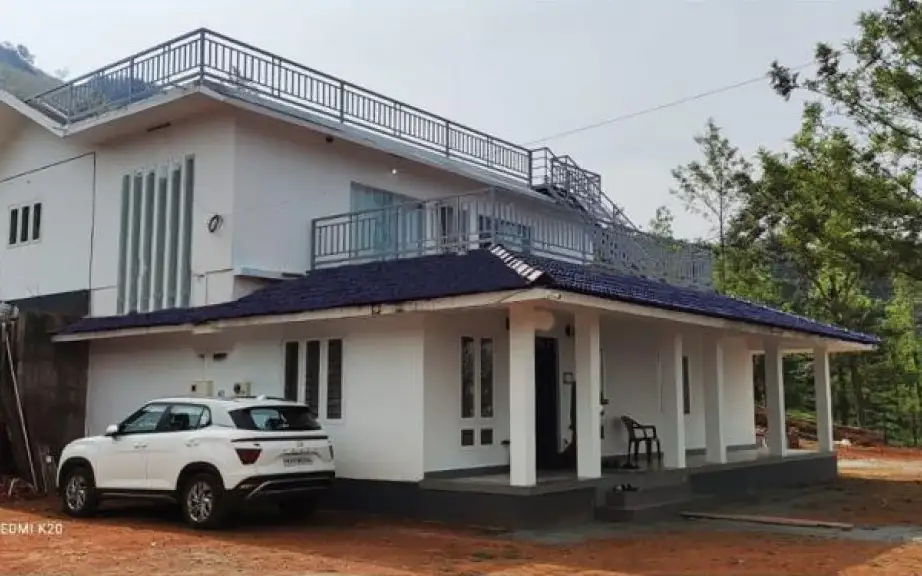
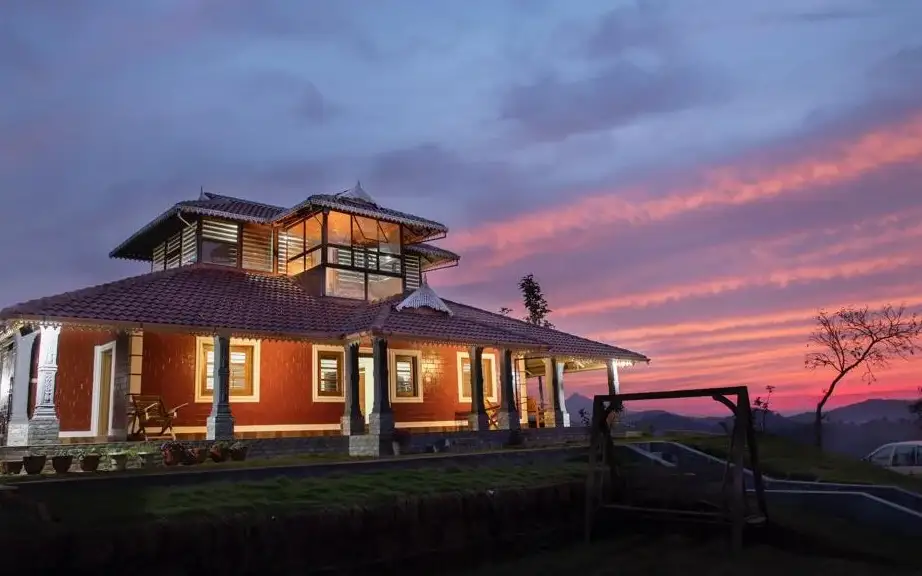
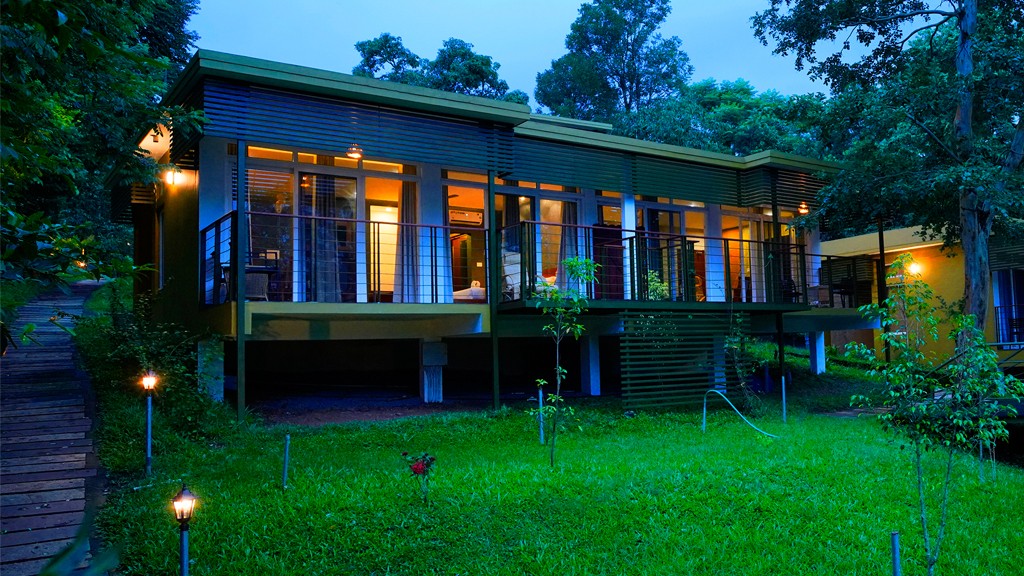
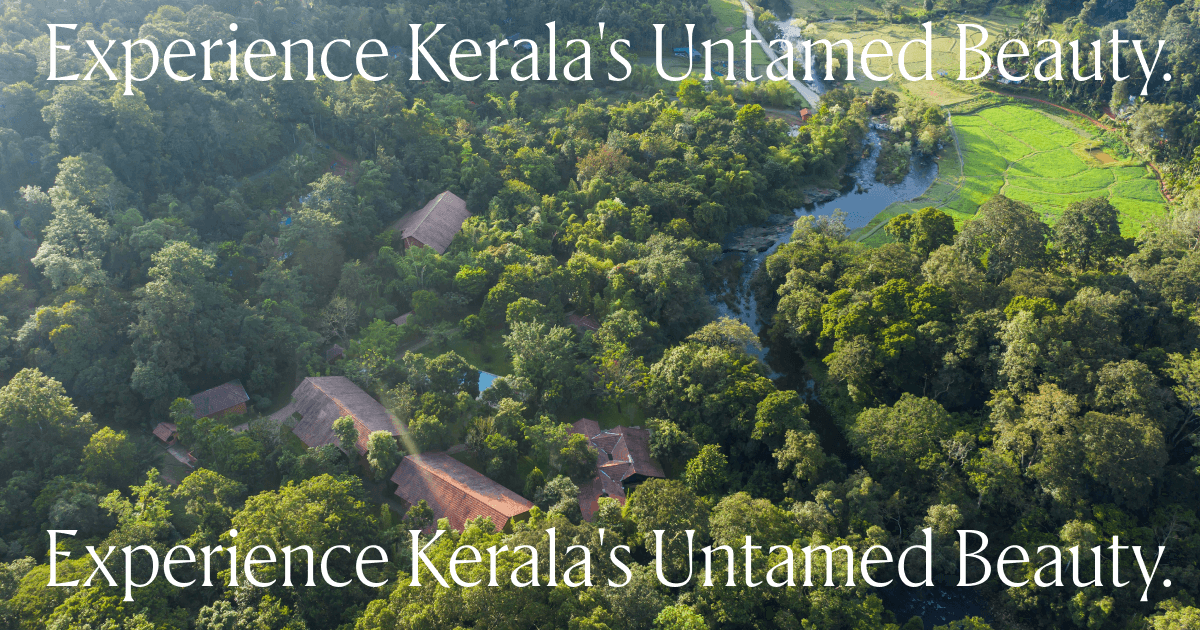
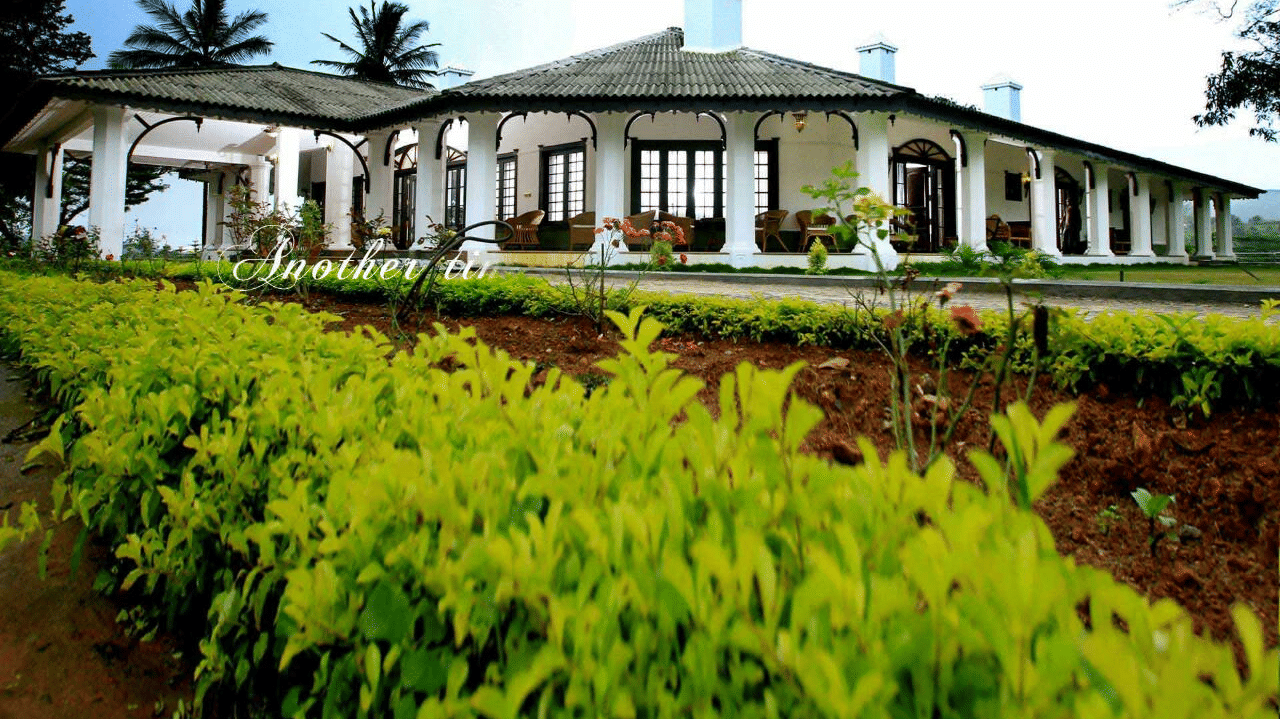
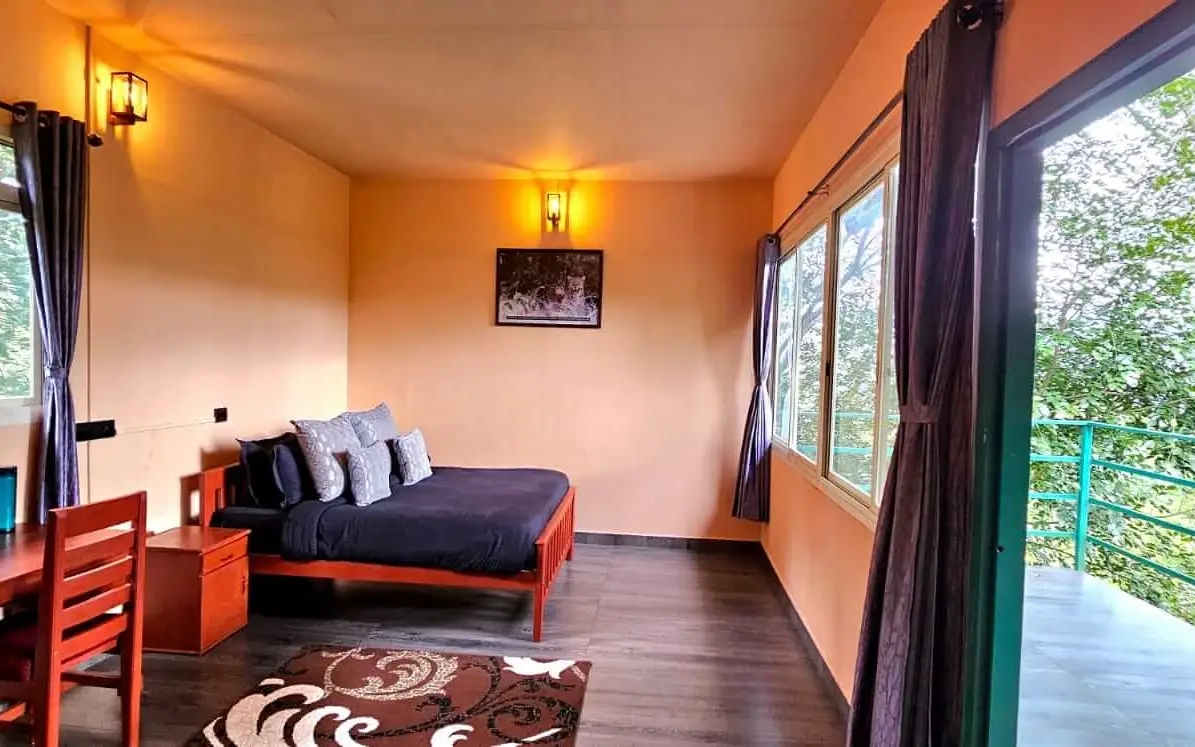
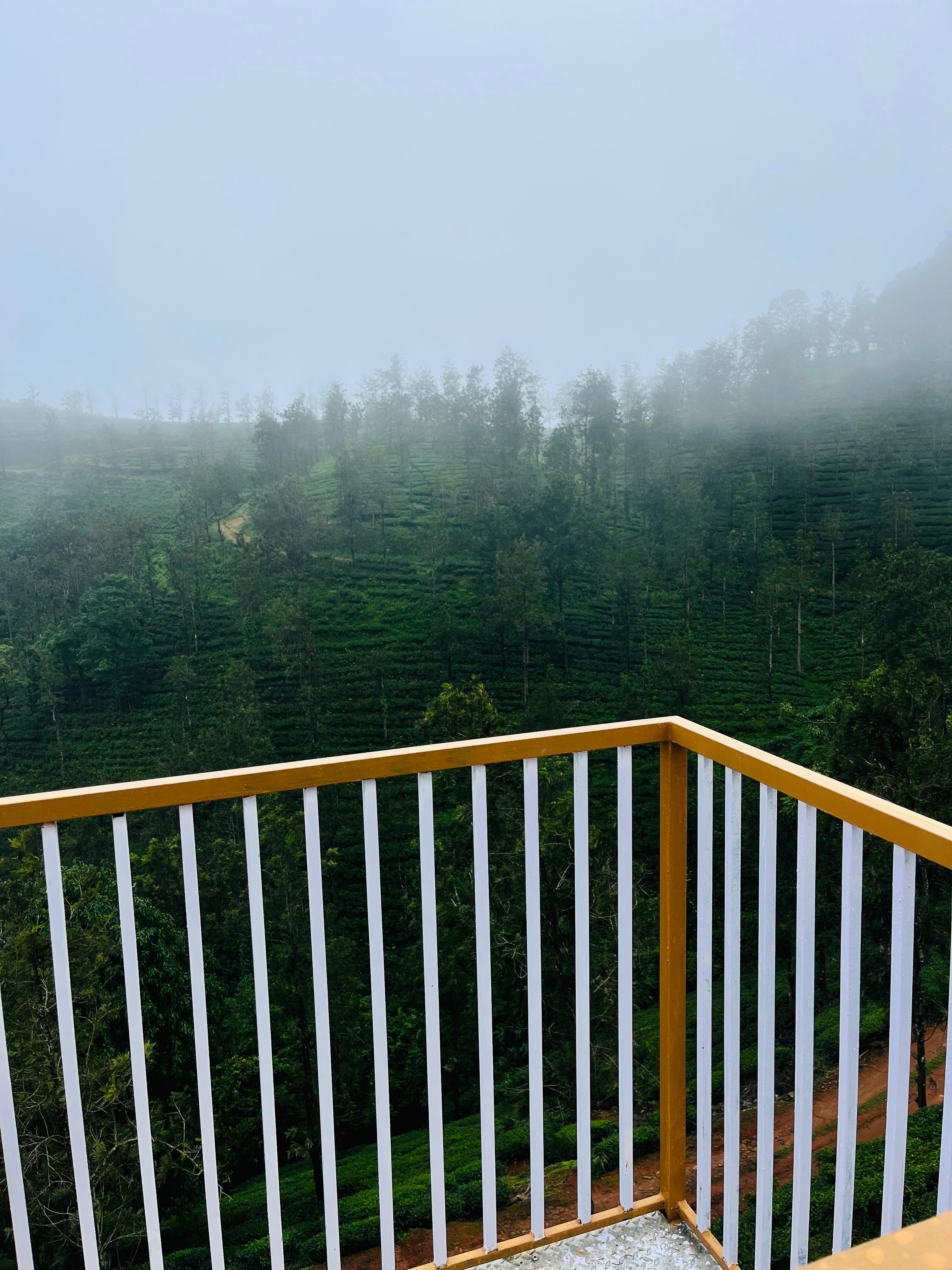
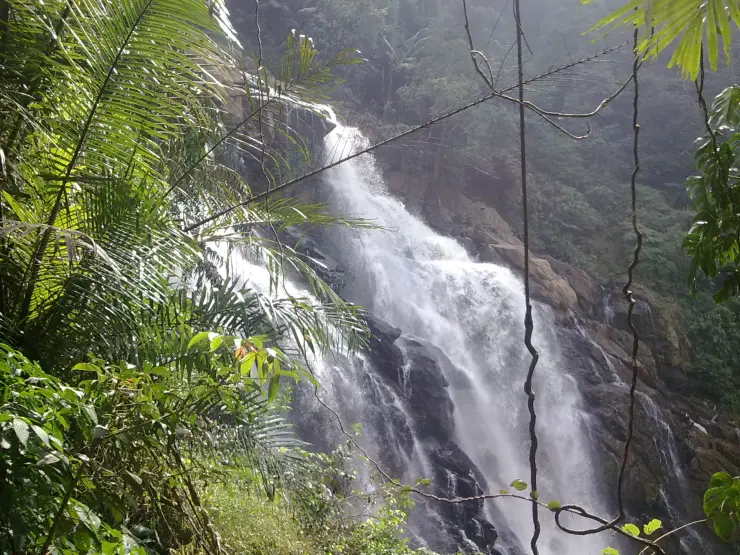
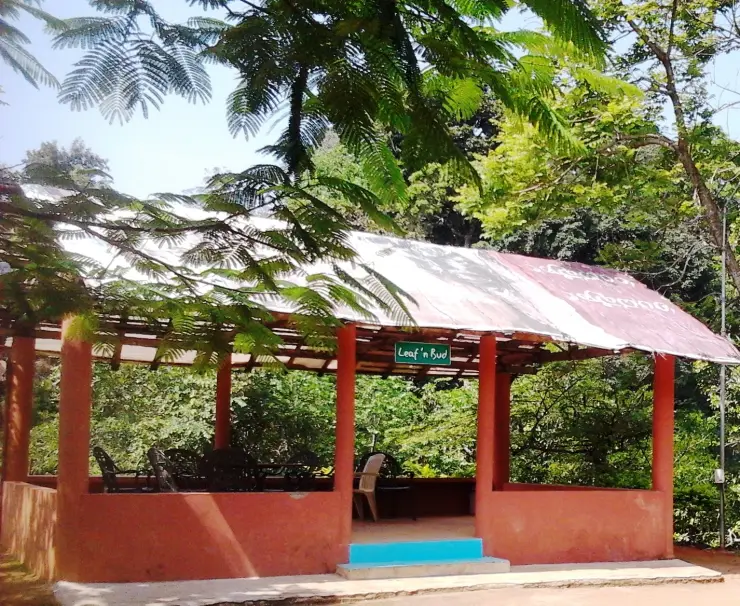
Kambamala is best understood as a stay inside a KFDC tea estate at the forest edge: mist, clipped rows and Camellia cottages share the frame with the daily work of a government plantation.
The story of Kambamala Ecotourism
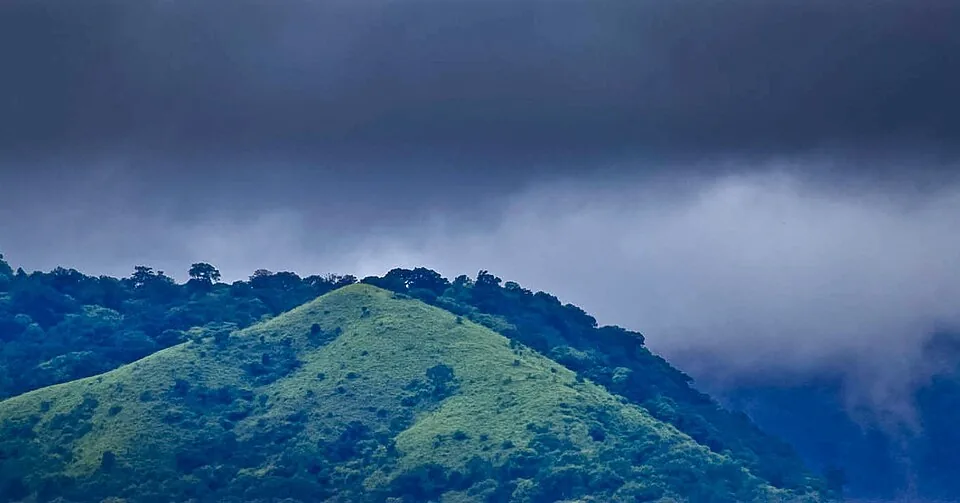
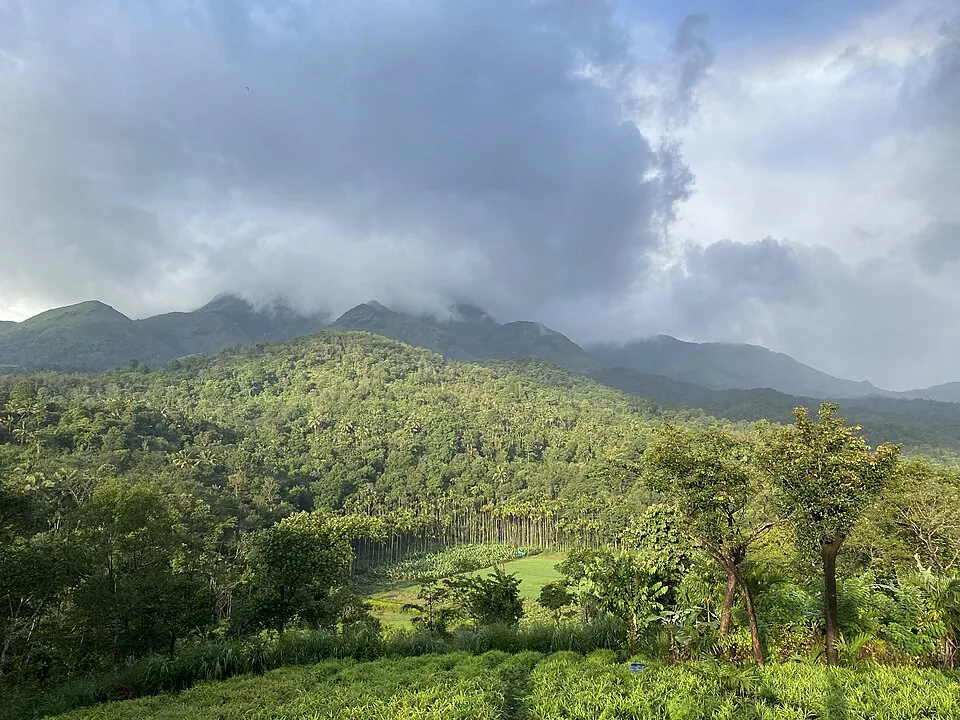
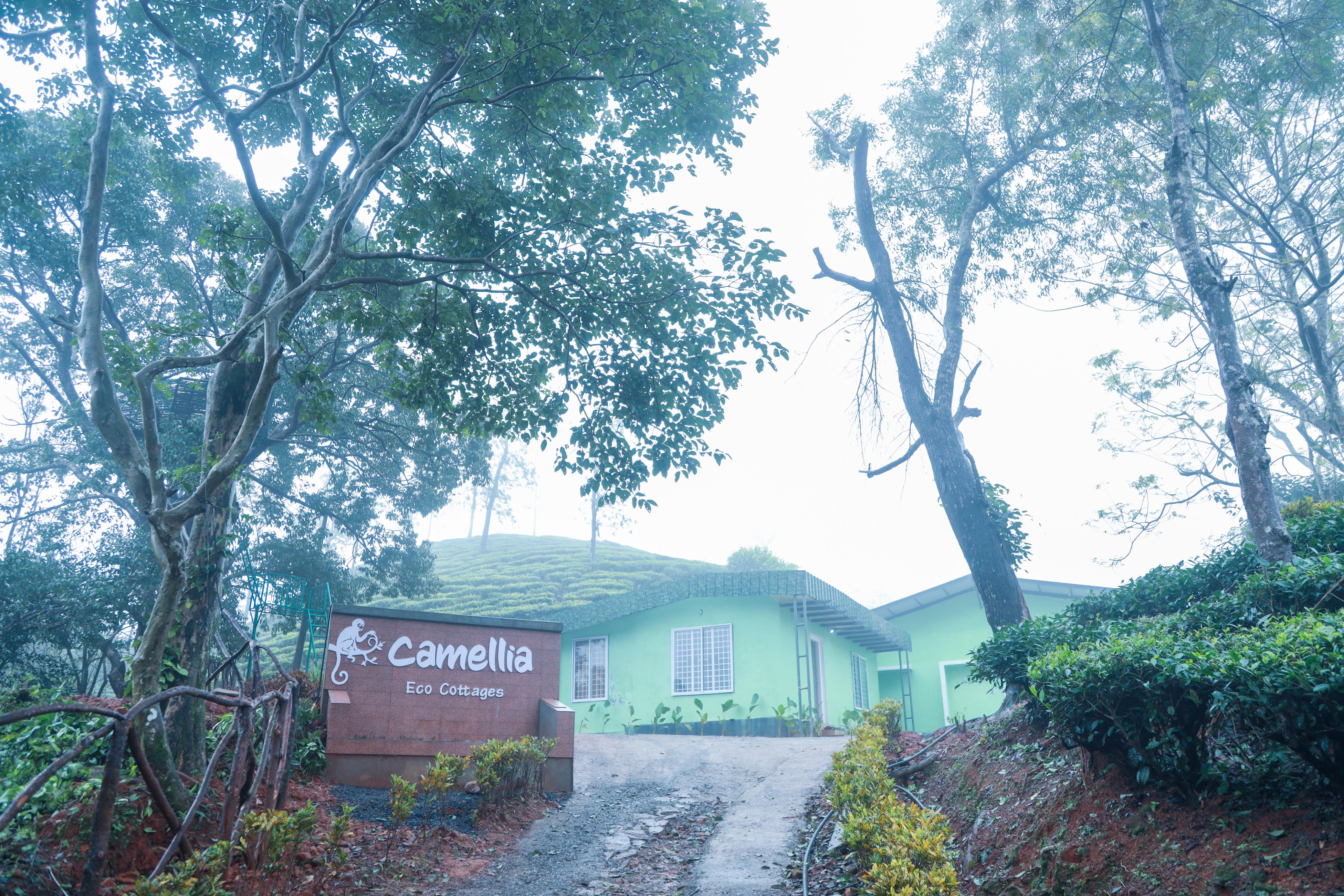
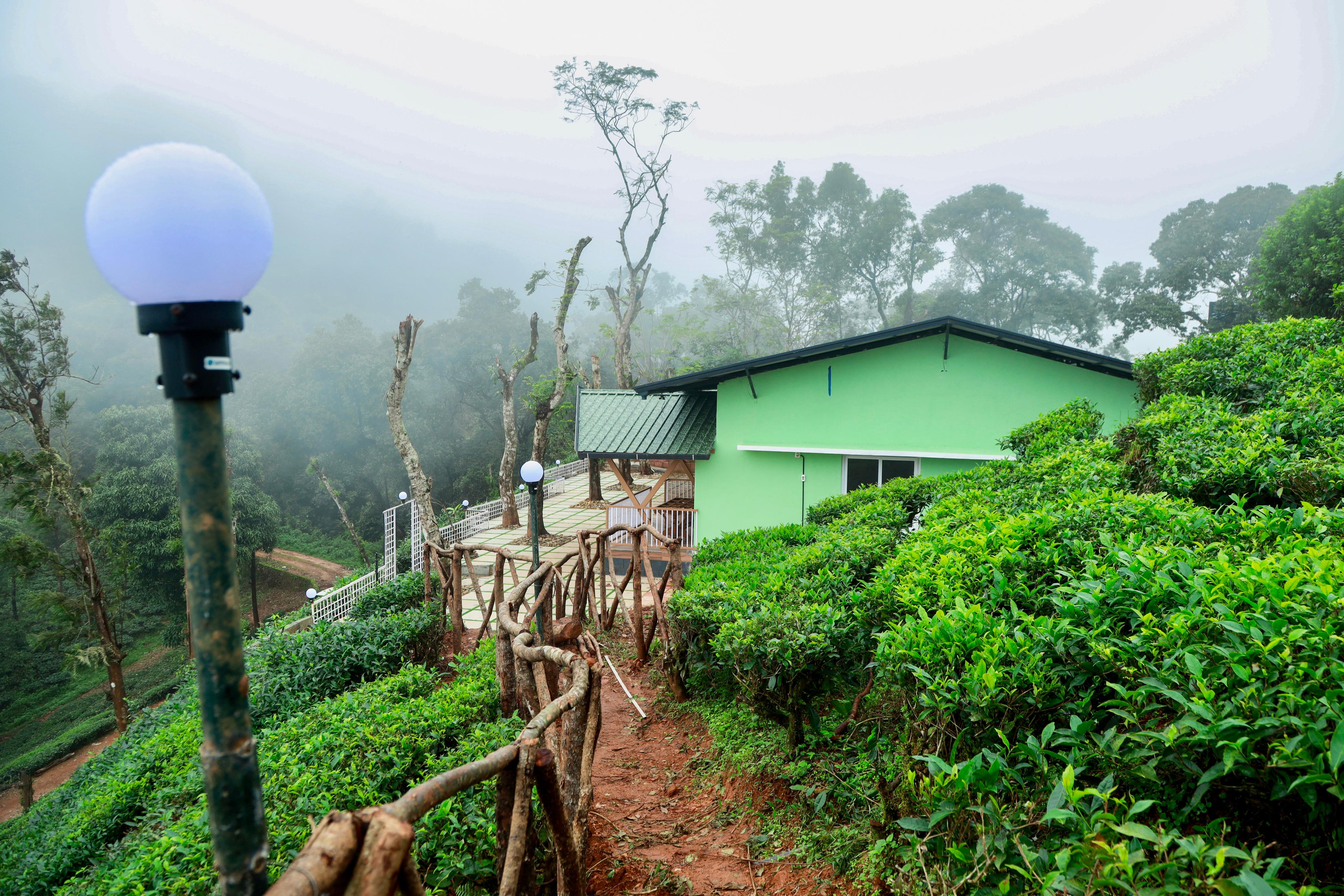
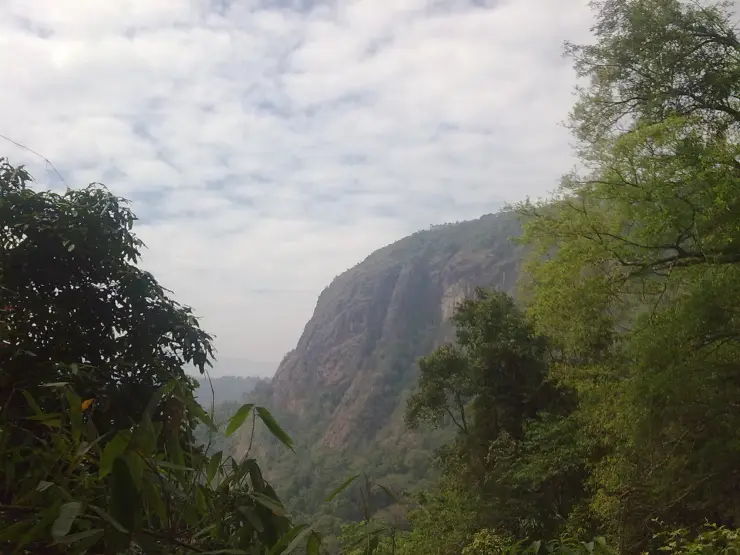
The road from Thalappuzha enters a landscape where tea follows steep folds and natural forest holds the higher, darker edge. Camellia Eco Cottages occupy that transition. The buildings, viewpoints and narrow estate paths are not a separate resort dropped into wilderness; they are the visitor-facing part of Kambamala Tea Estate, managed by the Kerala Forest Development Corporation.
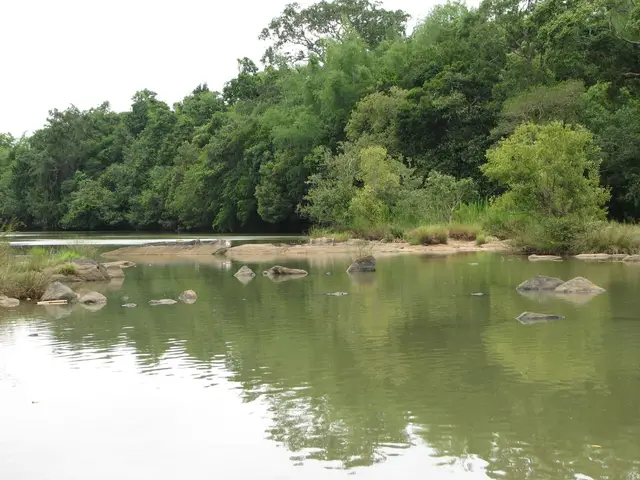
That working-estate identity gives the stay its rhythm. Tea rows are tended and harvested around the accommodation, while a guided plantation walk explains the managed crop at close range. Beyond it, adjoining forest changes the texture of the slope. The meaningful contrast is between cultivation and conserved vegetation, not a false claim that the cottages stand in untouched jungle.
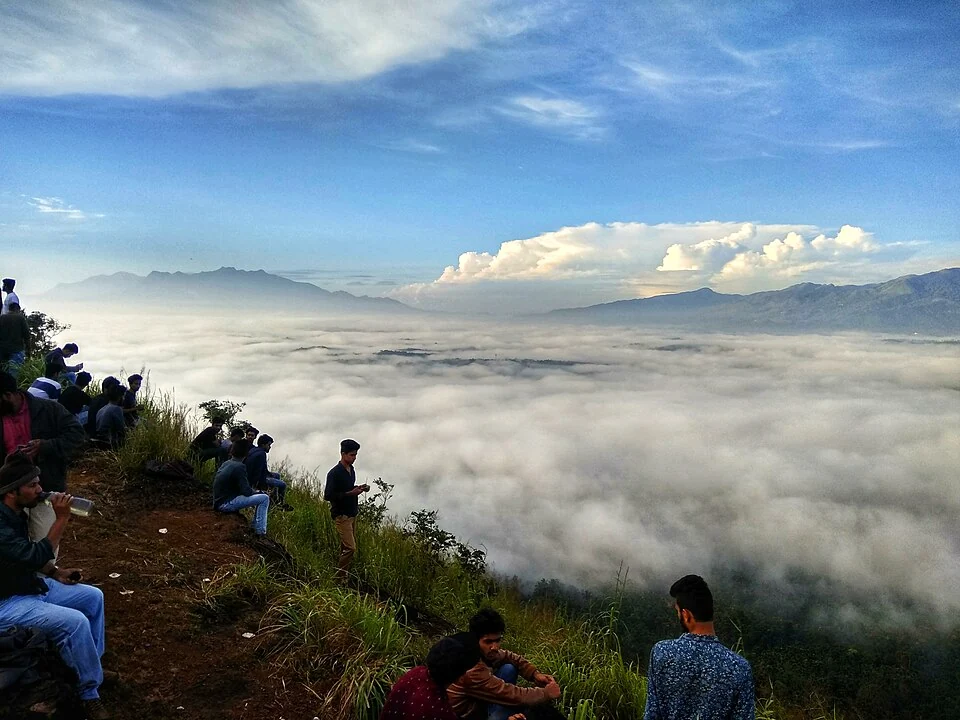
KFDC presents Kambamala as a stay programme rather than a conventional gate-and-ticket sight. Arrival in the afternoon and departure the following morning leave time for changing light: mist can erase the opposite rows, then lift to expose repeated contours and tall shade trees. The slower format is part of the product, not dead time around a single viewpoint.
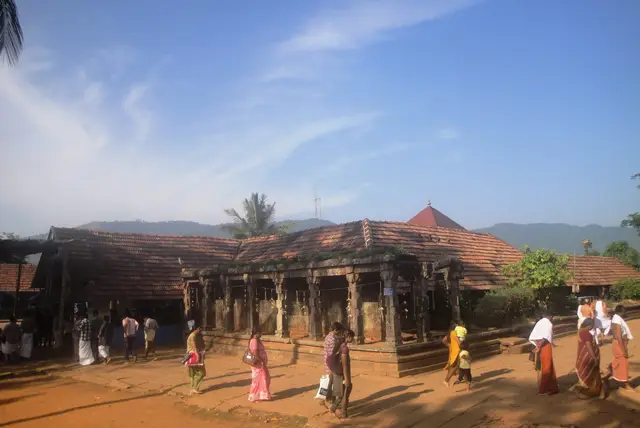
The guided activities connect that landscape to people. KFDC describes Kambamala’s community as including Sri Lankan repatriates and local tribal communities, and its stay programme includes a cultural-awareness walk and a settlement visit. Those encounters require particular restraint: guests are entering lived places, so guides set the terms and people are not exhibits or portrait opportunities by default.
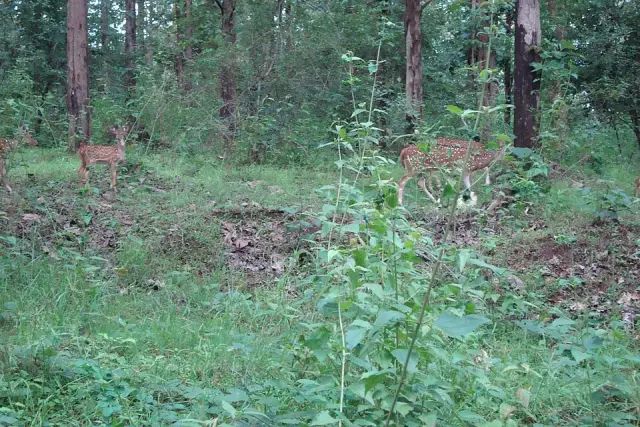
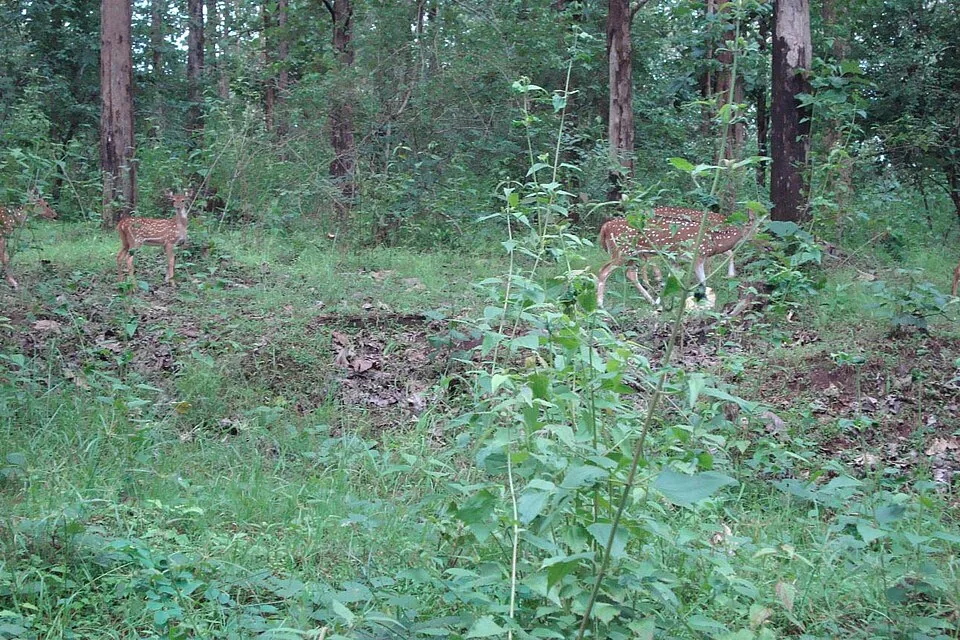
Birdwatching belongs to the same attentive pace. Plantation, scattered trees and nearby forest create several layers in which calls and movement may be noticed, but the official material does not promise a species checklist. A patient walk with a local guide is more honest than arriving with guarantees built from sightings elsewhere in Wayanad.
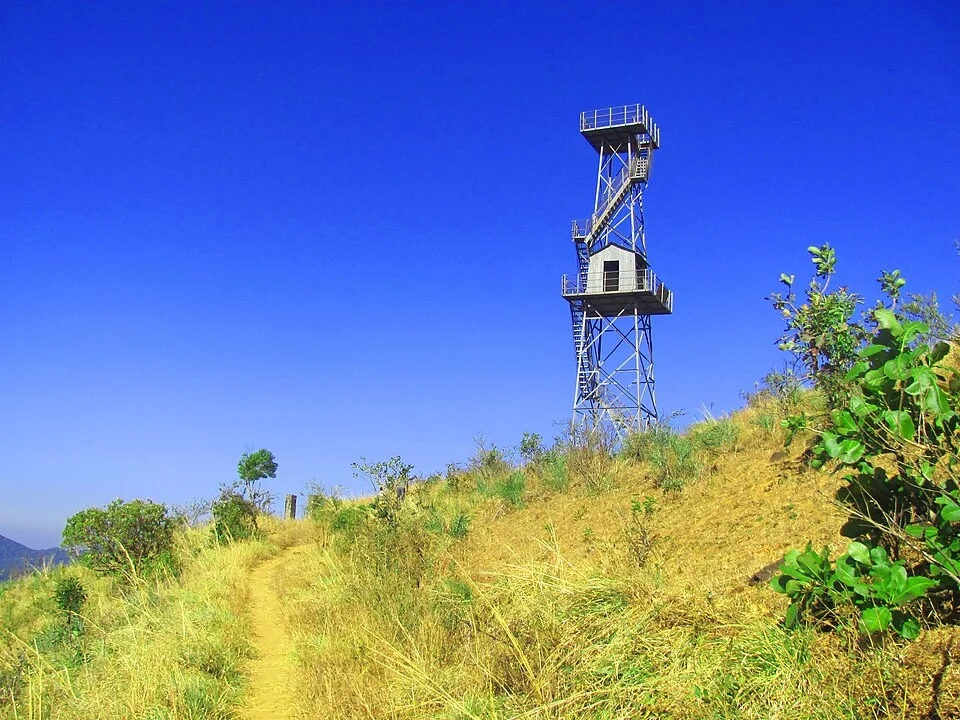
The cottages make Kambamala accessible without turning every slope into a public trail. Guests use the estate routes included with the programme, return for meals and remain within the operational boundaries set by KFDC. That managed footprint is the practical meaning of ecotourism here: a close plantation-and-forest-edge experience tied to an existing enterprise and community.
The included meals help define that boundary. Dinner after the evening programme and breakfast before departure mean guests do not need to search the estate roads for restaurants after dark. They also keep the visit centred on one managed itinerary. Dietary needs and the exact meal arrangement should be raised while booking, when KFDC can say what the selected room package includes.
A campfire appears in the official programme, but weather decides whether an outdoor evening is sensible. On a wet or windy night the quieter alternative—listening from the cottage edge as plantation sounds fall away—fits Kambamala better than treating fire as a guaranteed performance. Staff instructions take priority because the property adjoins forest and remains an operational estate.
Morning offers the clearest way to read the terrain. Light reaches the clipped tops first, hollows keep their mist, and the taller trees reveal the difference between a planted field and the less regular forest margin. Photography works best from the routes staff identify; stepping into rows can damage plants, interrupt work and flatten the very pattern a visitor came to see.
Departure at the official late-morning checkout completes a compact cycle rather than a full resort day. The overnight format is long enough to see two changes of light and take the guided components, but short enough that transport must be arranged deliberately. Thalappuzha is the useful approach reference; the map anchor is not a claim that the cottages sit at the village pin.
Kambamala’s value is cumulative rather than spectacular at one instant. The estate road, cottage threshold, guided rows, forest margin, shared meal and next morning’s mist each supply a different piece. Keeping those pieces in their official overnight order makes the visit more coherent than arriving only to chase a viewpoint photograph or treating the approach village as the attraction itself.
Rates depend on the room type, travel date and occupancy, while guided activities belong to the stay package selected rather than a general day ticket. Enter the actual dates on the official booking page, read the inclusions for that room and retain the confirmation that identifies the programme purchased.
Thalappuzha is deliberately used here as an approach anchor because no authoritative public source supplies a precise visitor-entrance coordinate for Camellia. It is about five kilometres away according to KFDC, not the cottage doorstep. That honest gap matters on estate roads where a rounded pin can end at a junction. Guests should obtain the final directions from KFDC after booking and should not substitute a photograph’s apparent location for an issued route.
The community component needs the same precision. A guided settlement visit is an activity offered within the programme, not blanket permission to enter homes, question residents or publish portraits. Follow the guide, keep cameras down until invited and accept that an activity may change when community circumstances require it. Respecting that choice is part of the ecotourism product’s claimed relationship with local livelihoods, not an optional layer of etiquette.
Legend & myth
Kambamala is sometimes written about as a hidden wilderness. The visible and documented landscape is more interesting and more precise: a working tea estate beside forest, shaped by plantation labour, corporation management and a deliberately limited stay programme.