Priyadarshini is a working tea landscape with an unusually consequential origin: the plantation was organised not simply to grow a crop, but to create lasting work and security for families released from bonded labour in Wayanad.
The story of Priyadarshini Tea Environs
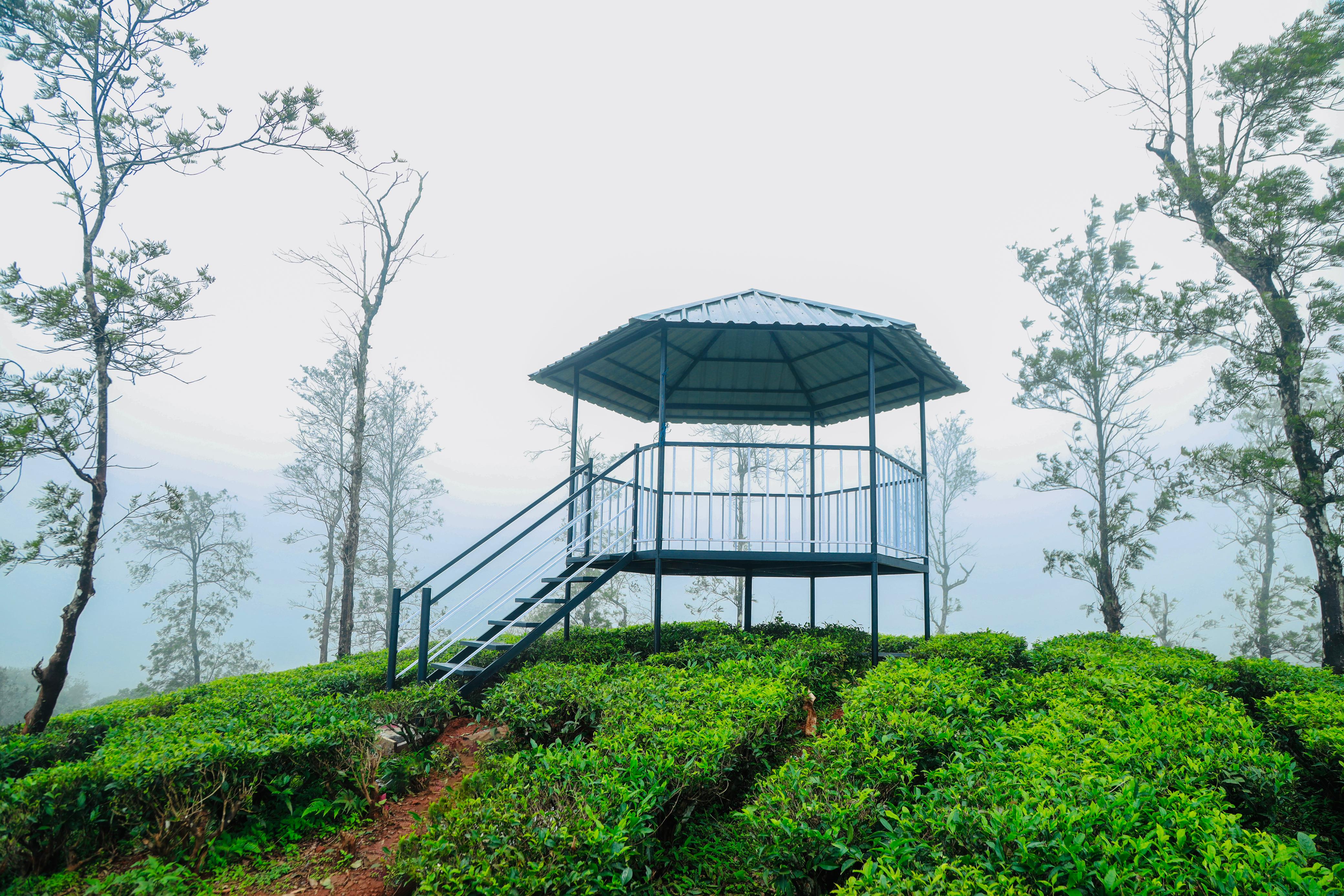
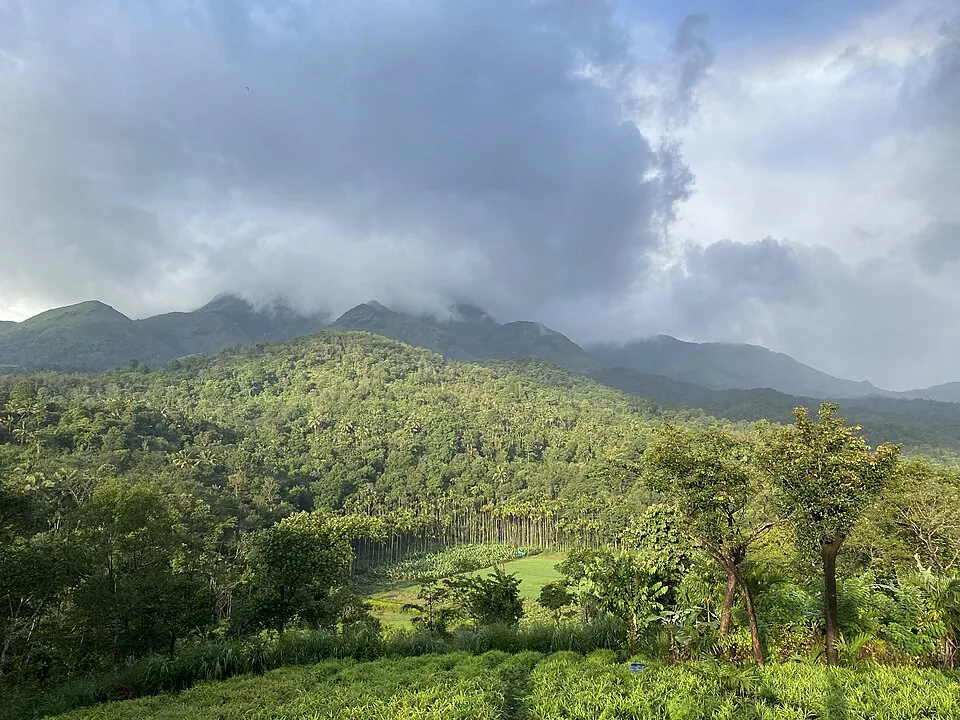
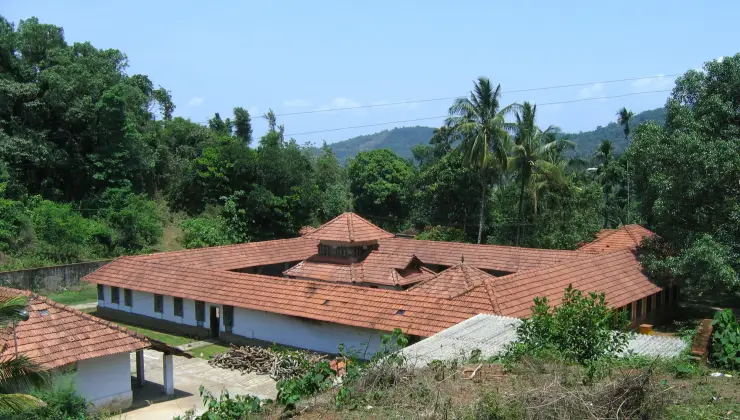
The visitor experience begins among clipped tea rows at Pancharakolly, roughly nine kilometres from Mananthavady. Shade trees rise through the plantation and tracks follow the folds of the hill, so the geometry of cultivation is visible before the first leaf reaches the factory. This is the setting behind the name “Tea Environs”: estate, processing buildings, museum and accommodation belong to one working landscape rather than a decorative garden.
A tea tour makes most sense when followed in production order. Tender shoots are picked in the field, then brought to the factory for stages that remove moisture, bruise and roll the leaf, develop flavour through oxidation, and finally dry and sort it. The museum supplies the longer story of tea; tasting returns that story to the cup. The attraction is the connection between those stages, not just a photograph between green rows.
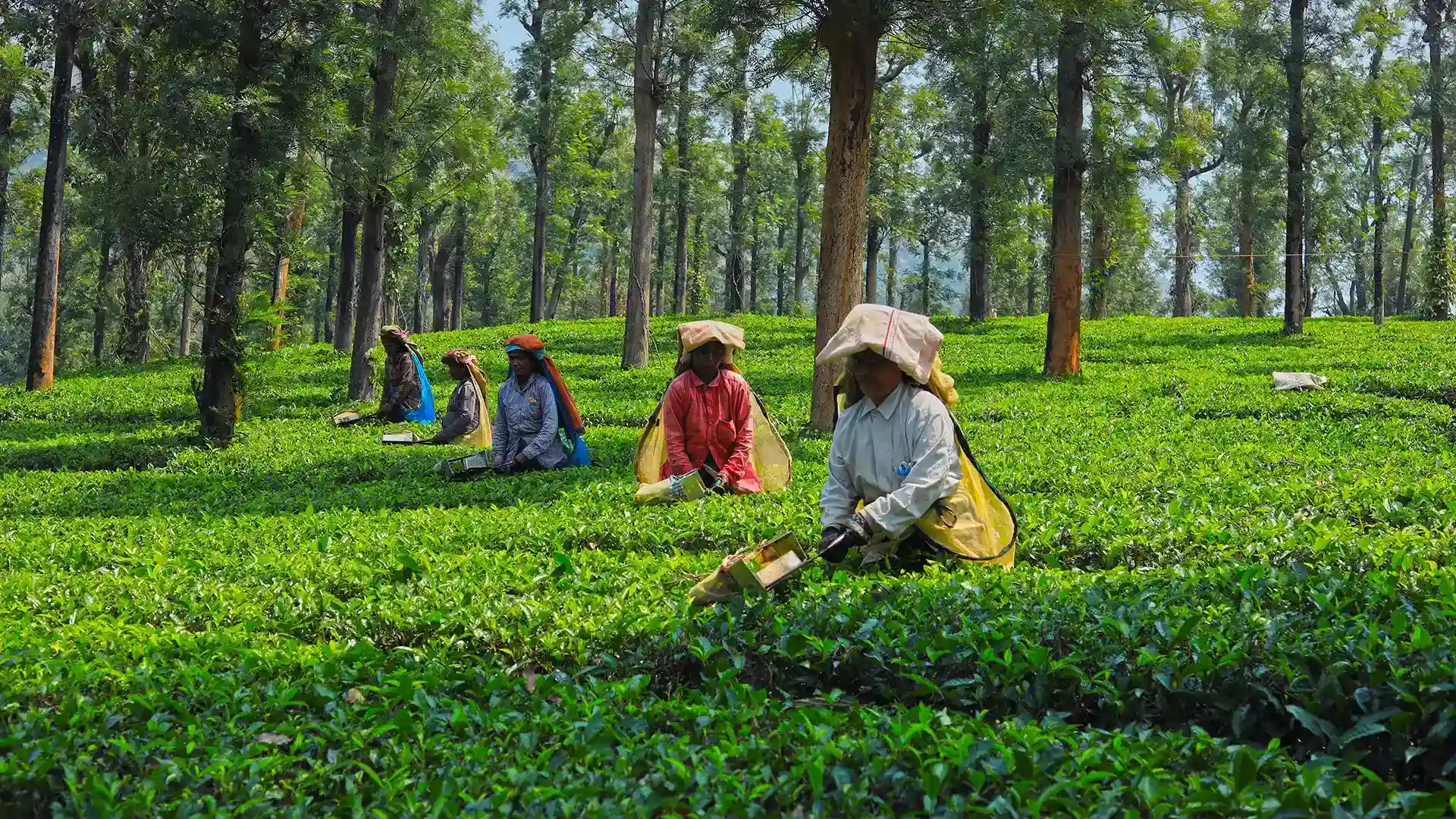
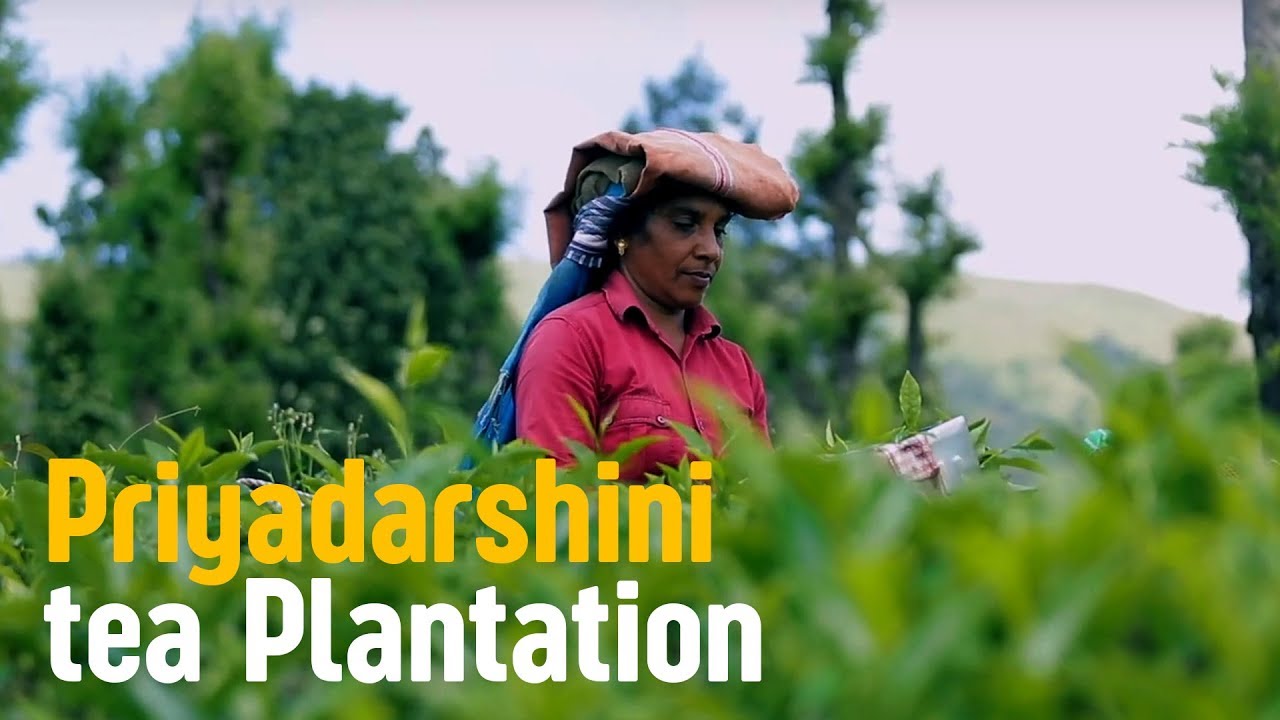
The people at work are central to that connection. Priyadarshini is managed by the Mananthavady Tribal Plantation Co-operative Society, created for the rehabilitation of formerly bonded Adivasi workers. Tourism therefore enters an existing workplace and community project. Visitors should describe what guides choose to share without turning workers into scenery or treating a social history as a themed performance.
That distinction changes how the estate should be read. Tea bushes form an attractive pattern because they are repeatedly pruned for harvesting; the taller trees regulate the plantation environment; paths are working routes as well as walking lines. A quiet frame may still represent labour, transport and processing happening elsewhere on the property.
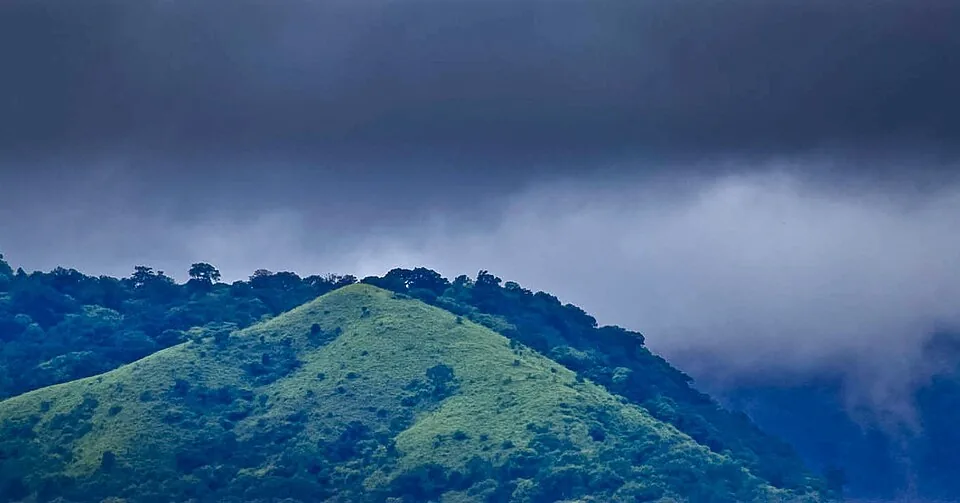
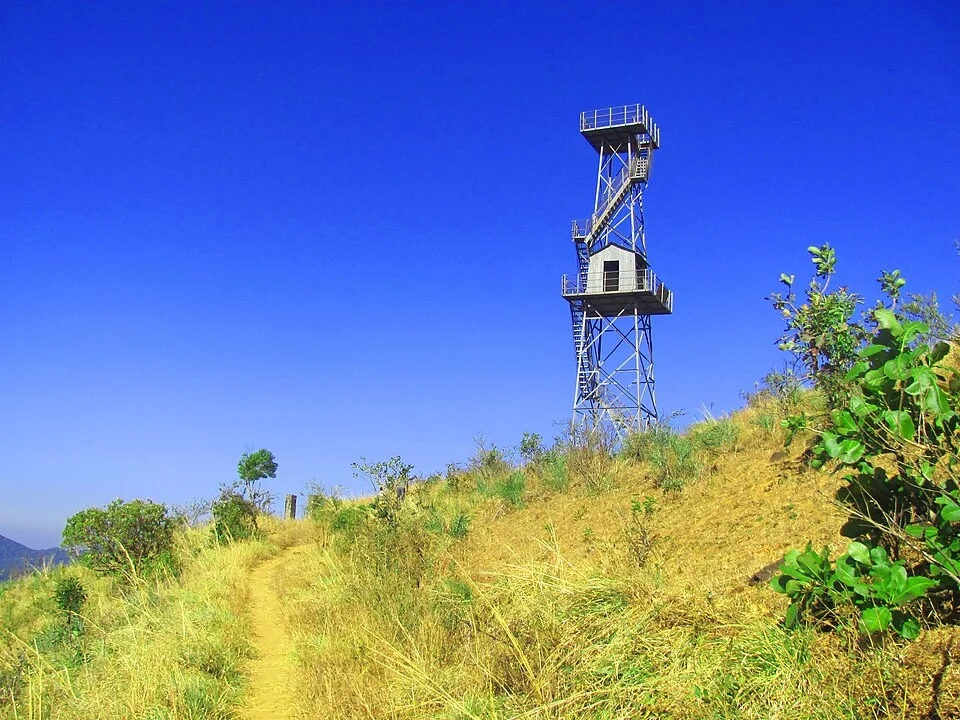
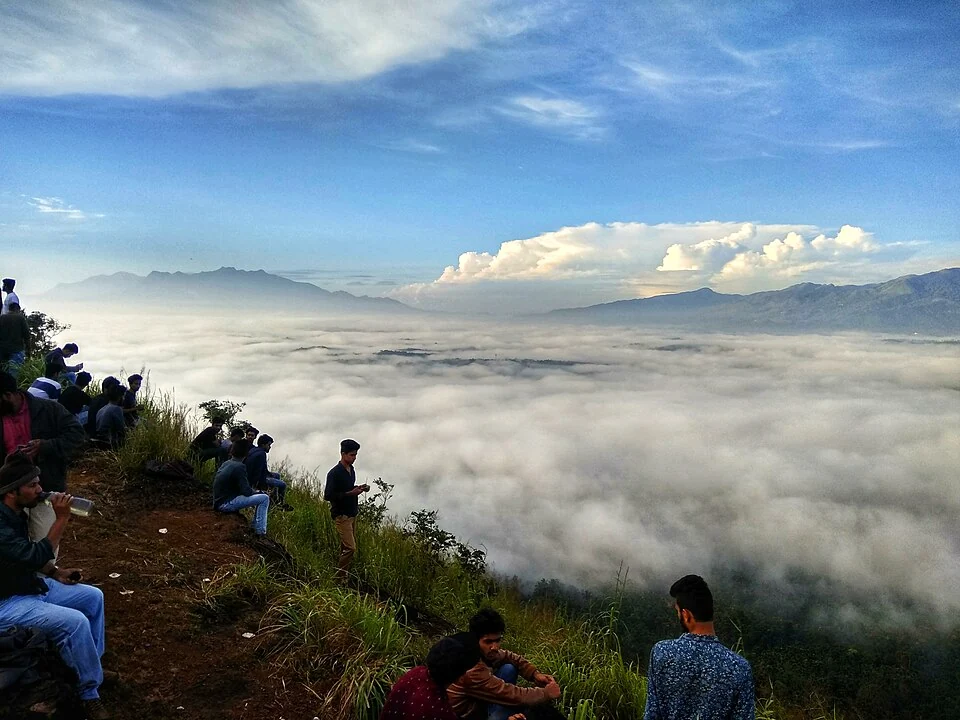
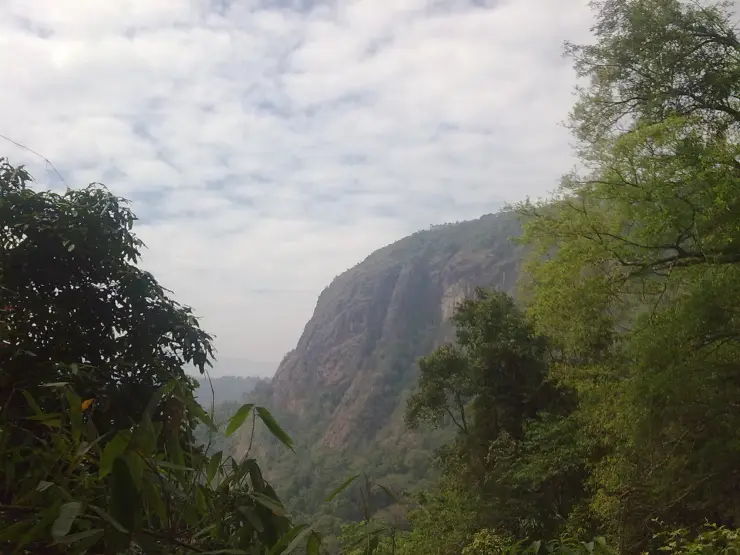
Vishwas Point adds a higher, more open scale. Kerala Tourism and DTPC identify it as the estate’s trekking point, while the broader hills have also hosted mountain biking. The climb should not be presented as an independent public trail: local directions and current permission matter in a working estate, and access can differ from the shorter factory-and-tasting visit.
The most rewarding sequence is therefore field, factory, museum and cup, with a viewpoint walk only when the estate is running it. That order prevents the plantation from becoming a generic Wayanad backdrop. By the end, the rows outside can be seen as the beginning of a chain of skilled decisions rather than merely as bands of green.
The factory is also where the landscape becomes measurable. Leaves that looked interchangeable on the bush are handled against time, moisture and grade; machinery organises work that began by hand on the slope. Visitors do not need to memorise every technical term. Watching the material change from green shoots to dry leaf is enough to connect the smell in the processing room with the drink served later.
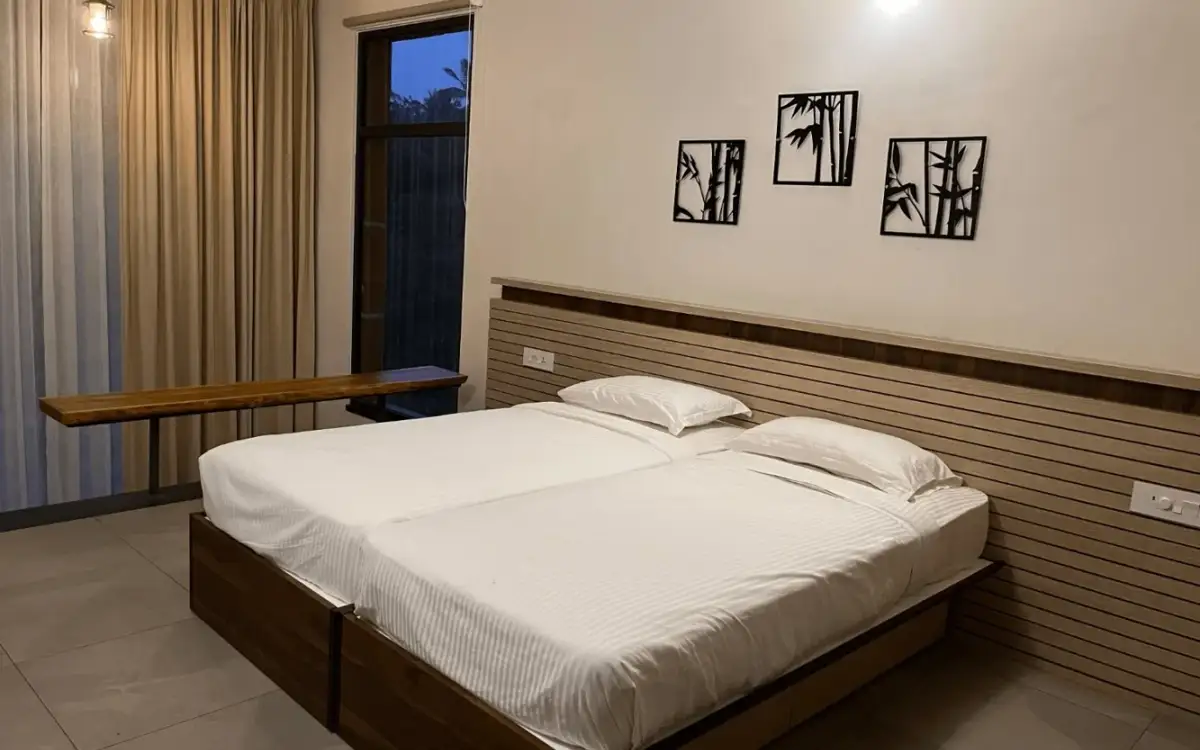
Accommodation changes the relationship again. A day visitor sees the plantation as a sequence of stops, while an overnight guest encounters shift changes, quieter tracks and the way mist or rain redraws the same field. Rooms and camping are separate products rather than automatic parts of the entry ticket, so the estate should confirm what is operating before a journey is built around a particular stay style.
The tree houses shown in official tourism material belong to that slower estate experience. They are not proof that every booking receives a canopy room, nor that visitors may wander from one structure to another. Their value is human scale: a small building among repeated rows makes the size and steepness of the planted hills easier to understand.
Priyadarshini rewards questions that join its social and agricultural stories. Who owns the crop, where the picked leaf goes, what the factory adds, and how tourism income fits the co-operative are more revealing than a checklist of viewpoints. The answer may vary with the guide and the day’s work, which is precisely why this is a living enterprise rather than a static museum display.
Season changes what can be read outdoors. New growth brightens the clipped surface after rain, active plucking makes the labour chain visible, and low cloud can remove Vishwas Point while leaving the factory visit intact. A strong plan does not depend on every component operating at once. It treats the estate tour as the core and asks separately about trekking, camping or accommodation for the intended date.
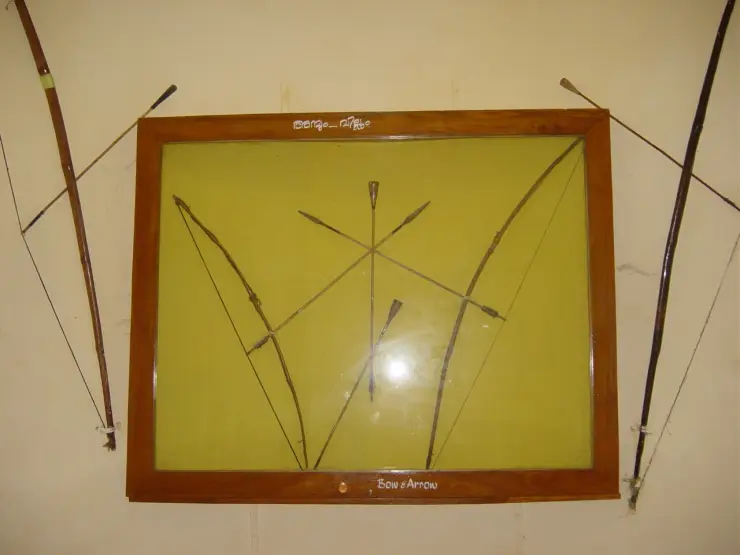
The museum and factory answer different questions even when they share the same tea story. The museum can explain tools, grades and the co-operative’s chronology whether or not machinery is moving. The factory shows the present chain under real production constraints, which depend on harvested leaf and the working day. Asking at reception which spaces are active prevents a static display from being mistaken for a promised live demonstration.
Visitors also need to keep Pancharakolly in the address. Wayanad itineraries often group every tea stop under Kalpetta, but Priyadarshini belongs on the Mananthavady side and its official road distance is much shorter from that town. Choosing the right base reduces unnecessary hill-road travel and keeps the co-operative’s real locality visible. The map marker identifies the estate; it does not grant access to every internal track or viewpoint.
A careful visit leaves the workers in control of their own visibility. Wide landscape photographs can show harvesting in context without demanding a posed portrait, blocking a working path or treating a collecting cloth as costume. If a guide introduces a person or invites a closer photograph, ask before raising the camera. The rehabilitation history deserves the same standard: listen to what the co-operative chooses to present and avoid turning hardship into a decorative anecdote.
Legend & myth
Priyadarshini’s strongest story is documented social history rather than legend. Claims such as “Asia’s second-largest tribal rehabilitation project” appear in promotion, but scale rankings vary by source; the well-supported fact is the co-operative’s 1984 rehabilitation purpose and its continuing plantation identity.