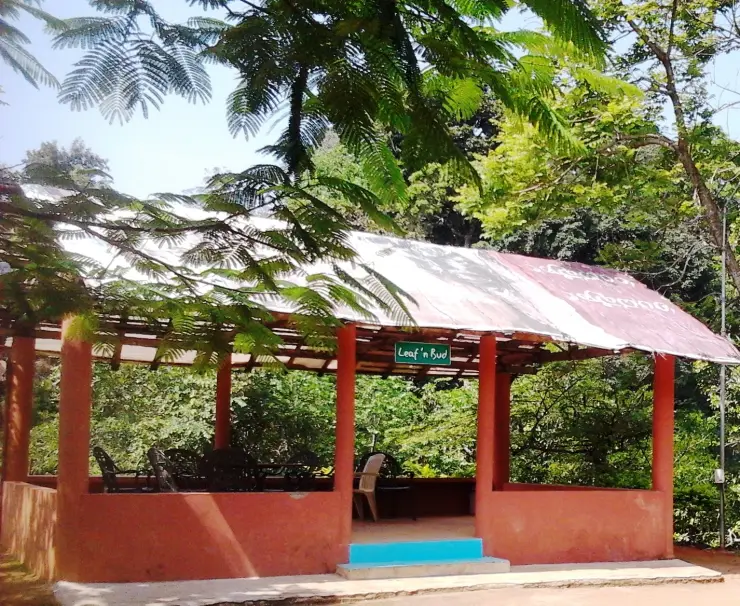
Priyadarshini Tea Environs

Priyadarshini Tea Environs is the Mananthavady Tribal Plantation Co-operative estate at Pancharakolly, not a generic plantation stop in Kalpetta. Its visitor circuit brings the tea field, factory, museum and tasting together, with Vishwas Point and overnight options arranged separately.

Priyadarshini Tea Environs, Mananthavady
Practical guide

Plan Priyadarshini Tea Environs

Who's going?Tailor Priyadarshini Tea Environs to your trip
Typeheritage
Nearest baseMananthavady
DistrictWayanad
Best timeOctober to May is the official broad…
Time neededAllow two to three hours for a useful…
Entry₹100
Places to visit9Listed businesses24

The landscape matters because of who owns its story: the co-operative was created in 1984 as a long-term rehabilitation and employment project for Adivasi families freed from bonded labour. Visit as a working institution, not as anonymous green scenery.

The story

Priyadarshini is a working tea landscape with an unusually consequential origin: the plantation was organised not simply to grow a crop, but to create lasting work and security for families released from bonded labour in Wayanad.

The story of Priyadarshini Tea Environs

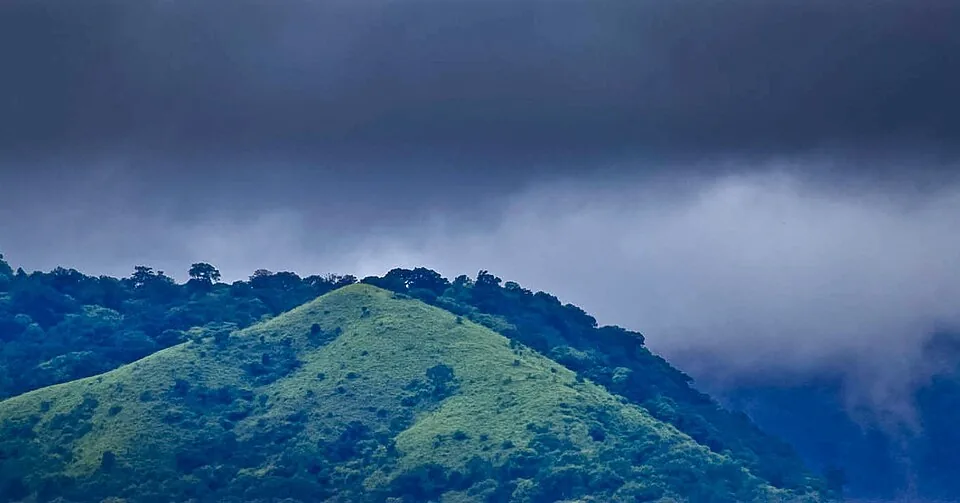
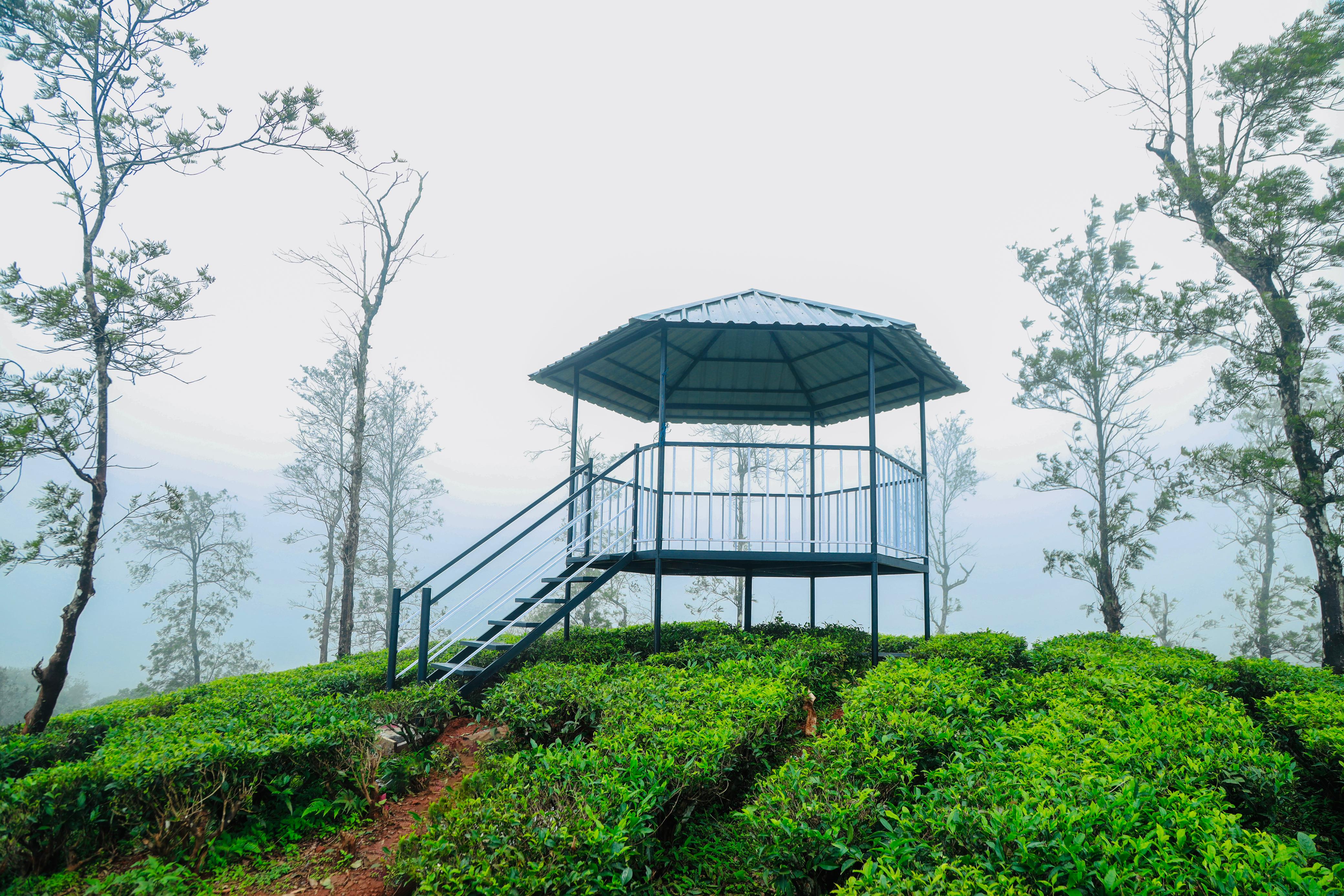
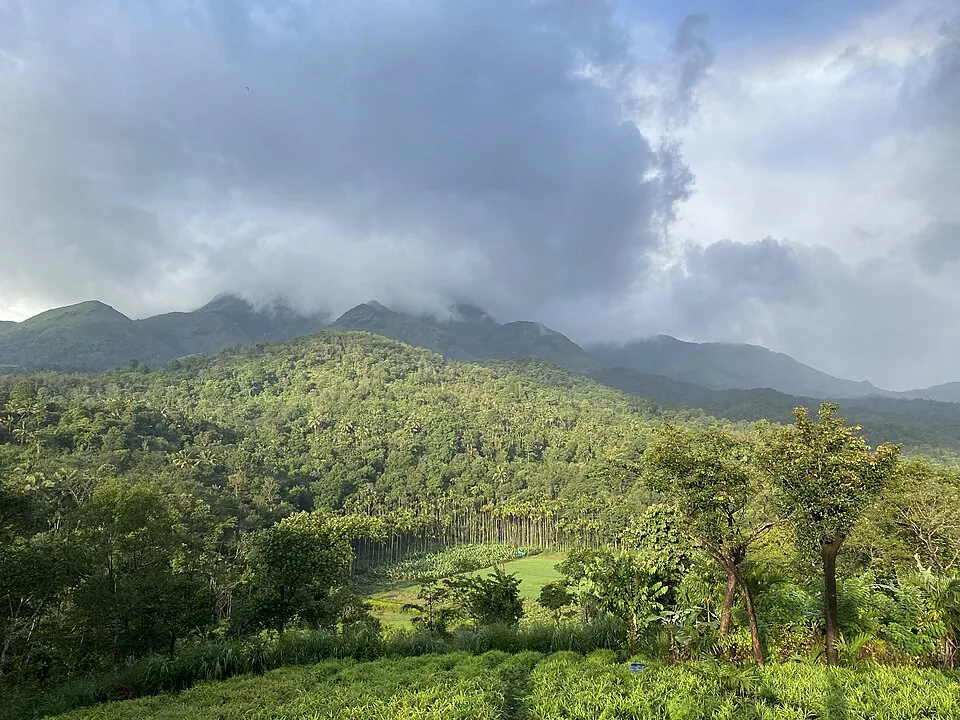
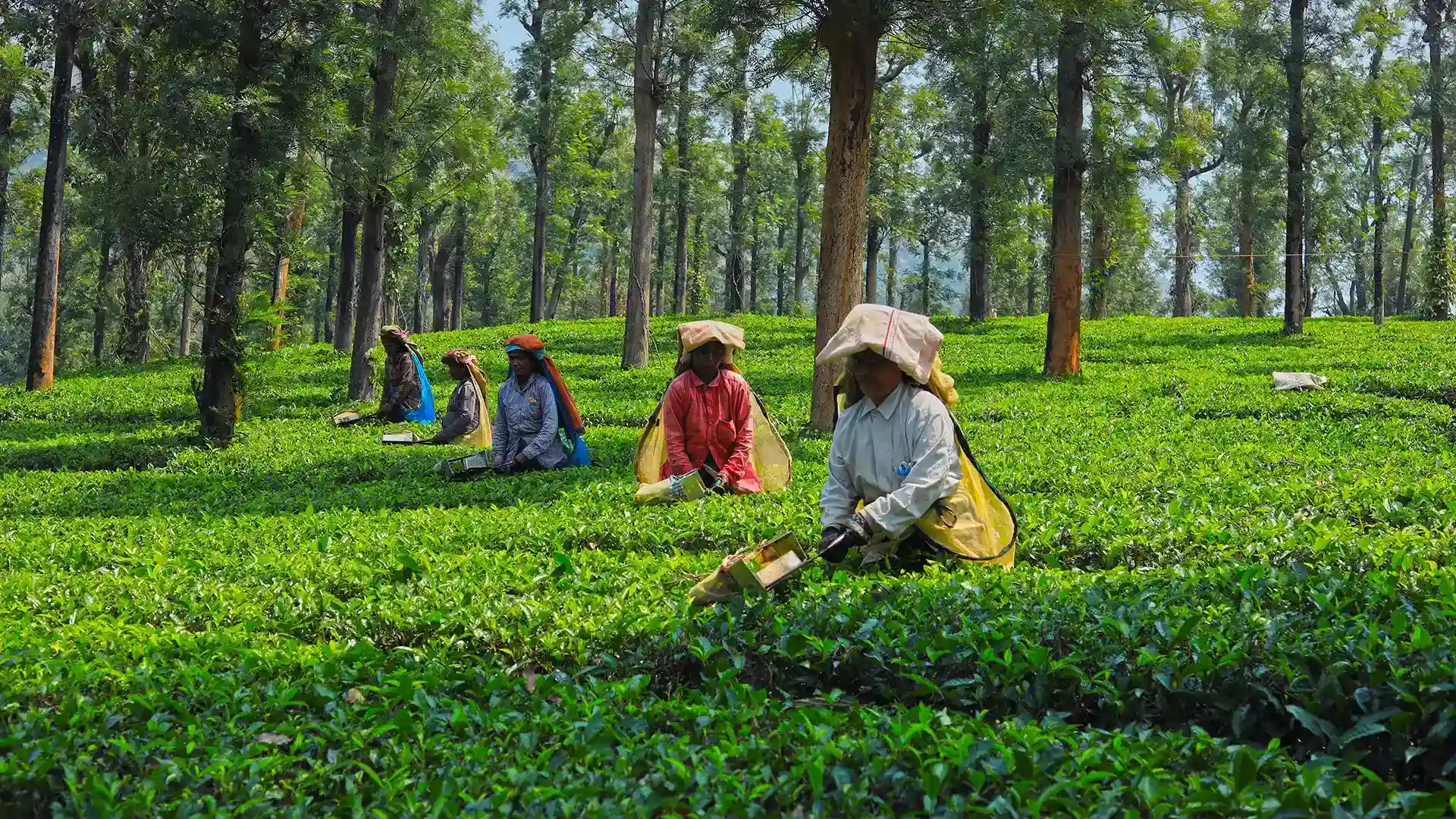
The visitor experience begins among clipped tea rows at Pancharakolly, roughly nine kilometres from Mananthavady. Shade trees rise through the plantation and tracks follow the folds of the hill, so the geometry of cultivation is visible before the first leaf reaches the factory. This is the setting behind the name “Tea Environs”: estate, processing buildings, museum and accommodation belong to one working landscape rather than a decorative garden.

A tea tour makes most sense when followed in production order. Tender shoots are picked in the field, then brought to the factory for stages that remove moisture, bruise and roll the leaf, develop flavour through oxidation, and finally dry and sort it. The museum supplies the longer story of tea; tasting returns that story to the cup. The attraction is the connection between those stages, not just a photograph between green rows.

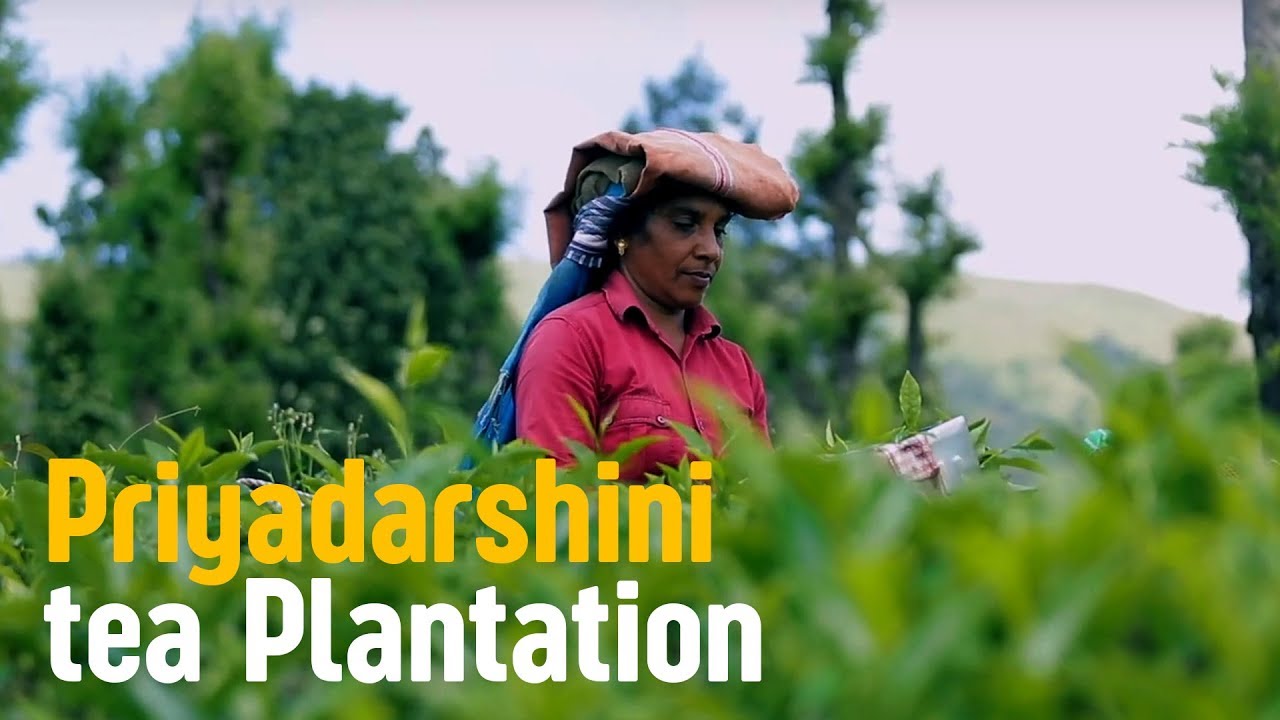
The people at work are central to that connection. Priyadarshini is managed by the Mananthavady Tribal Plantation Co-operative Society, created for the rehabilitation of formerly bonded Adivasi workers. Tourism therefore enters an existing workplace and community project. Visitors should describe what guides choose to share without turning workers into scenery or treating a social history as a themed performance.

That distinction changes how the estate should be read. Tea bushes form an attractive pattern because they are repeatedly pruned for harvesting; the taller trees regulate the plantation environment; paths are working routes as well as walking lines. A quiet frame may still represent labour, transport and processing happening elsewhere on the property.

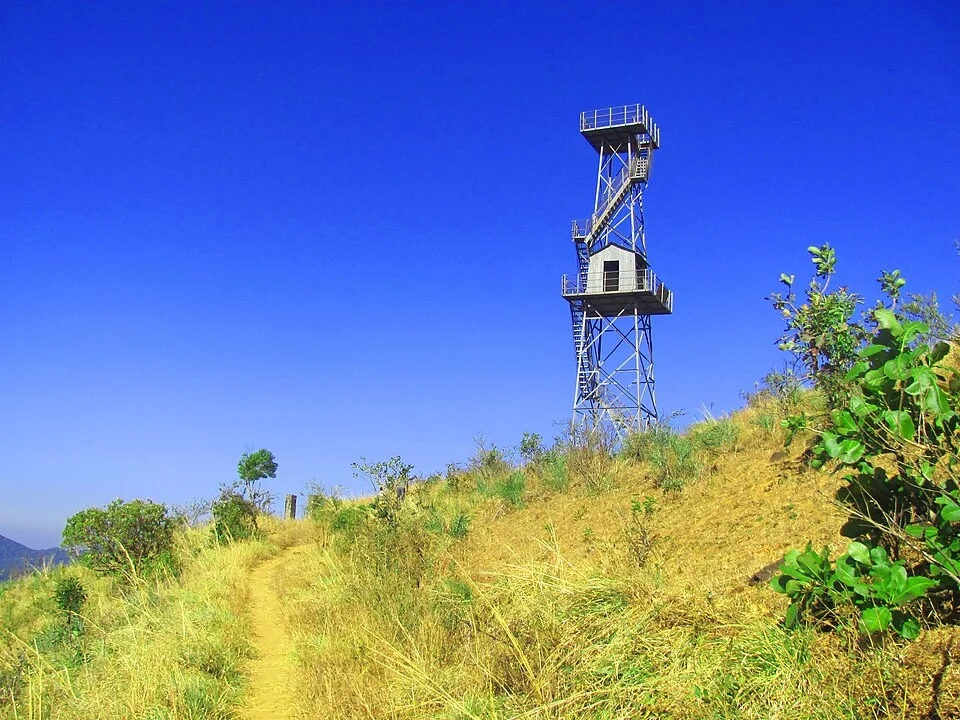
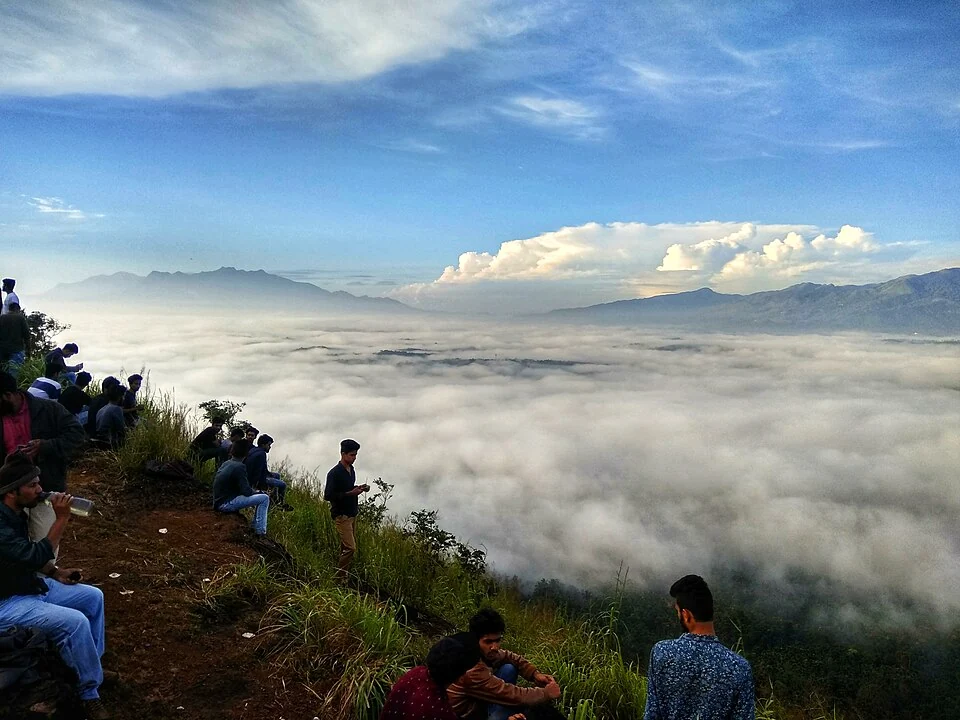
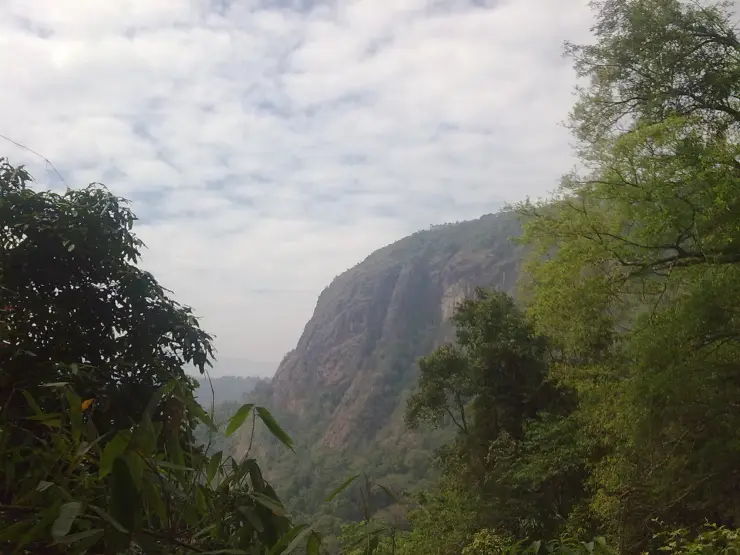
Vishwas Point adds a higher, more open scale. Kerala Tourism and DTPC identify it as the estate’s trekking point, while the broader hills have also hosted mountain biking. The climb should not be presented as an independent public trail: local directions and current permission matter in a working estate, and access can differ from the shorter factory-and-tasting visit.

The most rewarding sequence is therefore field, factory, museum and cup, with a viewpoint walk only when the estate is running it. That order prevents the plantation from becoming a generic Wayanad backdrop. By the end, the rows outside can be seen as the beginning of a chain of skilled decisions rather than merely as bands of green.

The factory is also where the landscape becomes measurable. Leaves that looked interchangeable on the bush are handled against time, moisture and grade; machinery organises work that began by hand on the slope. Visitors do not need to memorise every technical term. Watching the material change from green shoots to dry leaf is enough to connect the smell in the processing room with the drink served later.

Accommodation changes the relationship again. A day visitor sees the plantation as a sequence of stops, while an overnight guest encounters shift changes, quieter tracks and the way mist or rain redraws the same field. Rooms and camping are separate products rather than automatic parts of the entry ticket, so the estate should confirm what is operating before a journey is built around a particular stay style.

The tree houses shown in official tourism material belong to that slower estate experience. They are not proof that every booking receives a canopy room, nor that visitors may wander from one structure to another. Their value is human scale: a small building among repeated rows makes the size and steepness of the planted hills easier to understand.

Priyadarshini rewards questions that join its social and agricultural stories. Who owns the crop, where the picked leaf goes, what the factory adds, and how tourism income fits the co-operative are more revealing than a checklist of viewpoints. The answer may vary with the guide and the day’s work, which is precisely why this is a living enterprise rather than a static museum display.

Season changes what can be read outdoors. New growth brightens the clipped surface after rain, active plucking makes the labour chain visible, and low cloud can remove Vishwas Point while leaving the factory visit intact. A strong plan does not depend on every component operating at once. It treats the estate tour as the core and asks separately about trekking, camping or accommodation for the intended date.

The museum and factory answer different questions even when they share the same tea story. The museum can explain tools, grades and the co-operative’s chronology whether or not machinery is moving. The factory shows the present chain under real production constraints, which depend on harvested leaf and the working day. Asking at reception which spaces are active prevents a static display from being mistaken for a promised live demonstration.

Visitors also need to keep Pancharakolly in the address. Wayanad itineraries often group every tea stop under Kalpetta, but Priyadarshini belongs on the Mananthavady side and its official road distance is much shorter from that town. Choosing the right base reduces unnecessary hill-road travel and keeps the co-operative’s real locality visible. The map marker identifies the estate; it does not grant access to every internal track or viewpoint.

A careful visit leaves the workers in control of their own visibility. Wide landscape photographs can show harvesting in context without demanding a posed portrait, blocking a working path or treating a collecting cloth as costume. If a guide introduces a person or invites a closer photograph, ask before raising the camera. The rehabilitation history deserves the same standard: listen to what the co-operative chooses to present and avoid turning hardship into a decorative anecdote.

Legend & myth

Priyadarshini’s strongest story is documented social history rather than legend. Claims such as “Asia’s second-largest tribal rehabilitation project” appear in promotion, but scale rankings vary by source; the well-supported fact is the co-operative’s 1984 rehabilitation purpose and its continuing plantation identity.
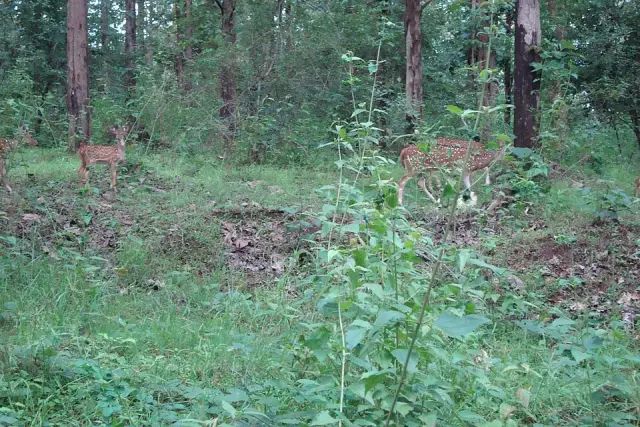
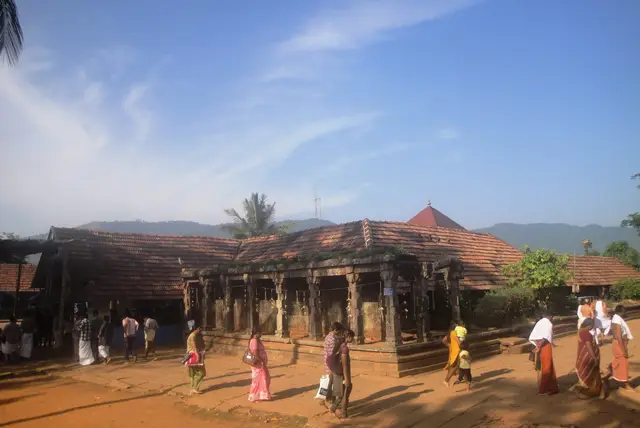
Read the full history of Priyadarshini Tea Environs 239 more words

History

The Mananthavady Tribal Plantation Co-operative Society was registered in 1984. Government and tourism records describe its purpose as rehabilitating people freed from bonded labour by establishing a viable plantation and providing continuing employment. Tea cultivation at the main Pancharakolly unit followed in the 1980s, and the factory later gave the society a way to process rather than merely grow its crop.

Official records place the estate at Pancharakolly in Mananthavady taluk. That matters because “Kalpetta” is sometimes used loosely as a Wayanad travel base, but it is not the estate’s locality. Mananthavady is the practical town reference and the closer bus hub.

Tourism was layered onto the plantation through cooperation between Wayanad’s District Tourism Promotion Council and the Mananthavady tribal society. The resulting programme links plantation walking, factory interpretation, a tea museum and tasting, while stays and guided outdoor activities extend the visit when available.

Priyadarshini also became a venue for MTB Kerala. Hosting an international cross-country mountain-bike event demonstrated that the estate tracks could be read as sporting terrain as well as production infrastructure, but an event course should not be assumed to remain a permanently open cycling route.

Why visit

Follow tea from living rows through processing and tasting in one place.

See a plantation whose co-operative history is inseparable from its tourism story.

Read the patterned hills as a working landscape rather than a roadside photo stop.

Add a guided estate viewpoint walk when current operations allow it.

What to expect

Highlights

  • Follow tea from planted rows through factory processing, museum interpretation and tasting.
  • Understand the estate’s co-operative purpose and the continuing work behind the visitor landscape.
  • Ask separately about the Vishwas Point walk, camping and accommodation rather than assuming admission includes them.
  • Use Mananthavady as the practical base: official tourism material places the estate about nine kilometres away.
Getting there

How to visit

  • Contact Priyadarshini before travel and confirm the tea tour, factory access and any walk you want by name.
  • Navigate to the exact Pancharakolly estate marker; the former Kalpetta filing was a planning error and is not the local approach.
  • Allow the guide and factory staff to set the route. Plantation rows, machinery and worker areas are active workplaces.
  • Treat trekking, camping, rooms and the ordinary tea tour as separate arrangements.

Distance by road

  • Kozhikode71 km
  • Mysuru138 km
  • Coimbatore210 km
  • Mangaluru254 km
  • Kochi256 km

Road km to Wayanad; ghat roads and traffic vary — allow extra.

Timing

Best time

October to May is the official broad recommendation. Rain can make the plantation vivid but also changes paths, factory access and the usefulness of a longer walk.

Weather in Priyadarshini Tea EnvironsSeasonal guide

Live forecast loads in your browser.

Today at Priyadarshini Tea Environs
Sunrise6:16 am
Sunset6:34 pm
Golden hour best light5:34 pm–6:34 pm
Blue hour after sunset6:34 pm–6:59 pm
Sun sets toward compass bearingW · 277°
Moon tonight🌗 Last quarter · 44%
South-west monsoon. June to September is the south-west monsoon in Kerala. Expect heavy showers, mostly in bursts rather than all day — carry rain cover, allow extra time for getting around, and note that ferries and open-air sites are the first things affected.

Sun and moon are calculated for this location and shown in IST. Photography windows are the hour around sunrise and sunset; the sunset bearing is degrees clockwise from true north. Moon phase is accurate to about half a day.

Visitor notes

  • Kerala Tourism publishes a narrower 09:00–16:00 tour window than DTPC’s 09:00–17:00 listing; plan to the narrower window and confirm.
  • The current official adult admission is ₹100, with ₹50 child and senior rates; rooms and additional activities are separate.
  • Ask before photographing workers, production areas or community spaces.
  • The estate is 8.8–9 km from Mananthavady in current official material and about 35.6 km from Kalpetta.
Safety

Good to know

  • Stay with the guide around factory machinery and working vehicles.
  • Use footwear suitable for sloped, wet plantation paths.
  • Do not enter adjoining forest or unsigned estate tracks independently.
  • Follow staff instructions during rain, maintenance or tea-processing work.
Official eco & forest programmes

Experiences around Priyadarshini Tea Environs

These are official or public-sector eco offerings that match this place, town or forest destination. Confirm availability, permits, tariffs and reporting times with the official operator before travel.

Wayanad Wildlife Sanctuary, Priyadarshini Tea Environs
safariwildlife

Tholpetty wildlife safari

Northern Wayanad wildlife safari zone around Tholpetty, usually planned from Mananthavady or Thirunelli.

Wayanad Wildlife Sanctuary
Official source →
Thirunelli, Priyadarshini Tea Environs
wildlifetrekinterpretation

Thirunelli forest and temple eco visit

Temple, forest and Brahmagiri-edge landscape in north Wayanad, listed among Kerala Tourism ecotourism destinations.

Kerala Forest Department / local temple and tourism authorities
Official source →
Kuruva Island, Priyadarshini Tea Environs
wildlifeboatinginterpretation

Kuruva Island eco visit

River-island eco-tourism area with seasonal and carrying-capacity restrictions; confirm opening status before travel.

Kerala Forest Department / local tourism authorities
Official source →
Stay · eat · do · rent · see · shop

Stays, food & things to do near Priyadarshini Tea Environs

Verified hotels, homestays, restaurants, experiences, sights, shops and rentals around Priyadarshini Tea Environs — commission-free, with direct contact. Filter by what you need.

3 places to eat near Priyadarshini Tea Environs

ABAD Parisons Plantation Restaurant — Plantation resort restaurant in Mananthavady
Verified
Plantation resort restaurant · Mananthavady
ABAD Parisons Plantation Restaurant

Official ABAD restaurant record for plantation-side dining near Mananthavady. Contact direct / check current rates · eat, Plantation resort restaurant, ABAD Parisons Plantation Restaurant.

Directions Commission-freeView details
Nice Restaurant Mananthavady — Restaurant in Mananthavady
Verified
Restaurant · Mananthavady
Nice Restaurant Mananthavady

Mananthavady restaurant with direct address, phone and email evidence. Kuzhinilam, Mananthavady P.O., Wayanad, Kerala 670644 · Contact direct · Mananthavady food, Restaurant, Kuzhinilam.

Directions Commission-freeView details
N
Nice Restaurant
Where to eat
Restaurant · Mananthavady
Nice Restaurant
Kerala

A family-run Kerala restaurant at Kuzhinilam in Mananthavady town, open 25 years. Pepper roasts, mappas and biryani lead a menu of traditional Kerala fare.

Directions Commission-freeView details

Book with the place itself. India’s cyber-crime coordination centre warned in April 2025 that convincing copies of hotel and pilgrimage booking sites are being pushed through sponsored search and social ads, taking payment for rooms the property never hears about. Every listing here links to the business’s own contact details and its own Google or Bing profile — we take no commission and sit in nobody’s payment path. If a booking page reached you through an ad, check the address bar against the property’s own site before you pay. Fraud can be reported on cybercrime.gov.in or on 1930.

Ranked guides

Top experiences around Mananthavady

9 more places around Mananthavady, each worth a day of its own.

wildlifeTholpetty Wildlife Sanctuary

9.6 km · ~16 min by cab

Tholpetty Wildlife Sanctuary is the Mananthavady-side wildlife gateway of Wayanad Wildlife Sanctuary. Plan it through current official safari timing, forest contact checks and responsible road buffers before adding nearby stays, food or drivers.

islandKuruva Island

8.7 km · ~14 min by cab

Protected river-island eco-tourism area on the Mananthavady/Pulpally side, with seasonal and capacity-based access restrictions.

heritagePazhassi Smarakam

5.7 km · ~14 min by auto

Mananthavady memorial connected to Kerala Varma Pazhassi Raja and north-Wayanad history.

templeThirunelli Temple

6.7 km · ~17 min by auto

Thirunelli Temple is a north-Wayanad forest-edge temple near the Brahmagiri landscape, usually planned from Mananthavady or Thirunelli. Check temple timing, road conditions and respectful visitor rules before pairing it with Tholpetty or Kuruva routes.

templeValliyoorkavu Bhagavathy Temple

8.0 km · ~13 min by cab

Important Mananthavady-side Bhagavathy temple known for festival and local cultural context.

trekBrahmagiri Hills

11.7 km · ~19 min by cab

Highland forest-and-peak landscape near Thirunelli, with access dependent on rules and conditions.

trekPakshipathalam

11.7 km · ~19 min by cab

Brahmagiri Hills trek and cave landscape near Thirunelli, known for birdlife and permit-dependent forest access.

trekKambamala Ecotourism

4.0 km · ~10 min by auto

KFDC’s Camellia Eco Cottages stay inside its working Kambamala tea estate, with guided plantation and forest-edge activities arranged as part of the programme.

templeThrissilery Shiva Temple

3.1 km · ~8 min by auto

One of Kerala’s older Shiva temples, on the Mananthavady–Mysore side of north Wayanad and traditionally linked with the Thirunelli pilgrimage.

Roampedia is commission-free — own or know a stay, eatery, guide or shop near Priyadarshini Tea Environs? List it and it appears here once verified.

Add a nearby business
Before you go

Priyadarshini Tea Environs — at a glance

TimingsPlan around Kerala Tourism’s narrower published tour window, 09:00–16:00. DTPC Wayanad currently says 09:00–17:00 and also exposes an older 08:30–16:30 widget, so arrive well before 16:00 and confirm the day’s factory-tour schedule.
Best timeOctober to May is DTPC Wayanad’s recommended period. Clearer dry-season days suit the estate tracks and viewpoint, while monsoon rain can obscure the hills and make working paths slick; the factory and crop continue to follow plantation operations rather than a sightseeing calendar.
Entry price
Indian adult
₹100

Government monuments, museums and forest reserves in India often charge foreign visitors more. We have not verified whether this site does — ask at the counter.

Fees change without notice. Check the current rate at the counter.

Entry: Kerala Tourism currently publishes ₹100 for an adult and ₹50 for a child or senior citizen for the tea tour. DTPC Wayanad shows the same adult and child rates, but its page contains an older, conflicting ₹30 widget; use the ₹100/₹50 tariff and confirm before setting out.

Photography: Landscape photography is appropriate from visitor areas. Ask before photographing workers, factory interiors, equipment or community activities; production areas may restrict cameras for safety and privacy.

Parking: Use the estate’s reception or staff-designated parking. Do not block tea-collection routes, factory access or the narrow working tracks between fields.

Getting here

How to reach Priyadarshini Tea Environs

  • ✈︎ By air DTPC Wayanad lists Calicut International Airport at about 120 km. The final journey is a long hill-road transfer, so confirm that the tour and factory visit are operating before leaving the airport.
  • 🚆︎ By train There is no railway in Wayanad. DTPC Wayanad lists Kozhikode railway station at about 103 km; continue by road over the Ghats to Mananthavady and Pancharakolly.
  • 🚗︎ By road Approach Pancharakolly from Mananthavady and use the operator-linked estate marker at 11.8549375, 75.9879375. This is a working plantation, so follow reception signs rather than treating every estate track as a public road.
  • 🚌︎ By bus Reach Mananthavady bus stand, officially listed at about 9 km, then take a local connection, auto-rickshaw or taxi to Pancharakolly. Confirm the return ride because vehicles are less frequent away from town.
Getting back

Work out your return before you settle in for the sunset. Public transport here thins out sharply in the evening, and Priyadarshini Tea Environs is easier to reach than to leave. We do not publish departure times: there is no official live feed we are permitted to republish, and a wrong time here would strand you. Check the operator directly on the day.

Ask at the bus stand for the time of the last service back, not the next one. If you miss it, an auto or app cab is the fallback — agree the fare before you get in.

Plan

Good to know

  • Ask whether the factory, museum, tasting and viewpoint walk are all running on your date; one open component does not guarantee the others.
  • Keep the tour in production order—field, factory, museum, tasting—to understand what makes this more than a tea-row photo stop.
  • Current official contacts: +91 94957 47900, +91 94460 72134 and +91 4935 294198.
Facilities

On site

  • Tea-tour reception
  • Tea factory and museum when operating
  • Tea tasting and sales
  • Tourist accommodation offered separately
  • Staff-guided estate activities when available
Stay safe

Safety

  • Stay with the guide in factory and production areas; moving machinery and working vehicles take priority.
  • Use only the estate route assigned on the day, especially for Vishwas Point; this is not an unrestricted public trail.
  • Rain and mist make soil tracks slippery and reduce visibility, so accept closures or shortened walks.
  • For an urgent medical or police emergency call India’s integrated emergency number 112; the practical service centre is Mananthavady.
Getting around Priyadarshini Tea Environs

We have not assessed physical access at this place yet. Across India, step-free routes, handrails and accessible toilets are the exception rather than the rule, and pavements are often interrupted — if step-free access matters to you, contact the site or a local operator before committing to the trip.

If you need help at Priyadarshini Tea Environs
112All emergencies (police · fire · medical)The single number to call in any emergency (ERSS).

Emergency numbers are verified against official government and state tourism sources. 112 works anywhere in India.

Nearby

What’s near Priyadarshini Tea Environs

templeThrissilery Shiva Temple 3.1 km · ~8 min by auto · straight line
trekKambamala Ecotourism 4.0 km · ~10 min by auto · straight line
heritagePazhassi Smarakam 5.7 km · ~14 min by auto · straight line
templeThirunelli Temple 6.7 km · ~17 min by auto · straight line
templeValliyoorkavu Bhagavathy Temple 8.0 km · ~13 min by cab · straight line
islandKuruva Island 8.7 km · ~14 min by cab · straight line
wildlifeTholpetty Wildlife Sanctuary 9.6 km · ~16 min by cab · straight line
trekBrahmagiri Hills 11.7 km · ~19 min by cab · straight line
trekPakshipathalam 11.7 km · ~19 min by cab · straight line
viewpointKurumbalakotta 18.3 km · ~31 min by cab · straight line
heritageVarambetta Mosque 18.6 km · ~31 min by cab · straight line
trekBanasura Hills 19.5 km · ~32 min by cab · straight line

All 9 places to visit in Mananthavady →

On the map

Where Priyadarshini Tea Environs is

Good to know

Priyadarshini Tea Environs — frequently asked

Is Priyadarshini Tea Environs in Kalpetta?

No. Official records place it at Pancharakolly in Mananthavady taluk, close to Mananthavady town. Kalpetta is a more distant district travel base.

Is this only a tea plantation viewpoint?

No. The distinctive visit connects the estate with a working tea factory, tea museum and tasting; the exact components operating on the day should be confirmed at reception.

Who runs Priyadarshini Tea Estate?

It is associated with the Mananthavady Tribal Plantation Co-operative Society, established as a rehabilitation and employment project for formerly bonded Adivasi workers.

Can visitors trek to Vishwas Point independently?

Treat it as an estate-managed activity, not an unrestricted public trail. Ask locally about the current guided route and permission before setting out.

Can I cycle the MTB Kerala course?

The estate hosted MTB Kerala events, but an event route is not proof of permanent public access. Confirm any cycling activity directly with the estate.

How long should I allow?

Allow enough time to see the field, factory and museum in sequence rather than stopping only for photographs. Add extra time only if a guided viewpoint activity is confirmed.

When is the best time to visit Priyadarshini Tea Environs?

October to May is the official broad recommendation. Rain can make the plantation vivid but also changes paths, factory access and the usefulness of a longer walk.

What are the entry fee and timings at Priyadarshini Tea Environs?

Entry: Kerala Tourism currently publishes ₹100 for an adult and ₹50 for a child or senior citizen for the tea tour. DTPC Wayanad shows the same adult and child rates, but its page contains an older, conflicting ₹30 widget; use the ₹100/₹50 tariff and confirm before setting out.. Timings: Plan around Kerala Tourism’s narrower published tour window, 09:00–16:00. DTPC Wayanad currently says 09:00–17:00 and also exposes an older 08:30–16:30 widget, so arrive well before 16:00 and confirm the day’s factory-tour schedule. The rupee figure quoted is the Indian adult rate. Government monuments, museums and forest reserves in India often charge foreign visitors more, and we have not verified whether this site does.

How do I reach Priyadarshini Tea Environs?

Contact Priyadarshini before travel and confirm the tea tour, factory access and any walk you want by name. Navigate to the exact Pancharakolly estate marker; the former Kalpetta filing was a planning error and is not the local approach. Allow the guide and factory staff to set the route. Plantation rows, machinery and worker areas are active workplaces. Treat trekking, camping, rooms and the ordinary tea tour as separate arrangements.

How much time do I need for Priyadarshini Tea Environs?

Allow two to three hours for a useful plantation, factory, museum and tasting visit; reserve longer only when a Vishwas Point walk or stay has been confirmed.

What else is near Priyadarshini Tea Environs?

Nearby you can pair Thrissilery Shiva Temple (3.1 km), Kambamala Ecotourism (4.0 km), Pazhassi Smarakam (5.7 km), Thirunelli Temple (6.7 km).

What should I know before visiting Priyadarshini Tea Environs?

Stay with the guide around factory machinery and working vehicles. Use footwear suitable for sloped, wet plantation paths. Do not enter adjoining forest or unsigned estate tracks independently. Follow staff instructions during rain, maintenance or tea-processing work.

Image credits

Photographs: Kerala Tourism (Official tourism image), DTPC Wayanad (Official tourism image), RajeshUnuppally (CC0), Mrriyad (CC BY-SA 3.0). Wikimedia Commons.