Highlights
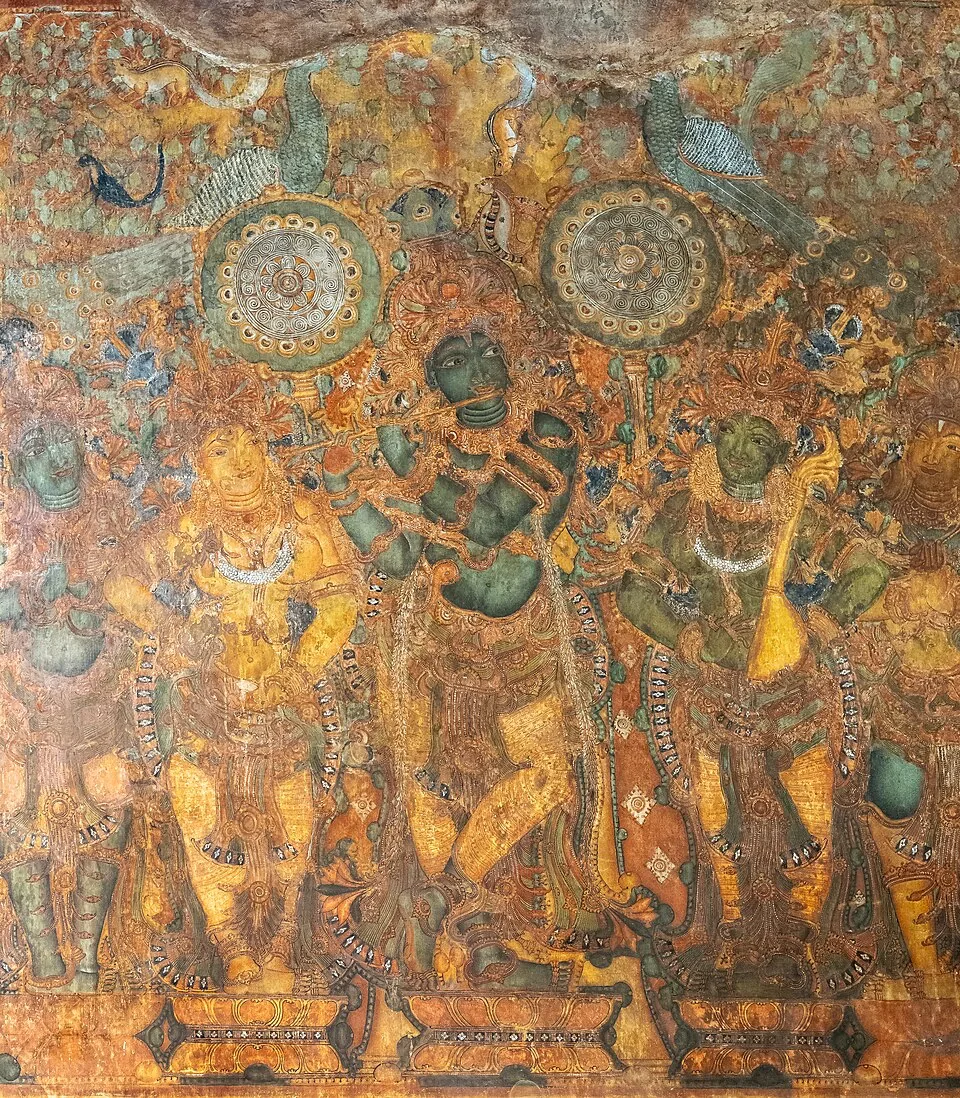
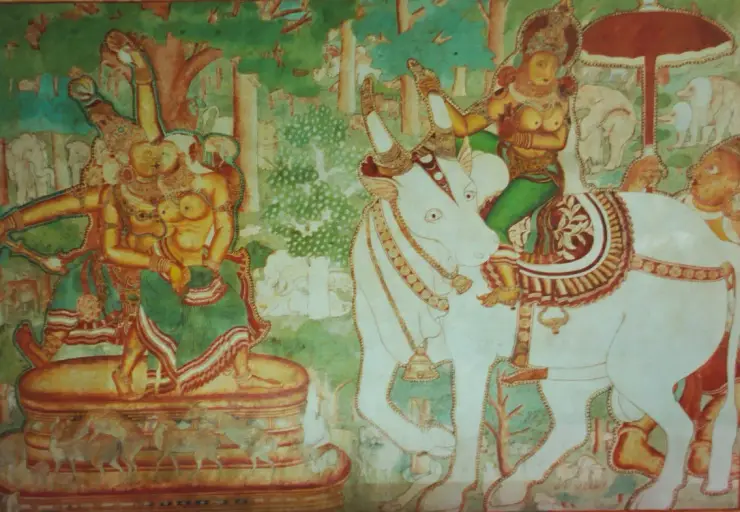
- The Dutch Palace and its Ramayana murals at the head of the street.
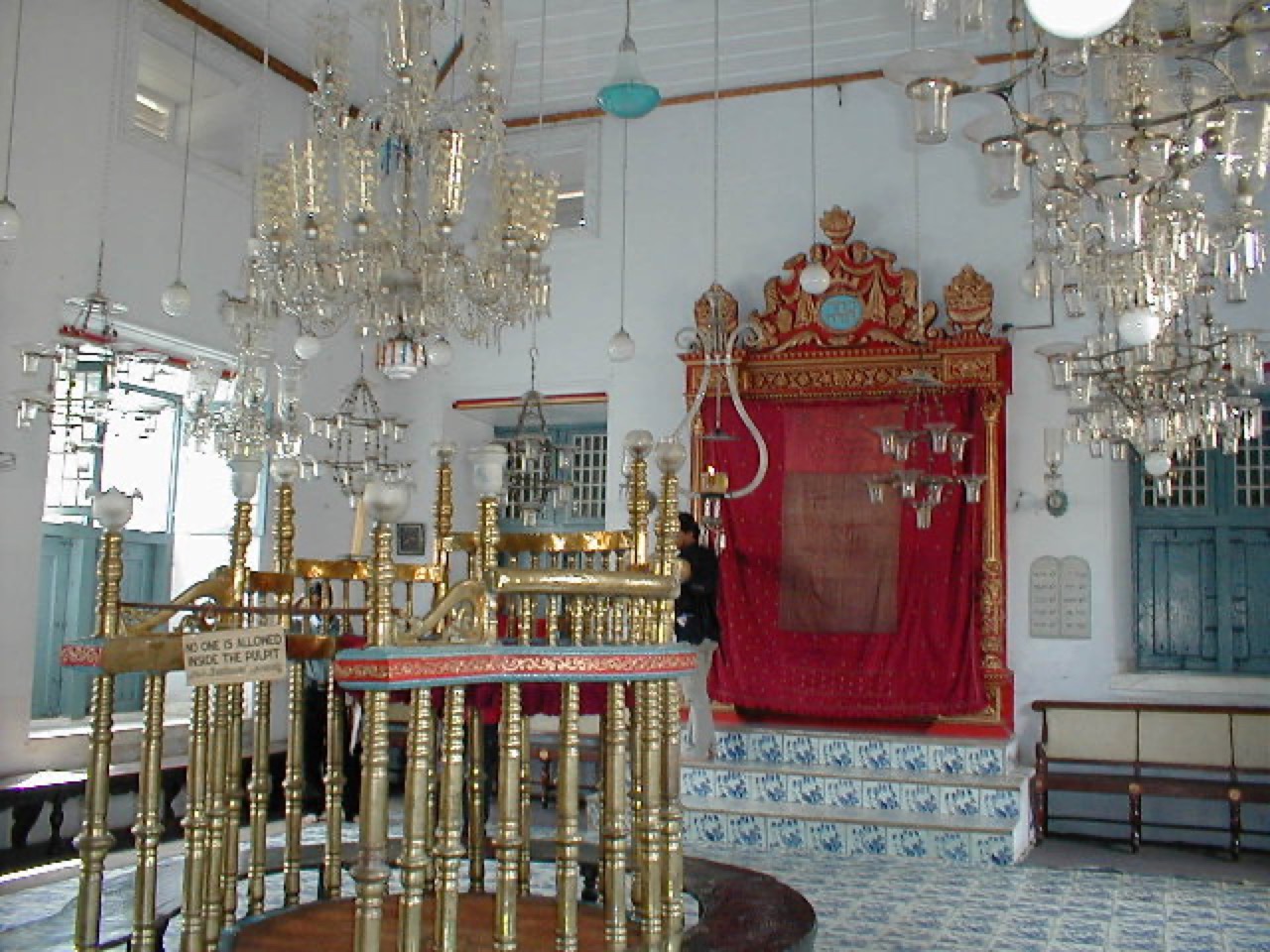
- The Paradesi Synagogue and its clock tower with three scripts at the far end.
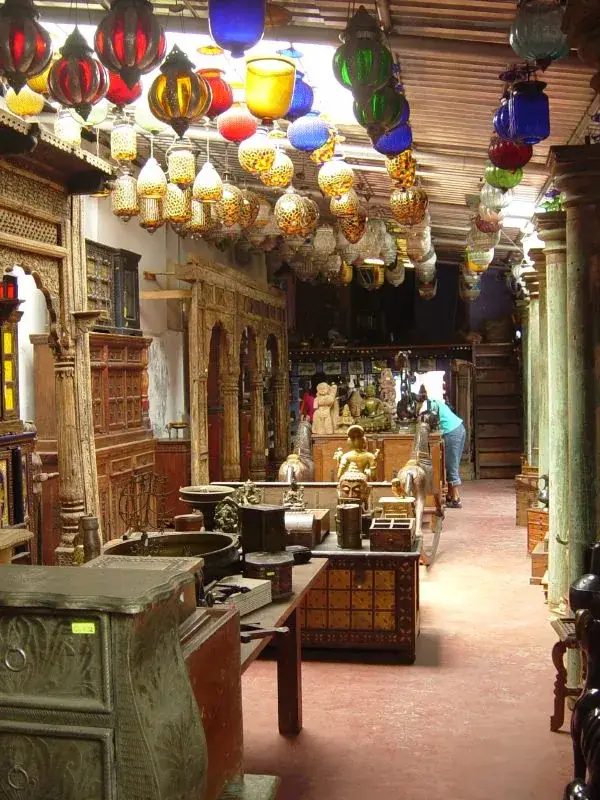
- The antique and curio shops with lamps, urns, door frames and old photographs.
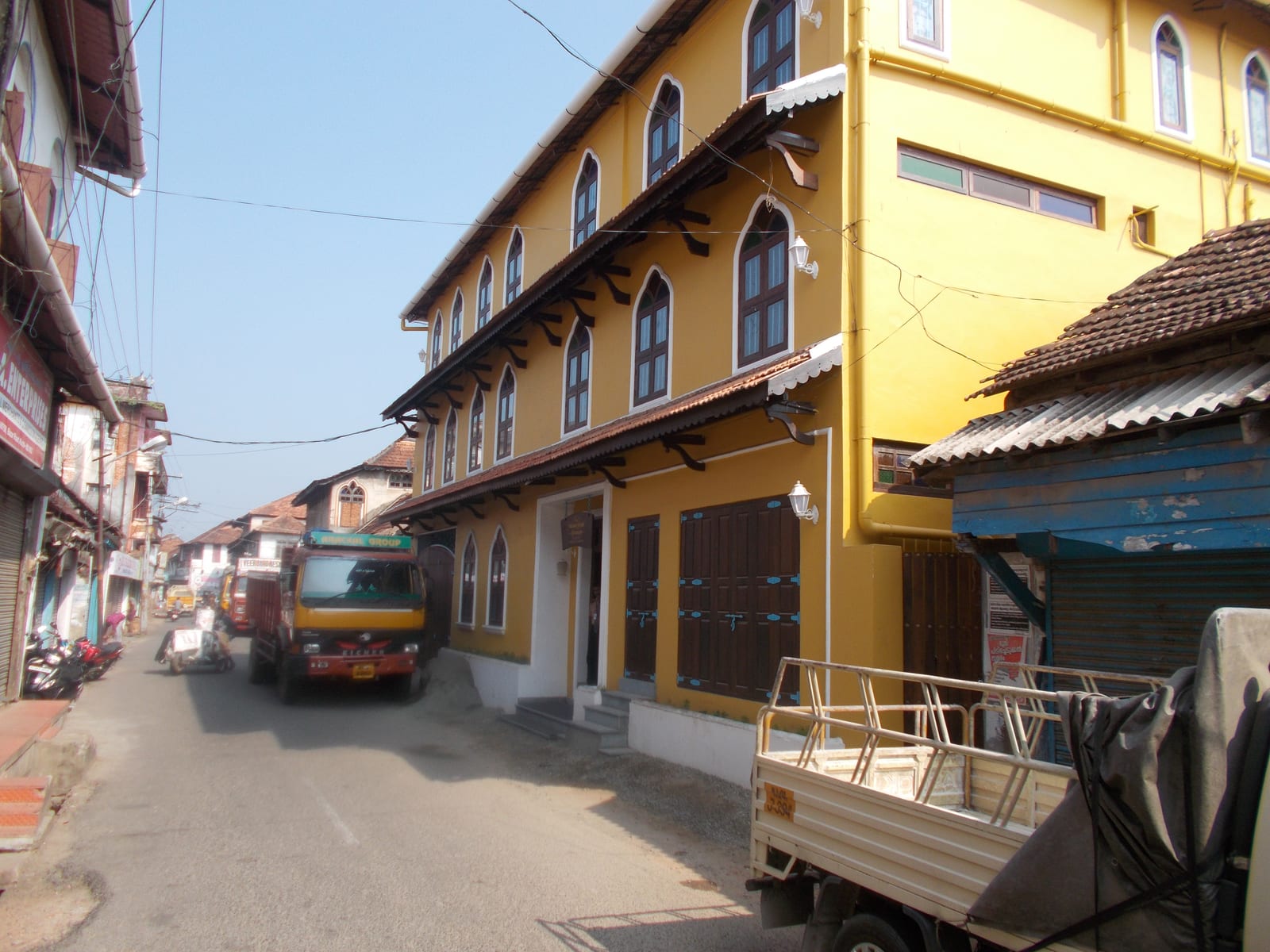
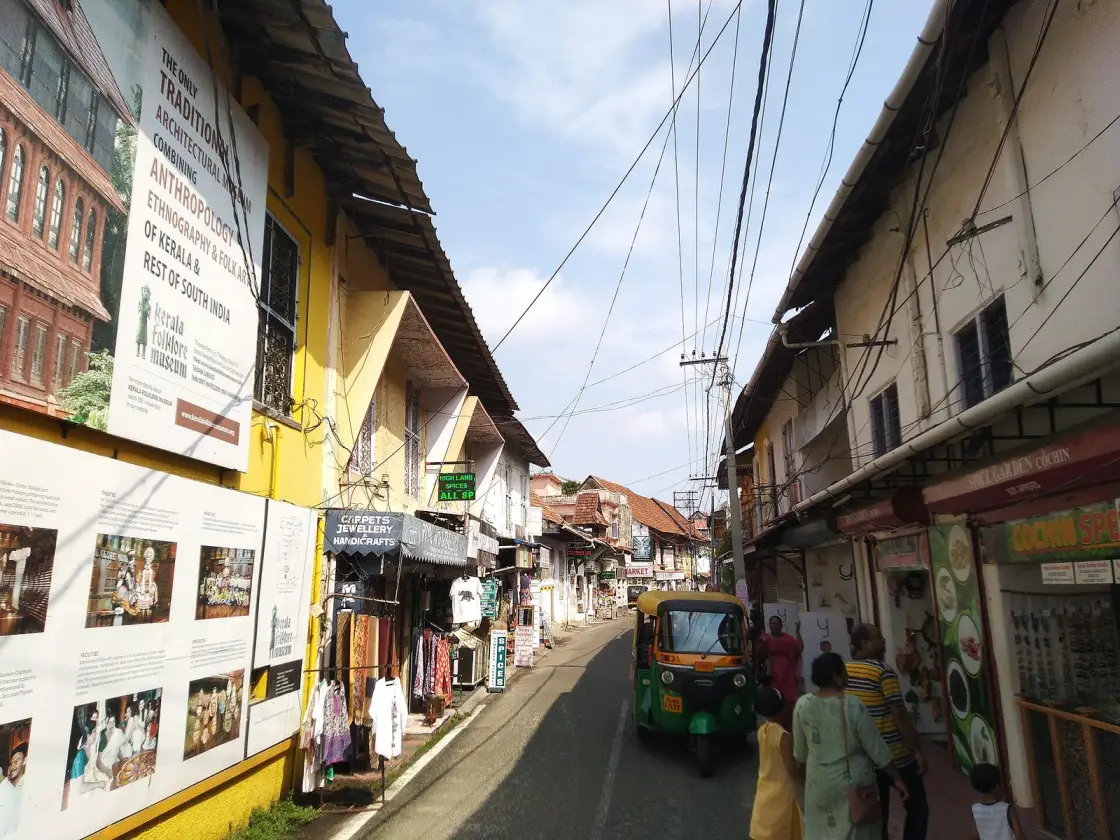
Jew Town is one narrow street in Mattancherry, a short ride from Fort Kochi. The Dutch Palace stands at one end and the Paradesi Synagogue stands at the other. Old colonial buildings line both sides. Most of them are now shops full of carved furniture, brass lamps, old photographs and curios.

Come for a slow morning walk, not a quick shopping stop. The street tells the story of a Jewish community that lived here for centuries and then left for Israel. Its empty homes filled the antique shops you see today. Our story of the Jew Town antique trade tells that history in full.
A royal gift of land, a street of traders, and a row of shops that grew out of the homes the community left behind.
Start at the palace end, because the street began with the king who lived there. Kerala Tourism says the King of Kochi gave shelter to Jews from Kodungallore in 1524. He gave them land in Mattancherry, close to his own palace. That land later became Jew Town.
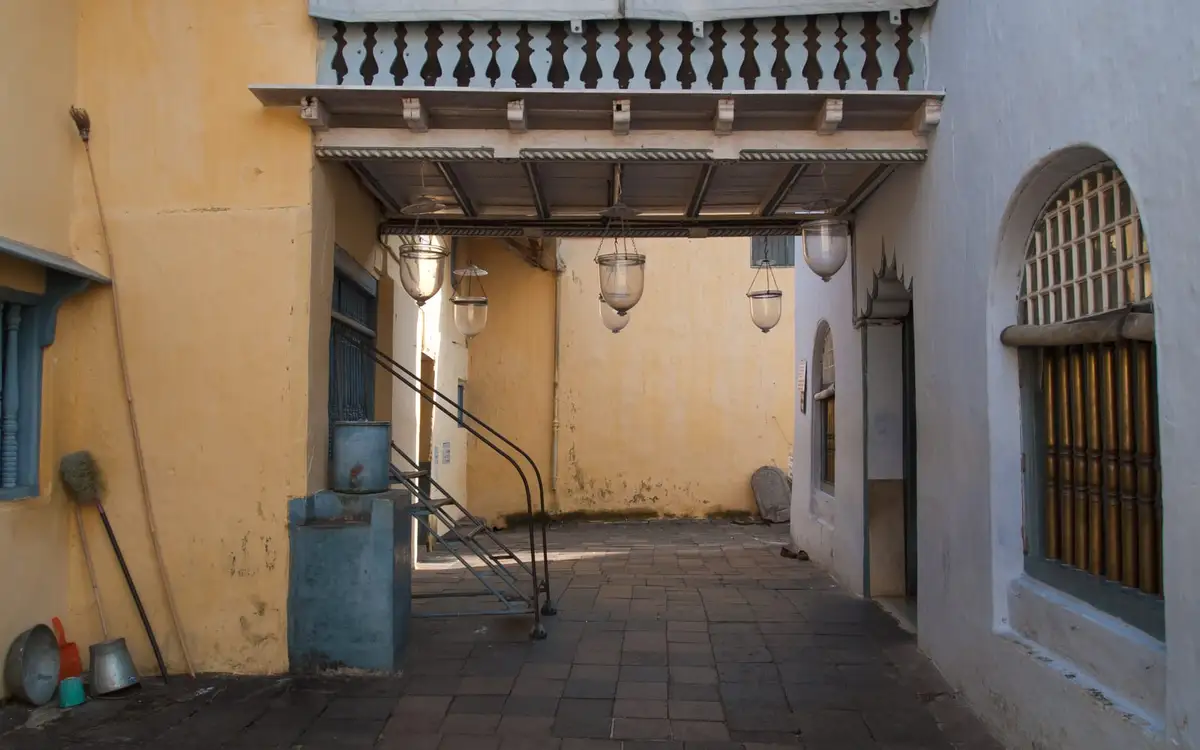
Walk south and the street narrows. The fronts of the buildings are narrow and pressed close together. Many shops sit inside old trading houses. Look above the shop signs as you walk, because the old street is still visible there.
For centuries this was a neighbourhood of Jewish traders and their families. The 20th century changed that. Kerala Tourism says large numbers of Jews migrated to Israel, and many homes in Jew Town became empty. Carved furniture, vessels and curios from those homes were collected and put up for sale on the same street.
Tourists wanted these pieces, and more antique shops opened to sell them. Handicraft and garment shops followed. So the antique trade did not arrive from outside. It grew out of the street itself. Some of the pieces in the windows once stood in rooms a few doors away.
The goods are a portrait of a port. Kerala Tourism says the shops sell articles of Indian, European, Chinese and Arab origin. Kochi traded with all of these places for centuries. Their goods ended up in local homes, and later in these shops. Look for the giant vaarpu, a bronze vessel with two handles that is almost three metres across.
At the far end, the white clock tower tells you that you have reached the synagogue. Spanish-speaking Jews built the Paradesi Synagogue in 1568. A few steps before it, on the same lane, a small shop called Sarah's Home keeps the memory of Sarah Cohen. She ran an embroidery shop here and died in 2019, aged 96. Her Muslim neighbour Thaha Ibrahim still runs the shop today.
The common belief is that Jew Town has always been an antique market. It was not. It was a home street for Jewish trading families. The shops came only after most of those families left for Israel in the 20th century and their homes stood empty.
A second mix-up is about the synagogue's name. Paradesi means foreigner in Malayalam. It does not mean the community was new to Kerala. Local people used the word because the Spanish-speaking Jews who built the synagogue had come from abroad.
1524: the King of Kochi gave land near his Mattancherry palace to Jews from Kodungallore; it became Jew Town (Kerala Tourism).
1555: the Portuguese built the palace at the head of the street and gave it to King Veera Kerala Varma of Kochi.
1568: Spanish-speaking Jews built the Paradesi Synagogue at the far end of the street, on land from the king.
20th century: most of the community migrated to Israel, and goods from the empty homes stocked the antique shops.
Walk a whole street of living history, from a royal palace to a synagogue.
Browse antiques of Indian, European, Chinese and Arab origin in old trading houses.
See the giant bronze vaarpu that is almost three metres across.
Visit the Paradesi Synagogue of 1568 with its hand-painted Chinese floor tiles.
Stop at Sarah's Home, the embroidery shop that outlived its founder.
Join the palace murals, the synagogue and the spice lanes in one easy morning walk.
Road km to Ernakulam; ghat roads and traffic vary — allow extra.
November to February for cooler walking weather, on a weekday morning when the shops are open and the lane is calm.
Live forecast loads in your browser.
Sunset is in about 2 hours.
Sun and moon are calculated for this location and shown in IST. Photography windows are the hour around sunrise and sunset; the sunset bearing is degrees clockwise from true north. Moon phase is accurate to about half a day.
Listed stays, food, activities, sights, shops and rentals around Mattancherry & Jew Town, each with its locality and direct contact details.
Synagogue built in 1568 in Jew Town, Mattancherry, known for its hand-painted Chinese floor tiles and Belgian chandeliers.
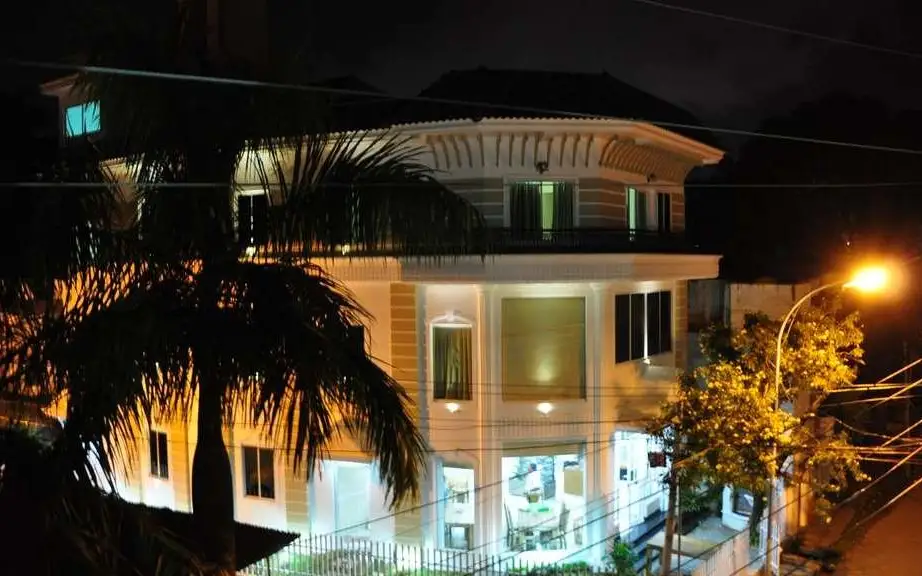
Diamond-grade approved homestay on Kempri Road in Manthra, Mattancherry, a short ride from Jew Town and Mattancherry Palace.
A Silver House approved family homestay in Palliparambil House, near Beach Road in Mattancherry.
Five-room art-filled boutique hotel by The Postcard on Synagogue Lane in Jew Town, Mattancherry.
A Mattancherry-based company running guided cycling, e-bike, kayaking and hiking tours from Fort Kochi and across India.
Official Ernakulam district tourism office on Park Avenue Road, with travel help and listings for Fort Kochi, Mattancherry and the district.
Historic Mattancherry street of the Kochi Jewish community, lined with antique shops, boutiques and cafés near the synagogue.
Nine-room boutique hotel on AB Salem Road in Jew Town, Mattancherry, close to the Paradesi Synagogue and Mattancherry Palace.
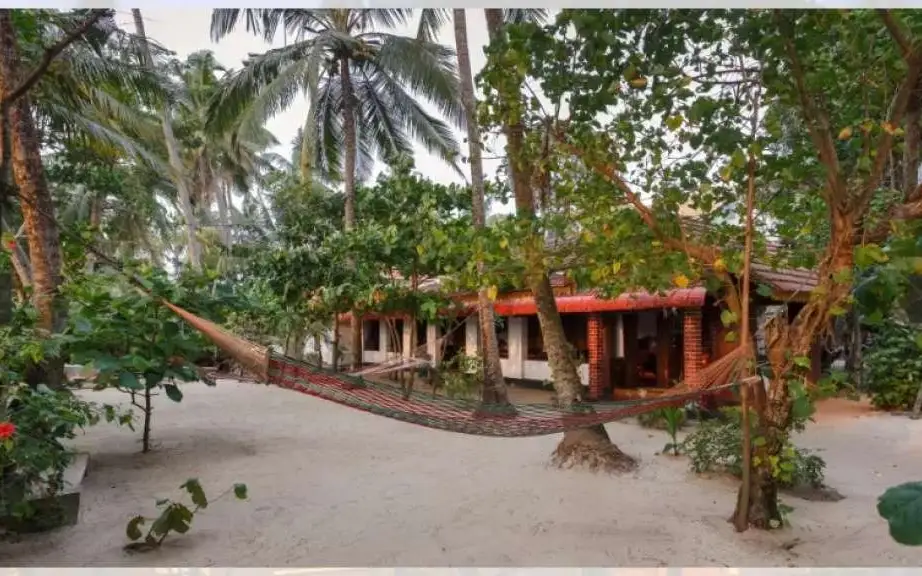
A beachside family homestay on Moolumkuzhi Beach Road with sea views, south of Fort Kochi.
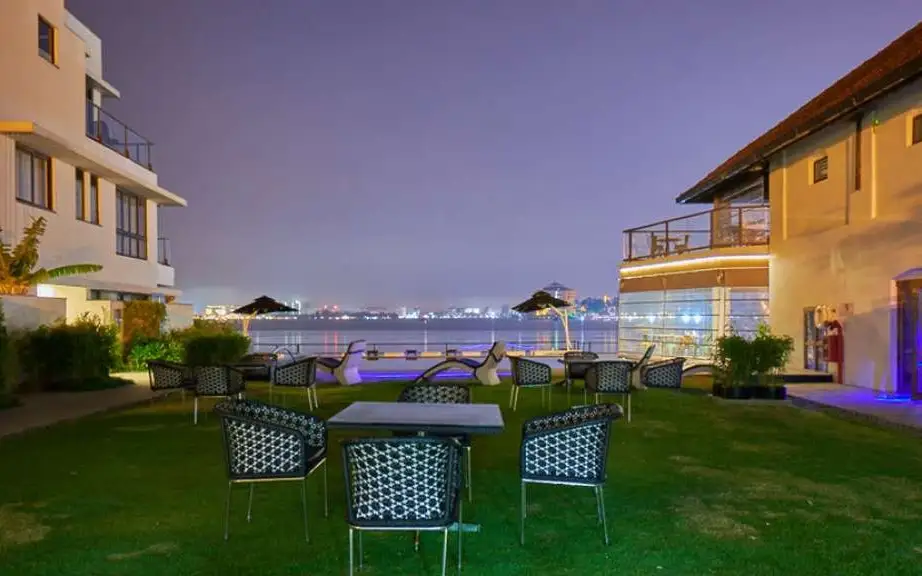
Sixteen-room harbourside hotel on Bazar Road, Mattancherry, with a pool, museum, library and restaurant, about 1 km from Mattancherry Palace.
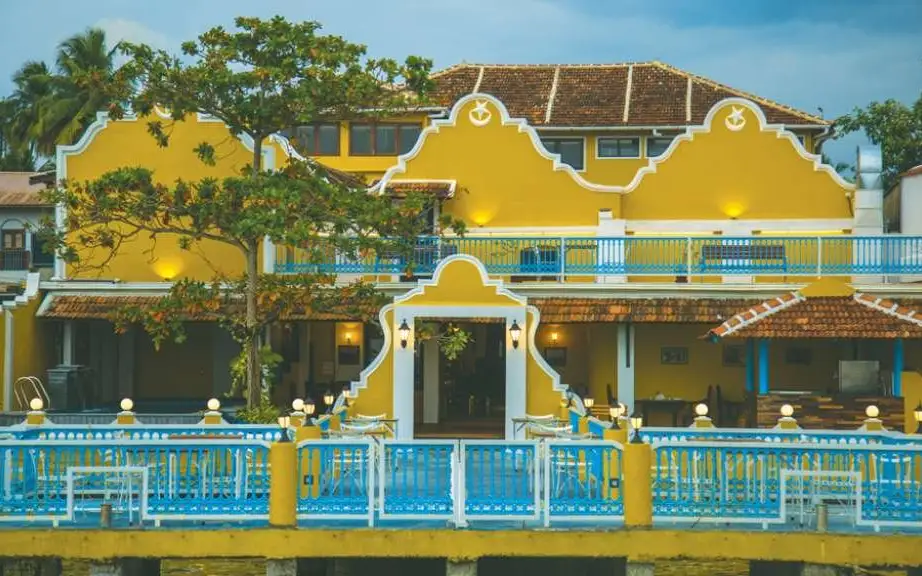
A boutique waterfront hotel on Bazaar Road, Mattancherry, with farm-to-table food, a pool and a spa.
Book with the place itself. India’s cyber-crime coordination centre warned in April 2025 that convincing copies of hotel and pilgrimage booking sites are being pushed through sponsored search and social ads, taking payment for rooms the property never hears about. Each profile carries the business’s own contact details and its source. Roampedia takes no commission and does not collect booking payments. Booking pages reached through ads sometimes imitate a property’s own site. Fraud can be reported on cybercrime.gov.in or on 1930.
Browse food, accommodation and activities across Mattancherry. These selections are not all beside Mattancherry & Jew Town.
5 more places around Mattancherry. Open a guide to plan the visit and onward journey.

50 m · 1 min walk
The Mattancherry Palace, known as the Dutch Palace, with celebrated Kerala mural paintings from the Ramayana and royal portraits.

280 m · 3 min walk
The oldest active synagogue in the Commonwealth (1568), in Jew Town, Mattancherry, with hand-painted Chinese floor tiles.

1.2 km · 14 min walk
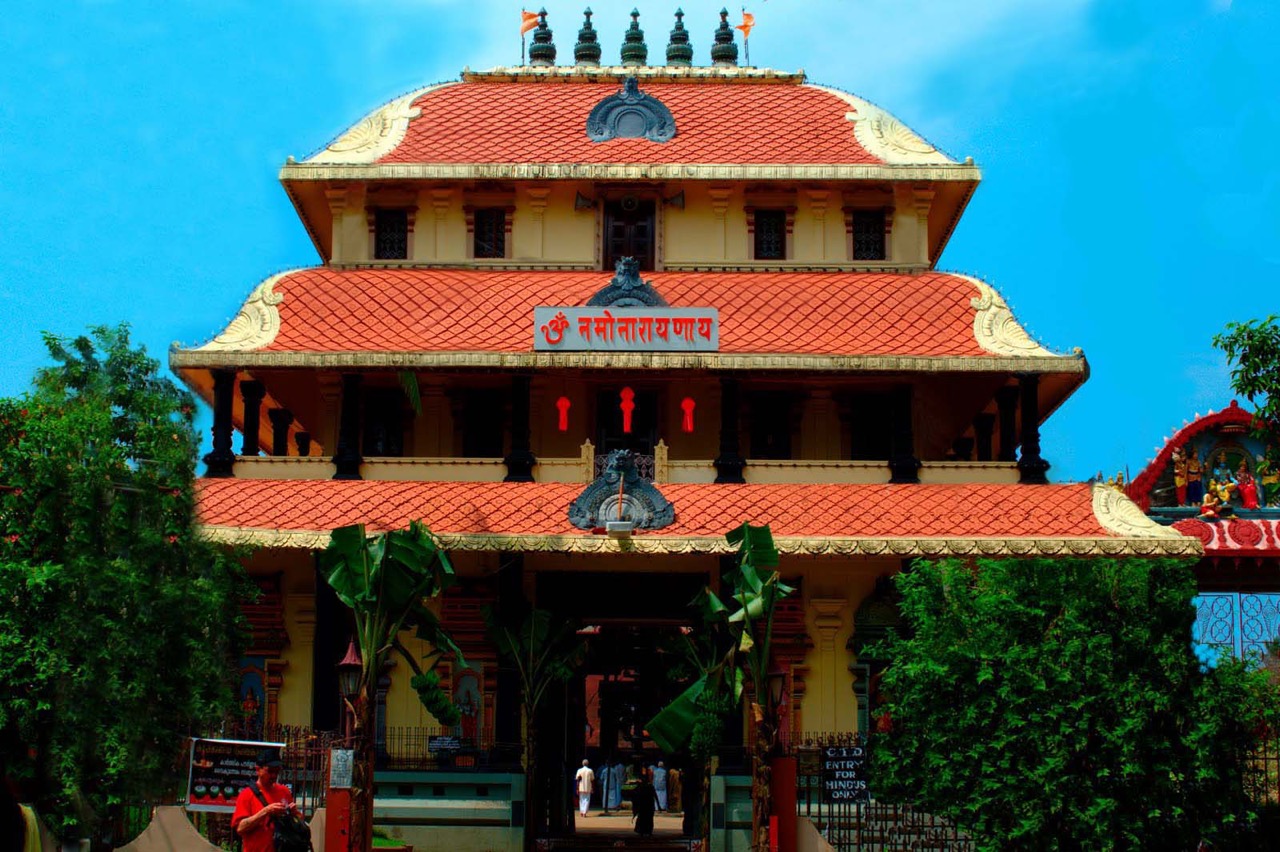
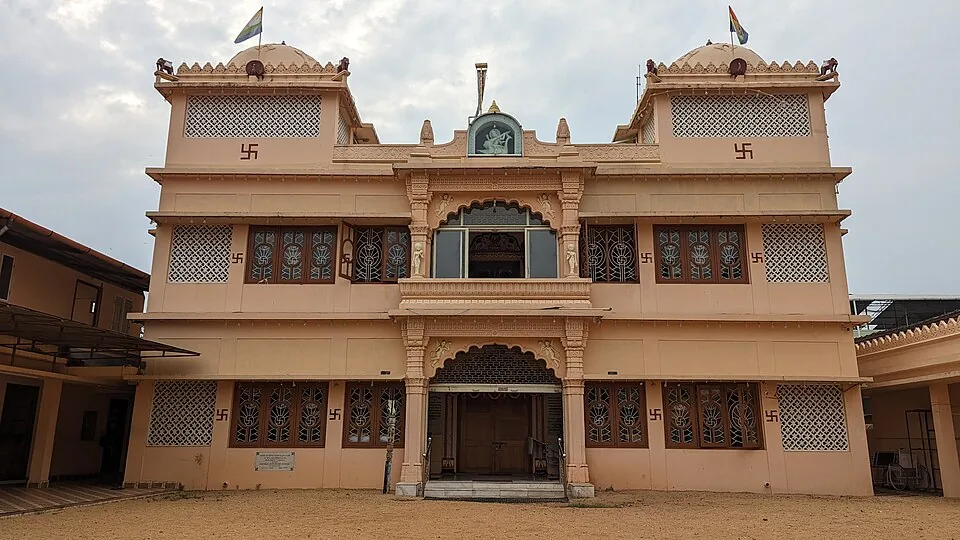
A historic Gowda Saraswat Brahmin temple in Cherlai, Mattancherry, central to Kochi’s Konkani community.

1.0 km · 12 min walk
An ornate Jain temple in Mattancherry’s Gujarati quarter, raised in 1904 by Hirubai in memory of her husband Jivraj Dhanji and dedicated to Dharmanatha, the fifteenth Tirthankara — known for its white marble work and the daily midday feeding of the pigeons outside.

450 m · 5 min walk
The working spice quarter along Mattancherry’s Bazaar Road — godowns where pepper, ginger, turmeric and cardamom are still graded, sacked and weighed, and where the smell reaches the street before the signage does.
Roampedia is commission-free — own or know a stay, eatery, guide or shop near Mattancherry & Jew Town? Submit public business details for review.
Add a nearby businessEntry: Free to walk. The street itself costs nothing; the synagogue at its southern end charges its own small ticket and keeps its own closing days, and the shops are shops.
Photography: Shopfronts and the street are fine. Many antique dealers do not want their stock photographed. The synagogue at the end has its own no-photography rule inside.
Bus and ferry return services run to fixed times, so leave time to reach the stop or jetty after your visit.
The last service back from the jetty or stand sets the end of the day, not the next one. After it has gone, an auto or app cab is the way back.
Roampedia has not assessed step-free access at this site. Its staff can describe the entrance, steps along the route, the nearest drop-off point, seating and accessible toilets.
Charge cap and free-transaction limits: Reserve Bank of India, ATM FAQ updated 4 July 2025; checked 4 October 2026.
These services are listed within about 1.2 km of Mattancherry & Jew Town. Walking distances follow mapped routes.
Published emergency and visitor-assistance contacts. For an immediate emergency, call 112. Shared Kerala contact sources checked 4 October 2026; publication does not establish a tested live response.

The Mattancherry Palace, known as the Dutch Palace, with celebrated Kerala mural paintings from the Ramayana and royal portraits.
50 m · 1 min walk
The oldest active synagogue in the Commonwealth (1568), in Jew Town, Mattancherry, with hand-painted Chinese floor tiles.
280 m · 3 min walk
The working spice quarter along Mattancherry’s Bazaar Road — godowns where pepper, ginger, turmeric and cardamom are still graded, sacked and weighed, and where the smell reaches the street before the signage does.
450 m · 5 min walk
An ornate Jain temple in Mattancherry’s Gujarati quarter, raised in 1904 by Hirubai in memory of her husband Jivraj Dhanji and dedicated to Dharmanatha, the fifteenth Tirthankara — known for its white marble work and the daily midday feeding of the pigeons outside.
1.0 km · 12 min walk
A historic Gowda Saraswat Brahmin temple in Cherlai, Mattancherry, central to Kochi’s Konkani community.
1.2 km · 14 min walk
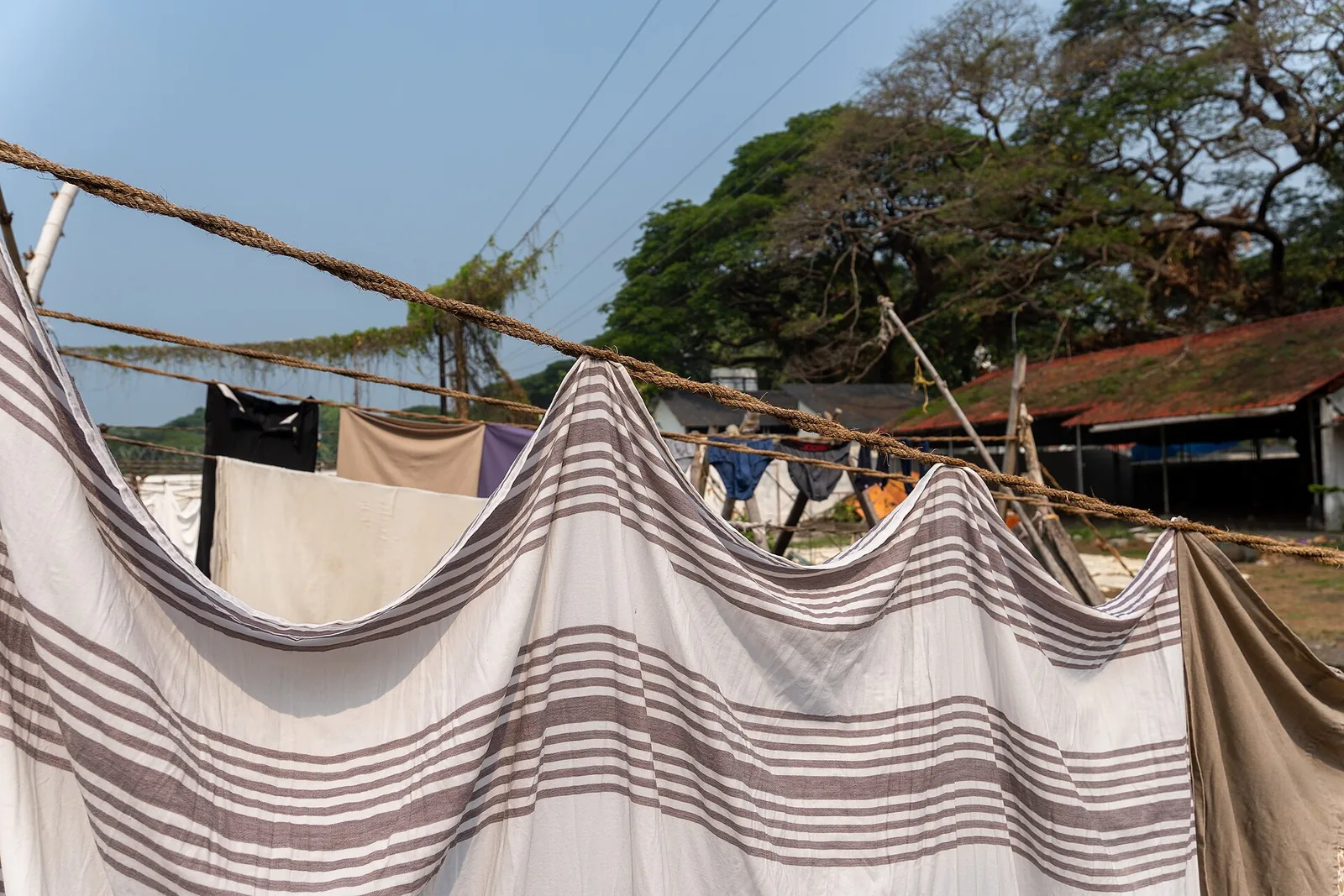
A working colonial-era community open-air laundry in Fort Kochi, still used by traditional washermen families.
1.8 km · straight line
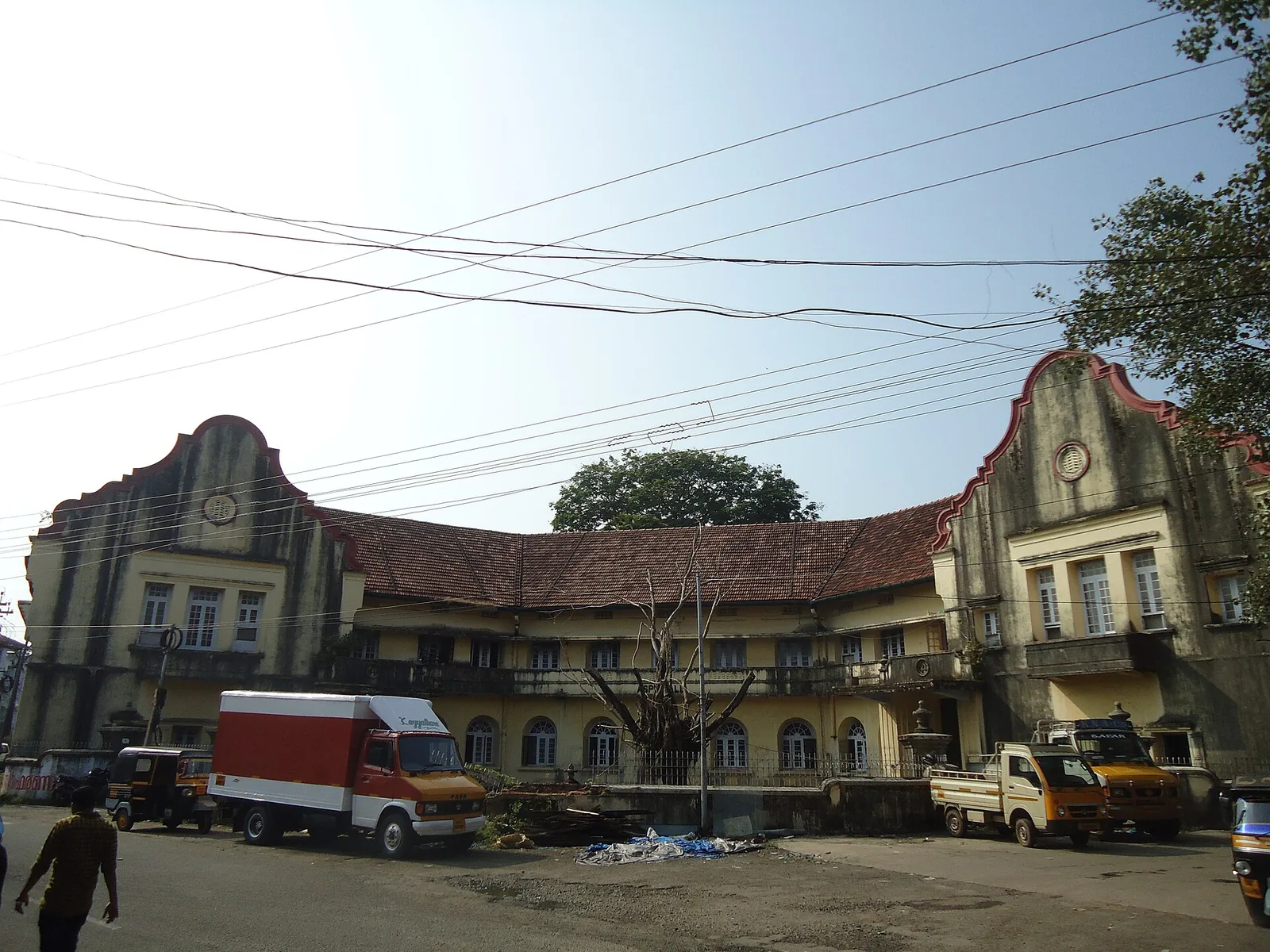
A large 19th-century waterfront trading compound in Fort Kochi, the principal venue of the Kochi-Muziris Biennale.
1.8 km · straight line
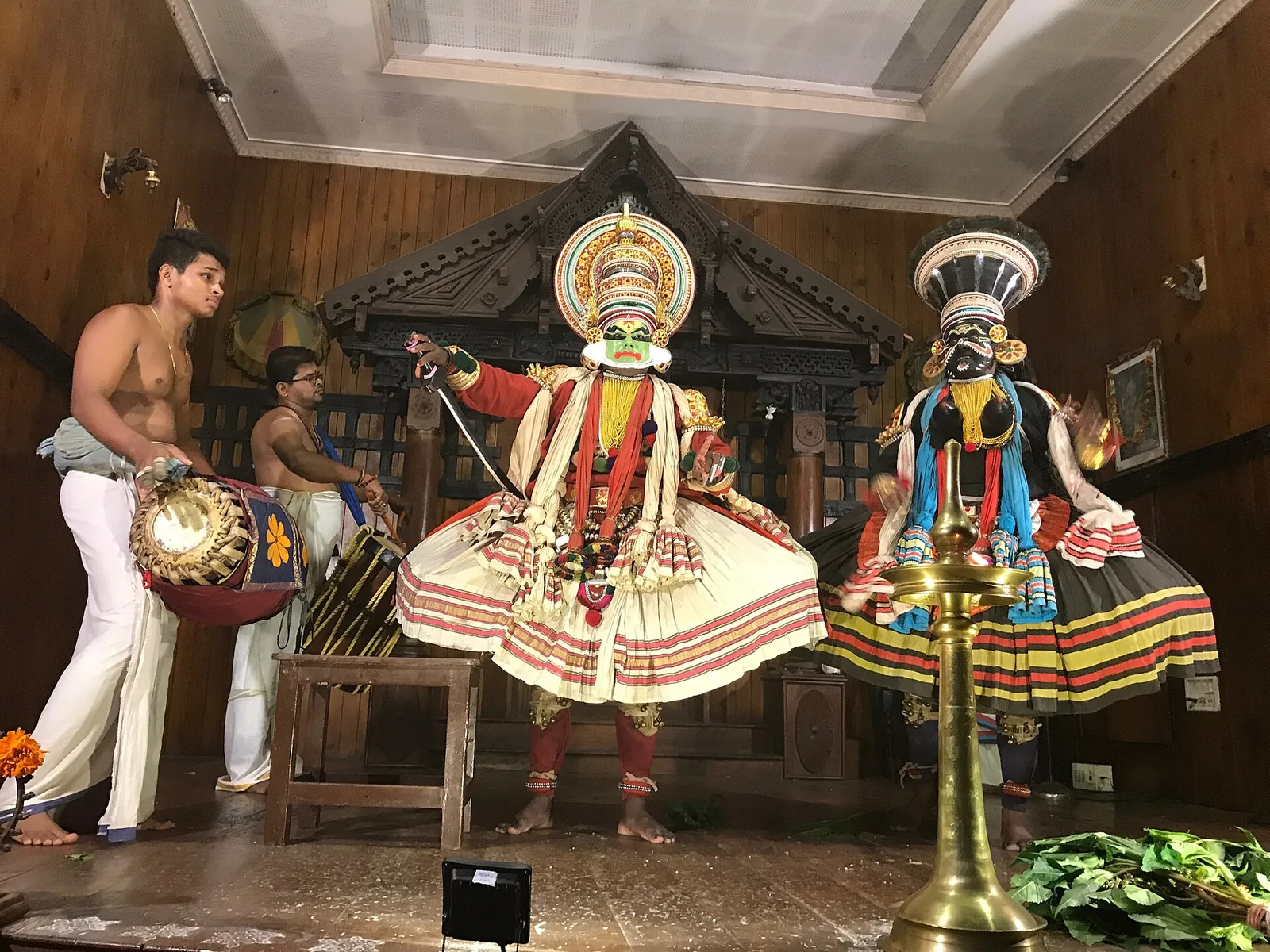
Evening Kathakali and Kerala classical-art performances in Fort Kochi, with make-up shown before the show.
1.9 km · straight line
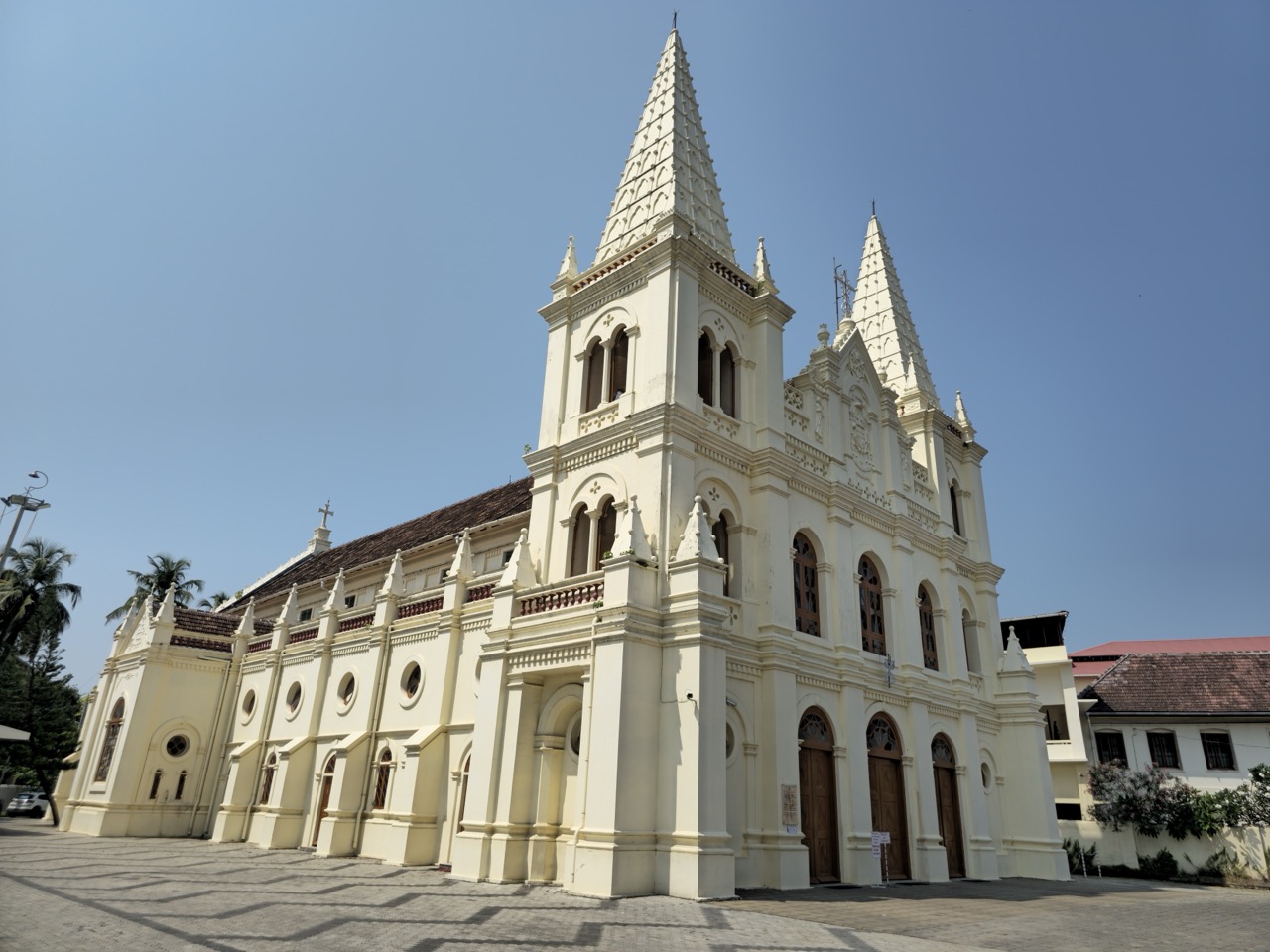
One of the finest churches in Kerala, with a richly painted interior, beside the Kerala Kathakali Centre in Fort Kochi.
1.9 km · straight line
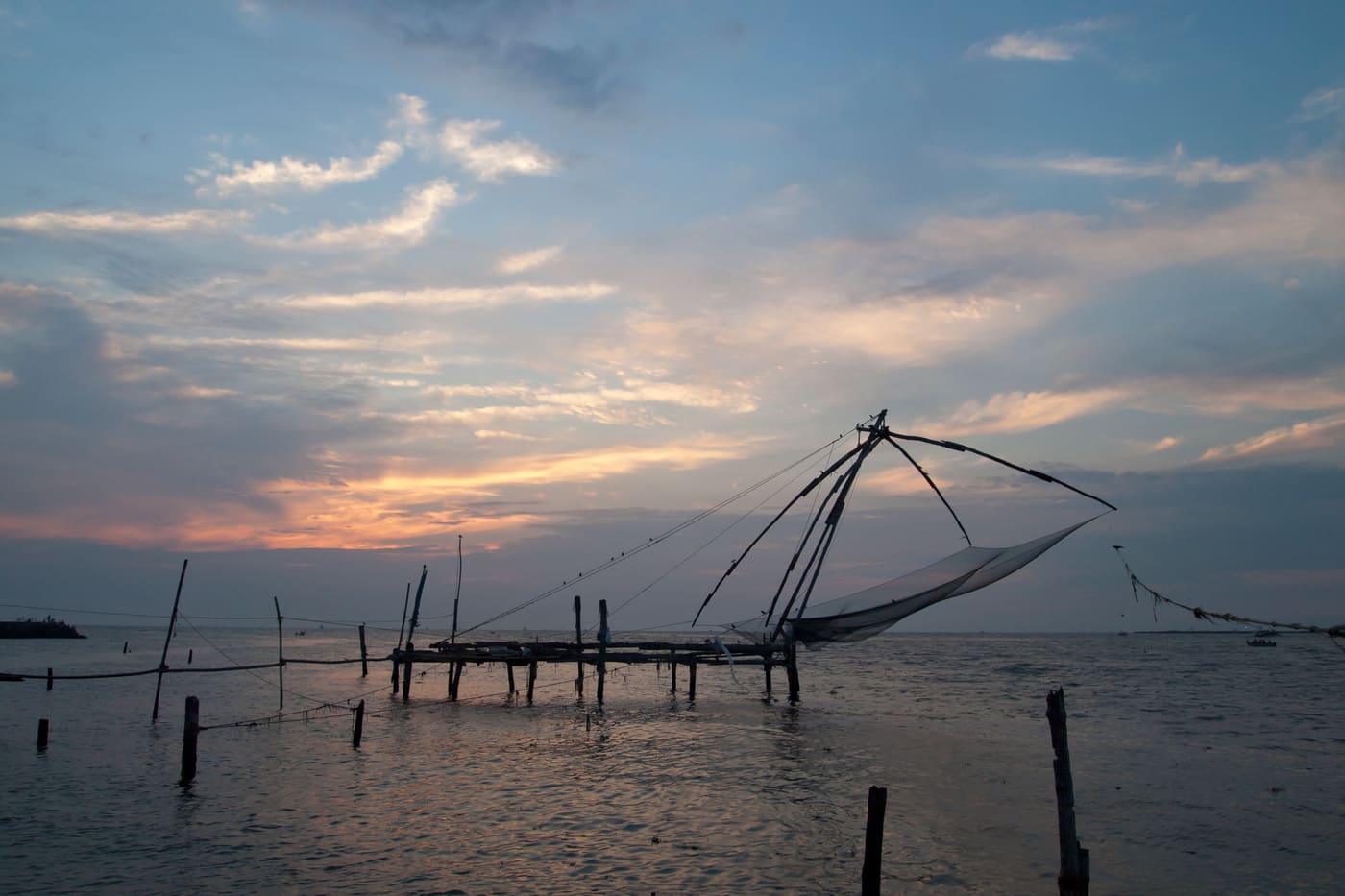
Kerala’s most walkable heritage quarter, with Chinese fishing nets, colonial churches, art cafes and Mattancherry nearby.
2.1 km · straight line
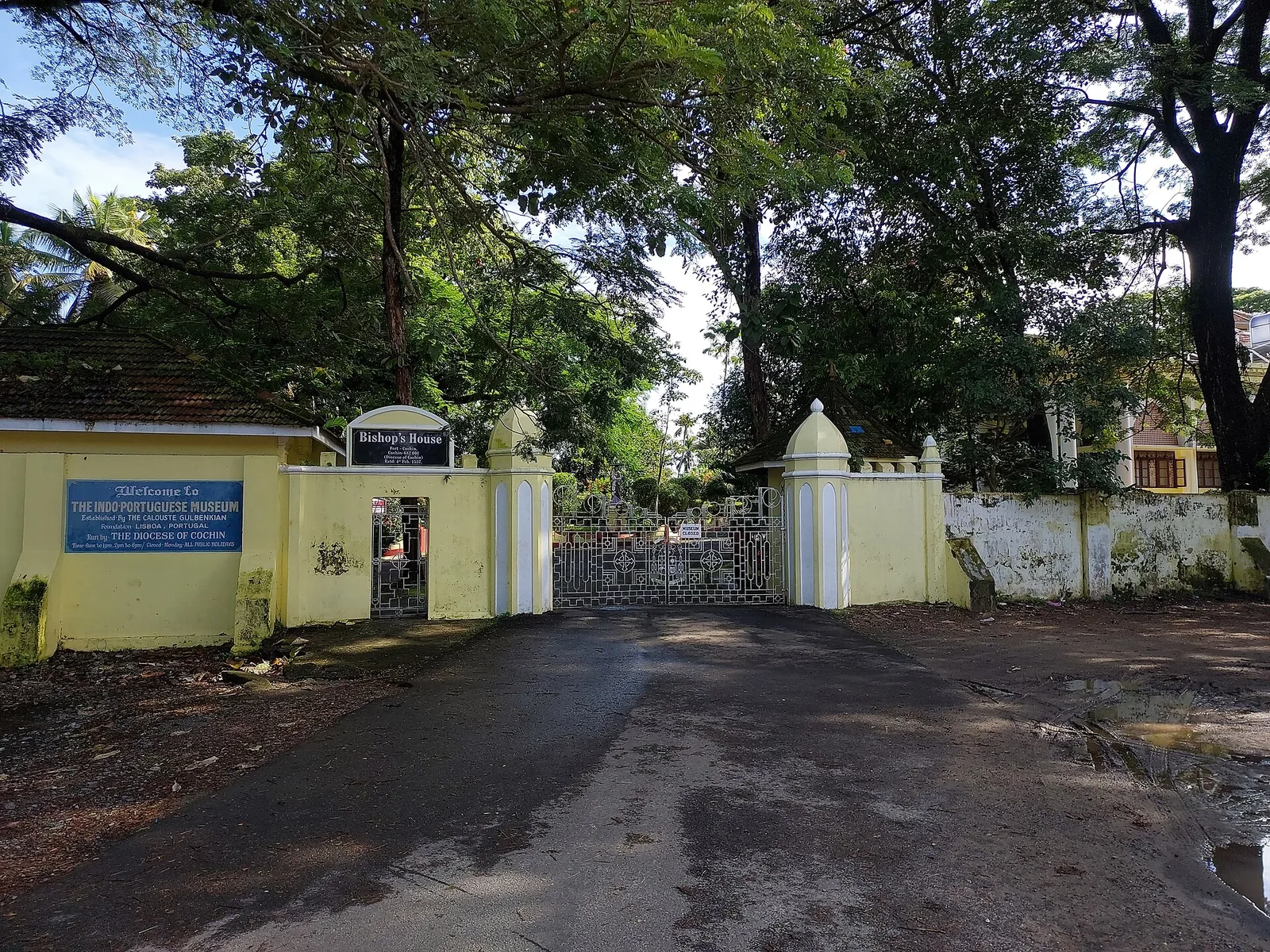
Museum of Kerala’s Indo-Portuguese Catholic heritage in the Bishop’s House garden, Fort Kochi.
2.1 km · straight line
Believed to be the oldest European church in India (1503); Vasco da Gama was buried here before his remains were moved to Lisbon.
2.1 km · straight lineRoad and walking figures are route estimates, with travel times dependent on access, traffic and conditions. Figures marked “straight line” show direct separation and do not describe a road or walking route. Fare estimates use Kerala’s 26 April 2022 auto/taxi notification and exclude waiting, night and applicable one-way surcharges. Routing: © openrouteservice.org by HeiGIT | Map data © OpenStreetMap contributors
Nearby toilets, pharmacies, ATMs, seating and vets come from OpenStreetMap community mapping. Map data © OpenStreetMap contributors | Walking times © openrouteservice.org by HeiGIT
Kerala Tourism says the King of Kochi gave land near his palace to Jews from Kodungallore in 1524. Jewish traders and their families lived on that land for centuries, and the name stayed.
Many Jewish families migrated to Israel in the 20th century. Furniture, vessels and curios from their empty homes were collected and sold in shops on the same street.
They sell carved furniture, lamps, Chinese urns, door frames, figurines, mirrors, paintings, glass, porcelain and old photographs. The pieces are of Indian, European, Chinese and Arab origin.
The Dutch Palace, built by the Portuguese in 1555 for the King of Kochi, stands at one end. The Paradesi Synagogue of 1568 stands at the other.
Kerala Tourism lists it as open every day except Fridays, Saturdays and Jewish holidays. The hours are 10 am to 12 noon and 3 pm to 5 pm.
She was the oldest member of the Jewish community in India and ran an embroidery shop near the synagogue. She died in 2019, aged 96. Her neighbour Thaha Ibrahim now runs the shop, called Sarah's Home.
November to February for cooler walking weather, on a weekday morning when the shops are open and the lane is calm.
Entry: Free to walk. The street itself costs nothing; the synagogue at its southern end charges its own small ticket and keeps its own closing days, and the shops are shops. Timings: Shops generally open mid-morning and trade to early evening. The street is effectively closed on Saturday, the Jewish sabbath, and many dealers also shut on Sunday — a Saturday visit is the classic wasted trip here.
Take an auto-rickshaw from Fort Kochi to the Dutch Palace, then walk the street on foot. Walk from the palace end towards the synagogue, so the history unfolds in order. Add the spice markets of Mattancherry and the Dharmanath Jain temple to the same walk.
One to two hours for the street and its shops, and half a day with the palace and synagogue.
Nearby you can pair Dutch Palace (50 m, route estimate), Mattancherry Paradesi Synagogue (280 m, route estimate), Spice markets (450 m, route estimate), Dharmanath Jain Temple (1.0 km, route estimate).
Keep bags closed and in front of you when the narrow street gets crowded. Watch for autorickshaws and handcarts that still move along parts of the lane. Carry water and wear a hat, as the street gets hot by midday.
Written about Mattancherry & Jew Town itself — its history, its legends and the arguments about them.
These guides explore Mattancherry and the surrounding area. Choose a visit that fits your interests, allowing separately for travel between stops.


Route-level itineraries and practical guides for the rest of Kerala.
Photographs: Ranjithsiji (CC BY-SA 4.0), Rudolph.A.furtado (CC0), Rainer Halama (CC BY-SA 4.0), Thunderboltz (Public domain), Oleg Yunakov (CC BY-SA 4.0). Wikimedia Commons.